Cafeteria-Style Meatballs in Gravy
The best, tastiest kind — perfect for a family dinner! Cafeteria-style meatballs in gravy is a recipe handed down from Soviet times. Institutional cooking back then was no gold standard, but a lot of people remember this meatball gravy fondly and try to recreate it at home.

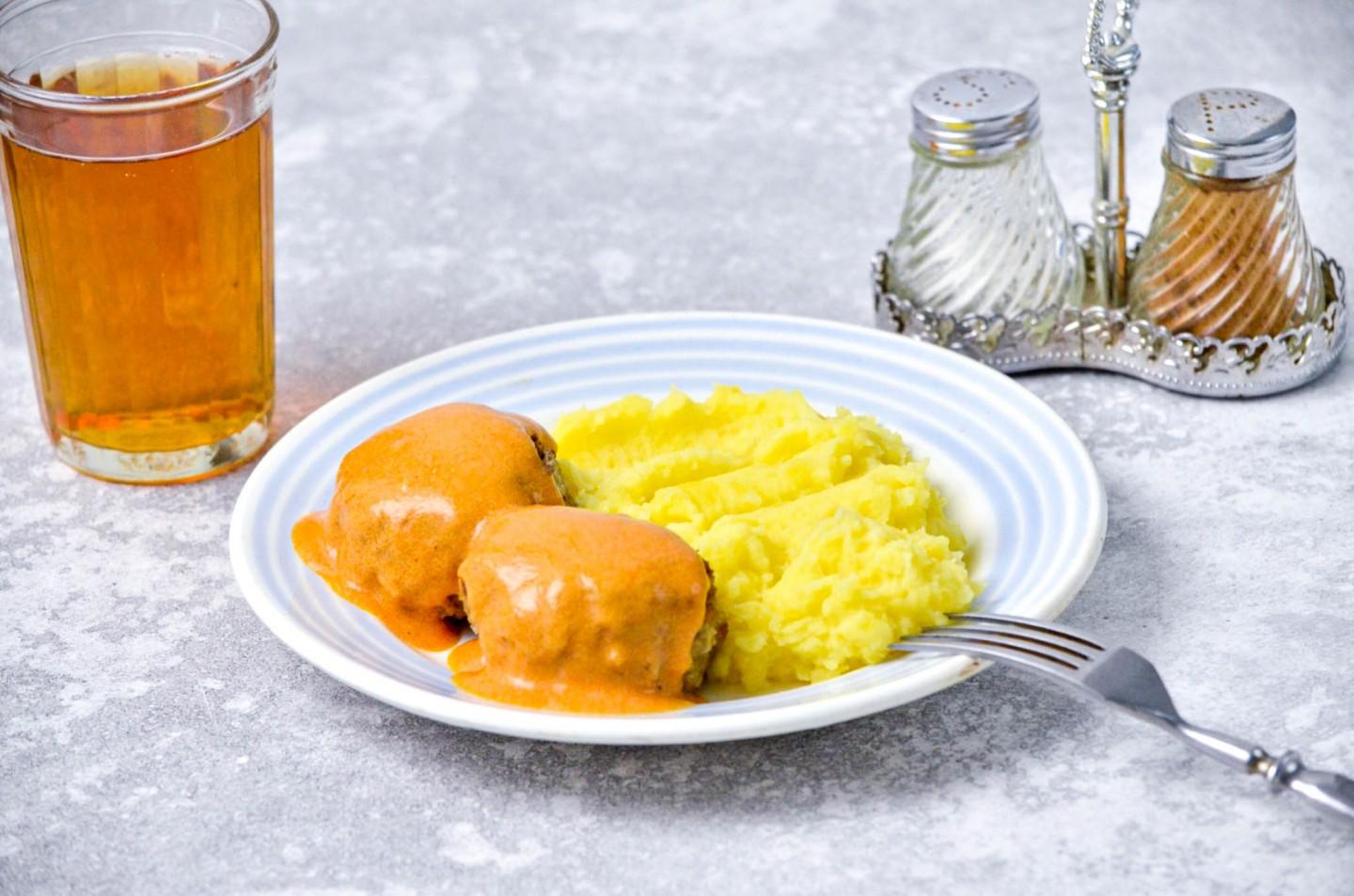
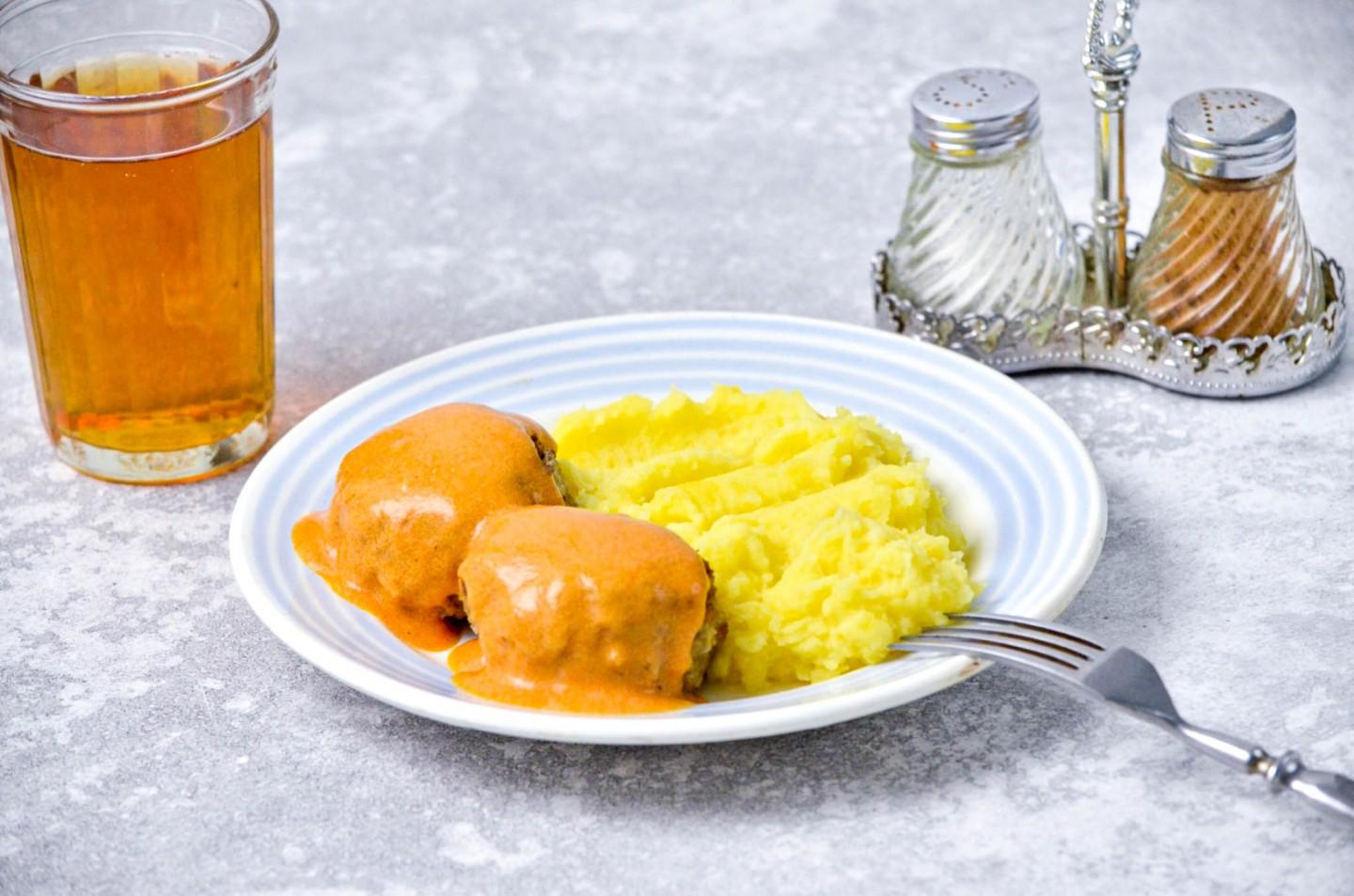
Cooking method
-
Step 1:
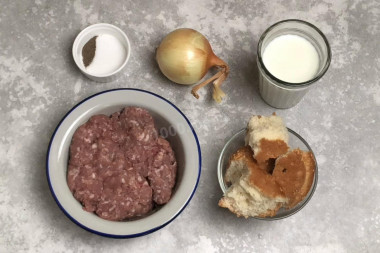
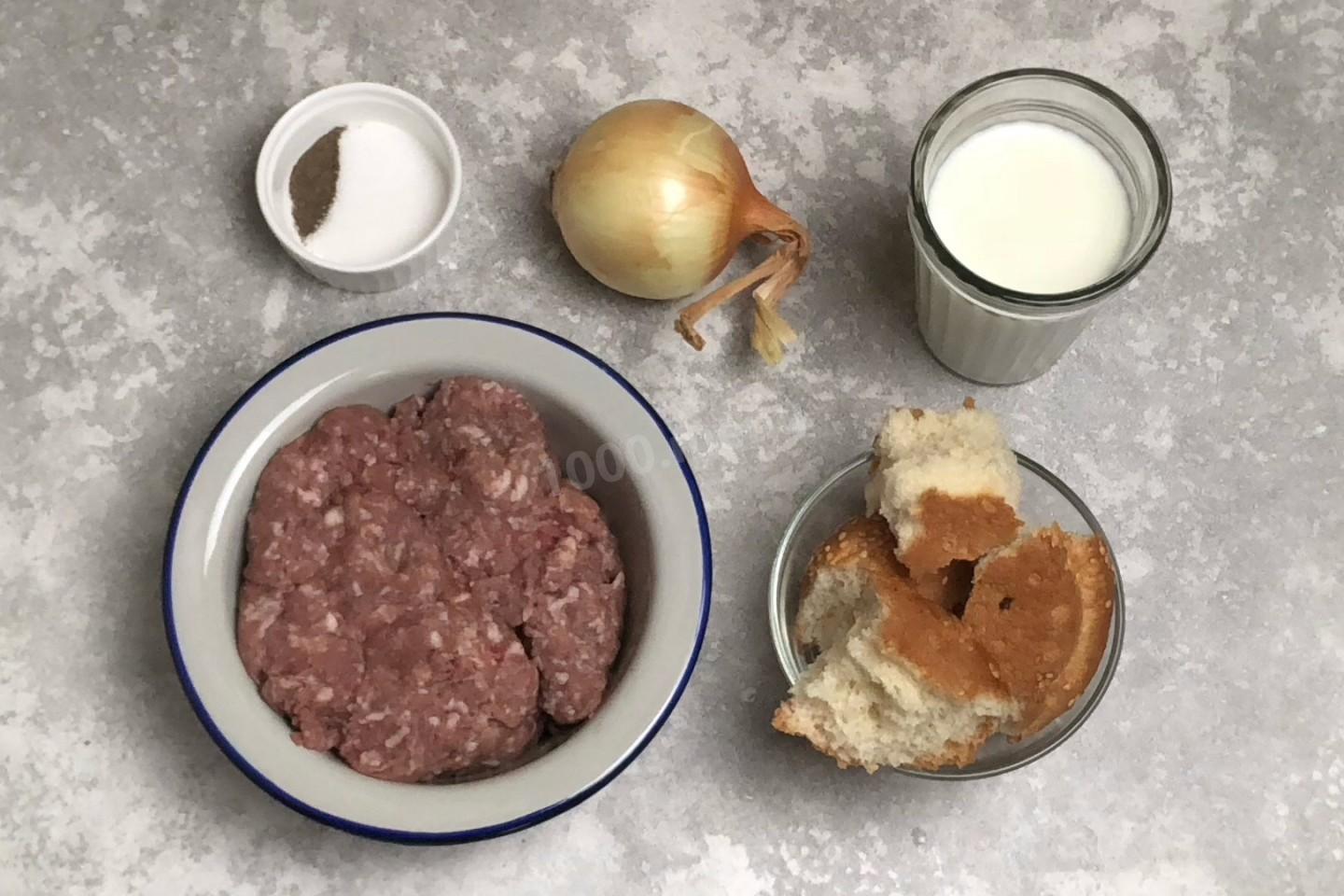
How do you make cafeteria-style meatballs in gravy? Gather the ingredients for the meatballs. My ground meat is a beef-and-pork blend, but any ground meat works. You can use water in place of the milk.
-
Step 2:
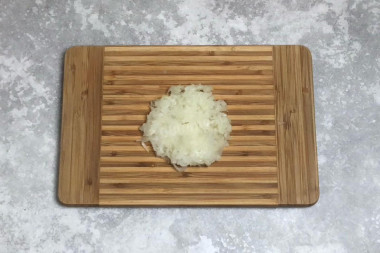
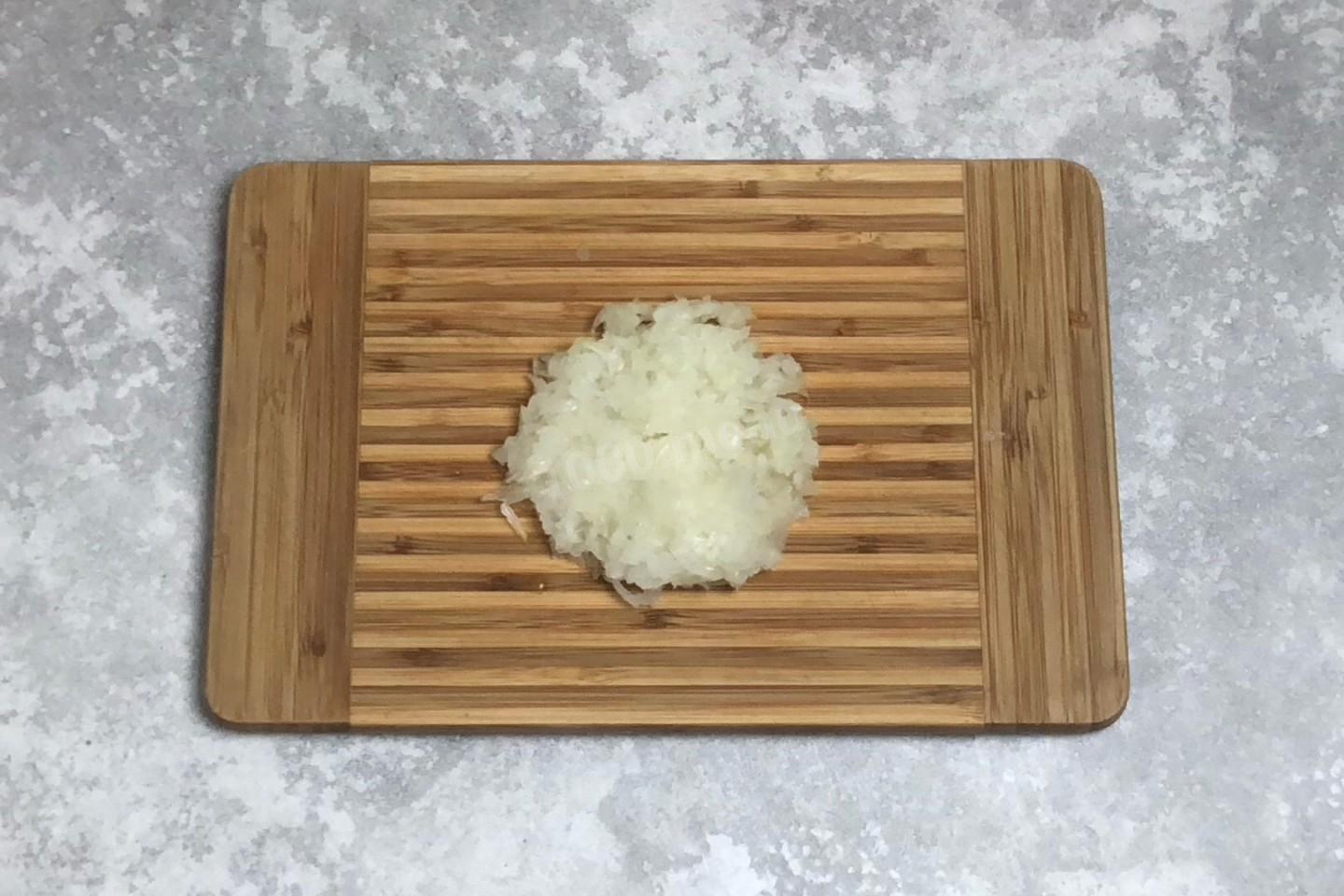
Peel and chop the onion. For meatballs I like it very fine — run it through a meat grinder, blitz it in a blender, or grate it. But you can also just chop it with a knife.
-
Step 3:
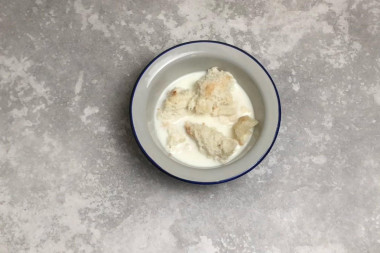
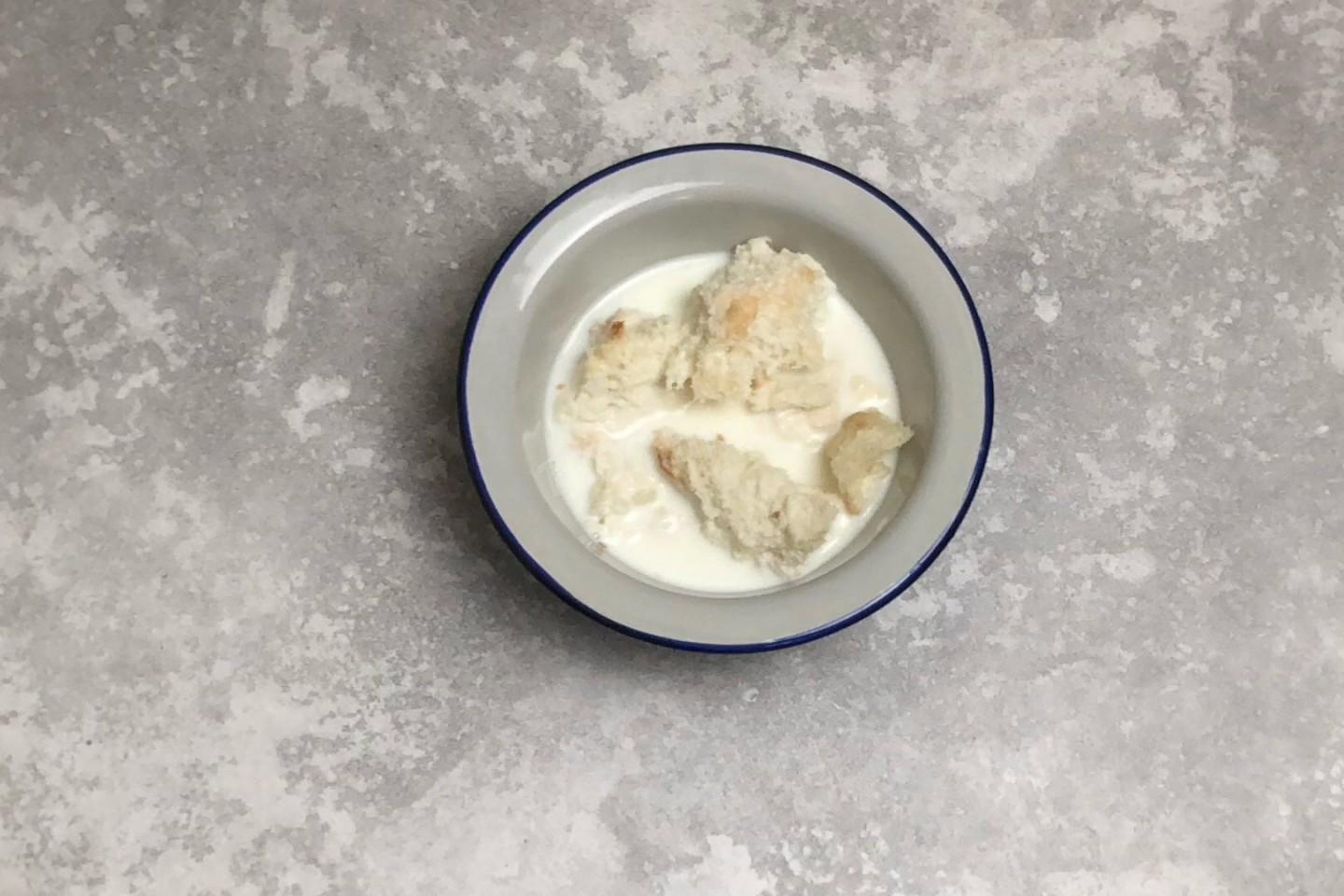
Tear the roll into pieces and pour the milk over it. If the crusts are very hard, cut them off. After a few minutes, squeeze the pieces with your hands and turn them so the bread soaks evenly. Once it's saturated, wring out the excess milk.
-
Step 4:
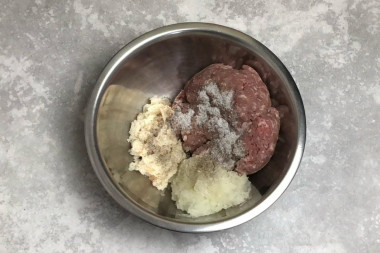
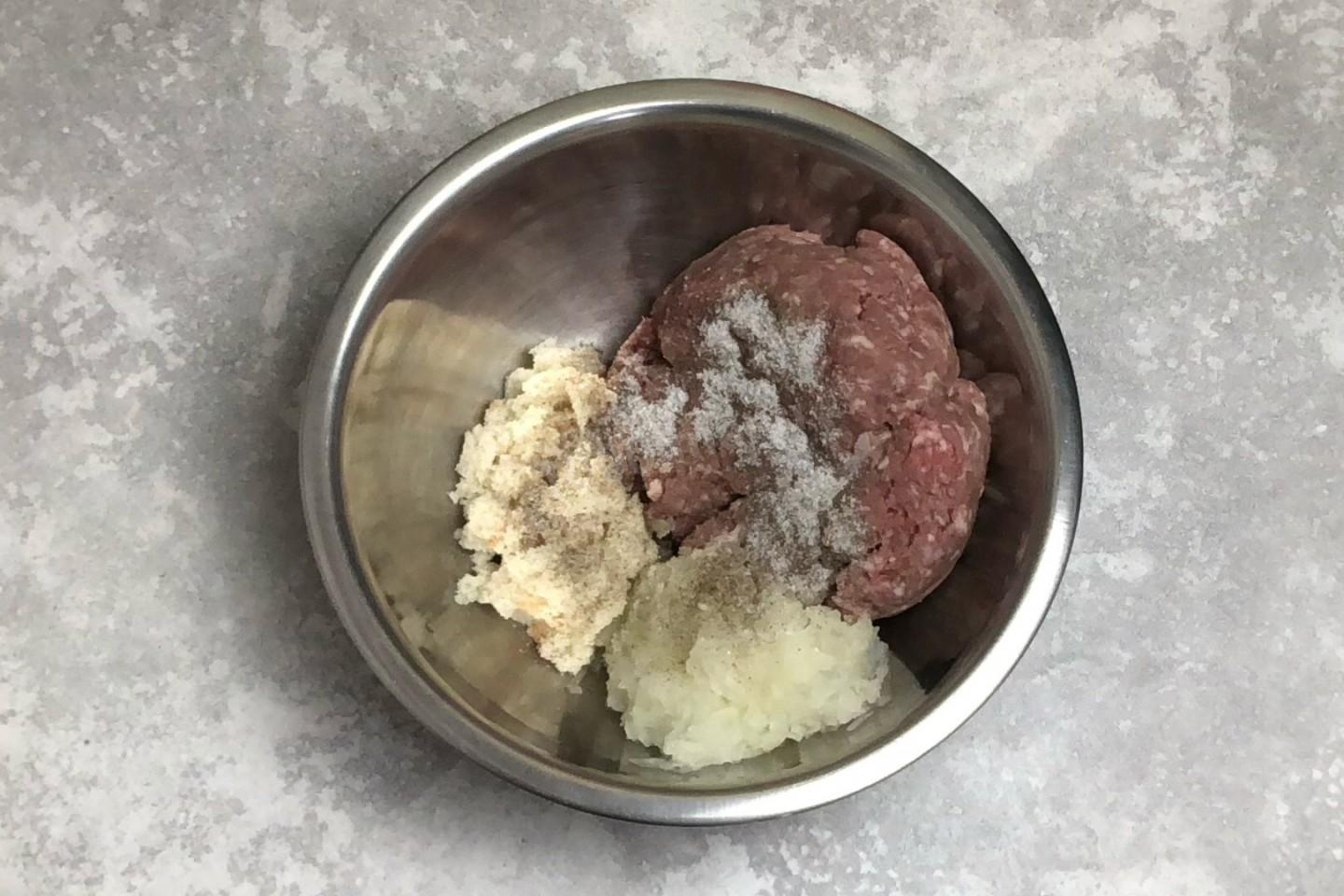
Put the ground meat, chopped onion, wrung-out bread, salt, and pepper in a bowl. Knead the mixture thoroughly with your hands.
-
Step 5:
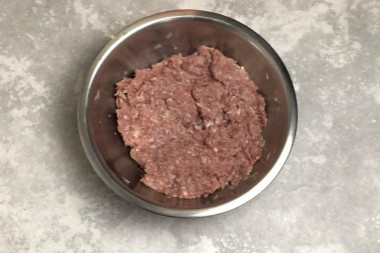
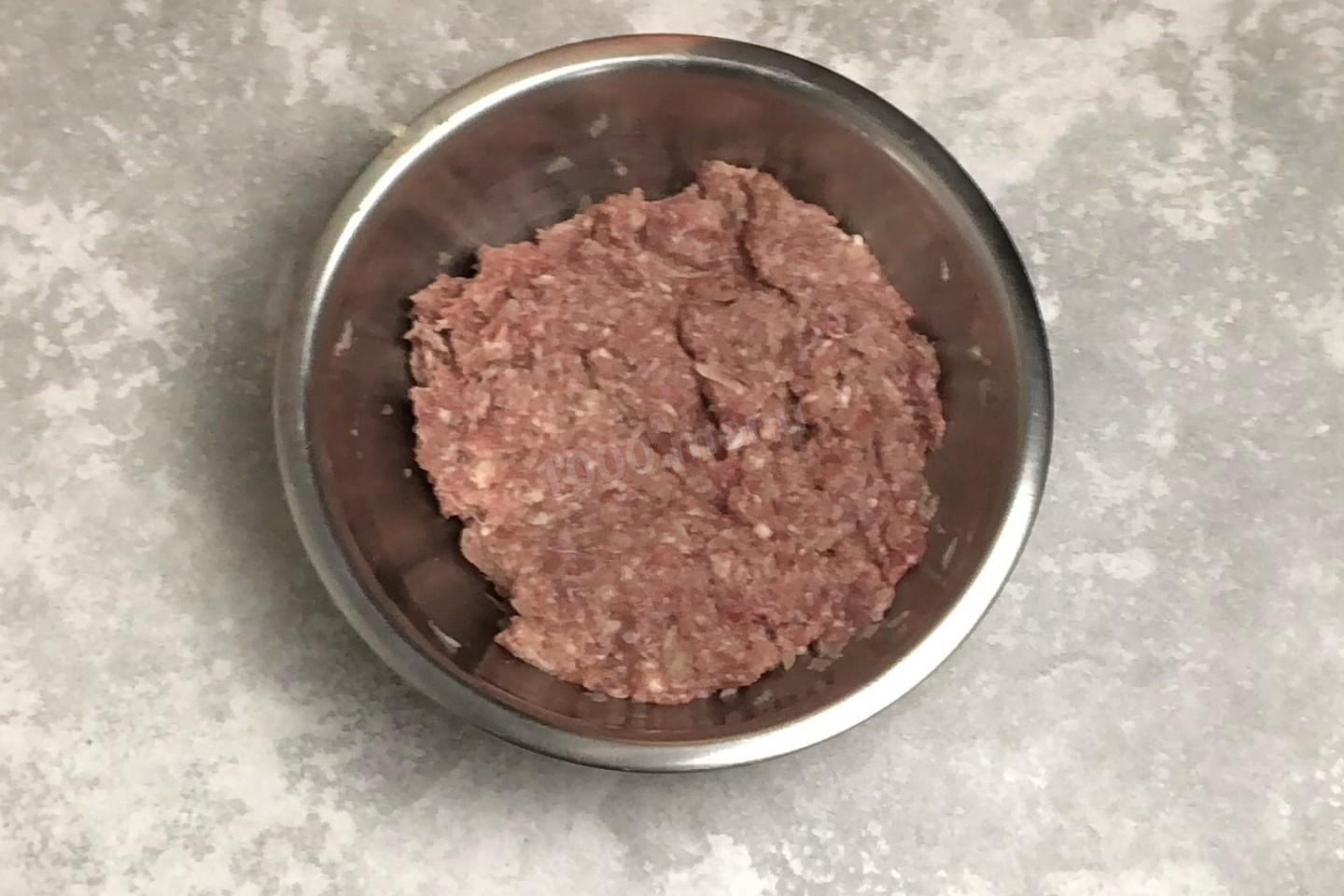
The mixture should be completely smooth and tacky. You can slap it against the bowl a few times to firm it up, which keeps the meatballs from falling apart as they fry. Or add an egg — though they didn't do that in the cafeterias.
-
Step 6:
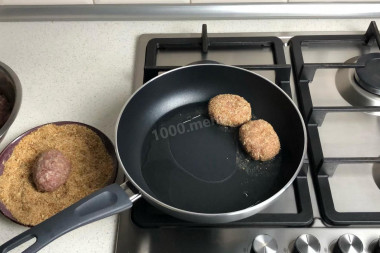
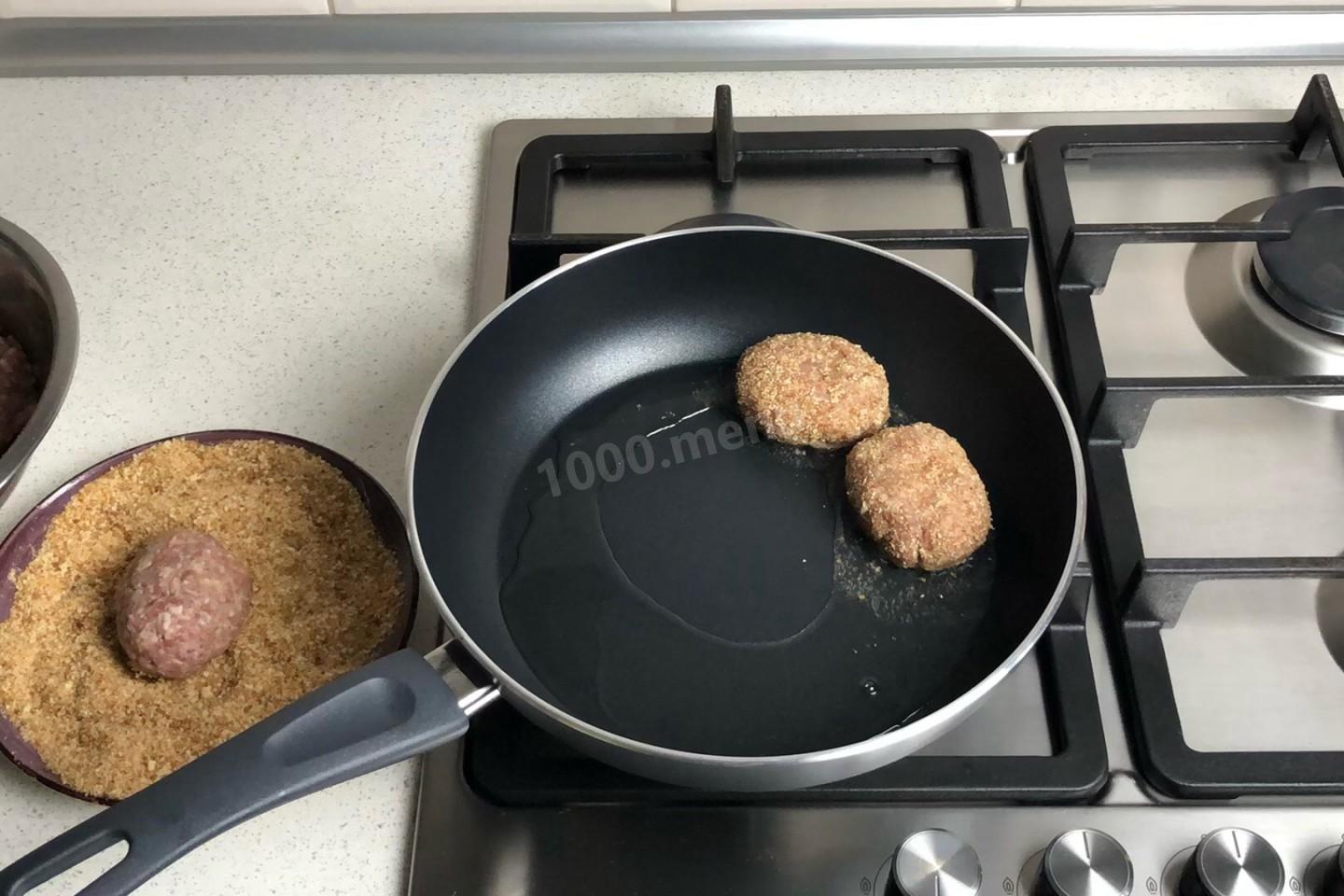
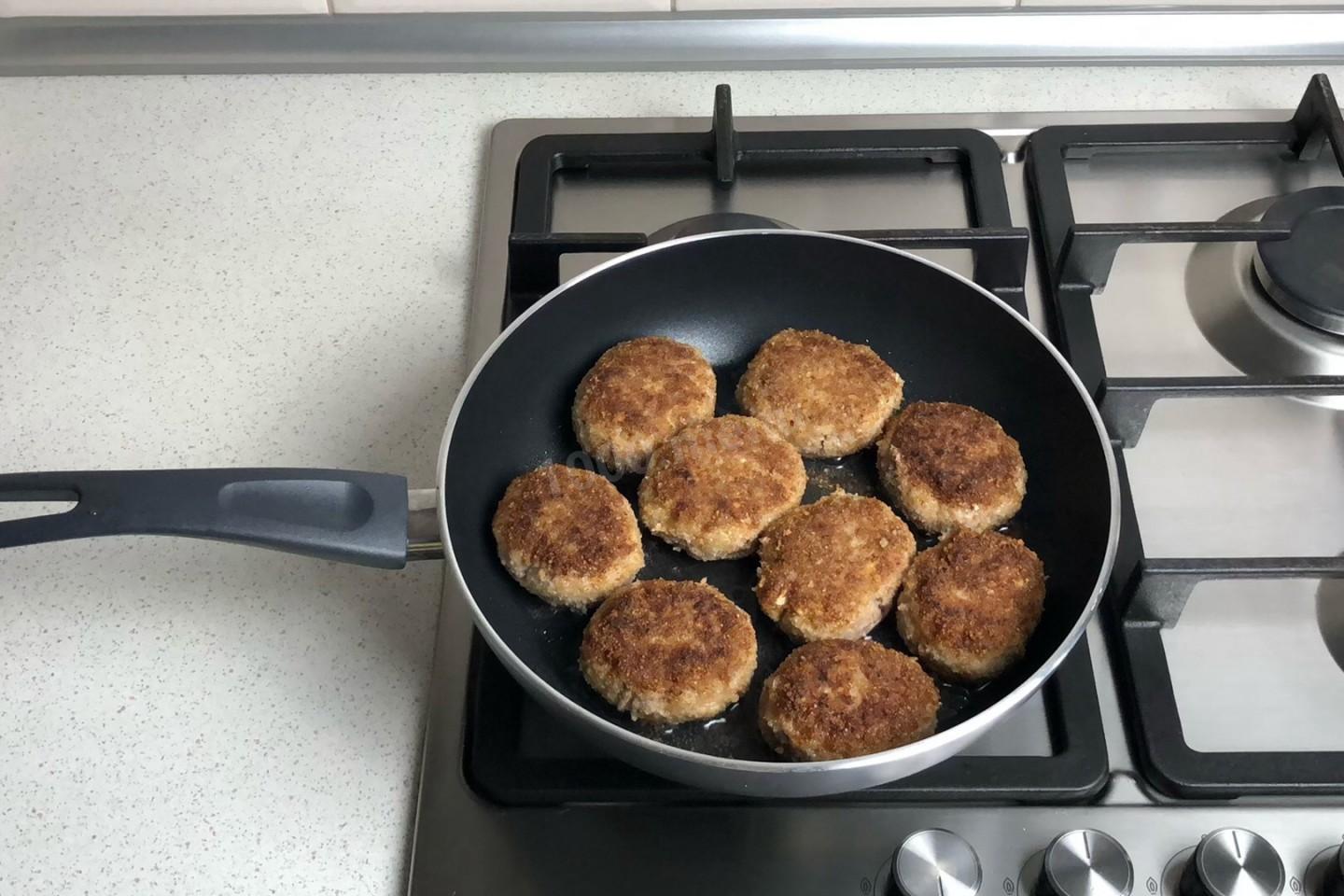
Heat a skillet over medium heat and add the vegetable oil. With wet hands, shape the meatballs and roll them in breadcrumbs, then set them in the pan. If you're not confident about your speed, shape all the meatballs first and only then start adding them to the pan.
-
Step 7:
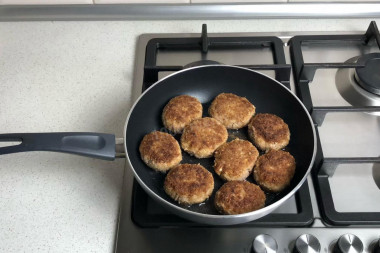
Fry the meatballs on both sides over high heat until a crust forms.
-
Step 8:
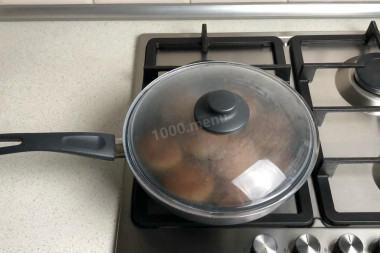
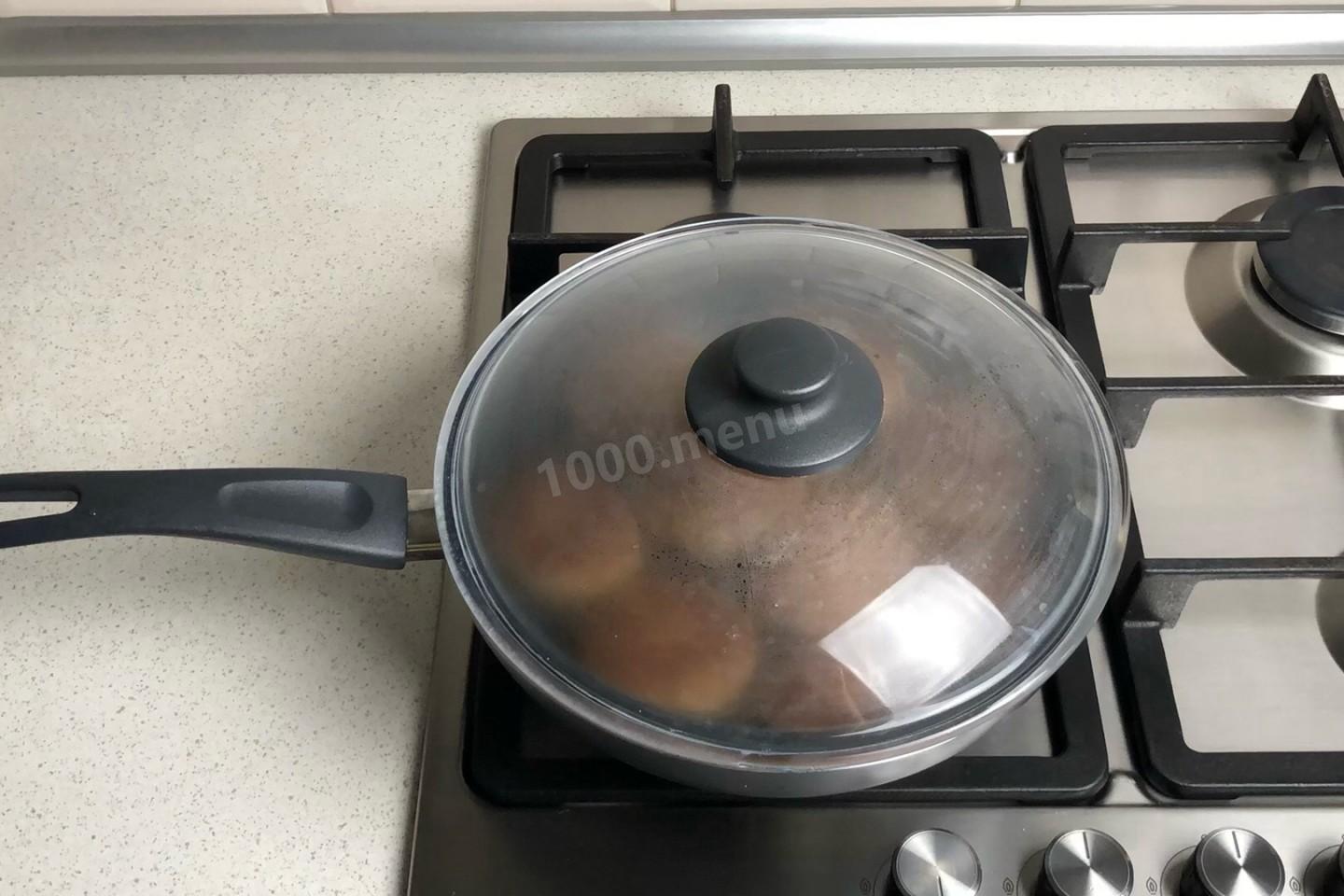
Then lower the heat, cover the pan, and leave the meatballs for about ten minutes to cook through.
-
Step 9:
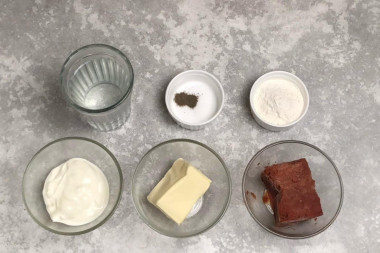
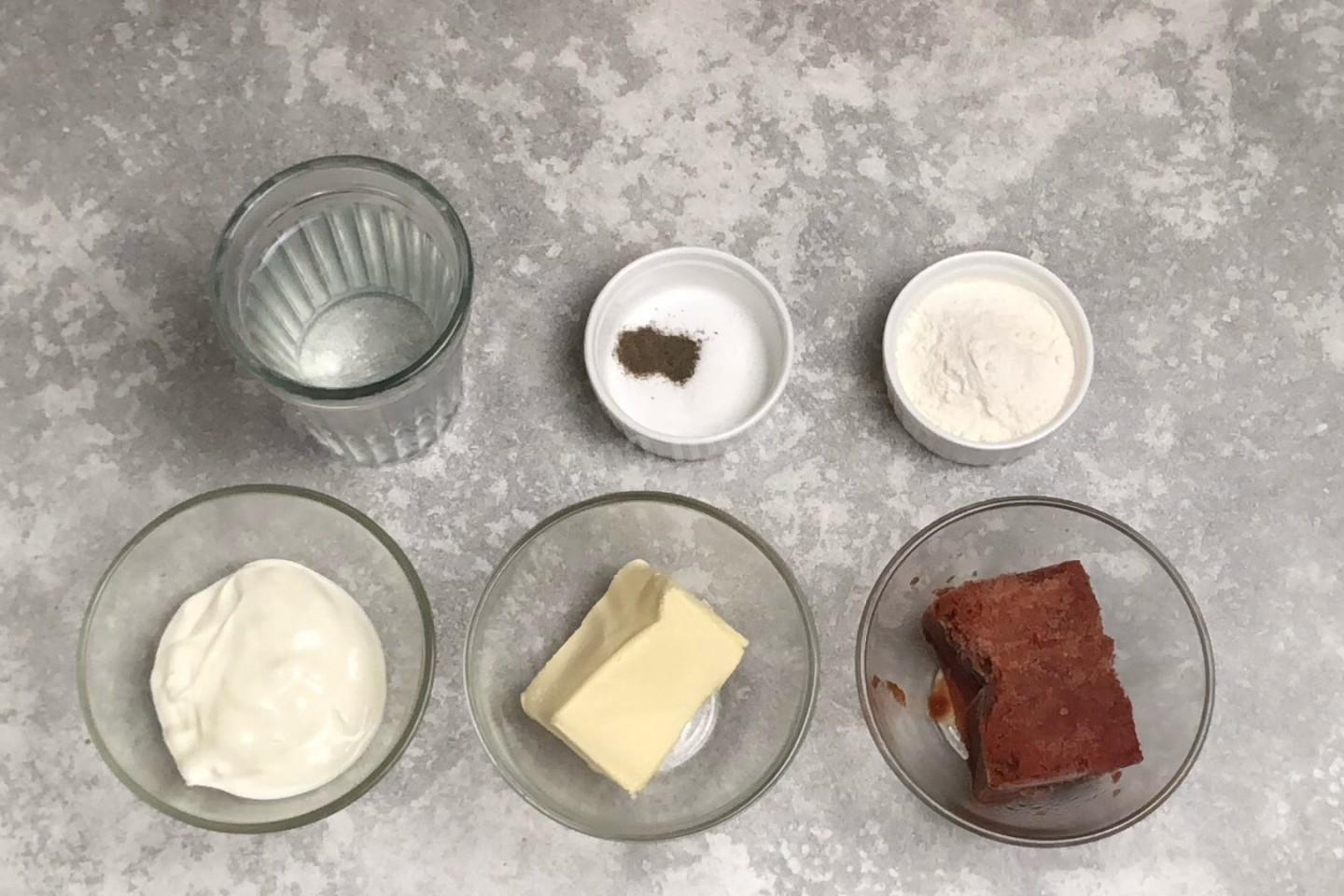
While the meatballs fry, make the gravy. Gather the ingredients. I used crushed tomatoes instead of tomato paste, but you're better off with the paste — the tomatoes come out a bit tart. You can cut the butter down to 50 grams (about 3 1/2 tablespoons).
-
Step 10:
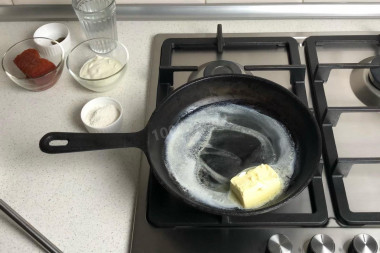
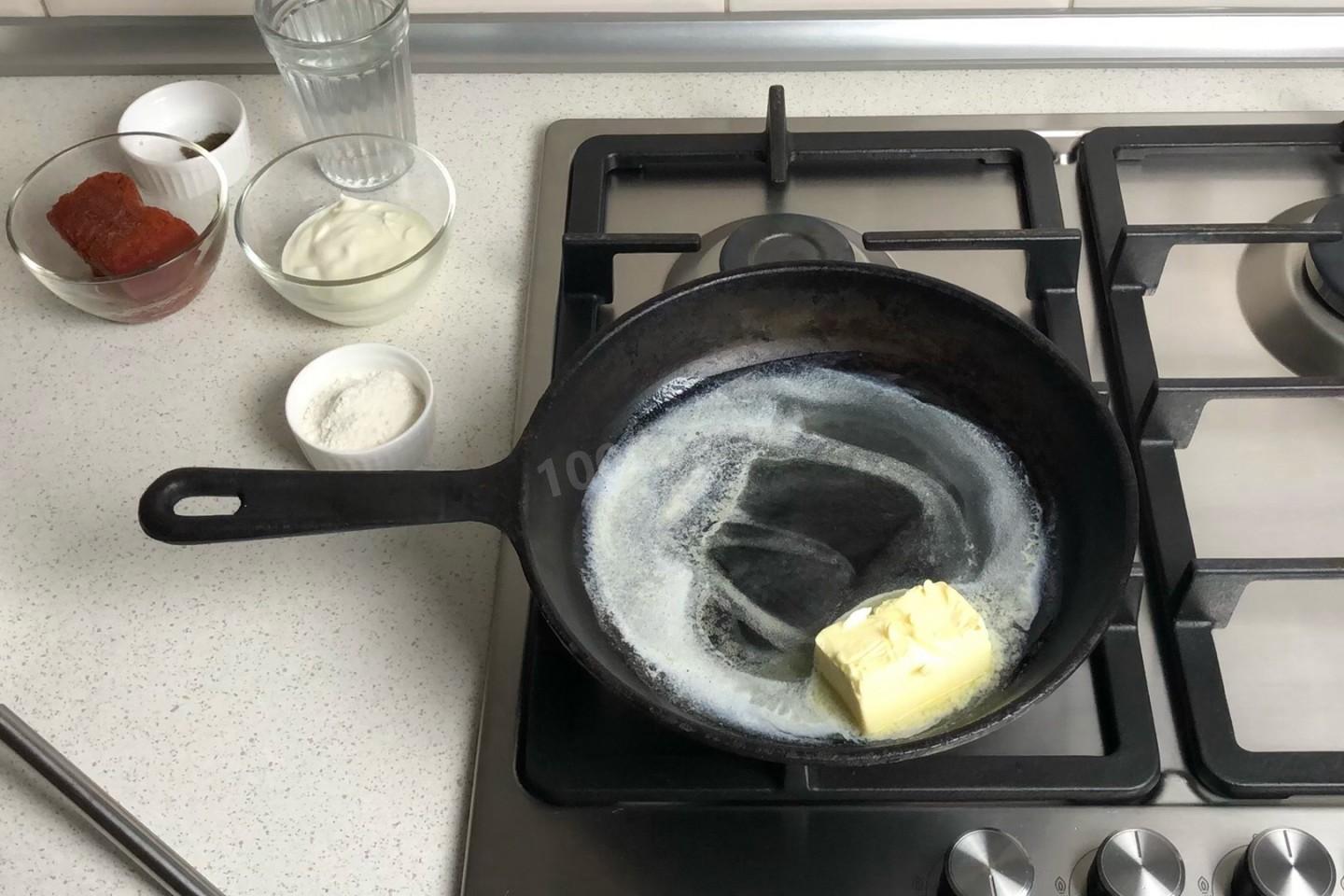
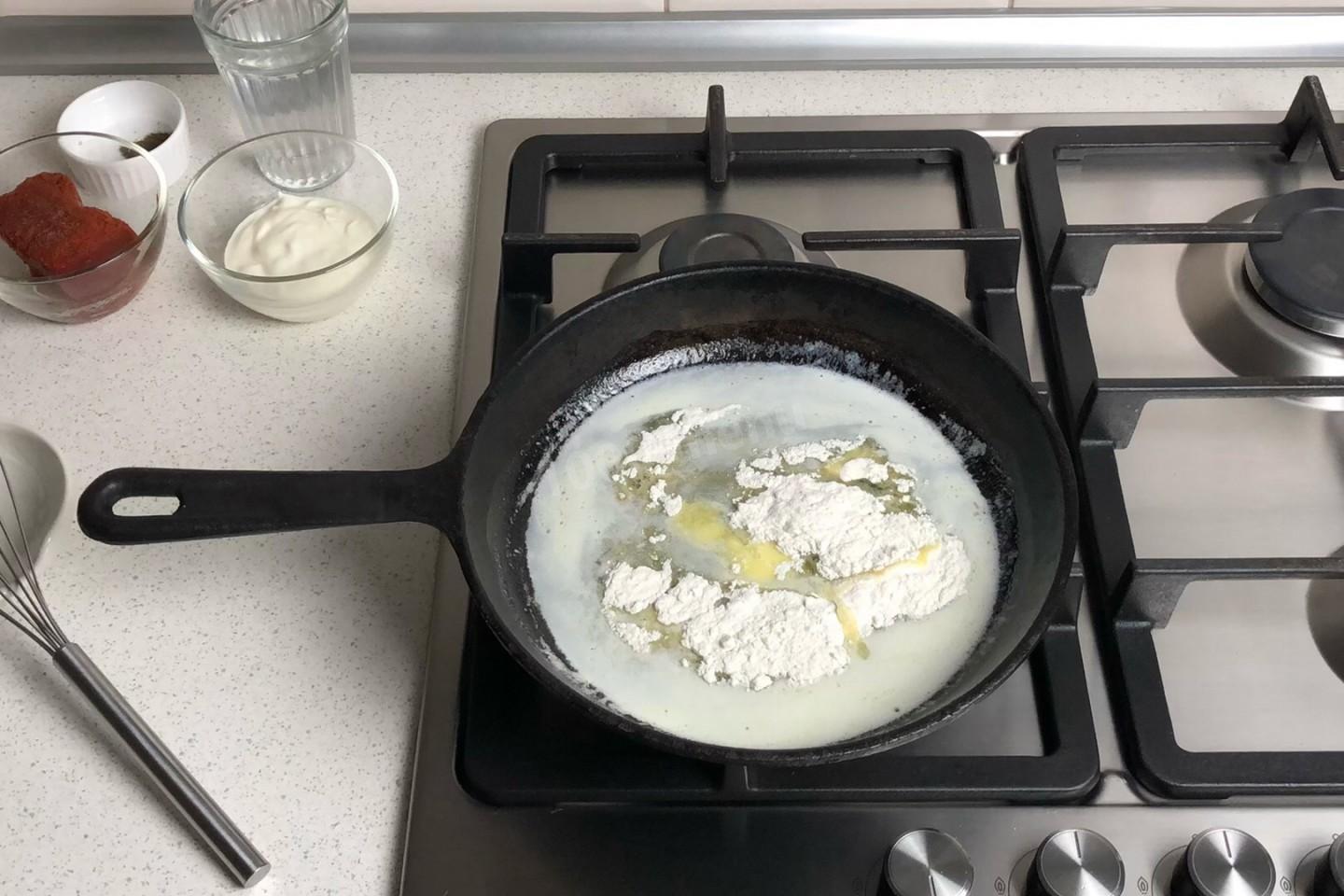
Put the butter in a heated skillet and melt it over low heat.
-
Step 11:
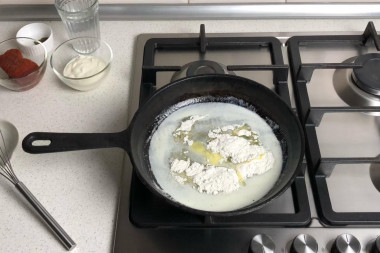
Add the flour to the butter.
-
Step 12:
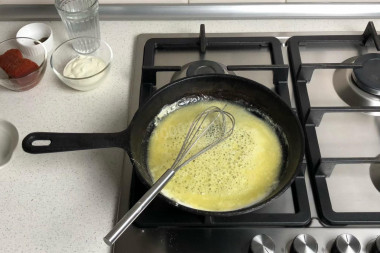
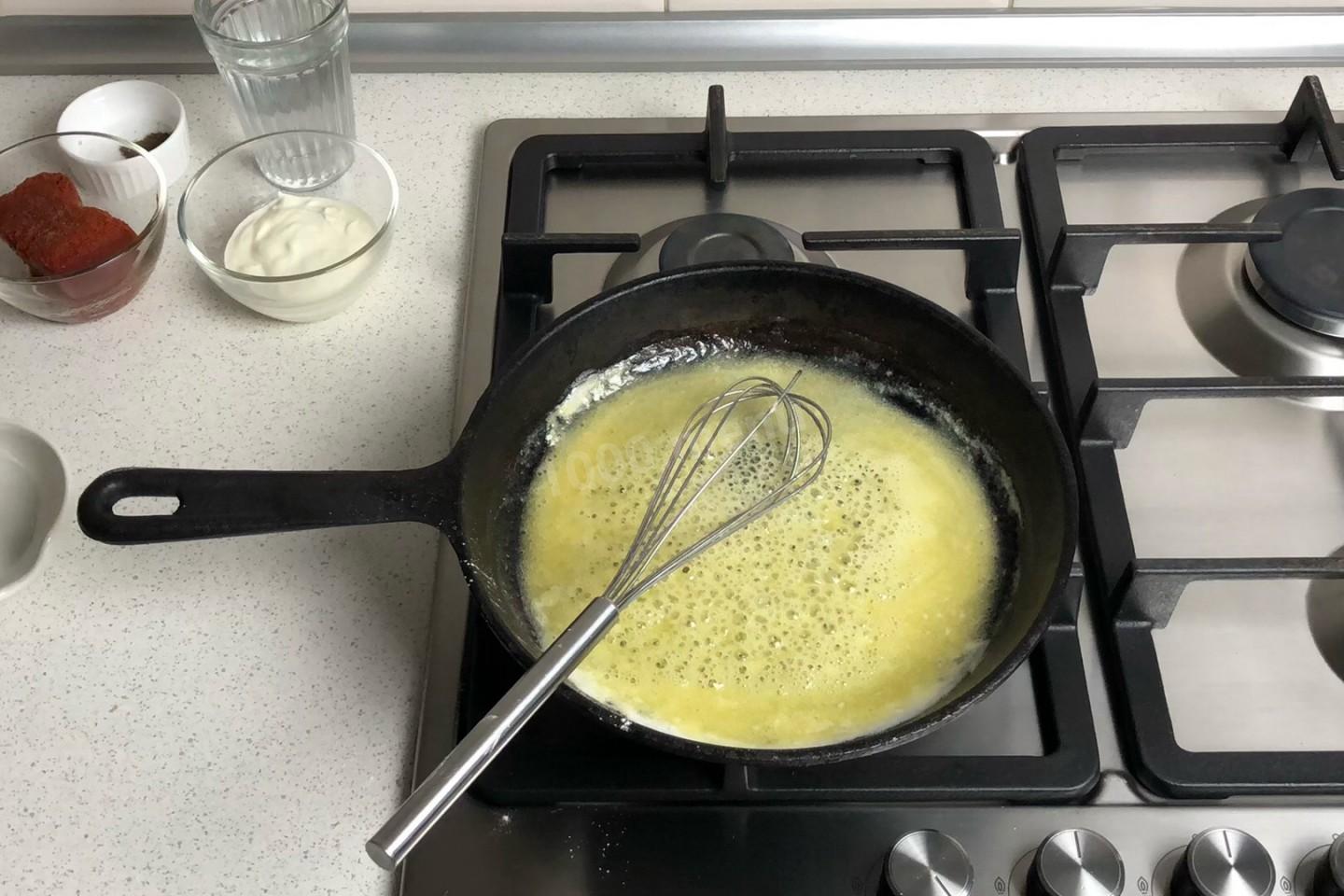
Working quickly with a whisk, blend it into the butter until smooth.
-
Step 13:
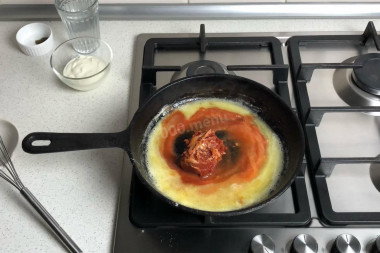
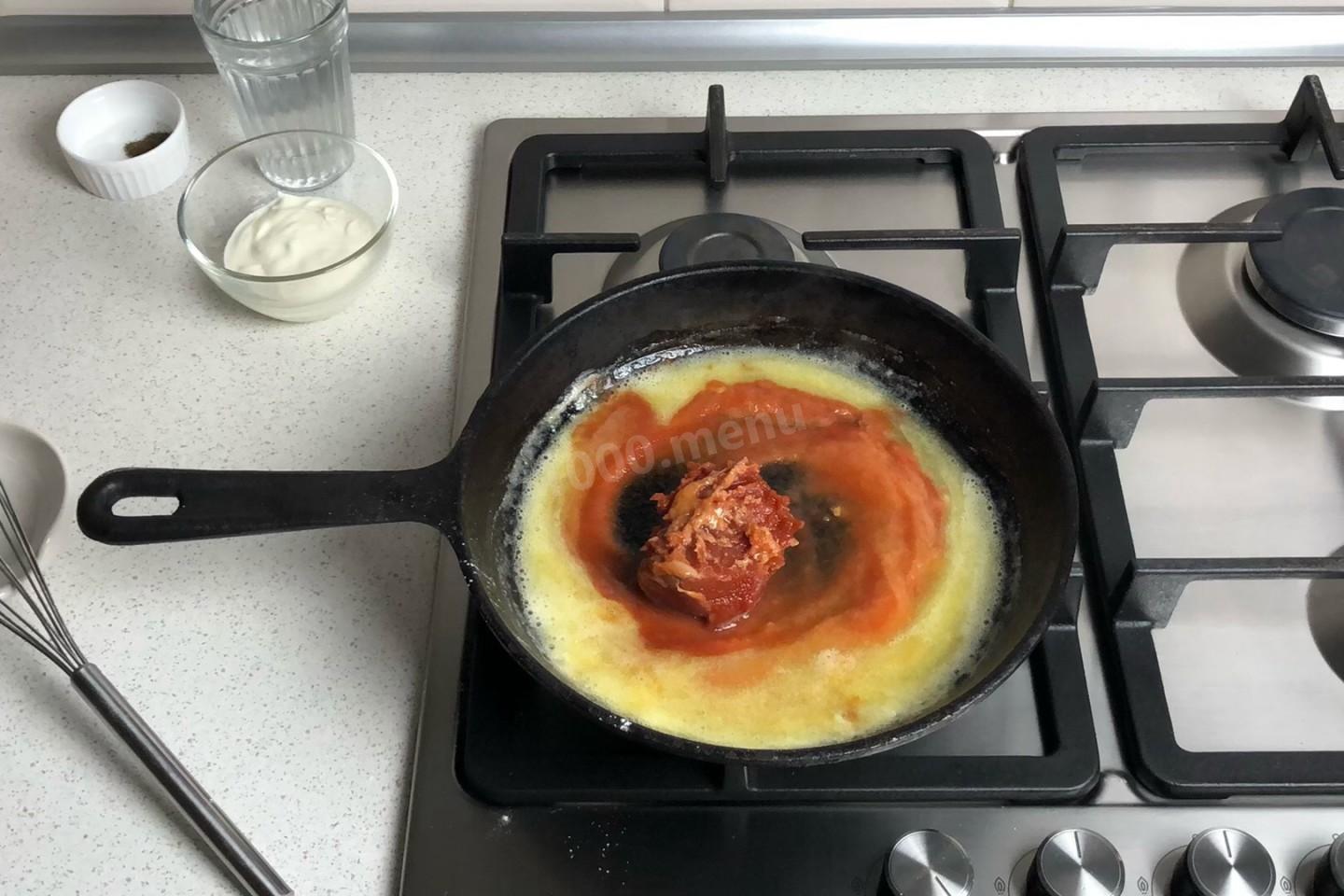
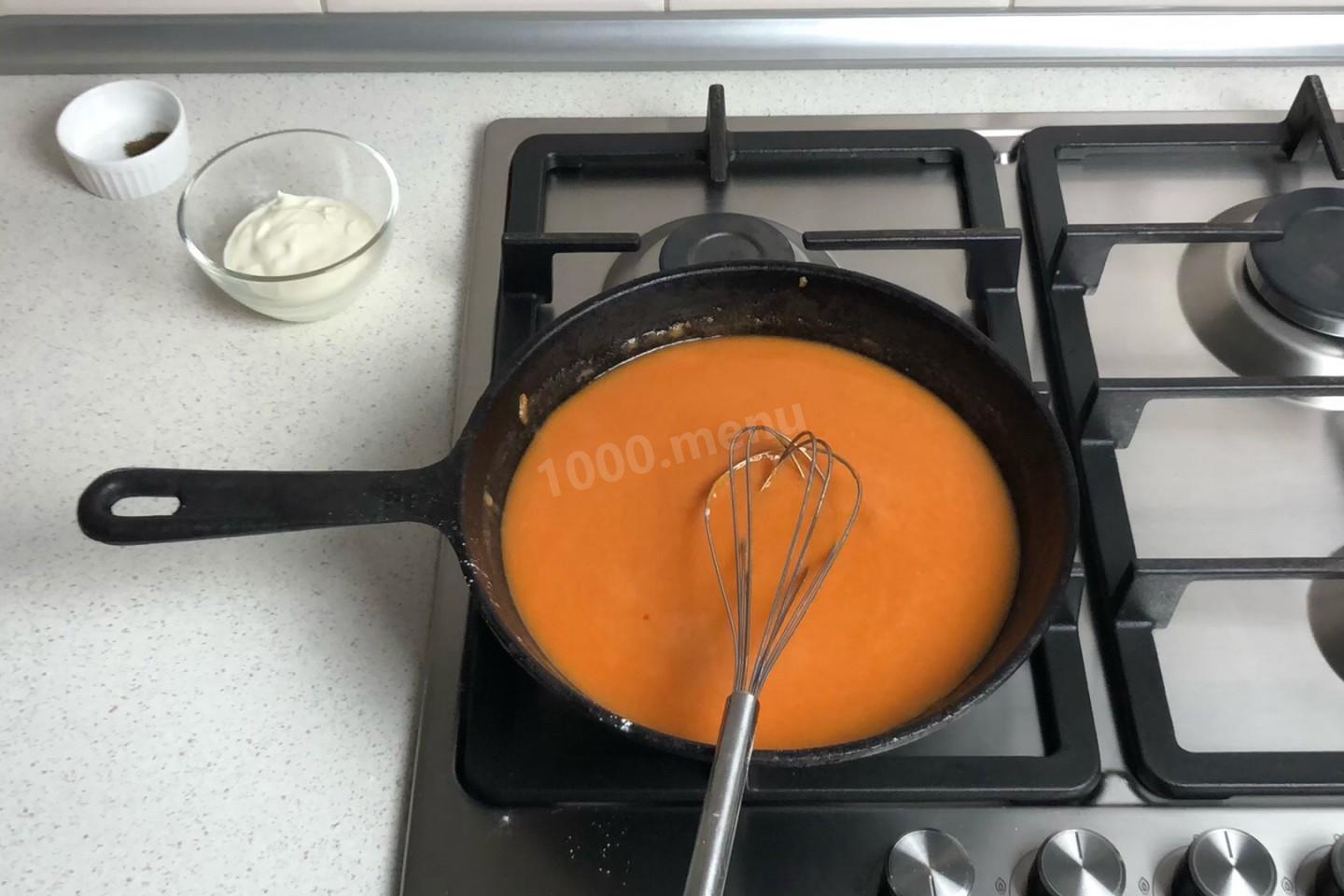
Add the tomato paste. Mine came from frozen tomatoes, which is why they look like this.
-
Step 14:
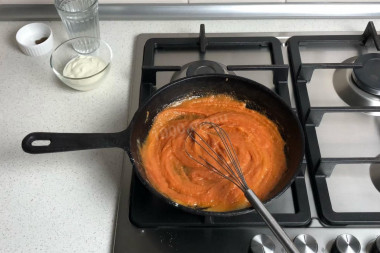
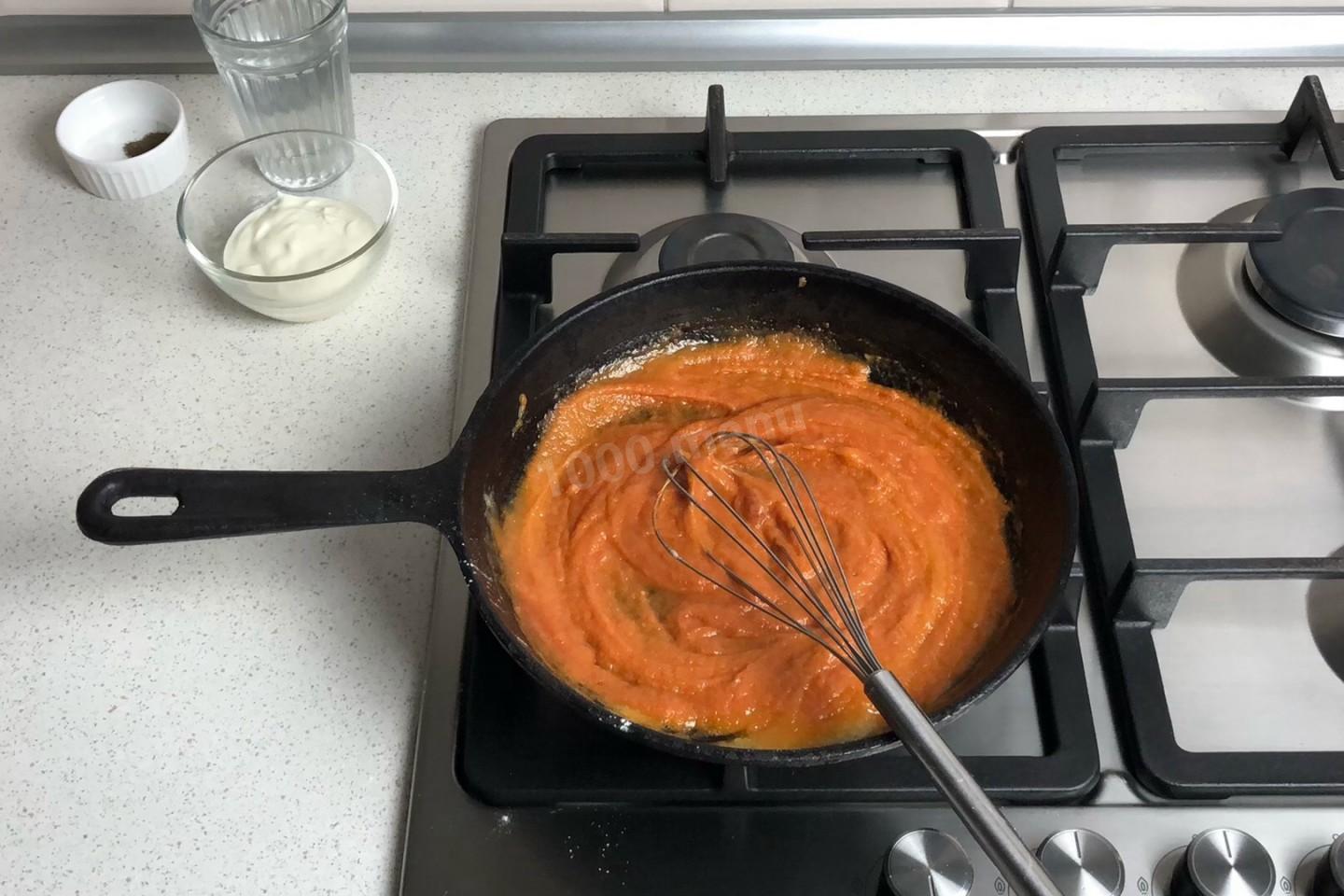
Stir the paste in until smooth. The sauce will thicken noticeably.
-
Step 15:
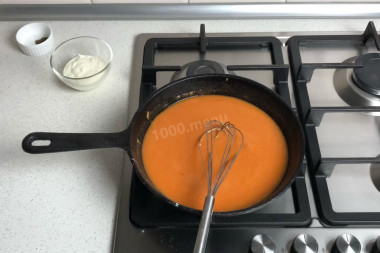
Then, stirring constantly, pour in a cup of water — the gravy will thin to the right consistency. Season with salt and pepper to taste and let it bubble for a couple of minutes.
-
Step 16:
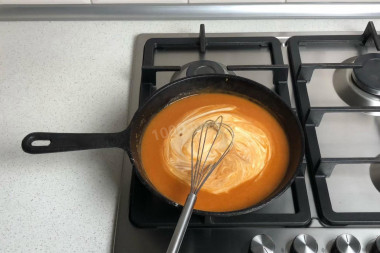
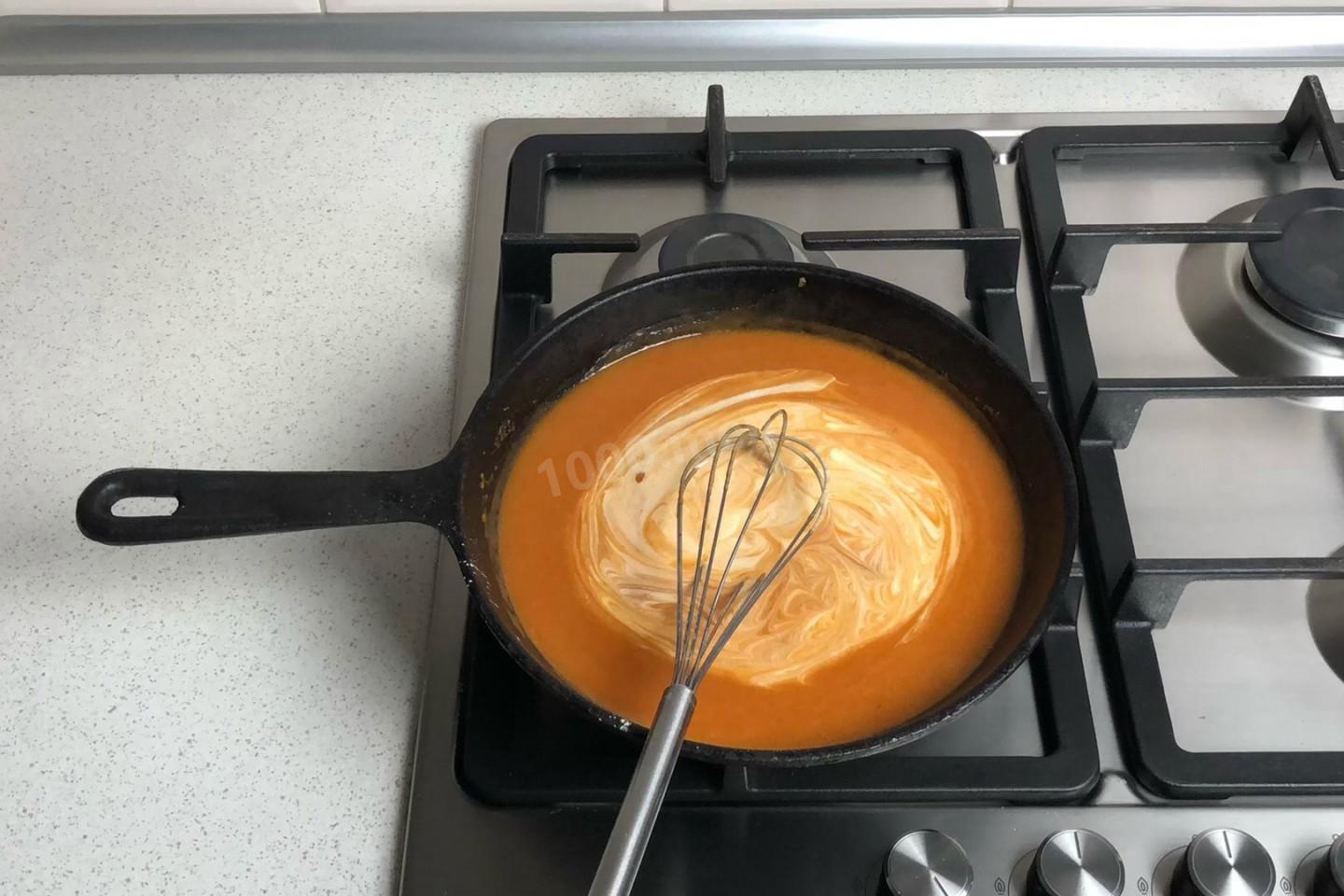
Stir the sour cream into the gravy, bring it to a boil, and turn off the heat. Spoon the gravy over the meatballs before serving. Enjoy!
- My gravy came out a little tart, but that's because I used chopped tomatoes rather than paste. I'd suggest using half as much butter. Mashed potatoes or boiled pasta make a great side. You can also bake the meatballs in the oven instead of frying, pouring the gravy over them at the end.
- To keep the sour cream from curdling or separating as it cooks, first stir it together with a spoonful of flour in a separate bowl, then add it to the pan. You can swap in cream of any fat content for the sour cream — just remember that the fat percentage affects the dish's calorie count.
- You can replace the tomato paste with canned tomatoes in their own juice, fresh tomatoes, or ketchup.
- Use an oil with a high smoke point for frying. Every oil is only healthy up to its smoke point — the temperature at which it starts to burn and form harmful compounds. Unrefined oils, with rare exceptions, have a low smoke point and burn quickly. Refined oils hold up better to heat. If you're roasting, pan-frying, or grilling, reach for a high-smoke-point oil such as refined sunflower, olive, or grapeseed oil.
Caloric content of the products possible in the composition of the dish
- Onion - 41 kcal/100g
- Whole cow's milk - 68 kcal/100g
- Milk 3.5% fat - 64 kcal/100g
- Milk 3.2% fat - 60 kcal/100g
- Milk 1.5% fat - 47 kcal/100g
- Concentrated milk 7.5% fat - 140 kcal/100g
- Milk 2.5% fat - 54 kcal/100g
- Sour cream 30% fat - 340 kcal/100g
- Sour cream 25% fat - 284 kcal/100g
- Sour cream 20% fat - 210 kcal/100g
- Sour cream 10% fat - 115 kcal/100g
- Sour cream - 210 kcal/100g
- Whole durum wheat flour fortified - 333 kcal/100g
- Whole durum wheat all-purpose flour - 364 kcal/100g
- Fine wheat flour - 348 kcal/100g
- Flour - 325 kcal/100g
- Butter 82% - 734 kcal/100g
- Unsalted table butter - 709 kcal/100g
- Unsalted farmhouse butter - 661 kcal/100g
- Salted farmhouse butter - 652 kcal/100g
- Clarified butter - 869 kcal/100g
- Mixed ground meat - 351 kcal/100g
- Vegetable oil - 873 kcal/100g
- Tomato paste - 28 kcal/100g
- Salt - 0 kcal/100g
- Water - 0 kcal/100g
- Pepper - 26 kcal/100g
- Diet roll - 242 kcal/100g
- Diet roll with sorbitol - 266 kcal/100g
- Bread roll - 242 kcal/100g
- Breadcrumbs - 347 kcal/100g
Similar recipes
- National cuisine
- Second course
- Meat and meat products
- Dairy products
- Vegetables
- Flour
- Bakery products
- Spices seasonings spices
- Fats and oils
- Other
- With crackers
- Wheat bread
- Pepper
- Salt
- Vegetable oil
- Butter
- Water
- Tomato paste
- Soviet recipes
- Frying
- In a frying pan
- Breading
- Cutlets
- Meat second course
- Minced meat
- Sour cream
- Milk
- From onion
- No eggs