Pink Salmon Fish Cakes
Juicy, tender, tasty, and good for you! Not everyone likes pink salmon on its own — some find it dry — but as fish cakes it wins everyone over, because they come out moist and delicious. Serve them with any side you like: pasta, potatoes, or grains.


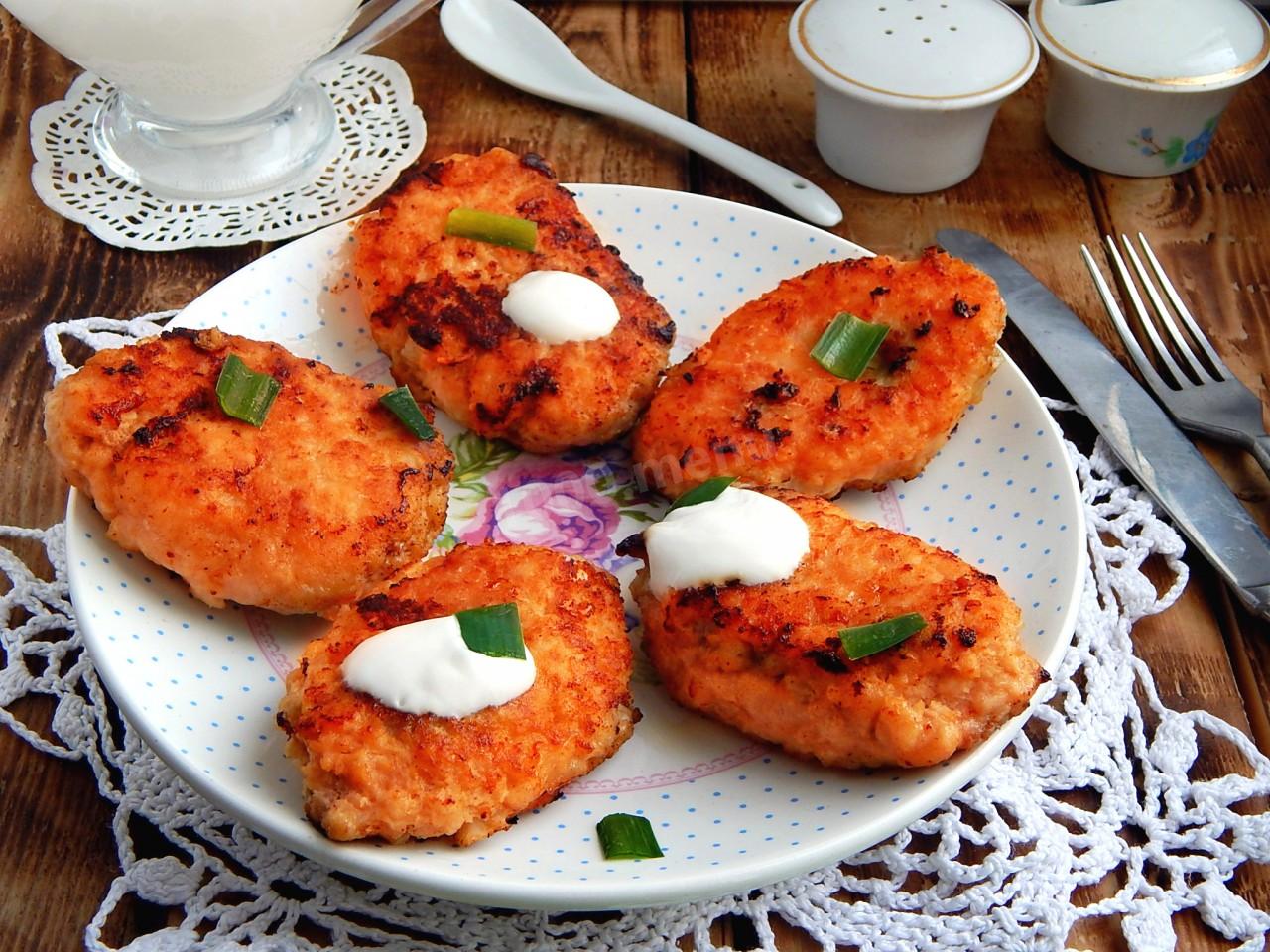
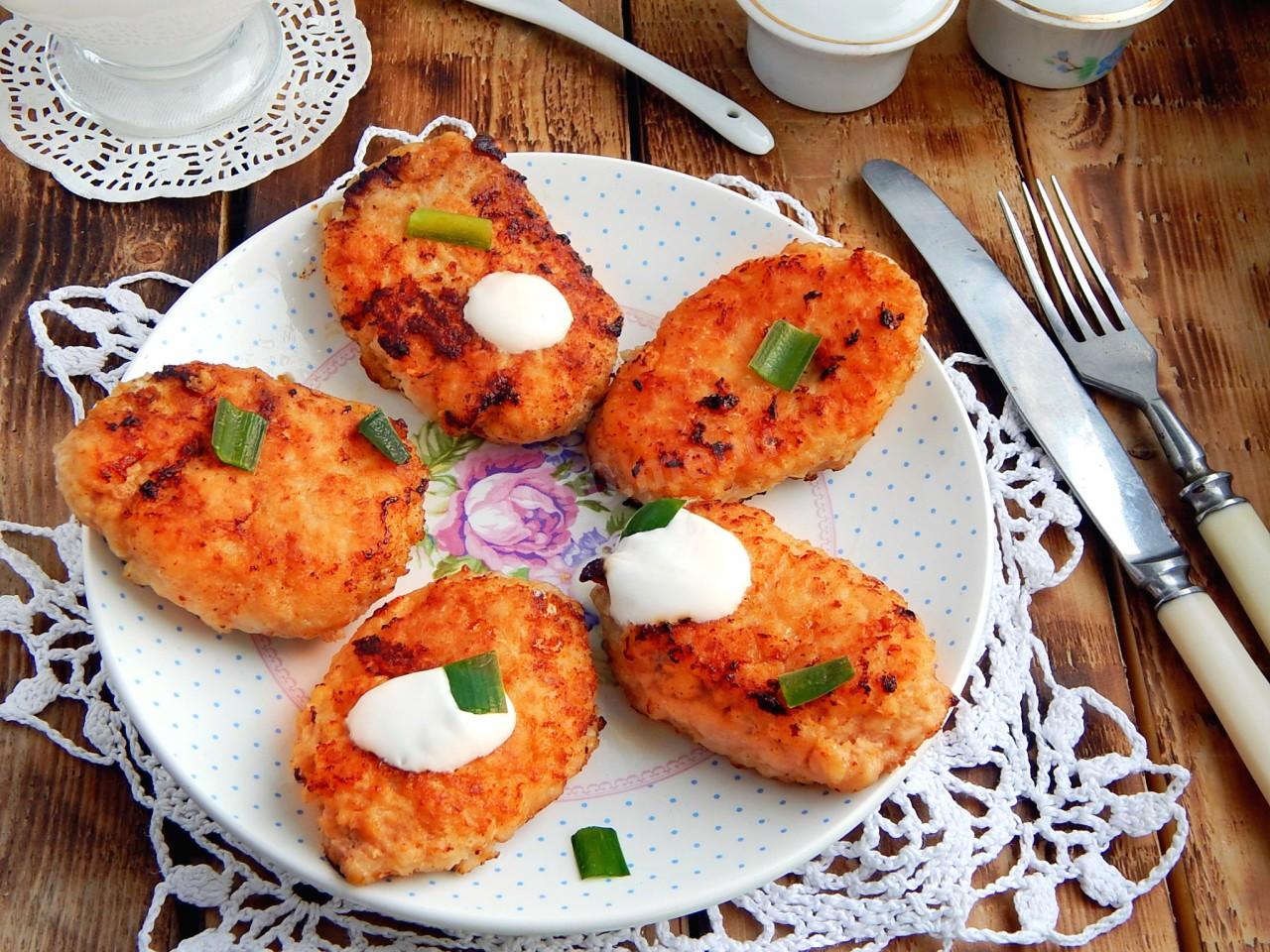
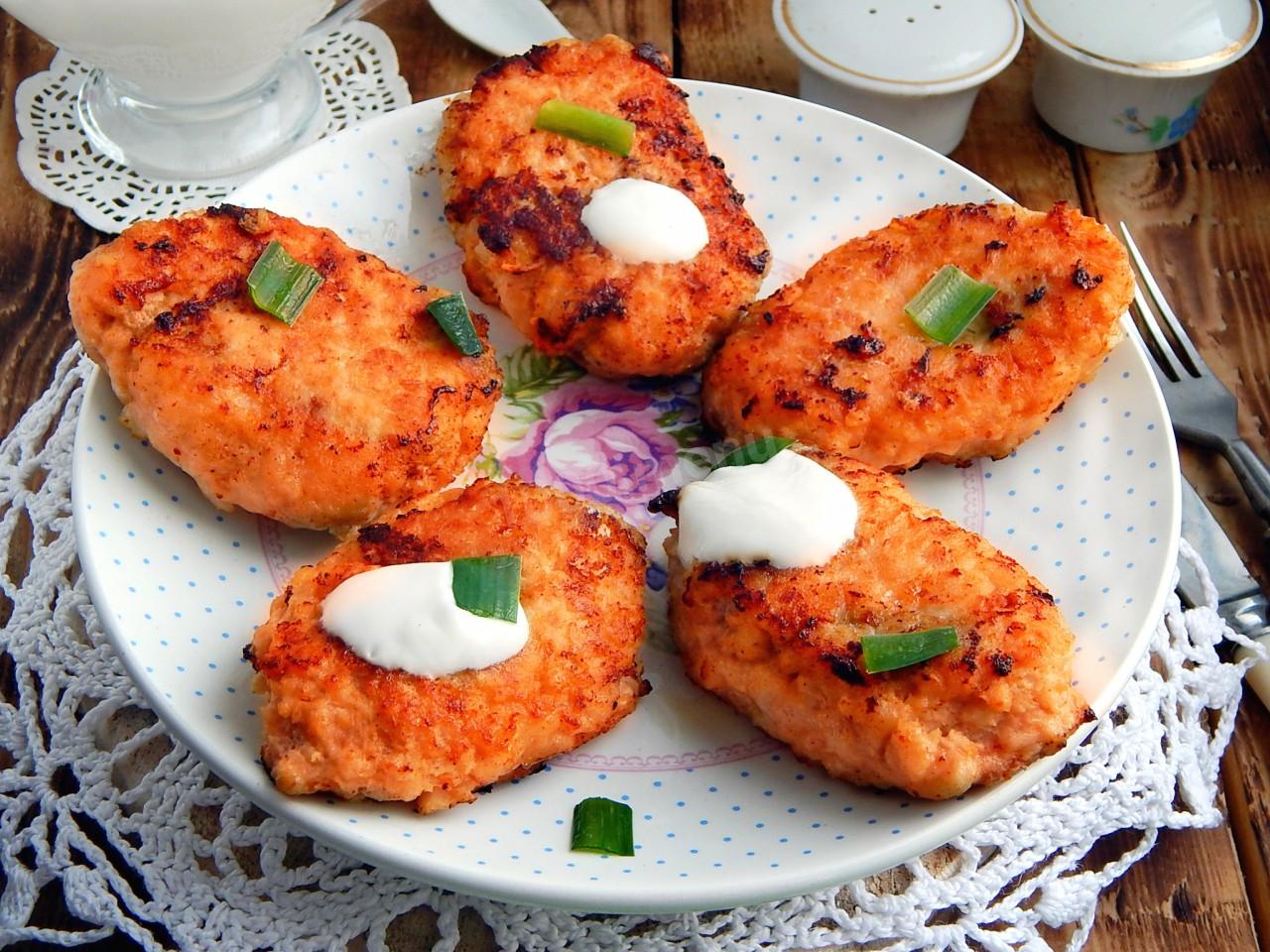
Cooking method
-
Step 1:
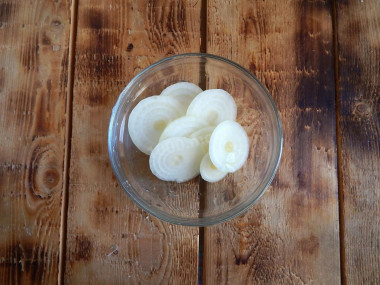
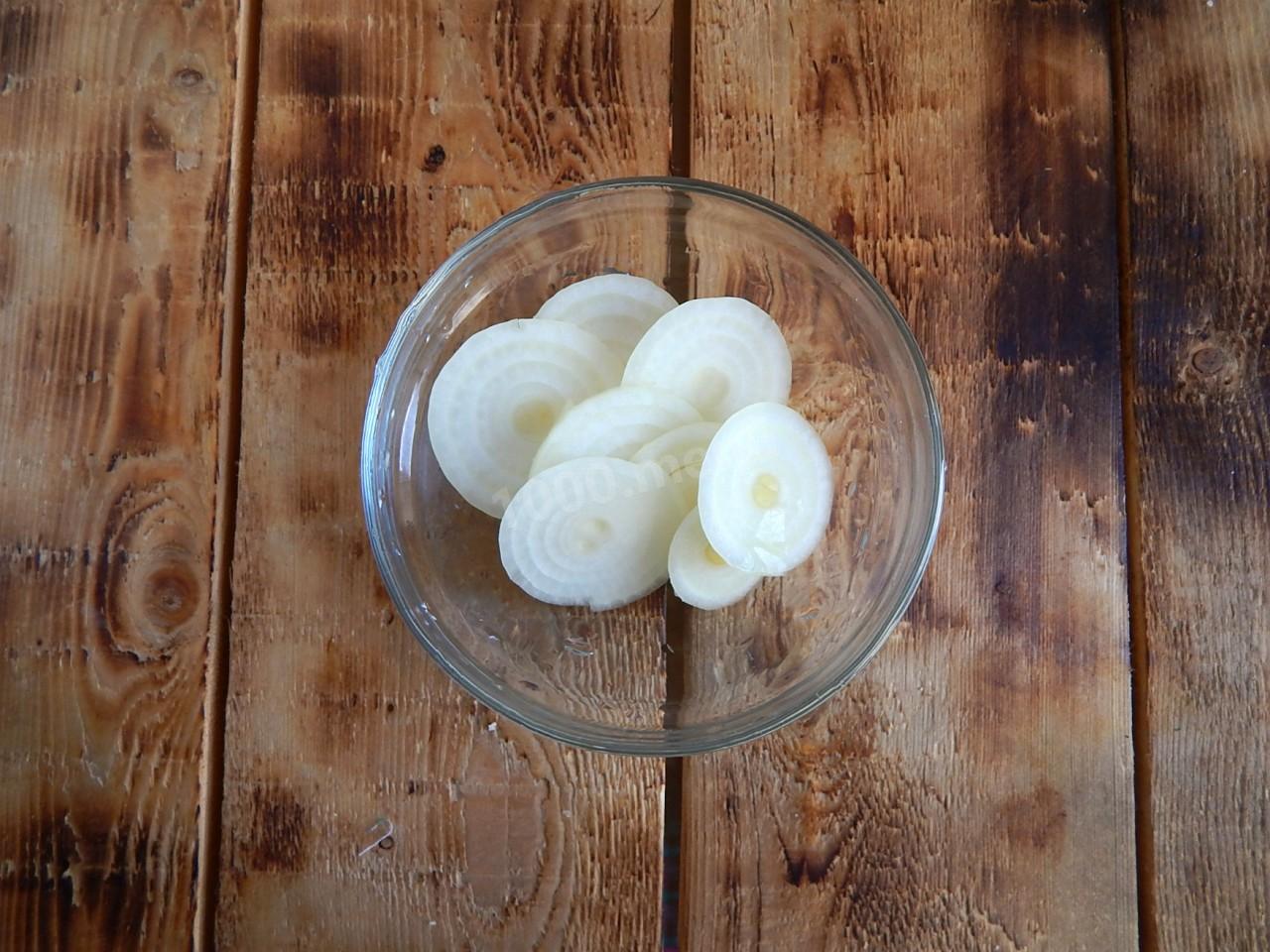
How do you make pink salmon fish cakes? Gather the ingredients. Peel the onion and cut it into pieces — since we'll grind everything in a blender, you can cut it into large rounds or cubes.
-
Step 2:
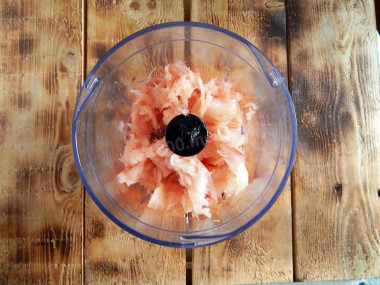
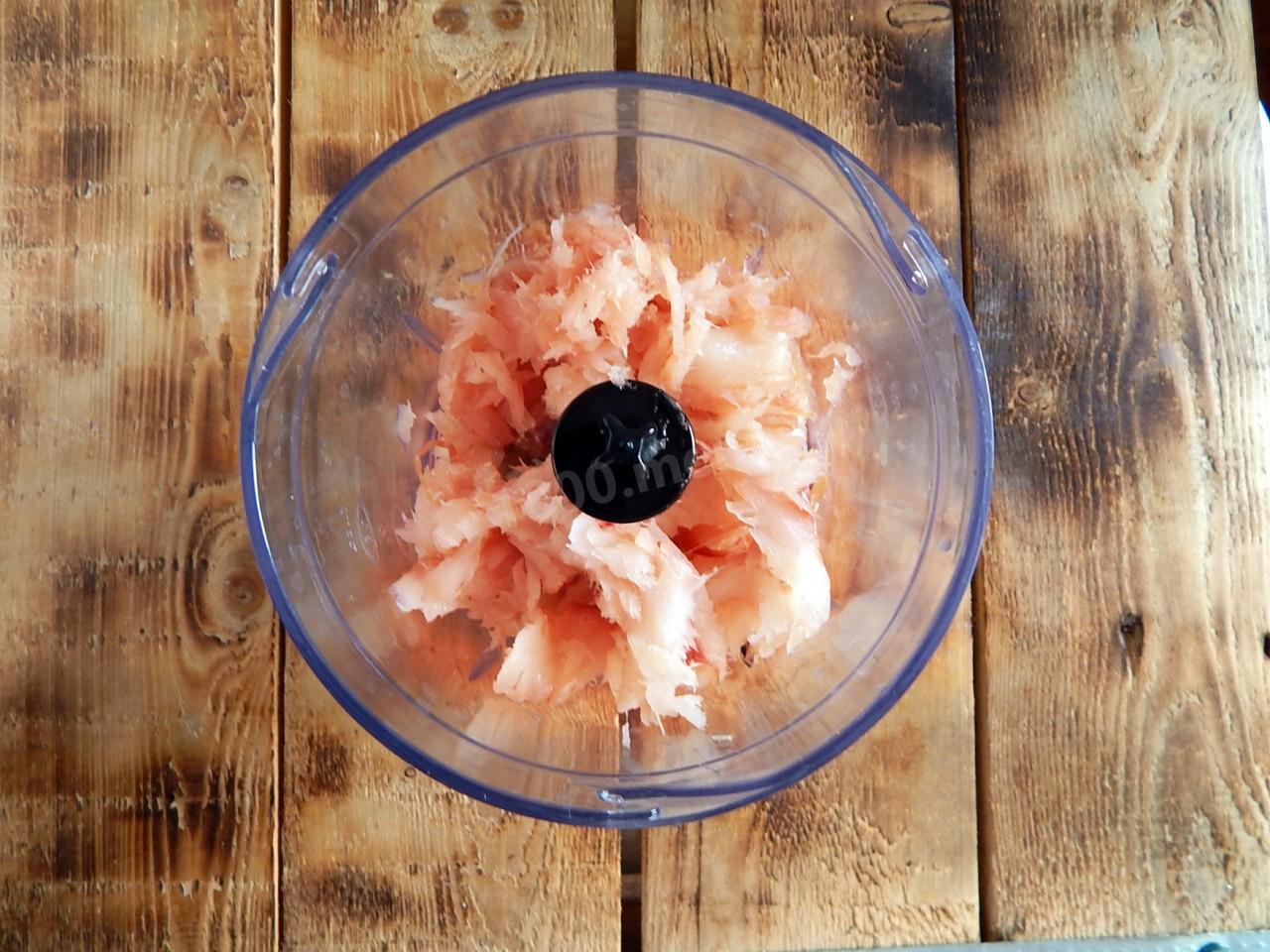
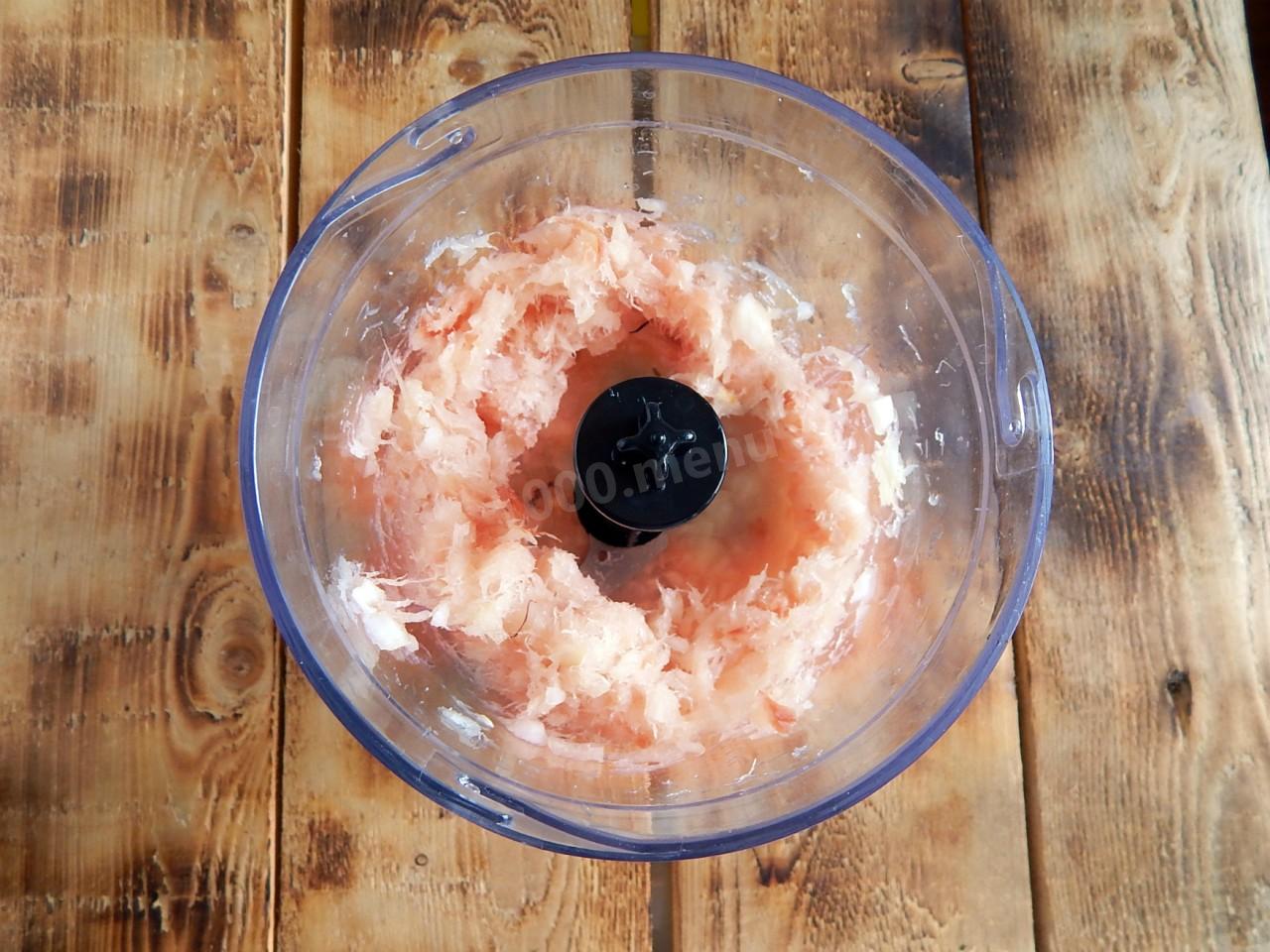
Rinse the salmon fillet, pat it dry with paper towels, and cut it into small pieces, removing any bones and the skin. Put the onion and fish into the blender bowl and grind them into a fish mixture.
-
Step 3:
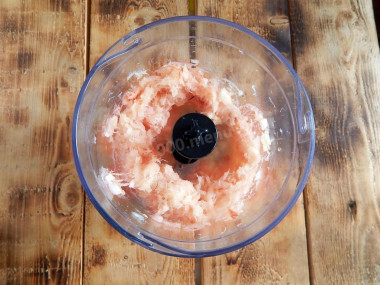
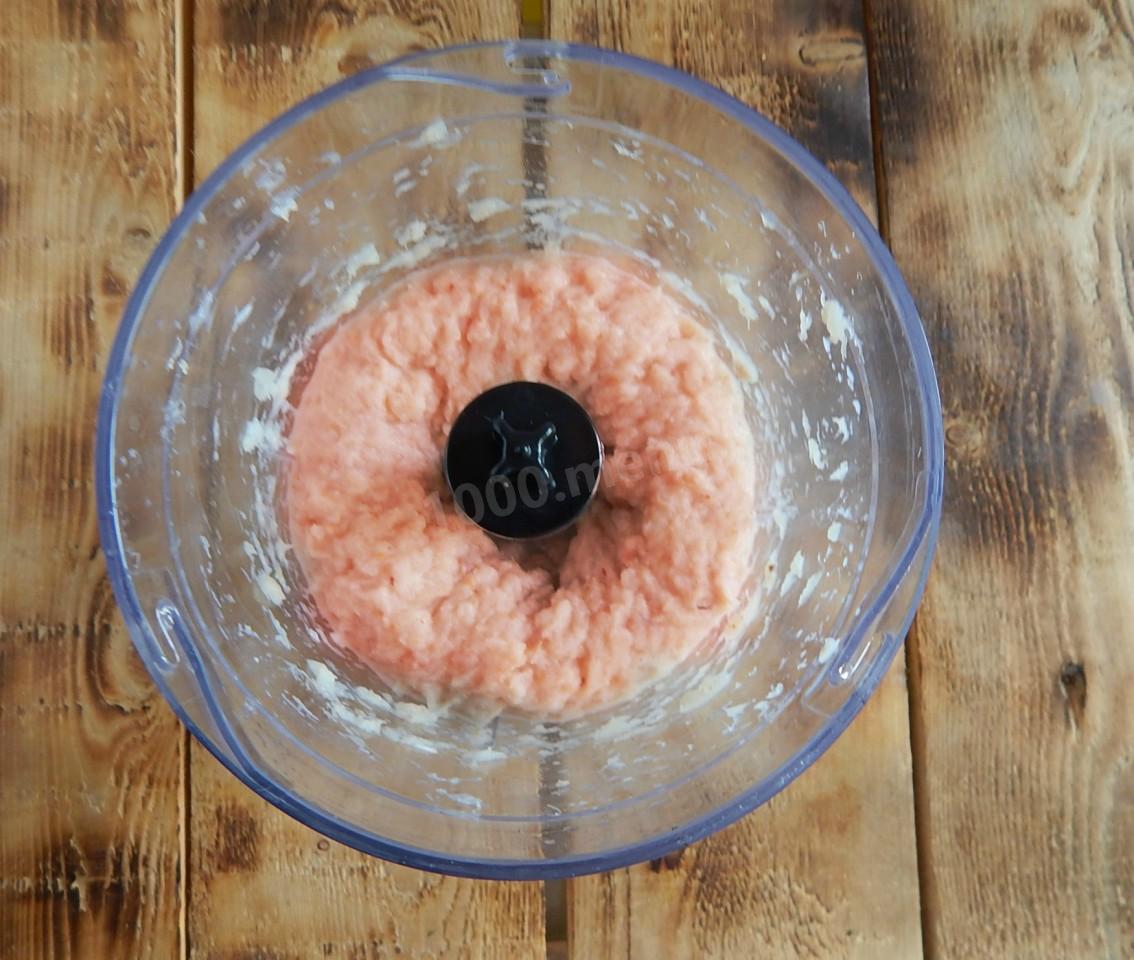
For lighter, juicier, more tender cakes, add white bread soaked in milk. Blend everything together again until smooth.
-
Step 4:
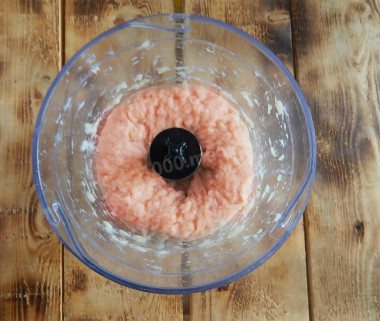
Add salt and ground black pepper to taste. Mix well, or blend again.
-
Step 5:
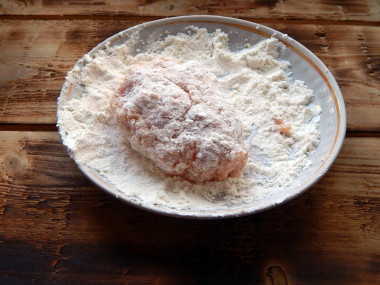
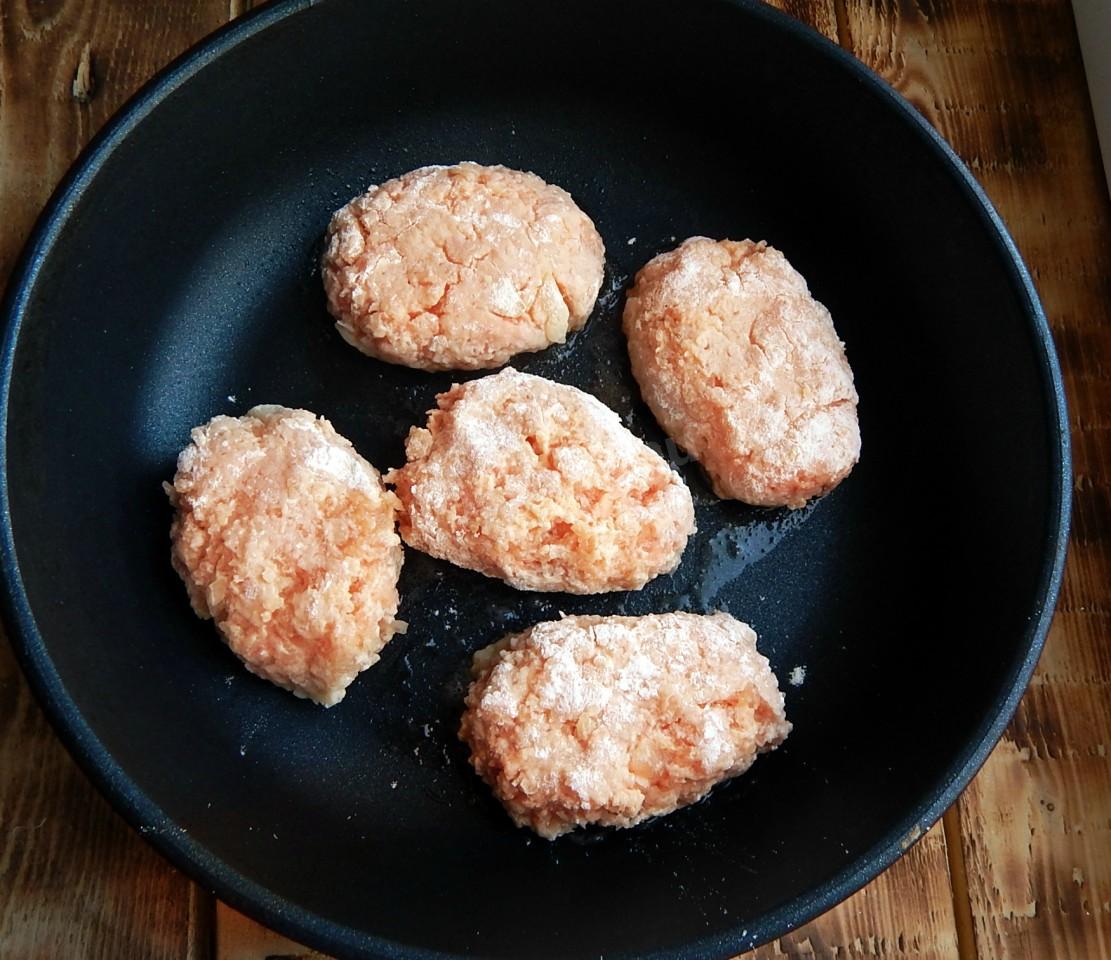
With hands dampened in cold water, shape small fish cakes and dredge them in wheat flour on both sides.
-
Step 6:
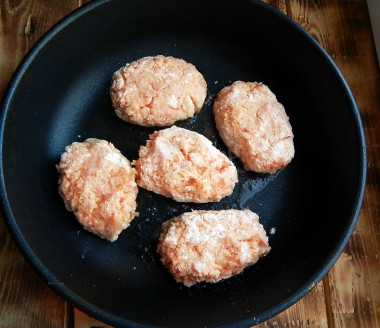
Pour the vegetable oil into a skillet and heat it. Fry the cakes on both sides over high heat until golden.
-
Step 7:
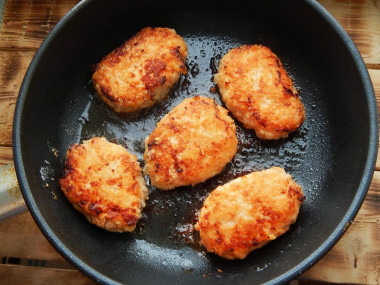
Then lower the heat, add a couple of tablespoons of water to the pan, turn the heat to its lowest setting, and cover. Cook the cakes another 15 minutes or so to make sure they're done through. The fish cakes are ready. Serve them with a sauce, bread, or side dish of your choice. Enjoy!


- Pink salmon is one of the most nutritious fish in the salmon family. It's rich in vitamins and minerals the body needs to function well. Pink salmon supports heart and brain health, helps strengthen the immune system, guards against bone problems, strengthens tooth enamel, aids the body's renewal processes, and benefits the thyroid, among other things. It's worth working this fish into your diet regularly, at least once a month. There are plenty of tasty, interesting dishes you can make from pink salmon — even people who don't care for fish tend to enjoy them.
- The right pan matters, too. A poorly chosen skillet can spoil even the best recipe, so pick a good nonstick or heavy skillet for these cakes.
- Every oil is only healthy up to its smoke point — the temperature at which it starts to burn and form harmful compounds. Choose an oil with a high smoke point for frying so it stays stable over the heat.
- How do you fillet a whole fish? Remove the tail, head, and fins. Cut down along the backbone to the spine. Turn the fish on its side and, with a sharp knife, slice the flesh away from the backbone. Flip it over and cut the fillet from the other side. Clean the inside, removing the black membrane, since it's bitter and will spoil the flavor. Rinse and be sure to dry it well.
Caloric content of the products possible in the composition of the dish
- Whole cow's milk - 68 kcal/100g
- Milk 3.5% fat - 64 kcal/100g
- Milk 3.2% fat - 60 kcal/100g
- Milk 1.5% fat - 47 kcal/100g
- Concentrated milk 7.5% fat - 140 kcal/100g
- Milk 2.5% fat - 54 kcal/100g
- Ground black pepper - 255 kcal/100g
- Vegetable oil - 873 kcal/100g
- Salt - 0 kcal/100g
- Onion - 41 kcal/100g
- Wheat flour - 325 kcal/100g
- White bread - 266 kcal/100g
- Pink salmon fillet - 133 kcal/100g
Similar recipes
- Kitchen utensils
- Second course
- Fish and seafood
- Dairy products
- Vegetables
- Flour
- Bakery products
- Spices seasonings spices
- Fats and oils
- Wheat bread
- Pepper
- Salt
- Vegetable oil
- Frying
- In a frying pan
- Cutlets
- Fish second course
- Fish with vegetables
- Red fish
- Milk
- From onion
- Wheat flour
- No eggs
- Recipes for lean dishes without butter