Turkey Liver Pâté
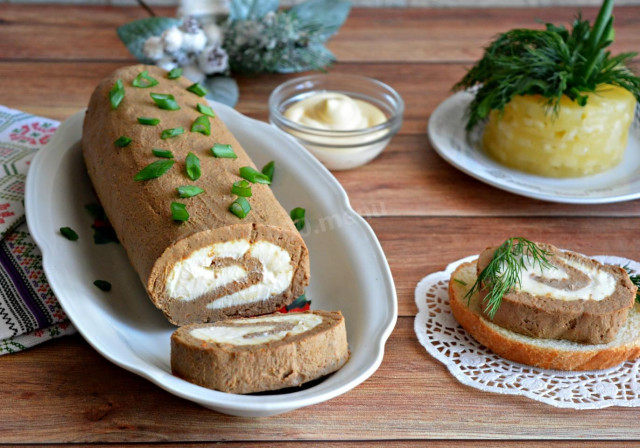
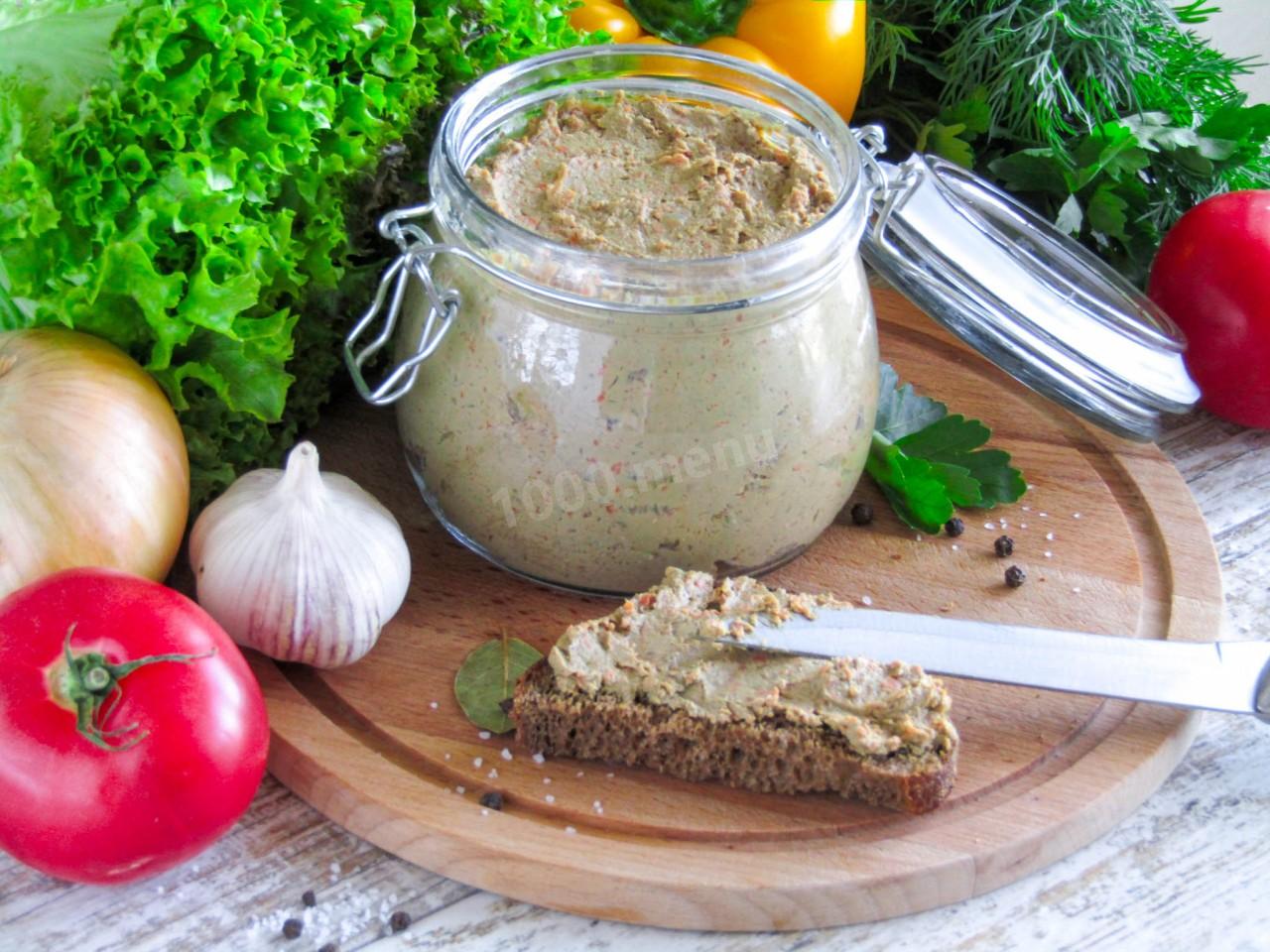
An original, savory spread for any day of the week! Homemade turkey liver pâté comes out especially smooth and flavorful because it's made with nothing but natural ingredients — no additives or preservatives. It's just as good on dark bread as it is on white.

Cooking method
-
Step 1:
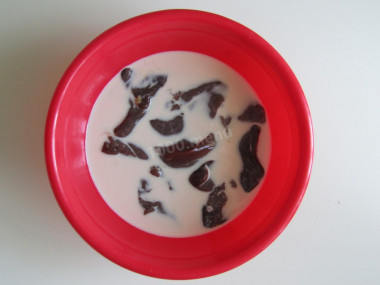
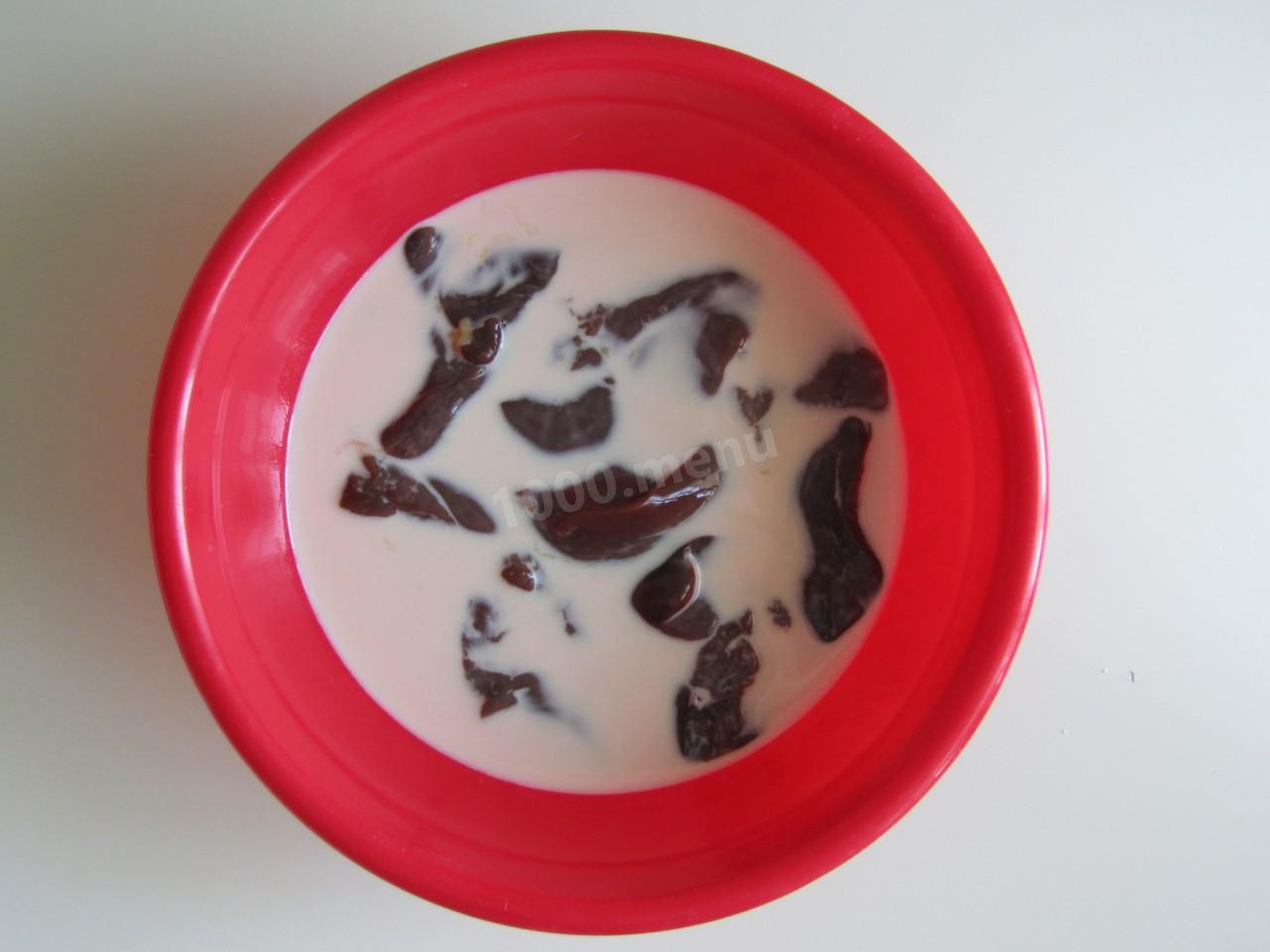
How do you make turkey liver pâté? Start by gathering your ingredients. Fresh liver is best, but if yours is frozen, thaw it first — ideally in the fridge, which helps it stay juicy. To keep the liver juicy, tender, and free of any bitter edge, I usually soak it in milk for an hour. Wash and peel the vegetables. Take the butter out of the fridge so it can soften.
-
Step 2:
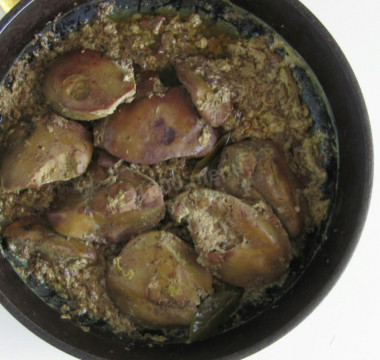
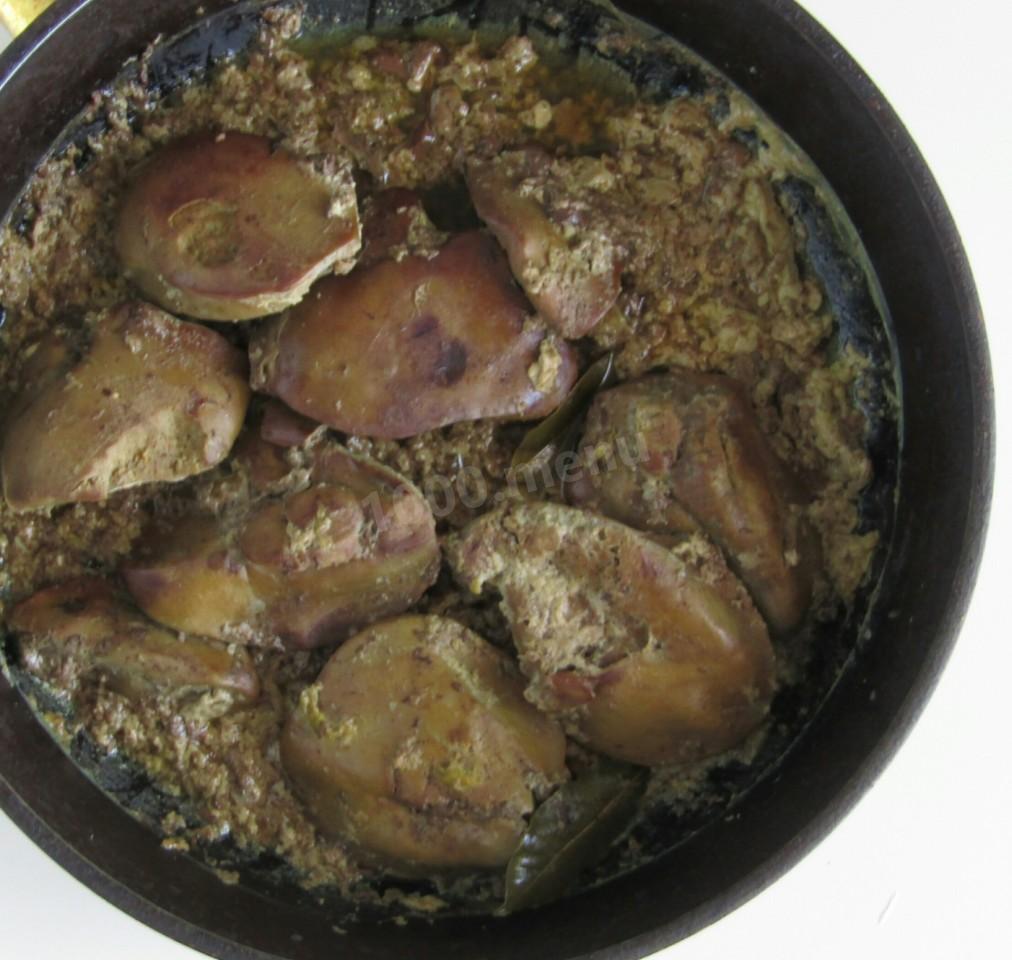
Cook the liver however you like — fry, braise, or boil it. I braised mine in a skillet with a little water, which took about 40 minutes. Boiled liver comes out more tender and lighter. If you prefer it fried, sear it about 5 minutes per side, then cover and simmer for 20 minutes with a splash of water. You don't need to cut the liver into pieces for the pâté — you can cook it whole.
-
Step 3:
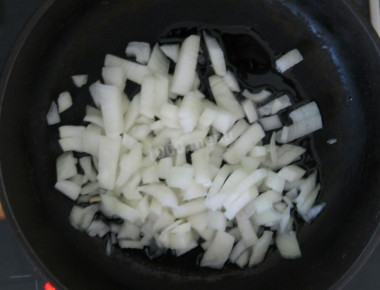
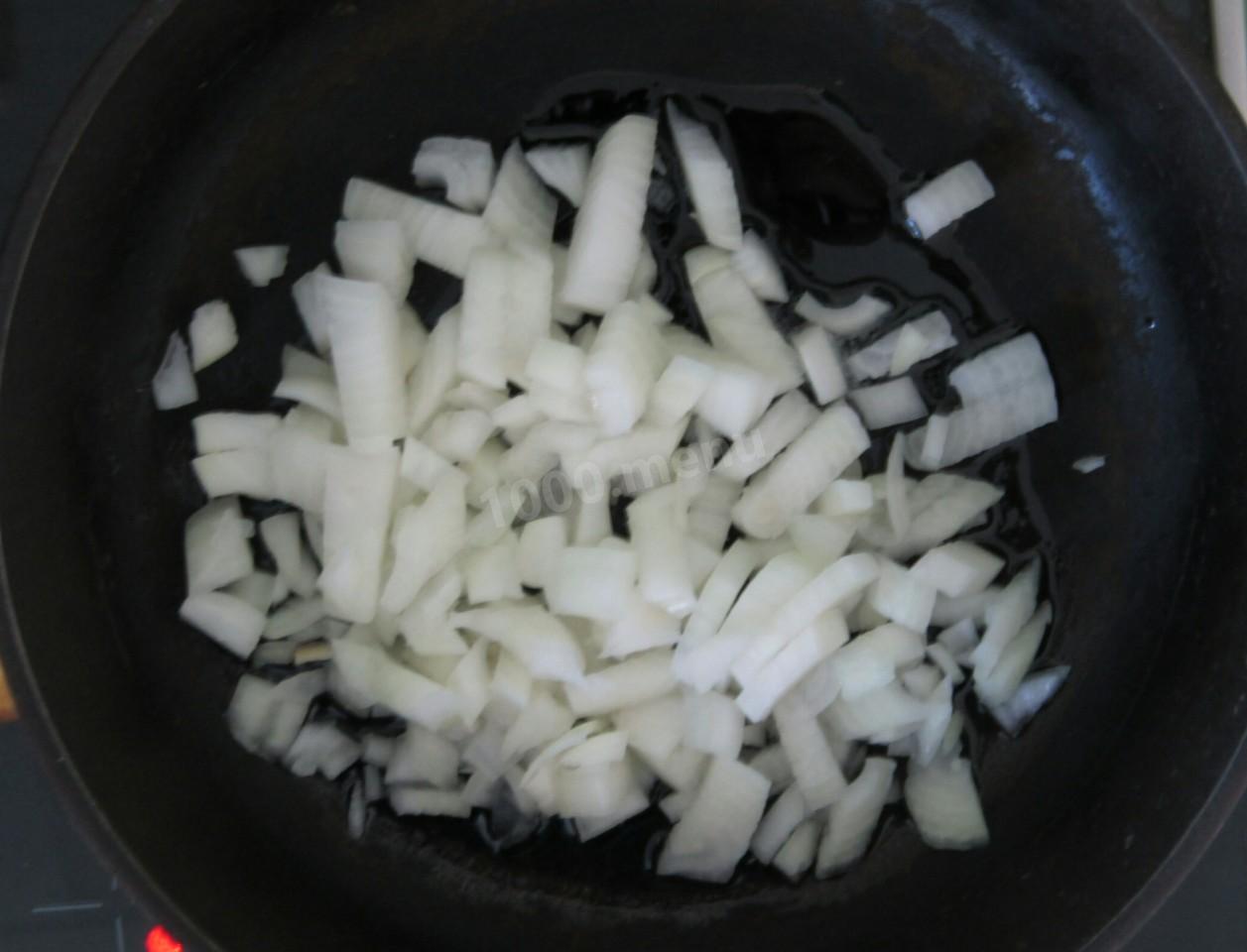
Chop the onion and fry it in vegetable oil over low heat until translucent, about 5 minutes.
-
Step 4:
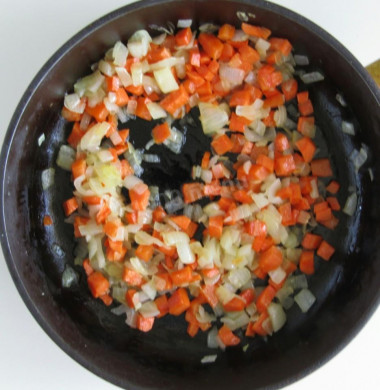
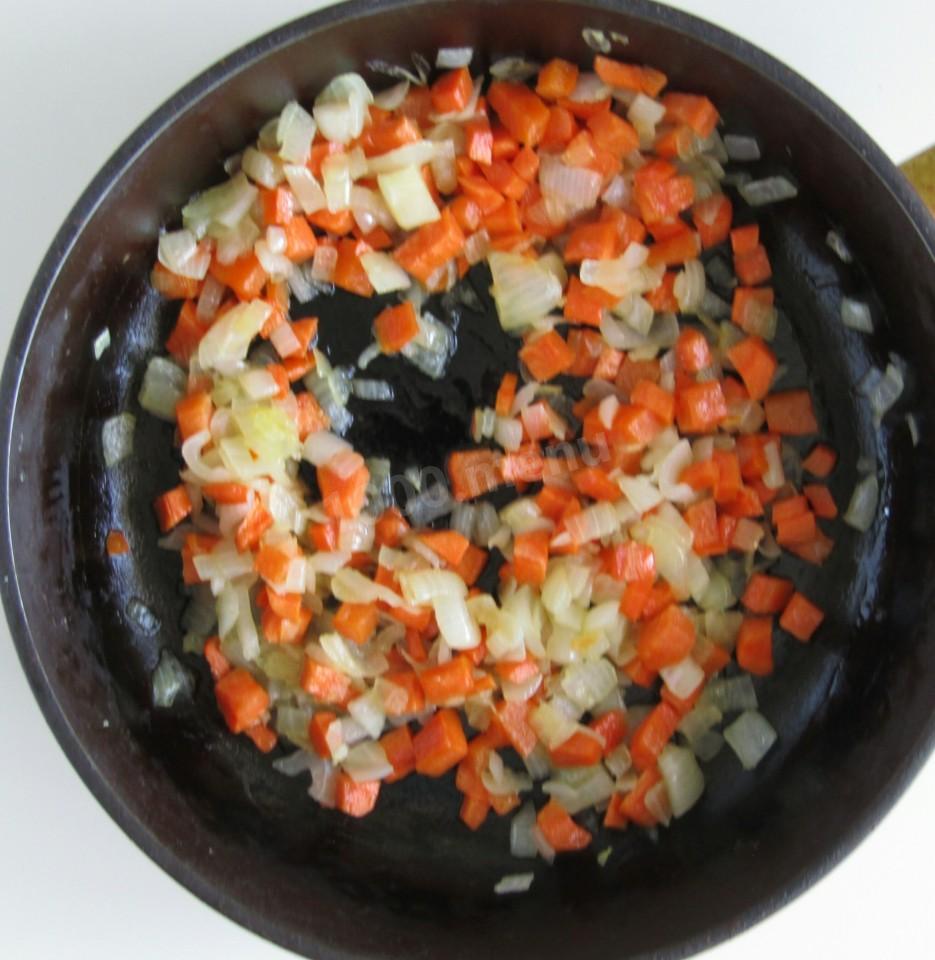
Grate the carrot on a coarse grater (or chop it finely) and add it to the onion. Fry the vegetables together, stirring, until soft. Let the vegetables and liver cool.
-
Step 5:
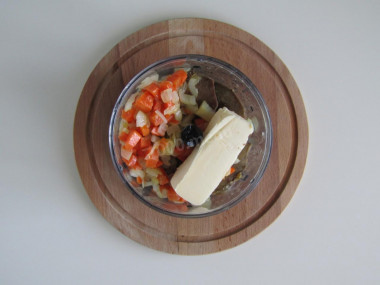
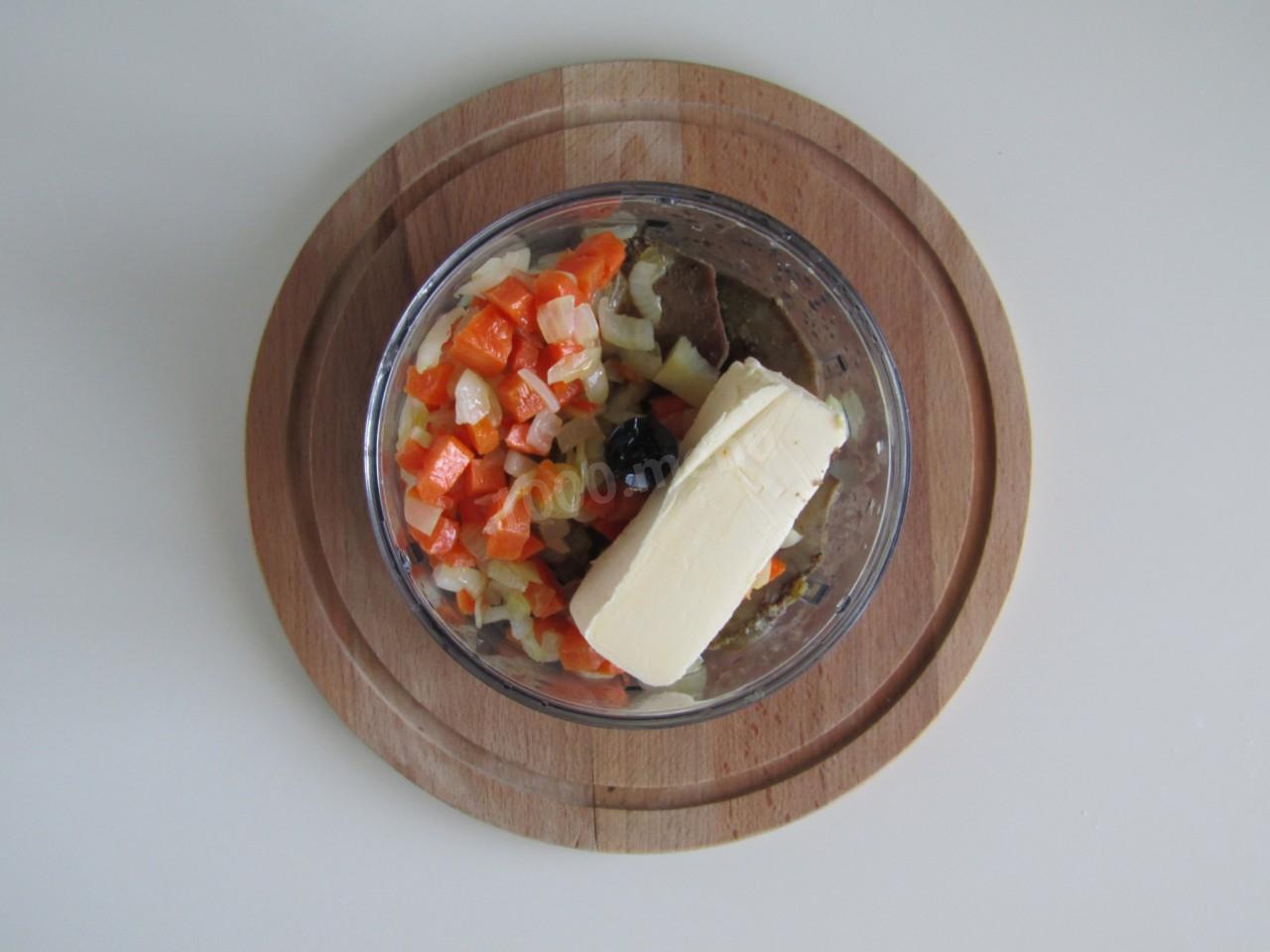
Put the liver, onion, and carrot in a blender or food processor, add the softened butter, and season with salt and any spices you like (I kept it to just salt so as not to mask the delicate flavor of the liver). Blend until smooth. Everything didn't fit in my bowl at once, so I worked in two batches. Pack the pâté into containers or jars and chill in the fridge. That's it — a delicious pâté, ready to enjoy!
- I've made pâté before, but never with turkey liver until now. It turned out incredibly smooth and tasty, and it's really not hard to make — this recipe yields a good amount. If the pâté comes out too stiff, blend in a little cooled boiled water. I used a large carrot, so there was plenty in the mix; if you prefer less carrot flavor, use a medium one. Store the pâté in a tightly sealed container in the fridge for up to five days. It's pretty enough for a holiday spread and goes beautifully with pickles, sauerkraut, and fresh vegetables — and it makes a great addition to soups and main courses.
- Root vegetables are best scrubbed with a brush or a stiff sponge under running water.
- To keep onions from stinging your eyes, rinse the onion and the knife in cold water first. And to keep the cutting board from picking up the onion smell, rub it with a piece of lemon before you start.
Caloric content of the products possible in the composition of the dish
- Onion - 41 kcal/100g
- Whole cow's milk - 68 kcal/100g
- Milk 3.5% fat content - 64 kcal/100g
- Milk 3.2% fat content - 60 kcal/100g
- Milk 1.5% fat content - 47 kcal/100g
- Concentrated milk 7.5% fat content - 140 kcal/100g
- Milk 2.5% fat content - 54 kcal/100g
- Carrots - 33 kcal/100g
- Dried carrots - 275 kcal/100g
- Boiled carrots - 25 kcal/100g
- Butter 82% - 734 kcal/100g
- Amateur unsalted butter - 709 kcal/100g
- Unsalted peasant butter - 661 kcal/100g
- Peasant salted butter - 652 kcal/100g
- Melted butter - 869 kcal/100g
- Vegetable oil - 873 kcal/100g
- Salt - 0 kcal/100g
- Turkey liver - 276 kcal/100g