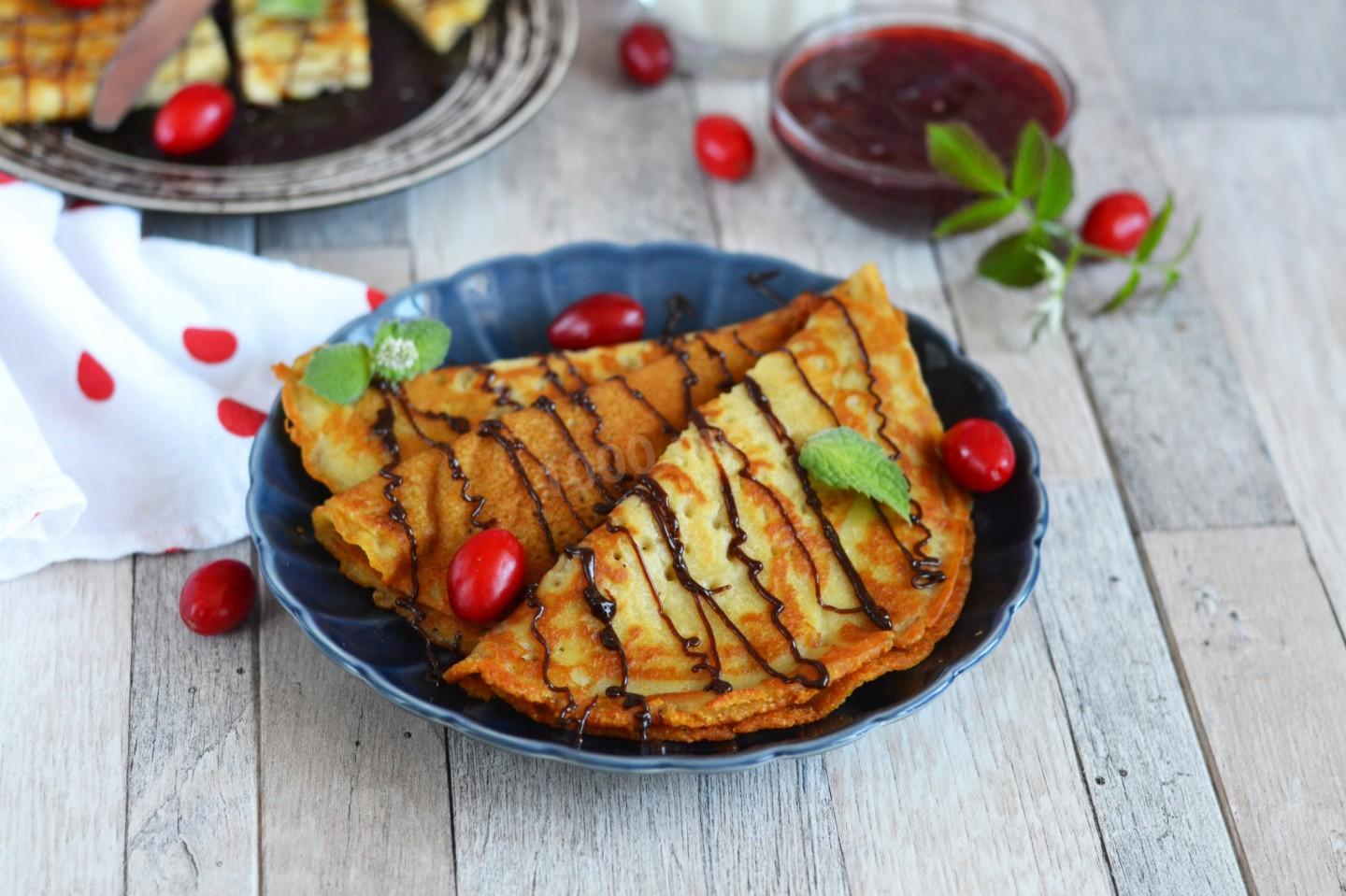
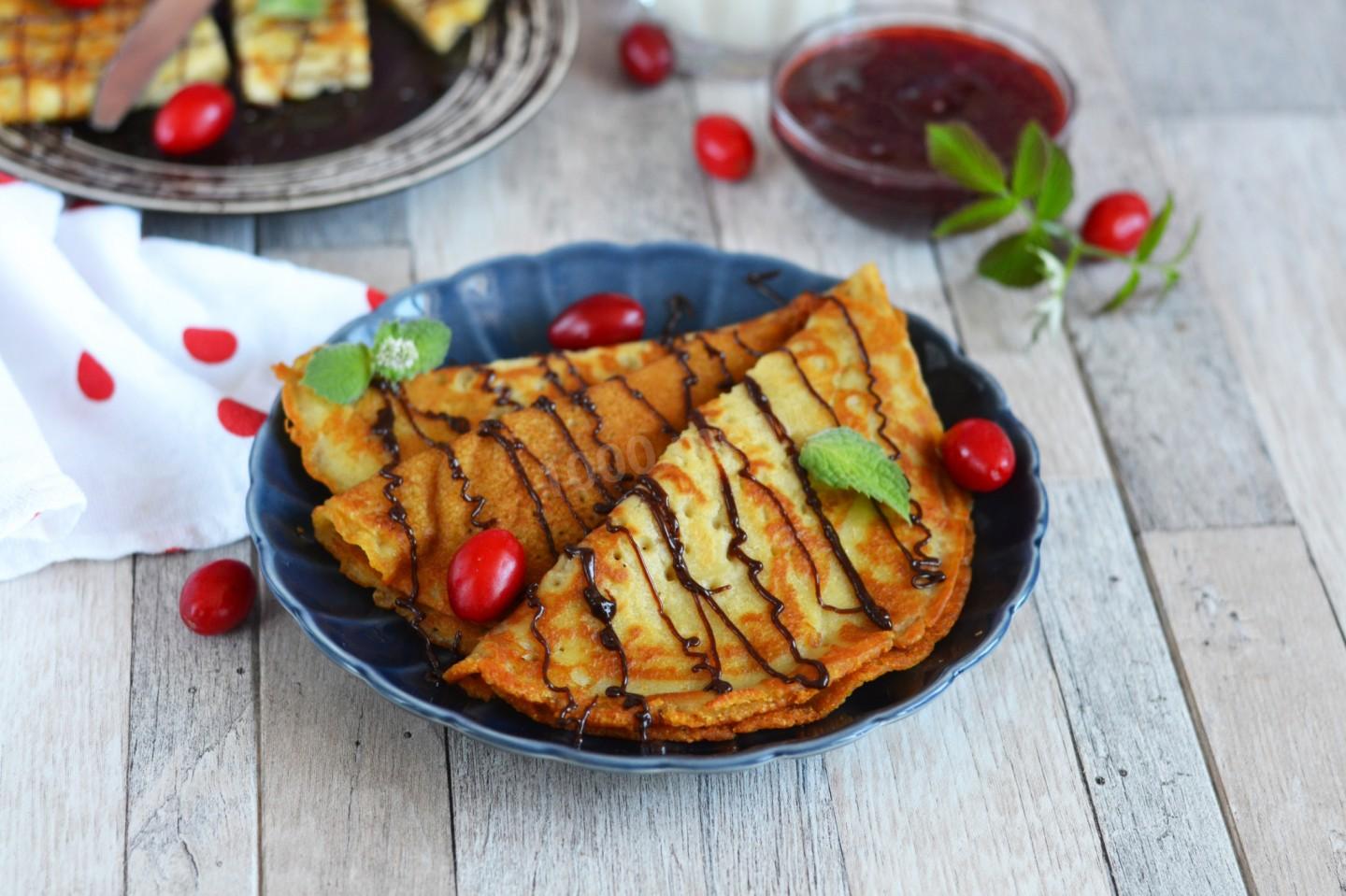
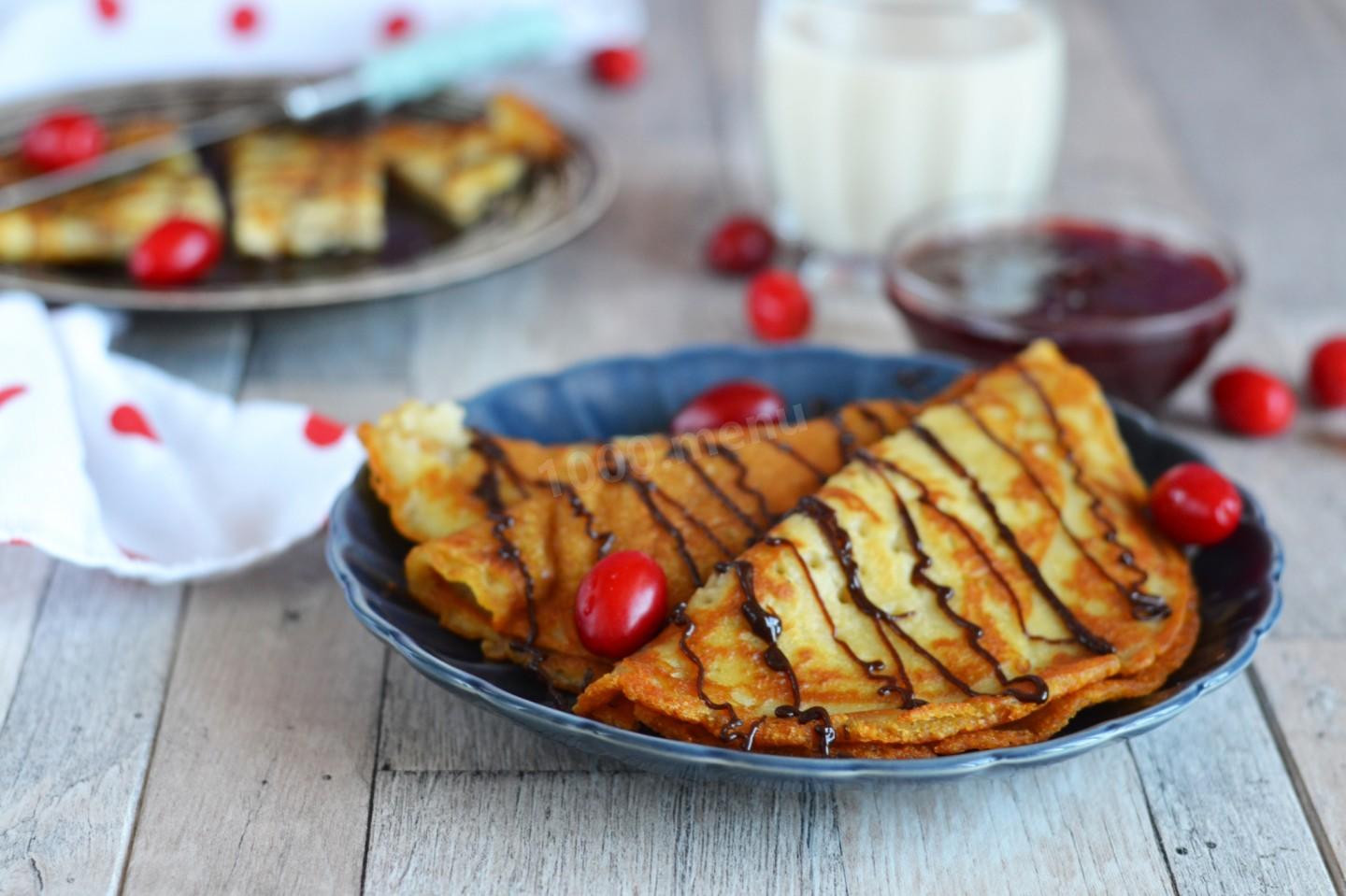
Vegan Oat Milk Crêpes
Vanilla-scented, egg- and dairy-free, and wholesome! These vegan oat milk crêpes come together in just minutes and make a fantastic breakfast for the whole family. Serve them with any sauce you like, sweet or savory.

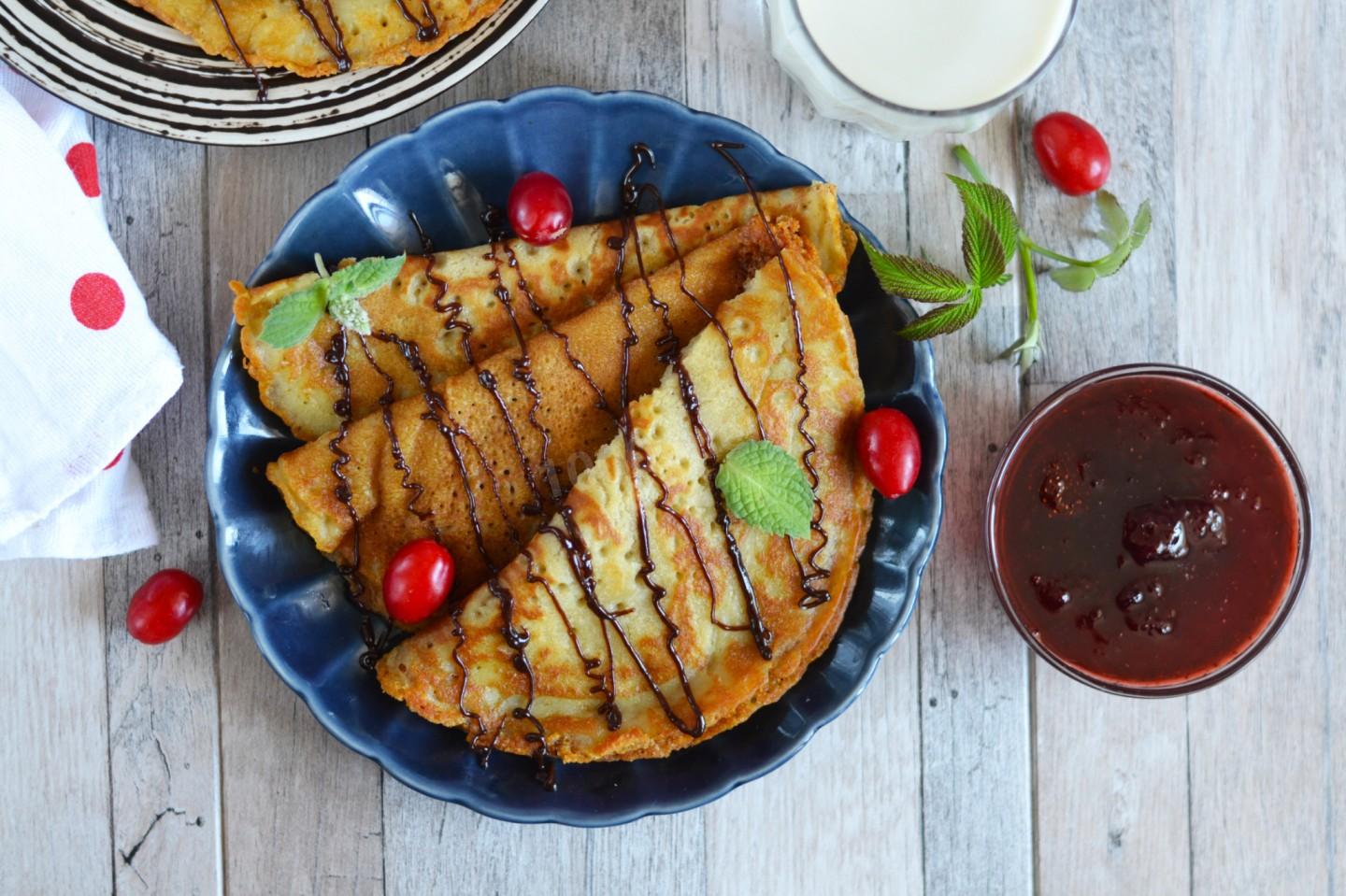
Cooking method
-
Step 1:
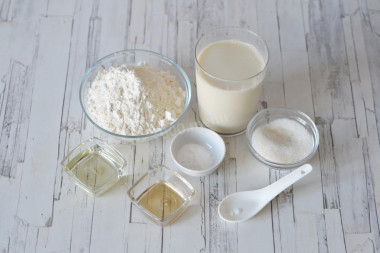
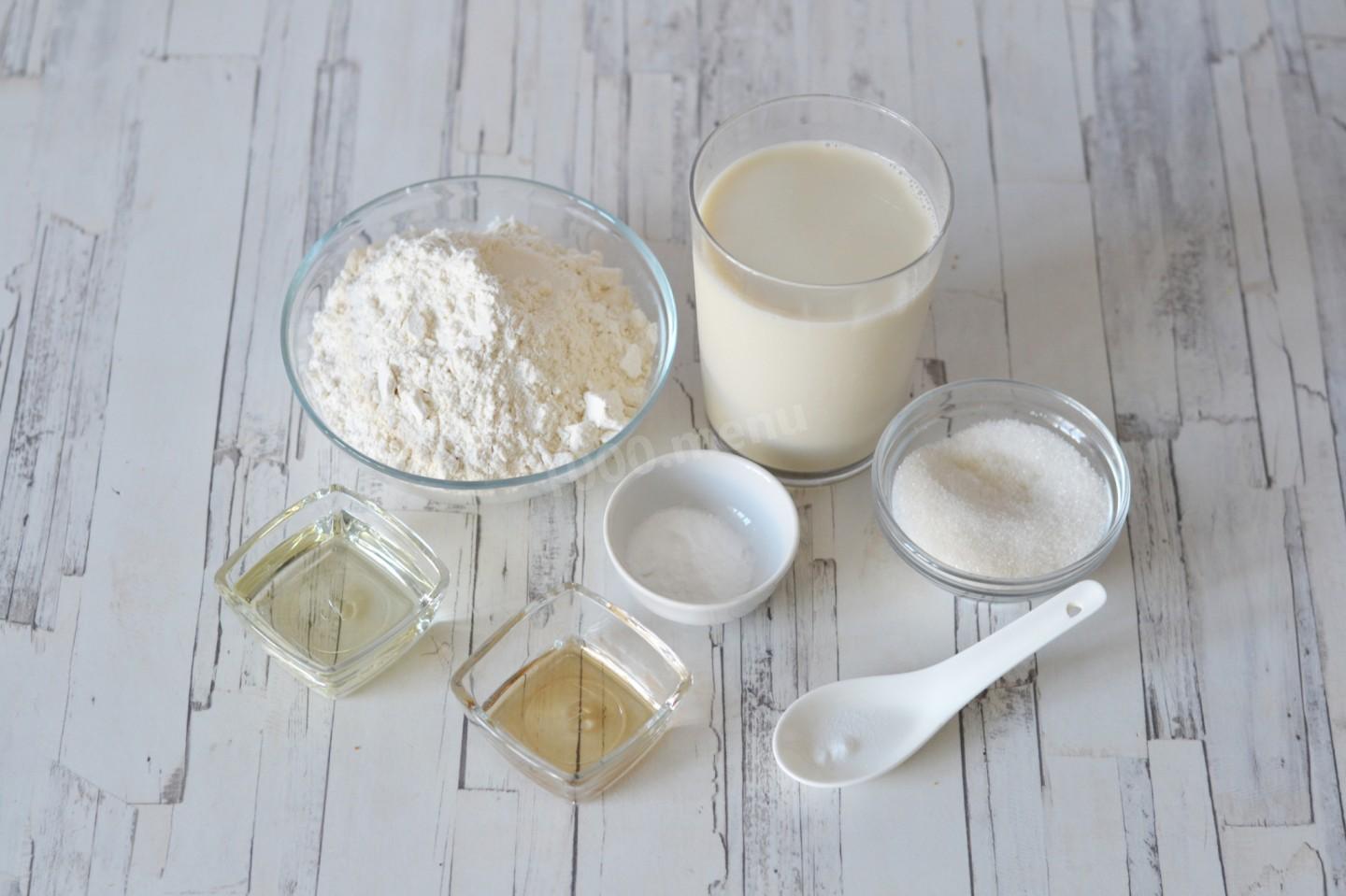
How do you make vegan crêpes? Gather your ingredients. The oat milk should be at room temperature, so take it out of the fridge ahead of time. You can use any flavor of oat milk you like — vanilla, chocolate, whatever appeals to you. I used vanilla and boosted its flavor and aroma with a little vanilla. Be sure to shake the milk well before measuring. Use all-purpose flour.
-
Step 2:
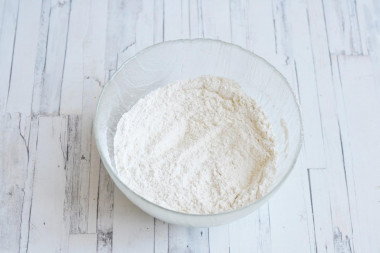
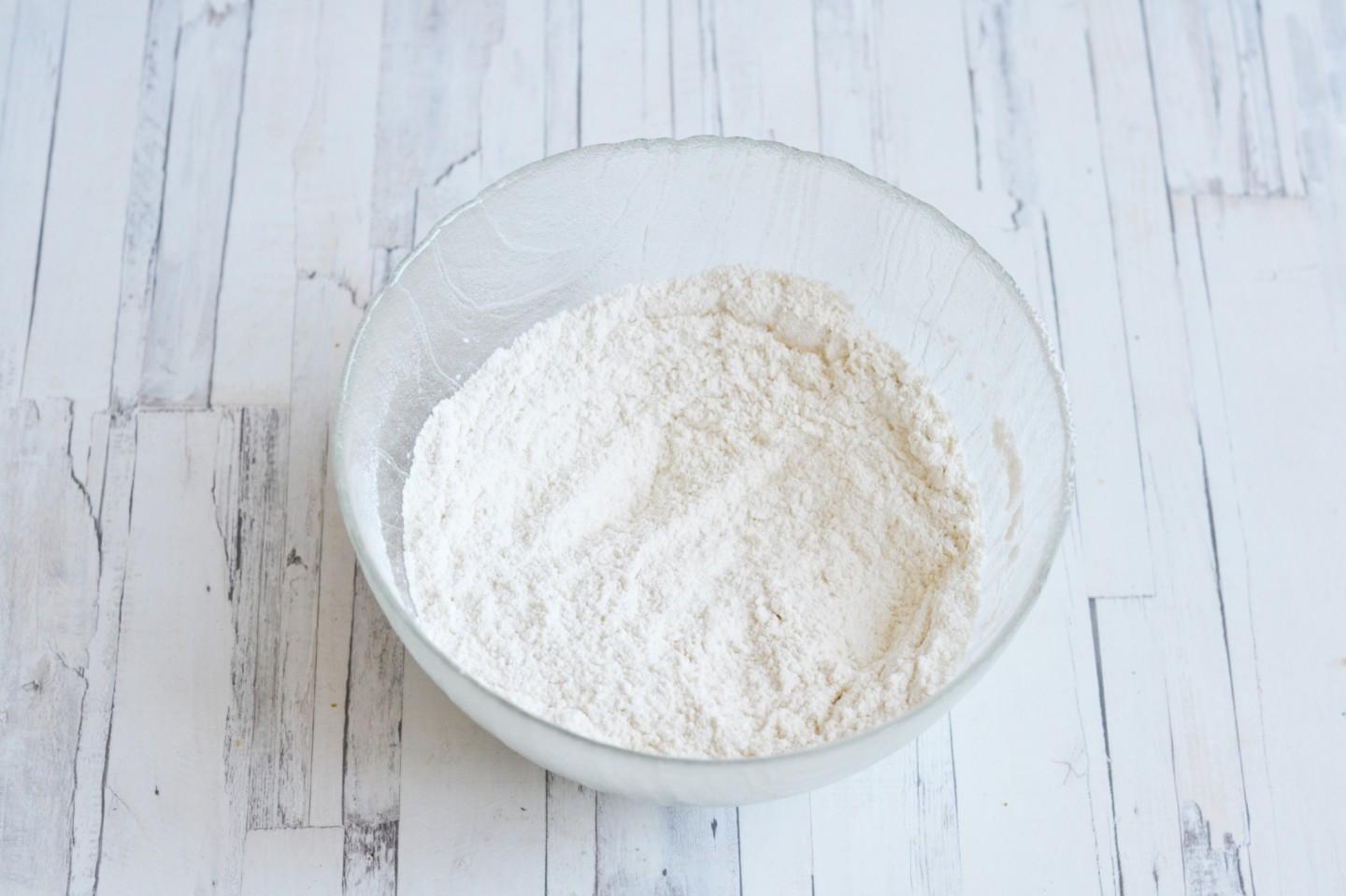
Sift all the flour into a deep bowl. Sifting matters — it aerates the flour so the crêpes come out light and rise nicely as they cook.
-
Step 3:
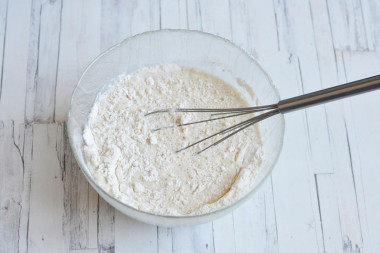
Add the sugar, vanilla, and baking soda, and whisk everything together. You can swap the vanilla for 1 tsp of vanilla sugar.
-
Step 4:

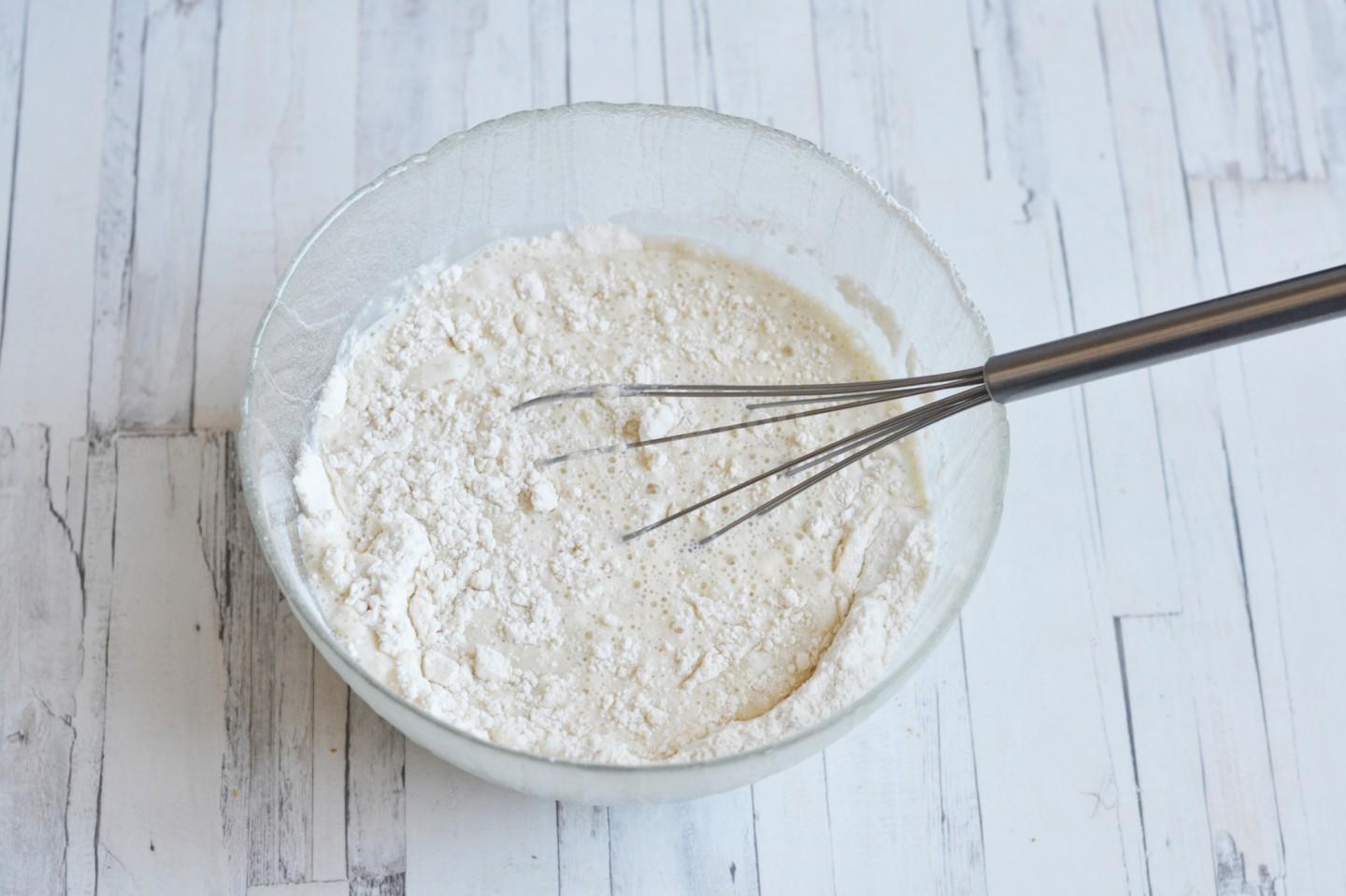
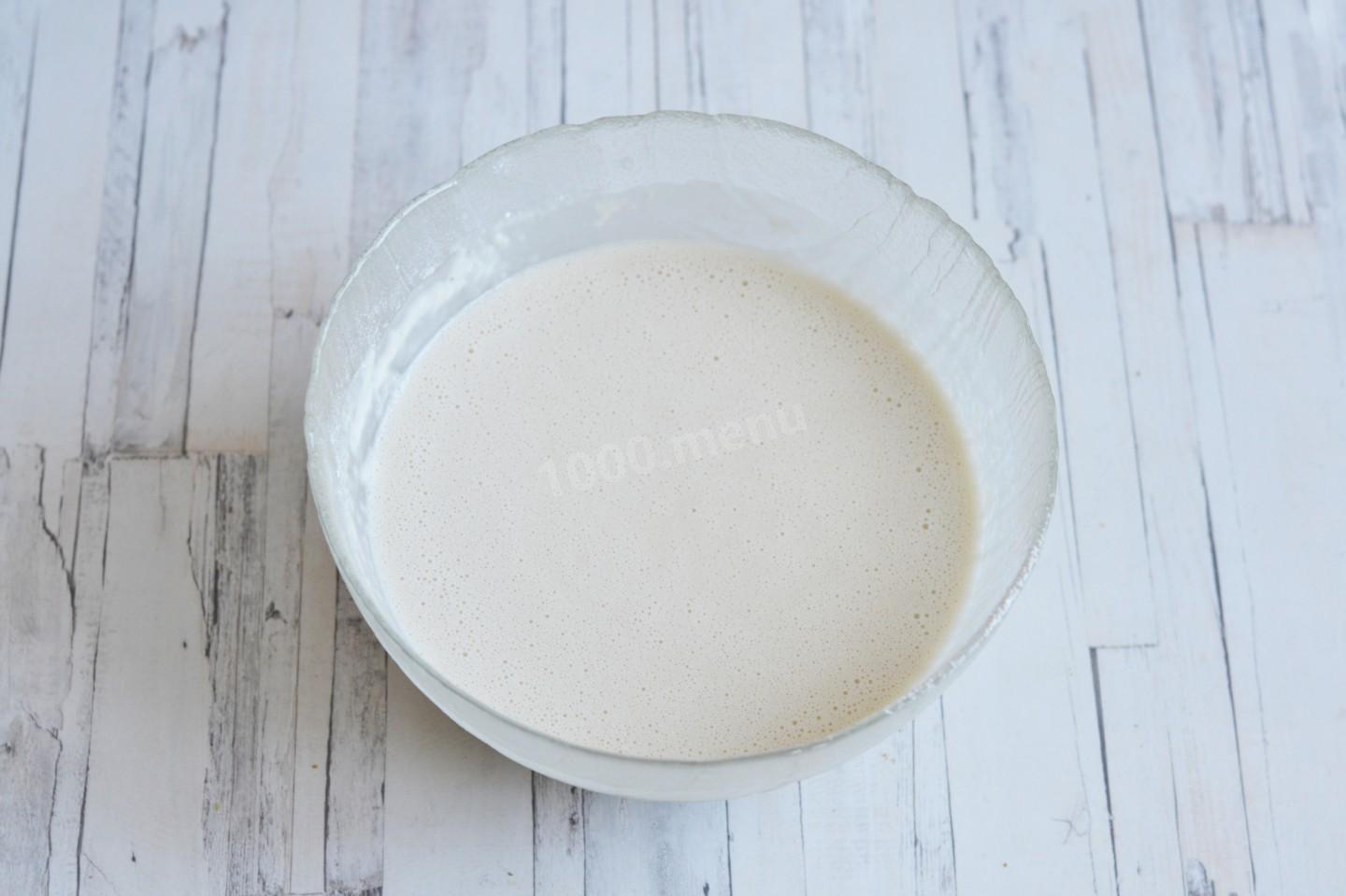
Pour in the room-temperature oat milk and whisk into a semi-thick batter. Add the vegetable oil and apple cider vinegar and mix again. Let the batter rest for about 10 minutes.
-
Step 5:
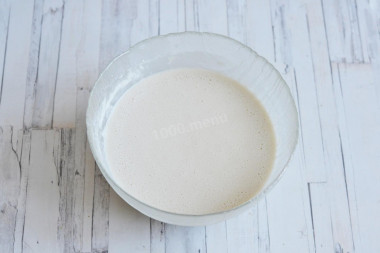
Give the batter another stir. If it's too thick, add a splash more oat milk — but don't overdo it, since crêpes will tear if the batter is too thin.
-
Step 6:

Heat a little vegetable oil in a heavy-bottomed nonstick skillet. Pour in a small amount of batter and cook the crêpes on both sides until golden. You won't get paper-thin crêpes with oat milk — the batter's consistency is different from regular milk. If the first couple tear, either use a bit more batter or switch pans. A few of mine stuck in the center, so it took a little fiddling.
-
Step 7:
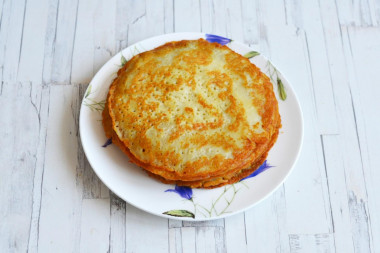
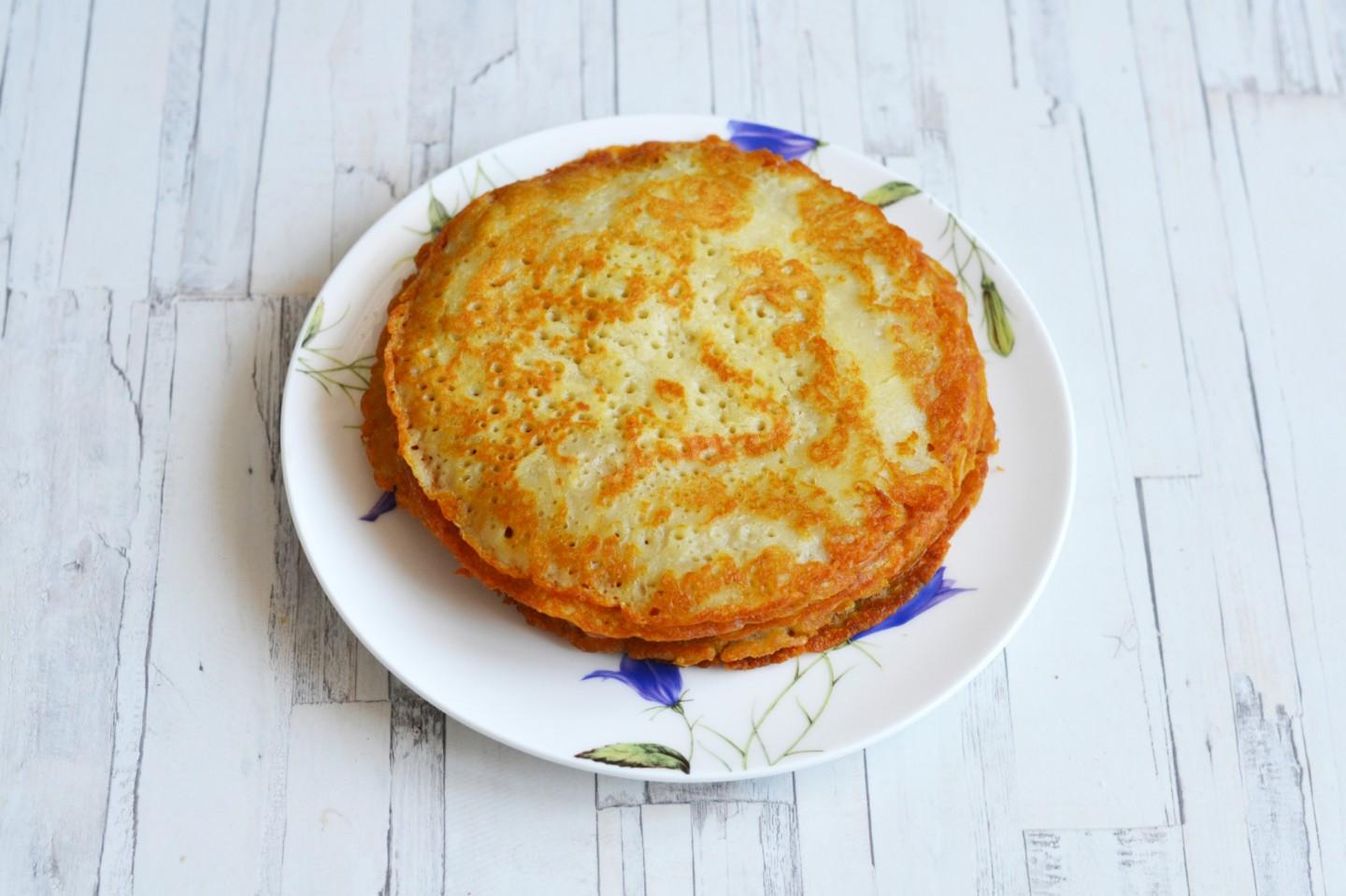
Stack the finished vegan crêpes on a plate and serve. Enjoy!


- Vegan cooking is stricter than vegetarian, ruling out milk and eggs entirely. Even so, you can make delicious crêpes by swapping cow's milk for the now-popular oat milk.
- Be ready for the flour to run a little more or less than the recipe calls for. Go by the consistency of the batter rather than an exact amount. To avoid slip-ups, it helps to understand flour and how it behaves.
- Use a high-smoke-point oil for frying! Every oil is only good up to a certain temperature — its smoke point — beyond which it starts to burn and form harmful compounds. Unrefined oils, with few exceptions, have a low smoke point; they're full of unfiltered particles that scorch quickly. Refined oils stand up to heat better and have a higher smoke point. Whether you're baking, pan-frying, or grilling, use an oil with a high smoke point. Some of the most common are refined sunflower, olive, and grapeseed oils.
Caloric content of the products possible in the composition of the dish
- Whole cow's milk - 68 kcal/100g
- Milk 3.5% fat content - 64 kcal/100g
- Milk 3.2% fat content - 60 kcal/100g
- Milk 1.5% fat content - 47 kcal/100g
- Concentrated milk 7.5% fat content - 140 kcal/100g
- Milk 2.5% fat content - 54 kcal/100g
- Whole durum wheat flour fortified - 333 kcal/100g
- Whole durum wheat flour, universal - 364 kcal/100g
- Flour krupchatka - 348 kcal/100g
- Flour - 325 kcal/100g
- Granulated sugar - 398 kcal/100g
- Sugar - 398 kcal/100g
- Vegetable oil - 873 kcal/100g
- Vanillin - 288 kcal/100g
- Apple cider vinegar - 14 kcal/100g
- Baking soda - 0 kcal/100g