Potatoes and Meat in a Cauldron
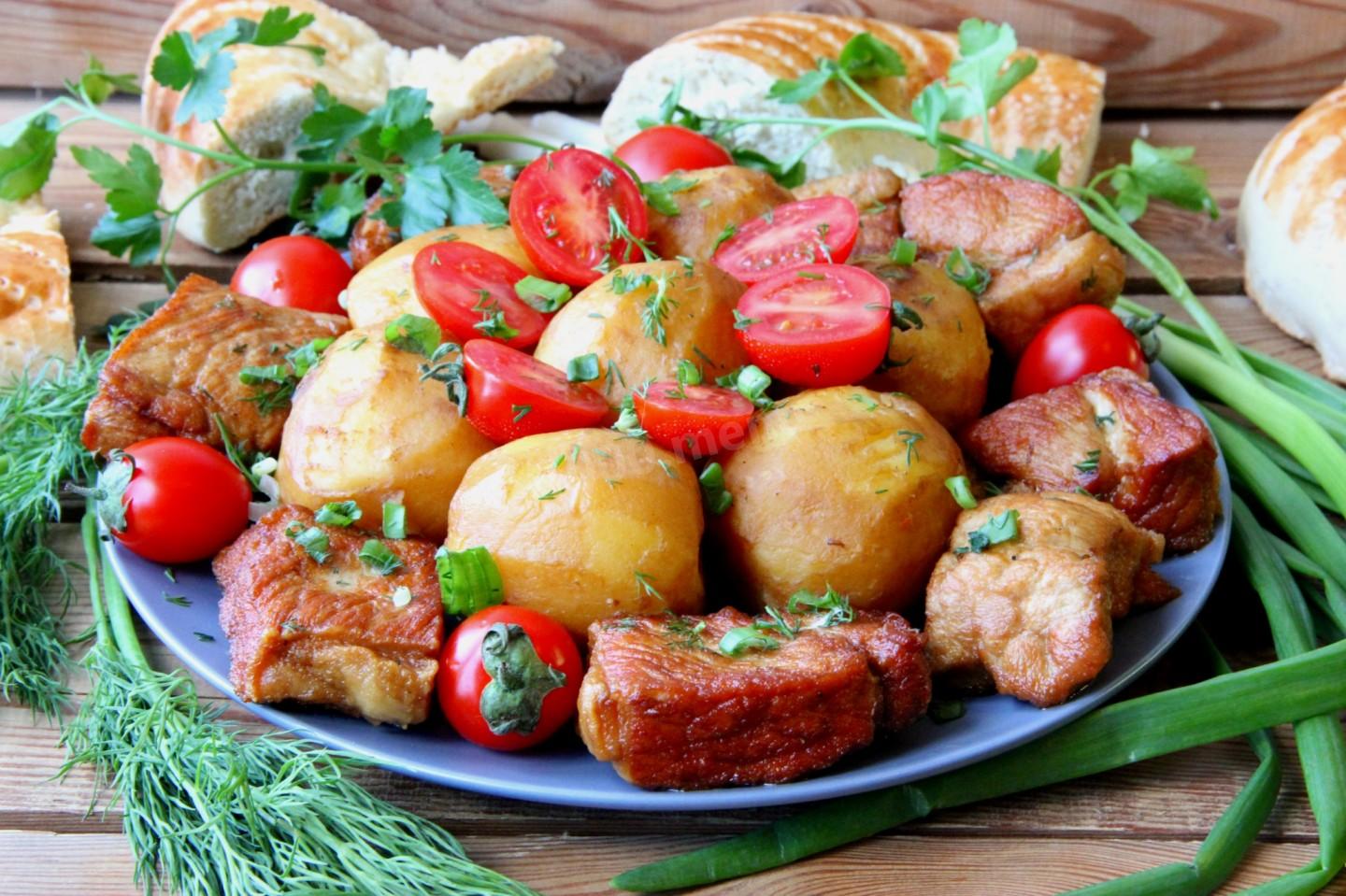
A cauldron isn't just for frying and stewing—you can bake in it too! And not only over an open fire, but right on the stovetop. These potatoes and meat come out not just delicious but genuinely handsome and presentable, so the dish works for both an everyday meal and a festive spread. And trust me, there will always be someone eager to dig in!


Cooking method
-
Step 1:
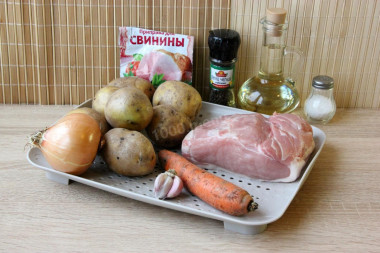
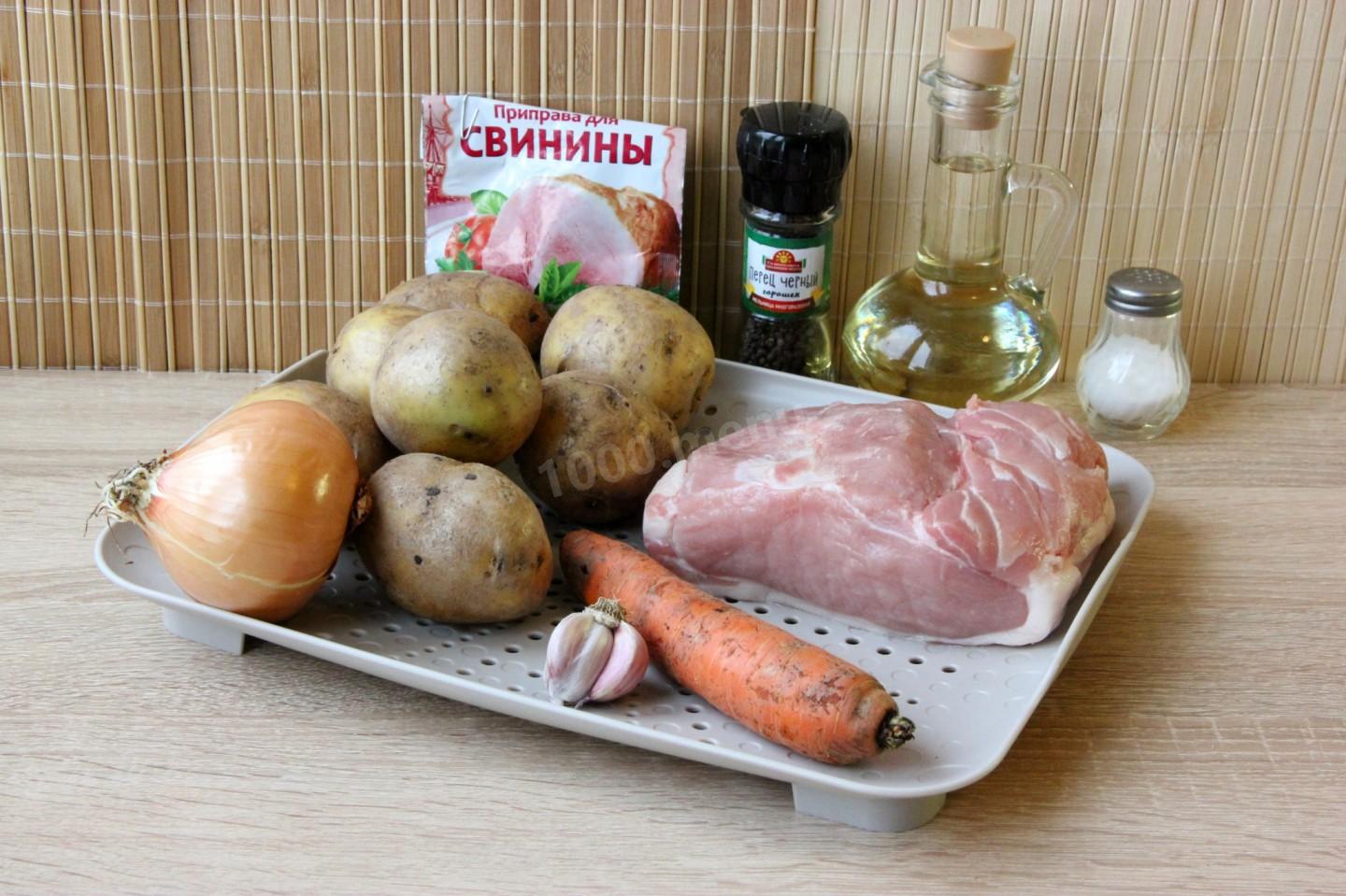
Gather your ingredients. Rinse and pat the meat dry. Peel the potatoes and leave them in cool water for now. Peel the garlic, carrots, and onion.
-
Step 2:
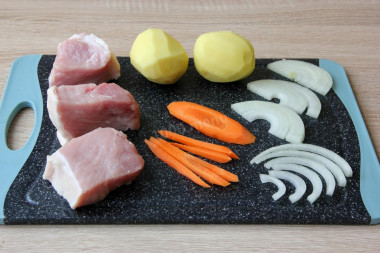
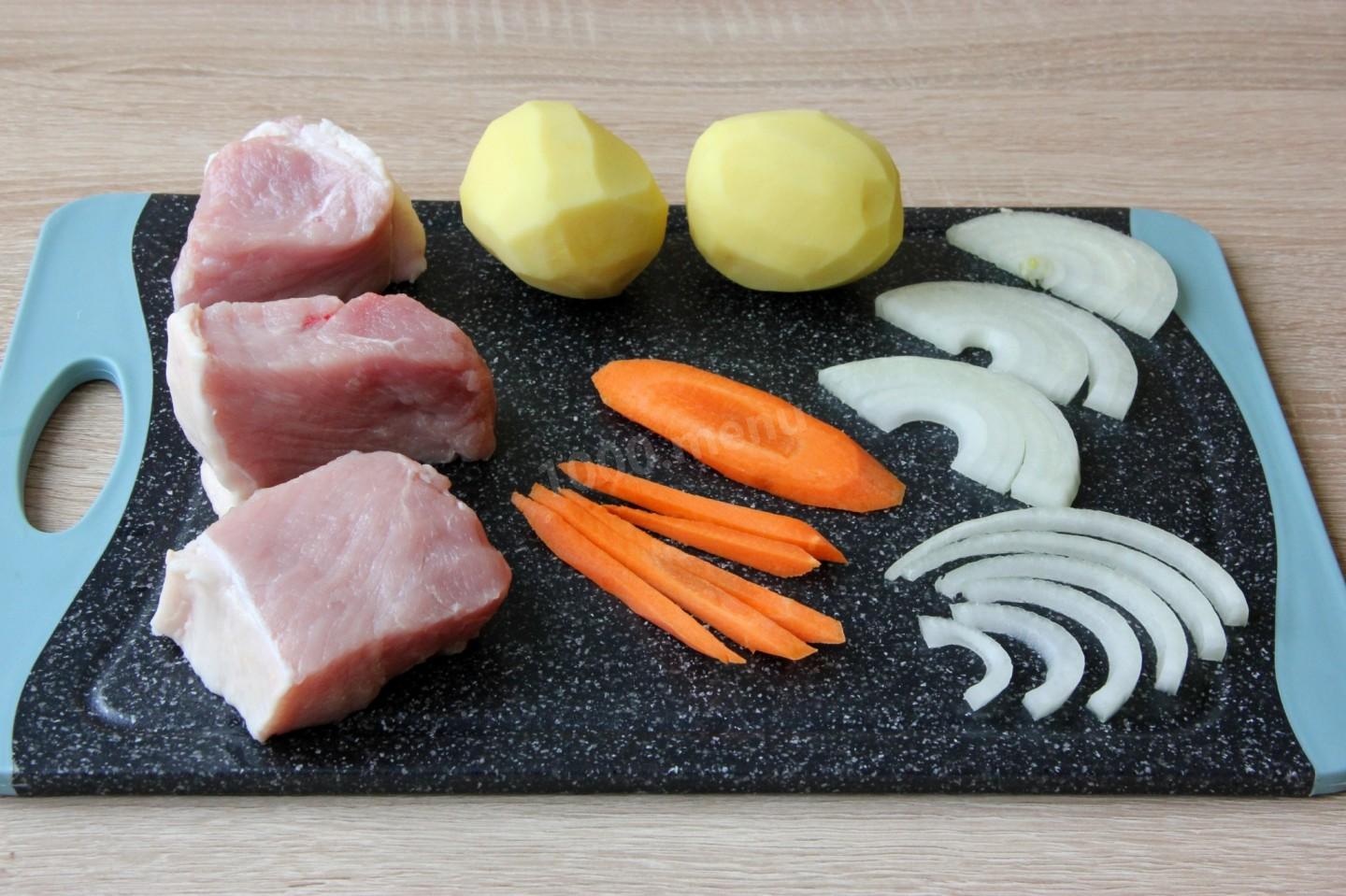
Prep the cuts. Leave the garlic and potatoes whole. (Ideally pick evenly shaped, medium potatoes of the same size—they'll cook faster and the finished dish will look neater.) Slice the onion into half-moons and cut the carrot into batons, not too fine. Cut the meat into large, roughly equal pieces, trying to leave a little fat on each one.
-
Step 3:
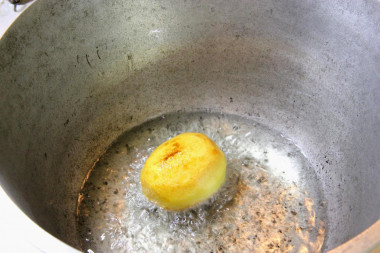
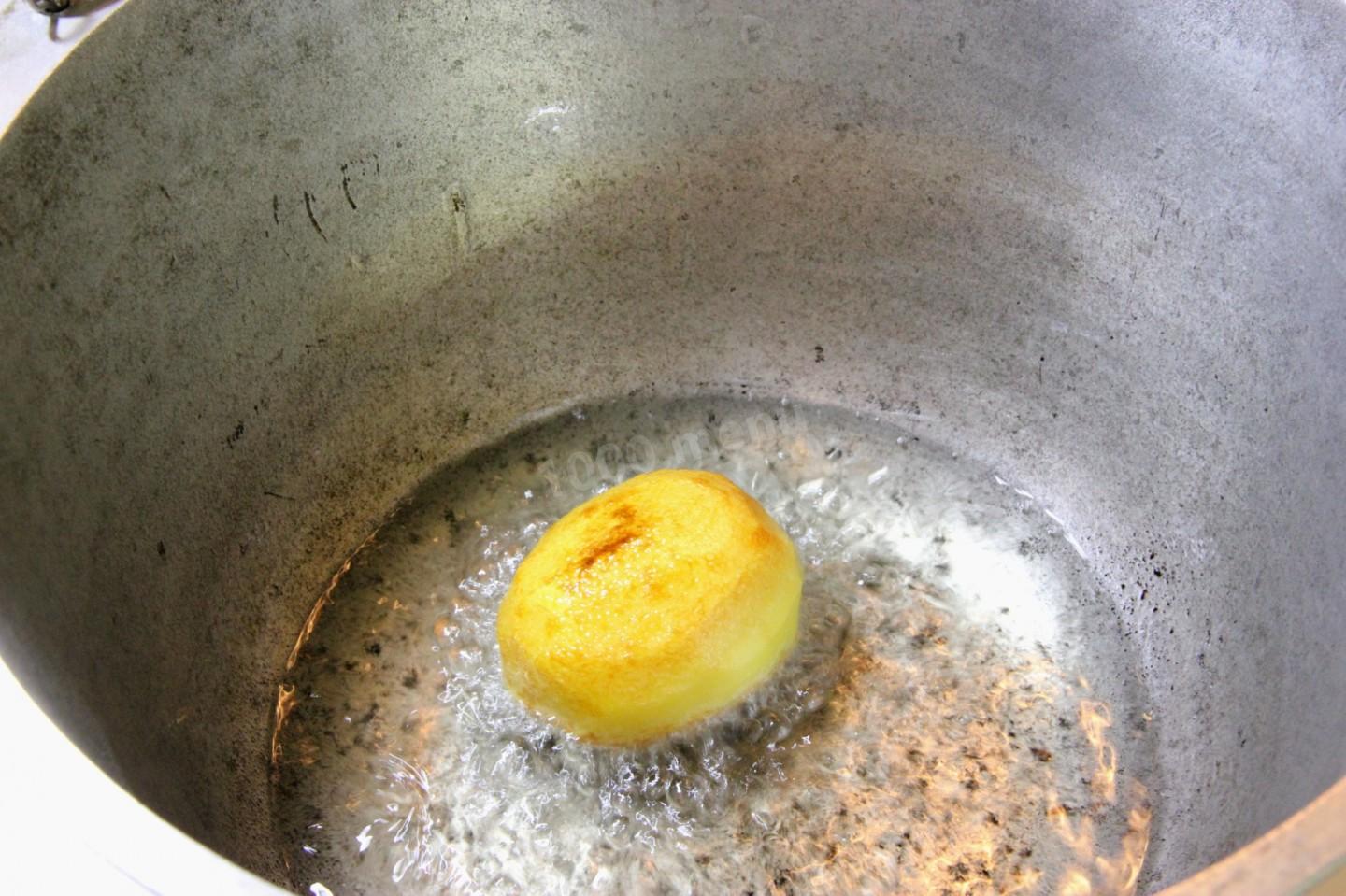
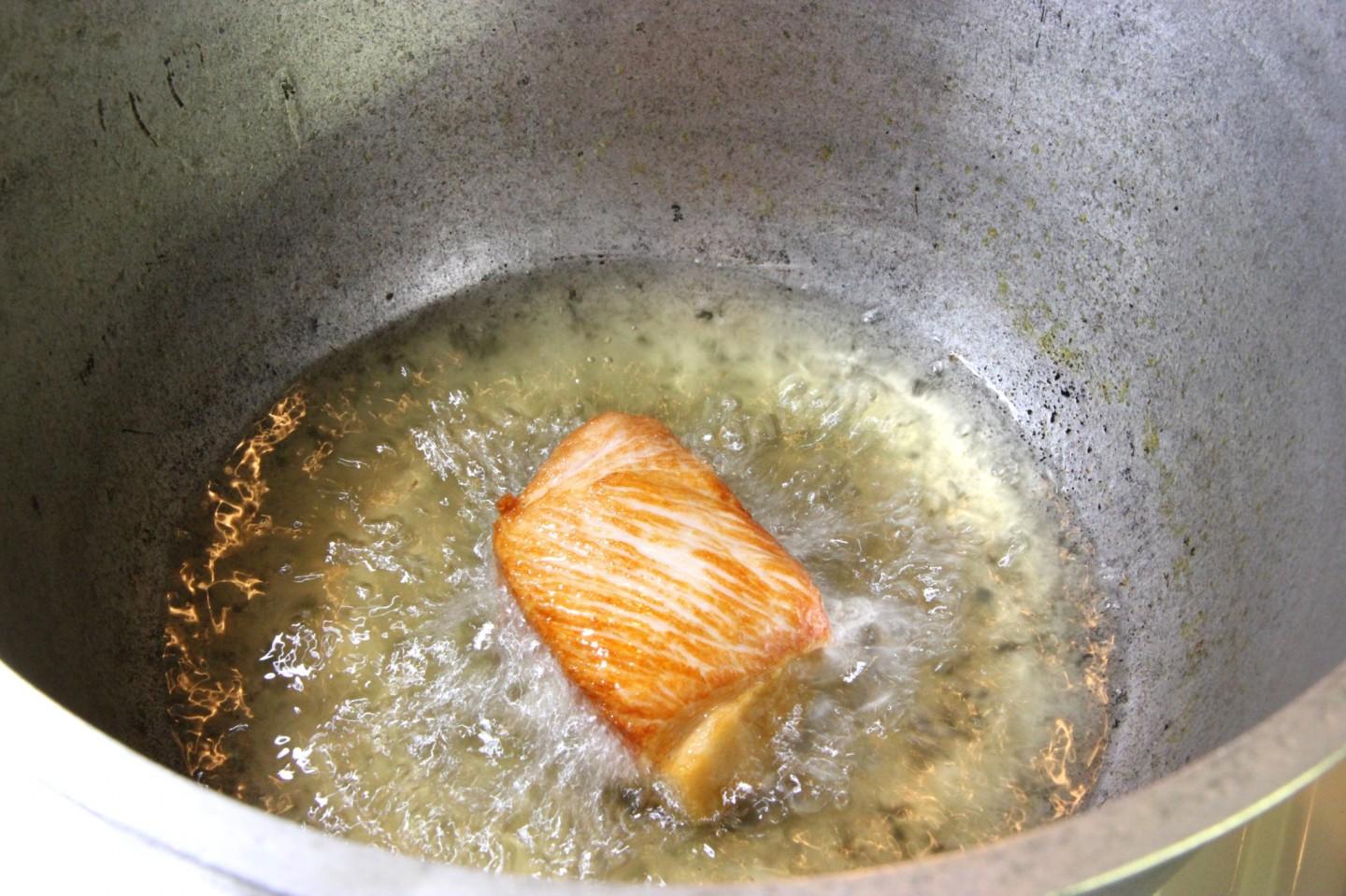
Before you start baking, fry the potatoes in batches until golden. Heat the cauldron first, pour in about 1 cup of refined oil, and get it good and hot. Pat the potatoes thoroughly dry. Fry them 1–2 at a time so the oil doesn't lose heat.
-
Step 4:
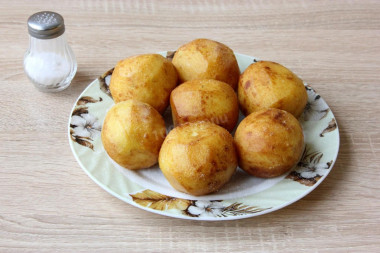
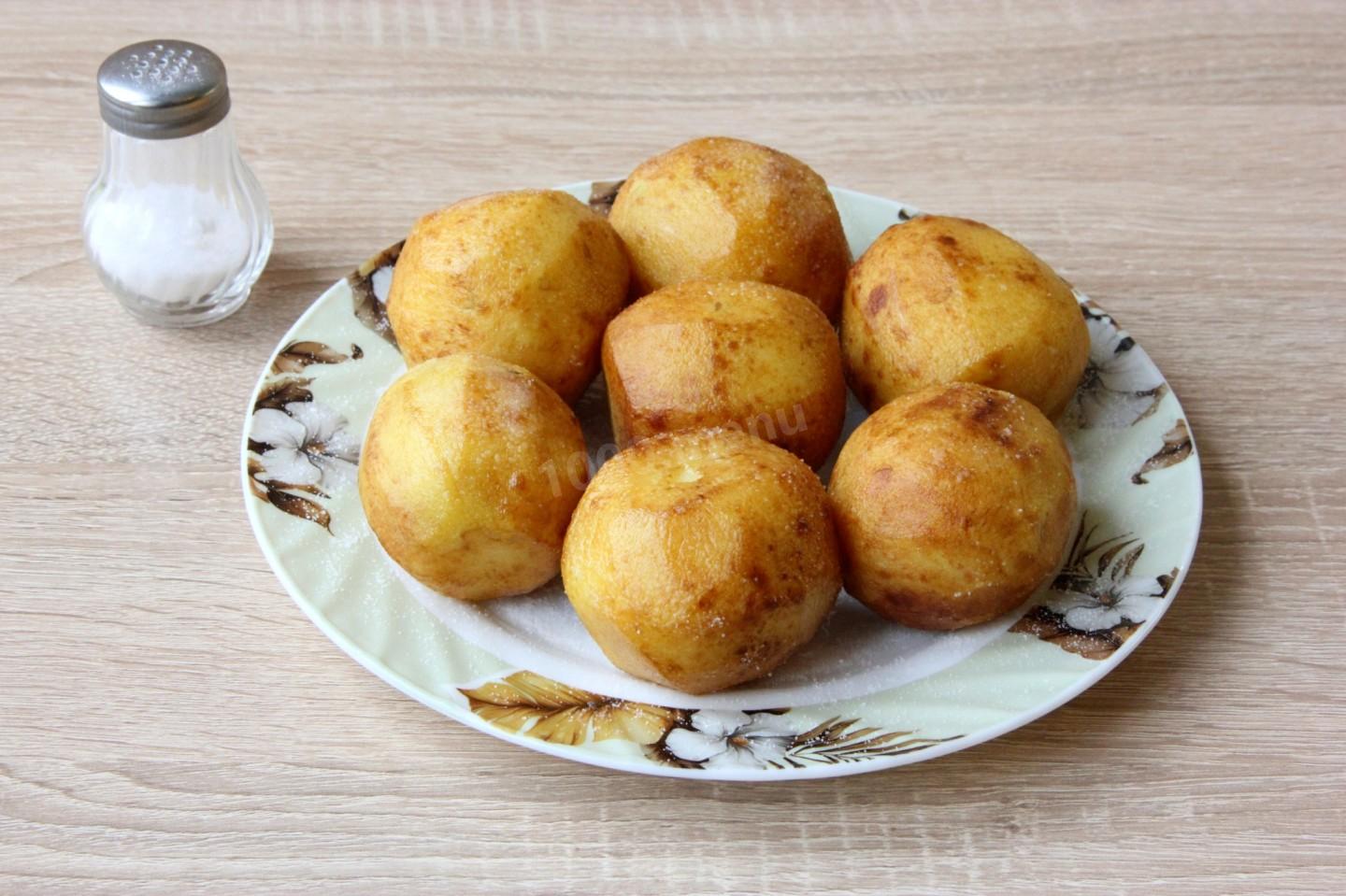
Lift out the fried potatoes with a slotted spoon and sprinkle them with salt right away, while hot. Fry all the potatoes this way.
-
Step 5:
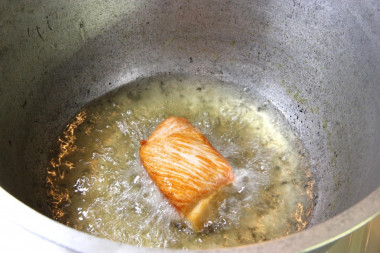
The same way, pat dry and fry all the pieces of meat in batches.
-
Step 6:
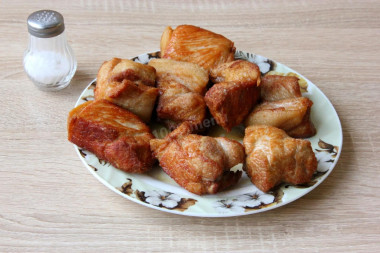
Salt the hot pieces and sprinkle them with black pepper and cumin crushed between your fingers, or other spices to taste. The meat and potatoes are still raw inside, of course, but the seared crust will lock all the juices in during the rest of the cooking.
-
Step 7:
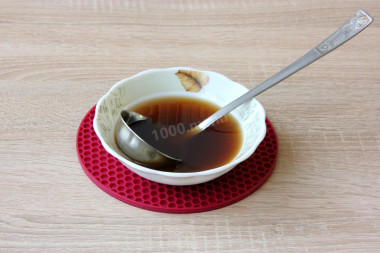
Frying used a lot of oil, but you won't need that much for the rest, so pour some off. Leave just enough to cover the bottom of the cauldron by about 1/2 inch (1–1.5 cm).
-
Step 8:
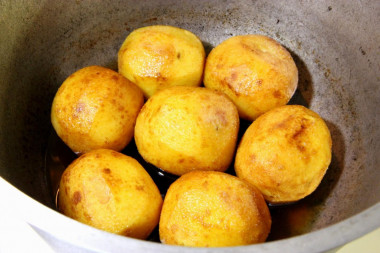
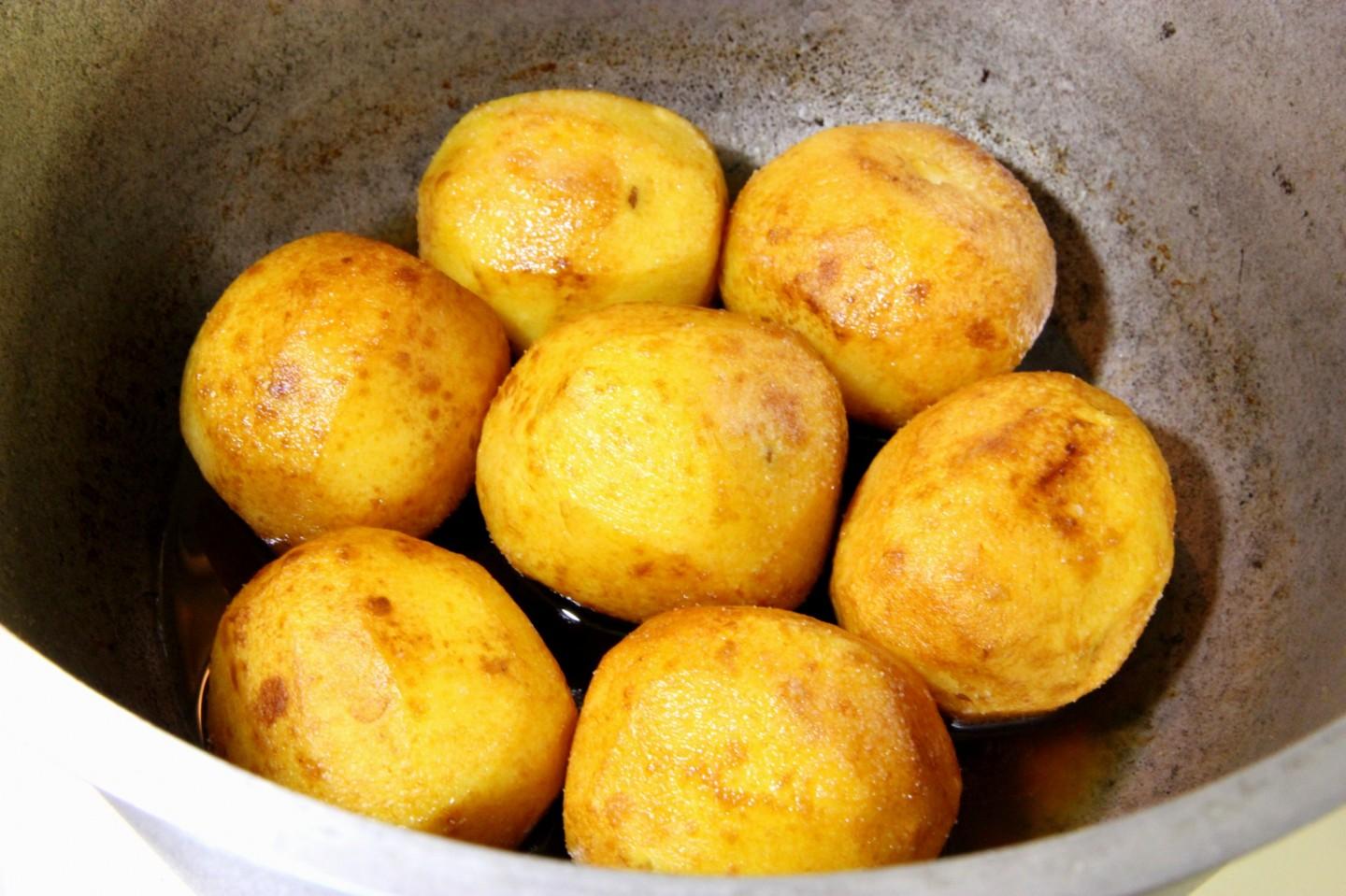
Now return everything to the cauldron in layers—potatoes first.
-
Step 9:
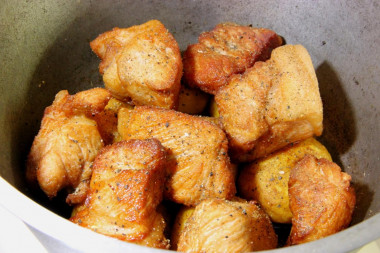
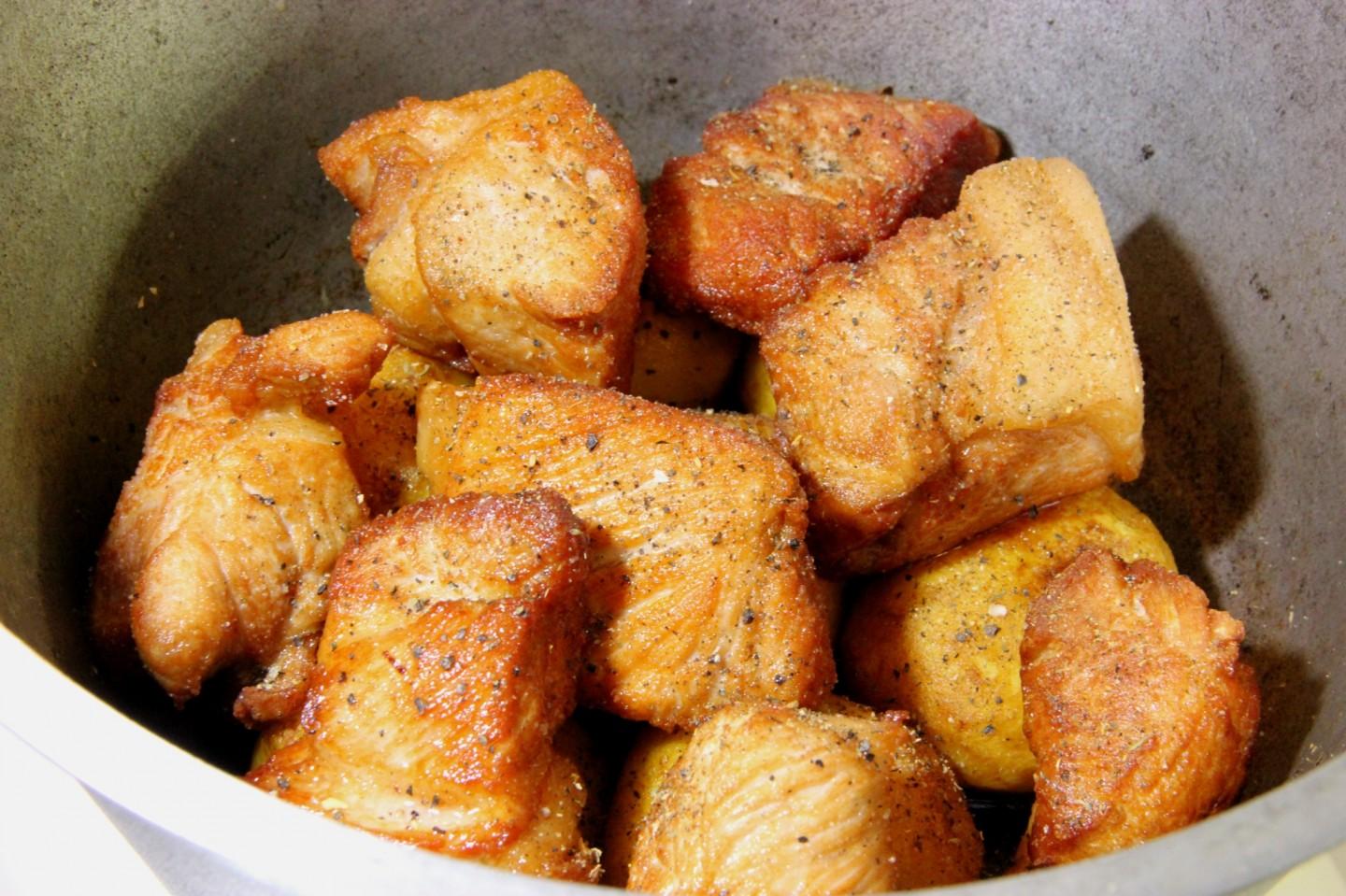
Lay the pieces of meat on top.
-
Step 10:
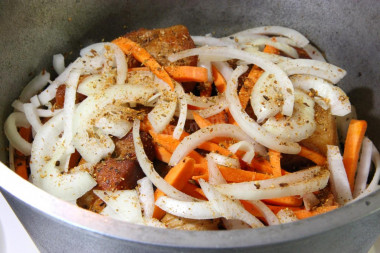
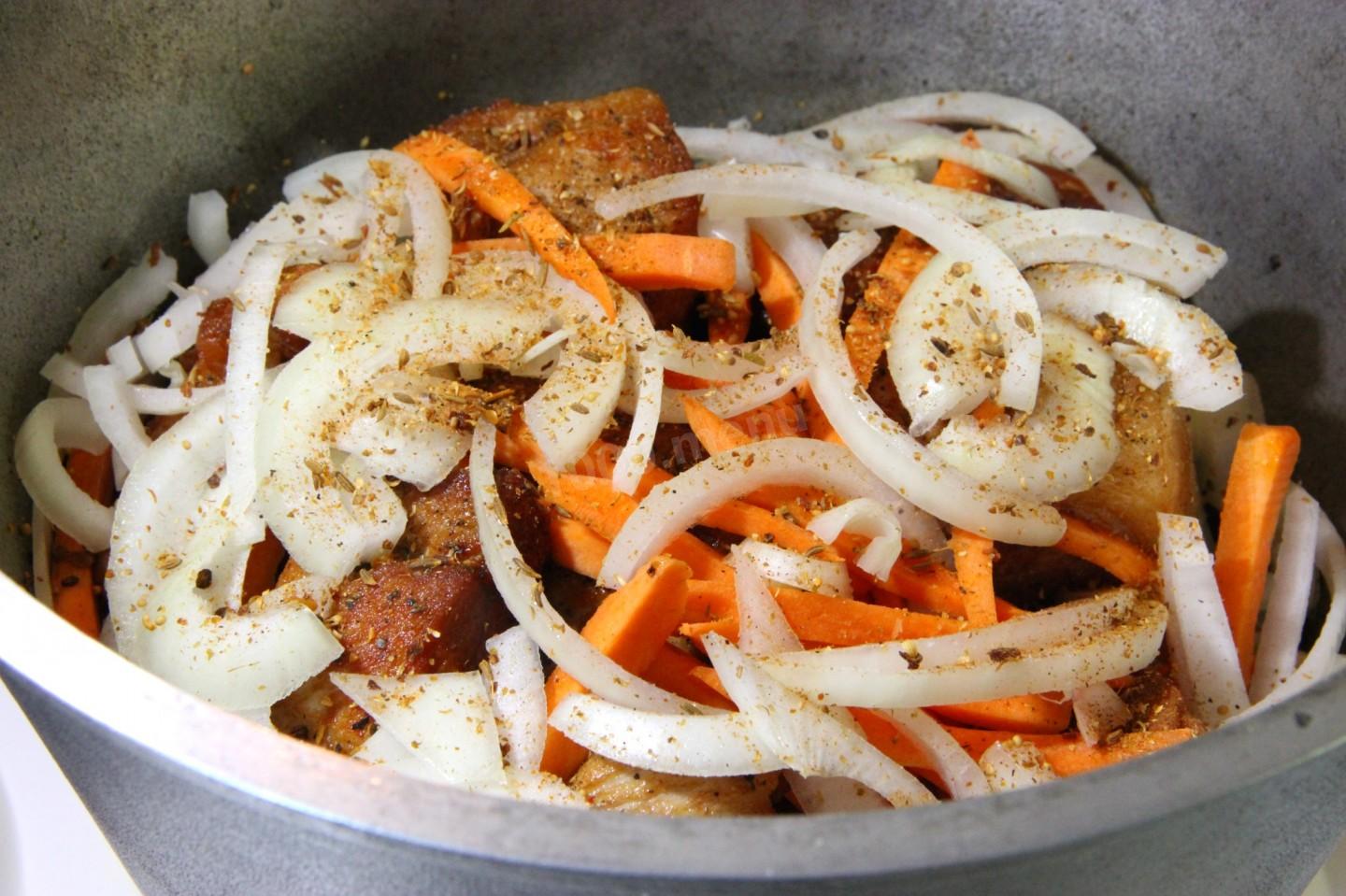
Scatter the vegetables over the meat layer: onion, carrot, garlic cloves, and, if you like, dry spices (I used a pork seasoning). You won't actually eat these vegetables—they're there to release their juices and aromas into the layers below. And of course, to bake everything through, you need steam: carefully pour a little water down the sides.
-
Step 11:
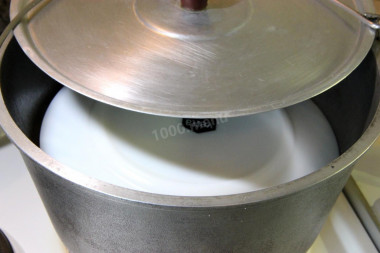
Now cover everything with a ceramic plate to hold in more heat and cut down on evaporation, then close the lid tightly. Keep the heat a little below medium and let it braise for about an hour or a bit longer. Don't lift the lid without reason—check once for liquid and top up with a little water if needed. Test for doneness by piercing a potato with a skewer, though you'll know it's ready the moment you catch that appetizing aroma of cooked meat.
-
Step 12:
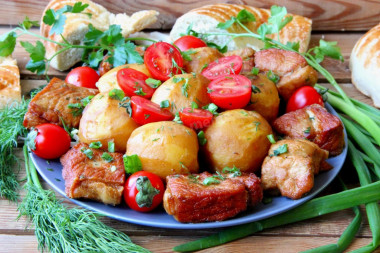
Serve hot on a large platter, sprinkled with fresh herbs—and don't forget the tomatoes and cucumbers, plus a generous, varied heap of greens. Serve Uzbek flatbread on the side; it pairs beautifully, since the dish itself comes from Uzbek cuisine and is called kazan-kebab. I did make it in a more Slavic style—forgive me, my Central Asian friends—but it turns out delicious all the same!



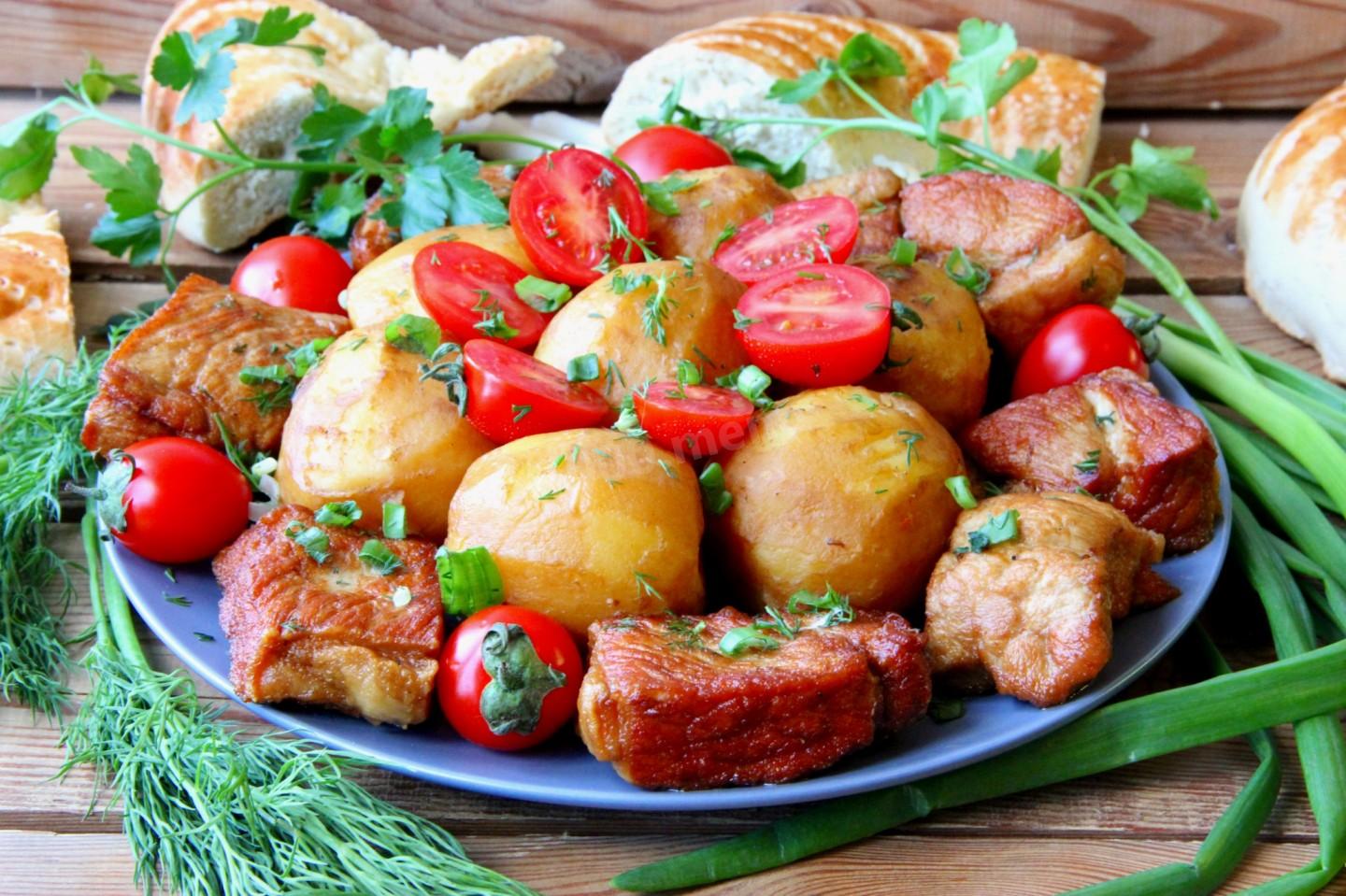
- Kazan-kebab is a wonderfully versatile dish—you can make it outdoors or on the stove. It asks very little of the cook and comes together simply; you just have to be careful frying the ingredients in the hot oil. And it's great that you can make it with any kind of meat.
Caloric content of the products possible in the composition of the dish
- Ripe potatoes - 80 kcal/100g
- Baked potatoes - 70 kcal/100g
- Mashed potatoes - 380 kcal/100g
- Boiled potatoes - 82 kcal/100g
- Potatoes in uniform - 74 kcal/100g
- Fried potatoes - 192 kcal/100g
- Pork fat - 333 kcal/100g
- Pork meat - 357 kcal/100g
- Pork - low-fat roast - 184 kcal/100g
- Pork chop on a bone - 537 kcal/100g
- Pork - schnitzel - 352 kcal/100g
- Pork Shoulder - 593 kcal/100g
- Boar's leg - 113 kcal/100g
- Pork - 259 kcal/100g
- Carrots - 33 kcal/100g
- Dried carrots - 275 kcal/100g
- Boiled carrots - 25 kcal/100g
- Vegetable oil - 873 kcal/100g
- Salt - 0 kcal/100g
- Water - 0 kcal/100g
- Onion - 41 kcal/100g
- Spices dry - 240 kcal/100g
- Pepper - 26 kcal/100g
Similar recipes
- Festive table
- Kitchen utensils
- National cuisine
- Second course
- Meat and meat products
- Vegetables
- Spices seasonings spices
- Fats and oils
- Other
- Pepper
- Salt
- Dry spices
- Vegetable oil
- Water
- Asian cuisine
- Stewing
- In a cauldron
- Stewed vegetables
- Meat second course
- Recipes for March 8
- Pork
- From carrots
- From potatoes
- From onion
- No eggs
- Recipes for lean dishes without butter