

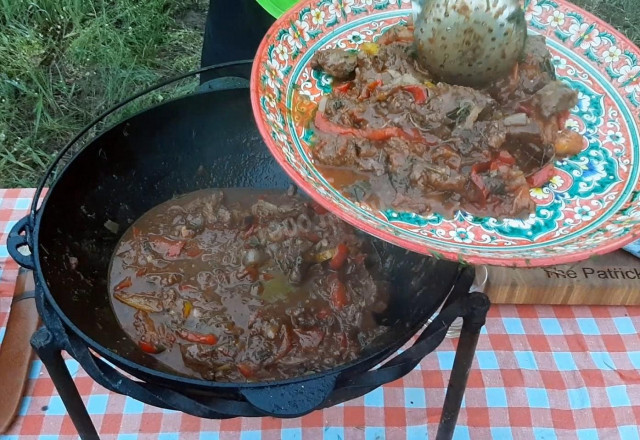
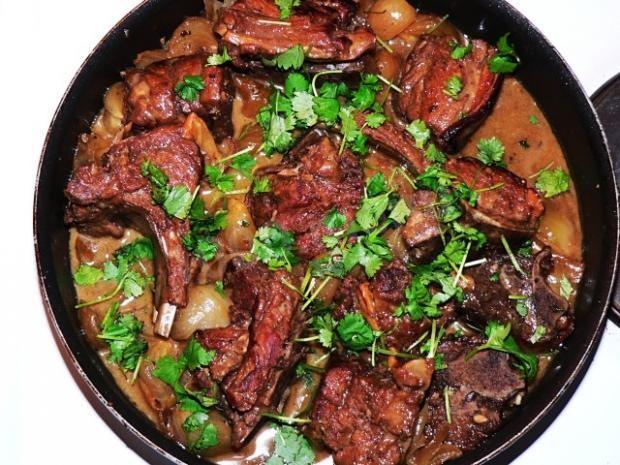
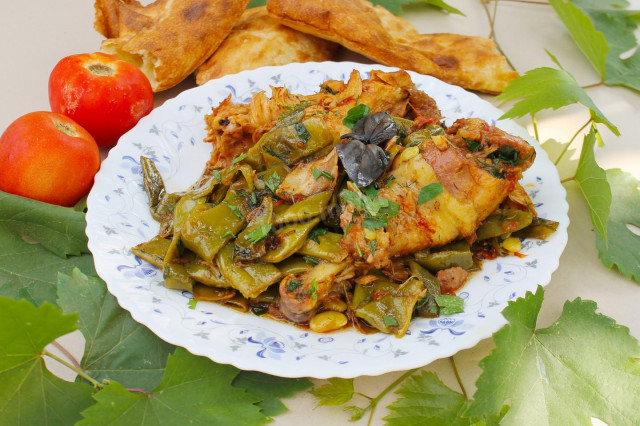
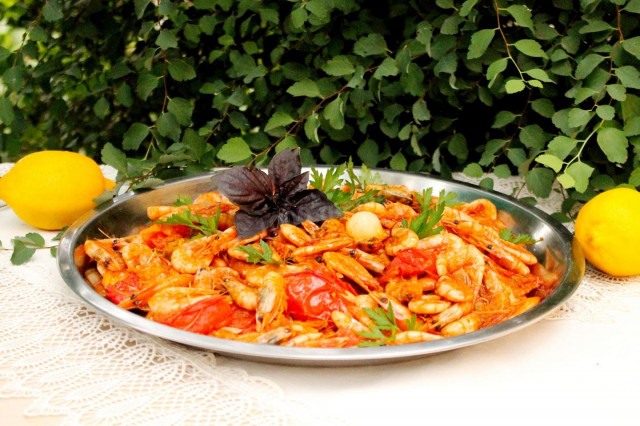
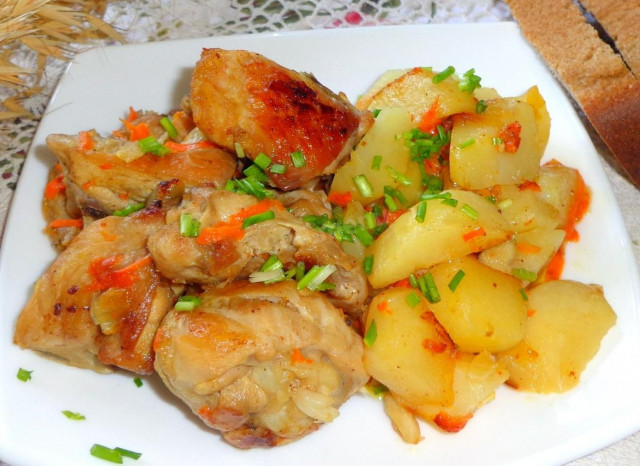
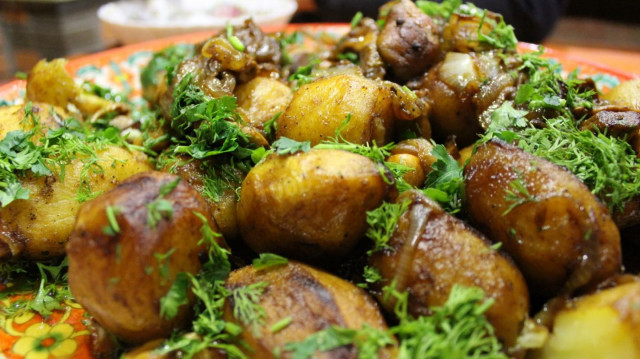
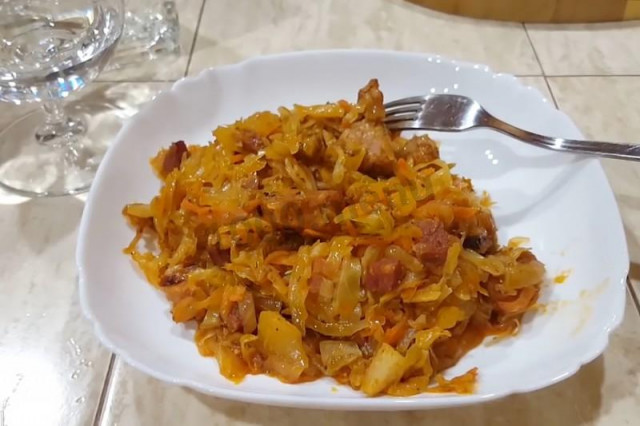
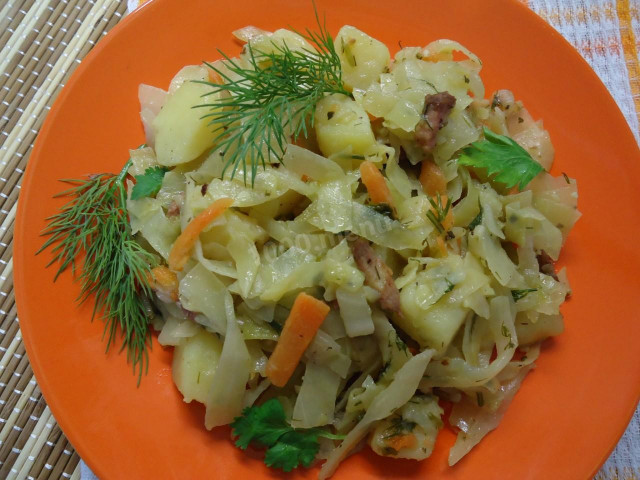
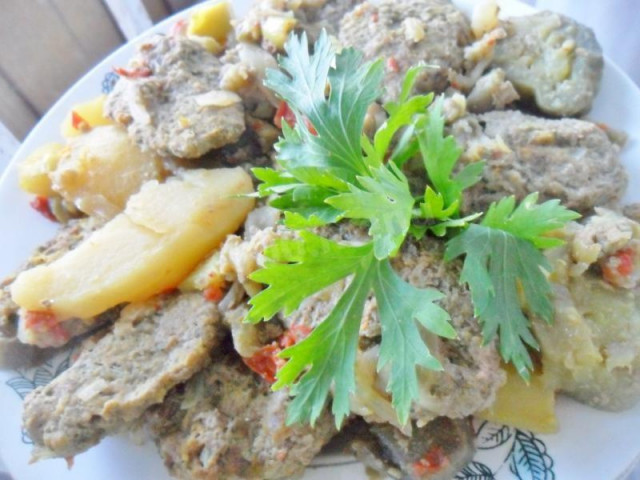

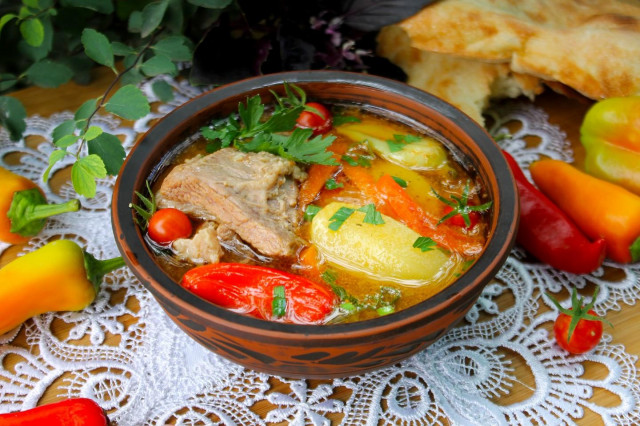
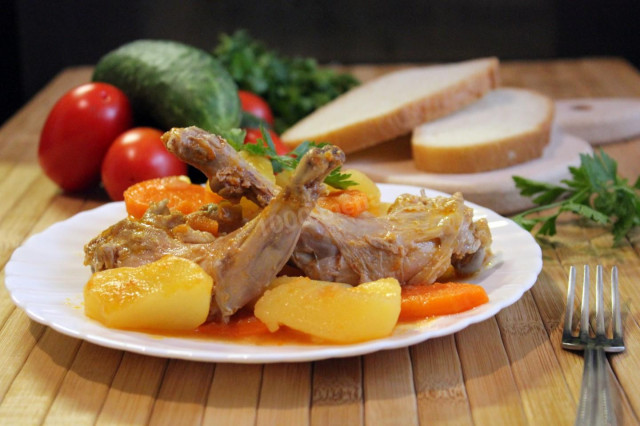
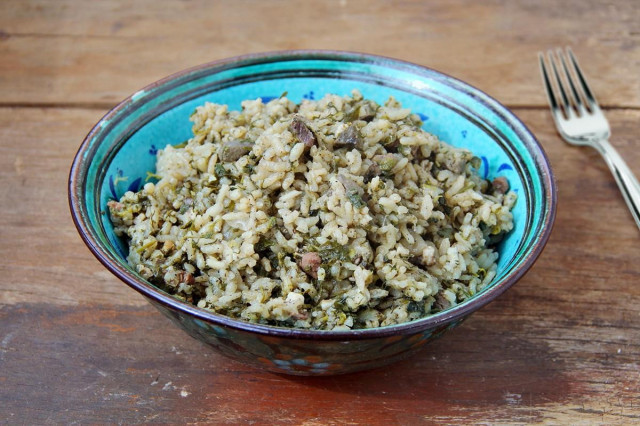
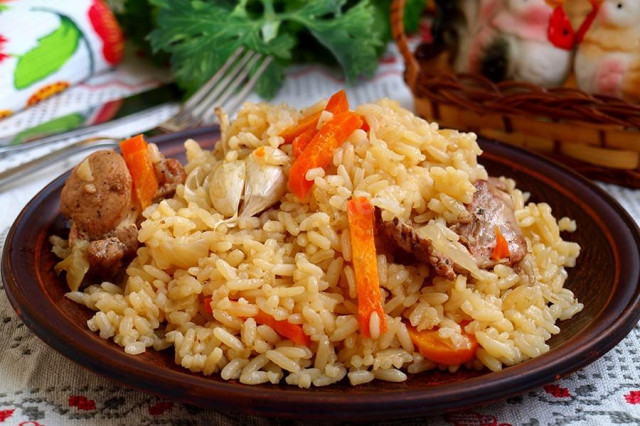
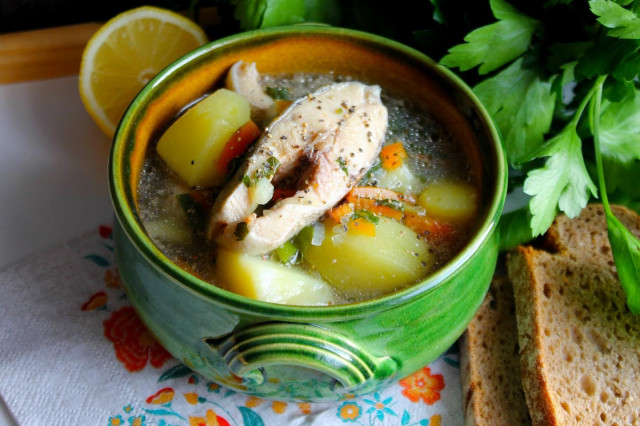
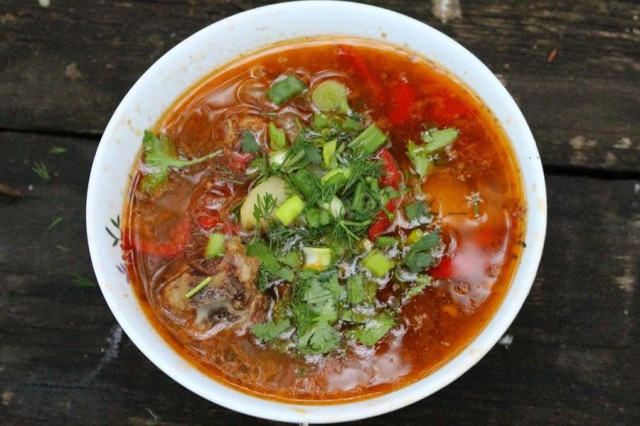
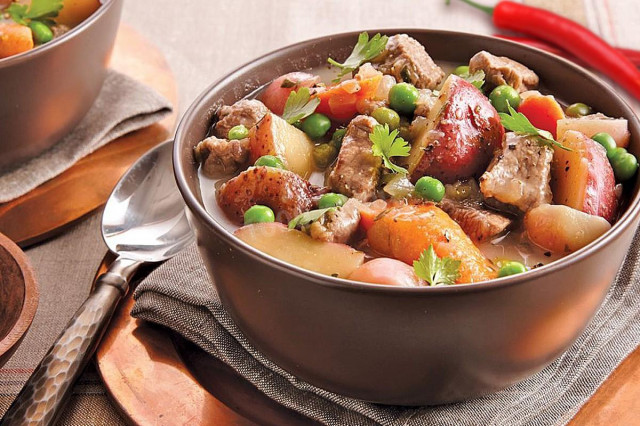
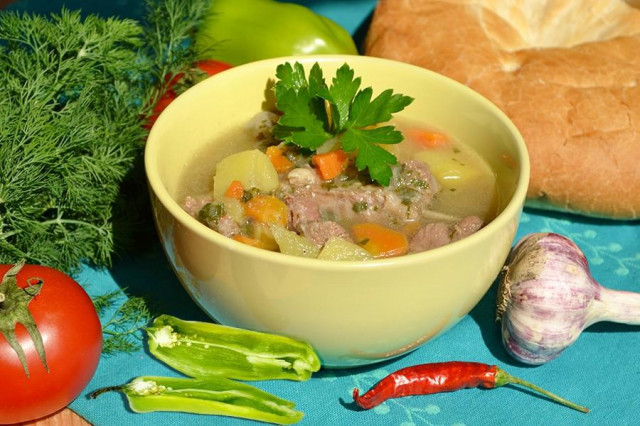
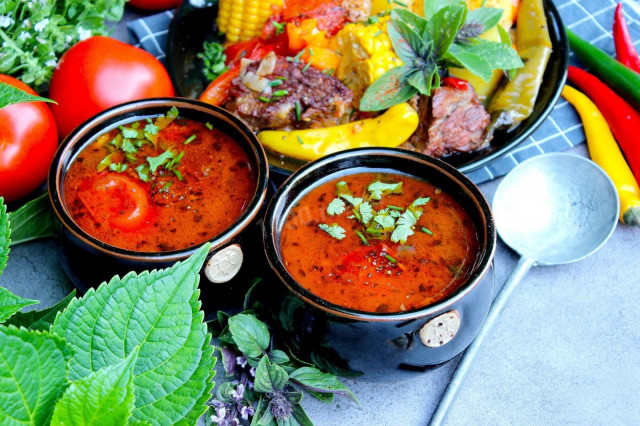
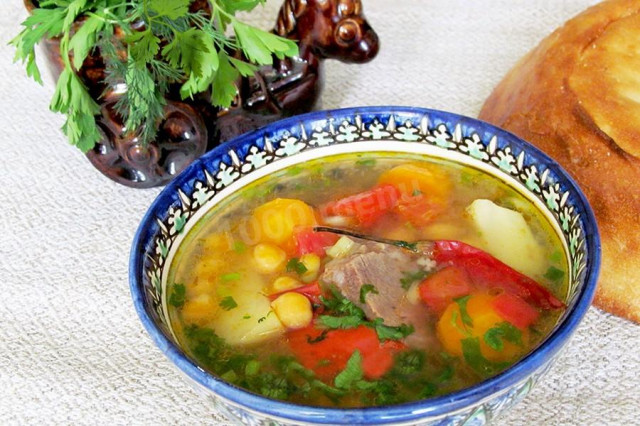
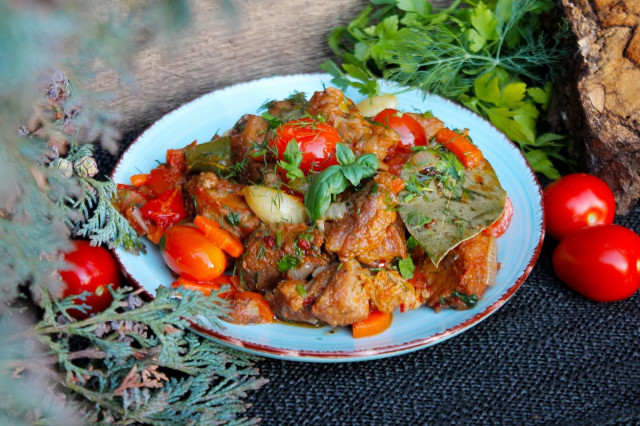

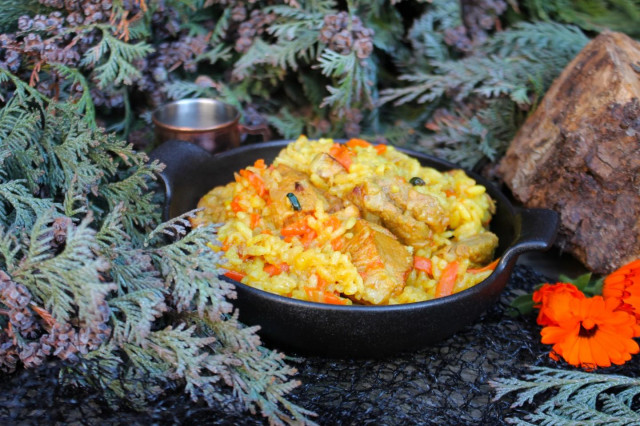
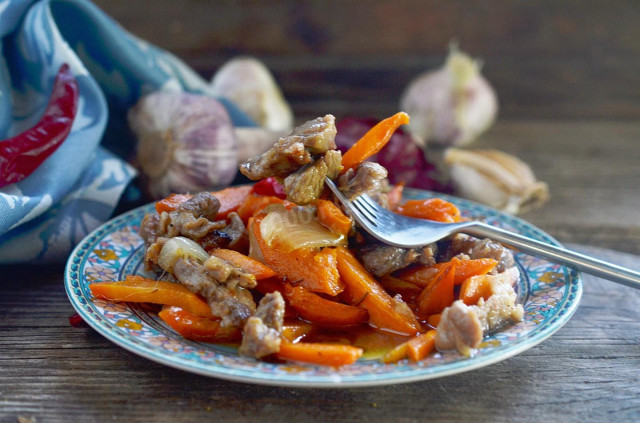
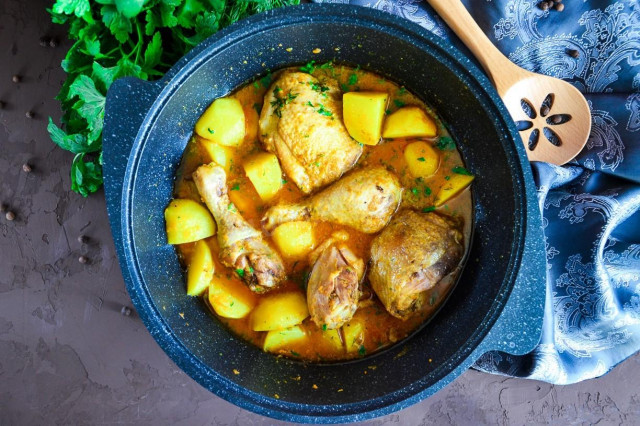
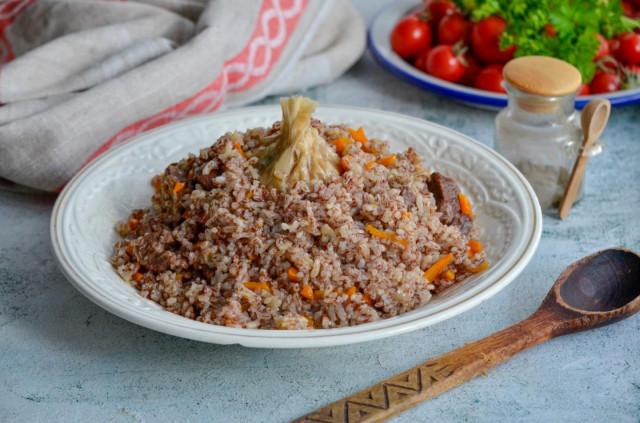
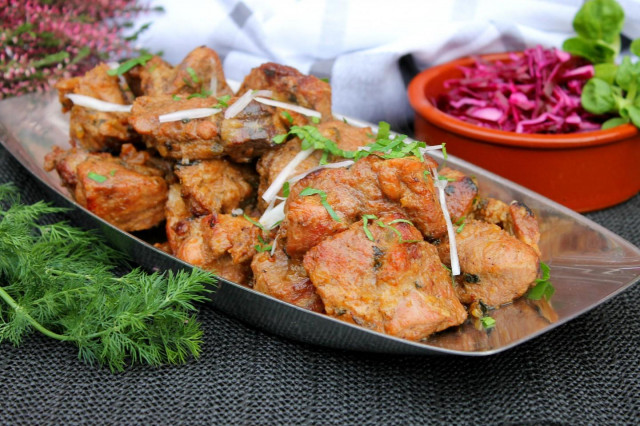
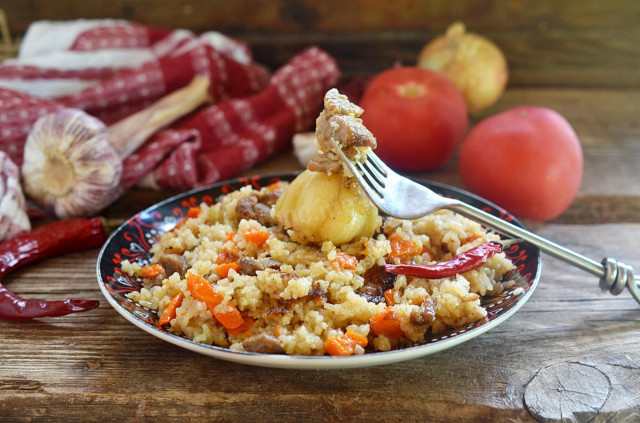
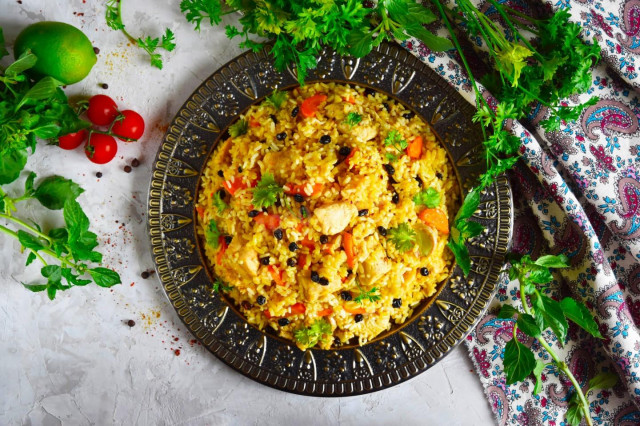
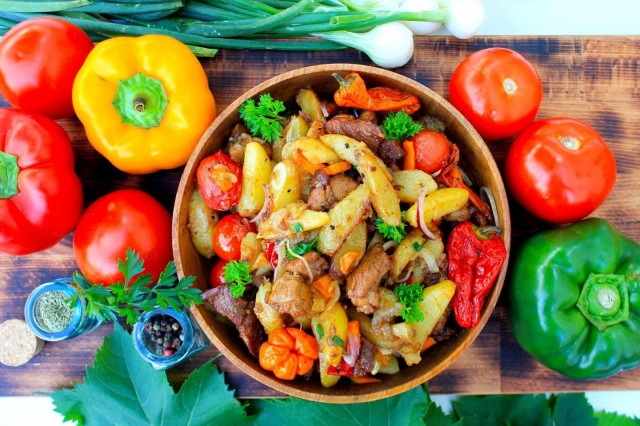
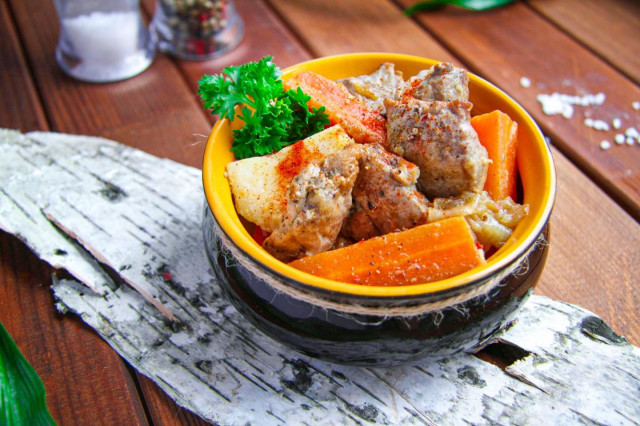
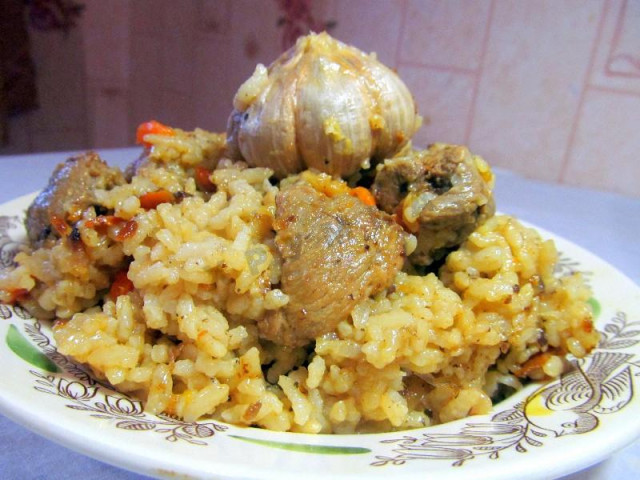
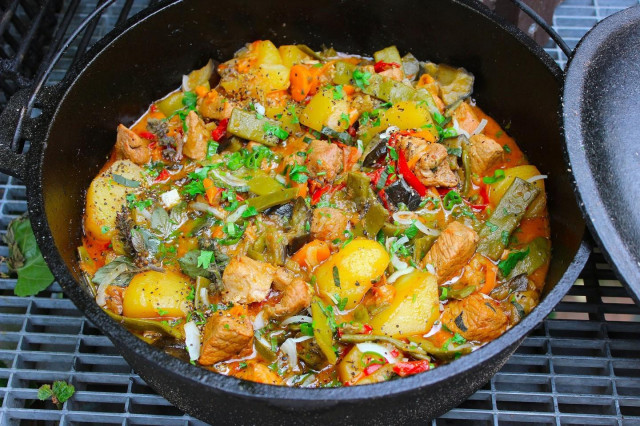
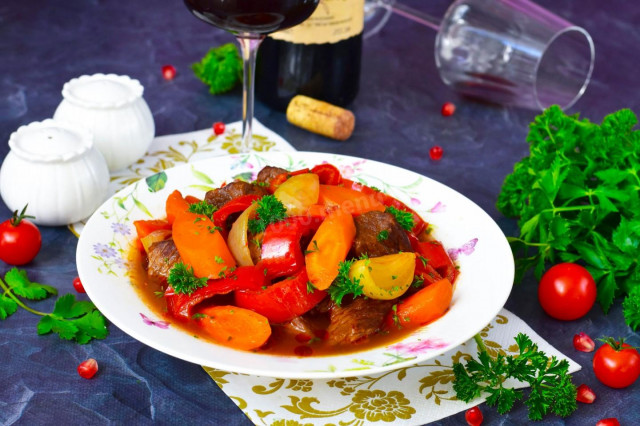
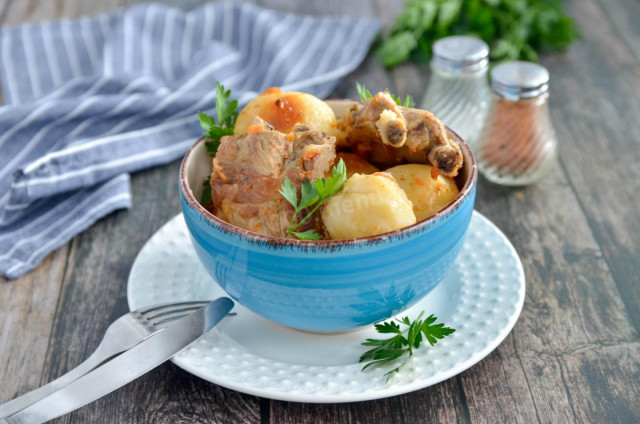
Thanks to the material it's made of — most often cast iron — a cauldron holds heat for a long time, and that heat spreads evenly inside the pot. The rounded bottom keeps food from burning: the oil runs down to the center, where the temperature stays highest, and stirring with a spoon "carries" it throughout the dish.
The five most commonly used ingredients in cauldron recipes:
| Product | Calories per 100g | Protein g per 100g | Fats g per 100g | Carbohydrates g per 100g |
|---|---|---|---|---|
| Carrots | 33 | 1.3 | 0.1 | 6.9 |
| Potatoes | 80 | 2 | 0.4 | 18.1 |
| Greens | 41 | 3.7 | 0.4 | 7 |
| Bell pepper | 27 | 1.3 | 0 | 5.7 |
| Tomatoes | 23 | 1.1 | 0.2 | 3.8 |
Choose cauldron recipes on alittlelunch.com
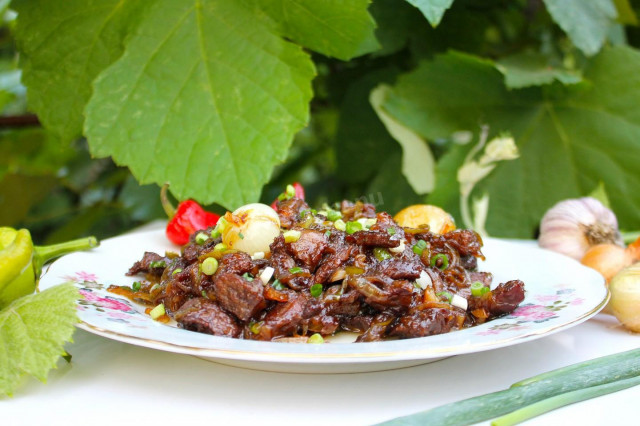
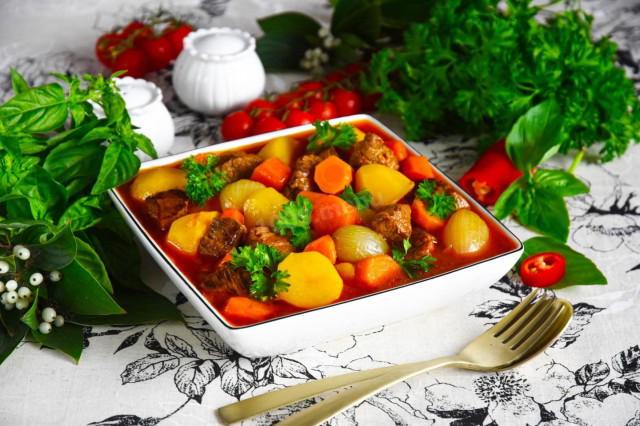
Cauldron recipes with photos will help you settle on the right one for the moment. The pot cooks beautifully not only over an open fire, which it was made for, but also on a modern kitchen stove. Sizes range from two- and three-liter pots to multi-liter ones meant to cook for dozens of people. In some mountain regions, food is still made in one over an open fire for weddings or funerals.
The five most nutritious cauldron dish recipes:
| Dish name | Cooking time | Calories per 100g | User rating |
|---|---|---|---|
| Meat in a cauldron in the oven | 3 hours | 576 | +37 |
| Duck in a cauldron over a fire with onions | 1 hour | 343 | +35 |
| Crucian carp in sour cream sauce in a cauldron | 3 hours | 339 | +15 |
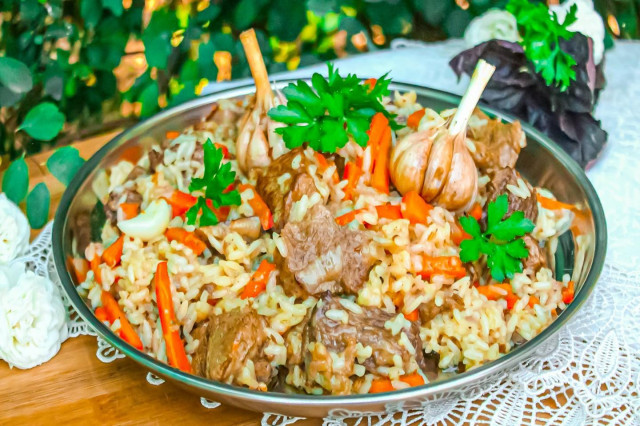
| Beef pilaf in a cauldron on the stove | 1 hour 20 min | 303 | +124 |
| Lamb pilaf in a cauldron over a campfire | 1 h 30 min | 301 | +115 |
Secrets of delicious cooking in a cauldron
The main secret of cooking delicious dishes in a cauldron is a long, even spread of heat inside right after the fire goes out. The pot is covered tightly with a lid if it holds pilaf or porridge, and left for half an hour to an hour to "steam." The especially careful prefer to wrap a warm blanket around the cauldron. It's believed that real, most delicious pilaf can only be made in a pot like this.
Handy tip:
- so the heat in the cauldron rises from below into the upper layers of the pilaf, a hole is made in its center with a wooden stick for the steam to escape; this is done toward the end of cooking