Homemade Apple Marshmallow (Zefir) with Agar-Agar
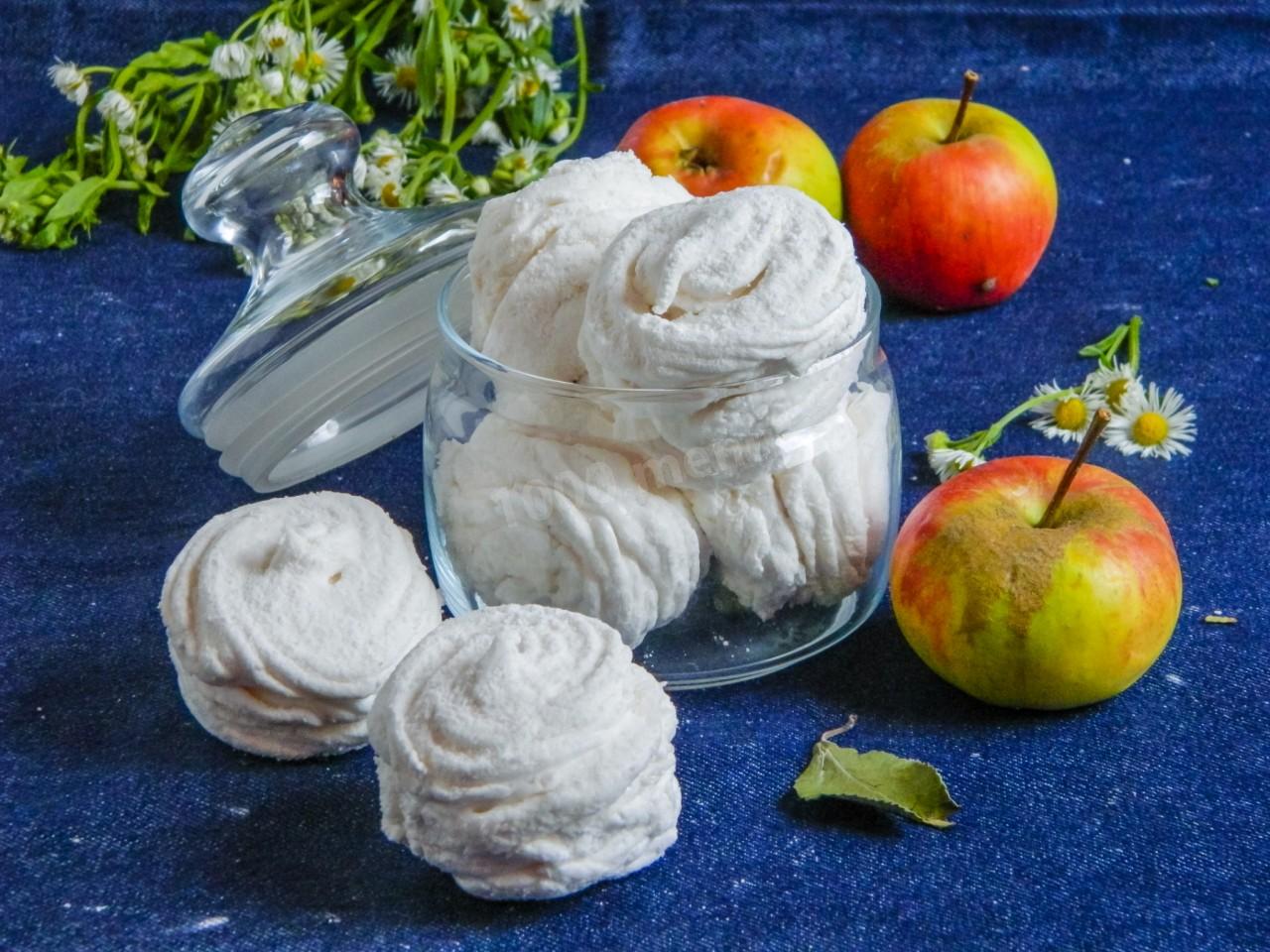
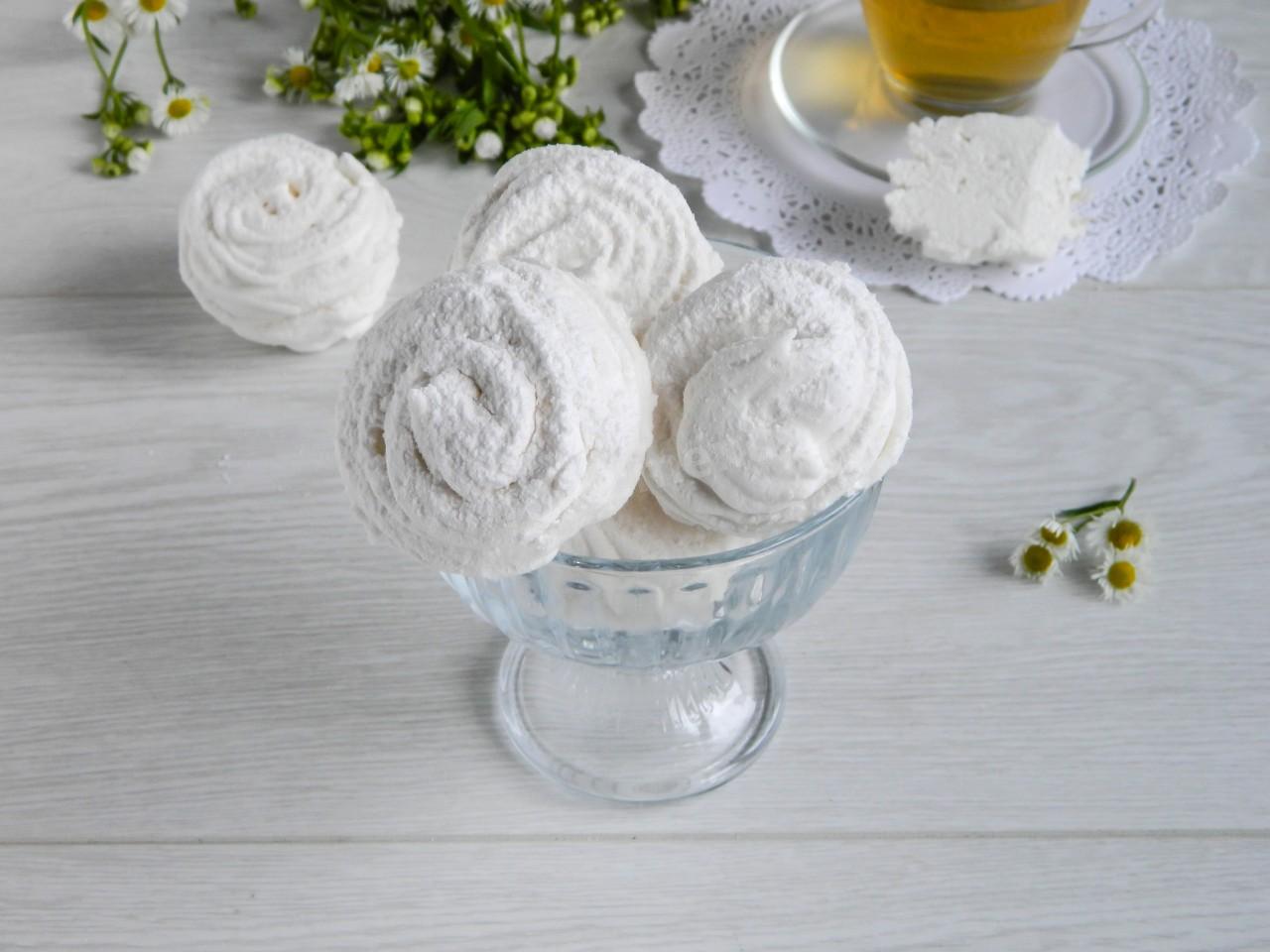
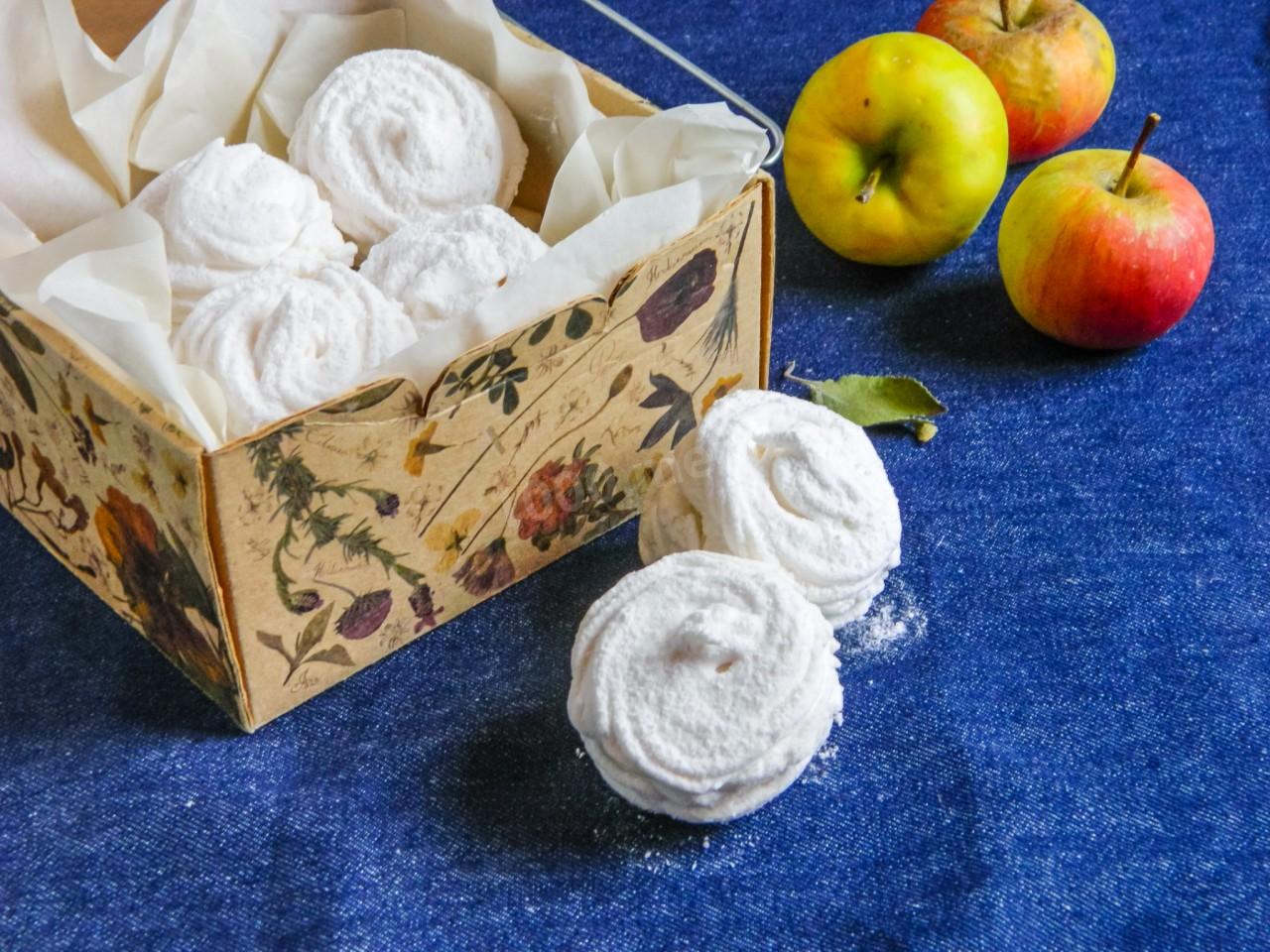
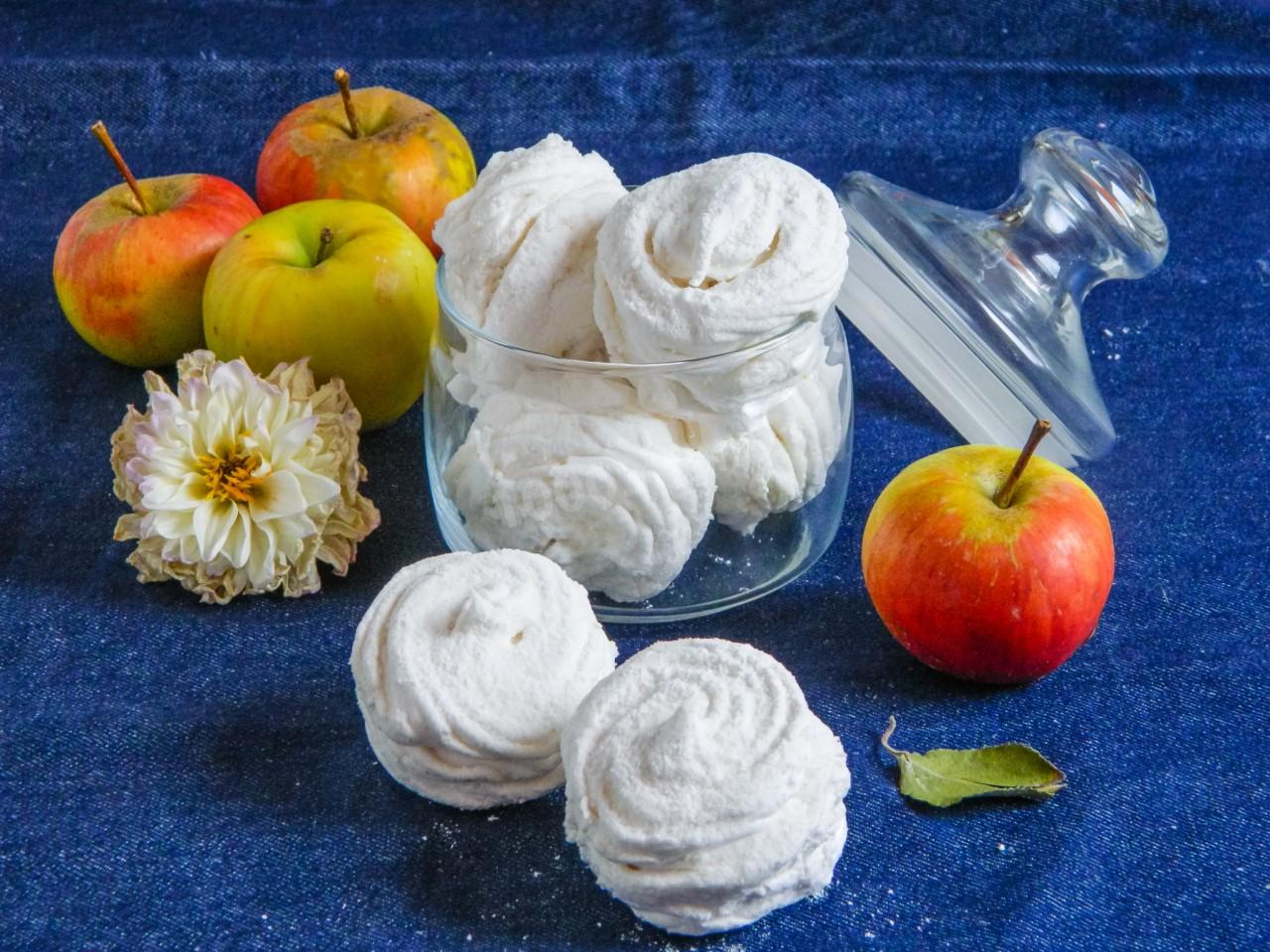
Tastes like the store-bought kind, only better! This recipe makes a delicate, airy zefir (a Russian-style apple marshmallow). Agar-agar is easy to find, and everything else is the kind of everyday ingredient you already have in the fridge.

Cooking method
-
Step 1:
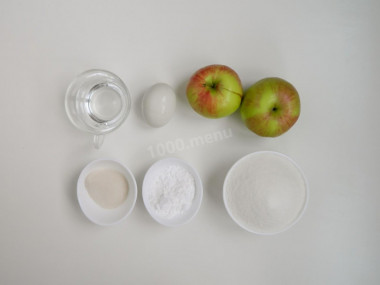
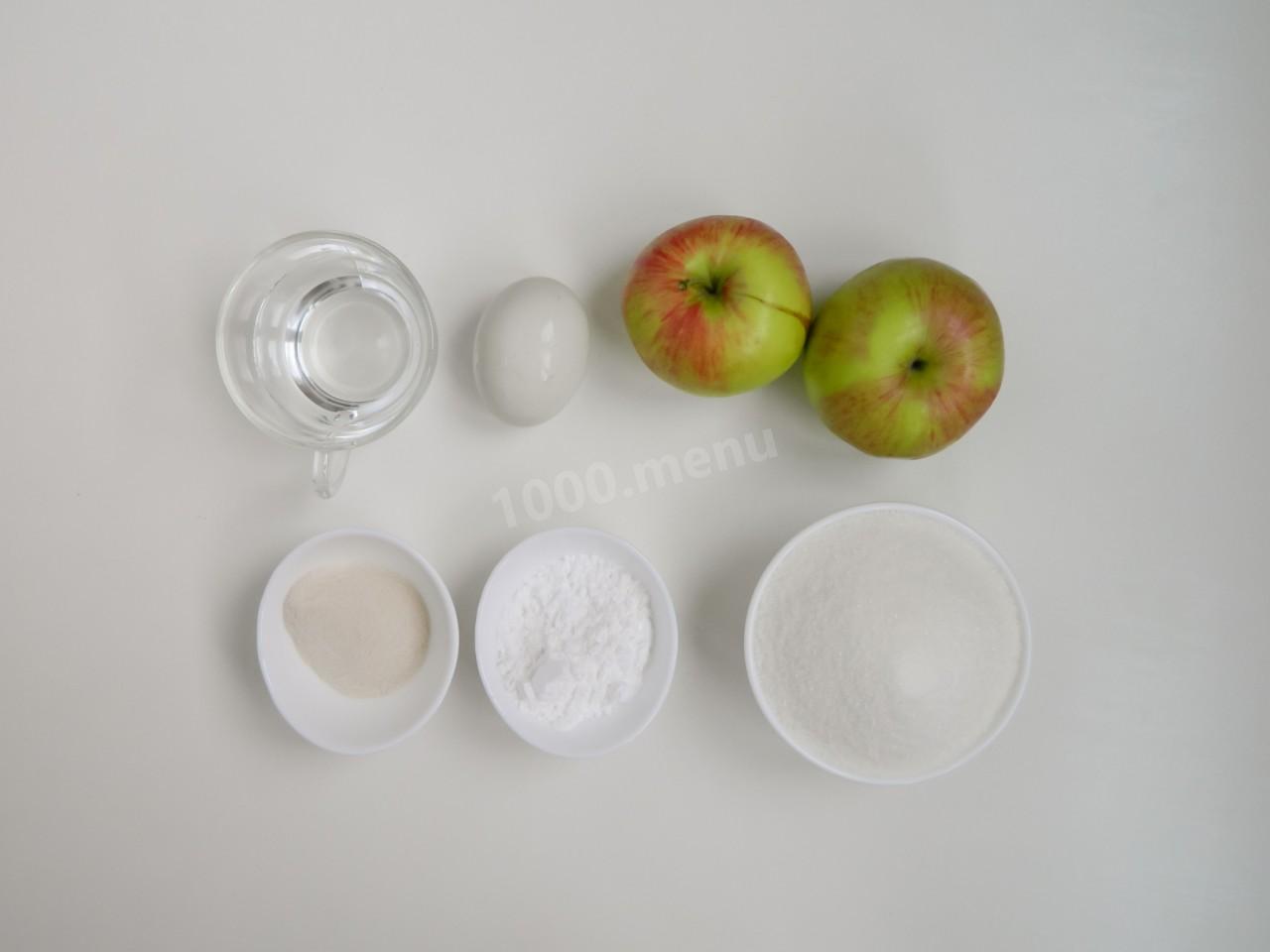
How do you make apple zefir with agar-agar? Get all your ingredients ready. Use sweet-tart or tart apples. A large egg is perfect. Keep it in the fridge until you're ready to whip—it needs to be cold.
-
Step 2:
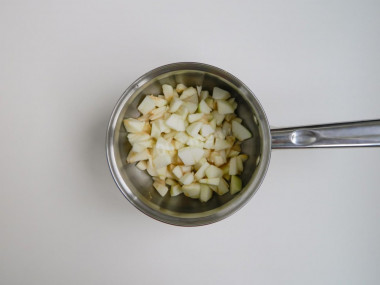
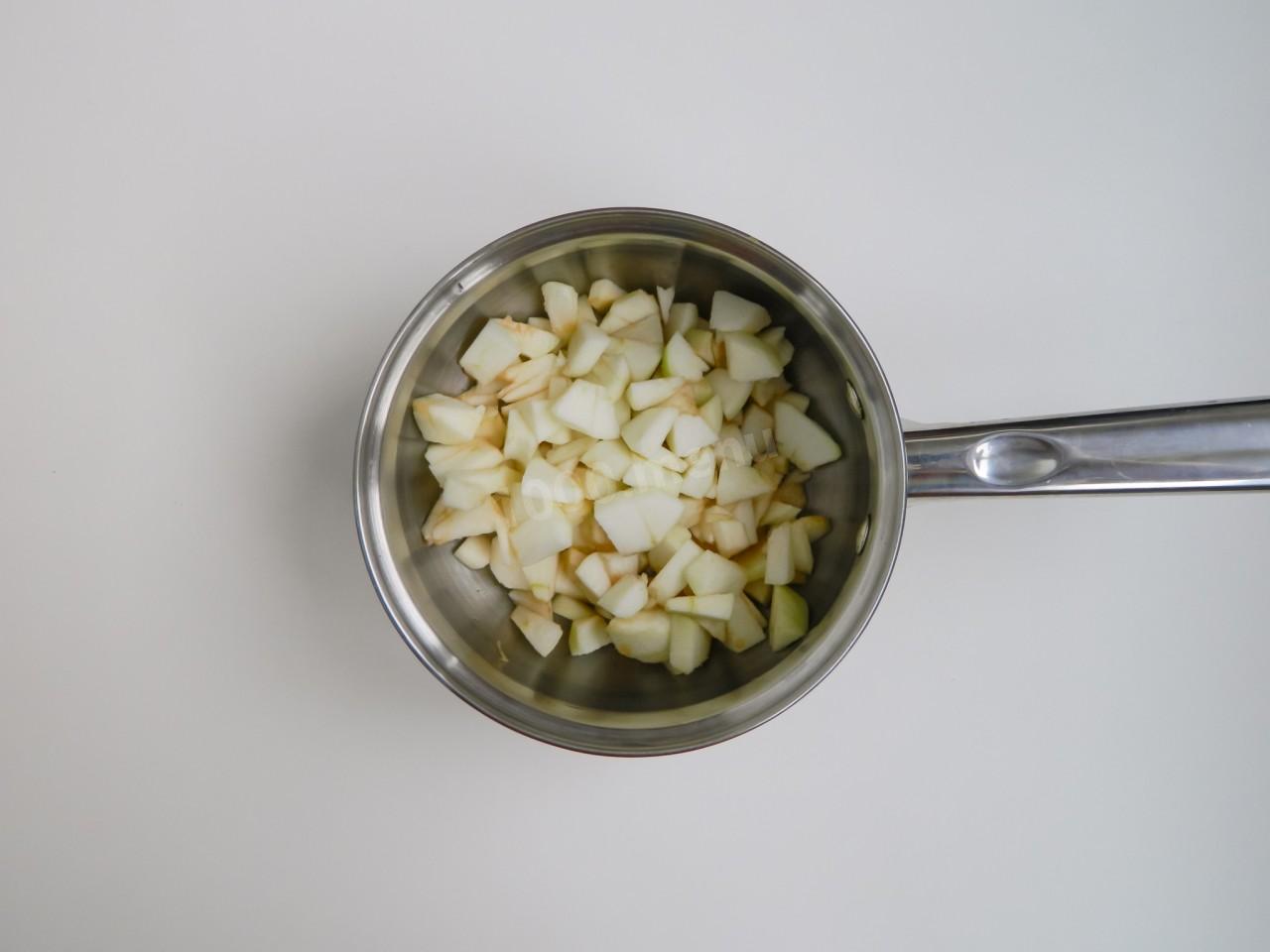
Start by making the apple purée. You can bake the apples whole or cook them in the microwave, but I find it quicker and easier to soften them like this: rinse the apples, peel them, and remove the cores. Cut them into small cubes and put them in a small saucepan.
-
Step 3:
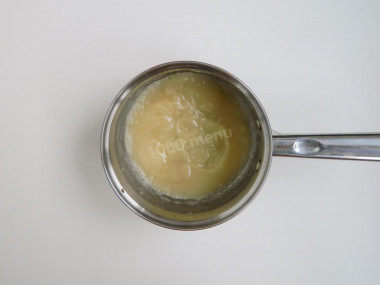
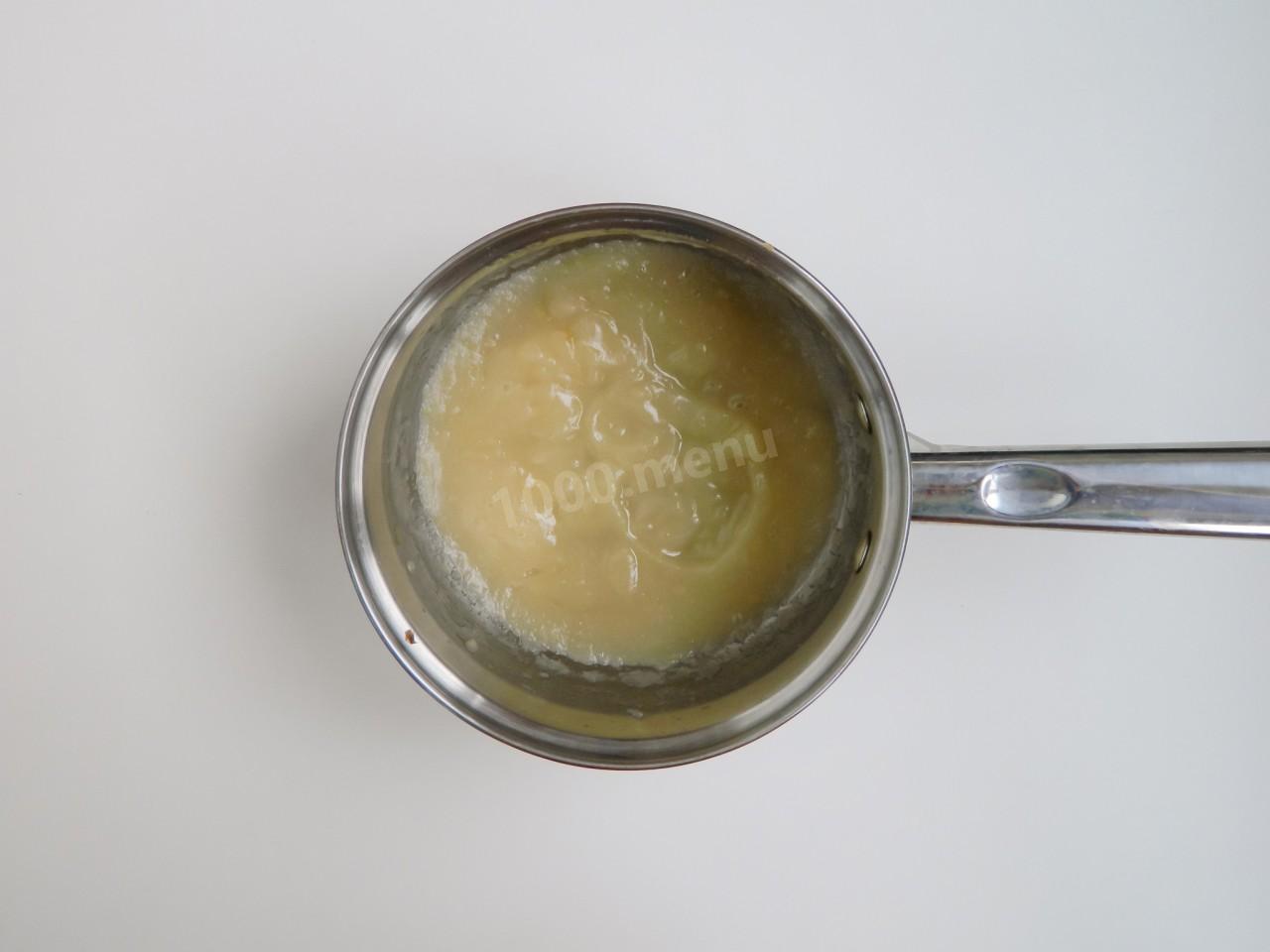
Add the water and cook the apples over medium heat, stirring occasionally, until soft—it took me 3 minutes. Take them off the heat and blend the soft apples into a smooth purée. Weigh the purée: you'll need 125 g (about 1/2 cup); set aside any extra.
-
Step 4:
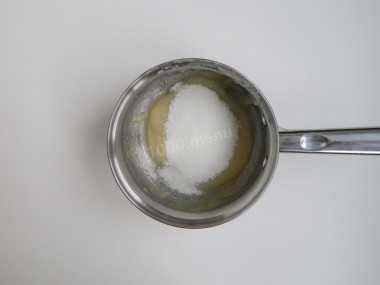
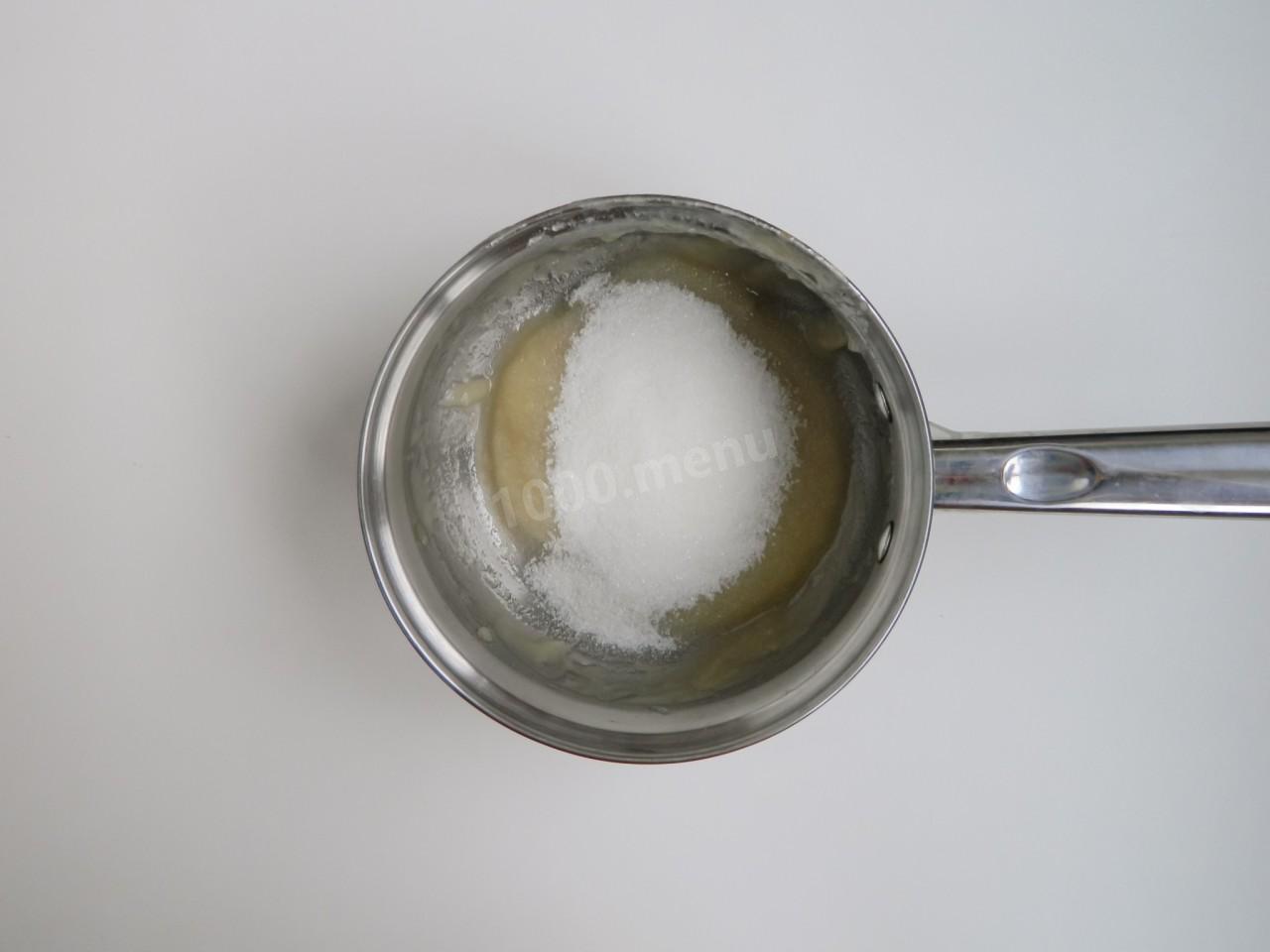
Add the sugar and set it back over medium heat.
-
Step 5:
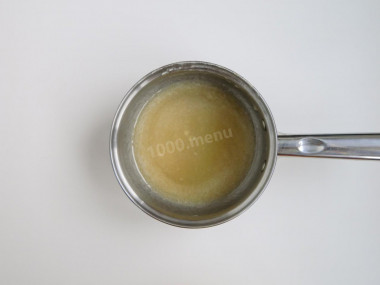
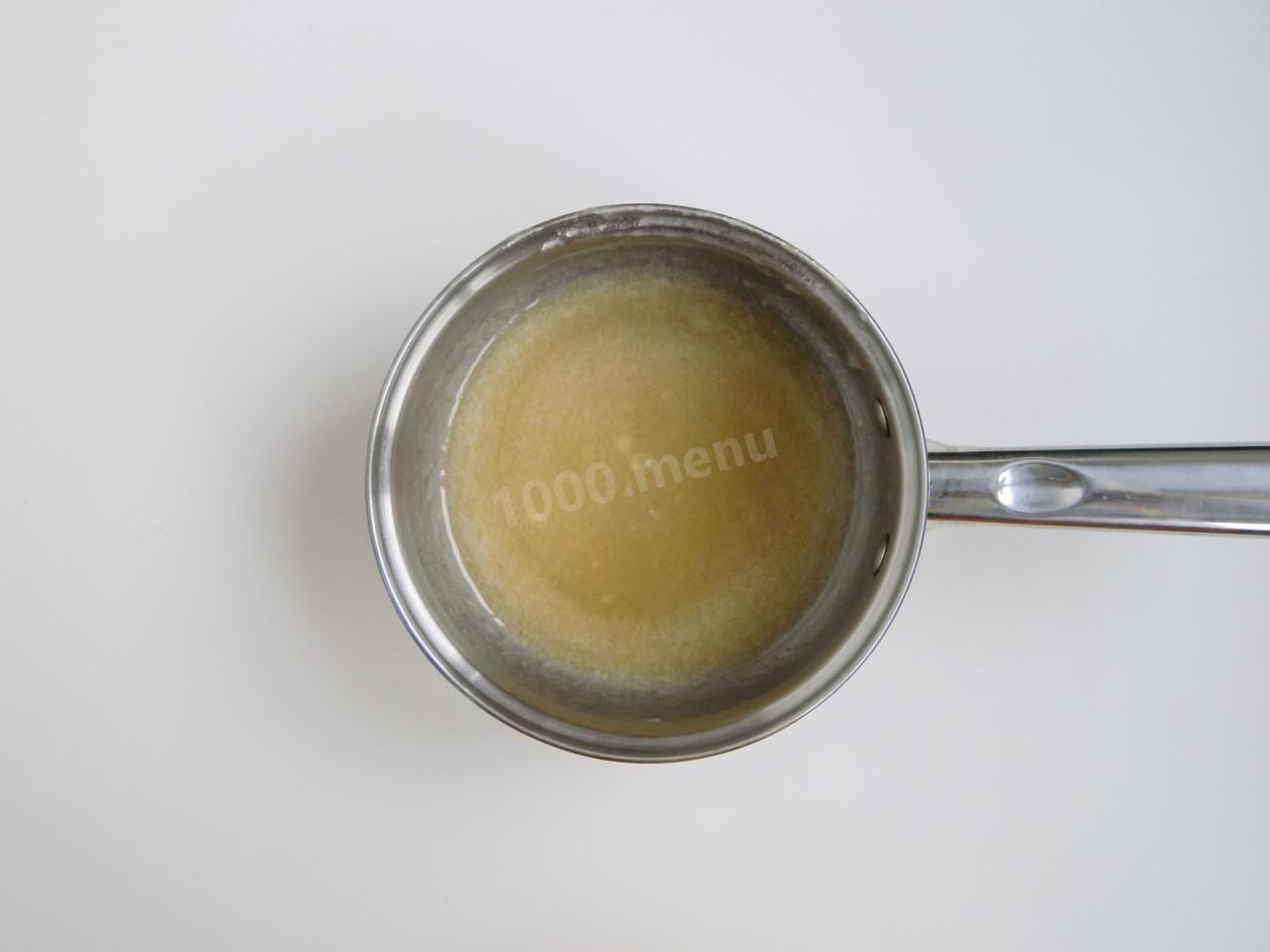
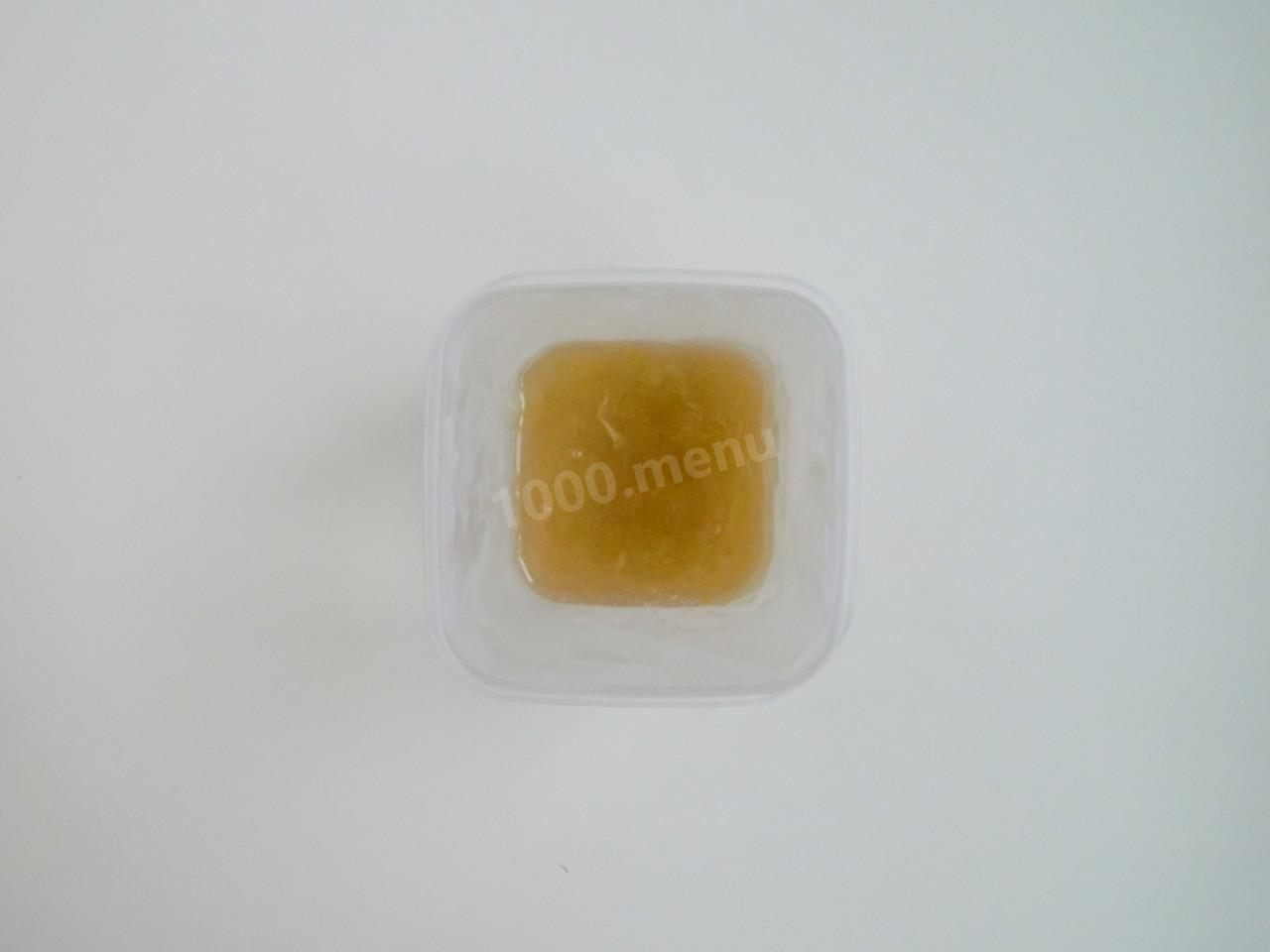
Stirring constantly, bring it to a boil and dissolve the sugar. Cool to room temperature, then chill in the fridge for another 20–30 minutes. The purée has to be cold to whip up well.
-
Step 6:
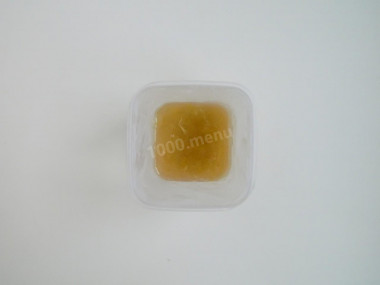
Wash the egg well, wipe it dry with a towel, and separate the white from the yolk (save the yolk for another dish). Put the white and the cooled apple purée in a bowl big enough to whip the marshmallow mixture—keep in mind it will grow several times in volume.
-
Step 7:
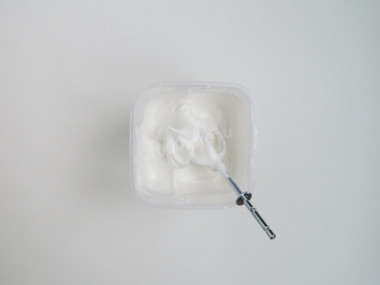
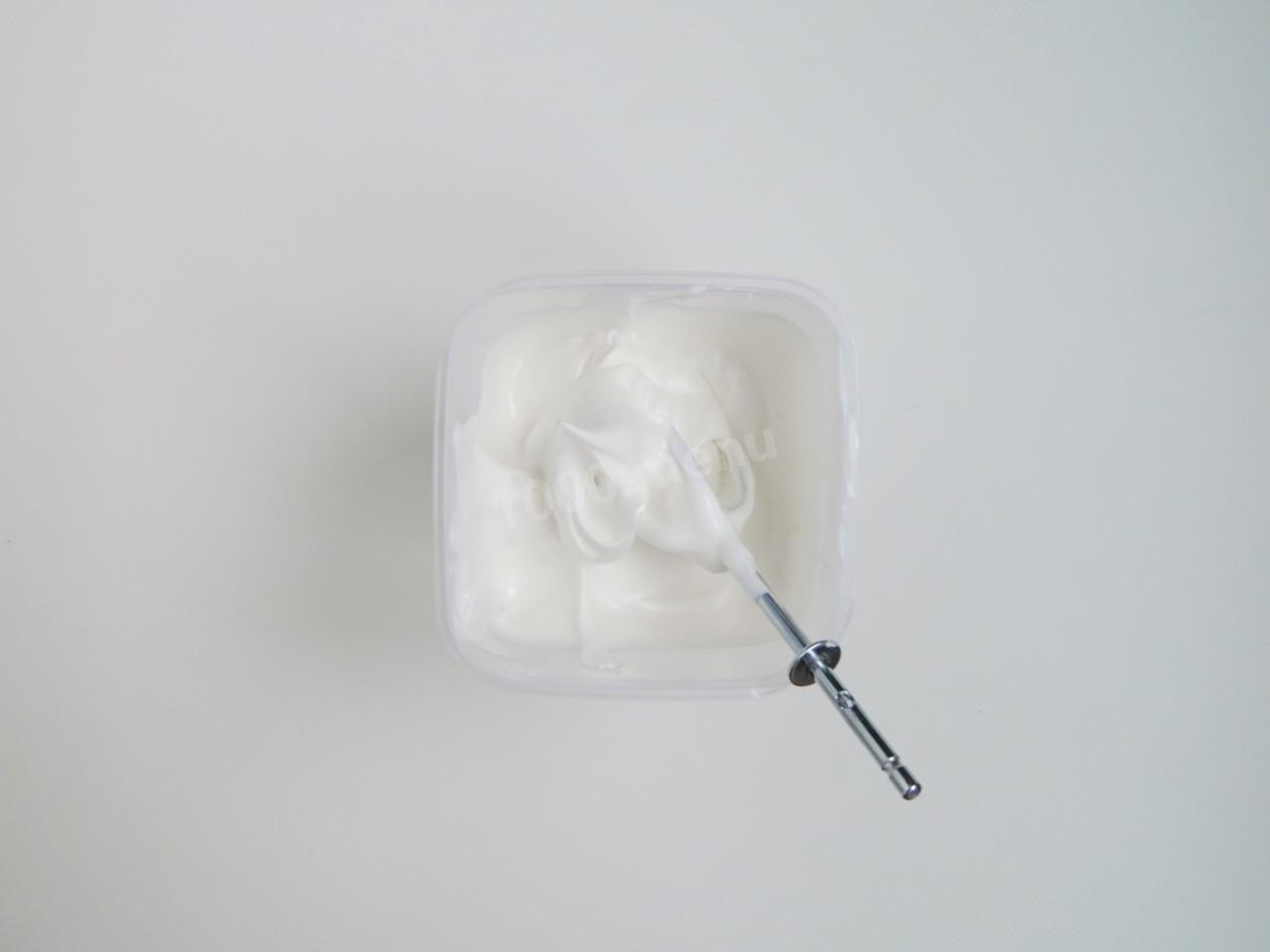
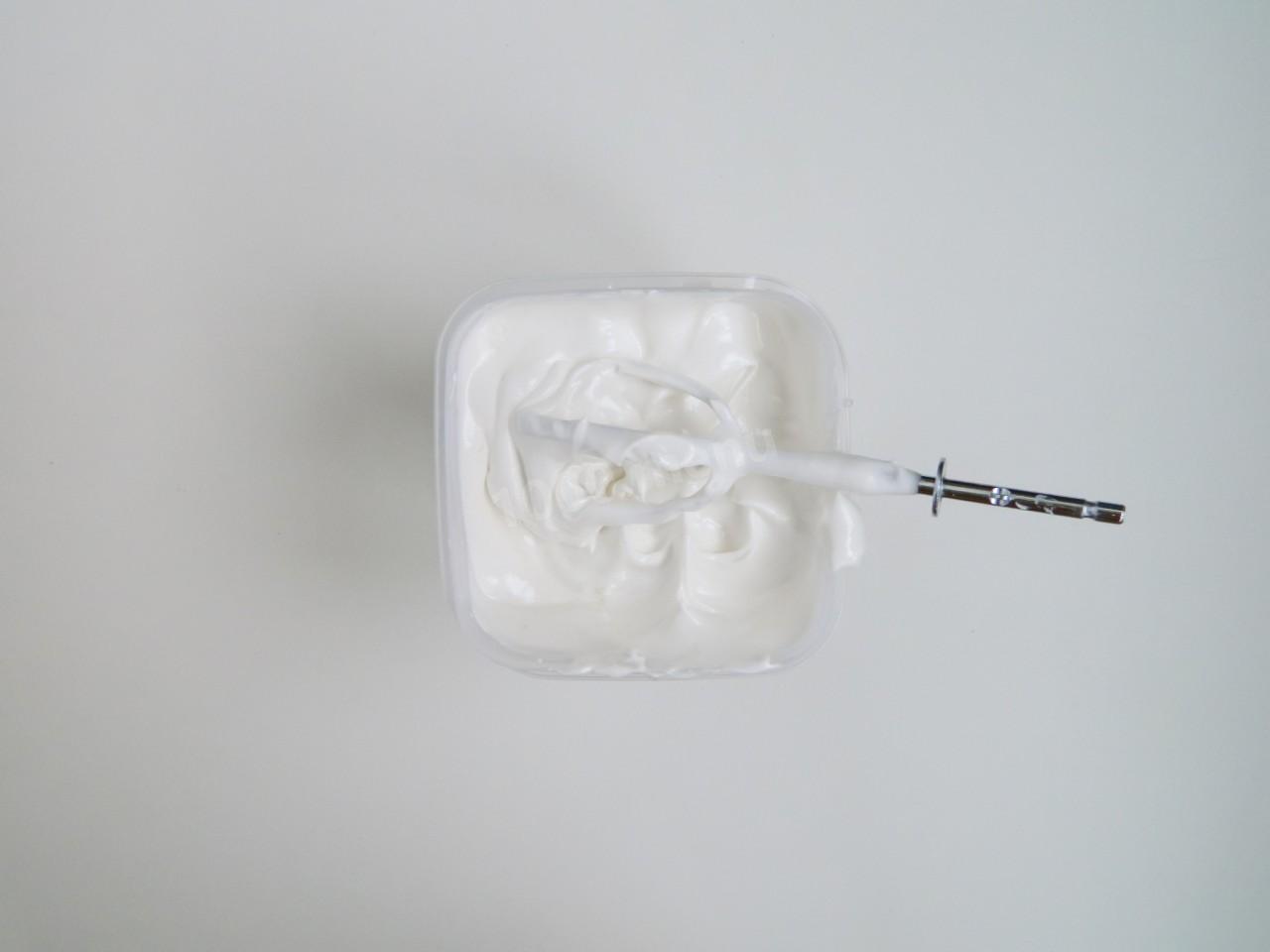
Whip the white and purée to stiff peaks, gradually working up from low to high speed. The mixture should grow in volume, turn white, and hold its shape without sliding off the beaters. Keep the mixer close by—you'll need it again to combine the mixture with the hot syrup (step 10).
-
Step 8:
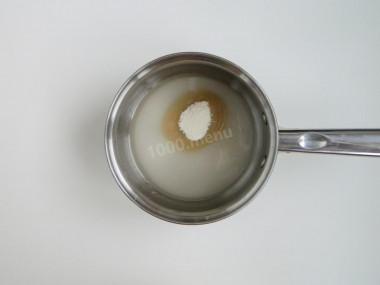
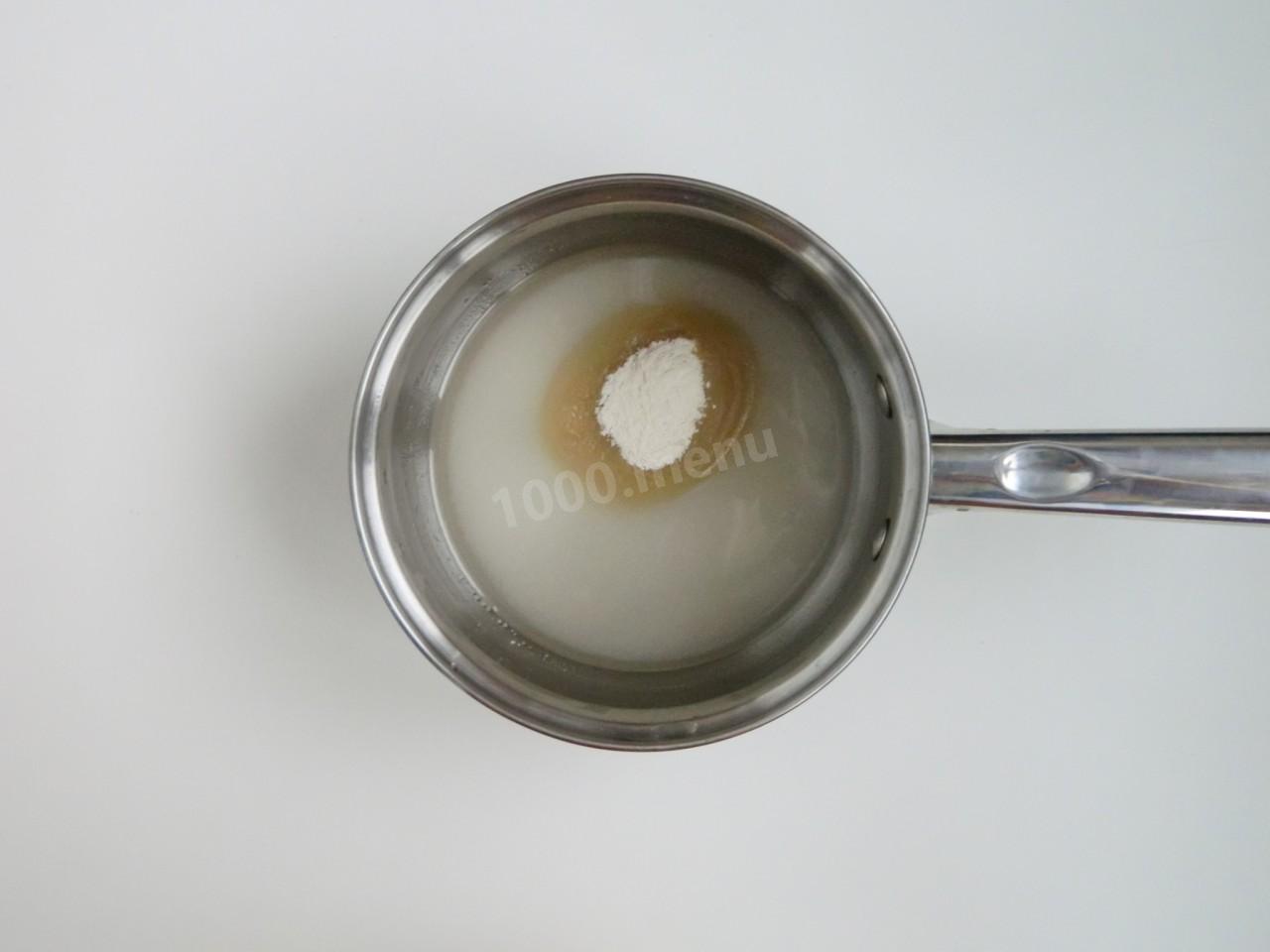
Now make the syrup. In a small saucepan, combine the water, sugar, and agar-agar.
-
Step 9:
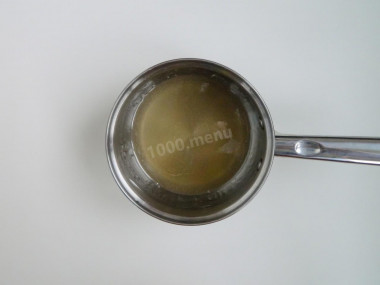
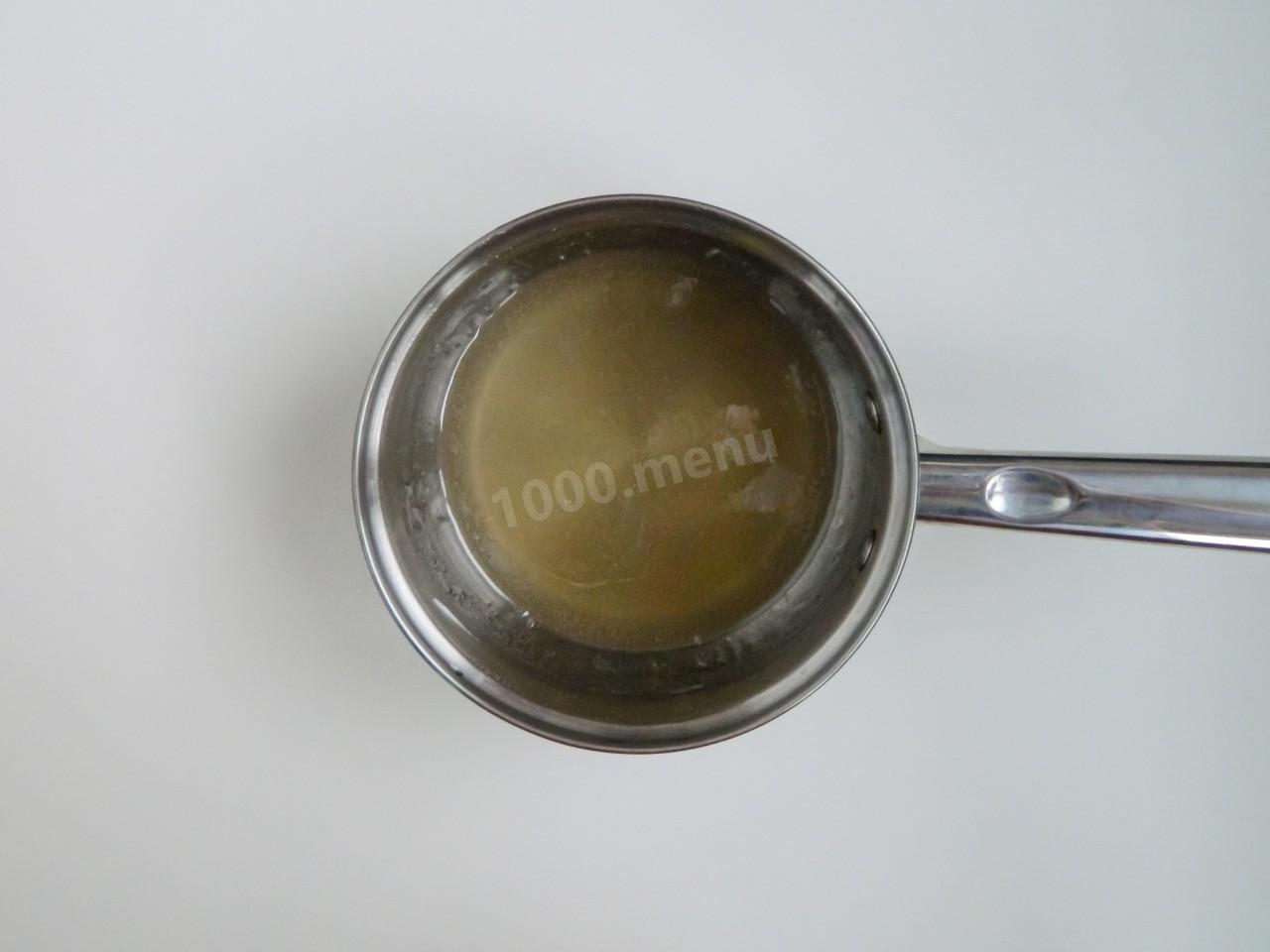
Stirring constantly over medium heat, bring it to a boil and dissolve the sugar. Keep stirring and cook until the temperature reaches 230°F (110°C). Without a candy thermometer, judge it like this: lift some syrup on the spoon or spatula you're stirring with—it should stream off slowly rather than drip.
-
Step 10:
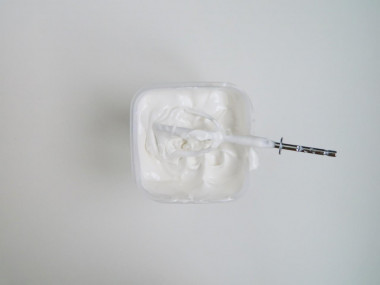
Now work fast, because as the syrup cools it thickens and becomes impossible to beat into the marshmallow mixture. Whip the mixture while pouring in the syrup in a thin stream, trying to avoid hitting the beaters. Keep whipping until all the syrup is in.
-
Step 11:
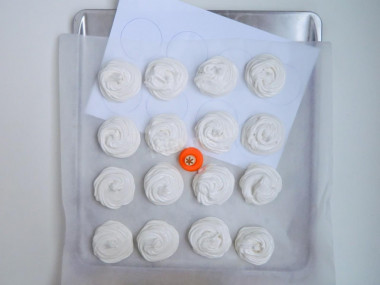
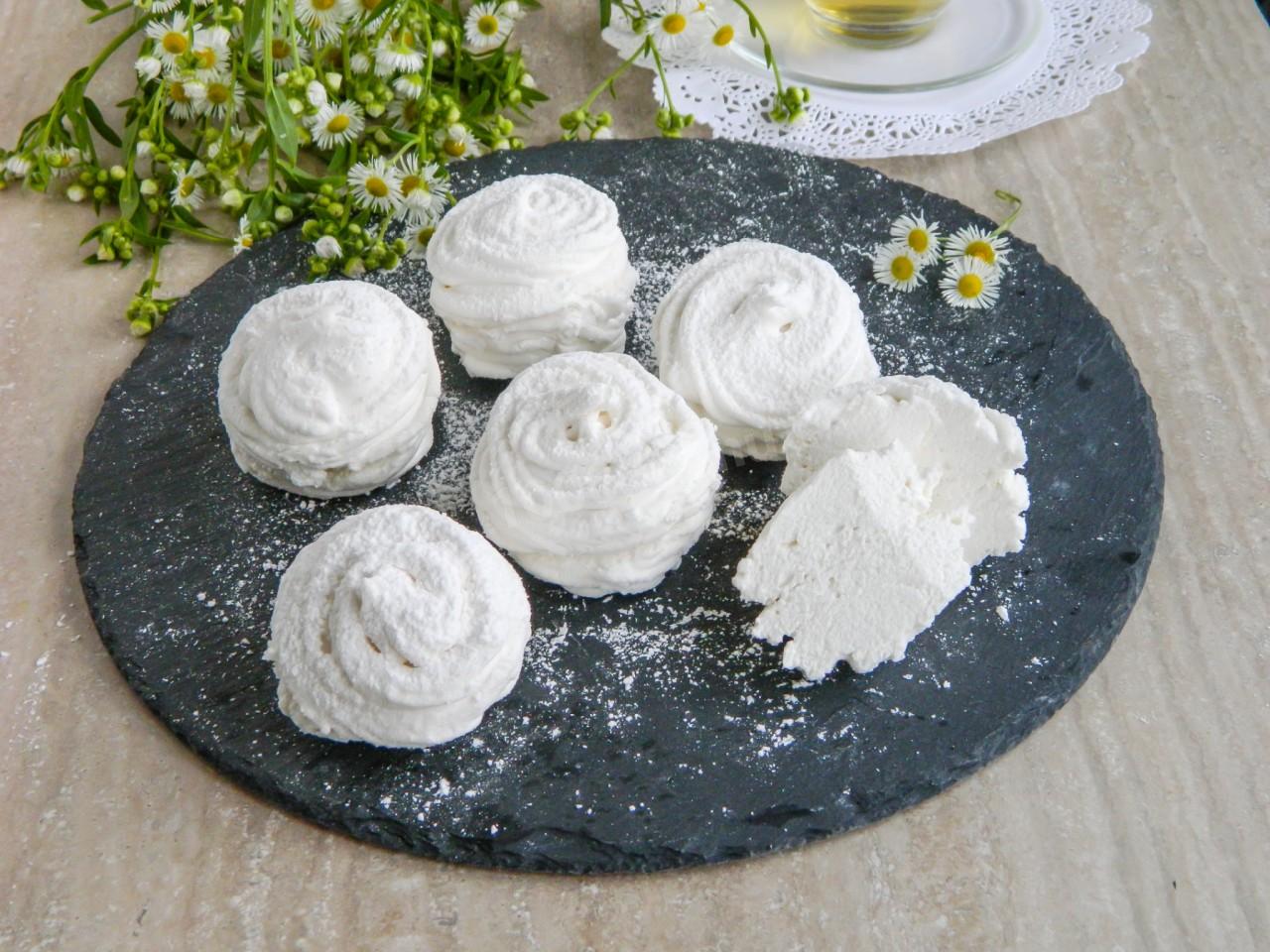
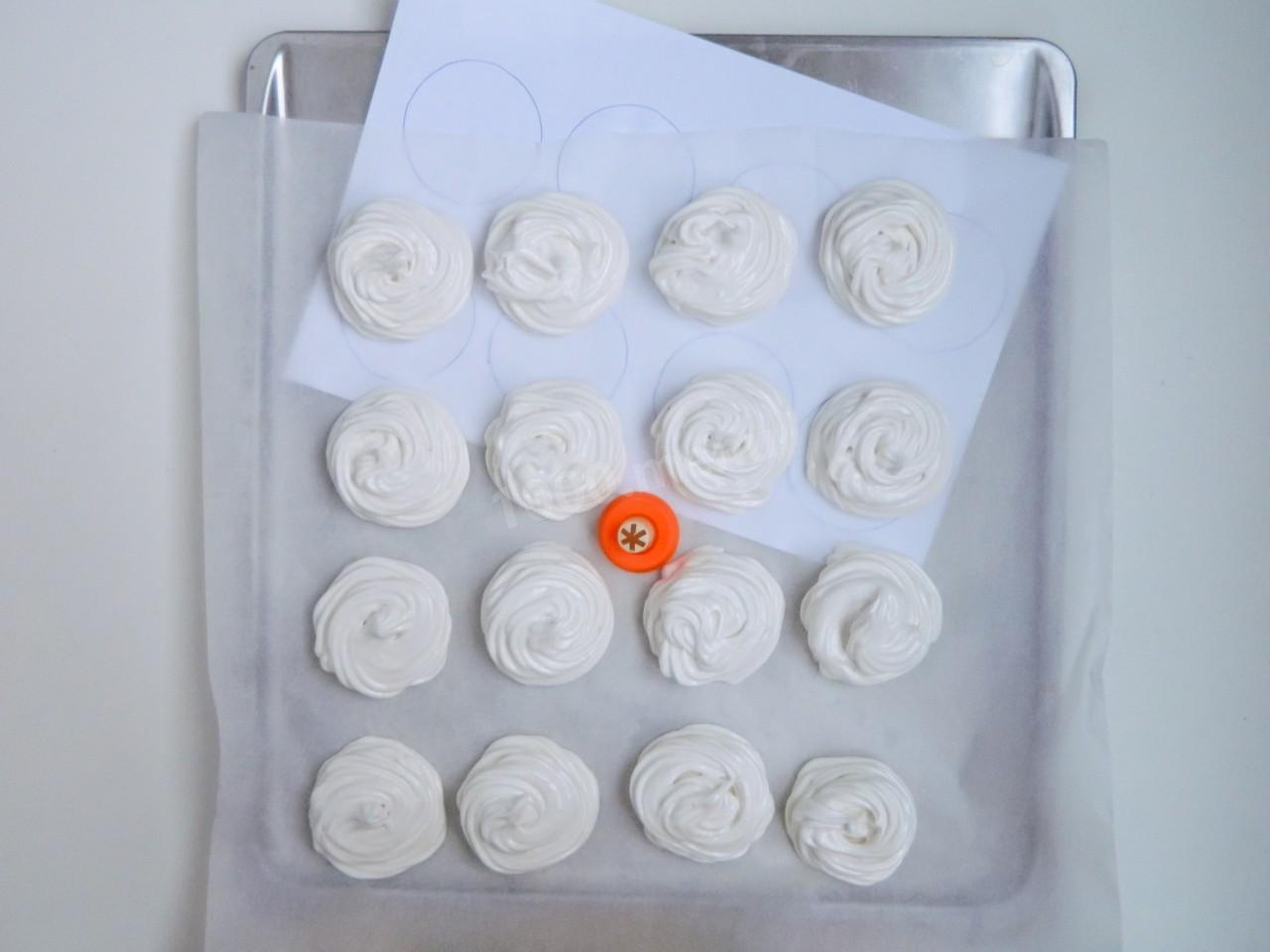
Line a baking sheet or large tray with parchment. Using a piping bag or a syringe fitted with a closed-star tip, pipe out the marshmallows. To make matching halves easily, I drew a stencil on a sheet of white paper and slid it under the parchment. Leave the marshmallows to dry at room temperature for at least 6 hours.
-
Step 12:
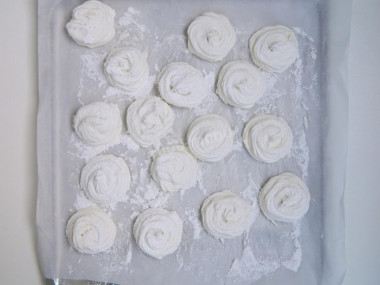
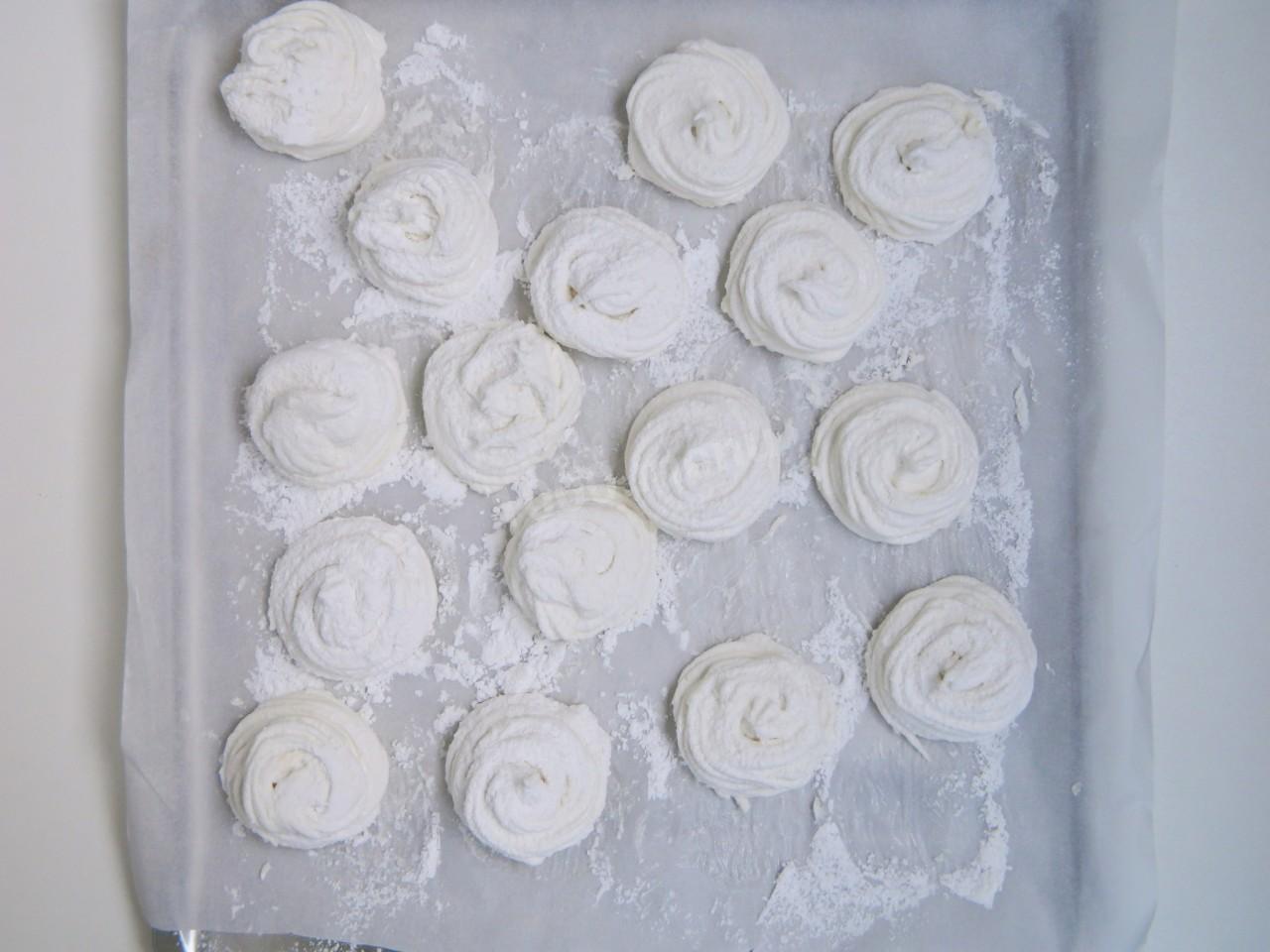
Once the marshmallows have set, dust them with powdered sugar on all sides and let them dry for about another hour. Then press the halves together in pairs.
- It's best to use filtered or bottled water with a neutral taste. Tap water can give the dish an unpleasant off-flavor.
- Before adding the agar, check its labeling. The number on the package—600, 900, or 1200, for example—indicates the strength (firmness) of the gel it forms: the higher the number, the firmer the set. Keep in mind that the agar amounts in any recipe are only a guideline, since the result depends not just on gel strength but also on the quality of the agar and the amount of sugar and acid in the dish. To be sure, do a quick test: put 1 tablespoon of the finished (but still warm) mixture in the freezer for 1 minute. If it sets to the consistency you want, your proportions are right; if not, thicken or thin the mixture accordingly.
- An opened package of agar-agar keeps for quite a while, but check it before use—exposure to sunlight and air can weaken its gelling power.
Caloric content of the products possible in the composition of the dish
- Apples - 47 kcal/100g
- Dried apples - 210 kcal/100g
- Canned apple mousse - 61 kcal/100g
- Granulated sugar - 398 kcal/100g
- Sugar - 398 kcal/100g
- Water - 0 kcal/100g
- Powdered sugar - 374 kcal/100g
- Chicken egg - 80 kcal/100g
- Agar-agar - 301 kcal/100g