Spartak Chocolate Cake
Divine flavor — this cake is so tender it melts in your mouth! A perfect marriage of chocolate-honey layers, custard cream, and chocolate glaze. It's something between a Medovik (Eastern European honey cake) and a Napoleon.


Cooking method
-
Step 1:
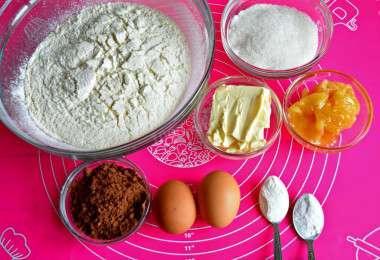
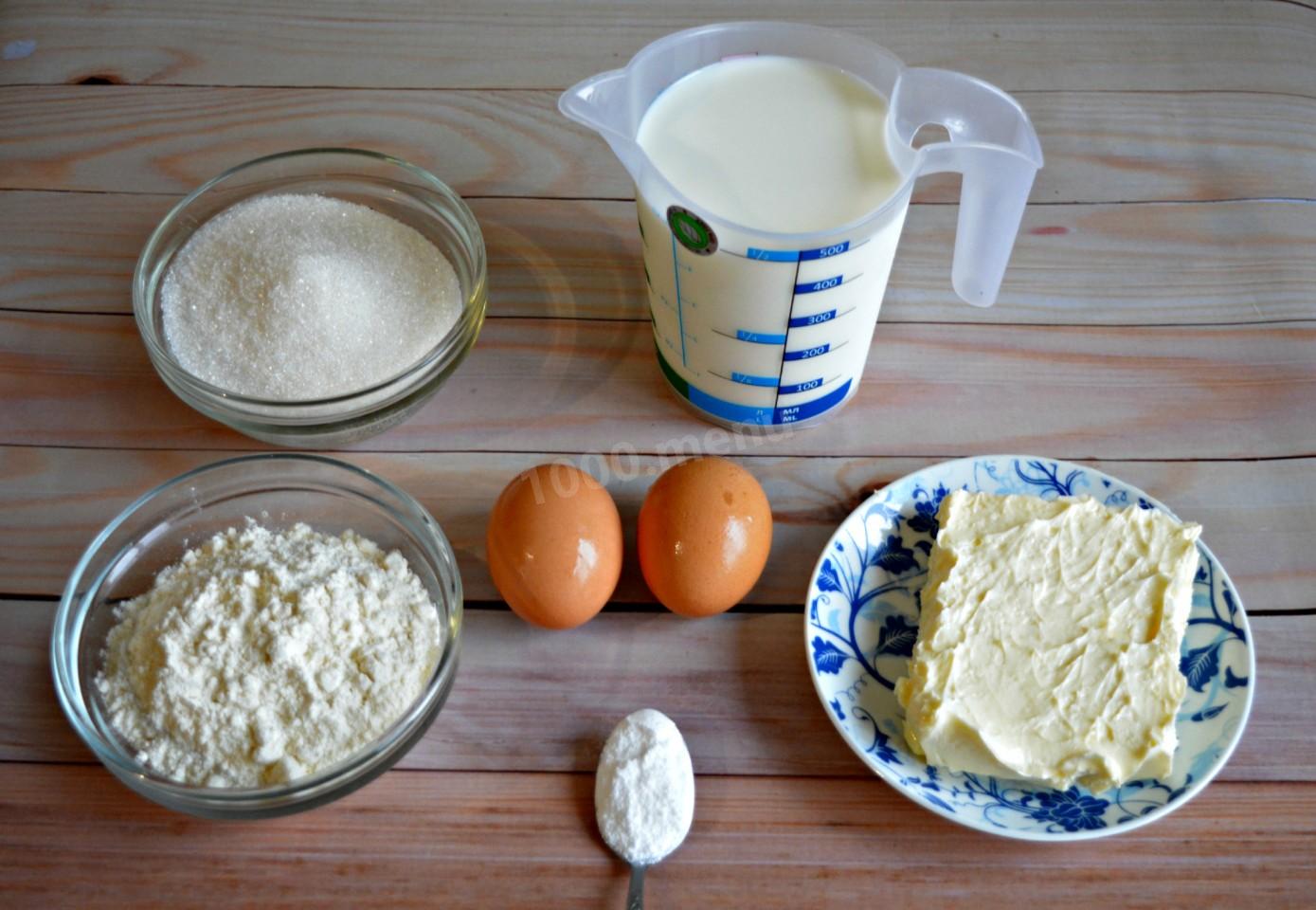
To make the layers you'll need: flour, cocoa powder, sugar, softened butter, eggs, baking soda, baking powder, and honey.
-
Step 2:
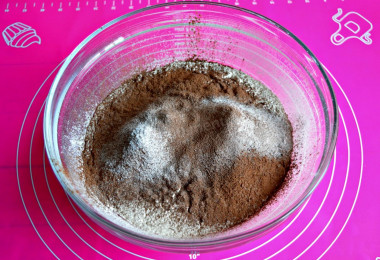
Sift 400 g of flour into a large bowl, add 4 tablespoons of cocoa powder and 1 teaspoon of baking powder. Mix.
-
Step 3:
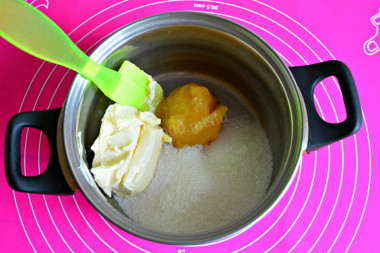
In a small saucepan, combine 4 tablespoons of honey (about 100 grams), 150 g of sugar, and 100 g of butter.
-
Step 4:

Heat a larger pot of water for a double boiler. Set the saucepan with the honey mixture over it and stir constantly until smooth.
-
Step 5:
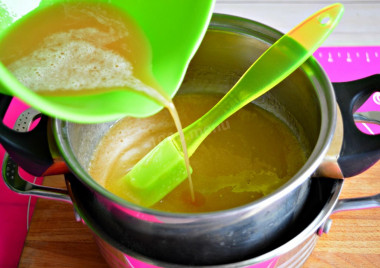
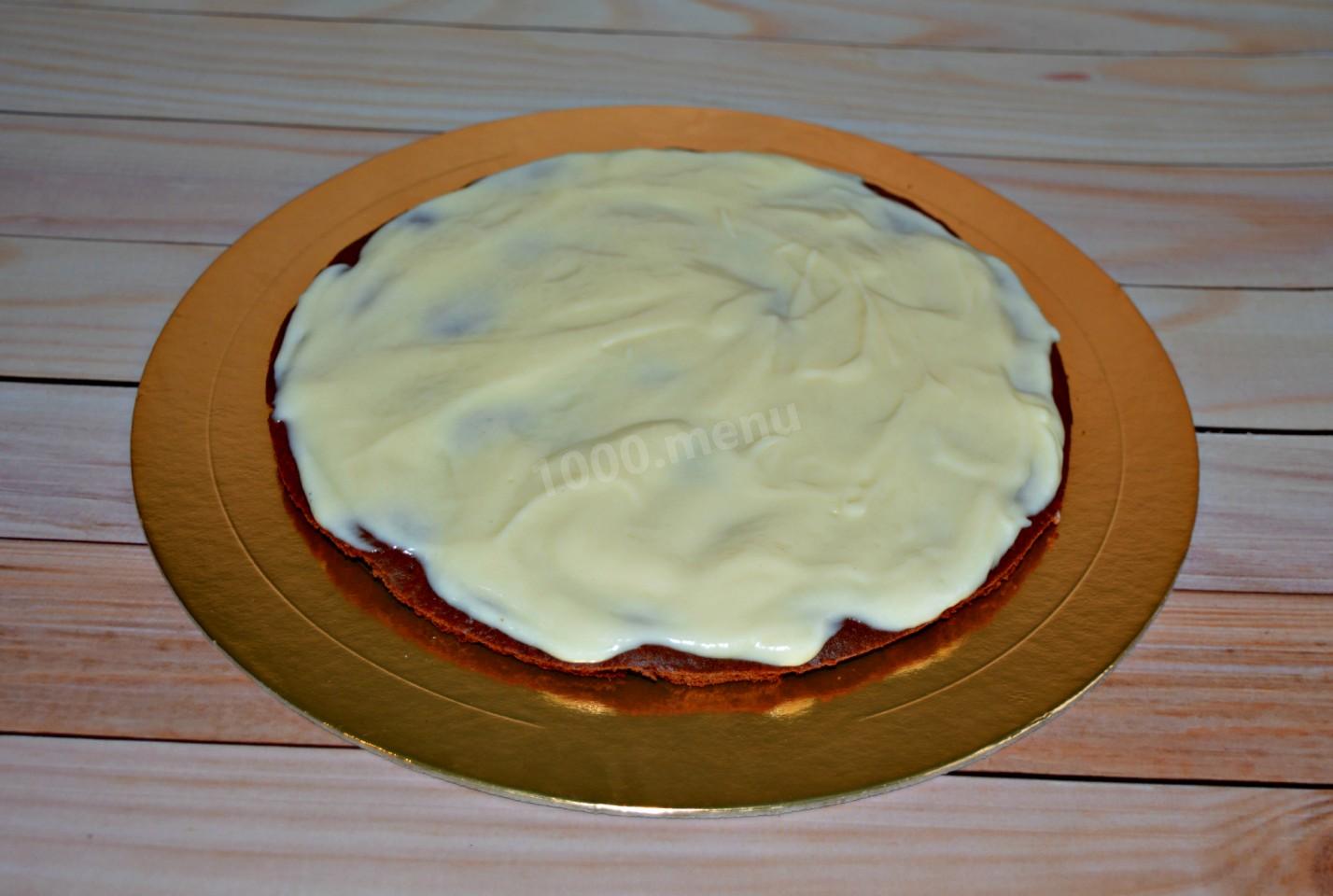
Crack 2 eggs and whisk them lightly. Pour the eggs into the mixture in a thin stream, stirring constantly. Add the baking soda. The mixture will immediately puff up and foam. Cook for 10 minutes, stirring the whole time. Remove from the heat and let it cool slightly — 2–3 minutes is enough.
-
Step 6:
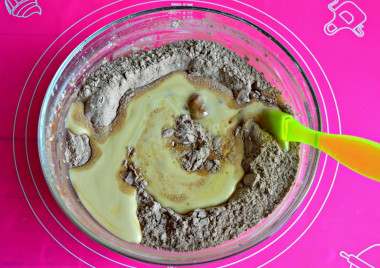
Add the cooked honey mixture to the bowl of flour and cocoa and knead well with a spoon. The dough may look runny at first, but don't add flour. As it cools, it will thicken, turn elastic, and stop sticking to your hands.
-
Step 7:
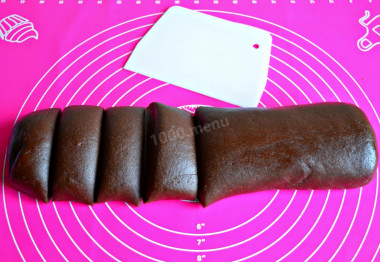
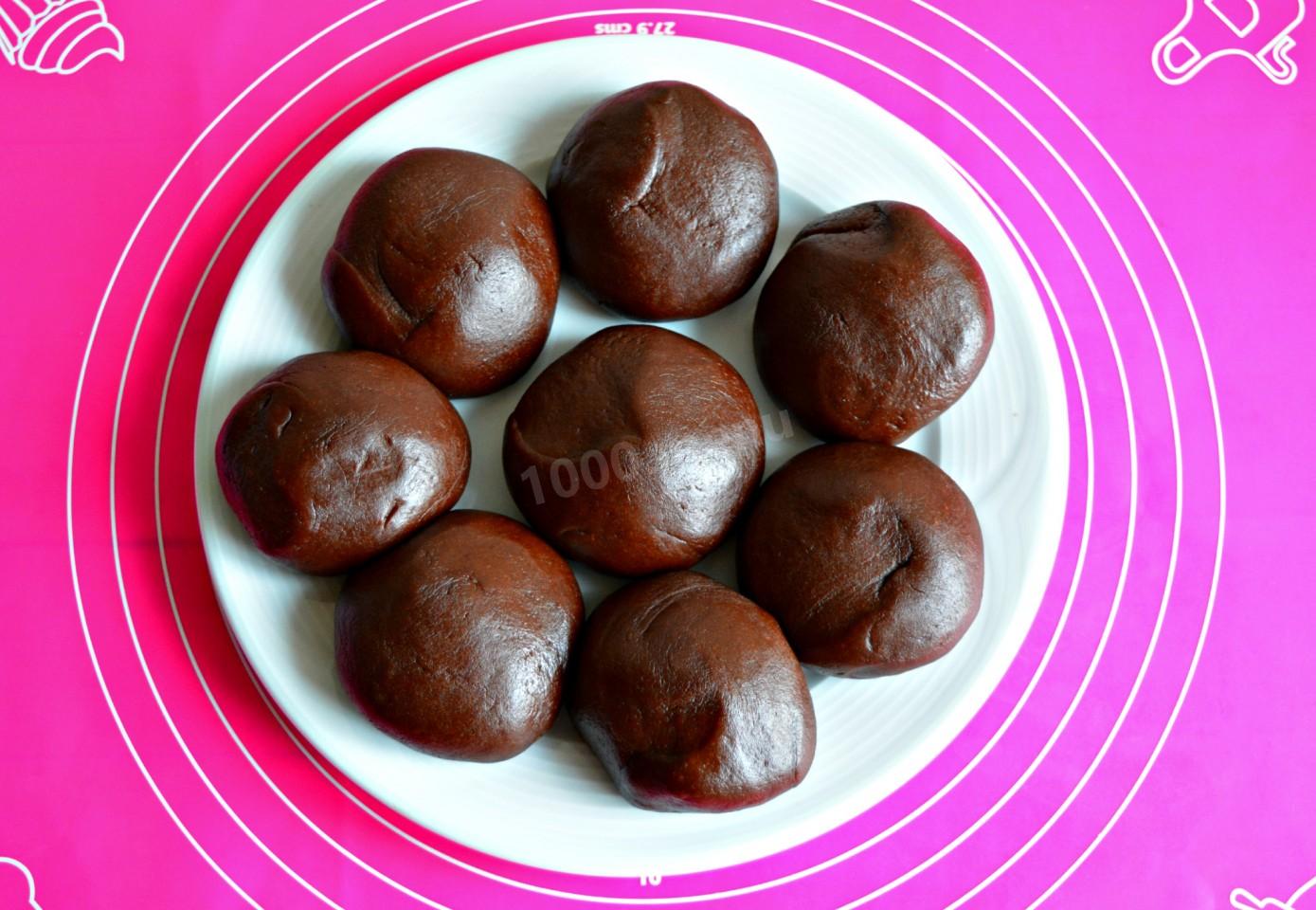
Roll the dough into a log and cut it into eight equal pieces.
-
Step 8:

Put them on a plate, cover with plastic wrap or a plastic bag, and leave for 15 minutes at room temperature. Then refrigerate for another 15 minutes.
-
Step 9:
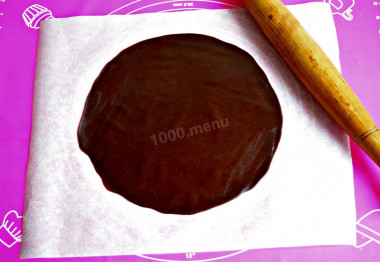
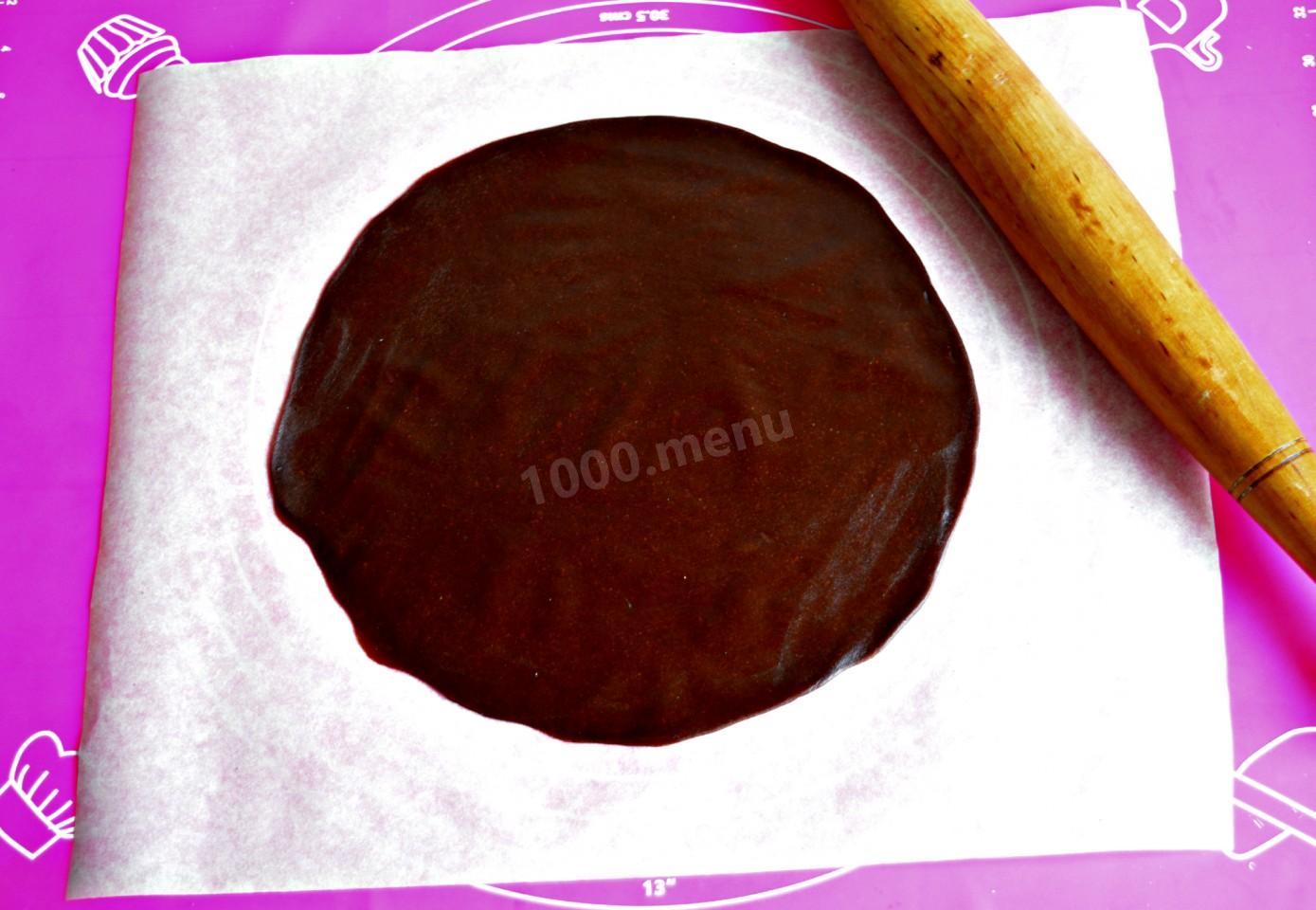
Take the dough out of the fridge and roll the first piece out to about 1/16 inch (2 mm) thick, directly on parchment paper so you don't have to move it later. Don't dust with flour. Transfer the dough on its parchment to a baking sheet, prick the surface in several spots with a fork, and put it in the oven. Bake no longer than 6–8 minutes at 350°F (180°C). While one layer bakes, get the next one ready.
-
Step 10:
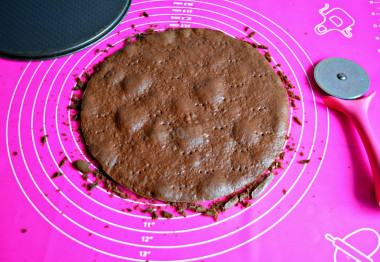
Take the layer out of the oven and trim it to shape right away, using a pot lid, a plate, the bottom of a cake pan, or a piece of cardboard. Set the scraps aside separately — you'll turn them into crumbs to decorate the cake. Don't stack the finished layers on top of each other, or they'll stick together.
-
Step 11:
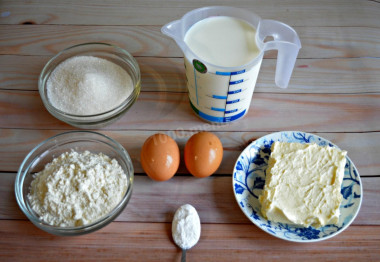
Now make the cream. You'll need: milk, eggs, sugar, vanilla sugar or vanillin, flour, and butter. The butter should be at room temperature.
-
Step 12:

Pour 500 ml of milk into a saucepan and gradually add two lightly beaten eggs, 150 g of sugar, 2 teaspoons of vanilla sugar, and 100 g of flour. Stir until smooth. Set it over a double boiler and cook until thickened, stirring constantly so it doesn't scorch.
-
Step 13:
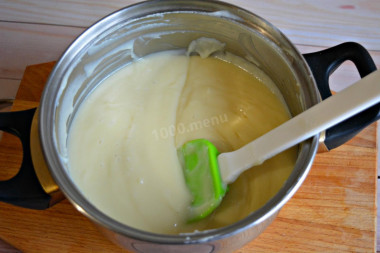
The cream is ready when you can draw a line across its surface. Remove from the heat and let it cool, stirring now and then so a skin doesn't form. To avoid constant stirring, press plastic wrap directly onto the surface.
-
Step 14:
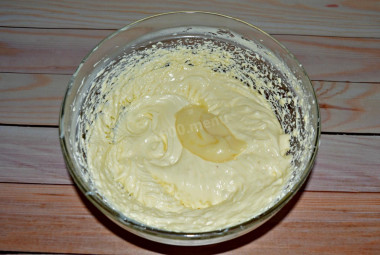
With a mixer, beat 200 g of softened butter until fluffy. Keeping the mixer running, add the cooled custard one tablespoon at a time.
-
Step 15:
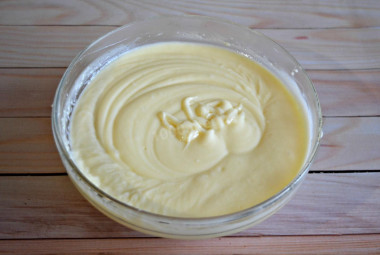
Work in all the custard this way. You should end up with an airy, fairly thick cream.
-
Step 16:
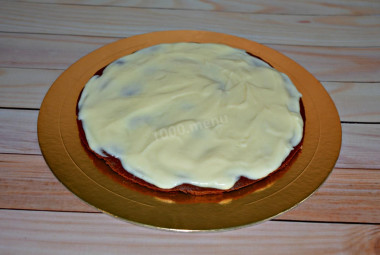
Assemble the cake on a cake board.
-
Step 17:
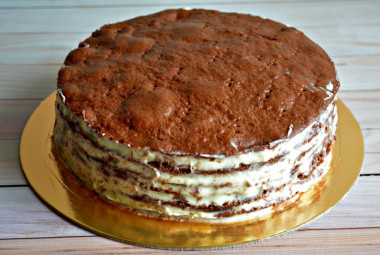
Spread cold cream over all the cooled layers and the sides of the cake. Leave only the very top layer bare.
-
Step 18:
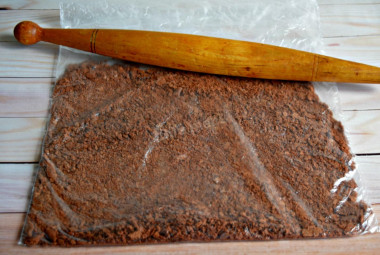
Crush the cake scraps in a blender or smash them with a rolling pin inside a bag.
-
Step 19:
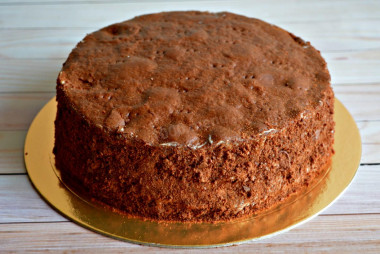
Press the crumbs onto the sides of the cake.
-
Step 20:
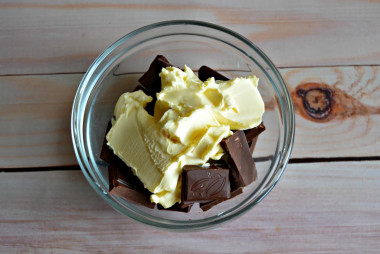
You can make the chocolate glaze from scratch with cocoa powder, or use a ready-made chocolate bar to save time. For the glaze, melt one chocolate bar and 50–60 g of butter in the microwave in short 10–15 second bursts, stirring each time.
-
Step 21:
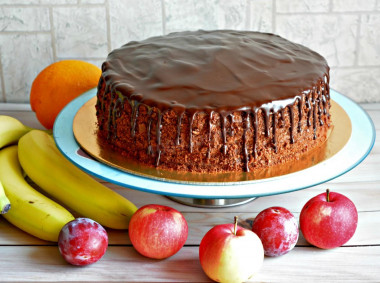
Pour the glaze carefully over the top of the cake and smooth it with a silicone spatula or a wide knife. Put the Spartak cake in the refrigerator for 8–10 hours, preferably overnight, so the layers soak through evenly.







- Enjoy!
Caloric content of the products possible in the composition of the dish
- Whole cow's milk - 68 kcal/100g
- Milk 3.5% fat content - 64 kcal/100g
- Milk 3.2% fat content - 60 kcal/100g
- Milk 1.5% fat content - 47 kcal/100g
- Concentrated milk 7.5% fat content - 140 kcal/100g
- Milk 2.5% fat content - 54 kcal/100g
- Chicken egg - 157 kcal/100g
- Egg white - 45 kcal/100g
- Egg powder - 542 kcal/100g
- Egg yolk - 352 kcal/100g
- Ostrich egg - 118 kcal/100g
- Honey - 400 kcal/100g
- Whole durum wheat flour fortified - 333 kcal/100g
- Whole durum wheat flour universal - 364 kcal/100g
- Flour krupchatka - 348 kcal/100g
- Flour - 325 kcal/100g
- Granulated sugar - 398 kcal/100g
- Sugar - 398 kcal/100g
- Butter 82% - 734 kcal/100g
- Amateur unsalted butter - 709 kcal/100g
- Unsalted peasant butter - 661 kcal/100g
- Peasant salted butter - 652 kcal/100g
- Melted butter - 869 kcal/100g
- Cocoa powder - 374 kcal/100g
- Bitter chocolate - 539 kcal/100g
- Baking powder - 79 kcal/100g
- Baking soda - 0 kcal/100g
- Vanilla sugar - 379 kcal/100g