Yeast-free kefir pie
Golden, big, and hearty! Easy and simple to make! This yeast-free kefir pie is shaped much like traditional Caucasian pastries. But the dough is made with baking soda, which is much faster. The potato and cottage cheese filling is a bit unusual, but it comes out very tasty. Give it a try!



Cooking method
-
Step 1:
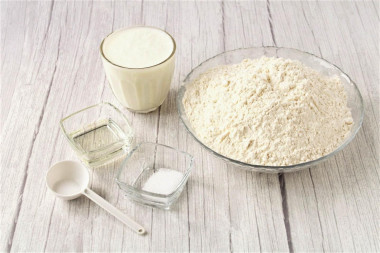
How do you make a yeast-free kefir pie? Measure out the ingredients for the dough. Kefir of any fat content works. Take it out ahead of time so it isn't cold. Use a neutral vegetable oil.
-
Step 2:
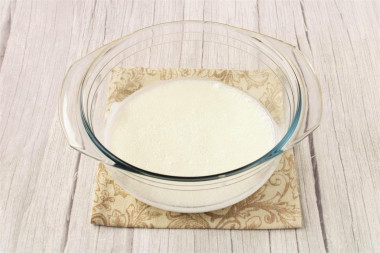
Pour the kefir into a bowl, add the soda, and stir. Leave the mixture until lots of bubbles appear on the surface. That's the soda being activated as it reacts with the lactic acid.
-
Step 3:
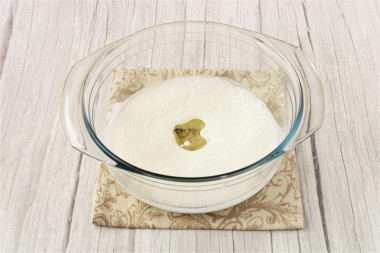
Add the salt and vegetable oil to the kefir. Stir.
-
Step 4:
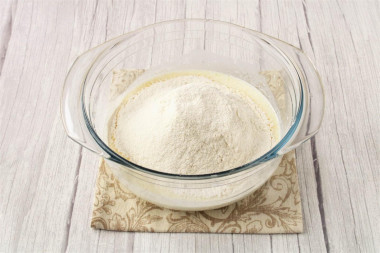
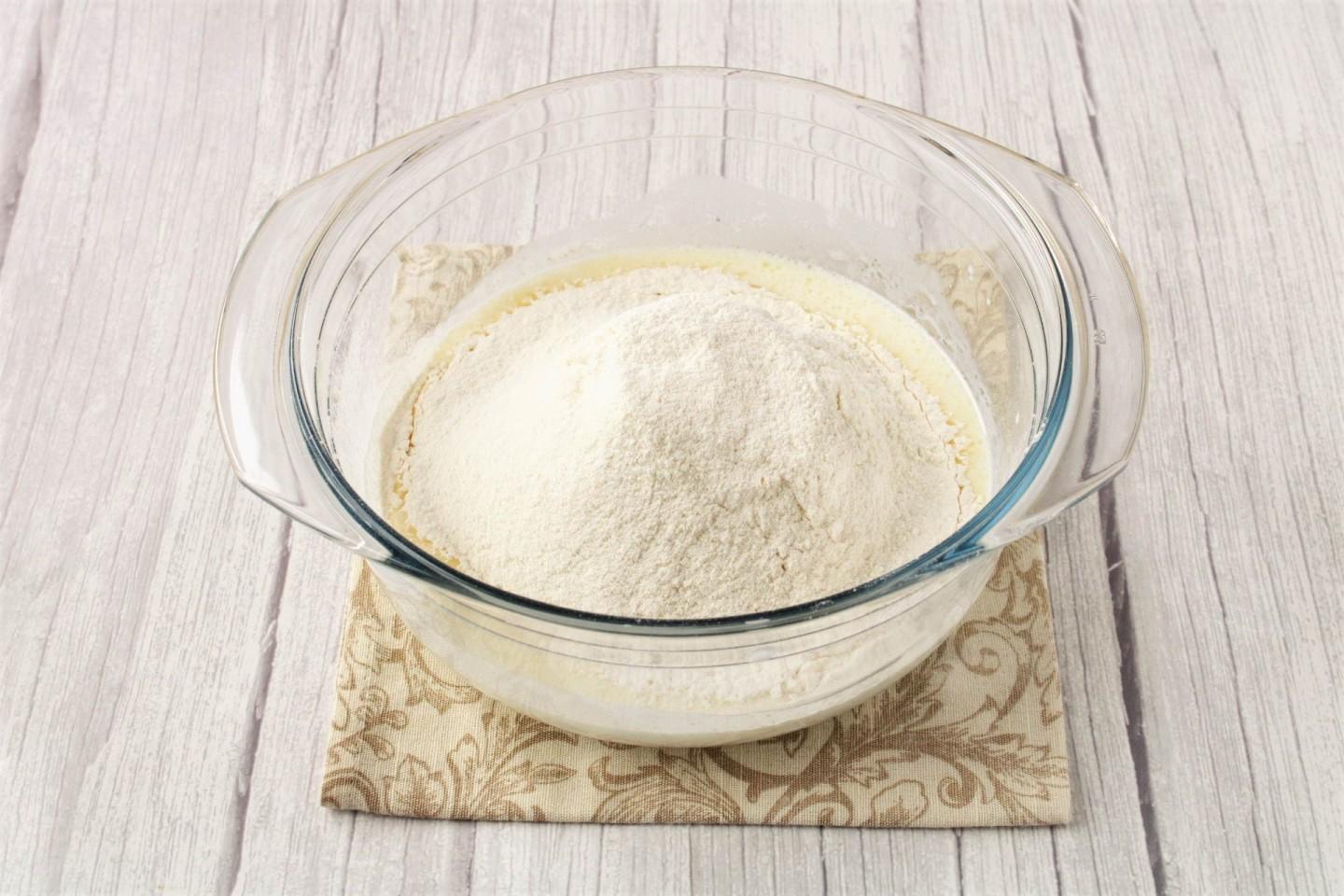
Sift the flour into the bowl. Sifting removes any stray bits from the flour and aerates it, so the pie rises better while baking. Don't add all the flour at once — you may need less than the stated amount. It depends on the fat content of the kefir and the properties of the flour. If, on the other hand, the dough isn't thick enough, add a little more flour as you knead.
-
Step 5:
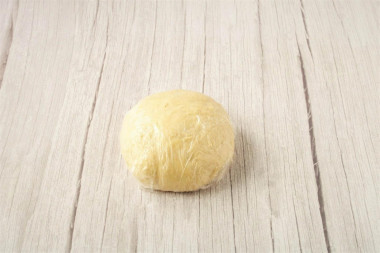
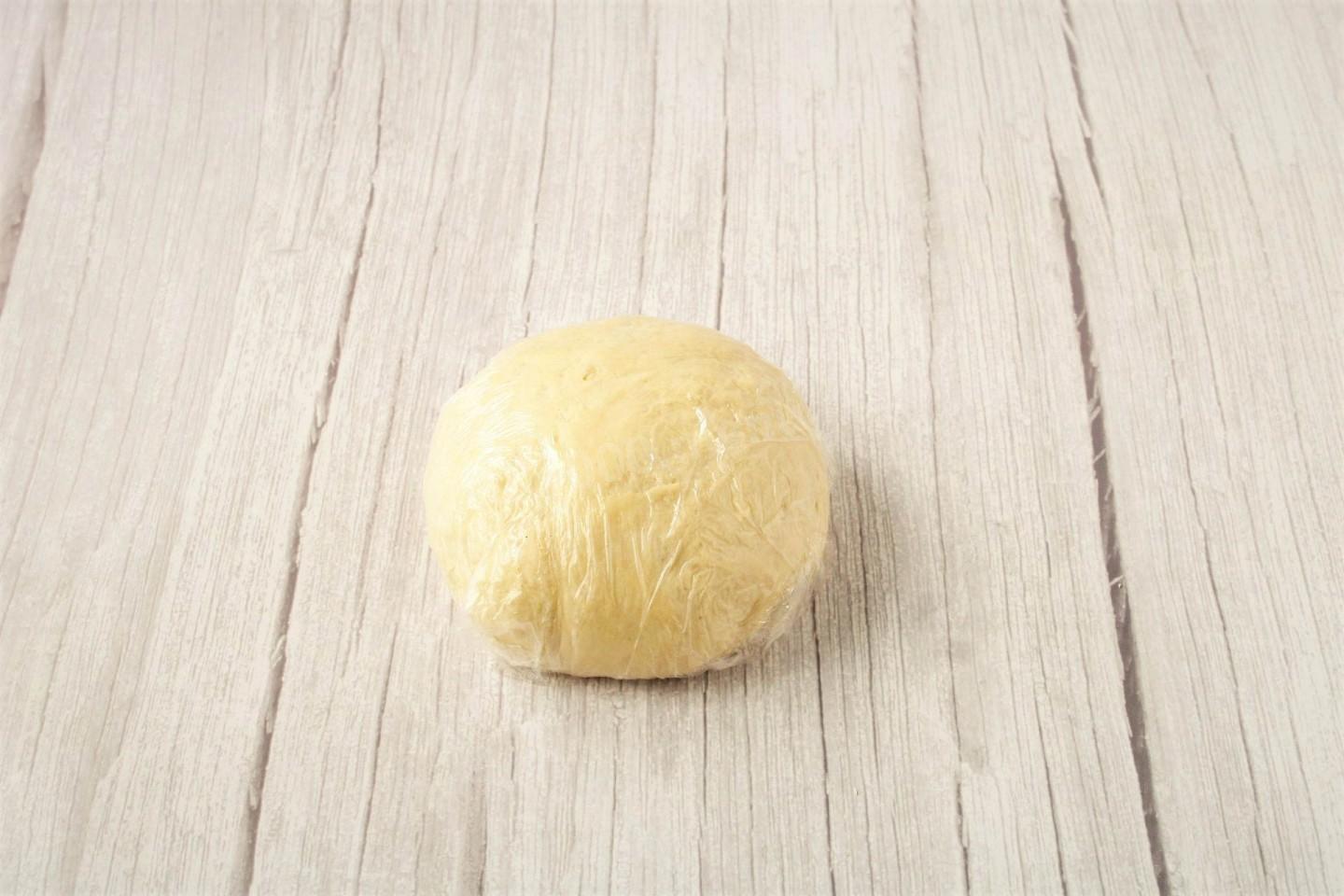
Knead the dough. It should hold its shape well but be soft and tender. Wrap the dough in a bag or plastic wrap and leave it on the counter for 20 to 30 minutes. In that time the gluten will relax and the dough will become more pliable and elastic.
-
Step 6:
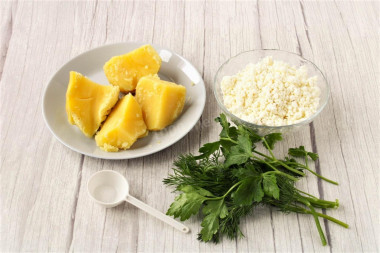
Make the filling for the pie. Peel the potatoes ahead of time and boil them in salted water until tender. Check them with a knife — if they're soft, they're done. Drain the water and let the potatoes cool. Use cottage cheese of whatever fat content you prefer.
-
Step 7:
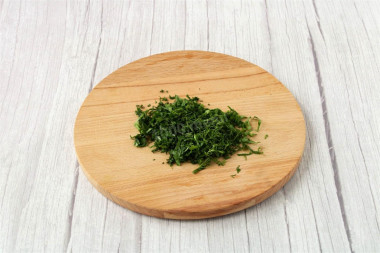
Wash the parsley and dill and dry them well. Remove any tough, thick stems. Finely chop the herbs. You can also use green onion or cilantro.
-
Step 8:
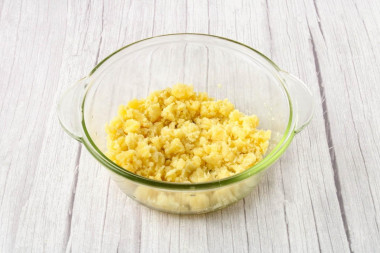
Mash the boiled potatoes. I did it with a fork. But if you want a smoother filling, mash the potatoes with a masher while they're hot, then cool them, and run the cottage cheese through a blender.
-
Step 9:
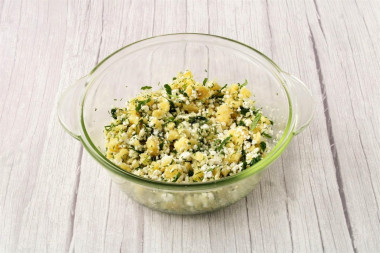
Combine the potatoes, cottage cheese, and chopped herbs. Add salt if needed. Mix well.
-
Step 10:

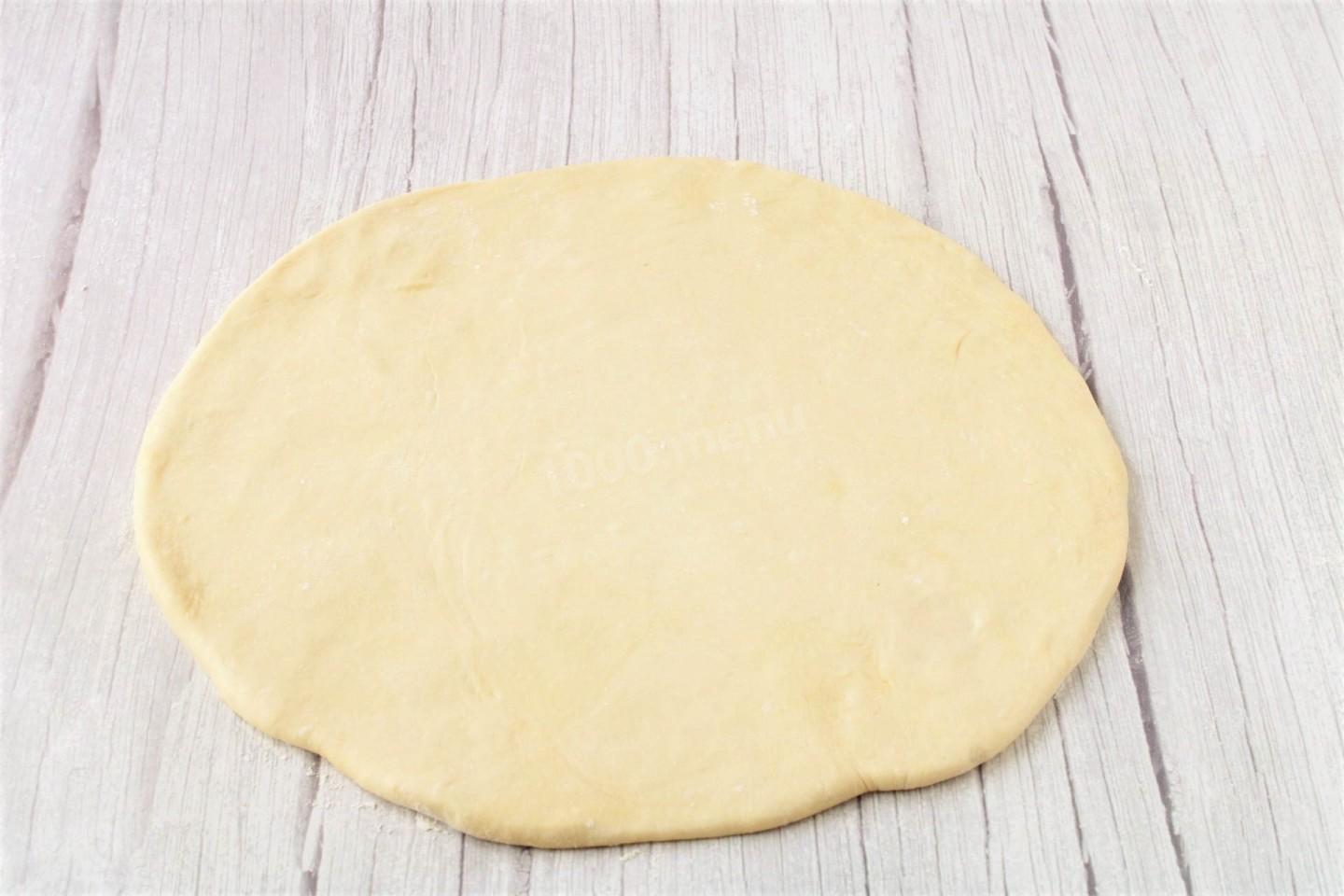
Roll the dough out on a floured surface into a round sheet about 1/3 inch (7 to 8 mm) thick.
-
Step 11:
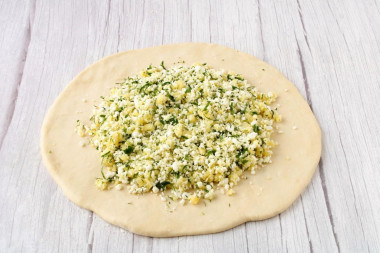
Put the filling in the middle of the dough.
-
Step 12:
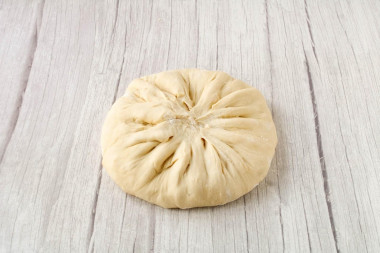
Lift the edges of the dough and gather them together over the filling. Pinch them well to seal.
-
Step 13:
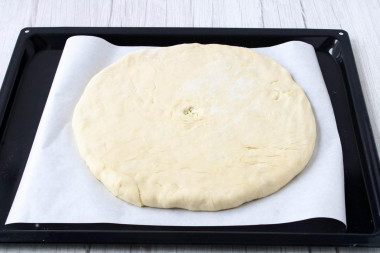
Turn the dough over and roll it out gently, without pressing hard, to form a round pie. Make a small hole in the center for steam to escape.
-
Step 14:
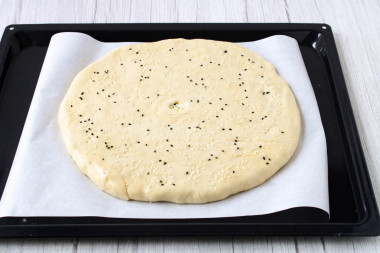
Beat the egg lightly until smooth and brush it over the top of the pie with a pastry brush. If you like, sprinkle the pie with sesame seeds — I used white and black.
-
Step 15:
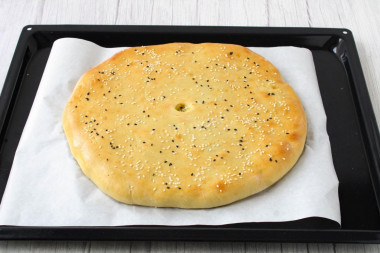
Bake the pie in an oven preheated to 350°F (180°C) for 30 to 35 minutes, until golden. The baking time and setting may differ — go by how your own oven runs. Mine came out a fairly big pie, about 12 inches (30 cm) across.
-
Step 16:
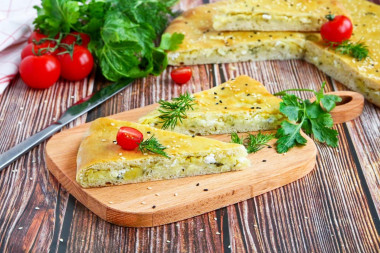
The pie can be served warm or cooled. Enjoy!






- You can make this pie with all sorts of fillings — various combinations of cottage cheese, cheese, and herbs, with vegetables and meat added in.
- Keep in mind that everyone's oven is different. The temperature and baking time may differ from those in the recipe. To make any baked dish a success, use the helpful information on how ovens behave!
- So the oven has time to reach the right temperature, turn it on ahead of time (10 to 20 minutes before you start).
- For whether you can swap baking powder for baking soda, how to add them so your baking turns out fluffy, how to avoid an unpleasant soda taste, and more, read the article "Baking powder or baking soda — which is better?"
Caloric content of the products possible in the composition of the dish
- Ripe potatoes - 80 kcal/100g
- Baked potatoes - 70 kcal/100g
- Mashed potatoes - 380 kcal/100g
- Boiled potatoes - 82 kcal/100g
- Potatoes in their skins - 74 kcal/100g
- Fried potatoes - 192 kcal/100g
- Chicken egg - 157 kcal/100g
- Egg white - 45 kcal/100g
- Egg powder - 542 kcal/100g
- Egg yolk - 352 kcal/100g
- Ostrich egg - 118 kcal/100g
- Cottage cheese of 40% fat content - 466 kcal/100g
- Cottage cheese of 20% fat content - 233 kcal/100g
- Cottage cheese of 18% fat content - 226 kcal/100g
- Cottage cheese of 10% fat content - 156 kcal/100g
- Low-fat cottage cheese - 75 kcal/100g
- Cottage cheese with sour cream - 260 kcal/100g
- Fruit cottage cheese - 147 kcal/100g
- Soft dietary cottage cheese - 170 kcal/100g
- Cottage cheese 'vitalinia' - 64 kcal/100g
- Cottage cheese 'morning' ( 'danone') without sugar - 91 kcal/100g
- Cottage cheese - 156 kcal/100g
- Parsley greens - 45 kcal/100g
- Dill greens - 38 kcal/100g
- Kefir fat - 62 kcal/100g
- Kefir of 1% fat content - 38 kcal/100g
- Low-fat kefir - 30 kcal/100g
- Kefir 'doctor beefy' 1,8% fat content - 45 kcal/100g
- Kefir 2.5% fat content - 53 kcal/100g
- Vegetable oil - 873 kcal/100g
- Dried whole sesame seeds - 563 kcal/100g
- Shelled sesame seed - 582 kcal/100g
- Salt - 0 kcal/100g
- Wheat flour - 325 kcal/100g
- Baking soda - 0 kcal/100g
Similar recipes
- Baking
- Eggs
- Dairy products
- Vegetables
- Flour
- Nuts
- Spices seasonings spices
- Fats and oils
- Other
- Parsley
- Salt
- Dill
- Vegetable oil
- Baking soda
- Cooking
- Oven roasting
- Cottage cheese pastries
- Baked on kefir
- Yeast-free baking
- Unsweetened pastries
- Kefir
- Cottage cheese
- Vegetables in the oven
- From potatoes
- Wheat flour
- Recipes for lean dishes without butter
- Seeds