Zucchini Spread for Winter (No Vinegar)
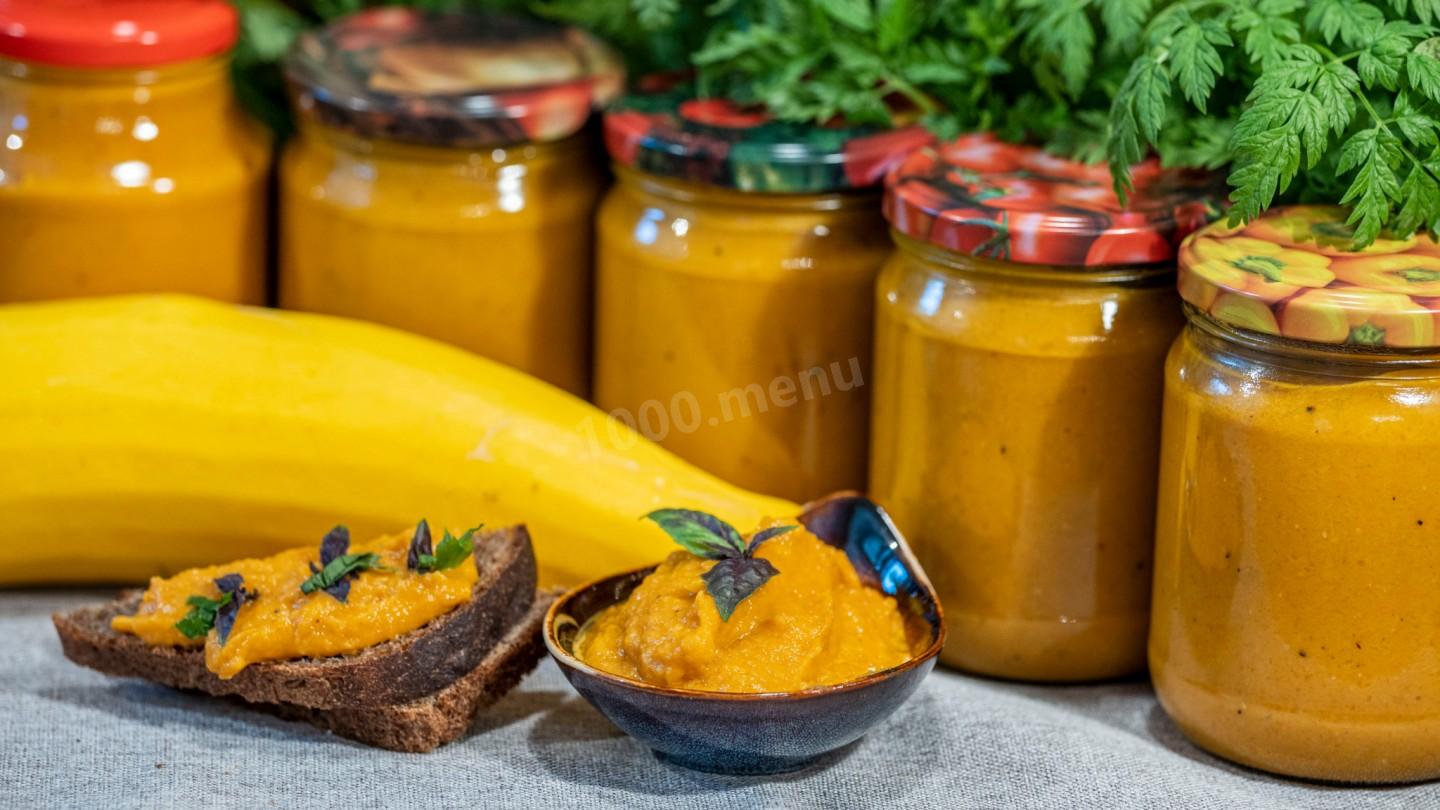
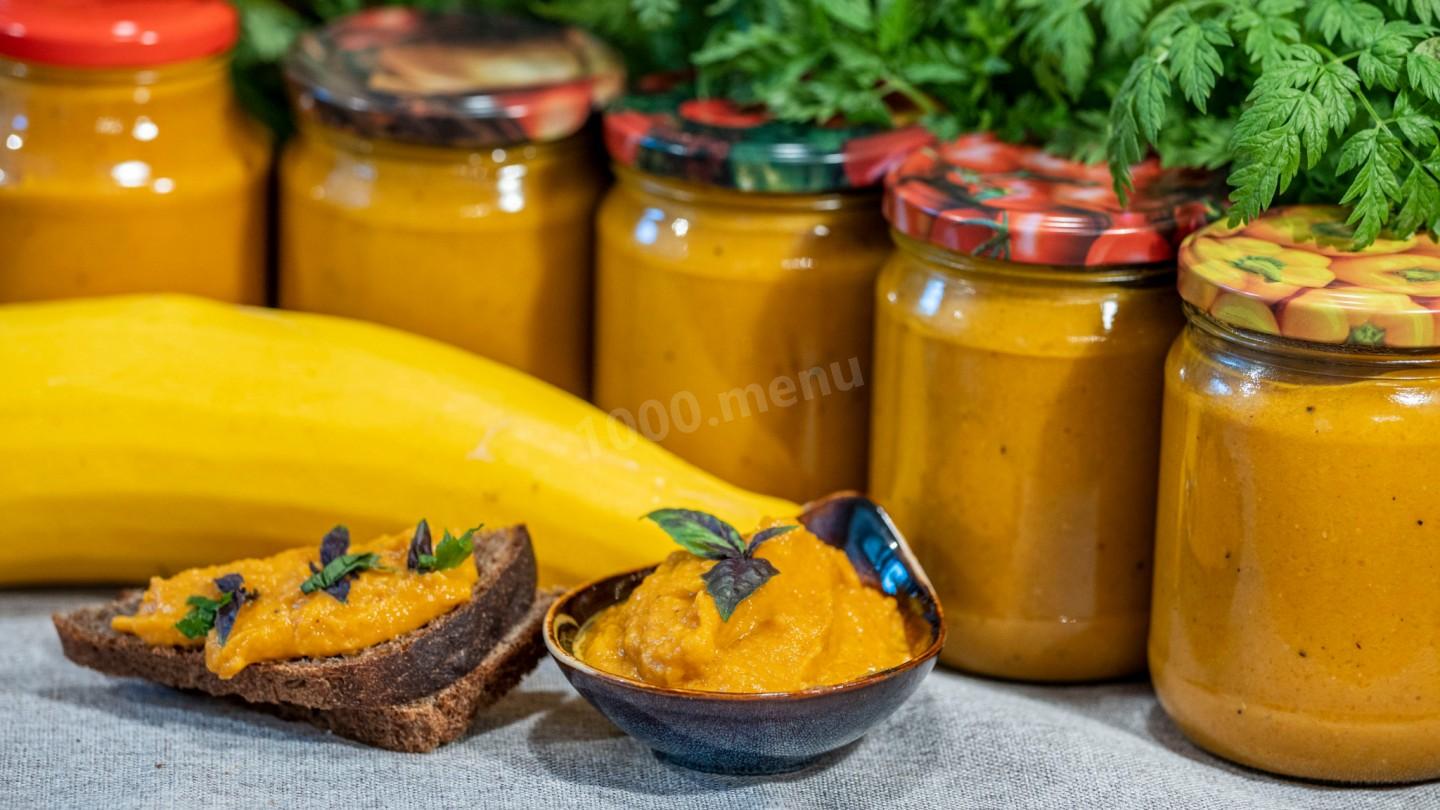
A welcome dose of healthy vitamins for the cold months! The perfect recipe for homemade zucchini spread with tomatoes, onion, and carrot—no vinegar, no processing—to put up for the winter ahead. It's sure to win people over and surprise them with its wonderful flavor!

Cooking method
-
Step 1:
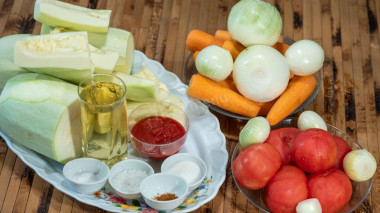
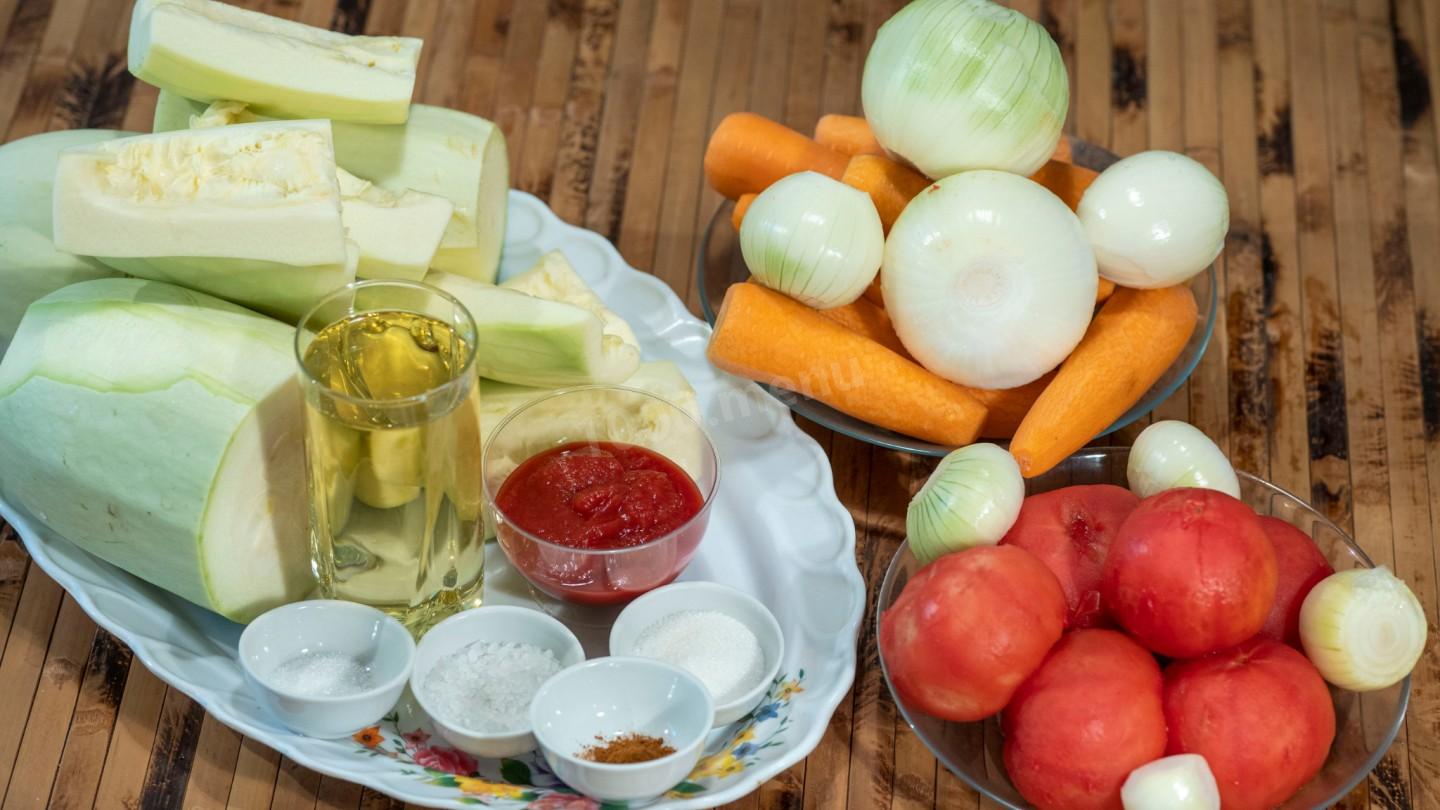
To make this delicious no-vinegar zucchini spread for winter, gather the ingredients and spices.
-
Step 2:
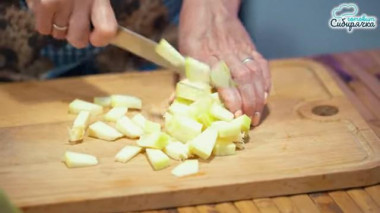
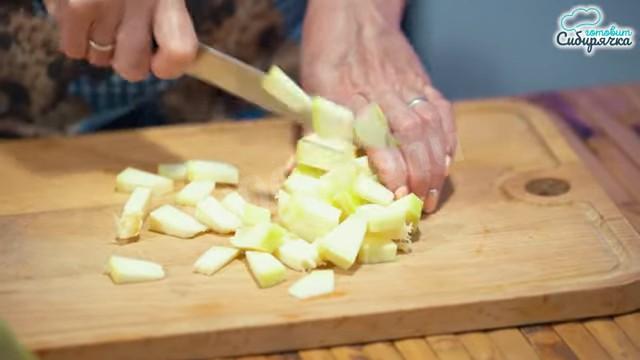
Cut one kilogram of peeled zucchini into medium cubes.
-
Step 3:
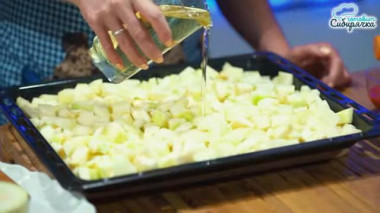
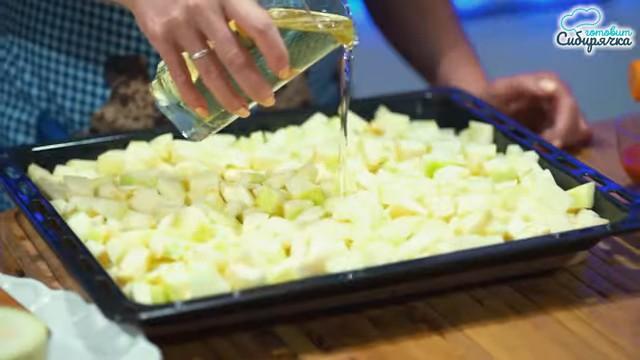
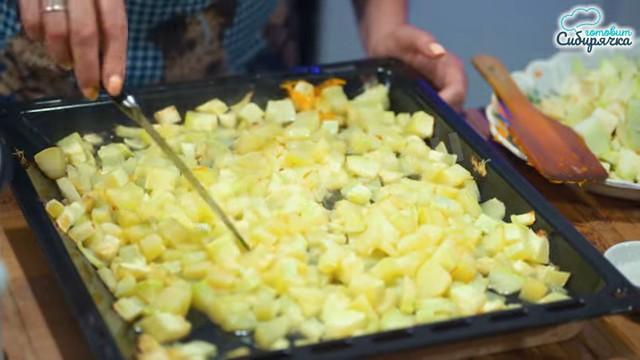
Spread the cubed zucchini on a baking sheet and add a little vegetable oil.
-
Step 4:
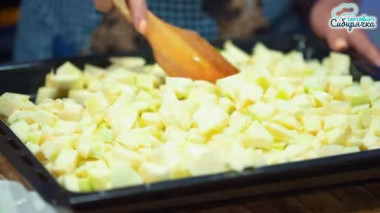
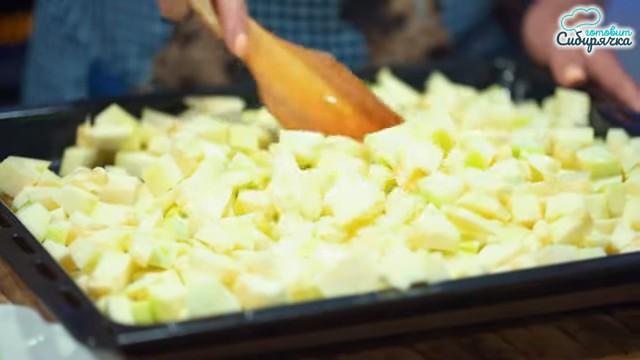
Toss the zucchini and put the sheet in an oven preheated to 400°F (200°C) for fifteen to twenty minutes.
-
Step 5:

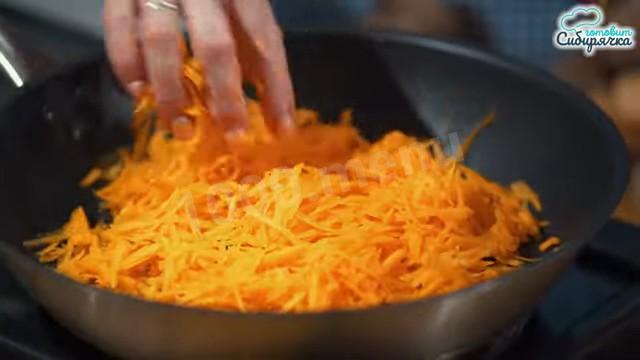
Grate one kilogram of carrots on a coarse grater.
-
Step 6:
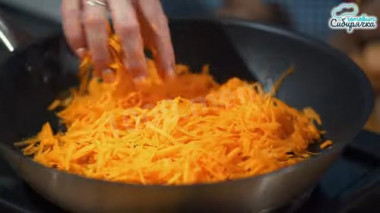
Put the grated carrot in a hot skillet with vegetable oil and fry it over high heat in two batches.
-
Step 7:
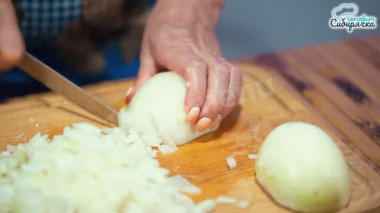
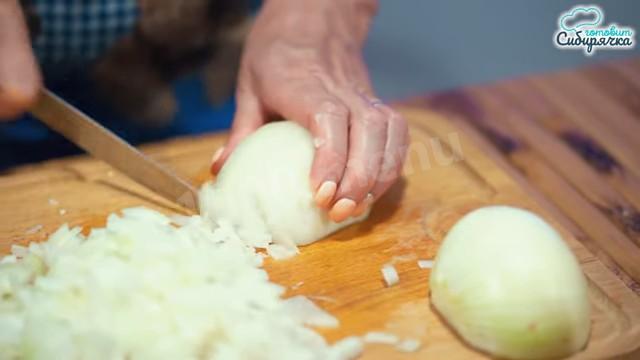
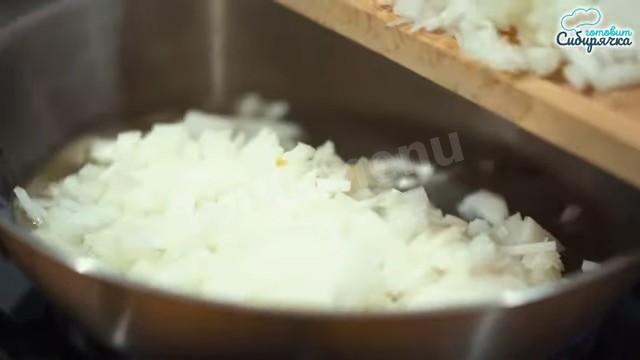
Cut one kilogram of onion roughly, but not too fine.
-
Step 8:
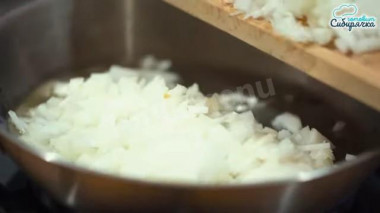
Put the chopped onion in a hot skillet with vegetable oil and fry, stirring, until golden.
-
Step 9:
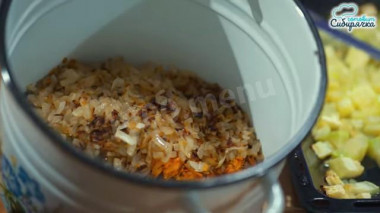
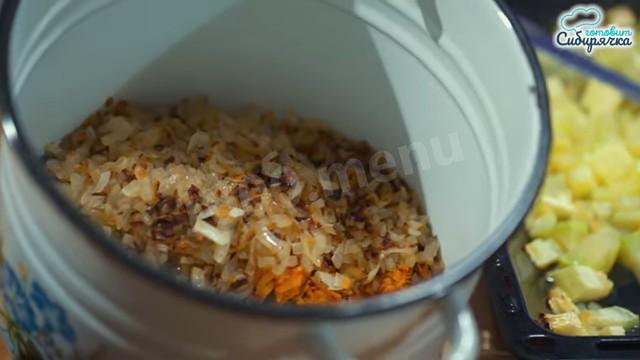
Transfer the fried onion from the skillet into a large pot.
-
Step 10:
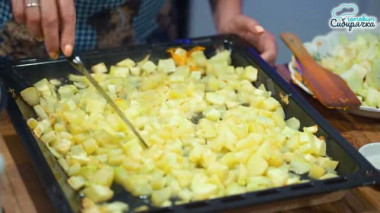
Take the first batch of roasted zucchini out of the oven after fifteen to twenty minutes and put in the second sheet of zucchini.
-
Step 11:

Add the zucchini to the pot with the fried onion, and the second batch once it's done too.
-
Step 12:
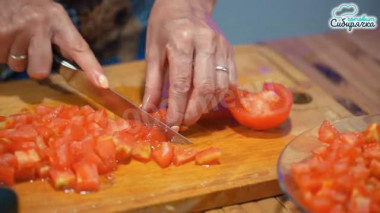
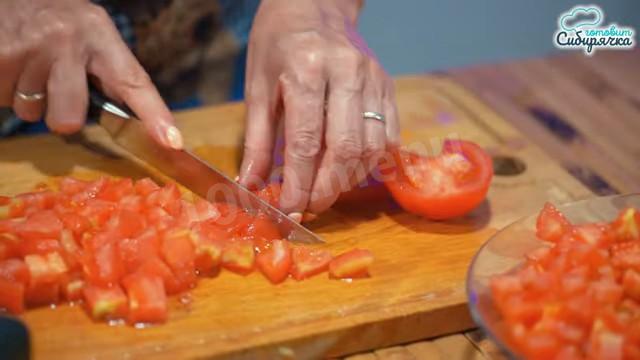
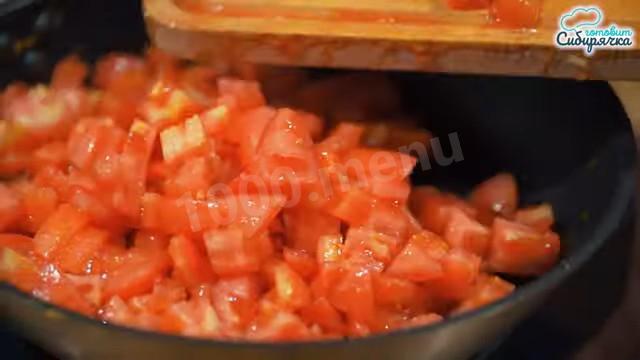
Peel one kilogram of tomatoes, remove the stem ends, and cut them into small cubes.
-
Step 13:
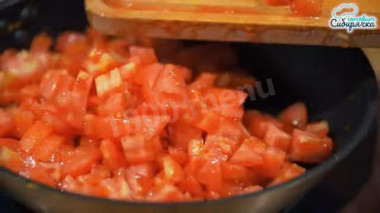
Put the tomatoes in a hot skillet with vegetable oil.
-
Step 14:
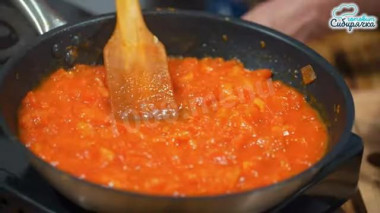
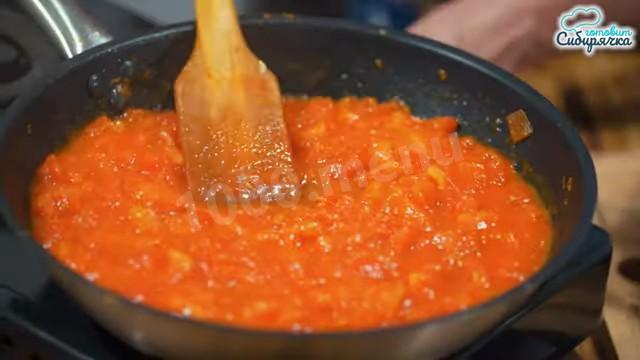
Stir and cook the tomatoes down to a purée.
-
Step 15:
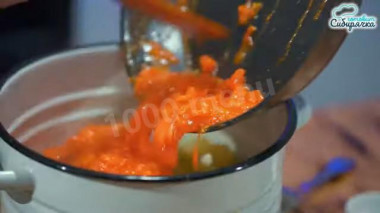
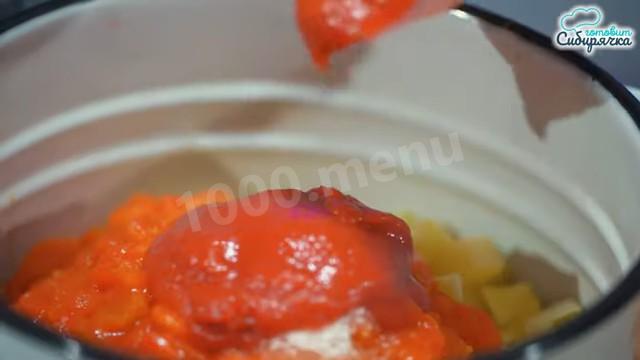
Transfer the cooked tomatoes from the skillet into the main pot.
-
Step 16:
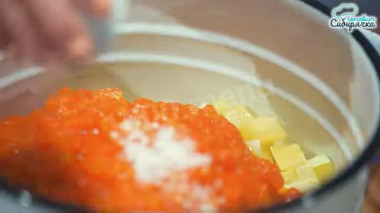
Add one and a half tablespoons of salt to the pot of vegetables.
-
Step 17:
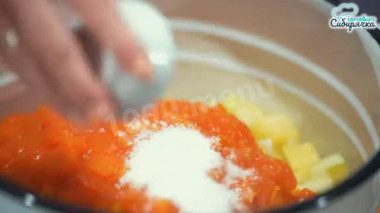
Add one and a half tablespoons of sugar to the pot.
-
Step 18:
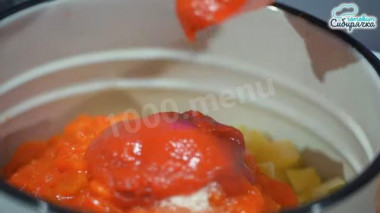
Add half a teaspoon of ground hot red pepper and three tablespoons of tomato paste.
-
Step 19:
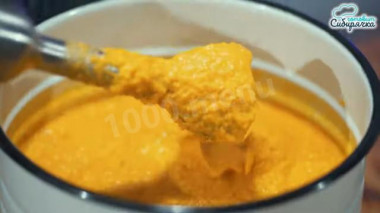
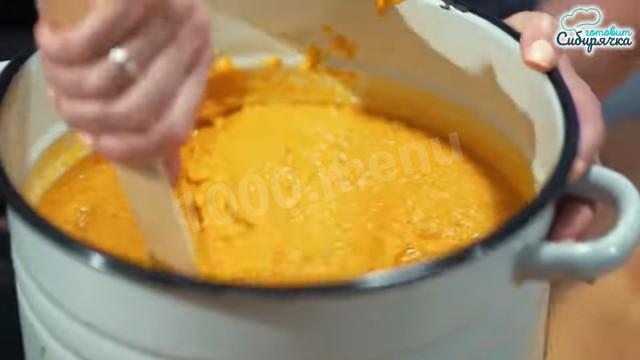
Blend everything in the pot to a purée.
-
Step 20:
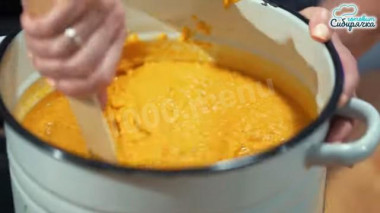
Set the pot of spread on the stove and cook it down over low heat, stirring, for thirty-five to forty minutes.
-
Step 21:

Five minutes before it's done, add one teaspoon of citric acid and stir well.
-
Step 22:
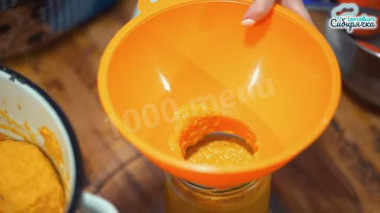
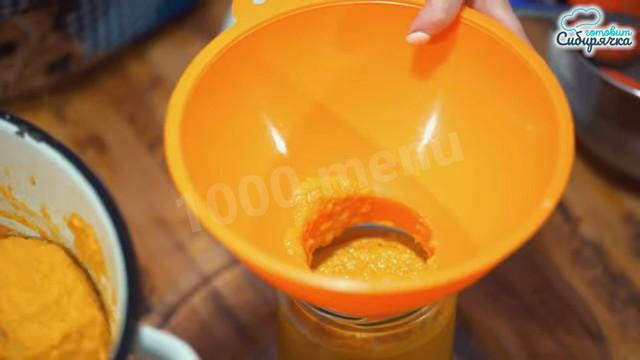
Pack the finished spread, hot, into sterile jars.
-
Step 23:

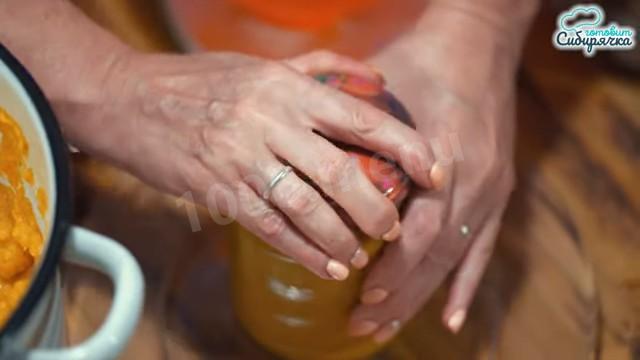
Seal the jars tightly with sterile lids, then cover them with a warm blanket until they cool completely.
-
Step 24:

Store the jars in a dark, dry place, away from any heat sources.
-
Step 25:
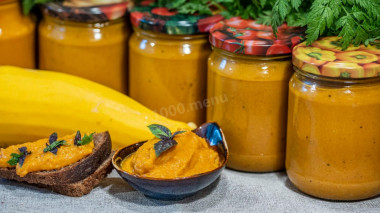
Let's cook together—cook simply, cook the tastiest dishes at home from everyday ingredients with our recipes! Enjoy, everyone!








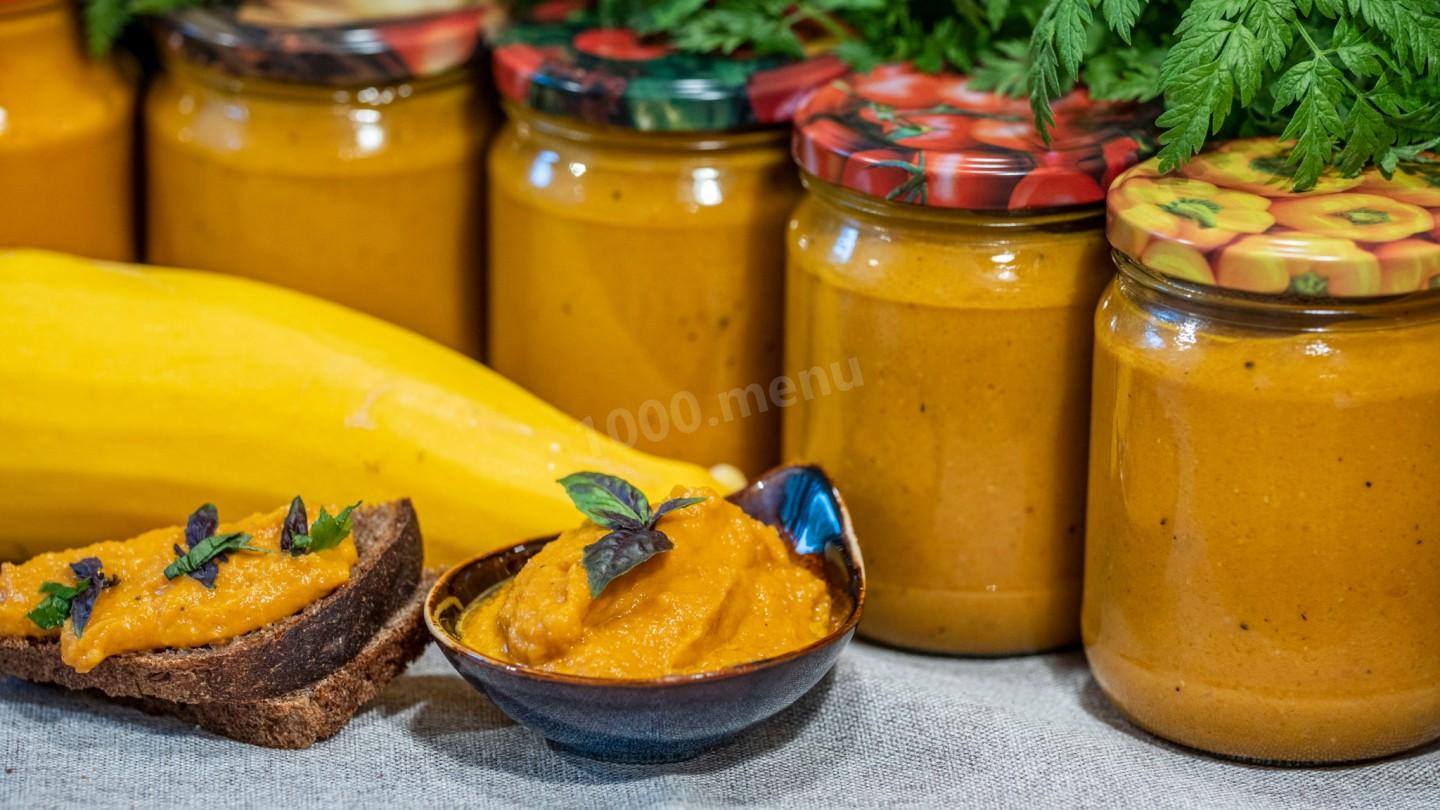
- Zucchini spread for winter with tomatoes, no vinegar and no processing! A really simple recipe, just like the store-bought kind from days past. Wholesome, tender, and inexpensive—a delicious zucchini spread for the winter ahead that gives you a needed dose of vitamins in the cold season. Made in the oven with juicy tomatoes and plain tomato paste, this spread is nothing like the store version—no risky preservatives or stabilizers. This sunny zucchini spread, made with simple home methods, follows a special recipe and tastes just like it did in our childhood. Enjoy!
- Follow the basic canning rules so your preserve keeps well and trouble-free: wash the vegetables thoroughly even if you peel them; remove any debris, dirt, or soil from the produce and herbs; discard anything that's started to rot; don't reduce the amount of preservatives, and follow the recipe's tips; sterilize the empty jars (10 minutes for 0.5 L / 1 pint; 15 minutes for 1 L / 1 qt; 20 minutes for 2 L; 25 minutes for 3 L) and boil the lids for 10 minutes; when sealing with a seaming tool, make sure the lids sit tightly against the jar; turn the jars upside down to check the seal.
- If you're new to canning and don't have much experience with home preserves, it's safer to process the filled jars even if the recipe says you don't have to. That way they won't swell in storage if something went wrong—if you under- or over-measured an ingredient or strayed from the method. Jars usually swell for just one reason: a buildup of excess gas, which forms because microorganisms got into the preserve. Either way, swollen jars have nothing to do with the quality of a recipe that's worked before.
Caloric content of the products possible in the composition of the dish
- Tomatoes - 23 kcal/100g
- Zucchini - 23 kcal/100g
- Carrots - 33 kcal/100g
- Dried carrots - 275 kcal/100g
- Boiled carrots - 25 kcal/100g
- Granulated sugar - 398 kcal/100g
- Sugar - 398 kcal/100g
- Vegetable oil - 873 kcal/100g
- Tomato paste - 28 kcal/100g
- Citric acid - 0 kcal/100g
- Salt - 0 kcal/100g
- Onion - 41 kcal/100g
- Ground hot pepper - 21 kcal/100g
Similar recipes

- National cuisine
- Second course
- Homemade preparations
- Vegetables
- Sweet
- Spices seasonings spices
- Fats and oils
- Other
- Lemon acid
- Pepper
- Salt
- Vegetable oil
- Tomato paste
- Russian cuisine
- Cooking
- Frying
- Stewing
- Oven roasting
- Stewed vegetables
- Without sterilization
- Vegetable blanks
- Vegetables in the oven
- From zucchini
- From carrots
- From tomato
- From onion
- Vegetarianism
- Recipes for lean dishes without butter
- Sugar