Braised Duck with Potatoes (Cauldron-Style)
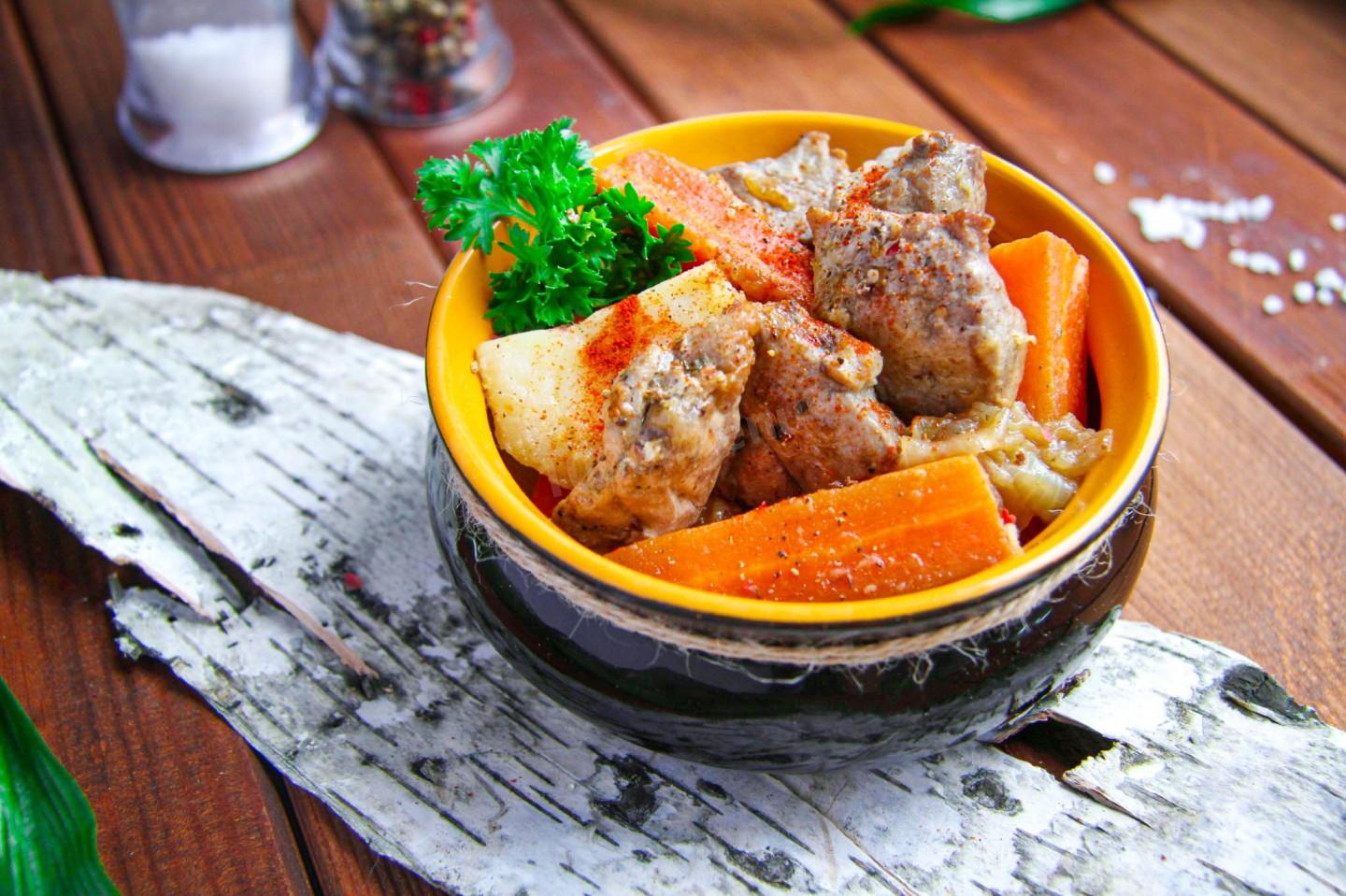
Wonderfully tasty, juicy, tender, and appetizing — easy and simple! Duck braised in a cauldron comes out more fragrant than one cooked in a regular pot. It's also much easier — everything simmers evenly and soaks up each other's juices. The result is a full, hearty main course!

Cooking method
-
Step 1:
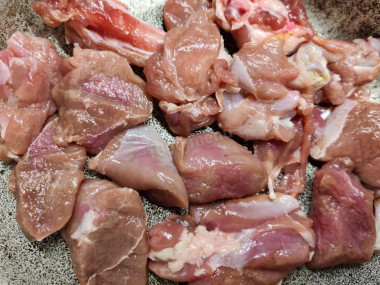
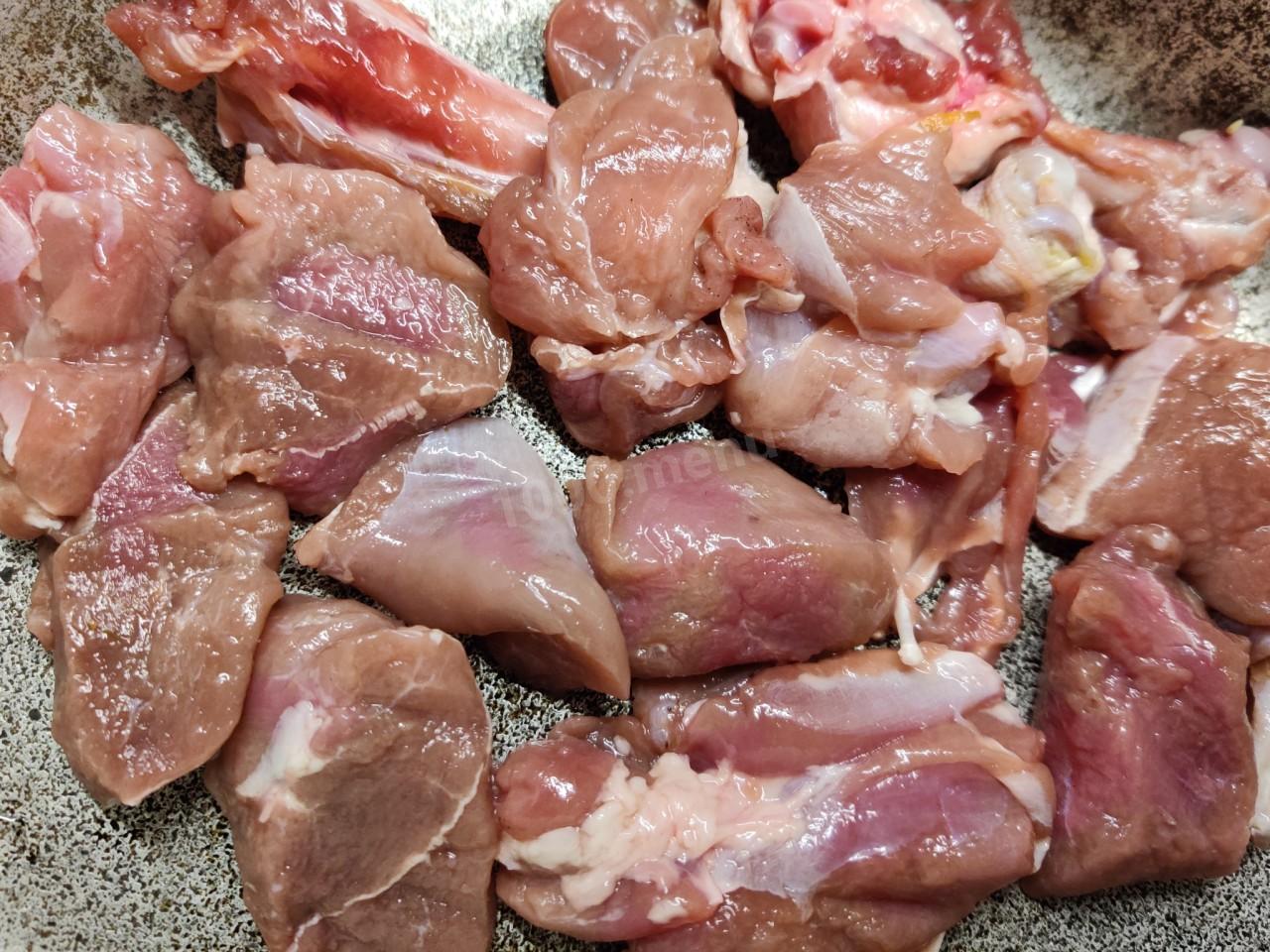
How do you make duck in a cauldron? Gather your ingredients. Wash the duck, pat it dry, and cut it into serving pieces. Any part of the duck works — fillet or bone-in. Just trim off the tail (the triangular "parson's nose" near the base). I also removed all the skin and excess fat; leaving them on makes the dish richer. Pour vegetable oil into a cauldron (or Dutch oven) and heat it up. Brown the duck on both sides.
-
Step 2:
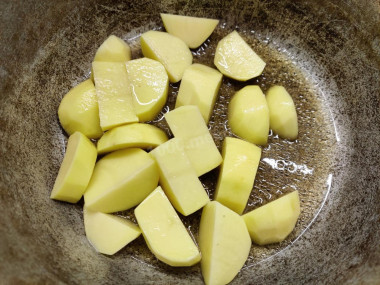
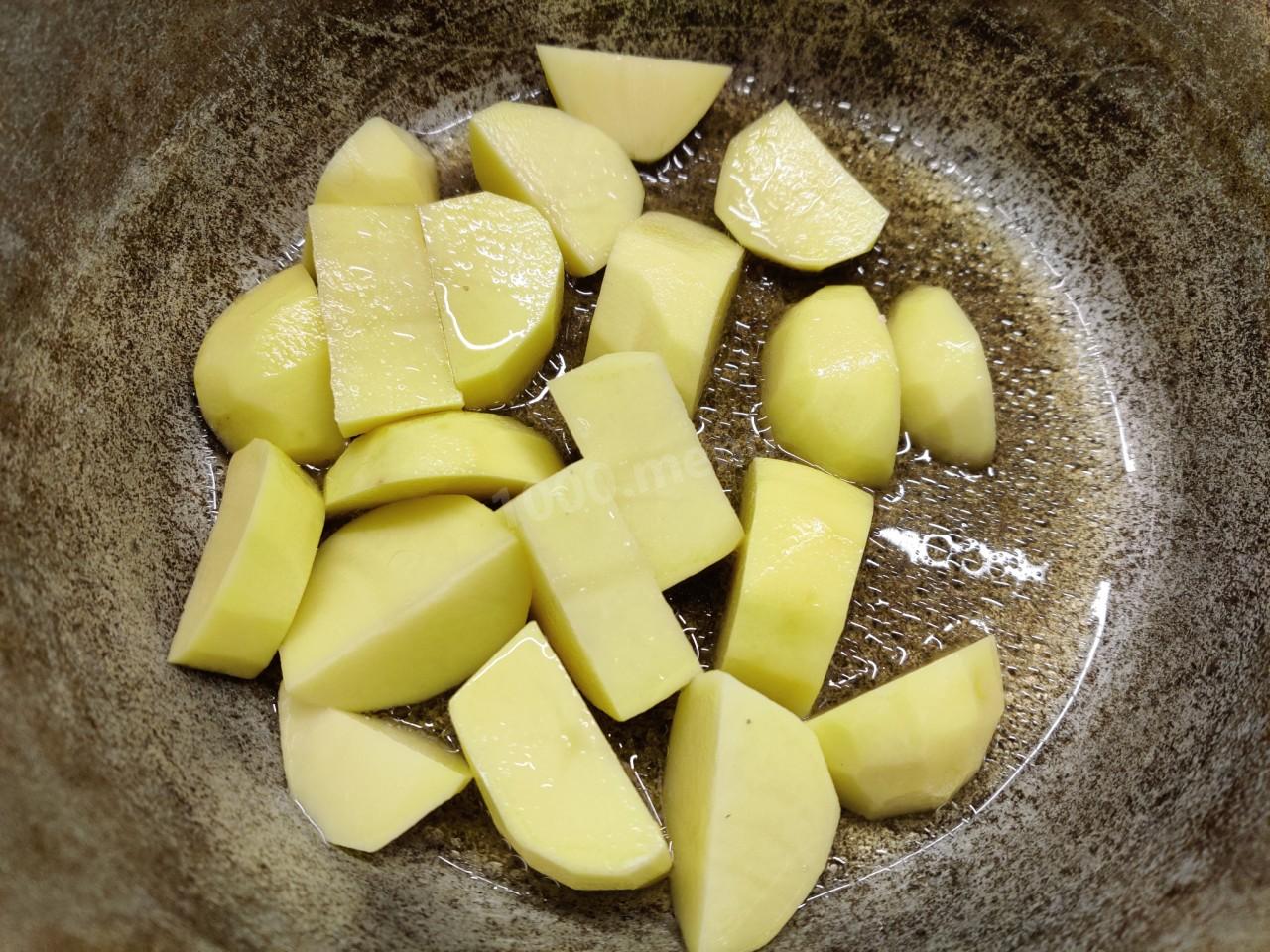
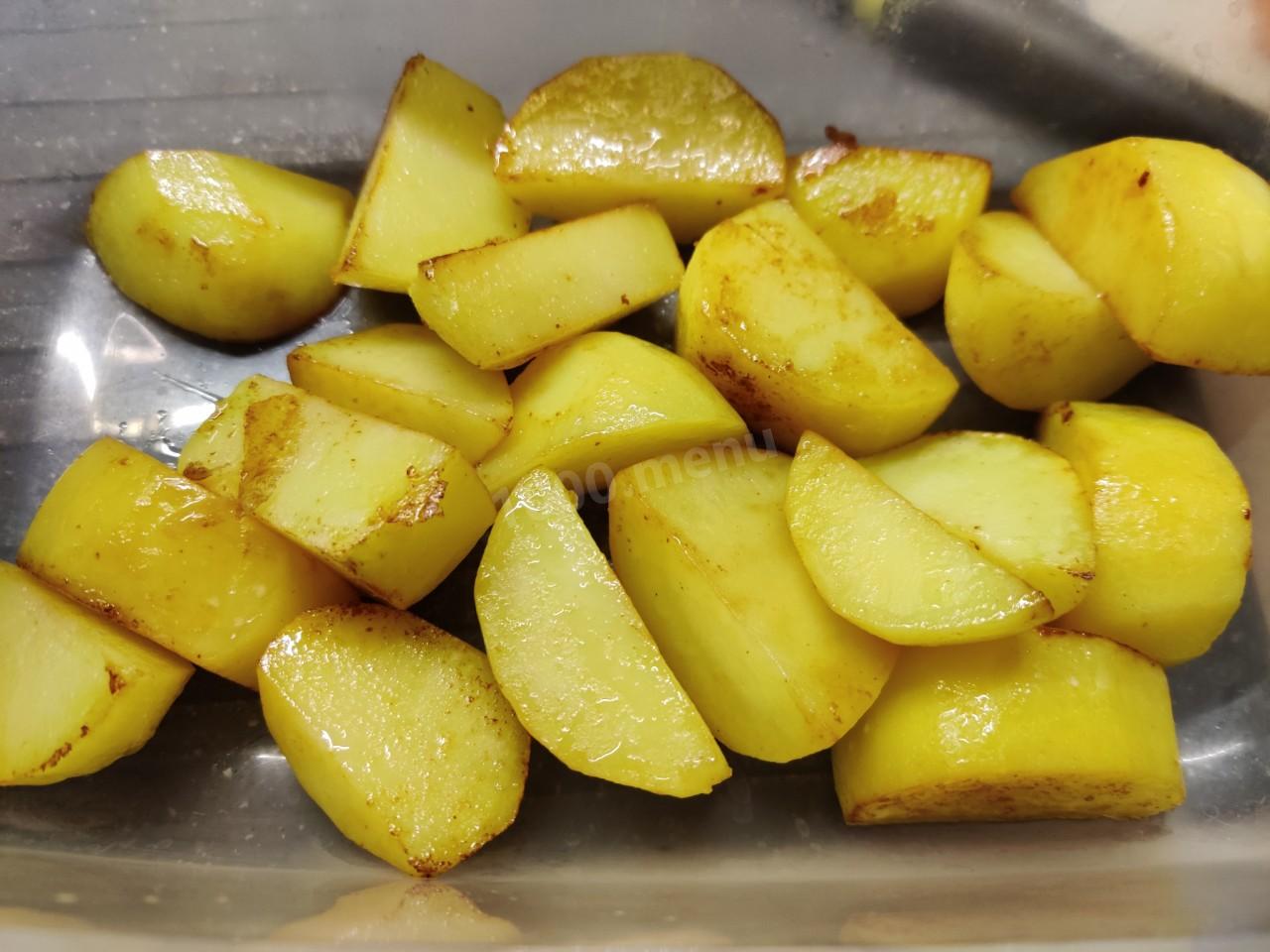
Wash, dry, peel, and cut the potatoes into wedges. Take the browned duck pieces out of the cauldron and set them aside in a separate bowl. In the same oil (or fat, if you left the skin on the duck), fry the raw potato wedges. If you use small potatoes, you can leave them whole for a nicer presentation.
-
Step 3:
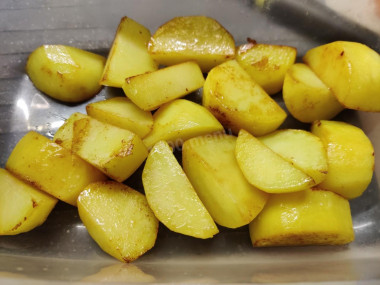
Transfer the fried potatoes to a separate bowl.
-
Step 4:
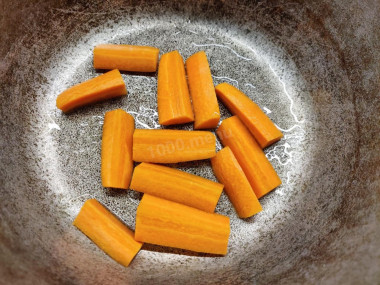
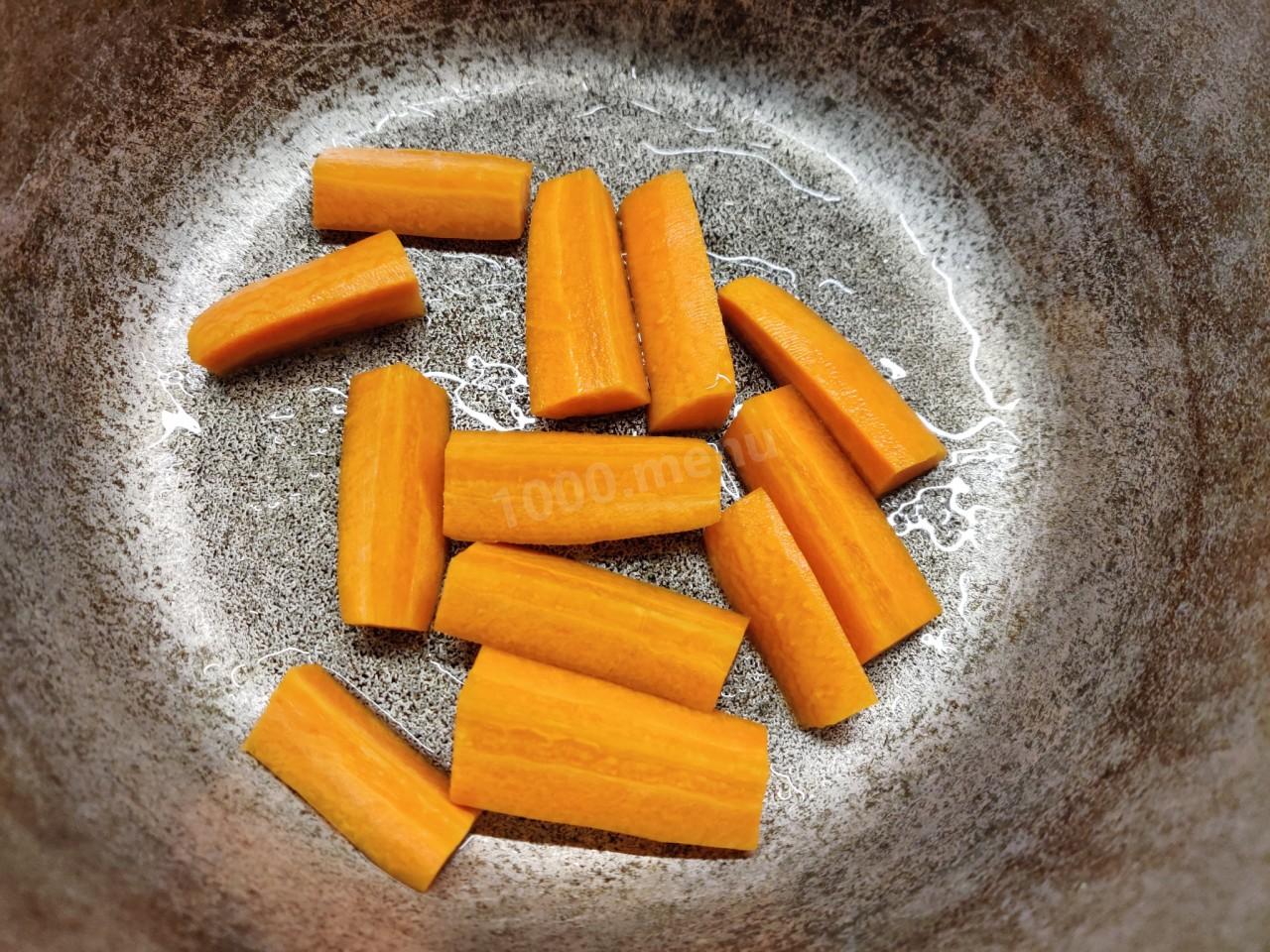
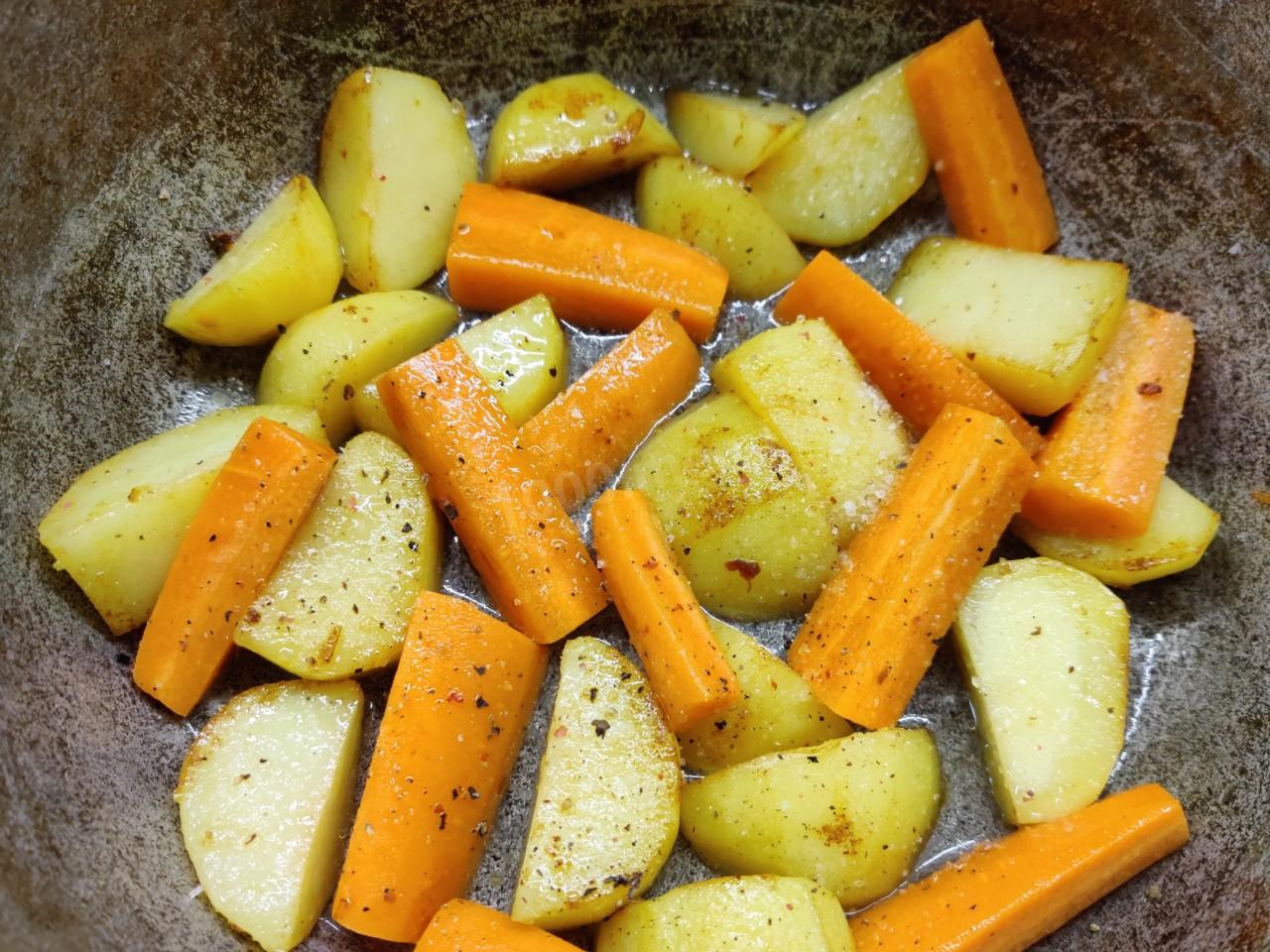
Wash, dry, and peel the carrots. Cut them into fairly large pieces and brown them in the cauldron on all sides. If the potatoes soaked up all the oil, add a little more.
-
Step 5:
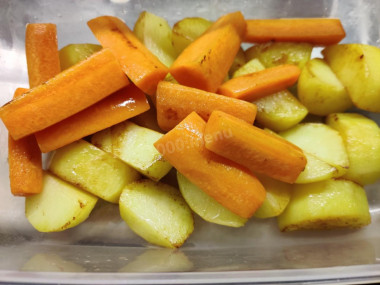
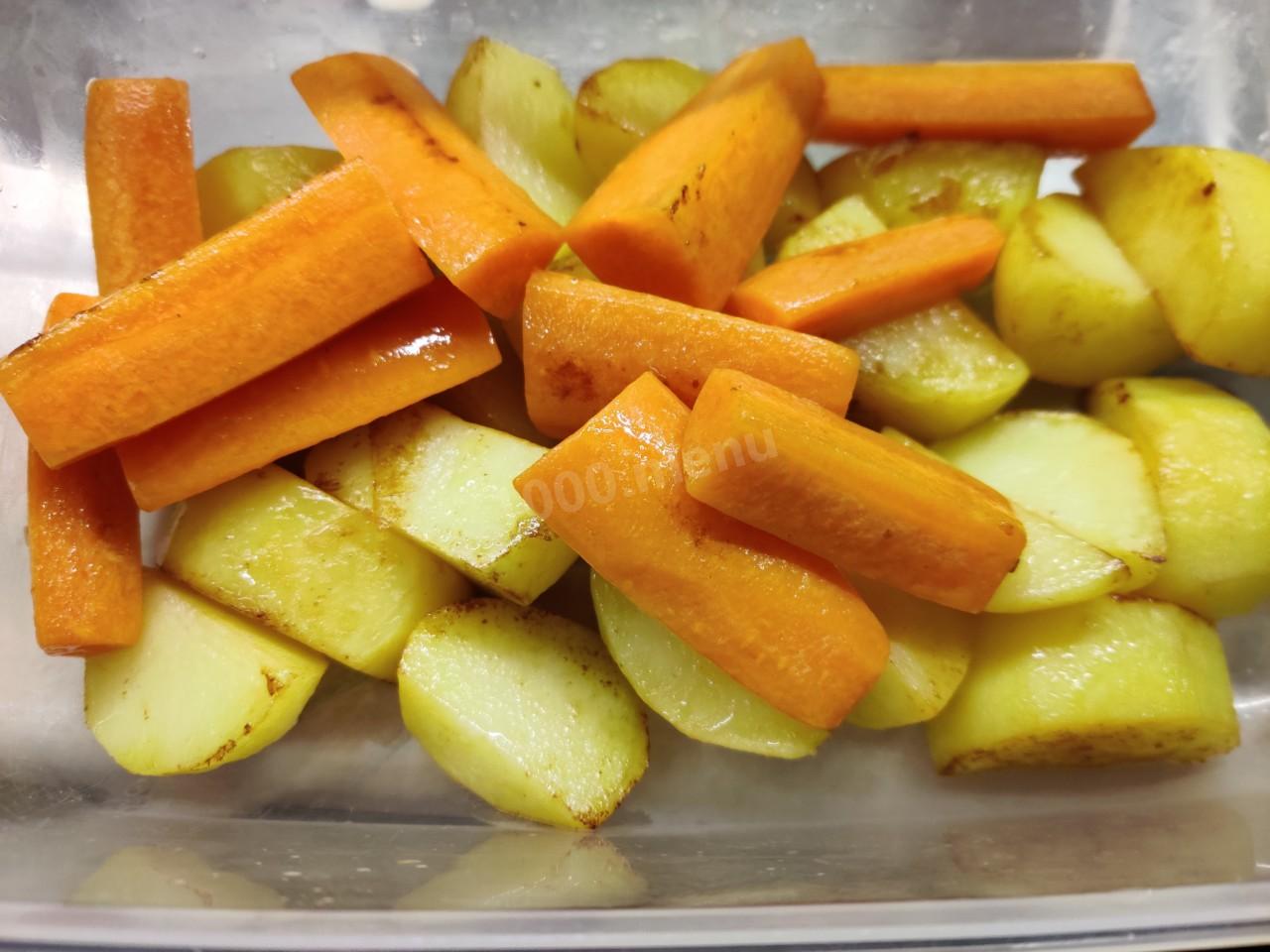
Add the carrots to the bowl with the potatoes.
-
Step 6:
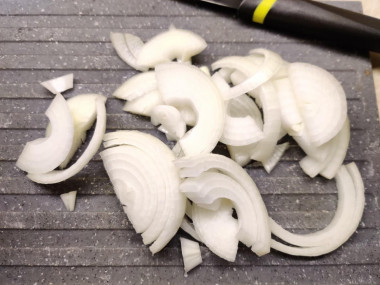
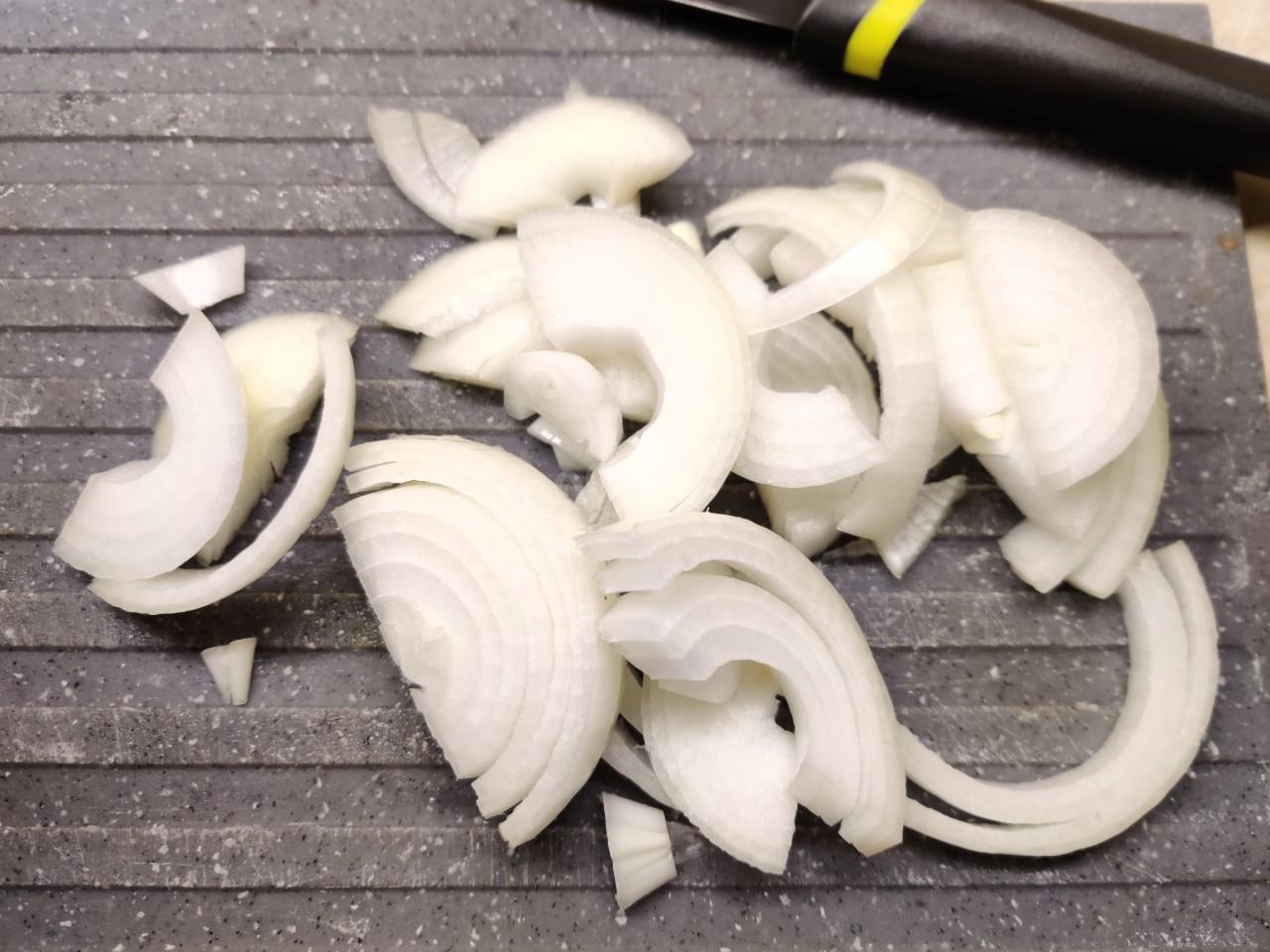
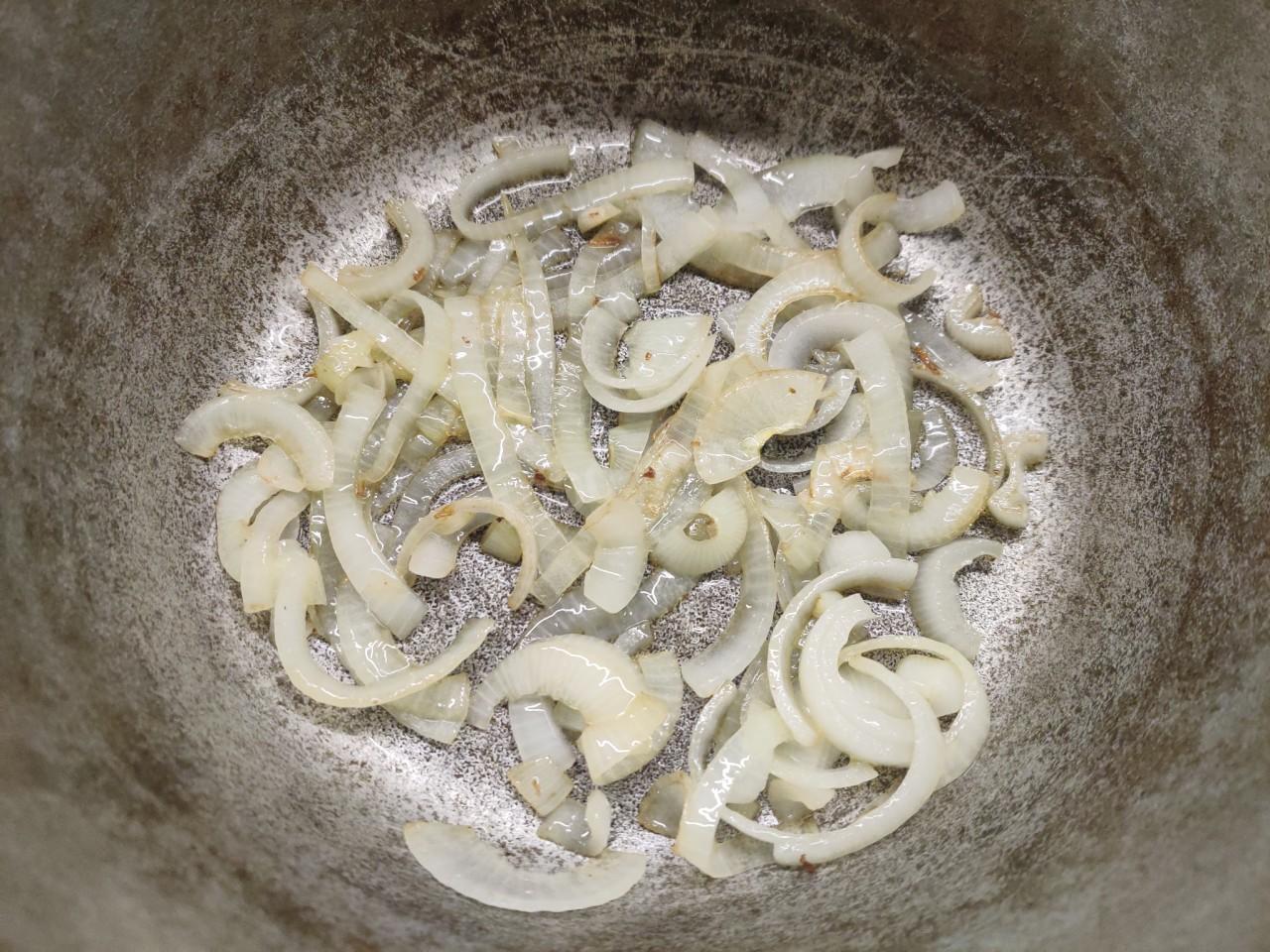
Peel the onion and cut it into half-moons.
-
Step 7:
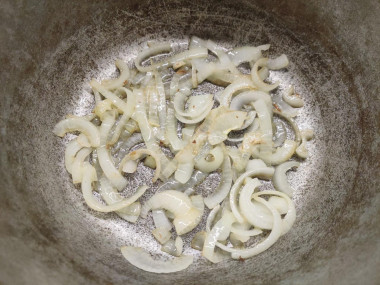
Fry the onion in the cauldron until soft and lightly golden.
-
Step 8:
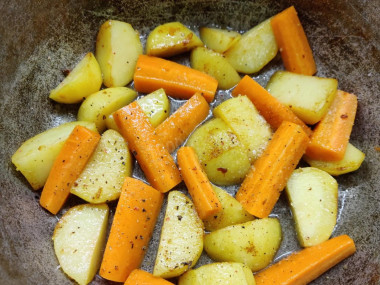
Add more vegetable oil to the cauldron if needed. Layer the potatoes and carrots in first. Season with salt and pepper to taste.
-
Step 9:
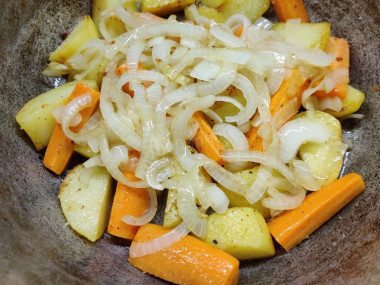
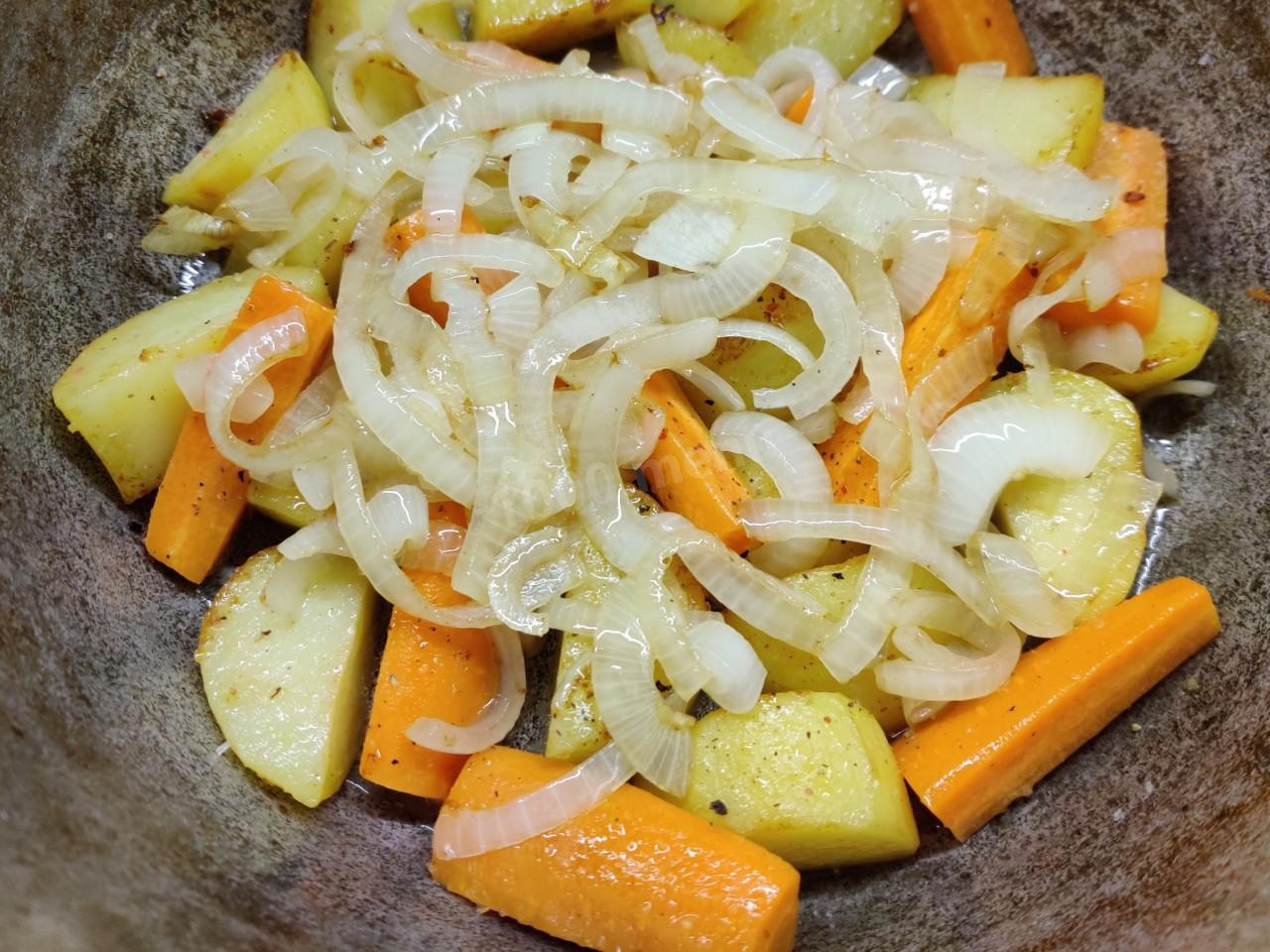
Spread the fried onion over the vegetables.
-
Step 10:
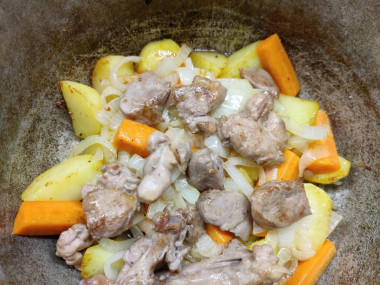
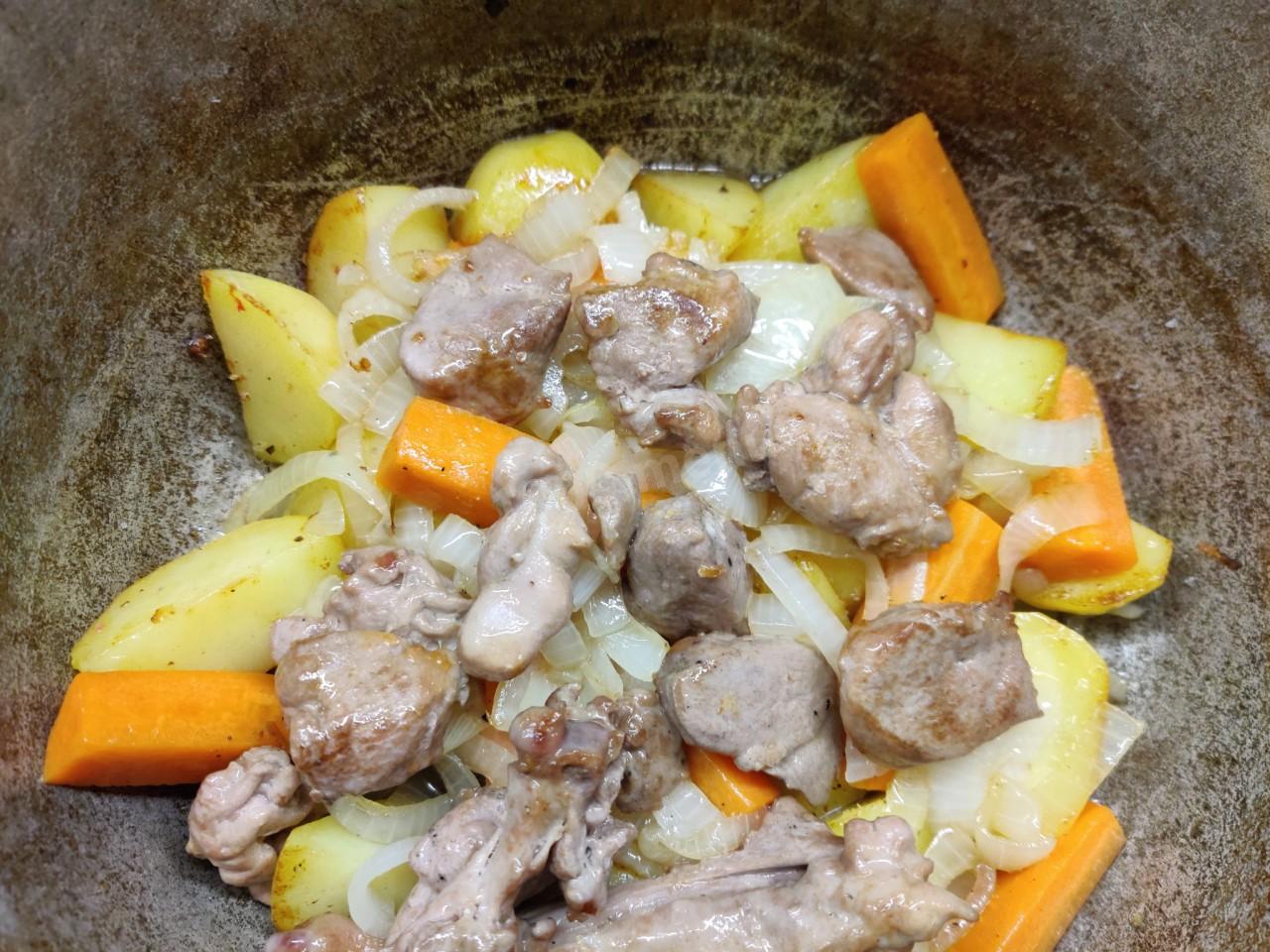
Arrange the browned duck pieces on top of the onion. Salt them to taste.
-
Step 11:
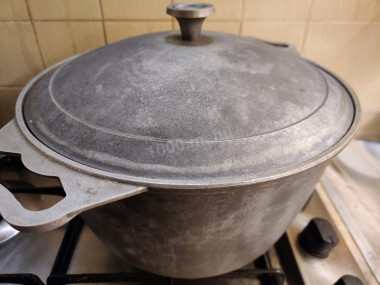
Pour a cup of boiling water into the cauldron. Cover and braise over low heat for about an hour, stirring now and then and keeping an eye out so the dish doesn't scorch while the water cooks off. Go by your own stove.

- It's ideal if you have a cauldron meant for cooking over an open fire — the duck picks up a hint of smoke, and anything cooked over a campfire tastes a hundred times better and cozier, especially in the cold months. But my duck came out delicious cooked at home on the stove, too. The meat was tender, the potatoes and carrots soaked up the meat juices, and the onion — nearly dissolved after the long braise — gave the dish a rich, thick gravy. Next time I'd double the onion, it turned out so well. A salad of fresh or roasted vegetables and slices of dark rye bread round out the plate. Enjoy!
- To keep your eyes from stinging when you slice onions, rinse the onion and knife in cold water. Rubbing the cutting board with a piece of lemon first keeps it from picking up the onion smell.
- Use an oil with a high smoke point for frying. Every oil is only good up to a certain temperature — its smoke point — beyond which it starts to burn and forms harmful compounds, including carcinogens. Most unrefined oils have a low smoke point: they're full of unfiltered particles that scorch quickly. Refined oils hold up better to heat. If you're cooking in the oven, in a skillet, or on the grill, reach for a high-smoke-point oil — refined sunflower, olive, or grapeseed are common choices.
- Note that properly thawing your ingredients has a lot to do with the quality and flavor of the finished dish. For tips on avoiding mistakes and choosing the best method, see an article on defrosting.
Caloric content of the products possible in the composition of the dish
- Onion - 41 kcal/100g
- Ripe potatoes - 80 kcal/100g
- Baked potatoes - 70 kcal/100g
- Mashed potatoes - 380 kcal/100g
- Boiled potatoes - 82 kcal/100g
- Potatoes in their skins - 74 kcal/100g
- Fried potatoes - 192 kcal/100g
- Carrots - 33 kcal/100g
- Dried carrots - 275 kcal/100g
- Boiled carrots - 25 kcal/100g
- Duck, grade II - 287 kcal/100g
- Roast duck - 401 kcal/100g
- Duck, grade I - 405 kcal/100g
- Vegetable oil - 873 kcal/100g
- Salt - 0 kcal/100g
- Water - 0 kcal/100g
- Ground hot pepper - 21 kcal/100g