Pan-Fried Fish Fillets
Fish fillets make a delicious, quick dinner. You can cook them in a skillet or in the oven. Any fish works here — salmon or white fish — though salmon tastes better baked than fried. But there's no arguing taste.

Cooking method
-
Step 1:
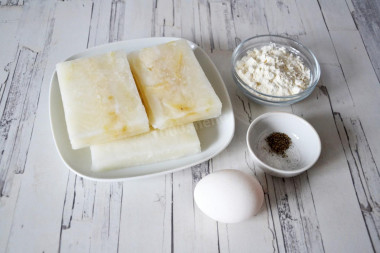
How do you make pan-fried fish fillets? Gather your ingredients. You'll need: fish fillet (block-frozen or fresh), flour for dredging, an egg for the coating, ground black pepper, and salt.
-
Step 2:
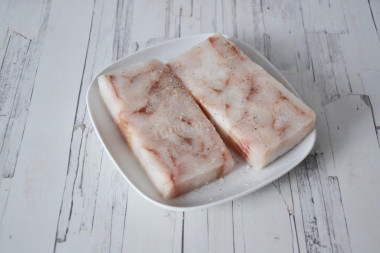
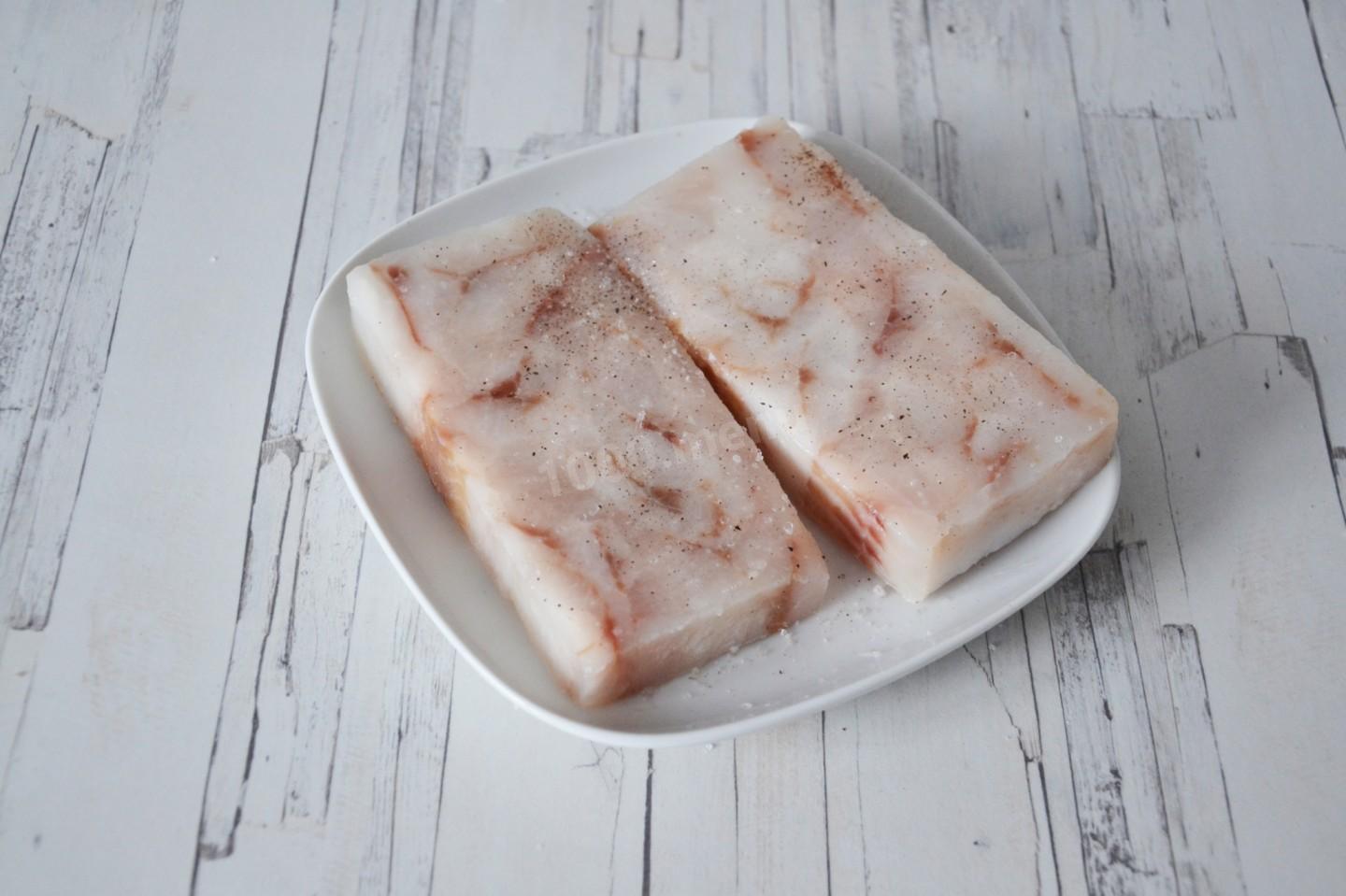
Rinse the fish fillets and pat them dry with paper towels. If they're block-frozen portions, don't thaw them, or they'll fall apart.
-
Step 3:
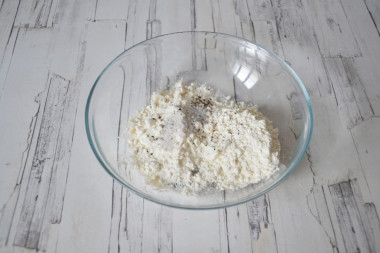
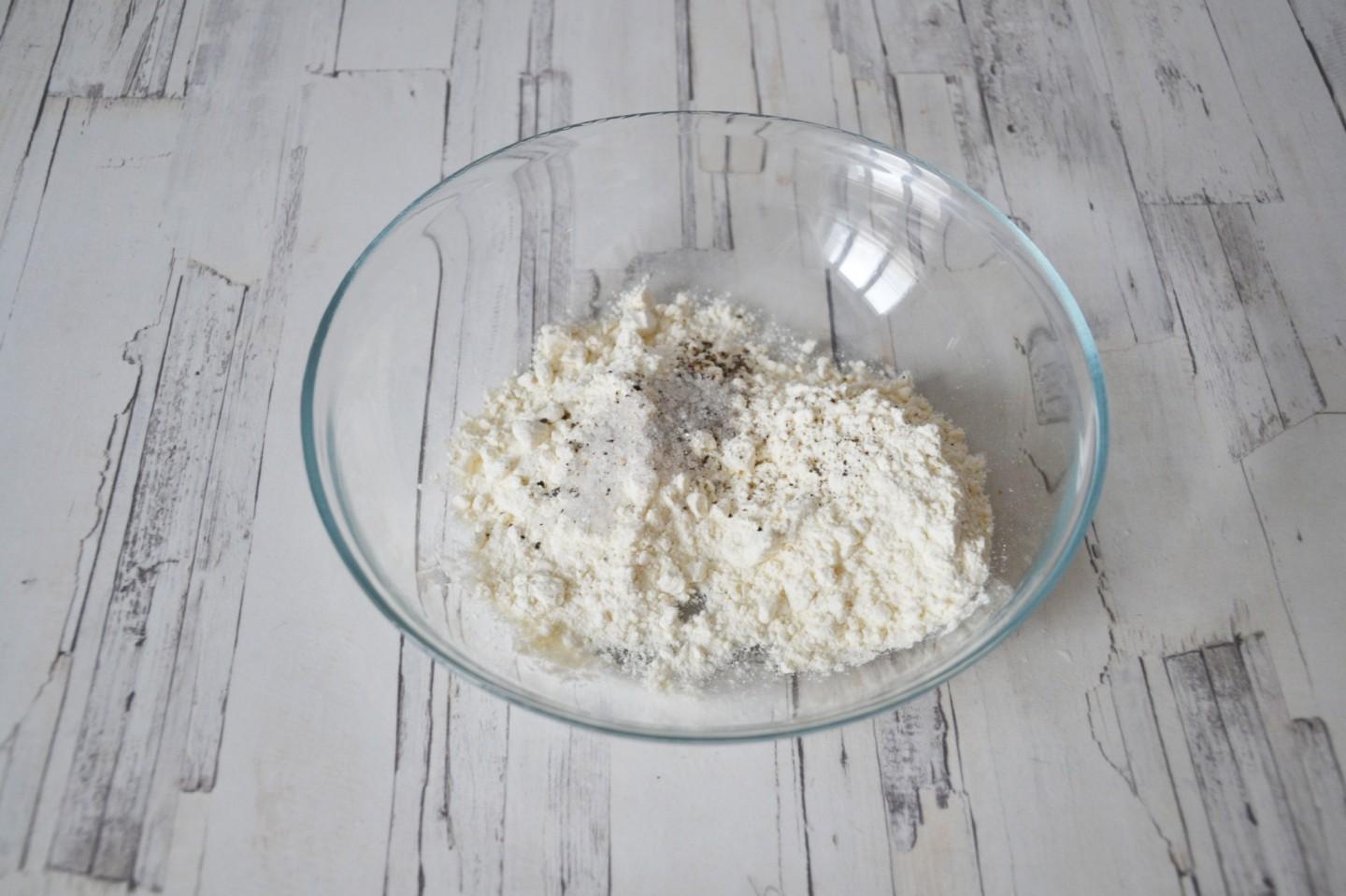
Put the flour on a separate flat plate. Add a pinch of salt and ground black pepper to the flour and mix.
-
Step 4:
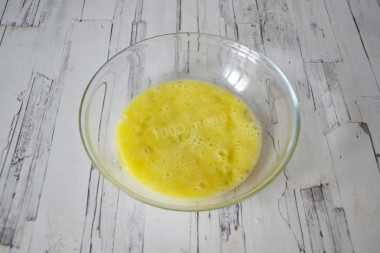
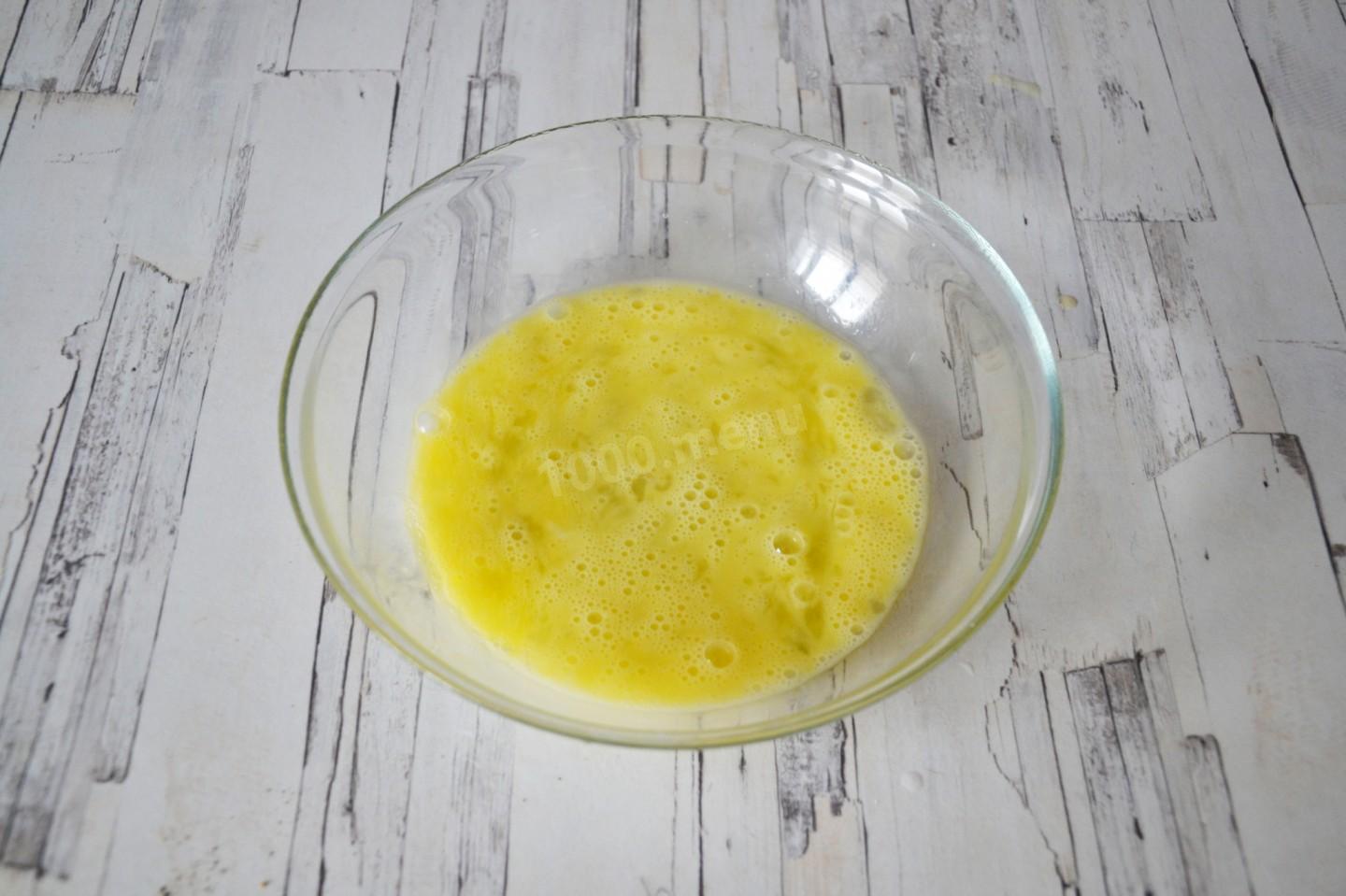
Crack an egg into a bowl, add a pinch of salt, and beat it with a fork until smooth.
-
Step 5:
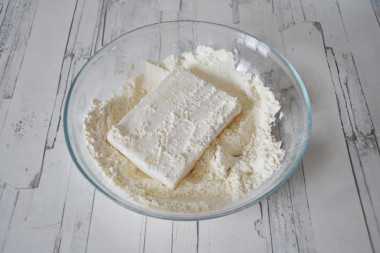
Dredge the fish fillets in the flour on all sides.
-
Step 6:
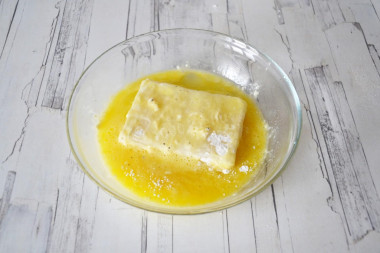
Then dip the fillets in the egg, coating all sides.
-
Step 7:
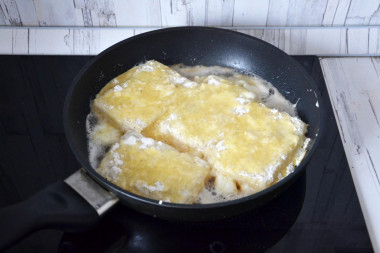
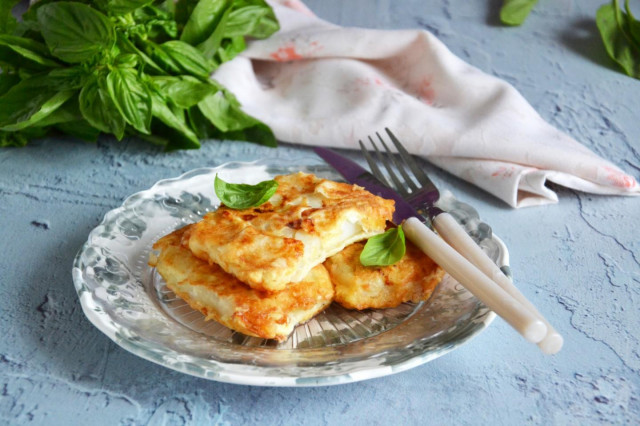
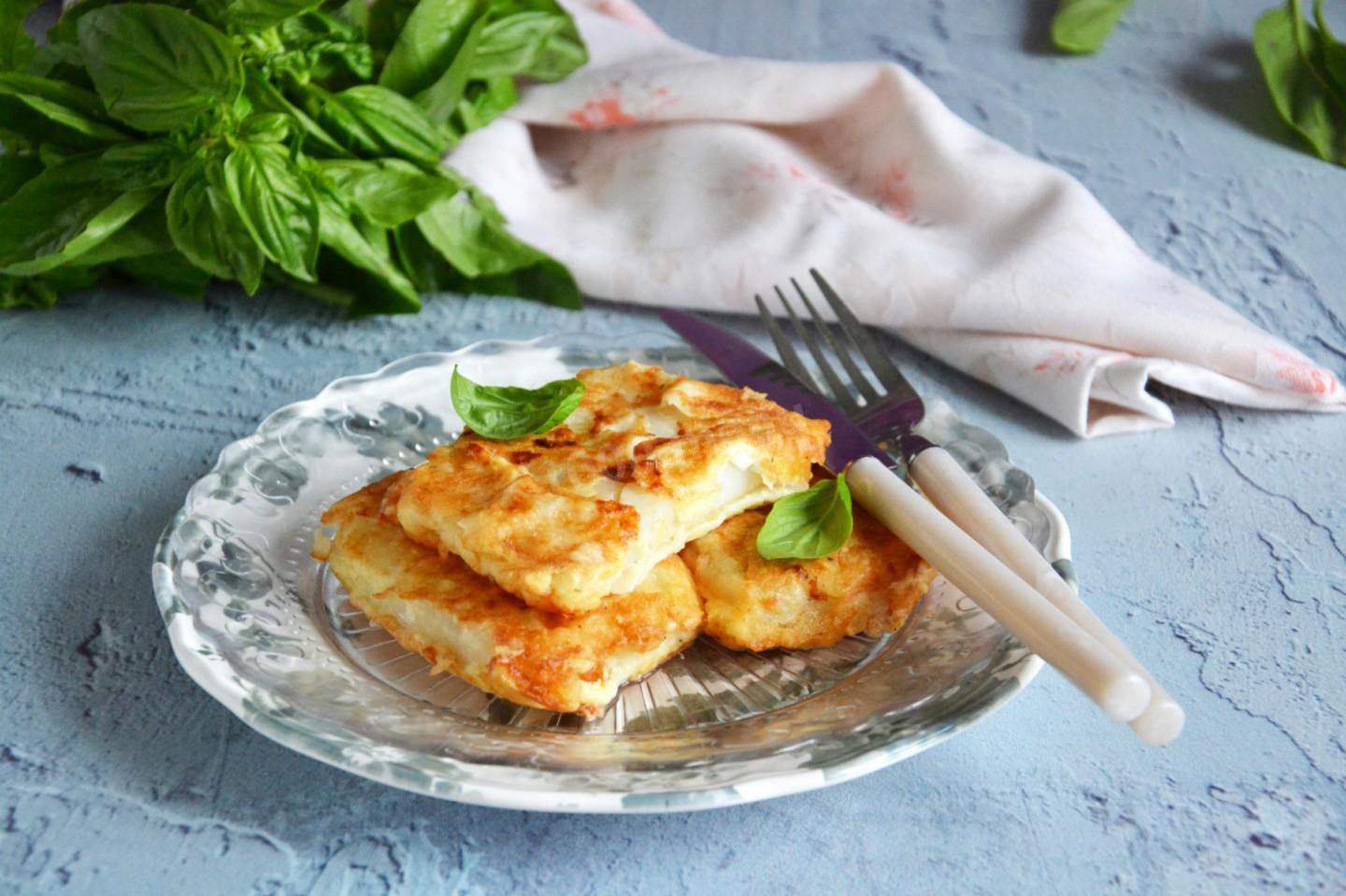
Lay the fillets in a hot skillet and fry them in vegetable oil, golden on both sides. If I have a little beaten egg left over, I spoon it over the fish as it cooks.
-
Step 8:
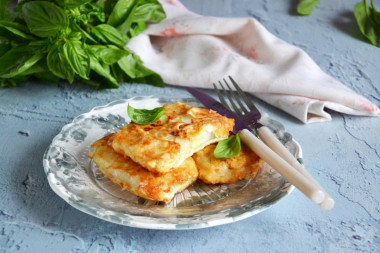
Serve the fried fish with any side you like — boiled potatoes or rice, pasta, buckwheat, or just a vegetable salad. Enjoy!
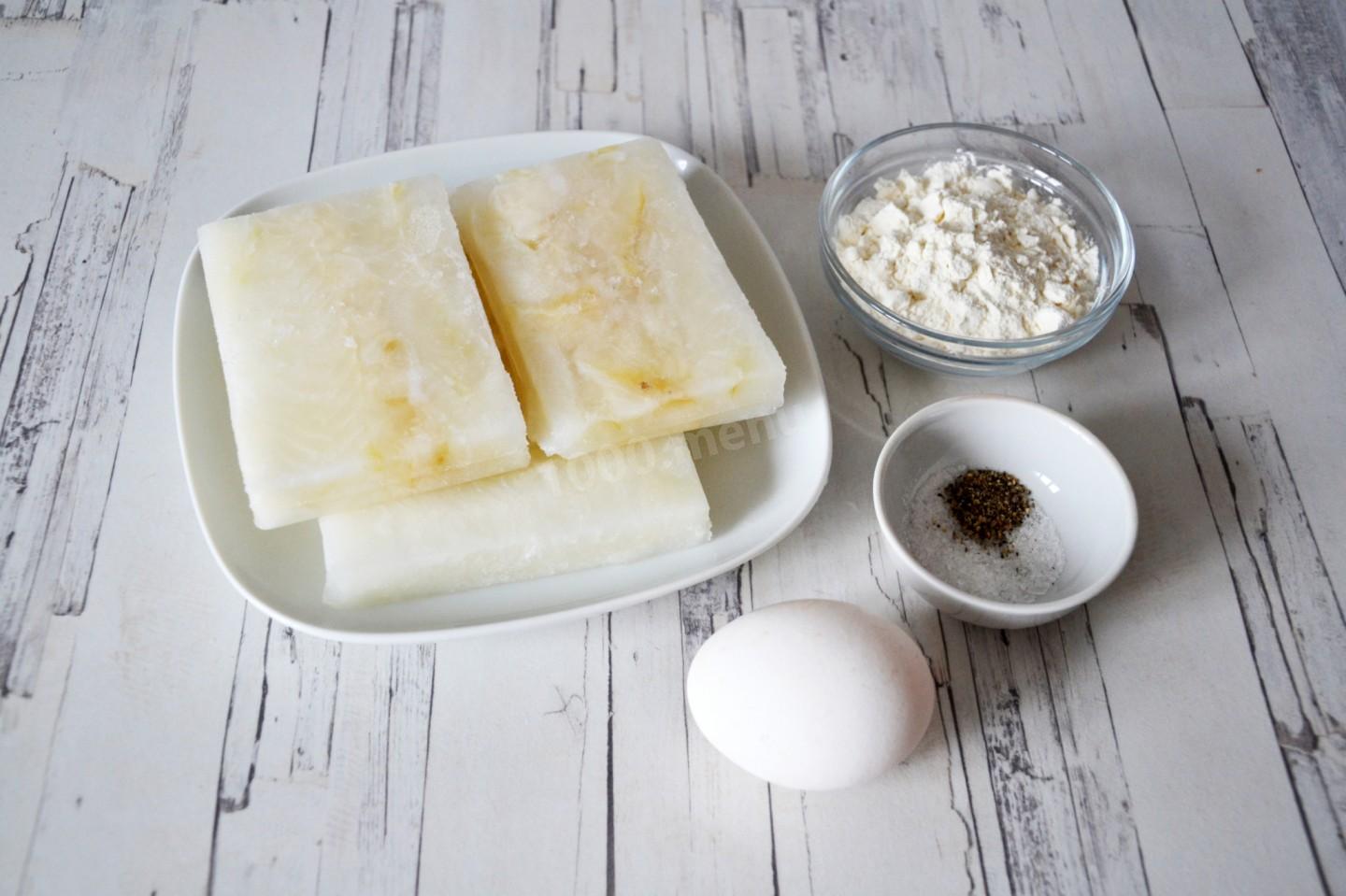
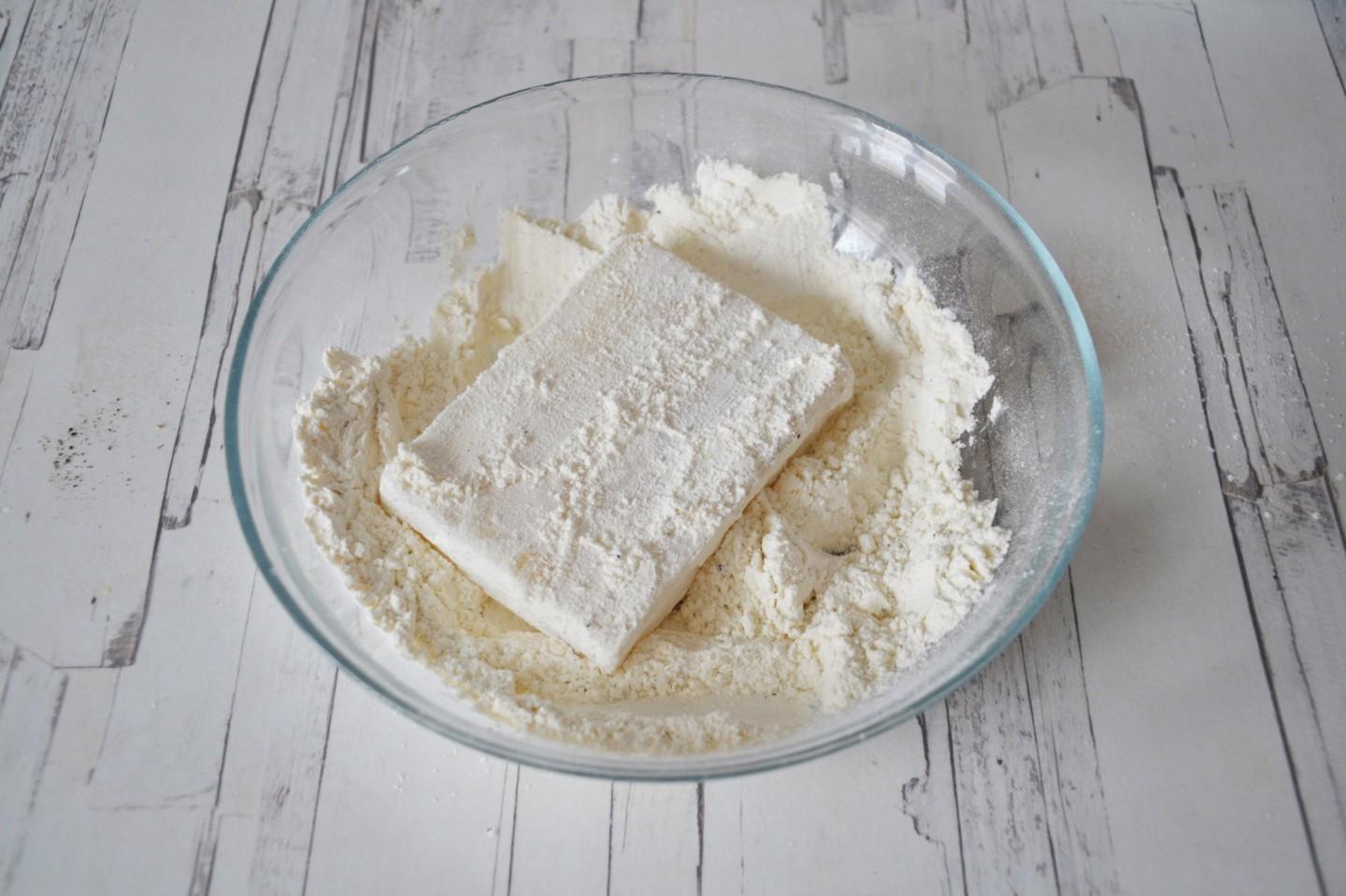
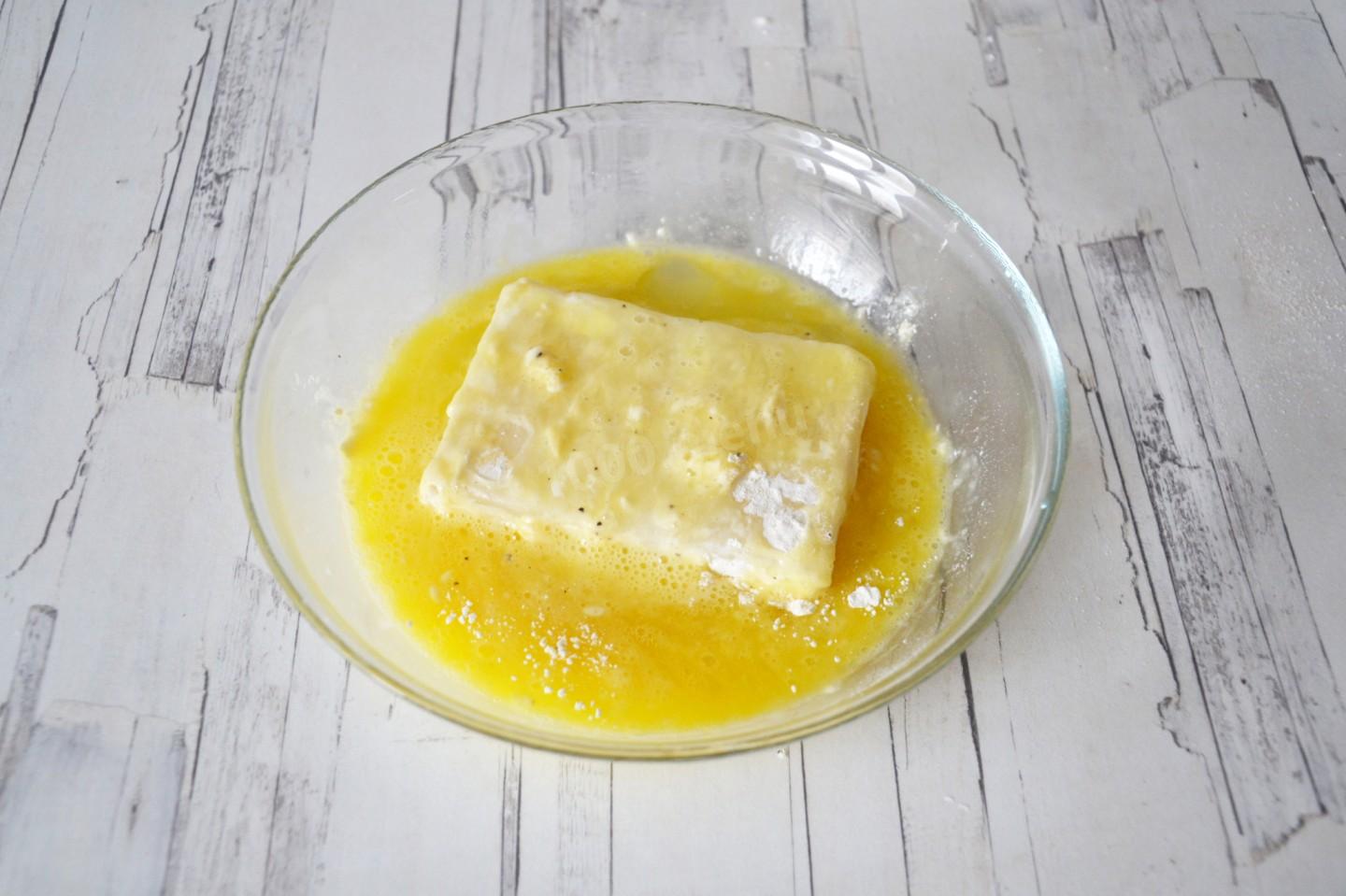
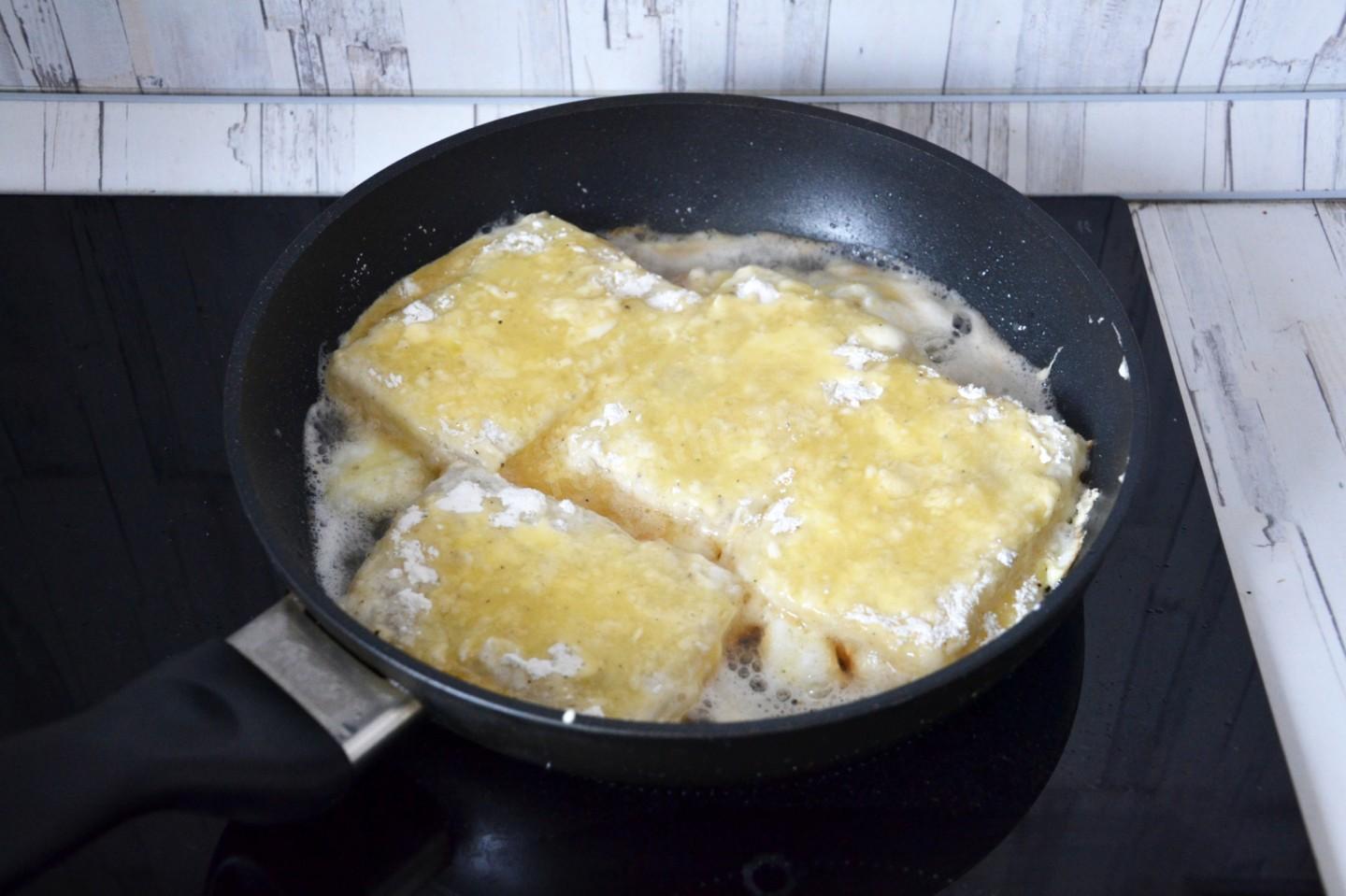
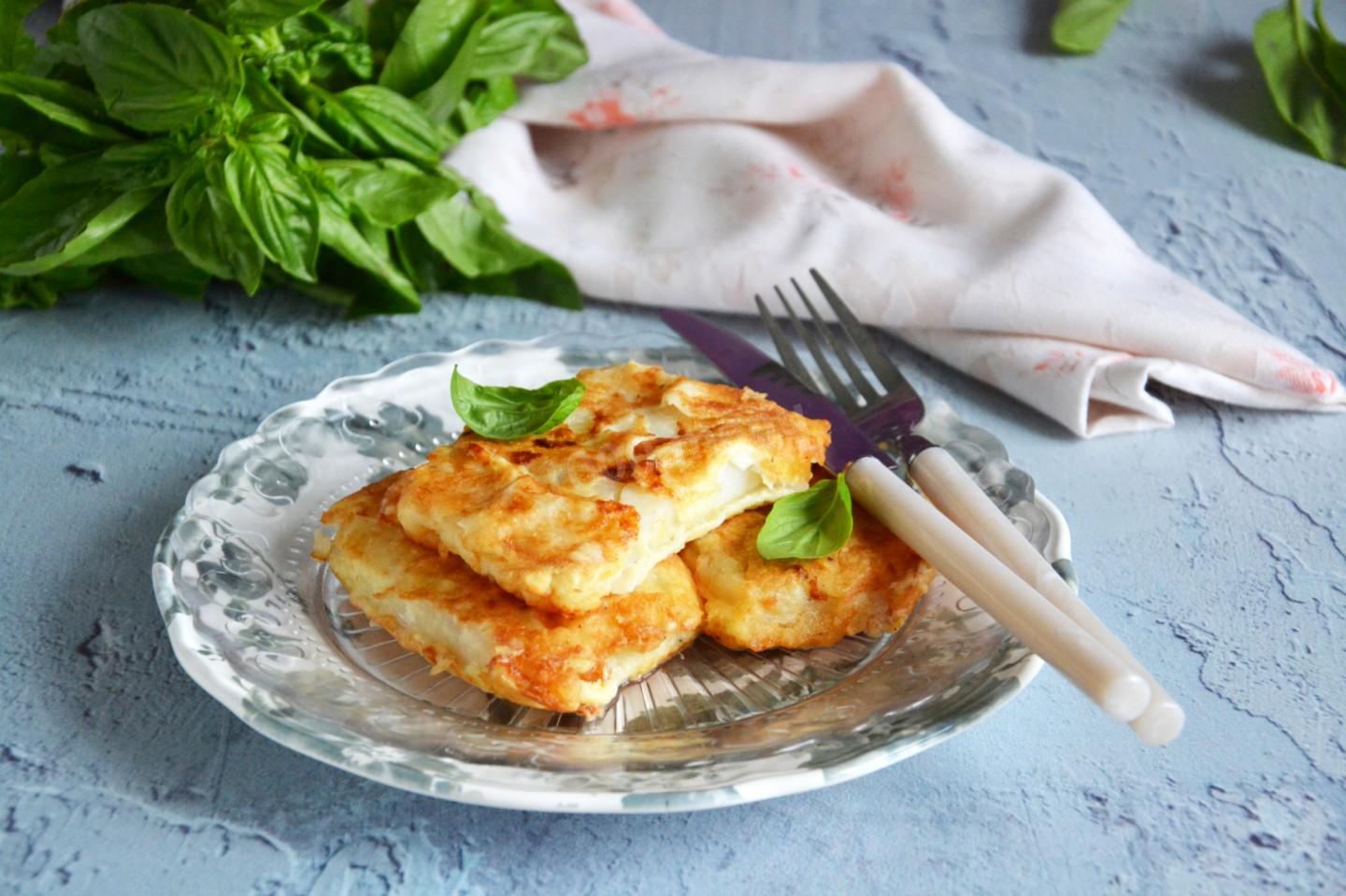
- Hake, pollock, and cod fillets all work well. Lately I've been using block-frozen fillet, since it has no bones or skin — though there's a risk of ending up with a poor-quality piece. How do you choose good block-frozen fillet? Pick fillet in clear packaging, so you can judge the color, general makeup, and texture of the fish, and — most important — the quality of the freezing and how much water is inside. Skip any fillet with a yellowish film; it's probably spoiled. There shouldn't be much water: the fillet shouldn't be coated in ice, since all the water ends up inside it, and that's enough. The fillet should be the same color as regular fresh fish. It shouldn't fall apart after thawing — it may break up a bit during cooking, but if it crumbles the moment it thaws, with no handling on your part, it had more water in it than it should. And the fish should smell like fish and nothing else.
- The right pan matters: a poorly chosen one can spoil even the best recipe, so pick a heavy skillet that heats evenly.
- Every oil is only good up to a certain temperature — its smoke point — beyond which it starts to burn and forms harmful compounds, including carcinogens. For frying, choose a refined oil with a high smoke point.
- How can you tell if an egg is fresh? Crack it into a separate container. First, there should be no off smell. The white of a fresh egg is clear and clean. The yolk should hold its shape and look shiny, domed, and even.
Caloric content of the products possible in the composition of the dish
- Chicken egg - 157 kcal/100g
- Egg white - 45 kcal/100g
- Egg powder - 542 kcal/100g
- Egg yolk - 352 kcal/100g
- Ostrich egg - 118 kcal/100g
- Ground black pepper - 255 kcal/100g
- Fortified whole durum wheat flour - 333 kcal/100g
- Whole durum wheat flour, all-purpose - 364 kcal/100g
- Fine wheat flour (krupchatka) - 348 kcal/100g
- Flour - 325 kcal/100g
- Vegetable oil - 873 kcal/100g
- Salt - 0 kcal/100g
- Fish fillet - 204 kcal/100g