Duck Stew with Cabbage and Potatoes
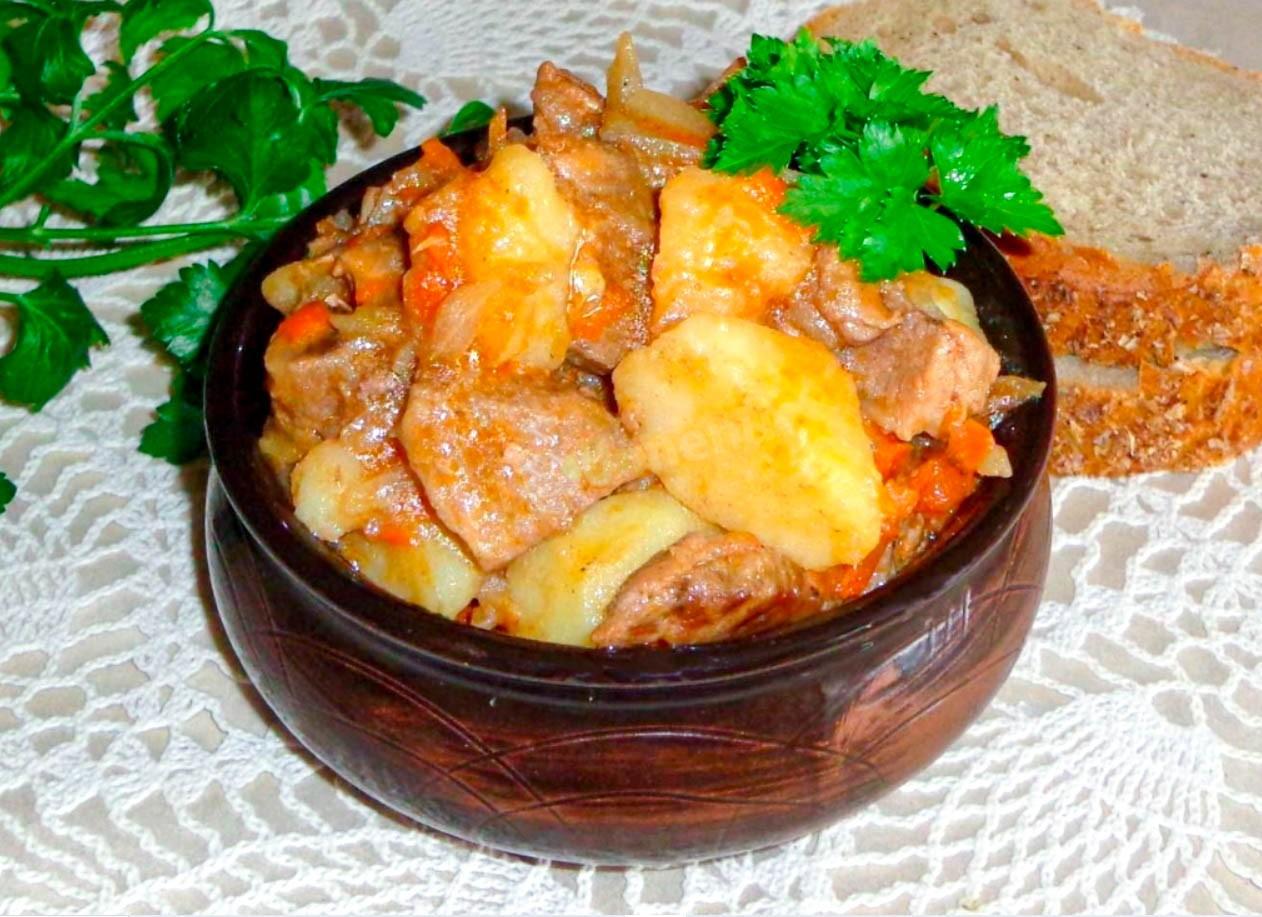
Made from everyday ingredients — cheap, quick, and easy! This duck stew with cabbage and potatoes comes out fragrant, thick, and very filling. Even a beginner can pull it off. It's a complete meal — meat, side, and sauce — all braised together in one pot.

Cooking method
-
Step 1:
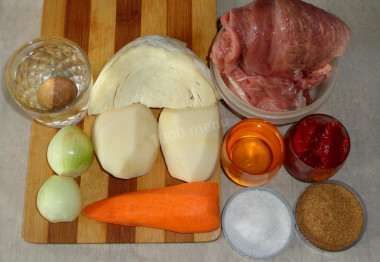
How do you make duck stew with cabbage and potatoes? Gather your ingredients. You can use any meat for this stew — pork, beef, rabbit, poultry, or game. I'm using duck. Keep in mind that cooking times vary: poultry cooks fastest, while game and beef take longer. Wash and peel the vegetables first.
-
Step 2:
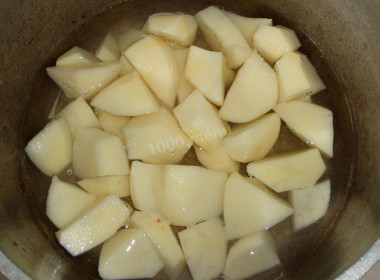
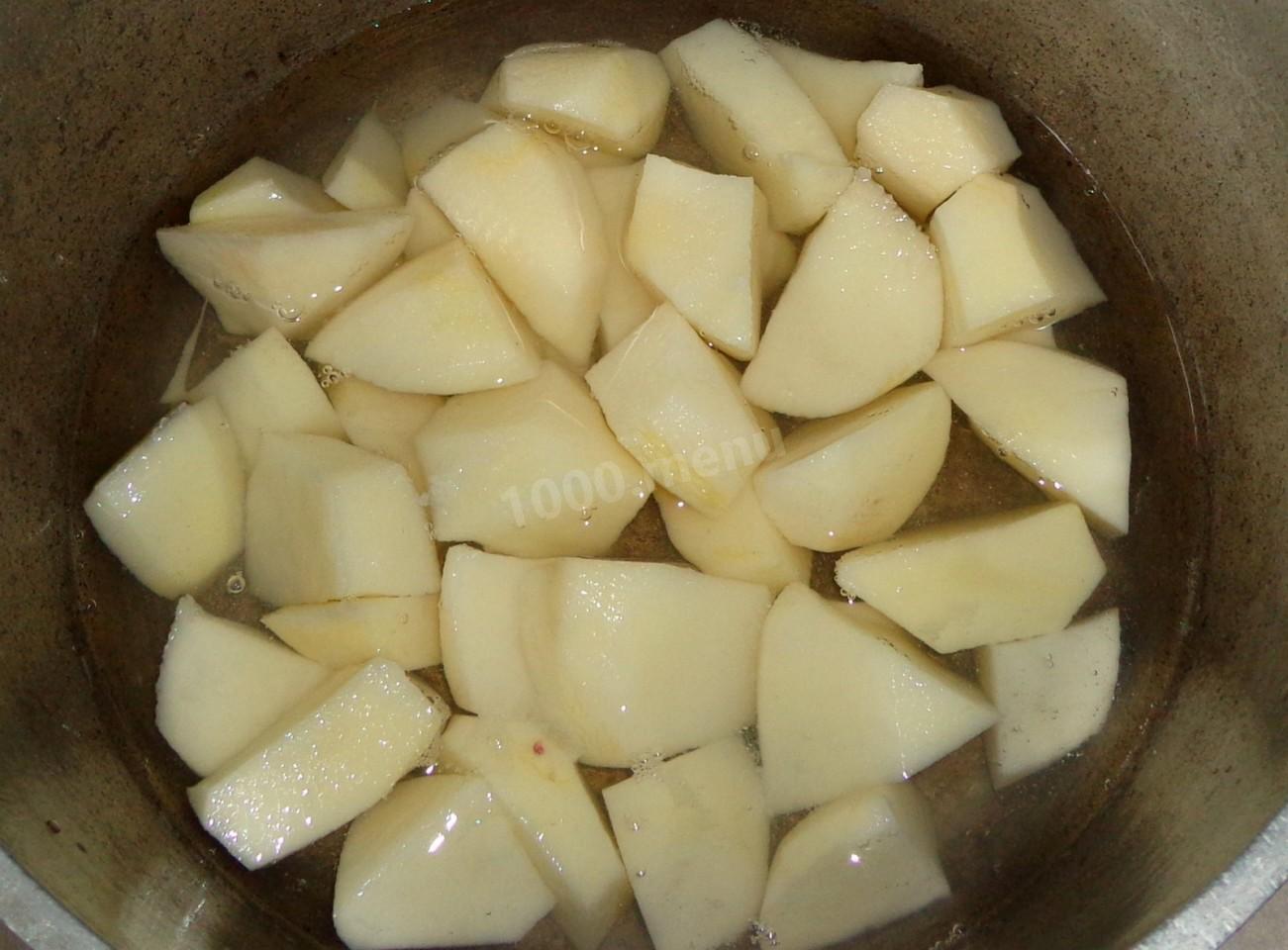
Choose a pot suited to stewing — a heavy-bottomed saucepan, a sauté pan, or a Dutch oven all work. Cut the peeled potatoes into large chunks. Put them in the pot, cover with fresh water, and add salt. Add just enough water to cover the potatoes, no more — the meat and the rest of the vegetables will braise in it too. Set the pot over low heat to cook.
-
Step 3:
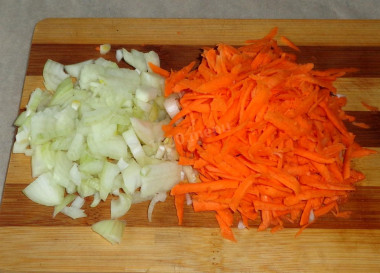
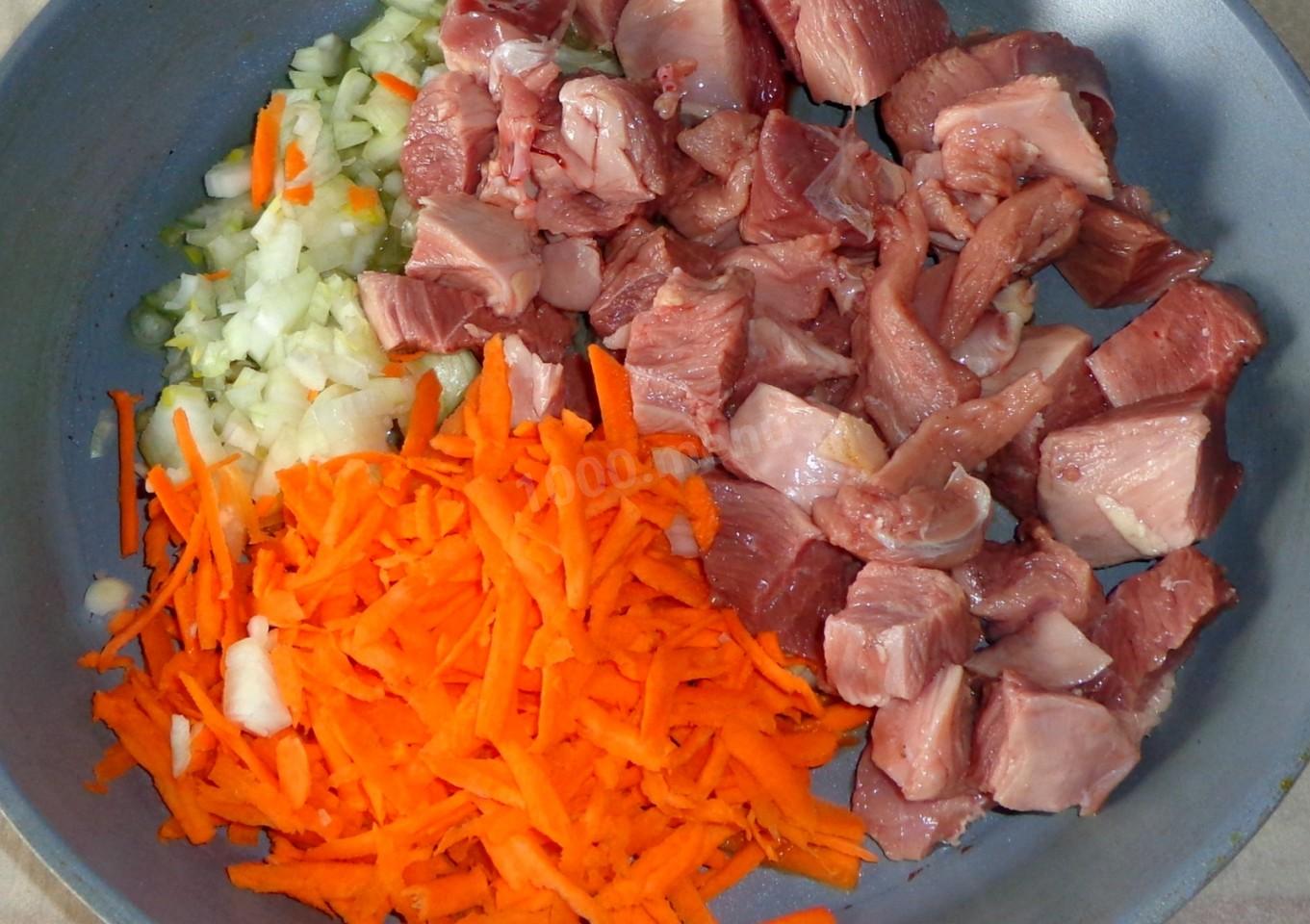
Cut the onion into small dice. Grate the carrot on the coarse side of a box grater, or cut it however you like — rounds or matchsticks. Note that how you cut the carrot changes the result: grated carrot melts into the sauce as it cooks and blends in evenly, while strips or cubes hold their shape.
-
Step 4:
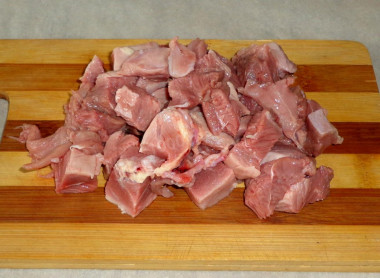
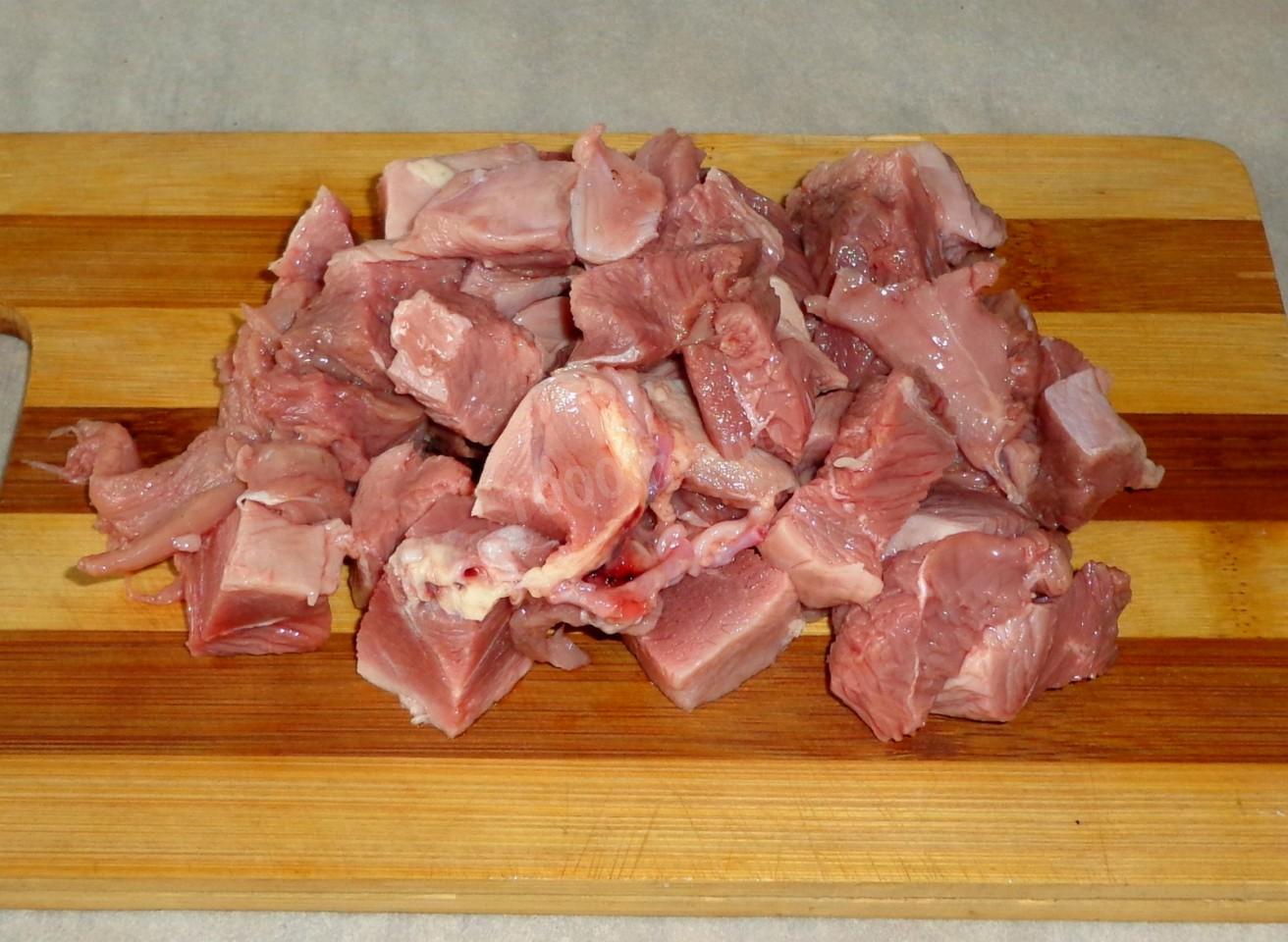
Rinse the meat, pat it dry, and cut it into pieces the same size as the potatoes — the stew will look nicer that way.
-
Step 5:
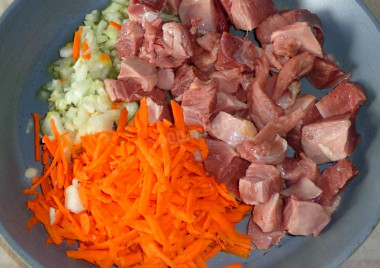
Heat the vegetable oil in a skillet. Add the vegetables and meat and cook over medium heat for 5 minutes, stirring now and then.
-
Step 6:
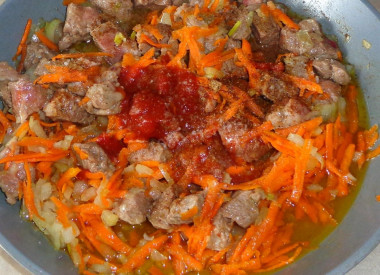
Add the tomato paste, salt, and spices — use whatever blend you like. Cook everything together another 3–4 minutes. If you're using game or beef, pour in a little boiling water and let it braise longer, about 30 minutes.
-
Step 7:
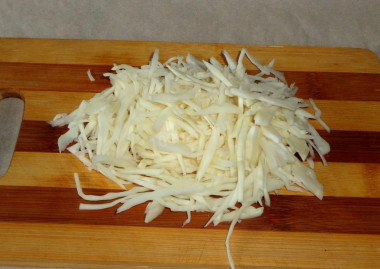
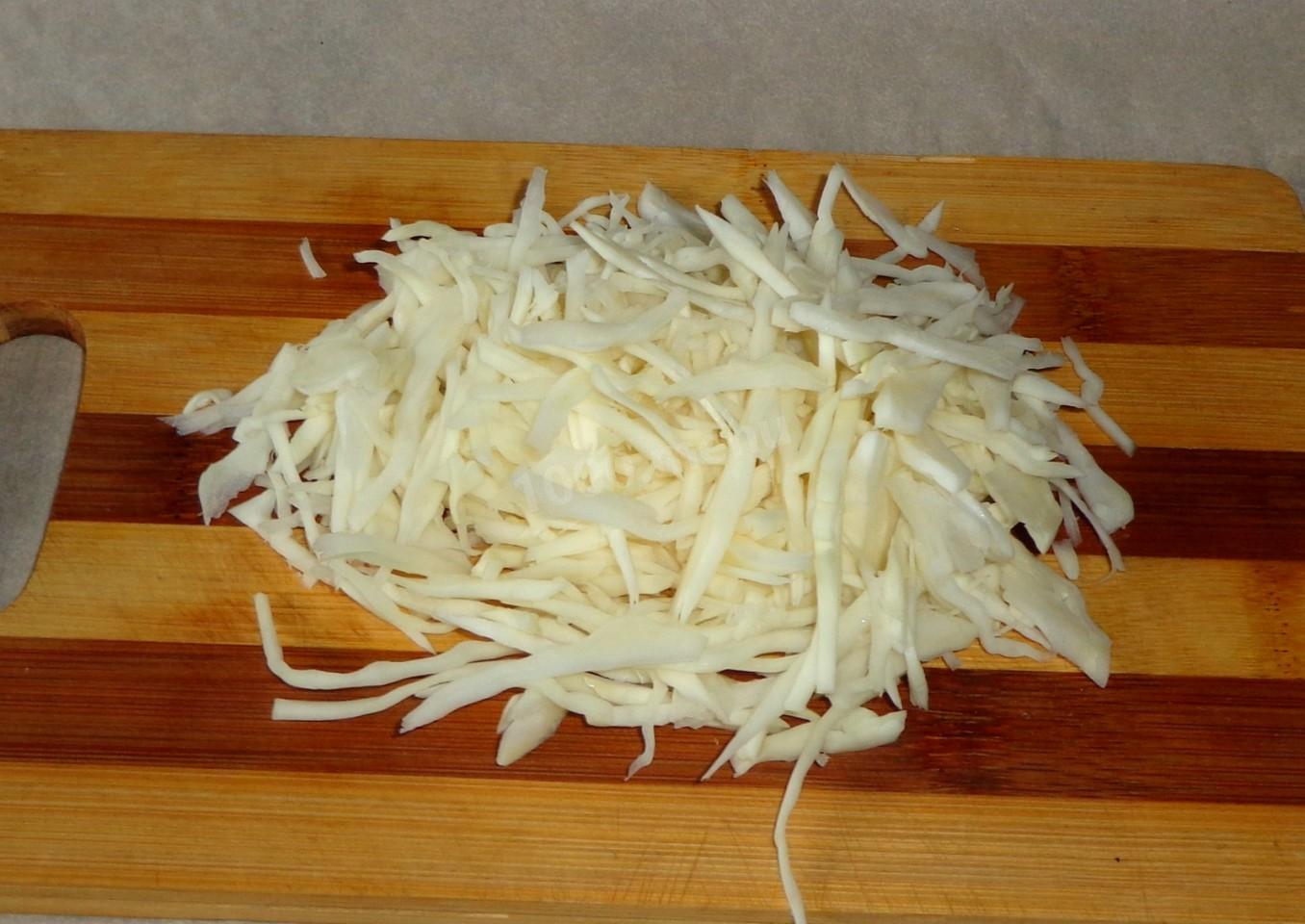
Shred the cabbage into strips, or cut it into squares if you prefer.
-
Step 8:
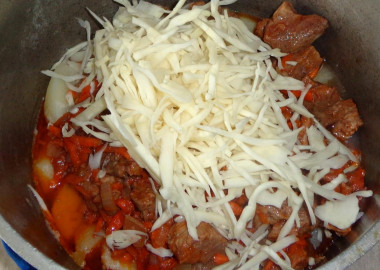
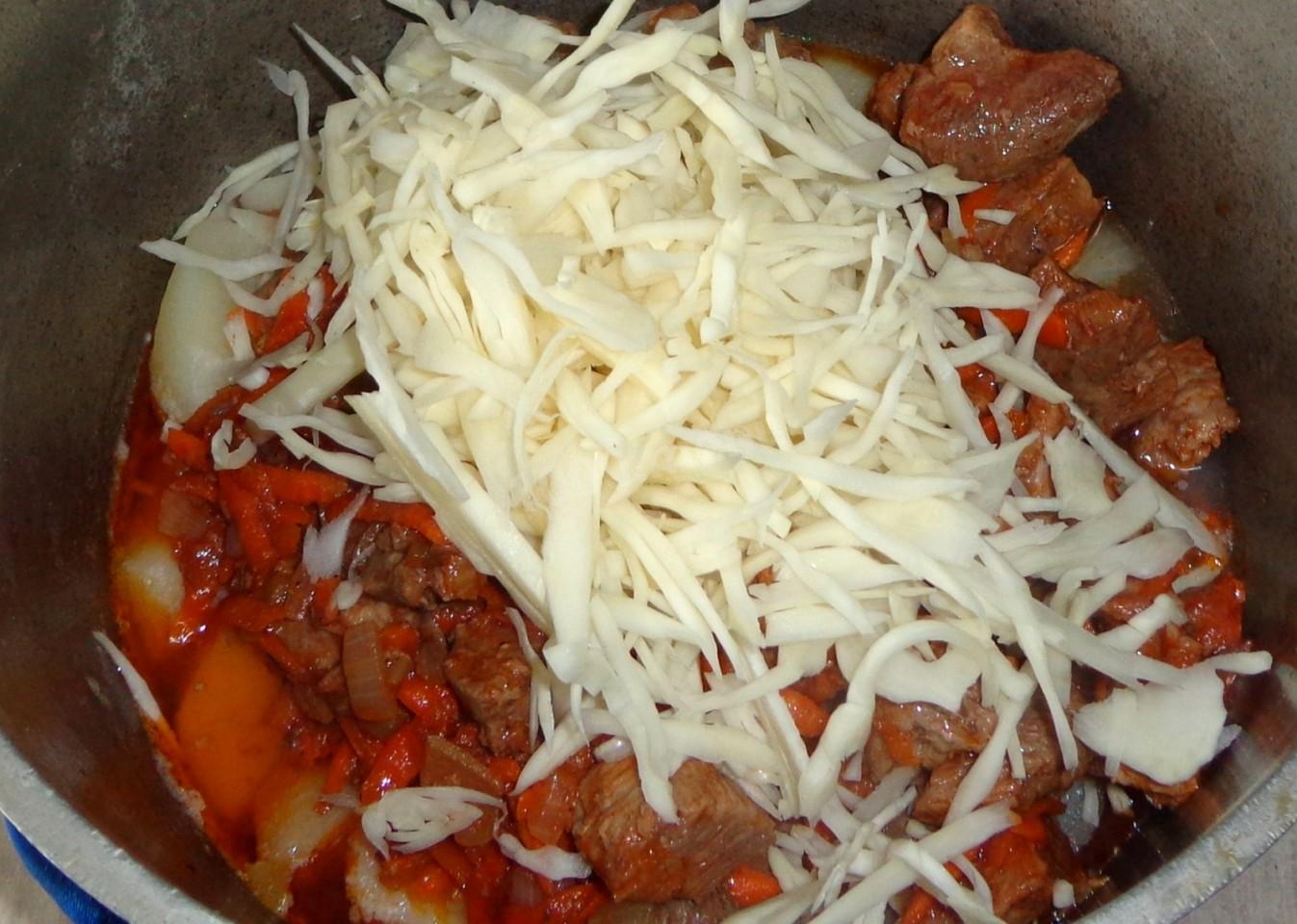
Add the meat-and-vegetable mixture and the shredded cabbage to the pot with the boiling potatoes. Stir; if there's very little liquid left, pour in a splash of boiling water. At the start of braising, the water should come about halfway up the ingredients.
-
Step 9:
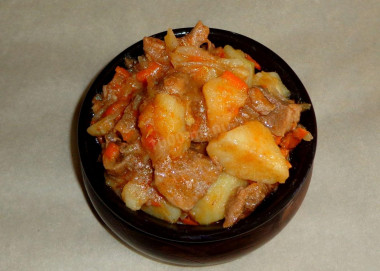
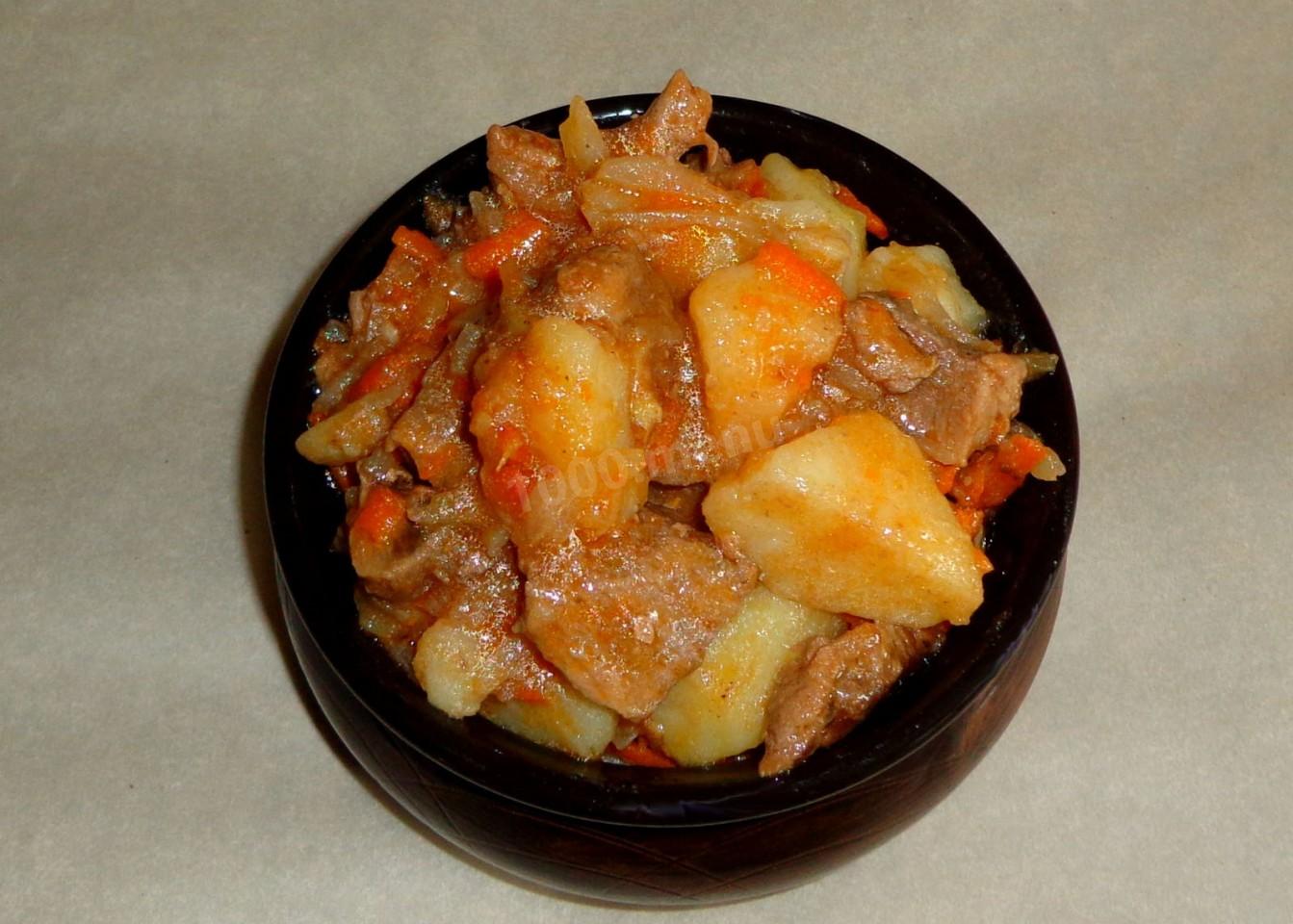
Simmer the stew over low heat for 25–30 minutes. Stir occasionally and make sure it doesn't scorch — but don't let it get too soupy, either. Serve hot. Enjoy!



- Root vegetables are best scrubbed with a brush or a stiff sponge under running water.
- You can swap the tomato paste for canned tomatoes, fresh tomatoes, or ketchup.
- Fry with an oil that has a high smoke point. Any oil is only good up to a certain temperature — its smoke point — beyond which it starts to burn and form harmful compounds. Unrefined oils, with few exceptions, smoke at a low temperature. Refined oils stand up to heat better. If you're baking, pan-frying, or grilling, reach for a high-smoke-point oil — refined sunflower, olive, or grapeseed are among the most common.
Caloric content of the products possible in the composition of the dish
- Mature potatoes - 80 kcal/100g
- Baked potatoes - 70 kcal/100g
- Mashed potatoes - 380 kcal/100g
- Boiled potatoes - 82 kcal/100g
- Potatoes in their skins - 74 kcal/100g
- Fried potatoes - 192 kcal/100g
- Carrot - 33 kcal/100g
- Dried carrot - 275 kcal/100g
- Boiled carrot - 25 kcal/100g
- Duck, grade II - 287 kcal/100g
- Roast duck - 401 kcal/100g
- Duck, grade I - 405 kcal/100g
- Vegetable oil - 873 kcal/100g
- Tomato paste - 28 kcal/100g
- Salt - 0 kcal/100g
- Water - 0 kcal/100g
- Onion - 41 kcal/100g
- Dried spices - 240 kcal/100g
- Green cabbage - 28 kcal/100g
- Boiled green cabbage - 21 kcal/100g
Similar recipes

- Homemade dinner
- Second course
- Meat and meat products
- Vegetables
- Spices seasonings spices
- Fats and oils
- Other
- Salt
- Dry spices
- Vegetable oil
- Water
- Tomato paste
- Frying
- Stewing
- In a frying pan
- Рагу
- Stewed vegetables
- Meat second course
- Second courses of cabbage
- Poultry
- From carrots
- From potatoes
- From cabbage
- From onion
- No eggs
- Recipes for lean dishes without butter