Homemade Chicken Bologna with Gelatin
From simple ingredients — original and incredibly delicious! Boiled-style sausage is very easy to make at home! It's made from chicken, and beet juice gives it its pink color. For breakfast, as a snack, or even sliced on a holiday platter — this sausage is sure to come in handy!


Cooking method
-
Step 1:
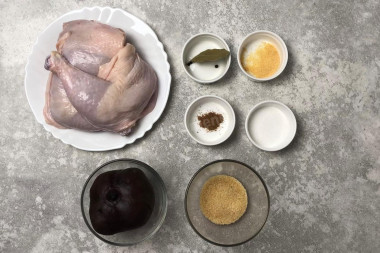
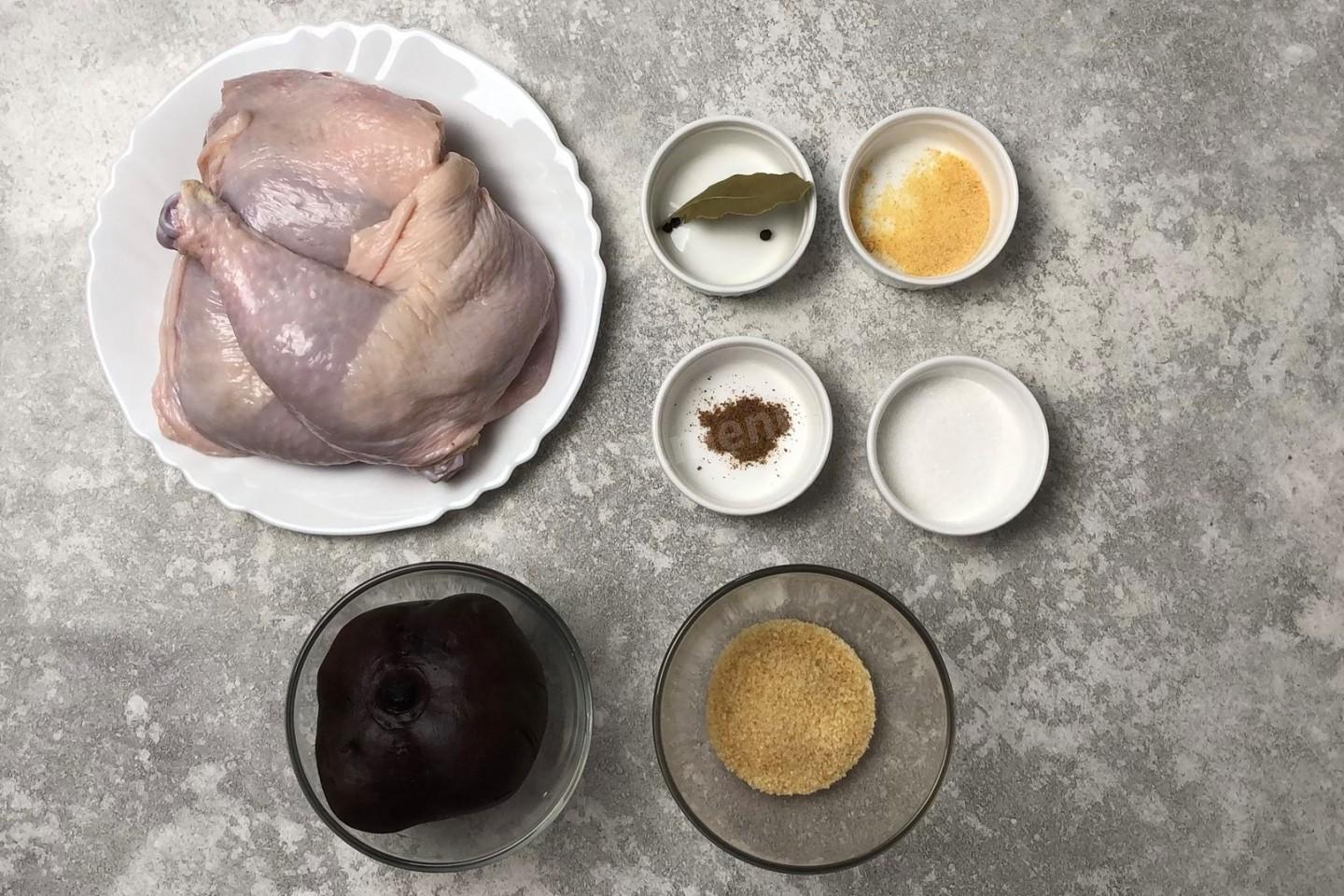
How do you make homemade chicken sausage with gelatin? Gather your ingredients. You can make it from absolutely any part of the chicken — breasts give a leaner version, thighs and drumsticks a fattier one. The chicken weight is given with bones. I used regular gelatin, not the instant kind. You can use any spices you like. Instead of garlic powder, you can use a few cloves of fresh garlic.
-
Step 2:
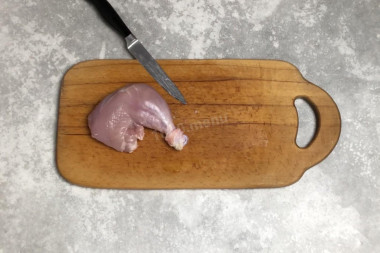
Remove the skin from the chicken with a knife. It would only add unwanted fat.
-
Step 3:
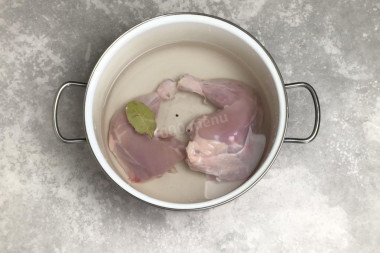
Cover the chicken with clean cold water — just enough to cover it, no more. Add the peppercorns and bay leaf. Add salt.
-
Step 4:

Set the pot of chicken on the stove over medium heat. Bring the broth to a boil and skim off the foam. Turn the heat to its lowest setting. Cook the chicken at a low simmer until done — about 40 minutes. Then turn off the heat and remove the chicken.
-
Step 5:
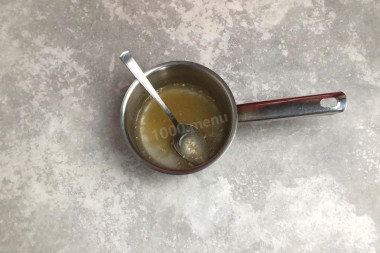
Set aside 150 ml of the broth and let it cool. You won't need the rest of the broth — use it as you see fit. Pour the cooled broth over the gelatin and leave it to swell for half an hour.
-
Step 6:
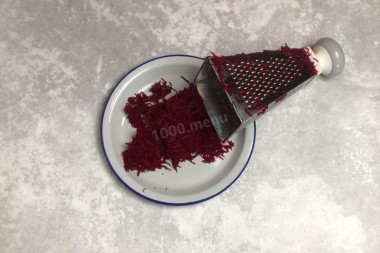
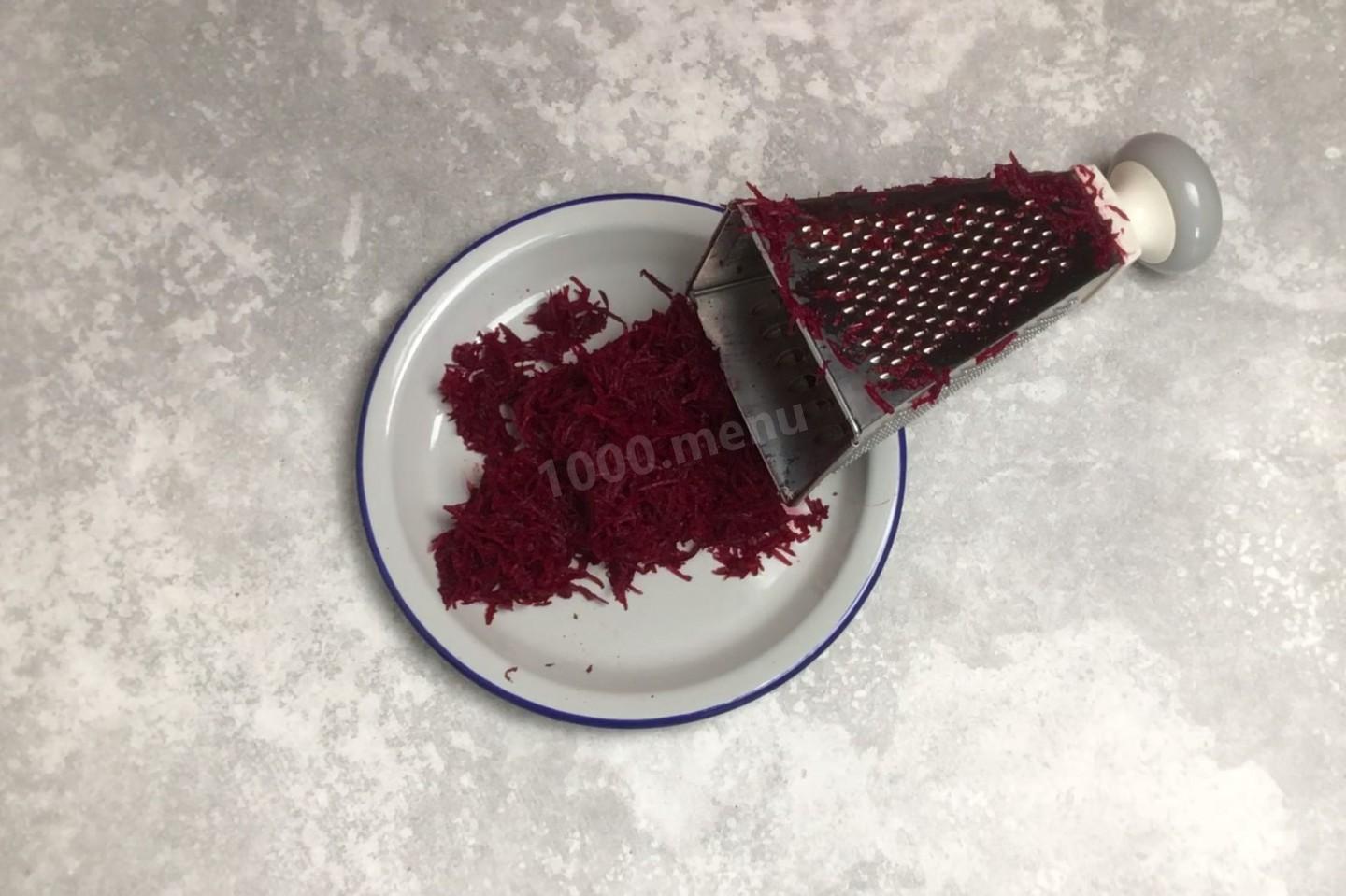
Rinse the beet thoroughly under running water, then peel it. Grate the beet on a medium grater.
-
Step 7:
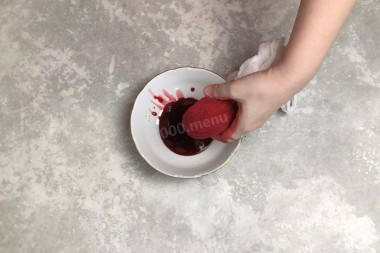
Put the grated beet into several layers of cheesecloth and squeeze out the juice.
-
Step 8:
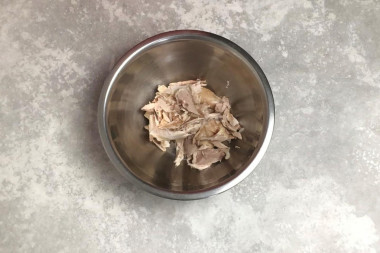
Separate the chicken meat from the bones. If it's breast meat, cut it into pieces.
-
Step 9:
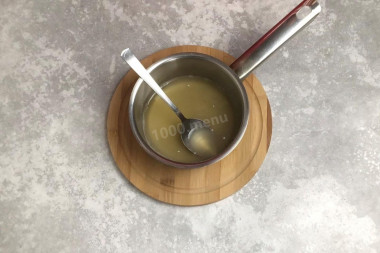
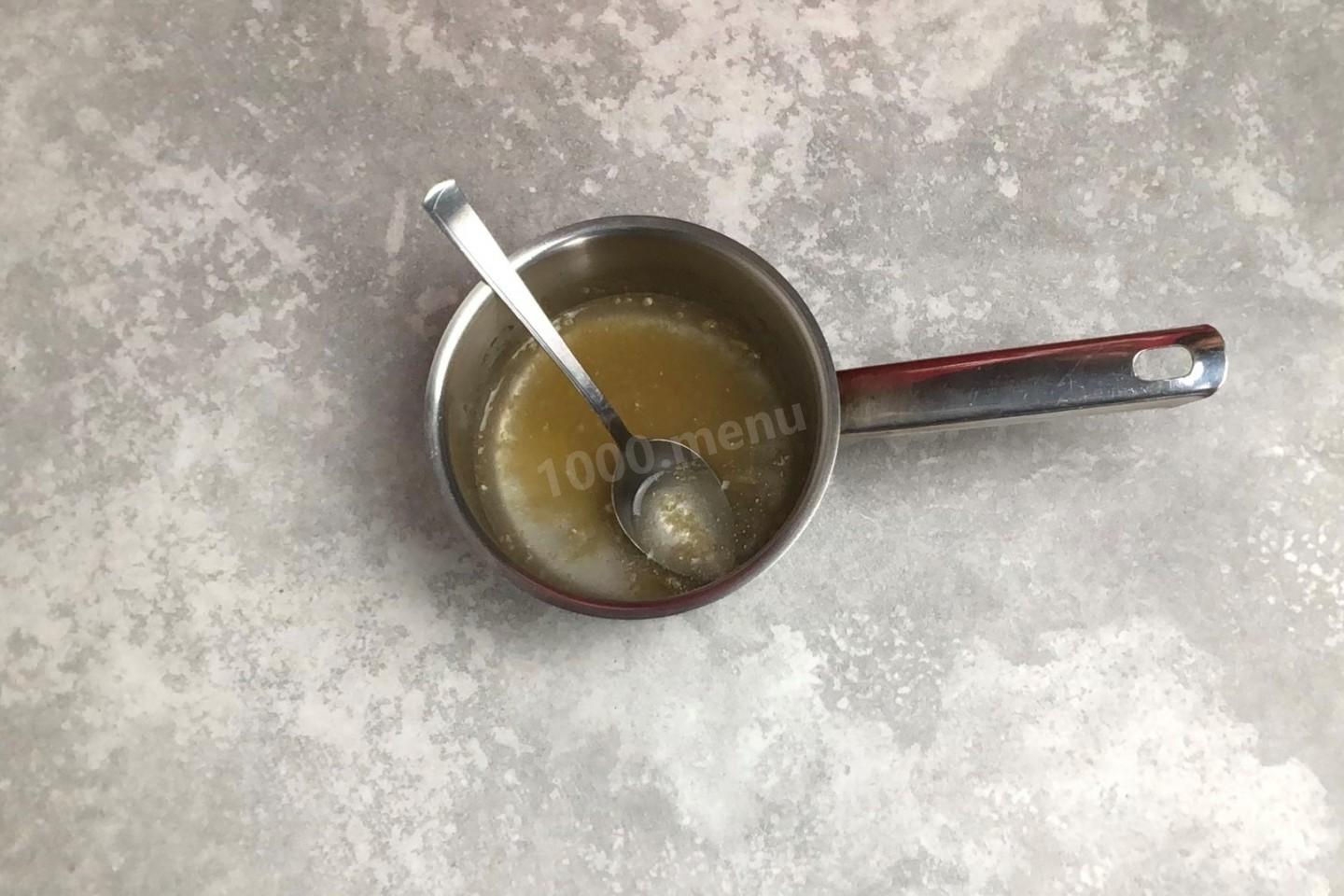
Set the swollen gelatin to heat on the stove over low heat. Stirring constantly, wait for the gelatin to dissolve — but never let it boil! Boiling makes gelatin lose its gelling power.
-
Step 10:

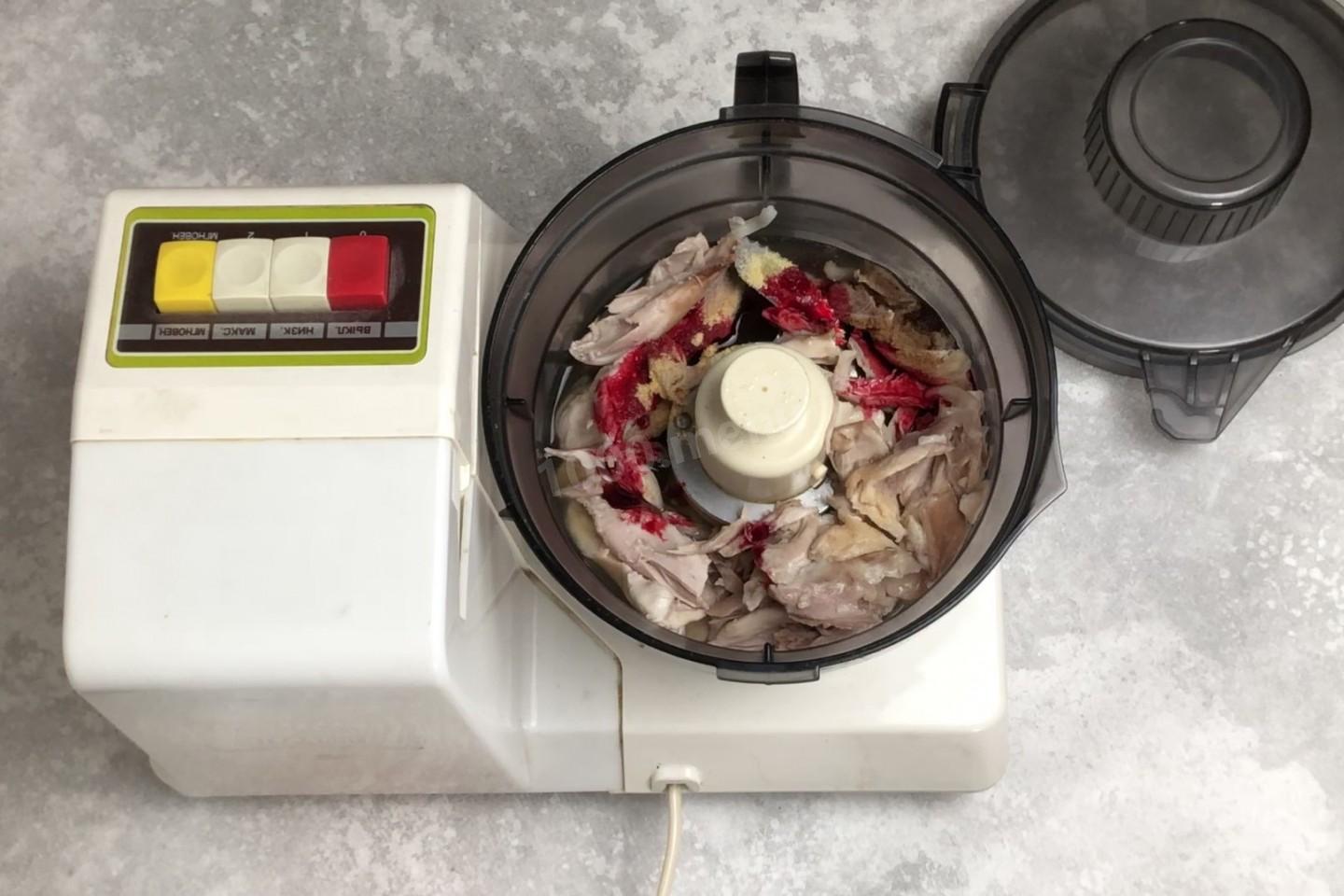
Next, grind the chicken to a pâté-like consistency. You can use any appliance you have at home — a blender, a meat grinder, or a chopper all work. I used a food processor. Put the meat in the processor bowl and add the garlic, nutmeg, dissolved gelatin and beet juice. Judge the amount of juice by the color you want — for the shade I got, two tablespoons were enough.
-
Step 11:
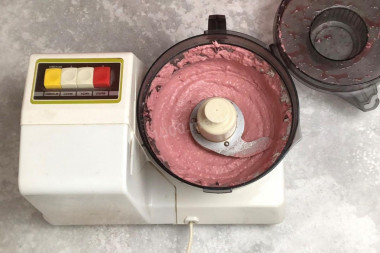
Blend all the ingredients to a paste.
-
Step 12:
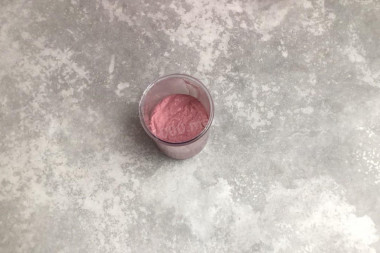
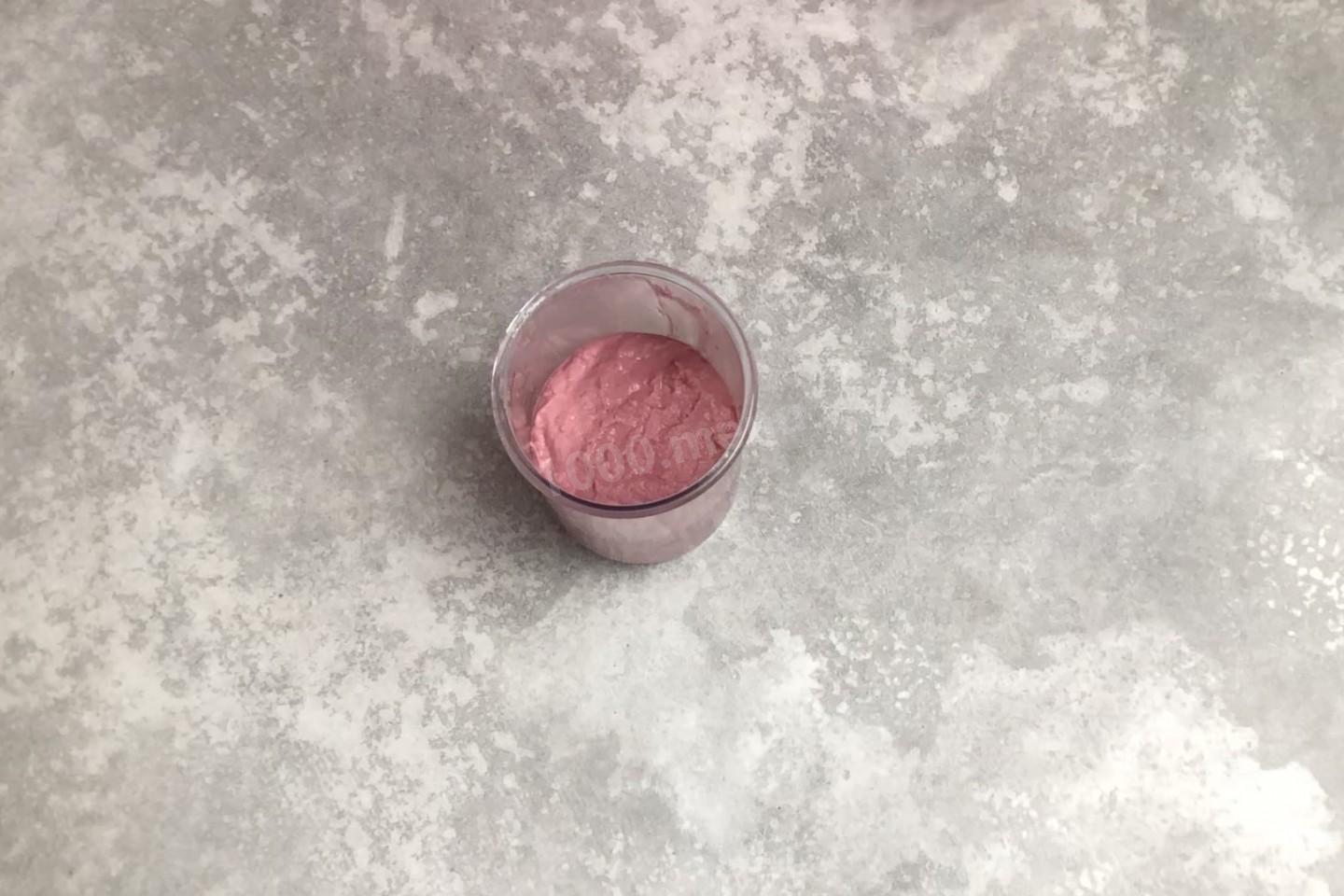
Transfer the mixture to a suitable container. I used the tall, narrow mixing beaker from my mixer. You could also use a plastic bottle of a suitable shape — cut off the neck and wash it well first. There's no need to grease the container; the sausage will set and come out easily on its own. Put the mold with the future sausage in the fridge until it sets completely. It's best to leave it overnight.
-
Step 13:
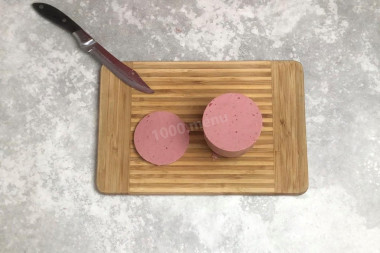
Remove the finished sausage from the mold. I simply ran a knife gently around the sides of the beaker and gave it a slight shake. If you made the sausage in a bottle, just cut the plastic away. The sausage is ready. Enjoy!






- We really loved this sausage! At first everyone was amazed by how it looked — just like the real thing! And it tasted like a cross between pâté and aspic. It slices beautifully and holds its shape. It's good served with horseradish or mustard. If making it in a bottle, it's better to use more chicken — 500 grams will be too little.
- You can swap the chicken for turkey or any other meat you like. Keep in mind, though, that this will change the cooking time and calorie content.
- Since everyone's tolerance for saltiness, sweetness, bitterness, spiciness, acidity and heat is different, always add spices and seasonings to your own taste! If you're using a seasoning for the first time, keep in mind that some spices are especially important not to overdo (chili pepper, for instance).
- For a dish with gelatin to set properly, always pre-soak the gelatin in cold boiled water — the colder, the better. Leaf gelatin can simply be placed in a bowl of water. Before soaking powdered gelatin, rinse the dish with cold water first so the crystals don't stick to the bottom. It's important to pour the water over the powdered gelatin, not to sprinkle the gelatin into the water — otherwise you'll get lumps. Then give the gelatin time to swell (the exact time is on the package). Heat the swollen gelatin to 70–80 degrees. Never bring it to a boil! At 100°C the mass becomes stringy and viscous, the collagen protein breaks down, and the gelatin loses its gelling properties.
Caloric content of the products possible in the composition of the dish
- Category I chicken - 238 kcal/100g
- Category II chicken - 159 kcal/100g
- Chicken, skinless meat - 241 kcal/100g
- Spring chicken - 140 kcal/100g
- Beets - 40 kcal/100g
- Dried beets - 278 kcal/100g
- Boiled beets - 49 kcal/100g
- Bay leaf - 313 kcal/100g
- Black peppercorns - 255 kcal/100g
- Gelatin - 355 kcal/100g
- Salt - 0 kcal/100g
- Garlic powder - 331 kcal/100g
- Nutmeg - 556 kcal/100g