Bolognese Sauce with Ground Meat
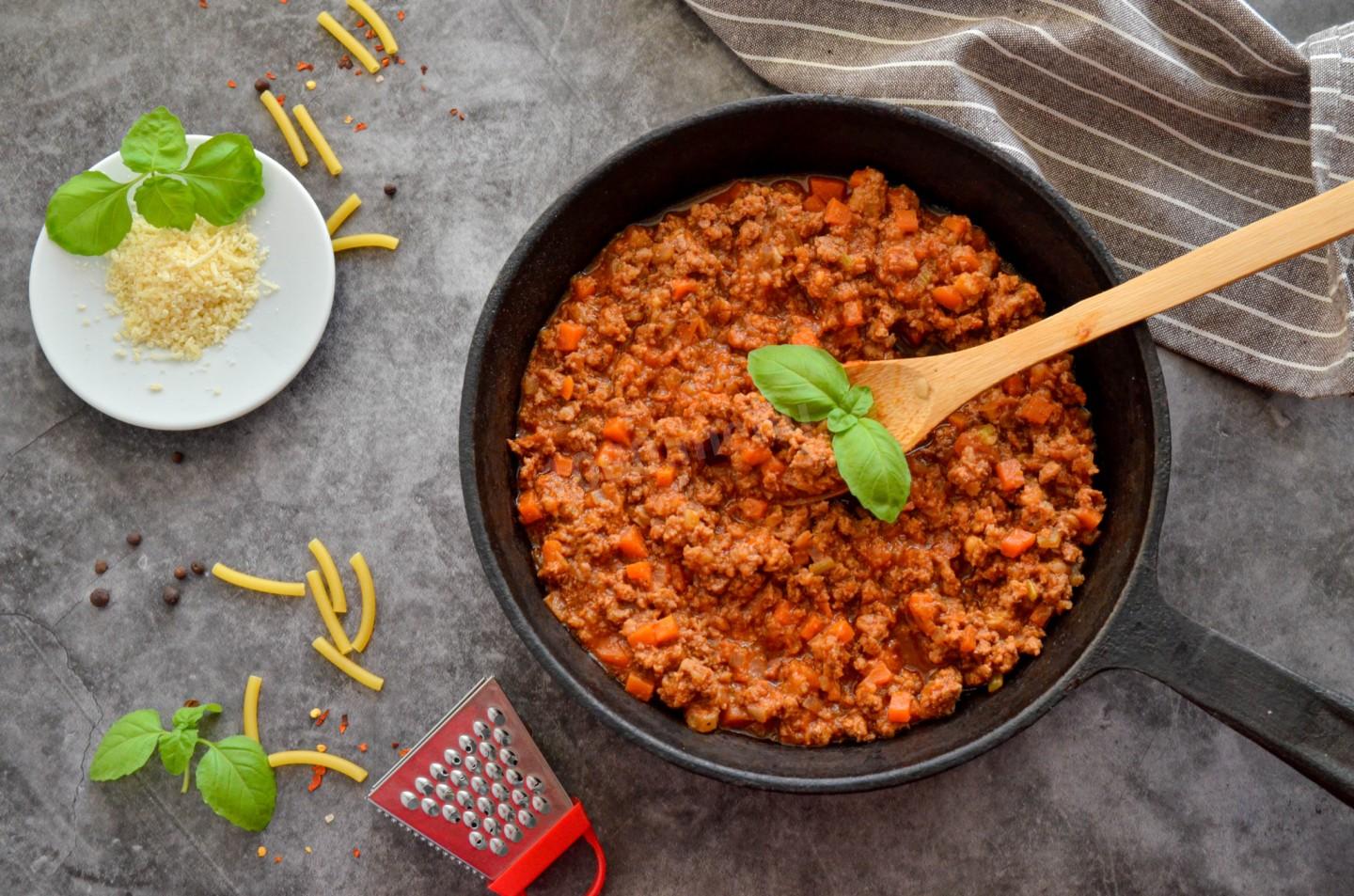
A hearty Italian meat sauce with vegetables and tomatoes. This classic sauce is served over pasta and ravioli and is an essential part of meat lasagna. Thick, rich, and savory, Bolognese is beloved all over the world. Give it a try!

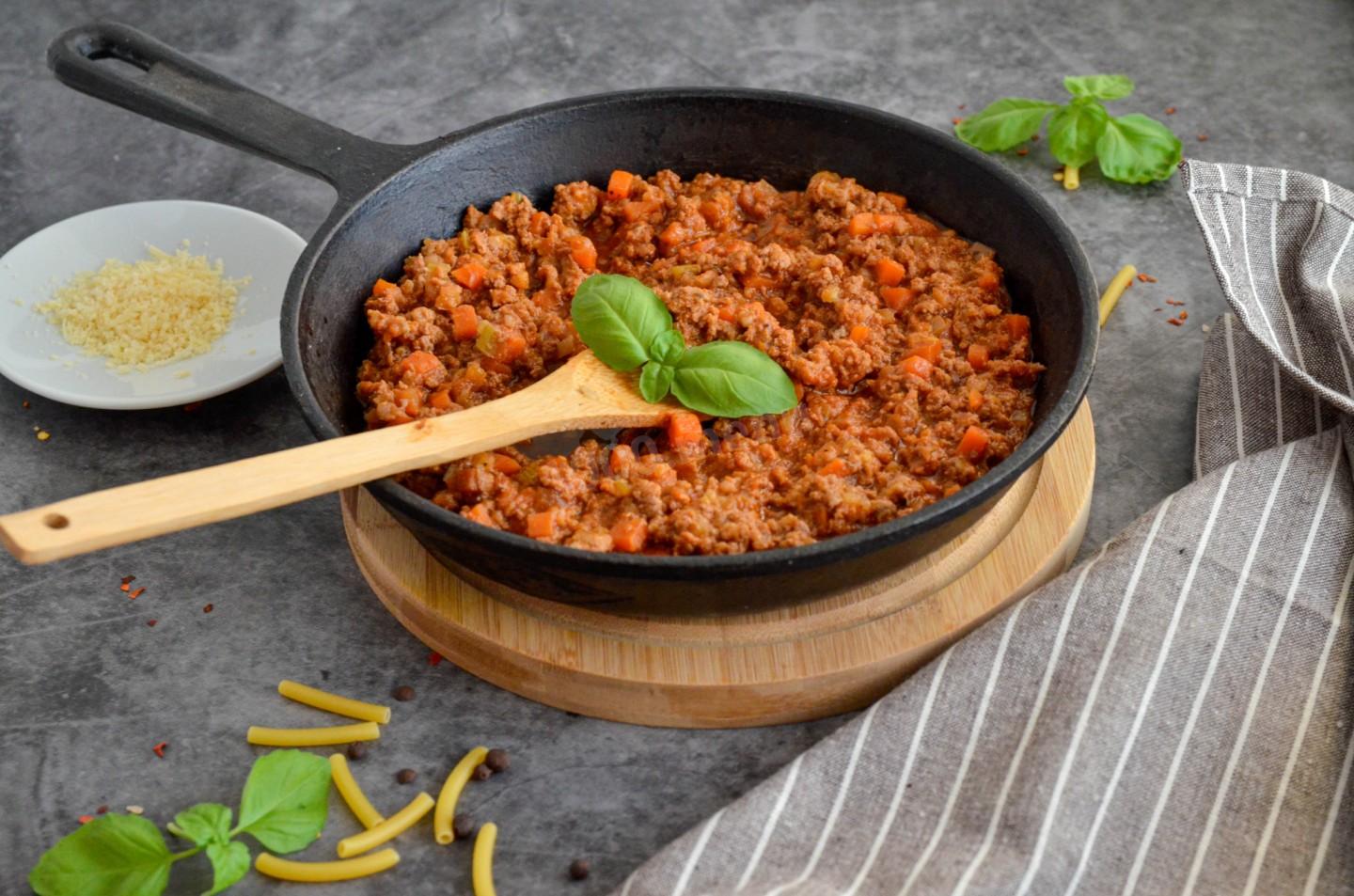
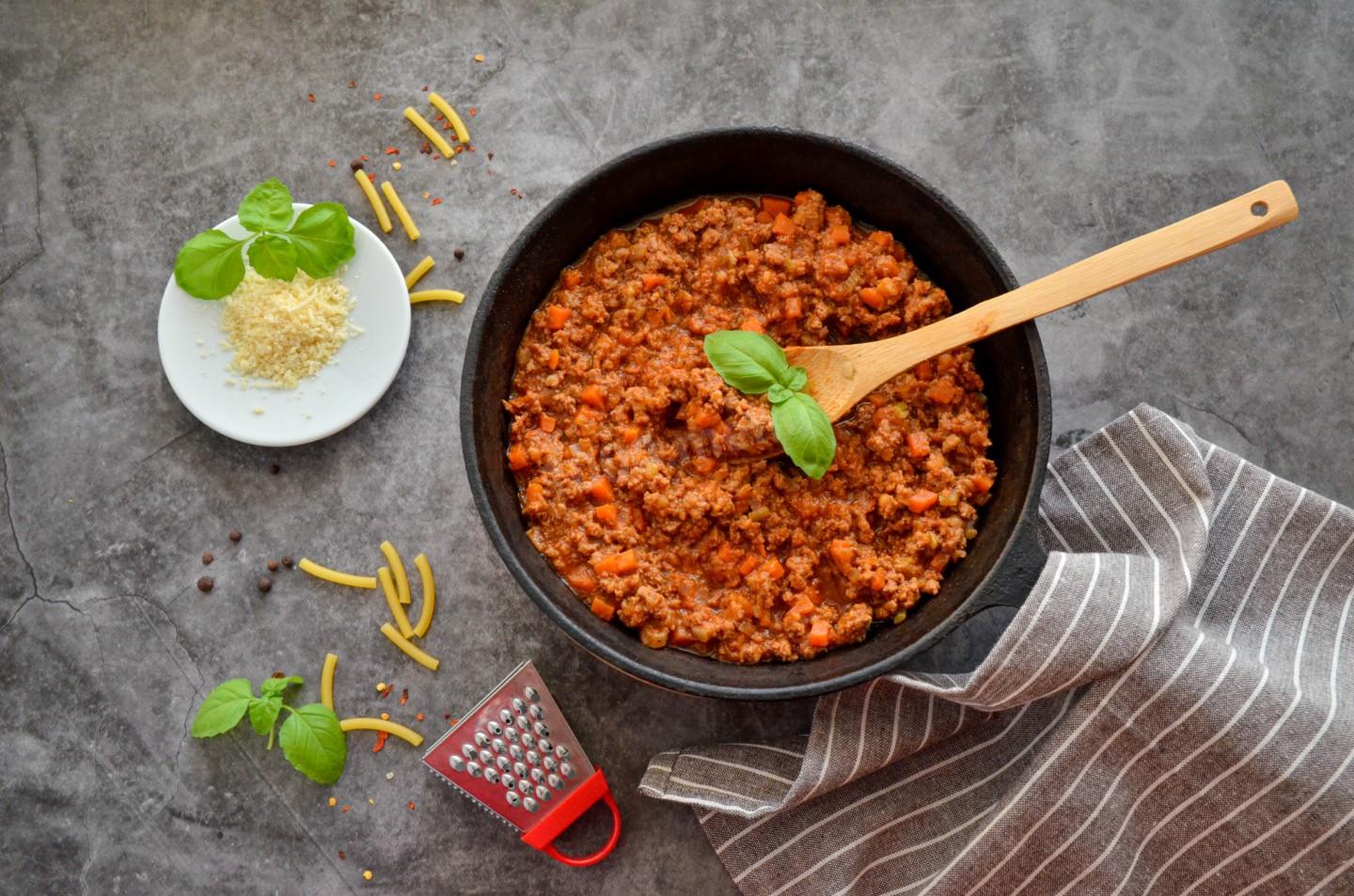


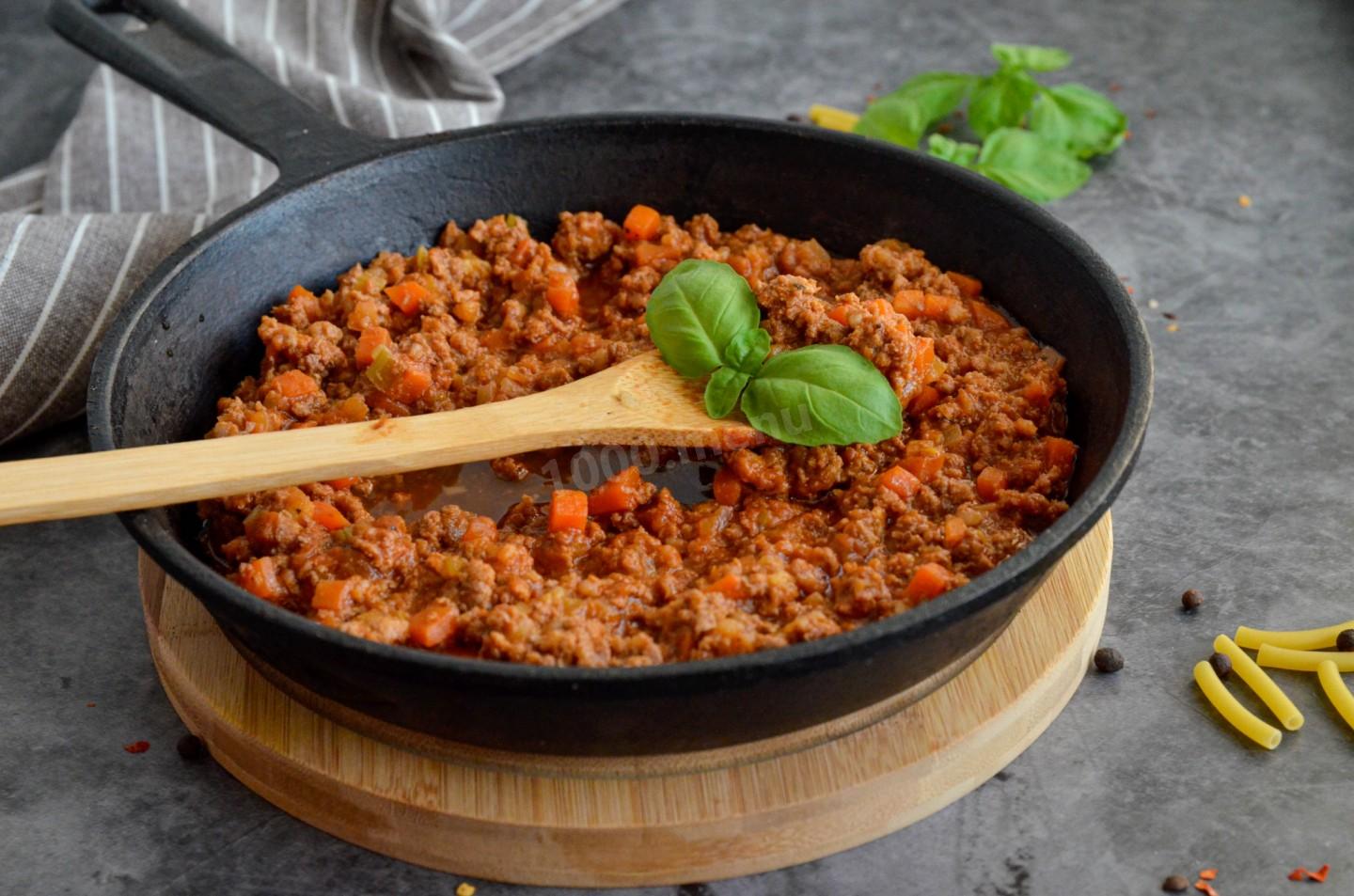

Cooking method
-
Step 1:
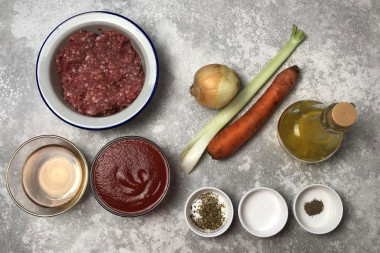
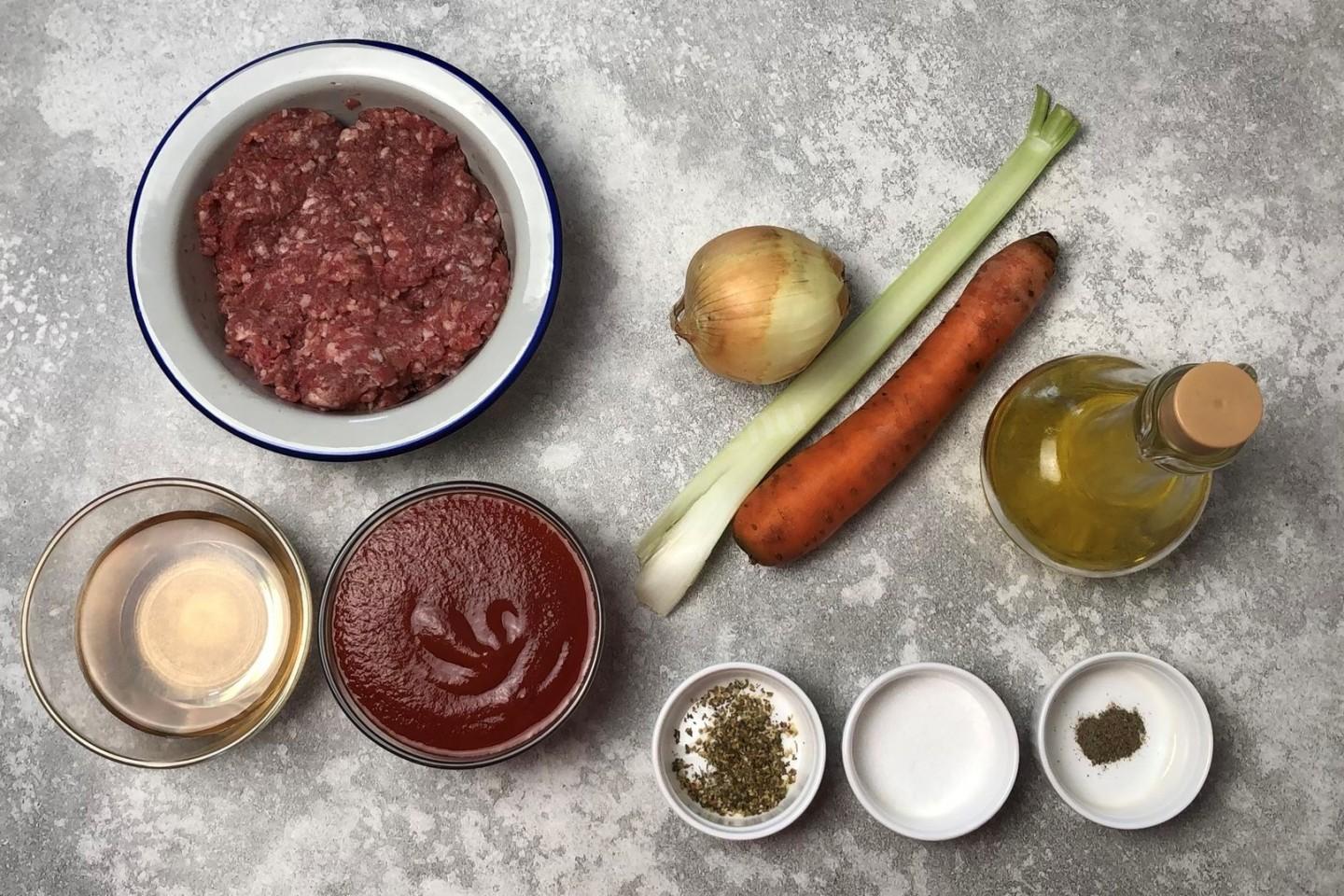
Gather the ingredients for the sauce. Mixed ground meat — beef and pork — works best; it makes the sauce moderately rich without being dry. You can use either white or red wine, so long as it's a bottle you'd drink; the alcohol cooks off but the flavor stays. For Bolognese I always use strained tomato pulp (passata), but you can substitute thinned tomato paste, tomato sauce, or fresh tomatoes.
-
Step 2:
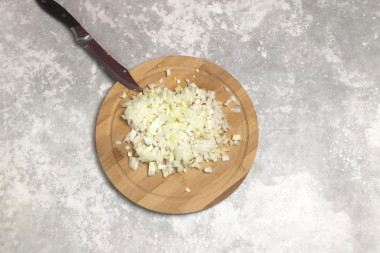
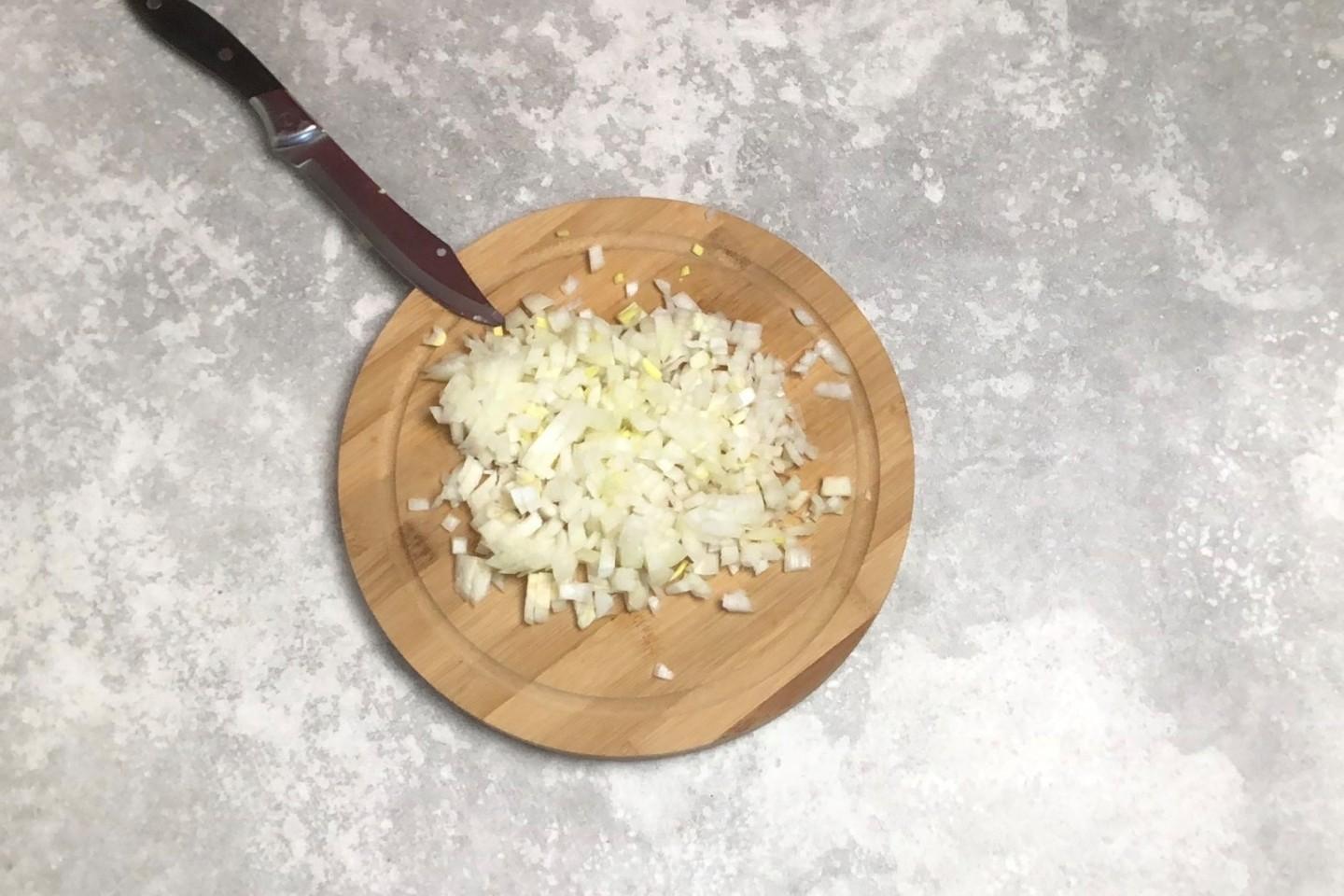
Peel the onion and cut it into small dice.
-
Step 3:
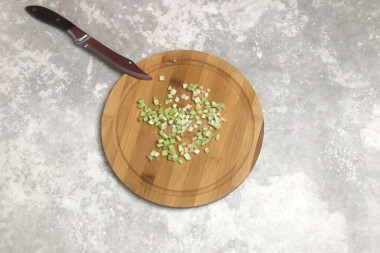
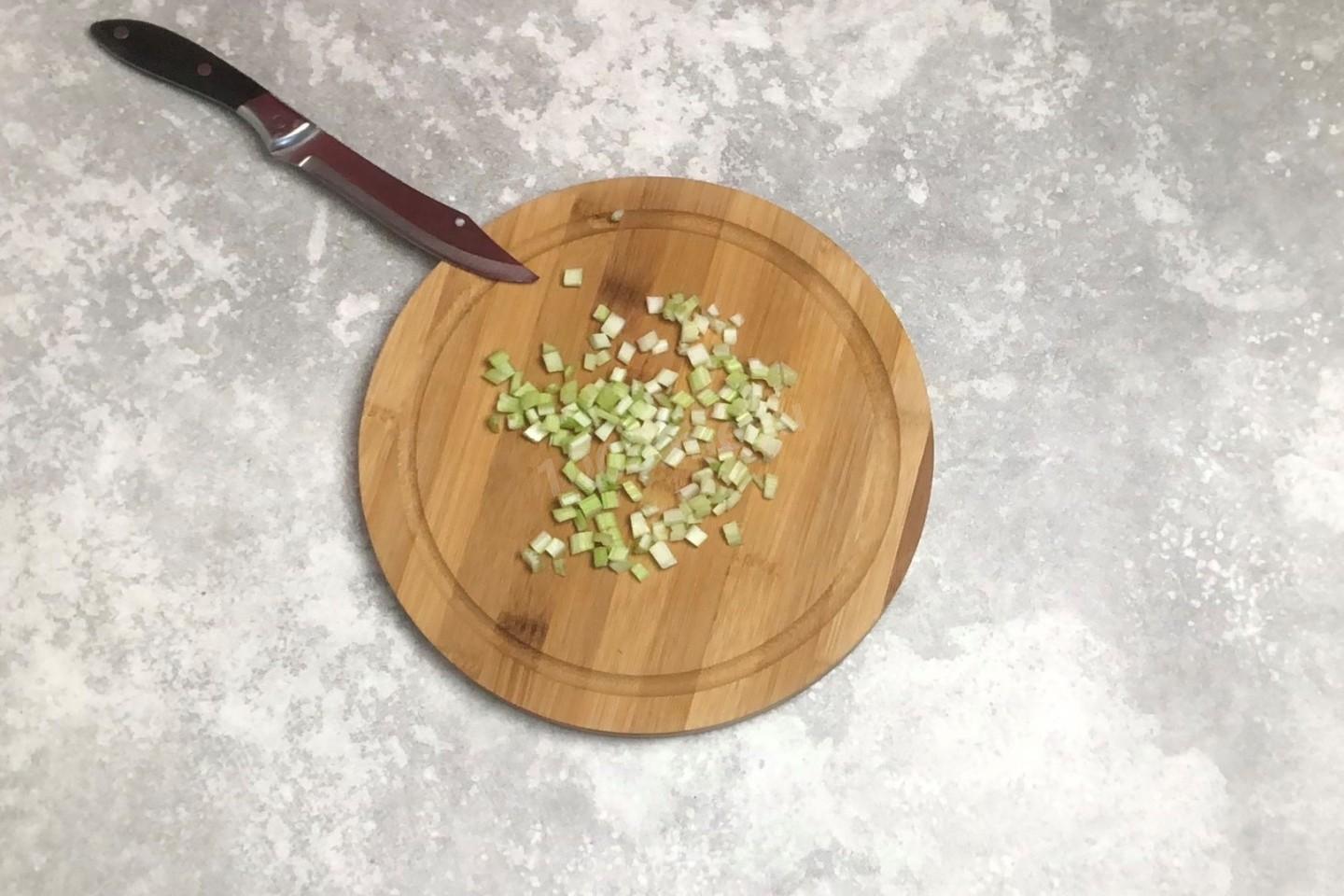
Wash the celery stalk and dice it the same size as the onion. Keeping the vegetables uniform helps them cook at the same rate and look neater in the finished sauce.
-
Step 4:
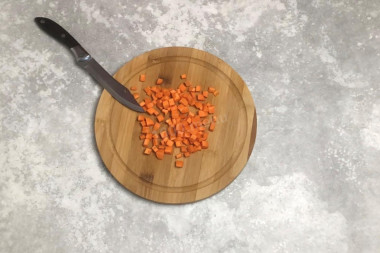
Rinse the carrot well under running water, then peel it and cut it into dice.
-
Step 5:
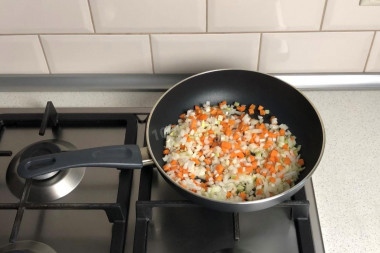
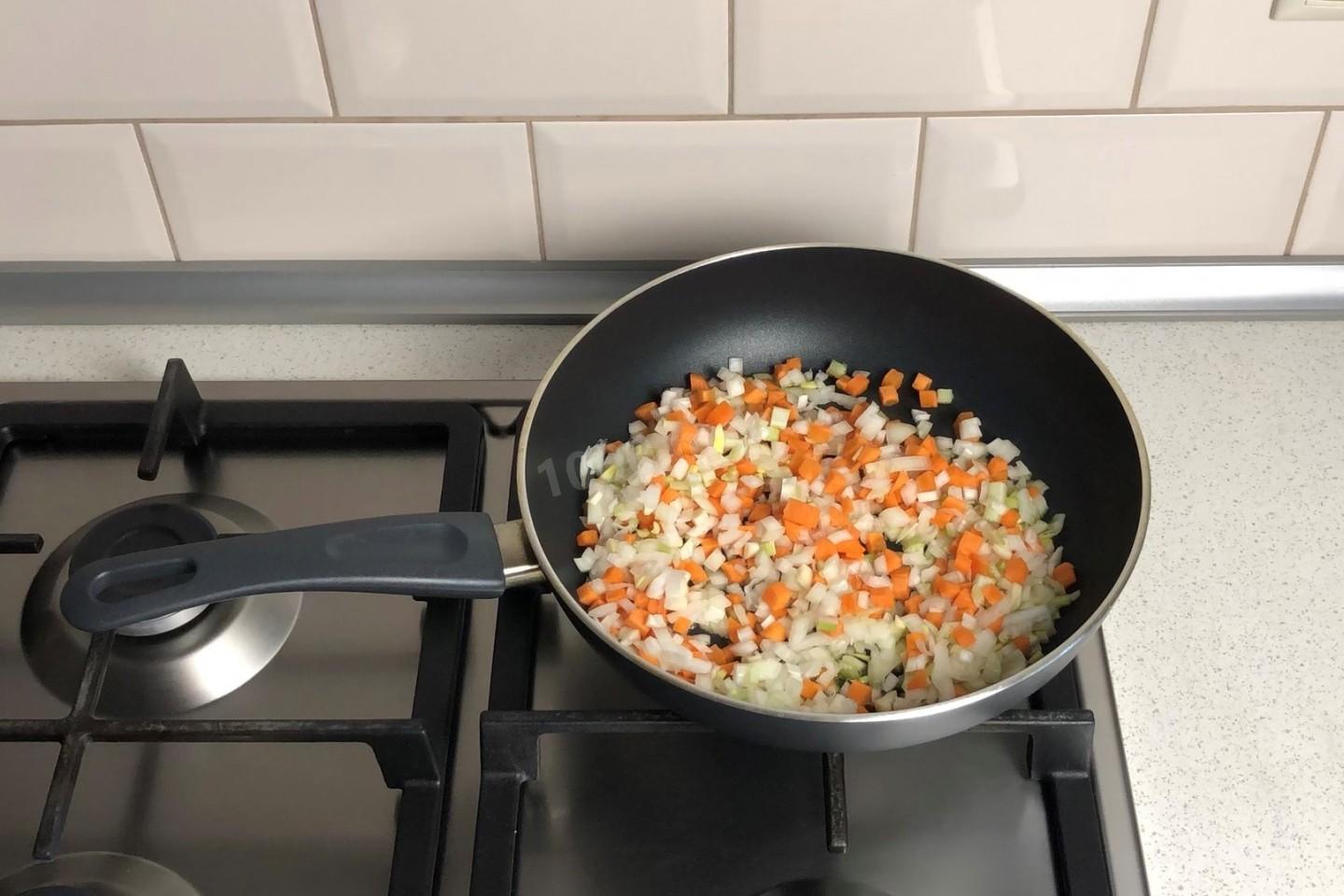
Heat a pan over medium heat. A heavy-bottomed pot or Dutch oven is best for this sauce — it holds heat well for a slow simmer and lets everything cook down gently. Add the olive oil, then the vegetables, and cook for a few minutes until softened.
-
Step 6:
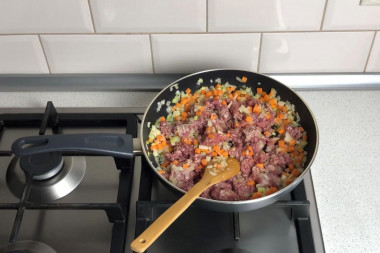
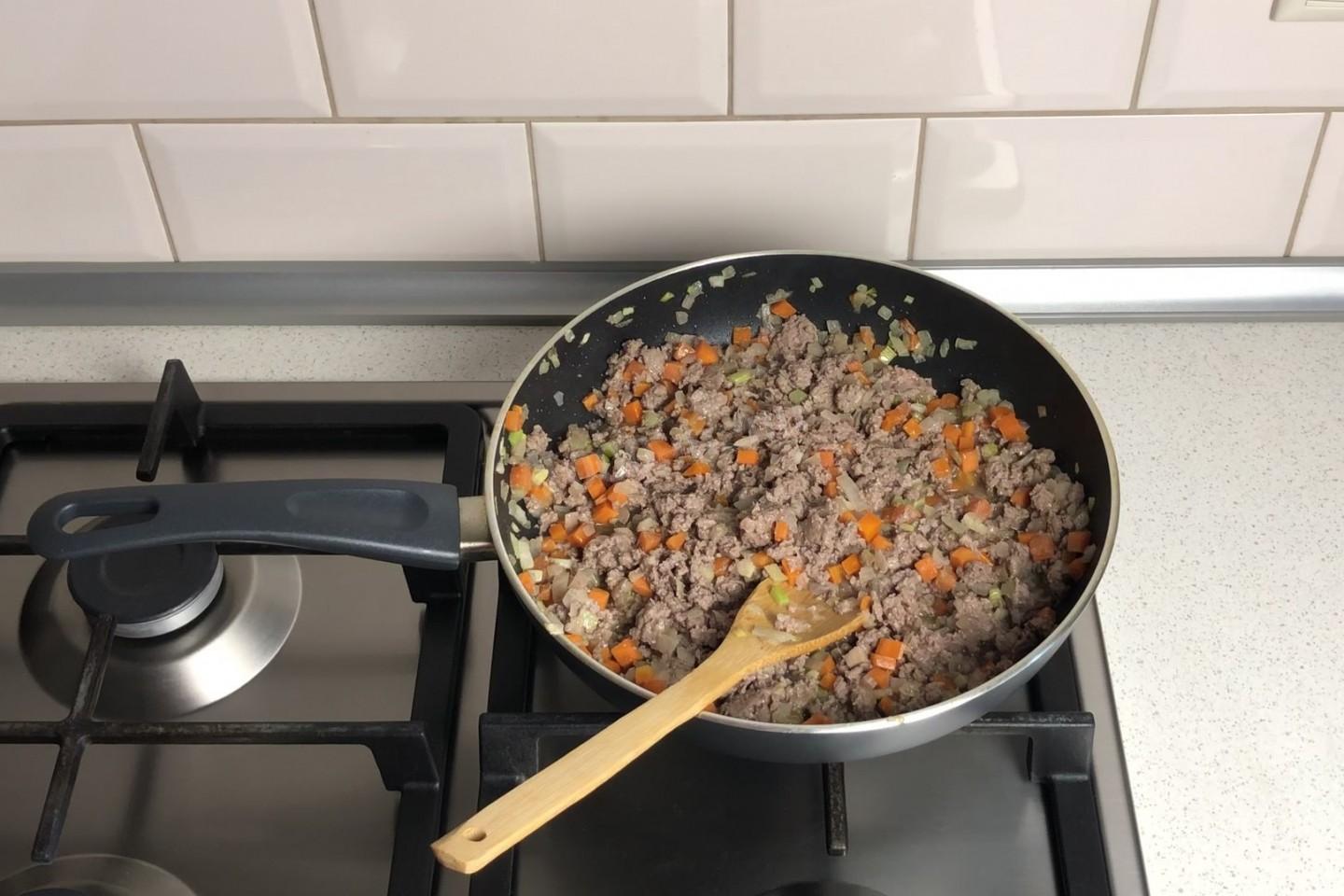
Add the ground meat to the vegetables. Break it up well with a spoon, mashing any large clumps.
-
Step 7:
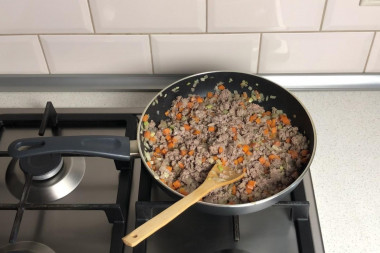
Cook the meat for about 10 minutes, stirring constantly, until it has completely lost its raw color. Then pour in the wine and stir. Let it cook off — this happens quickly, in just a few minutes. The alcohol evaporates and leaves behind a subtle depth of flavor.
-
Step 8:
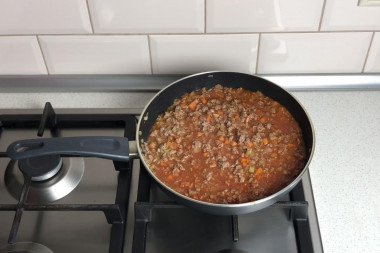
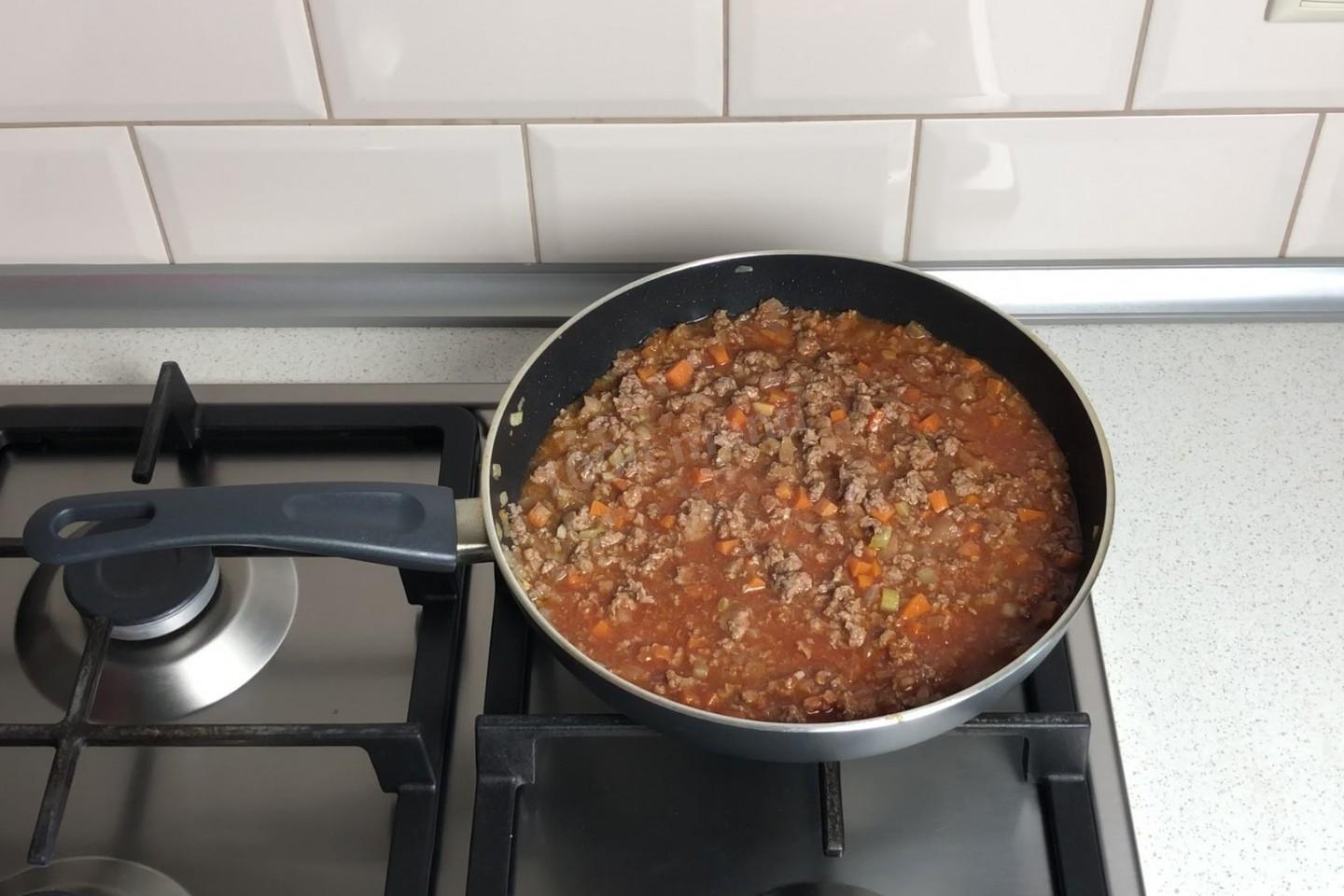
Add the strained tomatoes and stir. Add the dried herbs, salt, and pepper, then pour in the water and mix well. Cover the pan, reduce the heat to low, and simmer the sauce for about an hour, stirring now and then and checking the consistency. Add a splash more water if it gets too thick.
-
Step 9:
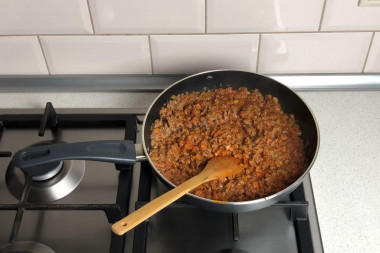
Serve the finished sauce right away over pasta, or use it as a filling for lasagna.


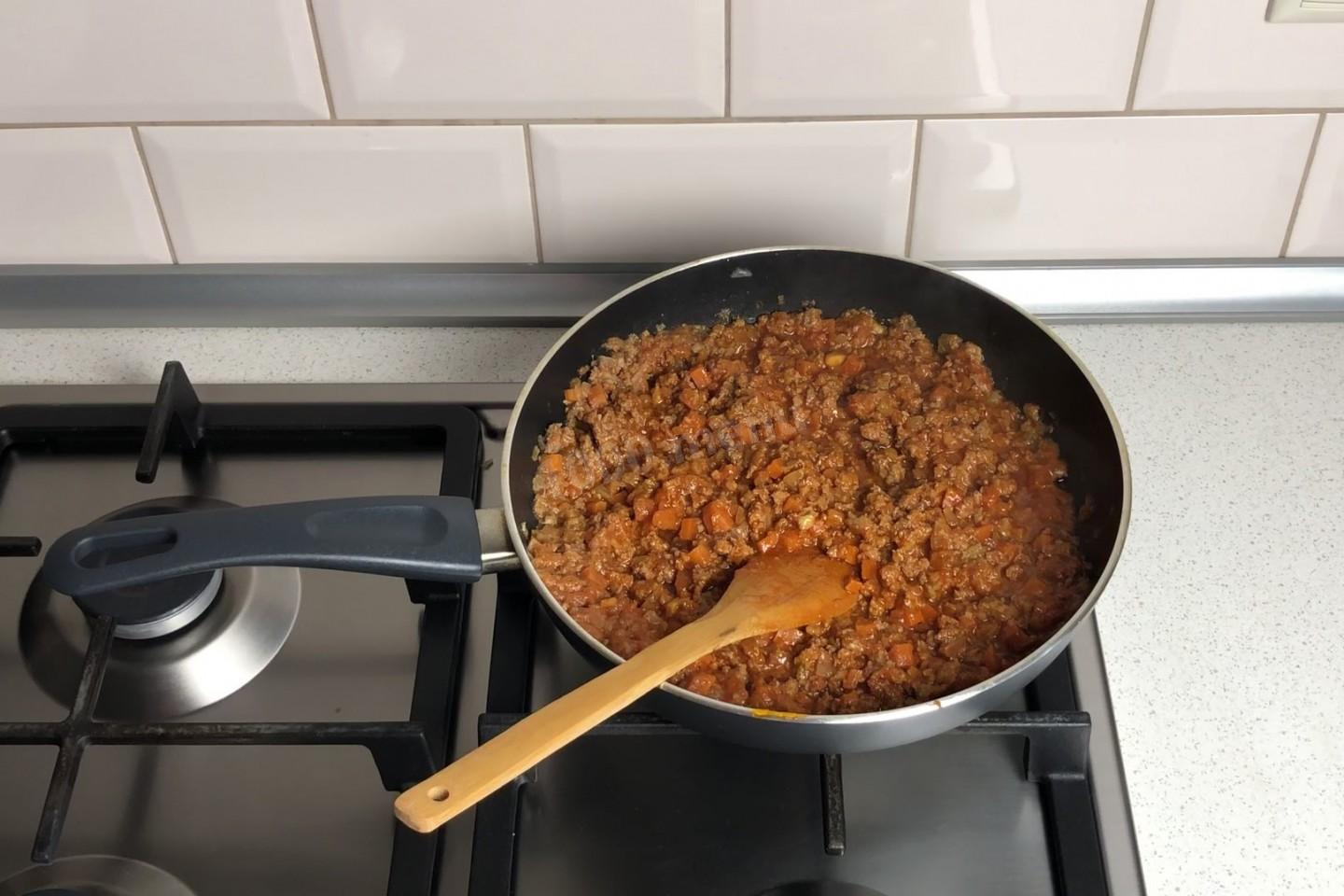
- I've been making Bolognese for years. This time I added celery and wine for the first time, and we liked it far more — the sauce really came alive! There are countless versions of this recipe: some cook it without carrots, some without wine, and some even add cream. The one thing they all agree on is that the sauce needs a long simmer — at least an hour, and some recipes go a full 4. That long cook makes the meat exceptionally soft and tender, almost melting into the sauce. Don't skip it!
- Every cooking oil is only healthy up to a certain point — its smoke point, above which it starts to burn and forms harmful compounds. Choose an oil with a high smoke point for frying, and don't let it overheat.
- A quick tip: the wrong pan can ruin even the best recipe, so use a good heavy-bottomed pot for a sauce like this.
- Since everyone's tolerance for salty, sweet, bitter, spicy, sour, and sharp flavors is different, always season to your own taste. If you're using a seasoning for the first time, remember there are some — chili pepper, for one — that are especially easy to overdo.
Caloric content of the products possible in the composition of the dish
- Onion - 41 kcal/100g
- Carrots - 33 kcal/100g
- Dried carrots - 275 kcal/100g
- Boiled carrots - 25 kcal/100g
- Ground black pepper - 255 kcal/100g
- White wine - 78 kcal/100g
- Mixed minced meat - 351 kcal/100g
- Salt - 0 kcal/100g
- Water - 0 kcal/100g
- Olive oil - 913 kcal/100g
- Hot tomato sauce - 99 kcal/100g
- Celery stalk - 12 kcal/100g
- Italian herbs blend - 259 kcal/100g
Similar recipes

- National cuisine
- Second course
- Sauces
- Meat and meat products
- Semi-finished products
- Vegetables
- Spices seasonings spices
- Fats and oils
- Alcohol
- Other
- Italian herbs
- Pepper
- Celery
- Salt
- Vegetable oil
- Purchased wine
- Water
- Mediterranean cuisine
- Frying
- Stewing
- In a frying pan
- Meat second course
- Pasta sauce
- Homemade tomato sauce
- Minced meat
- Sauce
- From carrots
- From onion
- No eggs
- Recipes for lean dishes without butter