


Practically siblings, squash, zucchini and patissons are identical in chemical composition — which shows in their flavor. Like all gourds, the family they belong to, they have a good set of vitamins and trace elements: C, B1, B2, B3, B6, B9, PP, phosphorus, potassium, calcium. Plus they have an excellent perk in their arsenal: the ability to rid the body of excess moisture. And the low calorie content, which in patissons is just 18 units, turns this product into an ideal ingredient for fans of a slim figure and a healthy lifestyle. By the way, the gourds listed also flush cholesterol and salts out of the body.
Patisson is most often found in recipes with these five products:
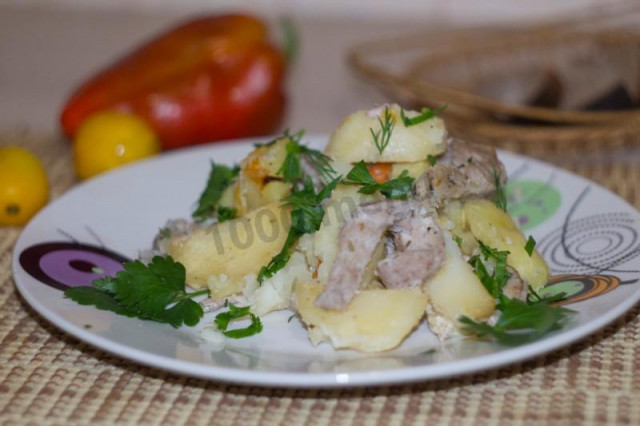
With a tender skin that hasn't yet toughened, the patisson can be added to a dish without peeling. But you do need to wash it, even if it's picked from your own garden. It's good as a standalone side dish that suits meat and chicken. And also as an extra ingredient in a number of dishes: soups, casseroles, goulash, stews.
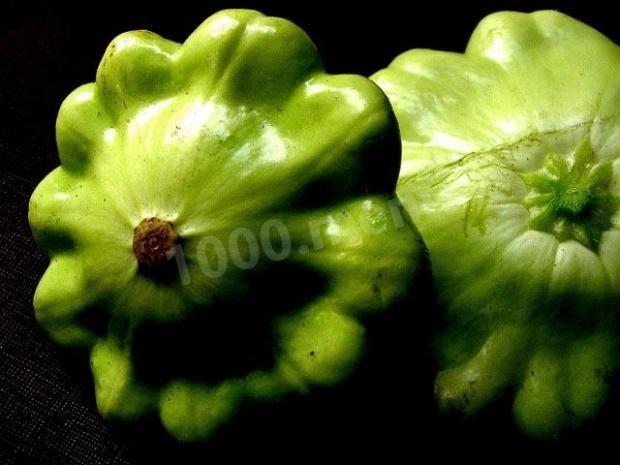
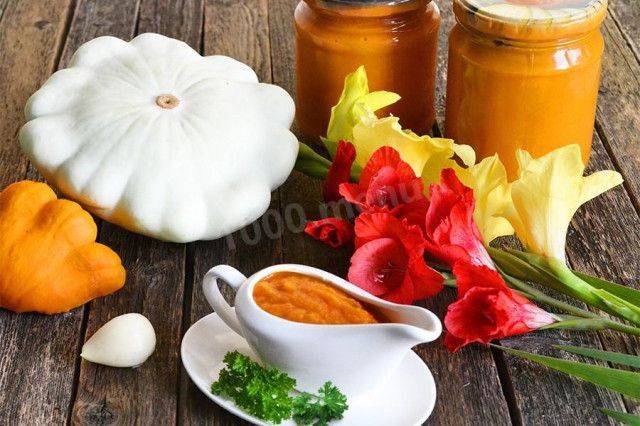
Question: if it tastes indistinguishable from its closest relatives, then what makes it unique? The answer is quite simple: its shape!
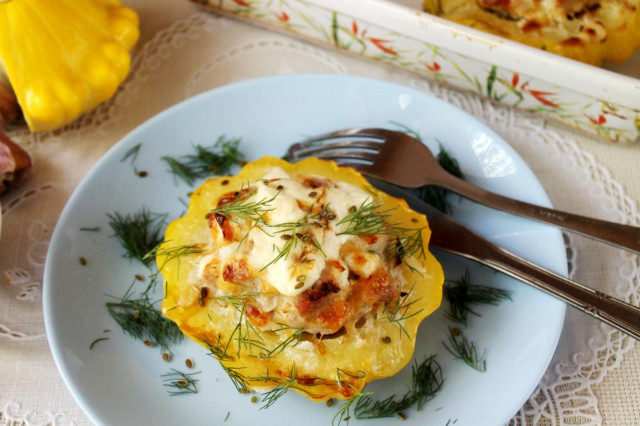
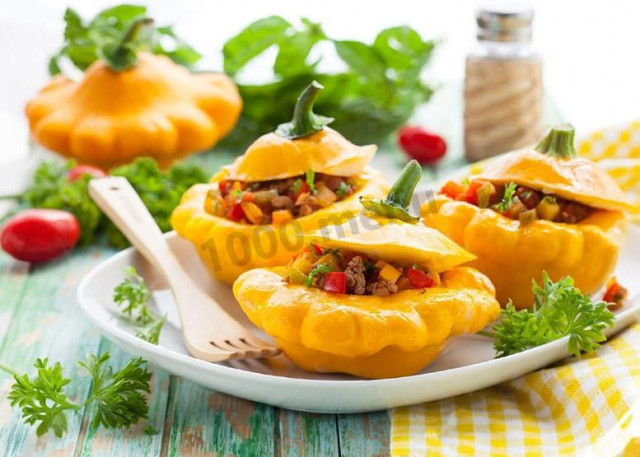
The bowl-like shape of the patisson is ideal for stuffing. You don't even need to cut it for that, as you would with zucchini. It's enough to slice off the top and scoop out the inside the way it's done with a pumpkin. You can add anything you like inside: minced meat or chicken, grains, legumes, mushrooms. Small vegetables are suitable for individual portions, and large ones for a shared dish.
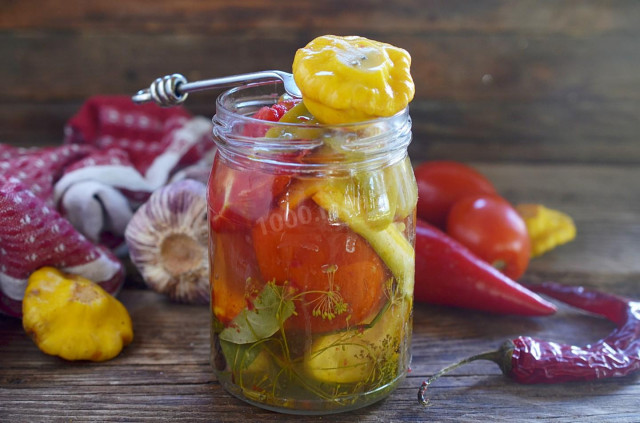
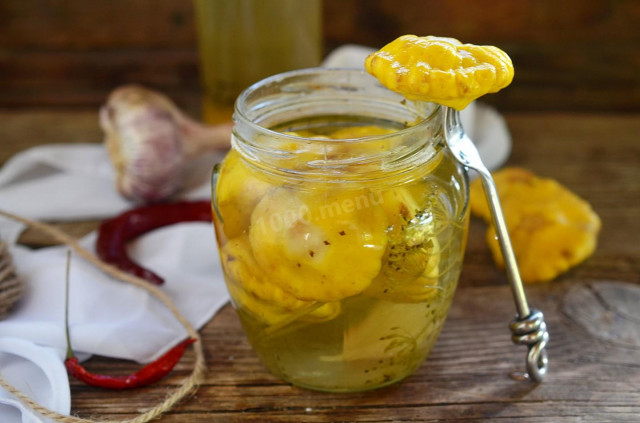
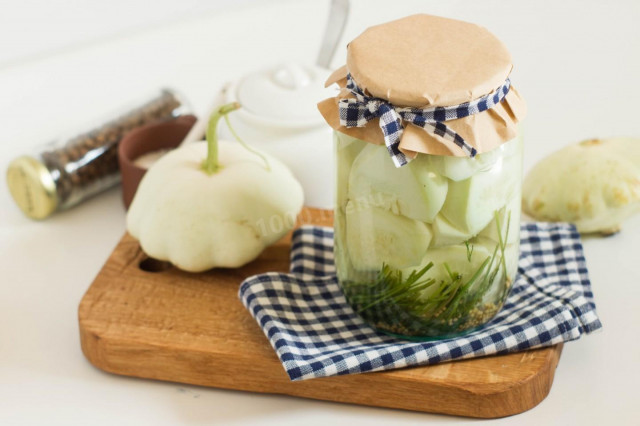
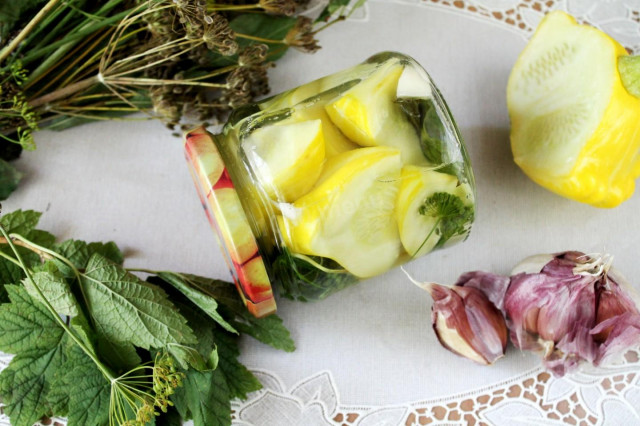
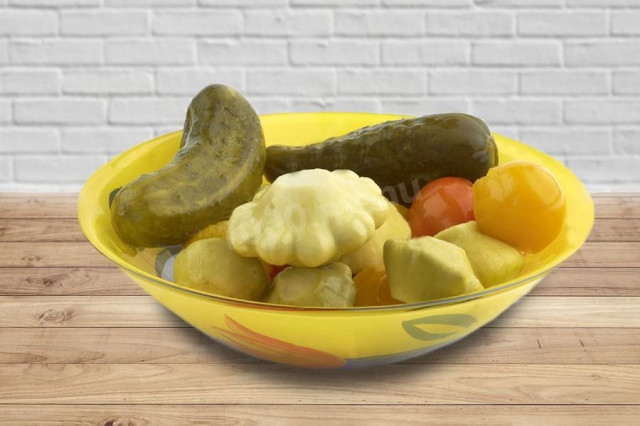
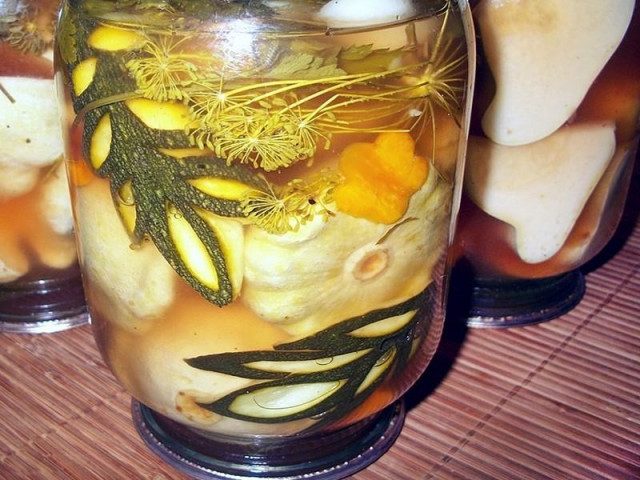
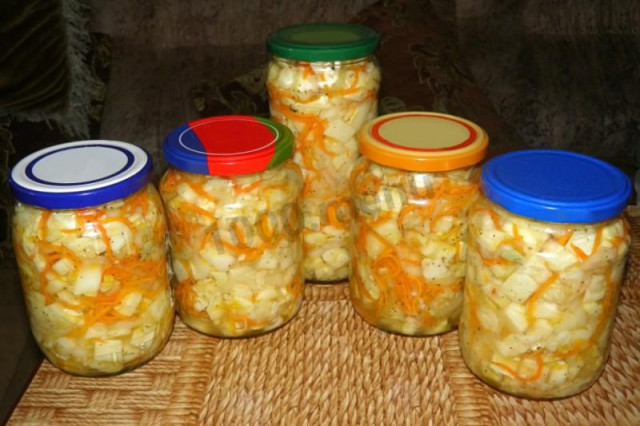
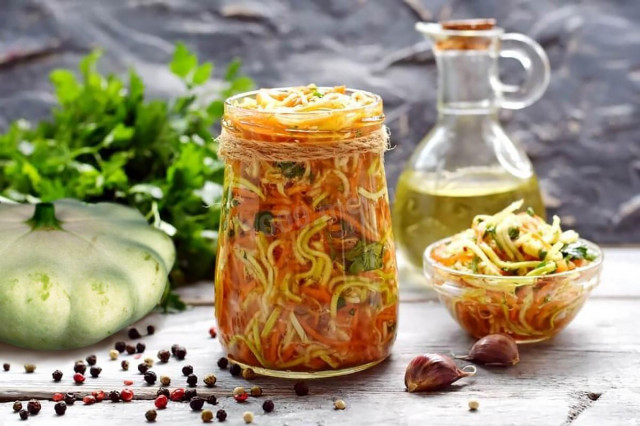
The patisson also has more tender flesh than zucchini, free of pits. This makes it the best candidate for pickles and marinades — that is, for homemade preserves. Small, almost young patissons look incredibly beautiful in 3-liter jars surrounded by cherry tomatoes and pickles.