Pattypan Squash and Tomato Medley for Winter
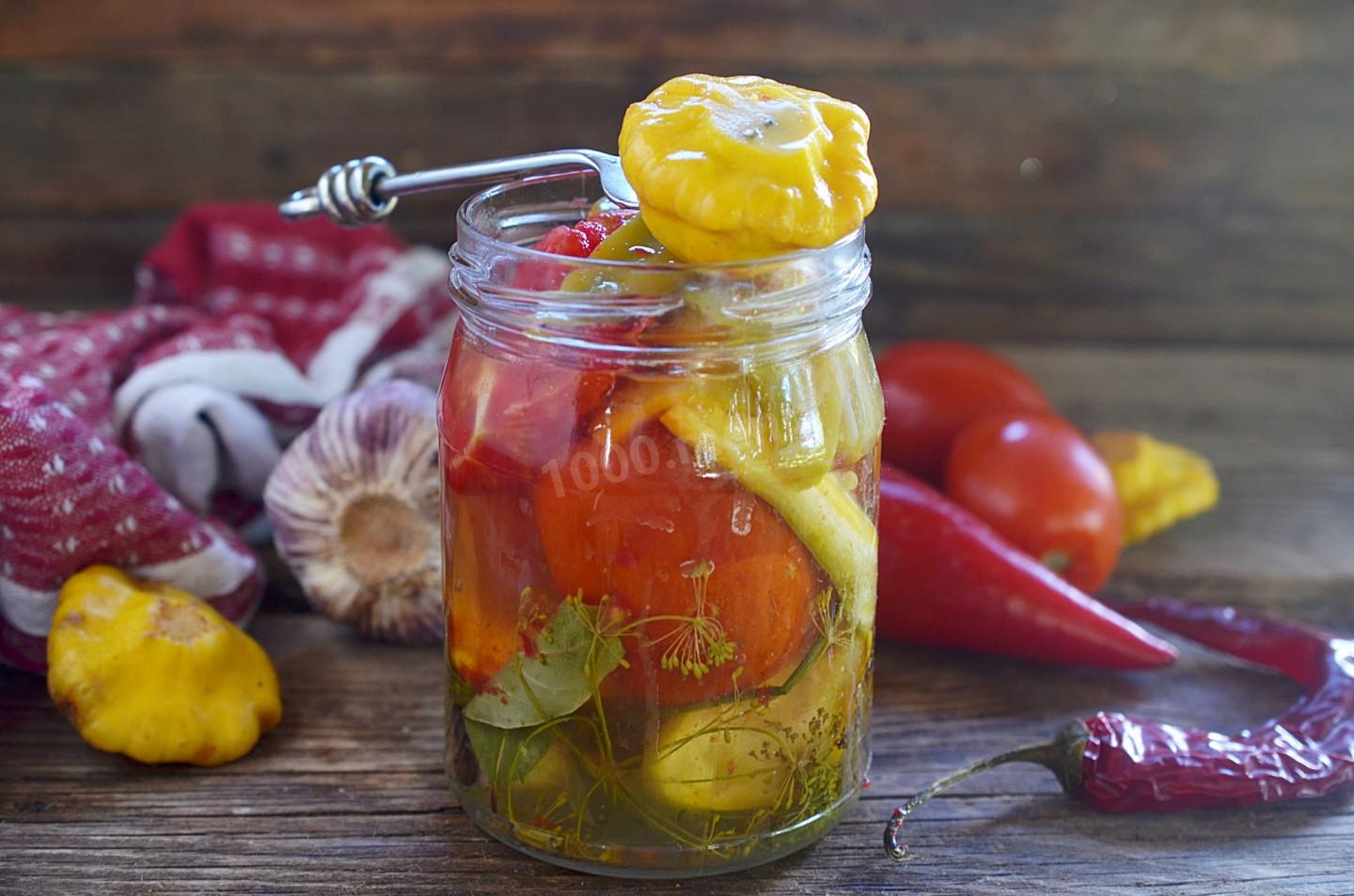
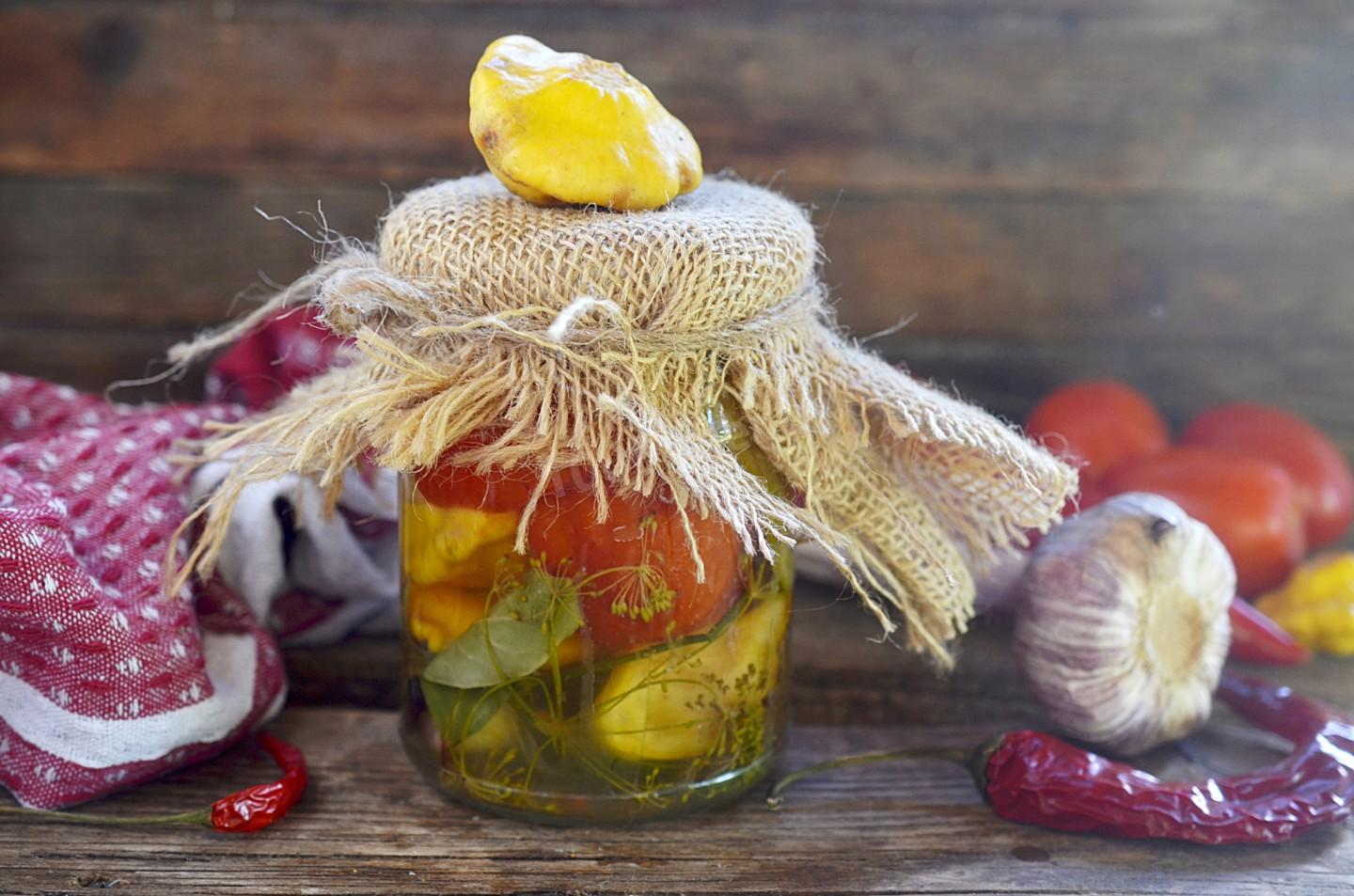
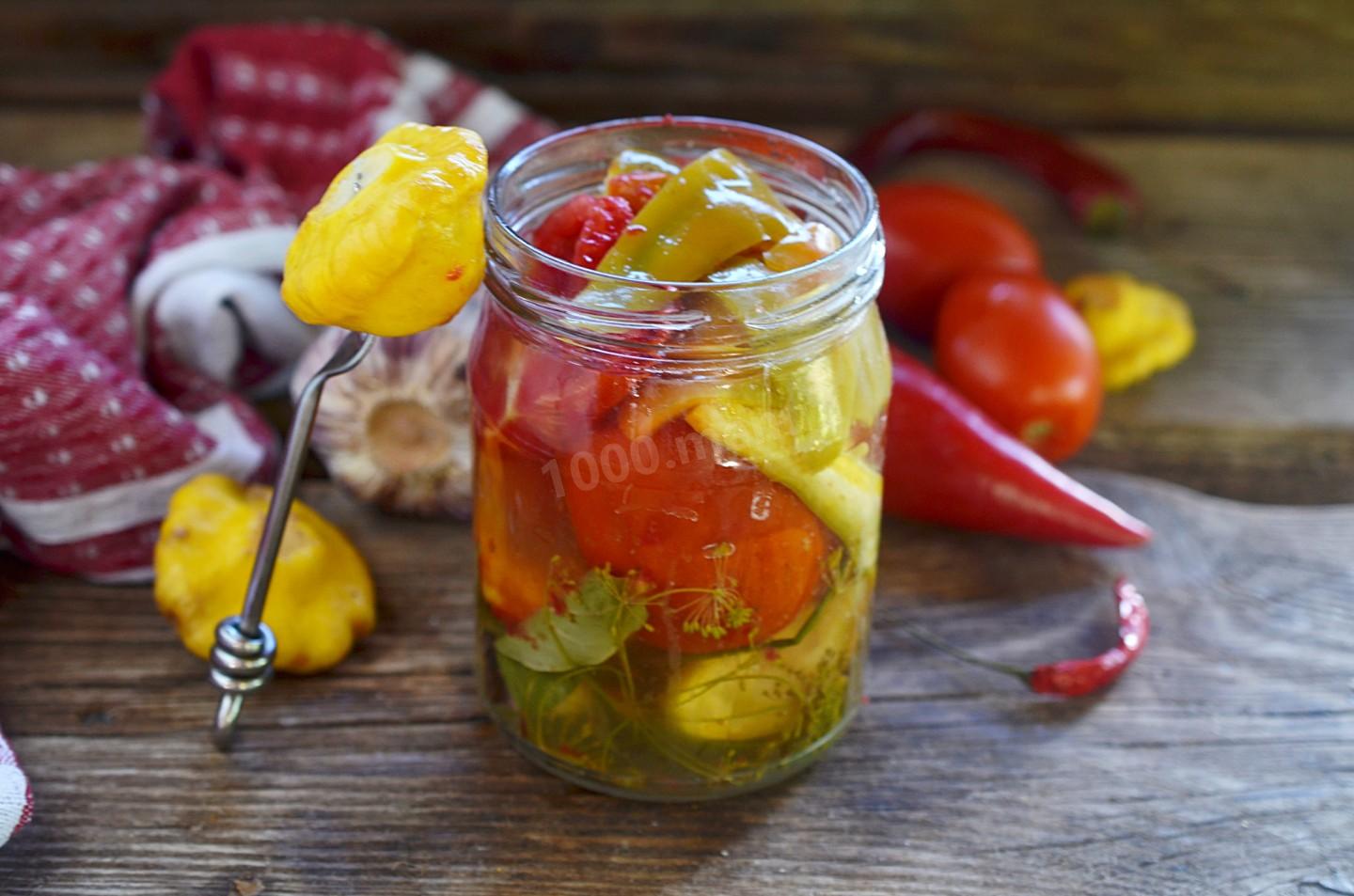
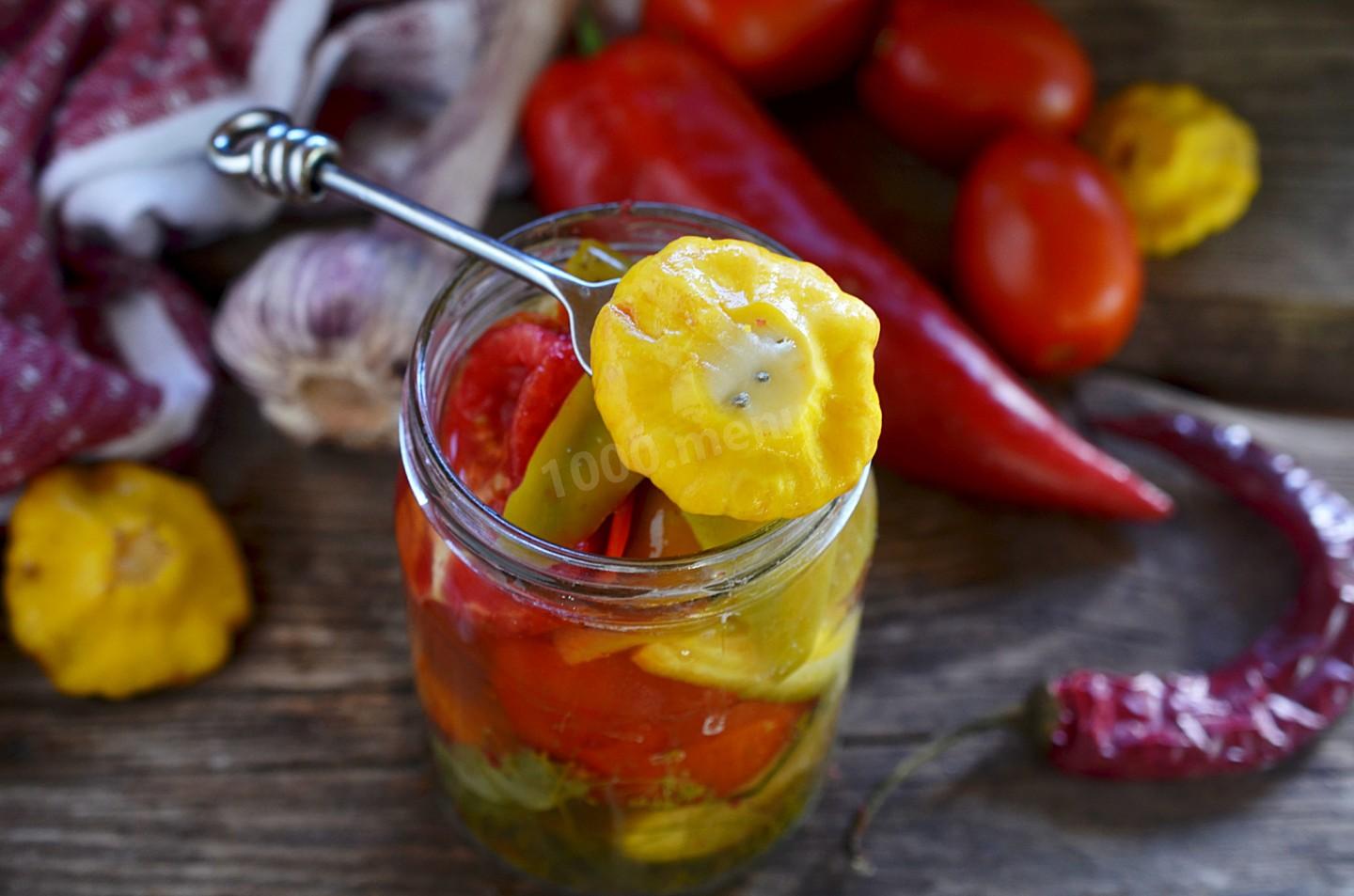
A preserve made from a zesty mix of vegetables! Pattypan squash with tomatoes for the winter is both a great side dish and a tangy salad. A jar of this will come to the rescue more than once over the winter and fill your meal with a bright taste of summer!

Cooking method
-
Step 1:
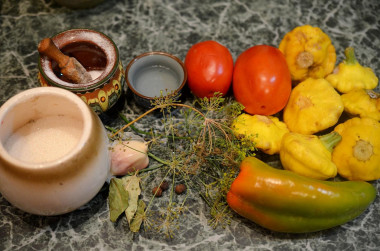
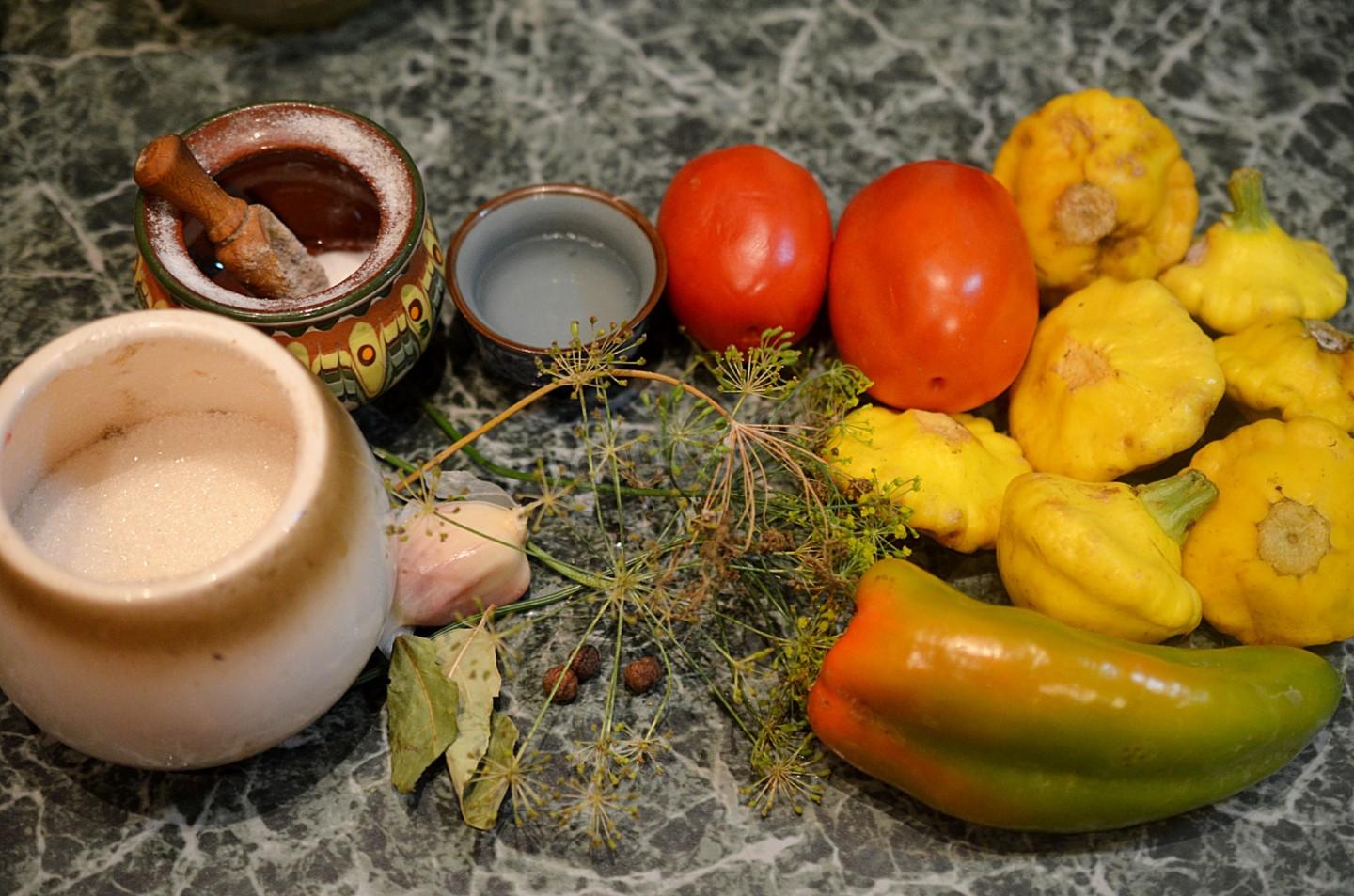
How do you pickle pattypan squash with tomatoes? Gather your ingredients. I recommend small pattypans for this — they look pretty in the jar — but you can also use a large one and cut it into pieces. I prefer elongated tomatoes; they're great for pickling.
-
Step 2:
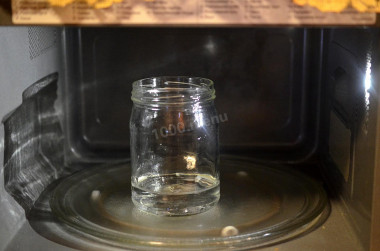
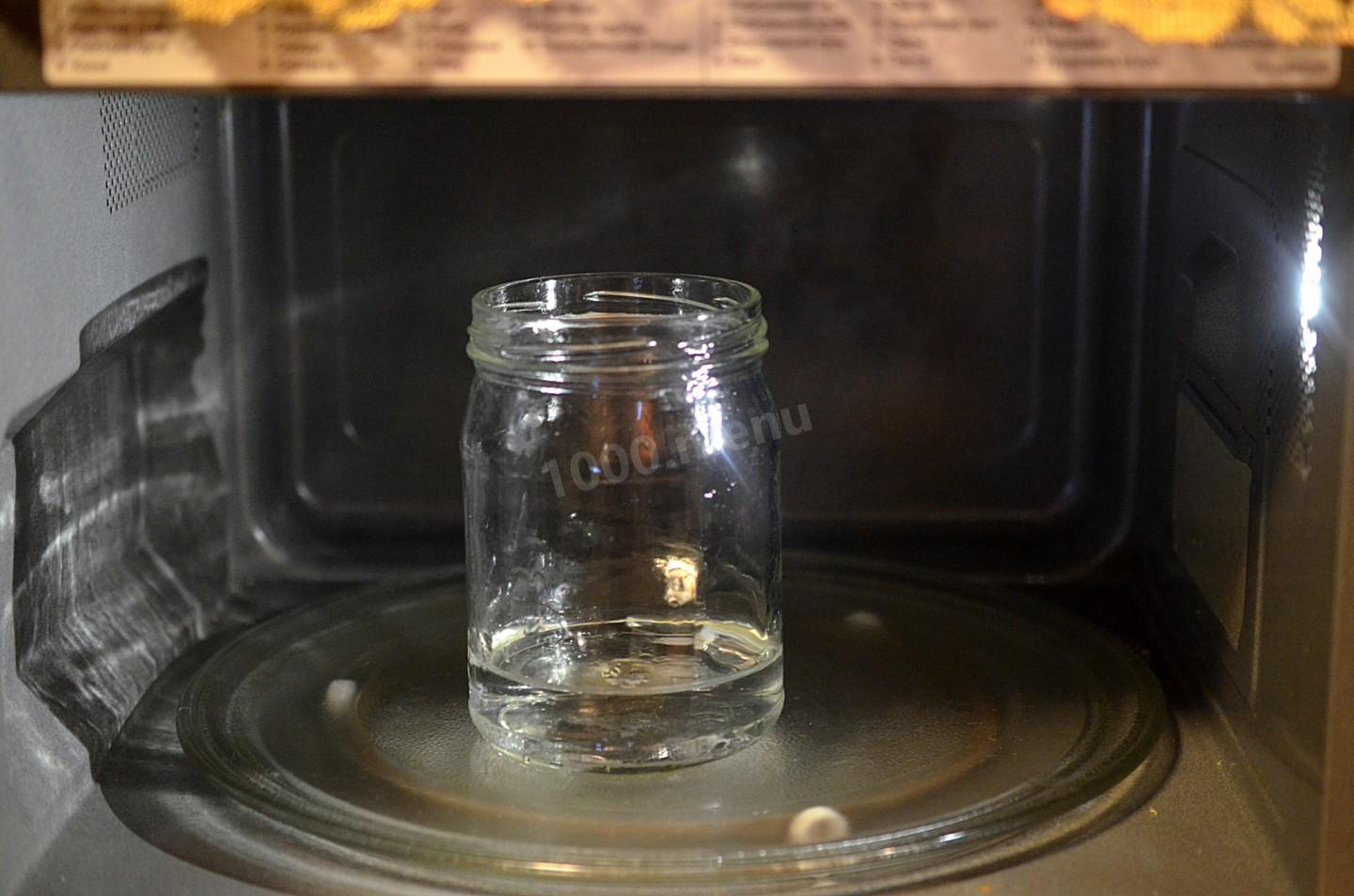
Sterilize the jars however you like. I pour a little water into each jar and microwave them one at a time for 5–7 minutes, but you can also steam them or do them all at once in the oven at about 212°F (100°C) for 30 minutes. Boil the lids for 5 minutes.
-
Step 3:
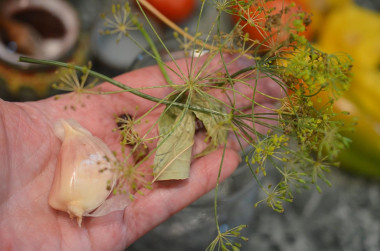
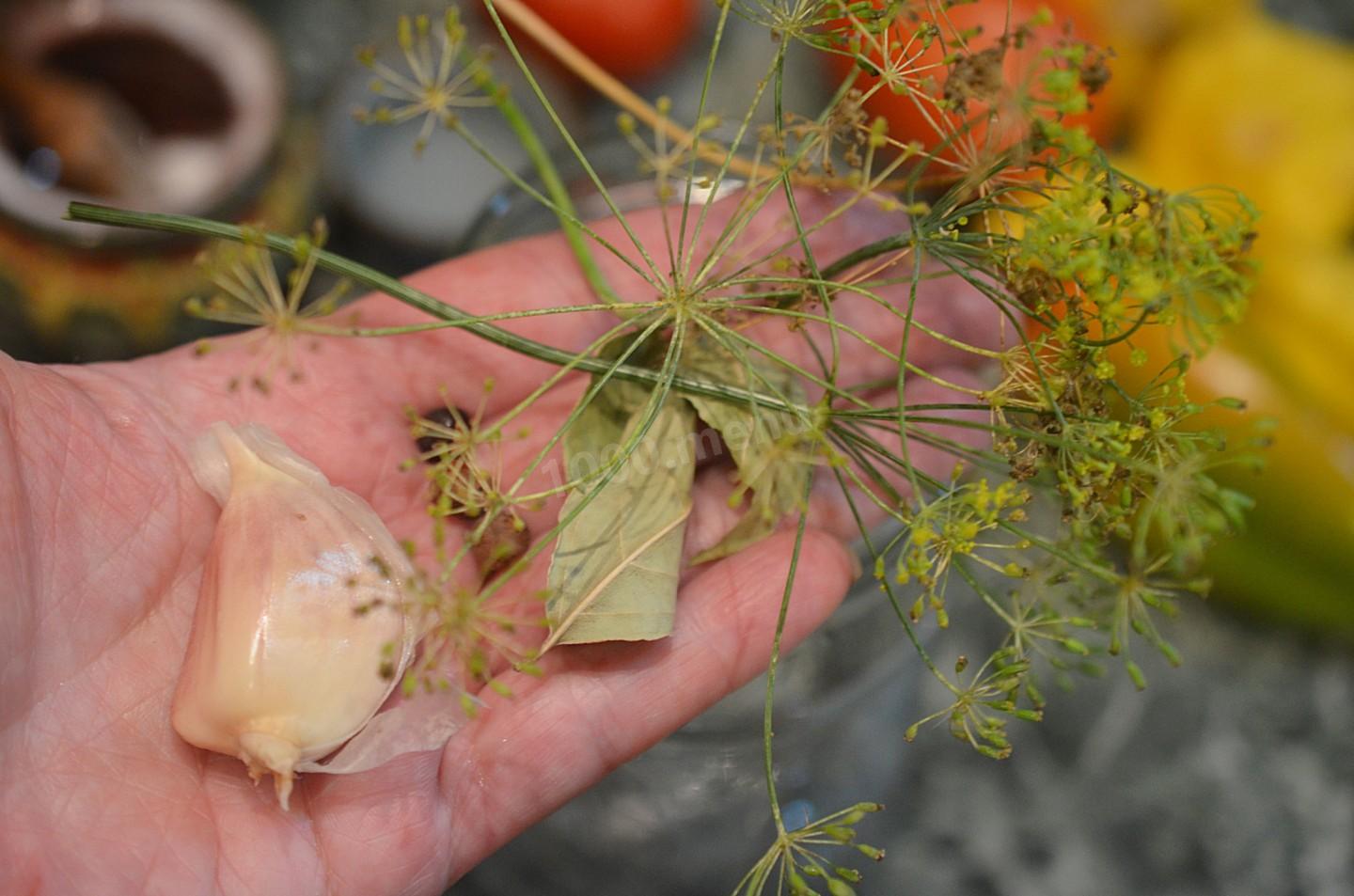
Wash all the spices and herbs. Feel free to add seasonings you like — maybe tarragon, or some chili pepper. Don't be afraid to experiment; it'll be delicious. The garlic clove doesn't need peeling.
-
Step 4:
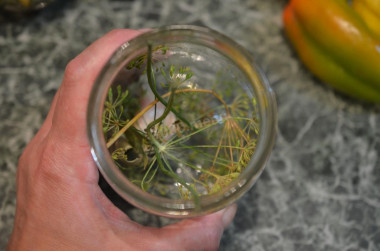
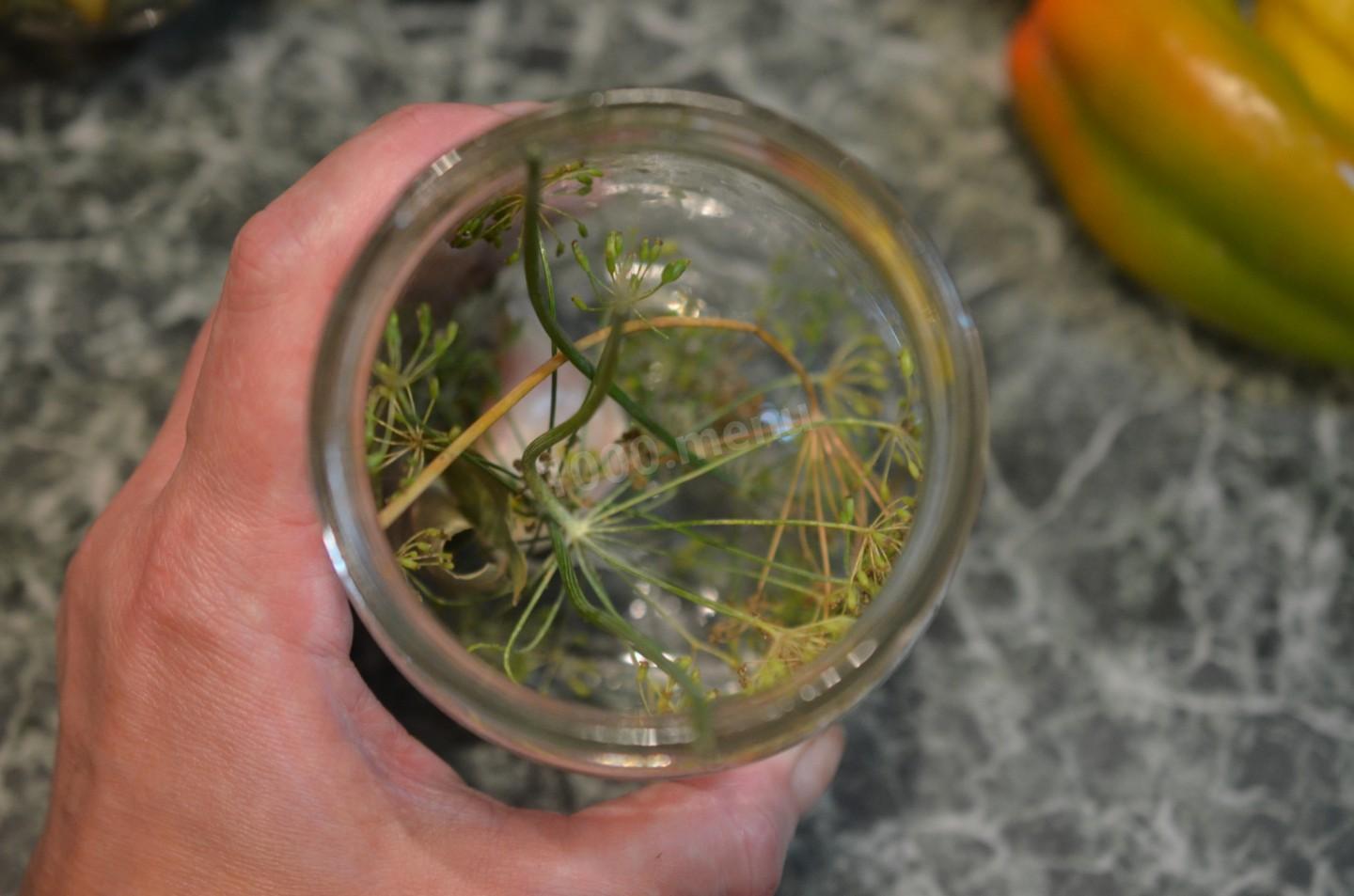
Add all the spices and herbs to the jars.
-
Step 5:
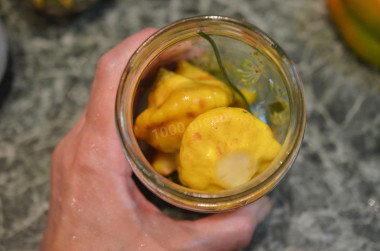
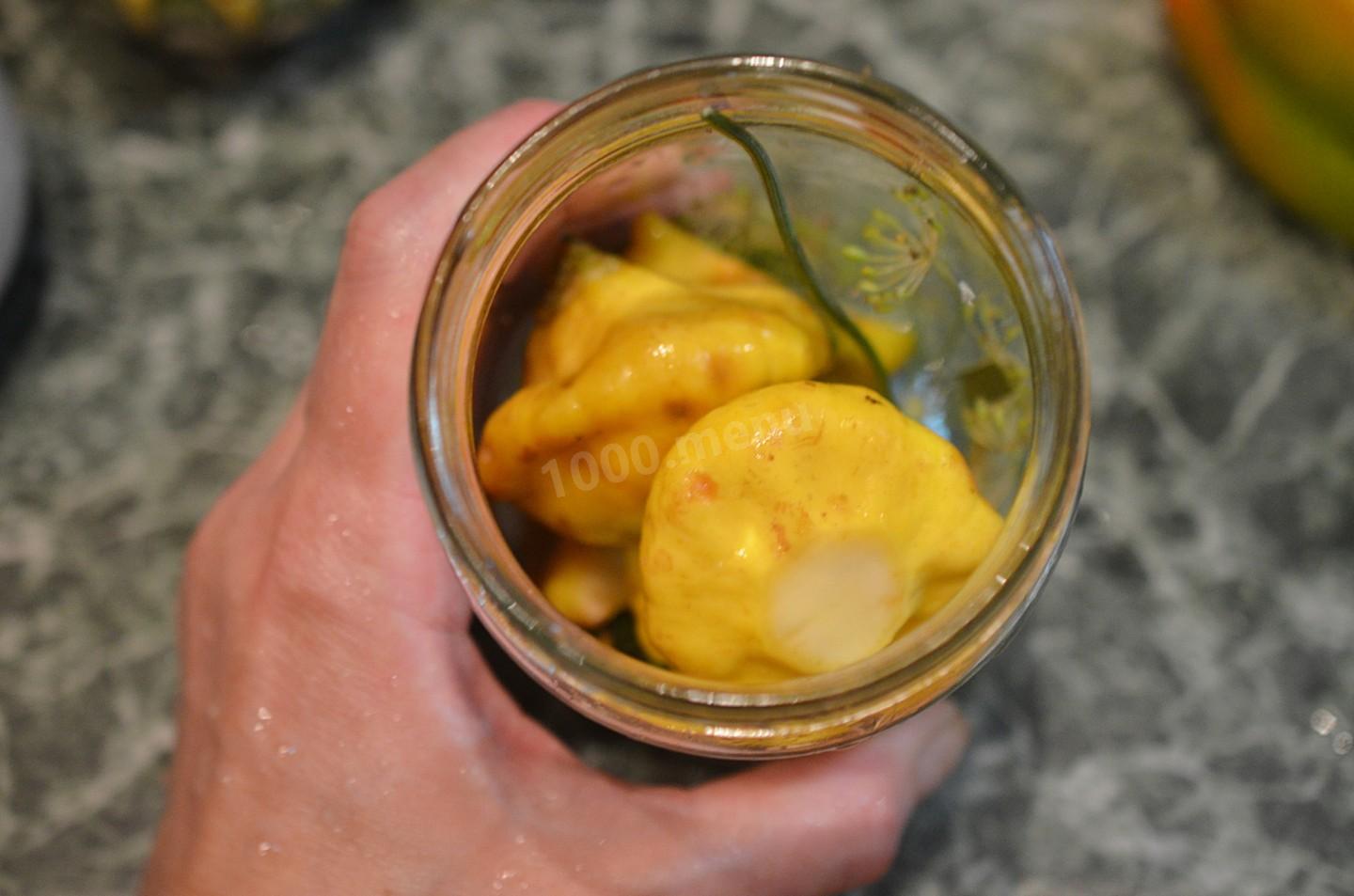
Wash the pattypan squash, trim off the stems, and fill each jar halfway with them.
-
Step 6:
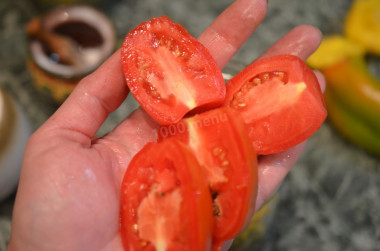
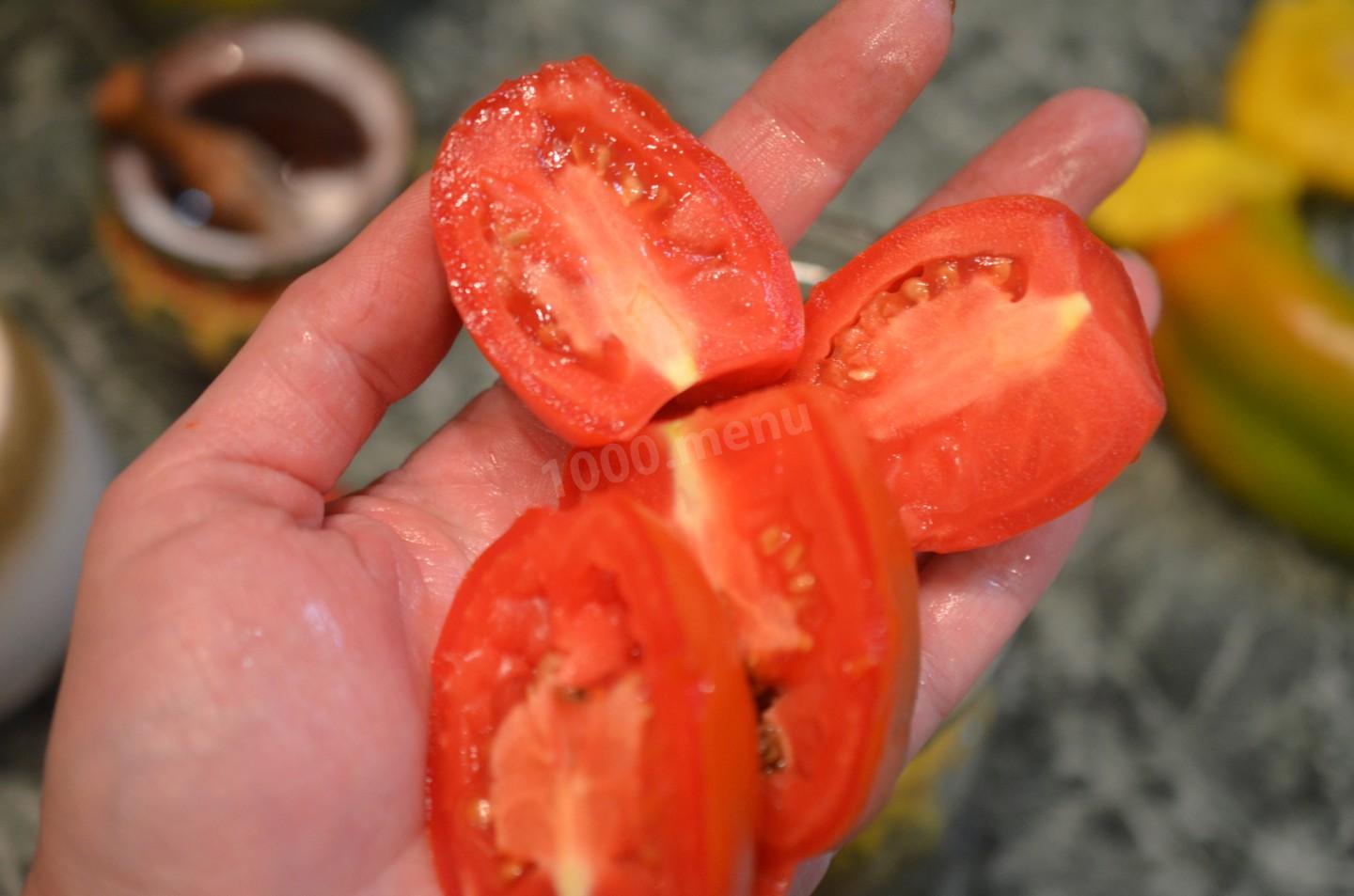
Wash the tomatoes too, cut them in half (large ones into 3–4 pieces), and add them to each jar. Leave a little room for the pepper.
-
Step 7:
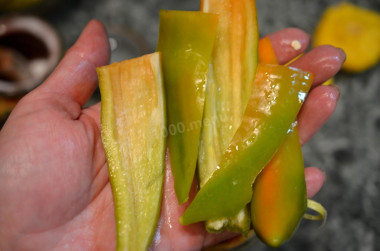
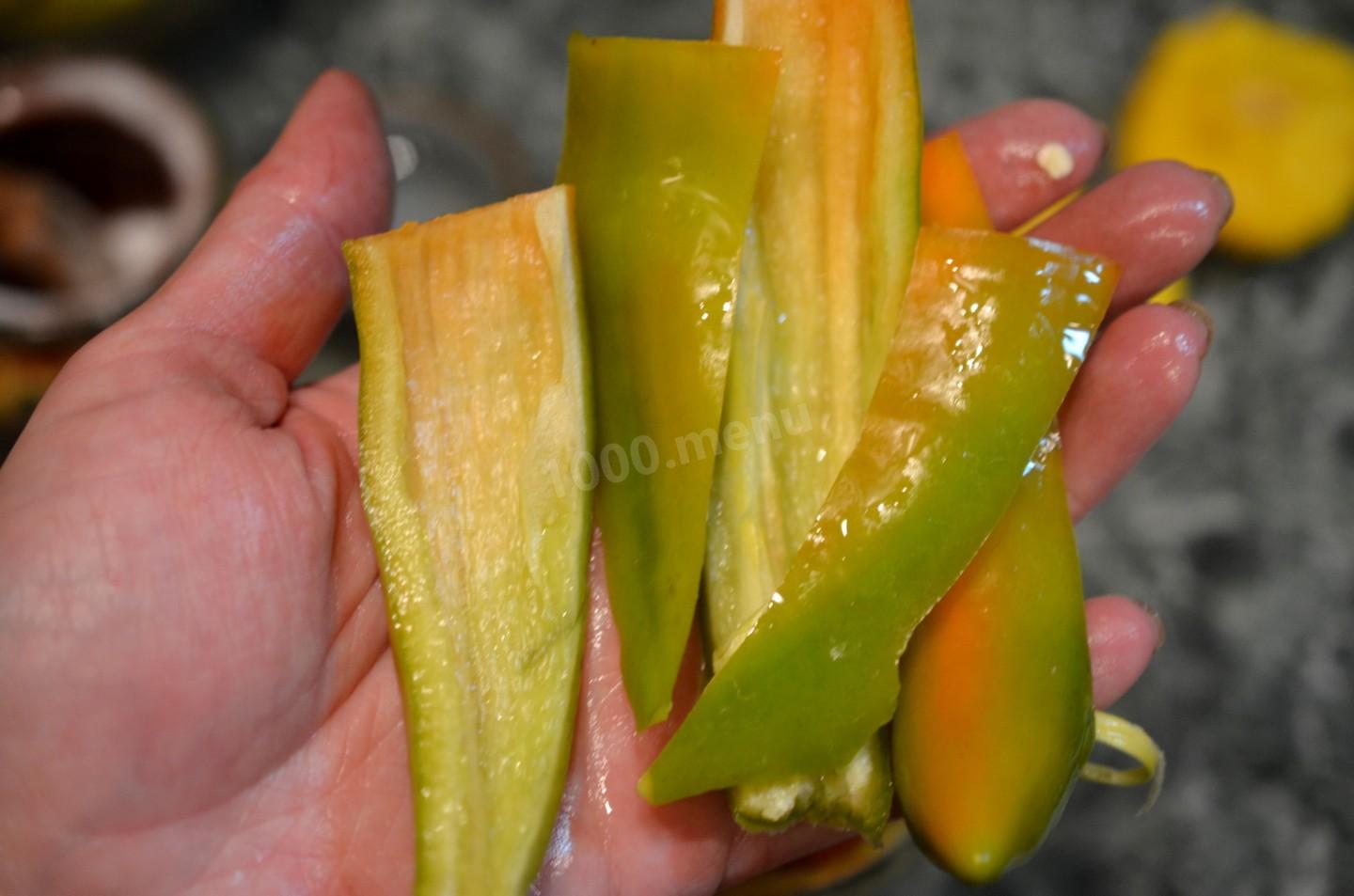
Clean the pepper, removing the stem and seeds, and cut it into strips.
-
Step 8:
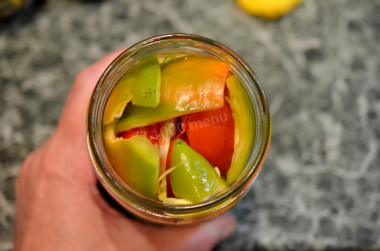
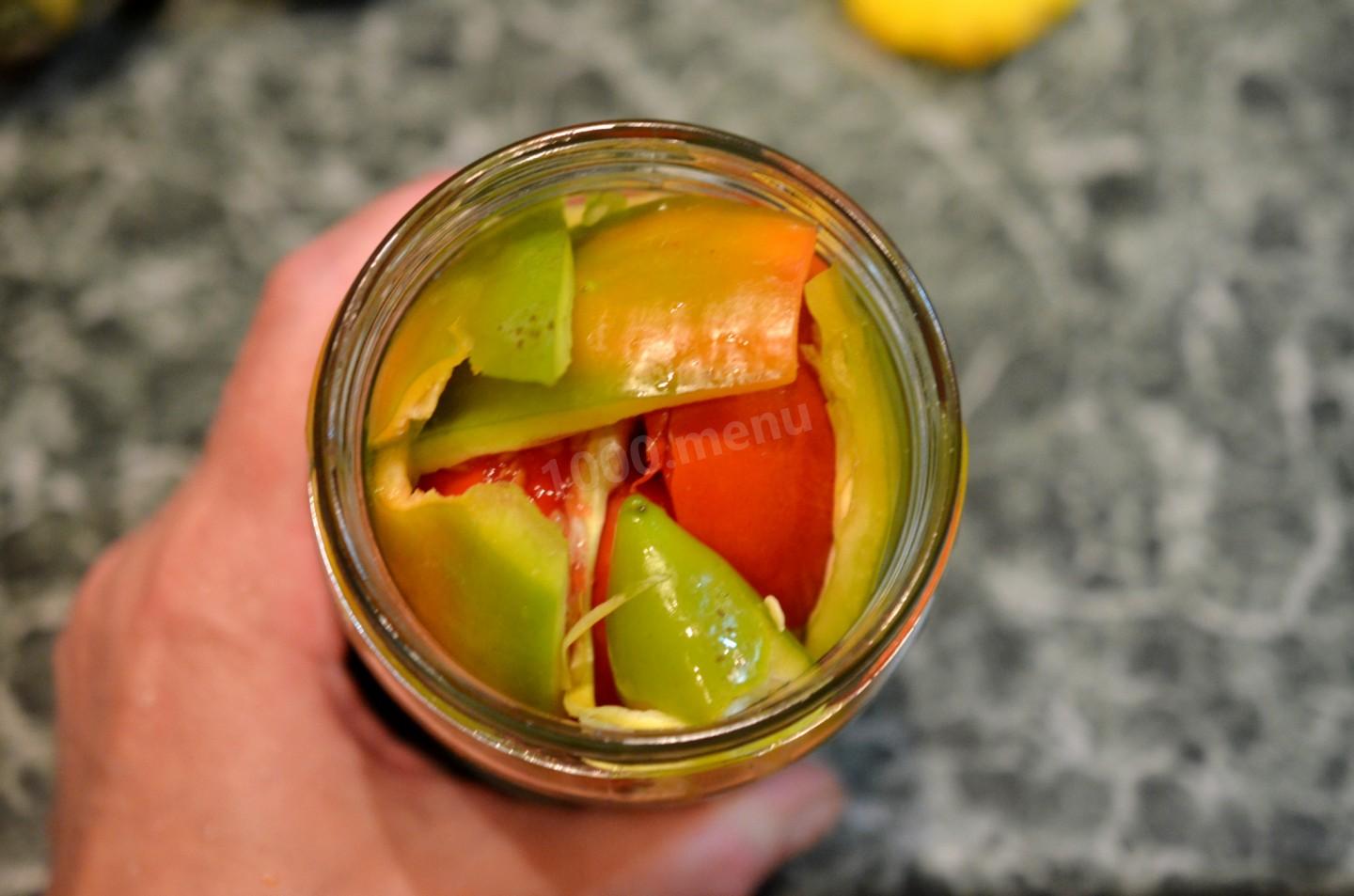
Add pepper to each jar.
-
Step 9:
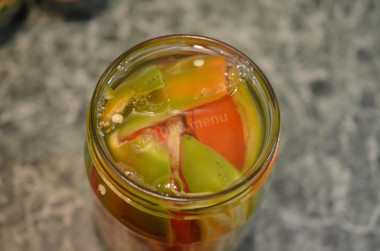
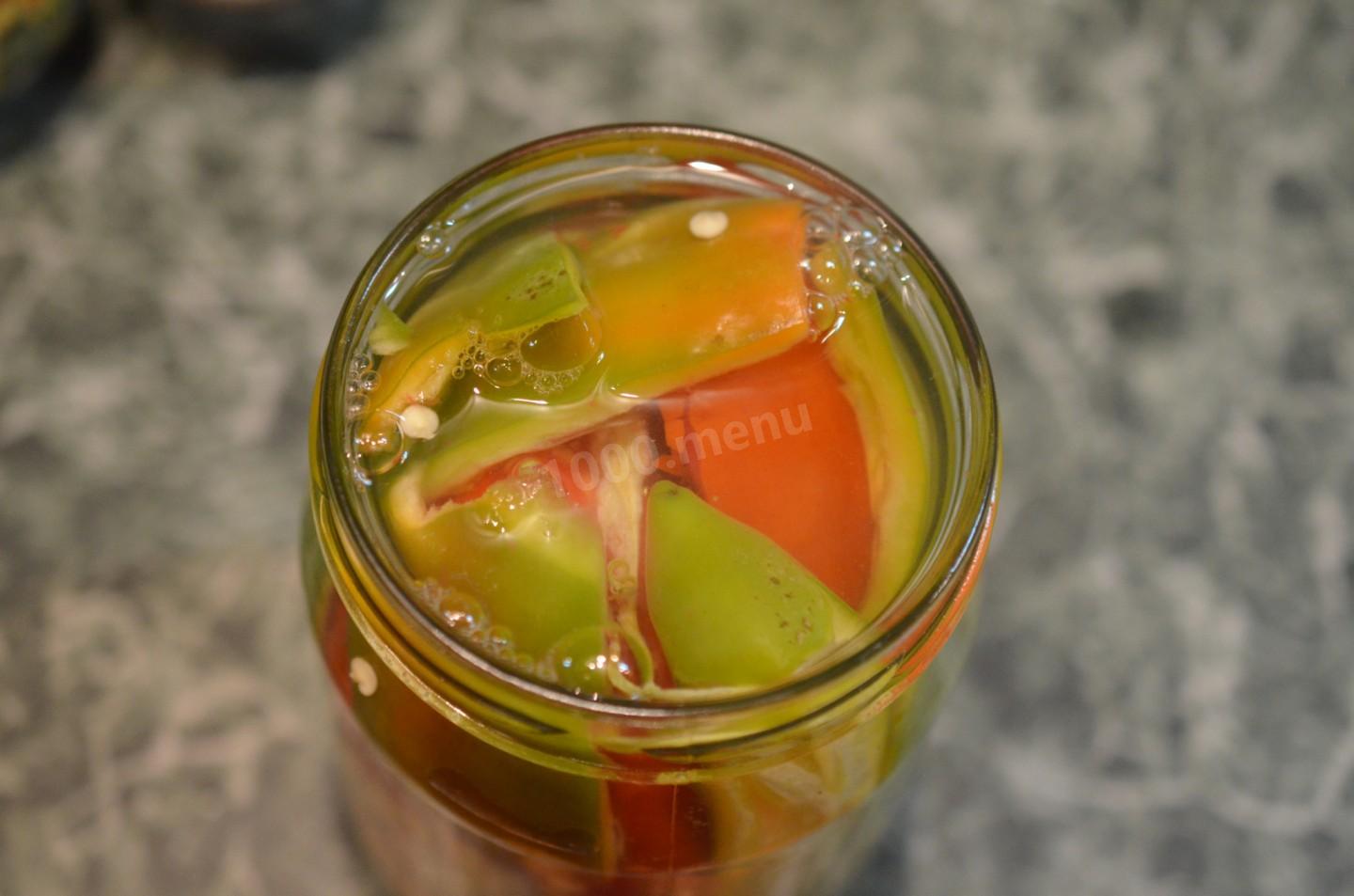
Boil water and fill all the jars to the top. The number of jars can vary, depending on how large your vegetables are and how tightly you pack them. I got about 5 pint (half-liter) jars, but I'd recommend sterilizing a few extra — better to have spares than to come up one jar short at the key moment.
-
Step 10:
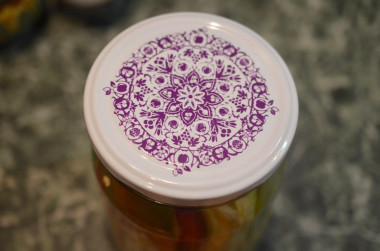
Cover all the jars with clean sterilized lids and let them stand for 10 minutes.
-
Step 11:
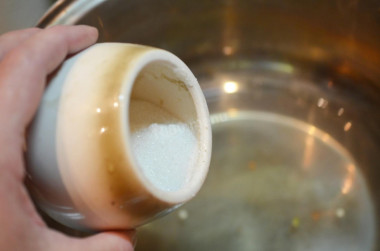
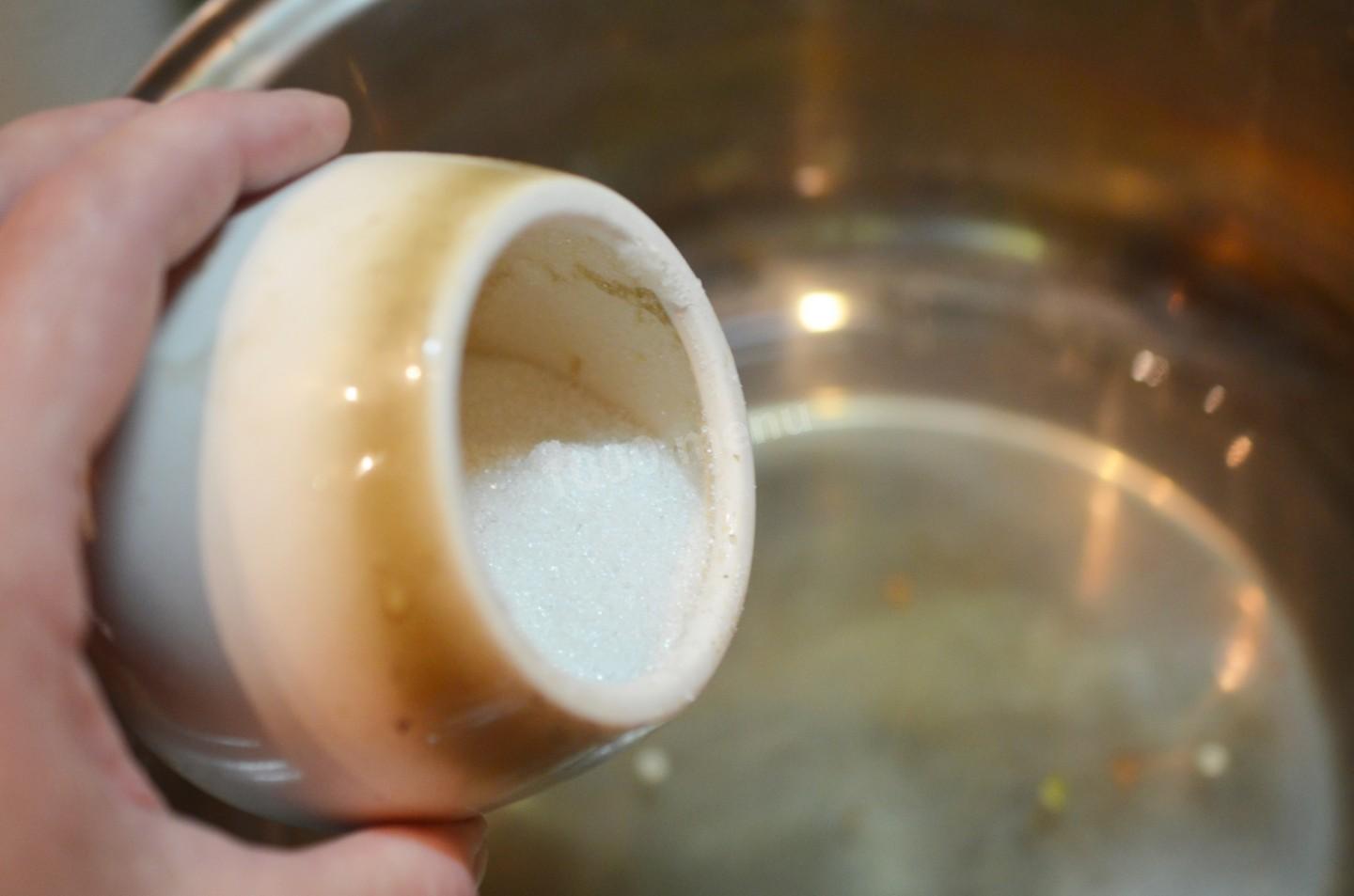
Carefully drain the water from the jars back into the pot and set it on the heat. Add the salt and sugar.
-
Step 12:
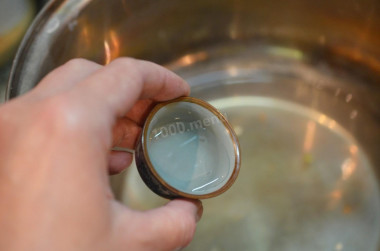
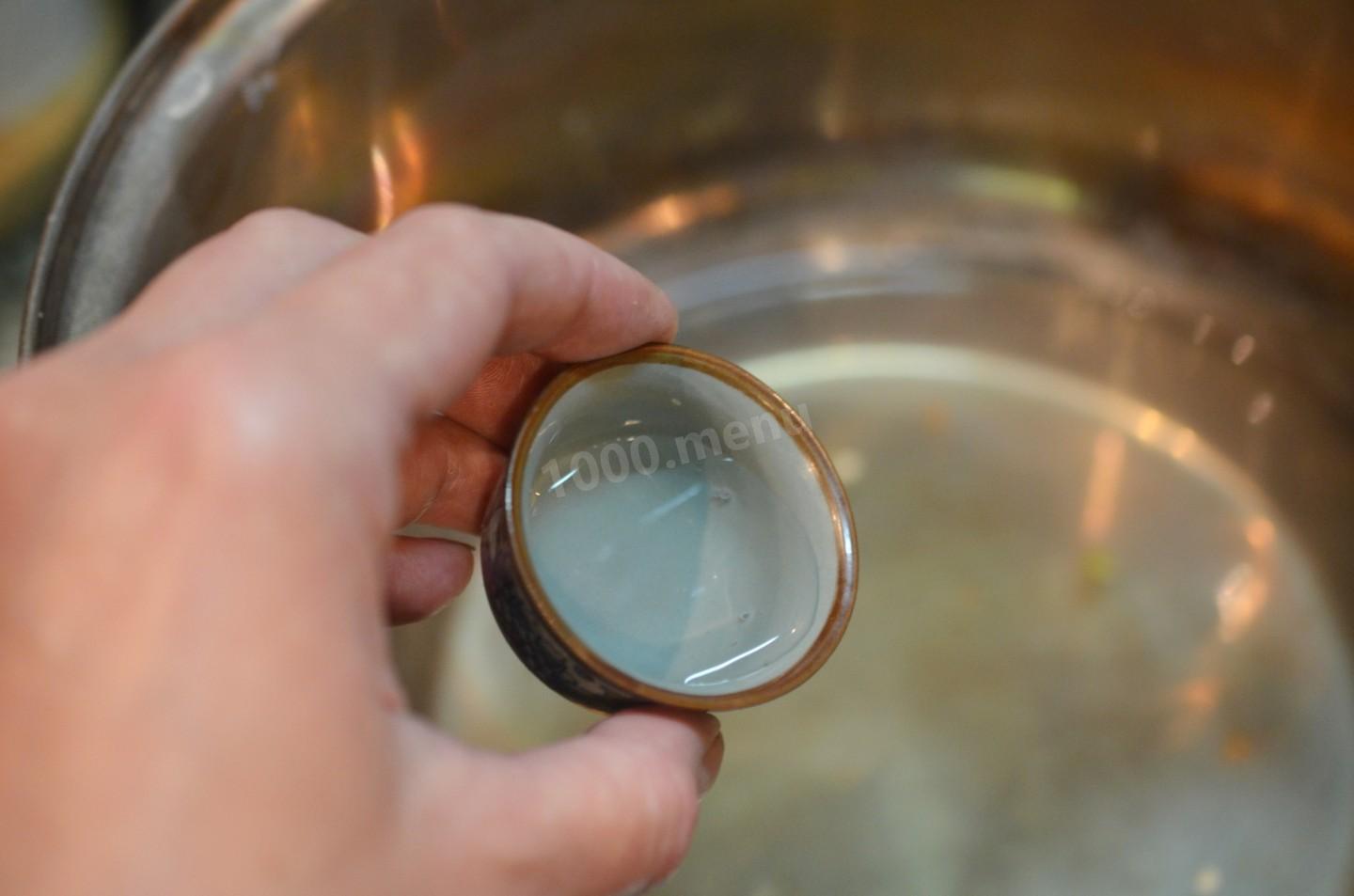
Bring the brine to a boil, turn off the heat, and immediately stir in the vinegar. This recipe uses 6–9% vinegar; if you have essence, dilute it with water 1:8.
-
Step 13:
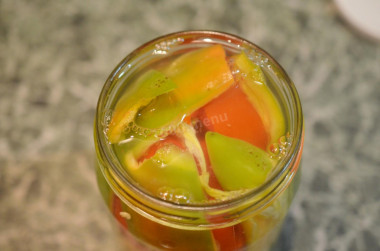
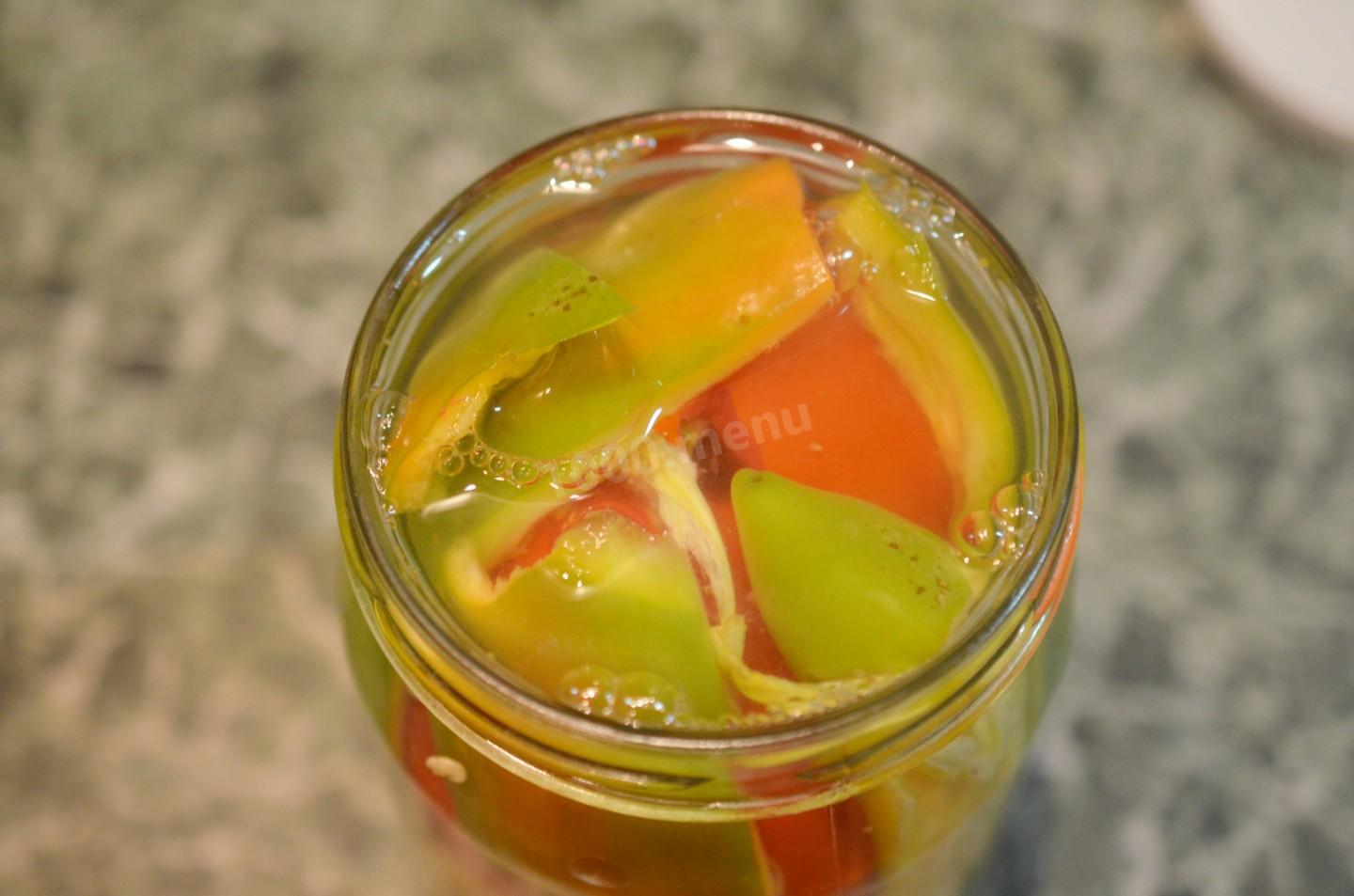
Pour the marinade into the jars.
-
Step 14:
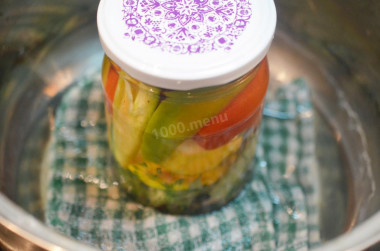
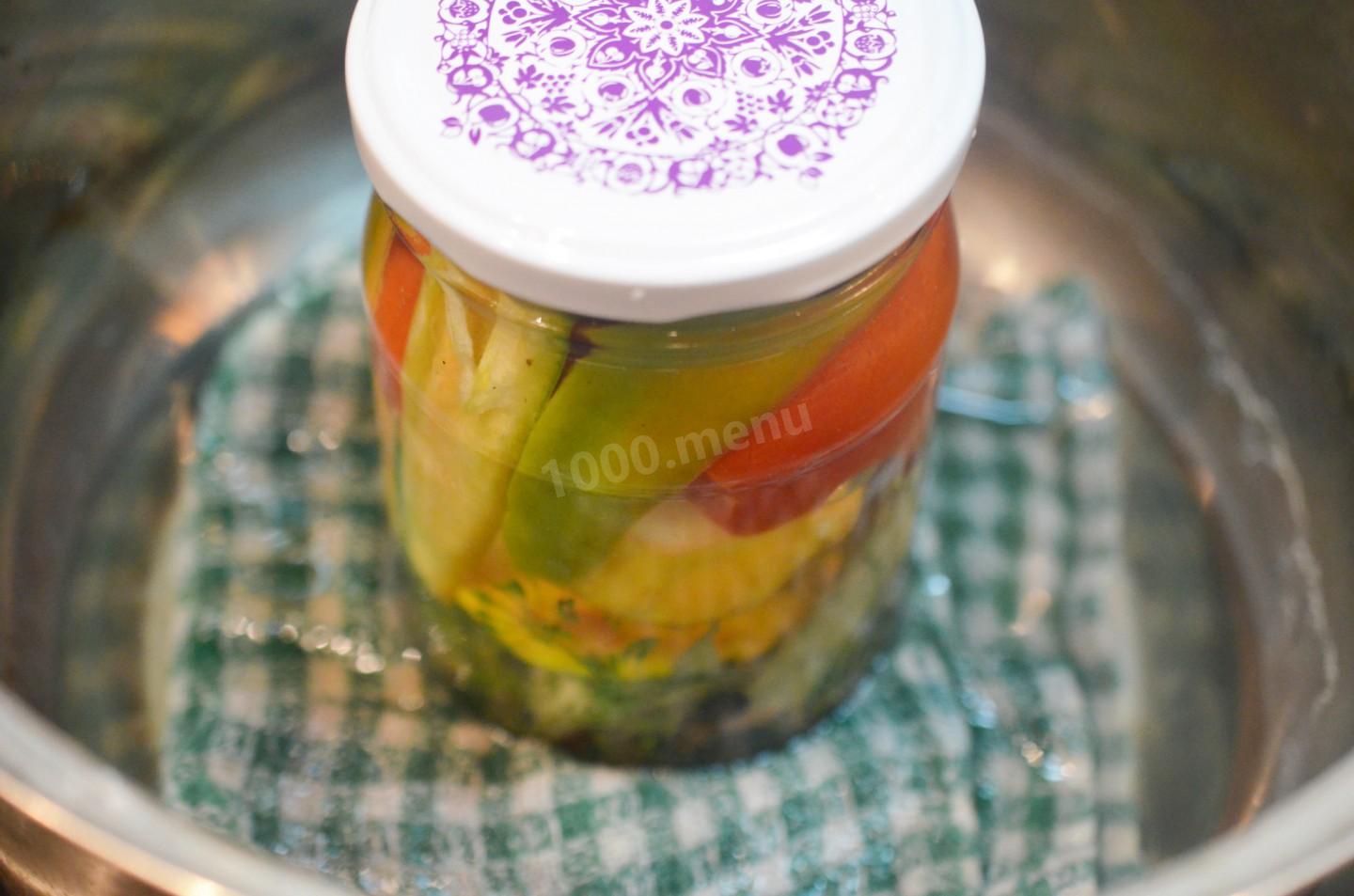
Line the bottom of a suitable pot with a towel folded in 2–3 layers and set the filled jars in it (I pasteurized one jar at a time in a small pot, but you can do two or three at once, depending on the pot's size). Add water up to the shoulders of the jars and set over the heat. Pasteurize over medium heat for 10–15 minutes.
-
Step 15:
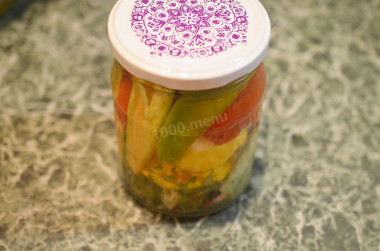
Seal the jars tightly with their lids. Store this preserve in ordinary room conditions.
-
Step 16:
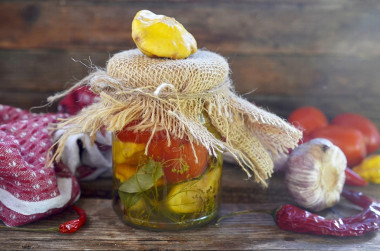
Enjoy!
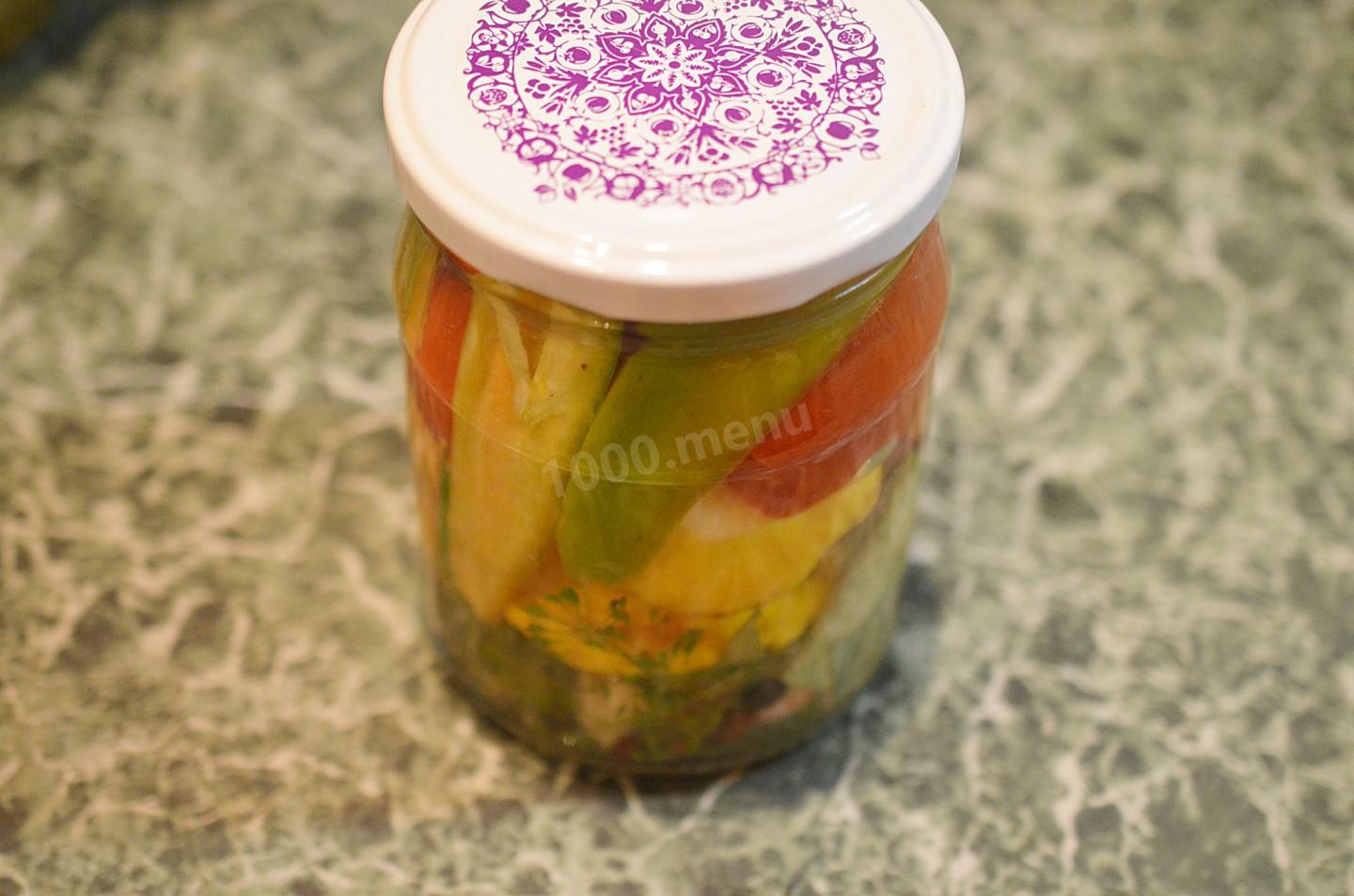
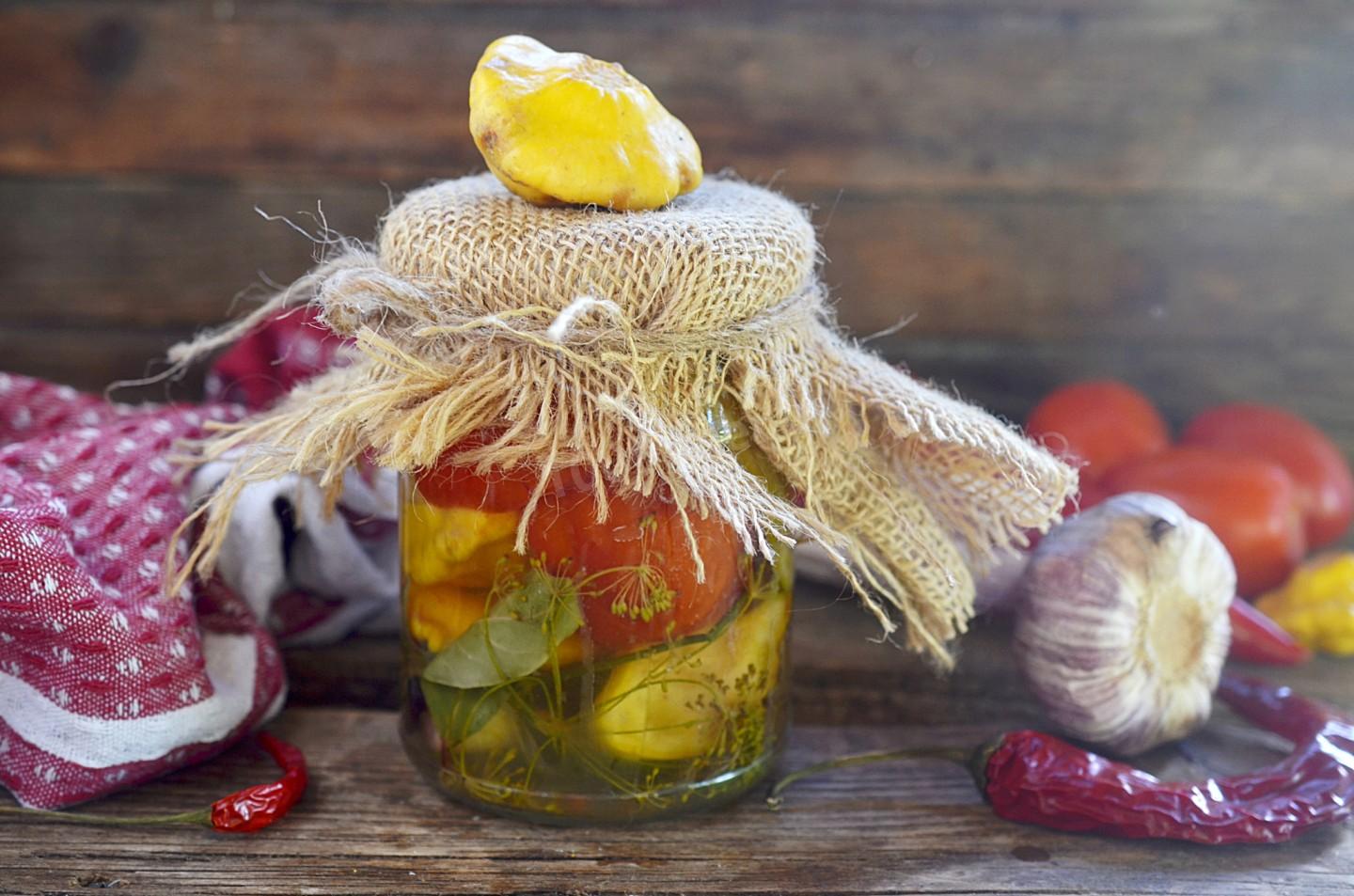
- Remember that in winter-preserving recipes, salt, sugar, and vinegar (or its substitutes) aren't just for flavor — they're primarily preservatives. So never cut back on the salt and sugar, or use a weaker vinegar (essence) than the recipe specifies, or they won't do their preserving job and the preserve will spoil.
- To make sure your summer harvest sees you through the whole cold season, read up on the basic rules, secrets, and tricks for putting food up for the winter.
Caloric content of the products possible in the composition of the dish
- Tomatoes - 23 kcal/100g
- Sweet pepper - 27 kcal/100g
- Garlic - 143 kcal/100g
- Bay leaf - 313 kcal/100g
- Dill greens - 38 kcal/100g
- Granulated sugar - 398 kcal/100g
- Sugar - 398 kcal/100g
- Wine vinegar (3%) - 9 kcal/100g
- Vinegar 9% - 11 kcal/100g
- Balsamic vinegar - 88 kcal/100g
- Apple vinegar - 14 kcal/100g
- Vinegar - 11 kcal/100g
- Salt - 0 kcal/100g
- Patisson - 18 kcal/100g
- Allspice - 263 kcal/100g