American Pancakes
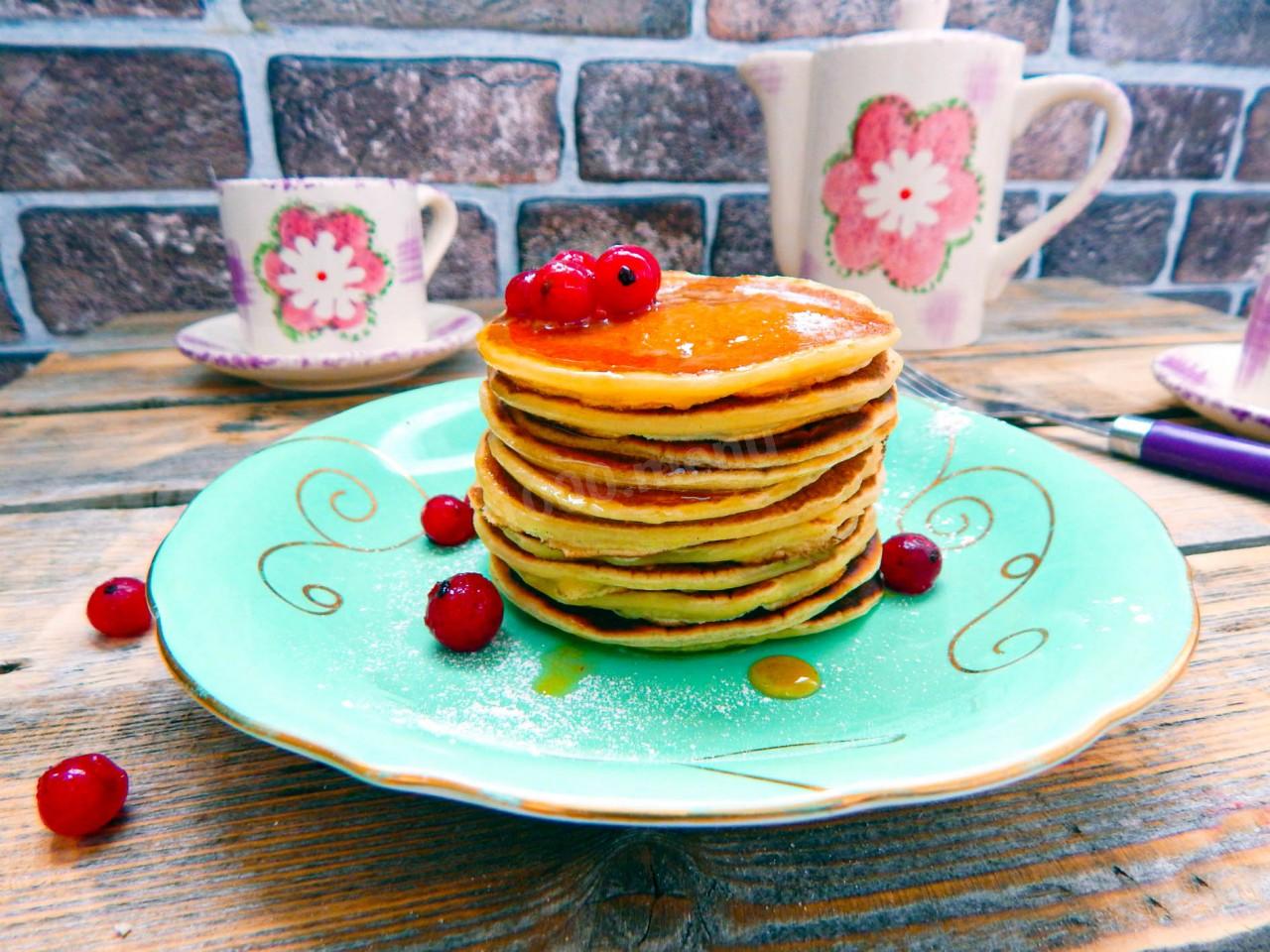
Fluffy, tender, and delicious — the perfect breakfast! American pancakes are different from thin Russian blini, mainly in their smaller size and greater thickness. They cook on a dry skillet, but melted butter goes right into the batter, which gives them their signature softness and rich, creamy flavor.
Cooking method
-
Step 1:
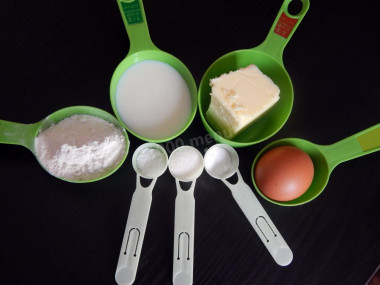
How do you make American pancakes? Start by gathering your ingredients. Melt the butter ahead of time (see the note at the end of the recipe for a few easy ways to do this), then let the melted butter cool.
-
Step 2:
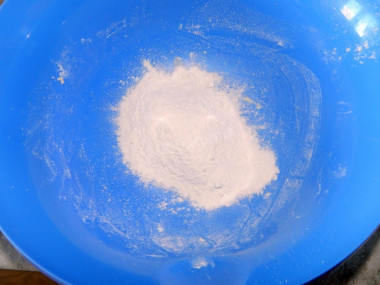
In a large bowl, combine the dry ingredients. Sift in the flour, then add the sugar, salt, and baking soda. If you like things sweeter, feel free to add more sugar — but since American pancakes are traditionally served with maple syrup or honey, the batter itself only needs a little. Mix the dry ingredients together well with a spoon or your hands.
-
Step 3:
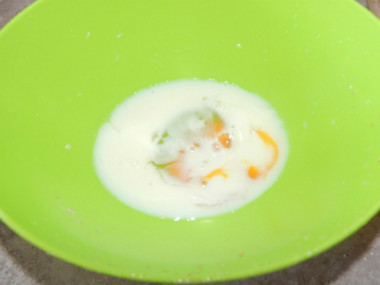
In a separate bowl, beat the egg, then add the milk.
-
Step 4:
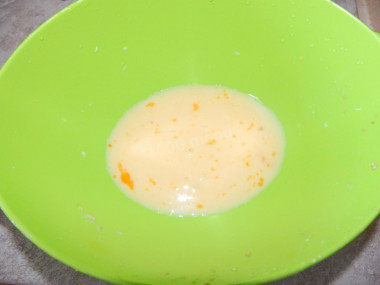
Whisk the egg and milk together well.
-
Step 5:
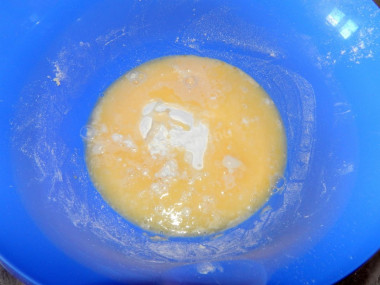
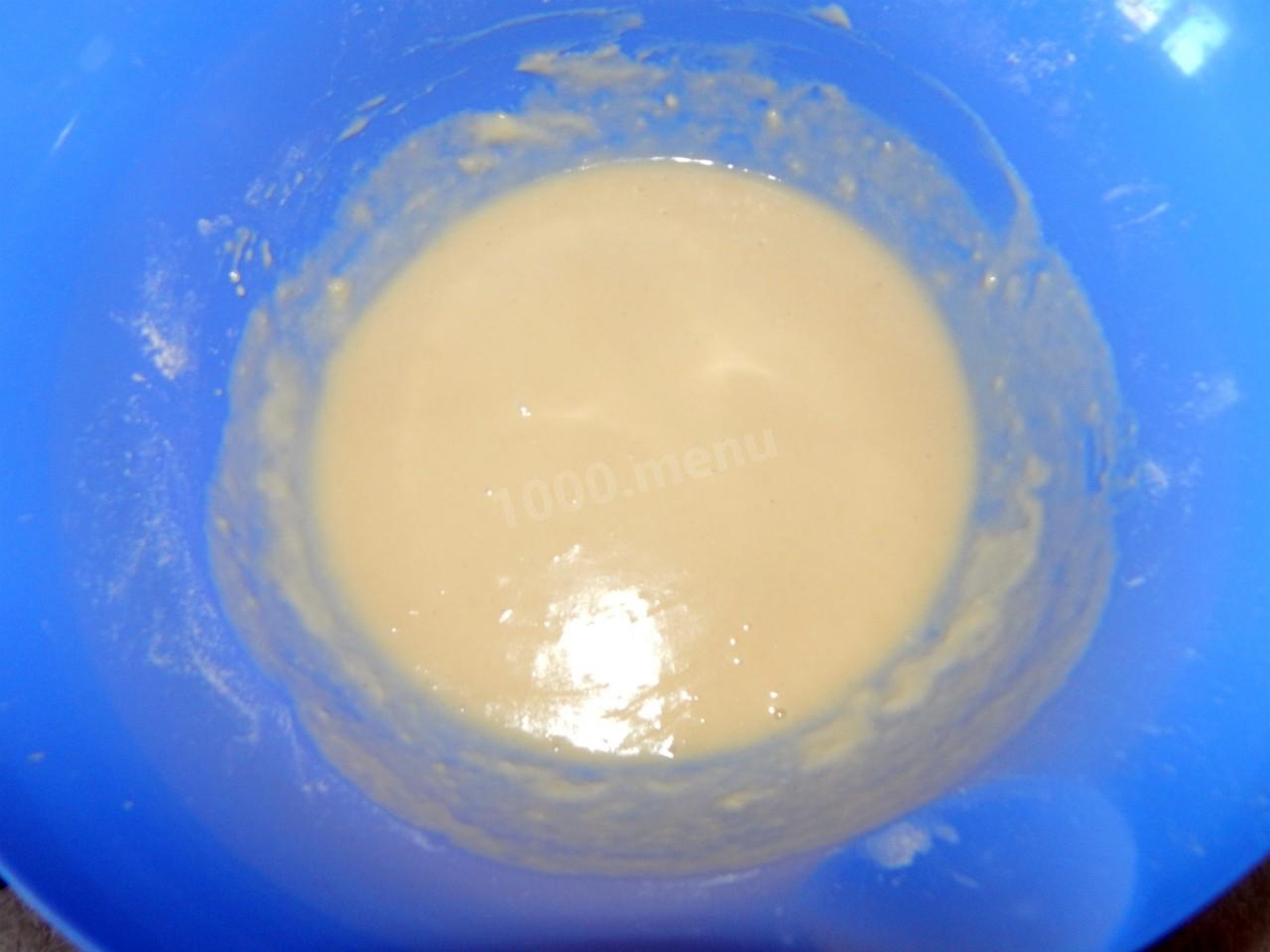
Pour the wet ingredients into the bowl of dry ones and mix well with a fork or whisk until the lumps are gone. Then stir in the melted butter — just make sure it isn't hot, or it could curdle the egg in the batter. Give the batter one more good mix.
-
Step 6:
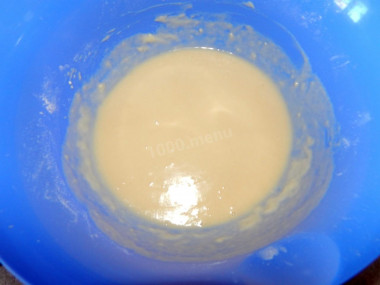
Heat a skillet over medium heat. Spoon a little batter onto the hot dry pan (no oil needed) — just enough that each pancake comes out small, about the size of a saucer. If your pan is large, you can cook several at once to speed things up. When the pancakes are golden on the bottom, flip them and cook the other side until golden too.
-
Step 7:
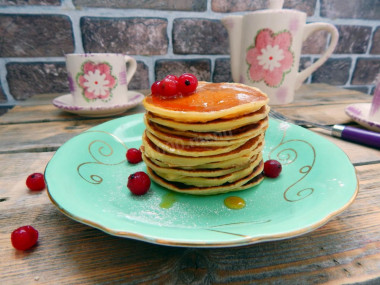
Serve the pancakes with berry syrup or jam — or, Russian-style, with a dollop of sour cream. They're wonderfully sweet and fragrant alongside a cup of coffee or tea. Simple and quick. Enjoy!



- Always wash your eggs before using them — even a shell that looks clean can carry harmful bacteria. A food-safe wash and a small brush work best.
- Be sure to sift the flour to aerate it. That way the pancakes come out light and rise nicely as they cook.
- You can melt the butter in the microwave or over a water bath (double boiler). In the microwave: cut the butter into small pieces and put them in a microwave-safe container. To keep it from spattering, cover the container with a paper towel. Melt on the lowest power setting or the defrost setting — about five seconds to start. If it hasn't melted, run it another 5 seconds, and repeat until it's done. Over a water bath: you'll need two pots of different sizes. Fill the larger one with water and set it on the stove. Rest the smaller pot on top so it sits about halfway into the water, and add the cubed butter. The heat from the simmering water will melt it — stir gently to speed things up. As soon as the butter has fully melted, take the pot off the heat.
Caloric content of the products possible in the composition of the dish
- Whole cow's milk - 68 kcal/100g
- Milk 3.5% fat content - 64 kcal/100g
- Milk 3.2% fat content - 60 kcal/100g
- Milk 1.5% fat content - 47 kcal/100g
- Concentrated milk 7.5% fat content - 140 kcal/100g
- Milk 2.5% fat content - 54 kcal/100g
- Granulated sugar - 398 kcal/100g
- Sugar - 398 kcal/100g
- Butter 82% - 734 kcal/100g
- Amateur unsalted butter - 709 kcal/100g
- Unsalted peasant butter - 661 kcal/100g
- Peasant salted butter - 652 kcal/100g
- Melted butter - 869 kcal/100g
- Salt - 0 kcal/100g
- Wheat flour - 325 kcal/100g
- Baking soda - 0 kcal/100g
- Chicken egg - 80 kcal/100g
Similar recipes
- Fast and tasty
- For breakfast
- Children's recipes
- National cuisine
- Baking
- Eggs
- Dairy products
- Flour
- Sweet
- Spices seasonings spices
- Fats and oils
- Other
- Salt
- Butter
- Baking soda
- American cuisine
- Frying
- In a frying pan
- Hasty pastries
- Dishes in 30 minutes
- Pancakes and pancakes
- Quick baking
- Sweet pastry
- Yeast-free baking
- Chicken eggs
- Egg breakfast
- Milk
- Wheat flour
- Vegetarianism
- Sugar