Homemade Milk and Egg Mayonnaise
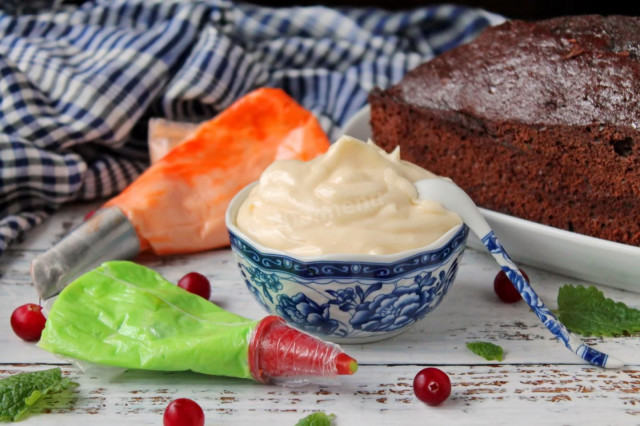
Very fast, very simple and easy, made from ordinary ingredients! You can make this homemade milk and egg mayonnaise in 10 minutes. You can even make it with quail eggs instead of chicken. Use this mayonnaise to dress any salads, sandwiches, or appetizer roll-ups - and you can add herbs, vegetables, and spices to it too!


Cooking method
-
Step 1:
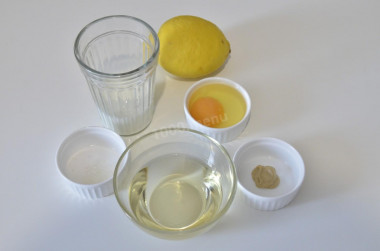
How do you make milk and egg mayonnaise? Prepare and measure out all the ingredients. They must be at room temperature, so it's best to take them out of the fridge ahead of time. If you don't have time for that, put the egg in warm water for a bit and warm the milk. Wash the egg and dry it with a paper towel.
-
Step 2:
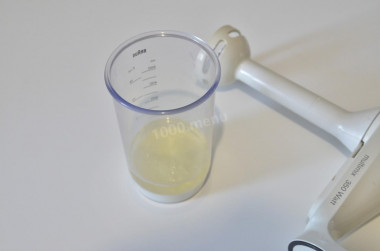
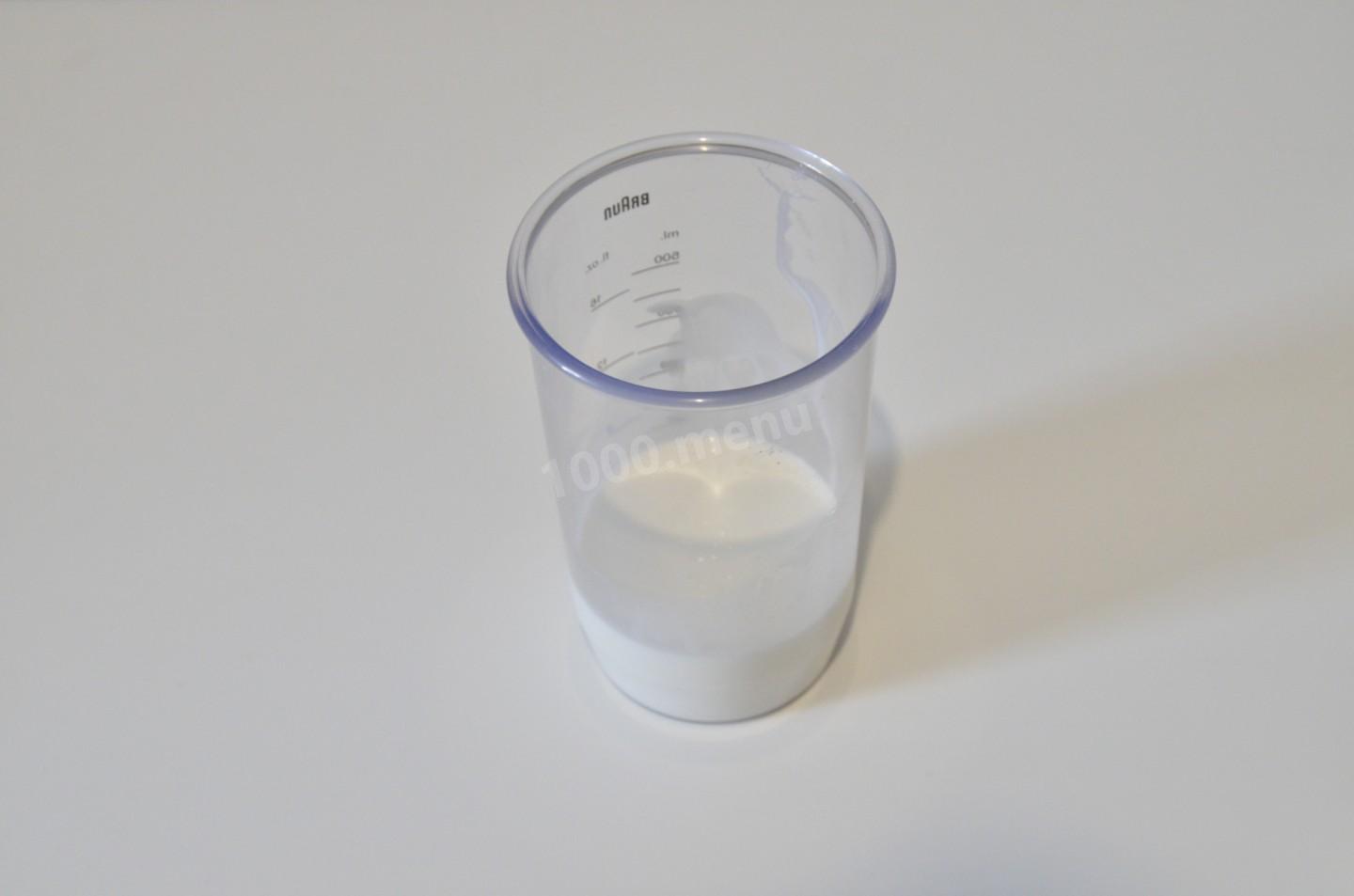
Pour the milk and vegetable oil into a blender cup. Keep in mind that the container should also be at room temperature for everything to come together.
-
Step 3:
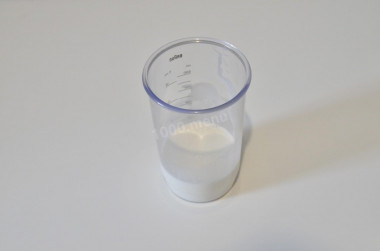
Blend the mixture for a while until the liquids are well combined.
-
Step 4:
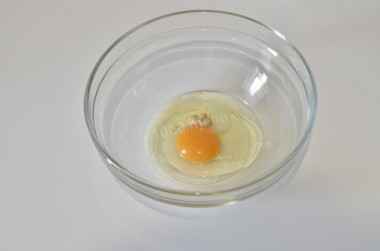
In another bowl, crack the raw egg and add the sugar, lemon juice, and mustard.
-
Step 5:
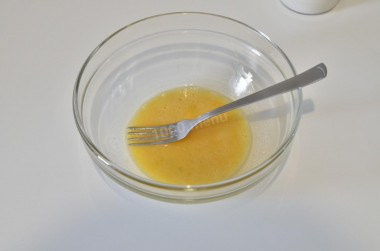
Mix the egg well with the other ingredients until smooth.
-
Step 6:
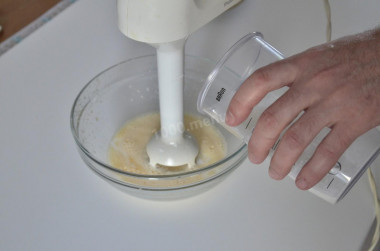
Start whipping the egg mixture on high with the blender, gradually pouring in the milk-and-oil mixture. I use an immersion blender.
-
Step 7:
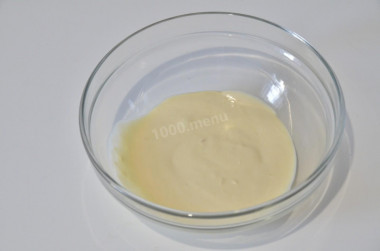
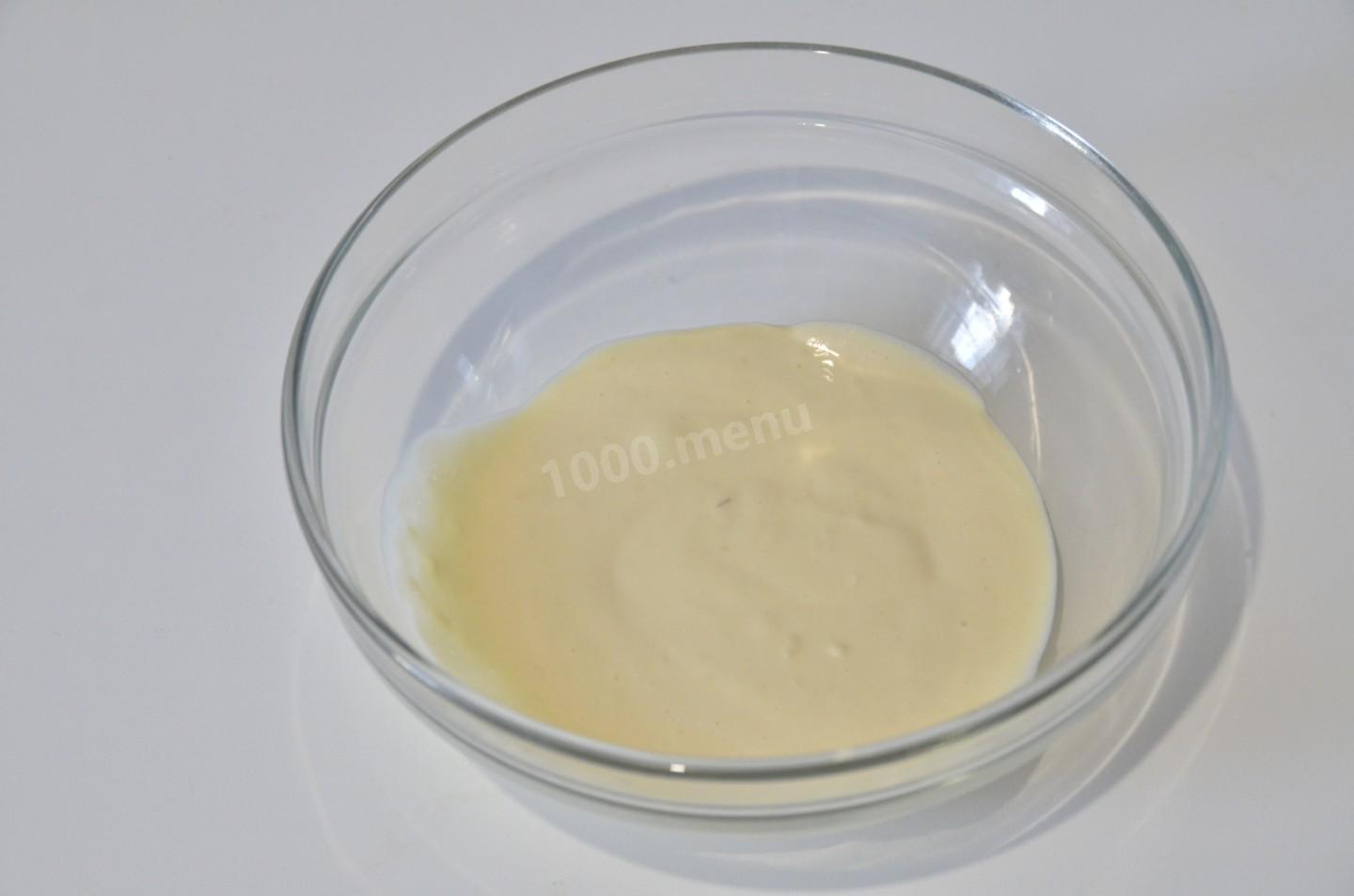
Whip until the mixture thickens - this takes a little while. You should end up with a thick, smooth homemade mayonnaise.




- For the mayonnaise, use the highest-fat milk you can; if it's farm milk, boil it first. I'd recommend refined oil - unrefined has too strong a taste. Olive oil is ideal, of course, but plain sunflower works too. To replace chicken eggs with quail, use four quail eggs per chicken egg. The mustard's heat determines the mayonnaise's heat, so go by your taste. You can also add salt to taste. You can swap the lemon juice for vinegar, just use a little less. It's best to make homemade mayonnaise right before serving, since it doesn't keep long; if some sauce is left over, it'll last a day or two in the fridge, no more. In storage the mayonnaise may separate, but that's easily fixed by whisking it. If the sauce doesn't thicken, here's what can save it: first try putting the mayonnaise in the freezer for 10 minutes, then whip it again. Didn't work? Then add another egg, or better one or two yolks - that should help. If nothing helps, you'll have to thicken the sauce with flour or starch.
- How can you tell if an egg is fresh? Crack it into a separate container. First, there should be no off smell. The white of a fresh egg is clear and clean, and the yolk shouldn't spread - it should be shiny, domed, and uniform.
Caloric content of the products possible in the composition of the dish
- Whole cow's milk - 68 kcal/100g
- Milk, 3.5% fat - 64 kcal/100g
- Milk, 3.2% fat - 60 kcal/100g
- Milk, 1.5% fat - 47 kcal/100g
- Evaporated milk, 7.5% fat - 140 kcal/100g
- Milk, 2.5% fat - 54 kcal/100g
- Chicken egg - 157 kcal/100g
- Egg white - 45 kcal/100g
- Egg powder - 542 kcal/100g
- Egg yolk - 352 kcal/100g
- Ostrich egg - 118 kcal/100g
- Table mustard - 417 kcal/100g
- Mustard - 417 kcal/100g
- Granulated sugar - 398 kcal/100g
- Sugar - 398 kcal/100g
- Vegetable oil - 873 kcal/100g
- Lemon juice - 16 kcal/100g