Rice Flour Pancakes
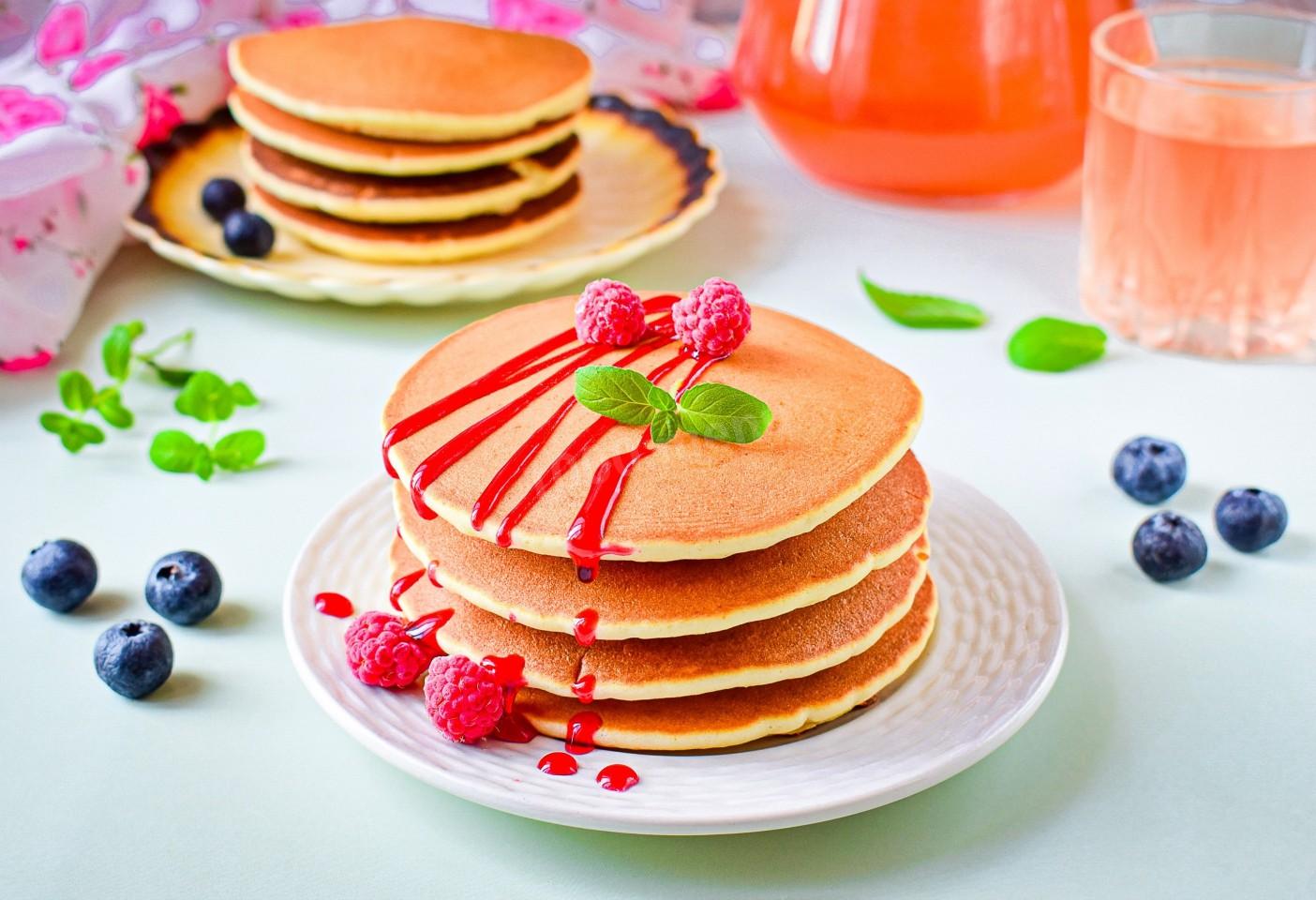
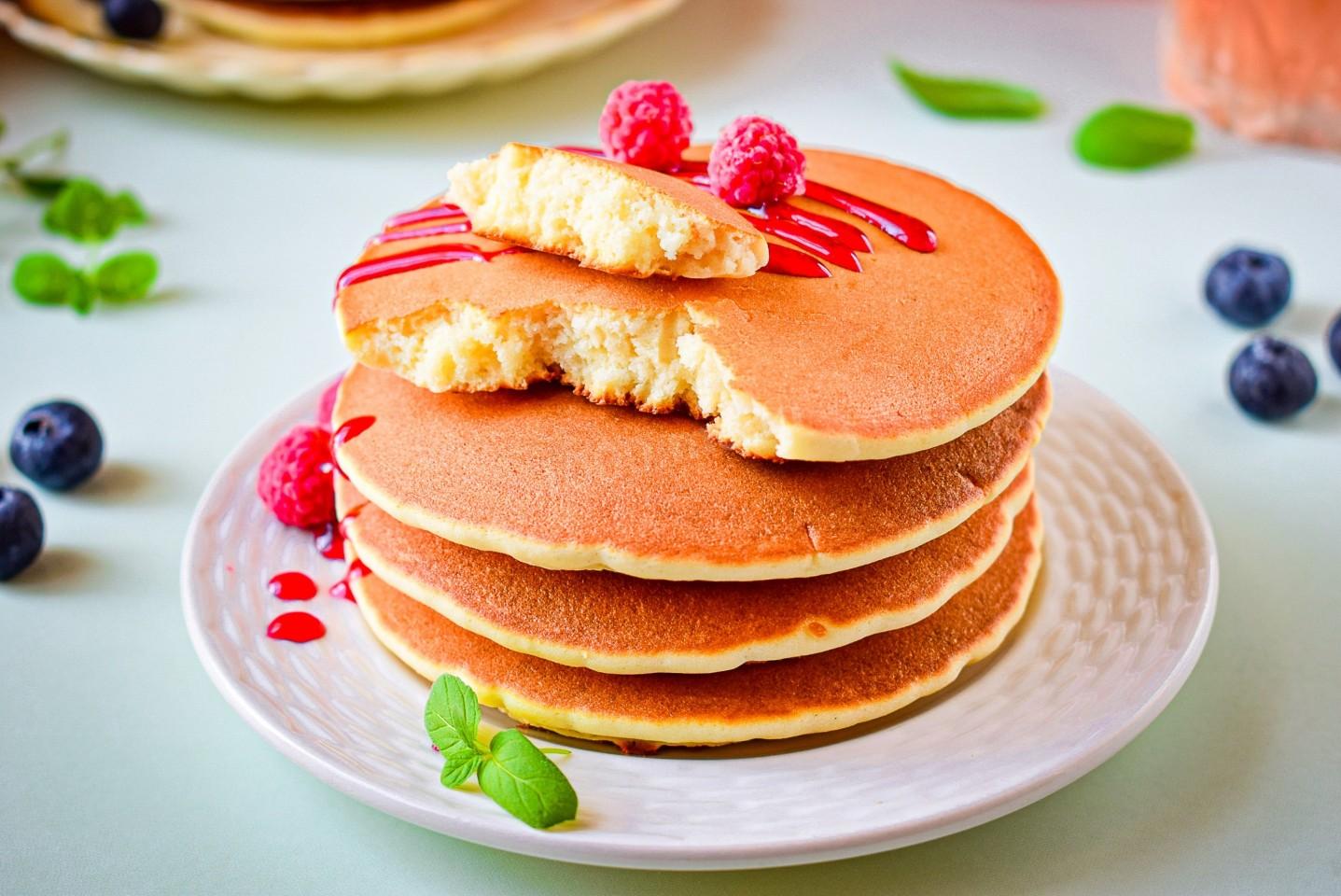
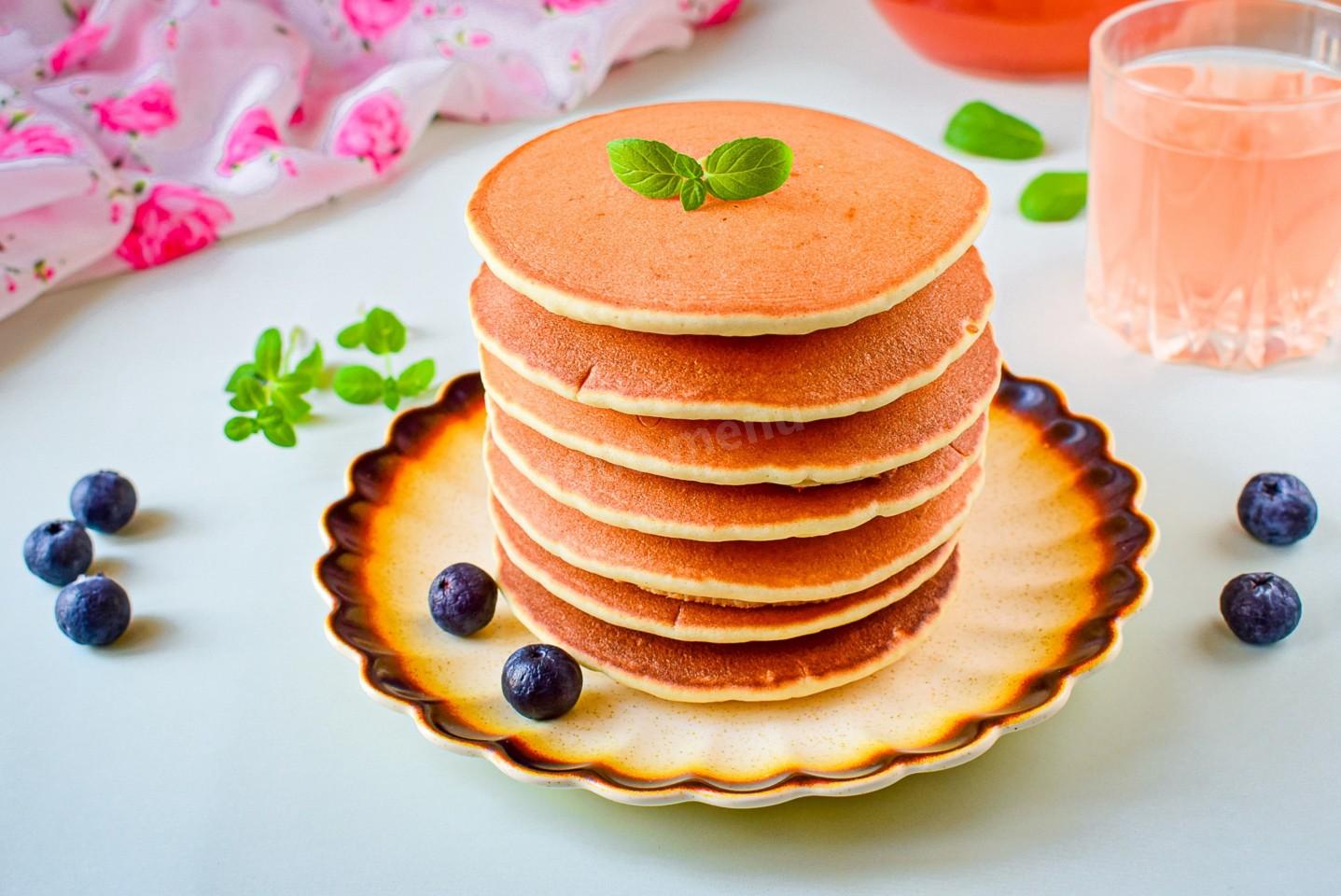
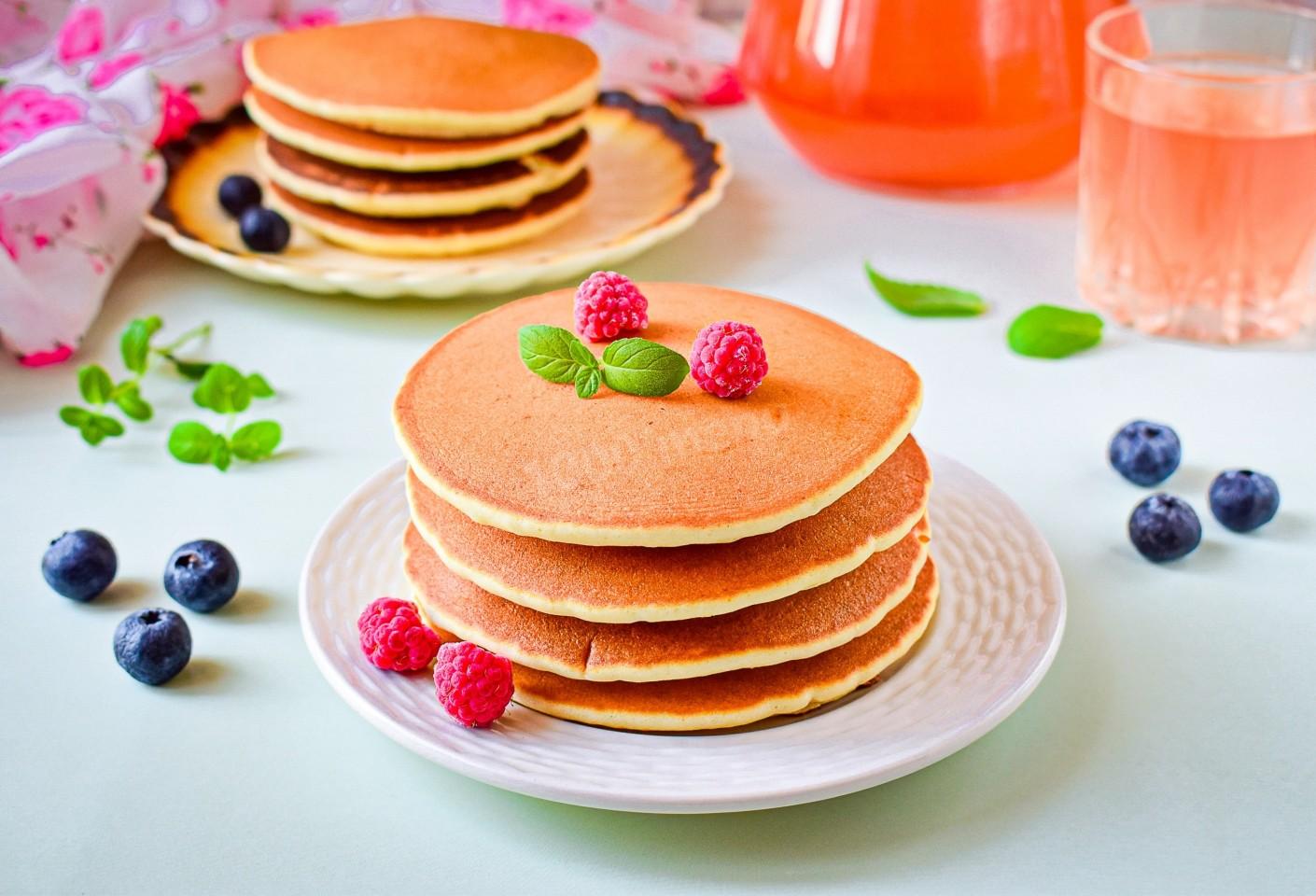
Deliciously fluffy, tender, and soft — perfect for breakfast! Rice flour pancakes are the best way to start any day, especially if you're eating gluten-free. Serve them with preserves, jam, syrup, or fresh berries!

Cooking method
-
Step 1:
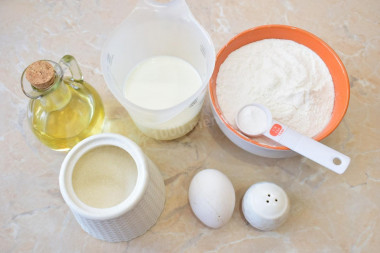
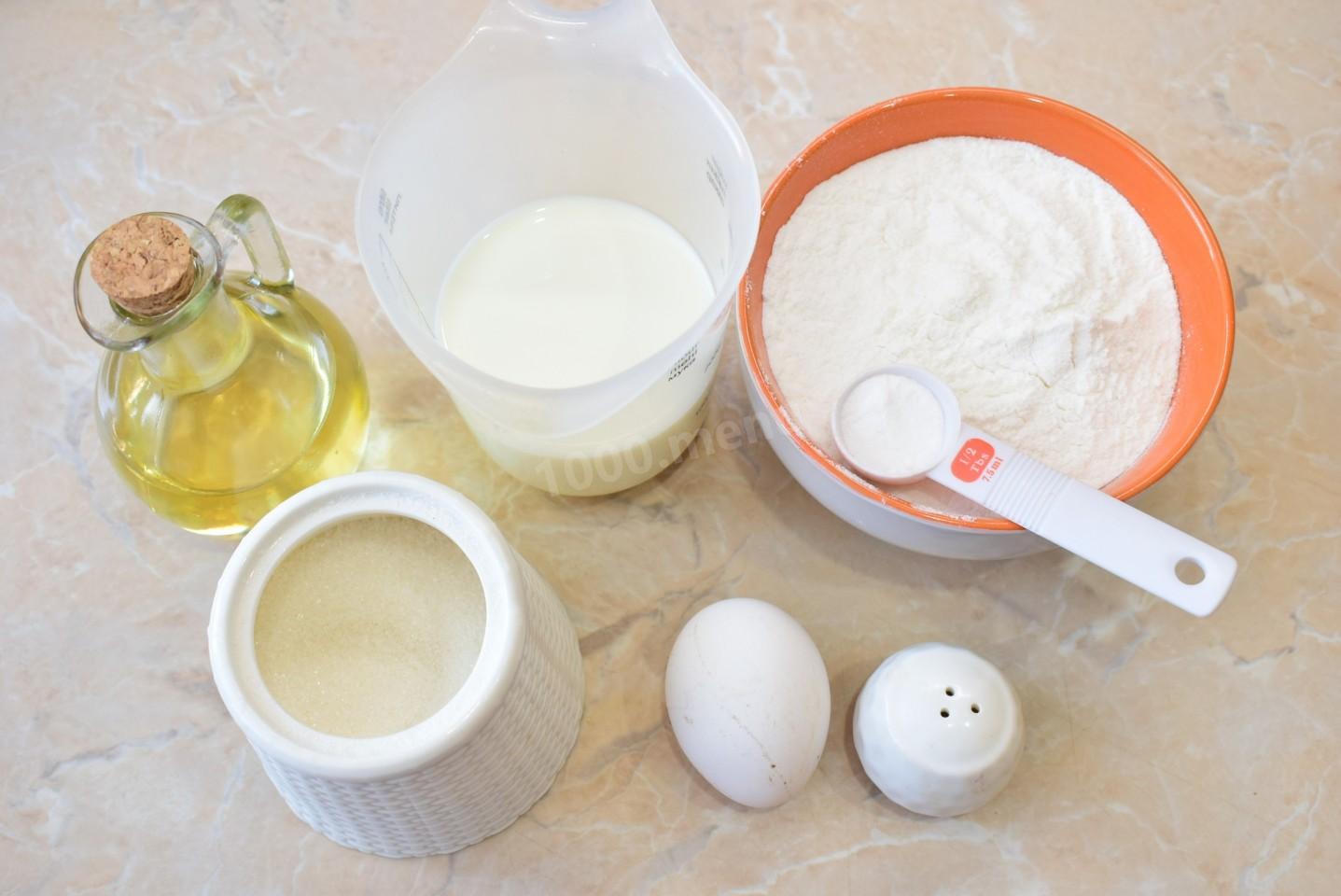
How do you make rice flour pancakes? Gather your ingredients. Warm the milk slightly until it's lukewarm.
-
Step 2:
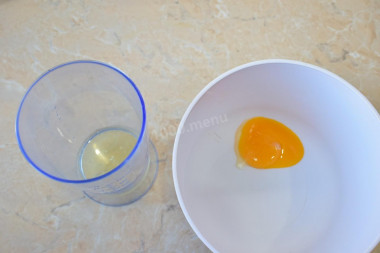
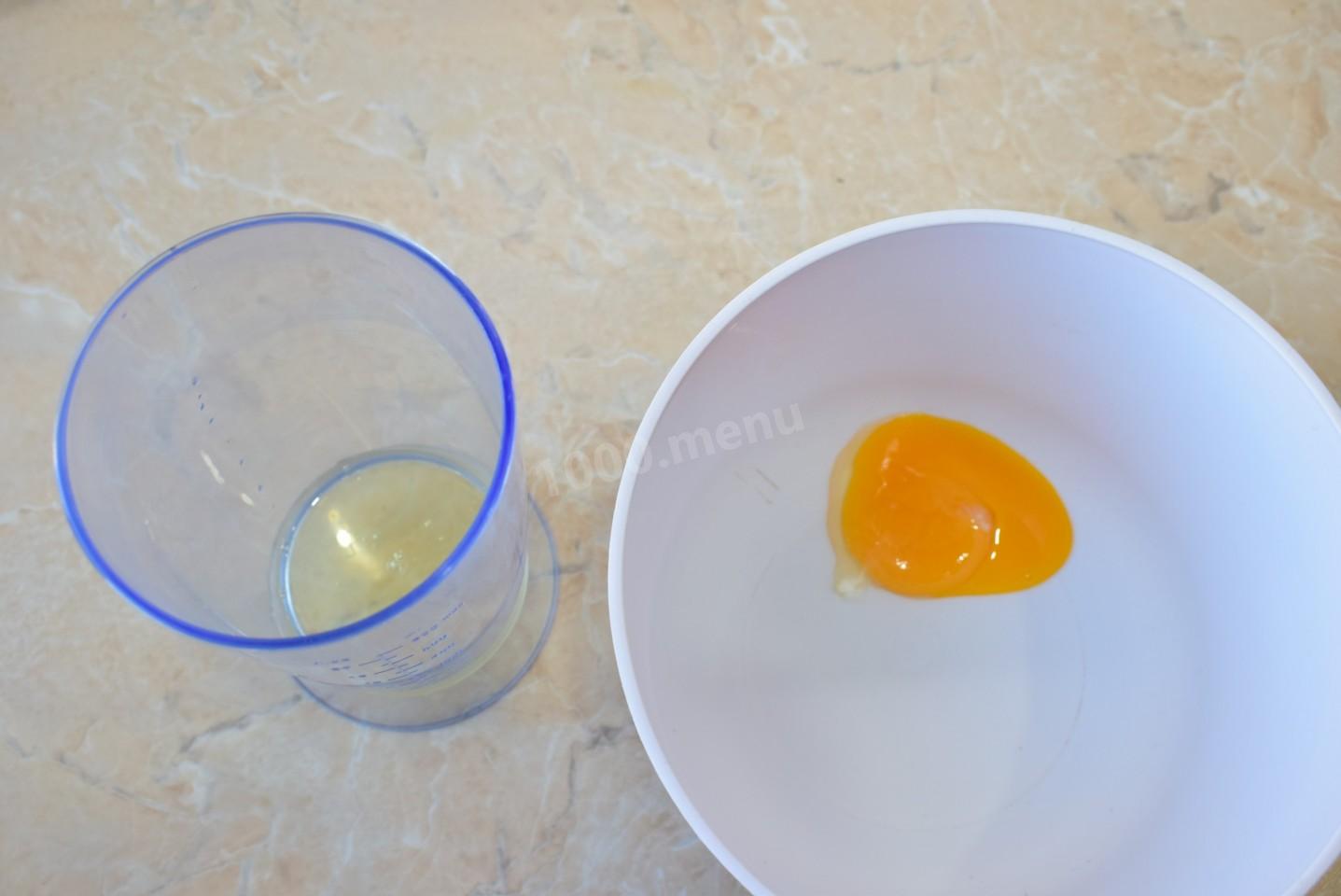
Separate the egg white from the yolk into two different bowls.
-
Step 3:
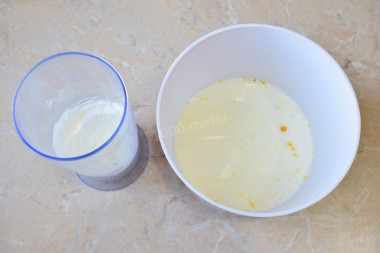
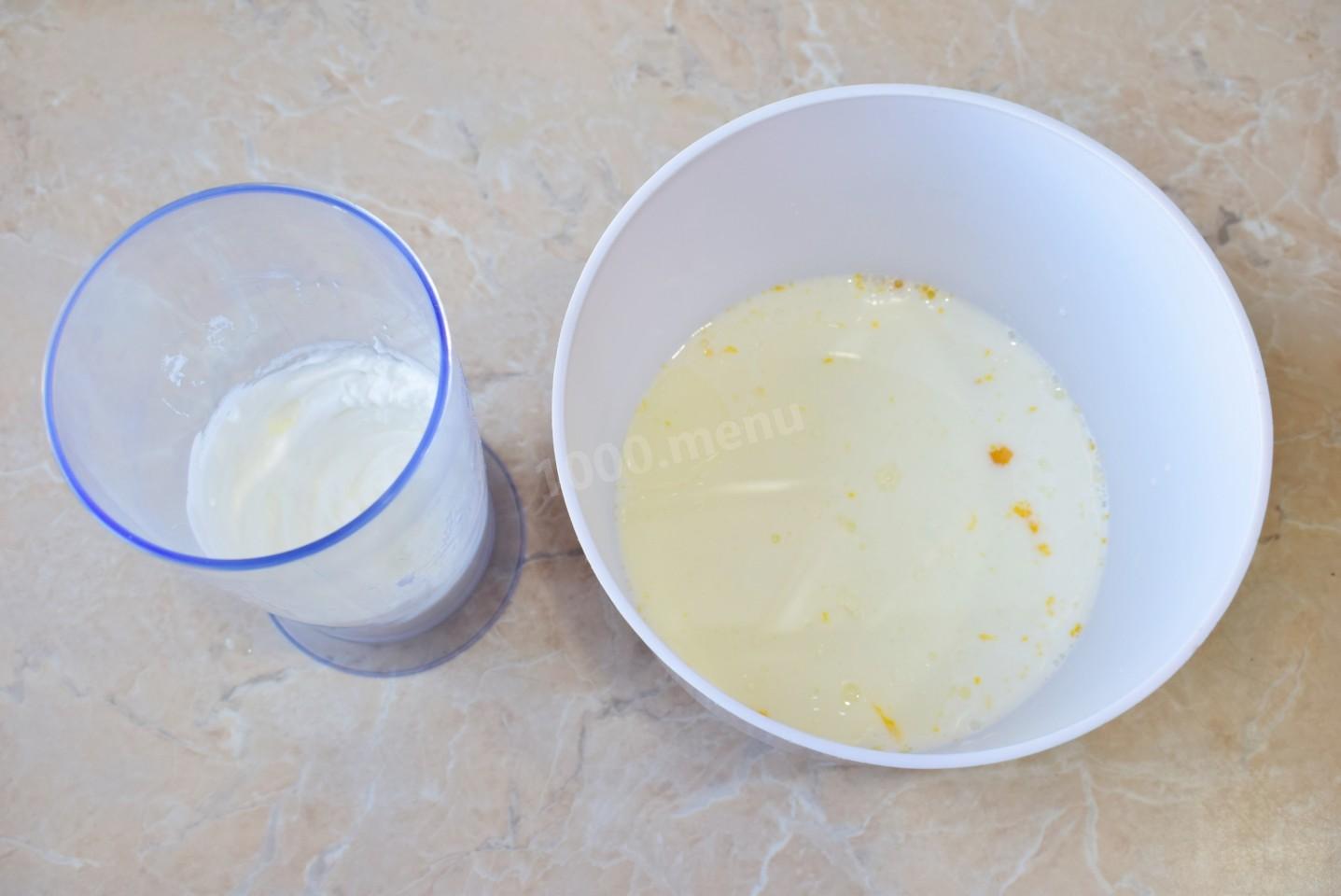
Beat the egg white on the highest mixer speed until fluffy. To the yolk, add the warm milk, vegetable oil, a pinch of salt, and the sugar. Mix the yolk mixture well until smooth.
-
Step 4:
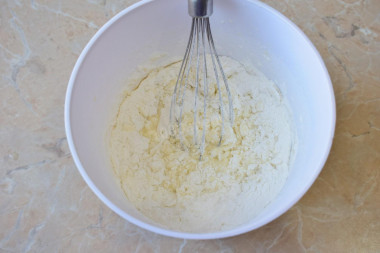
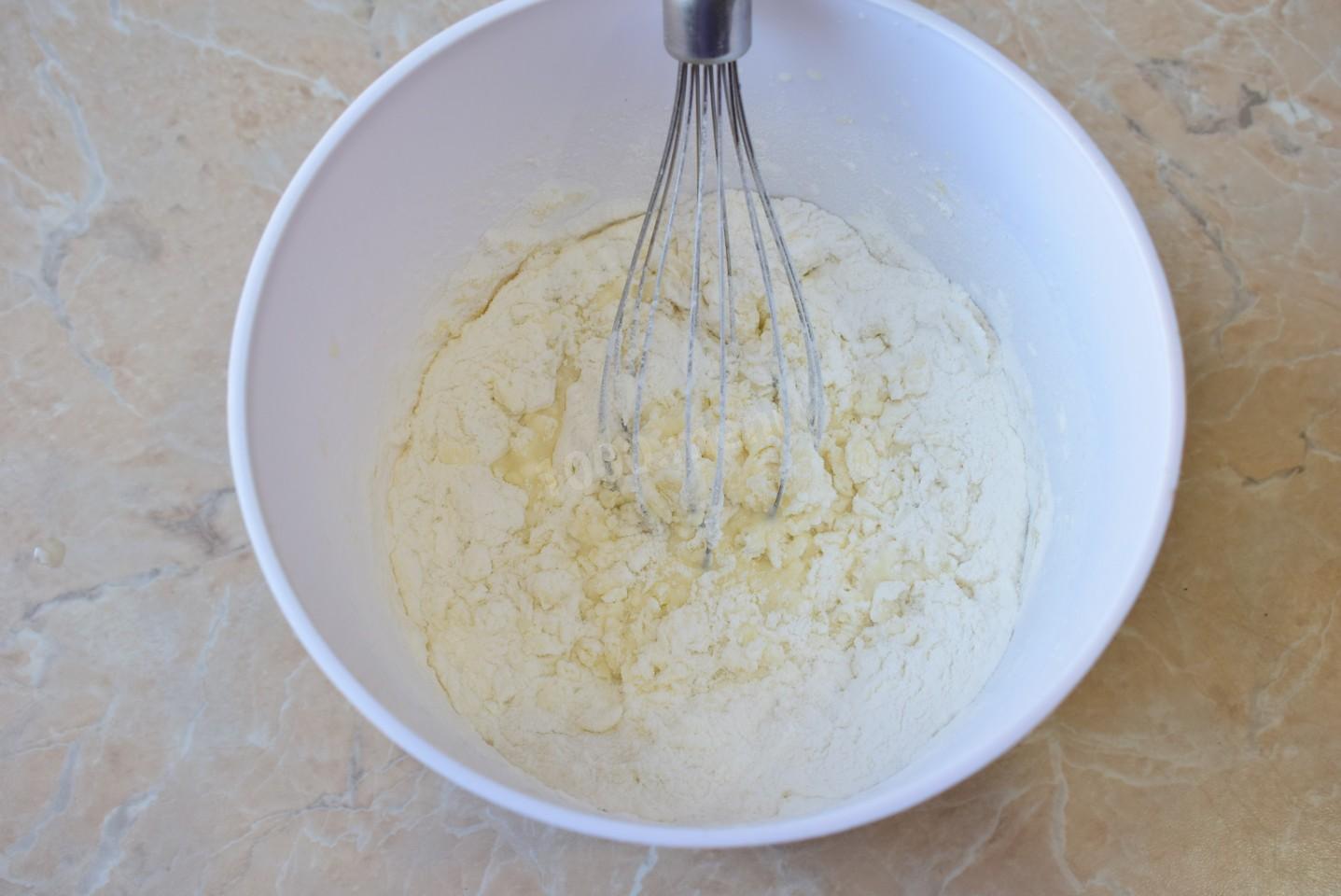
Add the rice flour and baking soda. Mix into a smooth, lump-free batter — a mixer helps here. Go by the batter's consistency for how much flour to use; it should be thick, like pancake batter.
-
Step 5:
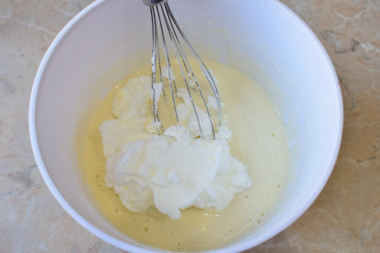
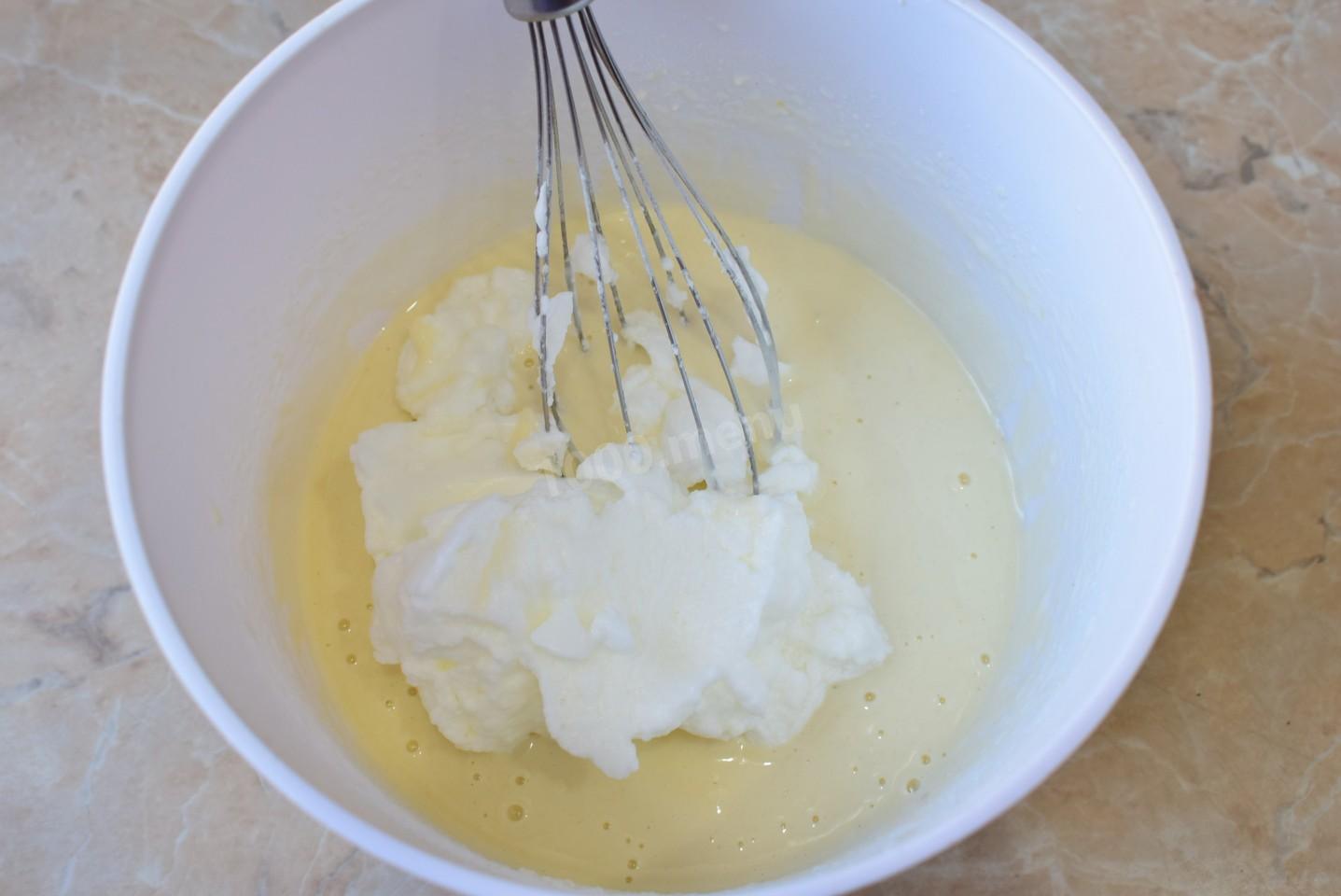
Then fold the beaten egg white into the batter — no mixer this time. The airy whites make the batter fluffier, so fold them in gently to keep all that volume.
-
Step 6:
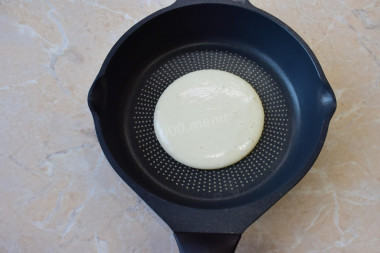
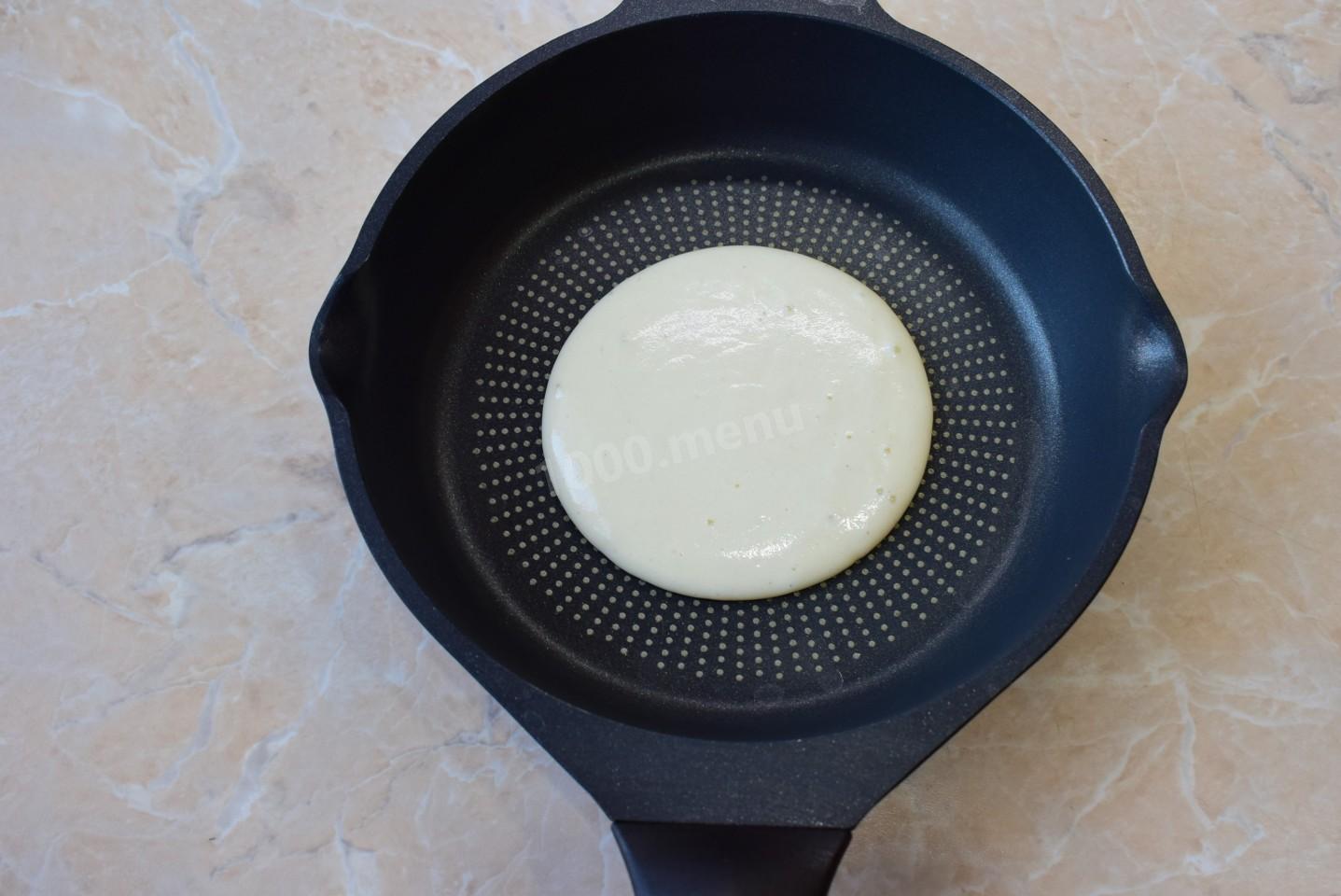
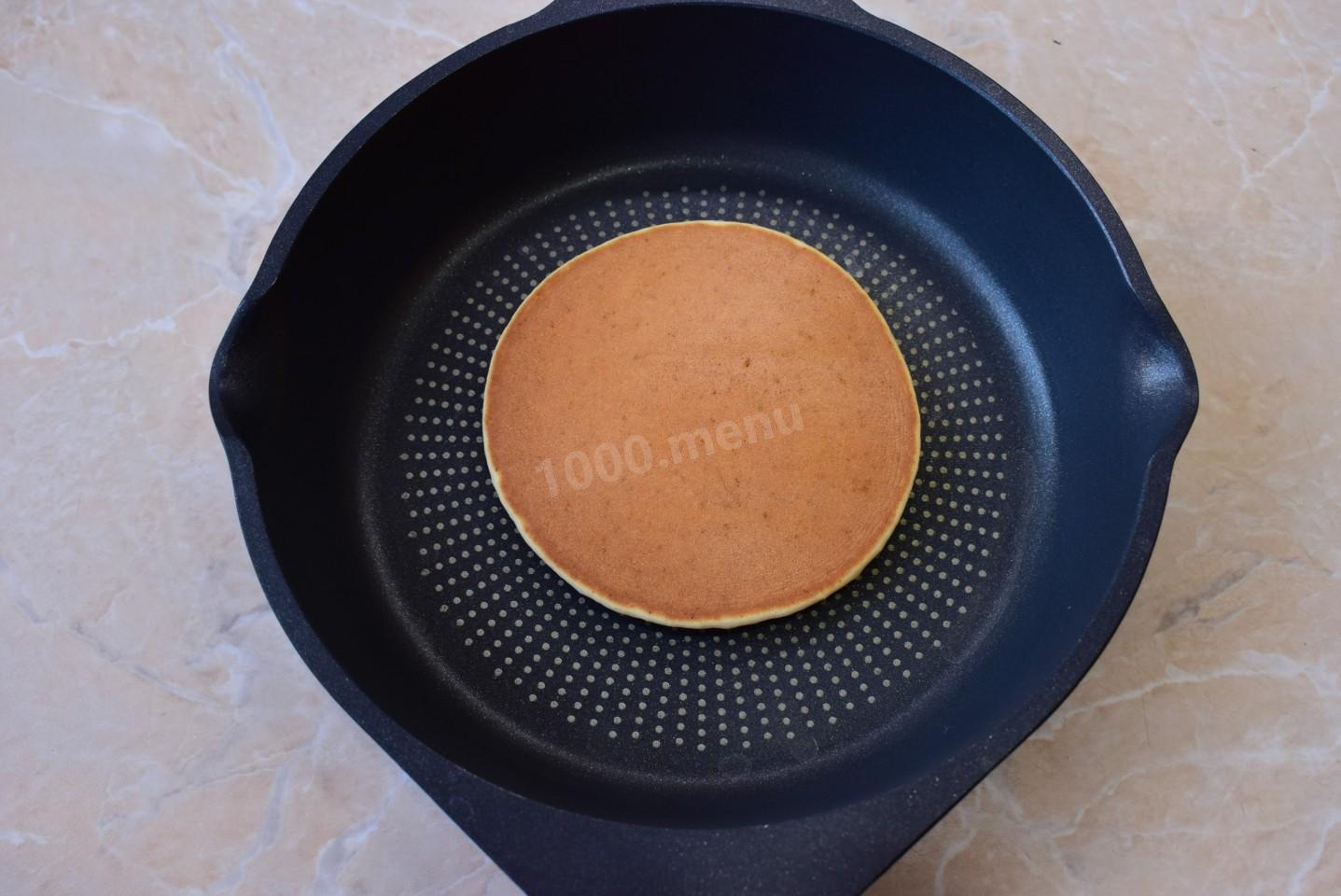
Heat a nonstick skillet until hot and pour 2–3 tablespoons of batter into the center. It'll spread on its own to the right size. The thicker the batter, the less it spreads, so the pancakes come out thicker. Cook them over low heat so the inside cooks through.
-
Step 7:
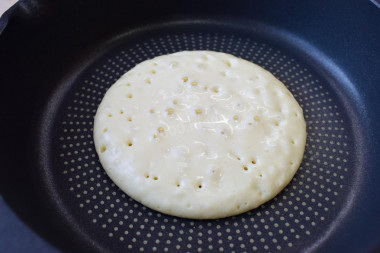
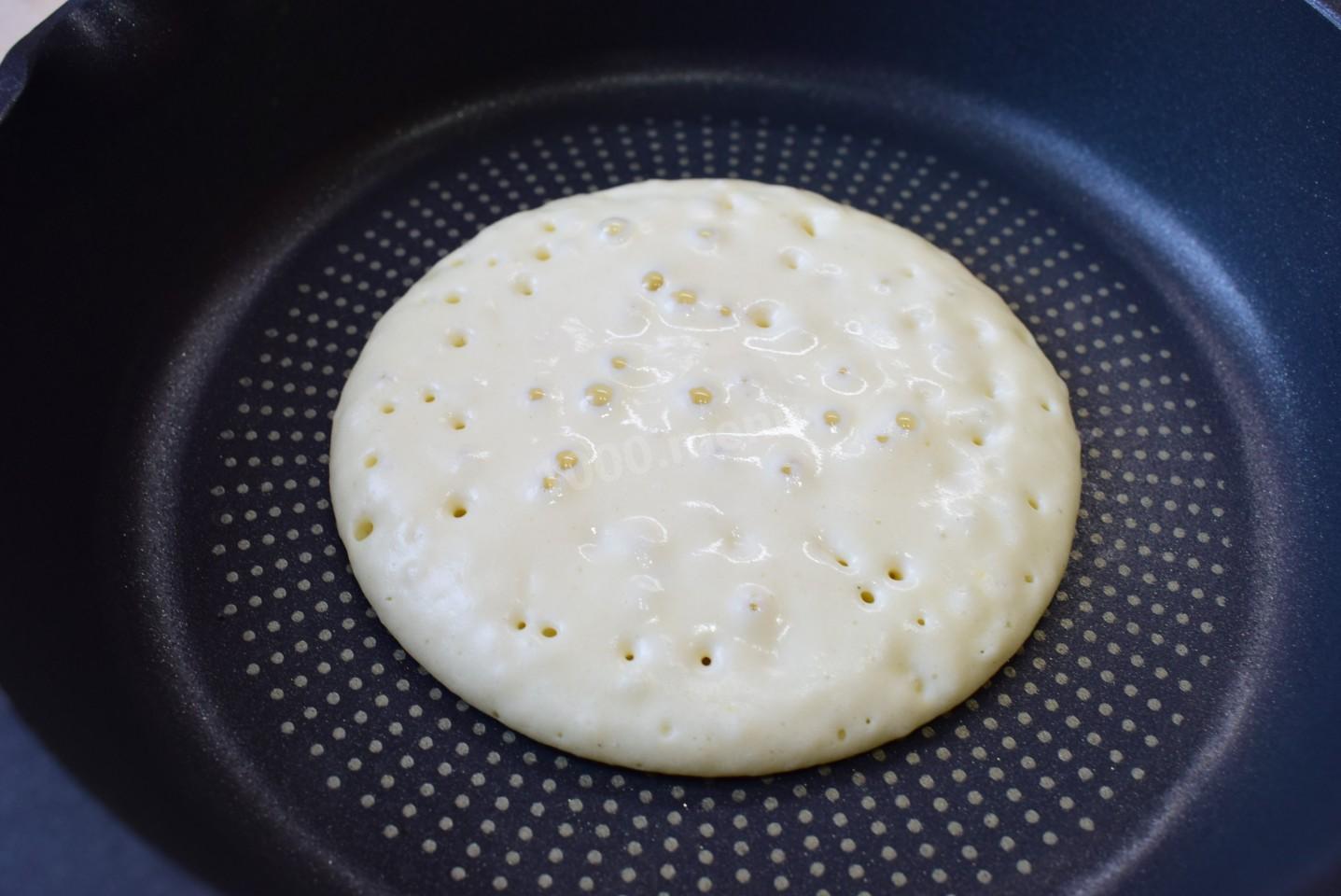
As they cook slowly, little bubbles like these form on the surface.
-
Step 8:
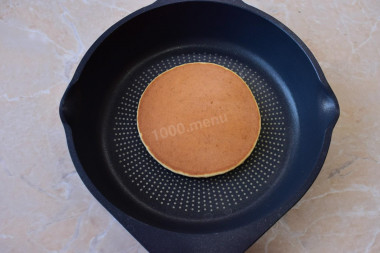
Cook the pancakes for about 1 minute per side. They'll turn golden and puff up a little.
-
Step 9:
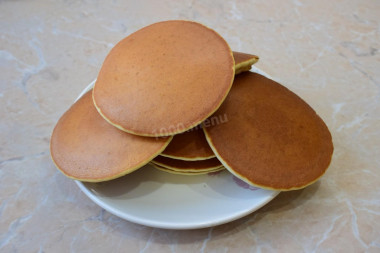
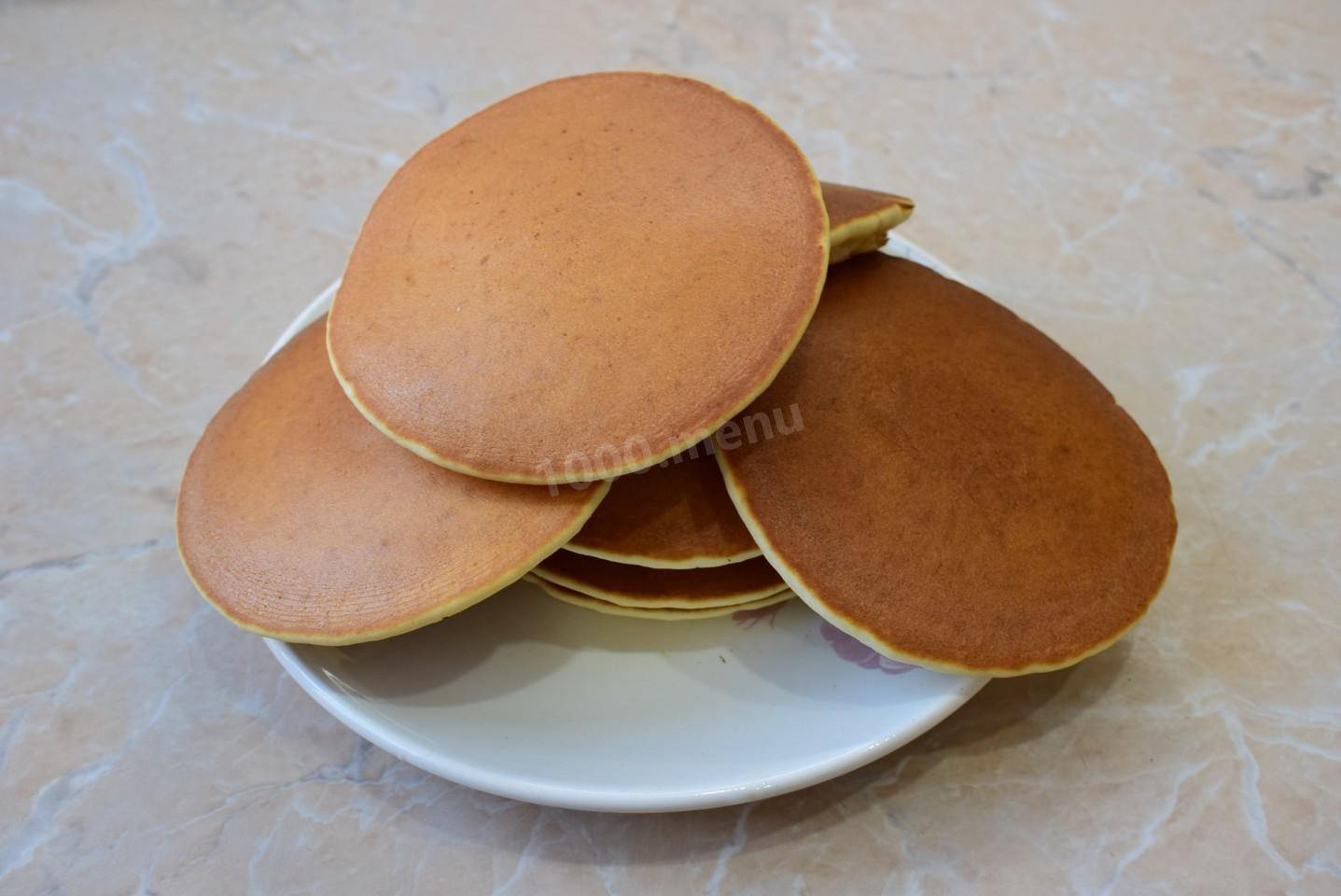
The rice flour pancakes are ready! Serve them with jam, sour cream, or dulce de leche. Tea or juice makes a great pairing. Enjoy!
- For whether you can swap baking soda for baking powder, how to add each so your baked goods come out fluffy, how to avoid a soapy soda aftertaste, and more, read our article "Baking powder or baking soda — which is better?"
- You can use a sugar substitute in place of sugar.
- Always wash eggs before using them — even a shell that looks clean can carry harmful bacteria. A food-safe detergent and a brush work best.
Caloric content of the products possible in the composition of the dish
- Whole cow's milk - 68 kcal/100g
- Milk 3.5% fat content - 64 kcal/100g
- Milk 3.2% fat content - 60 kcal/100g
- Milk 1.5% fat content - 47 kcal/100g
- Concentrated milk 7.5% fat content - 140 kcal/100g
- Milk 2.5% fat content - 54 kcal/100g
- Chicken egg - 157 kcal/100g
- Egg white - 45 kcal/100g
- Egg powder - 542 kcal/100g
- Egg yolk - 352 kcal/100g
- Ostrich egg - 118 kcal/100g
- Granulated sugar - 398 kcal/100g
- Sugar - 398 kcal/100g
- Vegetable oil - 873 kcal/100g
- Salt - 0 kcal/100g
- Baking soda - 0 kcal/100g
- Rice flour - 356 kcal/100g
Similar recipes

- Fast and tasty
- For breakfast
- Children's recipes
- Baking
- Eggs
- Dairy products
- Sweet
- Cereals and cereal products
- Spices seasonings spices
- Fats and oils
- Other
- Salt
- Vegetable oil
- Baking soda
- Frying
- In a frying pan
- Hasty pastries
- Dishes in 30 minutes
- Pancakes and pancakes
- Quick baking
- Yeast-free baking
- Pastries without flour
- Unsweetened pastries
- Egg breakfast
- Milk
- Rice flour
- Vegetarianism
- Recipes for lean dishes without butter
- Sugar
- From rice