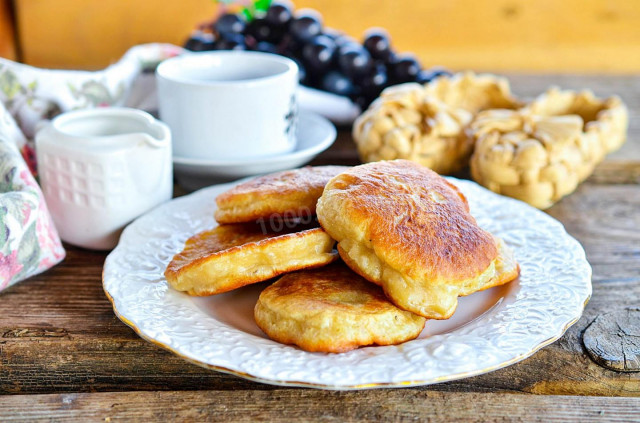
Extra-Fluffy Kefir Fritters (Oladyi)
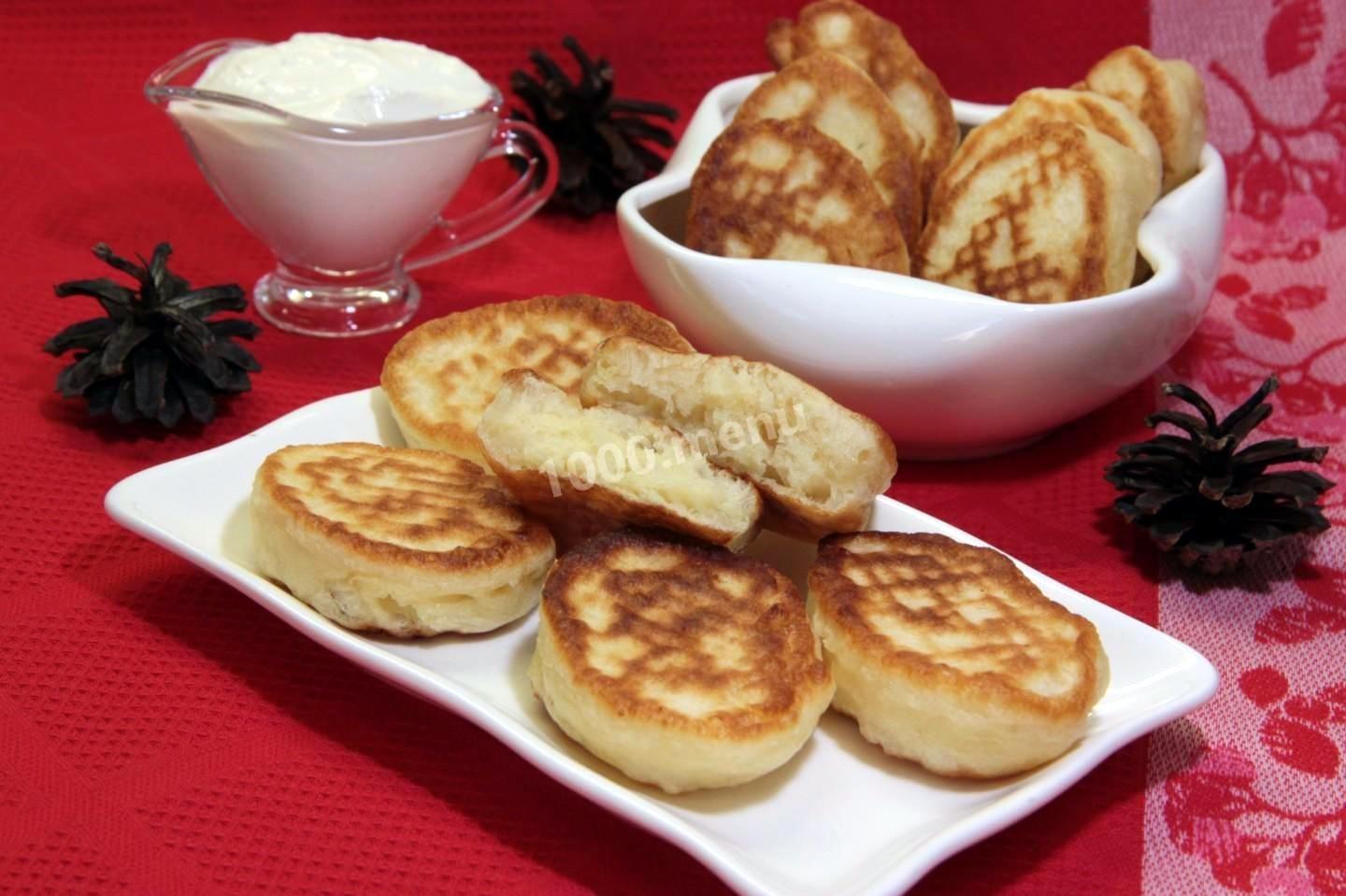
Always super fluffy and airy, even after they cool! Almost everyone loves fritters, and plenty of people take a shot at frying them — but not everyone gets them this light and fluffy. There are a lot of little tricks, and I'll share some of them in this recipe. Seasoned cooks may not need them, but they'll come in handy for beginners.

Cooking method
-
Step 1:
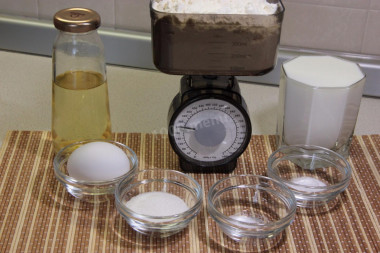
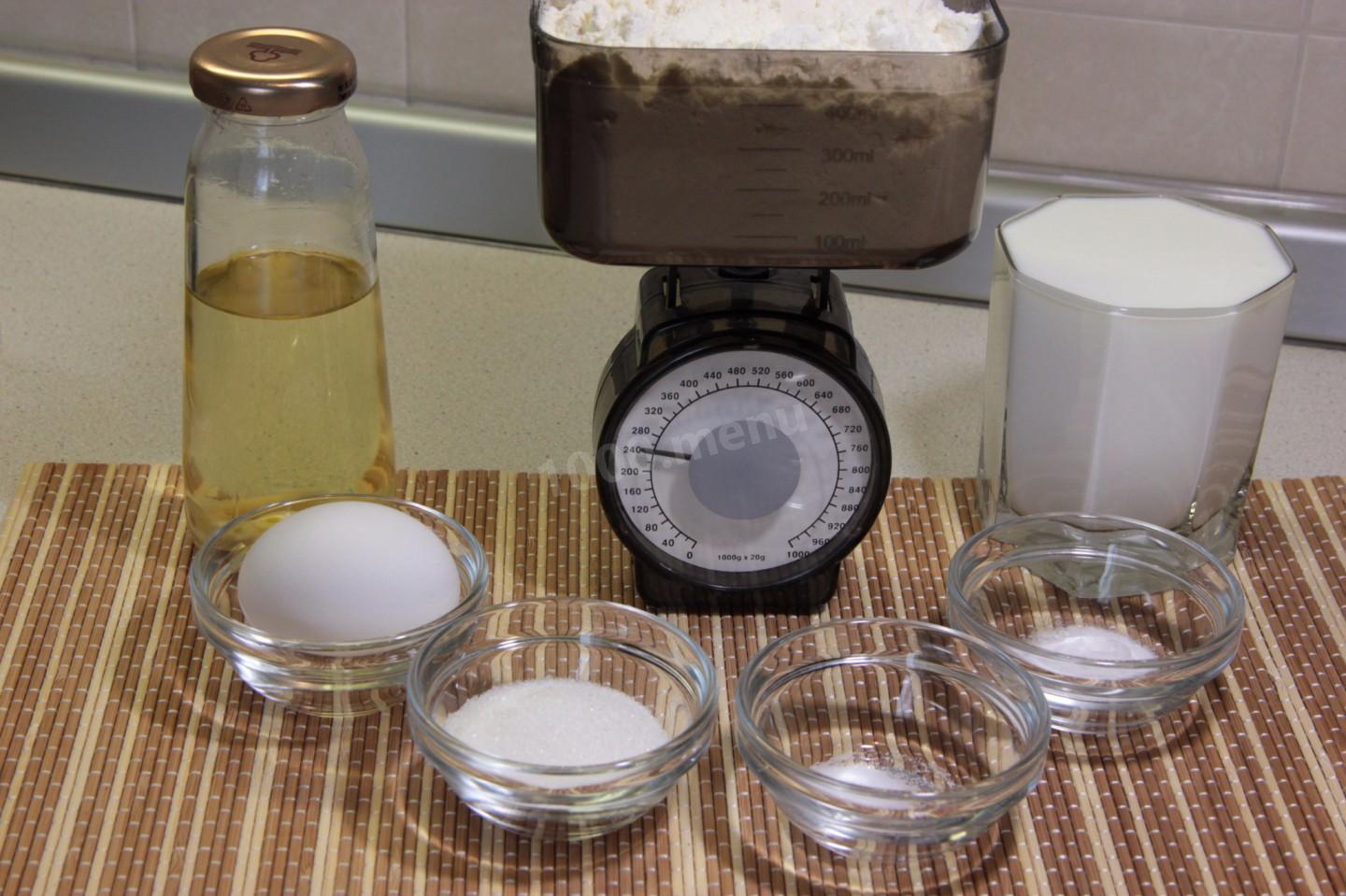
Gather your ingredients. Take the kefir and egg out of the refrigerator ahead of time.
-
Step 2:
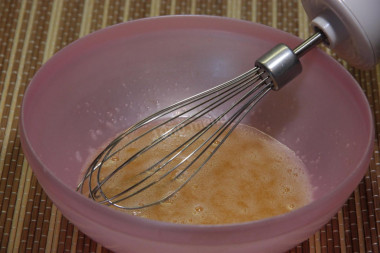
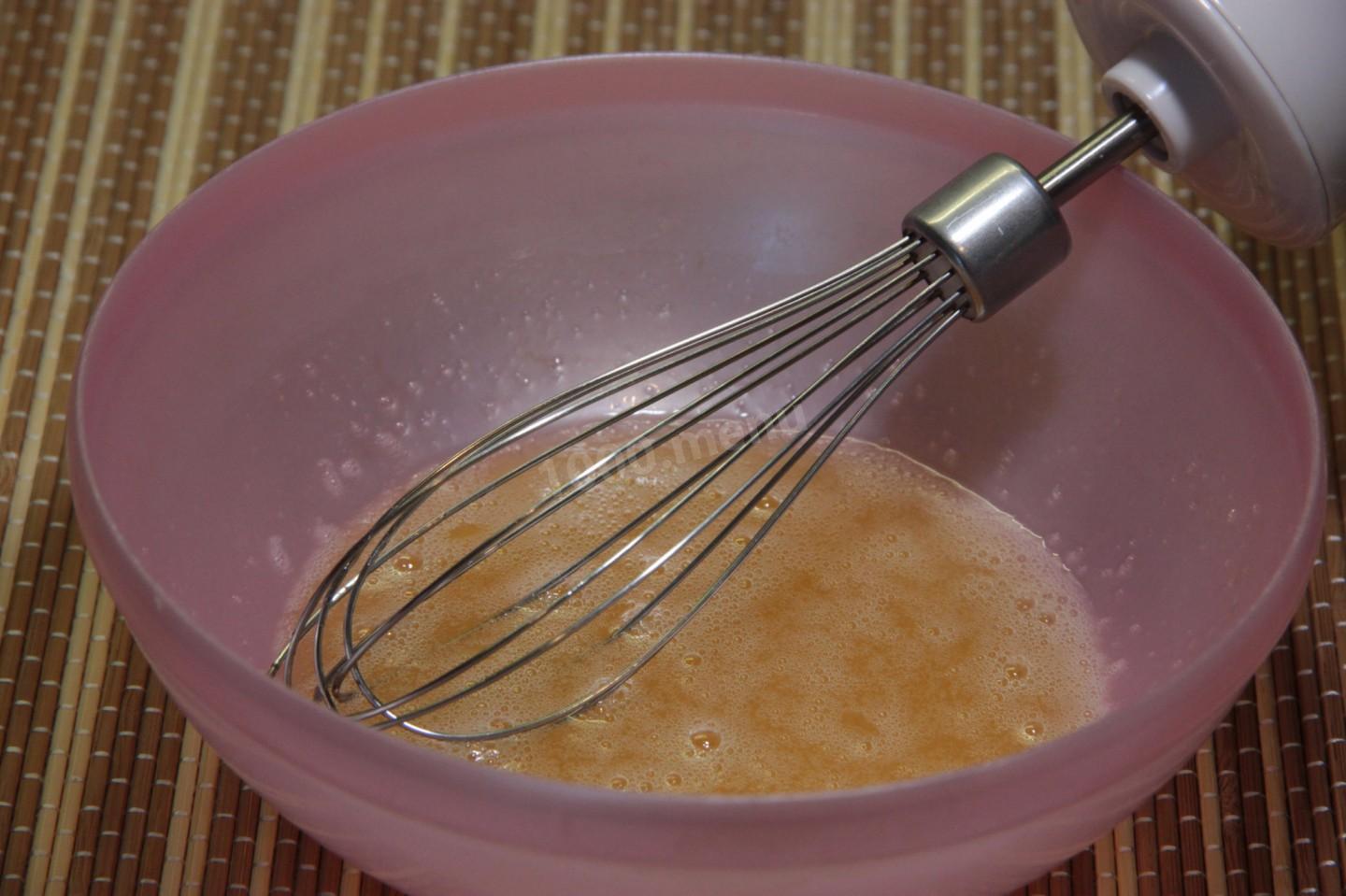
Mix the egg with the sugar and salt. No need to beat it hard — just stir until the sugar and salt dissolve.
-
Step 3:
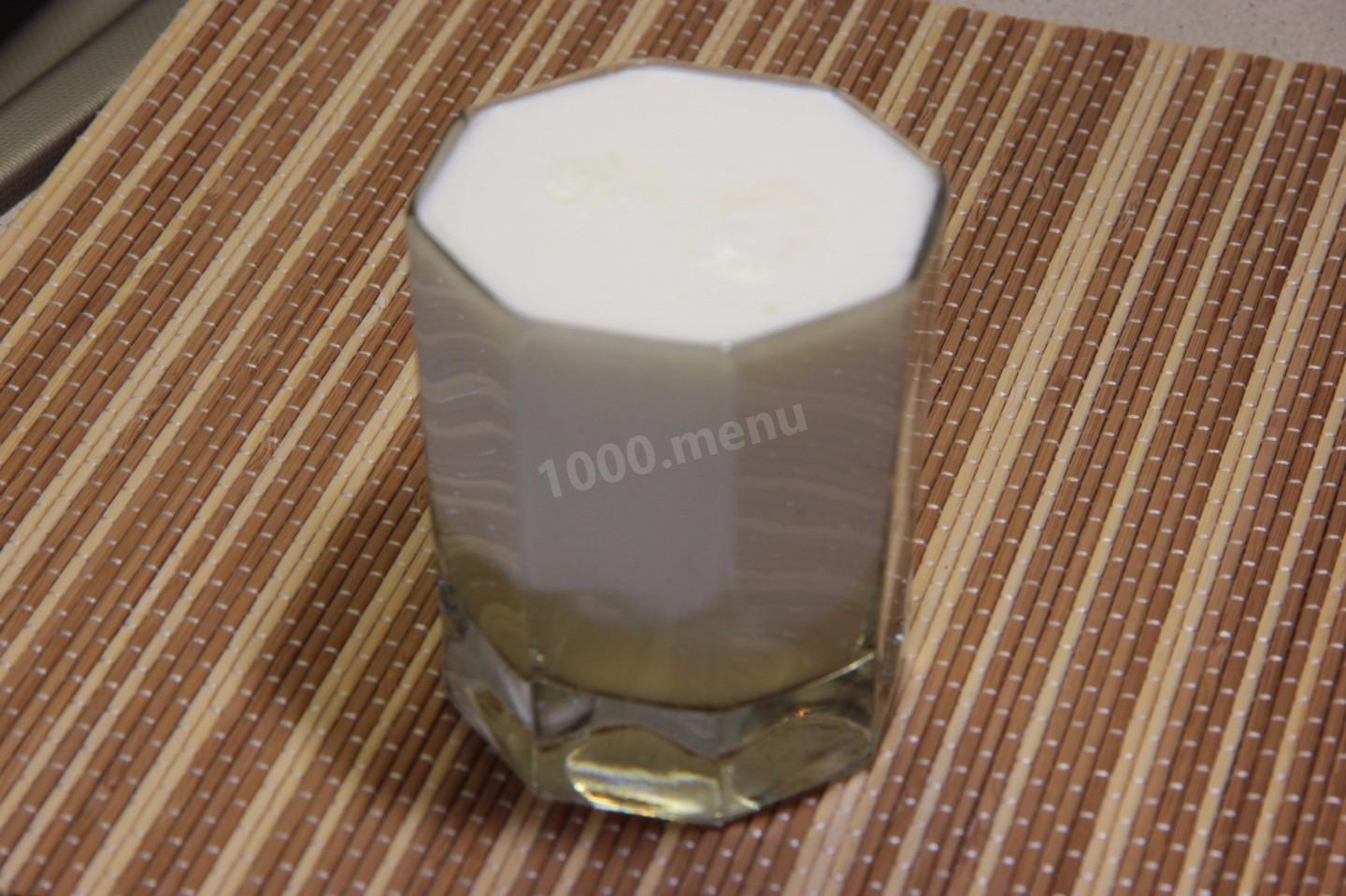
In the microwave or on the stovetop, warm the kefir slightly — just until the first bubble, when you can see the whey separating but before it breaks into curds.
-
Step 4:
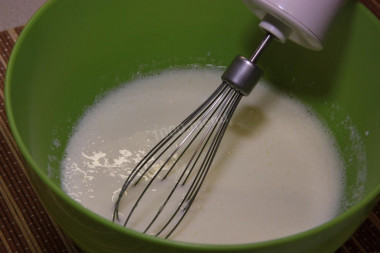
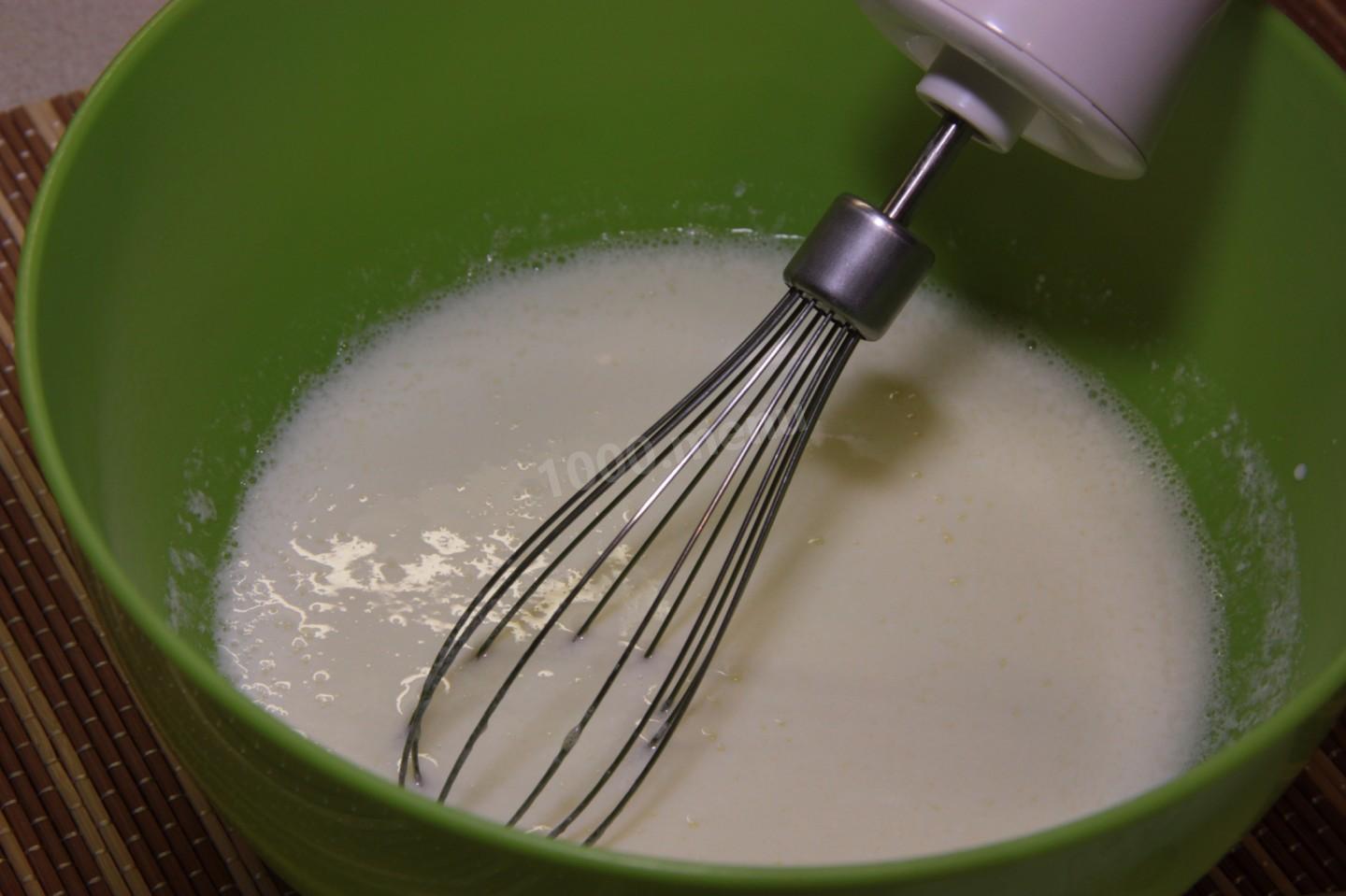
Gradually pour the warm kefir into the egg mixture, stirring constantly.
-
Step 5:
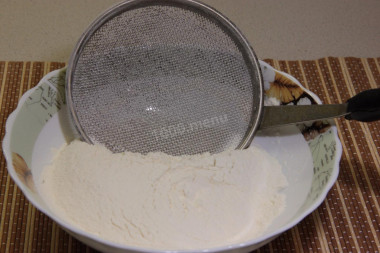
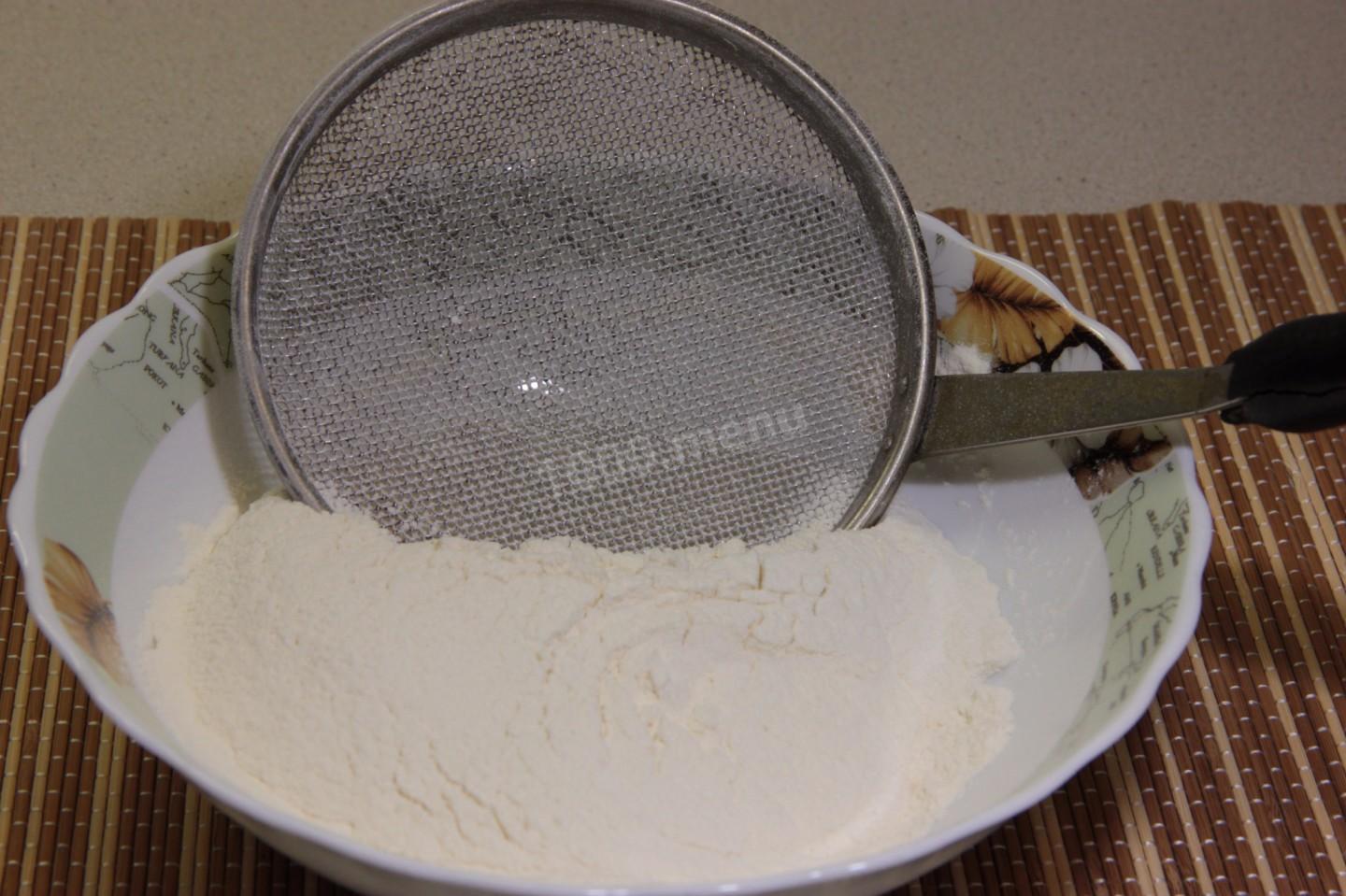
Sift the measured flour into a separate bowl.
-
Step 6:
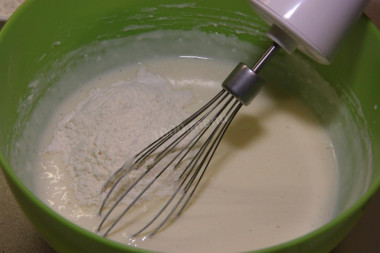
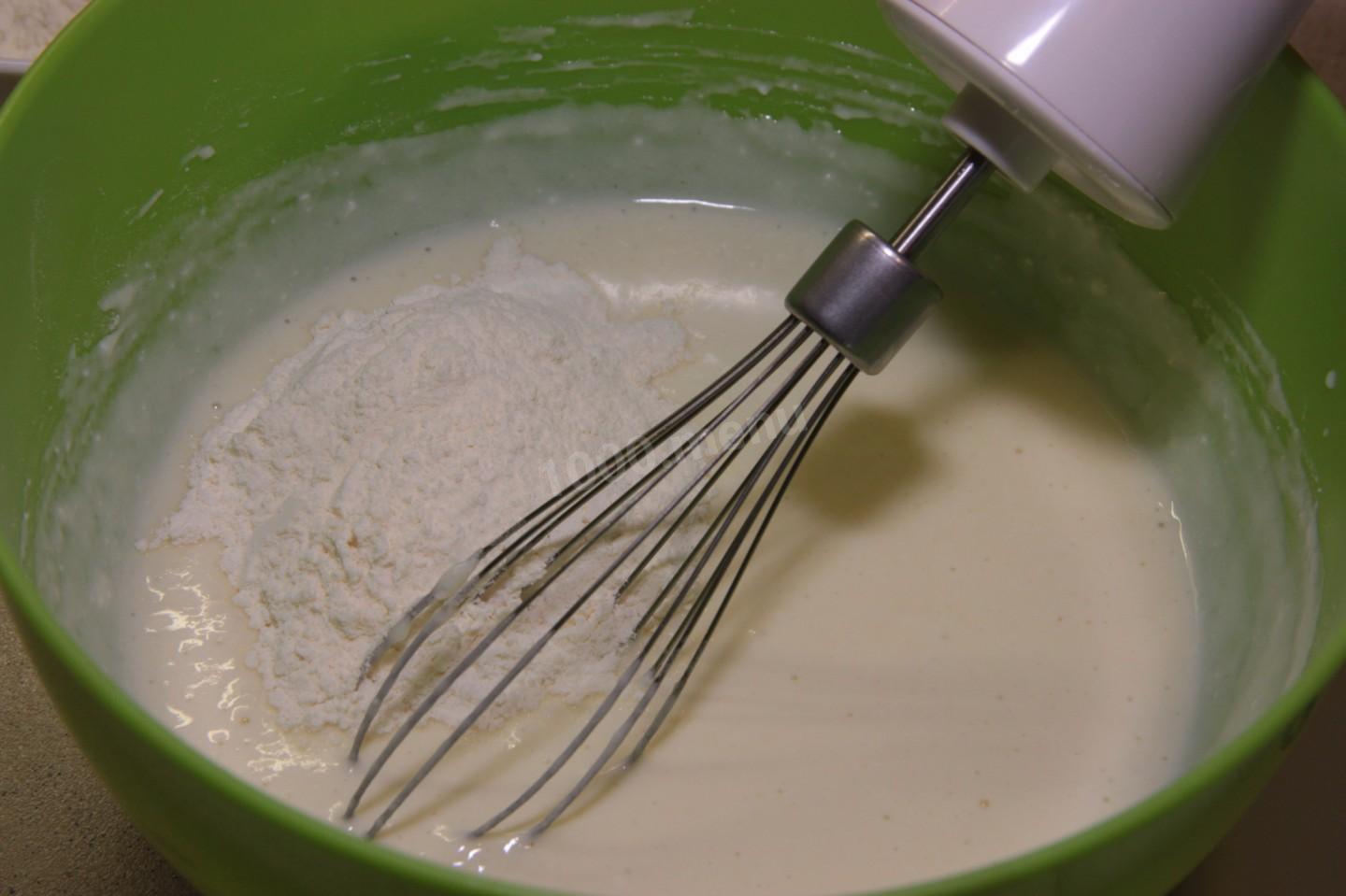
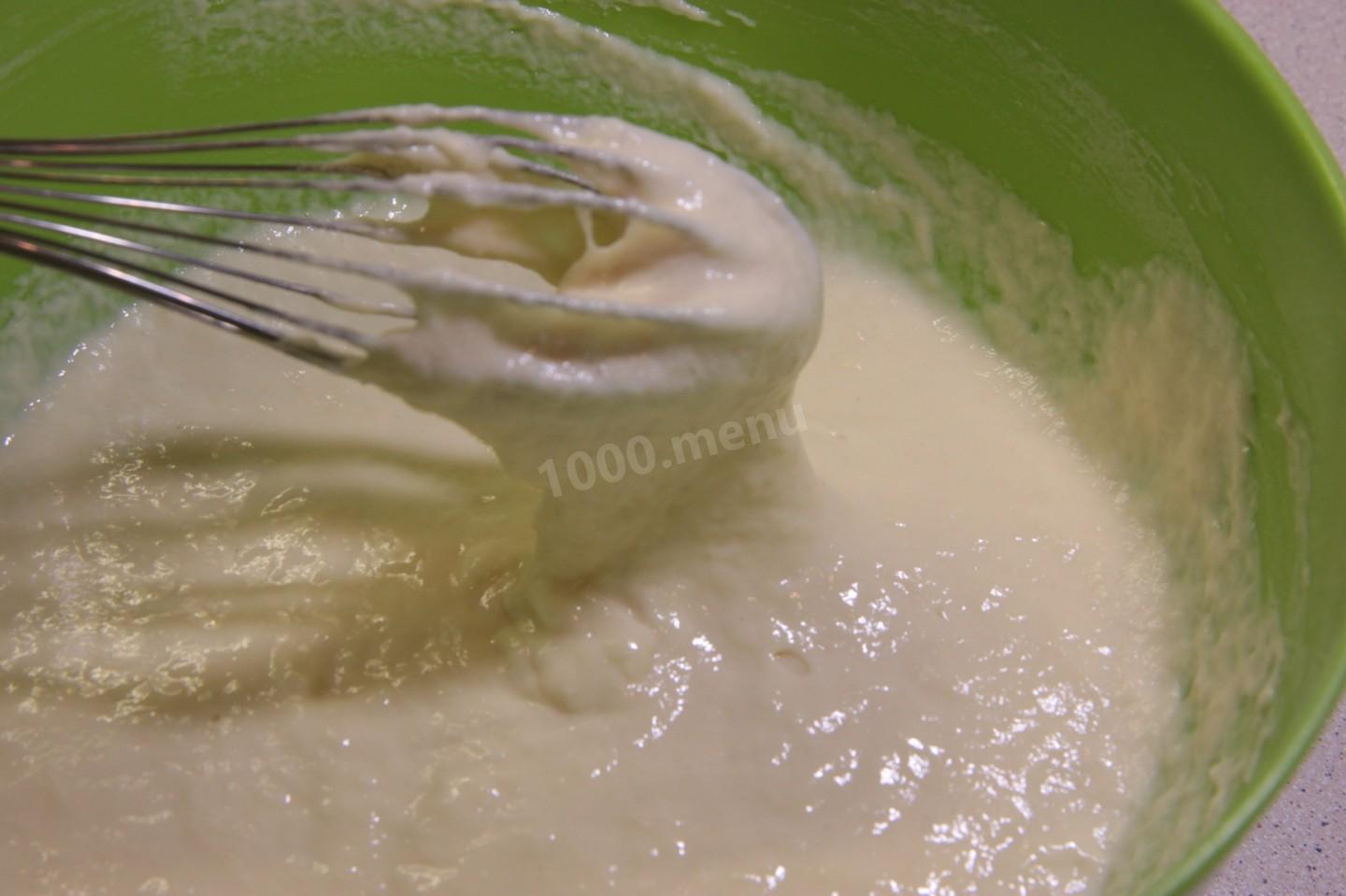
Add the flour to the liquid mixture in small batches (about 2 heaping tablespoons at a time), stirring with a whisk in one direction, until you have a thick, smooth batter.
-
Step 7:
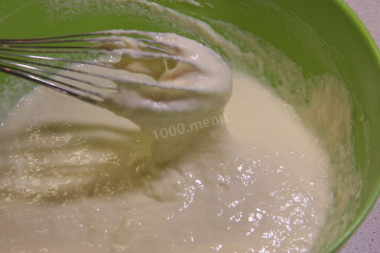
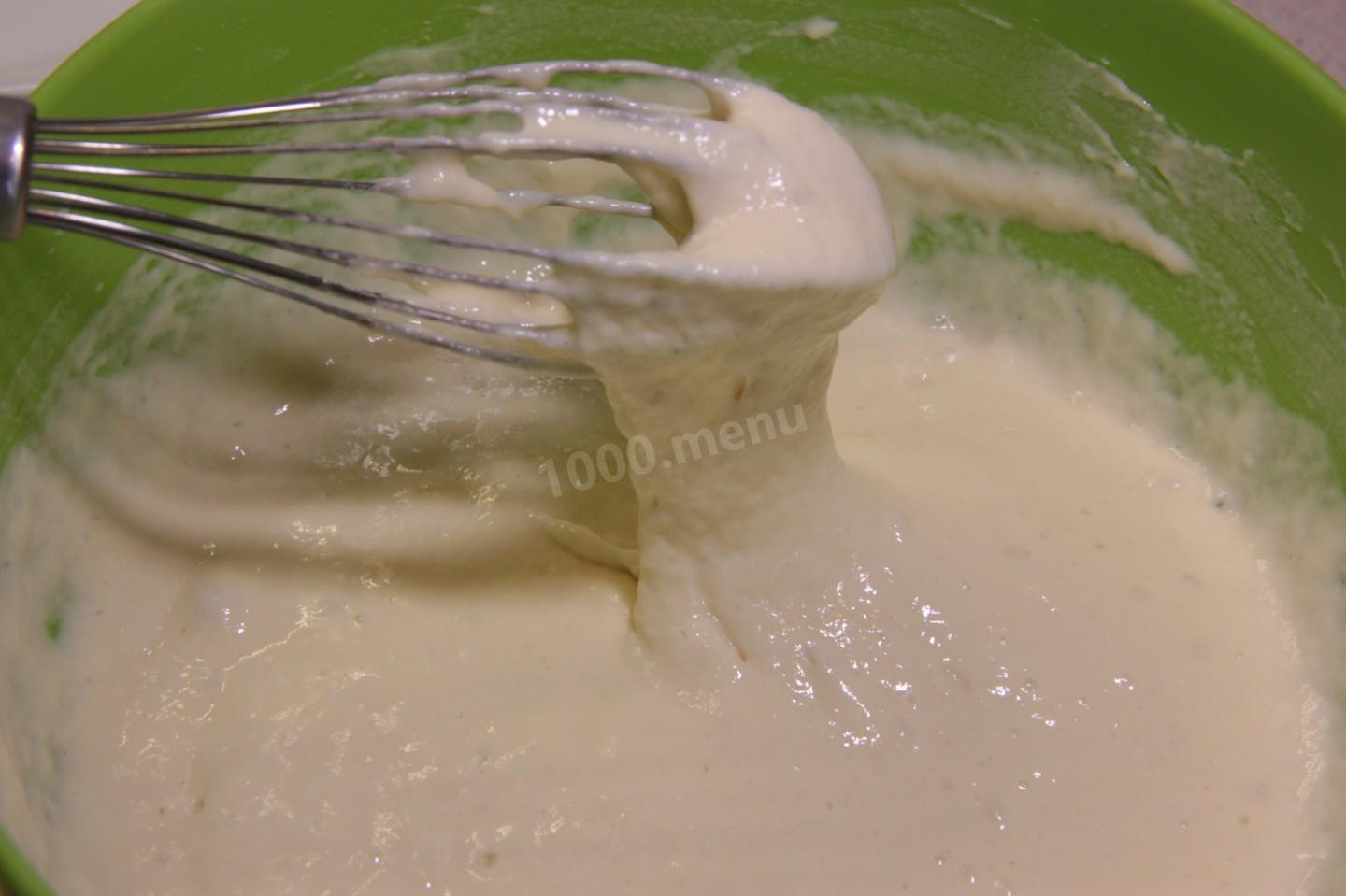
The batter shouldn't slide freely off the spoon — it should slowly, lazily ooze off. (If it's too thin, add flour; if too thick, add kefir — but just a little at a time until you hit the right consistency.)
-
Step 8:
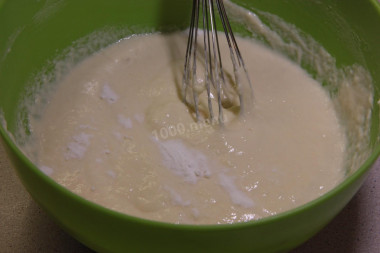
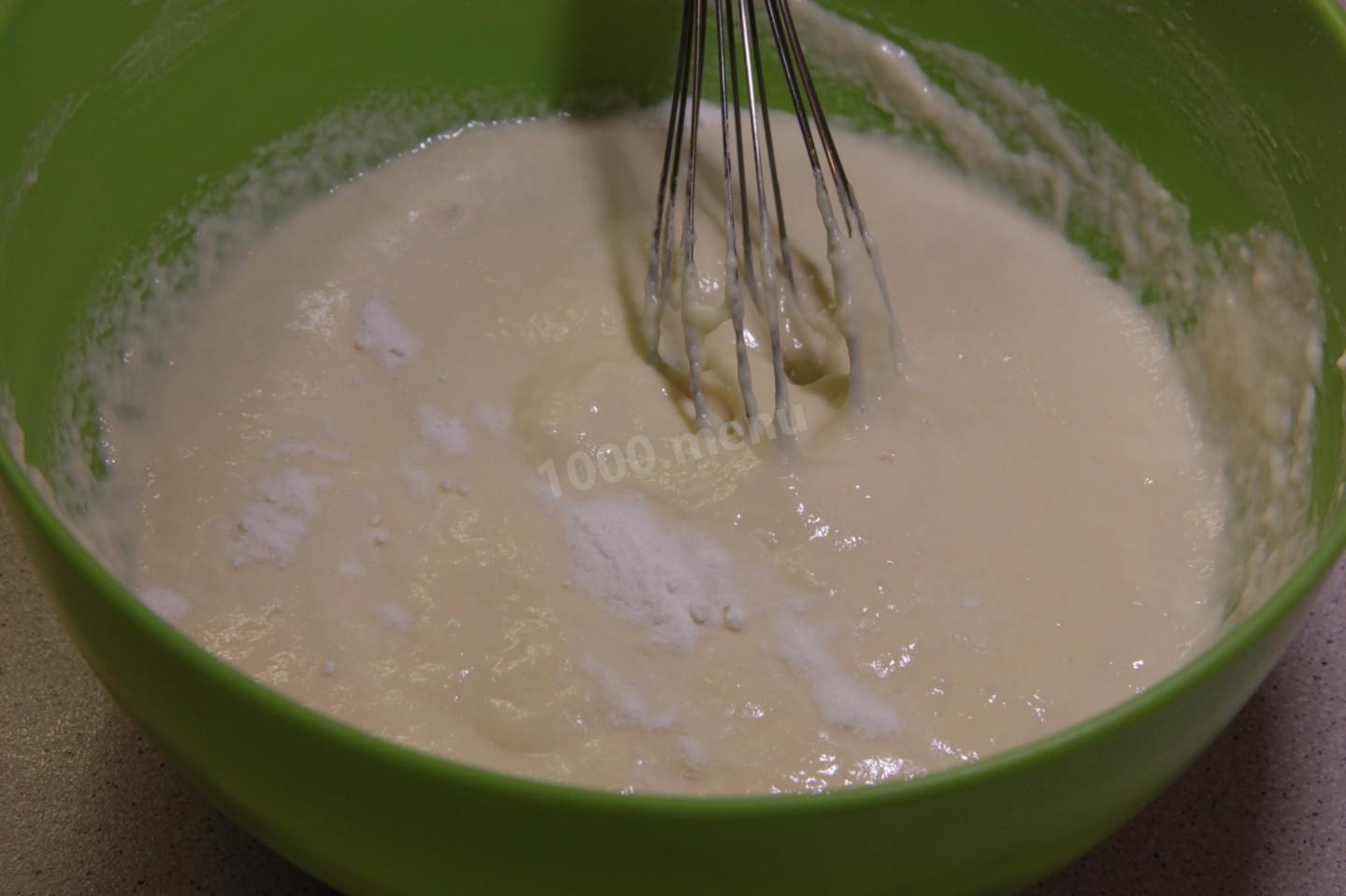
Only now, sift the baking soda over the batter. Mix it in thoroughly but quickly. (Bubbles start appearing right away — the kefir activates the soda, making the batter airy, porous, and light.) If you're adding any mix-ins (raisins, vanilla), do it now.
-
Step 9:
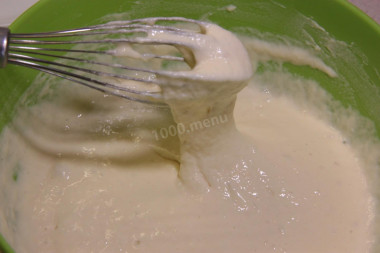
The soda makes the batter lighter and a touch thinner, which makes it easier to portion out.
-
Step 10:
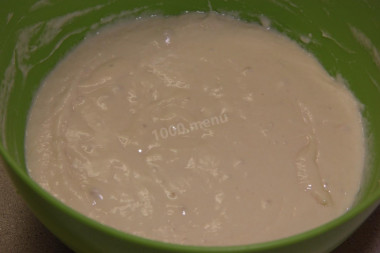
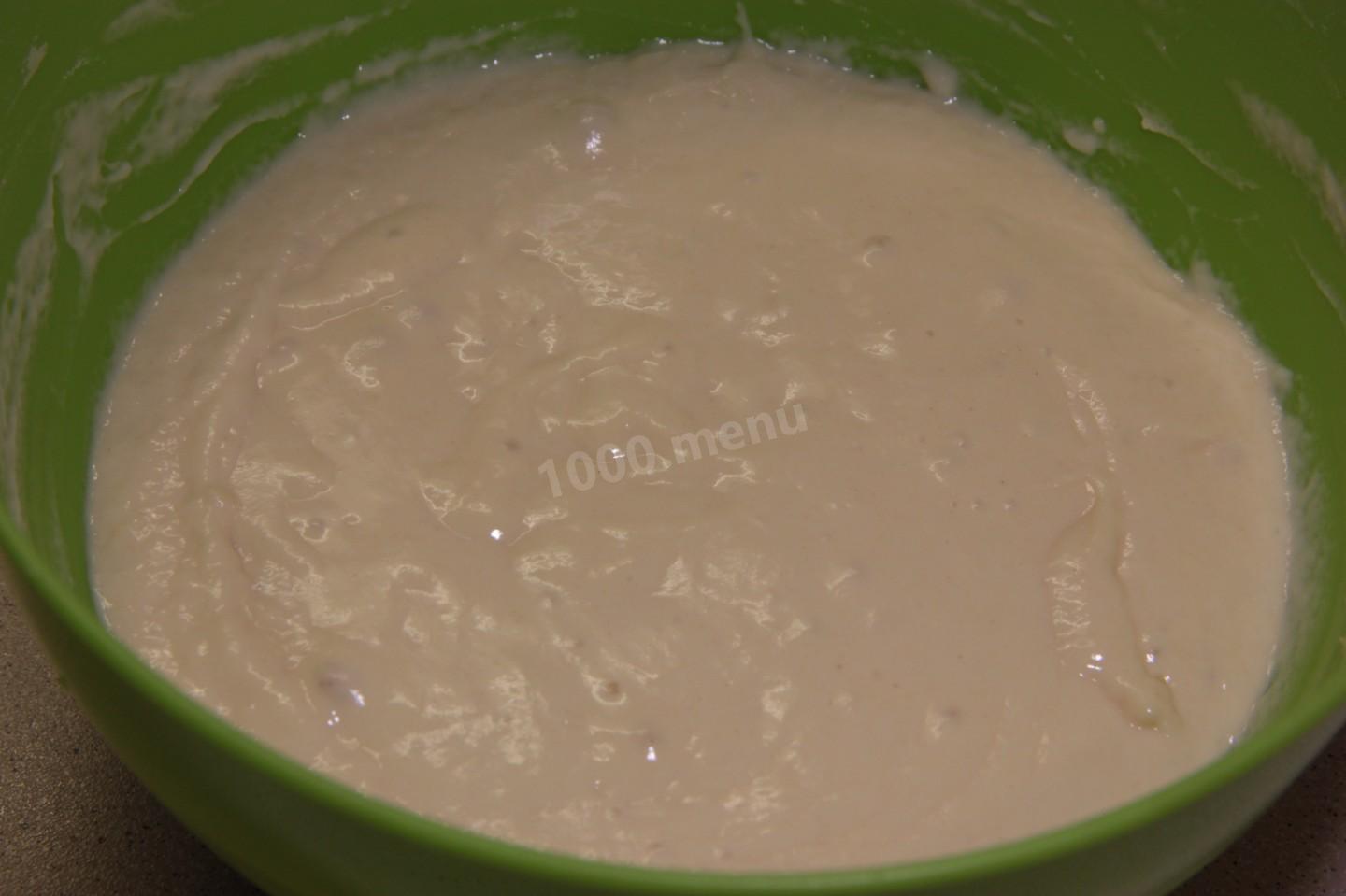
Let the batter rest for 10–15 minutes (until bubbles actively appear) so the flour fully hydrates and the gas bubbles distribute evenly. Don't stir it again — gently scoop from the edge with your spoon.
-
Step 11:
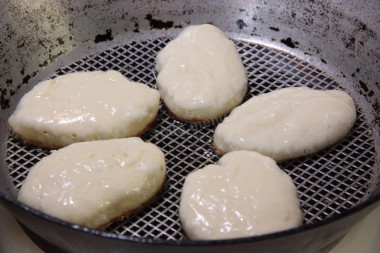
Pour 3 tablespoons of vegetable oil into a well-heated skillet and let it warm up, then lower the heat to medium. Dip a tablespoon in the oil, scoop up some batter, and drop it onto the pan, nudging it off with a teaspoon or a wet finger. Fry until browned on the bottom and holes appear on top.
-
Step 12:
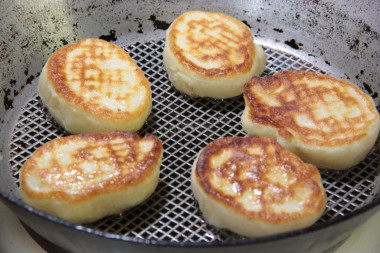
Then flip and fry the other side. Add a little more oil every other batch, and fry off the rest of the batter the same way.
-
Step 13:
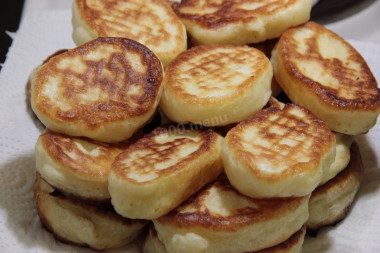
Set the finished fritters on a paper towel to absorb the excess oil. Serve them hot with sour cream, honey, dulce de leche, jam, and of course tea. Enjoy!
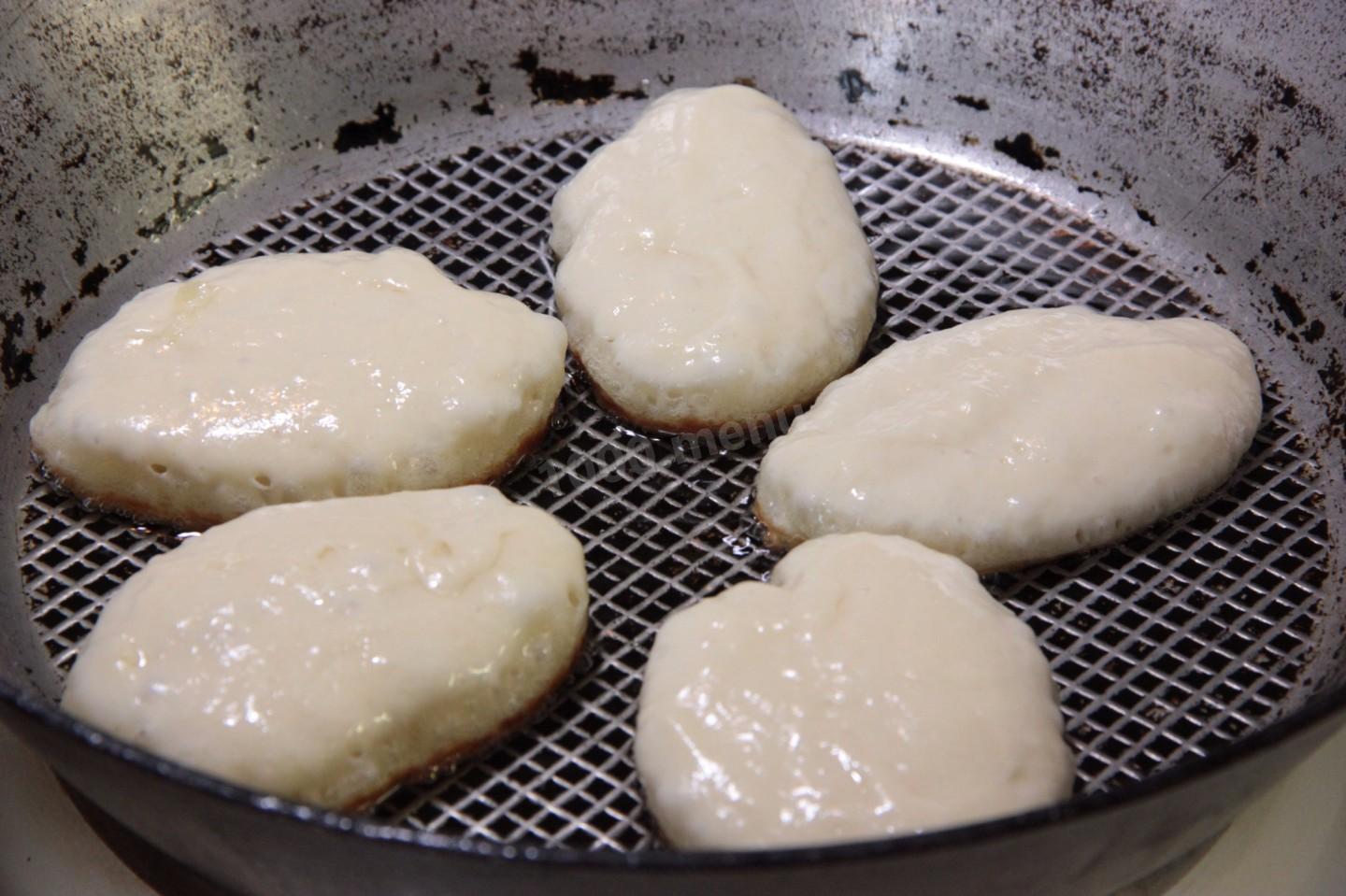
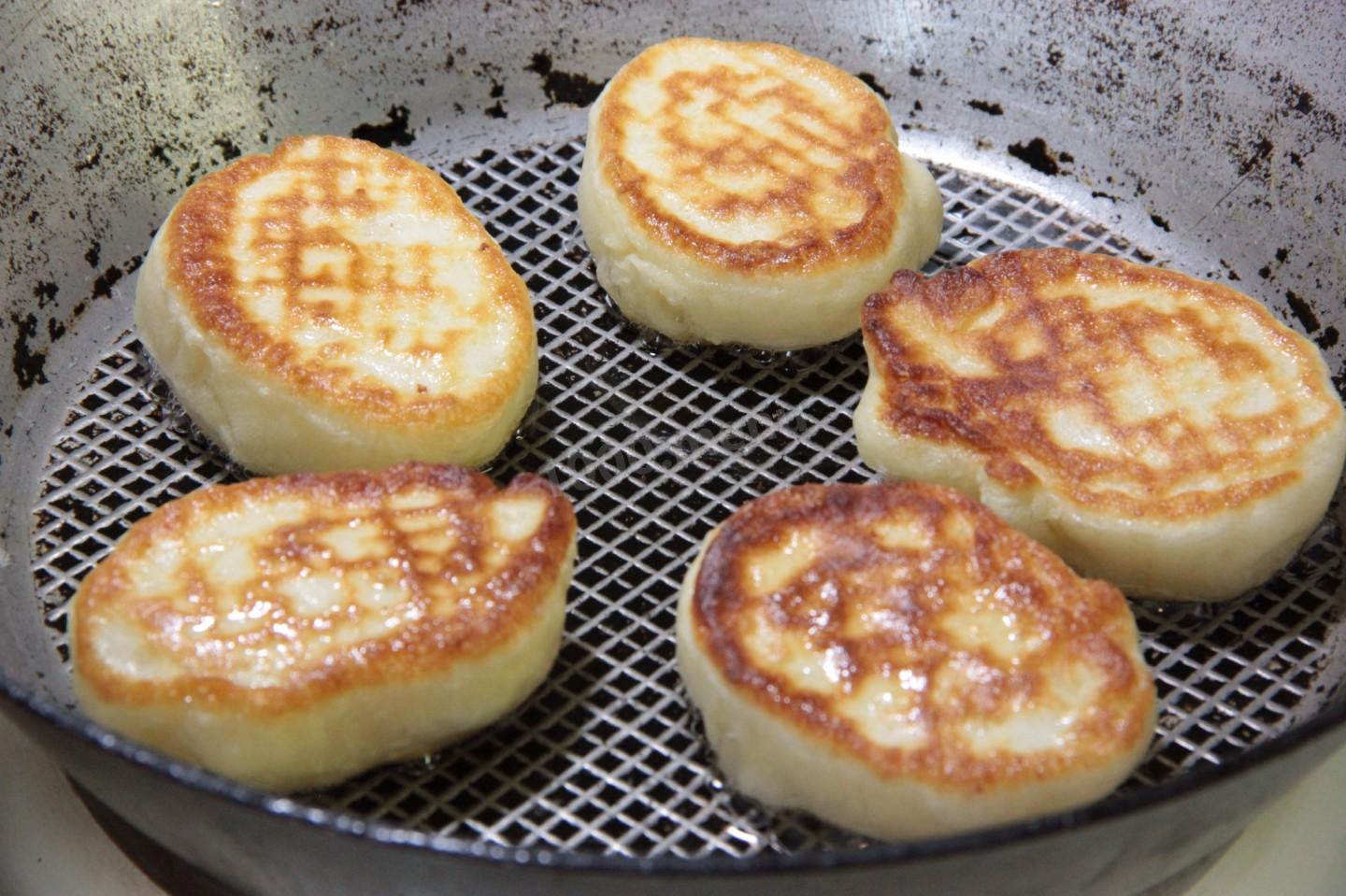
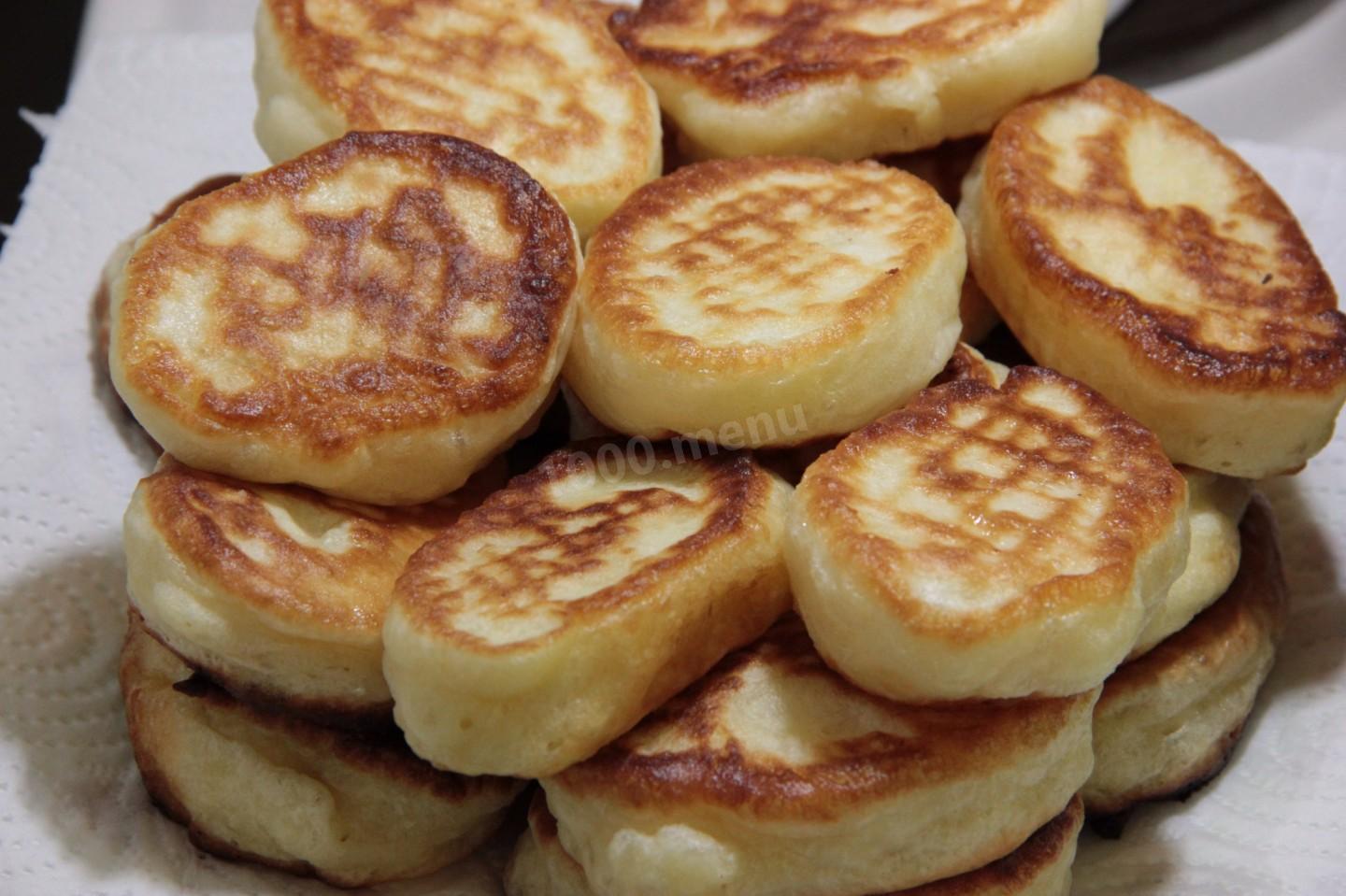
- A few tricks: Fluffy fritters come only from a thick batter! Slightly sour (2–3-day-old) kefir works best. Bring the eggs and dairy to room temperature. The batter must rest so it aerates and lightens. Don't add too much sugar, or the bottoms will scorch while the centers stay raw. Stir the batter in one direction — it comes out smoother and glossier. For round fritters, pour the batter off the tip of the spoon; for oval ones, off the side. Don't overload with mix-ins, or the batter can't rise. Use a heavy-bottomed pan. Fry only in preheated oil over medium to medium-low heat, so the bottoms don't overbrown before the centers cook through. Add enough oil to cover the whole bottom of the pan — aim for the middle ground: too little and the fritters turn dry and can't rise, too much and they turn greasy. Keep portions to about a tablespoon, or they're hard to cook through. Always sift the flour. Add the flour in small batches for better mixing, so you can stop in time and not overdo it. * Use plenty of flour — the flour-to-kefir ratio is nearly 1:1. Then you'll nail it!
- Be ready to use a bit more or less flour than the recipe calls for. Go by the consistency of the batter rather than the exact amount.
- Use an oil with a high smoke point for frying. Every oil is only good up to a certain temperature — its smoke point — beyond which it starts to burn and form harmful compounds, including carcinogens. Unrefined oils, with rare exceptions, have a low smoke point, since they're full of unfiltered particles that burn quickly. Refined oils stand up to heat better and have a higher smoke point. If you're cooking in the oven, in a skillet, or on the grill, reach for an oil with a high smoke point — the most common choices are refined sunflower, olive, and grapeseed oil.
Caloric content of the products possible in the composition of the dish
- Chicken egg - 157 kcal/100g
- Egg white - 45 kcal/100g
- Egg powder - 542 kcal/100g
- Egg yolk - 352 kcal/100g
- Ostrich egg - 118 kcal/100g
- Whole durum wheat flour fortified - 333 kcal/100g
- Whole durum wheat flour, universal - 364 kcal/100g
- Flour krupchatka - 348 kcal/100g
- Flour - 325 kcal/100g
- Granulated sugar - 398 kcal/100g
- Sugar - 398 kcal/100g
- Kefir fat - 62 kcal/100g
- Kefir of 1% fat content - 38 kcal/100g
- Low-fat kefir - 30 kcal/100g
- Kefir 'doctor beefy' 1,8% fat content - 45 kcal/100g
- Kefir 2.5% fat content - 53 kcal/100g
- Vegetable oil - 873 kcal/100g
- Salt - 0 kcal/100g
- Baking soda - 0 kcal/100g
Similar recipes

- Fast and tasty
- For breakfast
- Baking
- Eggs
- Dairy products
- Flour
- Sweet
- Spices seasonings spices
- Fats and oils
- Other
- Salt
- Vegetable oil
- Baking soda
- Frying
- Hasty pastries
- Pancakes are fast and delicious
- Dishes in 30 minutes
- Pancakes
- Baked on kefir
- Quick baking
- Sweet pastry
- Yeast-free baking
- Egg breakfast
- Kefir
- Recipes for lean dishes without butter
- Sugar