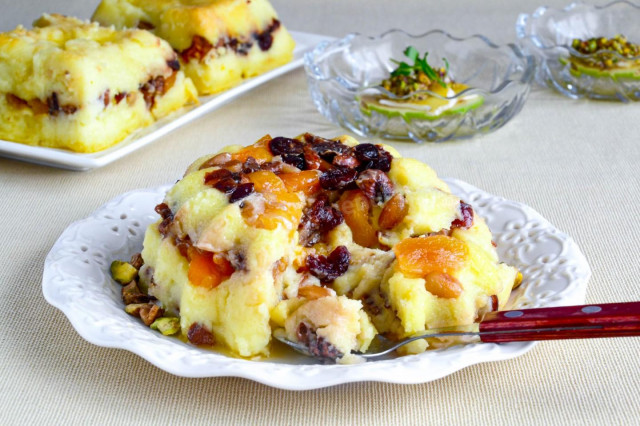


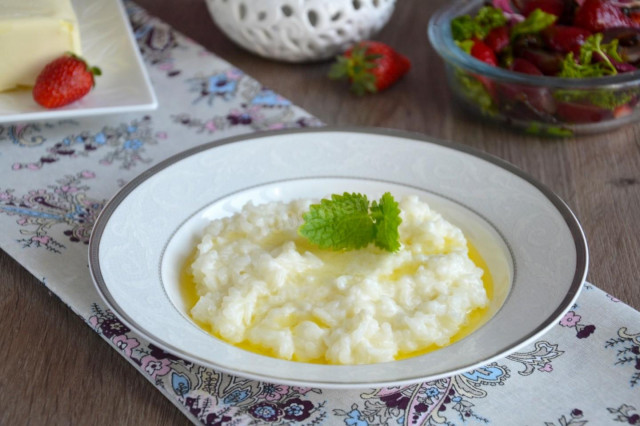
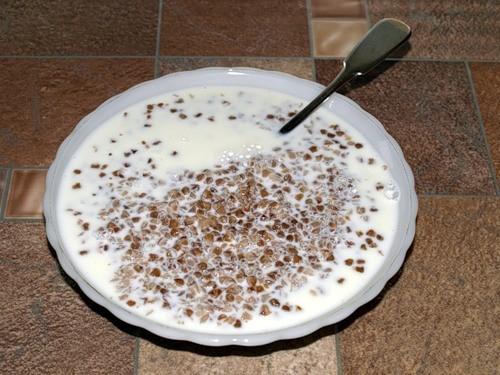
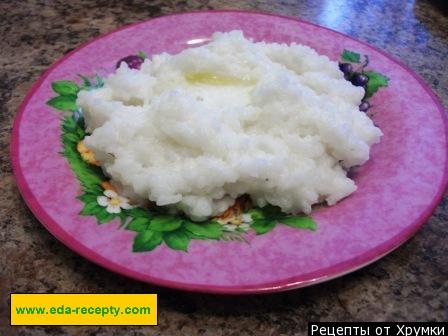
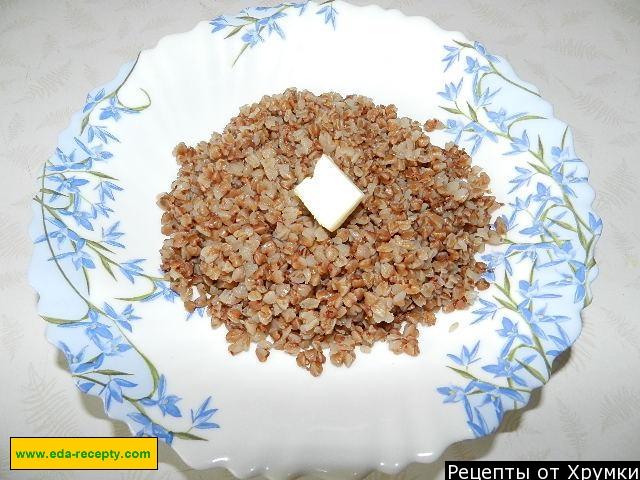
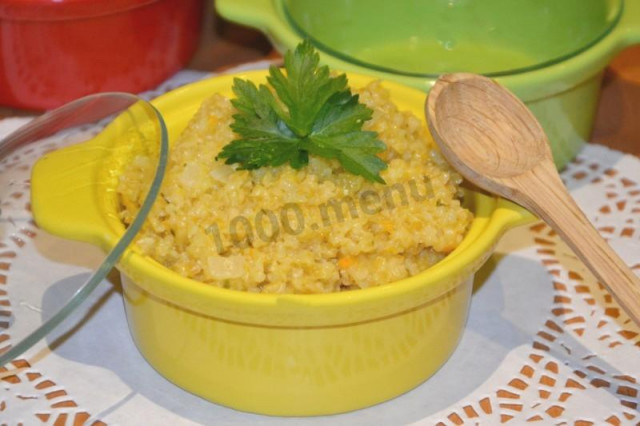
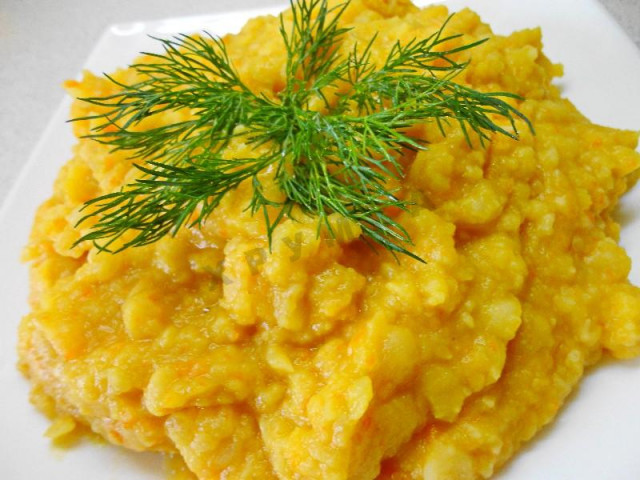
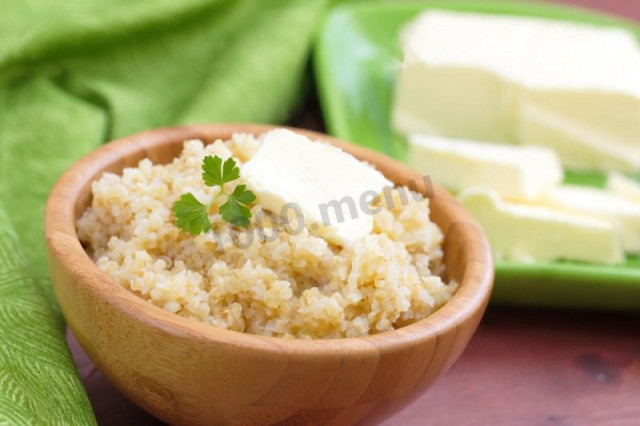
Surely each of us has tried classic porridges of different kinds at least once: semolina, oatmeal, rice, millet, buckwheat, corn, and so on. They differ from one another only in their ingredients and cooking time. Otherwise, they're made almost the same way: the grain is added to the boiling liquid, then cooked until tender over low heat, with or without stirring. The liquid can be plain water or milk, or a mix of the two. With a lot of liquid, the porridge comes out thin; with a little, it's thick. You can adjust the consistency by adding water or stirring in more grain.
The five most commonly used ingredients in classic porridge recipes:
| Product | Calories per 100g | Protein g per 100g | Fats g per 100g | Carbohydrates g per 100g |
|---|---|---|---|---|
| Butter | 734 | 0.5 | 82.5 | 0.8 |
| Milk | 68 | 3.2 | 3.6 | 4.8 |
| Sugar | 398 | 0 | 0 | 99.7 |
| Round rice | 330 | 7 | 1 | 71.4 |
| Buckwheat | 313 | 12.6 | 3.3 | 62.1 |
The harder and larger the grain, the more time it needs to cook. Classic porridge recipes take about an hour on average. Semolina, though, can be ready in 15 minutes, and rice in about forty. You can speed things up with kitchen appliances: slow cookers and pressure cookers. Another advantage of this approach is that you don't have to stand at the stove the whole time to keep the milk from boiling over.
If you like, you can add fresh or dried fruits and berries, nuts, candied fruit, or ready-made jam to any porridge. Traditionally in Russian cuisine it's served in a bowl with a pat of butter. Salt and sugar are added to taste during cooking. Besides boiling, you can make classic porridge in the oven, in a clay pot — and make it either creamy or crumbly, your choice.
Classic porridges are often made for children in kindergartens. In the past, every childcare facility without exception followed GOST, the state quality standard.
So how do you cook porridge properly so it comes out super tasty?
First of all, you need to keep to the proportions of dry and wet ingredients. And here it's best to follow the recommendations given in the recipe. Porridge from fine grains should be cooked without stepping away from the pot. Stir the contents so no lumps form.
You can finish rice porridge off the heat by removing it from the stove and wrapping it up warmly. So it's enough to cook it for 10 minutes and keep the remaining 20–30 under a warm blanket. The same goes for buckwheat.
The five fastest classic porridge recipes:
| Name of the dish | Cooking time | Calories per 100g | User Rating |
|---|---|---|---|
| Rice porridge on water classic recipe | 25 min | 123 | +144 |
| Buckwheat porridge on water classic | 30 min | 167 | +70 |
| Classic rice porridge with milk | 30 min | 171 | +214 |
| Classic rice milk porridge | 45 min | 142 | +135 |
| Artek porridge in a slow cooker classic | 45 min | 81 | +294 |
The secret to oatmeal is that it's better to let it rest a while once it's done. Even better, make it overnight so you can warm it up and eat it in the morning — it will be wonderfully tender.