


First, it's worth noting that juicers come in different types: automatic, manual, and electric. The simplest is designed for squeezing juice from citrus (usually lemons) and looks like a cone-shaped bowl with a cone pointing up and a juice tray underneath. You can't make much with that, and it's also limited in the ingredients it can handle.
The five most commonly used ingredients in juicer recipes:
The juicer has changed a lot from its first model to today's versions. It used to be an ordinary pot with a heavy press and a spout on the side. As you pressed, juice poured out through the spout into the dish below. The compressed pulp was left behind as waste, which could be used to make homemade alcoholic drinks.
Today's juicer can extract juice from just about anything without extra effort, time, or hassle. What comes out is the purest juice, with no pulp. Whatever is left over can also be used in other dishes and drinks.
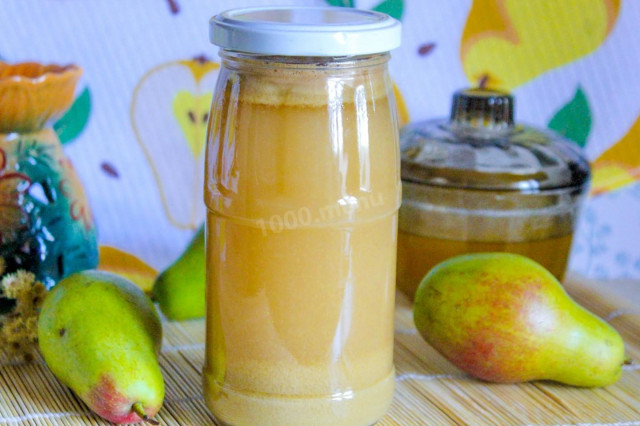
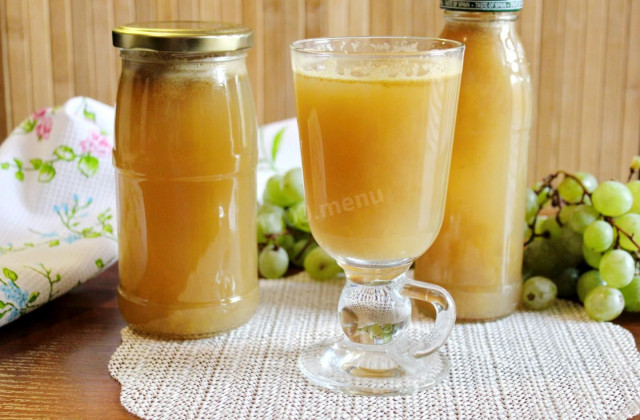
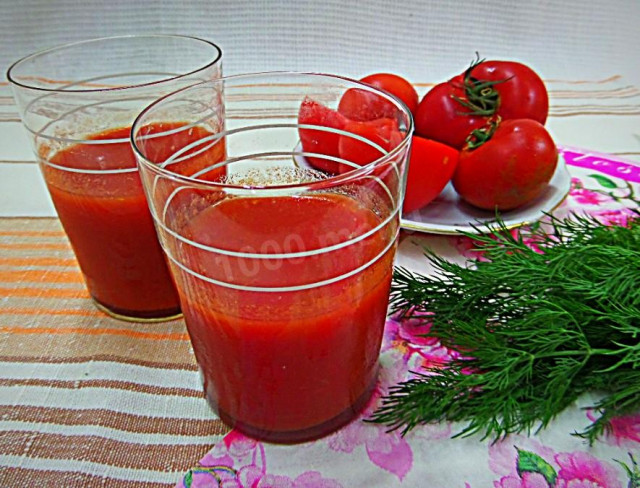
What's the best way to use your juicer? Making juice just to drink it right away isn't quite the point, right? That's why juicer recipes really shine during the winter canning season. If you've got nowhere to put a harvest of apples, pears, grapes, or any other fruits, berries, or vegetables (especially sweet ones like carrots, pumpkin, or tomatoes), you can turn them into juice and then can it in jars for later.
The five fastest juicer recipes:
| Name of the dish | Cooking time | Calories per 100g | User Rating |
|---|---|---|---|
| Carrot fresh | 10 min | 65 | +50 |
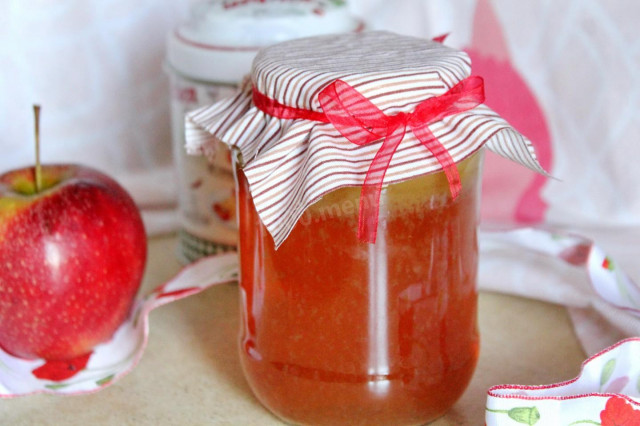
| Apple juice for winter | 30 min | 97 | +71 |
| Apple juice for winter through a juicer | 40 min | 54 | +63 |
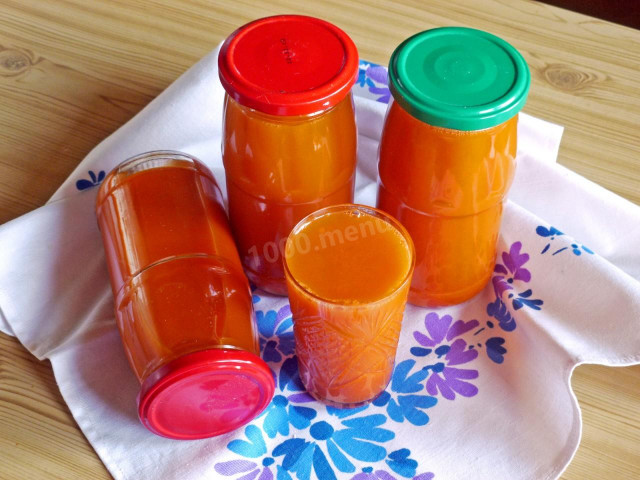
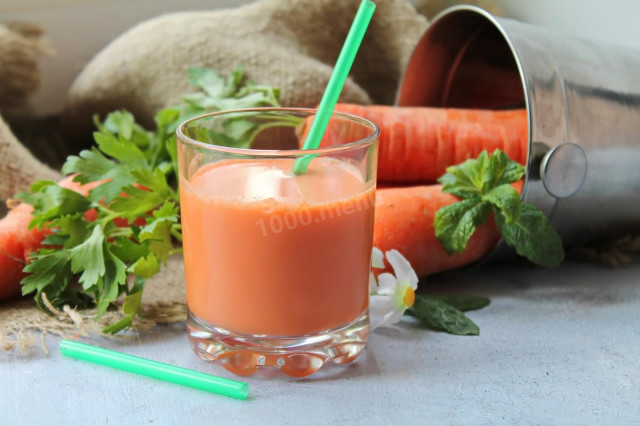
| Carrot juice for winter at home | 40 min | 34 | +89 |
| Winter pear juice from a juicer | 1 hour | 44 | +19 |
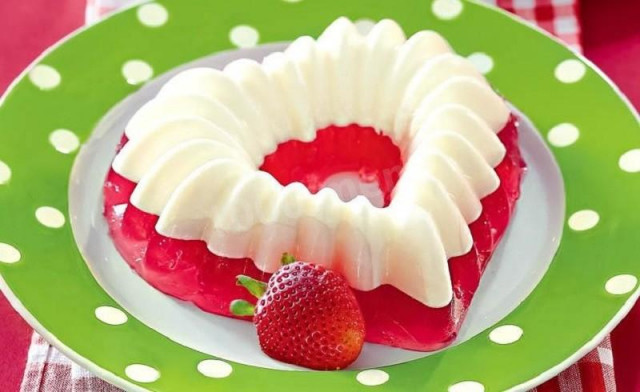
Some elaborate dessert and other recipes call for a juicer. On top of that, natural juices can be used as food coloring for baking of all kinds: carrot, spinach, and beet give a rich orange, green, or burgundy color.