Pan-Fried Battered Pangasius
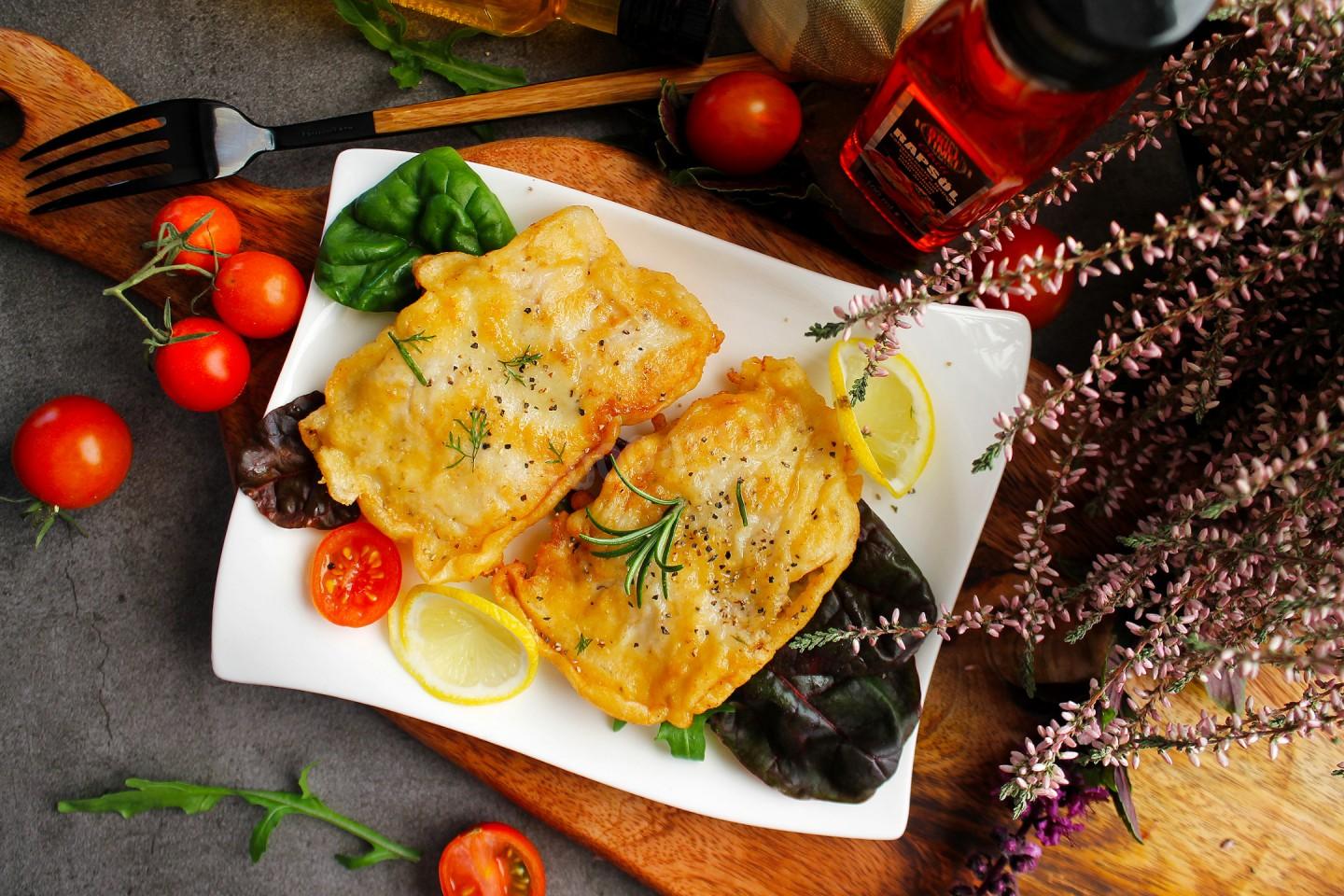
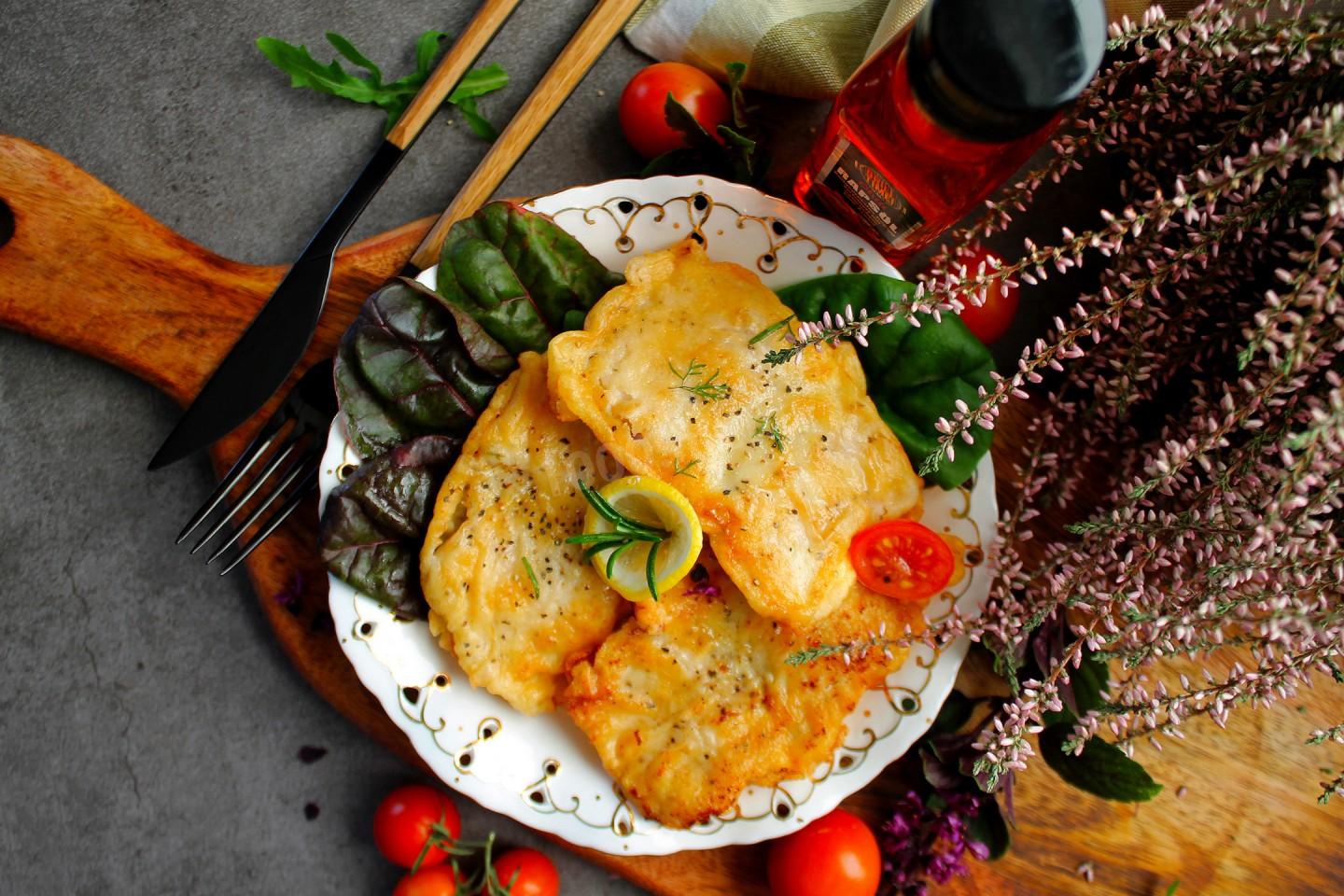
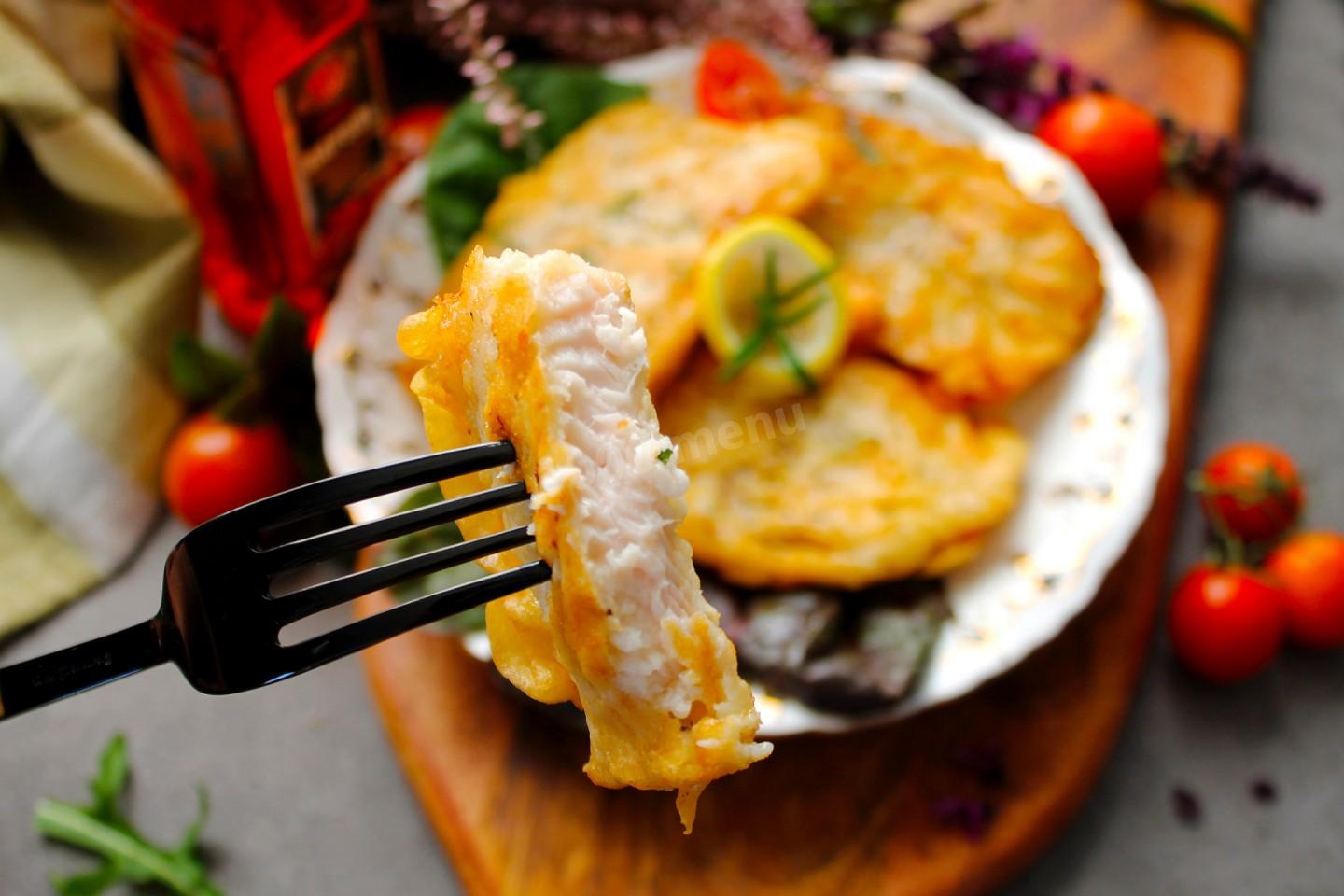
In the best, simplest batter for fish! You can dress this dish up with all sorts of side dishes, salads, and sauces. Pan-fried battered pangasius turns out wonderfully tender, light, and delicious. Serve it with fresh vegetables and herbs. You'll love it!

Cooking method
-
Step 1:
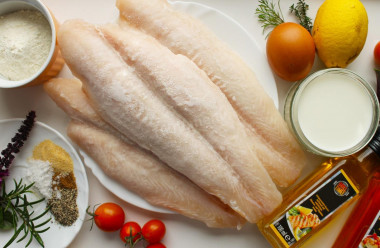
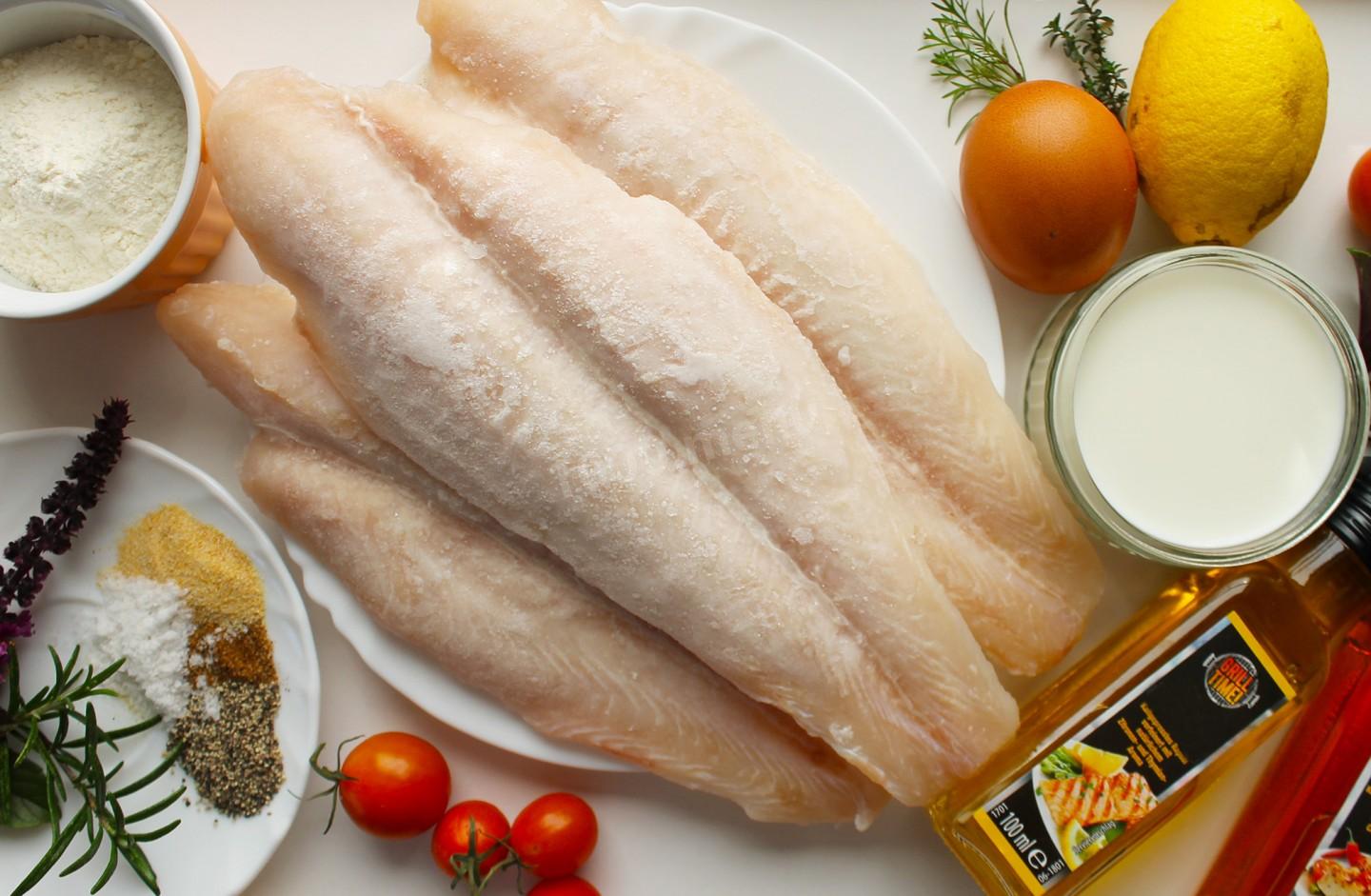
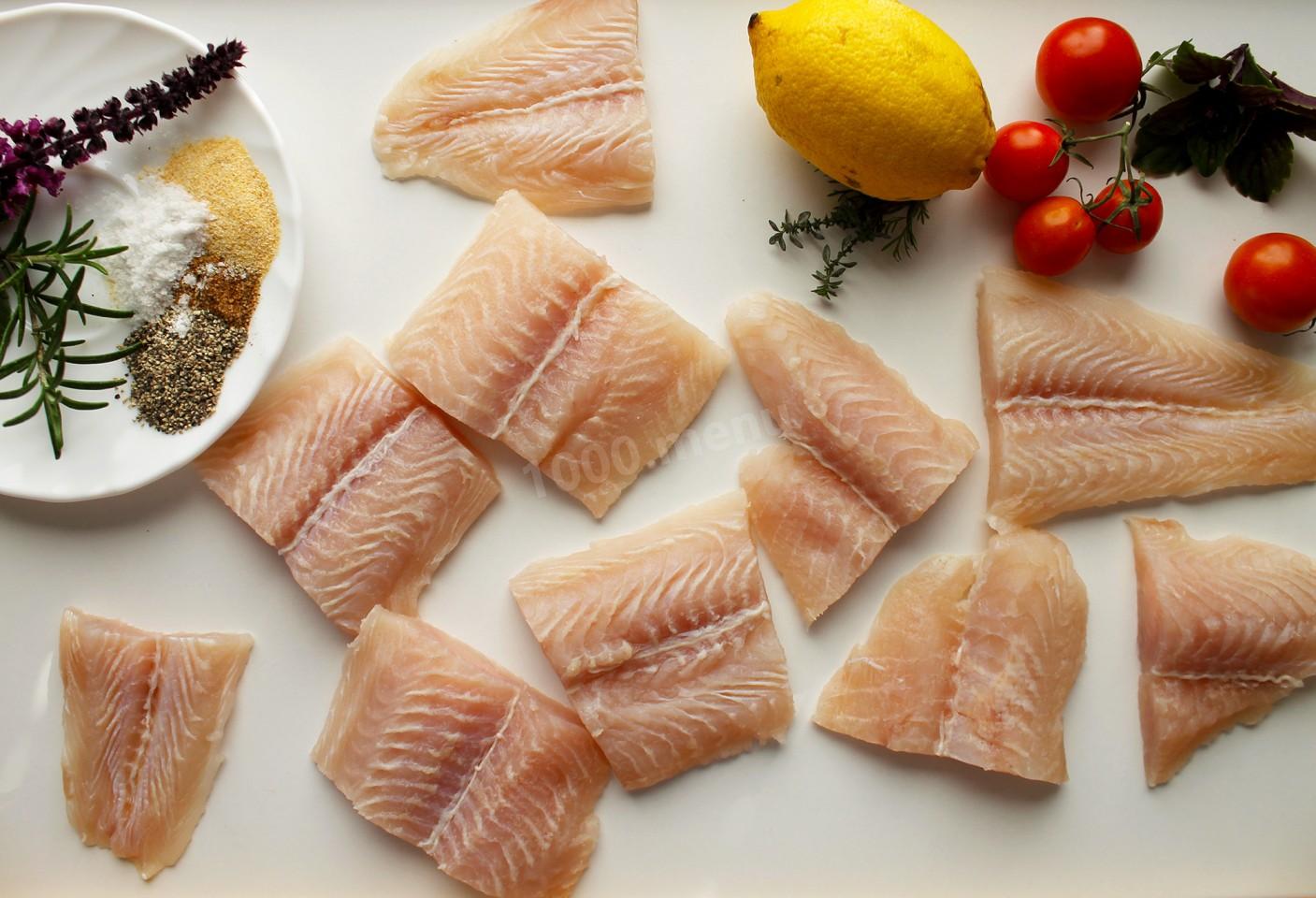
How do you pan-fry pangasius in batter? First, take the fish out of the freezer and gather all the other ingredients.
-
Step 2:
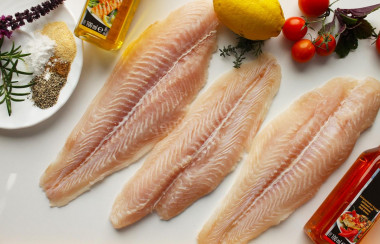
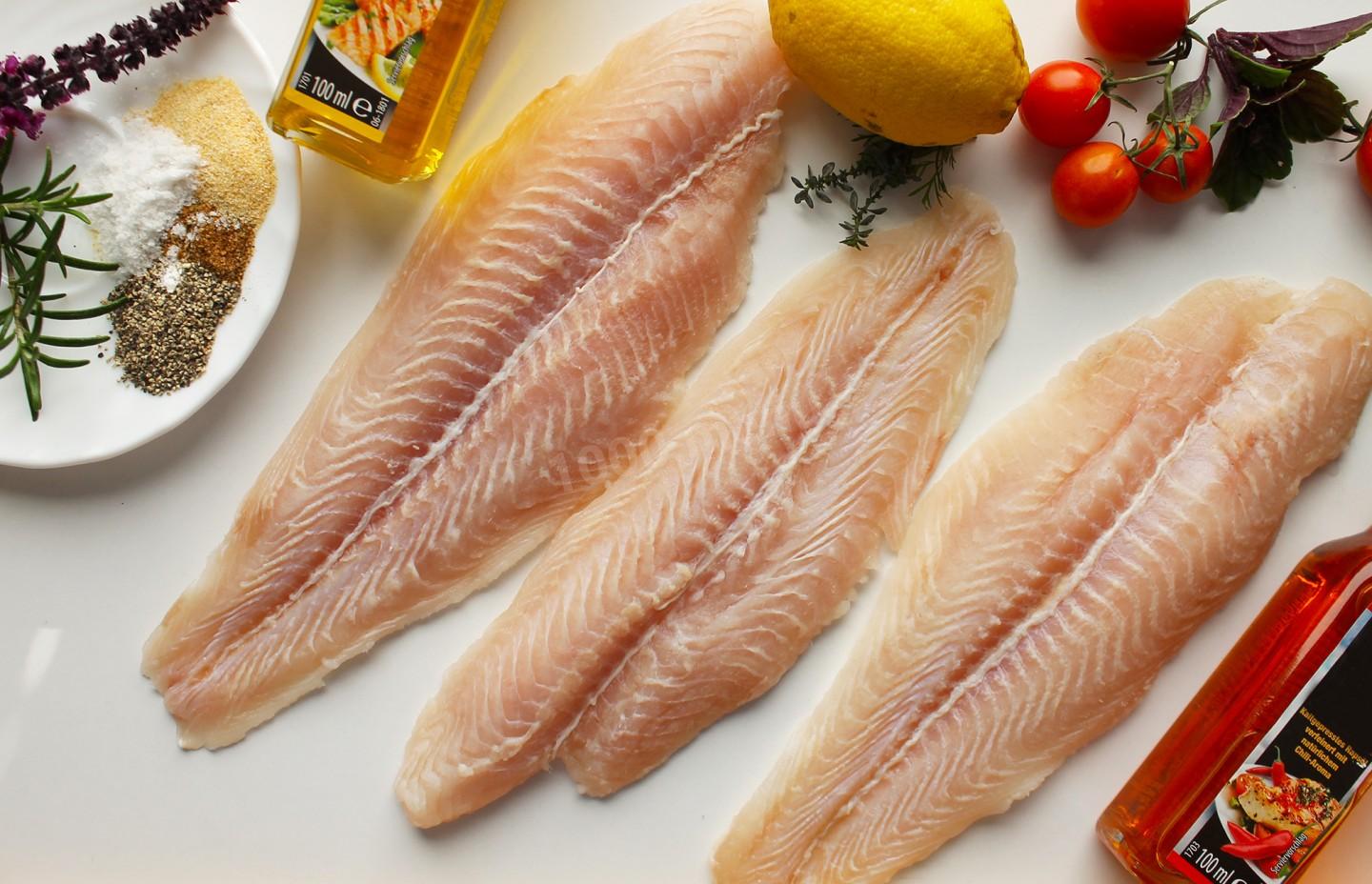
Thaw the fish fillets at room temperature, then blot them with paper towels to remove excess moisture.
-
Step 3:
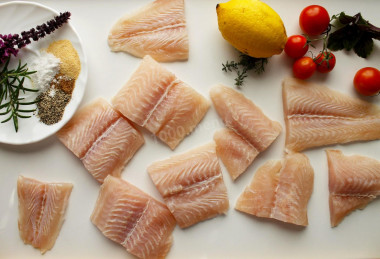
Cut the pangasius into serving pieces about 1 to 1 1/2 inches (3–4 cm) wide.
-
Step 4:
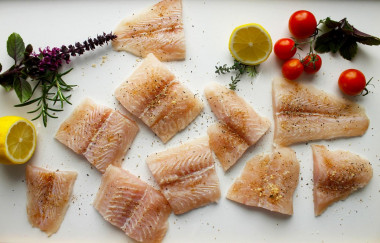
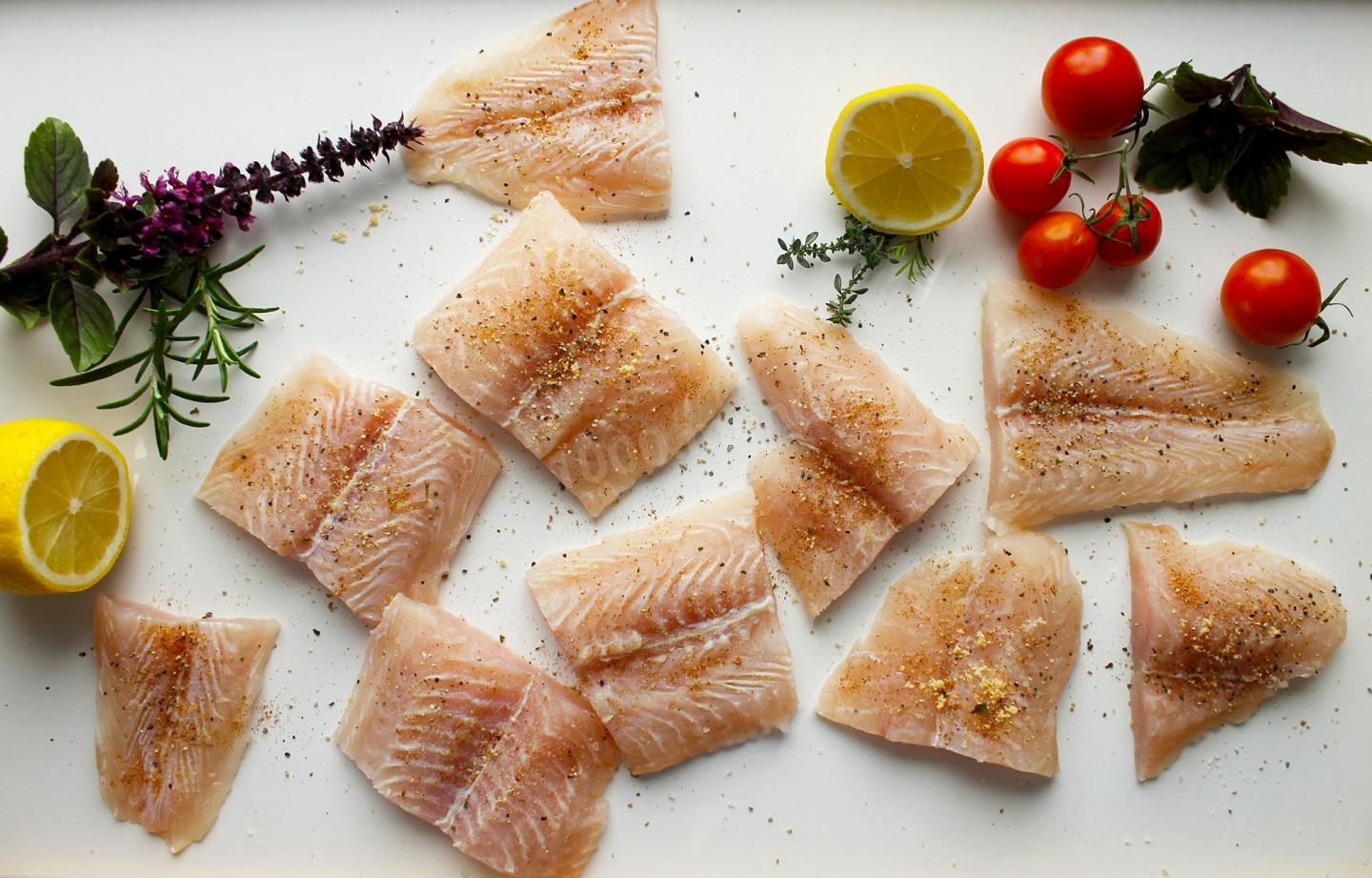
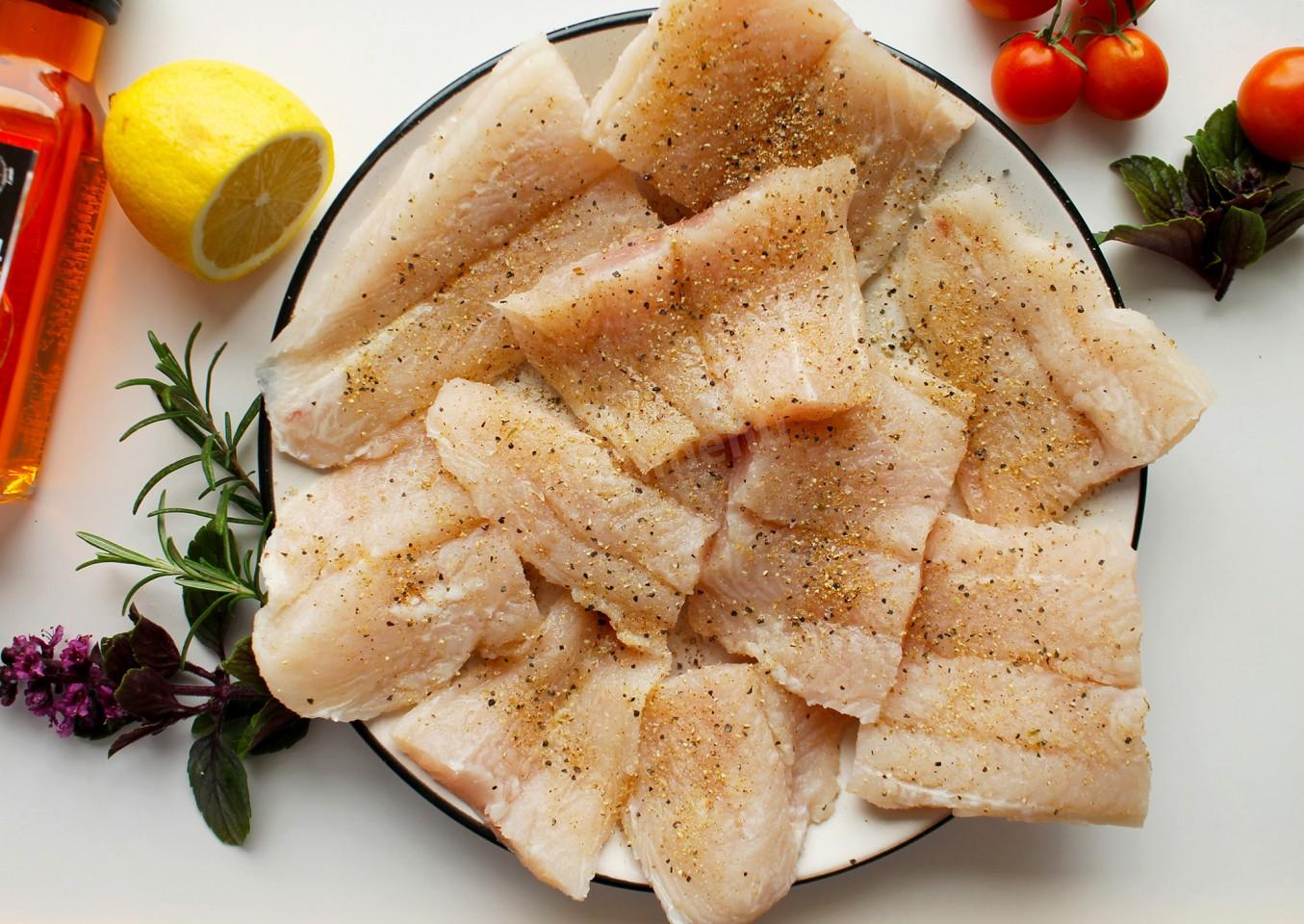
Season each piece with salt, ground black pepper or allspice, and fish seasoning. Sprinkle with fresh lemon juice.
-
Step 5:
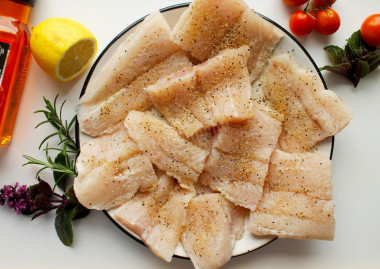
Turn the pieces over and do the same on the other side. Let the pangasius marinate for 10–20 minutes.
-
Step 6:
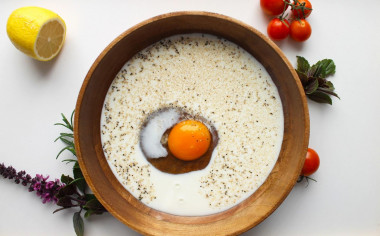
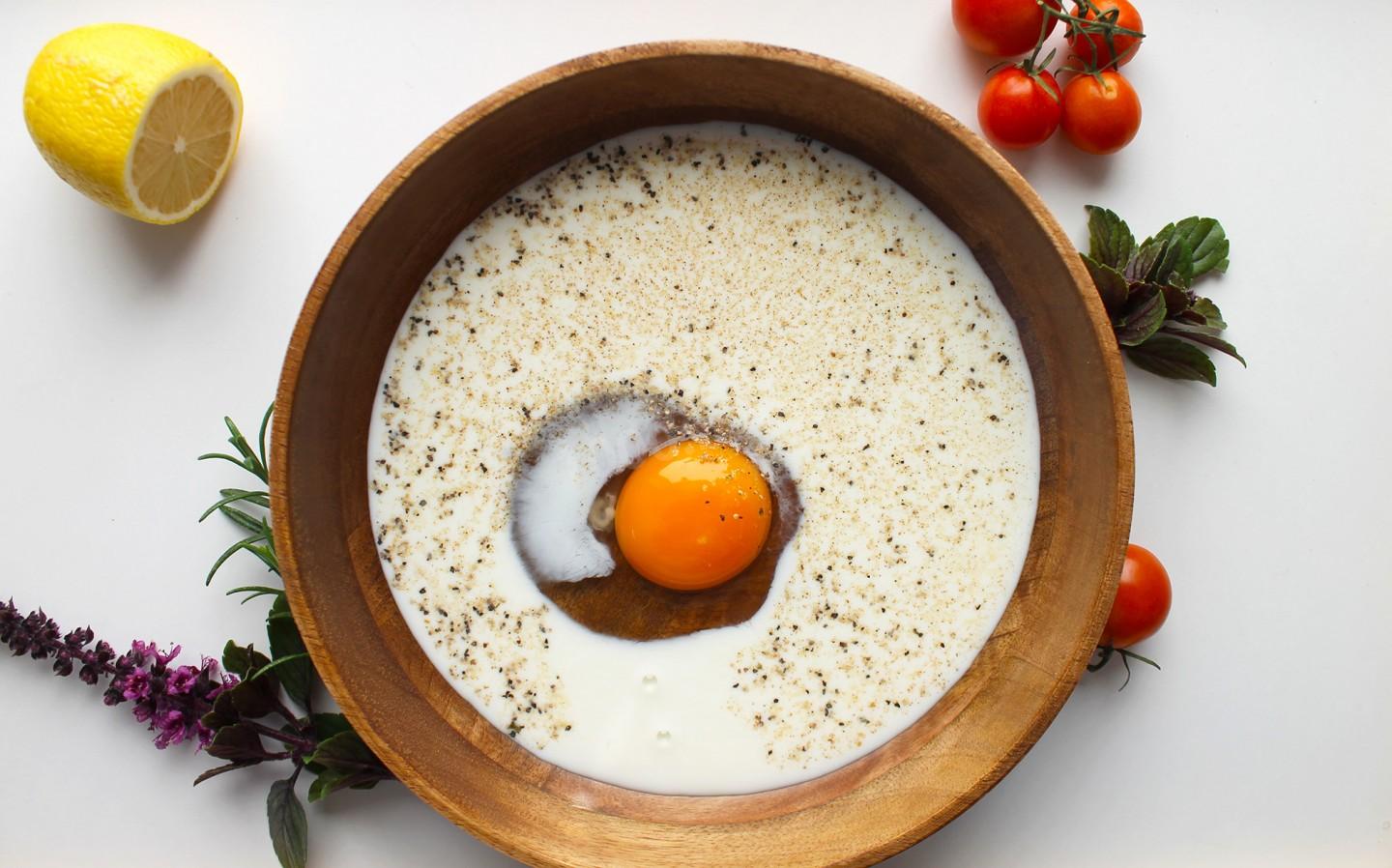
Meanwhile, make the batter. Wash the egg well. In a deep dish or bowl, pour in the milk and crack in the egg. Add a little garlic powder, ground pepper, and salt (adjust to your taste). Whisk everything until smooth.
-
Step 7:
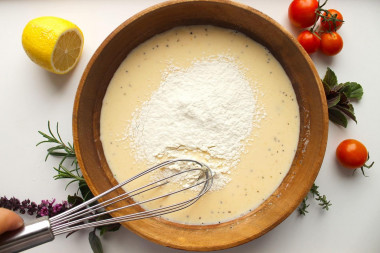
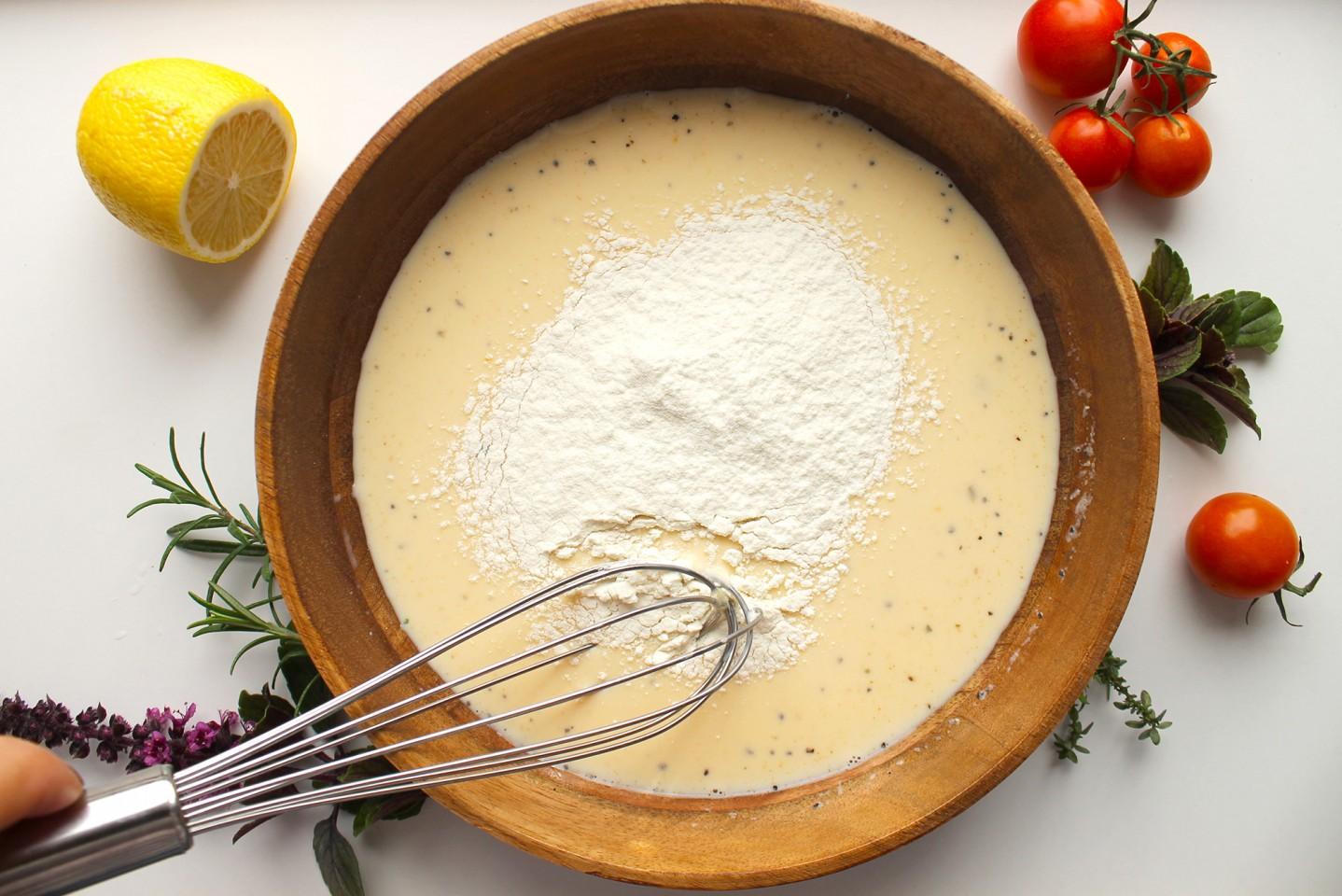
Gradually whisk the sifted flour into the egg-and-milk mixture, stirring constantly so no lumps form. You may need a little more or less flour than the recipe calls for. The batter should have the consistency of sour cream.
-
Step 8:
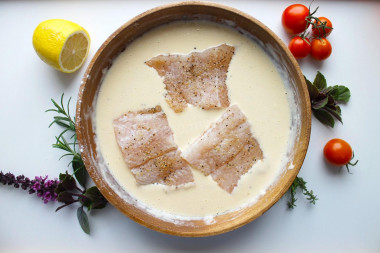
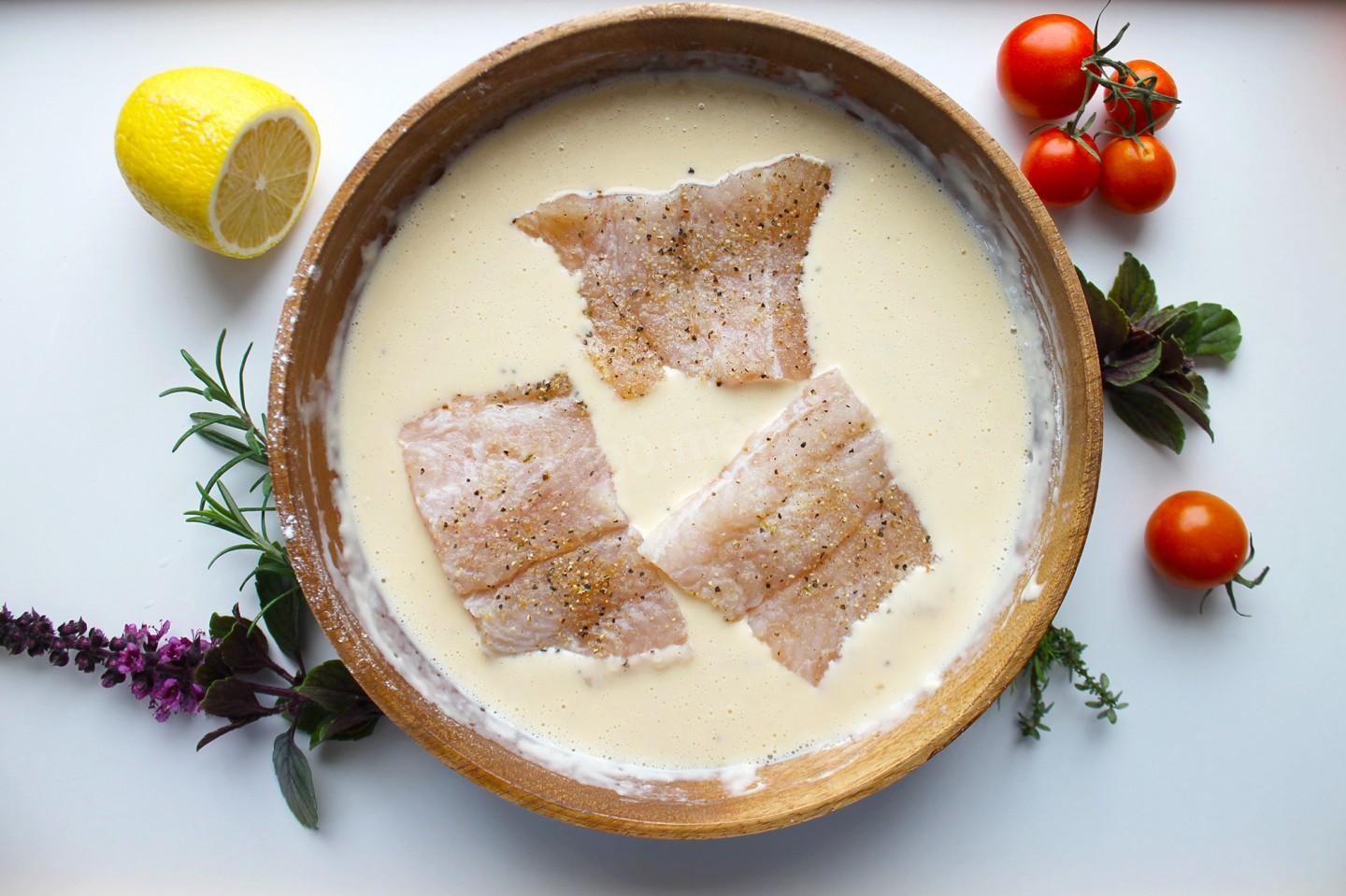
Dip each piece into the thick batter, coating both sides.
-
Step 9:
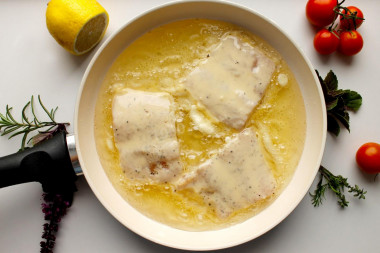
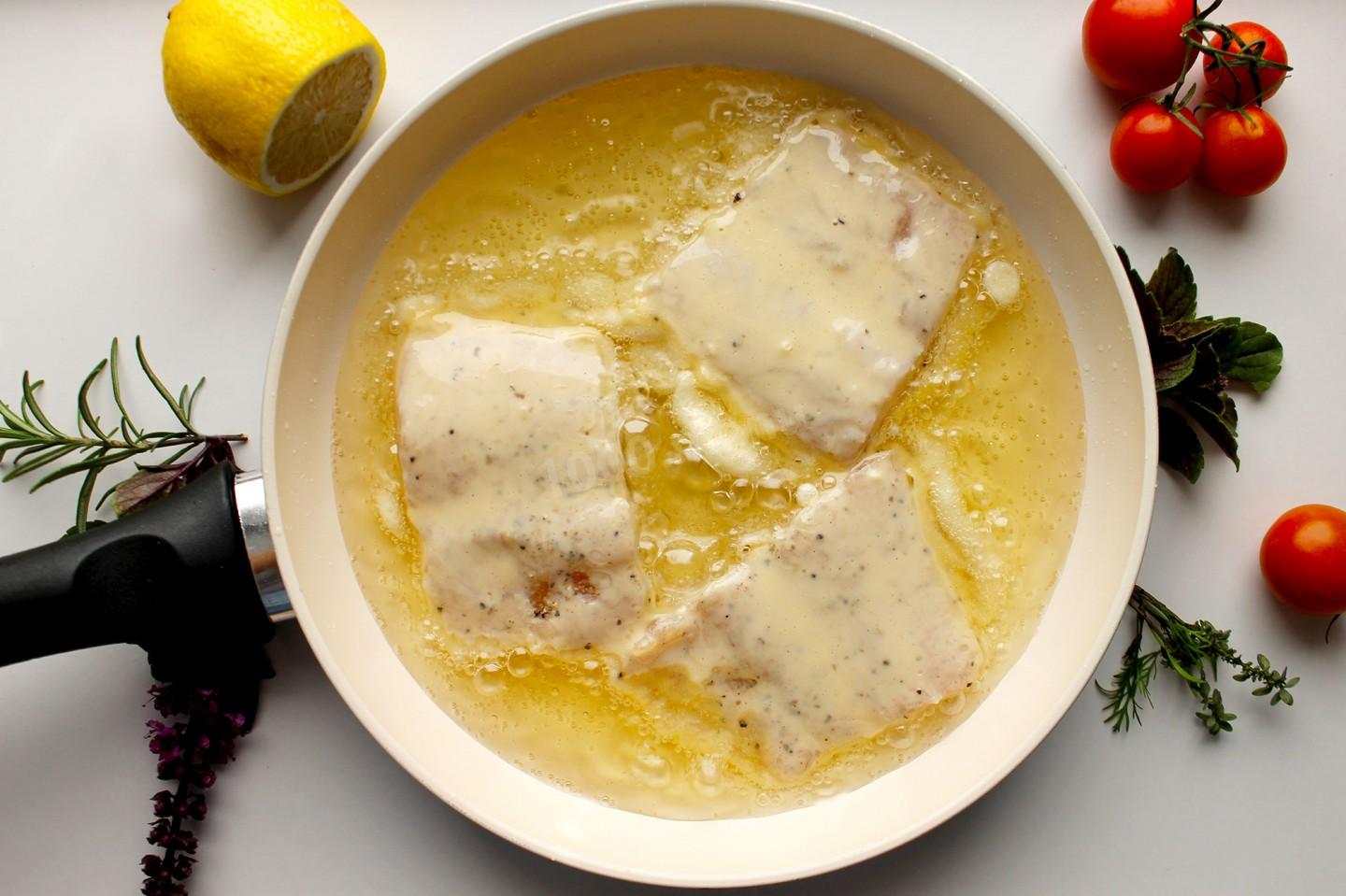
Heat the vegetable oil in a skillet and add the fish to fry. Cook each side until golden and crisp. Keep the heat at medium and leave the pan uncovered.
-
Step 10:
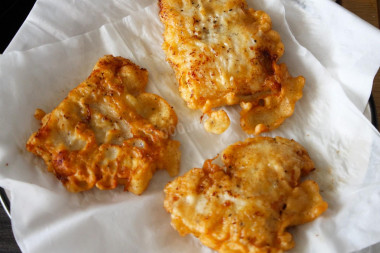
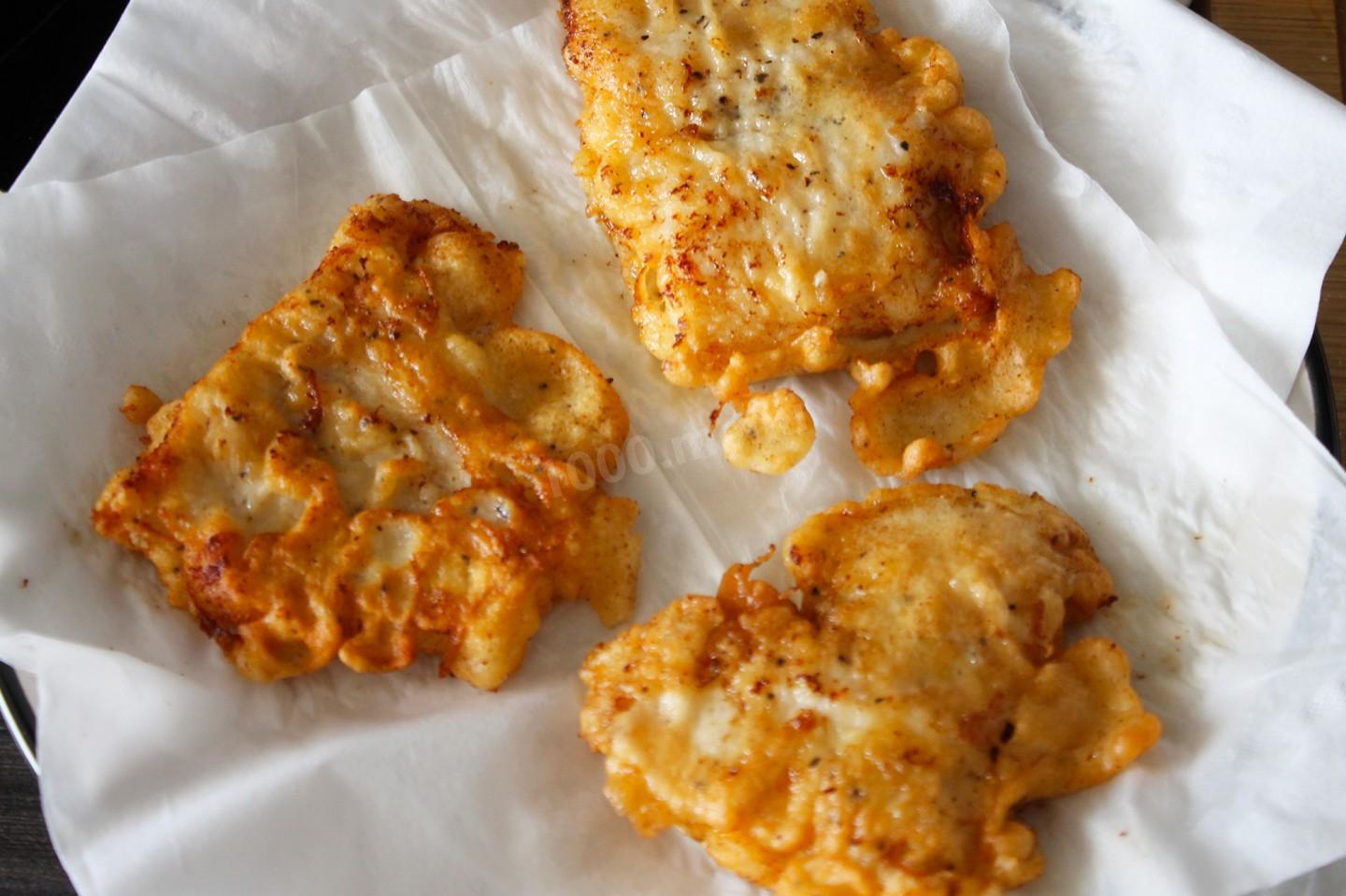
Transfer the cooked fish to paper towels to drain off the excess oil.
-
Step 11:
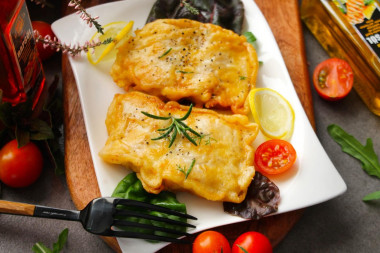
The pangasius in batter is ready! Serve immediately.
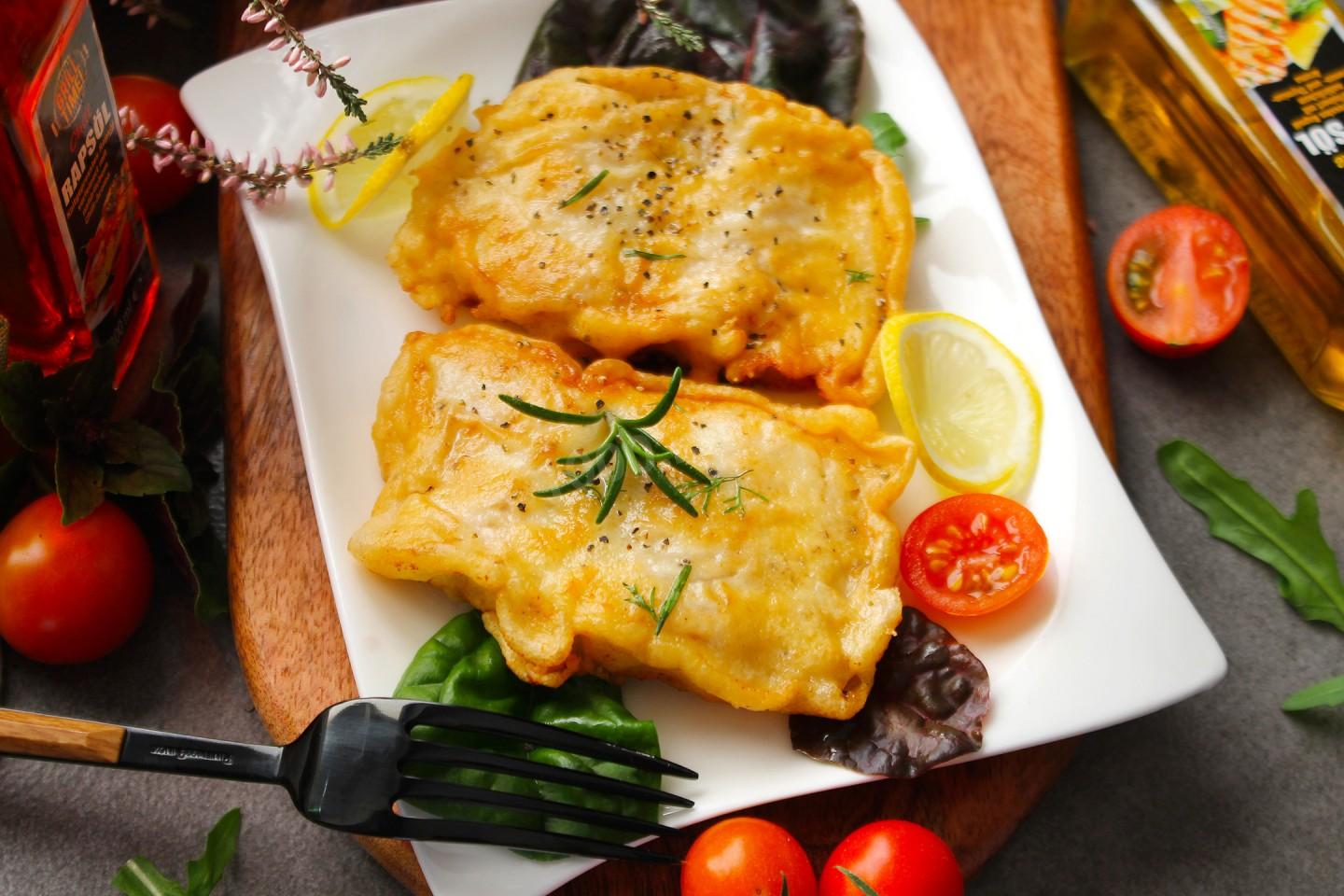
- Pangasius is a relatively inexpensive, budget-friendly fish. It's mostly farm-raised in ponds along the Mekong River, and the fish sold is usually young. It contains vitamins, phosphorus, fats, amino acids, and calcium. Pangasius is delicious served hot, with tender, incredibly soft meat, but it can also be served cold. Enjoy!
- How can you tell if an egg is fresh? Crack it into a separate container. First, there should be no off smell. The white of a fresh egg will be clear and clean. The yolk shouldn't spread out — it will be shiny, domed, and uniform.
- Be prepared to use more or less flour than the recipe indicates. Go by the desired consistency of the batter rather than a fixed amount of flour. To avoid mistakes, learn a bit about flour and its properties!
- Use an oil with a high smoke point for frying! Oils are only healthy up to a certain temperature — the smoke point, past which the oil starts to burn and forms toxic compounds, including carcinogens. Unrefined oils, with rare exceptions, have a low smoke point; they contain many unfiltered organic particles that quickly begin to burn. Refined oils hold up better to heat and have a higher smoke point. If you're going to cook in the oven, in a skillet, or on the grill, make sure to use an oil with a high smoke point. The most common high-smoke-point oils are refined sunflower, olive, and grapeseed oil.
Caloric content of the products possible in the composition of the dish
- Whole cow's milk - 68 kcal/100g
- Milk 3.5% fat content - 64 kcal/100g
- Milk 3.2% fat content - 60 kcal/100g
- Milk 1.5% fat content - 47 kcal/100g
- Concentrated milk 7.5% fat content - 140 kcal/100g
- Milk 2.5% fat content - 54 kcal/100g
- Chicken egg - 157 kcal/100g
- Egg white - 45 kcal/100g
- Egg powder - 542 kcal/100g
- Egg yolk - 352 kcal/100g
- Ostrich egg - 118 kcal/100g
- Lemon - 16 kcal/100g
- Lemon zest - 47 kcal/100g
- Ground black pepper - 255 kcal/100g
- Whole durum wheat flour fortified - 333 kcal/100g
- Whole durum wheat flour, universal - 364 kcal/100g
- Flour krupchatka - 348 kcal/100g
- Flour - 325 kcal/100g
- Vegetable oil - 873 kcal/100g
- Salt - 0 kcal/100g
- Spices dry - 240 kcal/100g
- Garlic powder - 331 kcal/100g
- Pangasius - 89 kcal/100g