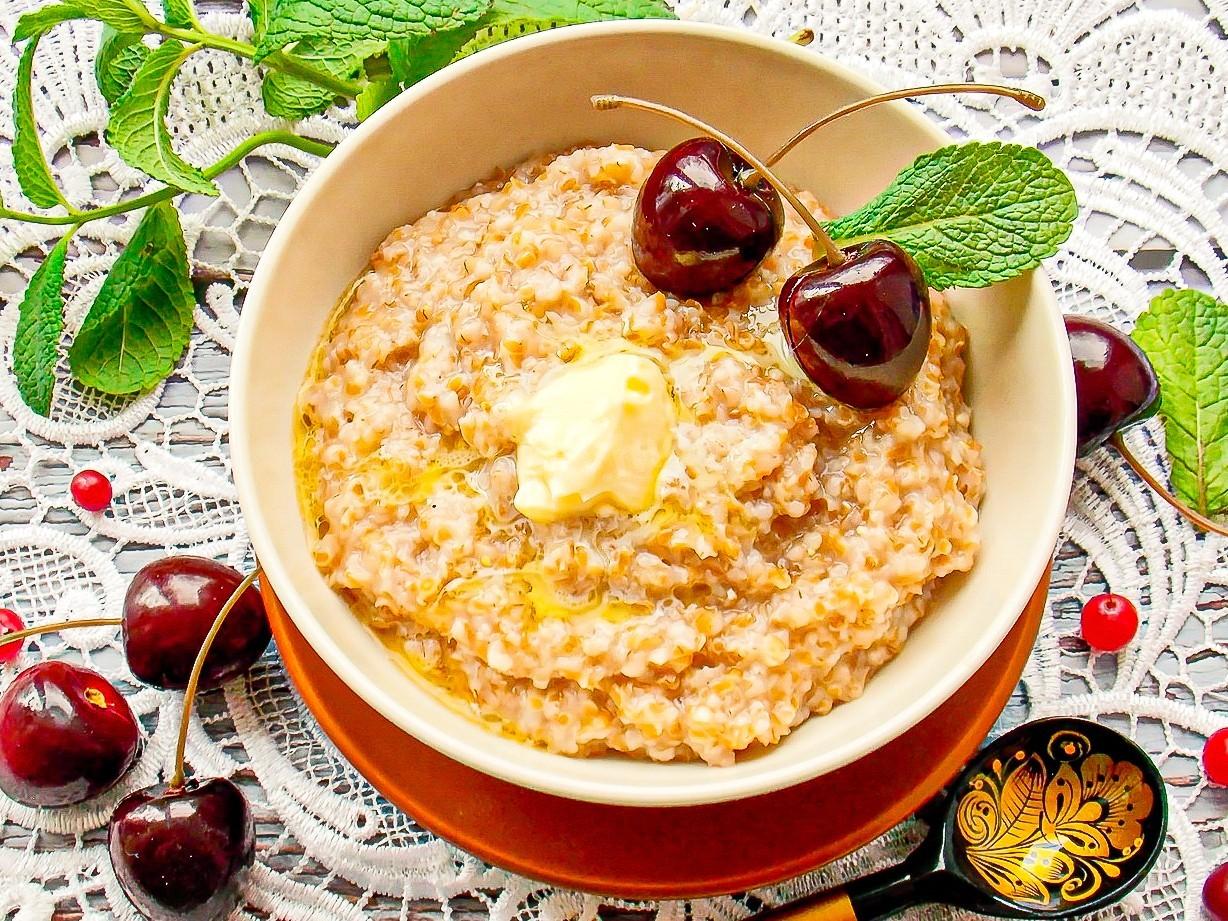
Artek Wheat Porridge Cooked in Water
A healthy, inexpensive, tasty breakfast porridge for the whole family! Artek wheat porridge made with water is very good for you, because it's packed with trace minerals and fiber. It also has a low glycemic index, which makes it ideal for people with diabetes.

Cooking method
-
Step 1:
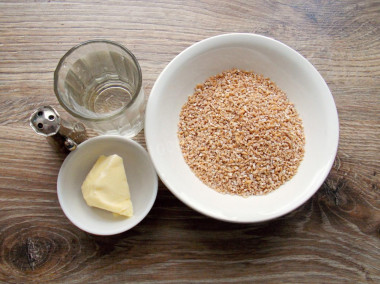
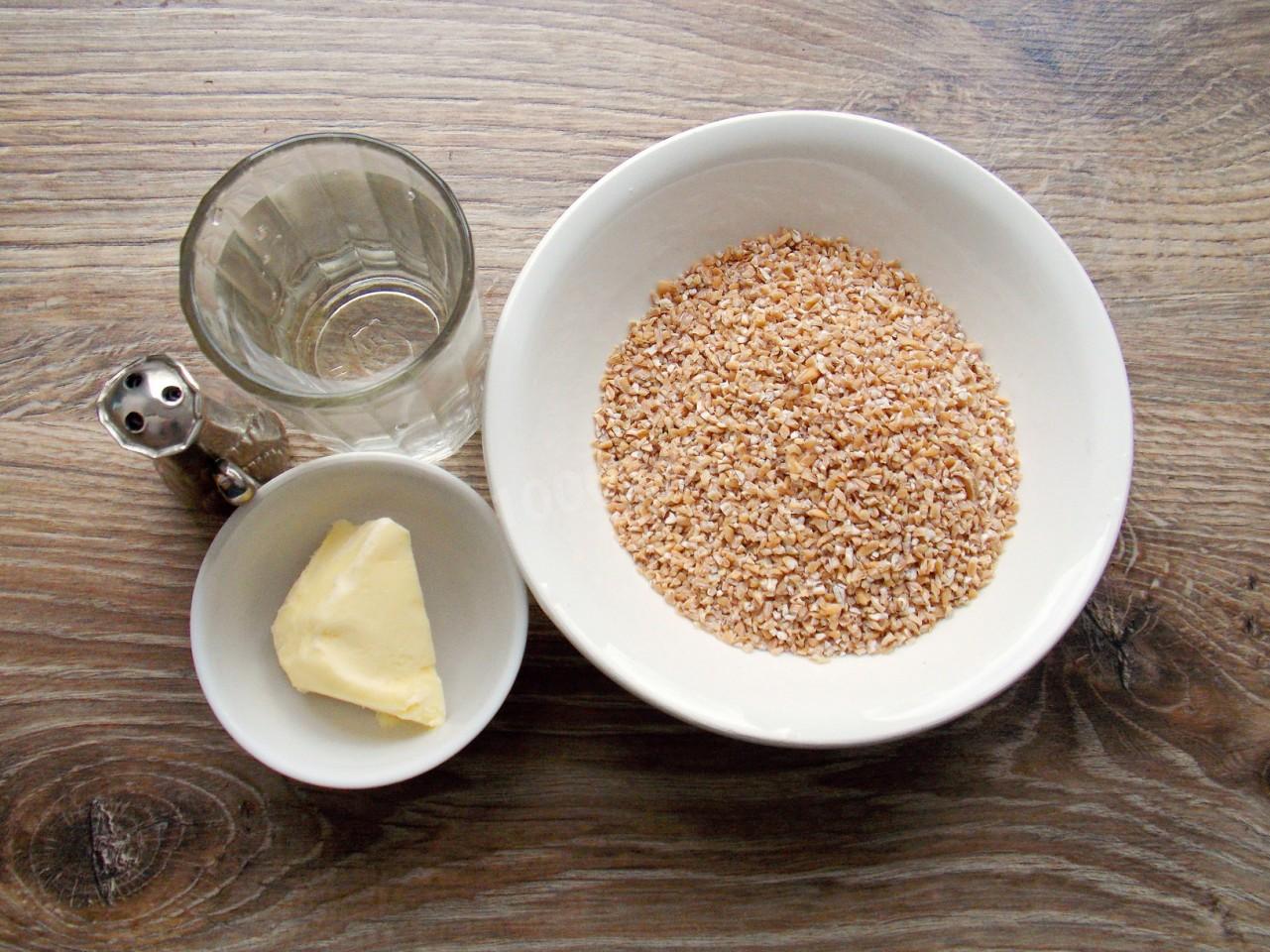
How do you cook Artek wheat porridge in water? Gather the ingredients. Add sugar to taste, or leave it out completely. Use natural, good-quality butter with no vegetable fats. Or swap it for extra-virgin olive oil — the porridge will be even healthier.
-
Step 2:
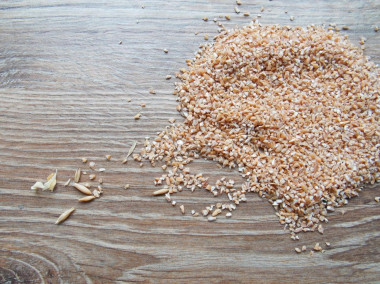
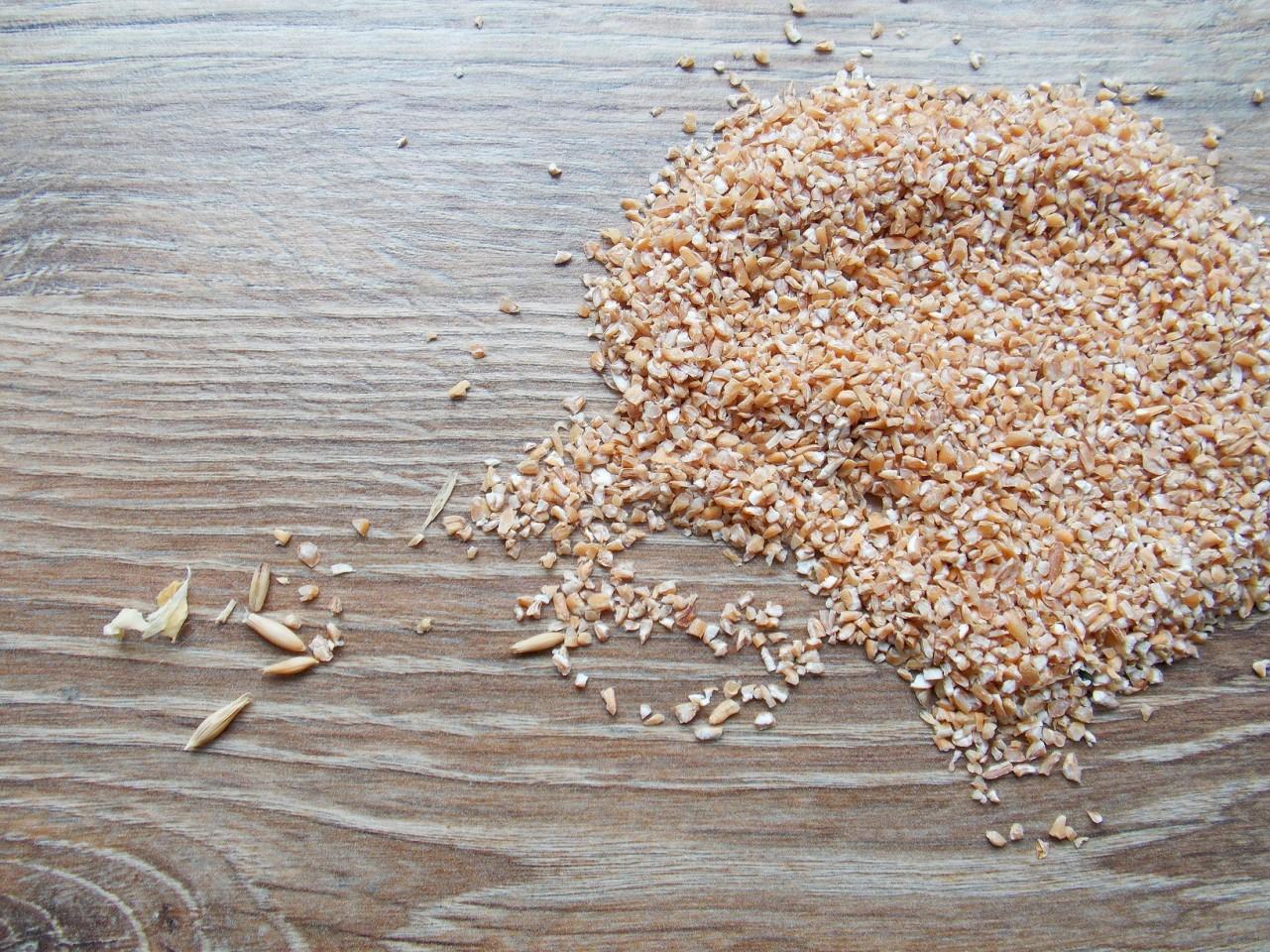
Before you start cooking the porridge, pick over the groats to remove any debris. The easiest way is on an ordinary table: spread the groats out in a thin layer and sort through them, removing anything unwanted — pebbles, whole grains, bits of chaff, and other impurities the body doesn't need.
-
Step 3:
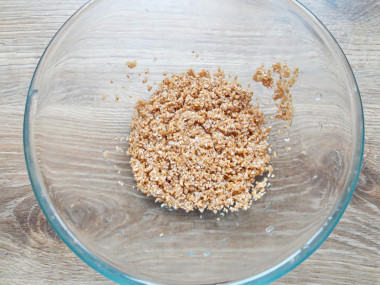
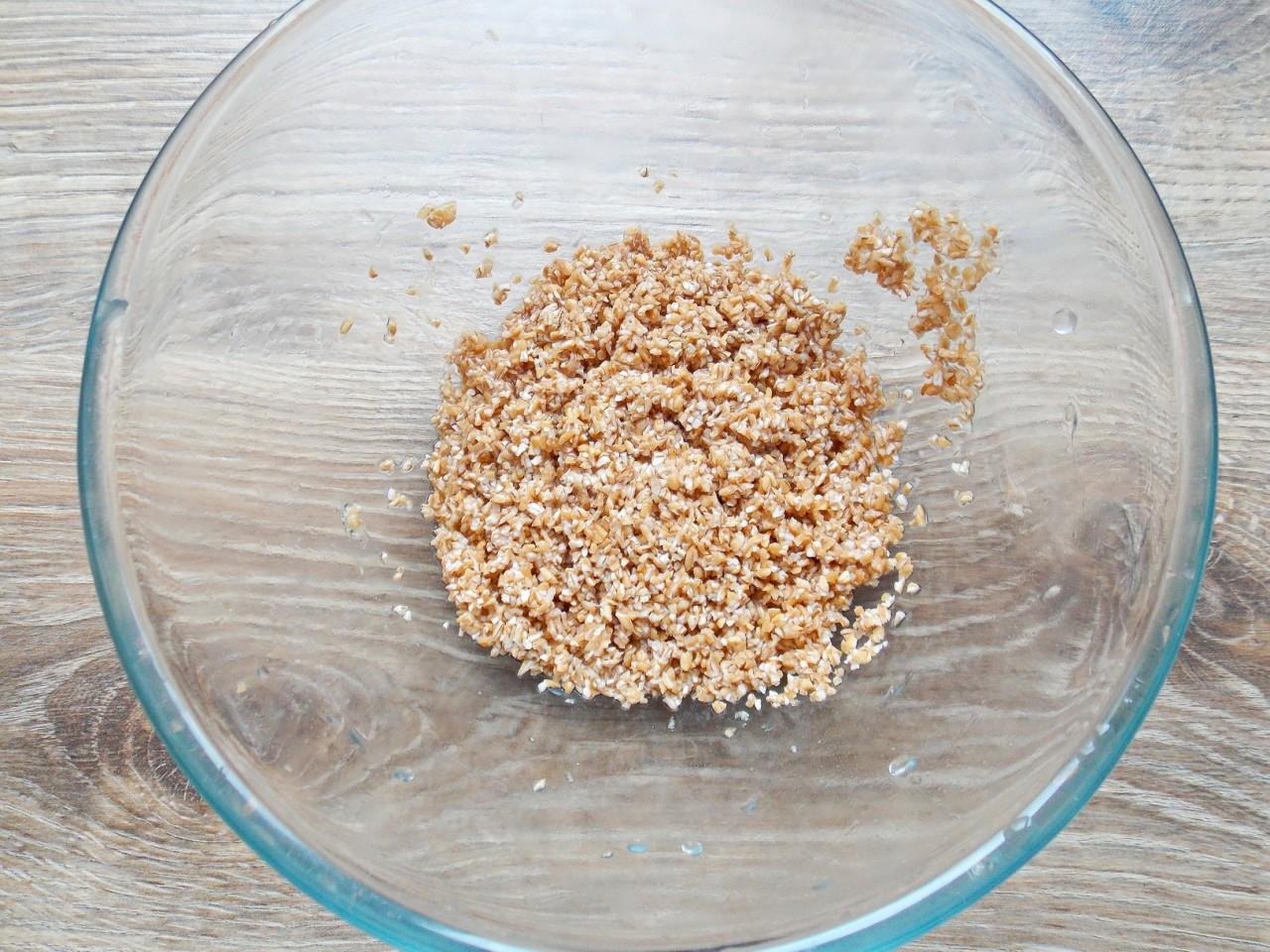
Put the picked-over groats in a bowl and rinse them. If you like crumbly porridge, rinse them under warm running water in a sieve. For a more viscous, thick porridge, rinse the groats briefly under cold water. That way the starch — which is what makes the porridge creamy — doesn't wash off the surface. I prefer a viscous porridge, so I just rinsed the wheat under cold water.
-
Step 4:
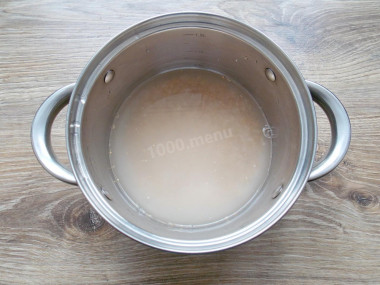
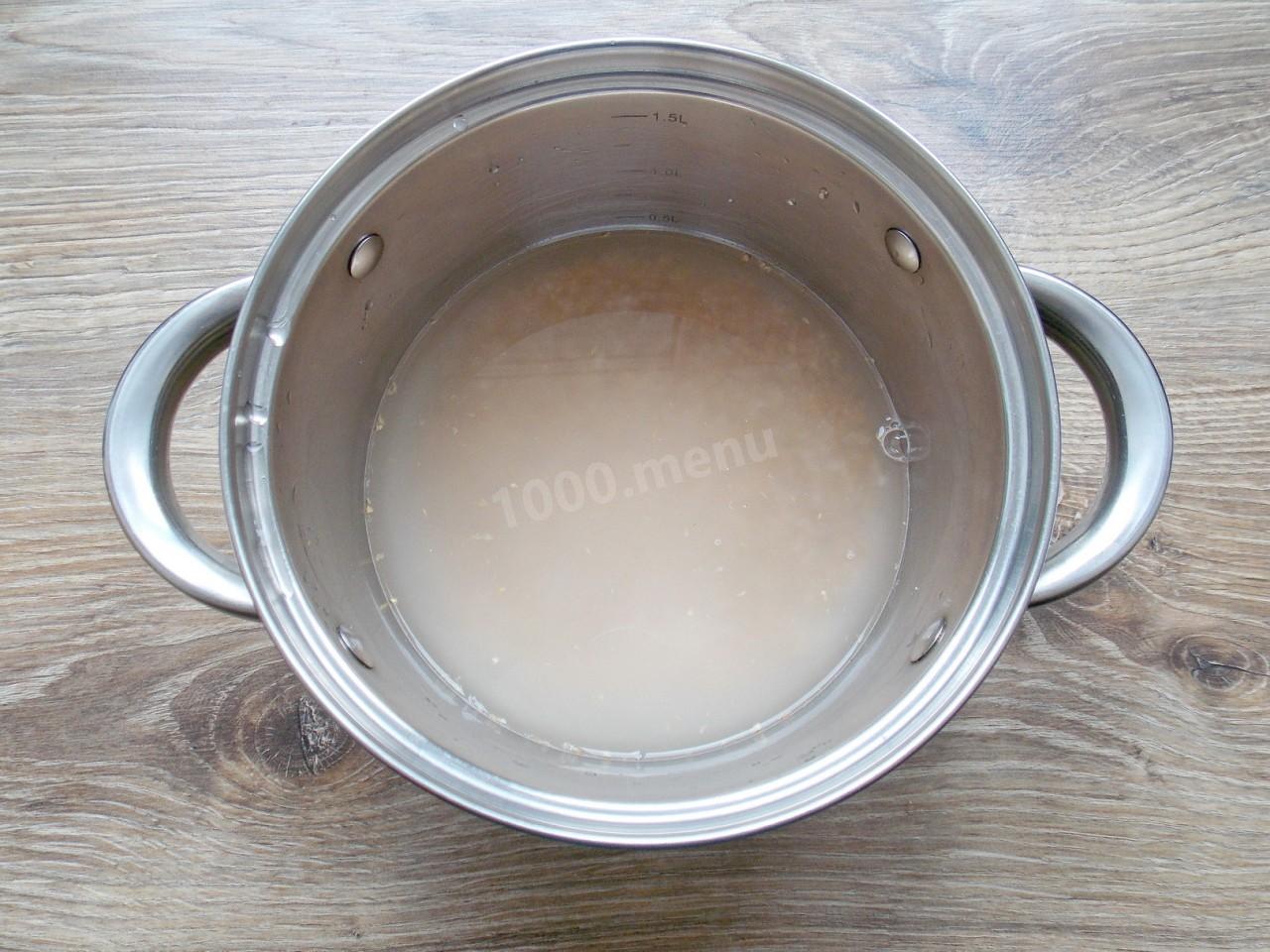
Put the groats in a pot and cover with water. Wheat porridge is cooked with liquid in a 1-to-2 ratio. It's best not to use tap water — use filtered or bottled water. It's much cleaner and softer, which means the porridge comes out tastier and healthier.
-
Step 5:
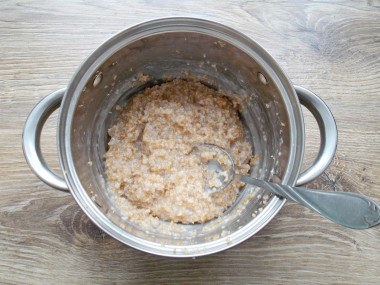
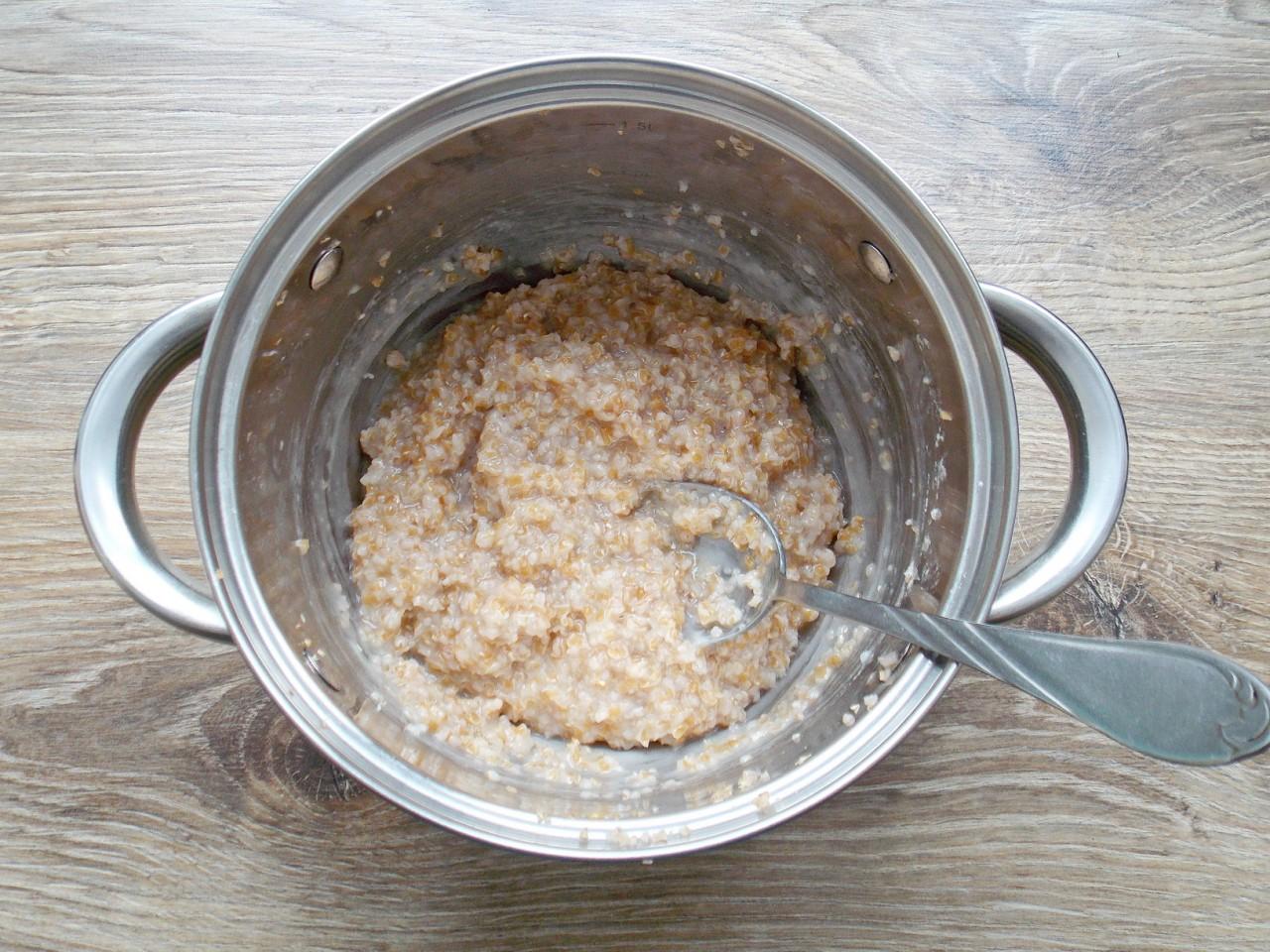
Set over medium heat and bring to a boil. Cover, reduce the heat to low, and cook for 20 minutes. Stir the porridge several times during this time so it doesn't scorch. Then remove the lid and salt to taste. If the porridge seems too thin, keep cooking and stirring until it reaches the consistency you want. Take it off the heat, cover, lay a towel over the top, and let it sit for 15 minutes so the grain finishes steaming through.
-
Step 6:
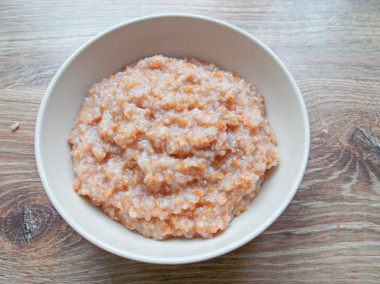
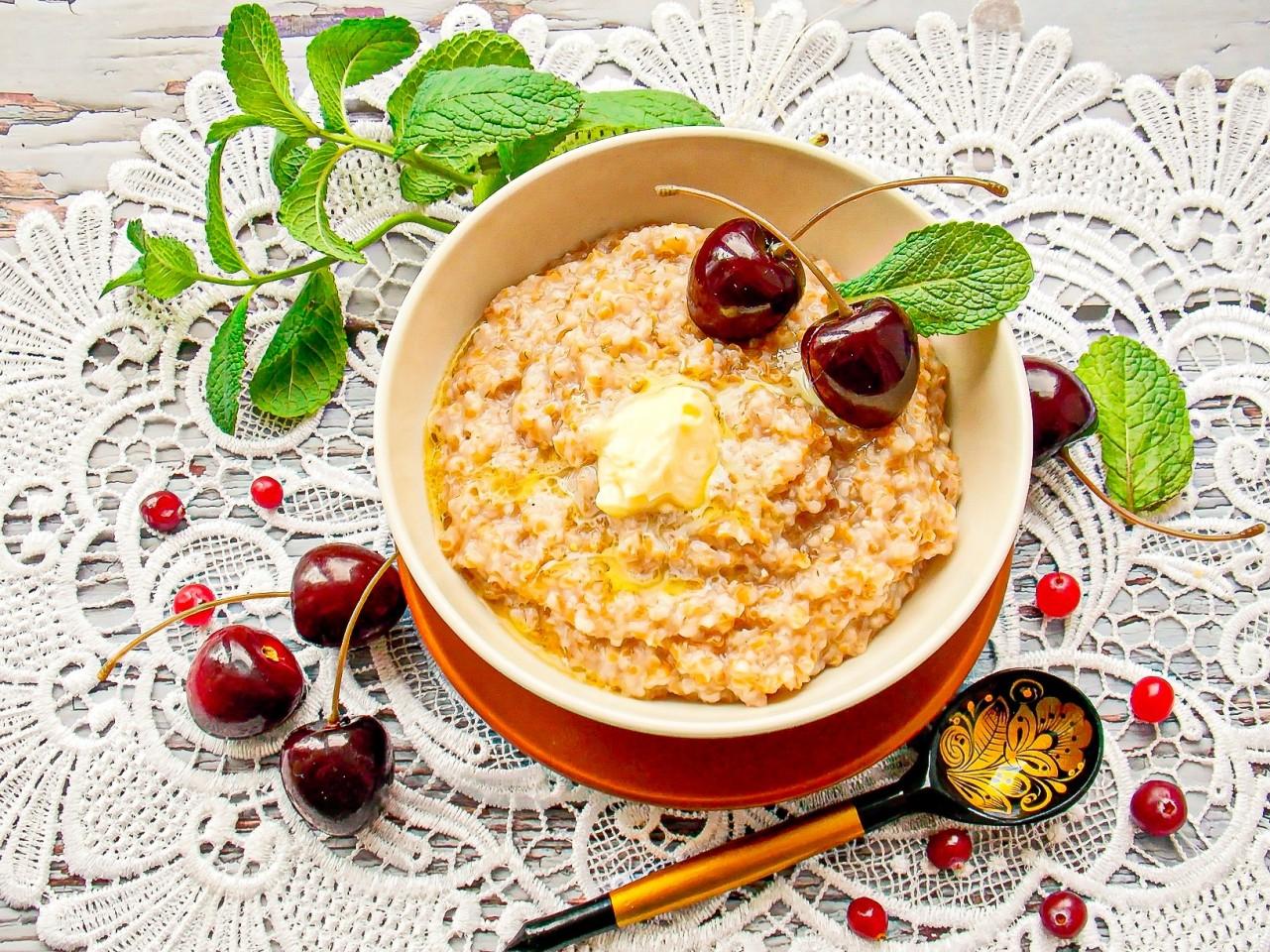
Divide the finished porridge among bowls, add butter, and serve right away. If you like, you can add sugar, honey, or fruit and berry syrups to the wheat porridge. You can top it with fresh berries, fruit, candied fruit, or dried fruit — it all depends on your tastes and preferences. It can also be served as a side dish with fish or meat.
-
Step 7:
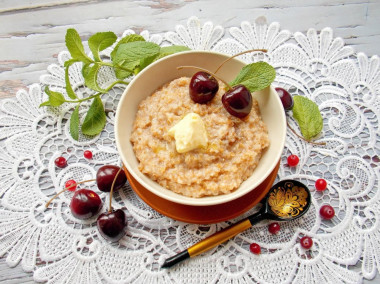
Enjoy!
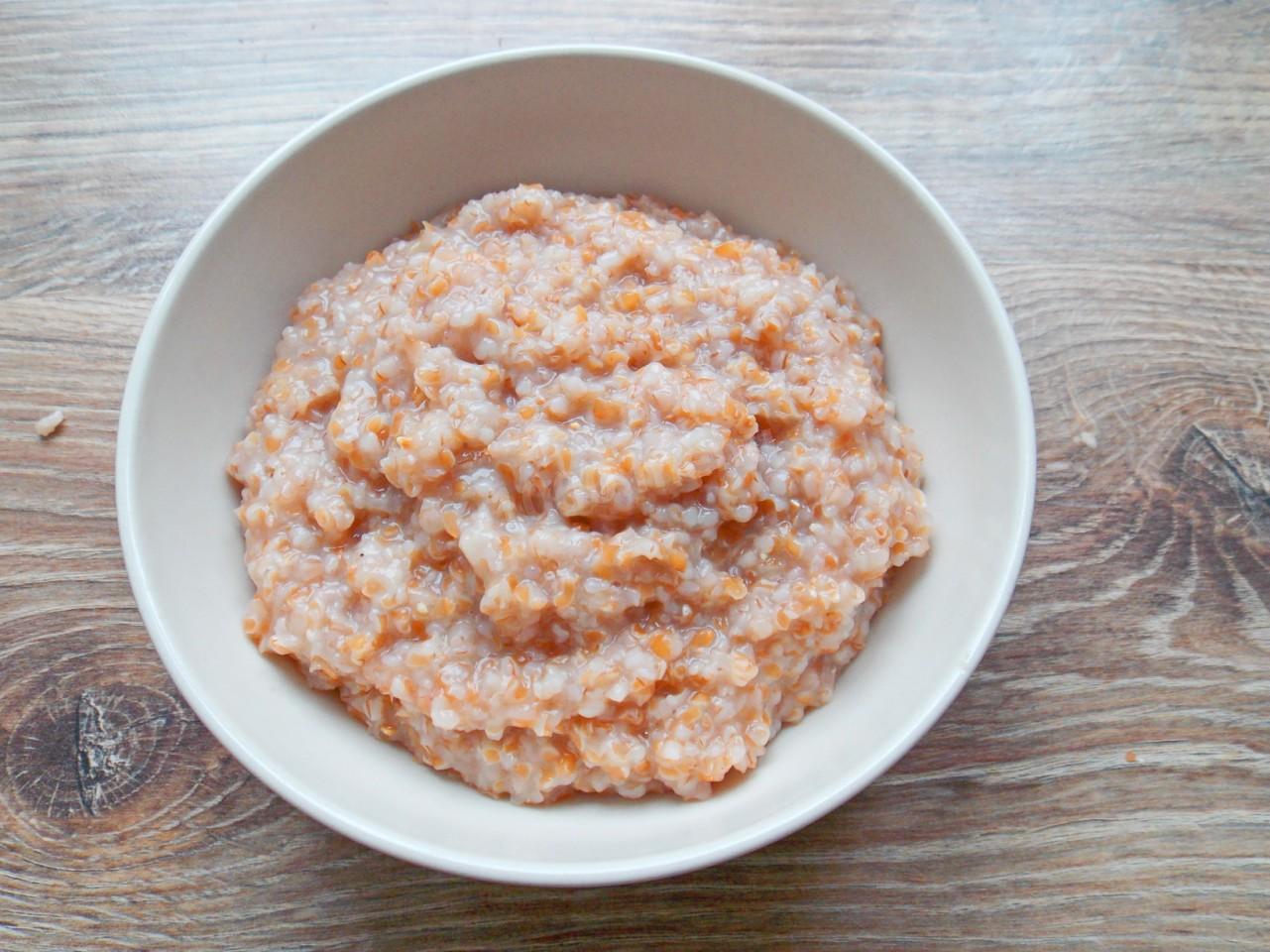
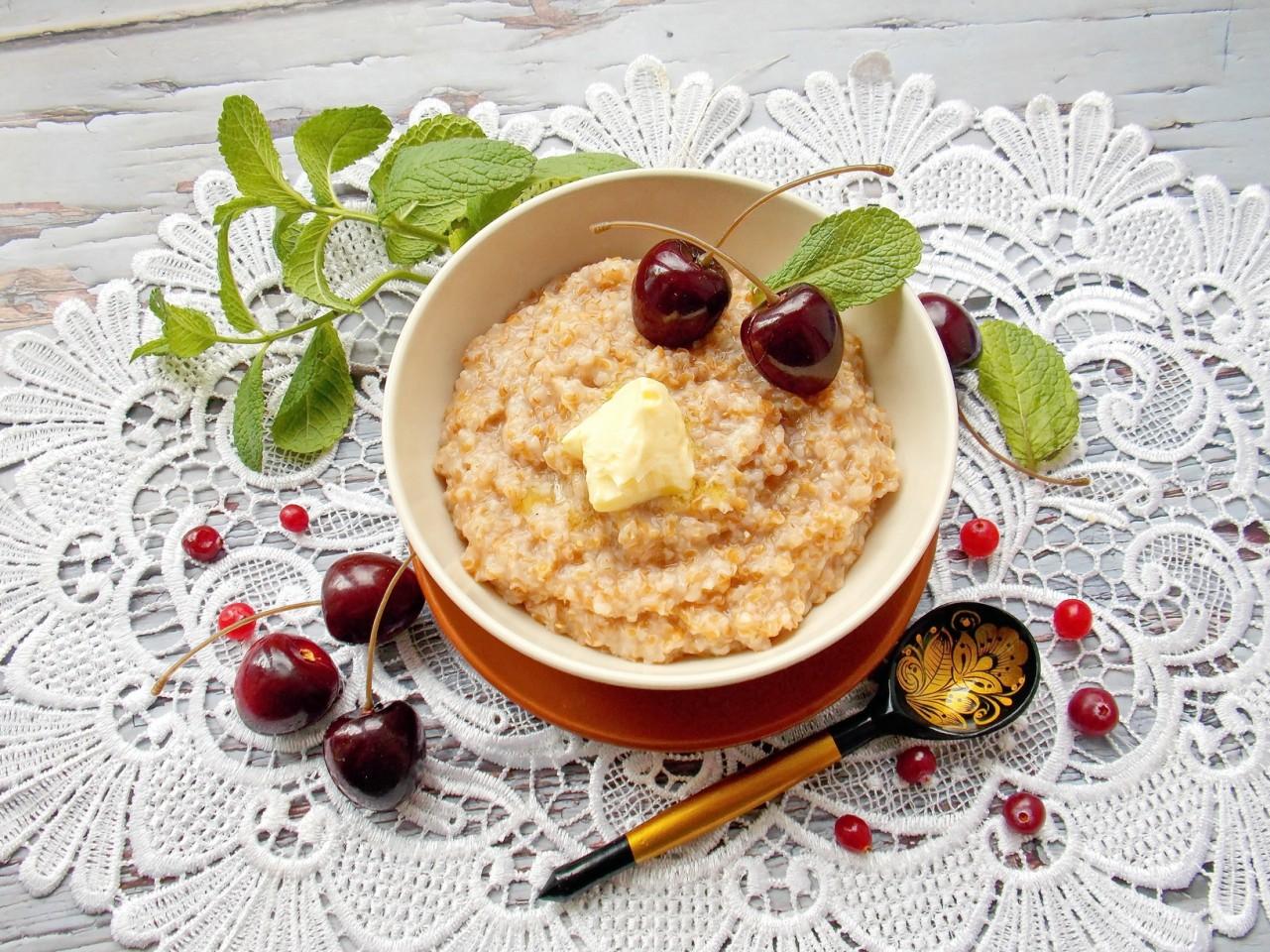
- Instead of sugar, you can use a sweetener that holds up to heat.
- For how to choose the perfect pot for soup, porridge, or pickling cucumbers, see the article about pots.
Caloric content of the products possible in the composition of the dish
- Hard red spring wheat (whole grain) - 330 kcal/100g
- Hard red winter wheat (whole grain) - 330 kcal/100g
- Soft red winter wheat (whole grain) - 326 kcal/100g
- White wheat (whole grain) - 335 kcal/100g
- Durum wheat (whole grain) - 332 kcal/100g
- Cracked dry hard red wheat - 359 kcal/100g
- Cracked winter wheat - 358 kcal/100g
- Dry wheat, canned without seasonings - 168 kcal/100g
- Dry wheat, canned with seasonings - 182 kcal/100g
- Sorghum grain - 332 kcal/100g
- Wheat groats - 352 kcal/100g
- Sprouted wheat grains - 305 kcal/100g
- Wheat groats - 332 kcal/100g
- Granulated sugar - 398 kcal/100g
- Sugar - 398 kcal/100g
- Butter 82% - 734 kcal/100g
- Unsalted table butter - 709 kcal/100g
- Unsalted farmhouse butter - 661 kcal/100g
- Salted farmhouse butter - 652 kcal/100g
- Ghee - 869 kcal/100g
- Salt - 0 kcal/100g
- Water - 0 kcal/100g