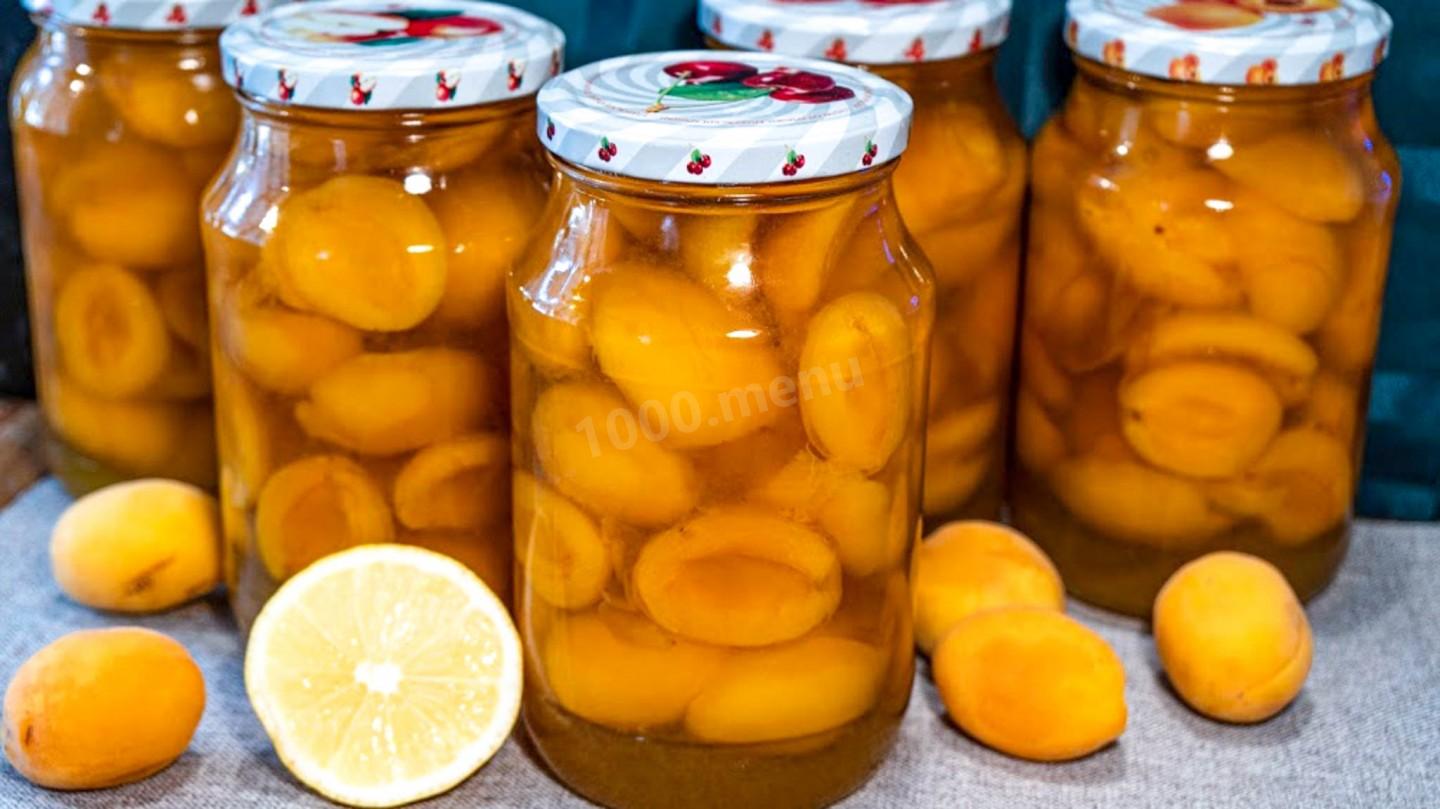
Apricots in Syrup for Winter (No Sterilizing)
Wildly delicious, and quick and easy to make! Apricots in syrup is a great way to put up ripe, juicy apricots for the winter. Since there's no canning-jar sterilizing involved, it saves a lot of time and the whole process stays simple and fast.

Cooking method
-
Step 1:
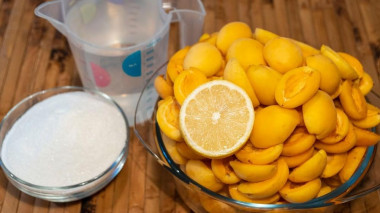
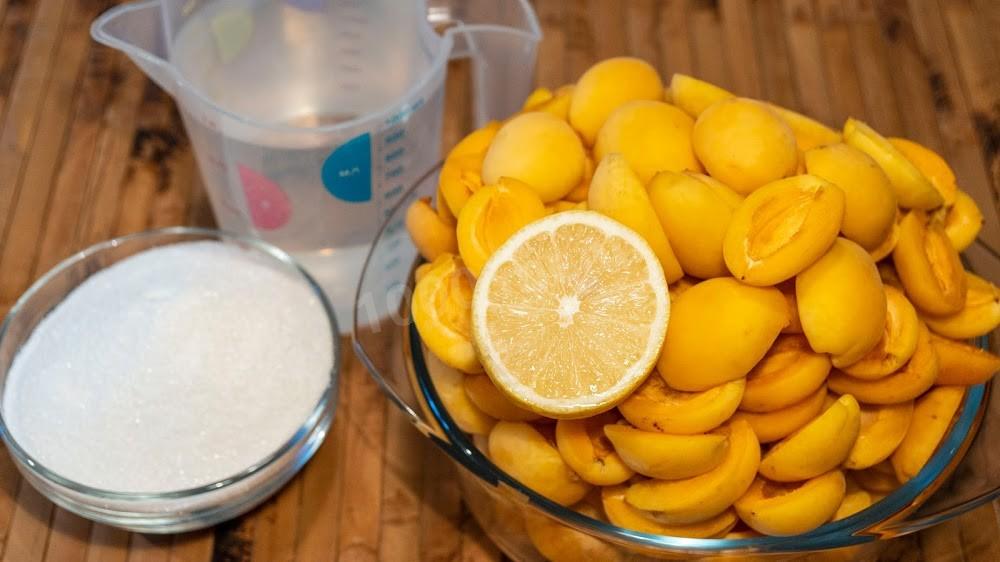
How do you make apricots in syrup for the winter without sterilizing? Gather your ingredients. Sort through the apricots, tossing any spoiled or bruised ones. Rinse them under running water, then pat them dry with kitchen or paper towels. Cut each apricot in half and pit it. Only then weigh them — this recipe is built around 3 kg (about 6.5 lb) of pitted fruit.
-
Step 2:

Bring 2 liters of water to a boil in a large enameled basin. Pour in 800 g of sugar and stir until it dissolves completely.
-
Step 3:
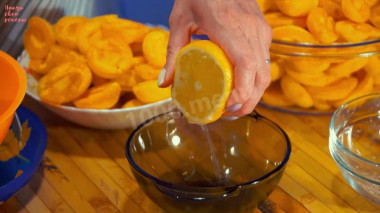
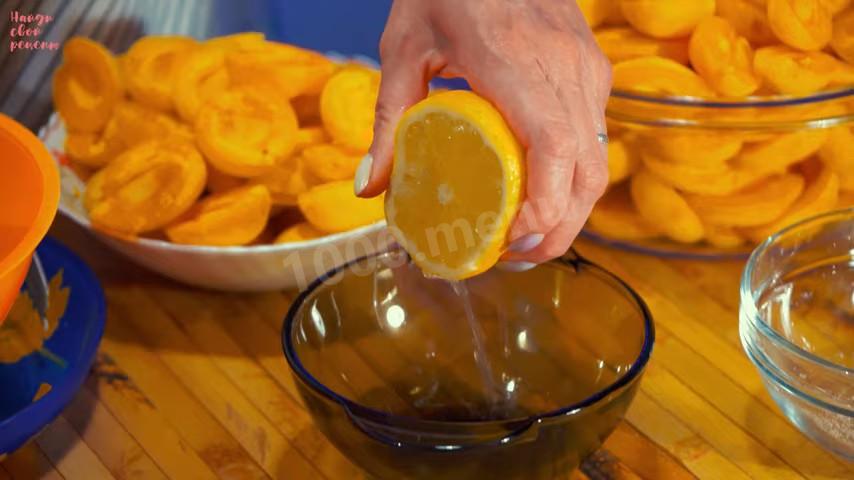
Squeeze the juice of half a lemon into a small bowl.
-
Step 4:

Add the pitted apricots to the basin of boiling water.
-
Step 5:

Pour the lemon juice you squeezed earlier into the basin with the apricots.
-
Step 6:

Stir the apricots gently with a wooden spoon and let them cook for about seven minutes.
-
Step 7:
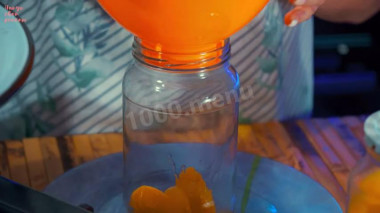
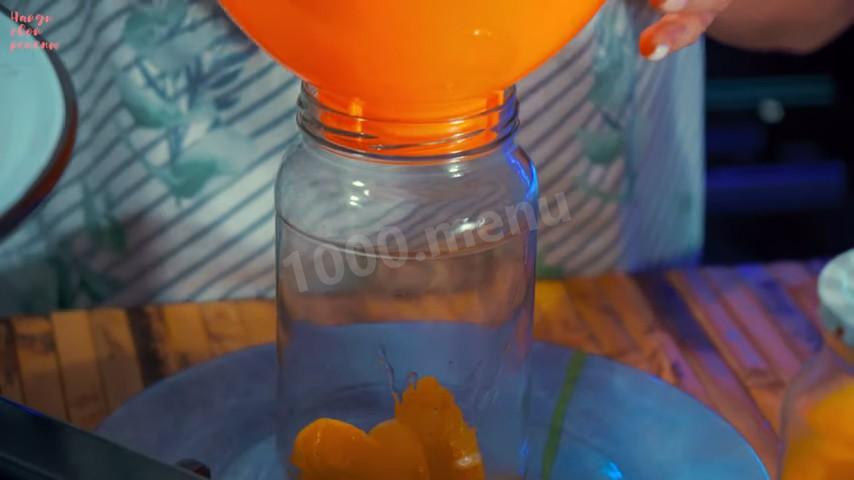
Carefully pack the apricots into sterilized jars, keeping the syrup out for now. How do you sterilize the jars? Put jars with a little water in the microwave for 5–7 minutes, sterilize them in the oven at 210°F (100°C) for about 30 minutes, hold them over steam, or scald them with boiling water. For the lids, a 10-minute boil is enough.
-
Step 8:
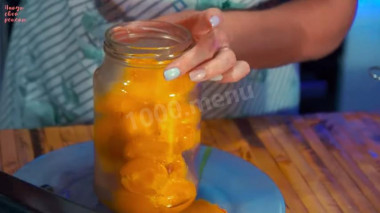
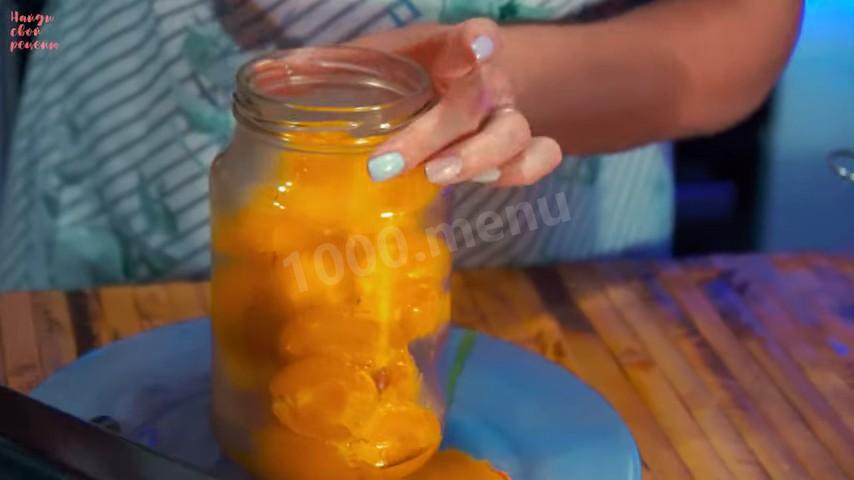
Fill each jar three-quarters full with apricots, leaving room for the syrup.
-
Step 9:

Set a sterilized lid loosely on top of each jar of apricots.
-
Step 10:

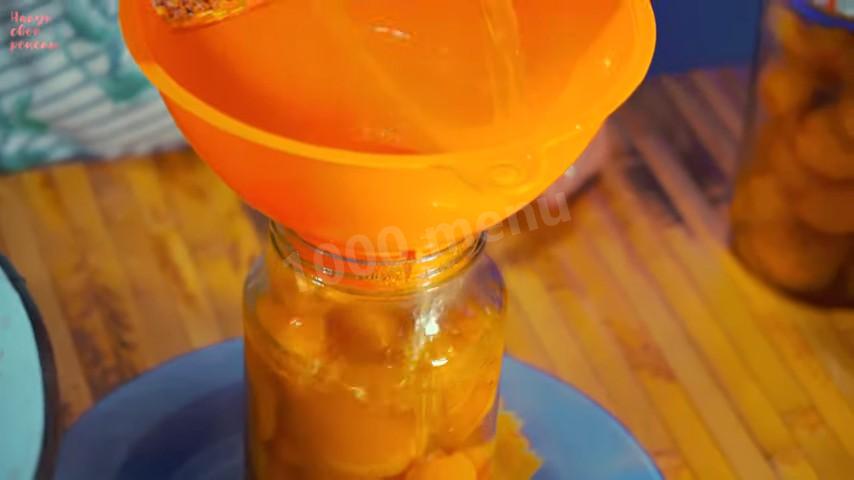
Bring the syrup in the basin back to a boil once more, then pour it, hot, over the apricots, filling each jar all the way to the top.
-
Step 11:

Seal the jars firmly and tightly with the lids.
-
Step 12:

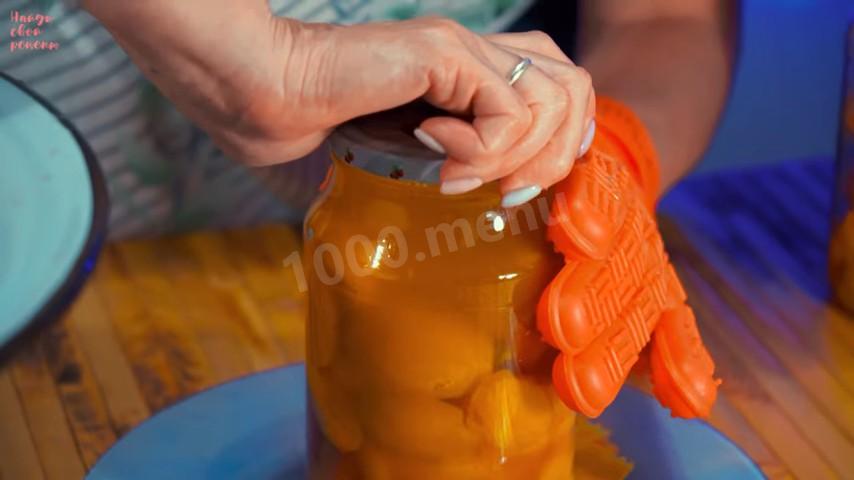
Turn the jars upside down and stand them on their lids. This is how you check that the jars are sealed tight — if any aren't, syrup will start seeping out. Leave them inverted until completely cool; this also gives the lids a little extra sterilizing. You can cover the jars with a blanket too.
-
Step 13:
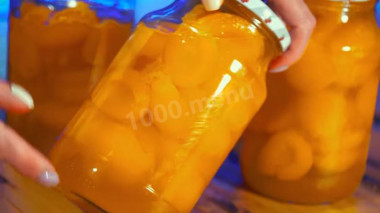
Once cooled, move the jars to a dark, cool place for storage.
-
Step 14:
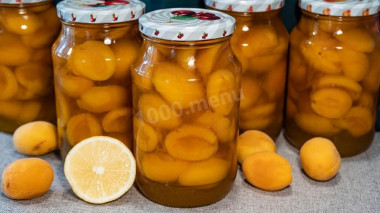
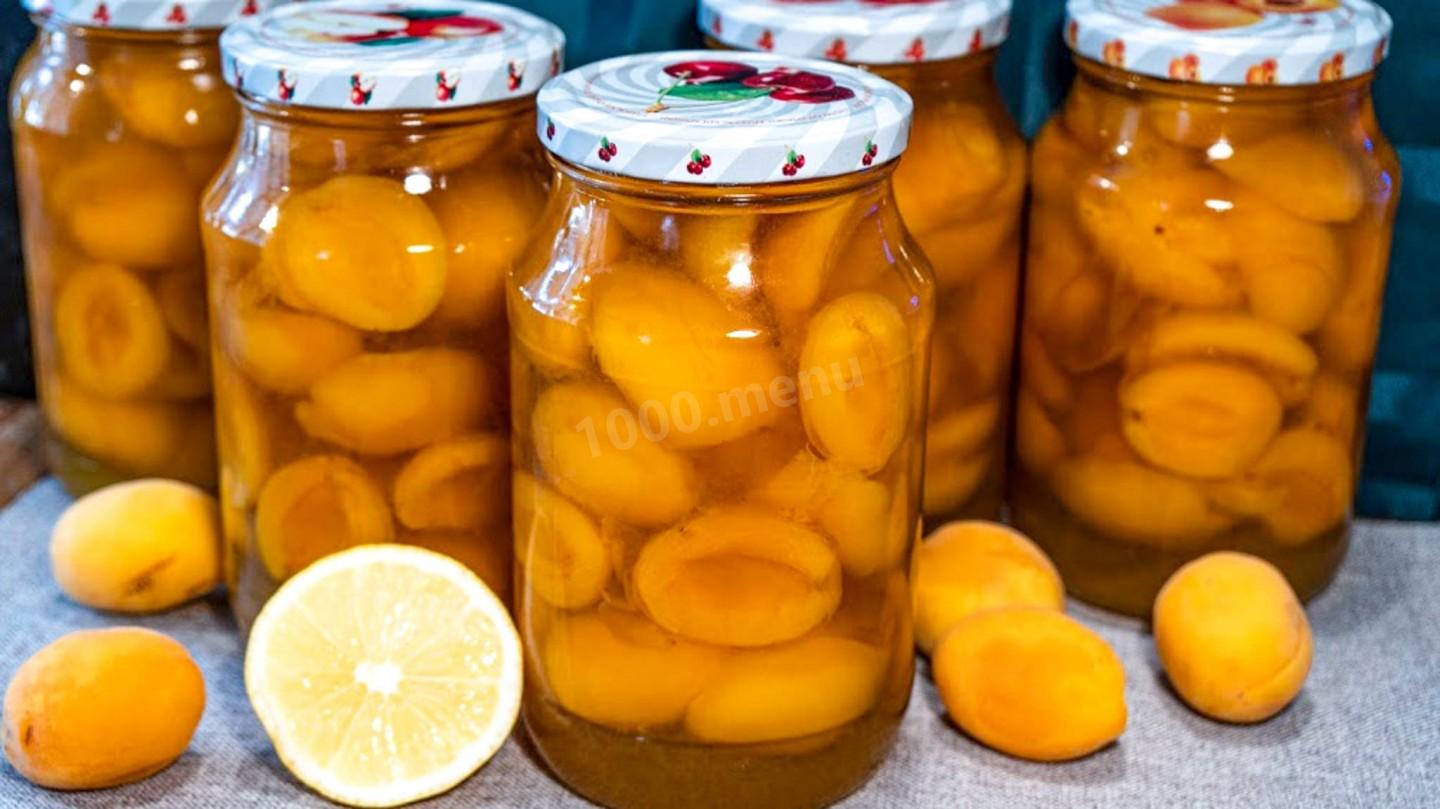
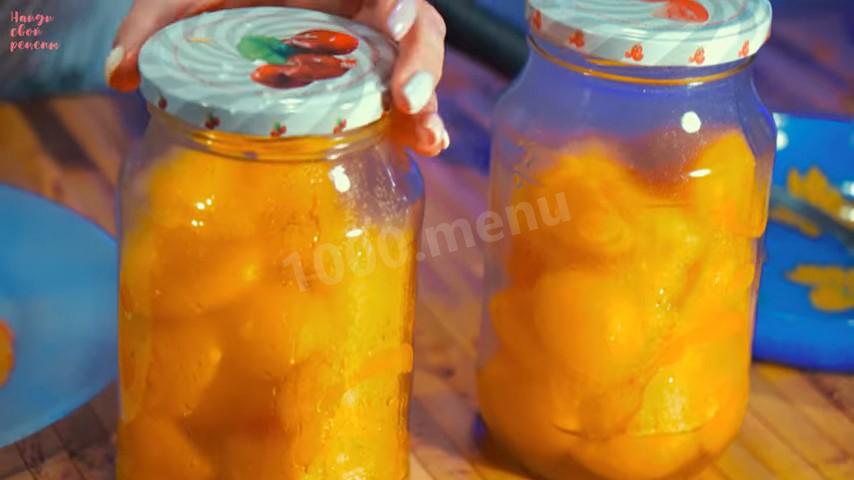
This batch yielded five 1-quart (1-liter) jars of apricots.






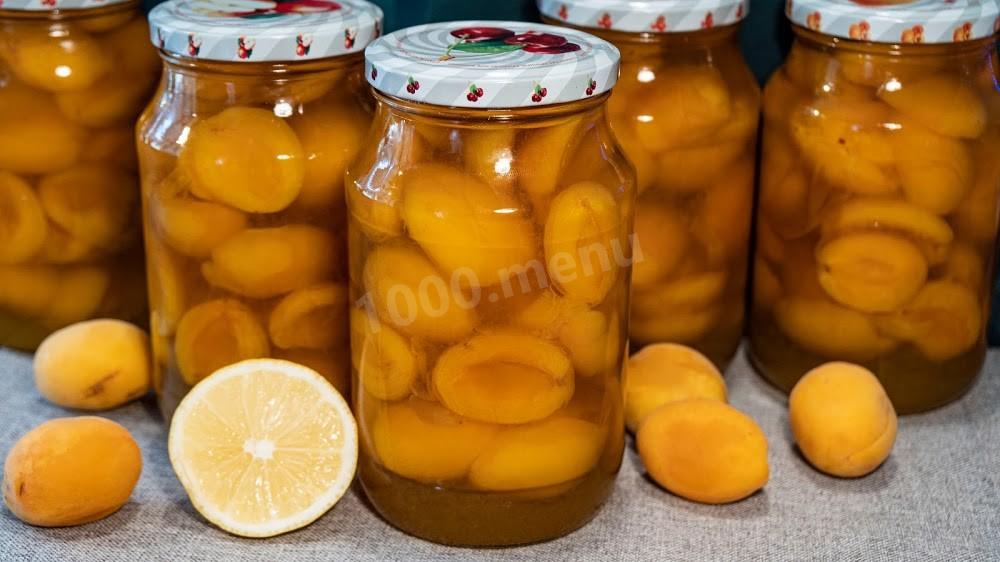
- There are many kinds of apricots, and they ripen at different times, so you can enjoy these wonderful fruits from June through the end of summer — after that, only preserving and canning will do. They're a uniquely healthful fruit, packed with vitamins and trace minerals. Apricots support the cardiovascular system, and their potassium and antioxidants strengthen blood vessels and the heart muscle while helping to normalize blood pressure. They're often recommended for people with arrhythmia and after a heart attack, and they're good for your eyesight too. Choose firm apricots with no damage or dents. A ripe apricot is very fragrant and evenly colored — avoid any with dark spots or a fermented smell.
- For summer preserves that keep you happy all through the cold season, read up on the basic rules, tips, and tricks for putting food up for winter.
- For the best flavor, use filtered or bottled water with a neutral taste. If you use tap water, keep in mind it can give the dish an off, characteristic aftertaste.
Caloric content of the products possible in the composition of the dish
- Lemon - 16 kcal/100g
- Lemon zest - 47 kcal/100g
- Granulated sugar - 398 kcal/100g
- Sugar - 398 kcal/100g
- Apricots - 46 kcal/100g
- Canned apricots - 50 kcal/100g
- Water - 0 kcal/100g