Buckwheat Bread in the Oven
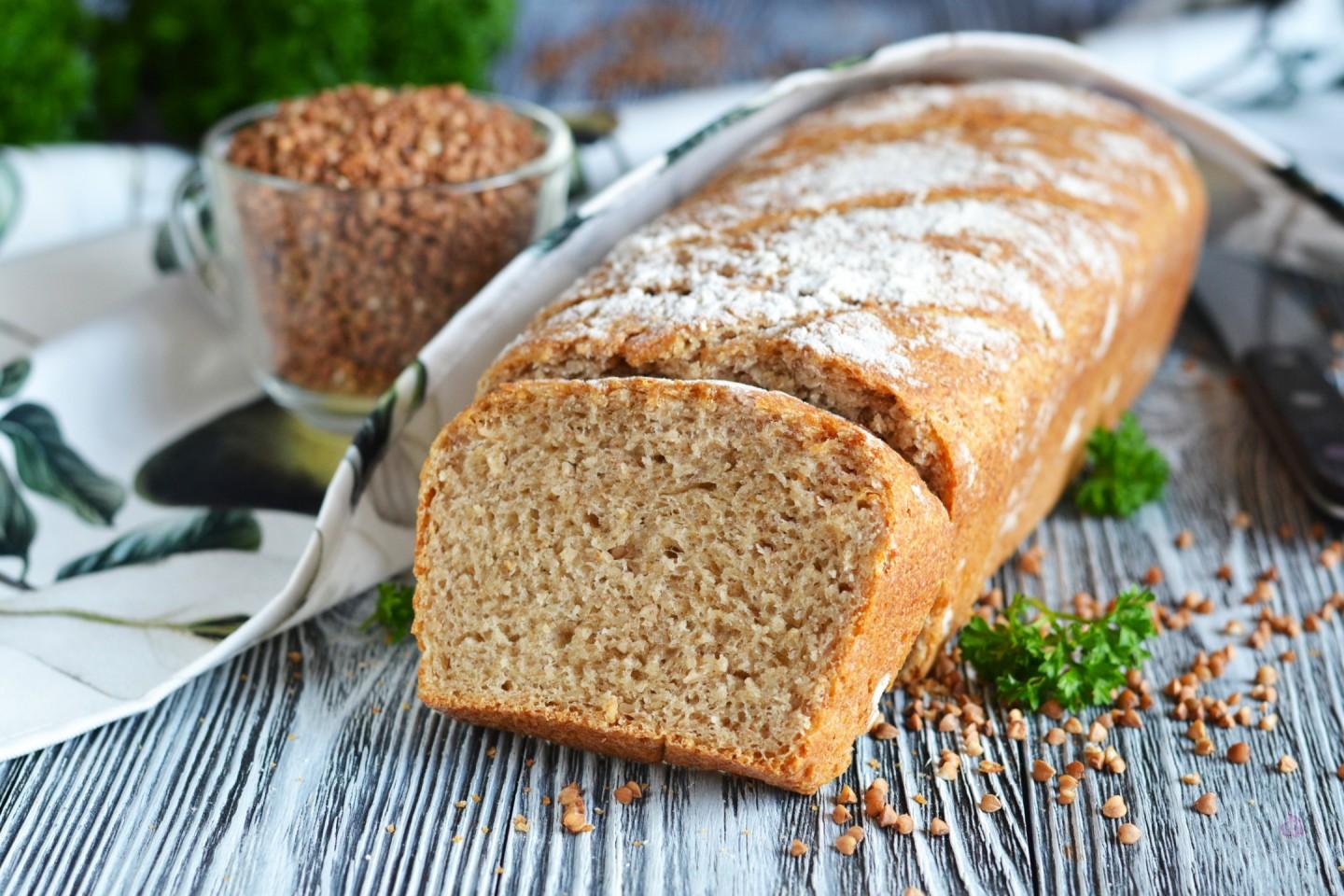
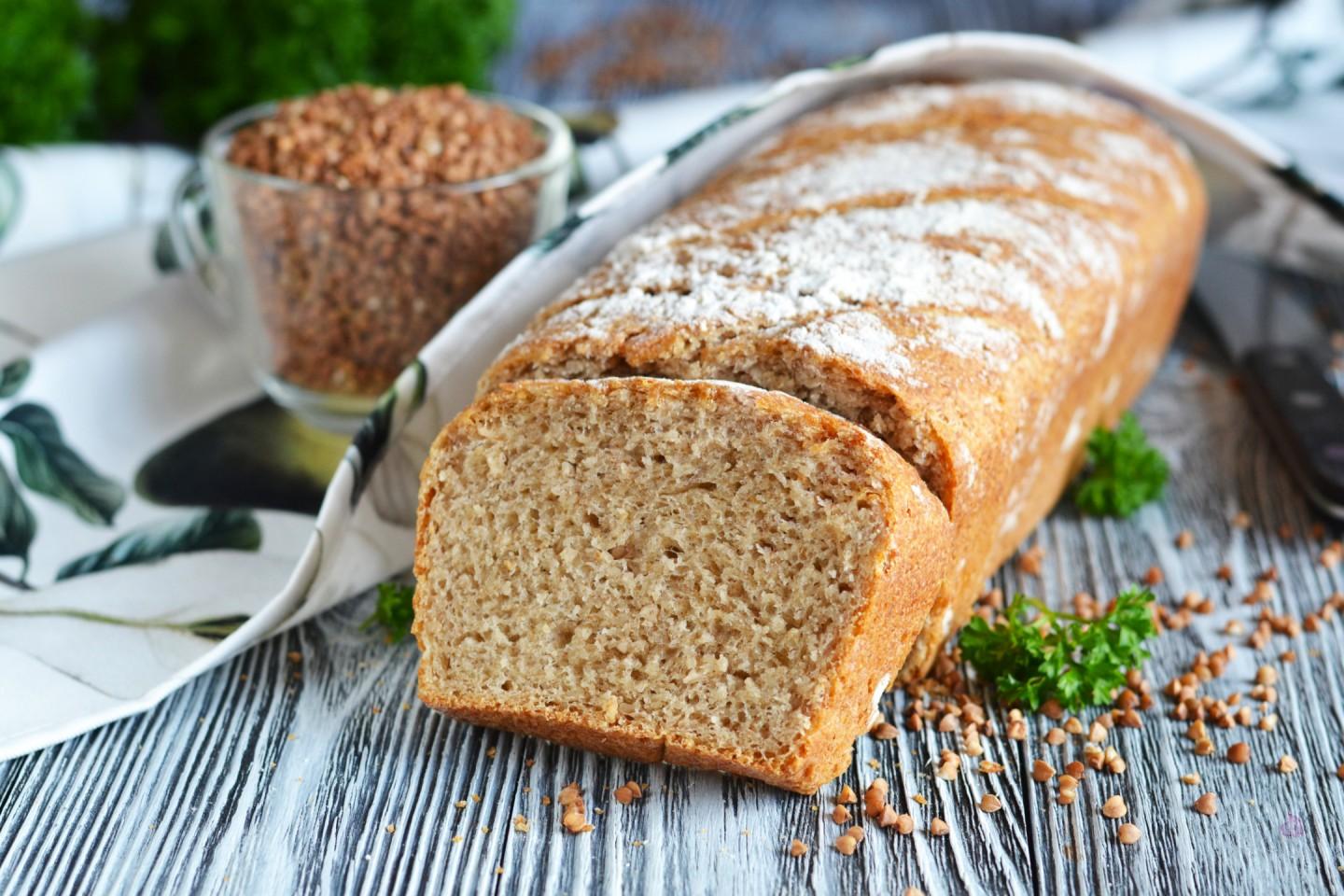
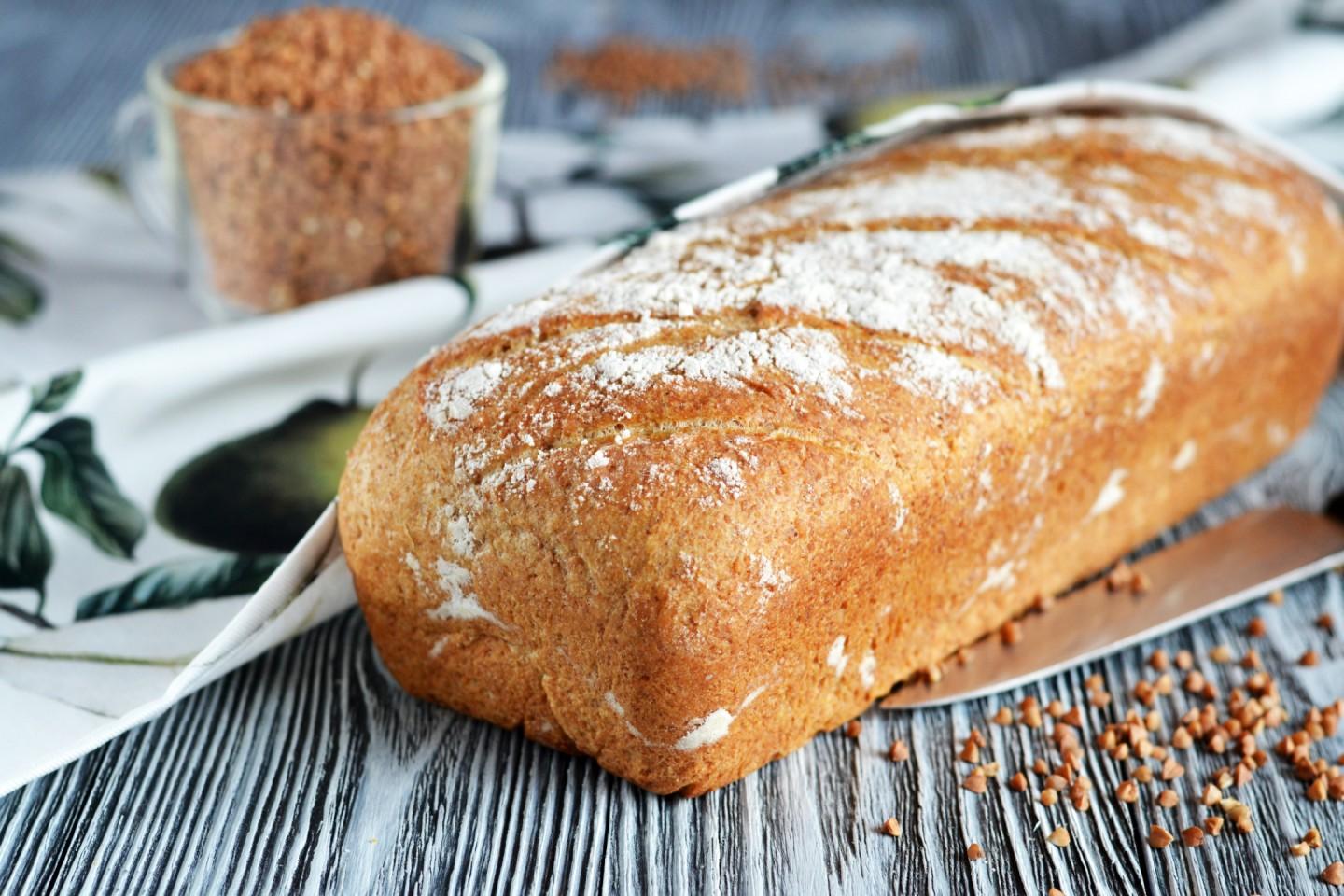
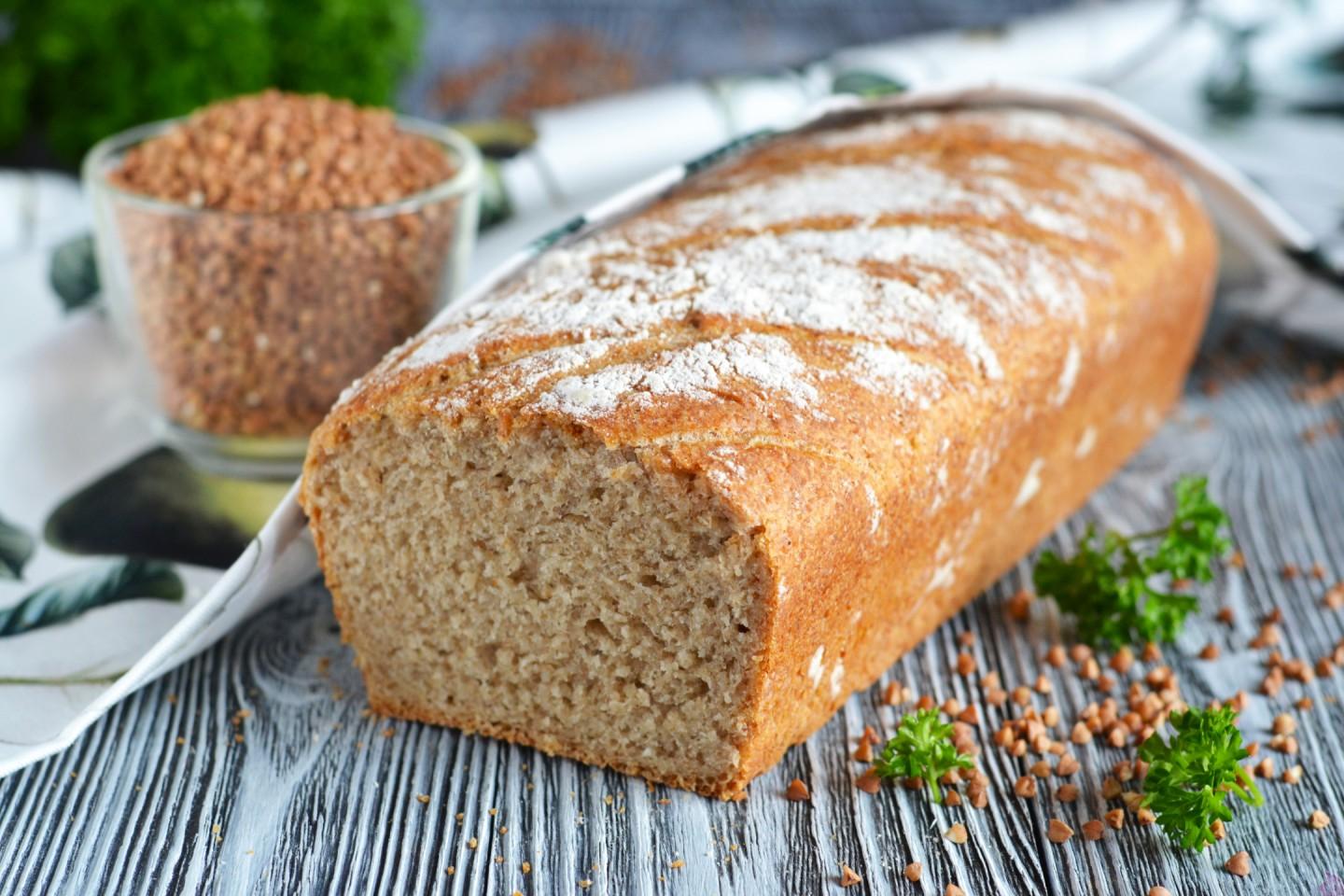
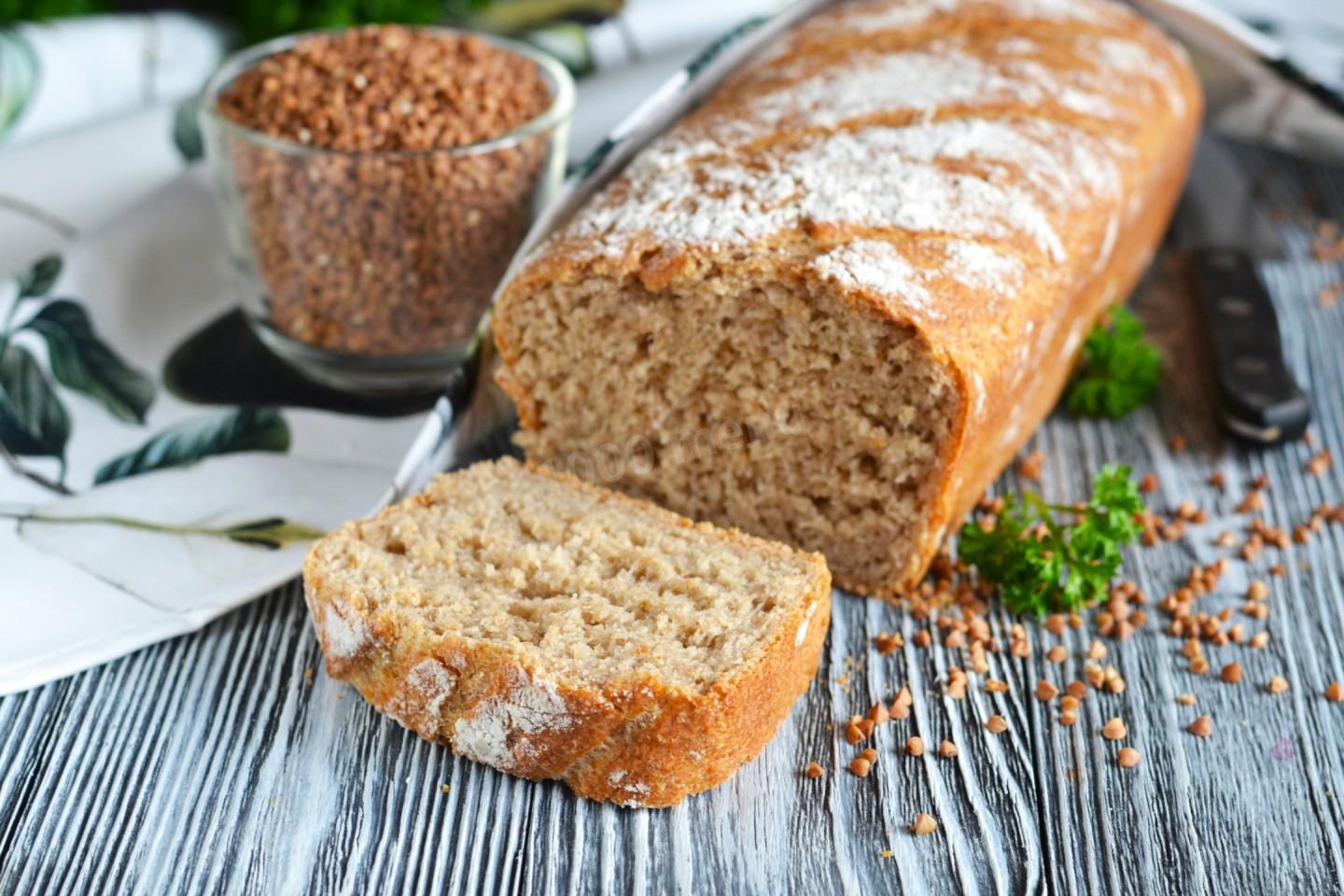
Fragrant, airy, and delicious — and simple to make! Among bread recipes, this one stands out for its short but interesting ingredient list. Bread made from ground buckwheat has a flavor that hints at buckwheat porridge, so anyone who loves buckwheat is sure to enjoy this fragrant, soft, tender-crumbed loaf from the oven.

Cooking method
-
Step 1:
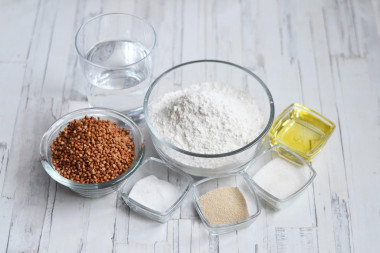
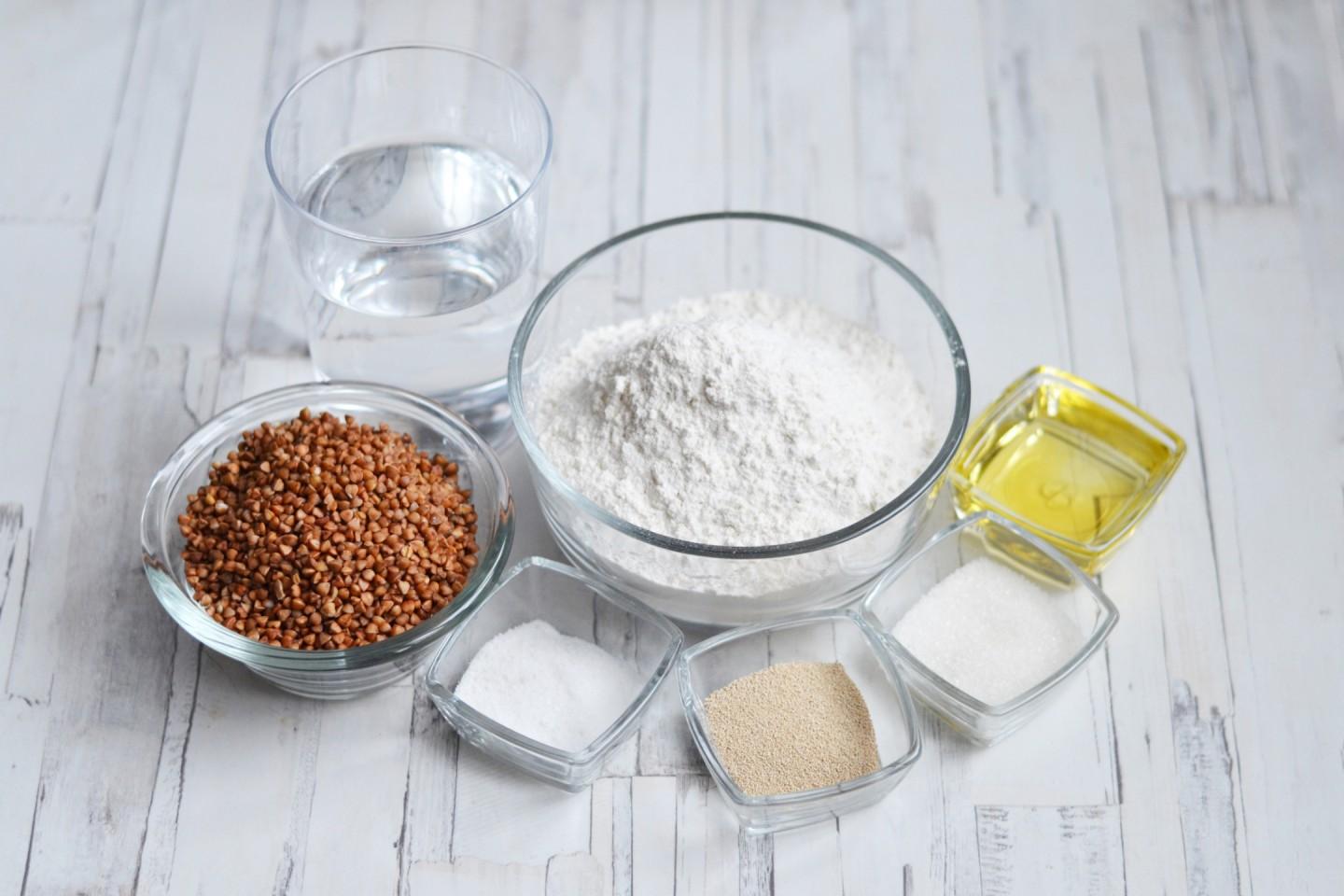
How do you make buckwheat bread? Gather your ingredients. You can use ready-made buckwheat flour or grind your own from buckwheat groats in a coffee grinder.
-
Step 2:
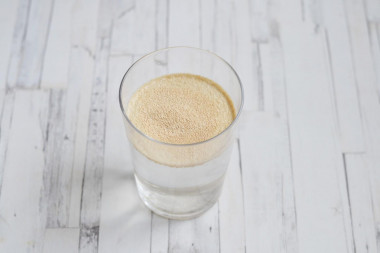
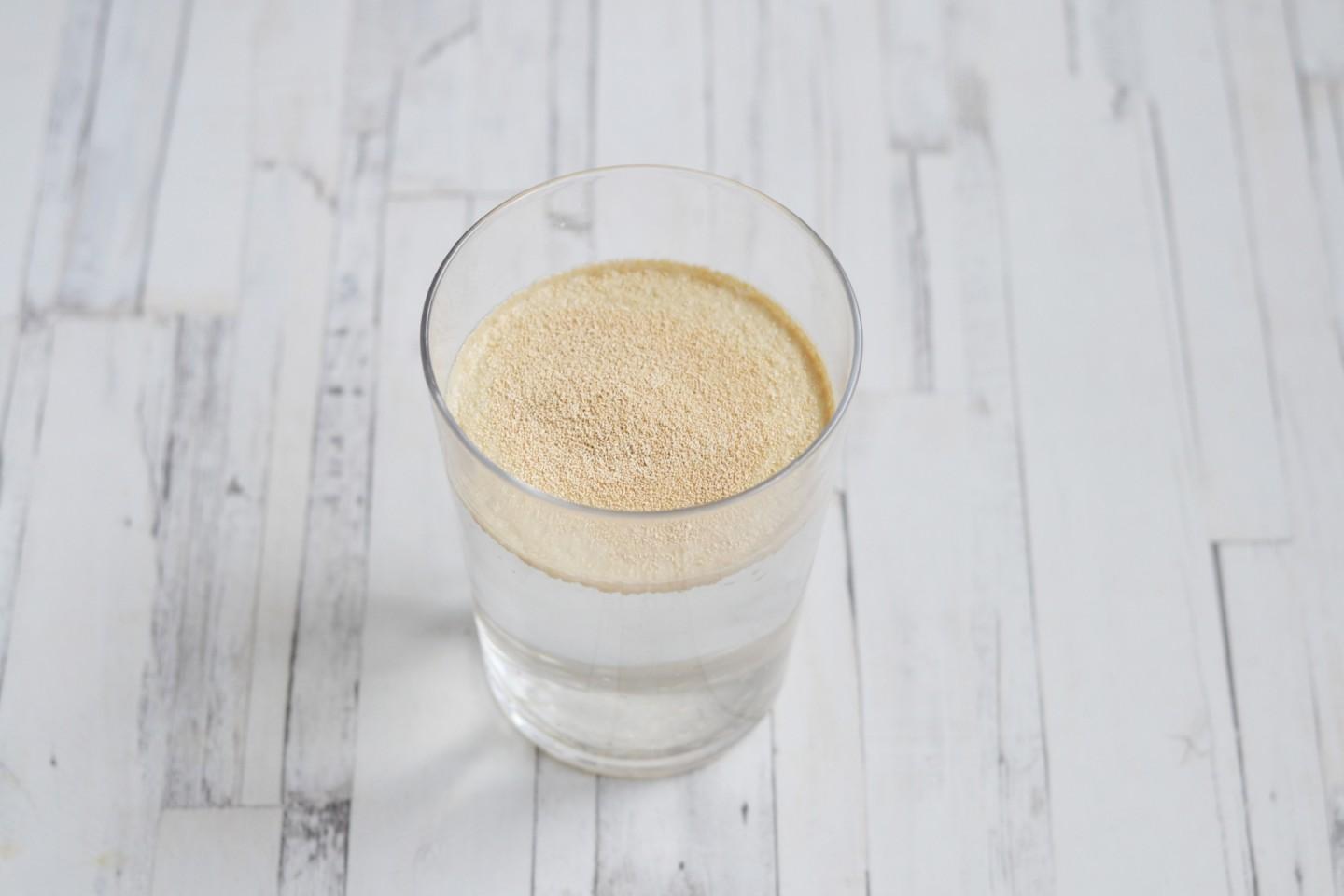
Dissolve the sugar in warm water heated to about 100°F (37–40°C). Sprinkle in the dry yeast and leave it somewhere warm for 10 minutes, until a foamy cap forms on the surface.
-
Step 3:

If no cap forms, the yeast is either dead or the water was too hot, and the dough won't rise.
-
Step 4:
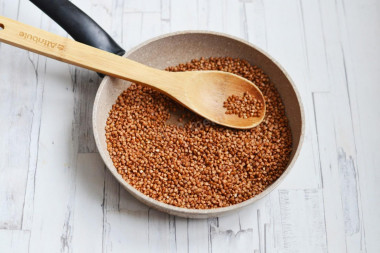
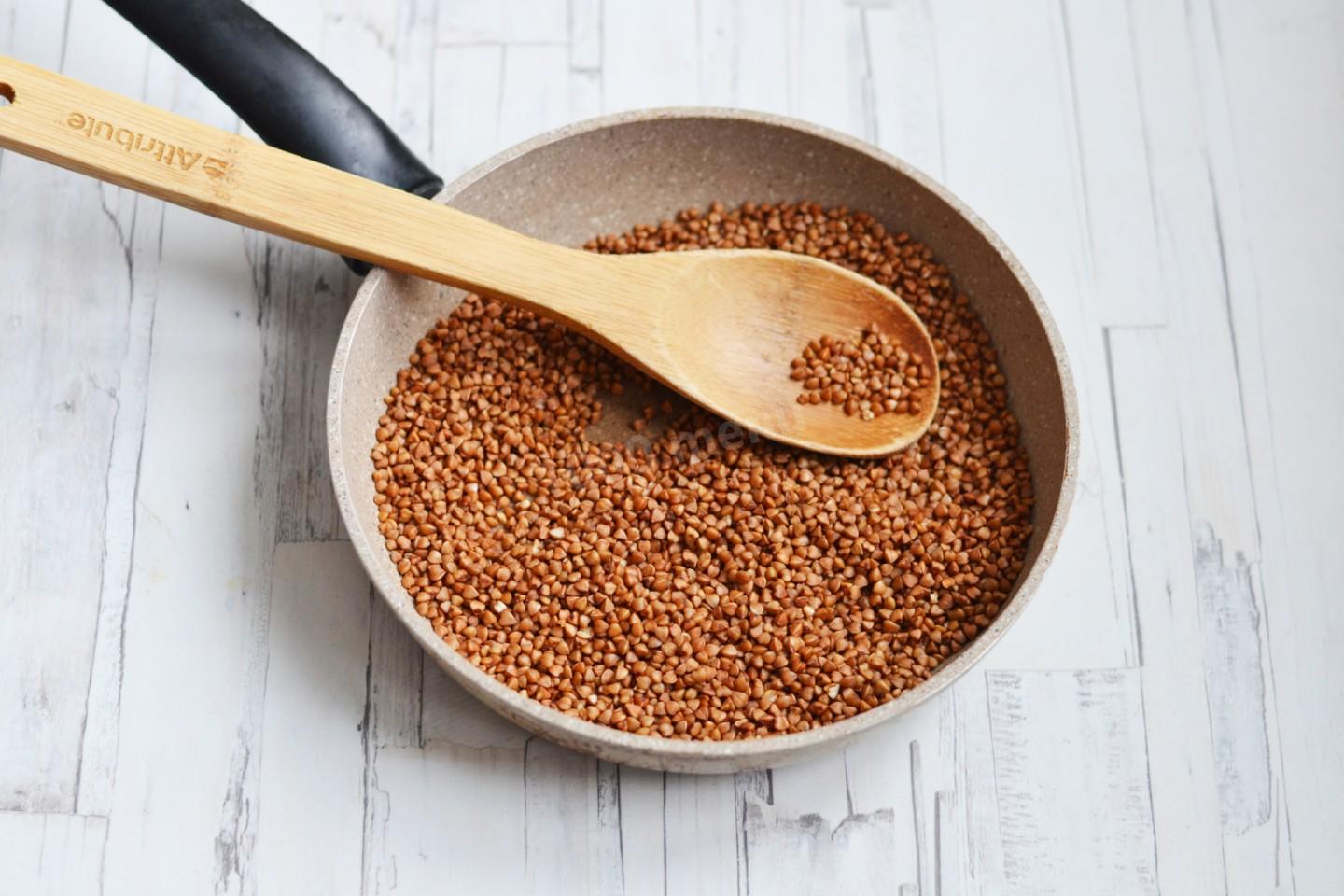
Toast the buckwheat groats in a dry skillet, stirring, until they smell fragrant.
-
Step 5:
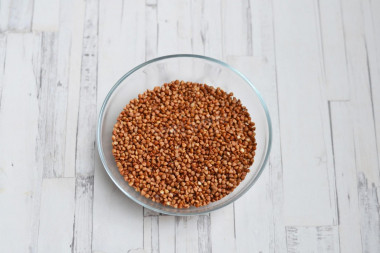
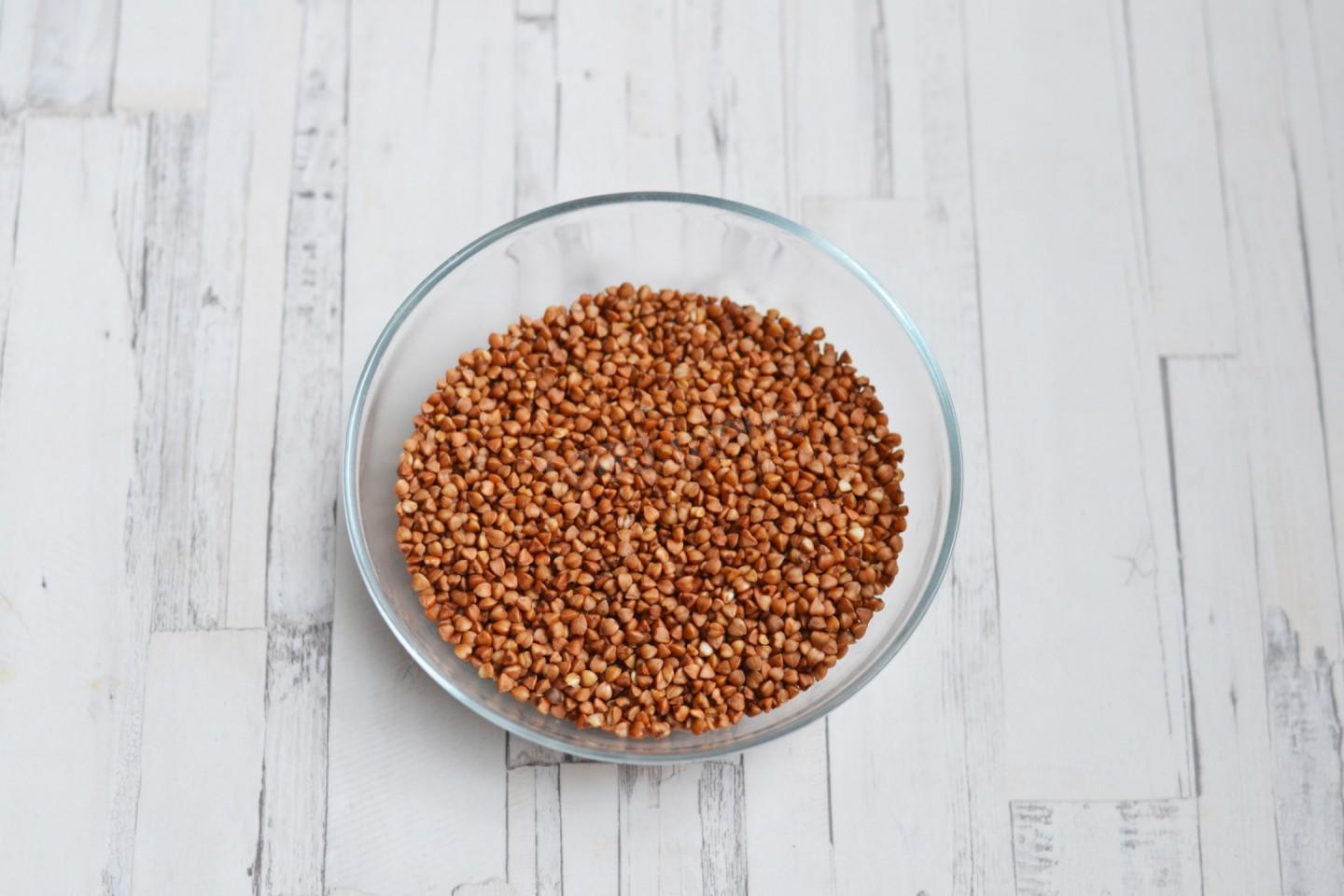
Pour the buckwheat into a bowl and let it cool.
-
Step 6:
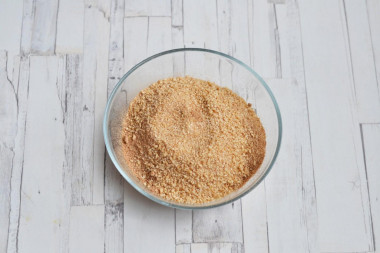
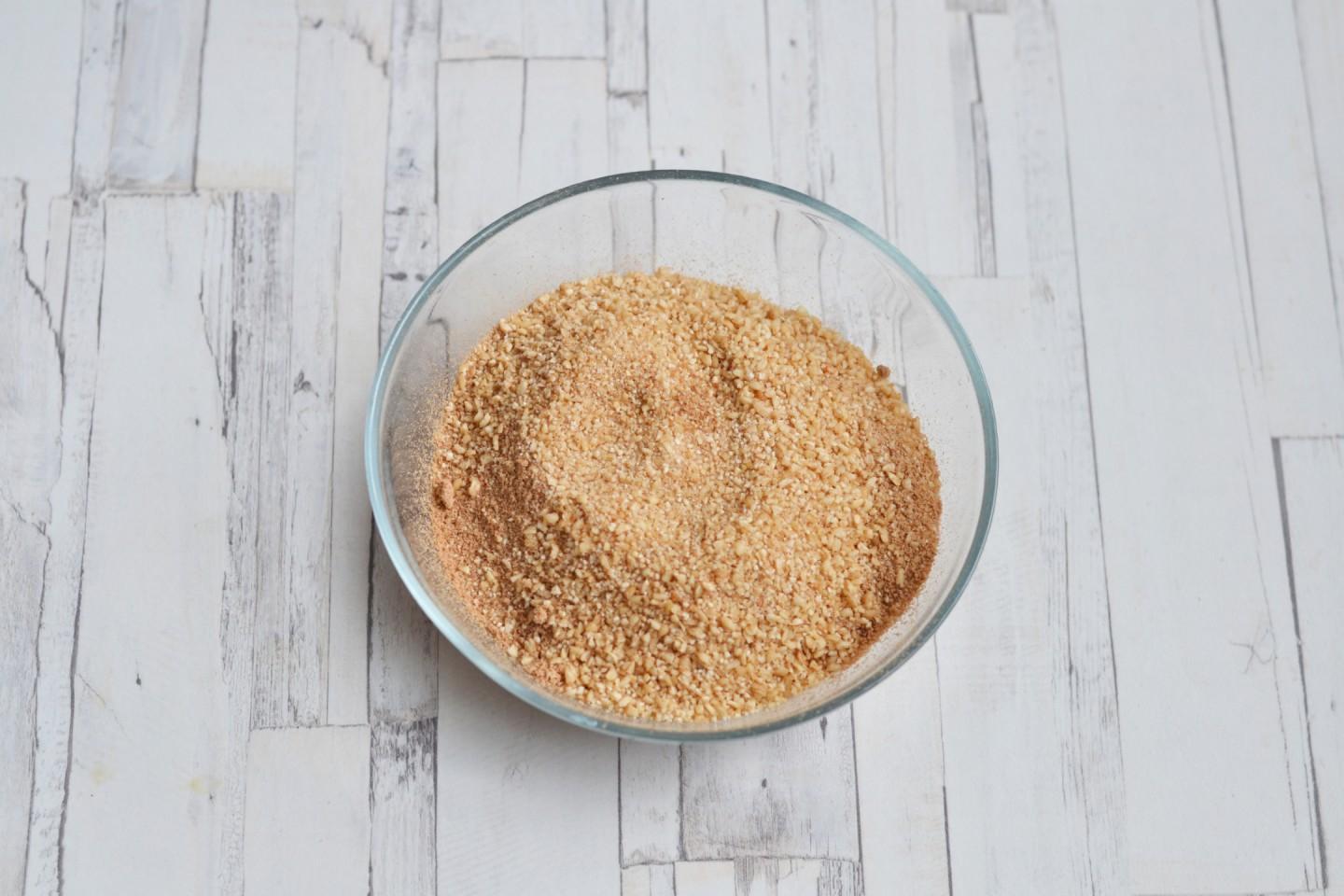
Grind the buckwheat in batches in a coffee grinder. You can grind it to a fine flour or leave it as tiny grains. Just don't leave the grains too large, or they'll be gritty and spoil the bread.
-
Step 7:
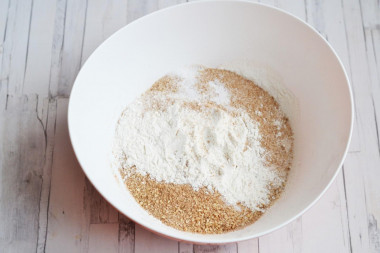
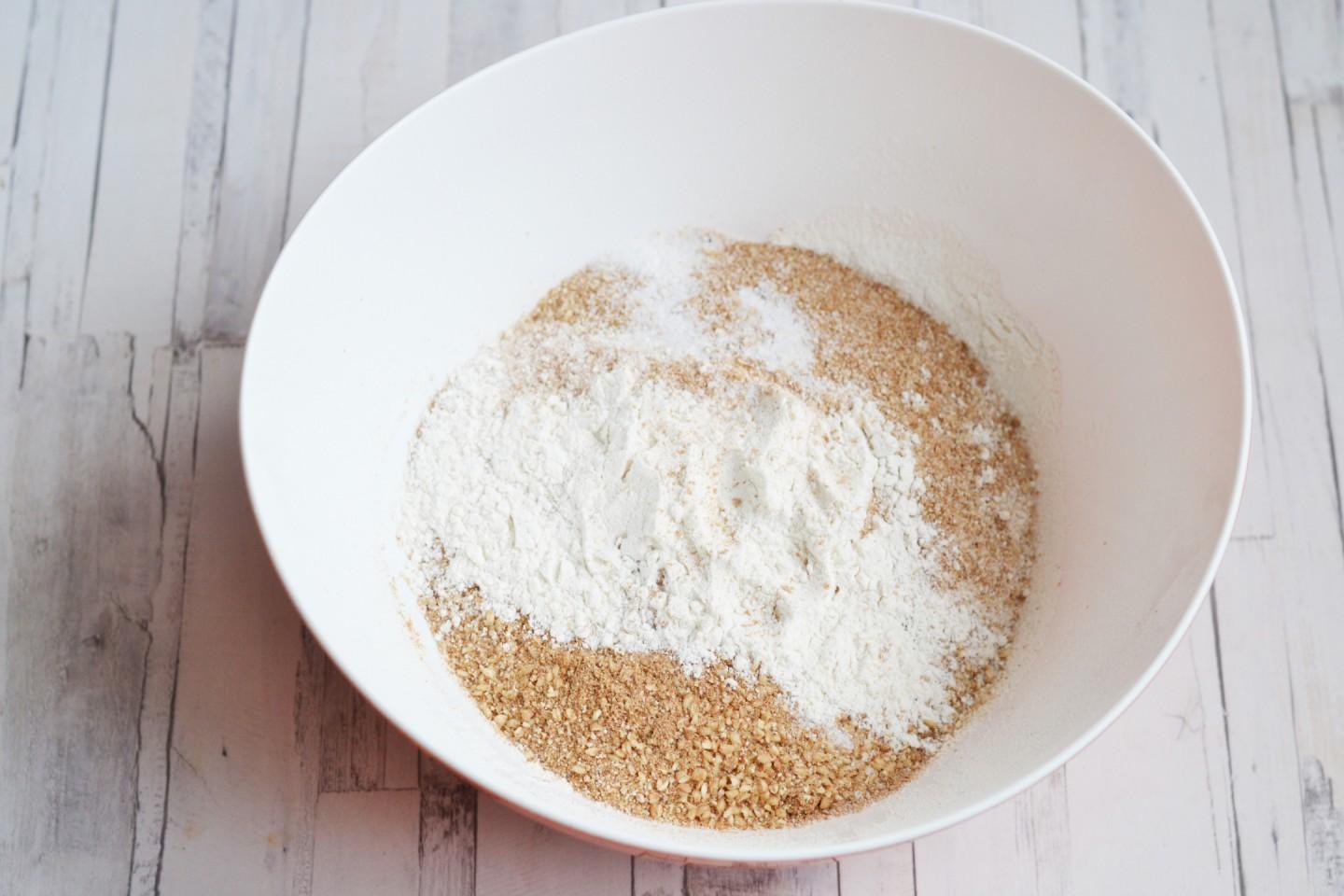
Sift the wheat flour into a bowl. Add the ground buckwheat and the salt, and stir to combine.
-
Step 8:
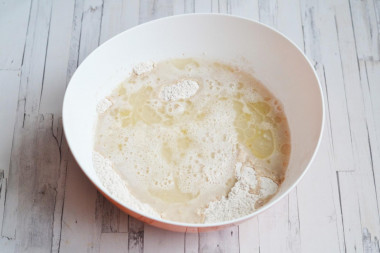
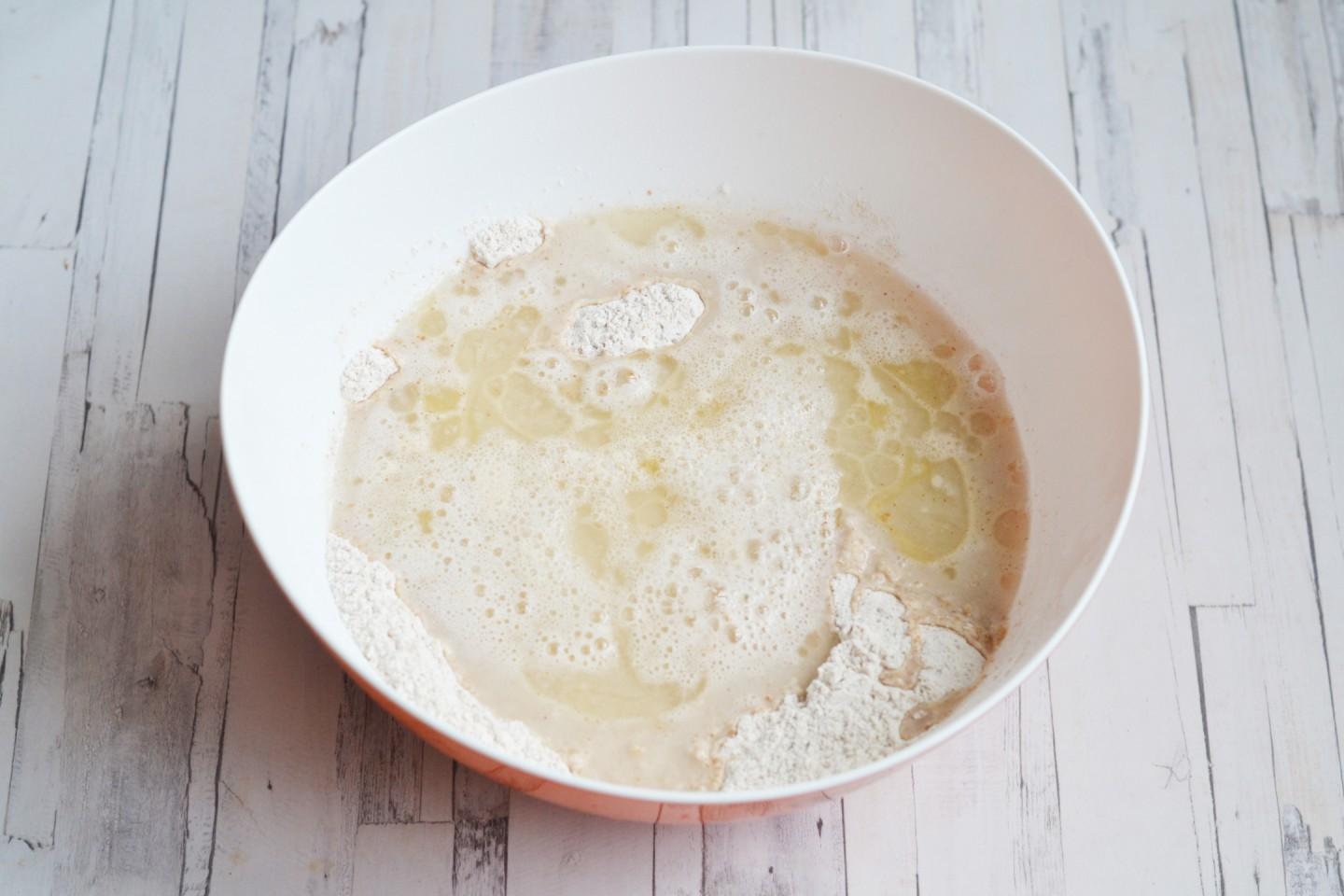
Pour in the activated yeast and the vegetable oil. Knead the dough thoroughly for about 10 minutes, until it almost stops sticking to your hands. Add a little more flour if needed.
-
Step 9:
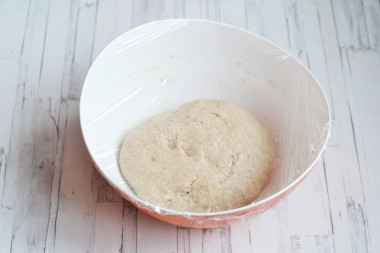
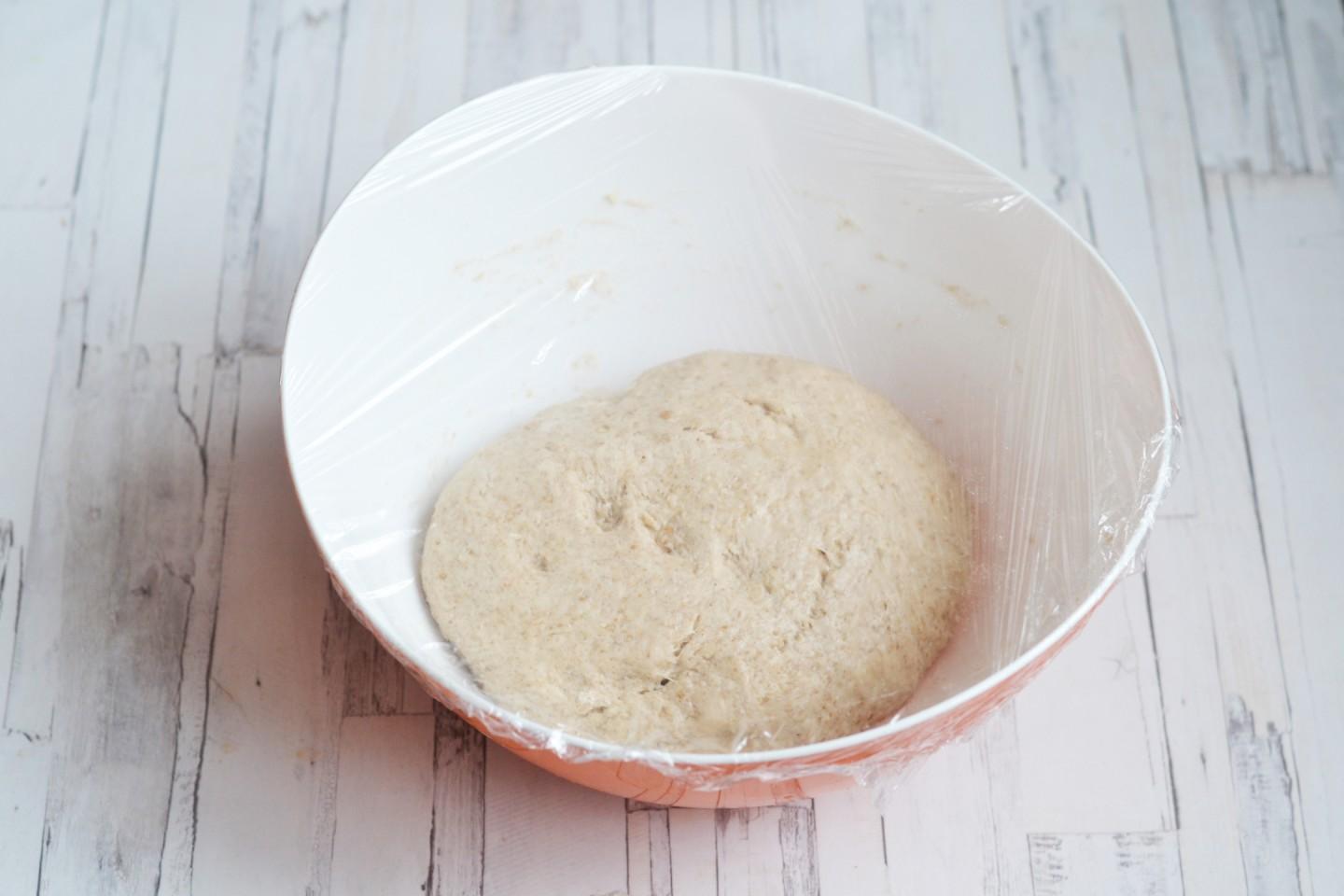
Shape the dough into a ball, put it in a bowl, cover with plastic wrap, and leave it somewhere warm for 1 hour to rise.
-
Step 10:
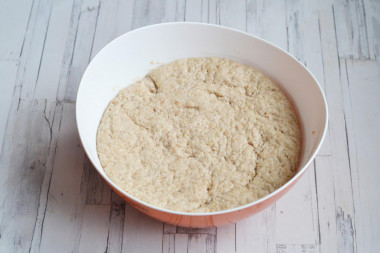
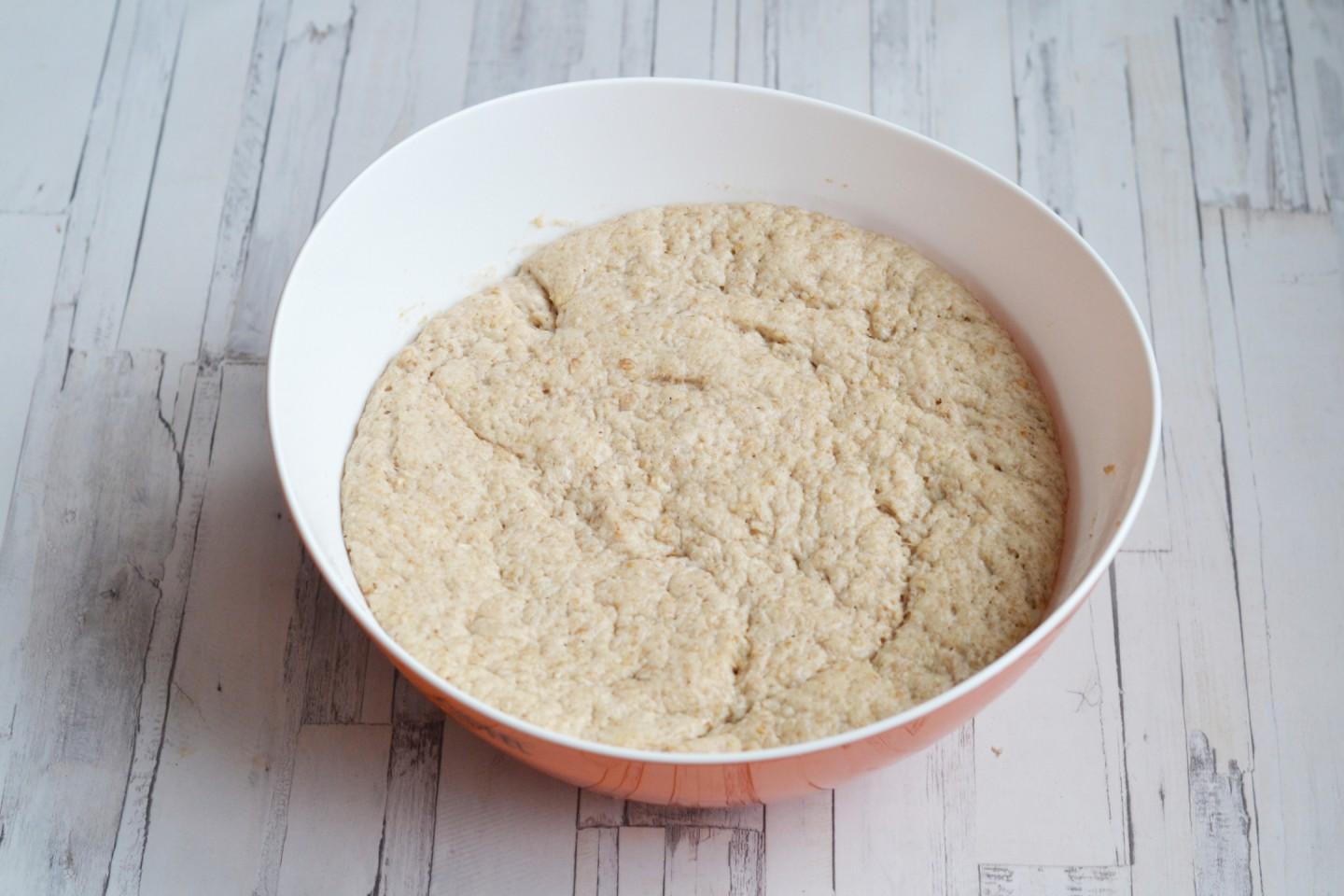
The dough rises well and turns nice and puffy.
-
Step 11:
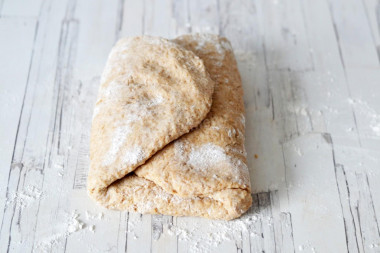
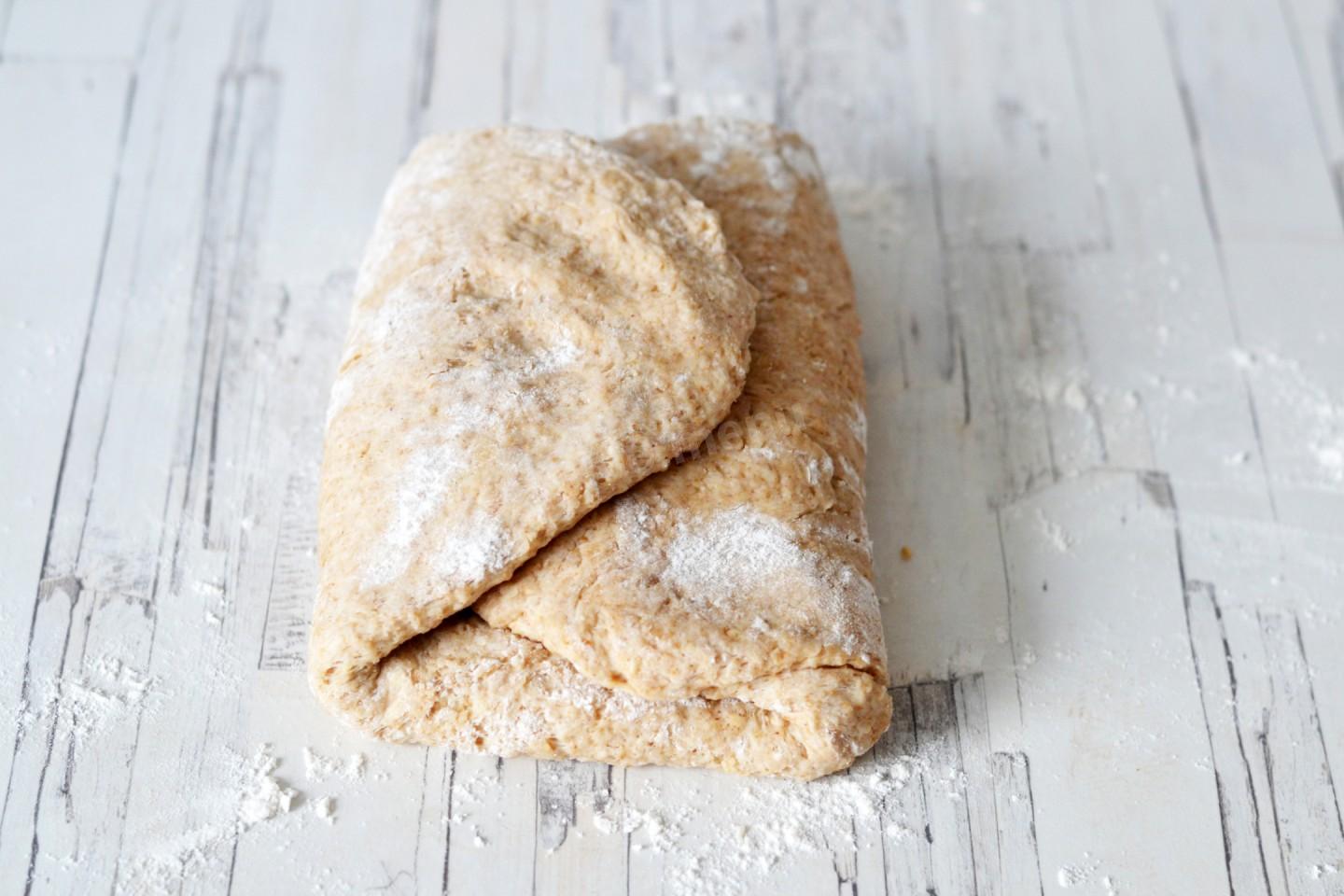
Punch the dough down and stretch it out. Fold two opposite sides over each other to overlap. Then pull the dough out to the other two sides and fold them over the same way.
-
Step 12:
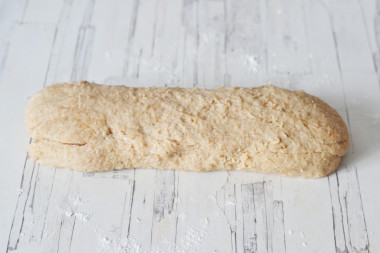
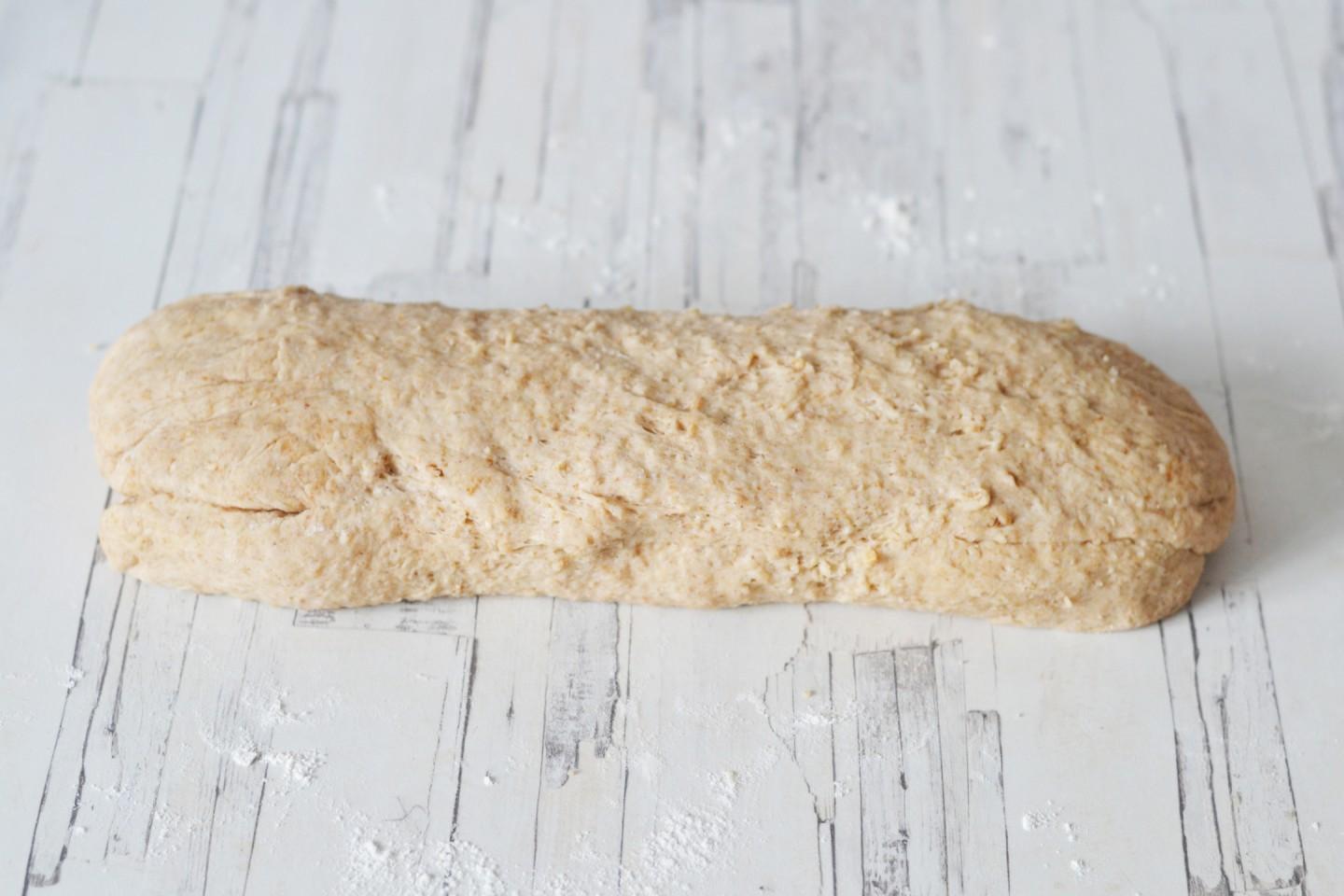
Shape the dough into a loaf of whatever form you like.
-
Step 13:
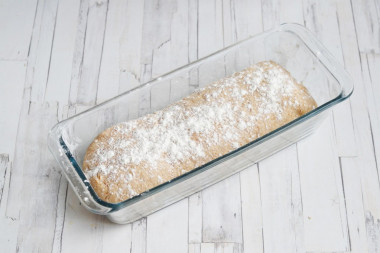
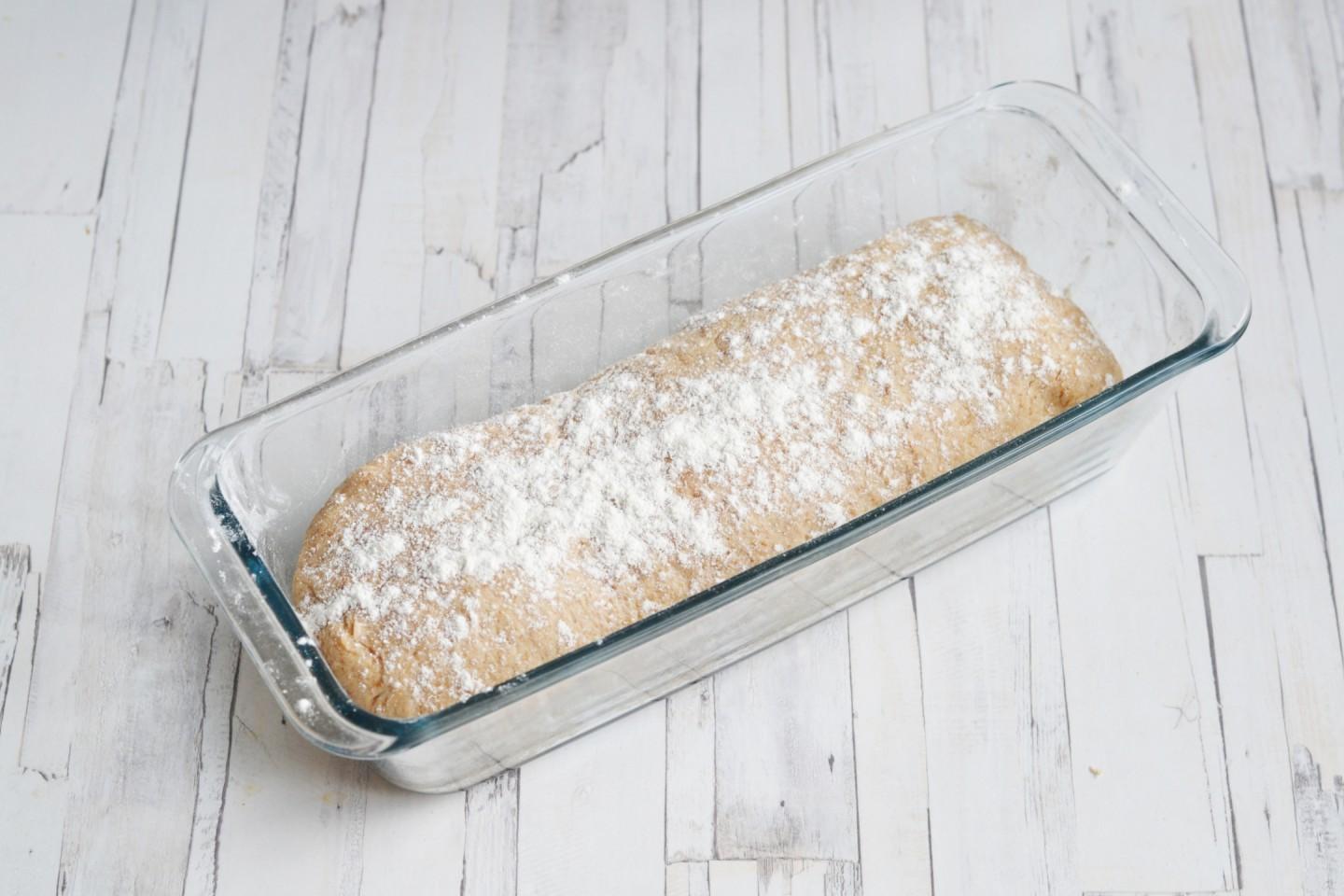
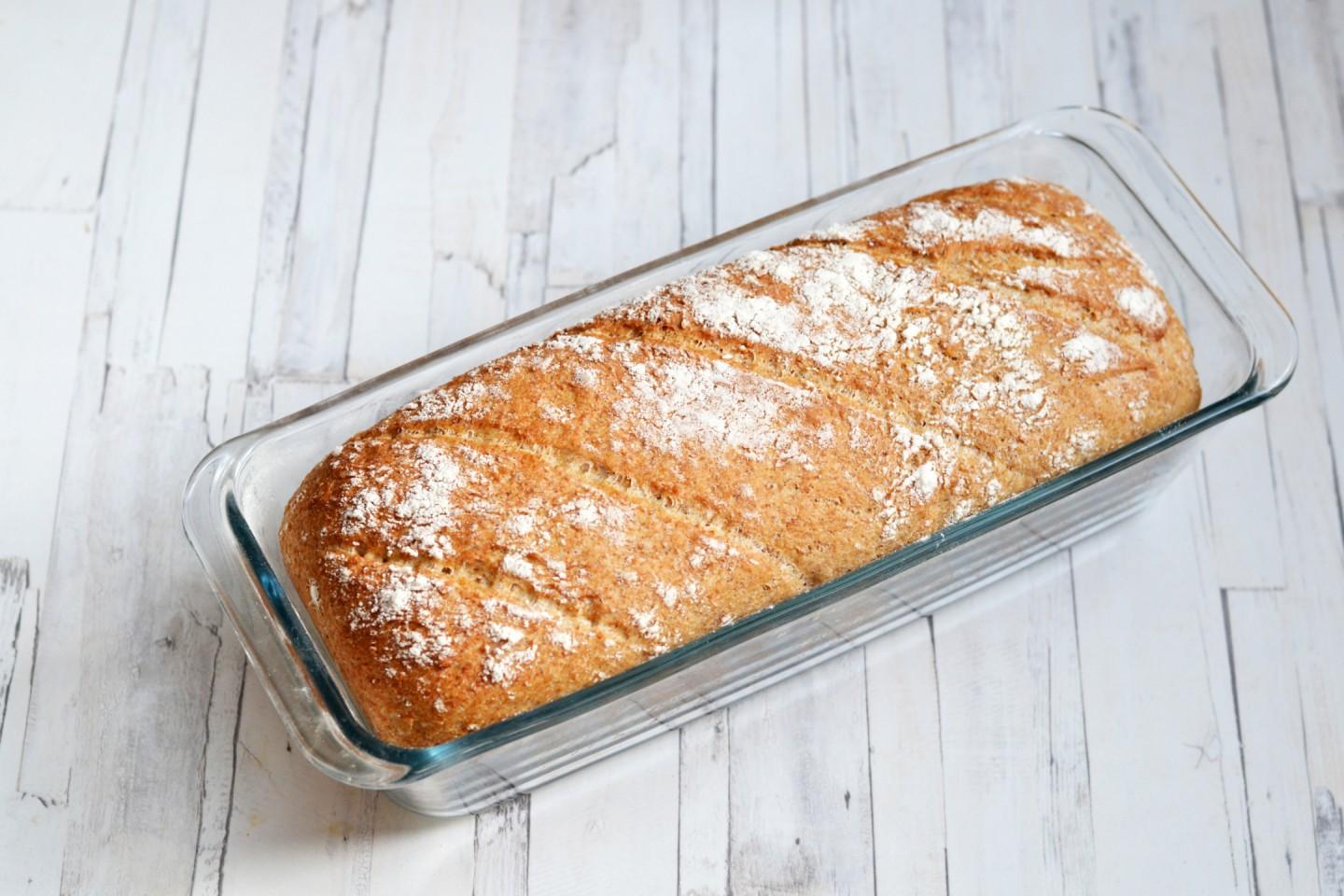
I simply placed the dough in a long, floured rectangular loaf pan. Dust the top of the dough with flour.
-
Step 14:

Cover the pan with a cloth and let it proof for 25–30 minutes.
-
Step 15:
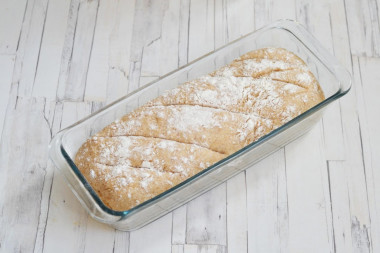
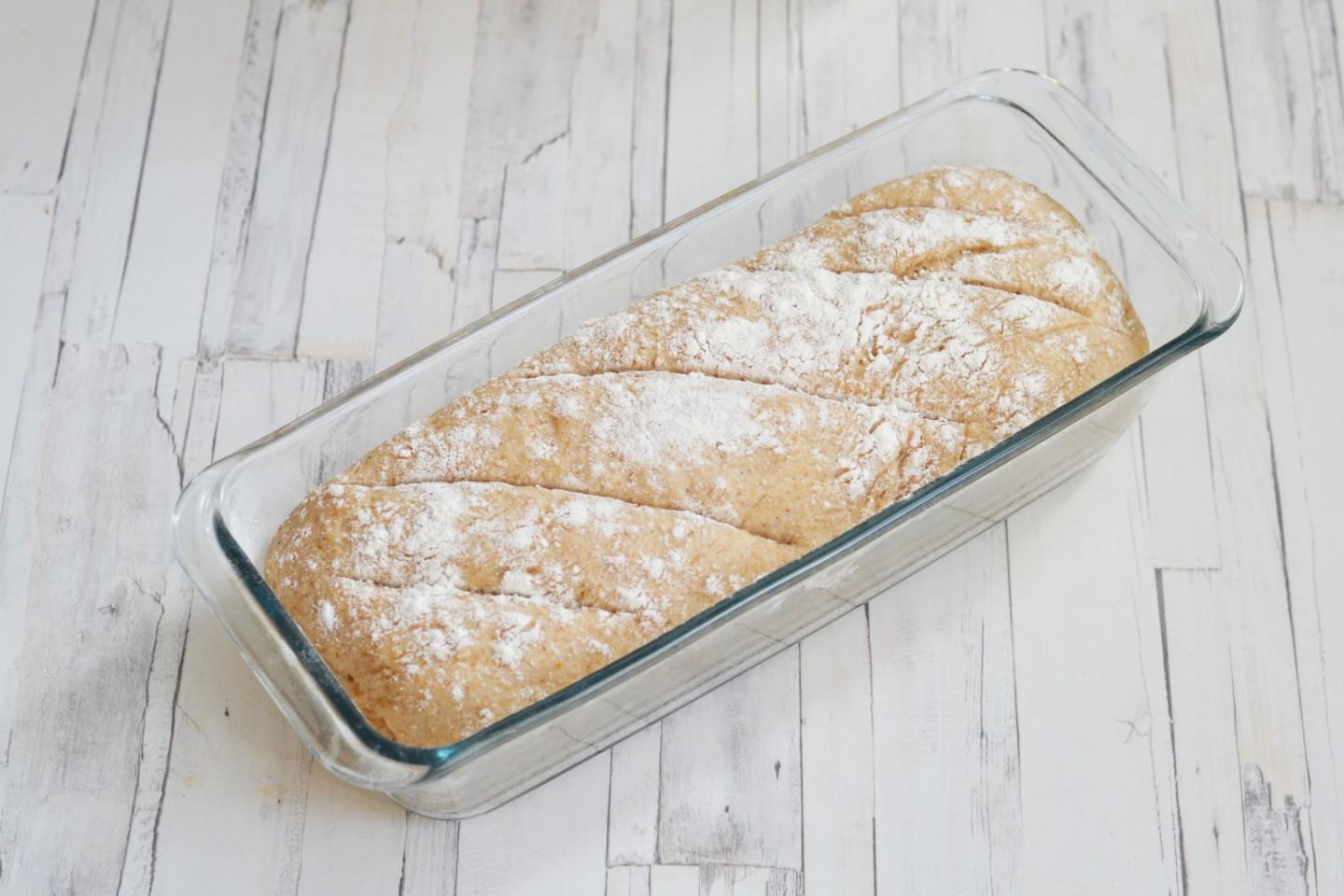
If you like, score a few shallow slashes on the surface with a sharp knife.
-
Step 16:
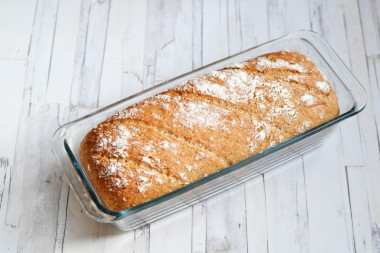
Preheat the oven to 400°F (200°C) and set a pan of water on the bottom rack. Bake the bread for 25 minutes at 400°F (200°C). Then lower the temperature to 350°F (180°C), cover the pan with a sheet of foil, and bake for about 20 minutes more. The exact time depends on your oven. The bread should have a light golden crust. Take the finished bread out of the pan, cool it on a rack, and serve. Enjoy!


- Be ready to use more or less flour than the recipe calls for. Go by the consistency of the dough rather than a fixed amount of flour. To avoid mistakes, read up on flour and its properties!
- Keep in mind that every oven is different. Temperatures and times may vary from what's given here. For any baked dish to come out well, learn how your own oven behaves.
- Important! With dry yeast, remember there are two kinds: active and instant (read the package instructions carefully). Active dry yeast looks like beads or small granules and has to be "woken up" first — dissolve it in warm sweetened water, milk, or whey. Bubbles, foam, or a "cap" mean it's ready to use. Make sure active dry yeast fully dissolves in the liquid; undissolved granules that end up in the dough won't reactivate on their own, so the dough may not rise and the bake will be ruined. Instant dry yeast is easier — no activation needed; just add it to the dough with the other ingredients, which shortens the process. Also keep in mind that both types can vary in strength from one brand to another.
Caloric content of the products possible in the composition of the dish
- Buckwheat (whole grain) - 335 kcal/100g
- Dark buckwheat flour - 333 kcal/100g
- Light buckwheat flour - 347 kcal/100g
- Boiled buckwheat - 163 kcal/100g
- Buckwheat - 313 kcal/100g
- Granulated sugar - 398 kcal/100g
- Sugar - 398 kcal/100g
- Vegetable oil - 873 kcal/100g
- Salt - 0 kcal/100g
- Water - 0 kcal/100g
- Wheat flour - 325 kcal/100g
- Dry yeast - 410 kcal/100g