Layered Skillet Flatbreads with Onion
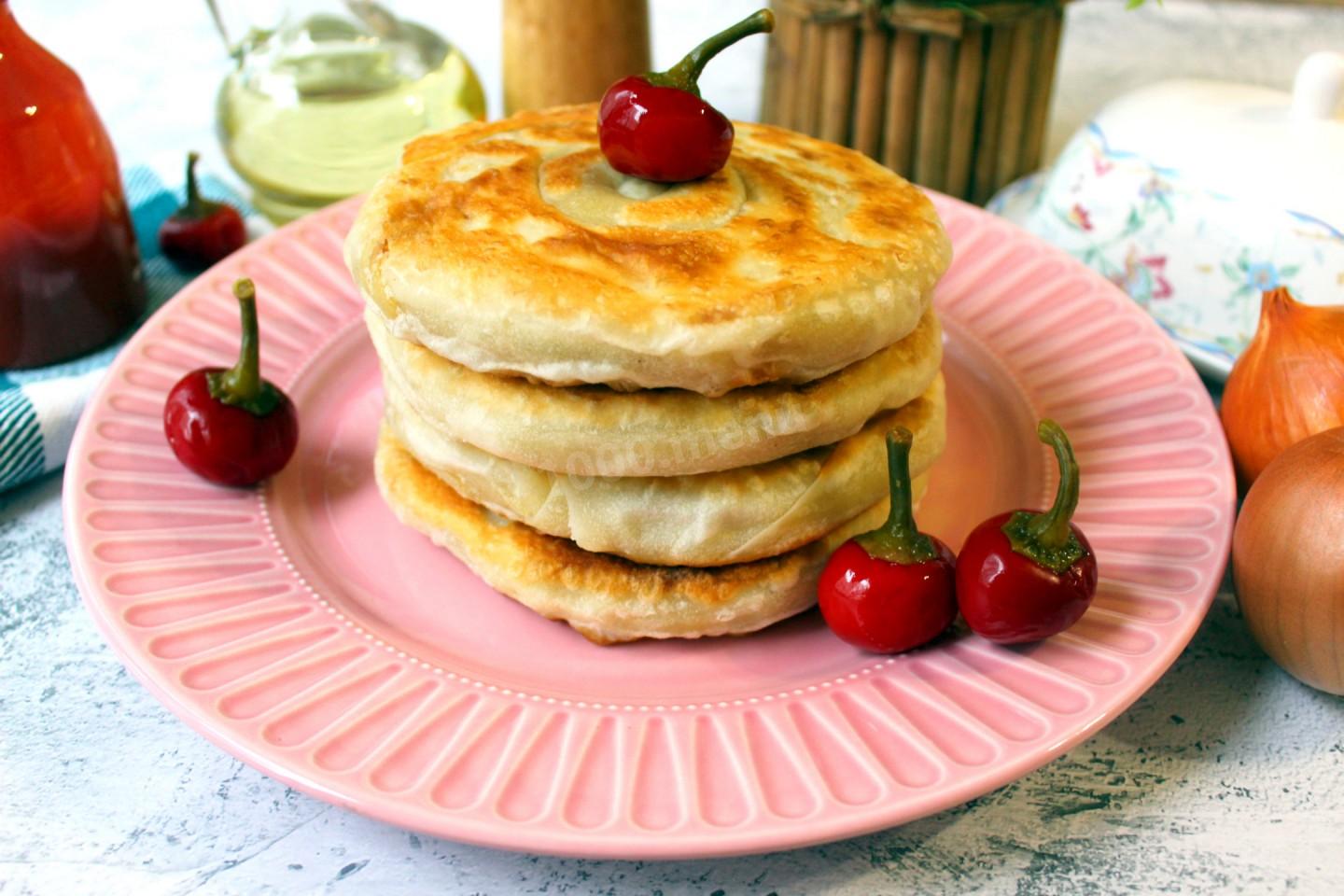
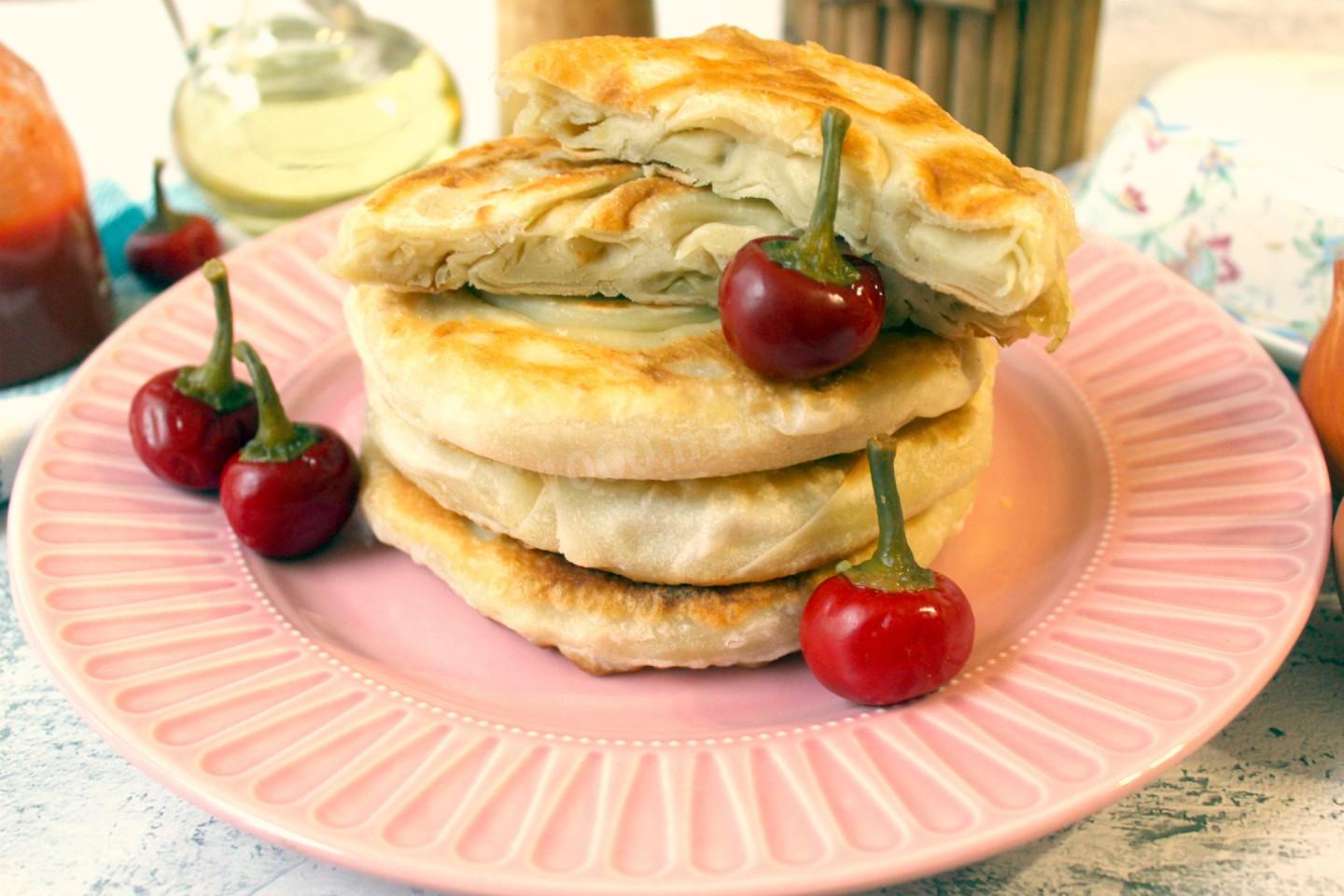
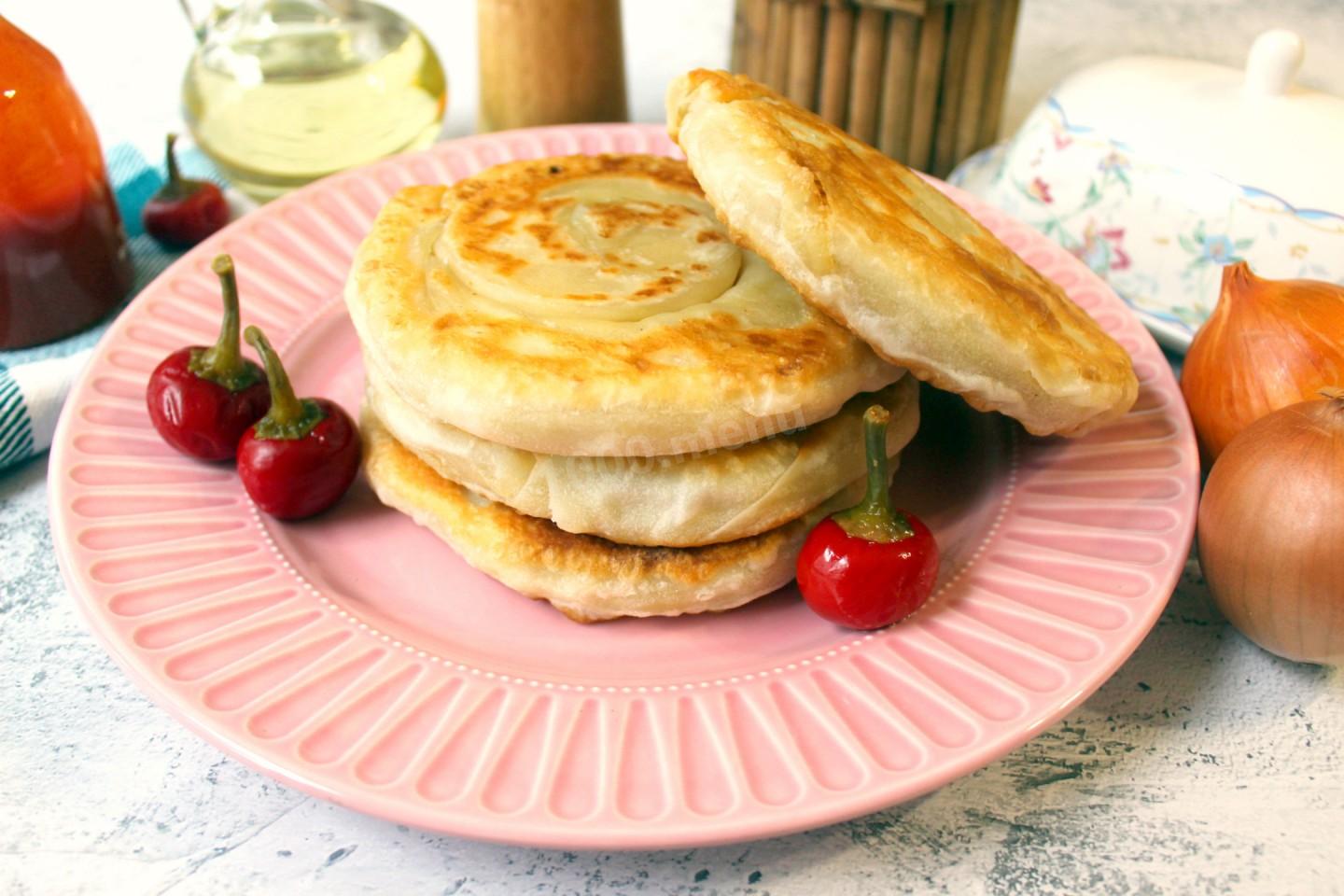
Delicious layered flatbreads made right in a skillet! A great alternative to store-bought bread. Serve them on their own or alongside soup — borscht, for example. Thanks to the trick of coiling the flatbread into a spiral and then rolling it back out, they turn out beautifully flaky and layered.

Cooking method
-
Step 1:
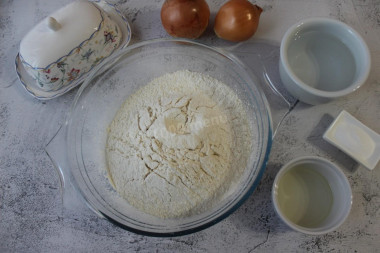
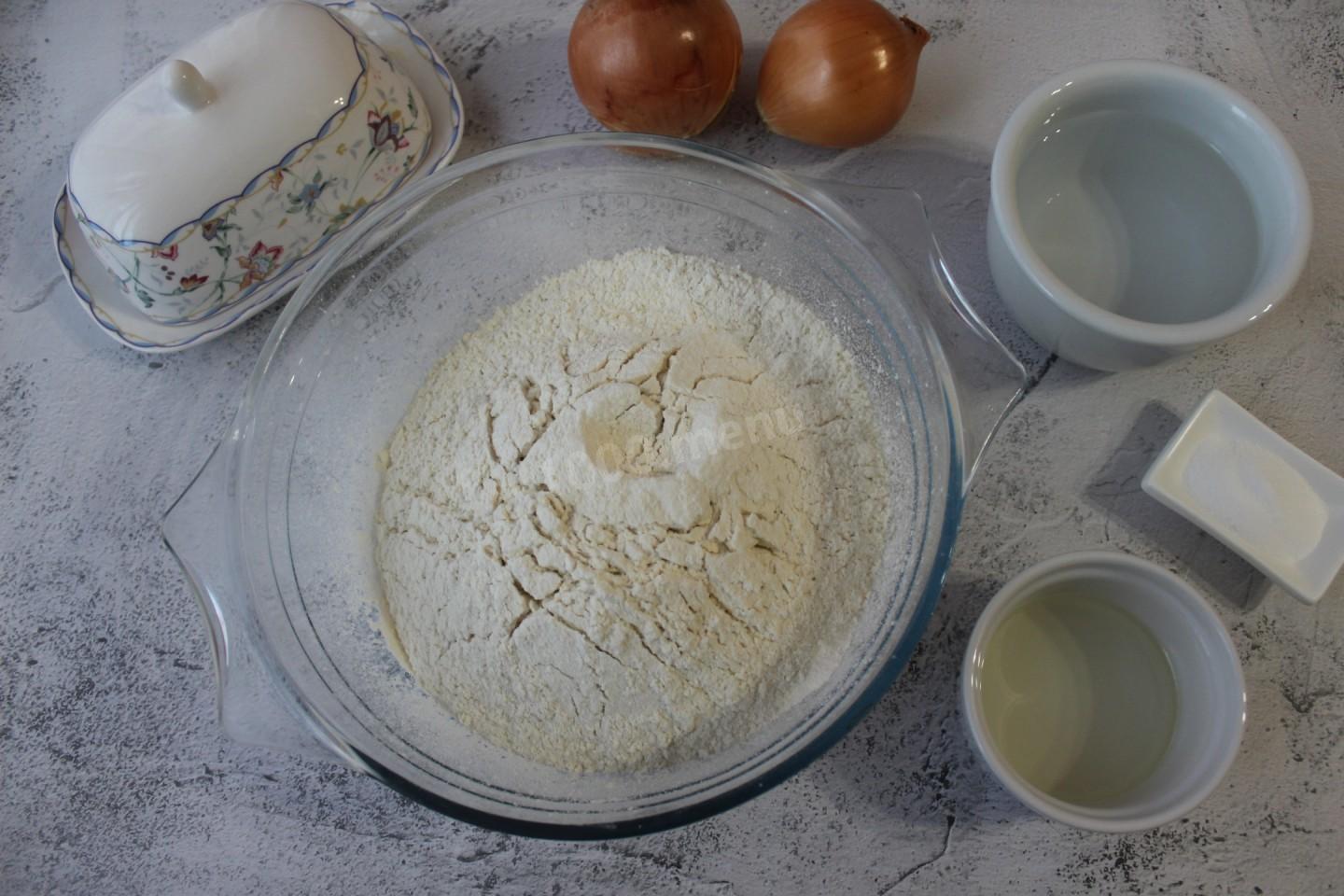
How do you make layered skillet flatbreads? Gather all your ingredients. Use filtered water at room temperature, all-purpose flour, and refined vegetable oil, and measure the salt in level teaspoons.
-
Step 2:
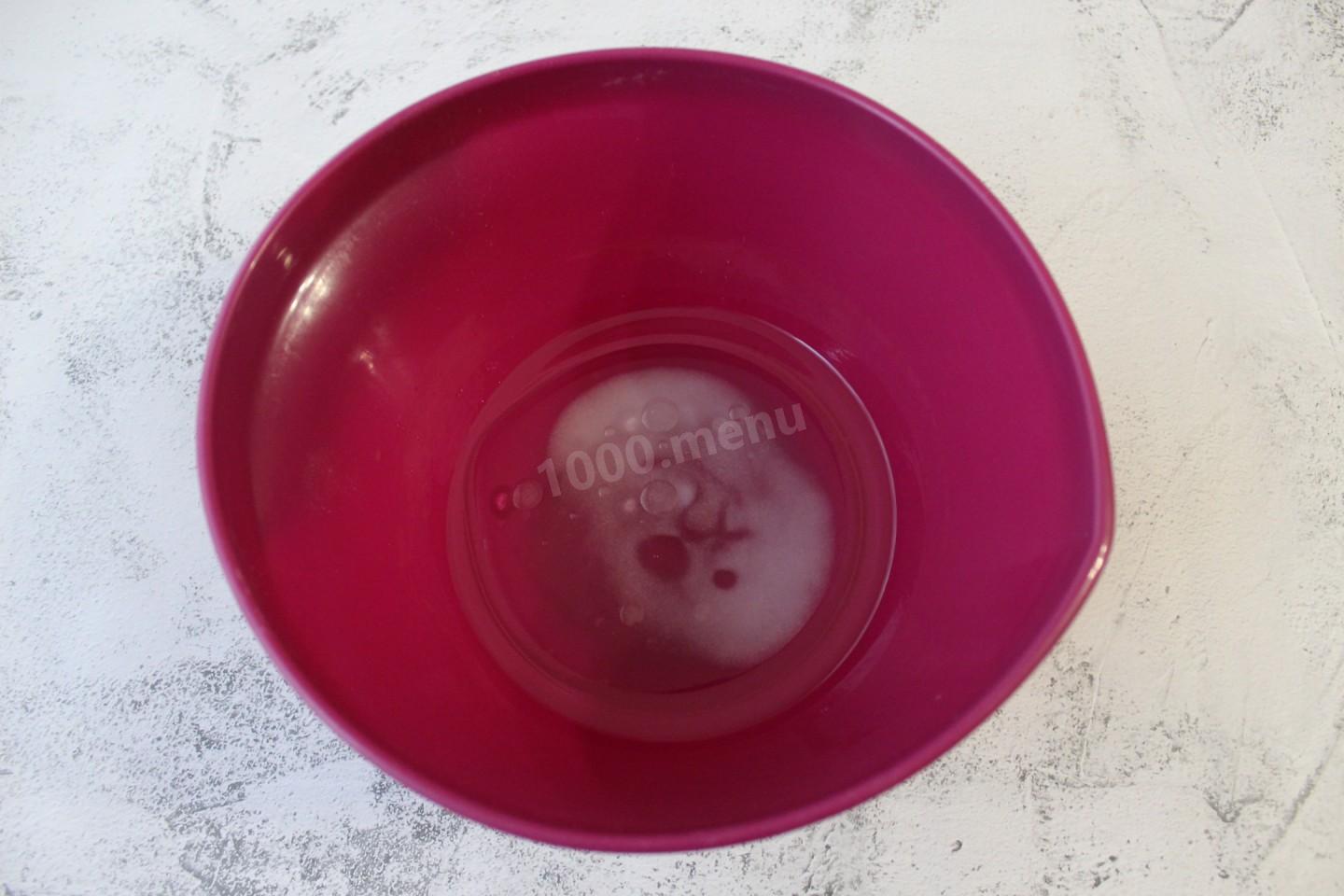
Pour the room-temperature water into a mixing bowl, add the salt, and pour in the vegetable oil. Stir until the salt has fully dissolved.
-
Step 3:
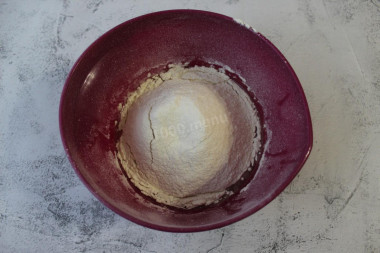
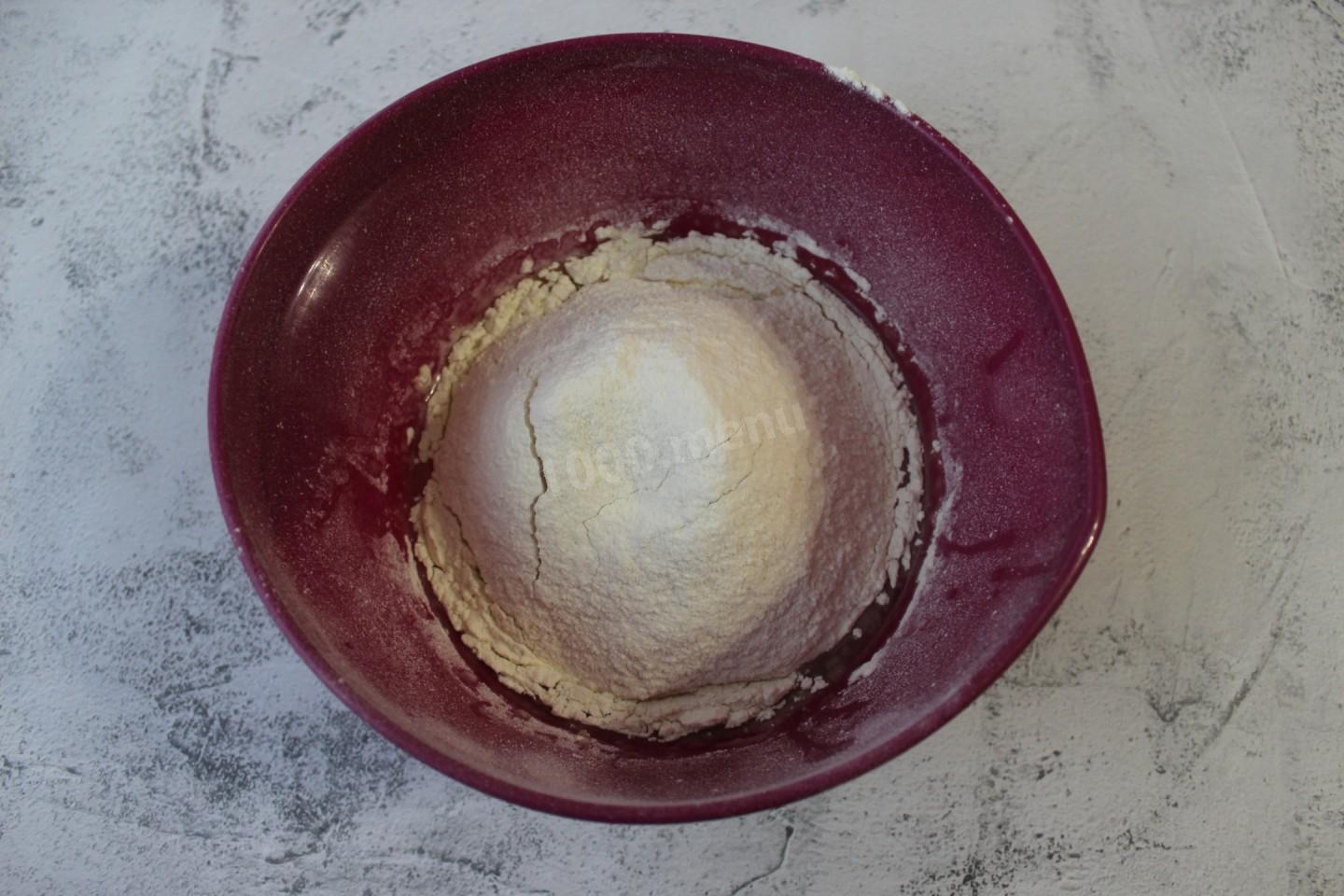
Sift the wheat flour into the bowl with the liquid through a sieve. Sifting aerates the flour, which makes the dough more tender and soft, and also removes any stray bits and debris that might be in it.
-
Step 4:
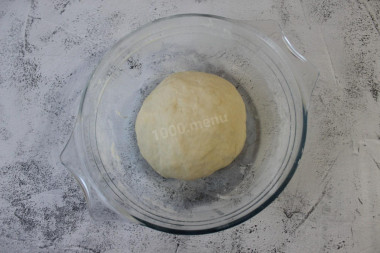
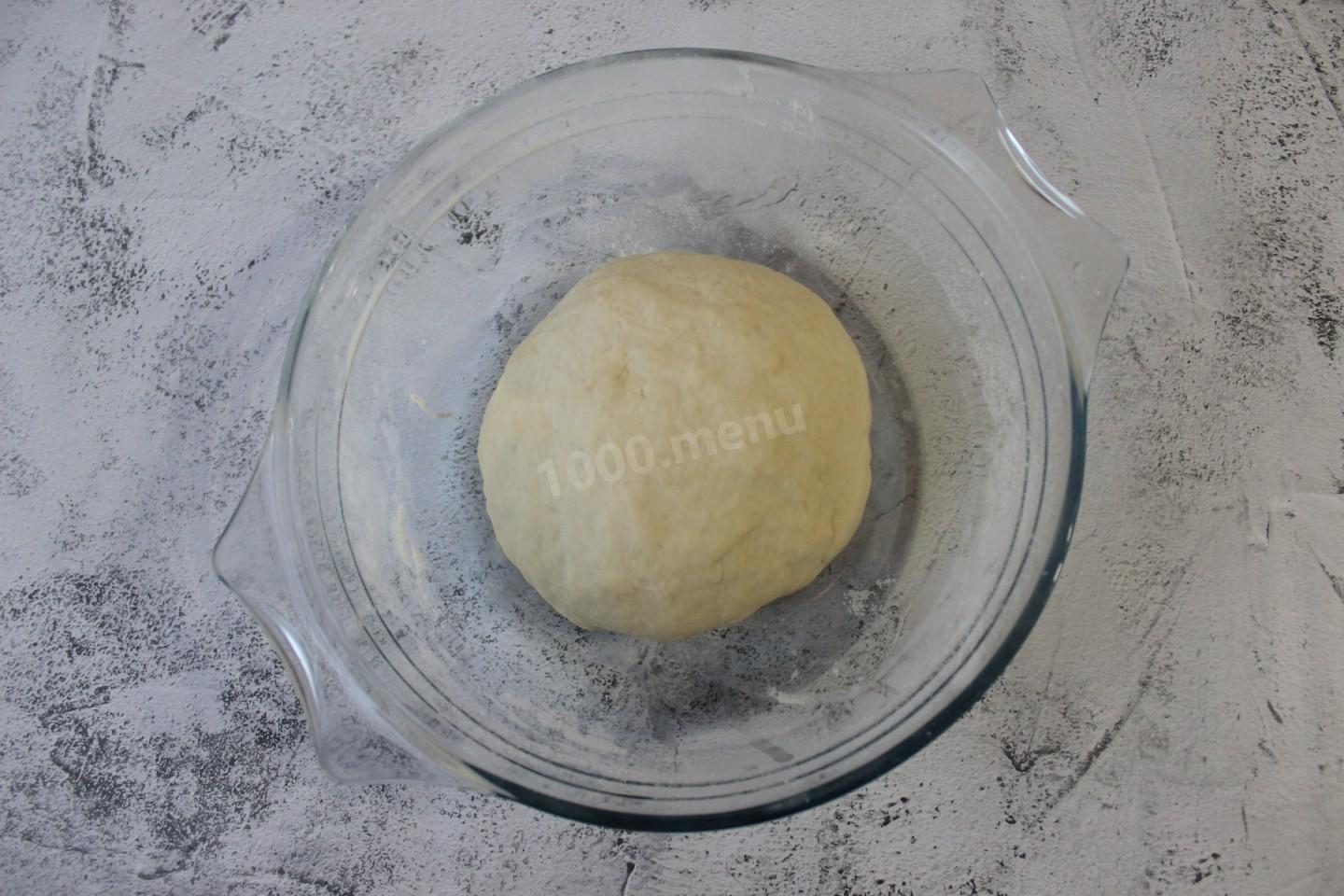
Start by stirring the dough with a wooden spoon, and once it comes together into a single lump, turn it out onto a floured work surface and knead by hand for about 7 more minutes. Add flour if you need to, but don't overwork the dough or it'll turn out tough and unpleasant. The dough should be elastic and not stick to your hands.
-
Step 5:
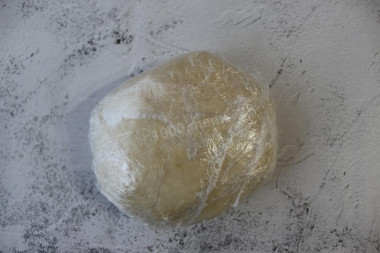
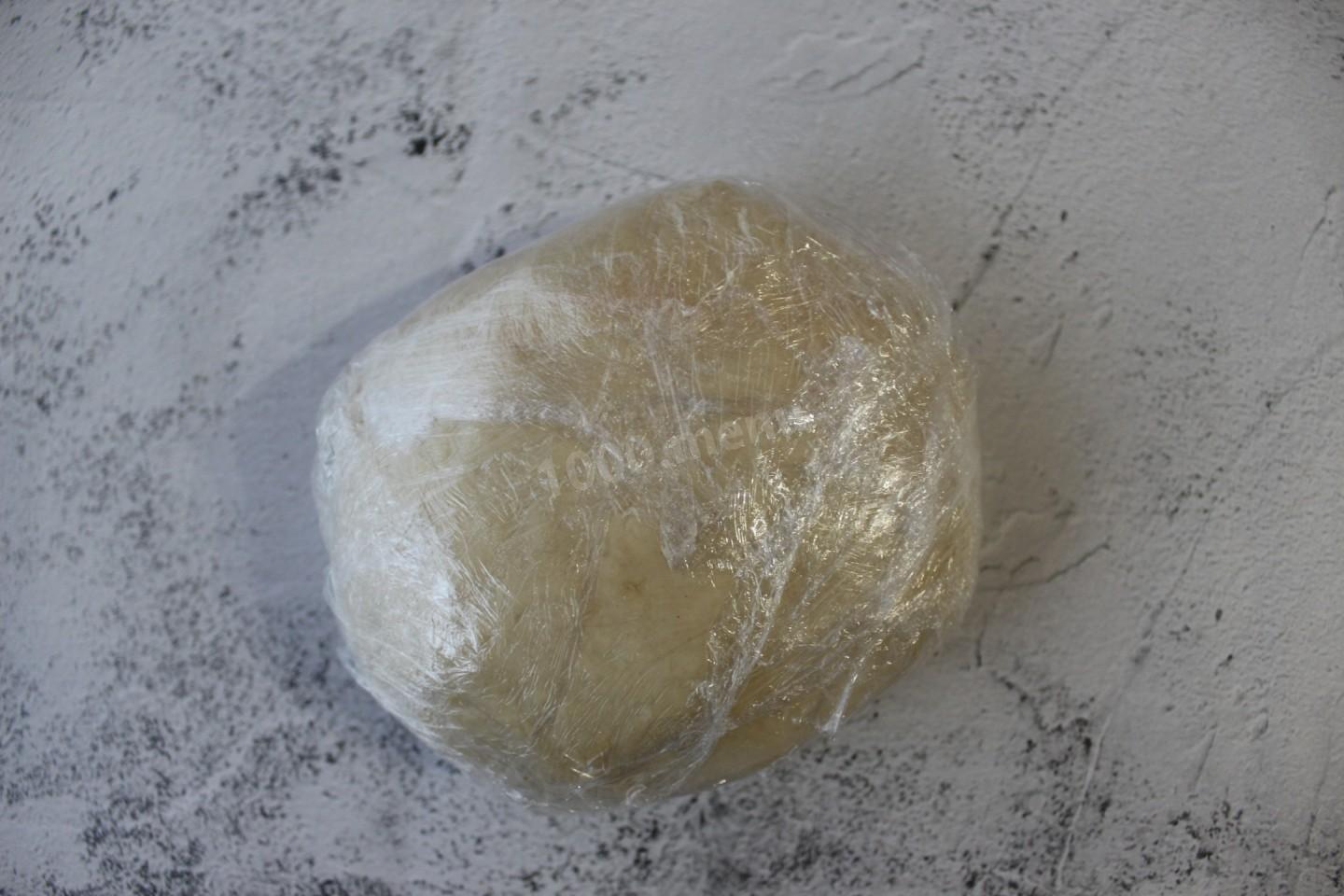
Wrap the dough in plastic wrap and let it rest for 20 minutes. After that time, the dough will be even softer, more elastic, and easier to work with.
-
Step 6:
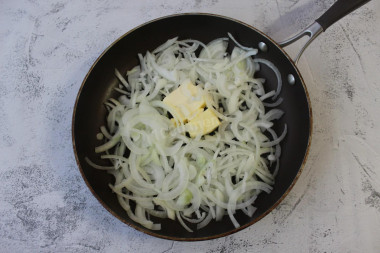
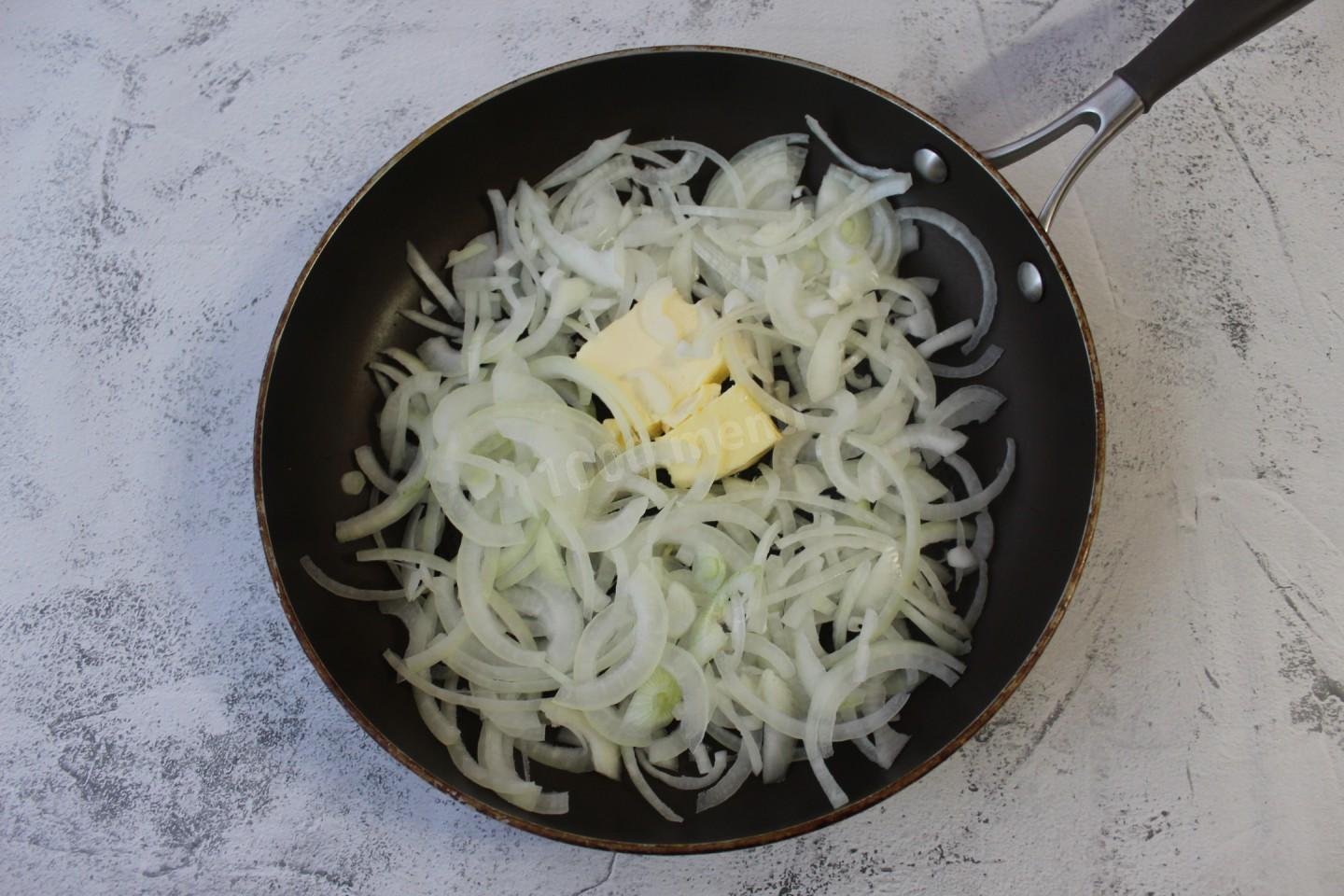
Peel the onions, rinse them under water, and cut into half-rings. Put the onion half-rings in a skillet, add the butter, and lightly salt. Stirring with a spatula, cook the onion gently for 5–7 minutes until soft. Take the skillet off the heat and let the filling cool.
-
Step 7:
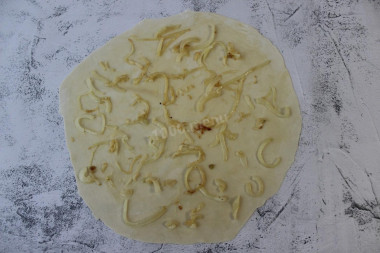
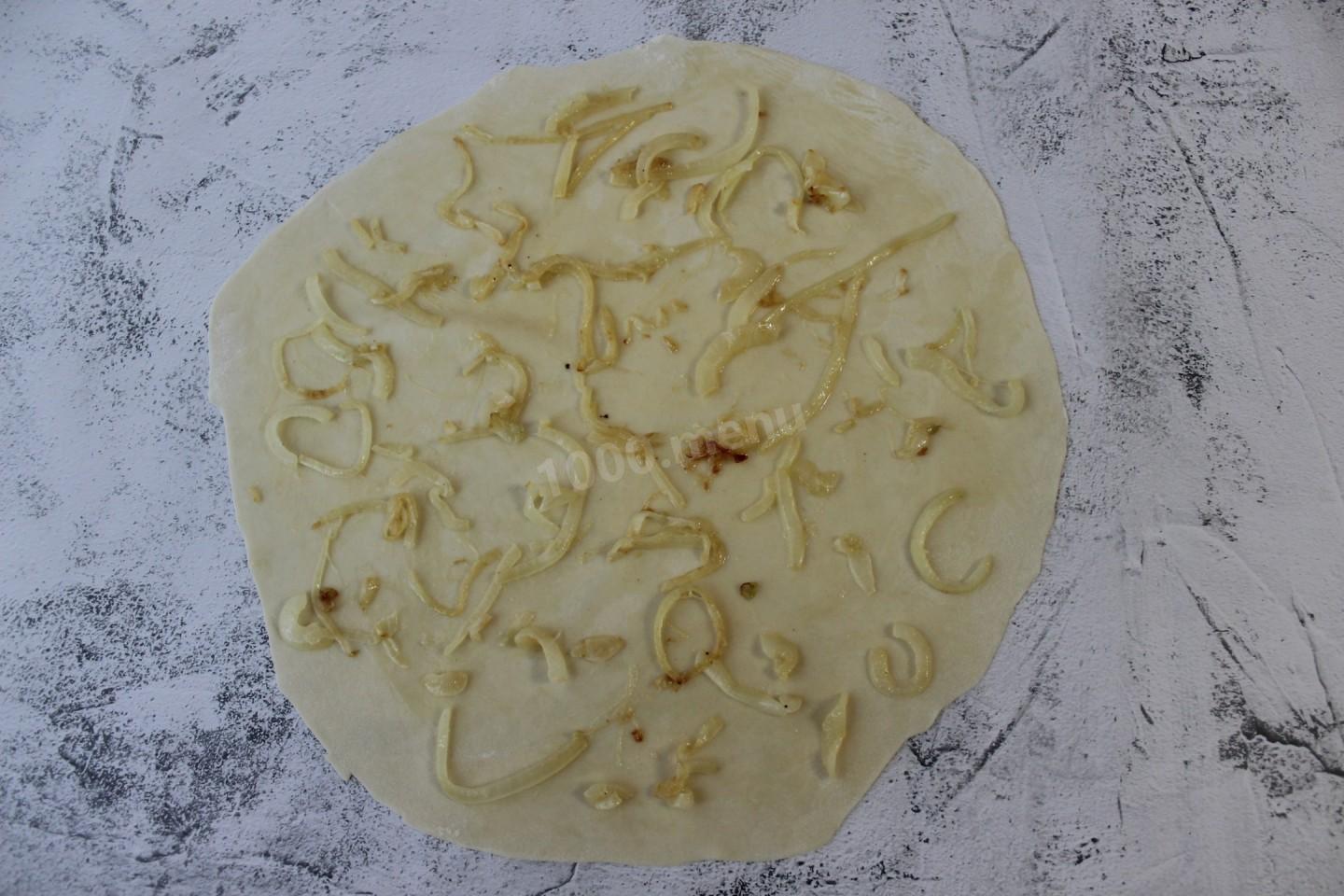
Divide the rested dough into 4 equal pieces and roll each one into a ball. Take the first ball and roll it out into a very thin round. Spread the cooled onion filling over the flatbread, all the way to the edges.
-
Step 8:
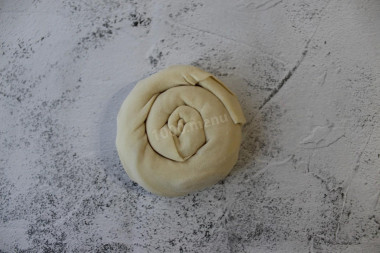
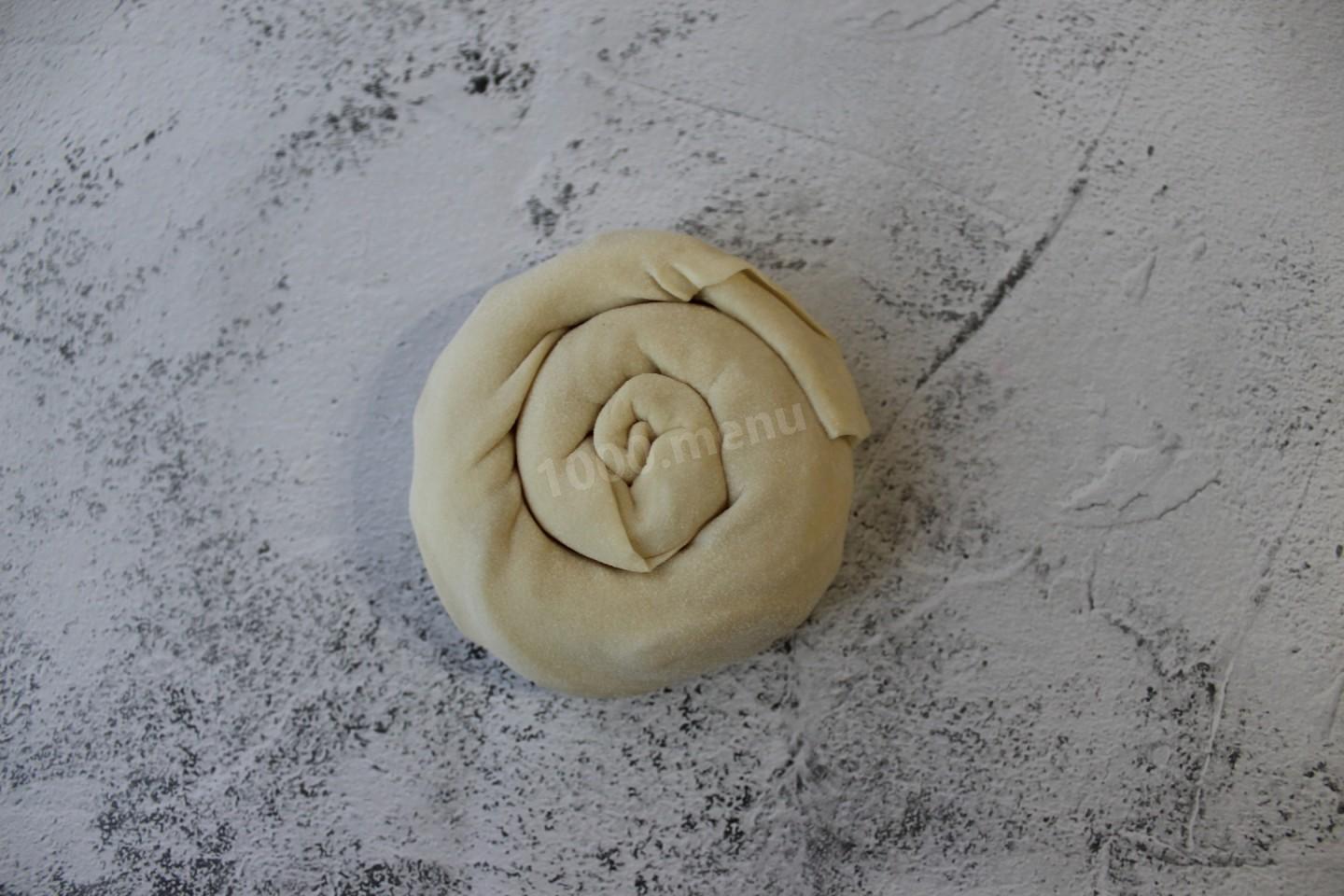
Now roll the round up into a log, then coil the log into a spiral.
-
Step 9:
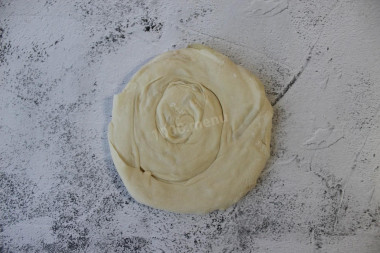
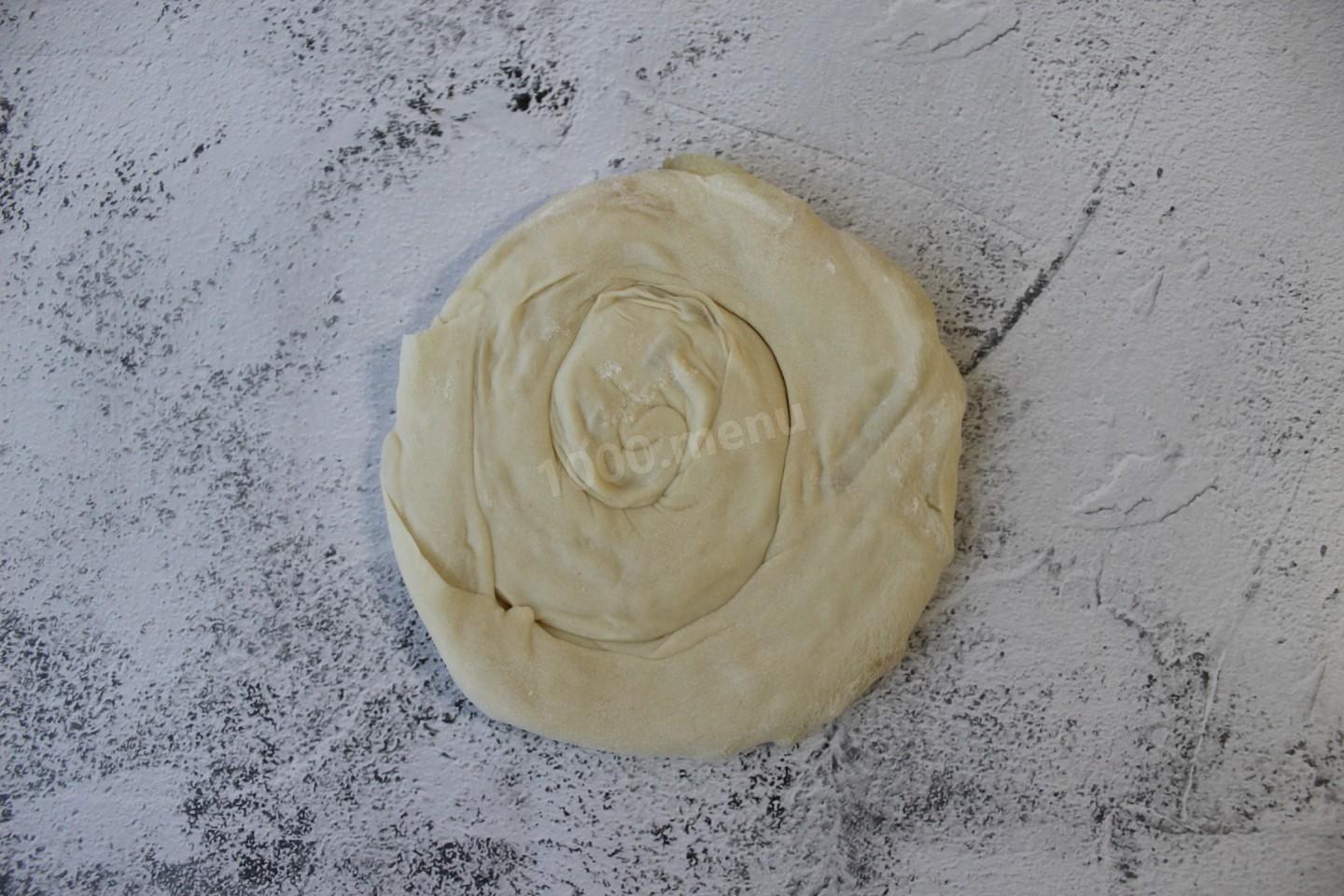
Take a rolling pin and gently roll over the top of the coiled spiral to flatten it back into a round.
-
Step 10:
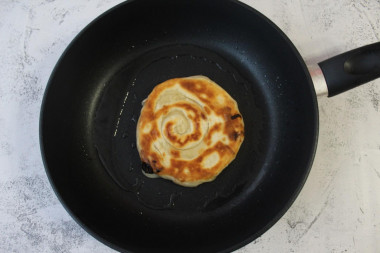
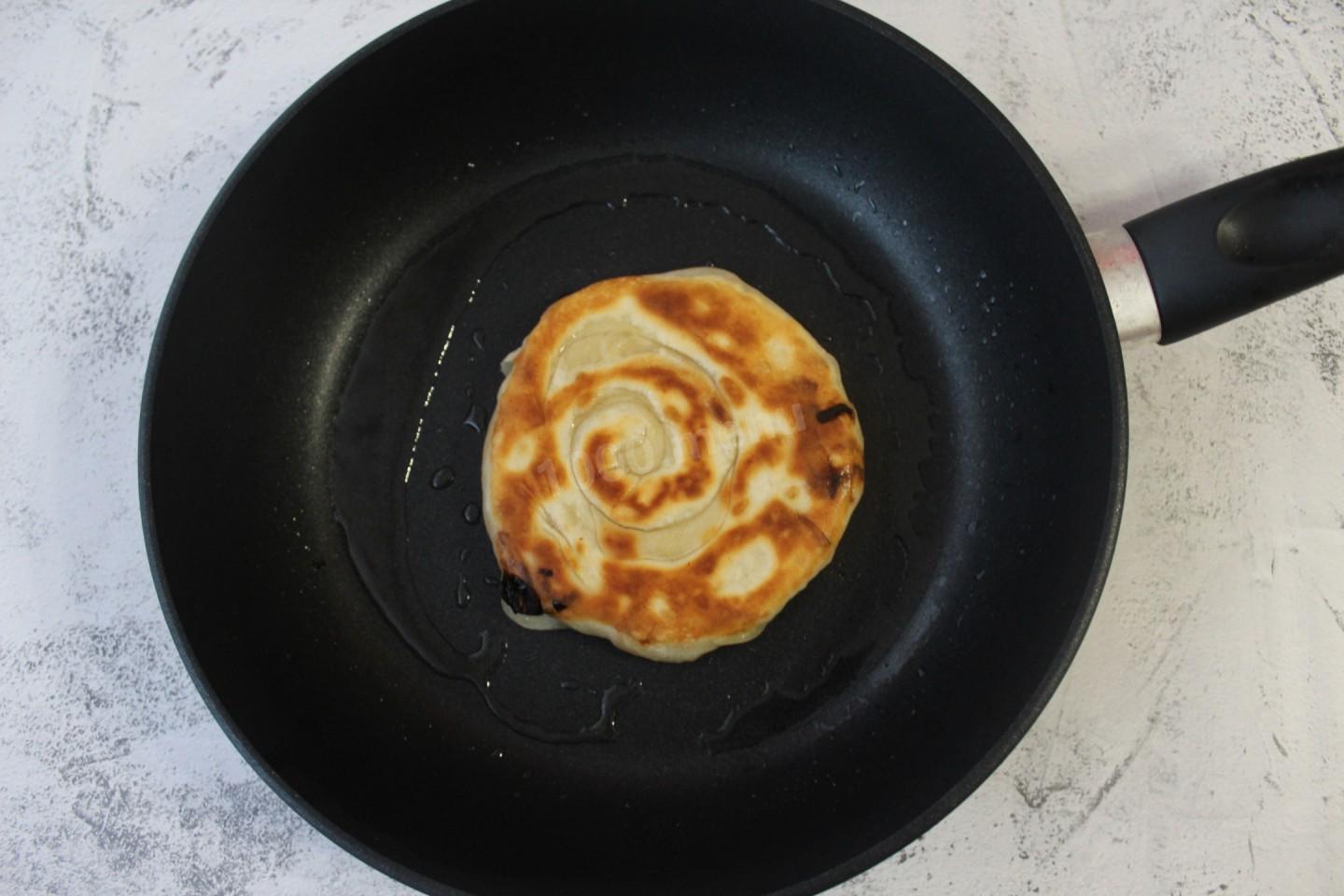
Lay the first flatbread in a well-heated skillet and fry it over low heat on both sides in vegetable oil until golden. To get rid of excess oil, blot the flatbreads with paper towels. Don't fry over high heat, or the dough won't cook through. While one flatbread fries, roll out the next ball of dough and repeat the same steps. Do the same with the remaining two.
-
Step 11:
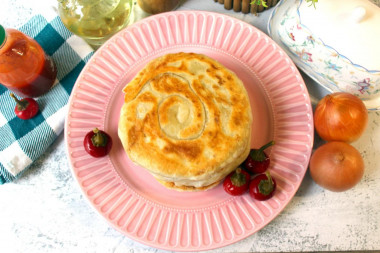
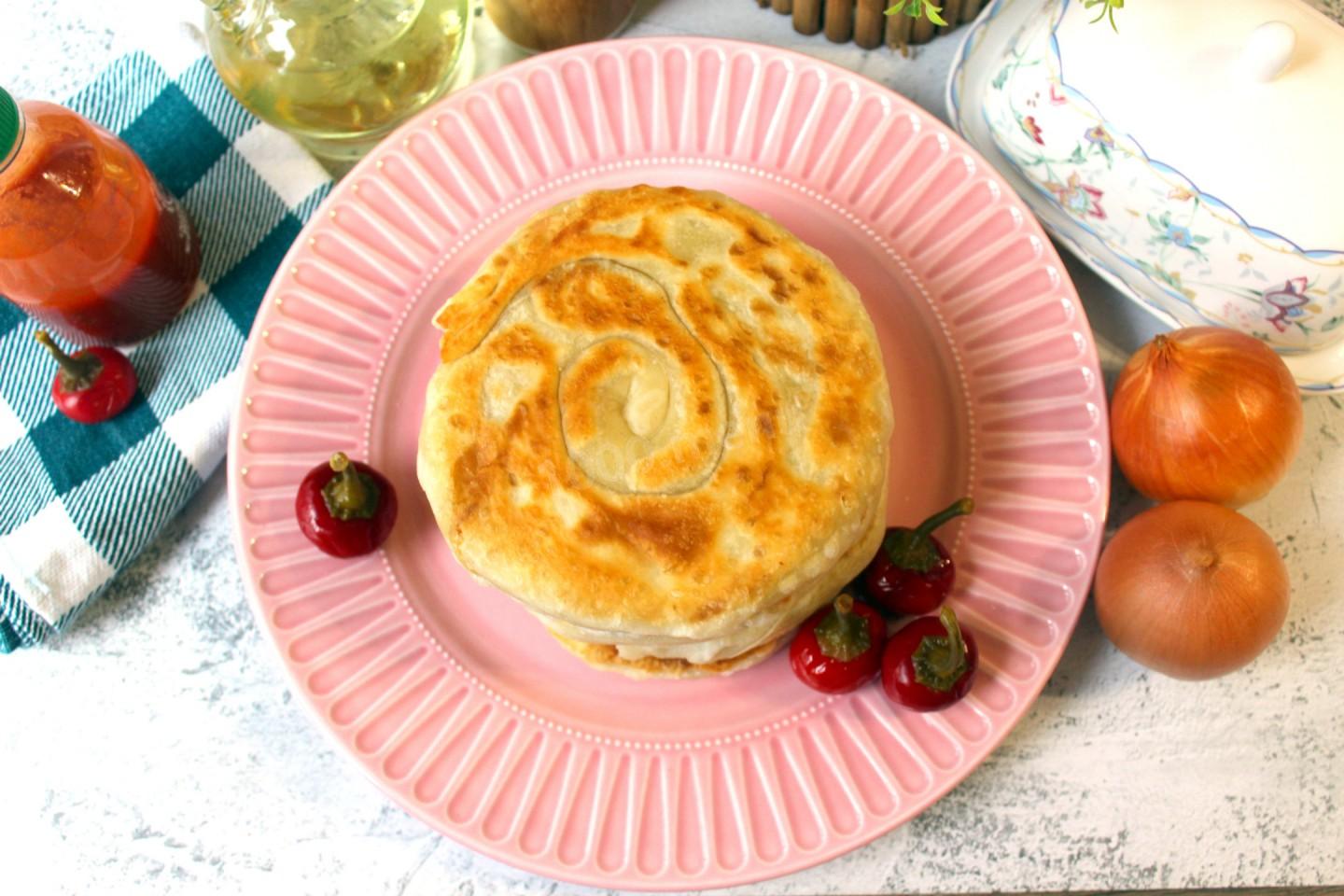
The layered skillet flatbreads are ready!
- To keep your eyes from stinging while you slice onions, rinse the onion and your knife with cold water. Your cutting board won't hold on to the onion smell if you rub it with a slice of lemon before you start.
- Be ready to use a little more or less flour than the recipe calls for. Go by the consistency of the dough rather than the exact amount. To keep from going wrong, it helps to know how flour behaves!
- There's an easy way to check whether the oil in the pan is hot enough: lower a wooden spatula into it. If bubbles gather around it, you're ready to start frying.
Caloric content of the products possible in the composition of the dish
- Onion - 41 kcal/100g
- Whole durum wheat flour fortified - 333 kcal/100g
- Whole durum wheat flour, universal - 364 kcal/100g
- Flour krupchatka - 348 kcal/100g
- Flour - 325 kcal/100g
- Butter 82% - 734 kcal/100g
- Amateur unsalted butter - 709 kcal/100g
- Unsalted peasant butter - 661 kcal/100g
- Peasant salted butter - 652 kcal/100g
- Melted butter - 869 kcal/100g
- Vegetable oil - 873 kcal/100g
- Salt - 0 kcal/100g
- Water - 0 kcal/100g