Skillet Chicken Breast in Soy Sauce
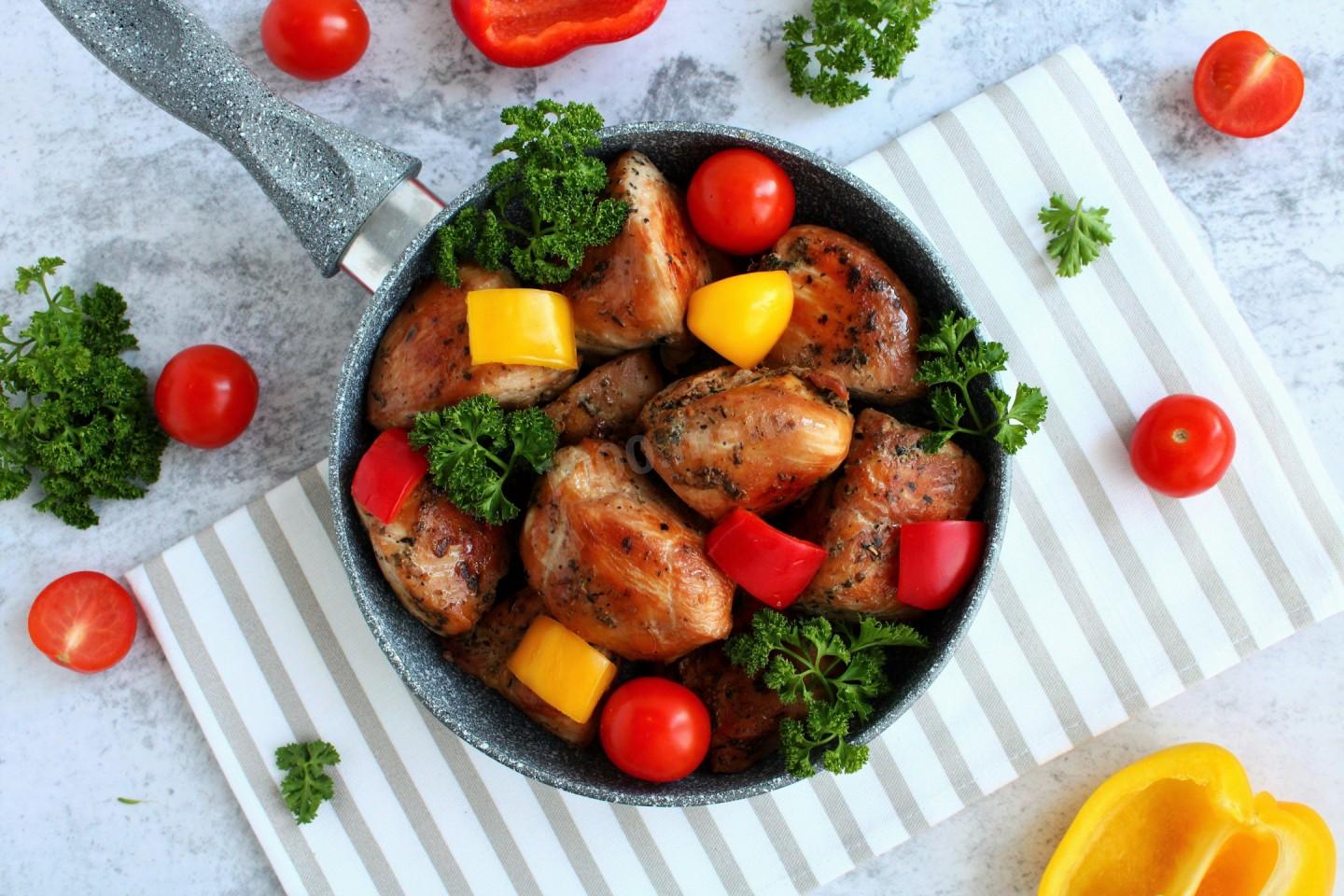
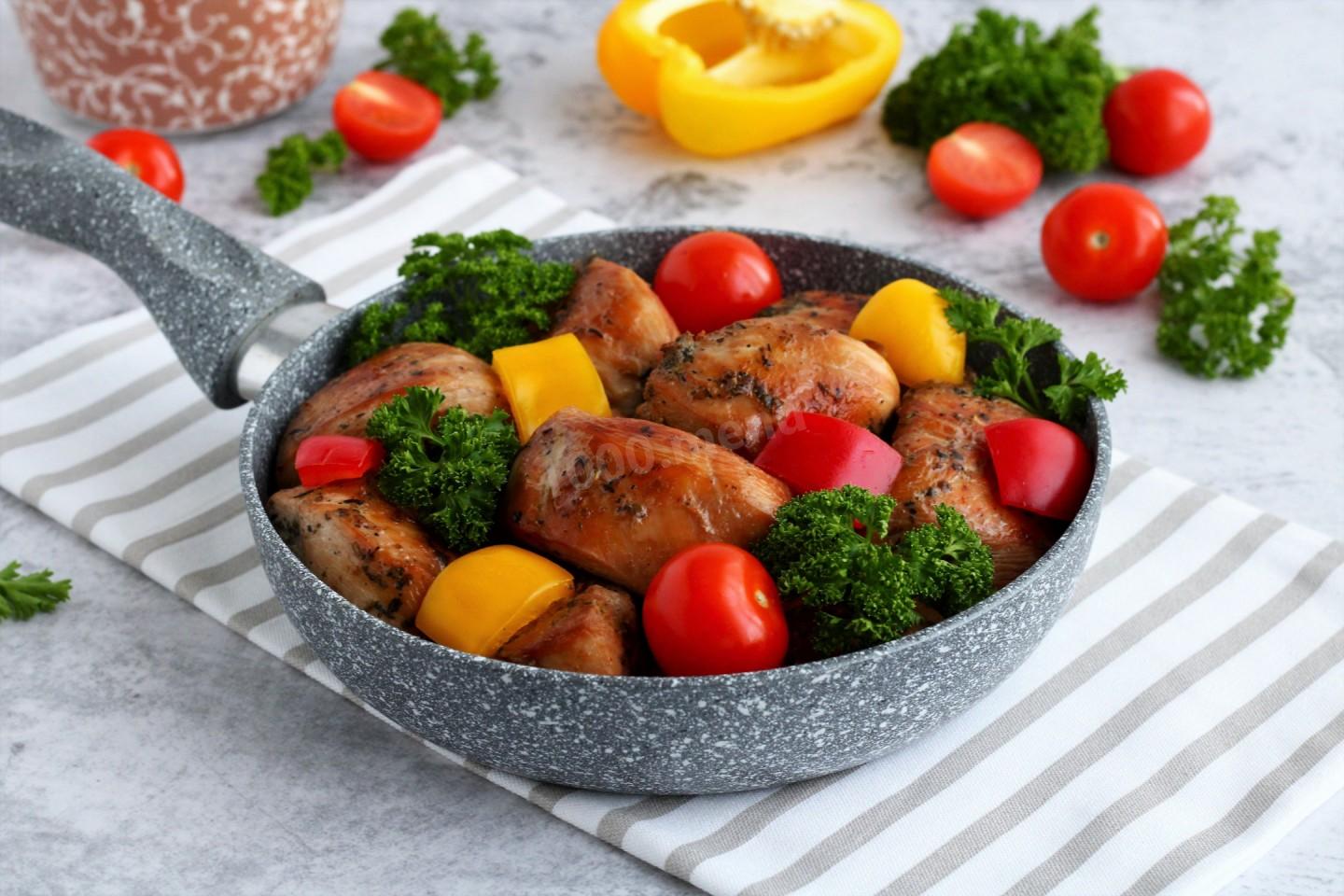
Juicy, tender, golden chicken breast — easy and simple! Chicken breast in soy sauce, full of savory flavor, made from just a few basic ingredients in an ordinary skillet. This popular Asian sauce gives the chicken a layered flavor you can't get from any dry seasoning. Give it a try — you won't regret it!


Cooking method
-
Step 1:
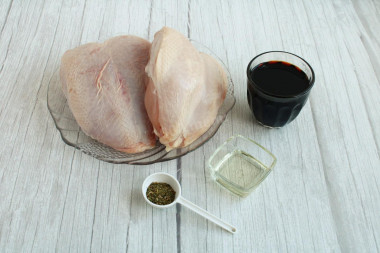
How do you make chicken breast in soy sauce? Gather your ingredients. You can use boneless chicken breast instead of bone-in. Use a refined, odorless vegetable oil and a plain, naturally brewed soy sauce with no additives.
-
Step 2:
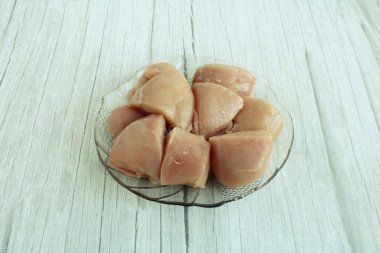
Wash the chicken breasts, pat them dry, and remove the skin. Using a knife, carefully cut the meat off the bone. Cut the breasts into serving pieces.
-
Step 3:
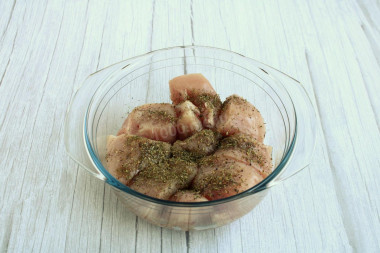
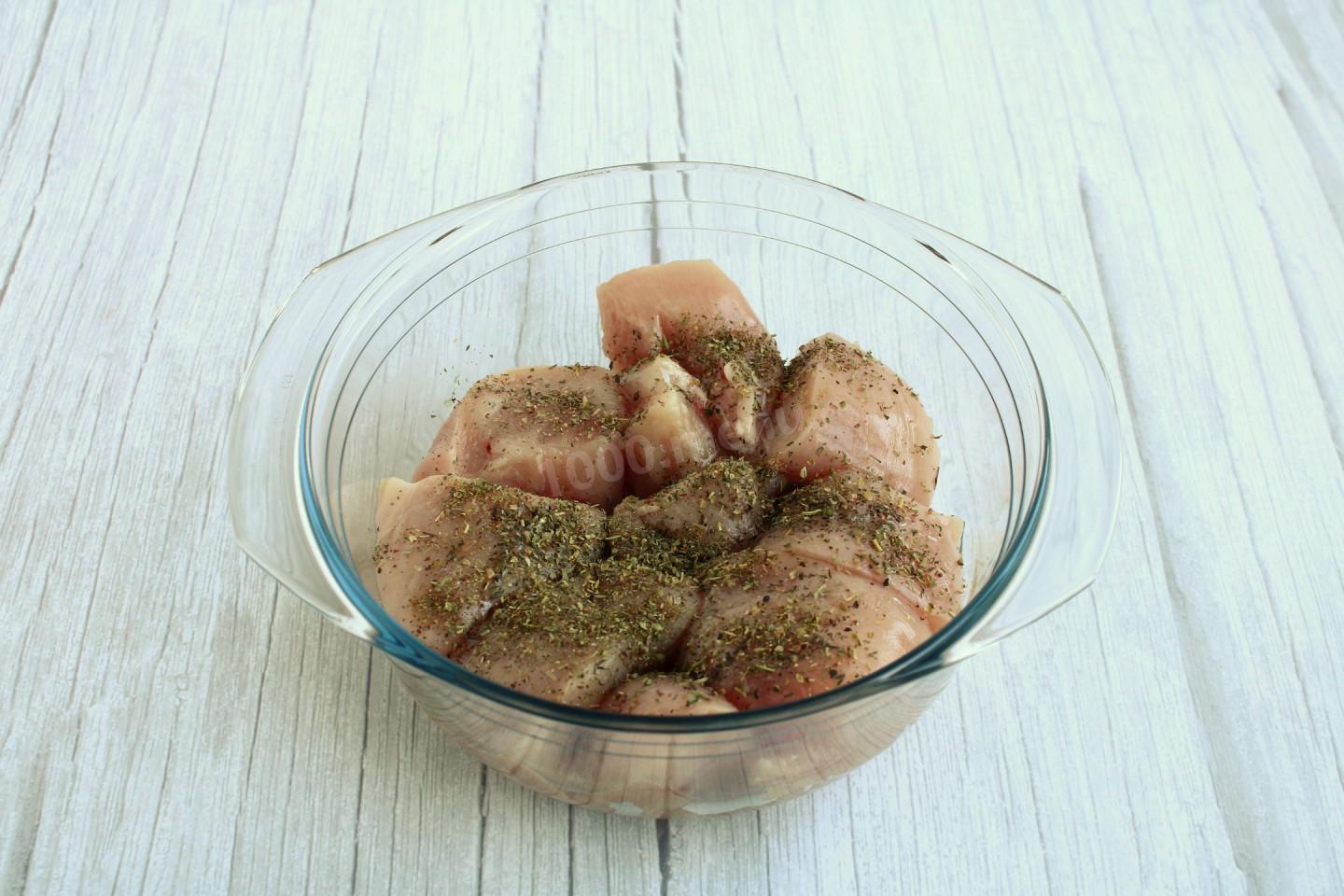
How do you marinate the meat? Put the chicken pieces in a suitably sized container. Add the vegetable oil and any spices and seasonings you like — I used an herb blend (1 1/2 tsp). Mix everything well.
-
Step 4:
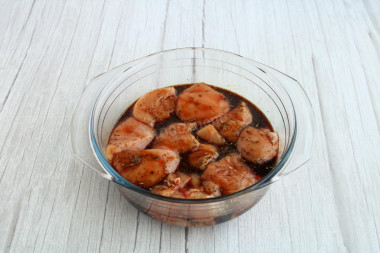
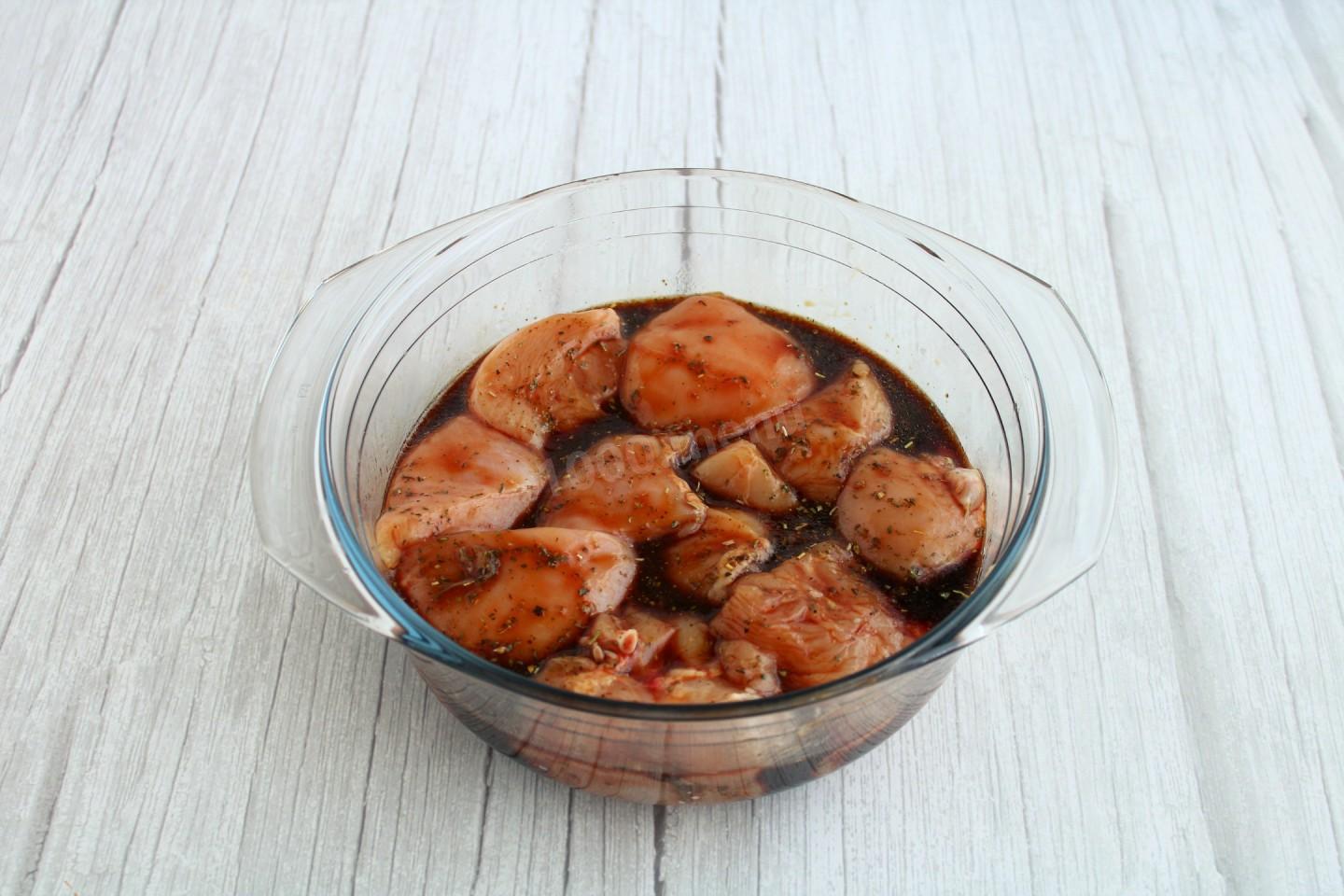
Pour the soy sauce over the chicken and stir — the sauce should coat every piece well. Let it marinate for 30 minutes. During this time the seasonings release their flavor and the meat soaks up the marinade. You can turn the pieces partway through so they marinate evenly.
-
Step 5:
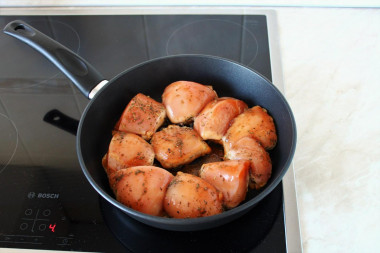
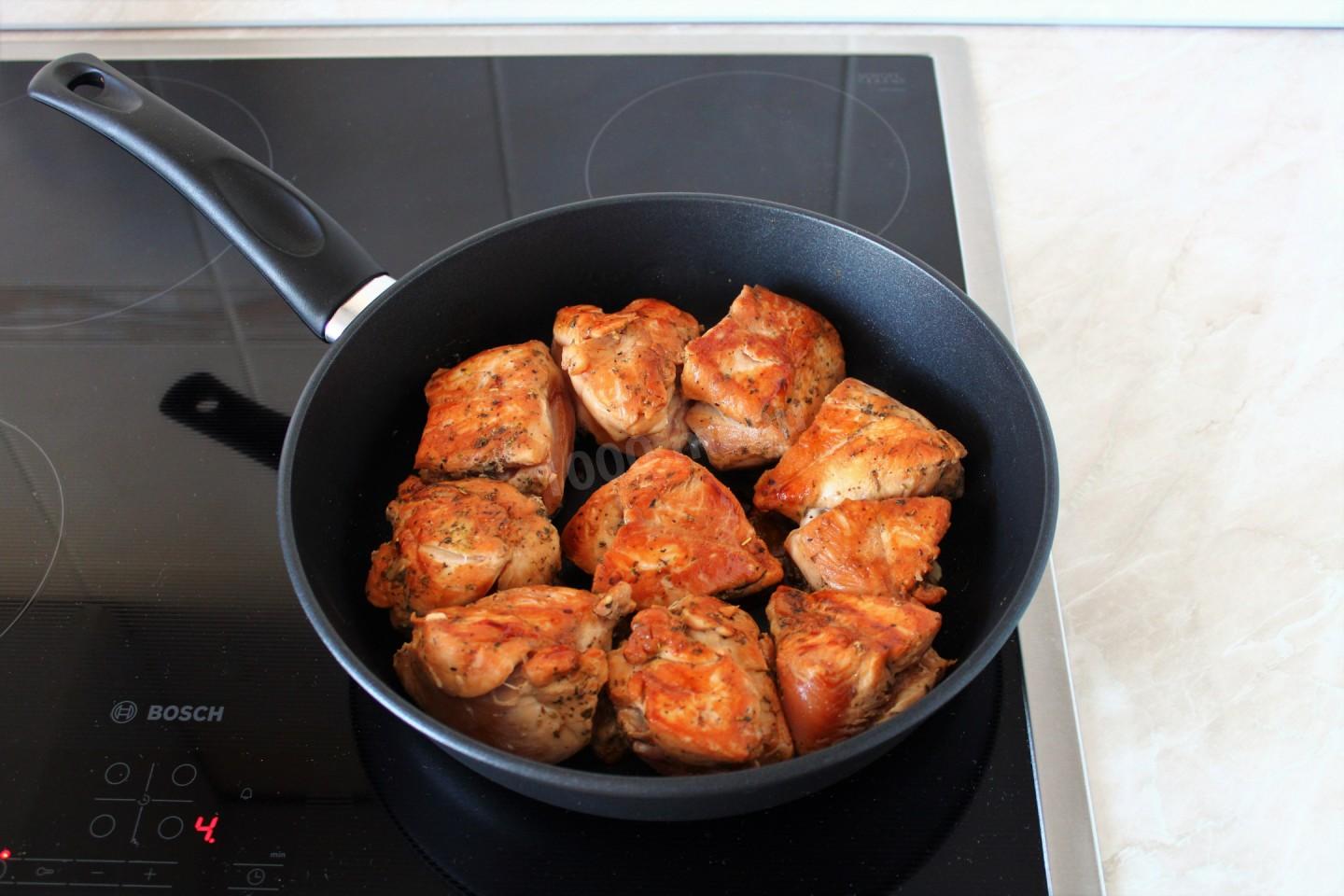
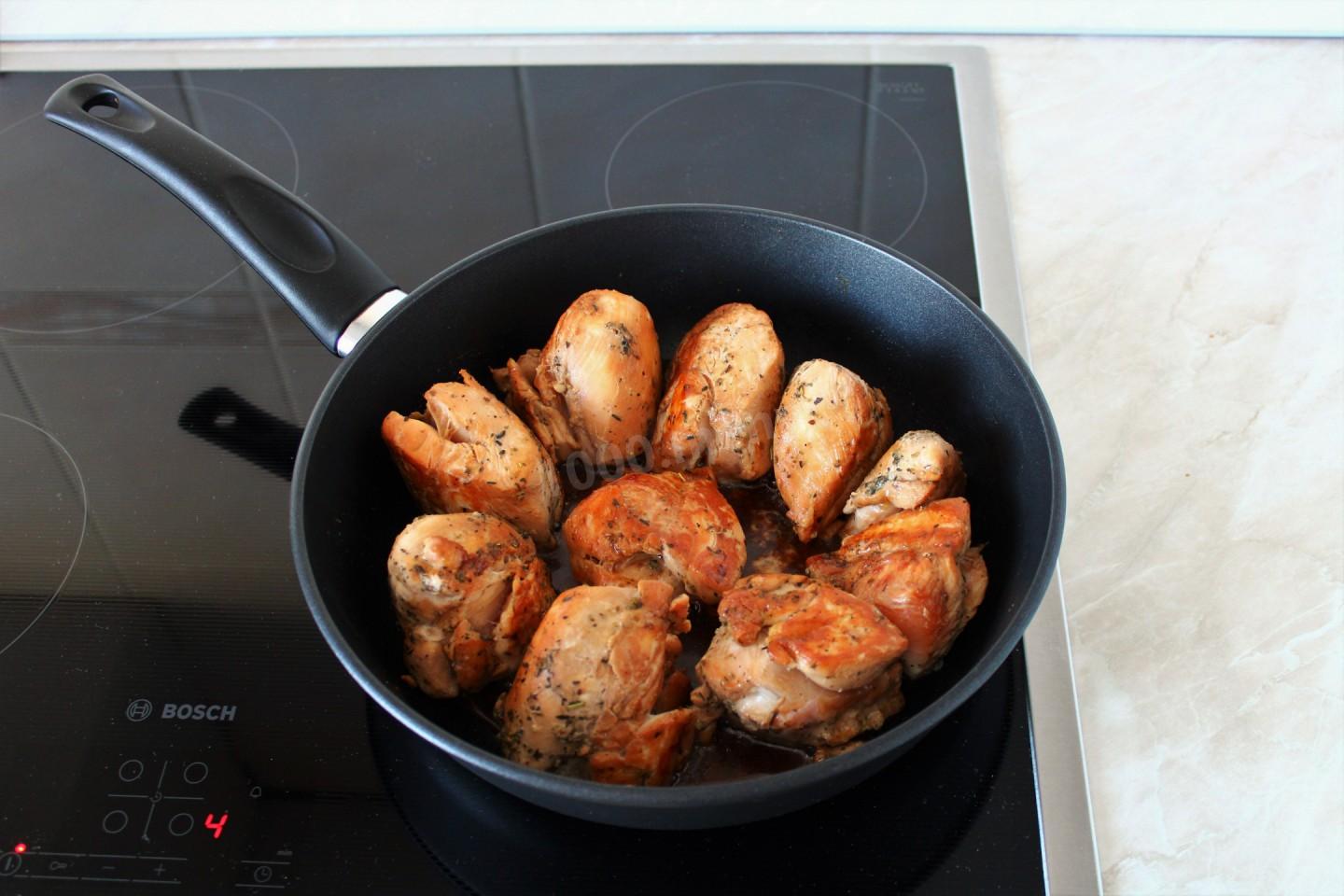
Heat a skillet and add the chicken pieces. Over medium-high heat, brown the meat on the first side.
-
Step 6:
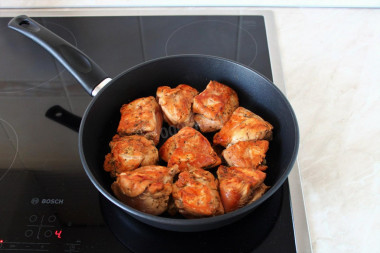
Then flip the pieces and brown the other side. The crust that forms seals the juices inside, so the meat comes out juicy and tender.
-
Step 7:
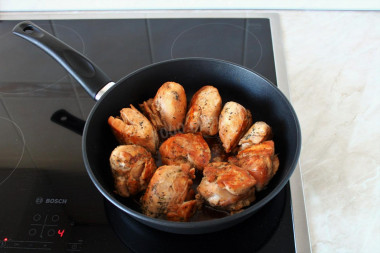
Keep cooking the chicken over reduced, medium heat. Add the remaining soy sauce to the pan a little at a time. Cover and simmer for 10–12 minutes, turning the pieces now and then.
-
Step 8:
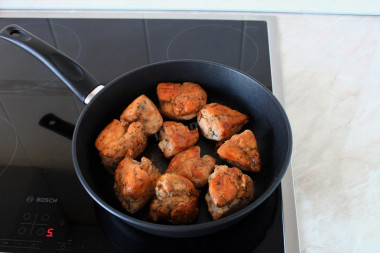
Once all the liquid has cooked off, uncover the pan and turn up the heat. Fry the chicken another 1–2 minutes until golden, turning it so it browns evenly all over.
-
Step 9:
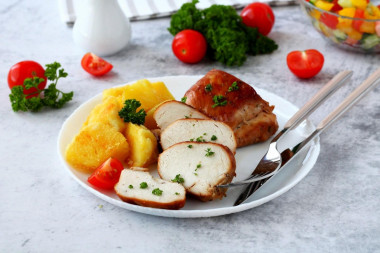
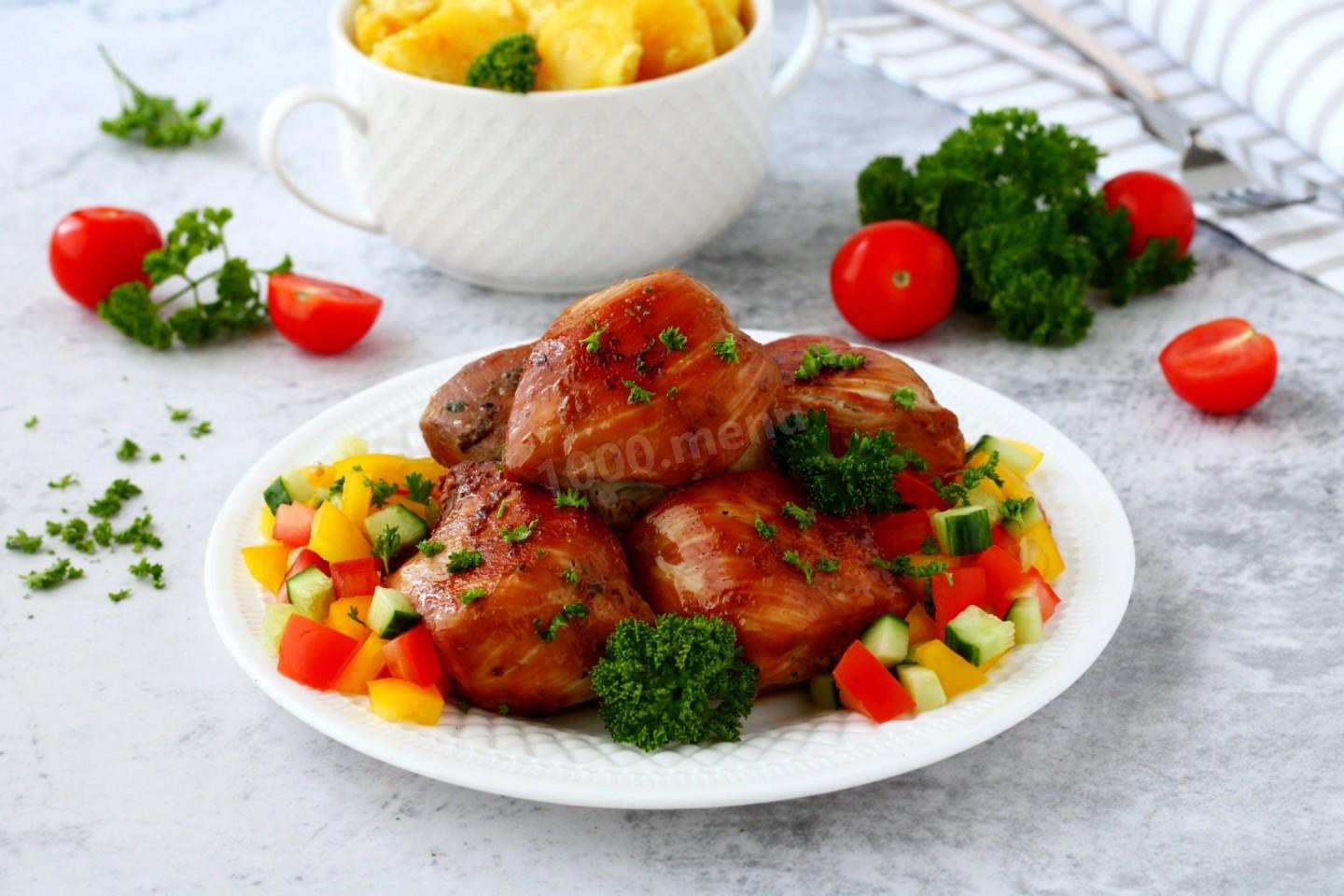
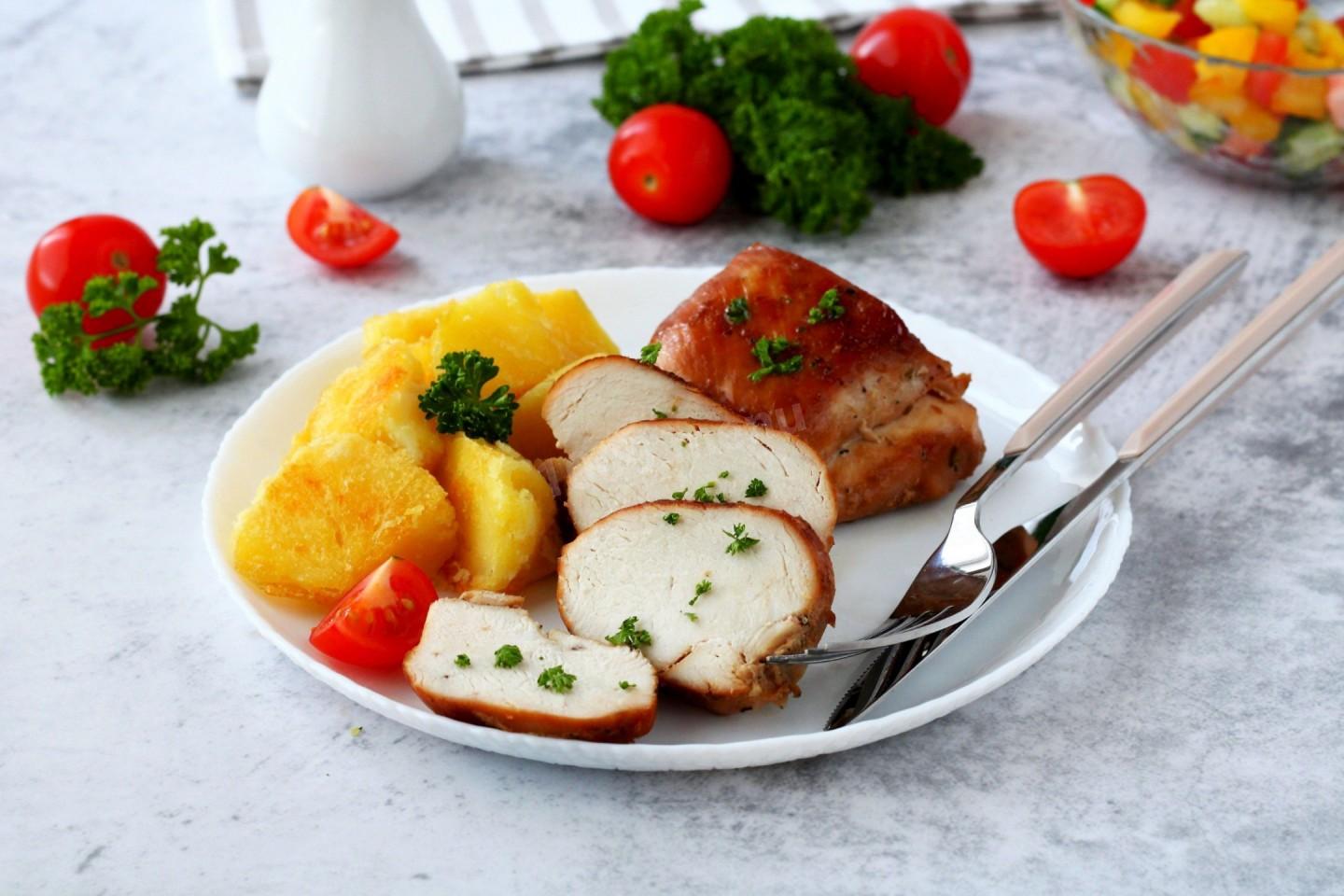
Serve the chicken in soy sauce with any side dish or with fresh vegetables. Enjoy!




- Keep in mind that soy sauce is quite salty, so I didn't add any salt. If it's not salty enough for your taste, add just a small pinch — otherwise the chicken can end up over-salted.
- Use a high-smoke-point oil for frying. Every oil is only good up to a certain temperature — its smoke point — beyond which it starts to burn and forms harmful compounds. Unrefined oils generally have a low smoke point, while refined oils hold up to heat much better. For frying, roasting, or grilling, reach for a refined oil such as sunflower, olive, or grapeseed.
- You can swap the chicken for turkey or any other meat you like. Just keep in mind that the cooking time and calorie count will change.
Caloric content of the products possible in the composition of the dish
- Soy sauce - 51 kcal/100g
- Vegetable oil - 873 kcal/100g
- Chicken breast - 113 kcal/100g
- Herb mixture - 259 kcal/100g