Liver with Carrots, Onions, and Mayonnaise
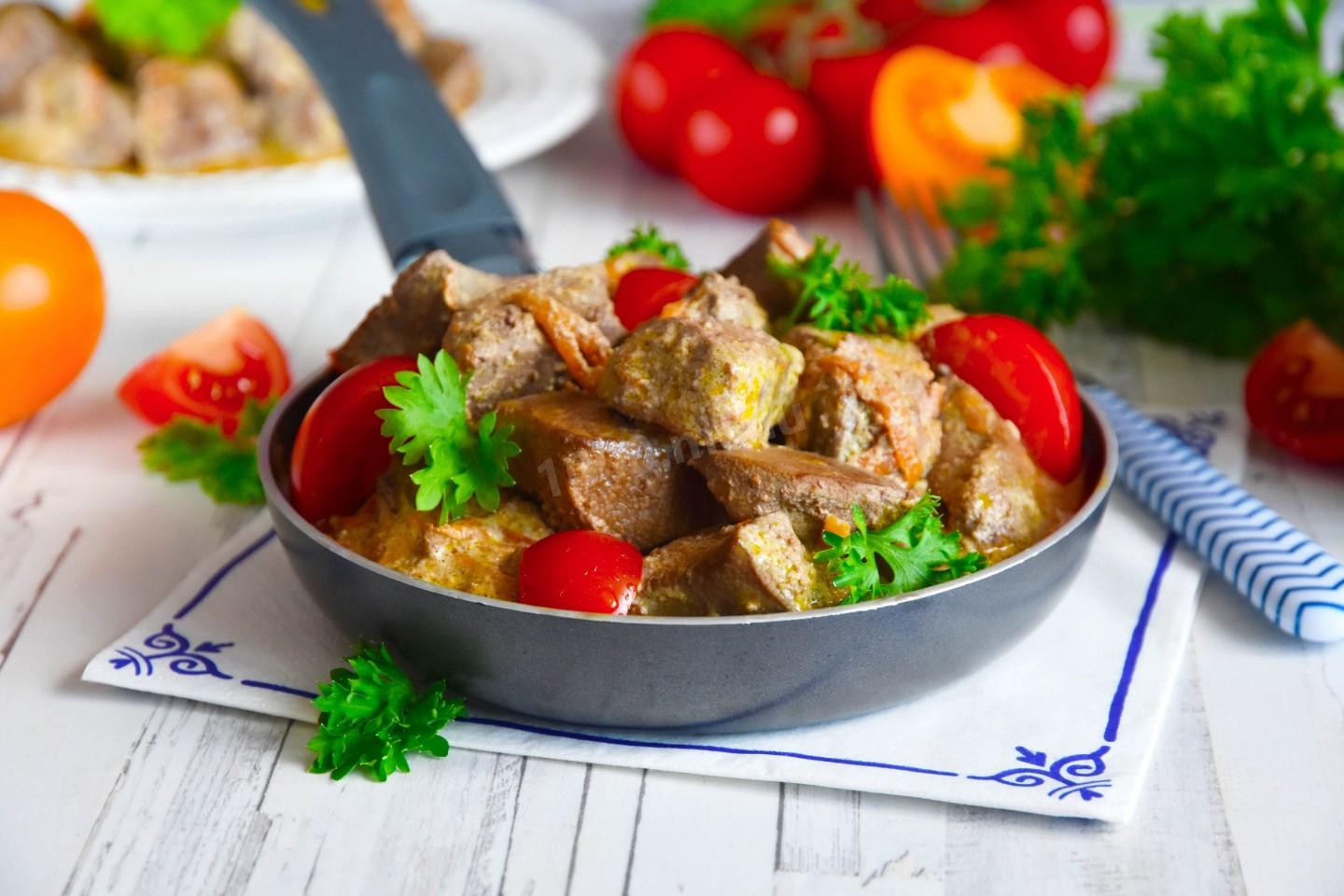
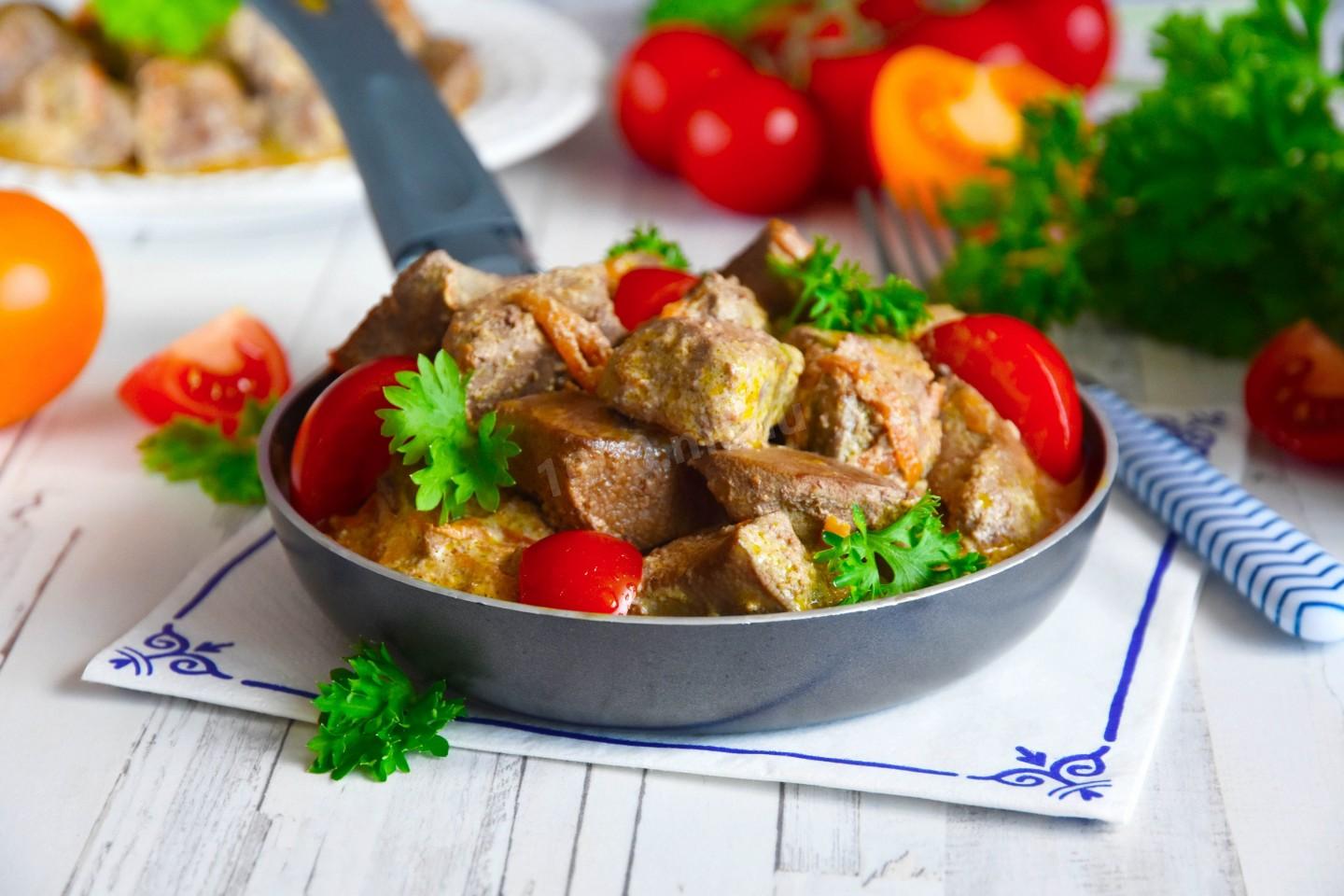
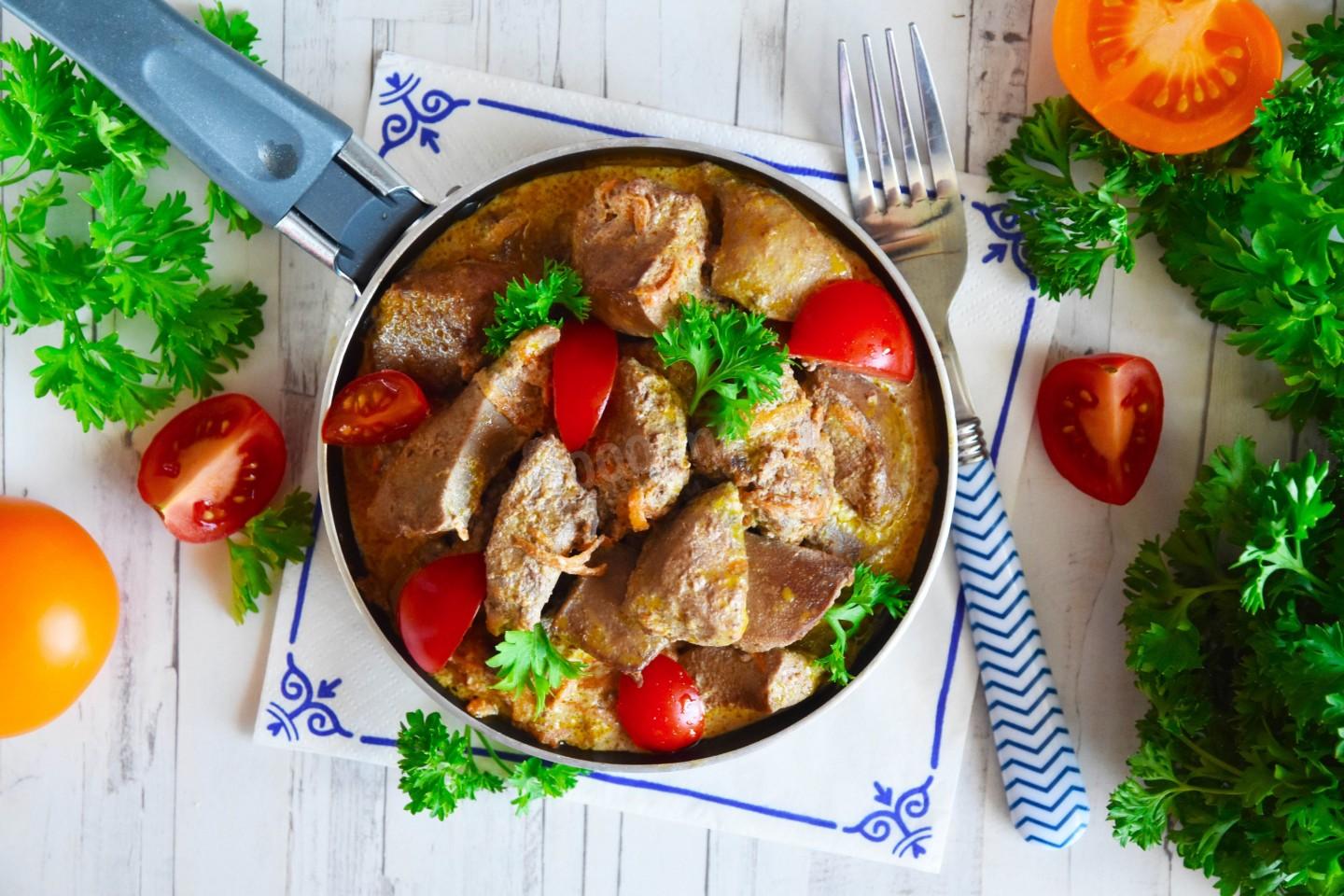
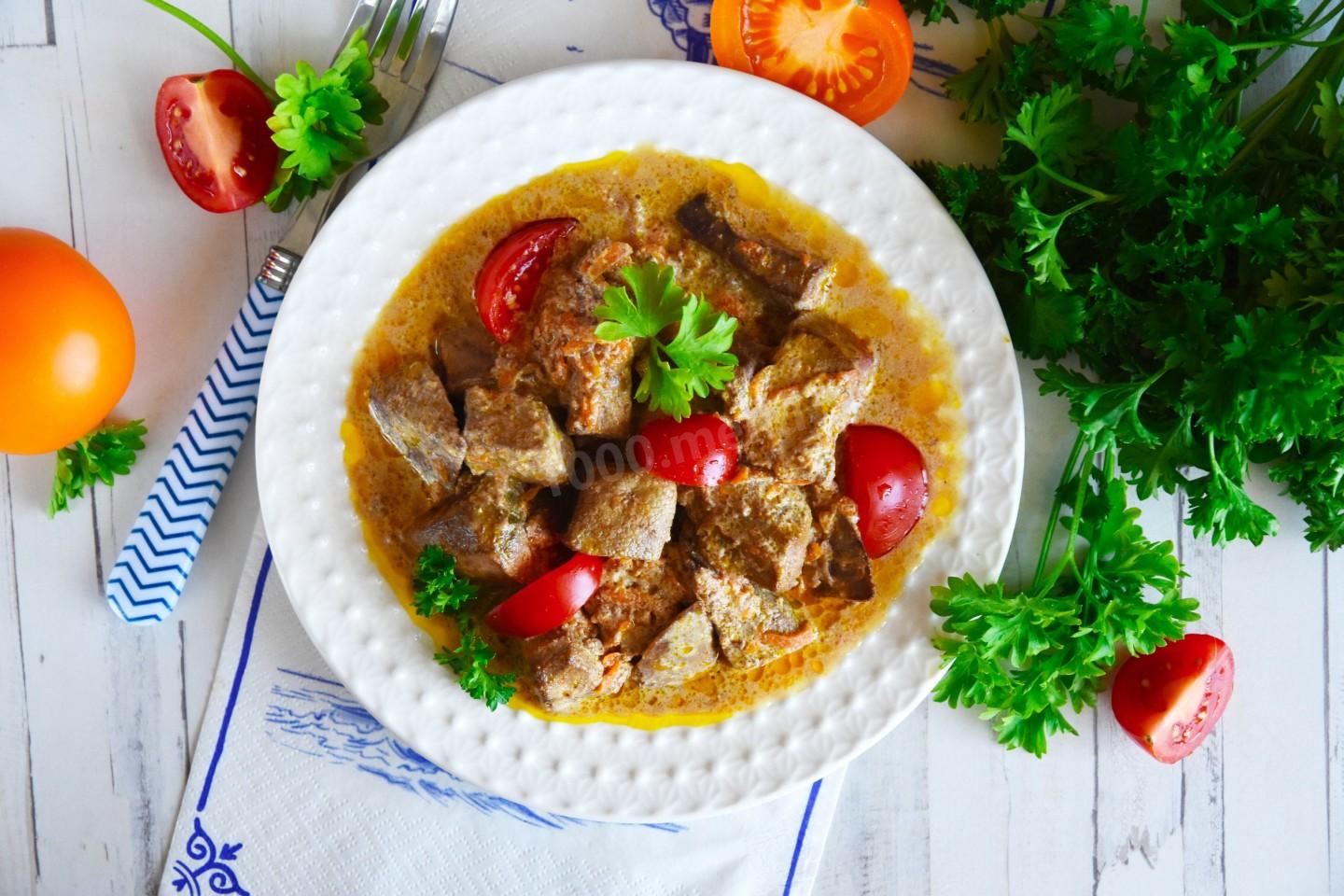
Budget-friendly, quick, simple, light, and delicious! Liver with carrots, onions, and mayonnaise in a skillet comes out low in calories yet plenty satisfying. Use whatever liver you like — pork or beef. Cook it with a thick or thin gravy and serve with any side dish or salad!

Cooking method
-
Step 1:
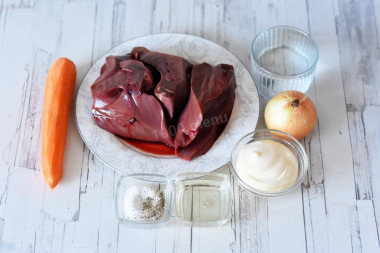
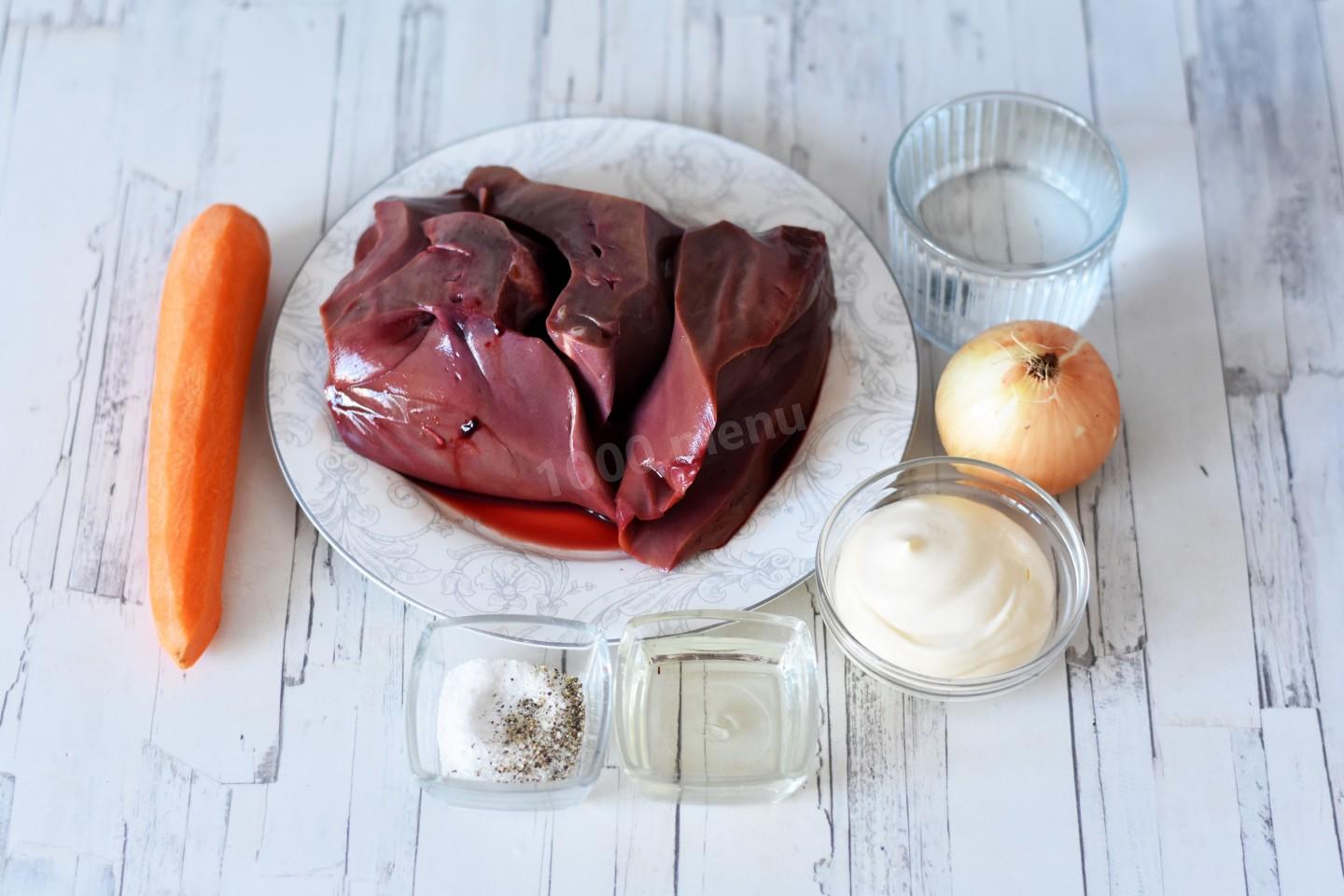
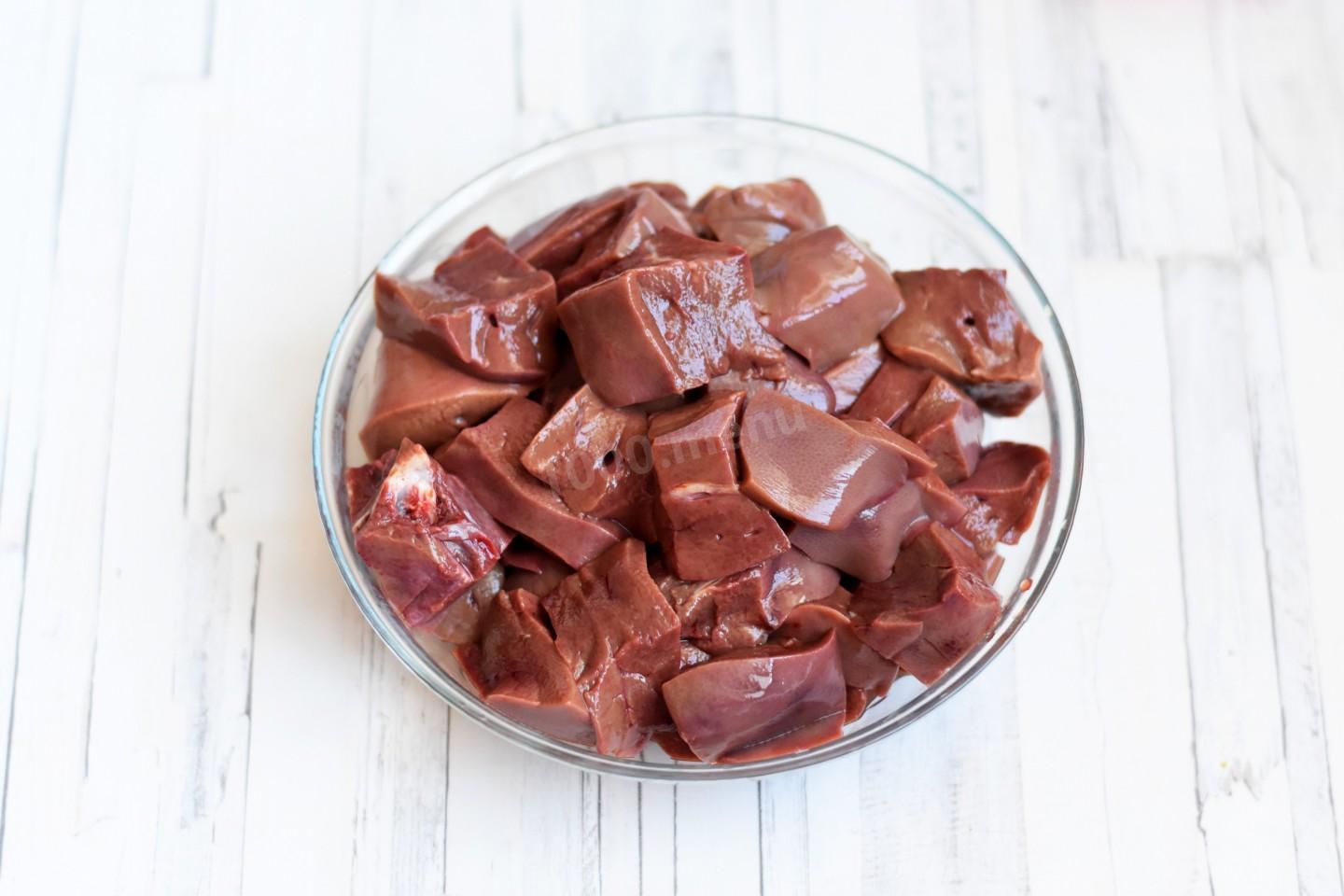
How do you make liver with mayonnaise in a skillet? First, gather the ingredients from the list. I'm using beef liver, but you can swap in pork. The liver can be fresh or frozen — if frozen, thaw it first on the bottom shelf of the refrigerator.
-
Step 2:
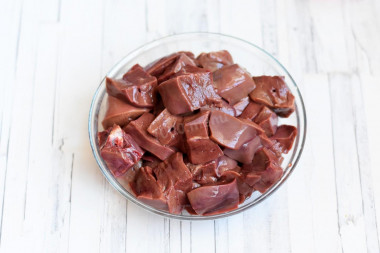
Remove any large ducts and blood clots from the liver. Rinse it thoroughly, then cut it into cubes about ¾ inch (2 cm) across.
-
Step 3:
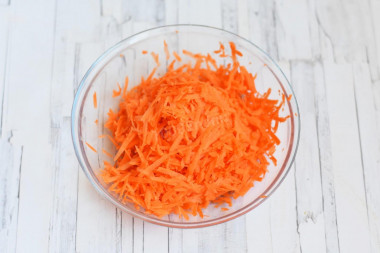
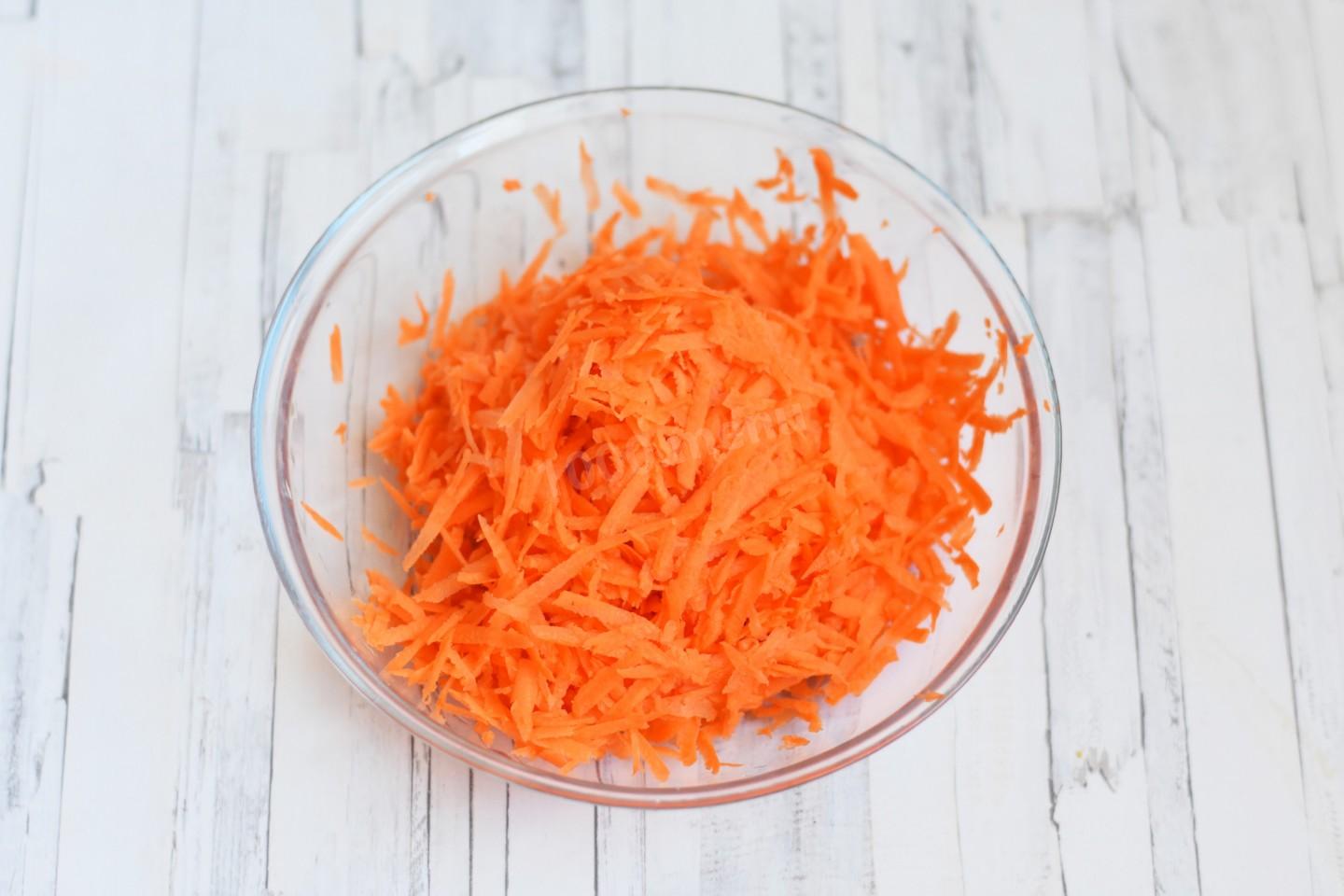
Peel the carrots and grate them on the coarse side of a box grater.
-
Step 4:
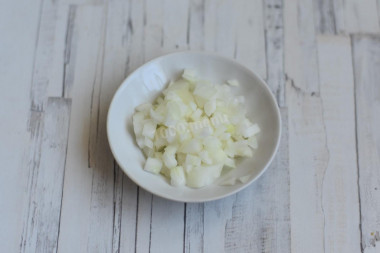
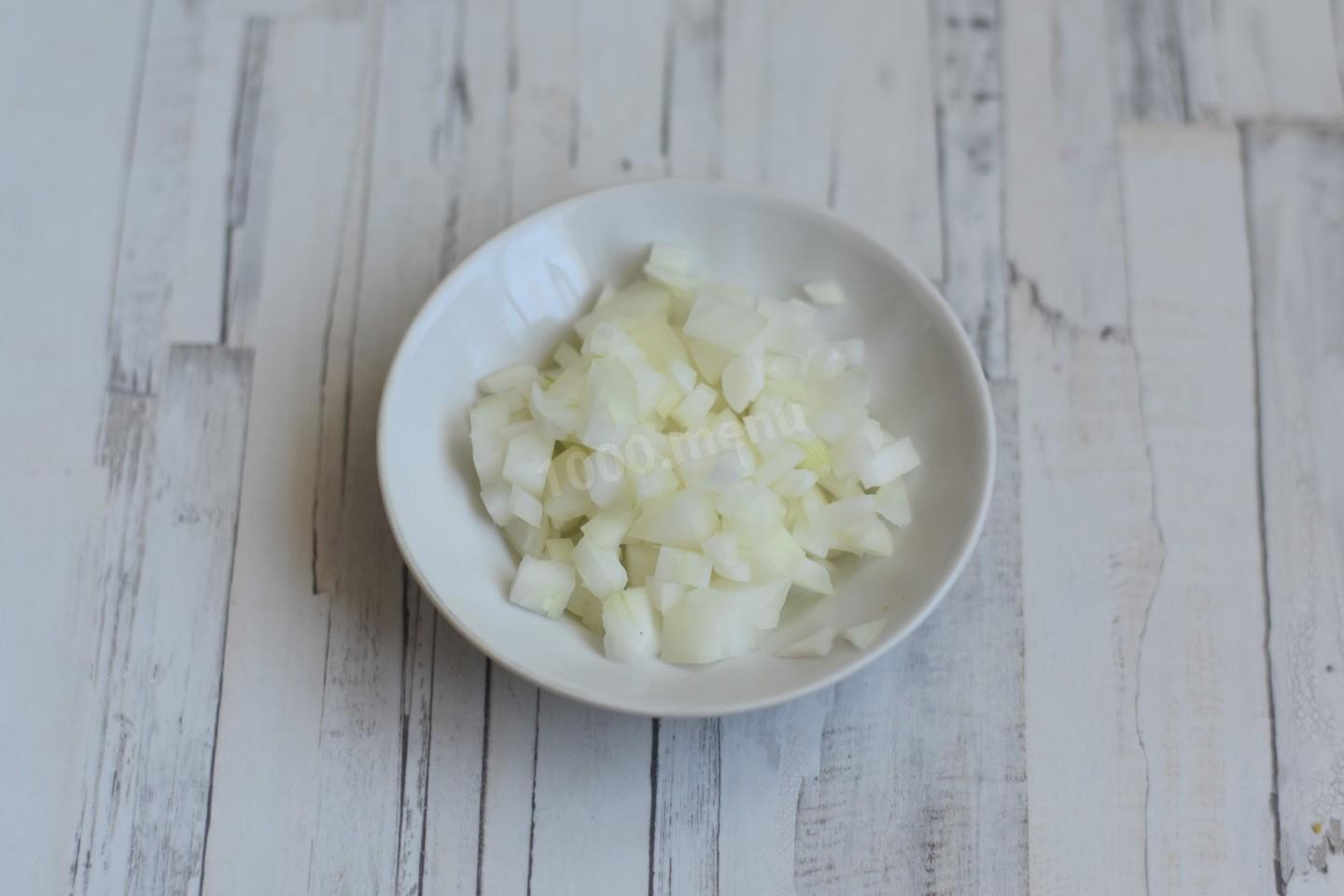
Cut the onion into small dice. If you or your kids aren't fond of onion, you can leave it out entirely, or add it whole while the liver simmers under the lid so it gives up its flavor to the dish — then just discard the onion at the end.
-
Step 5:
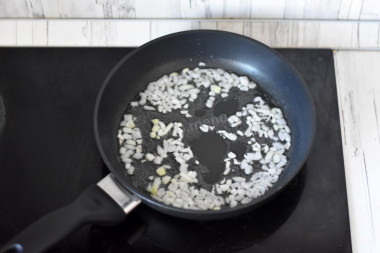
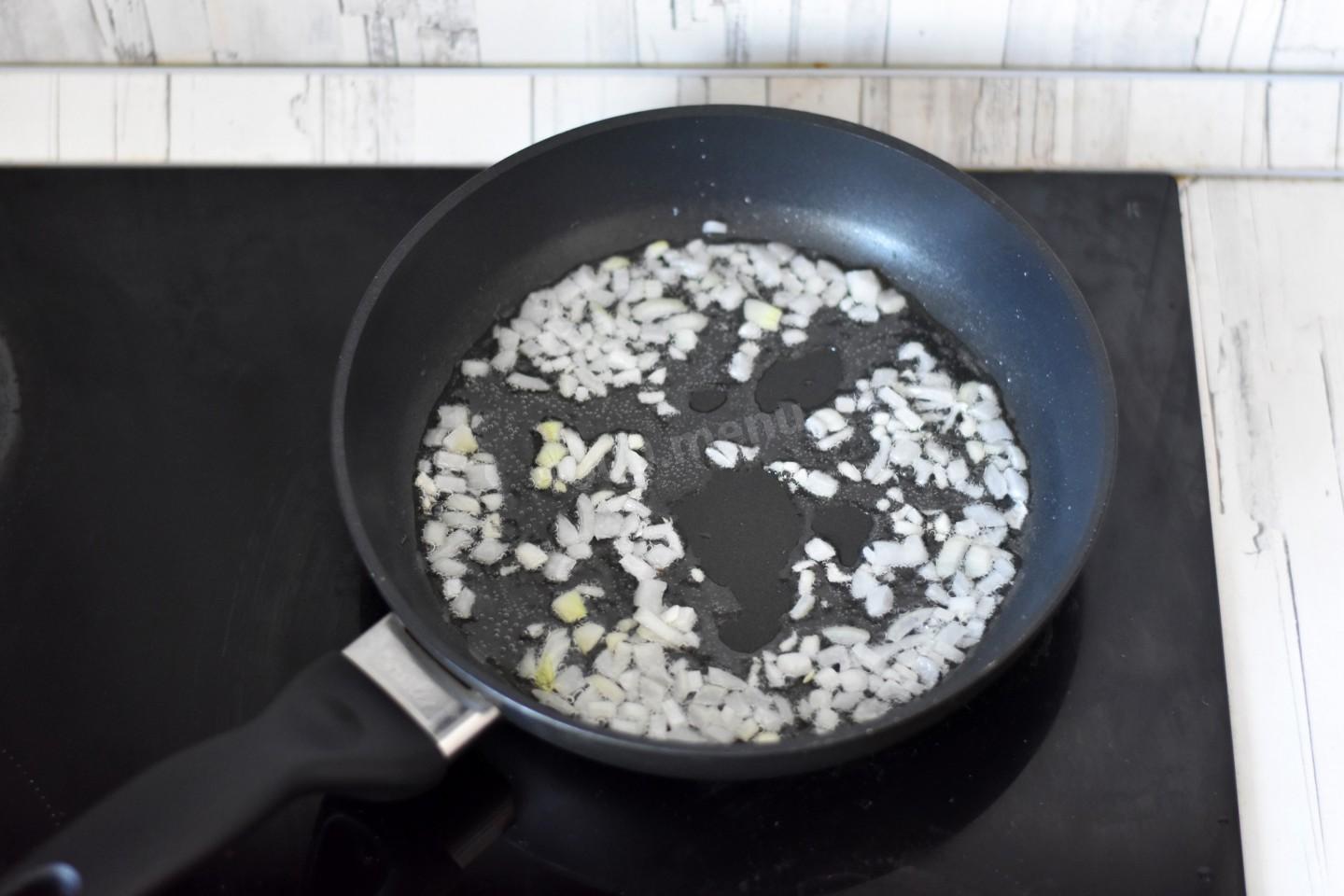
Heat the vegetable oil in a skillet over medium heat. Add the onion and sauté for a couple of minutes until translucent.
-
Step 6:
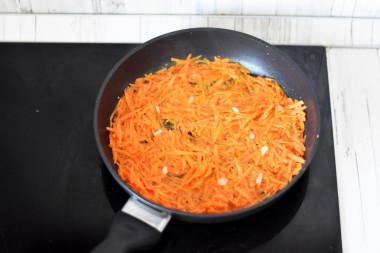
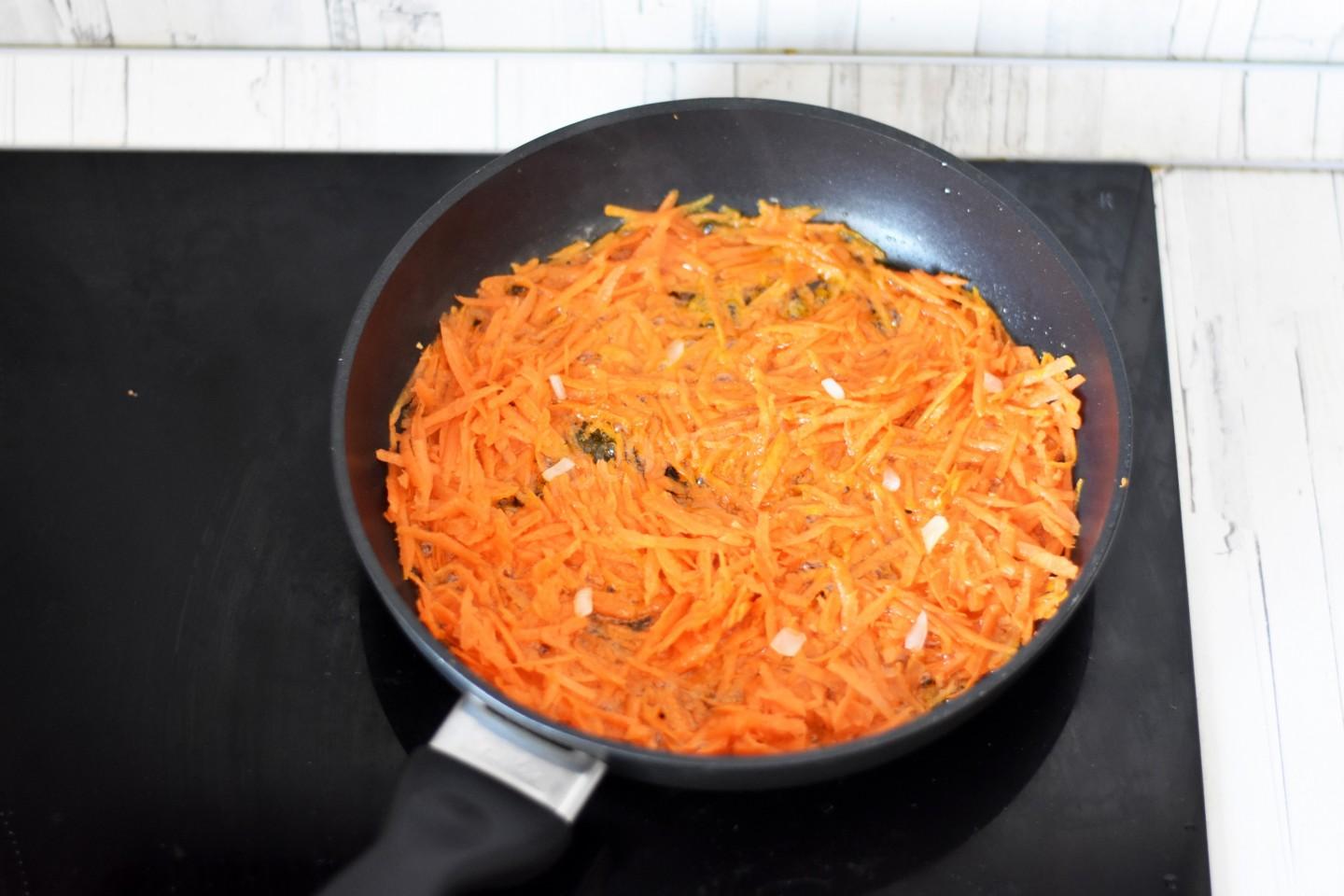
Add the grated carrots and sauté everything together for another 3–5 minutes.
-
Step 7:
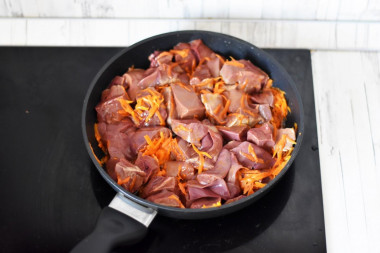
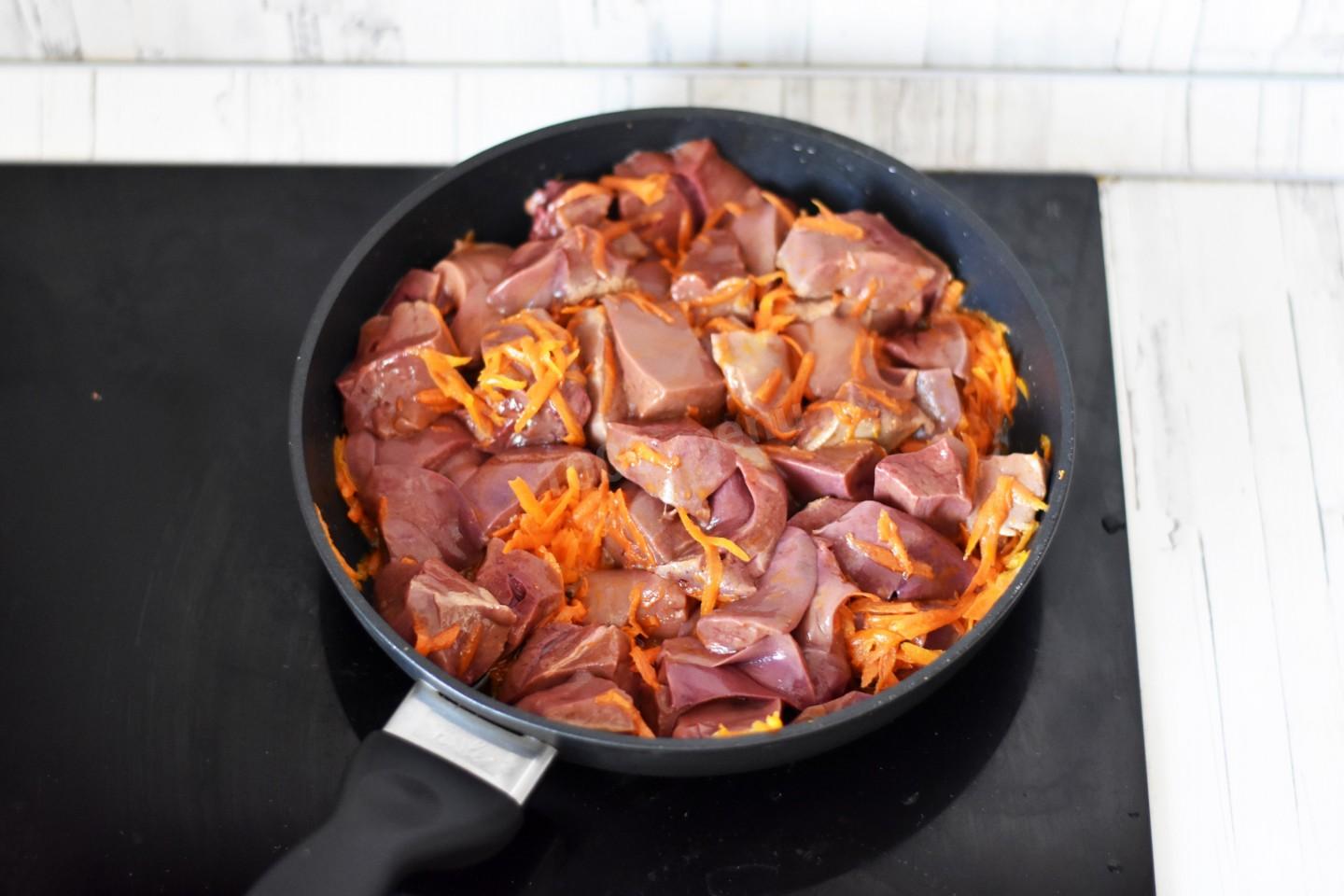
Add the liver to the skillet and fry everything together, stirring, for 5 minutes. Season with salt and pepper at the end — but go easy on the salt, since you'll add mayonnaise next and it's already a bit salty. You can also sprinkle the liver with a seasoning blend meant for organ meats.
-
Step 8:
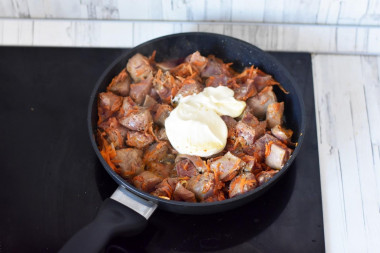
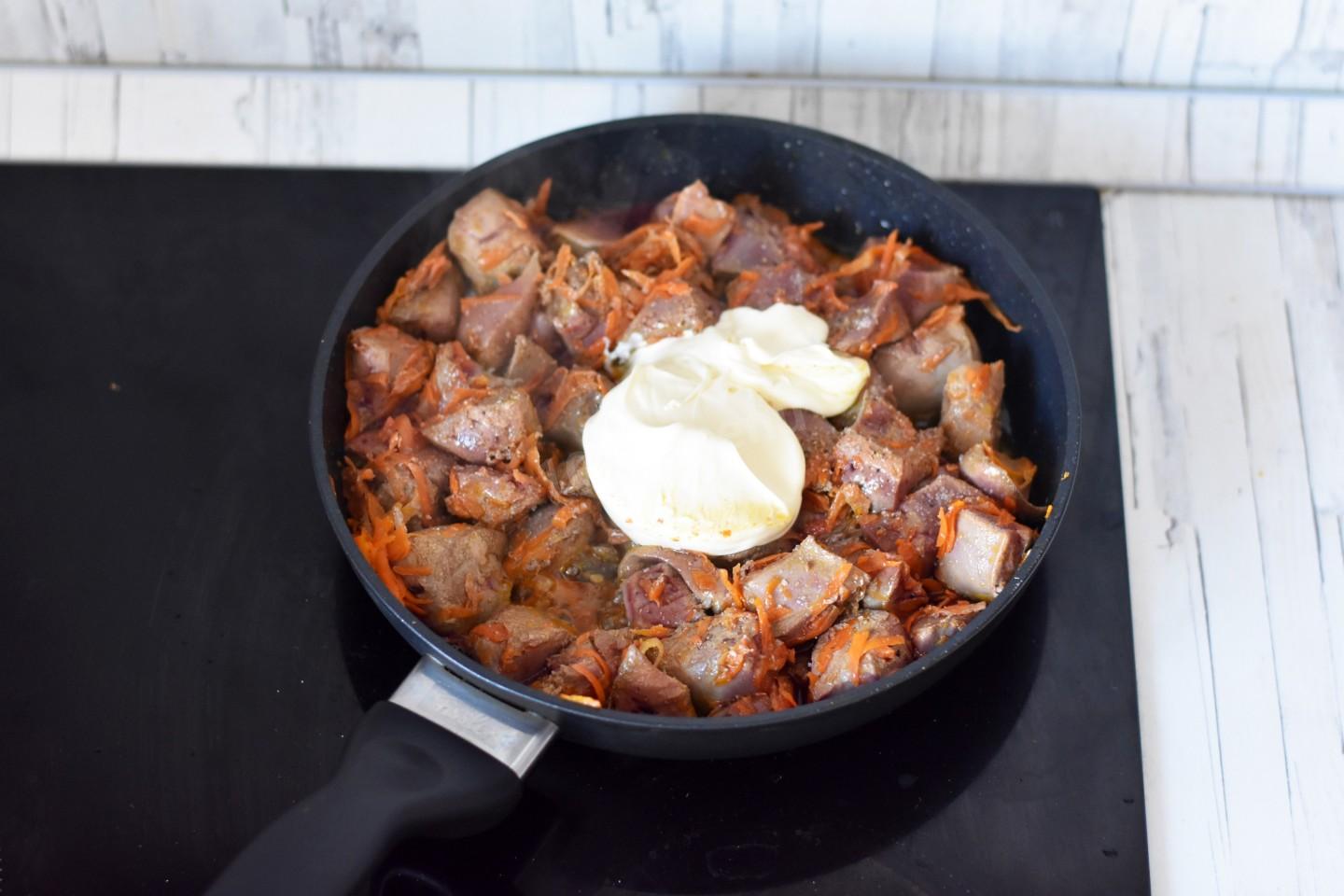
Add the mayonnaise to the pan and stir. Use any mayo you like — regular, olive oil–based, or made with quail eggs. The main thing is that you enjoy its flavor, since the mayo really shapes the final taste of the dish.
-
Step 9:
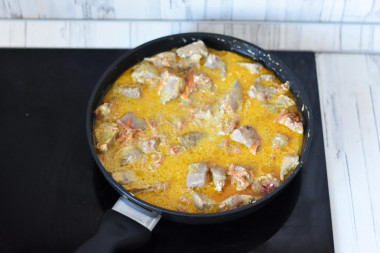
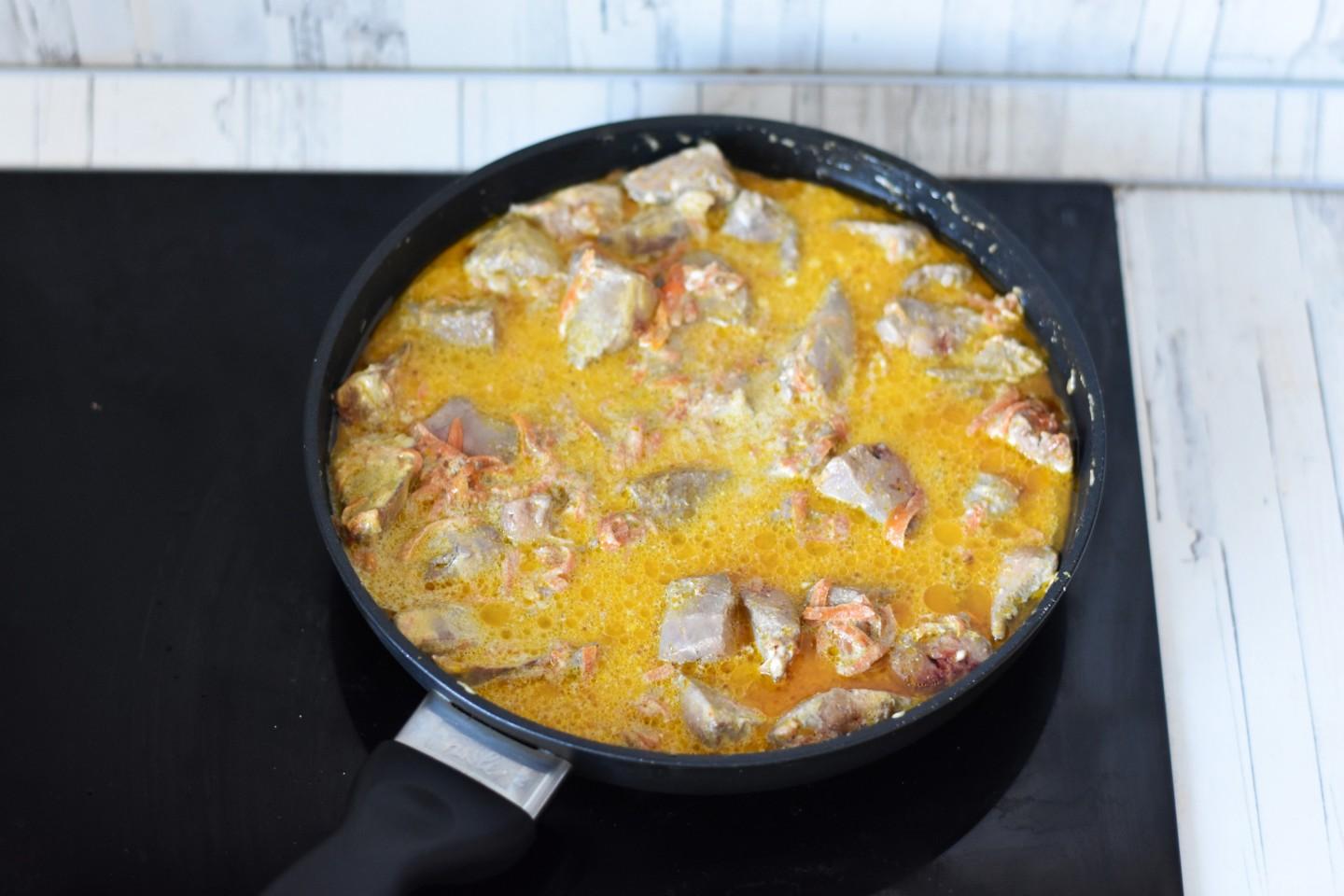
Pour in the water. Add more or less depending on how much sauce you want.
-
Step 10:
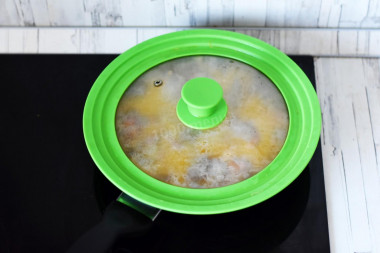
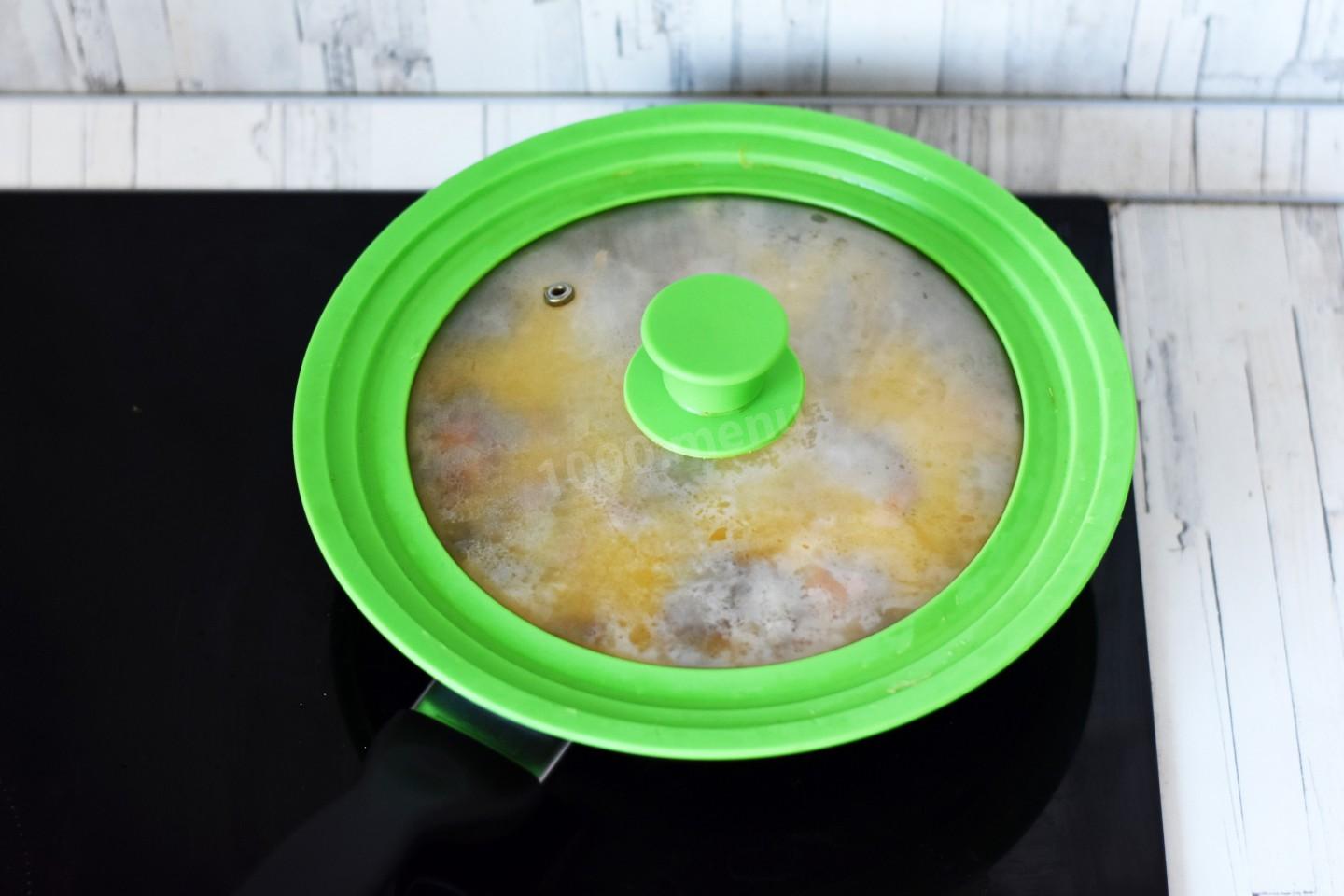
Cover the skillet with a lid and simmer everything over low heat for about 10–15 minutes, until the liver is done.
-
Step 11:
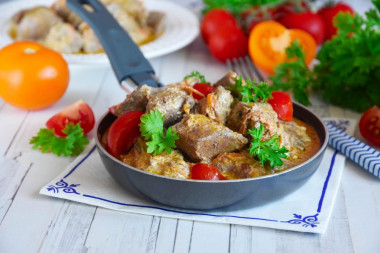
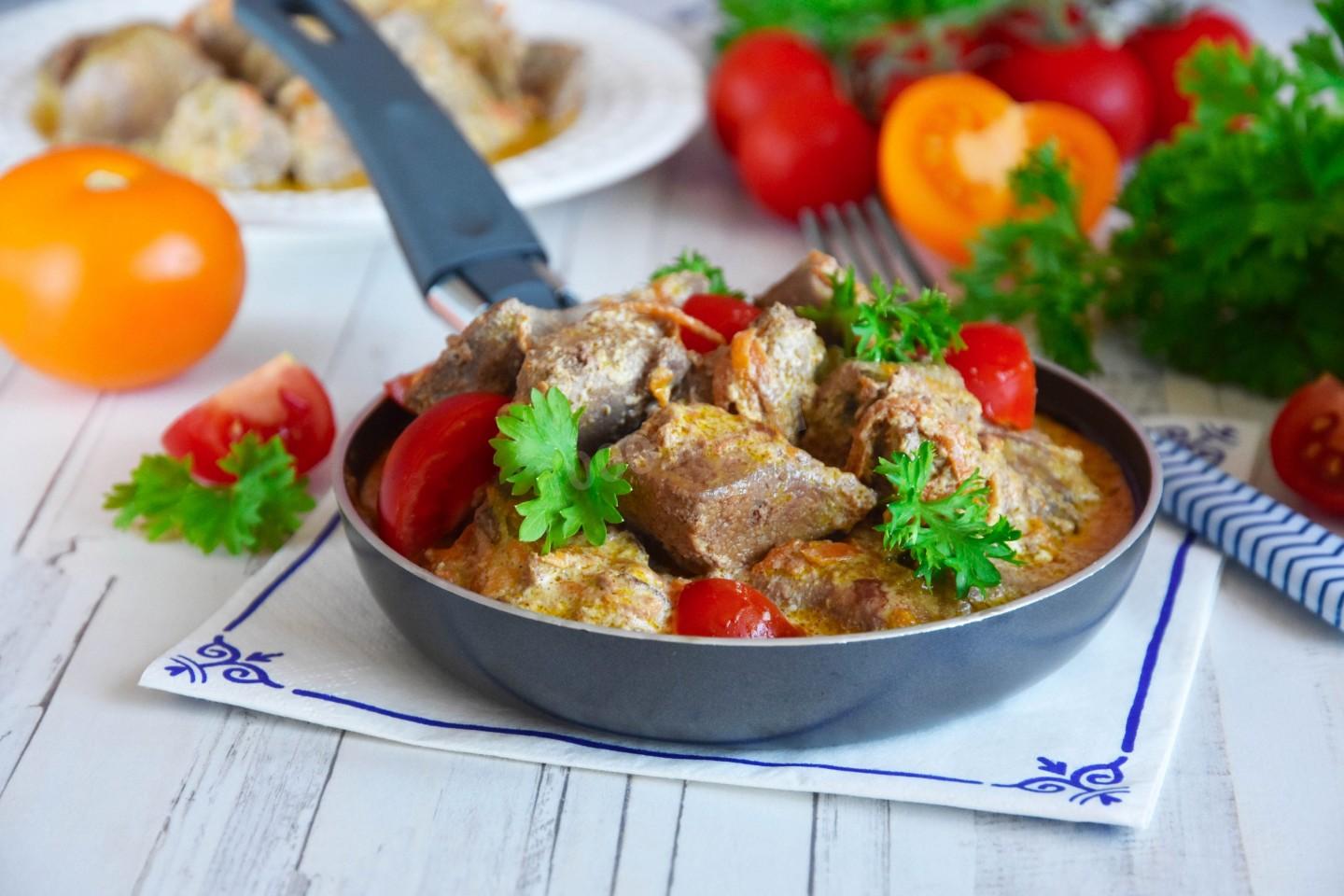
The braised liver with onions and carrots is ready. Serve it with any side dish you like. Enjoy!
- Since everyone's threshold for saltiness, sweetness, bitterness, heat, acidity, and sharpness is different, always add spices and seasonings to your own taste! If you're using a seasoning for the first time, keep in mind that some are especially easy to overdo (chili pepper, for example).
- Use an oil with a high smoke point for frying! Any oil is only healthy up to a certain temperature — the smoke point, at which the oil starts to burn and forms toxic compounds, including carcinogens. Unrefined oils, with rare exceptions, have a low smoke point; they contain lots of unfiltered organic particles that quickly start to burn. Refined oils handle heat better and have a higher smoke point. If you're going to cook in the oven, in a pan, or on the grill, make sure you use an oil with a high smoke point. The most common high-smoke-point oils are refined sunflower, olive, and grapeseed.
Caloric content of the products possible in the composition of the dish
- Onion - 41 kcal/100g
- Carrots - 33 kcal/100g
- Dried carrots - 275 kcal/100g
- Boiled carrots - 25 kcal/100g
- Ground black pepper - 255 kcal/100g
- Salad mayonnaise of 50% fat content - 502 kcal/100g
- Light mayonnaise - 260 kcal/100g
- Provencal Mayonnaise - 624 kcal/100g
- Provencal mayonnaise - 627 kcal/100g
- Table mayonnaise - 627 kcal/100g
- Vegetable oil - 873 kcal/100g
- Salt - 0 kcal/100g
- Water - 0 kcal/100g
- Beef liver - 130 kcal/100g
Similar recipes
- Homemade dinner
- Second course
- Meat and meat products
- Vegetables
- Spices seasonings spices
- Fats and oils
- Other
- Pepper
- Salt
- Mayonnaise
- Vegetable oil
- Water
- Frying
- Stewing
- In a frying pan
- Simple dinner
- Stewed vegetables
- Meat second course
- Offal
- Simple quick dinner
- From carrots
- From onion
- No eggs
- Recipes for lean dishes without butter