Oven-Roasted Pork Loin
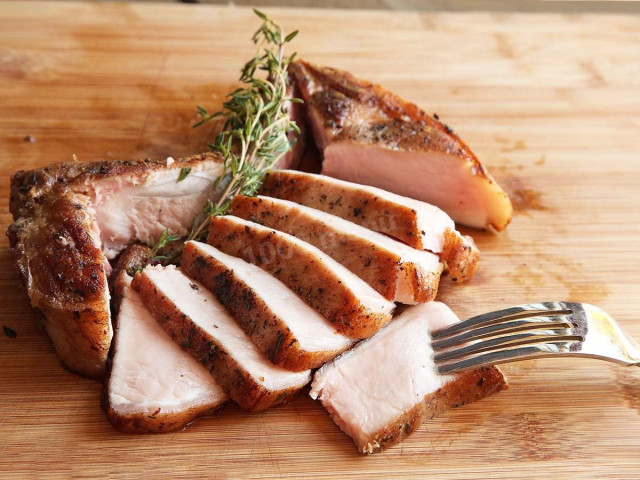
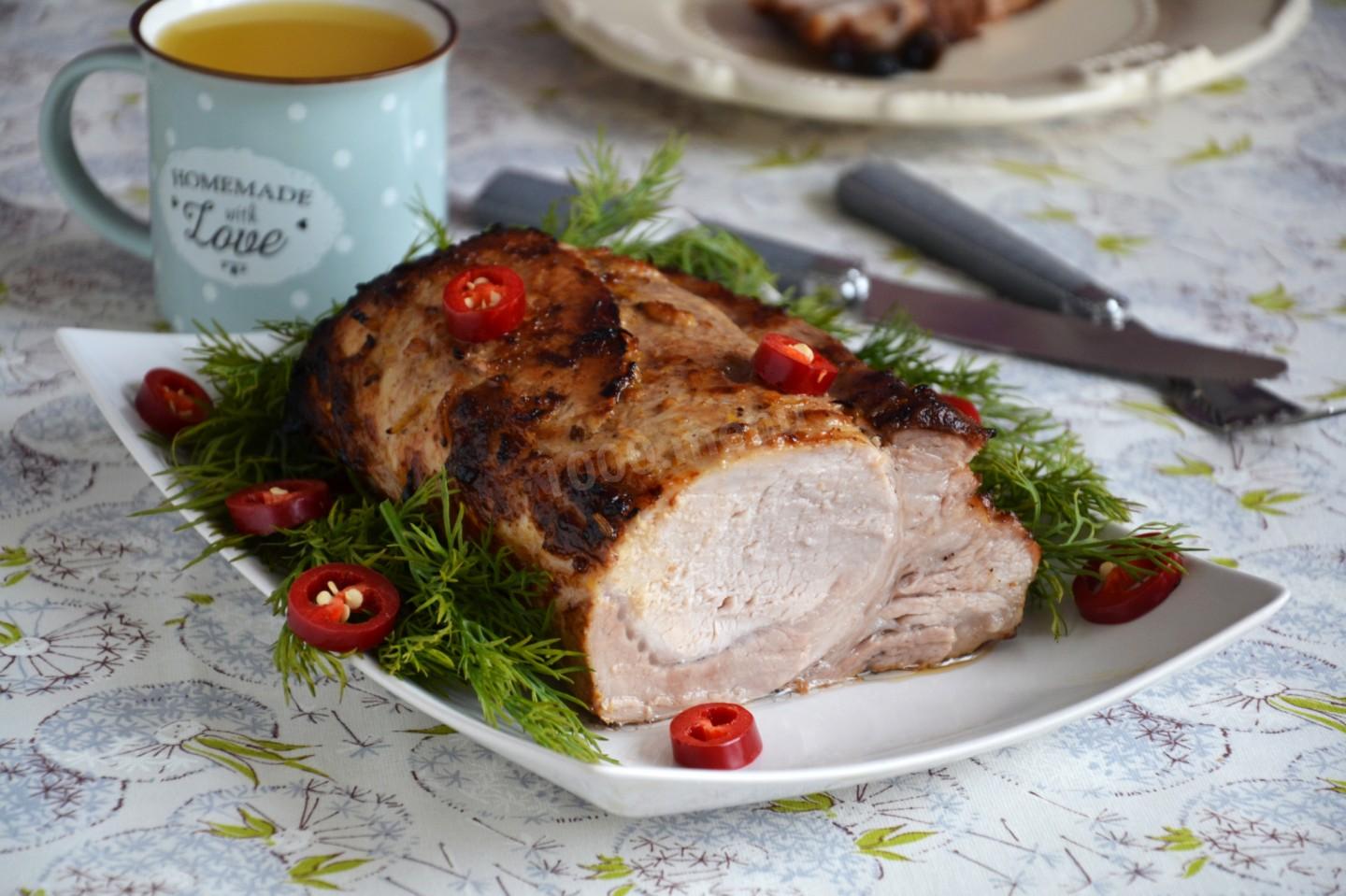
Golden, mouthwatering, and full of flavor—perfect for a special dinner! Pork loin roasted in the oven comes out incredibly tasty and juicy. Serve it hot straight from the oven, or let it cool and slice it thin for a cold-cut platter and sandwiches.

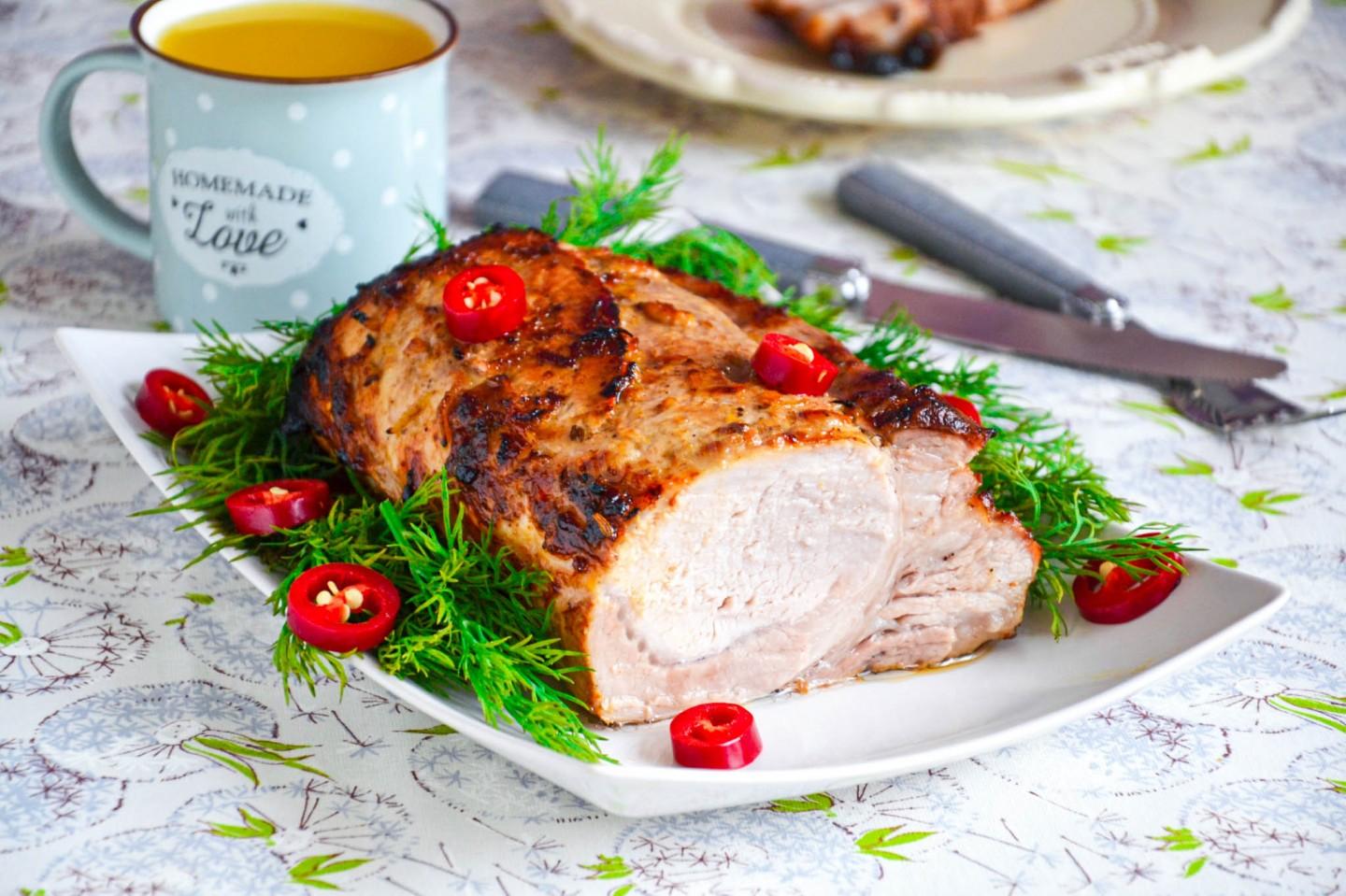
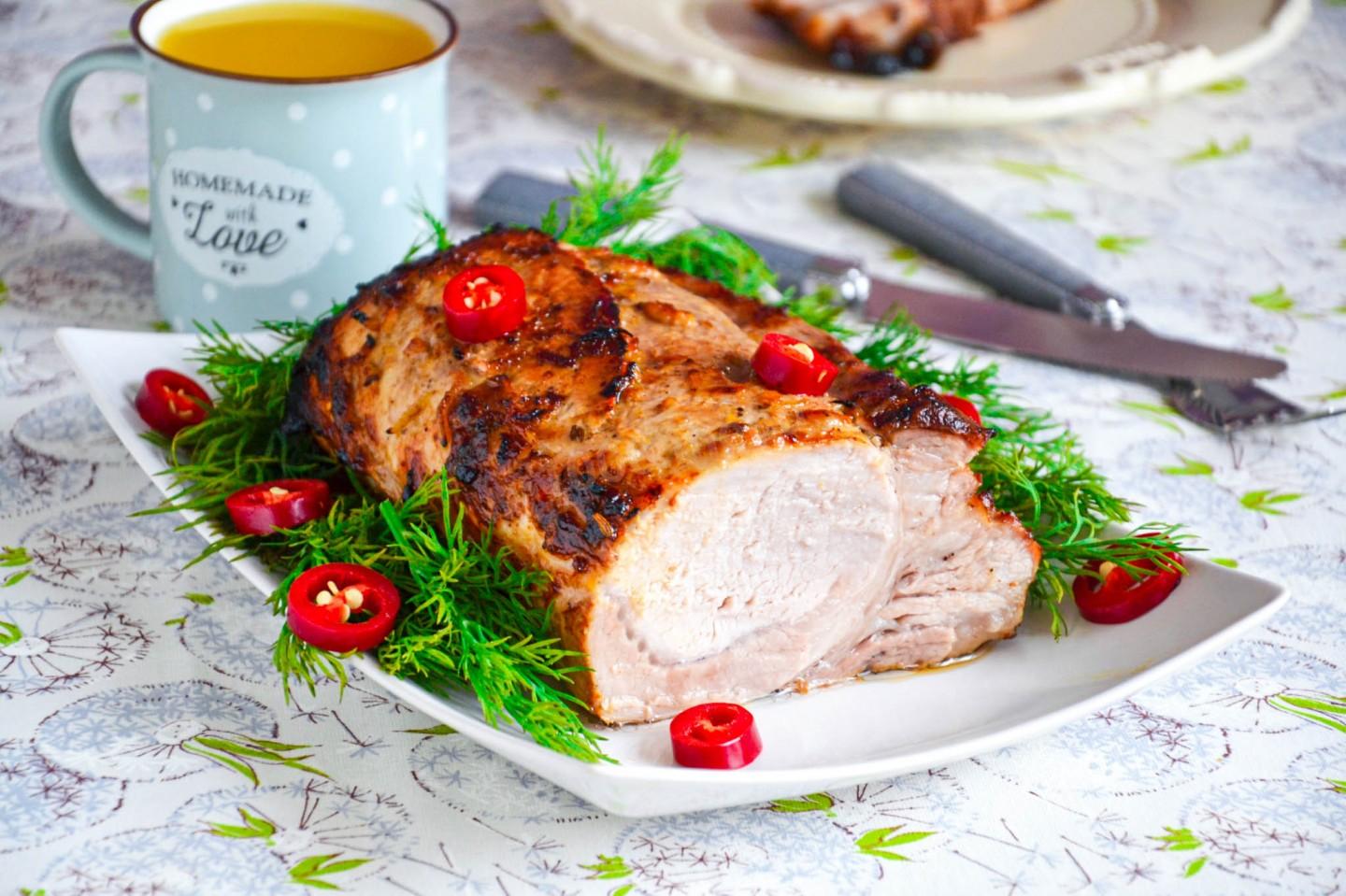
Cooking method
-
Step 1:
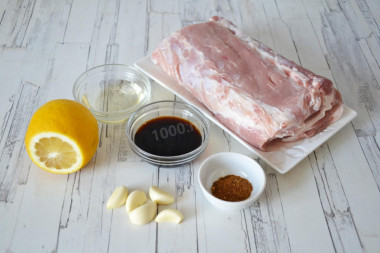
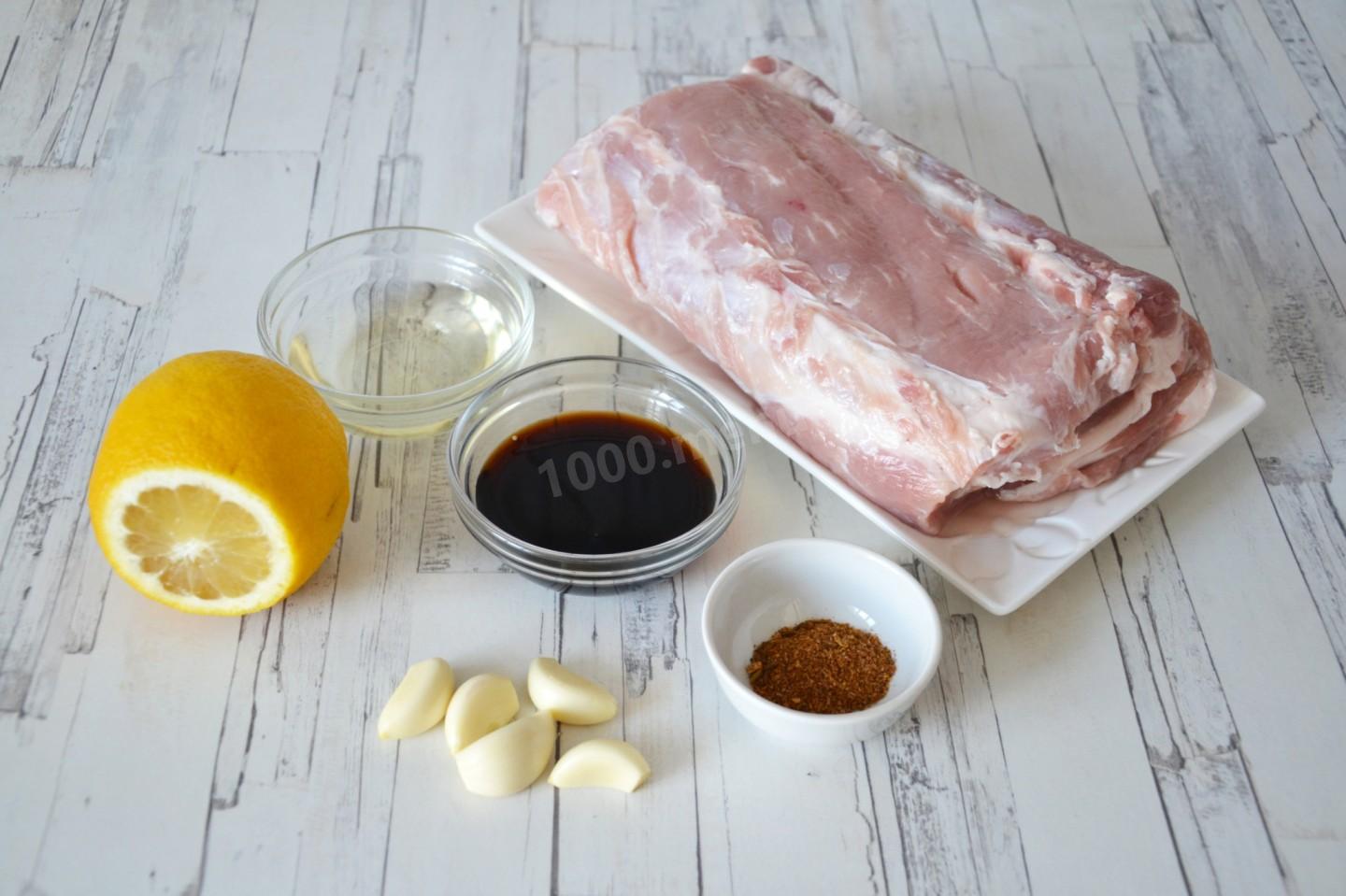
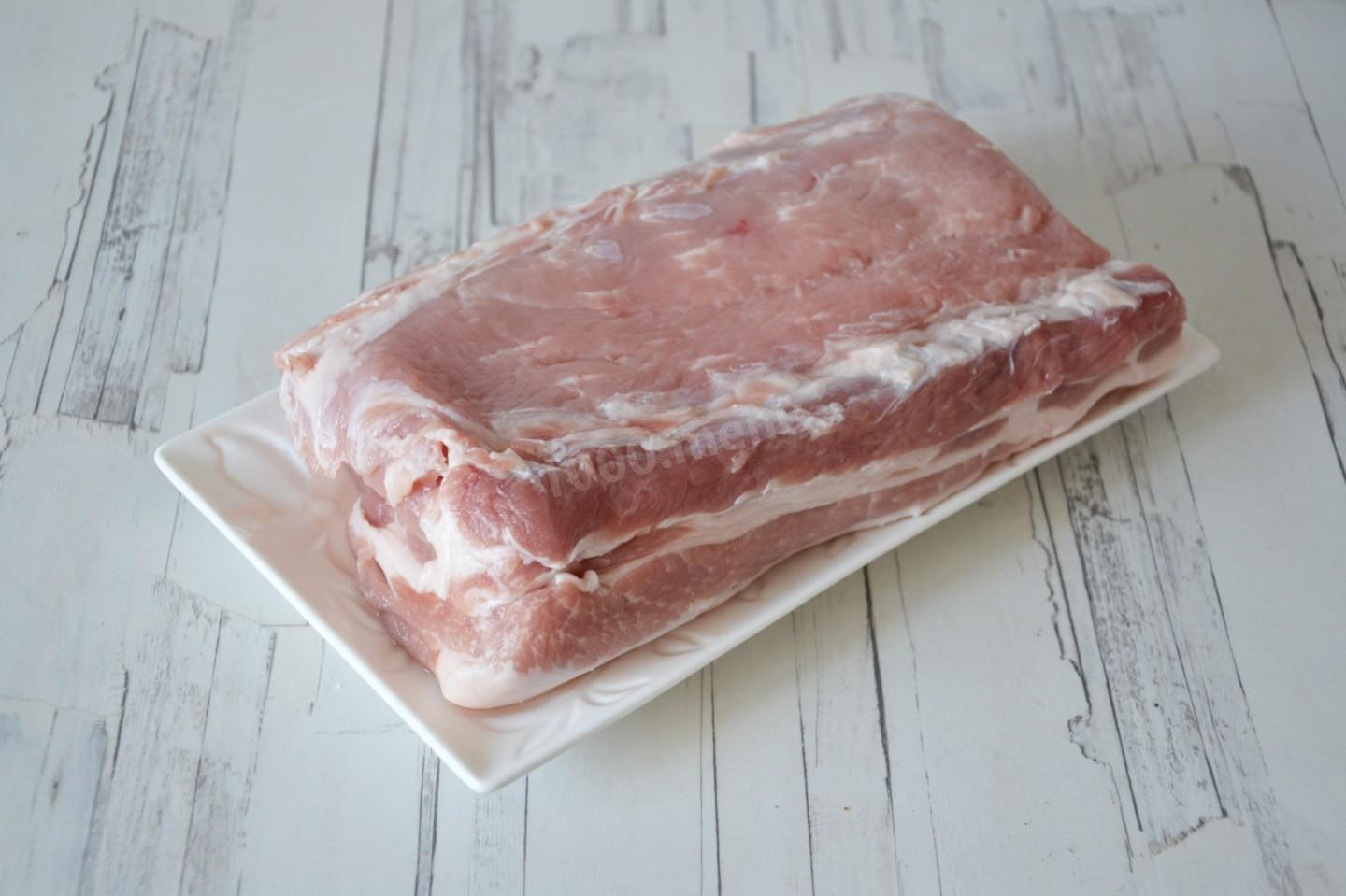
How do you roast a pork loin in the oven? Gather your ingredients. You'll want a single 2–2.5 lb (1–1.2 kg) piece of boneless pork loin. If you can, choose fresh (never-frozen) meat—it comes out juicier.
-
Step 2:
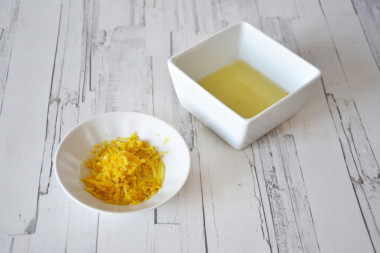
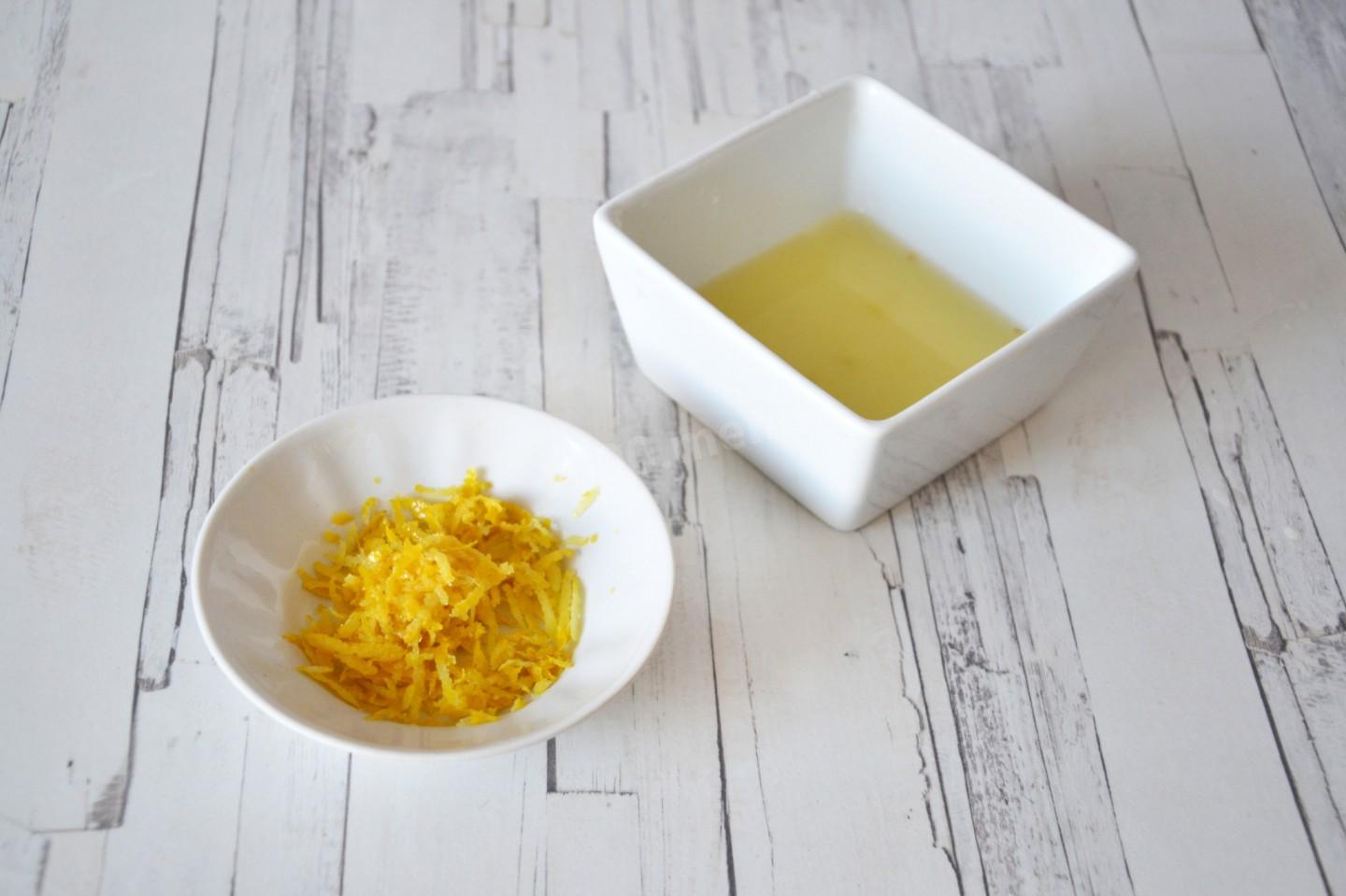
Make the marinade. Scrub the lemon thoroughly under warm running water with a brush and a little soap—this removes the wax coating growers use to extend shelf life. Squeeze out the juice. Grate the zest on a coarse grater, avoiding the bitter white pith.
-
Step 3:
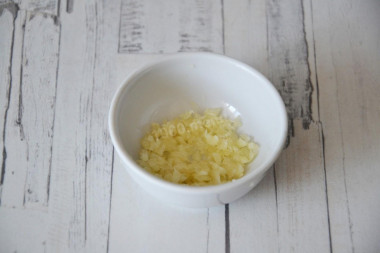
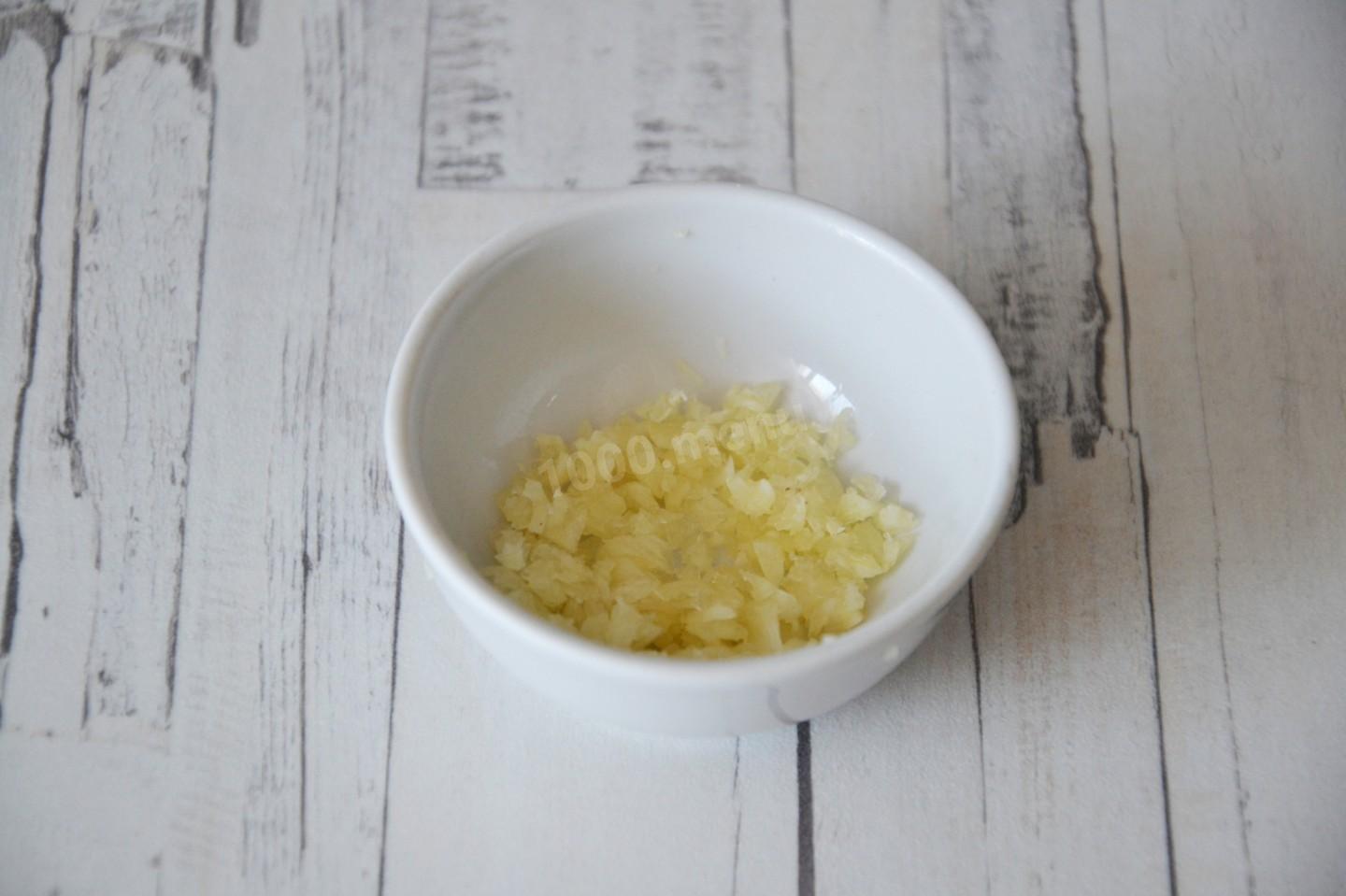
Peel the garlic and put it through a press.
-
Step 4:
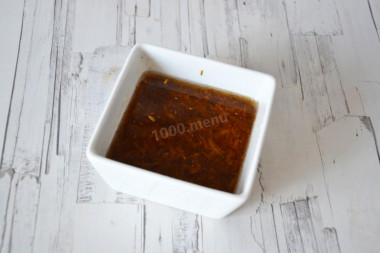
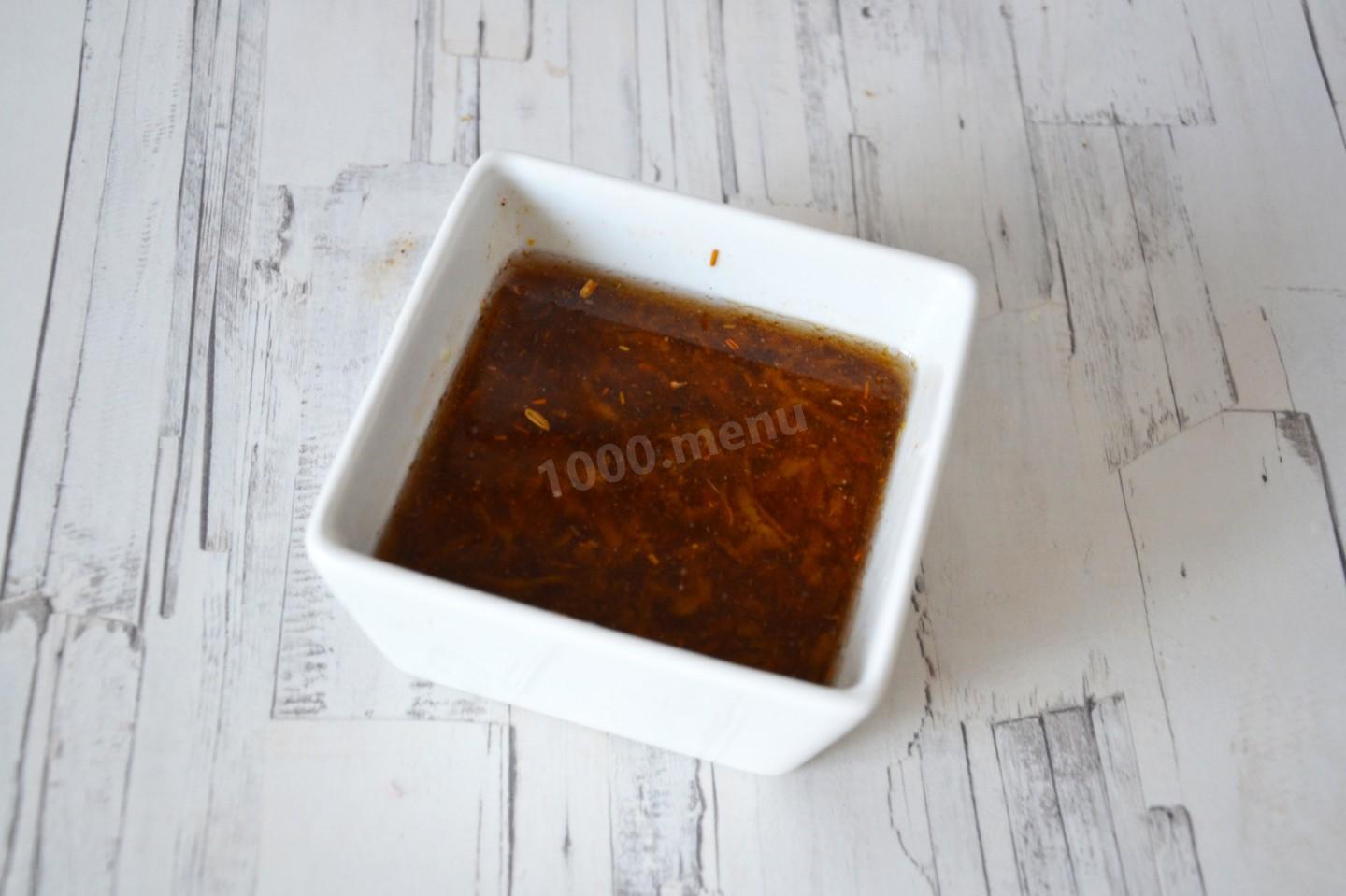
Combine the lemon juice, zest, soy sauce, olive oil, garlic, and pork seasoning. I skip the salt, since the soy sauce is already salty enough. Stir until smooth. You can leave out the lemon juice and zest, but they give the crust a fragrant, lightly tangy edge.
-
Step 5:
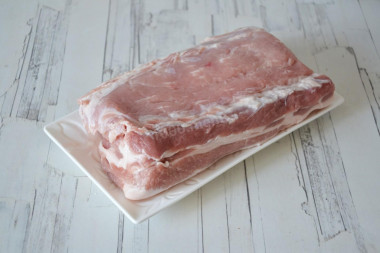
Rinse the pork and pat it dry with paper towels.
-
Step 6:
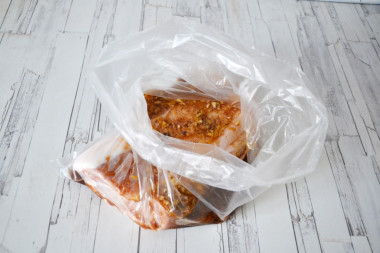
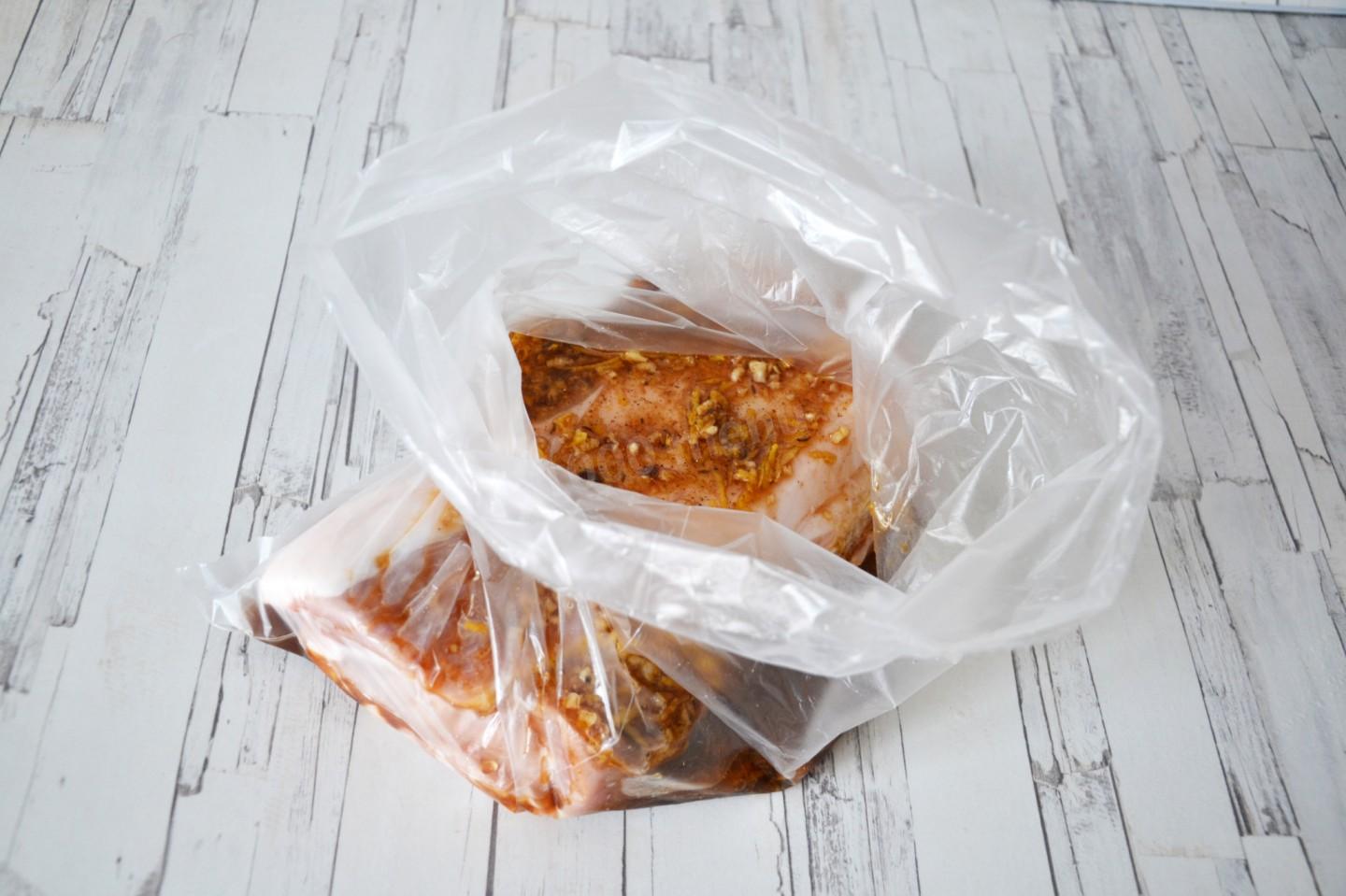
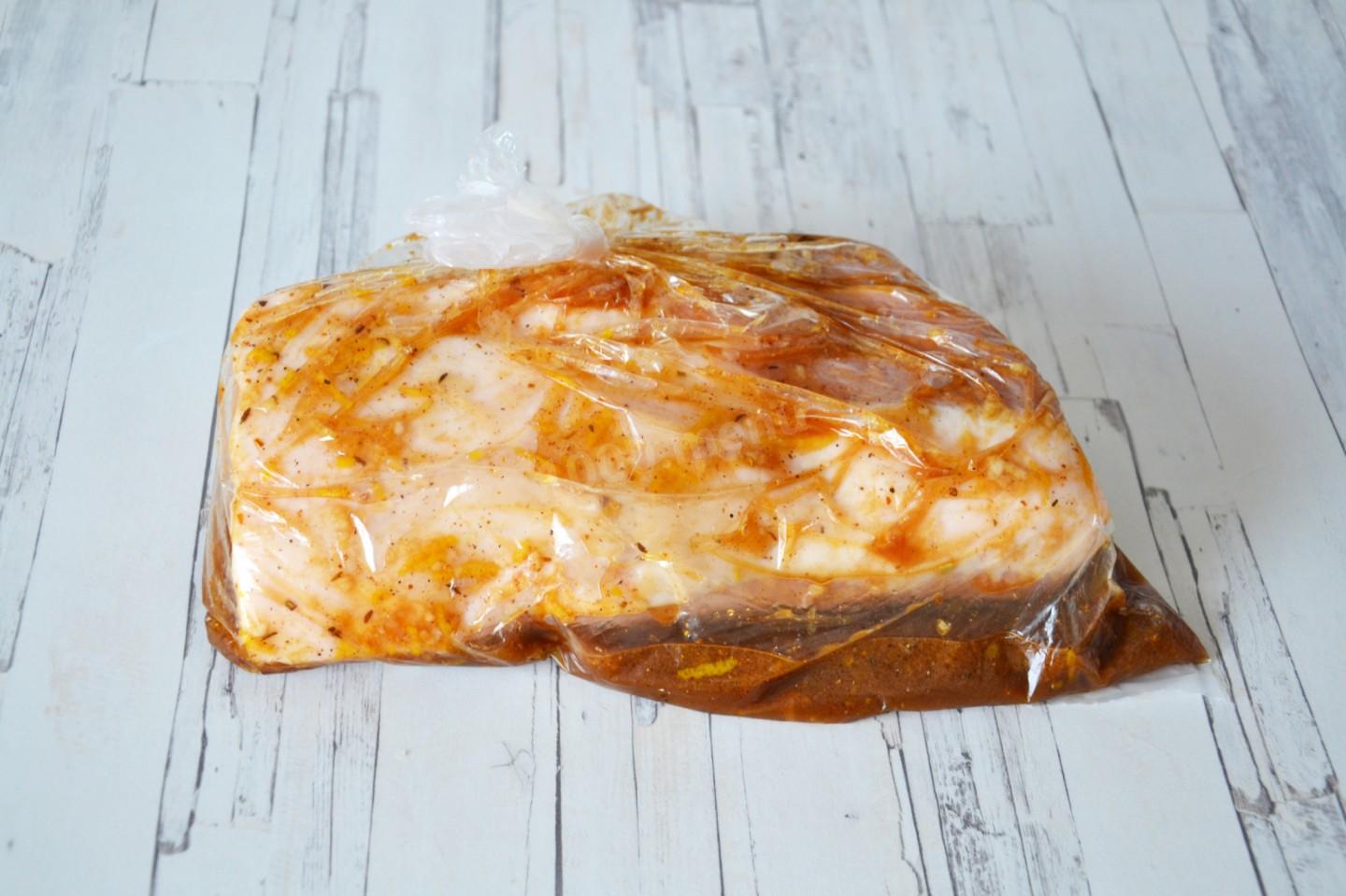
Put the pork loin in a sturdy zip-top or plastic bag. Pour the marinade over the meat and seal the bag tightly so nothing leaks out.
-
Step 7:
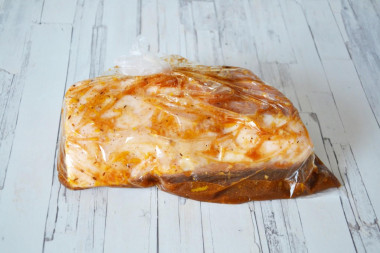
Refrigerate the bagged meat for at least 4 hours, or overnight for best results. Turn it a few times during that time so it marinates evenly. You can also marinate the loin in a deep bowl or a rectangular baking dish instead of a bag.
-
Step 8:
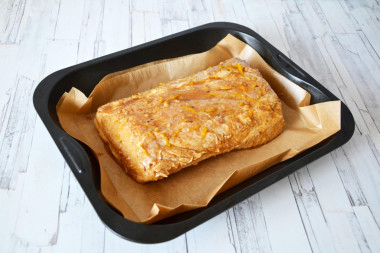
When it's done marinating, set the loin on a parchment-lined baking sheet. Brush the meat all over—top and sides—with marinade from the bag. Roast in an oven preheated to 425°F (220°C) for about 25 minutes (top-and-bottom heat works best), until a golden crust forms. Then lower the temperature to 350°F (180°C) and roast for about another hour, until cooked through. Baste the meat now and then with the juices from the bottom of the pan.
-
Step 9:
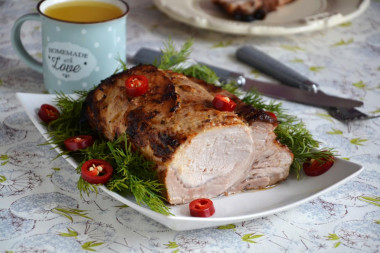
Let the finished loin cool down in the turned-off oven. Or, if you're serving it hot, take it out right away. Enjoy!

- With big cuts of meat, cooks often run into the same problem: the top is already browned while the inside is still underdone. The best way to judge doneness is a meat thermometer—the center should register at least 160°F (70°C). If you don't have one and the loin is already browning, lay a sheet of foil over the top and baste it more often with the juices from the bottom of the pan.
- The loin can be served either hot or cold.
- It's even tastier the next day.
- Since everyone's tolerance for salt, sweetness, bitterness, heat, and acidity is different, always adjust the spices and seasonings to your own taste. If you're using a spice for the first time, remember that some are easy to overdo (chili pepper, for one).
- If you use a pre-made spice blend, read the label first. These often already contain salt, so keep that in mind or you risk over-salting the dish.
- Keep in mind that every oven runs a little differently, so the temperature and cooking time may vary from what's given here. To get any roast right, it pays to learn the quirks of your own oven.
Caloric content of the products possible in the composition of the dish
- Pork fat - 333 kcal/100g
- Pork meat - 357 kcal/100g
- Pork - low-fat roast - 184 kcal/100g
- Pork chop on a bone - 537 kcal/100g
- Pork - schnitzel - 352 kcal/100g
- Pork Shoulder - 593 kcal/100g
- Boar's leg - 113 kcal/100g
- Pork - 259 kcal/100g
- Lemon - 16 kcal/100g
- Lemon zest - 47 kcal/100g
- Garlic - 143 kcal/100g
- Soy sauce - 51 kcal/100g
- Spices dry - 240 kcal/100g
- Olive oil - 913 kcal/100g