Pine or Fir Cone Jam
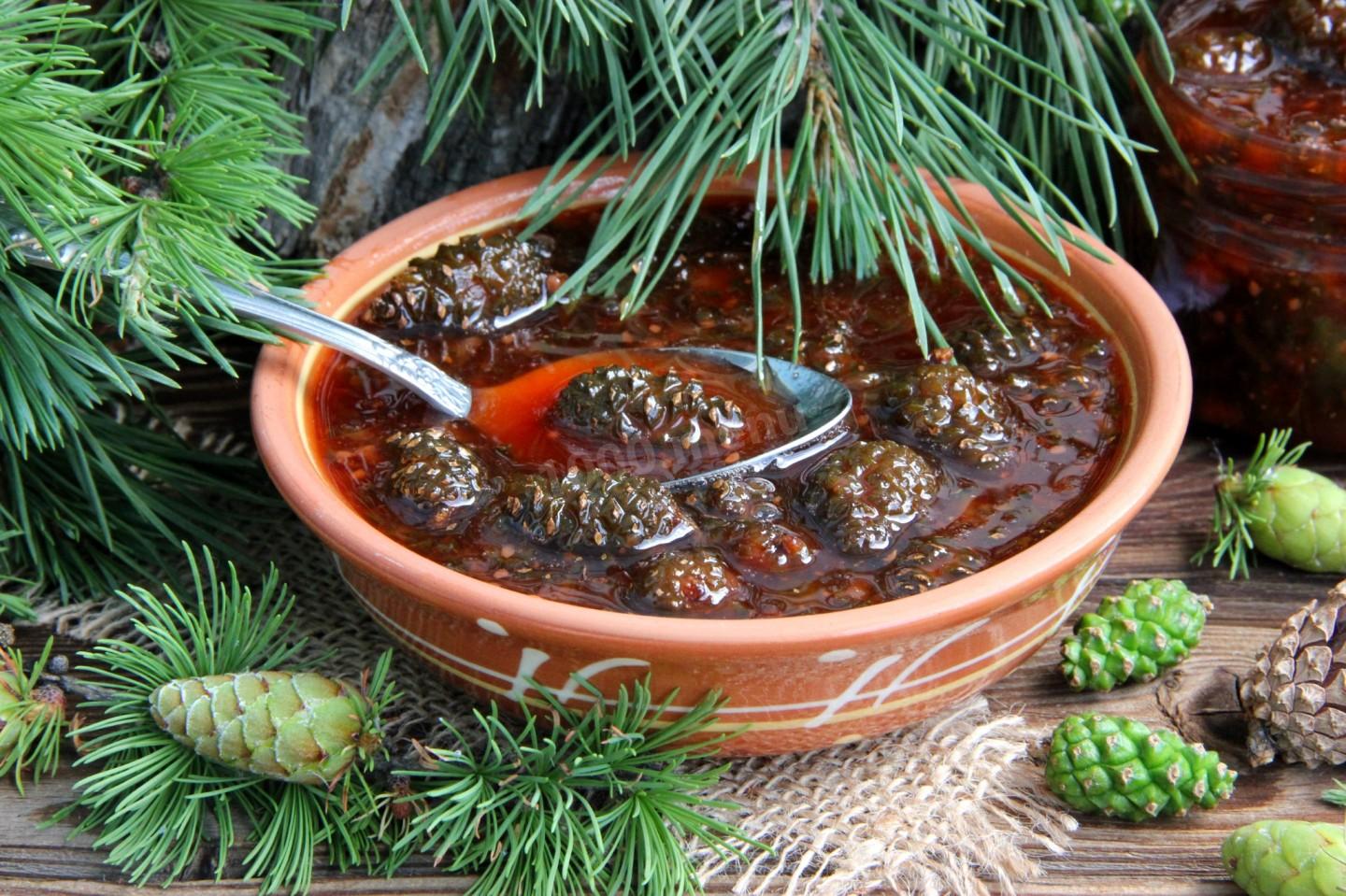
This isn't jam in the usual sense — it's a healing elixir. You can make this kind of jam not only from fir cones but also from pine, cedar, and larch. But its taste is quite distinctive, and it's eaten not like ordinary jam but taken as a remedy to help prevent many illnesses and to boost immunity. It's made in many regions where conifers grow. Only young, green cones gathered during a specific period and far from roads are used. There are many ways to make it; I'll show only two.




Cooking method
-
Step 1:
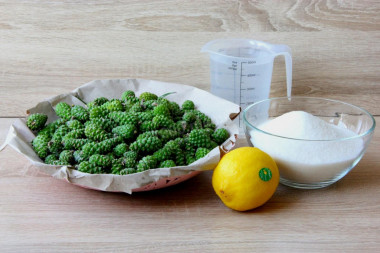
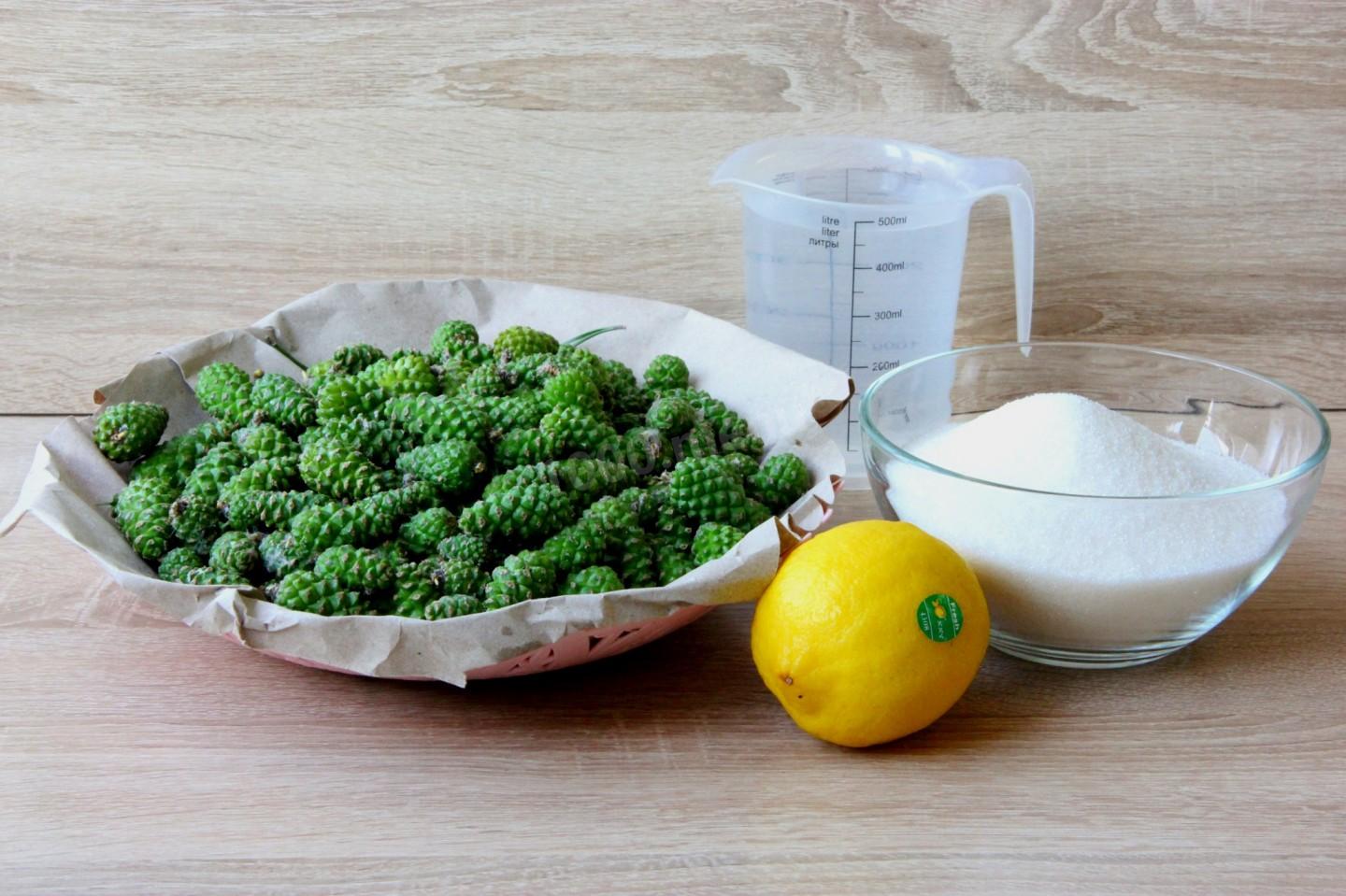
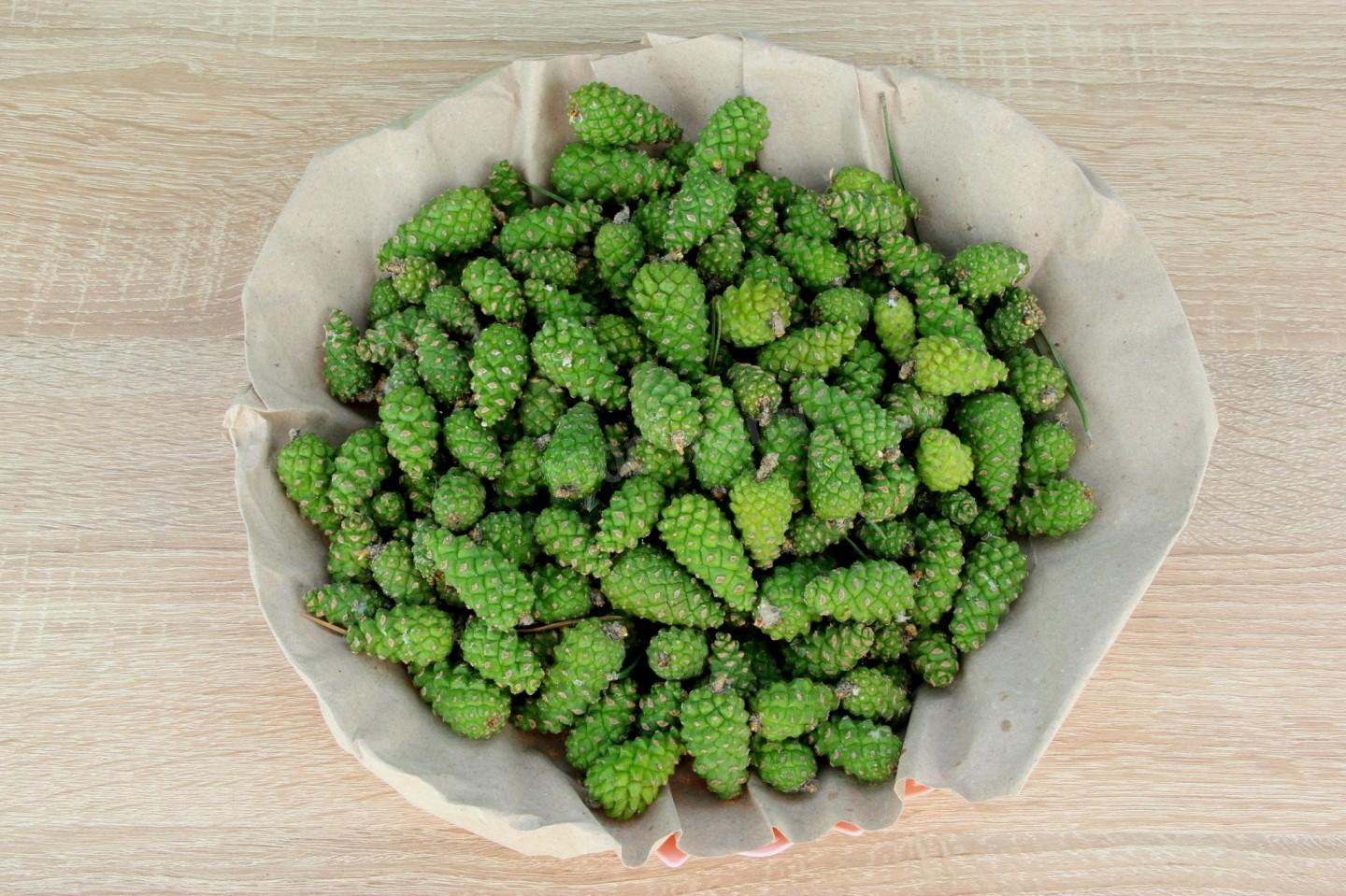
Gather the ingredients. The cones must be collected away from roads — only then are they beneficial. Gather small, soft cones 2.5–4.5 cm; larger ones are already hard. Choose resinous, well-shaped cones, undamaged and only from the branches. The collection time depends on the region; it runs from April to June.
-
Step 2:
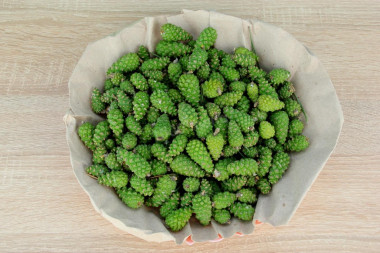
The way to prepare the cones is the same for both recipes: sort through the gathered cones and pick off any twigs. There should be no damaged cones. I lined the bowl with wrapping paper. It's best to handle the cones with gloves so your hands don't get covered in resin.
-
Step 3:
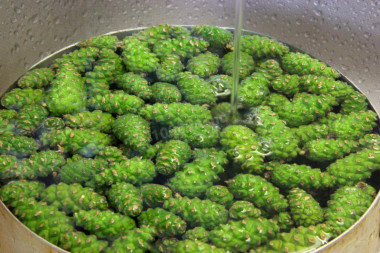
Rinse the cones under cool running water. Then cover them with cold water and leave them for 2–3 hours; the cones will swell, some of the bitterness and any forest critters will come out, and then rinse them once more. Use a stainless steel or aluminum pot — it's easier to wash the resin off afterward. I use an old aluminum pot just for cooking cones, both mature and green. Don't use plastic buckets, colanders, etc. — they'll be ruined for good.
-
Step 4:
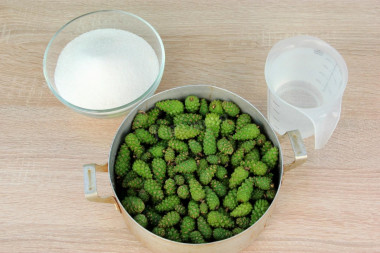
Sort the prepared cones again and set aside the larger 3.5–4.5 cm ones — these should be cut lengthwise, or kept for no-cook jam or for tincture. Cover the smaller ones with water to a level 1.5–2 cm above the cones, add sugar, and stir. After sorting, I ended up with 500 g each of small and larger cones.
-
Step 5:

Method 1. Cook the cones in 6 stages. First time: set the pot of small cones over medium-high heat. Stir constantly until the sugar is fully dissolved. Bring it to a boil, reduce the heat to medium, and cook the cones for 10 minutes. Then take it off the stove, cover it tightly with a lid and a terry towel, and leave it to cool completely.
-
Step 6:
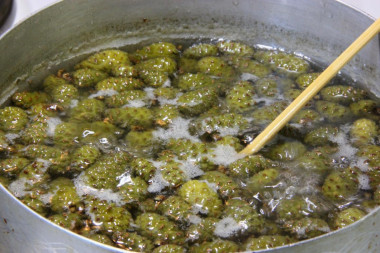
Second time: bring it to a boil but don't keep boiling. Take it off the stove, cover with a lid and towel, and let it cool. Third time: like the first — boil for 10 minutes, take it off, cover, and let it cool.
-
Step 7:

Fourth and fifth times: bring it to a boil, turn off the heat, and leave it on the stove for 30 minutes, uncovered. Sixth time: bring it to a boil, take it off the stove, and let it cool completely, uncovered.
-
Step 8:
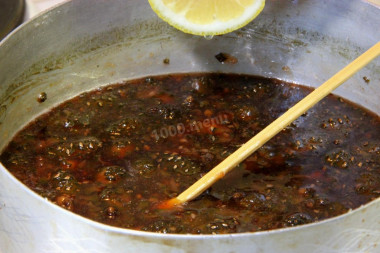
Pour 1 tablespoon of fresh lemon juice into the finished, slightly cooled jam, stir, and let it cool completely. The lemon is optional, but it adds a little tartness and some extra vitamins, and keeps the jam from crystallizing.
-
Step 9:

Strain the cooled jam through 2–4 layers of cheesecloth, so the resin doesn't pass through while hot — it must not be eaten. Don't eat the cones! The cones contain resin that won't leave the body but settles in layers on the walls of the gastrointestinal tract. Yes, I know some people eat them. But just because you don't have kidney or liver problems doesn't mean you should court them. This jam is very good for you, but you need to protect your body so it does good rather than harm.
-
Step 10:
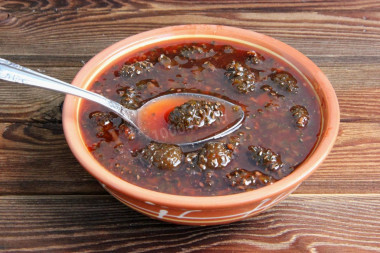
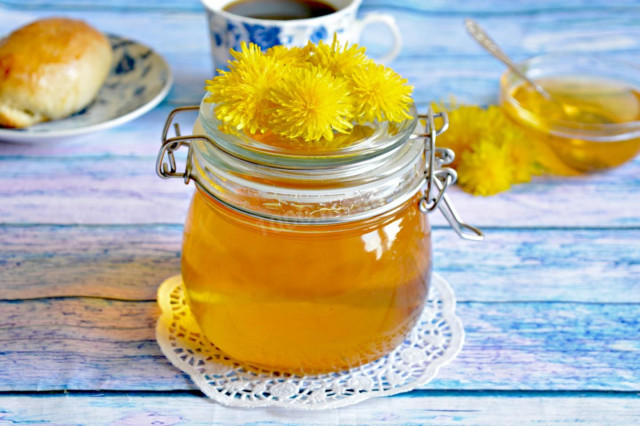
The finished jam should come out a soft amber-pink color, with a thick, honey-like consistency. The flavor is piney, with a pronounced aroma, moderately sweet, and a slight astringency. If you do leave the cones in the jam, it's best not to swallow them after chewing. (One look at the pulp after straining is enough to put you off having it in your stomach.)
-
Step 11:
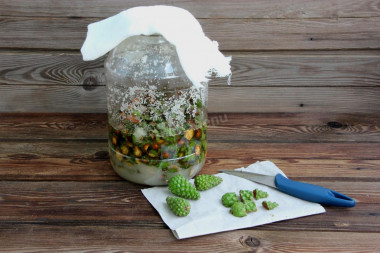
Method 2, no cooking. This isn't even jam — it's a syrup. It isn't heat-treated, so it keeps a lot of its goodness. Cut the prepared, sorted larger cones into 4–6 pieces. Layer them with sugar, with sugar as the top layer. Close the jar with a lid and shake it well. Remove the lid and cover the jar with 2–4 layers of cheesecloth so air can get in.
-
Step 12:
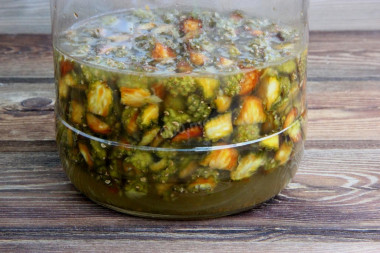
Leave the jar in a dark, warm place for 3–4 days, shaking it now and then. Once the sugar has fully dissolved, the syrup is ready. Strain it through cheesecloth, as in the first method. Store it only in the refrigerator. This syrup should be used in moderation. An adult can have 1–2 dessert spoons in the morning/evening, and a child 1–2 teaspoons.
-
Step 13:

Pack it into sterile, dry jars. Store the jars of preserves in the refrigerator or a dark, cool place. The shelf life is up to 2 years. You get 500 ml of strained jam, or 2 half-liter jars if you include the cones. The no-cook syrup is also 500 ml; it comes out a soft yellow-amber color and is much thinner than the cooked version. The taste is sweetish and piney. Take either type of syrup with warm water or tea.


- From the green cones of pine or spruce you can make not only jam — with or without the cones — but also syrup, decoction, and tincture. None of these are just food; they can't be eaten freely. Consumption must be strictly measured, and in many cases only after consulting a doctor. This delicious healing remedy — jam from the cones of various conifers — helps treat colds and flu, boost immunity, and readily soothes sore throats and coughs, gums, and lung and stomach ailments. The healing power of cone jam comes from the phytoncides in conifers. These biologically active compounds destroy harmful bacteria and fungi in the body. Just putting up 1–2 jars of cone jam for the winter per family will mean far fewer problems with immunity and illness. Before using it, keep in mind that fir-cone jam has not only benefits but also contraindications. Infusions, syrups, and jams from conifer cones are not recommended: for diabetes; for the elderly (over 60); for children under 10–12 (under 3 absolutely not, from age 4 with caution due to the risk of allergies); for individual intolerance or allergies; for expectant or breastfeeding mothers; or for acute diseases of the digestive system, liver, pancreas, or kidneys. To prevent respiratory illnesses and various conditions, take 2–3 dessert spoons of jam daily; for treatment, take 3–4 spoons. Don't take more than 5 tablespoons of the remedy a day, since an overdose can cause side effects — headache, nausea, heartburn.
Caloric content of the products possible in the composition of the dish
- Granulated sugar - 398 kcal/100g
- Sugar - 398 kcal/100g
- Water - 0 kcal/100g
- Lemon juice - 16 kcal/100g
- Pine cones - 0 kcal/100g