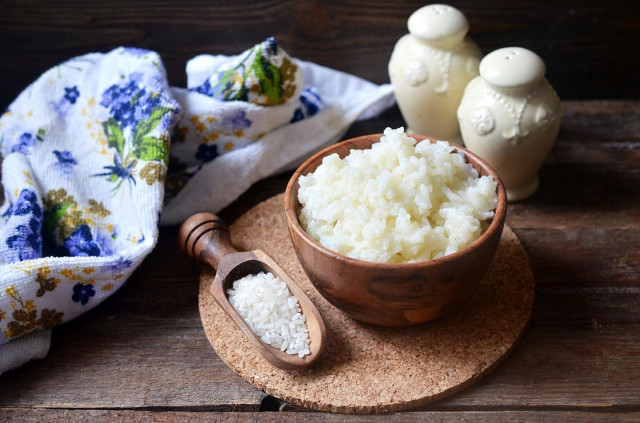
Moonshine from Sugar and Yeast
The simplest homemade moonshine recipe! Moonshiners say you can make moonshine out of anything, even nails. This recipe is one of the easiest and most budget-friendly around. Thanks to a double distillation, the result is clean and quite harmless!



Cooking method
-
Step 1:
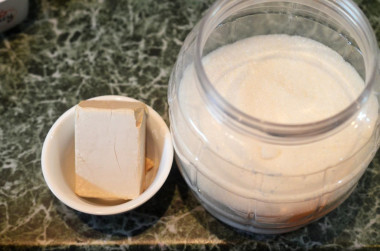
Gather all the ingredients you'll need for the moonshine. First and foremost, the yeast must be very fresh (check the production date). You can also use dry distiller's yeast, sold in specialty shops for winemaking and home distilling. Wine yeast won't work for moonshine.
-
Step 2:
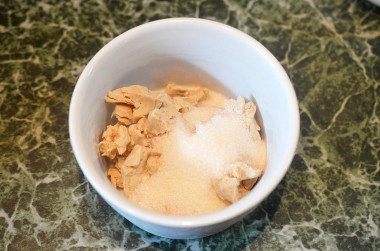
Break the yeast into small pieces with your hands. Add 1 tablespoon of sugar.
-
Step 3:
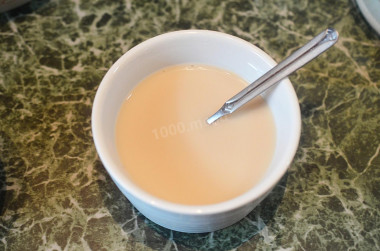
Pour in 100 ml of warm water. The water should be no warmer than 40°C; anything hotter can kill the yeast, and then there will be no fermentation at all. The water should also be unfiltered, so that it still contains microorganisms.
-
Step 4:
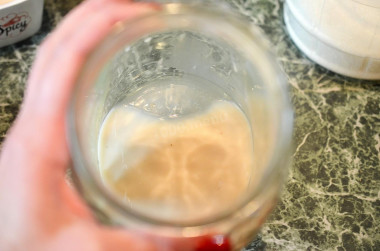
Wait for a foamy cap to form, then pour the yeast mixture into a large container for the mash (braga).
-
Step 5:
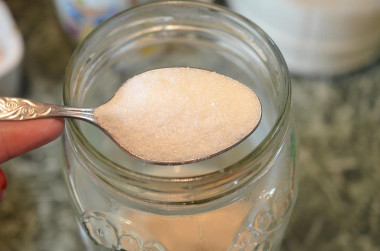
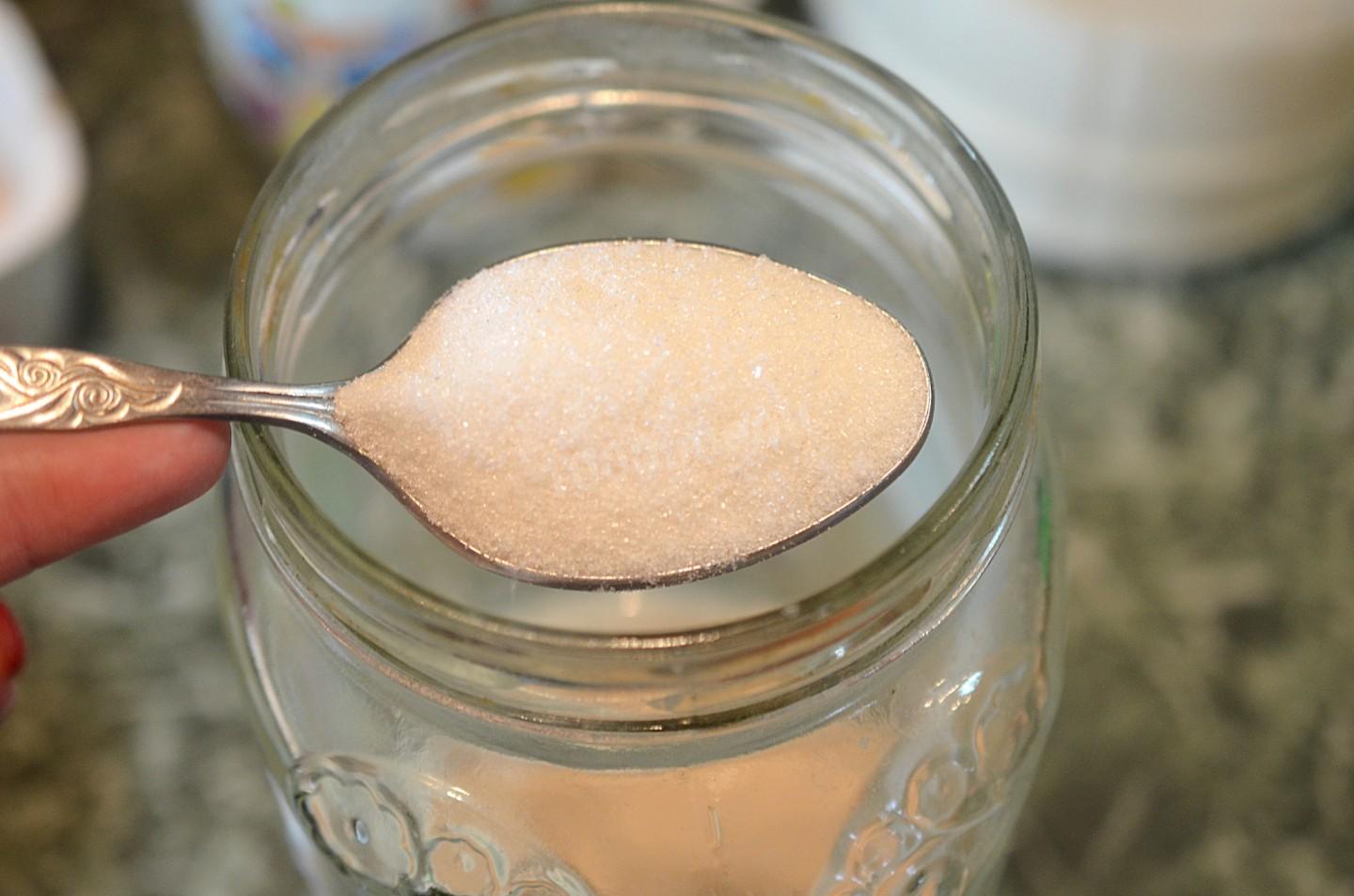
Add the rest of the sugar.
-
Step 6:

Pour in the remaining water. It should also be warm and unfiltered. Don't fill the container all the way — leave about a third of it empty.
-
Step 7:
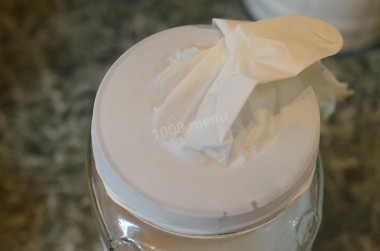
Fit an airlock, or stretch a disposable glove over the neck of the container, and put it somewhere that isn't cold.
-
Step 8:
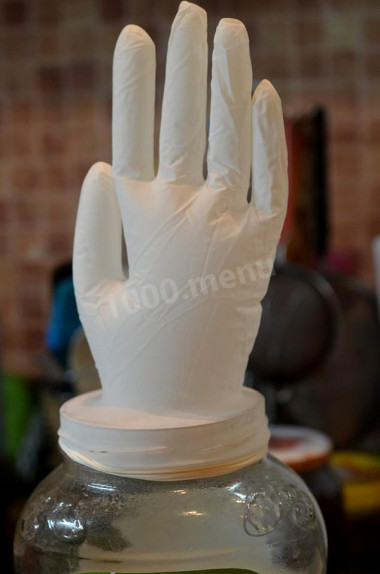
As soon as the glove inflates, fermentation has begun. It can take anywhere from 10 to 20 days. Mine fermented for 12 days. Once the glove deflates, the mash is ready. There are many differing opinions: whether you need to filter the yeast-and-sugar mash or not, whether it's worth adding coagulants to settle the sediment or not. I make moonshine from this mash without filtering it first.
-
Step 9:
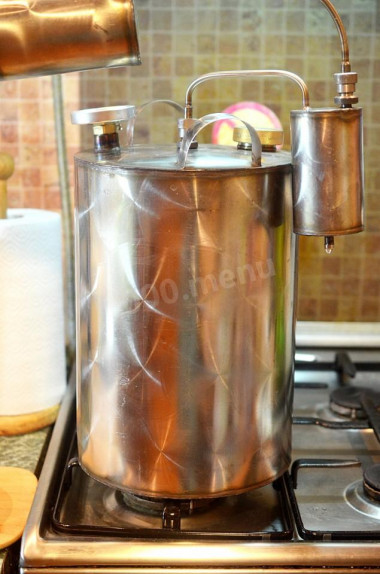
Assemble your still, and connect the cold-water tubes to the condenser (if your model has one). Pour the mash into the still and set it over the heat. Watch the temperature: as soon as it reaches 70°C, turn on the cold water for cooling. Collect the moonshine as it trickles out in a thin stream. In principle, this moonshine is drinkable, but, like in the old days, it has a strong moonshine smell and can cause headaches.
-
Step 10:
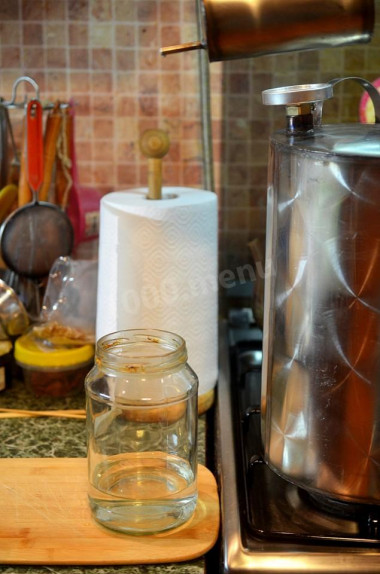
That's because moonshine used to be distilled only once. I recommend doing a second distillation. To do that, dilute the finished moonshine with water down to 20 proof degrees — 400 ml of water per liter of moonshine. Pour the moonshine back into the still and repeat the distillation. Just one thing: the first 100 ml and the last portion must be collected separately and discarded. These cuts contain a lot of harmful substances and fusel oils.
-
Step 11:
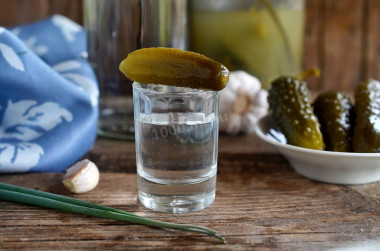
The finished moonshine is about 60–70 proof degrees. To be sure, you can set a spoonful of it alight with a match. Cool the finished moonshine and let it rest for a couple of days! For a pleasant color, you can tint it with a drop of brewed tea. Drink responsibly!




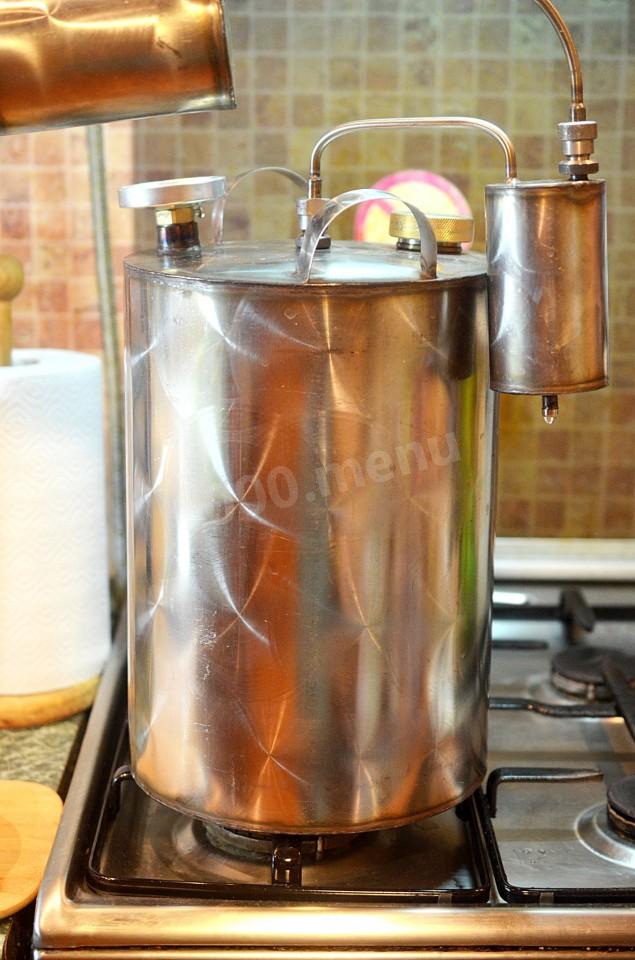


- Why do you need a second distillation if the moonshine is perfectly drinkable after the first one? Here's why:
Caloric content of the products possible in the composition of the dish
- Granulated sugar - 398 kcal/100g
- Sugar - 398 kcal/100g
- Water - 0 kcal/100g
- Fresh yeast - 109 kcal/100g