Braised Duck with Cabbage
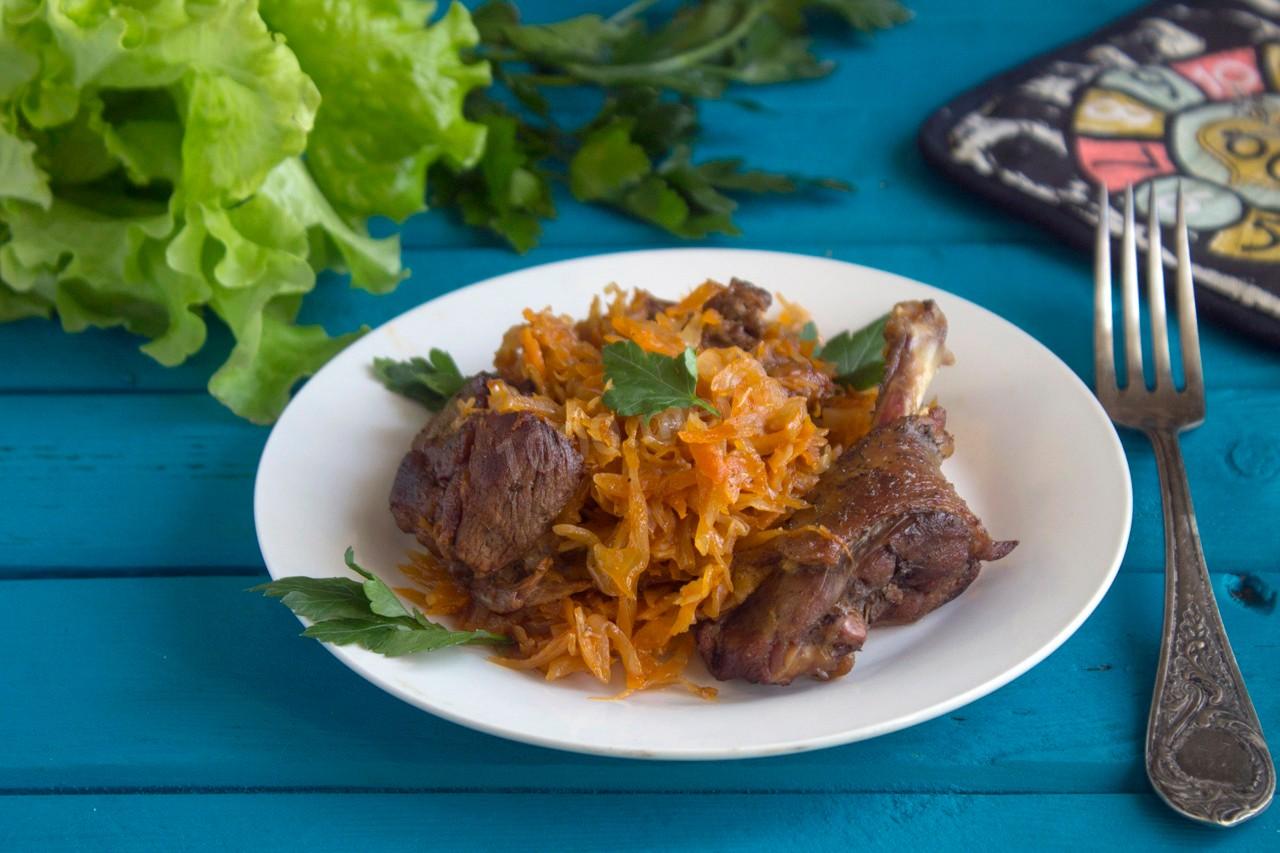
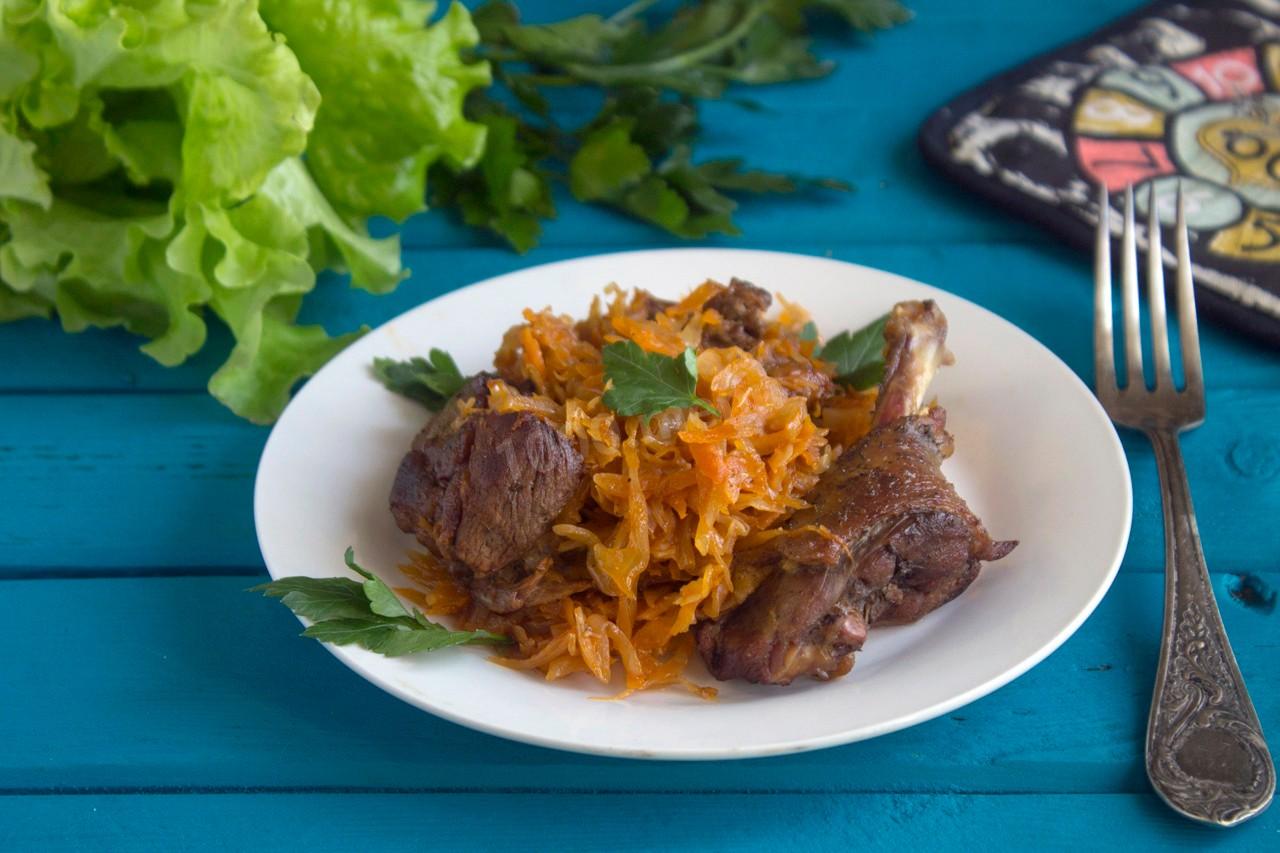
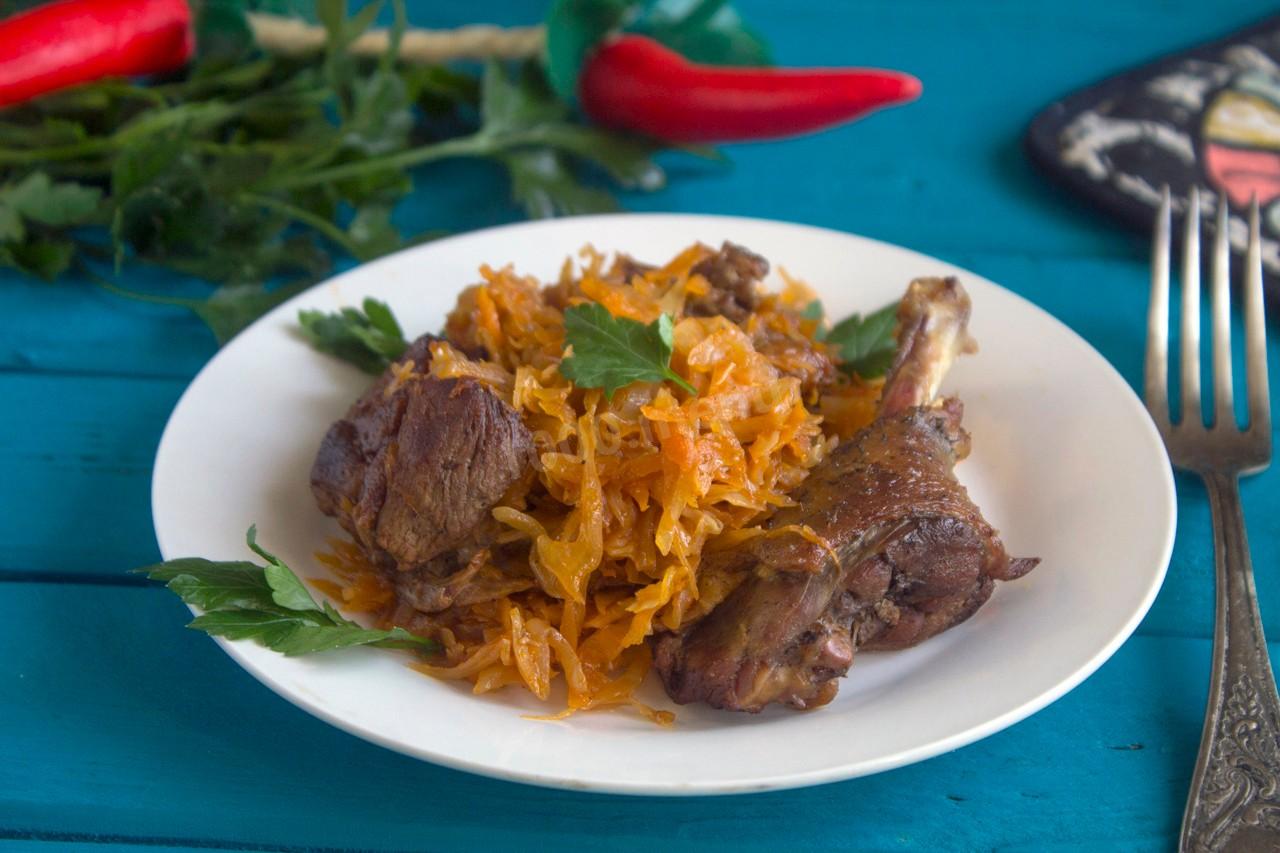
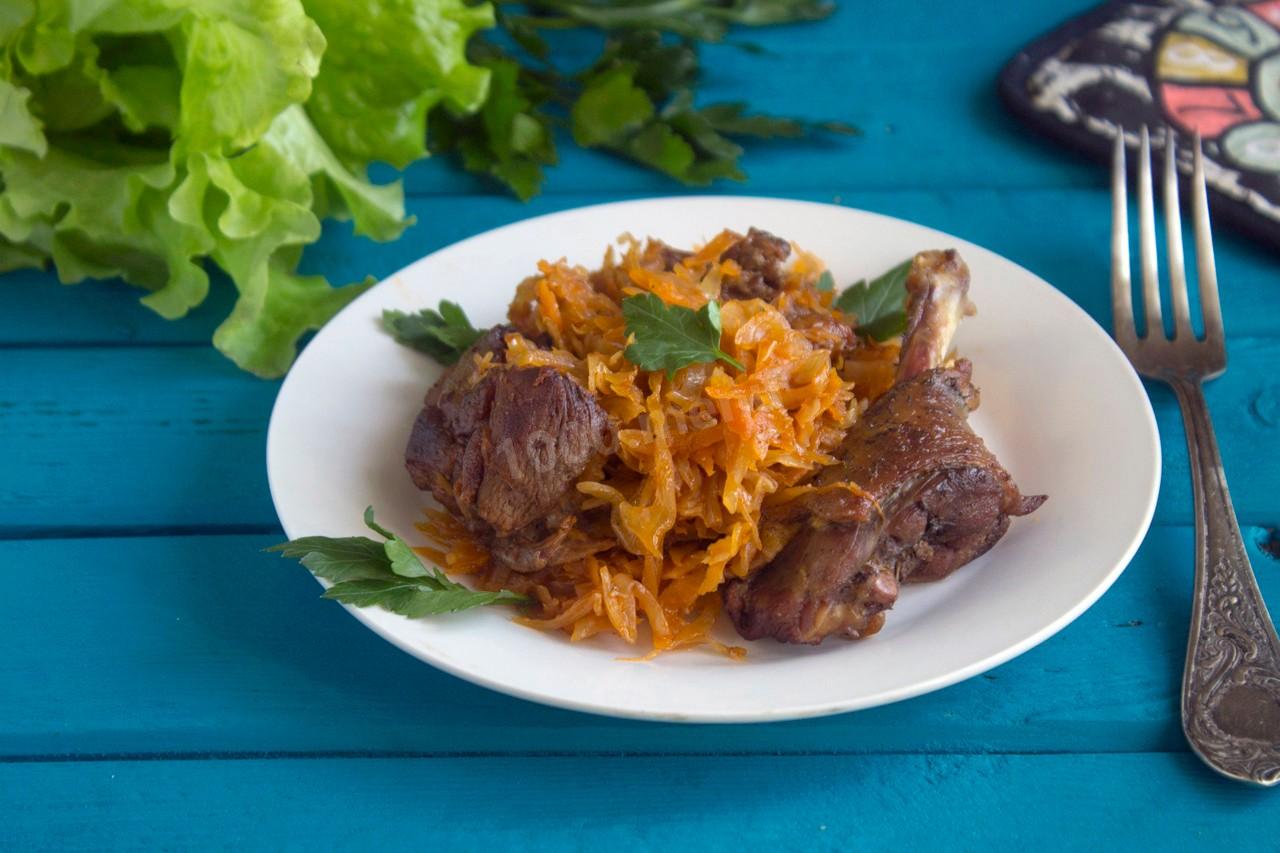
The aroma of this dish is maddening — you can't walk past it! Duck and sauerkraut are a perfect match in every way. The flavor is simply out of this world, even though the ingredients are pretty standard! It's a hearty, self-sufficient dish, rounded out nicely by fresh vegetables and herbs.

Cooking method
-
Step 1:
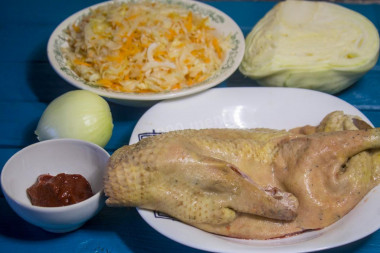
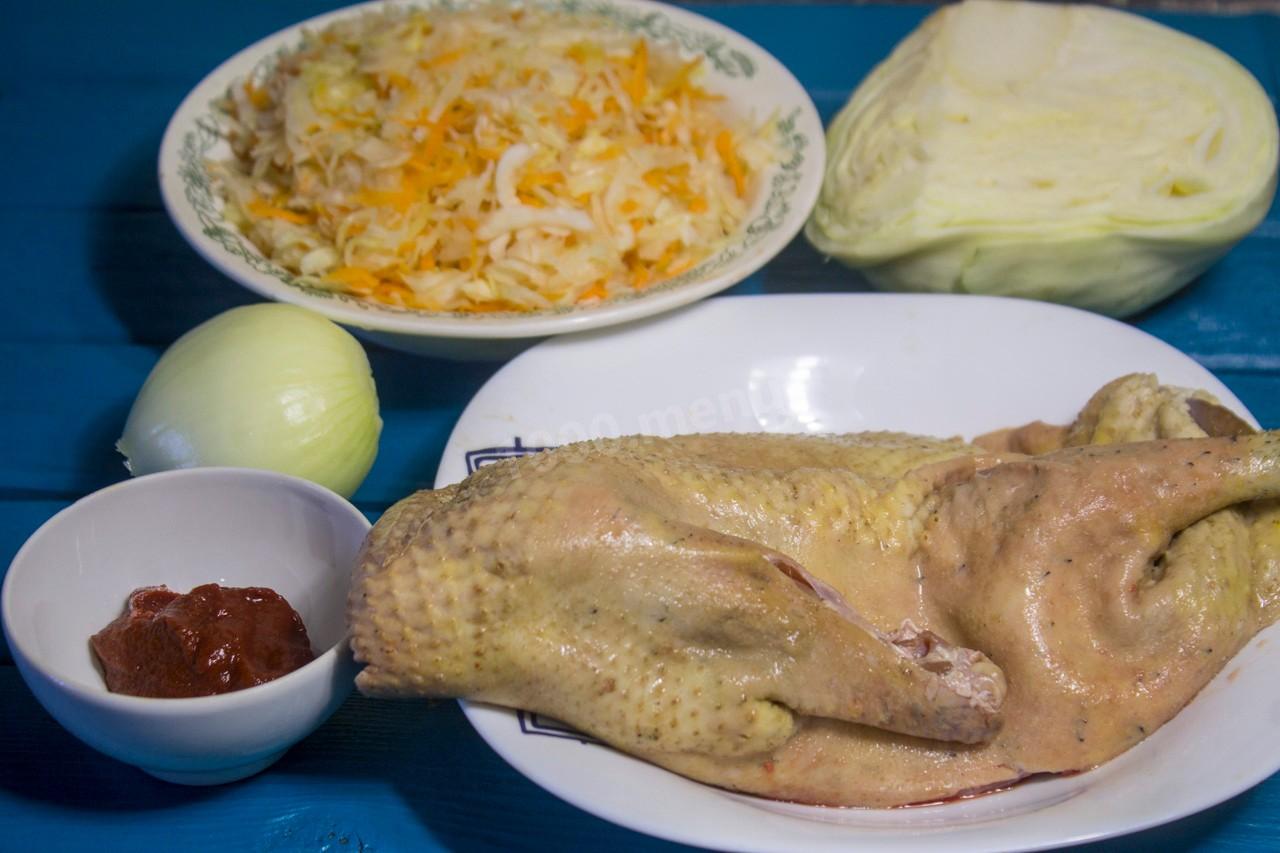
How do you make braised duck with cabbage? The ingredients you'll need.
-
Step 2:
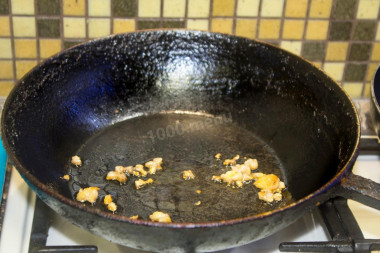
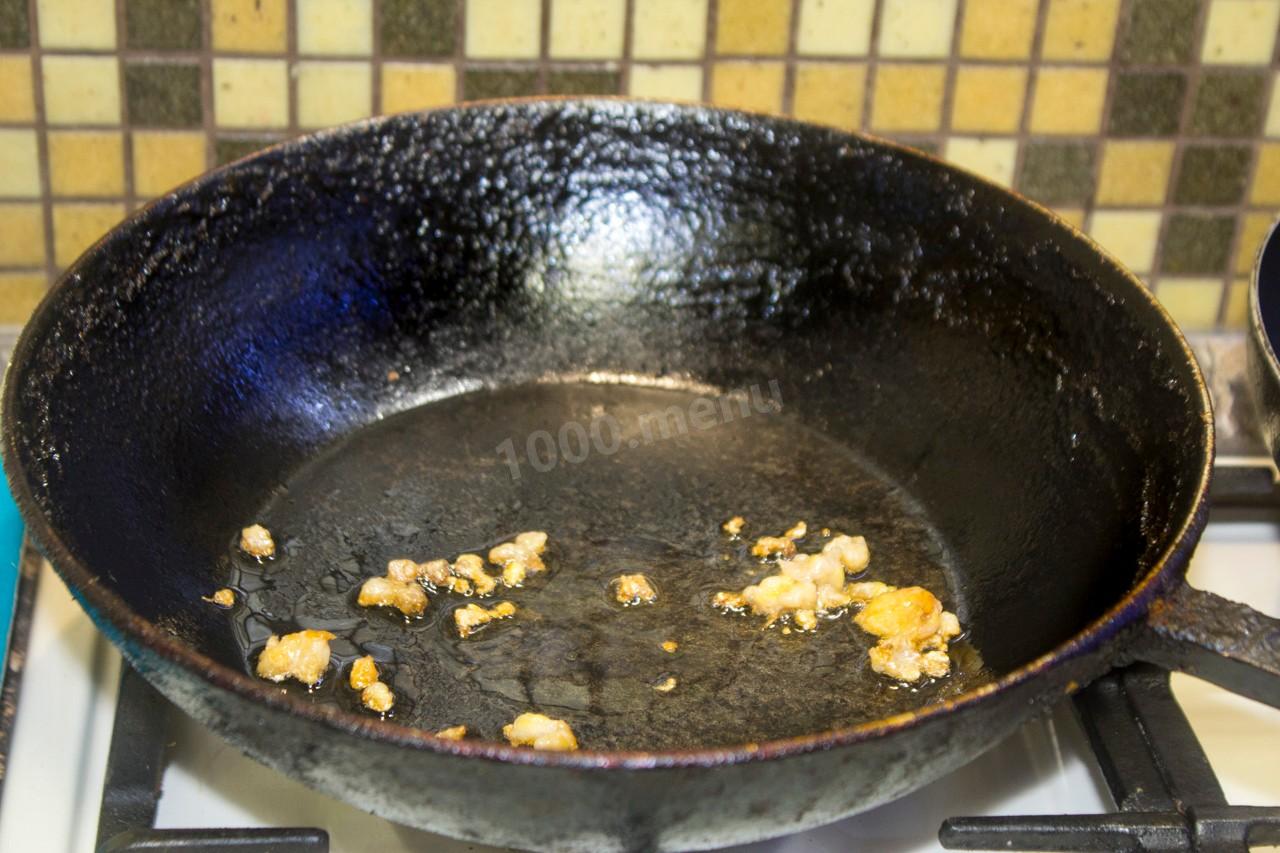
Trim the fat off the duck and render it down to cracklings.
-
Step 3:
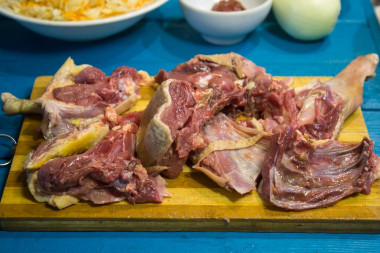
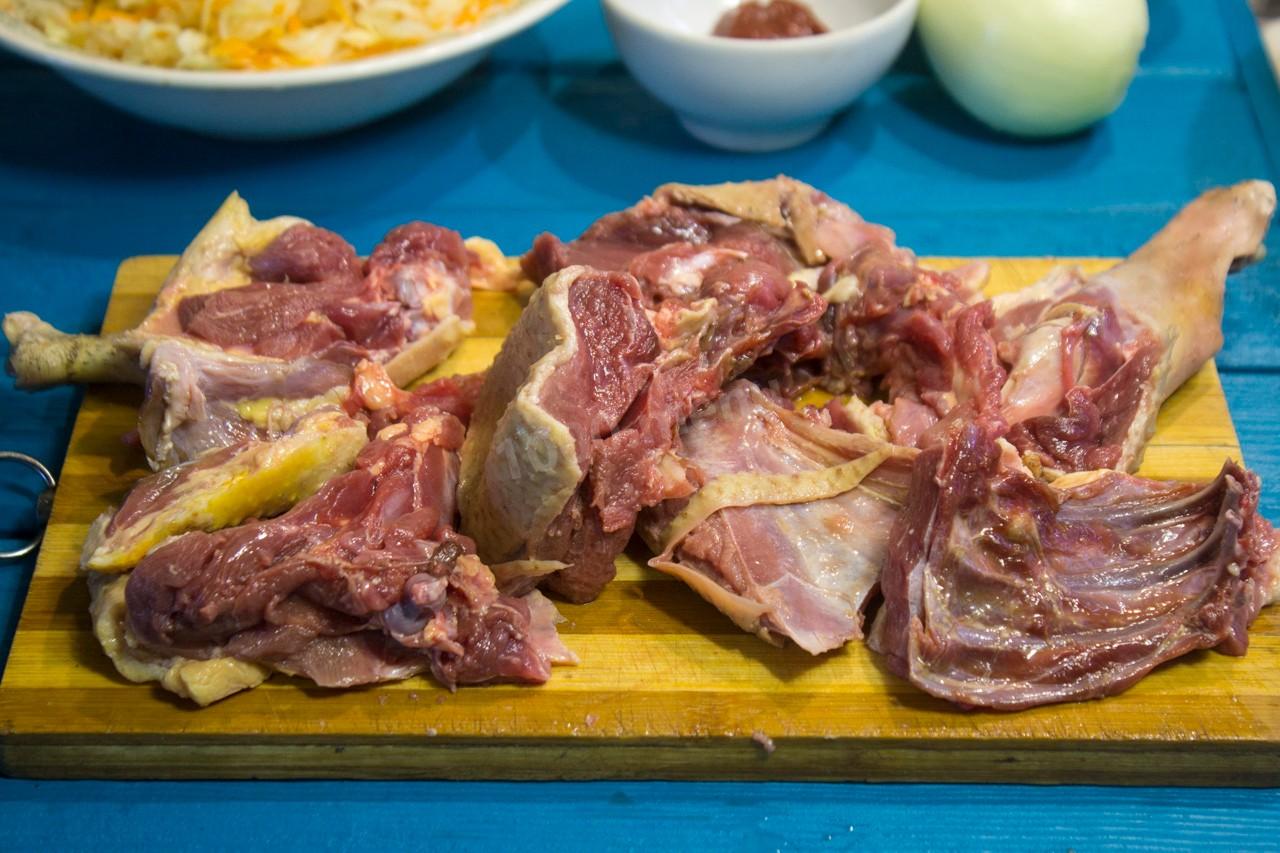
Cut the duck (I'm using half a bird) into serving pieces.
-
Step 4:
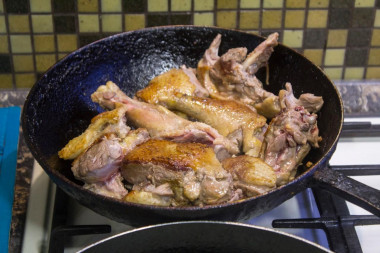
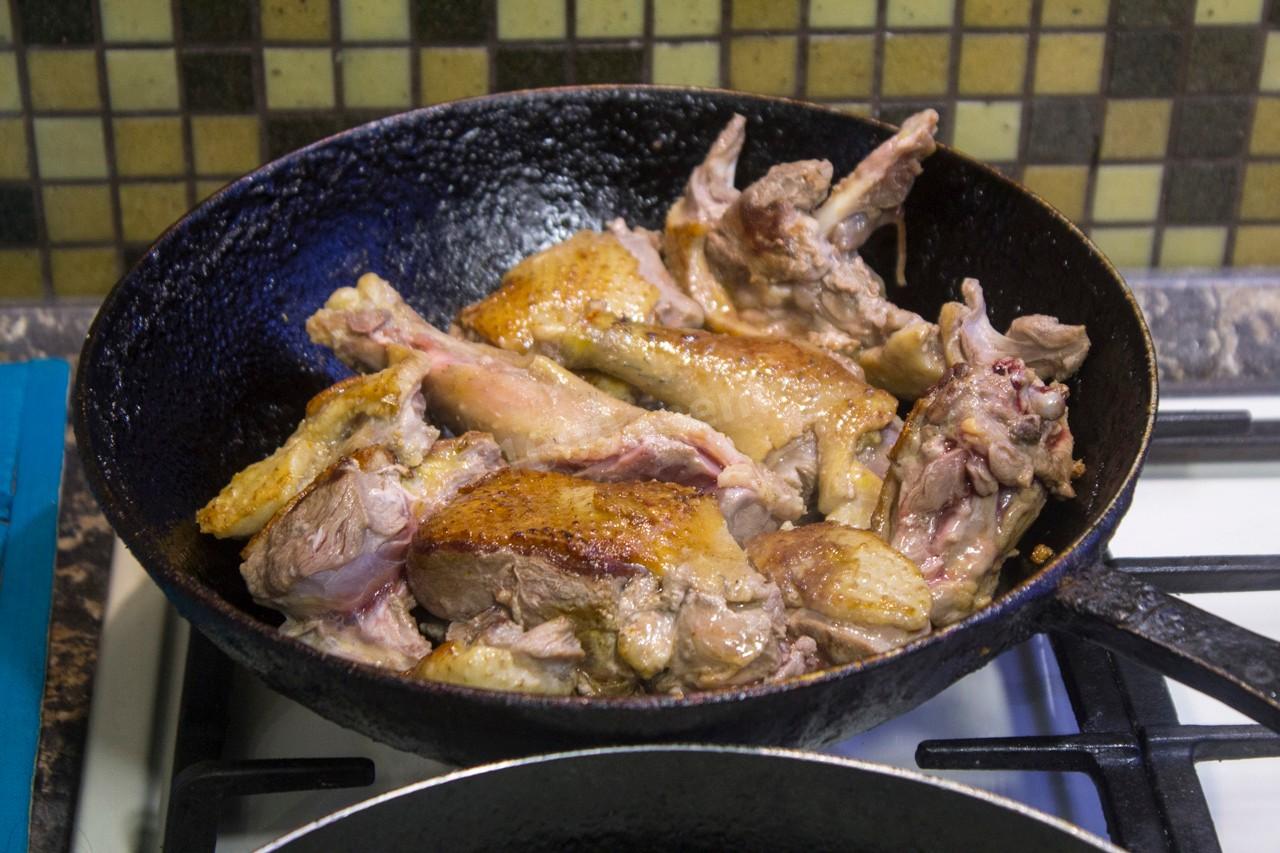
Brown the duck in the rendered fat — I use an old cast-iron skillet for dishes like this; the flavor it gives is something else. Once the duck is browned, cover it and braise for about 15 minutes.
-
Step 5:
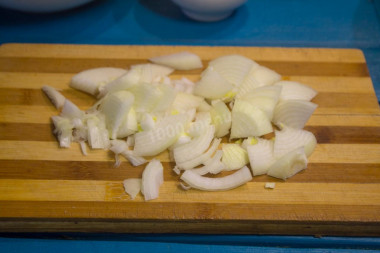
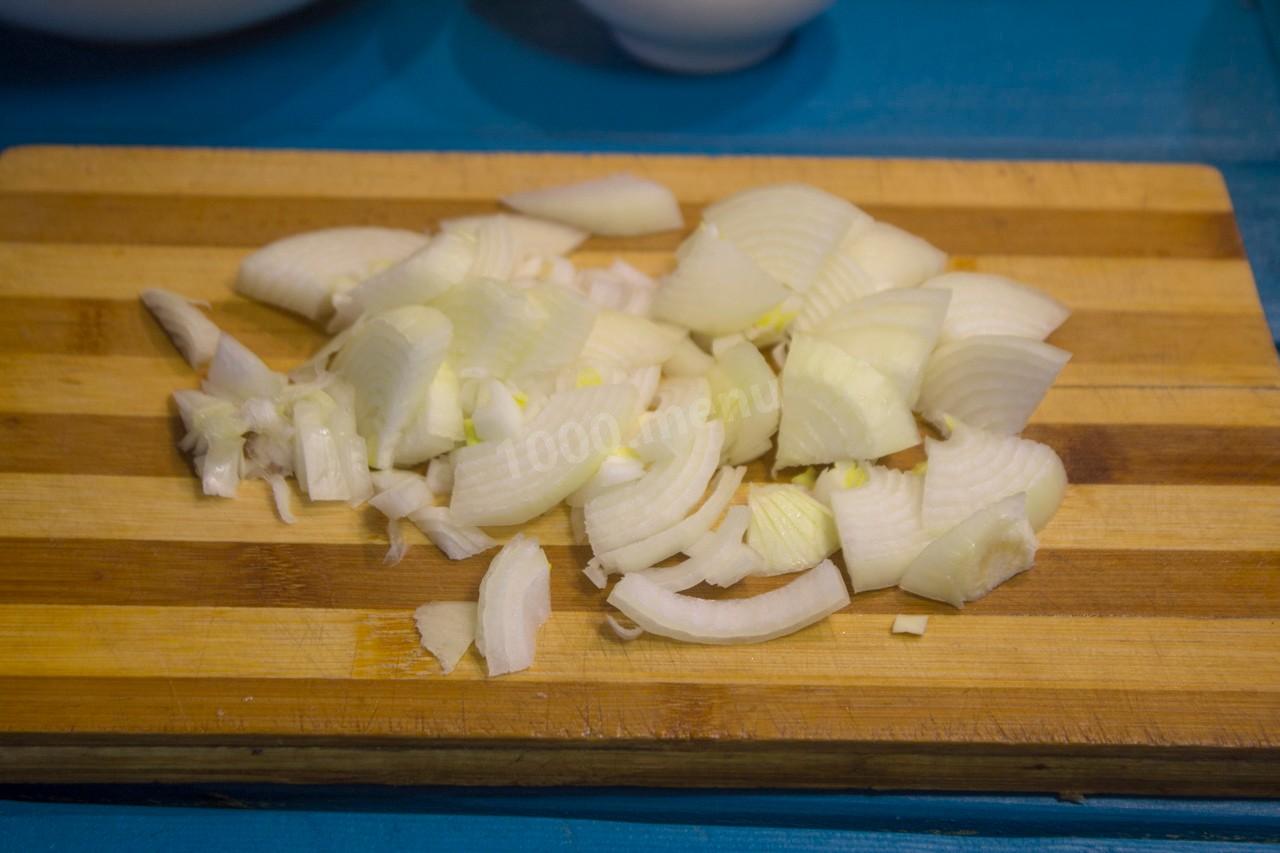
Cut the onion into quarter-rings.
-
Step 6:
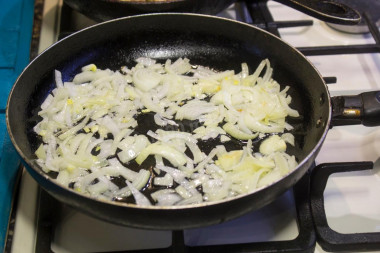
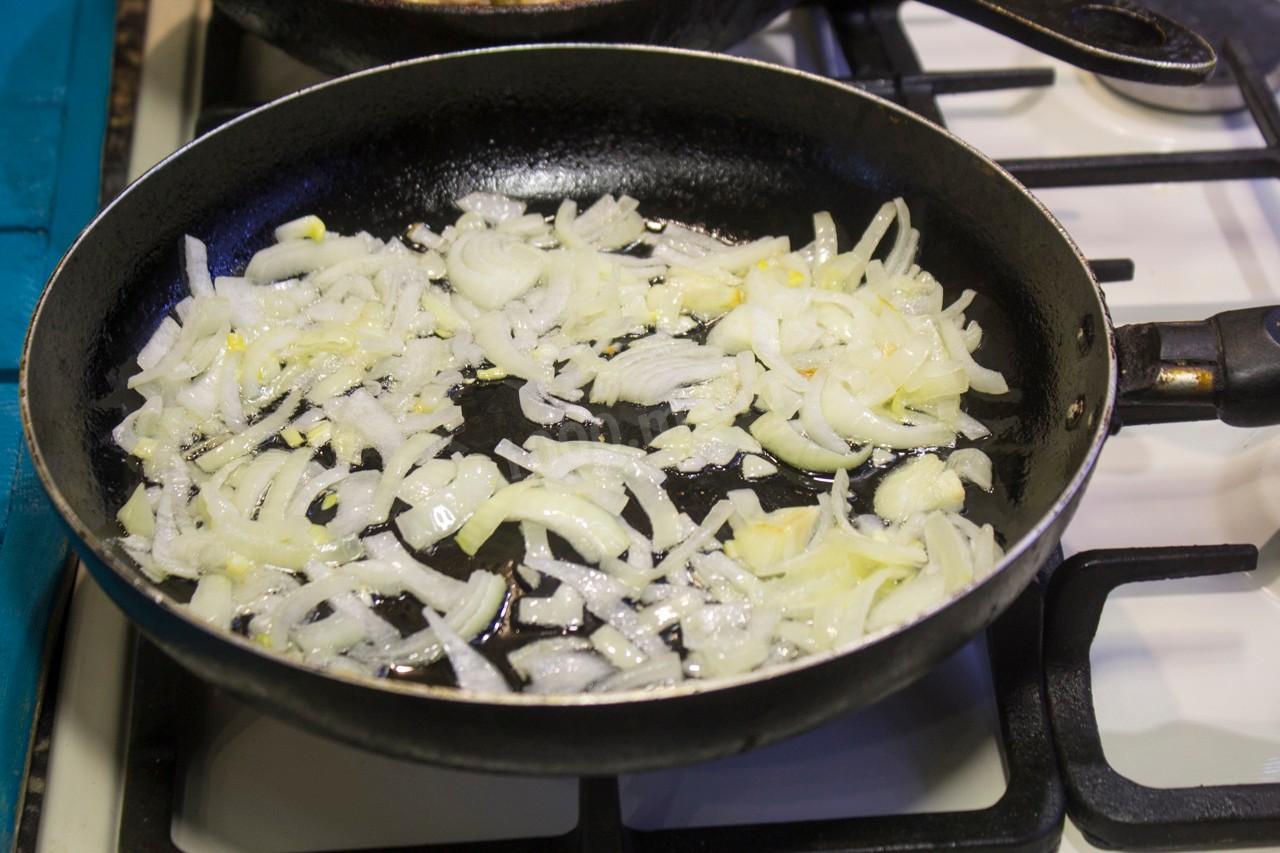
Sauté the onion in a separate skillet in vegetable oil until golden.
-
Step 7:
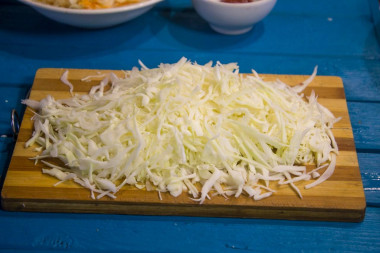
Meanwhile, shred the fresh cabbage.
-
Step 8:
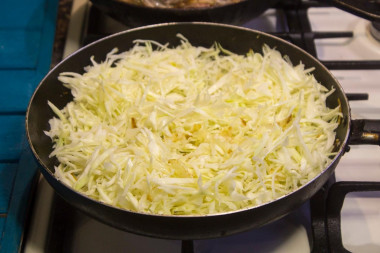
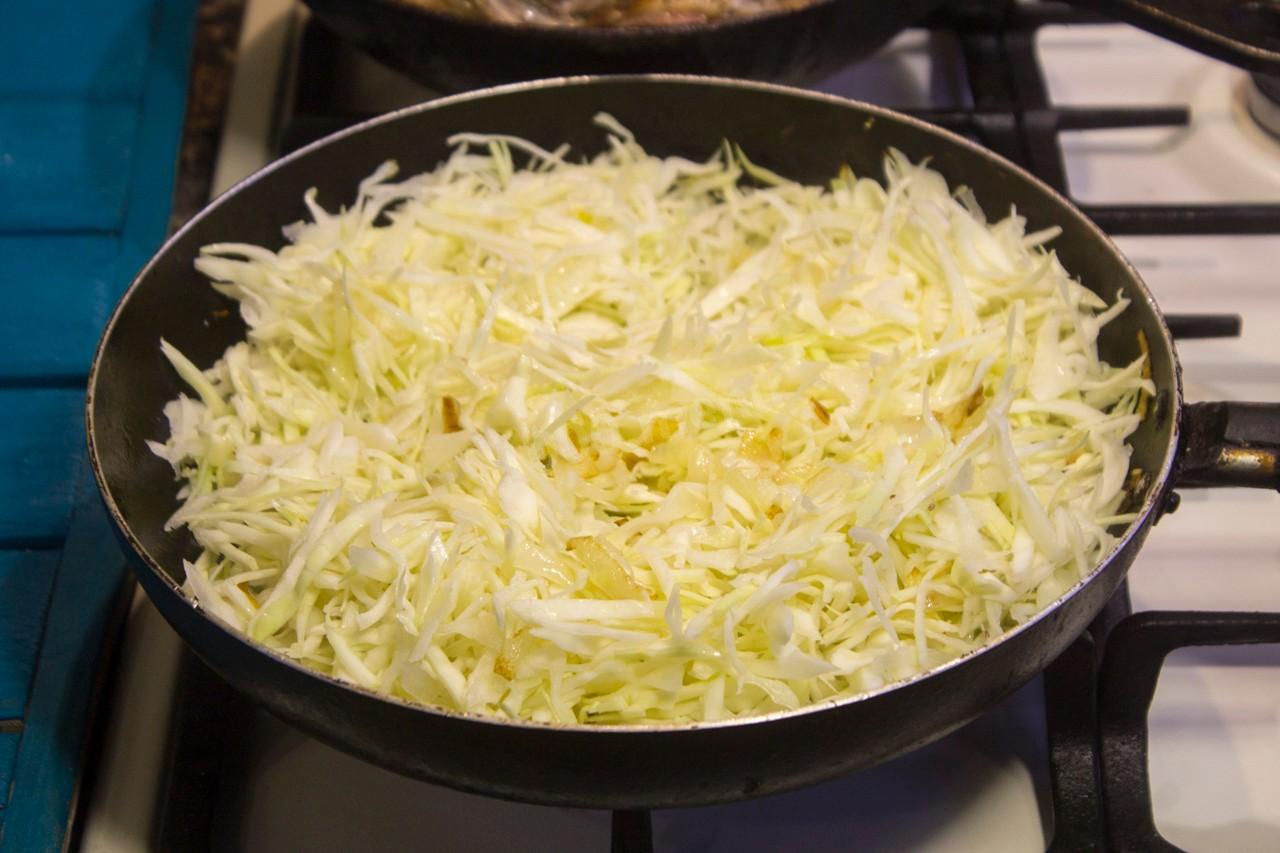
Add the fresh cabbage to the sautéed onion.
-
Step 9:
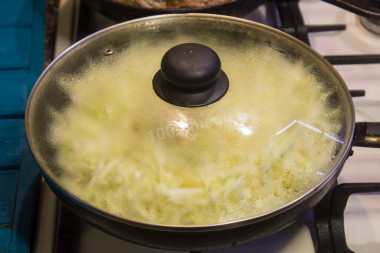
Braise, covered, for 7–10 minutes until soft.
-
Step 10:
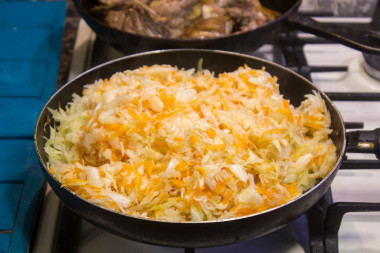
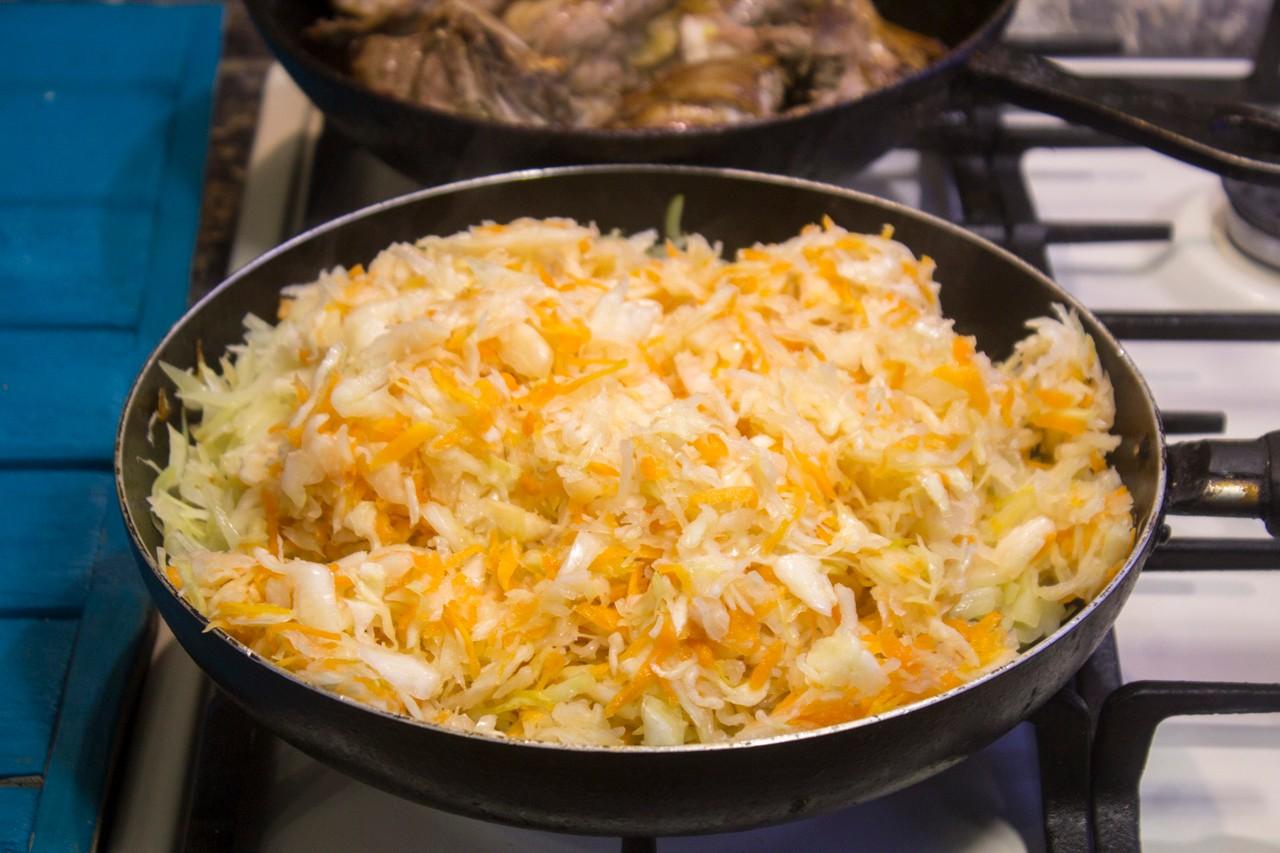
Add the sauerkraut to the skillet and braise it all together for another 15–20 minutes, adding a little water as needed (it took me about half a cup).
-
Step 11:

Thin the tomato paste with water, add it to the cabbage, and braise it all together for about 15 minutes more.
-
Step 12:
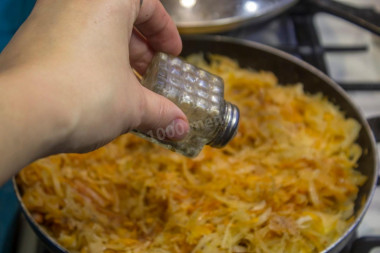
Season the cabbage with salt and pepper.
-
Step 13:
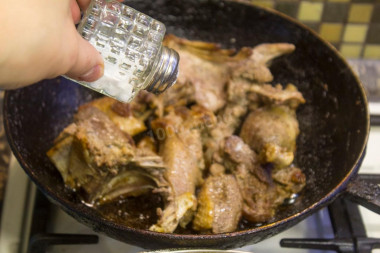
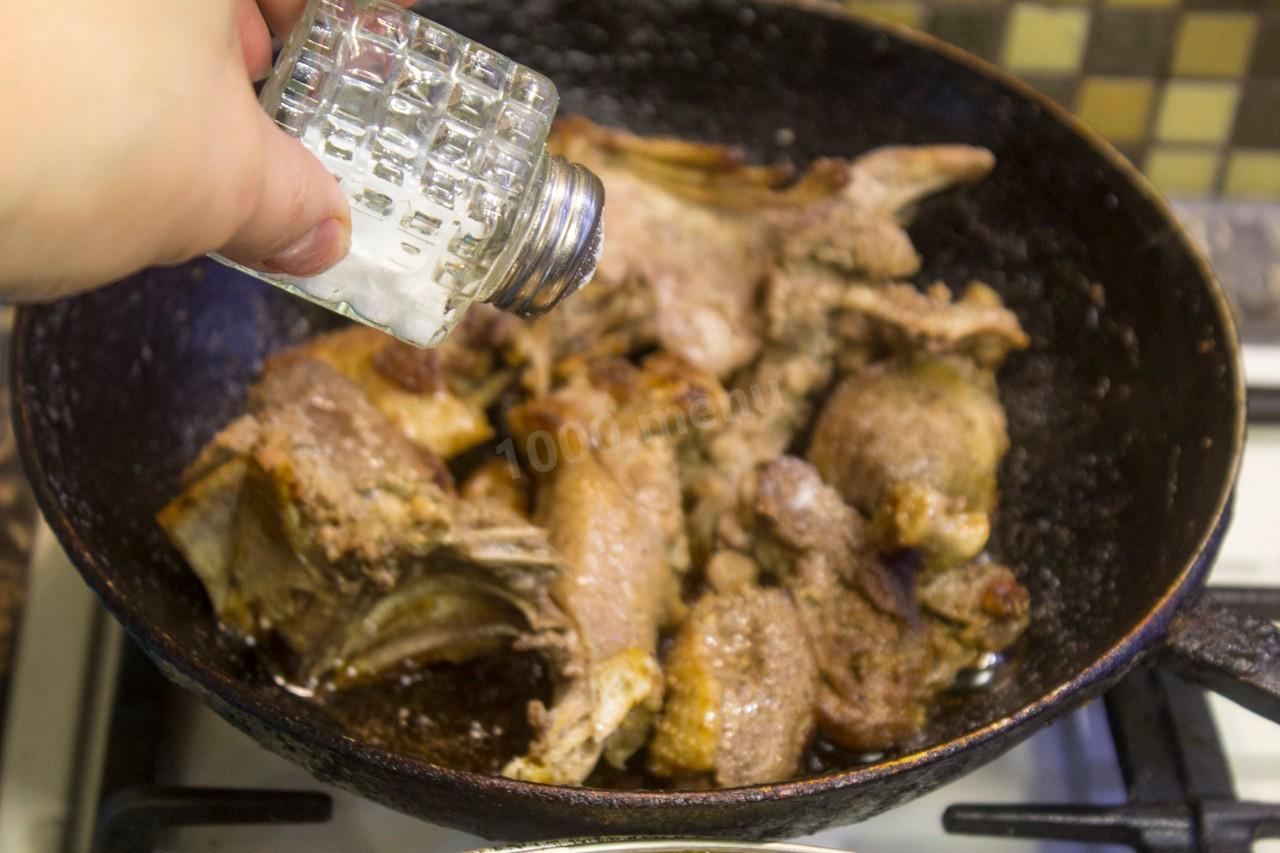
Season the duck with salt and pepper.
-
Step 14:
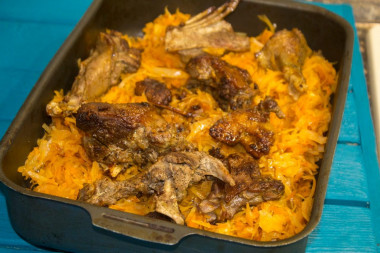
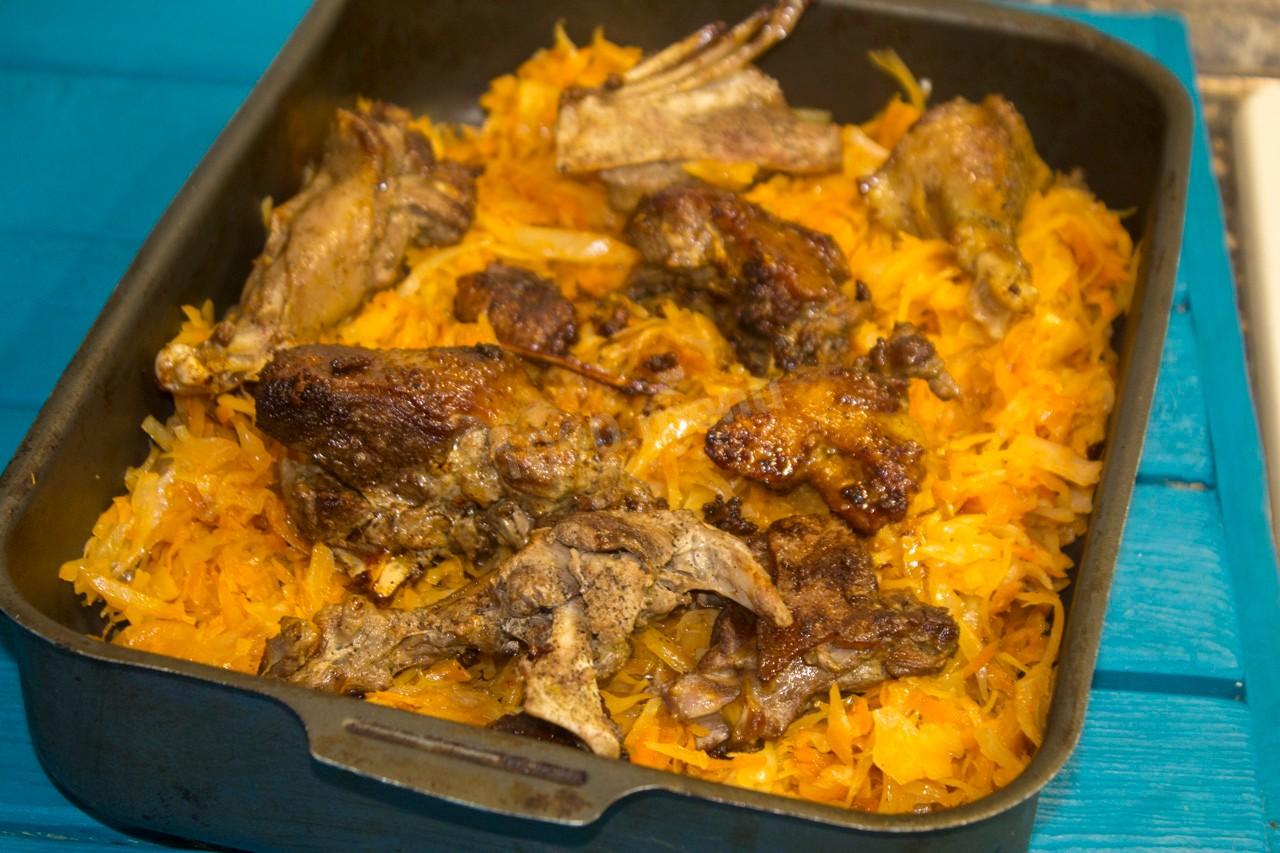
From here you can combine everything in one pan and braise it together, covered, for 40–50 minutes; but my pan wasn't big enough, so I transferred the duck and cabbage to a roasting pan and braised them in the oven.
-
Step 15:
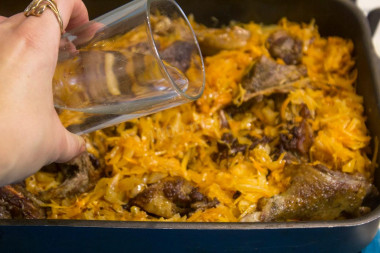
Add water (about half a cup).
-
Step 16:
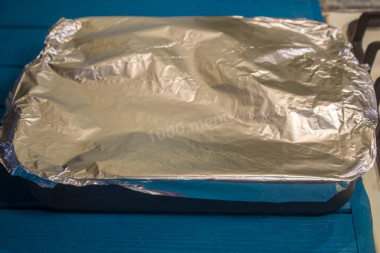
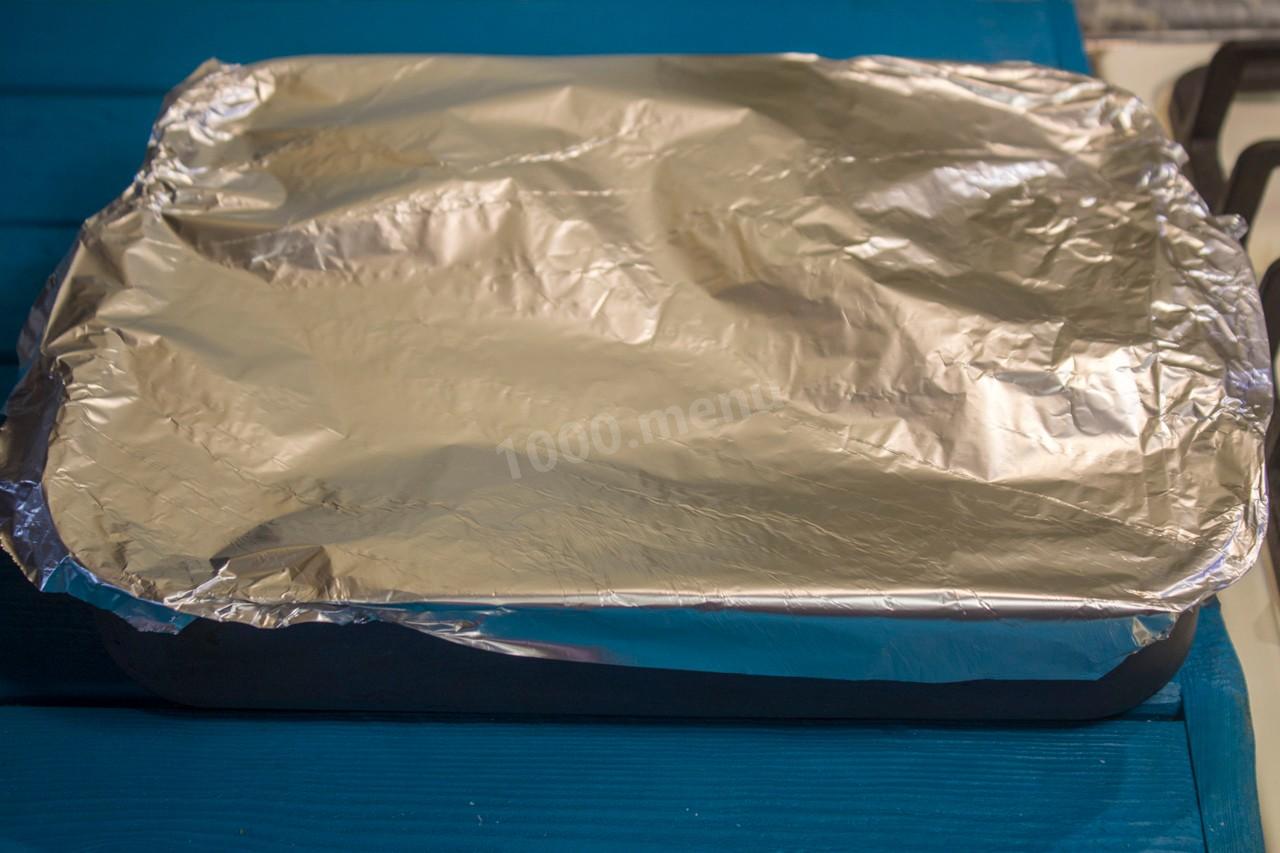
Cover with foil and put it in a 350°F (180°C) oven for 45 minutes.
-
Step 17:
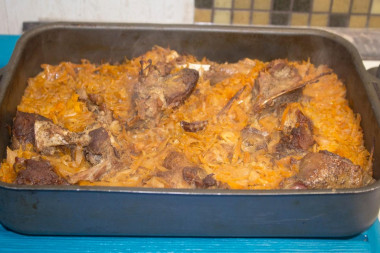
After that time, the braised duck with cabbage is ready.
-
Step 18:
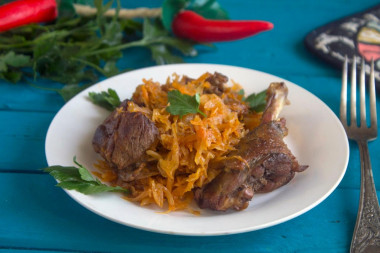
Enjoy!







- Keep in mind that every oven is different. The temperature and cooking time may differ from what's given in the recipe. For any baked dish to turn out well, brush up on how ovens behave!
- Any oil is only good up to a certain temperature — its smoke point, where it begins to burn and form harmful compounds, including carcinogens. For how to gauge frying temperature, choose the best oil for frying, and which oils are better avoided altogether, read here.
- Note that properly thawing your ingredients has a lot to do with the quality and flavor of the finished dish. For how to avoid mistakes and choose the best method, see the article on thawing.
Caloric content of the products possible in the composition of the dish
- Duck II category - 287 kcal/100g
- Roast duck - 401 kcal/100g
- Duck of the I category - 405 kcal/100g
- Ground black pepper - 255 kcal/100g
- Vegetable oil - 873 kcal/100g
- Tomato paste - 28 kcal/100g
- Sauerkraut - 19 kcal/100g
- Water - 0 kcal/100g
- Onion - 41 kcal/100g
- White cabbage - 28 kcal/100g
- Boiled white cabbage - 21 kcal/100g
- Table salt - 0 kcal/100g
Similar recipes
- Second course
- Meat and meat products
- Vegetables
- Spices seasonings spices
- Fats and oils
- Other
- Pepper
- Salt
- Vegetable oil
- Water
- Tomato paste
- Stewing
- Oven roasting
- Stewed vegetables
- Meat second course
- Second courses of cabbage
- Meat in the oven
- Poultry
- Vegetables in the oven
- From cabbage
- From onion
- No eggs
- Balanced nutrition
- Recipes for lean dishes without butter