Ground Zucchini Caviar with Tomato Paste
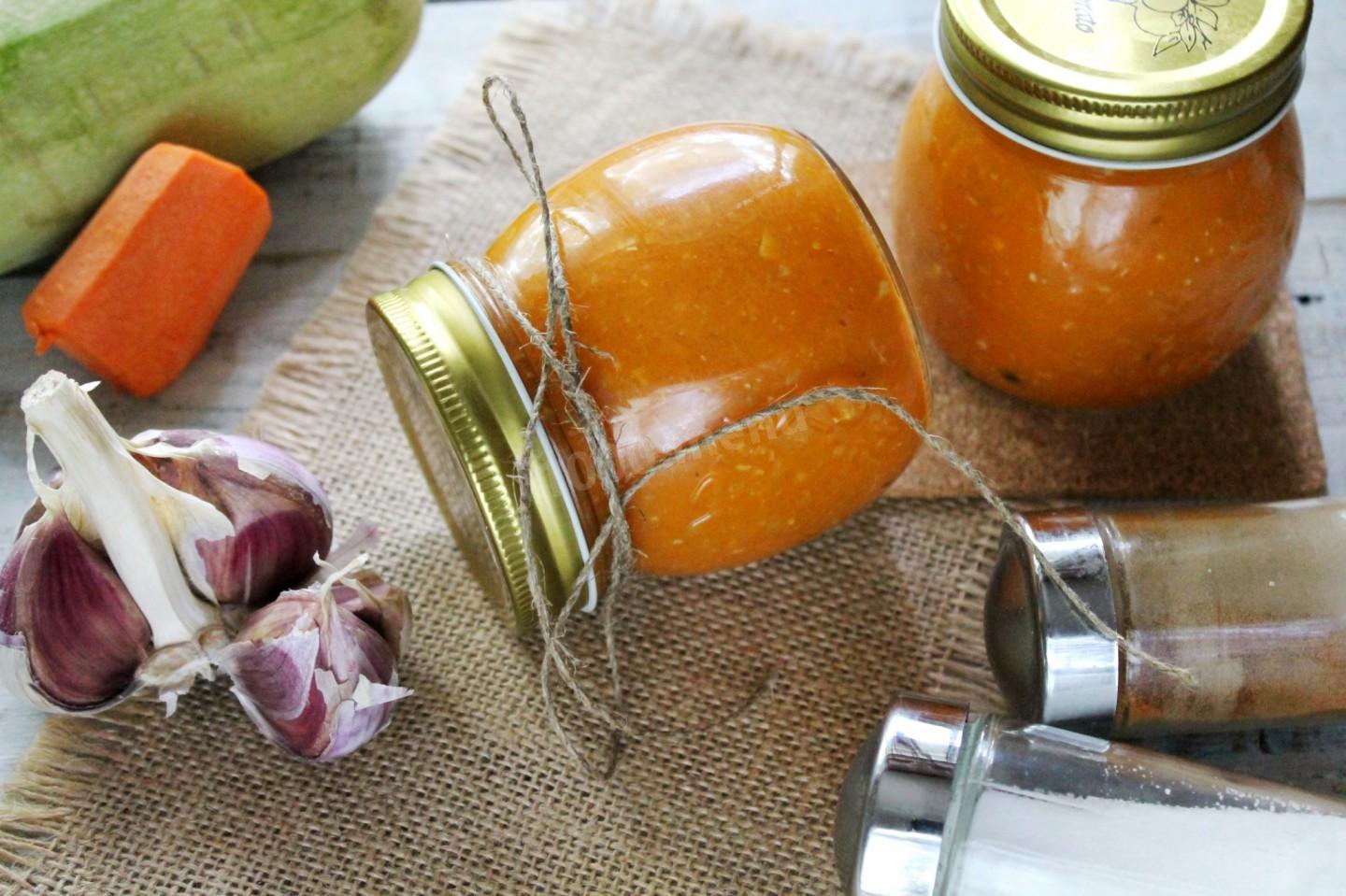
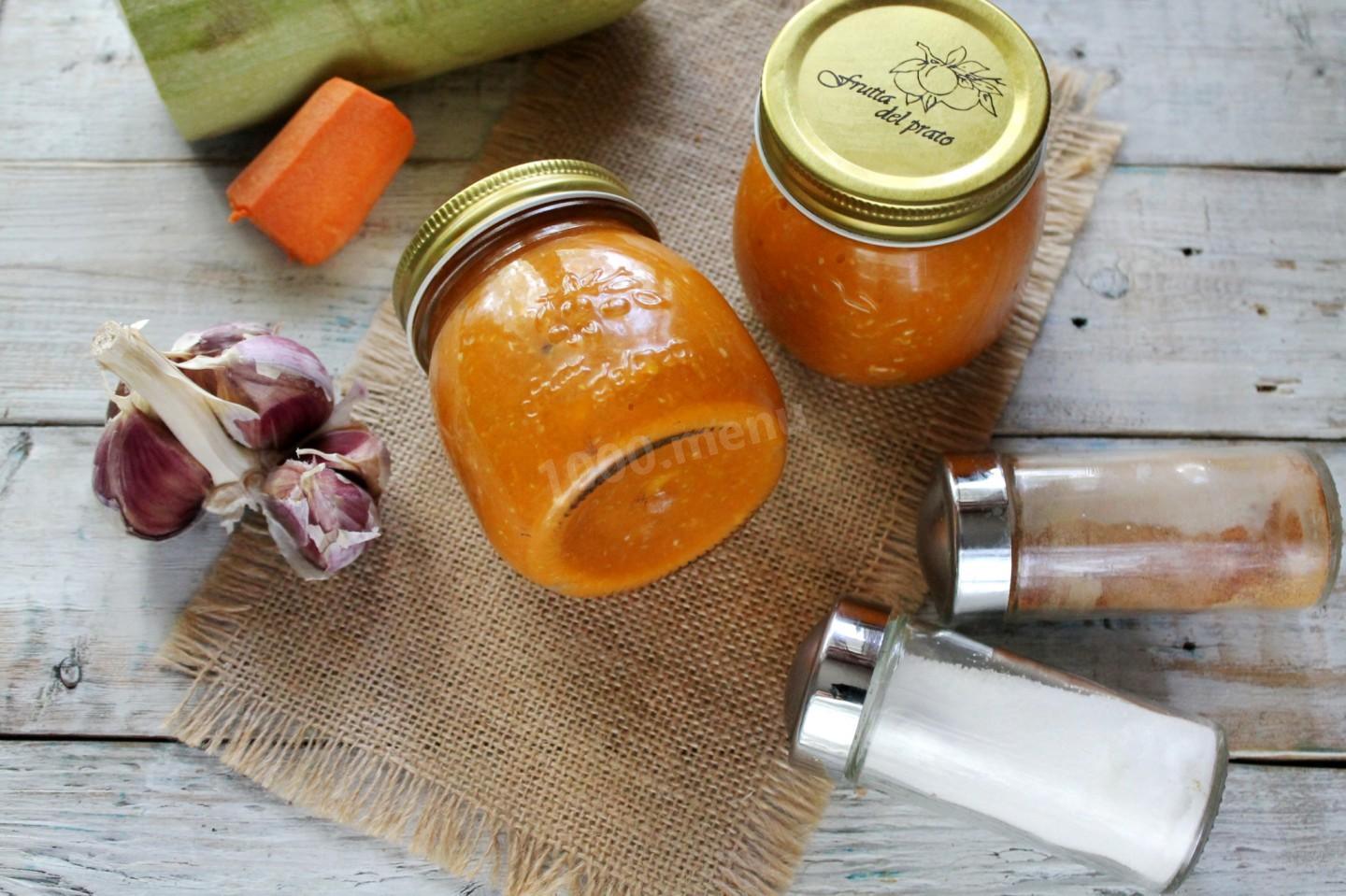
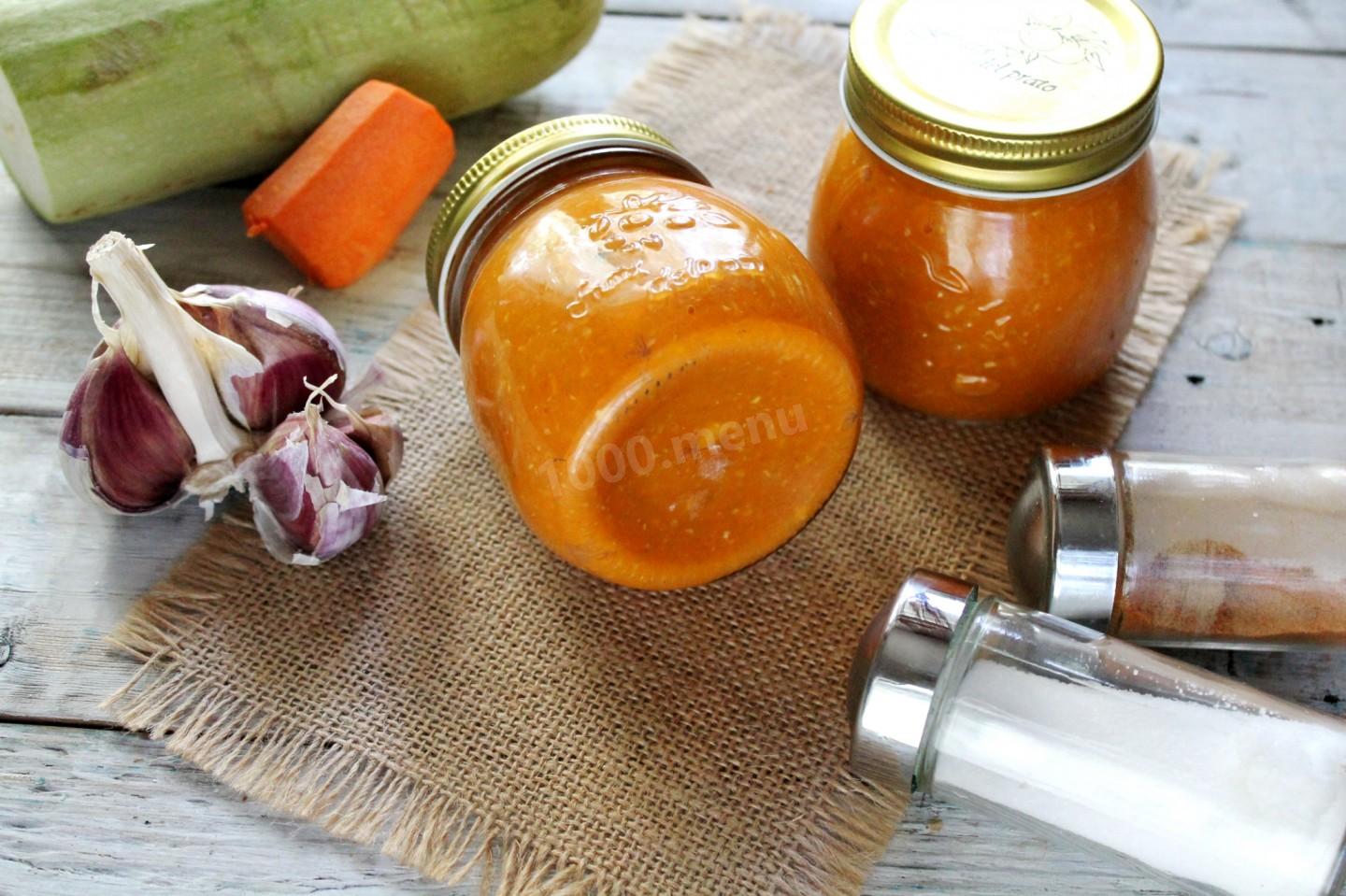
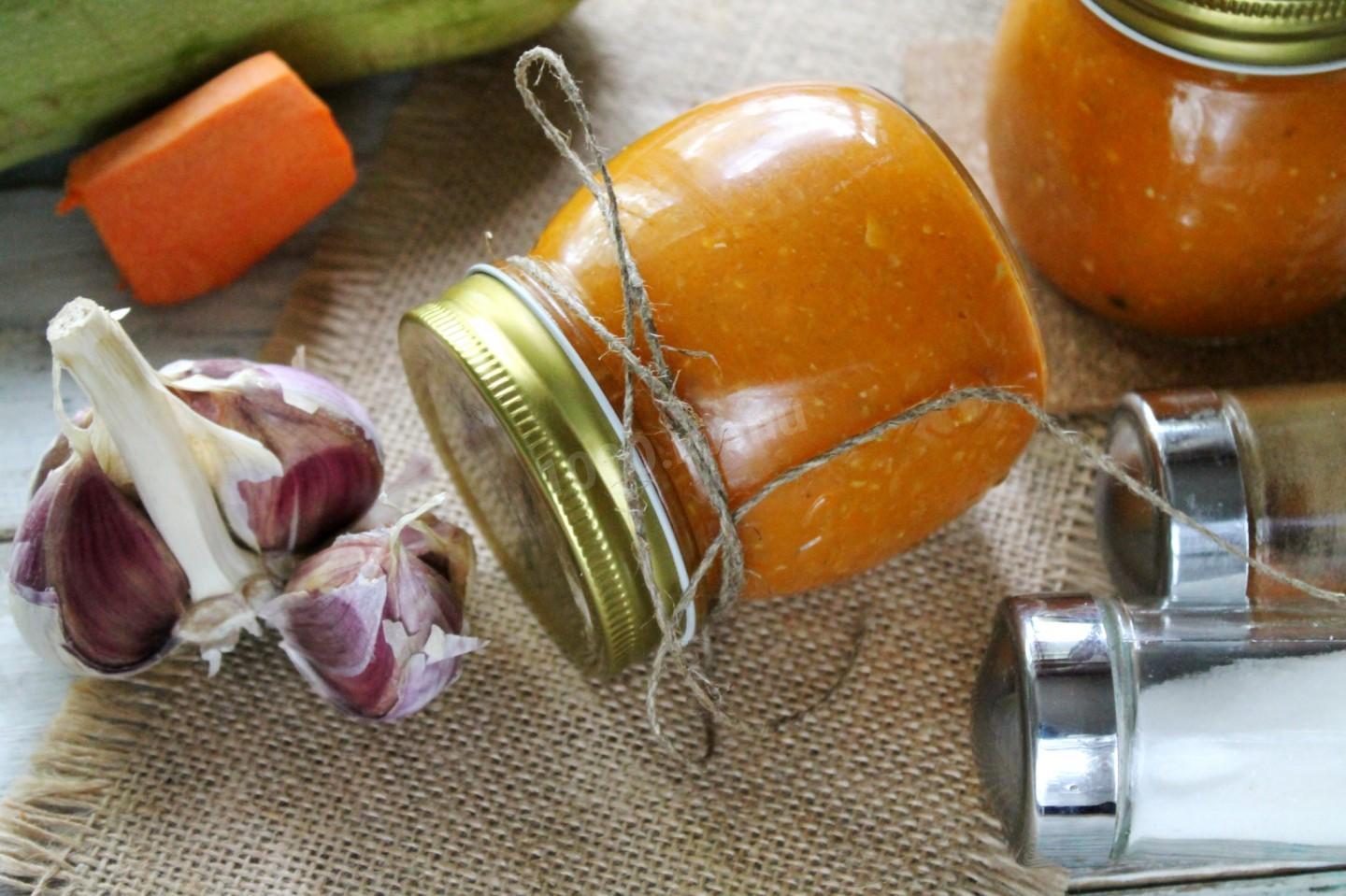
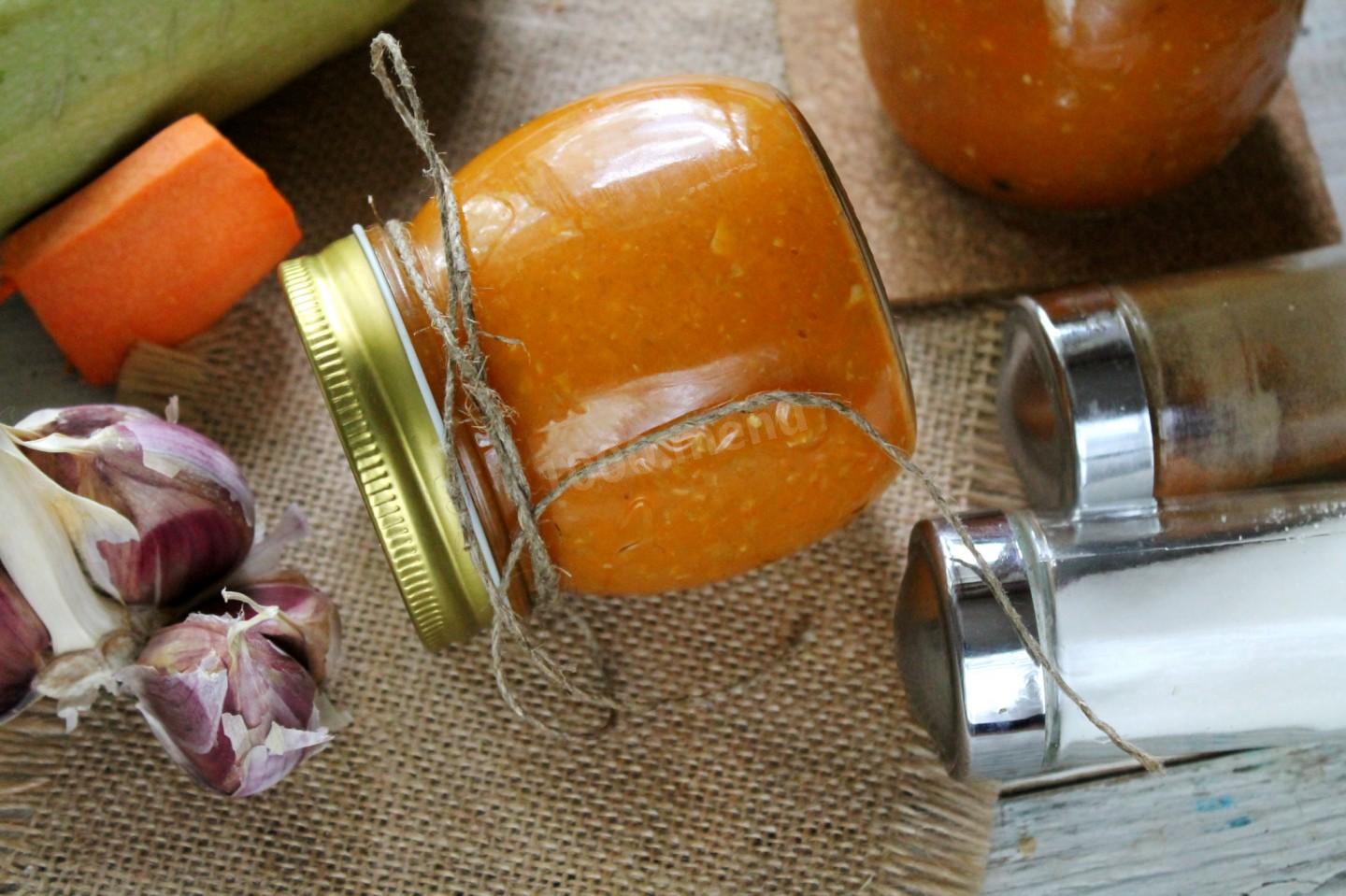
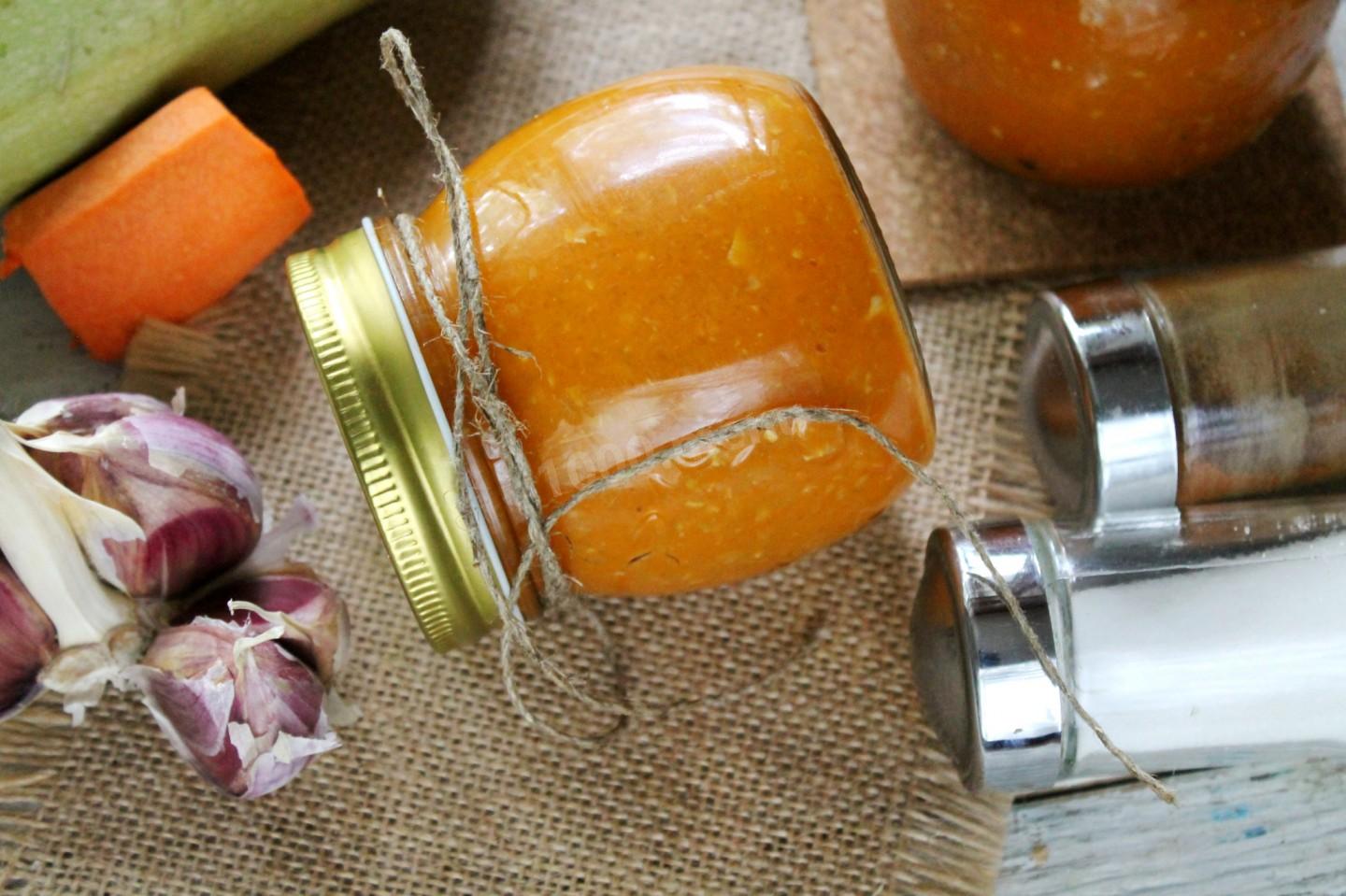
A tasty, tender, brightly colored spread made from budget-friendly ingredients! This meat-grinder zucchini caviar with tomato paste is a simple preserve that's sure to come in handy come winter. You can even make it in late fall, when zucchini is still plentiful but tomatoes are running short.

Cooking method
-
Step 1:
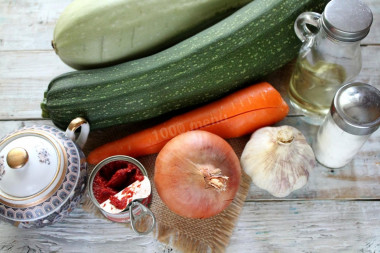
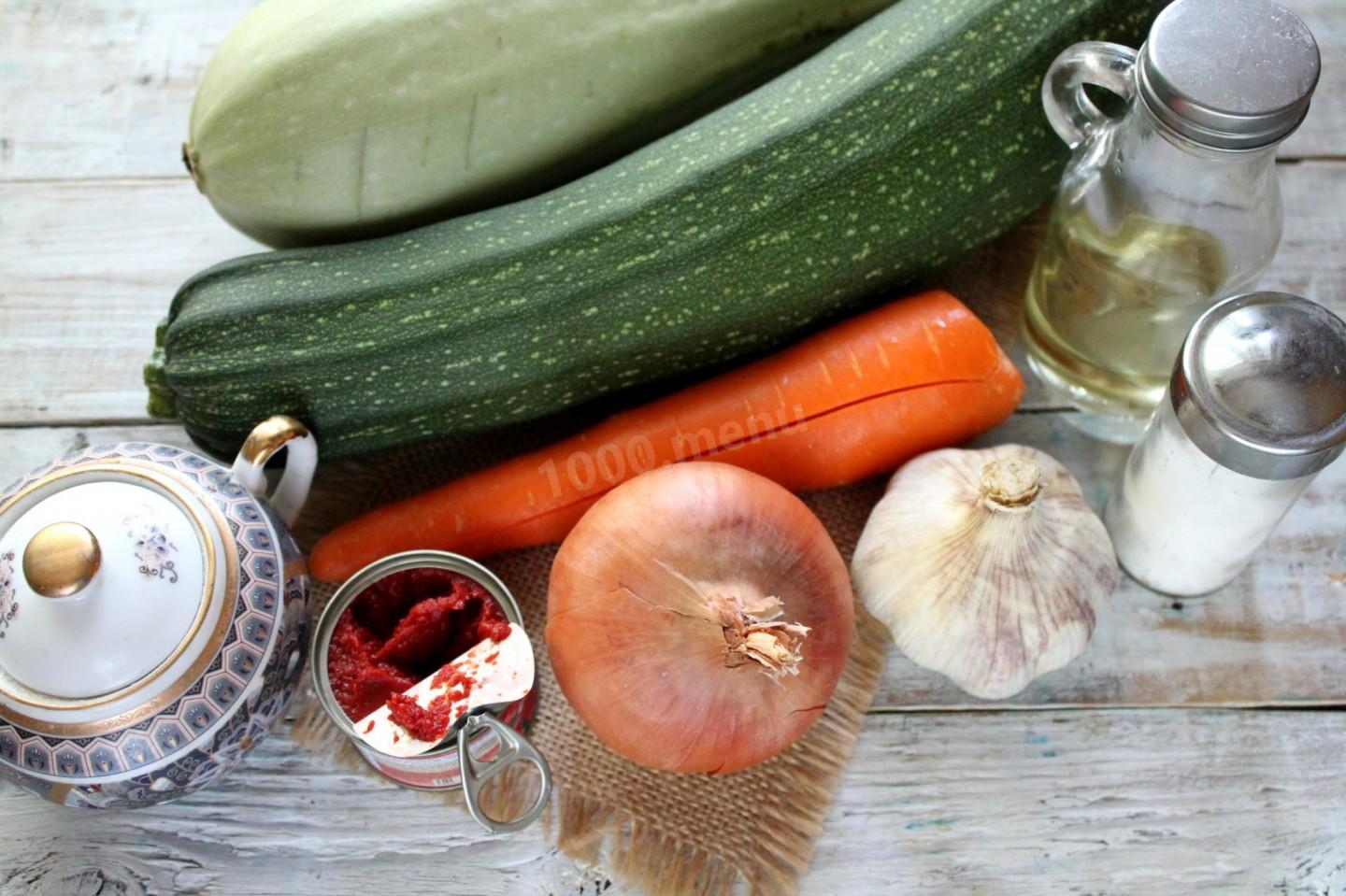
How do you make zucchini caviar through a meat grinder with tomato paste? Start by gathering your ingredients. Both young and mature zucchini work here, but mature ones are actually best for caviar: they cook down faster and hold much less water than young zucchini, so you don't have to simmer off as much liquid. You'll also want a good tomato paste, onion, carrots, and garlic. Add spices to taste — I usually toss in a mix of whole peppercorns.
-
Step 2:
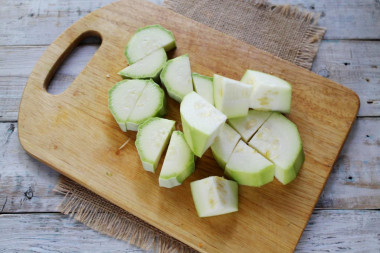
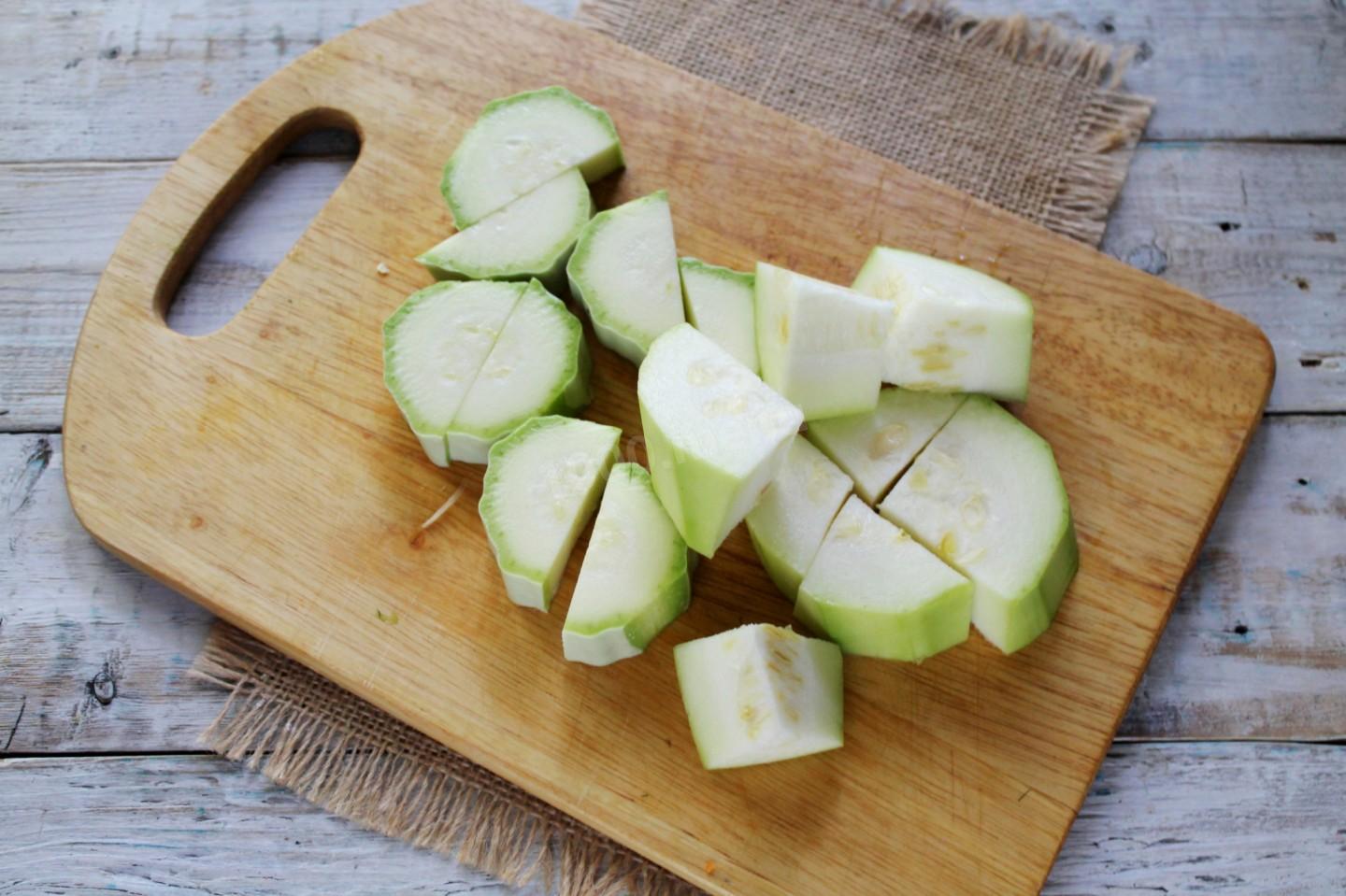
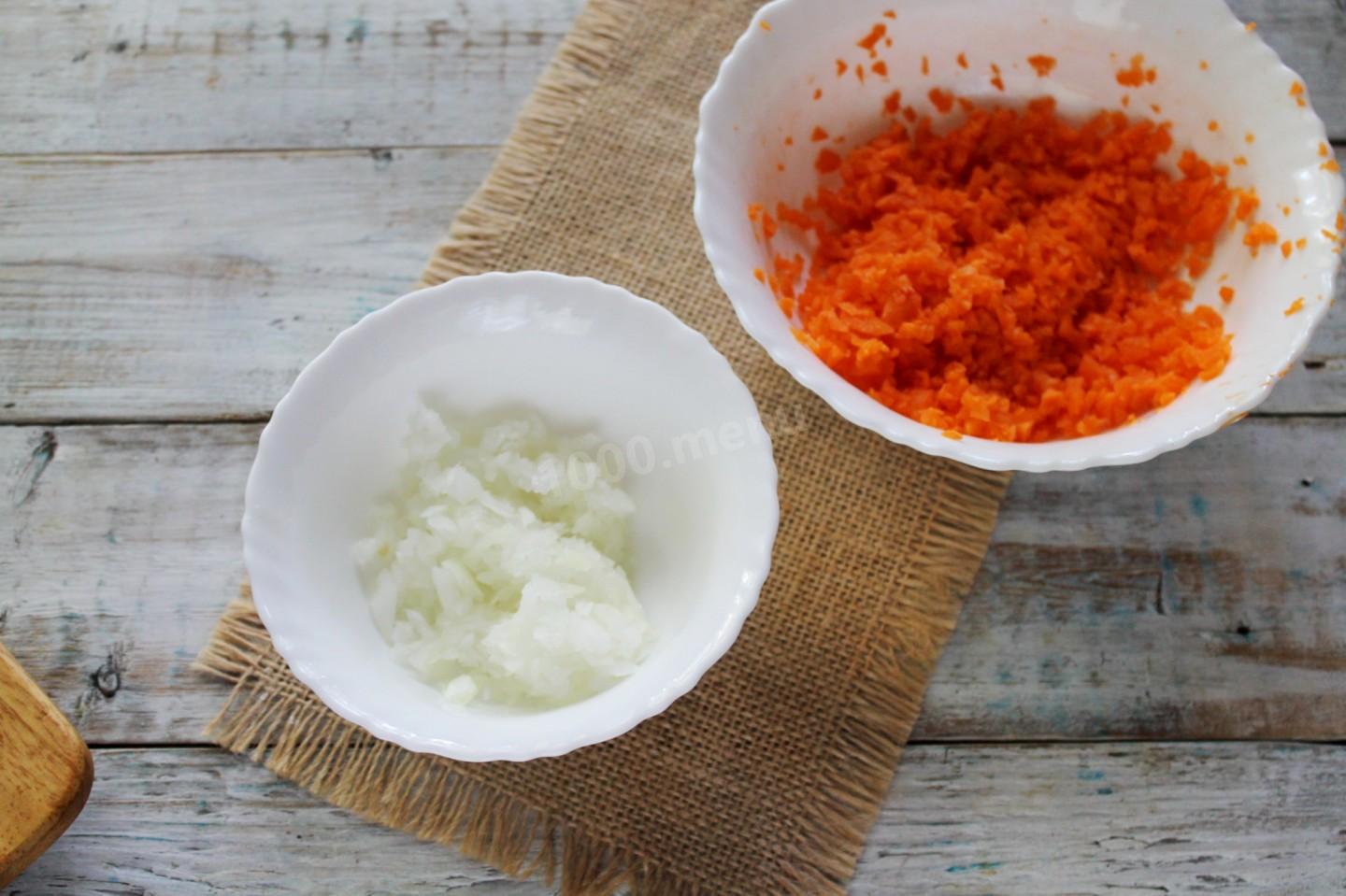
Wash all the vegetables, peel the onion and garlic, and peel the zucchini (if they're very young, with tender skin and no seeds, you can leave the skin on). Scoop out any tough seeds, and wash and peel the carrots. Cut everything into chunks that will fit through a meat grinder or food processor. Grind it all up, keeping the onion separate.
-
Step 3:
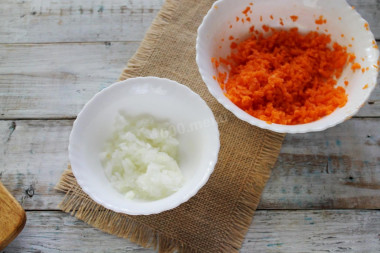
The nice thing about grinding the vegetables is that the pieces all come out roughly the same size.
-
Step 4:
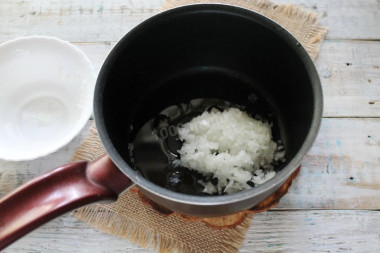
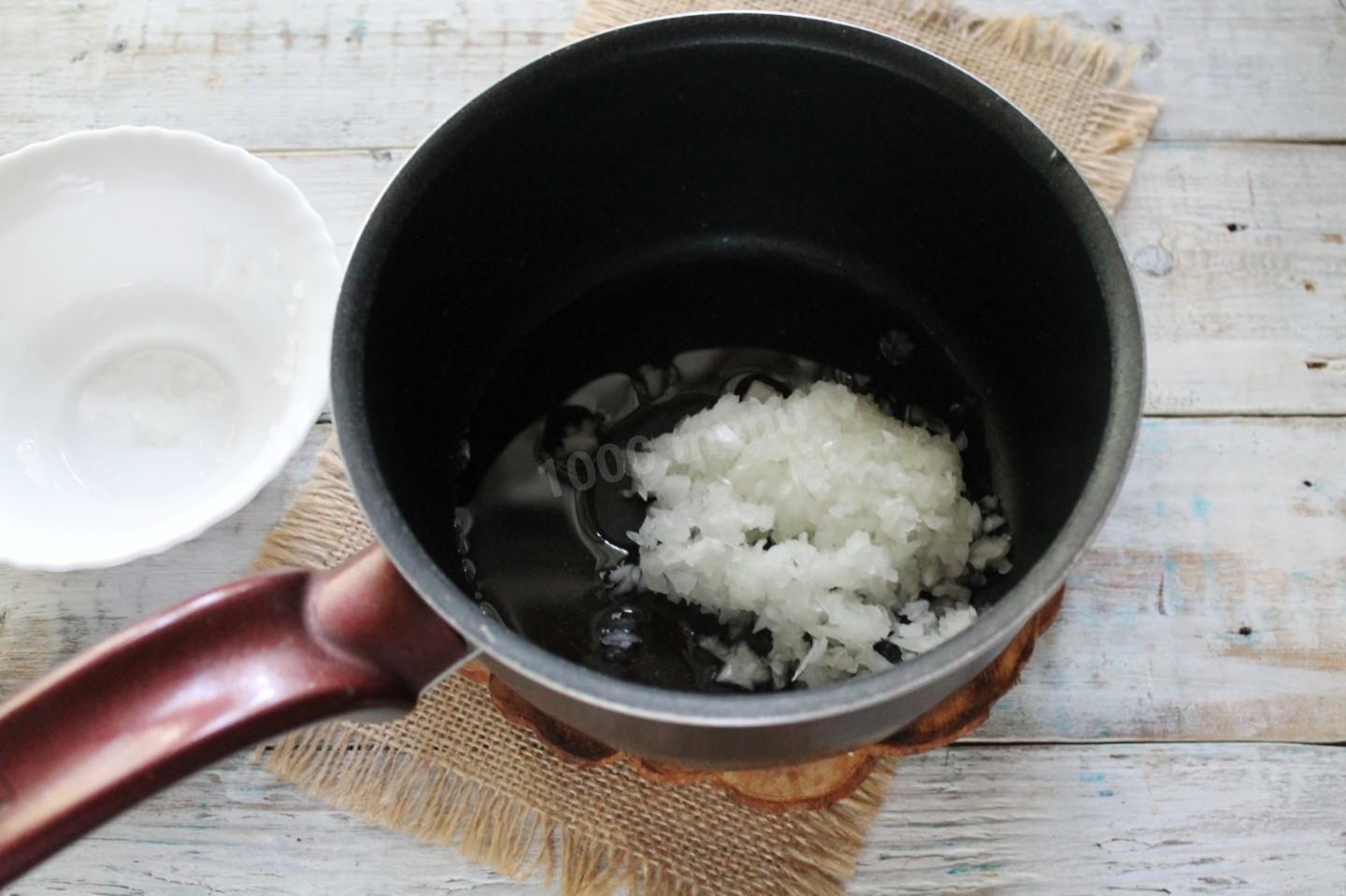
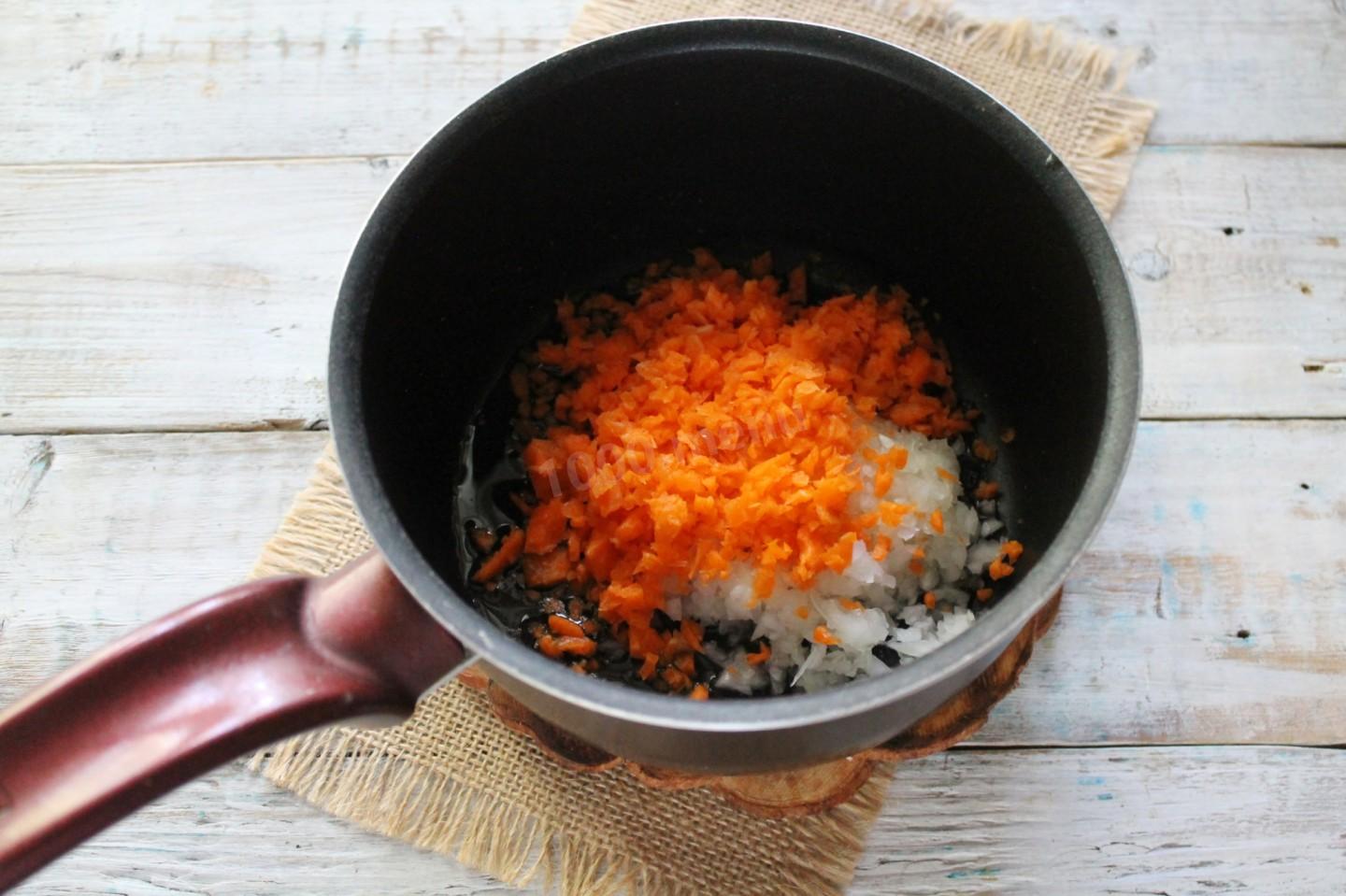
Lightly sauté the onion in the heated sunflower oil — its aroma will infuse the oil and round out the flavor of the whole dish. That's why, in any preserve like this, I always start by cooking the onion until translucent.
-
Step 5:
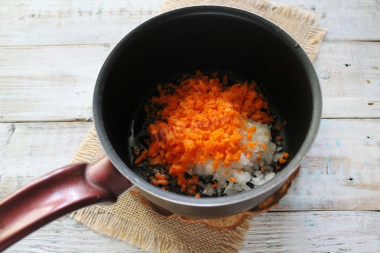
Then add the carrots, let them cook down a bit, and stir.
-
Step 6:
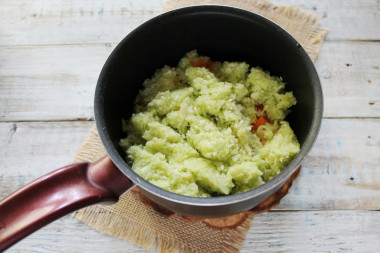
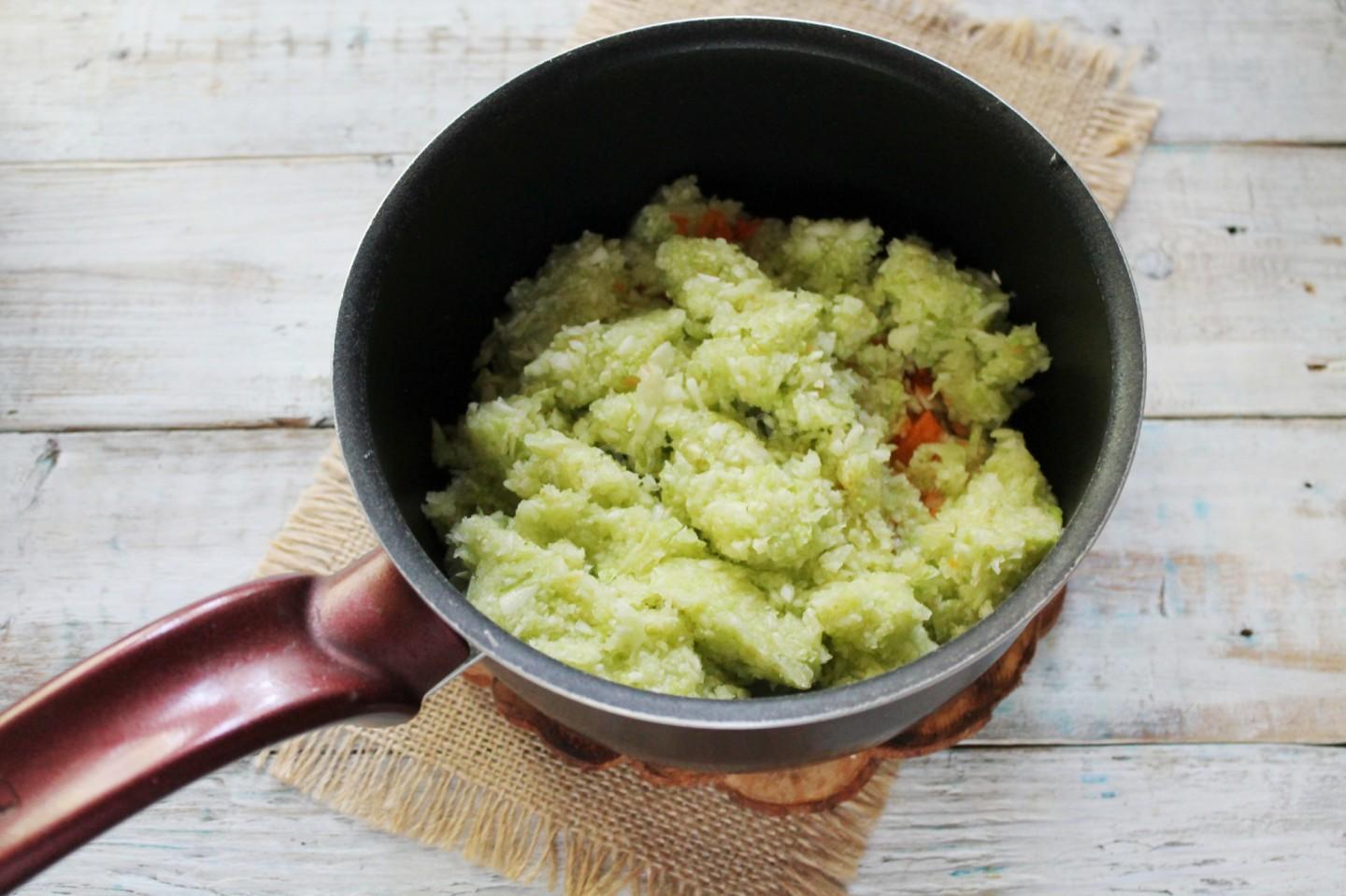
Add the ground zucchini.
-
Step 7:
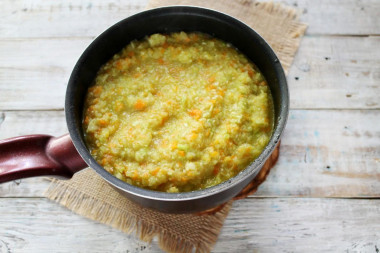
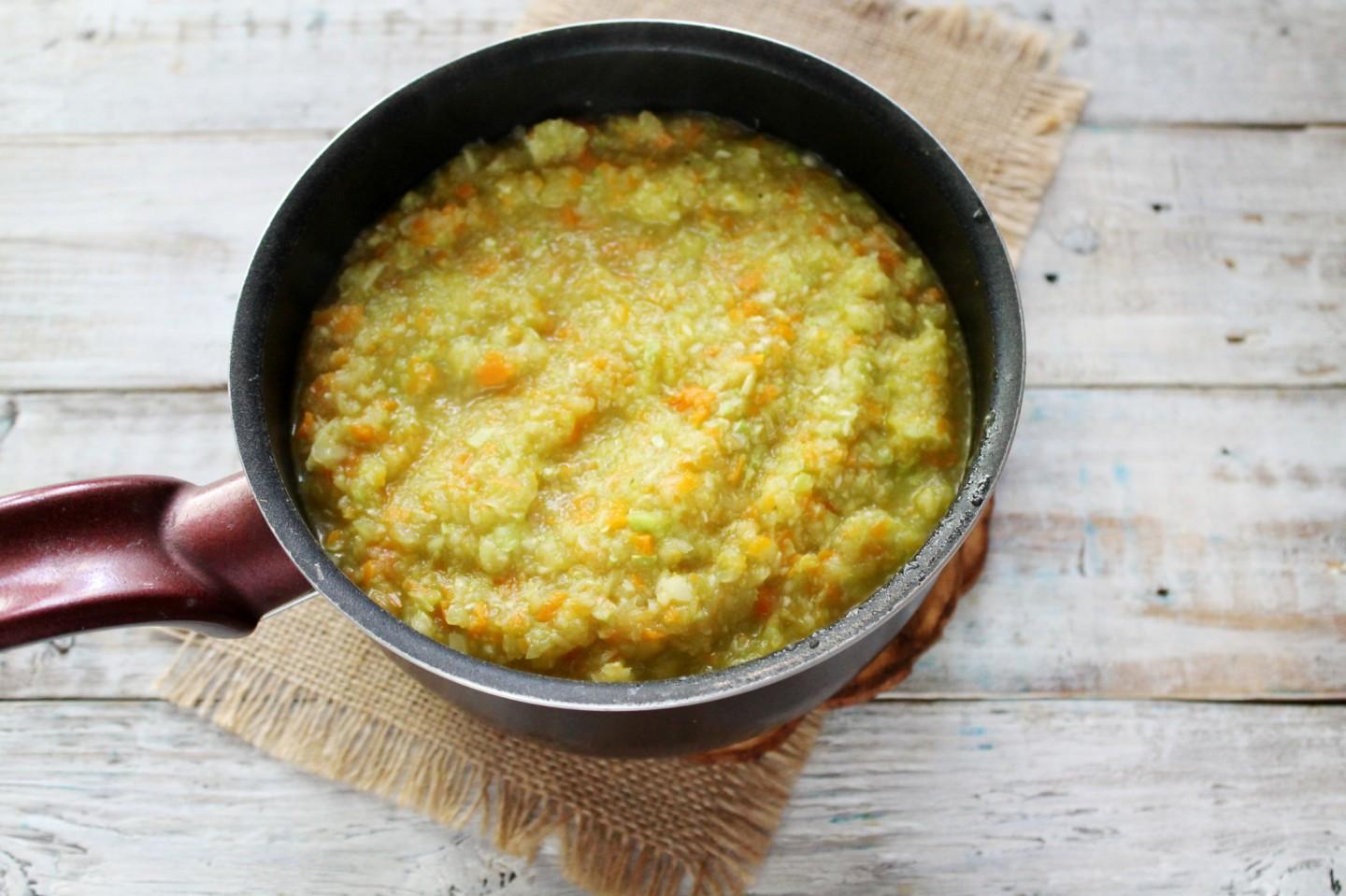
Simmer all the vegetables together over low heat for about 40–50 minutes, with the lid set on loosely. Stir now and then so the mixture doesn't scorch.
-
Step 8:
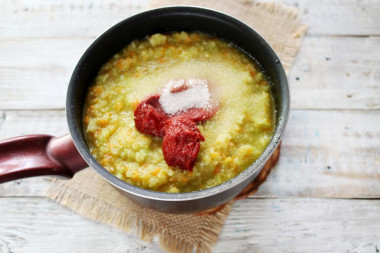
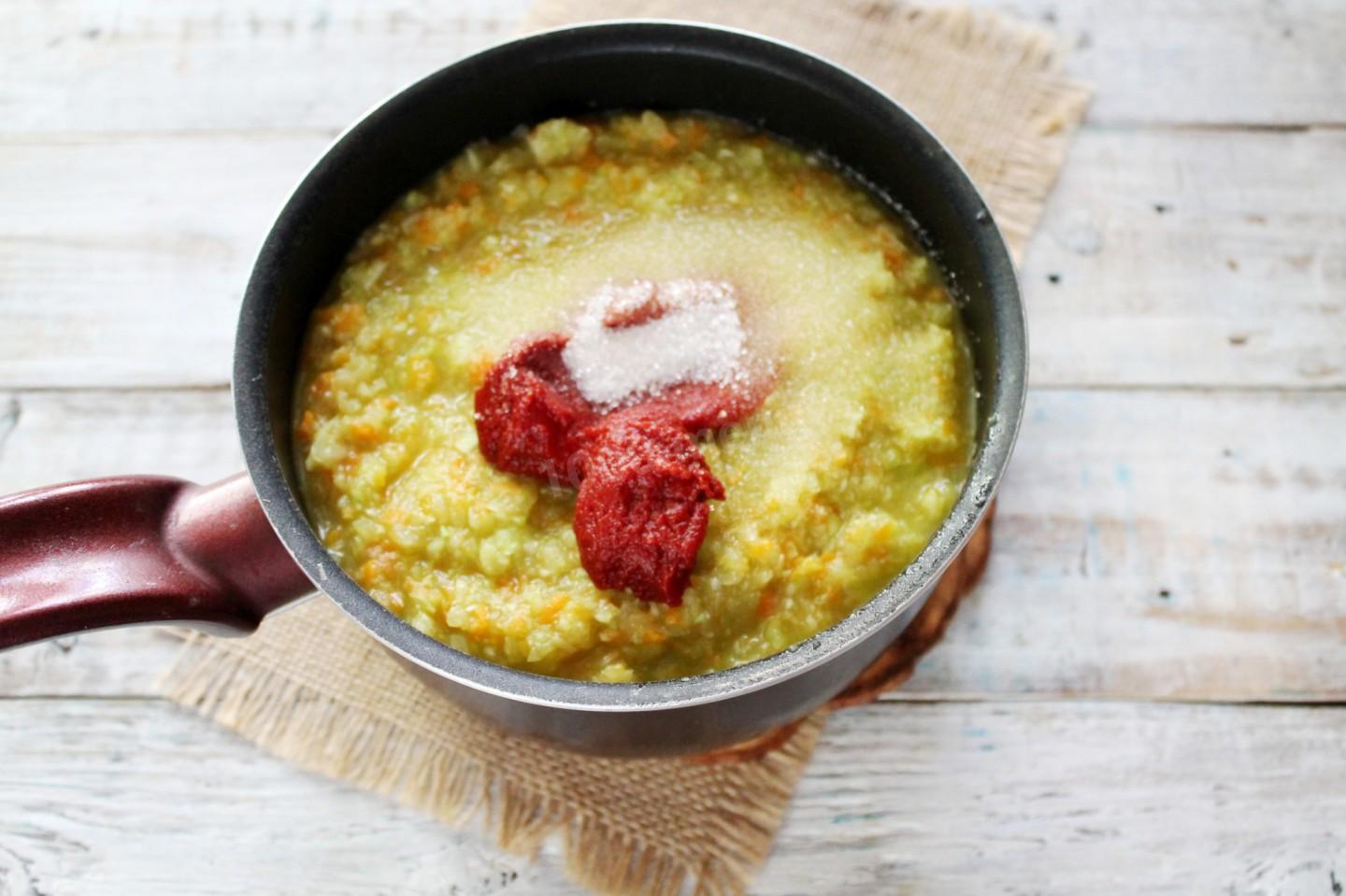
Add the tomato paste, salt, and sugar. Simmer everything together for another half hour or so.
-
Step 9:
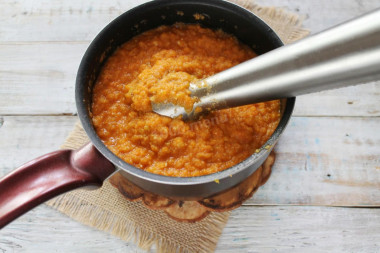
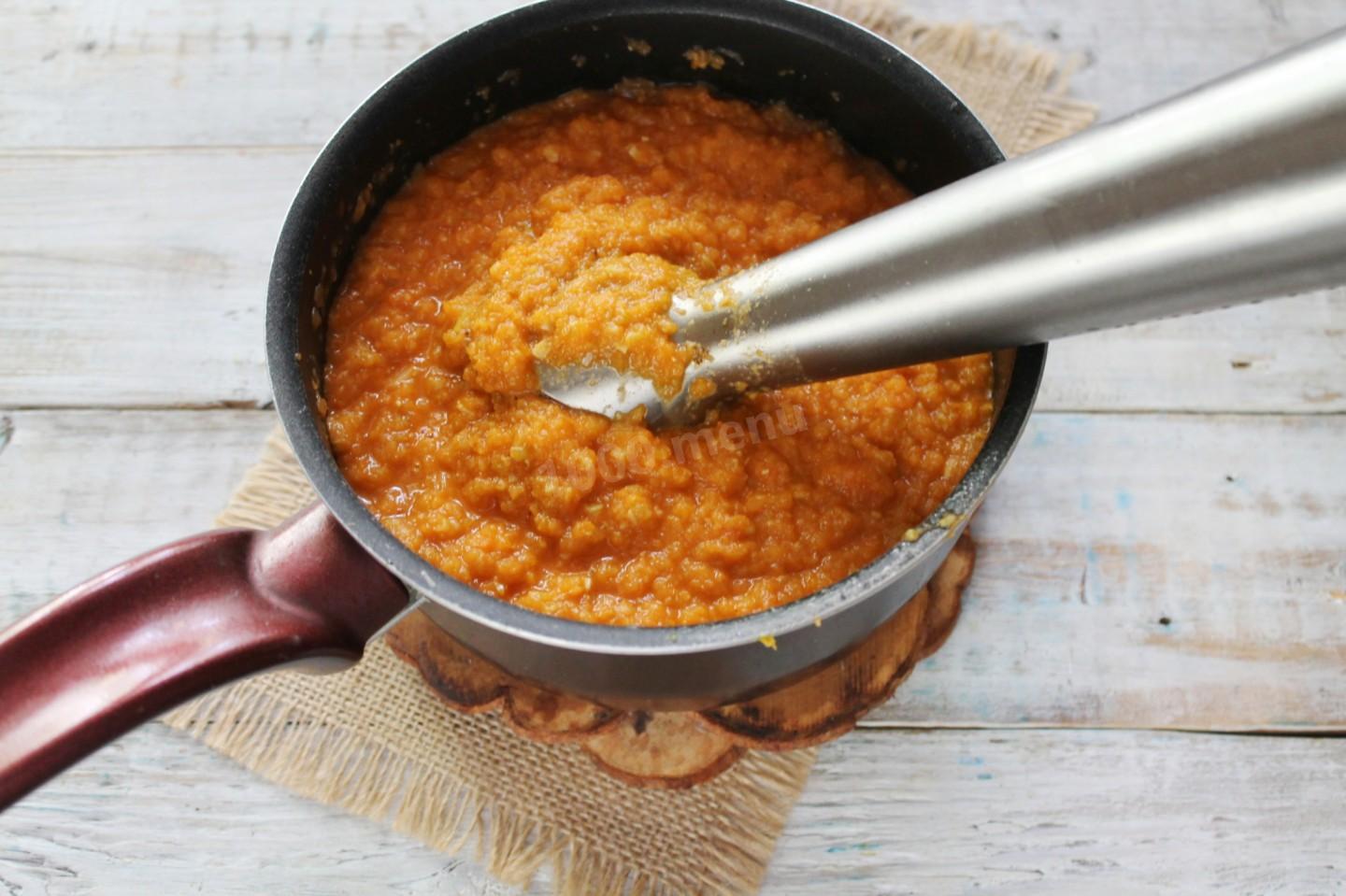
For longer storage you can add a splash of vinegar, though I usually skip it. If you'd like, blend the mixture with an immersion blender for an even smoother, more delicate texture. Then bring it back to a boil and, while it's still boiling, pack it into sterilized jars.
-
Step 10:
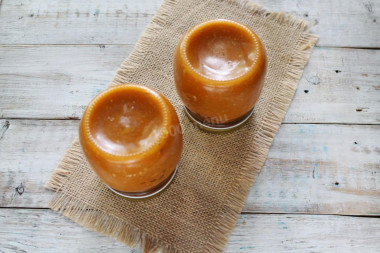
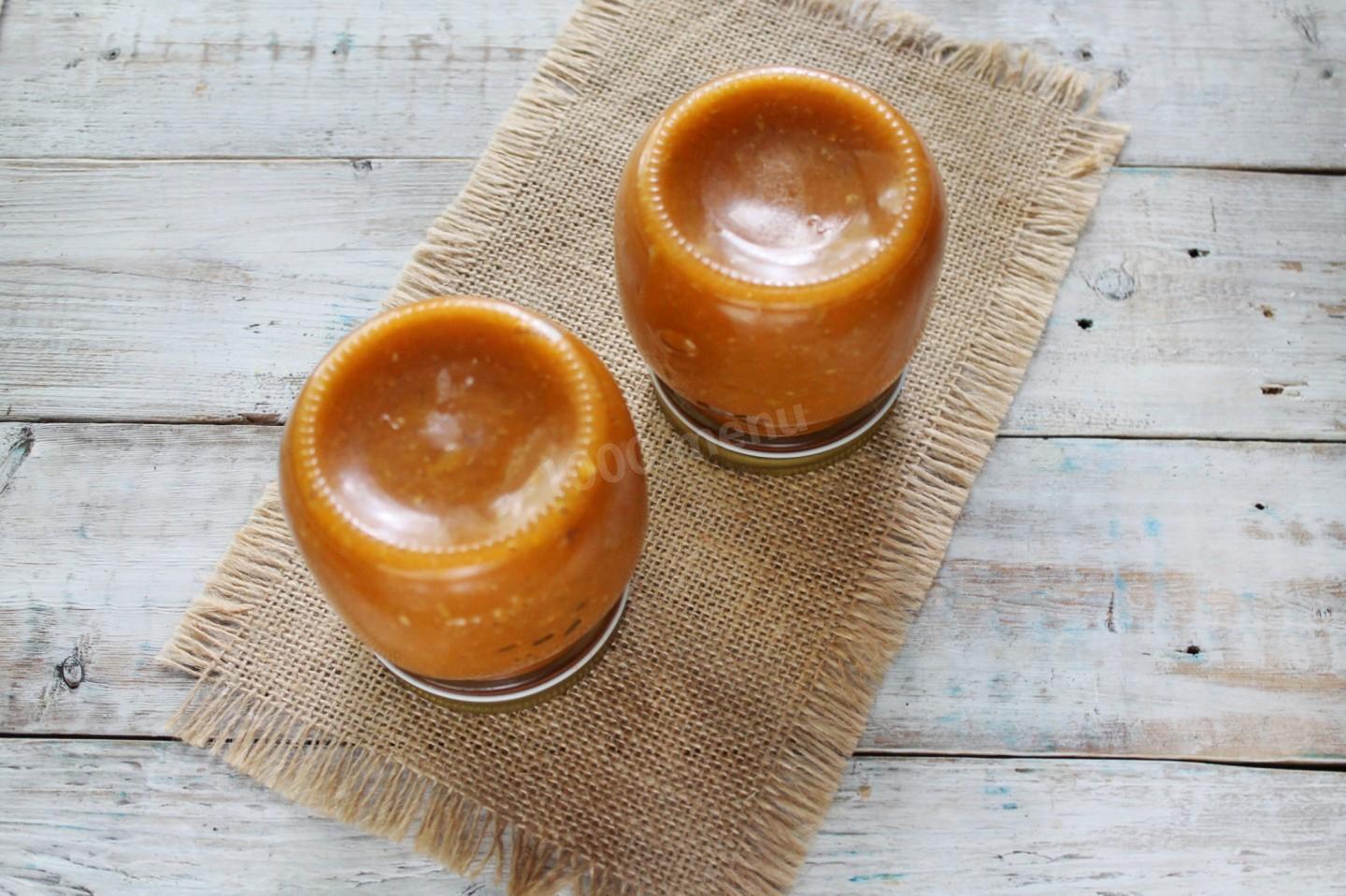
Seal the jars with boiled lids, then turn them upside down and wrap them in a blanket to cool slowly — this helps them finish pasteurizing. Once cool, they can be stored at room temperature.
- For tips on how to figure out how many jars you'll need, why jars sometimes burst and how to prevent it, plus other tricks and shortcuts, see our guide to winter preserves.
- Root vegetables are best scrubbed with a brush or a firm sponge under running water.
- Since everyone's preference for saltiness, sweetness, bitterness, spiciness, acidity, and heat is different, always season to your own taste! If you're using a seasoning for the first time, keep in mind that some are especially easy to overdo (chili pepper, for example).
- All cooking oils are good only up to a certain temperature — the smoke point, past which the oil starts to burn and forms toxic compounds, including carcinogens. For how to gauge frying temperature and pick the best oil for the job (and which ones to avoid entirely), see our guide.
Caloric content of the products possible in the composition of the dish
- Zucchini - 23 kcal/100g
- Carrots - 33 kcal/100g
- Dried carrots - 275 kcal/100g
- Boiled carrots - 25 kcal/100g
- Garlic - 143 kcal/100g
- Granulated sugar - 398 kcal/100g
- Sugar - 398 kcal/100g
- Tomato paste - 28 kcal/100g
- Salt - 0 kcal/100g
- Onion - 41 kcal/100g
- Sunflower oil - 898 kcal/100g
- Refined sunflower oil - 899 kcal/100g
- Table vinegar - 11 kcal/100g
Similar recipes
- Kitchen utensils
- Second course
- Homemade preparations
- Vegetables
- Sweet
- Spices seasonings spices
- Fats and oils
- Other
- Garlic
- Salt
- Vinegar
- In a meat grinder
- Vegetable oil
- Stewing
- Stewed vegetables
- Canning
- Without sterilization
- Vegetable blanks
- Marinades
- From zucchini
- From carrots
- From onion
- Vegetarianism
- Recipes for lean dishes without butter
- Sugar