Apricot Jam for Winter
Very easy, very simple, and delicious — with a summery feel! This apricot jam for winter is cooked with no added water, in a single batch. It's tender, fragrant, and bright. Use it as an ingredient in any sweet baking, or enjoy it on its own with tea or coffee. Incredibly tasty!


Cooking method
-
Step 1:
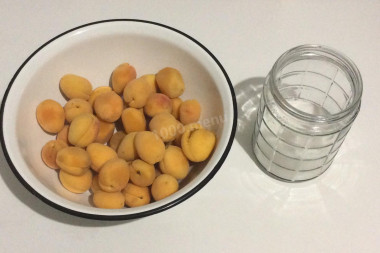
How do you make apricot jam for winter? Get the ingredients ready. You can use any fruit for this jam: unsightly, bruised, overripe, or underripe (as long as it isn't spoiled).
-
Step 2:
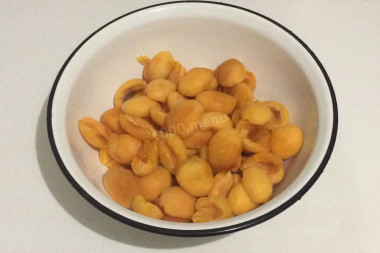
Wash the apricots well, dry them, and remove the pits.
-
Step 3:
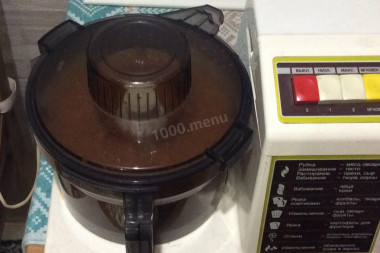
Now we need to turn them into a purée. I use a food processor; you can use an immersion blender. If you have neither, a meat grinder works fine. Purée the apricots any way that's convenient. Put the purée in the pot you'll cook the jam in.
-
Step 4:
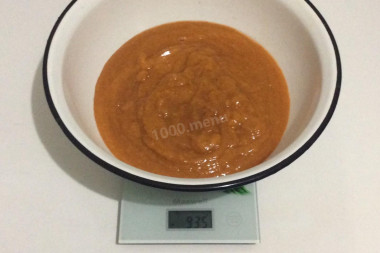
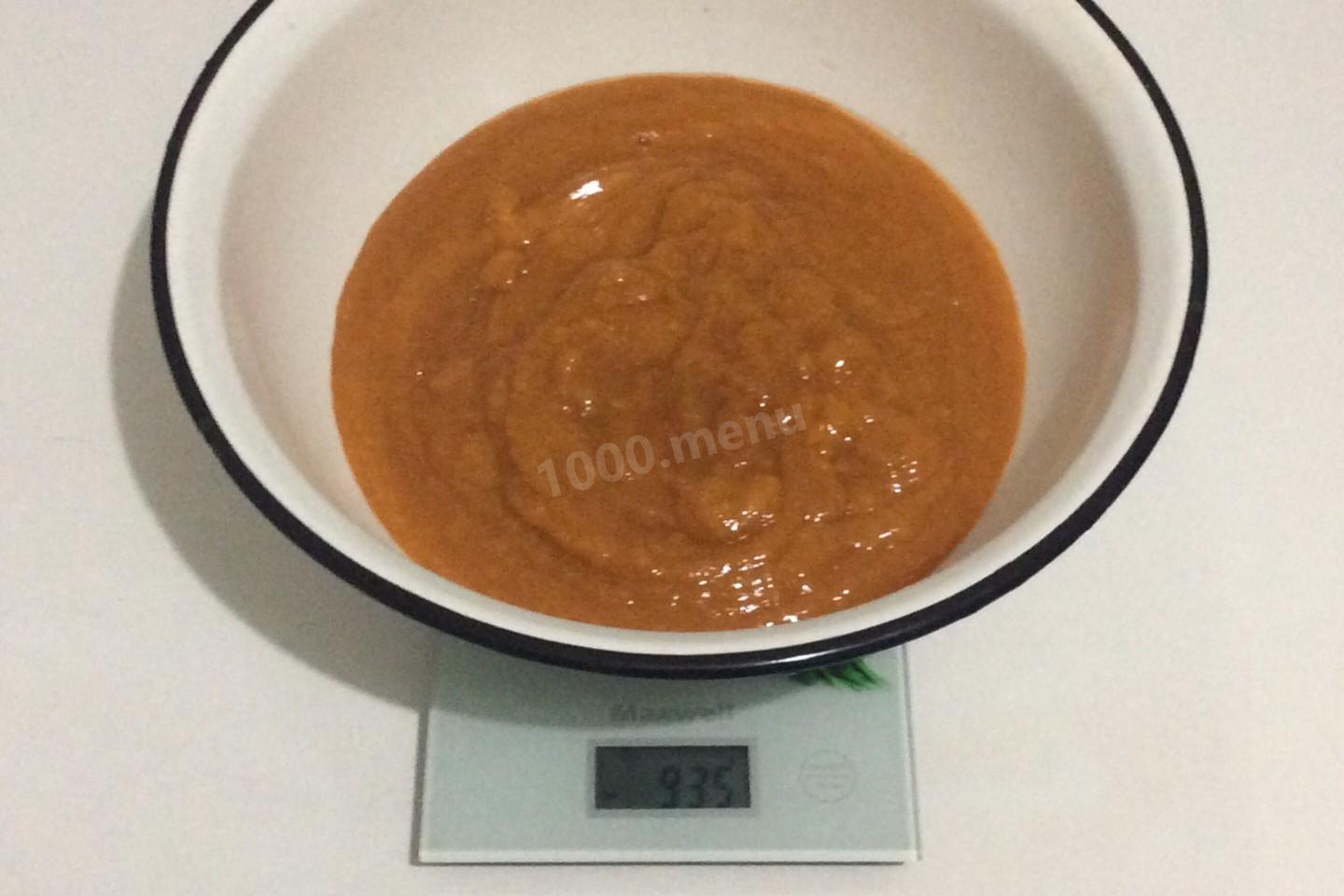
Weigh the finished purée (not counting the pot). Mine is 935 grams.
-
Step 5:
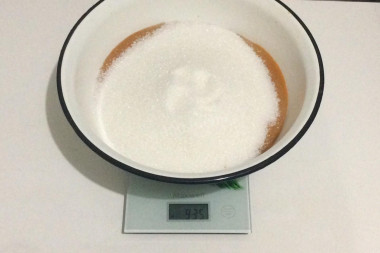
Add exactly the same amount of sugar. I added 935 grams.
-
Step 6:
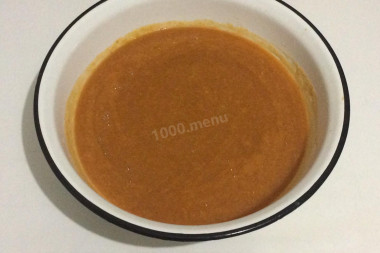
Stir the apricot mixture and let it stand for 20 minutes so the sugar starts to dissolve.
-
Step 7:
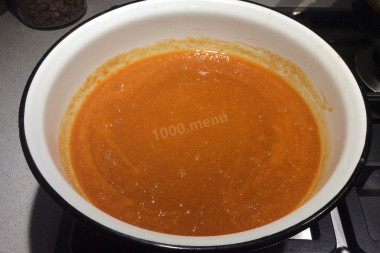
Set the pot of apricot purée over low heat.
-
Step 8:
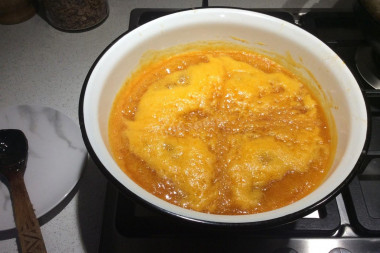
Wait for the jam to come to a boil. Foam like this will form on the surface — skim it off gently with a spoon.
-
Step 9:
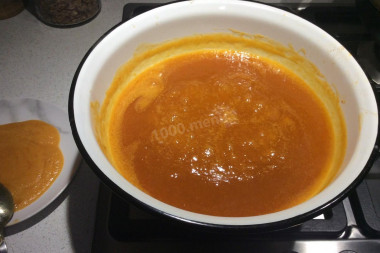
Turn the heat to its lowest setting and cook the jam, stirring now and then with a long spoon or spatula, for 15–20 minutes. Meanwhile, prepare your glass jars — sterilize them. Boil the metal lids.
-
Step 10:
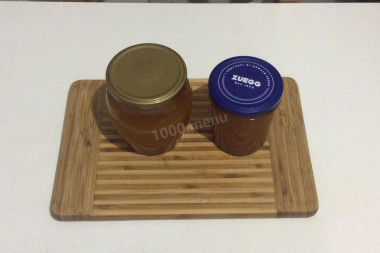
Pour the hot jam into the prepared sterilized jars and seal the lids. Then turn the jars upside down and wrap them in a blanket overnight — this further sterilizes the lids. In the morning, move them to the cellar, pantry, or fridge for storage.




- I'd advise against cooking a big batch at once — the mixture gets quite thick and can scorch. You can add a little water if your apricots weren't soft enough, but then you'll have to cook longer to boil off the excess. To play it safe for long storage, add a little citric acid while cooking; it also keeps the fruit's color brighter. From almost a kilogram of finished purée I got about a quart of jam. You can prepare the jars several ways. First wash them well with baking soda. You can sterilize them in the oven: put the jars on a baking sheet in a cold oven, turn on low heat — about 300°F (150°C) is enough — and keep them in for about half an hour. You can also steam-sterilize them: set the jar over a pot of boiling water in a metal colander. I boil the lids in a small pot for 5 minutes, then cool them.
- To make sure your summer stores keep you happy all through the cold season, read up on the basic rules, secrets, and tips for winter canning.
Caloric content of the products possible in the composition of the dish
- Granulated sugar - 398 kcal/100g
- Sugar - 398 kcal/100g
- Apricots - 46 kcal/100g
- Canned apricots - 50 kcal/100g