Butter-free pastry cream
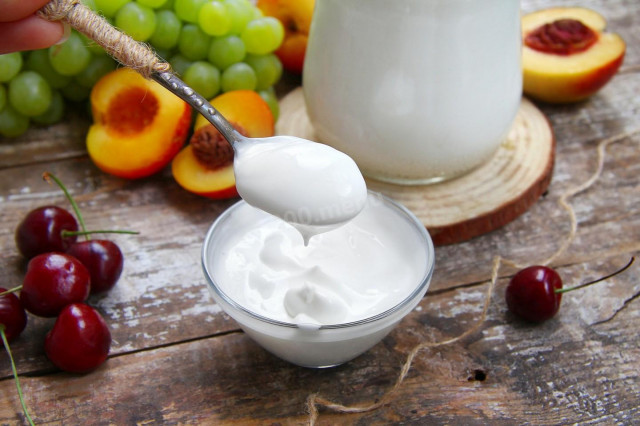
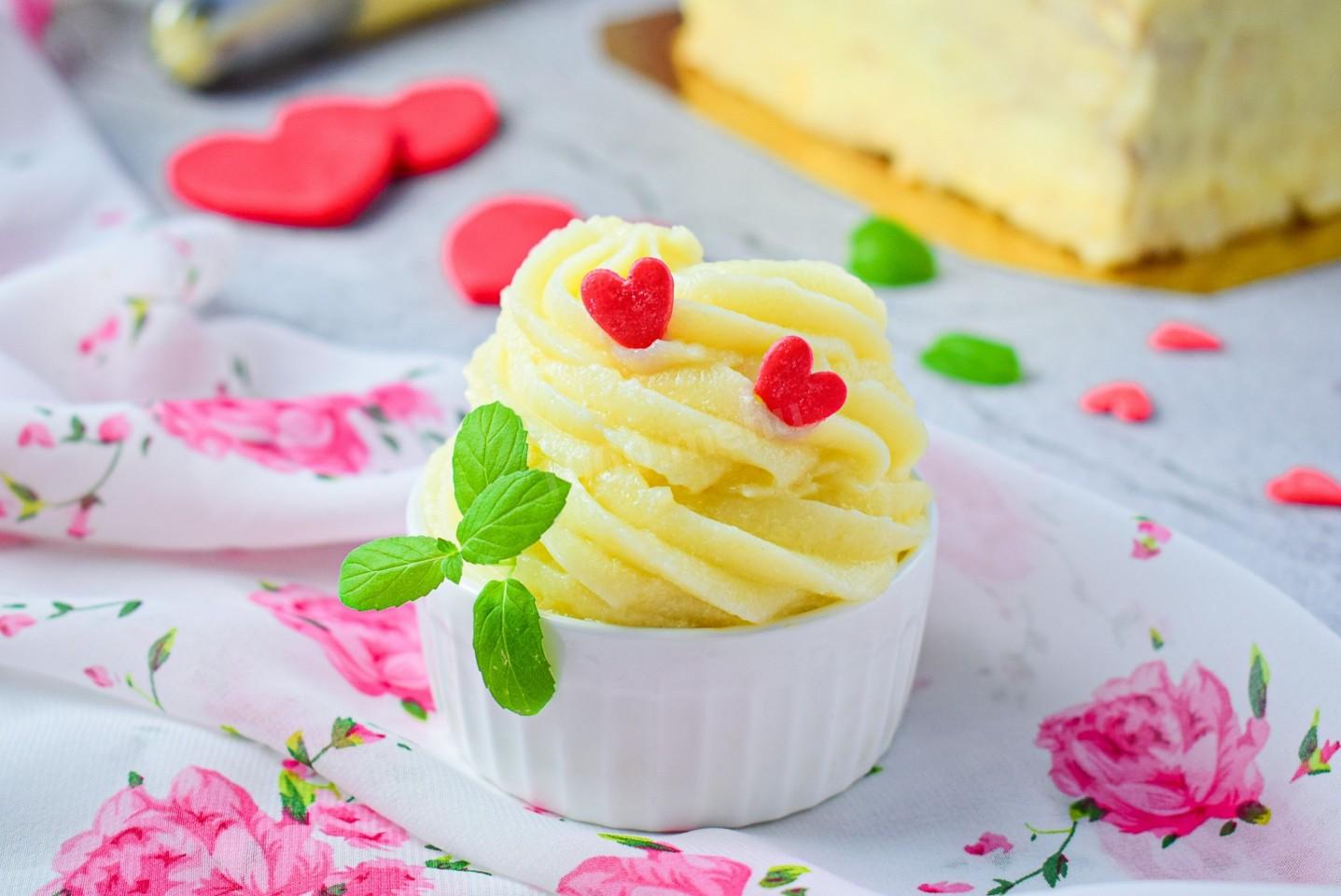
Delicious, silky, and easy to make! This butter-free pastry cream is often used to layer cakes and pastries, to fill eclairs, or simply served on its own as a dessert. Its texture is very light, so you can spoon it into dessert cups and top it with fruit.

Cooking method
-
Step 1:
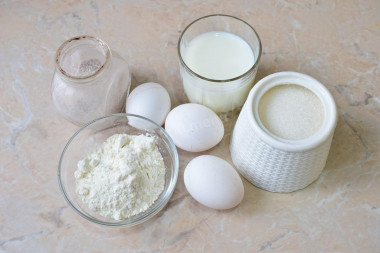
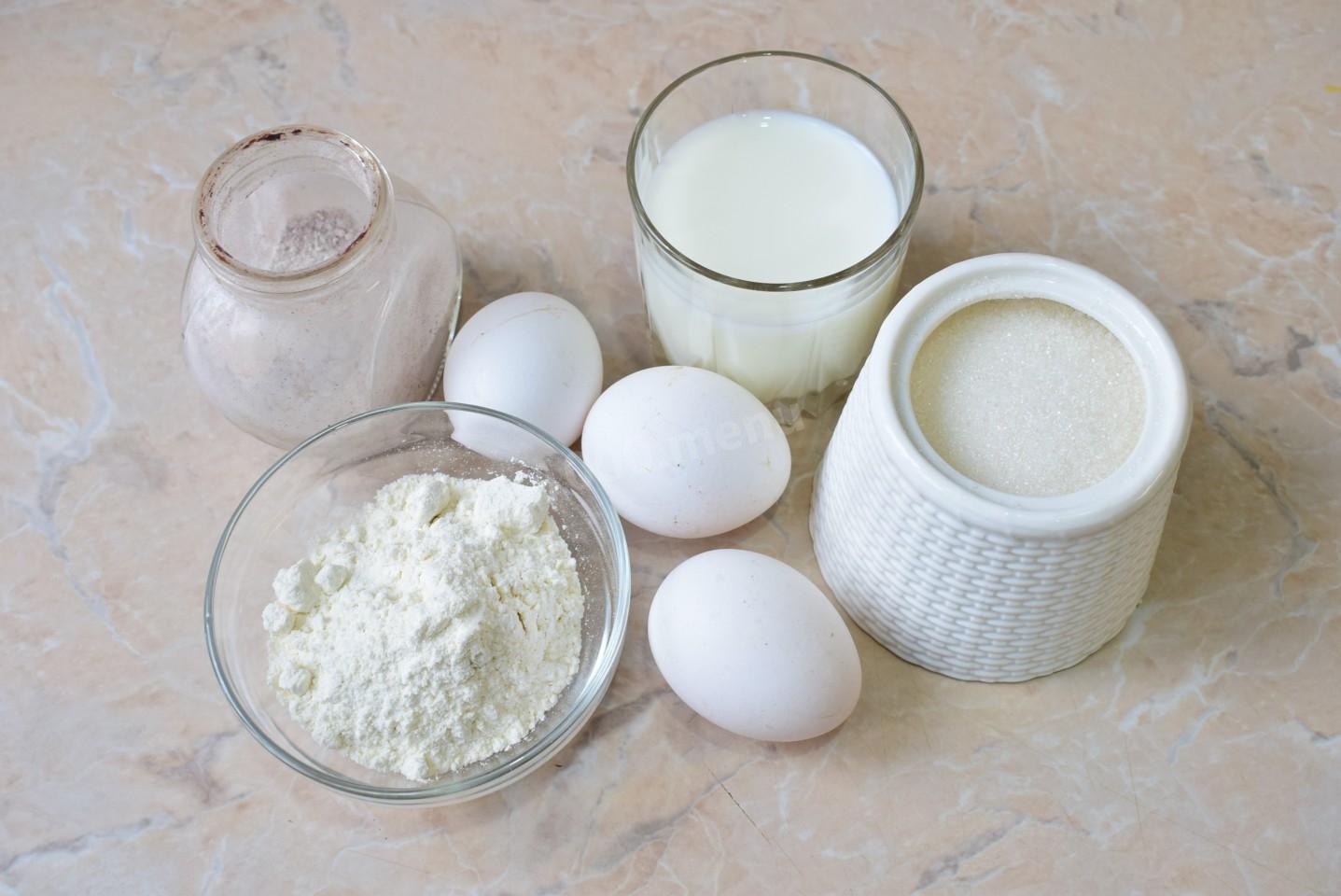
How do you make butter-free pastry cream? Gather your ingredients. I use whole milk for this — it gives the cream a paler color and a more delicate texture — but any fat content will do. My eggs are large.
-
Step 2:
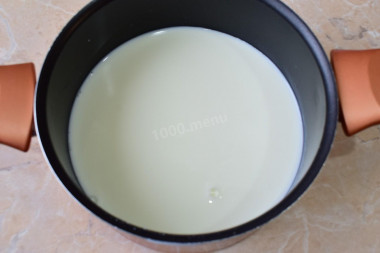
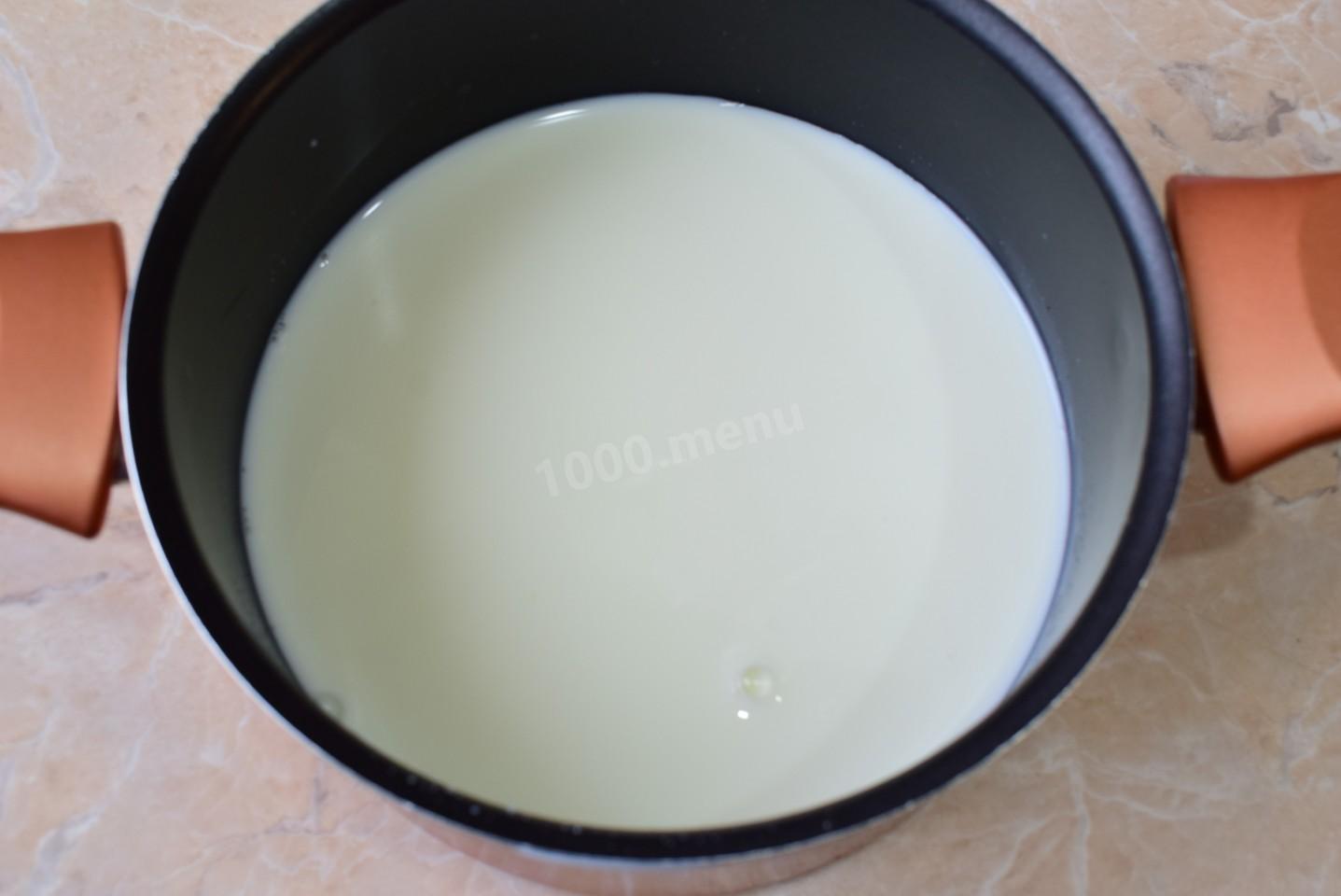
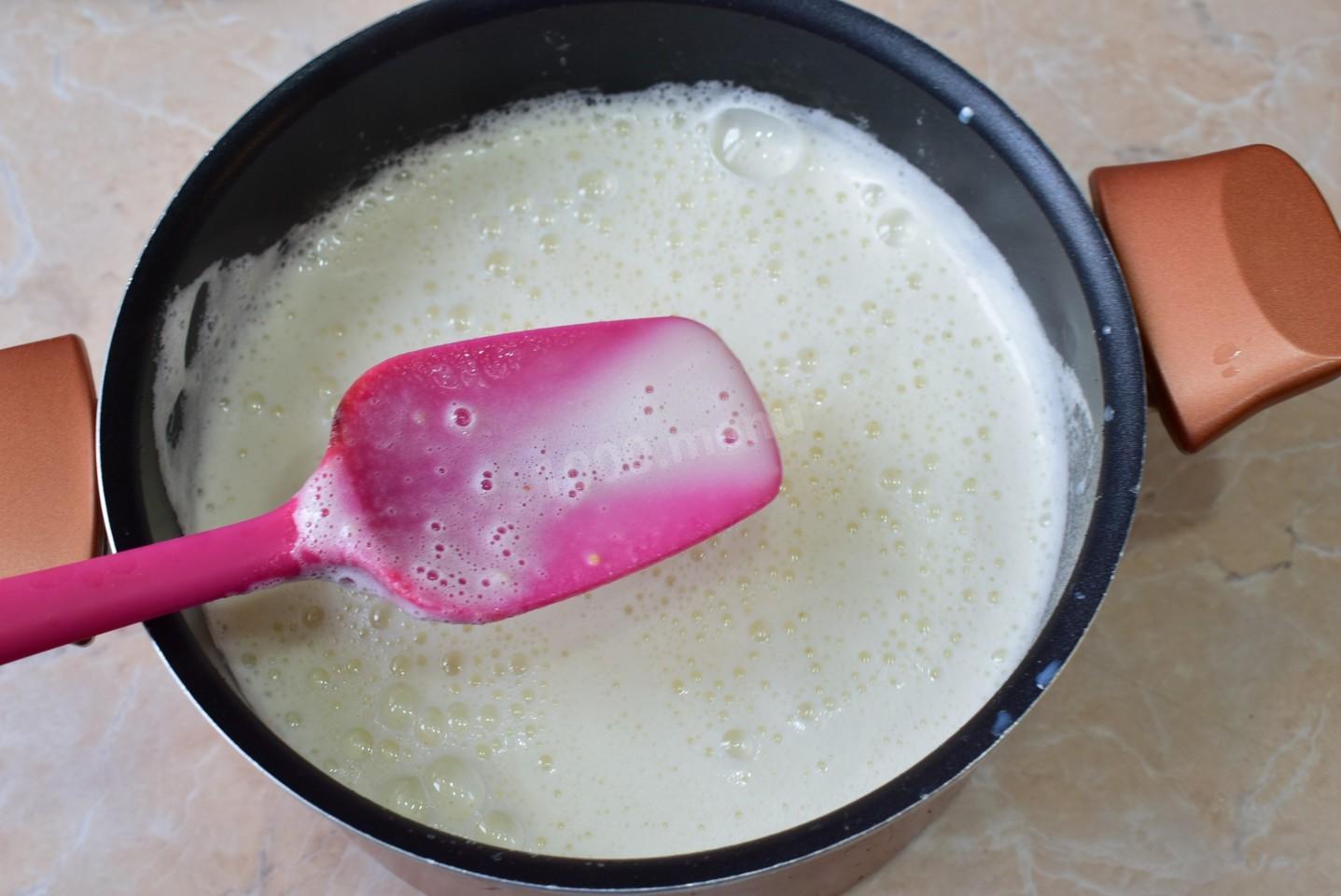
Pour the milk into a non-stick saucepan, set it over heat, and bring it to a boil.
-
Step 3:
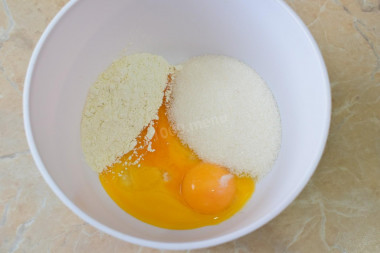
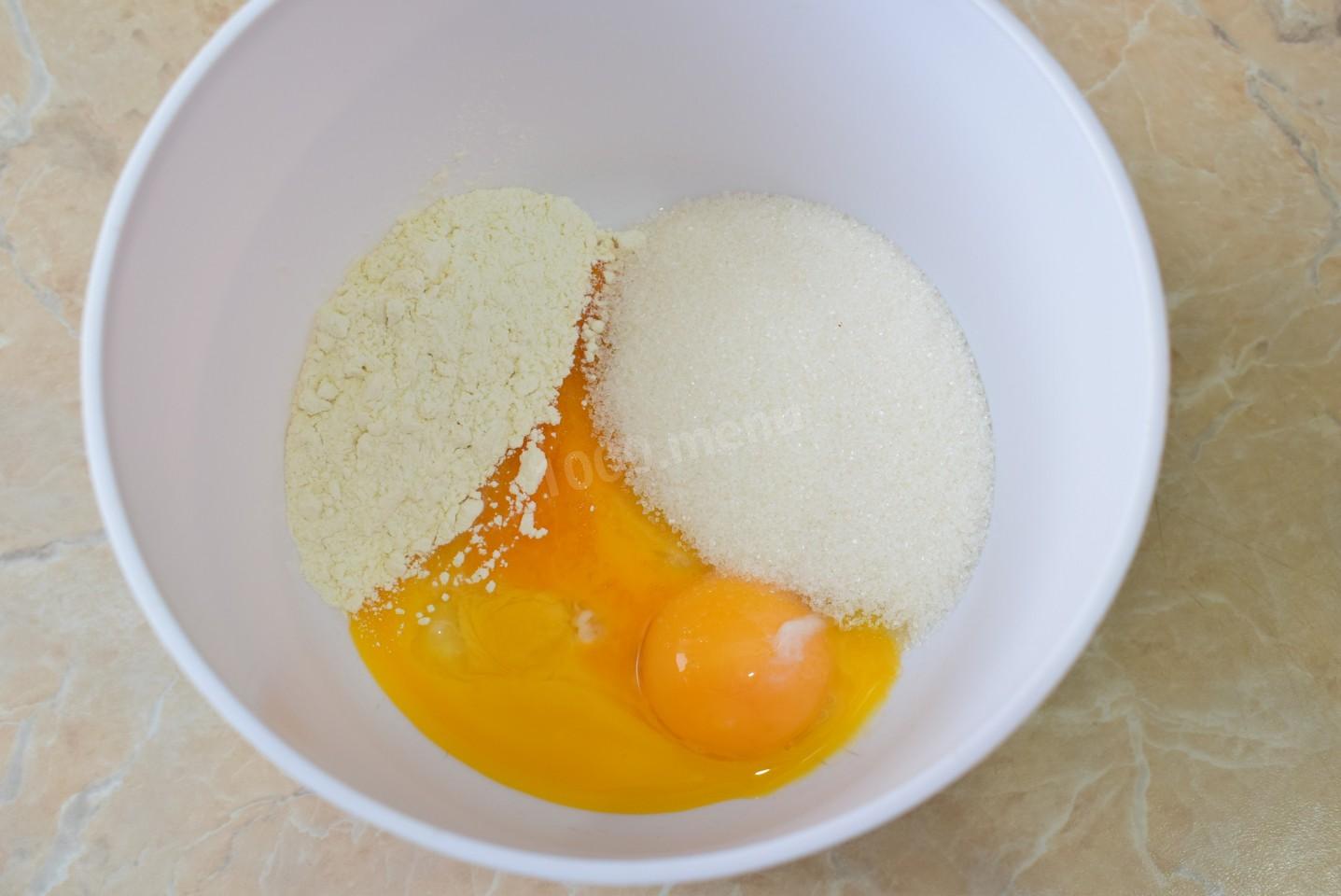
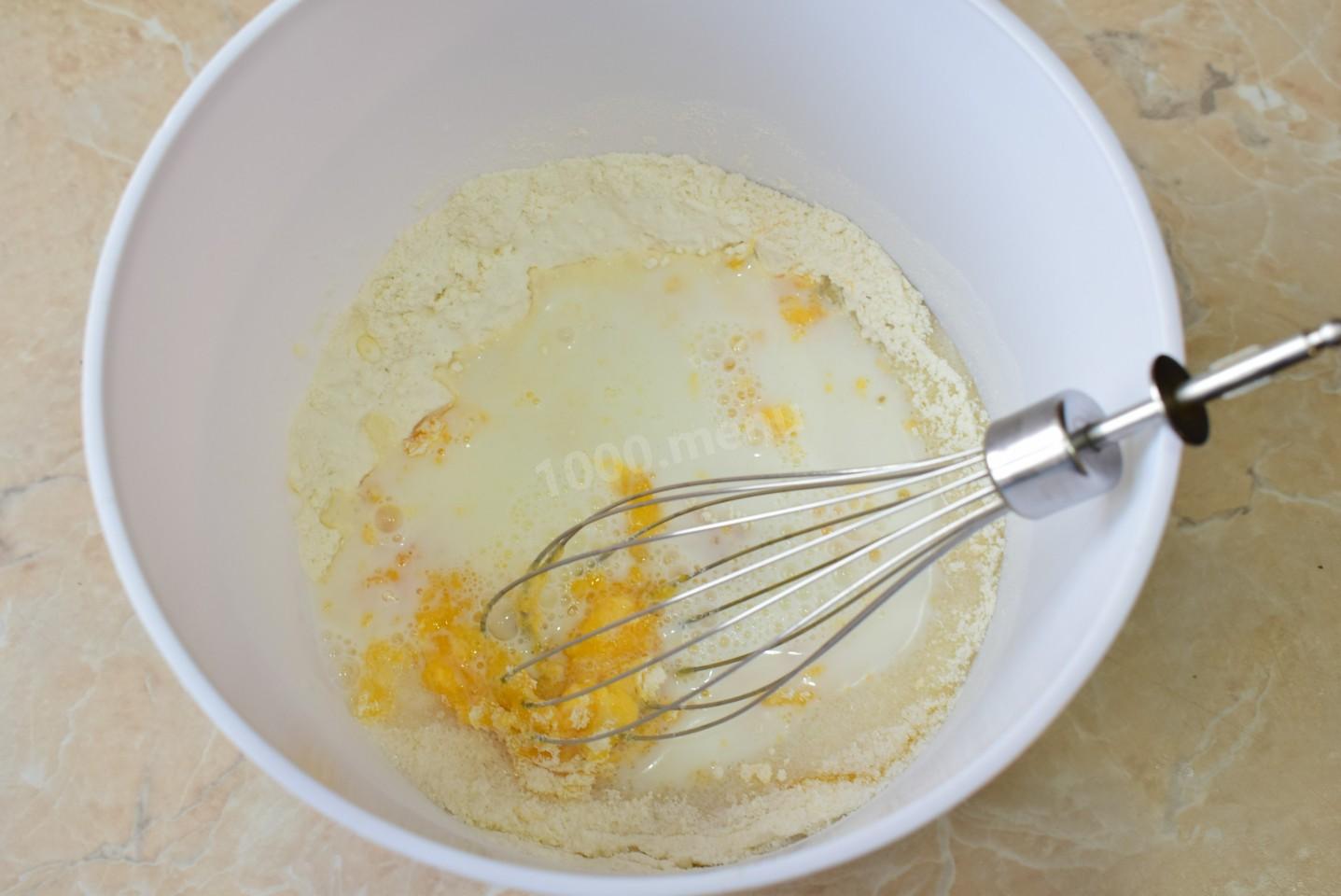
In a separate bowl, combine the egg yolks, sugar, and flour. Add a pinch of vanilla. Farm eggs have very bright yolks, so the finished cream will come out a sunny yellow.
-
Step 4:
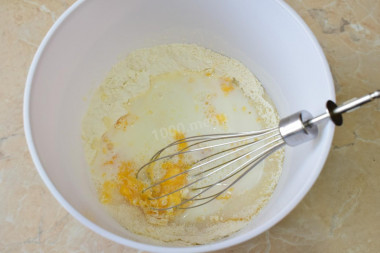
Pour in a little of the hot milk and whisk until smooth, with no lumps.
-
Step 5:
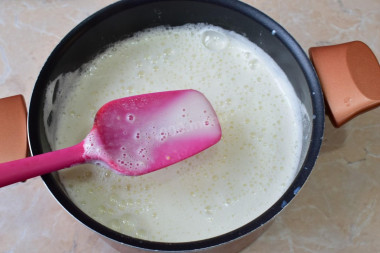
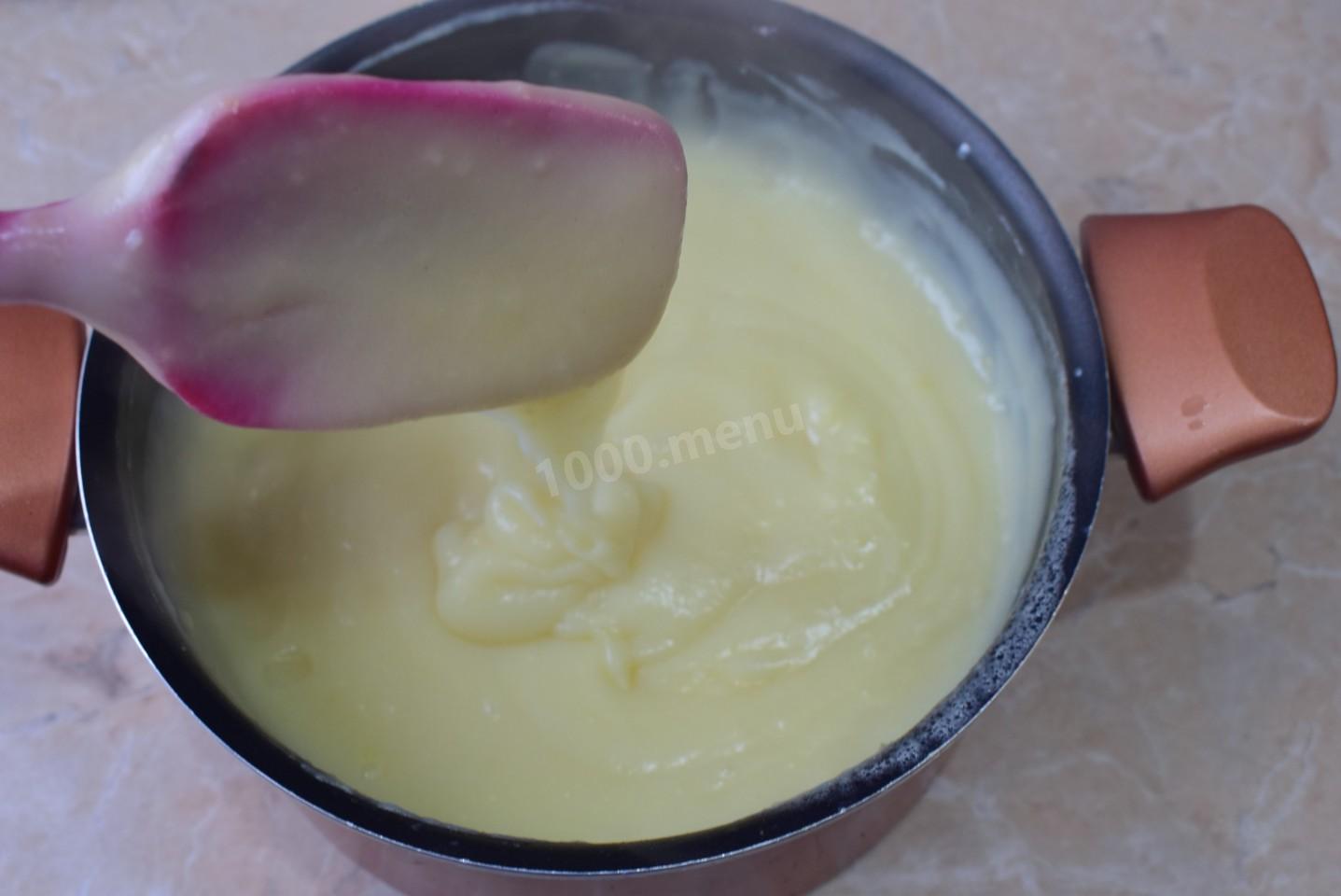
Then stream the rest of the hot milk into the egg mixture, whisking constantly. Pour everything back into the saucepan and return it to the heat. Stirring, bring the cream to a boil. As it heats, it will thicken — the more flour you've added, the thicker it gets. Make it once and you'll learn the consistency you like.
-
Step 6:
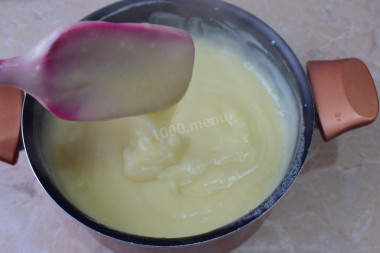
The butter-free pastry cream is ready! Press a piece of plastic wrap directly onto its surface and let it cool. Why the wrap? It keeps a dried-out skin from forming on top. As it cools, the cream thickens further.
-
Step 7:
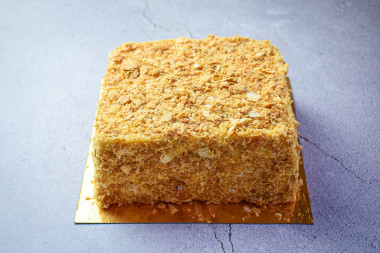
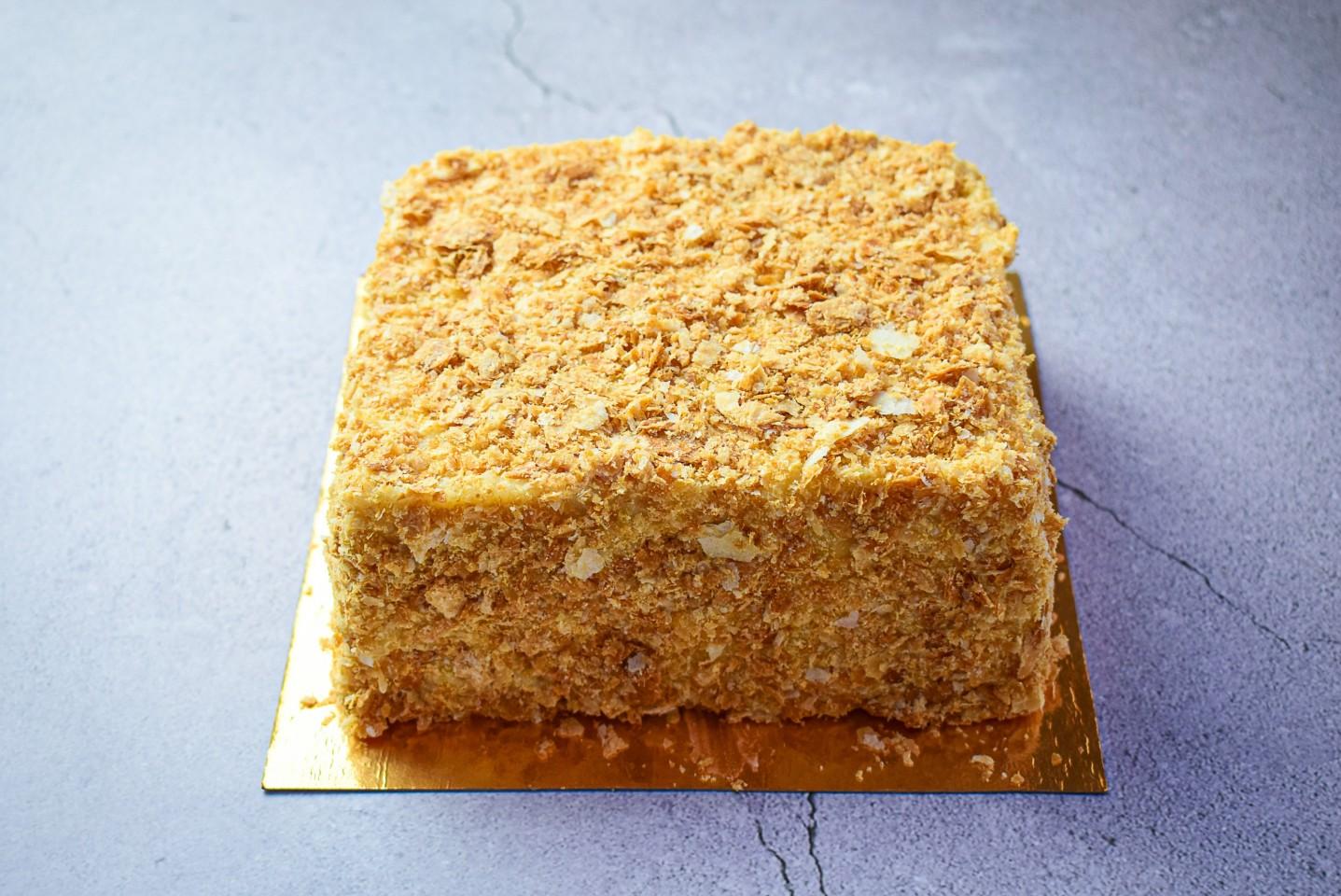
I made a double batch and it was enough for a Napoleon cake weighing about 3 1/4 pounds (1.5 kg). This cream isn't suited to decorating a cake, since it doesn't hold its shape well — a Napoleon made with it is best simply dusted with cake crumbs. Cook with pleasure!
- In place of sugar, you can use a heat-stable sugar substitute.
- Always wash eggs before using them, since harmful bacteria can cling even to a shell that looks clean. A food-safe wash and a brush work best.
- For the difference between vanilla, vanillin, vanilla extract, and vanilla sugar, and how to use and substitute them without ruining a dish's flavor, see this article.
Caloric content of the products possible in the composition of the dish
- Whole cow's milk - 68 kcal/100g
- Milk 3.5% fat content - 64 kcal/100g
- Milk 3.2% fat content - 60 kcal/100g
- Milk 1.5% fat content - 47 kcal/100g
- Concentrated milk 7.5% fat content - 140 kcal/100g
- Milk 2.5% fat content - 54 kcal/100g
- Fortified whole durum wheat flour - 333 kcal/100g
- All-purpose whole durum wheat flour - 364 kcal/100g
- Semolina flour - 348 kcal/100g
- Flour - 325 kcal/100g
- Granulated sugar - 398 kcal/100g
- Sugar - 398 kcal/100g
- Vanillin - 288 kcal/100g
- Egg yolks - 352 kcal/100g