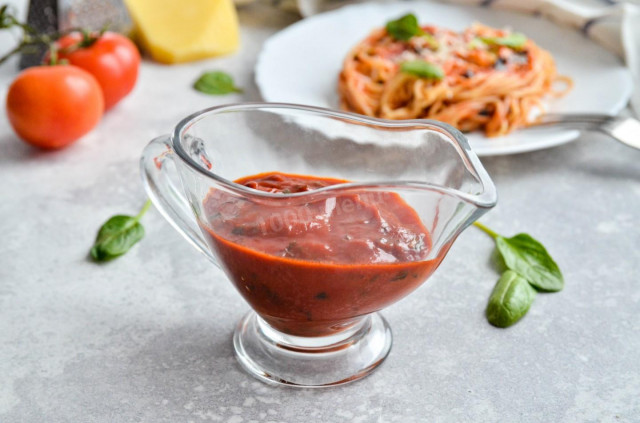
How to Cook Pelmeni in a Multicooker
A tasty lunch or dinner in just 15 minutes. Pelmeni (Russian meat dumplings) cook even faster in a multicooker than in a pot, since the bowl heats up not just at the bottom but along the sides too. All that's left is to drop the dumplings into the boiling water and very soon enjoy a fragrant, savory dish.

Cooking method
-
Step 1:
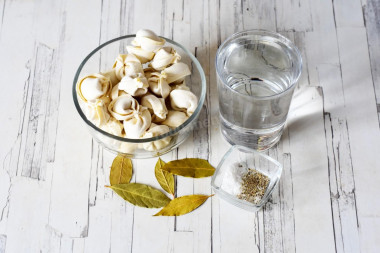
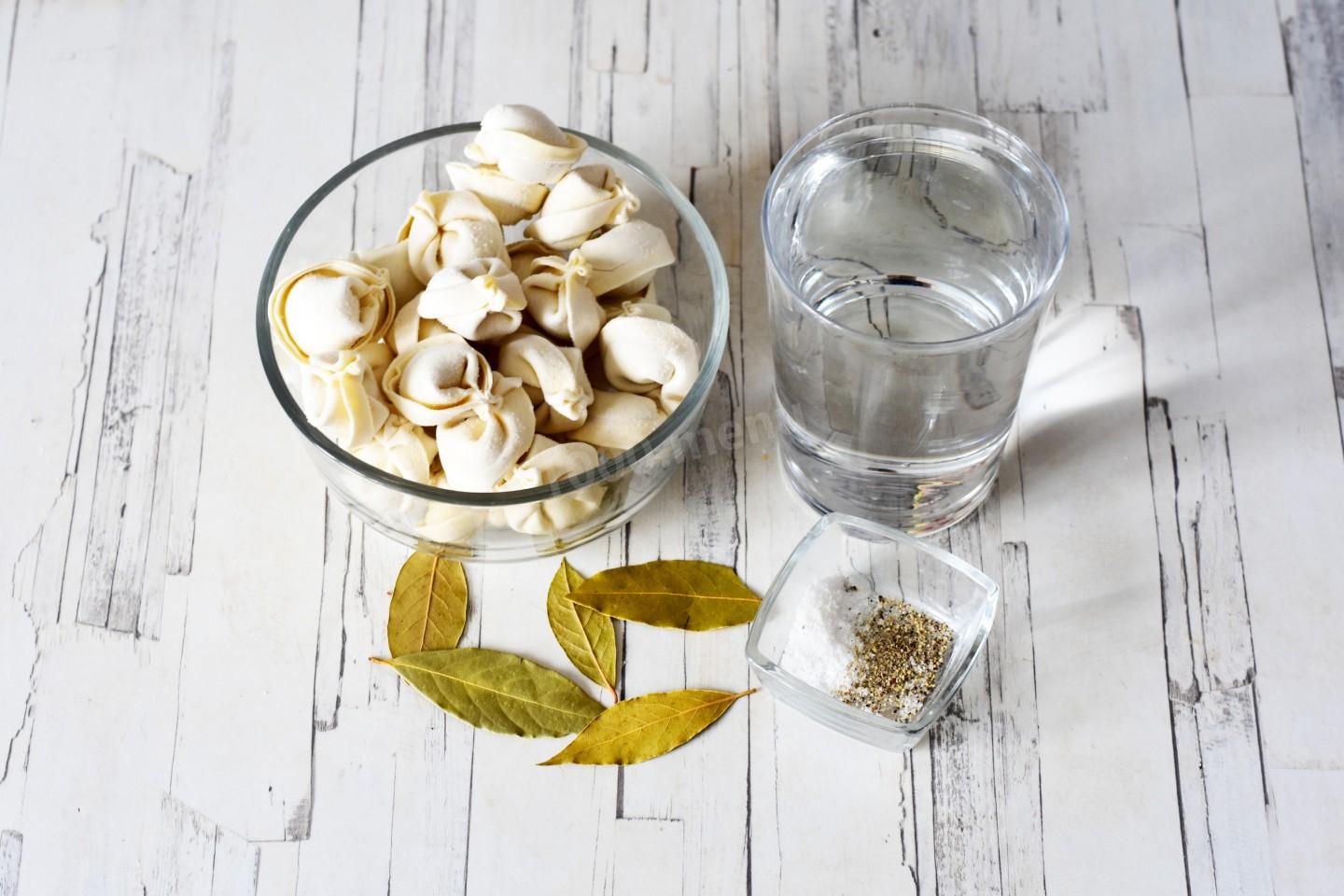
How do you cook pelmeni in a multicooker? It's no harder than in a regular pot, and faster. The ingredient list is standard: water, pelmeni, salt, pepper, and bay leaves, but you can add your own spices to taste. Some people add whole peeled garlic cloves or a small peeled onion to the cooking water for aroma. You can also add a dumpling spice blend.
-
Step 2:
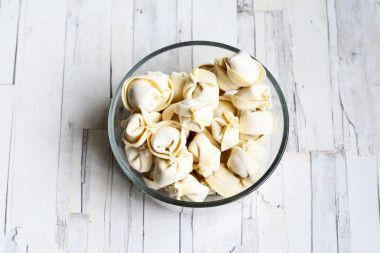
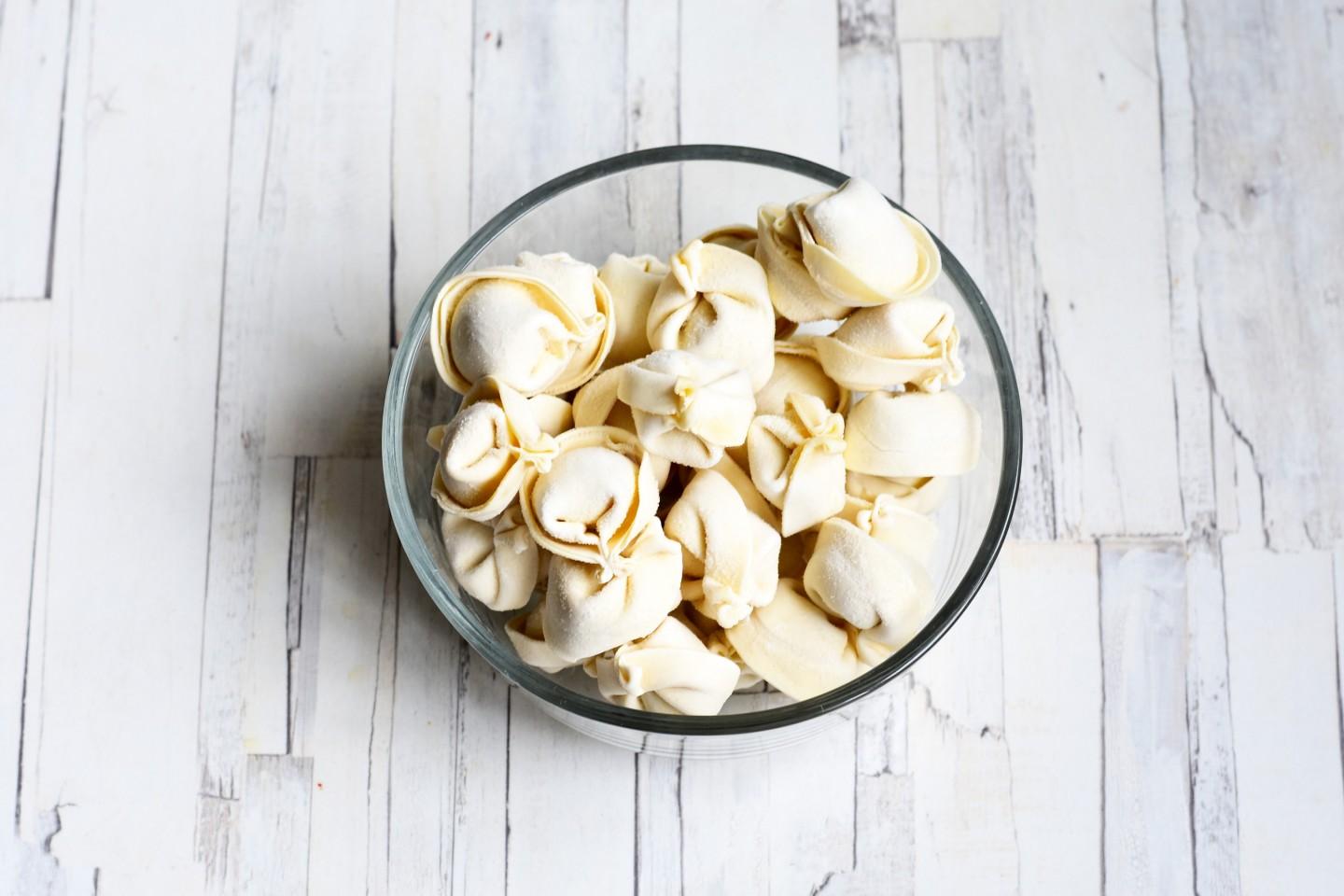
There's no need to thaw the pelmeni first. Use any kind you like: beef, pork, chicken, or a mix of meats. Mine are beef-and-pork.
-
Step 3:
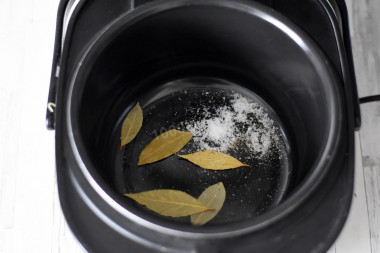
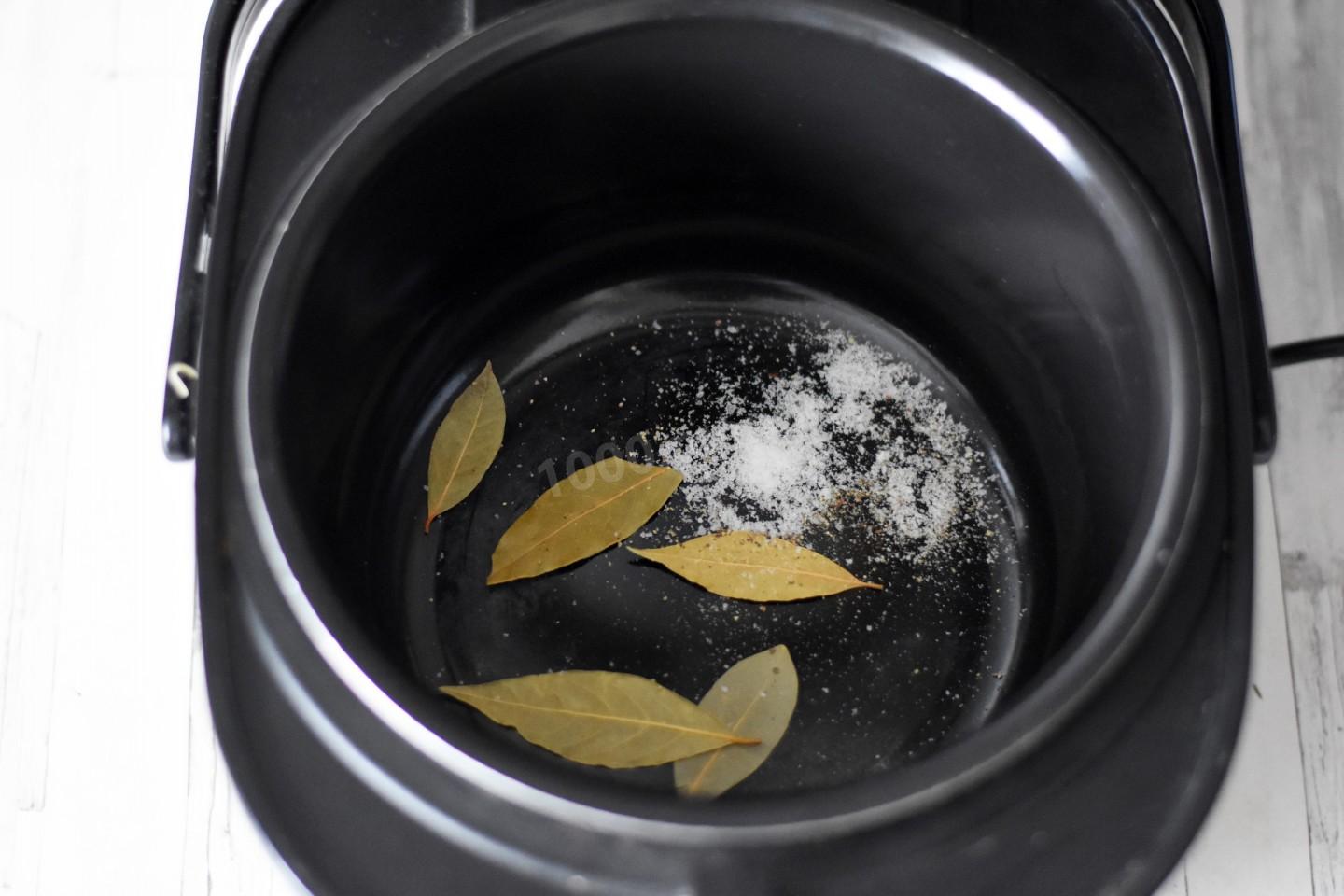
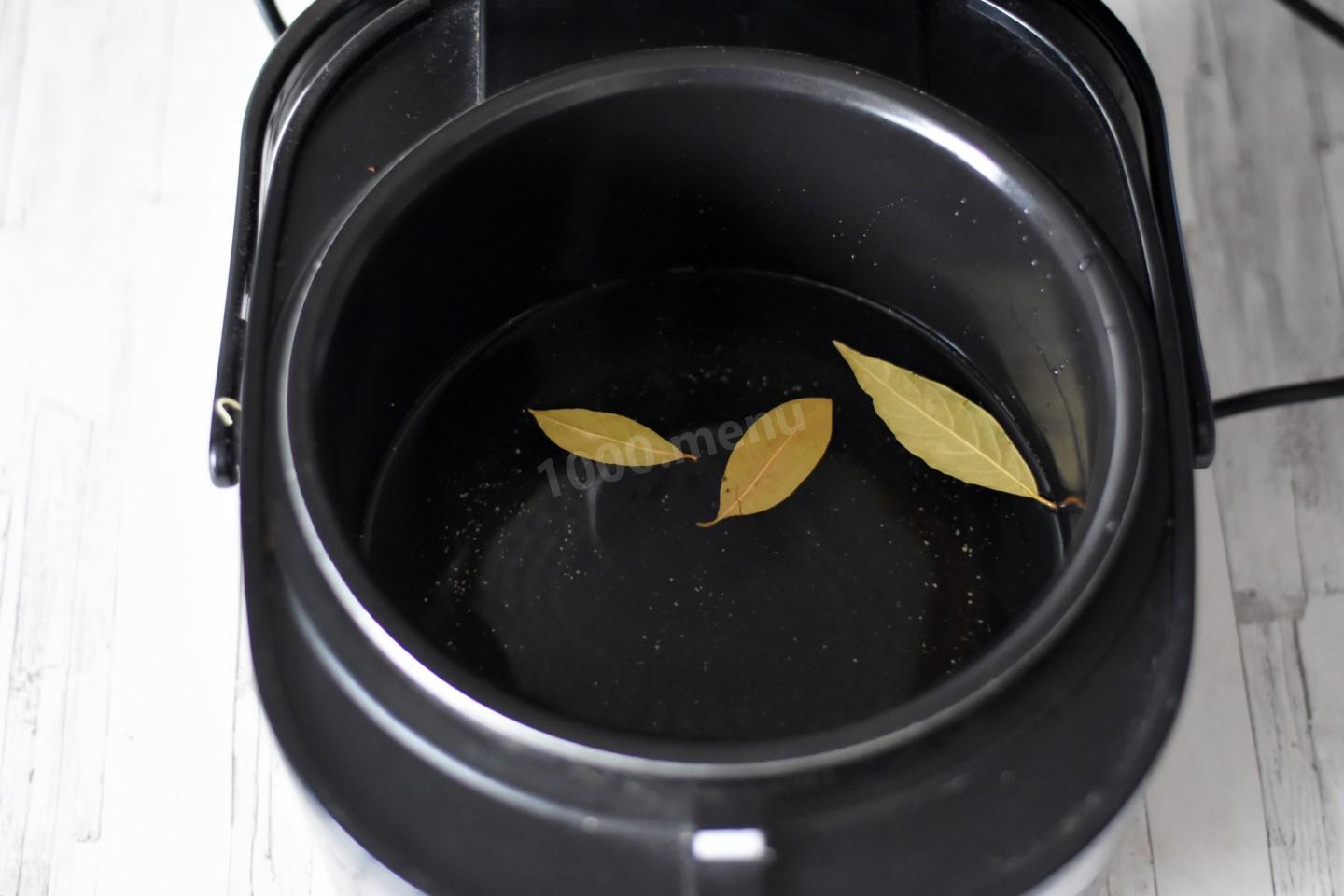
Add the salt and pepper to the multicooker bowl and lay in the bay leaves. The exact amount of spices is up to you, but I'd advise against adding a lot of salt right away. Better to start with about one level teaspoon of salt, then taste the water before adding the pelmeni and add more salt if needed.
-
Step 4:
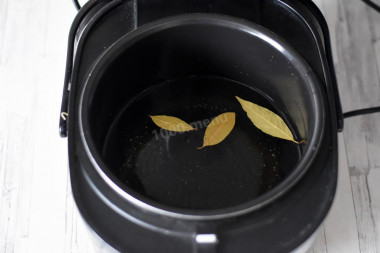
Pour warm water in over the spices. The water doesn't have to be warm — room temperature works too, but then it'll take longer to come to a boil.
-
Step 5:
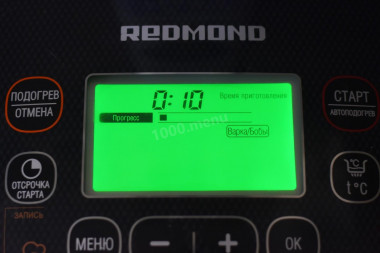
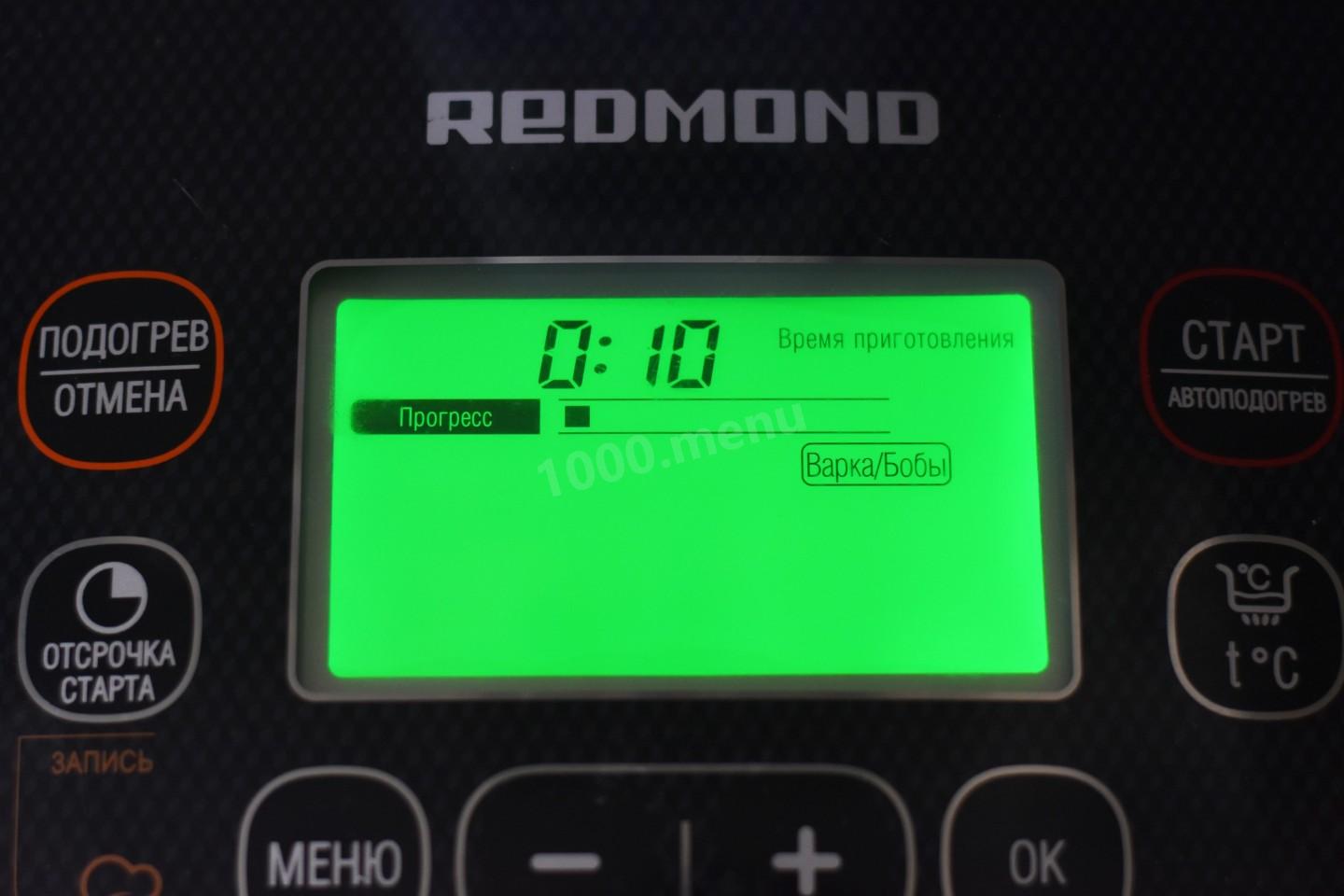
Close the multicooker lid and set the program to a Boil mode (mine is "Boil/Beans"; the exact name depends on the brand) for 10 minutes. The temperature on this setting on mine is 110°C (230°F). You can speed things up by setting a higher cooking temperature. My water came to a boil even before the timer ran out — in about 8 minutes.
-
Step 6:
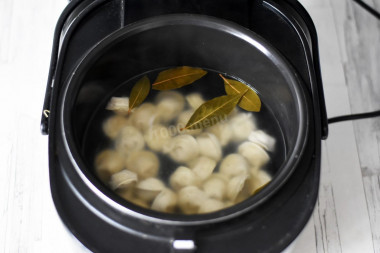
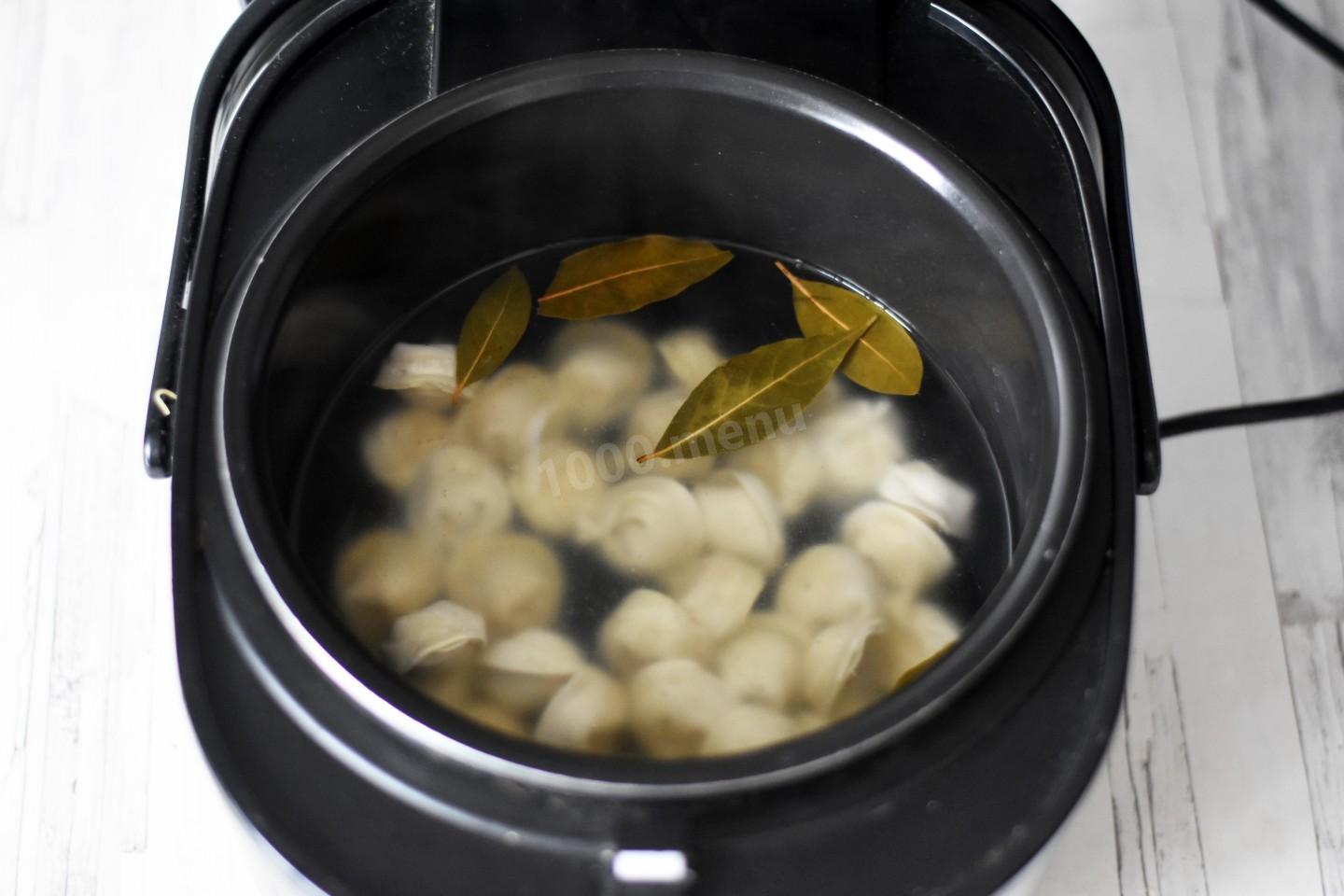
If you raised the boiling temperature earlier, lower it back to the default. Carefully — so you don't get burned by splashing — add the frozen pelmeni to the water.
-
Step 7:
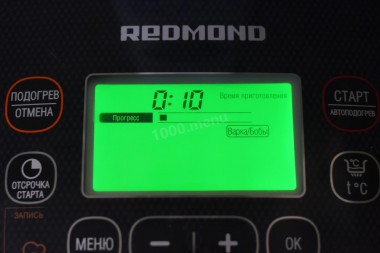
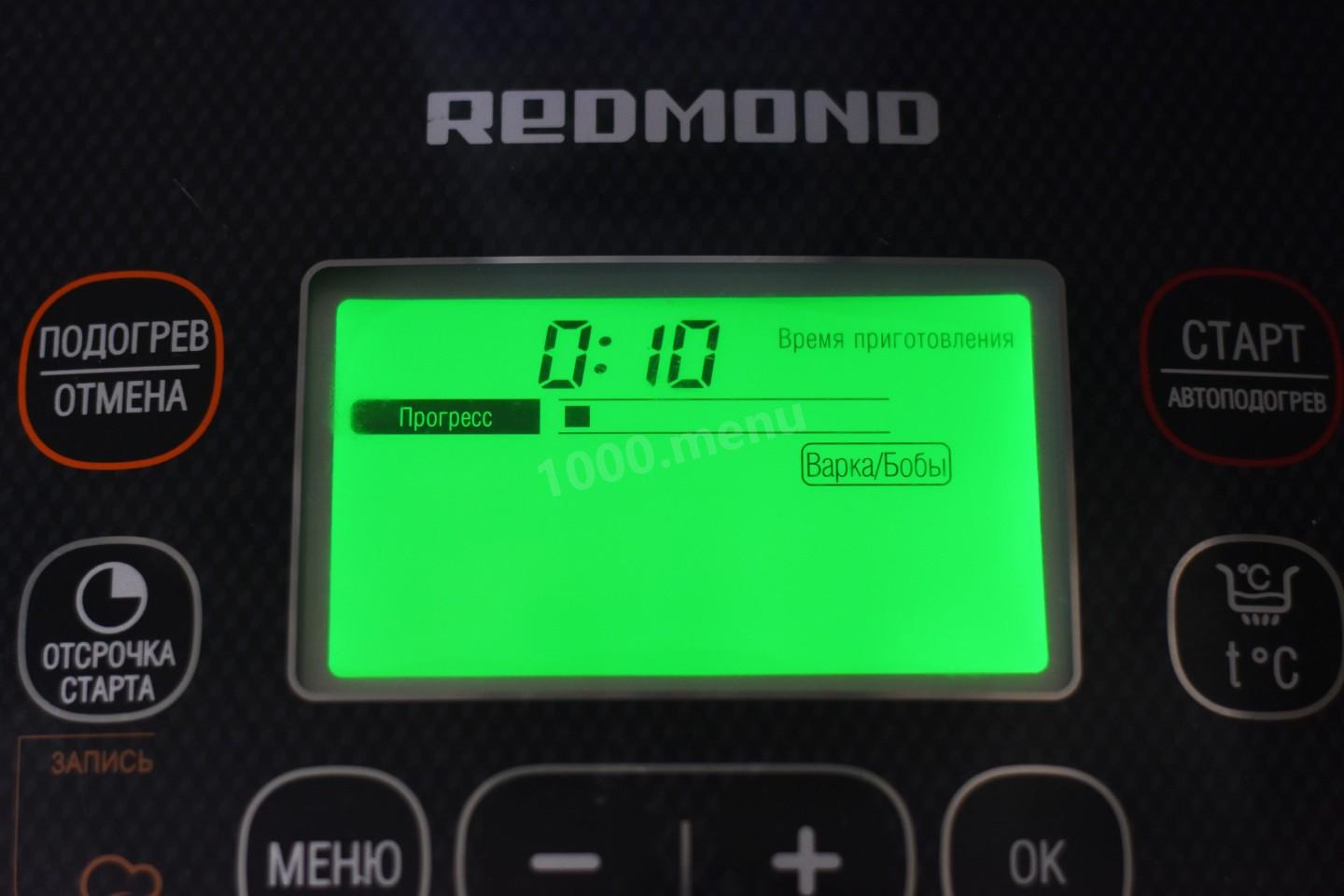
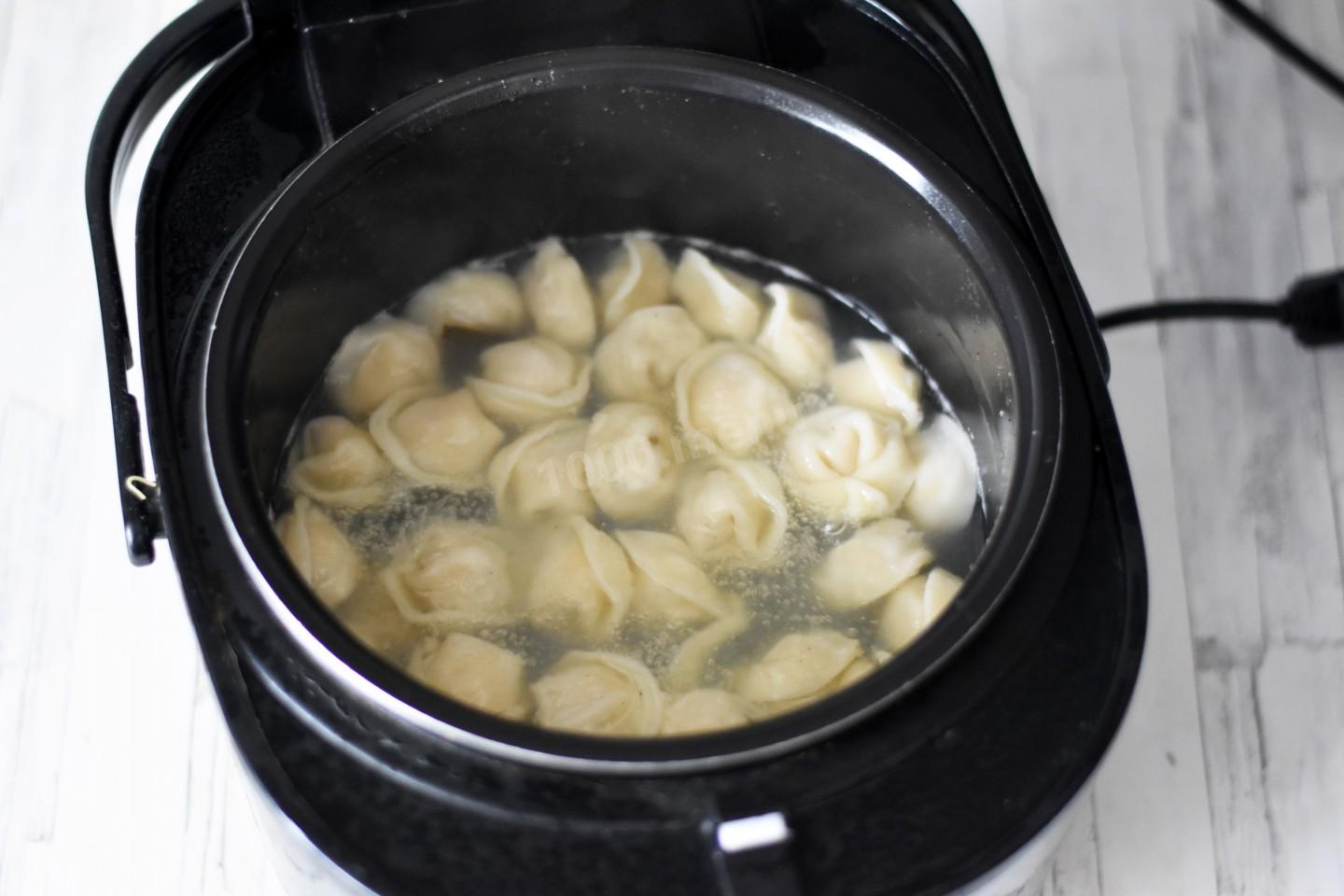
Close the lid and cook the pelmeni for another 5–6 minutes. My multicooker can't be set by the minute, so I set it for 10 minutes and switched it off after 4. The exact cooking time depends on your multicooker model. Go above all by your own appliance and by whether the pelmeni are done.
-
Step 8:
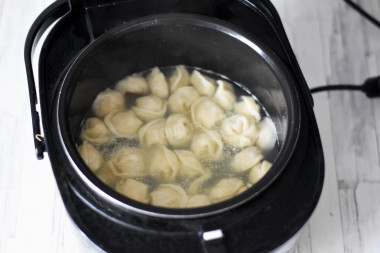
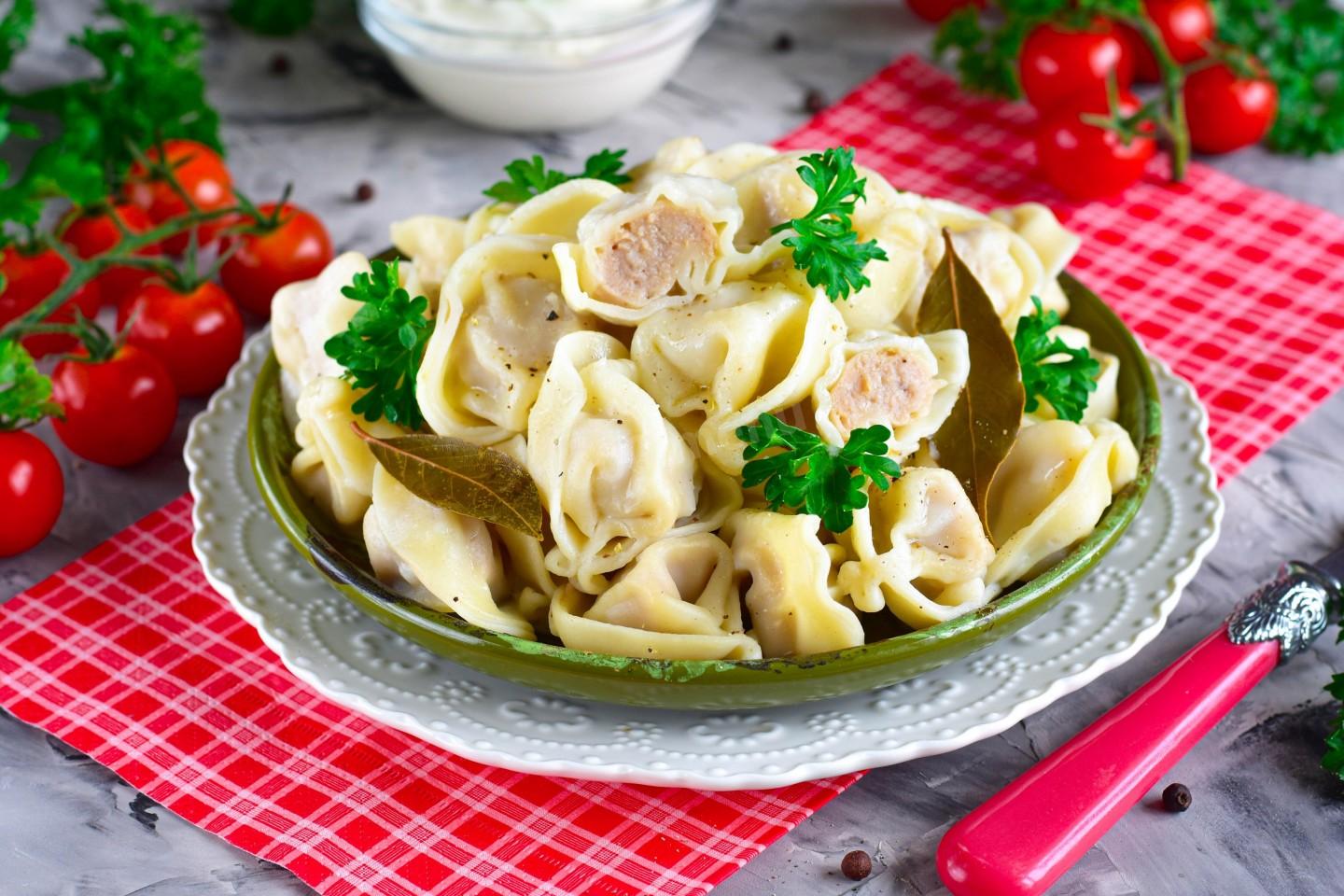
For the first couple of minutes it's best to stir the pelmeni now and then so they don't stick to the bottom of the bowl or to each other. If the water foams up a lot, you can turn down the heat. I just cracked the lid a couple of times to let the foam settle. The pelmeni are easy to tell when done: they float to the surface, the dough is soft, and the meat inside has a characteristic brownish color.
-
Step 9:
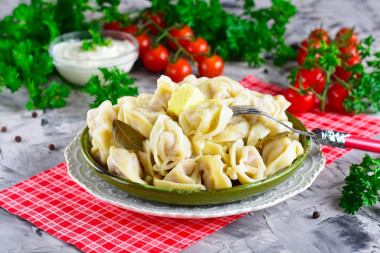
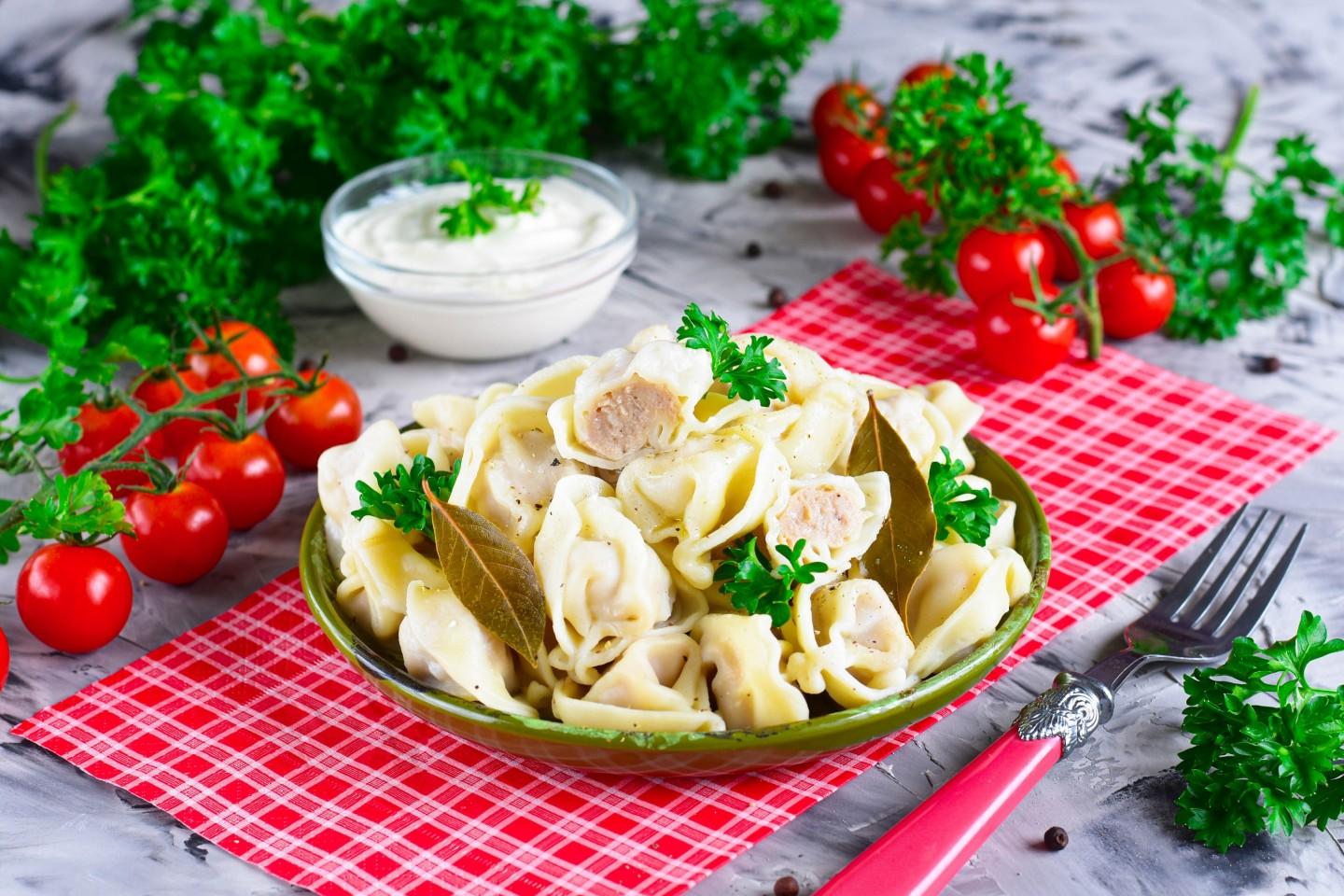
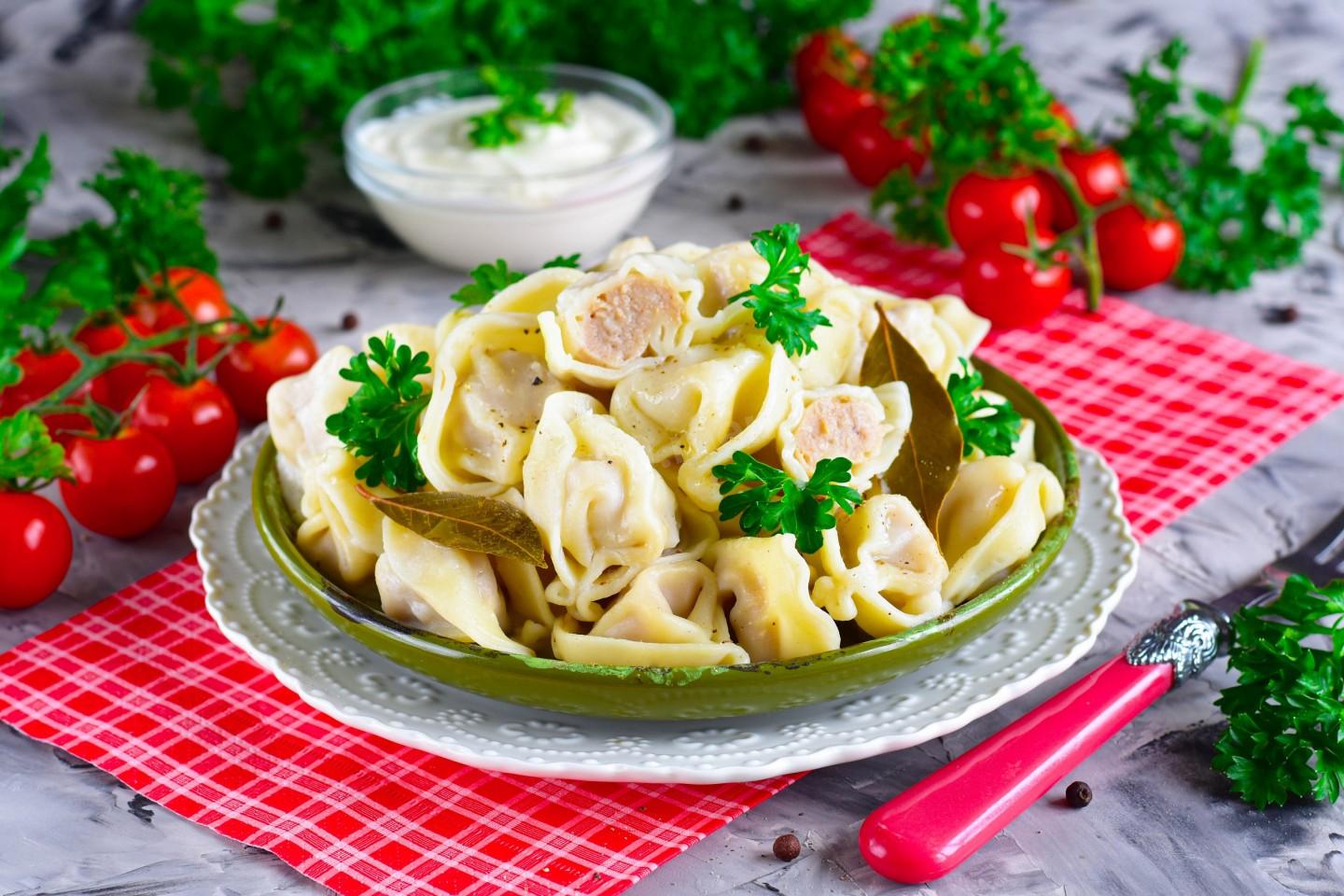
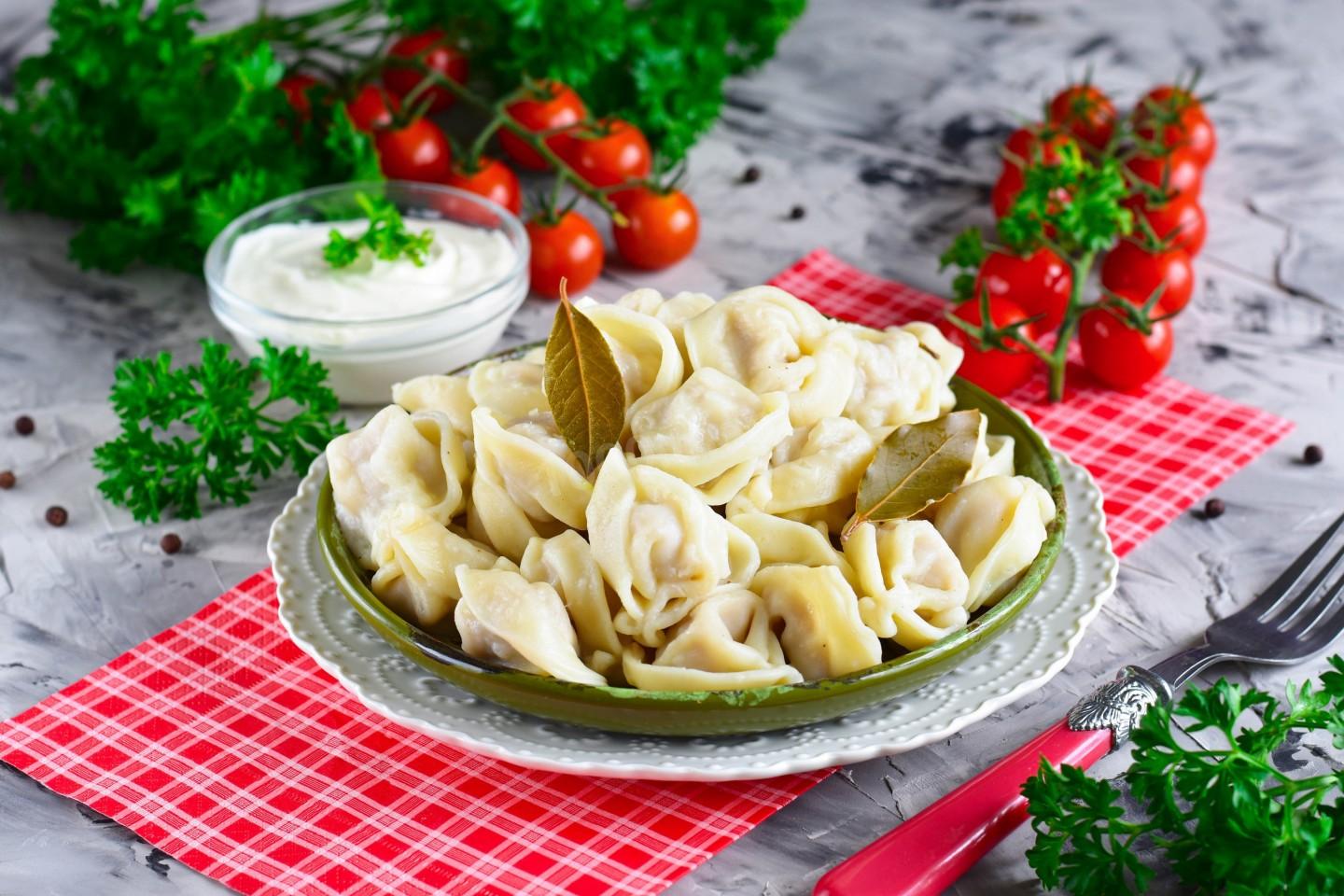
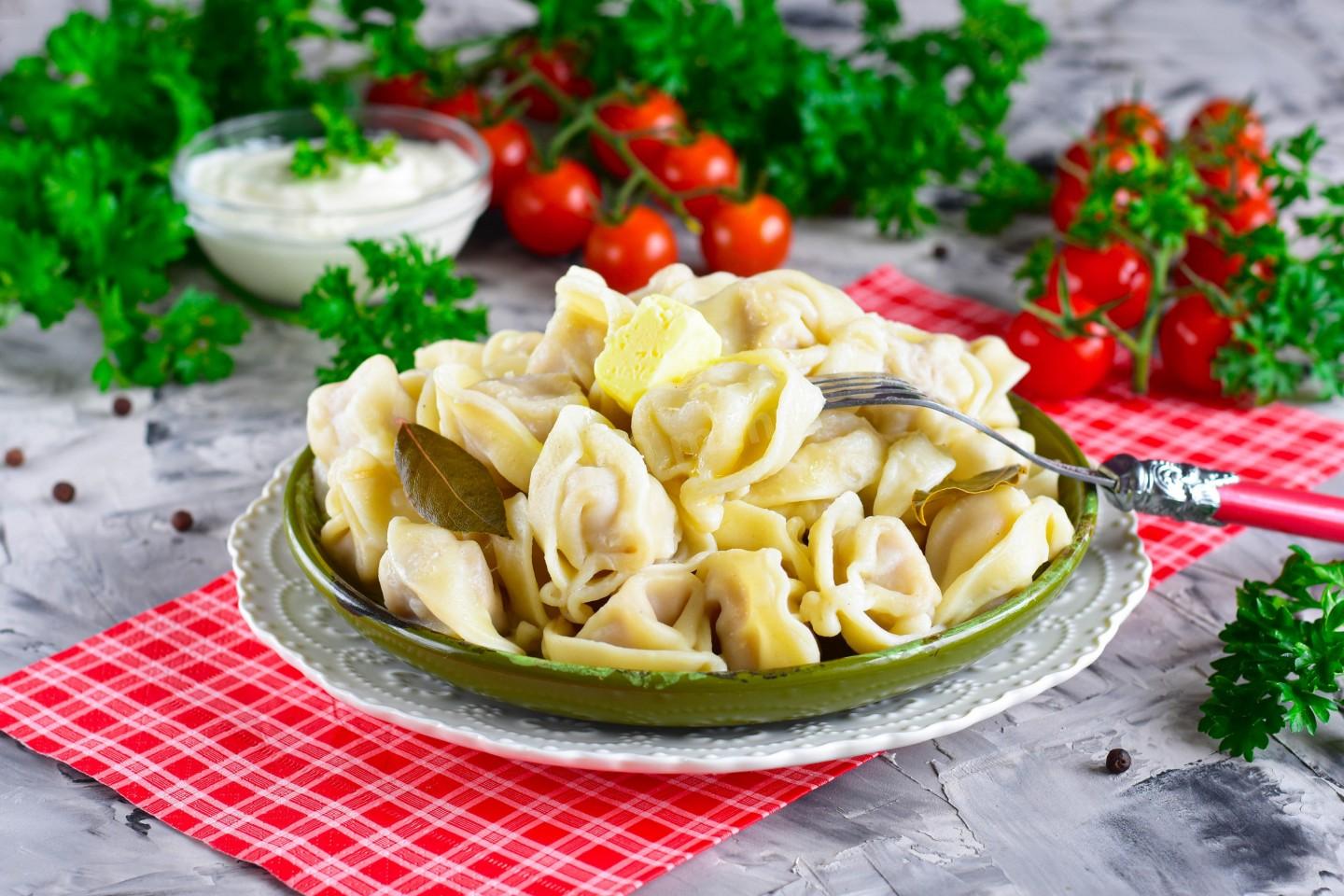
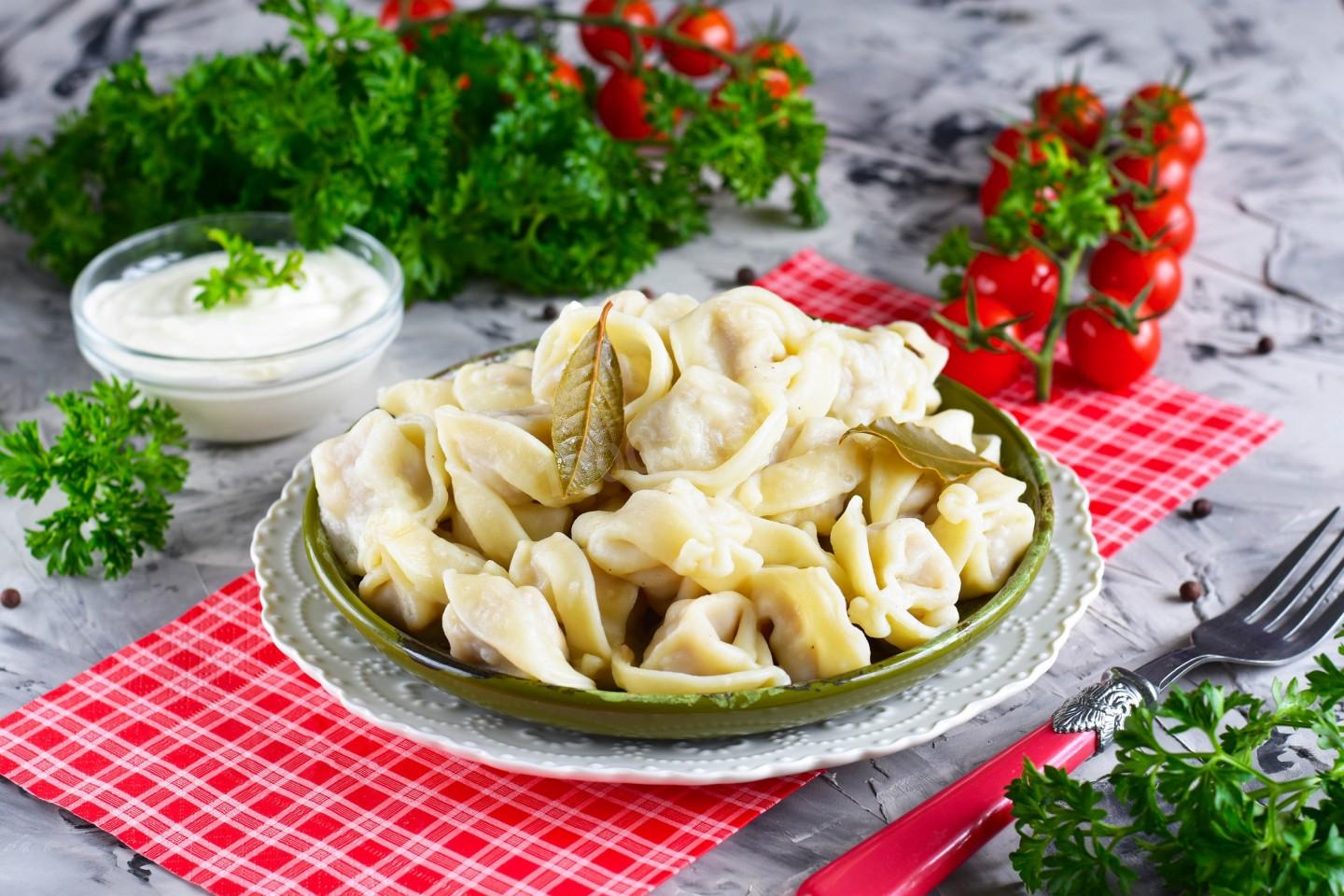
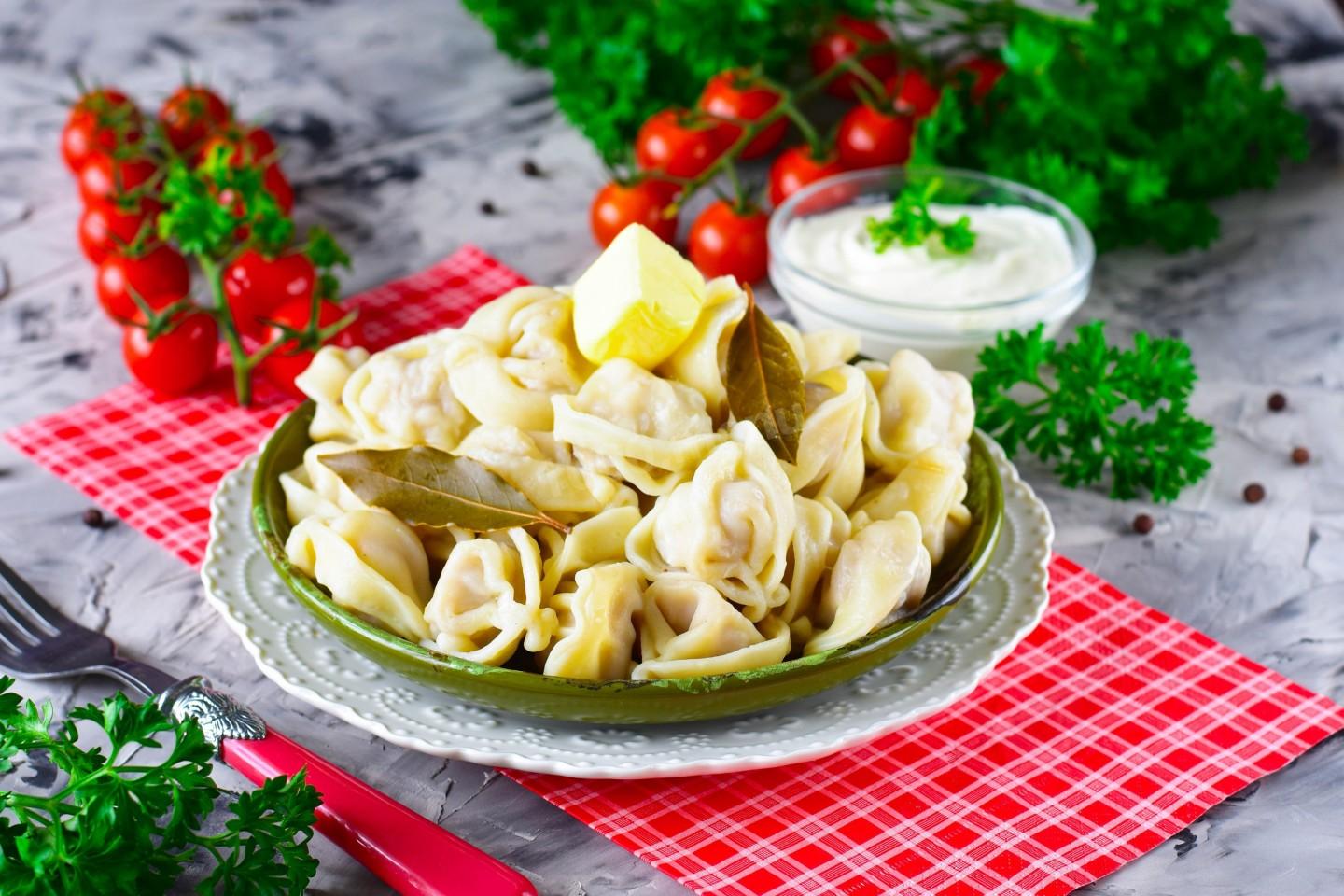
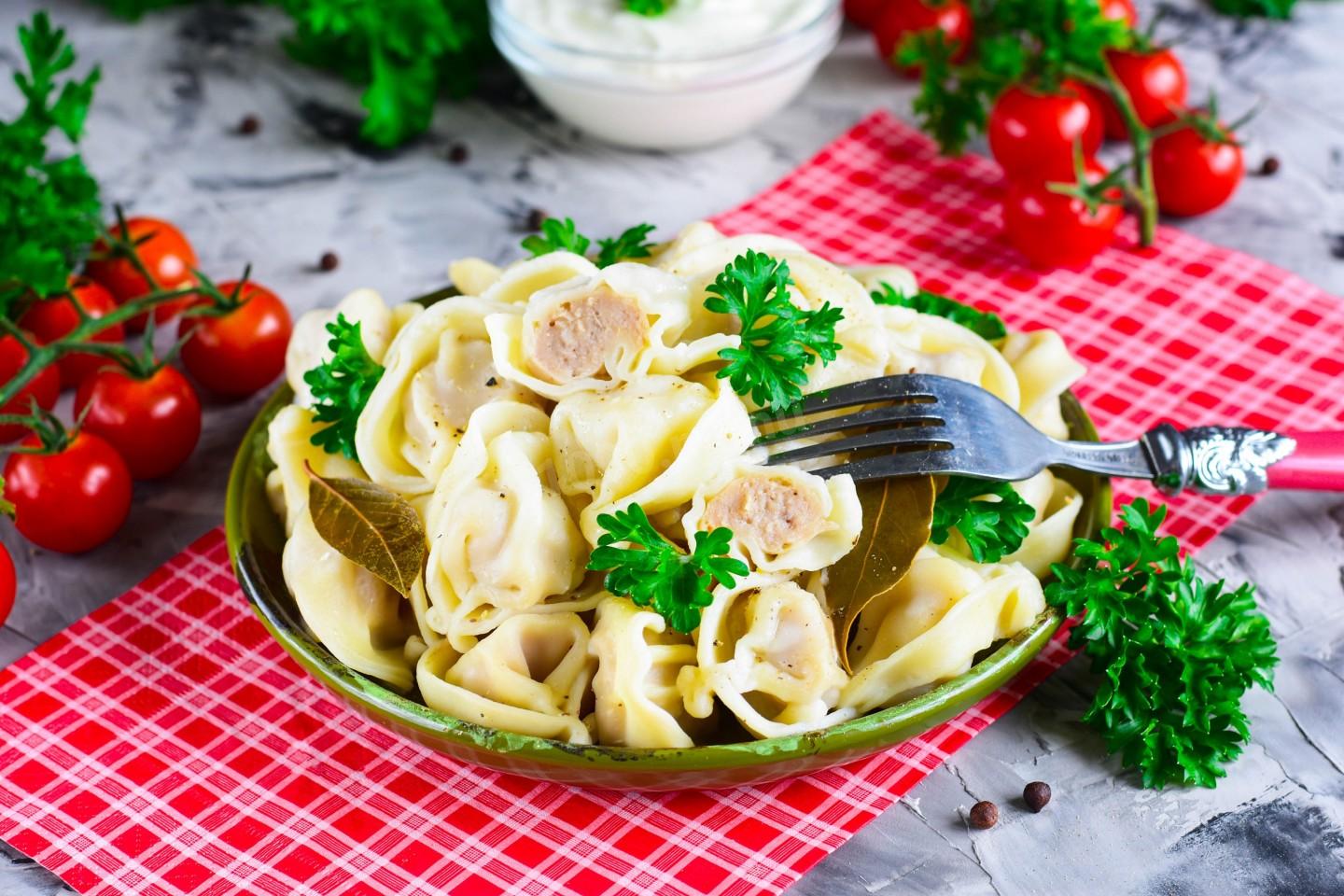
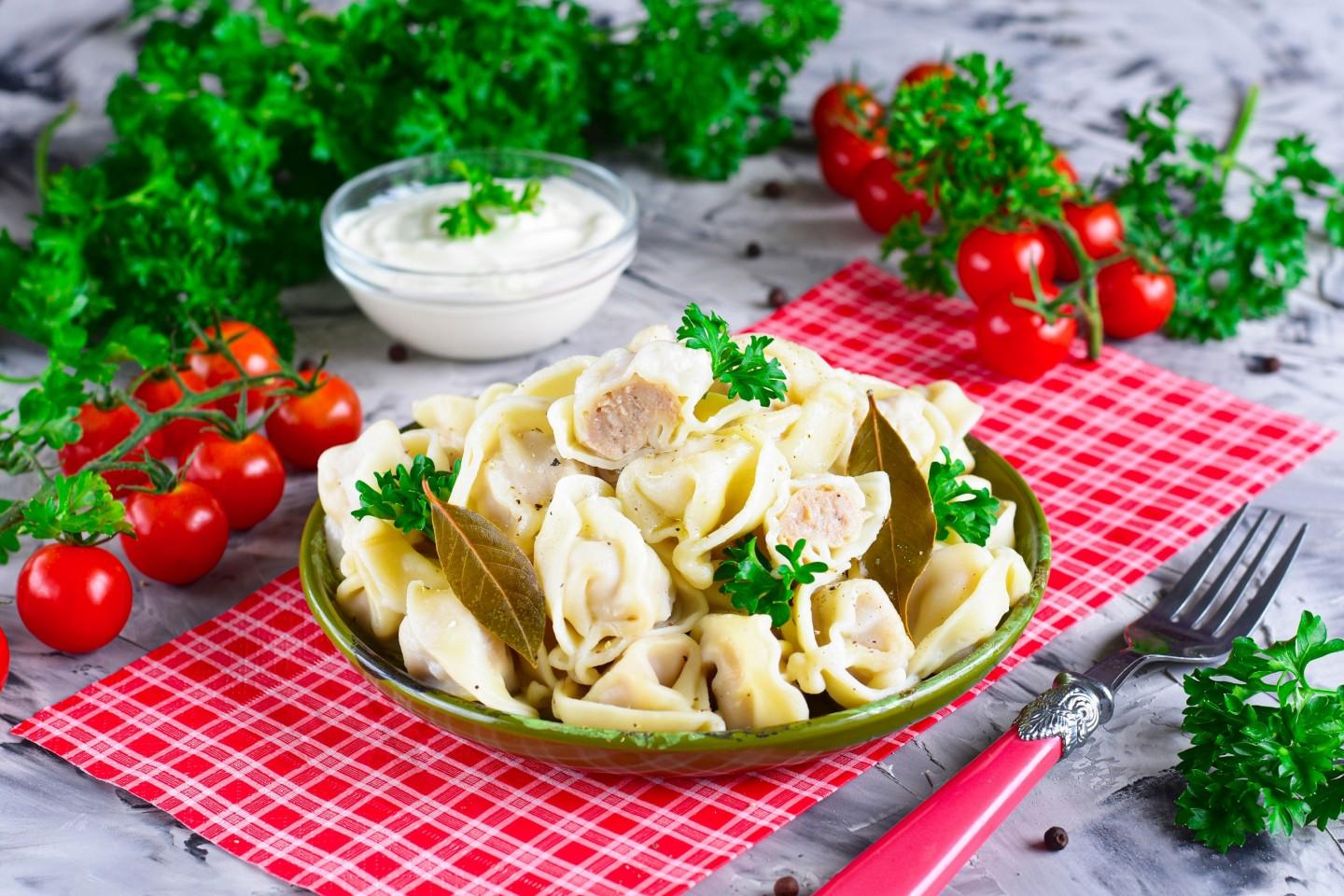
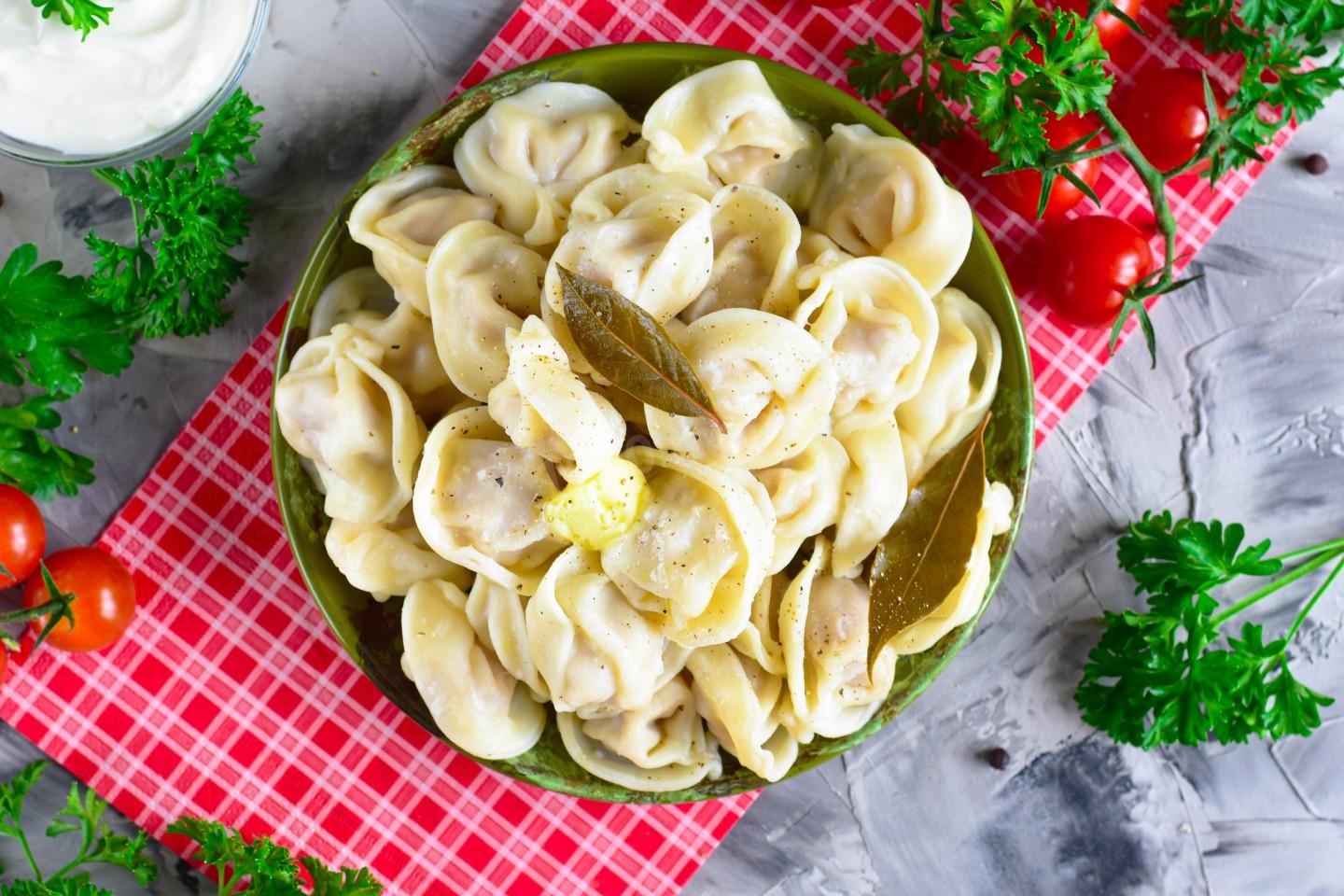
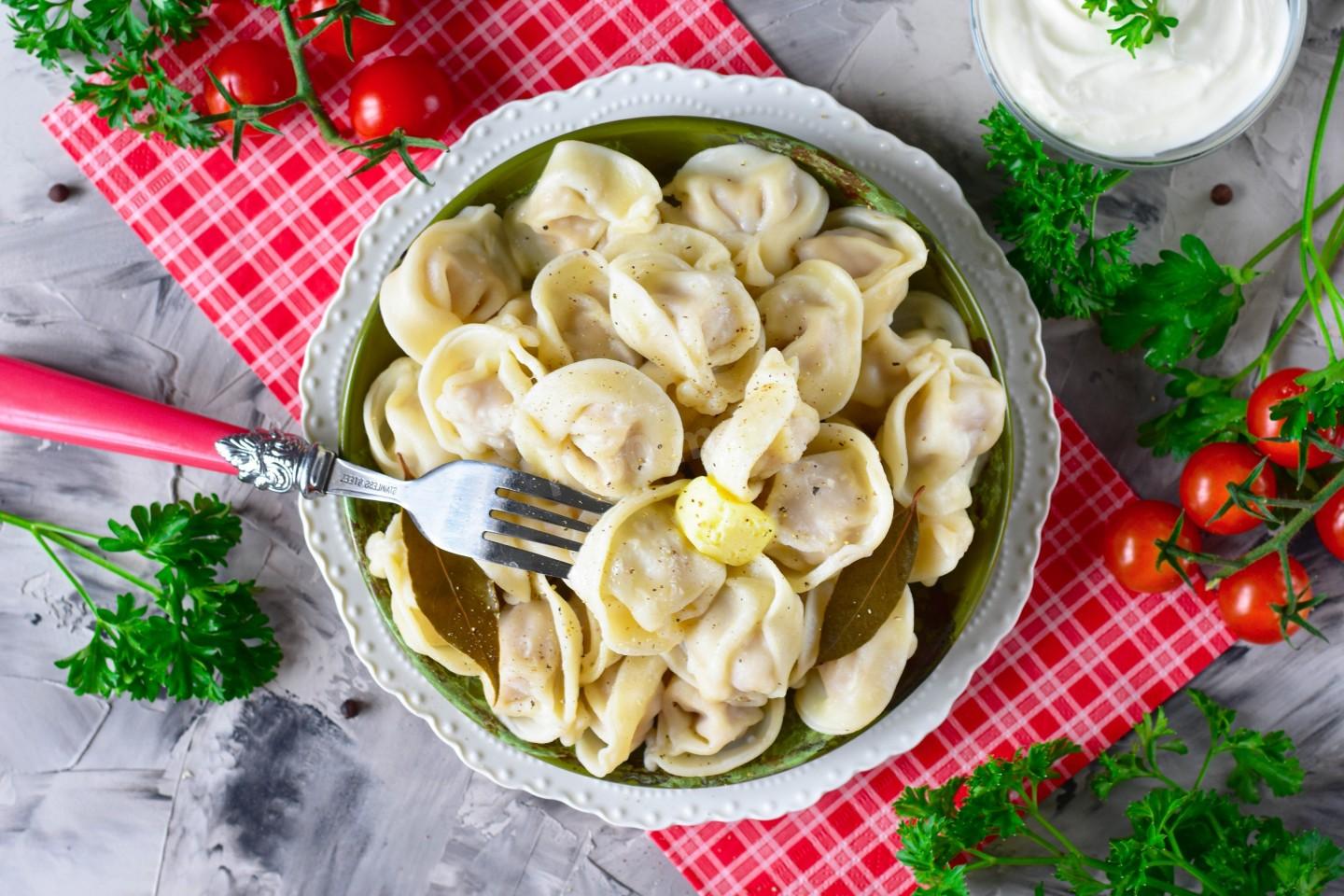
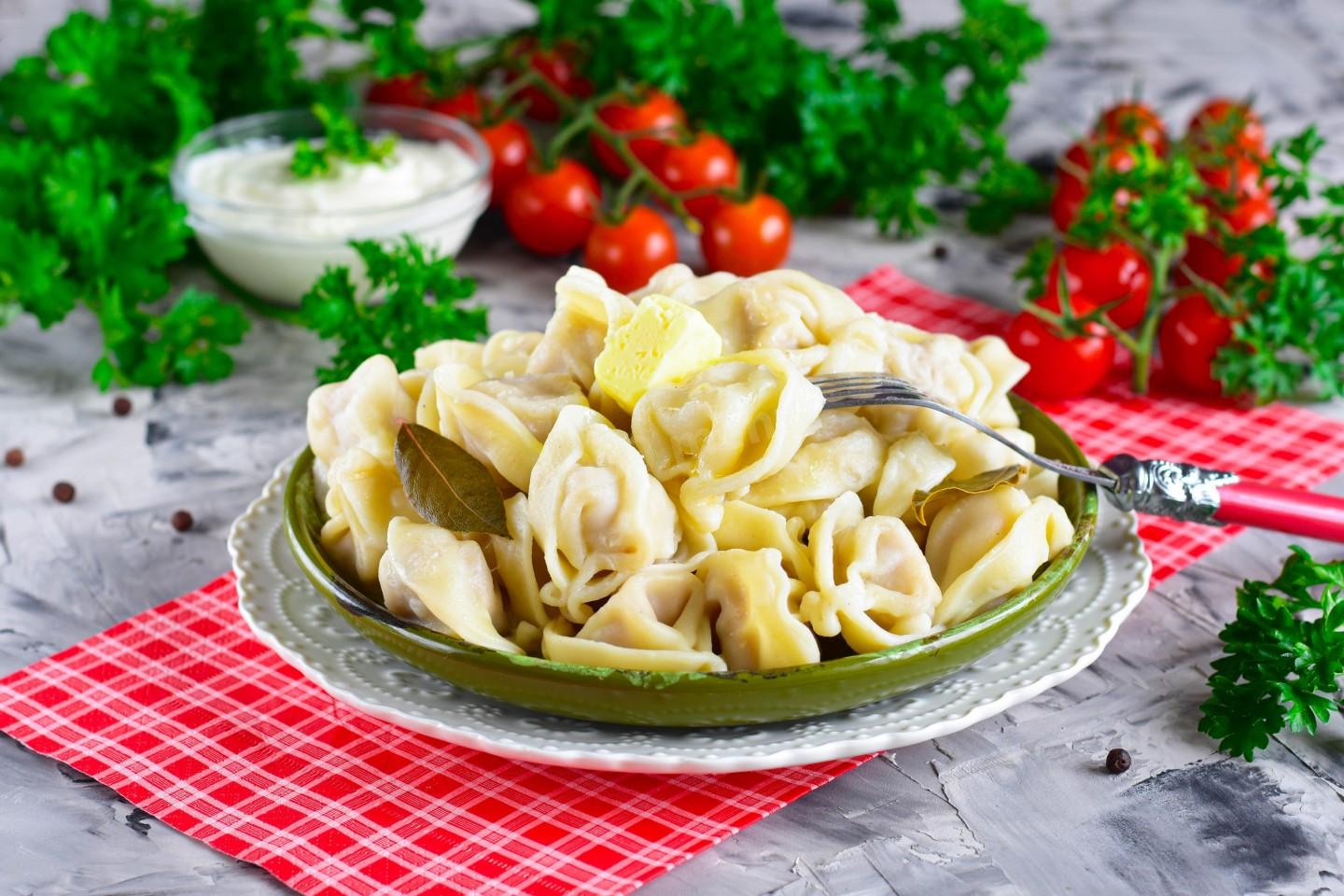
Lift the cooked pelmeni out onto a plate with a slotted spoon. If you like, toss them with butter, sprinkle with ground black pepper, and serve with sour cream. You can also serve the pelmeni in the broth they cooked in. Enjoy!
- Want to make homemade pelmeni? See recipes for making them from scratch here. Any meat sauce pairs well with pelmeni — find recipes here.
- For cooking, it's best to use filtered or bottled water that's neutral in taste. If you use tap water, keep in mind it can give the dish an unpleasant off-flavor.
- Since everyone's threshold for saltiness, sweetness, bitterness, heat, sourness, and pungency is different, always add spices and seasonings to your own taste! If you're using a seasoning for the first time, keep in mind that some are especially easy to overdo (chili pepper, for example).
Caloric content of the products possible in the composition of the dish
- Bay leaf - 313 kcal/100g
- Ground black pepper - 255 kcal/100g
- Salt - 0 kcal/100g
- Water - 0 kcal/100g
- Store-bought pelmeni - 255 kcal/100g