Homemade Liver Sausage in a Bag
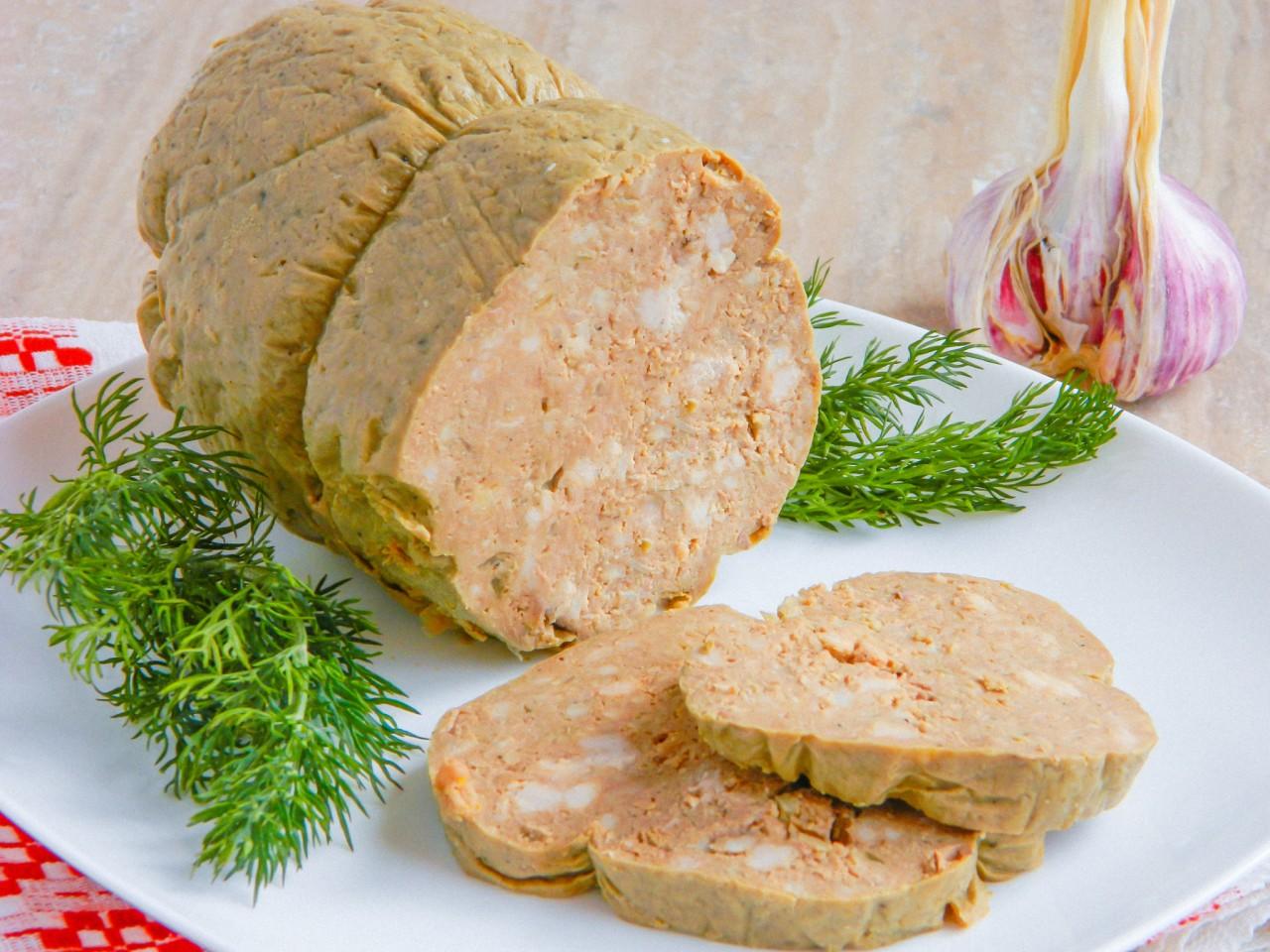
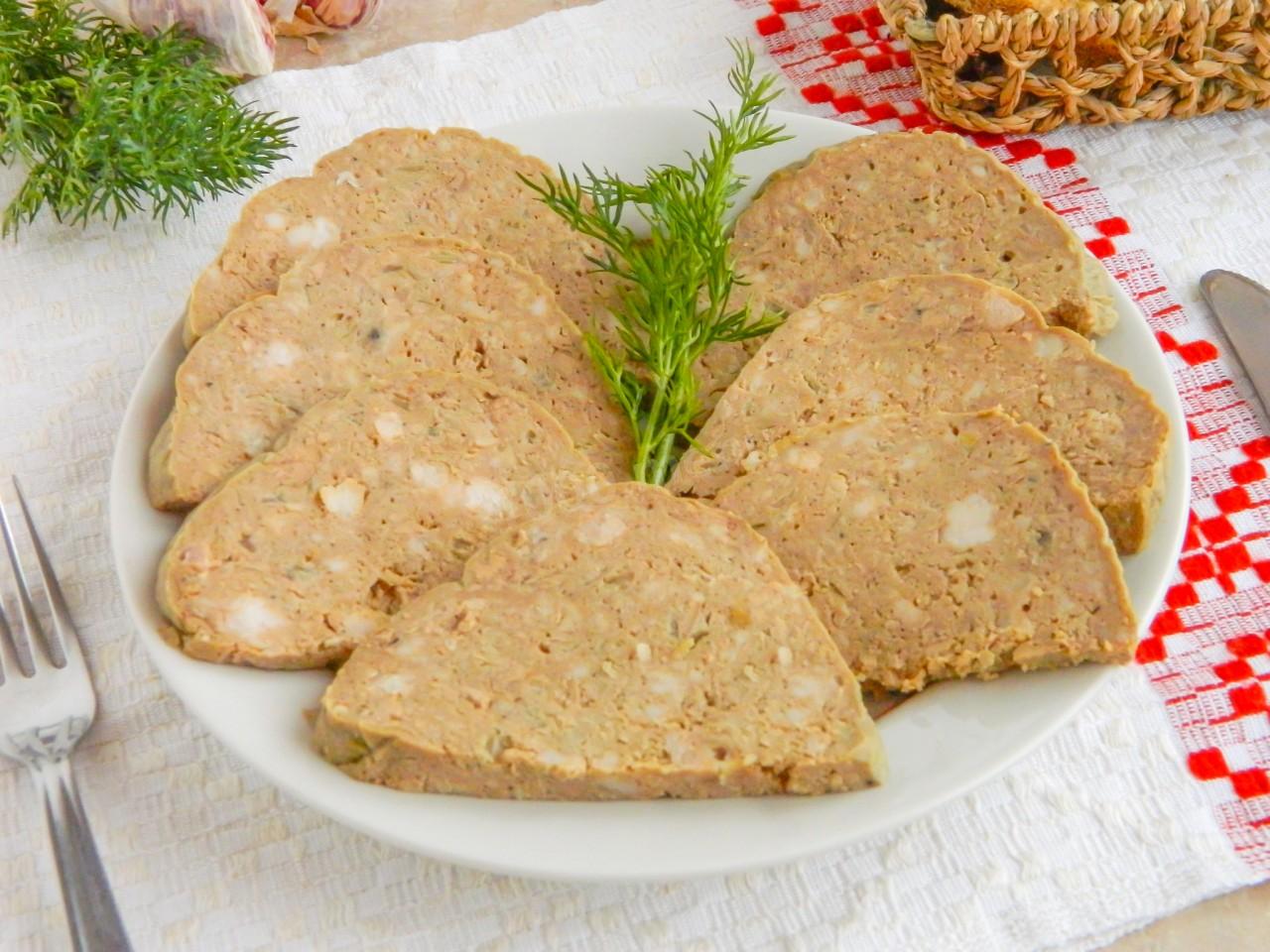
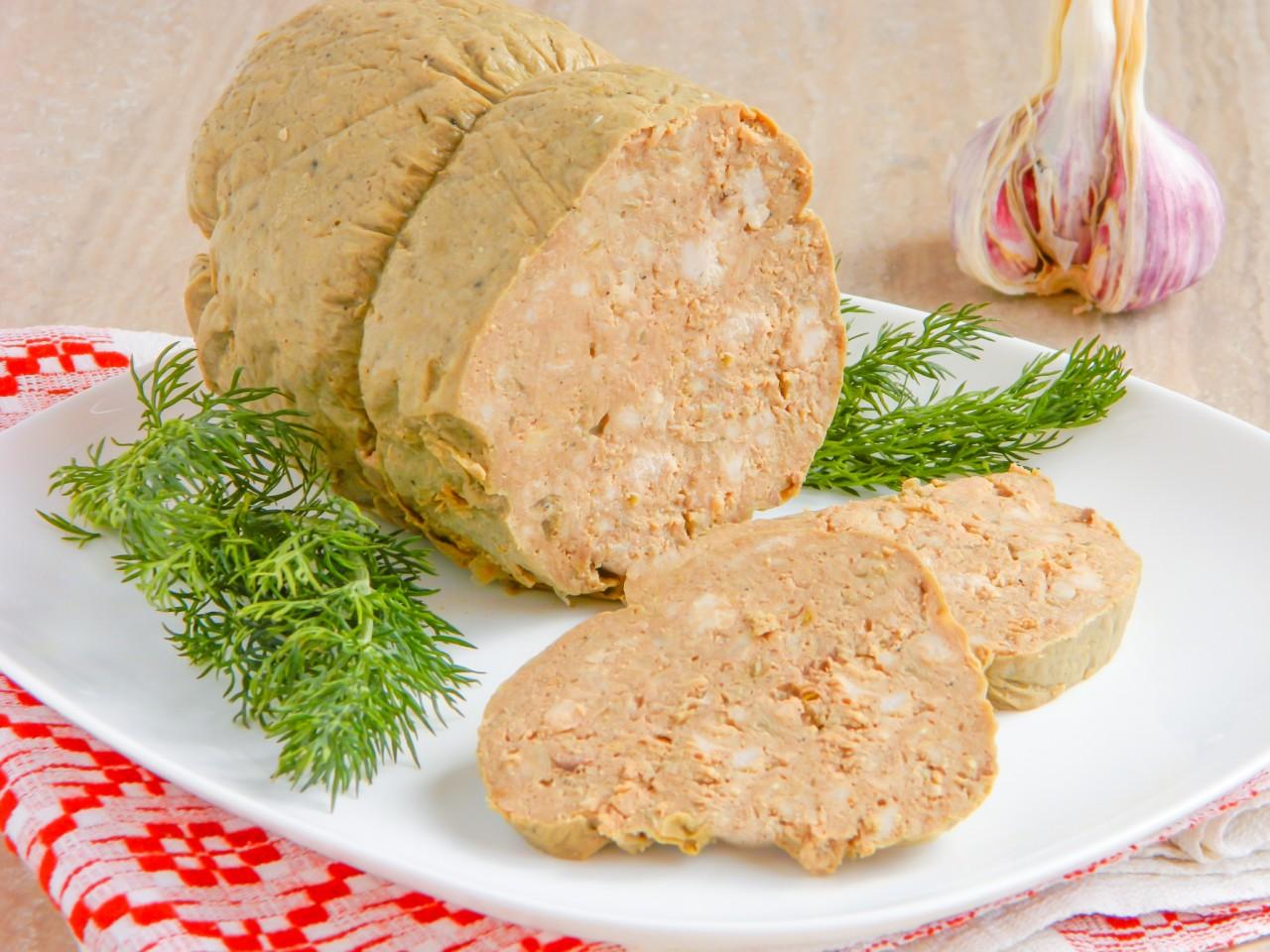
When it comes to an appetizer, it should be both tasty and good for you. Sausage made by this simple method comes out tender, fragrant, and wholesome — after all, liver retains the most of its nutritional value when it's boiled.

Cooking method
-
Step 1:
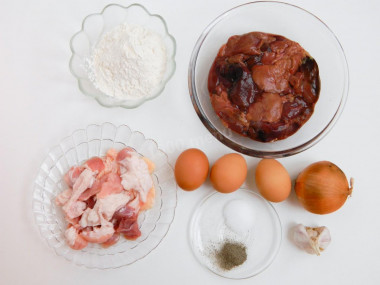
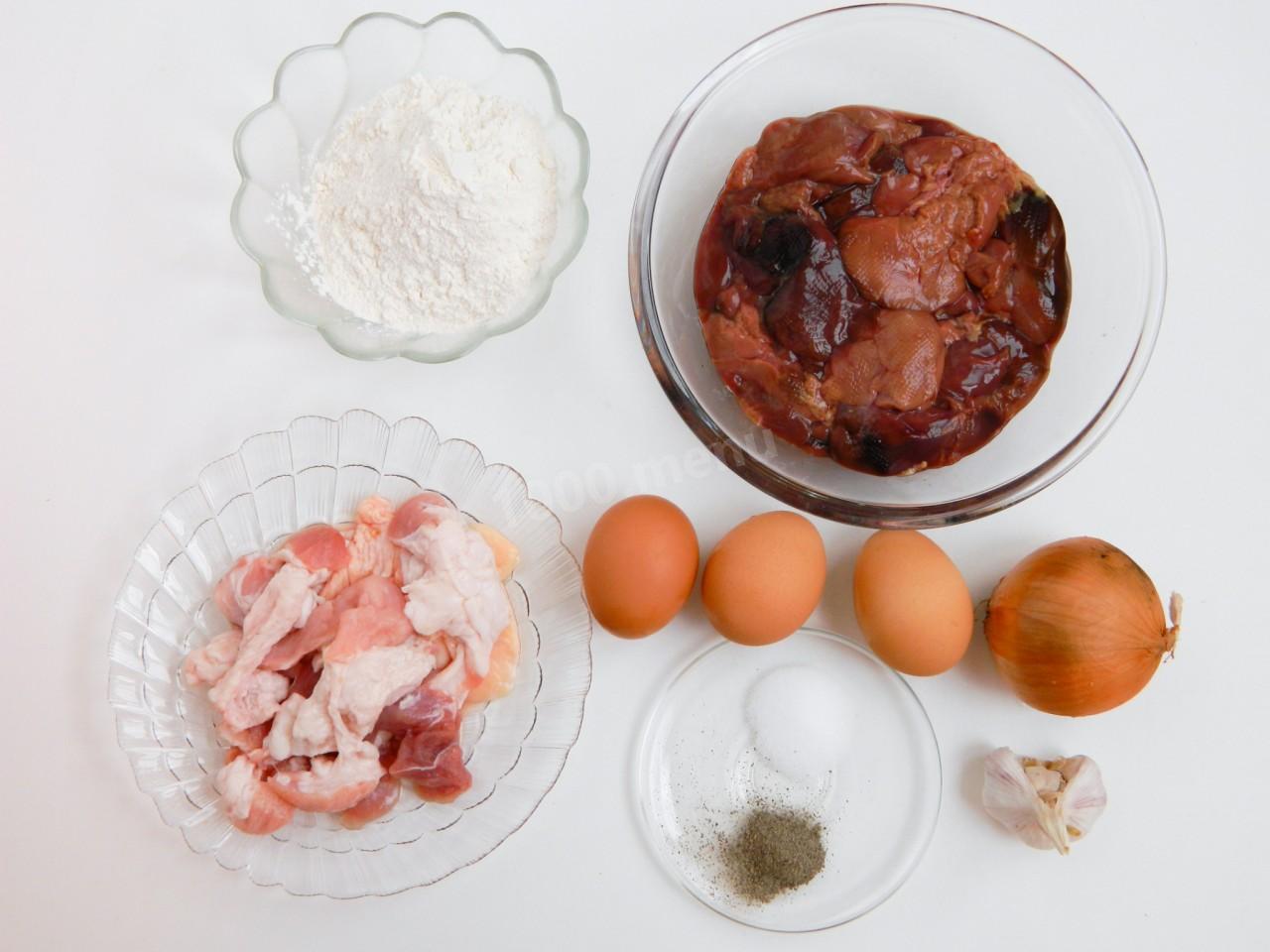
Gather all your ingredients. Which liver to use — pork, beef, or chicken — is up to you. Since liver has a very short shelf life, be sure to check the date on the package. The salo should be fresh, with the skin removed. You can use salo with a streak of meat in it. Use all-purpose flour and large eggs. You'll also need 2 plastic bags (but have a few extra on hand), plastic wrap, and kitchen twine.
-
Step 2:
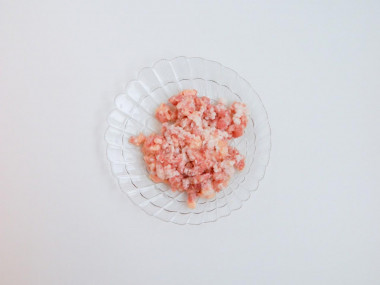
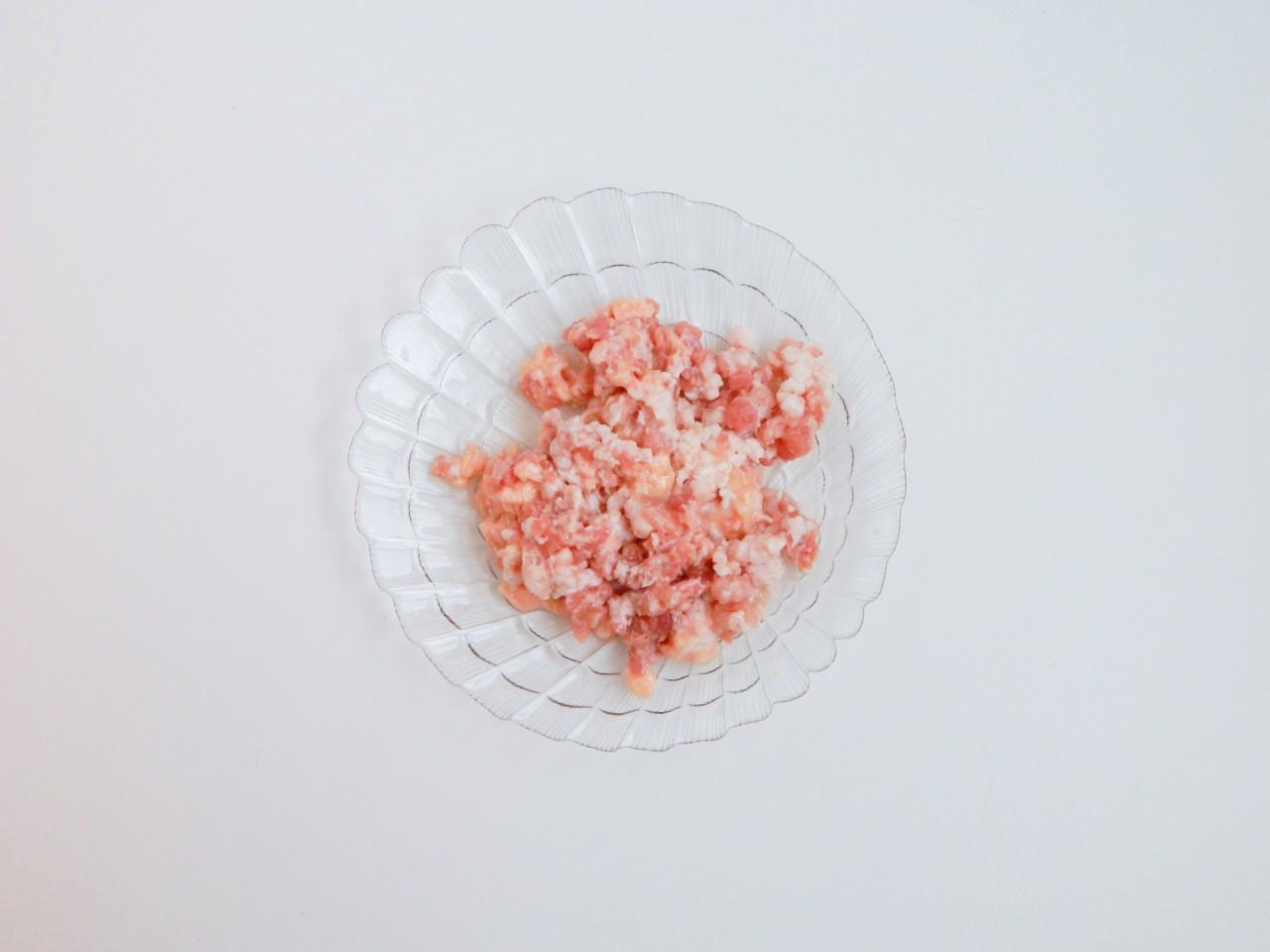
Cut the salo into pieces and run it through a meat grinder fitted with a medium-hole plate. This way the finished sausage will have little bits of salo in it.
-
Step 3:
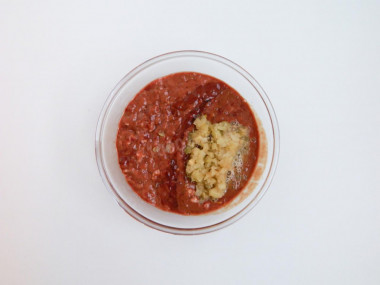
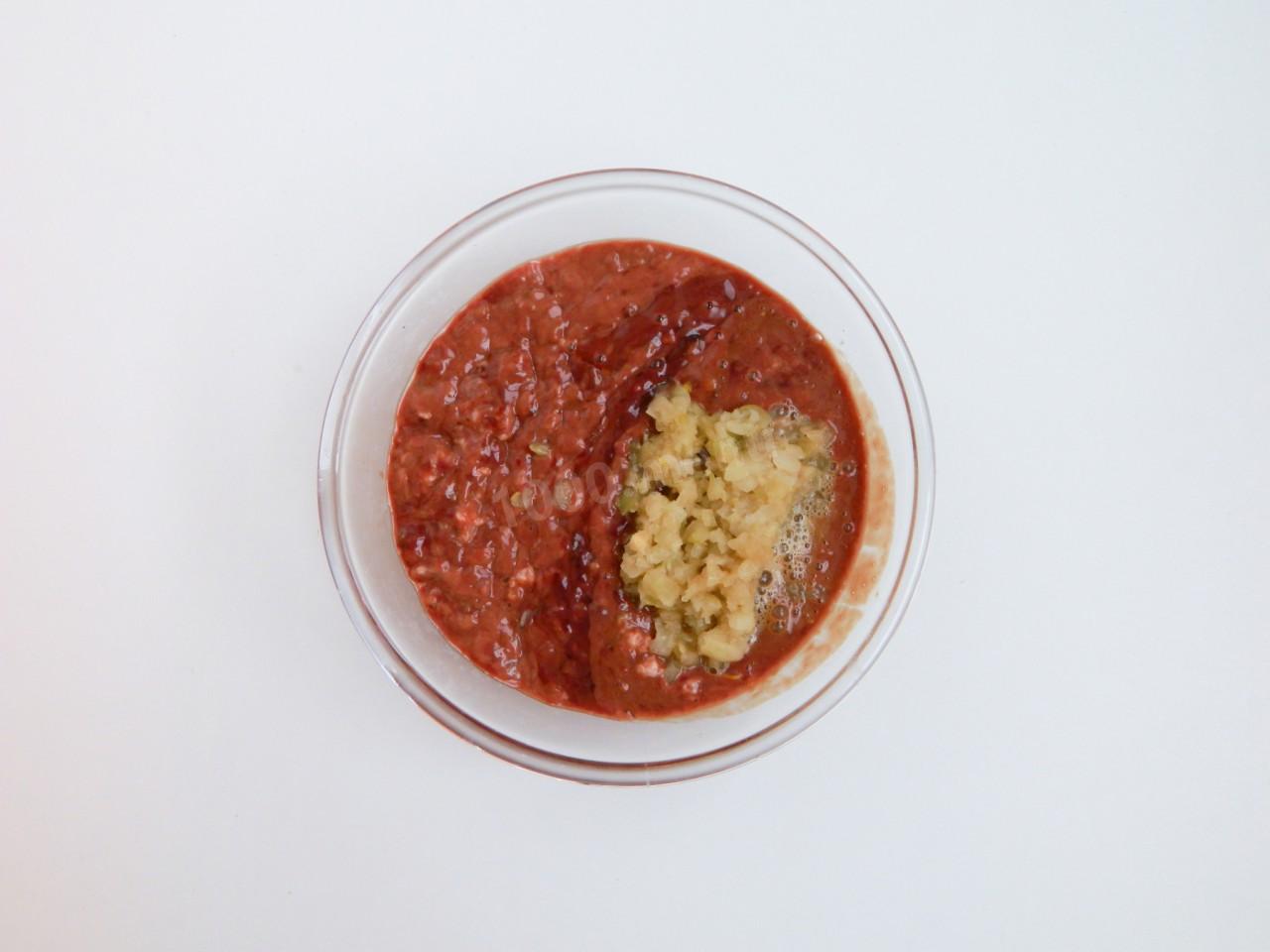
Peel and rinse the garlic. Peel and rinse the onion, then cut it into 4 pieces so it's easy to feed into the grinder. Rinse the liver well under running water. If you're using beef or pork, cut it into small pieces that will fit into the grinder. Without changing the plate, grind the liver first, then the onion and garlic. The onion and garlic will help push the loose, ground liver through the grinder.
-
Step 4:
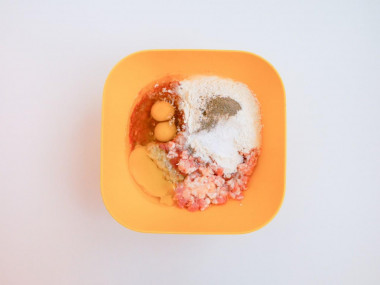
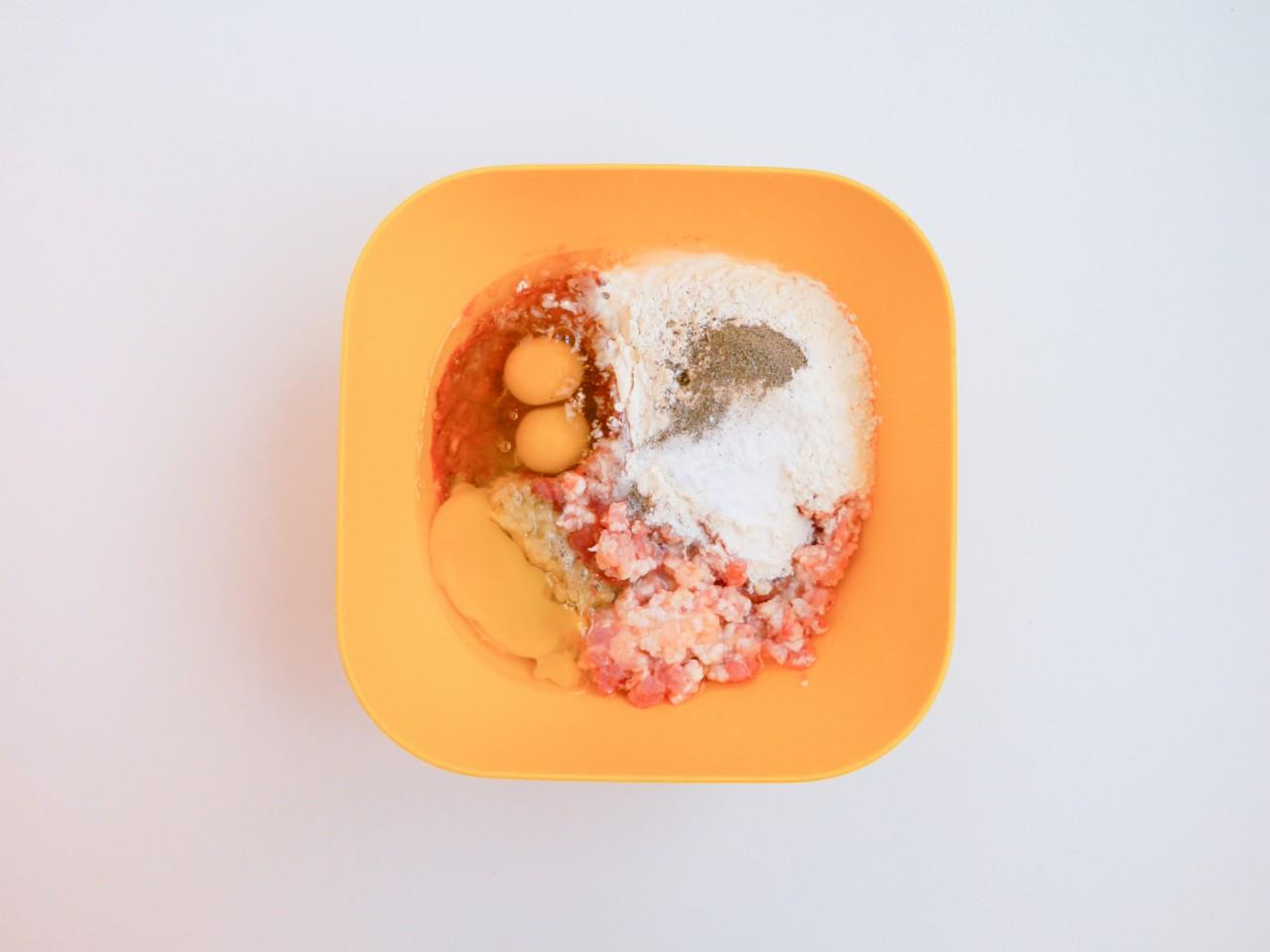
Wash the raw eggs with soap and pat them dry with a towel. Take a large, deep bowl. Add the ground salo and the liver with onion and garlic, then add the salt and pepper and crack in the eggs. Sift the flour so no lumps or bits get into the sausage. Add half the flour for now.
-
Step 5:
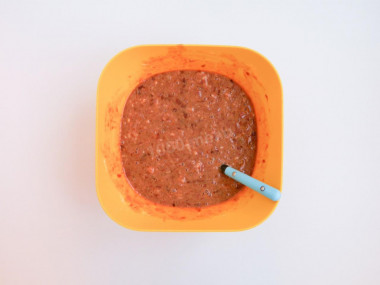
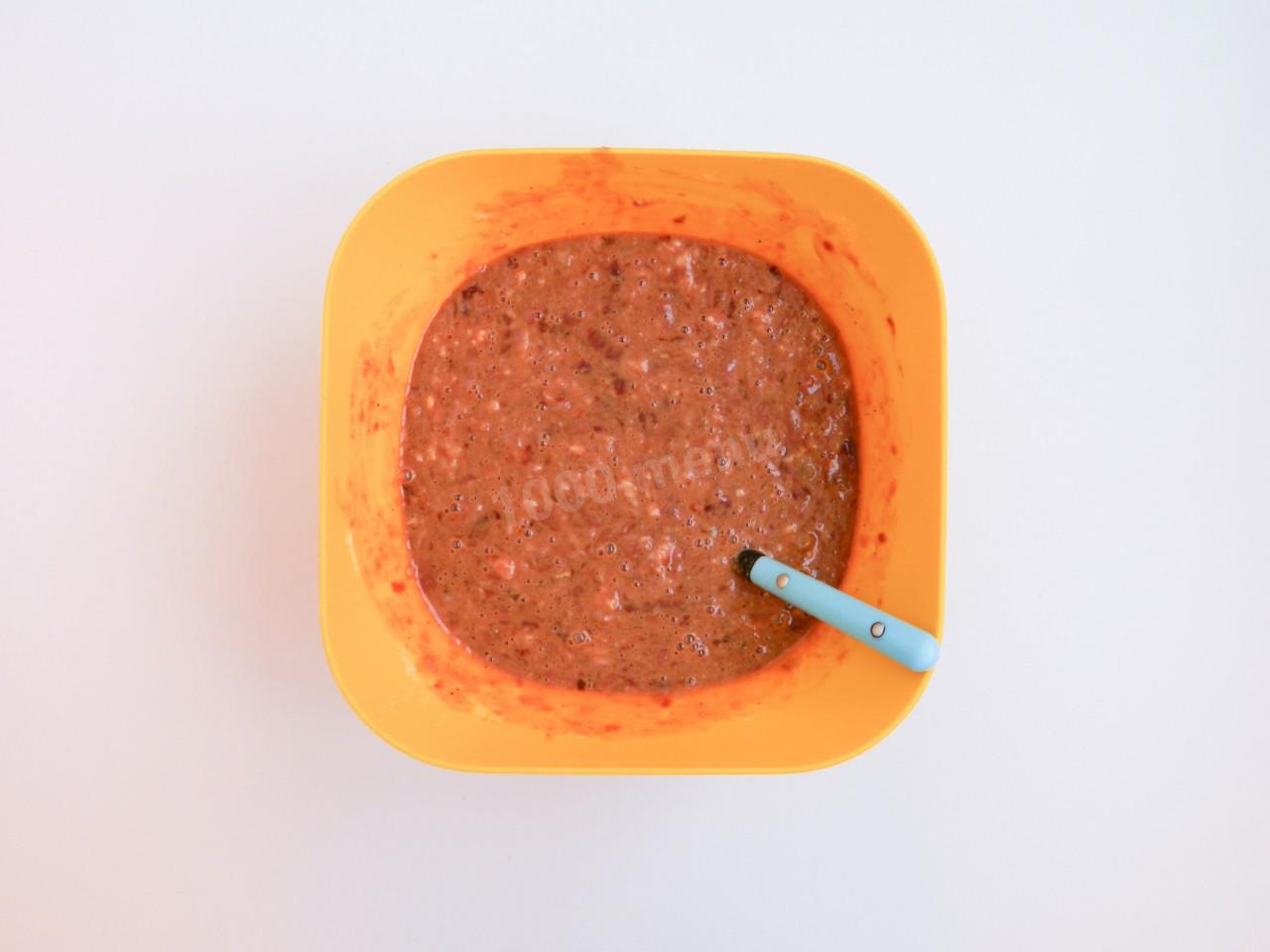
Mix the sausage batter thoroughly. Because flour of the same type but from different brands can behave differently, it affects how thick the batter turns out. So add the rest of the flour a little at a time until you reach the right consistency. The batter should be fairly loose, about the texture of buttermilk.
-
Step 6:
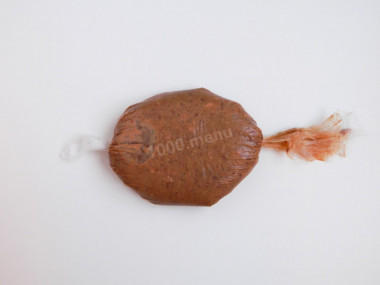
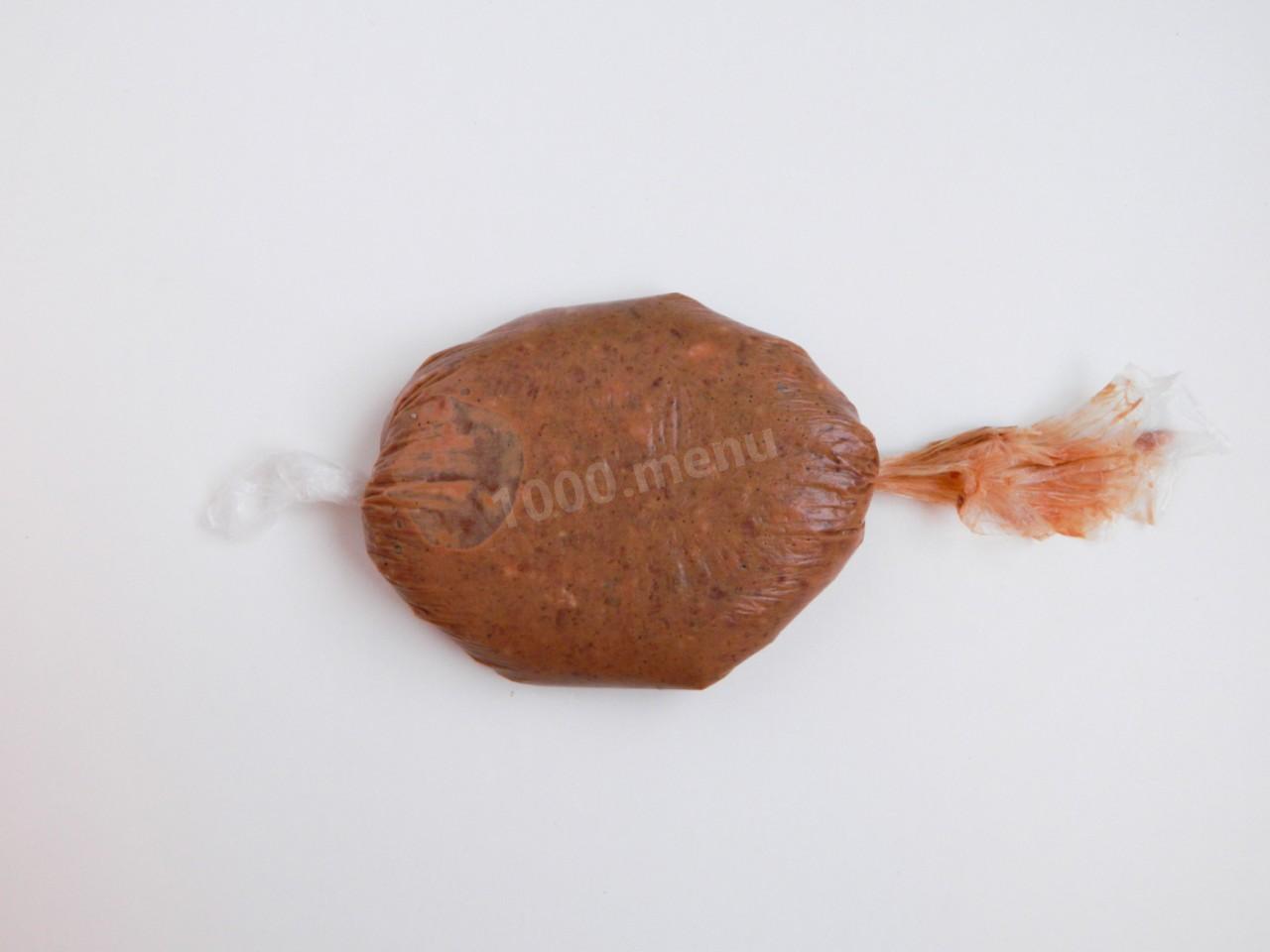
Now shape the sausage. Take a plastic bag and tie a knot at the bottom corner. Carefully spoon the batter into the bag — I used a small ladle. Press the air out and tie a knot at the other end.
-
Step 7:
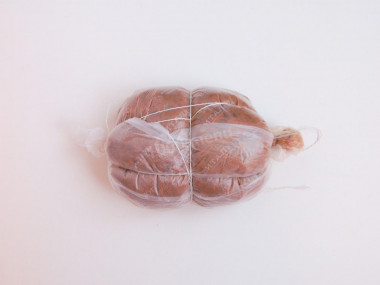
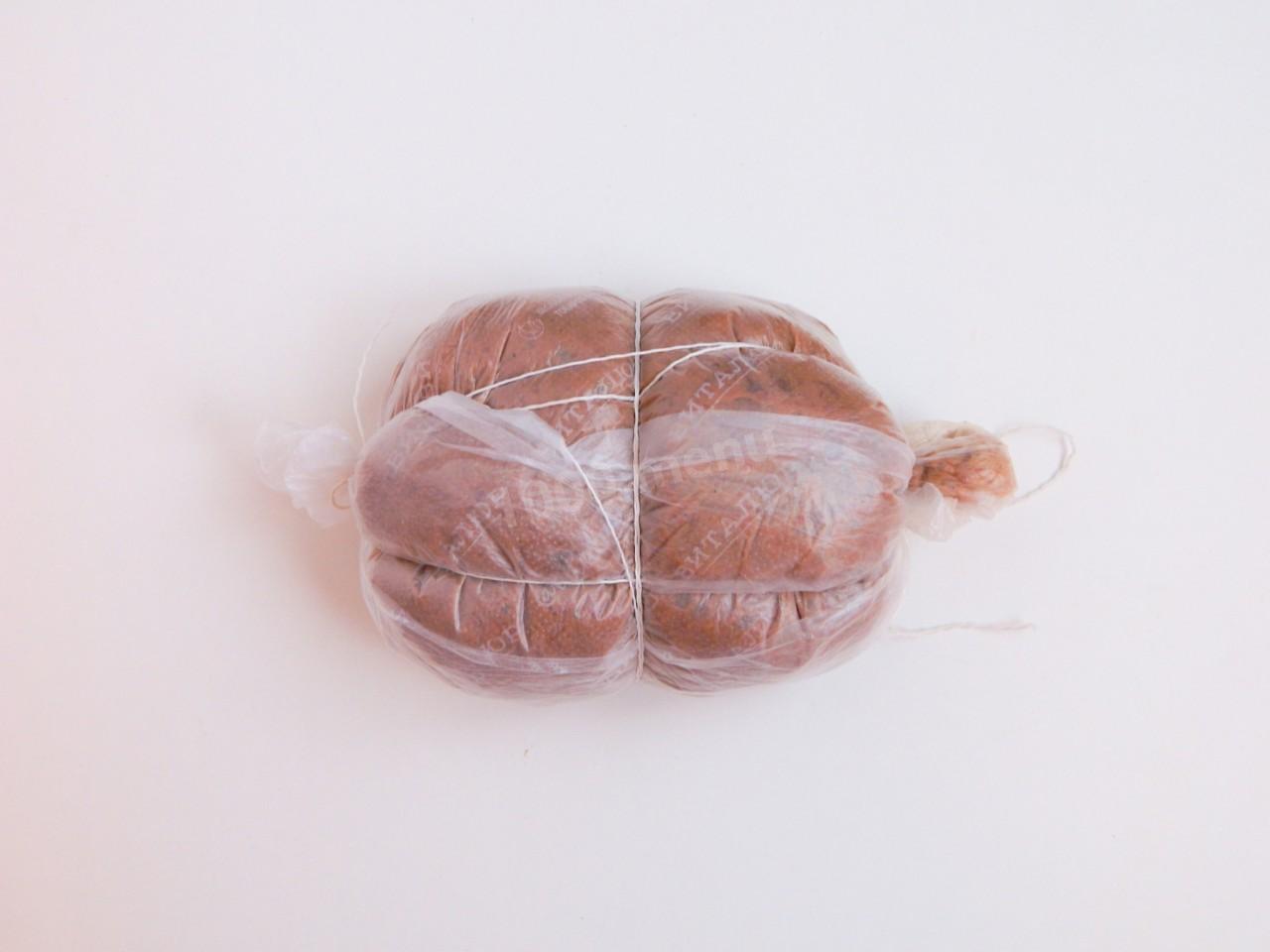
Wrap the resulting "candy" shape in plastic wrap or a second bag to reinforce it. Take kitchen twine or thick thread — it needs to be a material that won't dissolve in boiling water. Tie a knot at one end, run the twine the length of the sausage, and tie it off at the other end. Wrap it a few more times lengthwise and crosswise to shape the sausage.
-
Step 8:
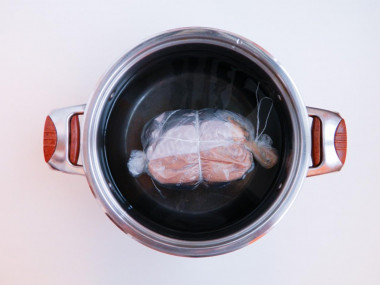
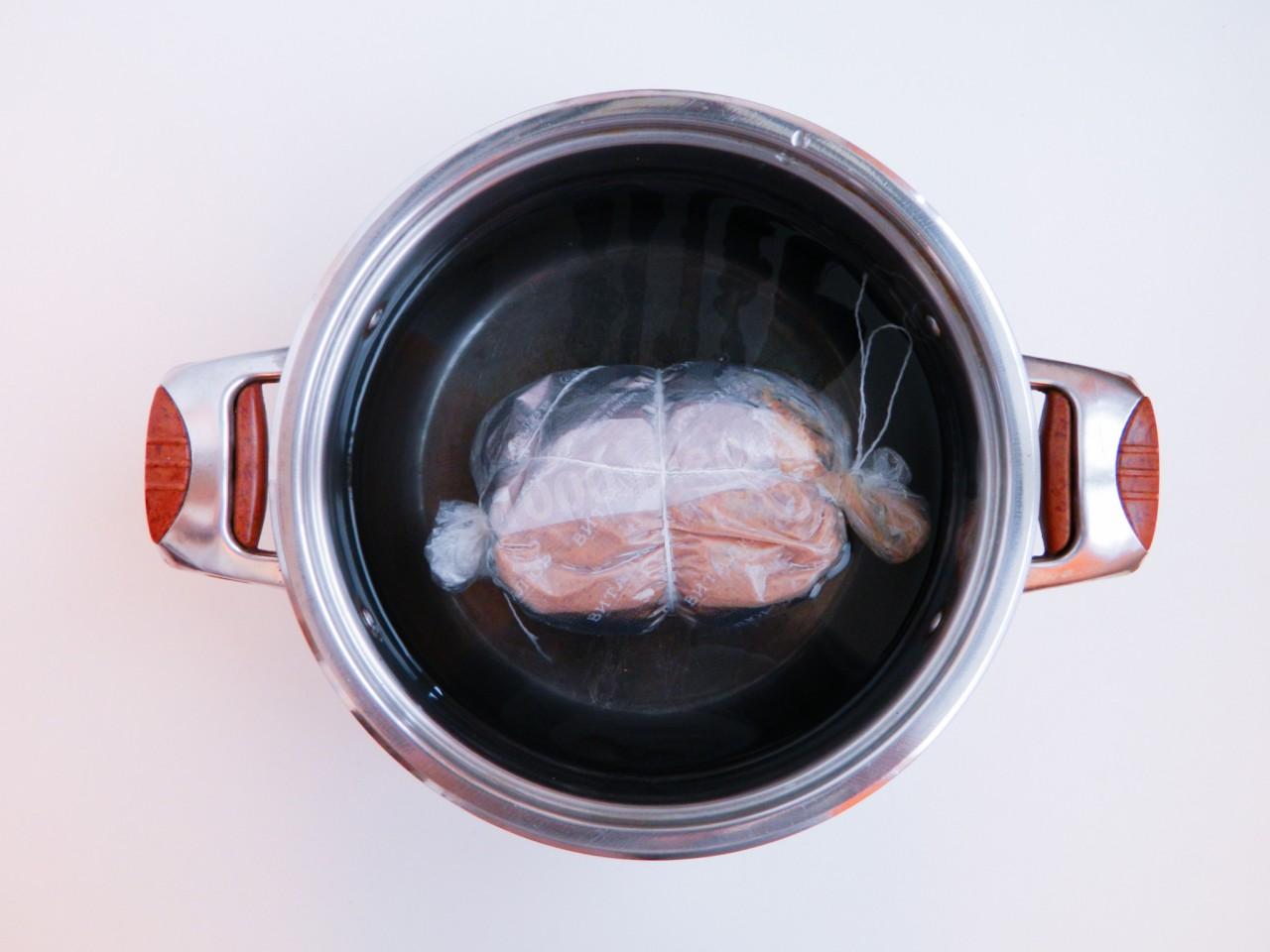
Choose a large pot, big enough for the sausage to sit comfortably. Lower the sausage in, cover with cold water, and put the lid on. Turn the heat to high to bring the water to a boil quickly. As soon as it boils, reduce the heat to medium and cook for 1 hour.
-
Step 9:
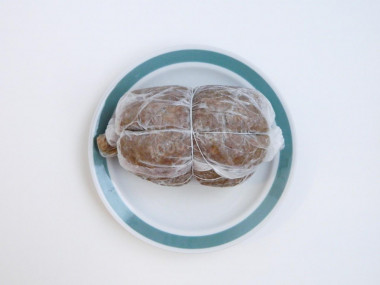
Take the pot off the heat and drain the water. Carefully, so you don't burn yourself, transfer the sausage to a plate and let it cool somewhere cold for at least 2 hours. Cut and peel the bags off the cooled sausage.
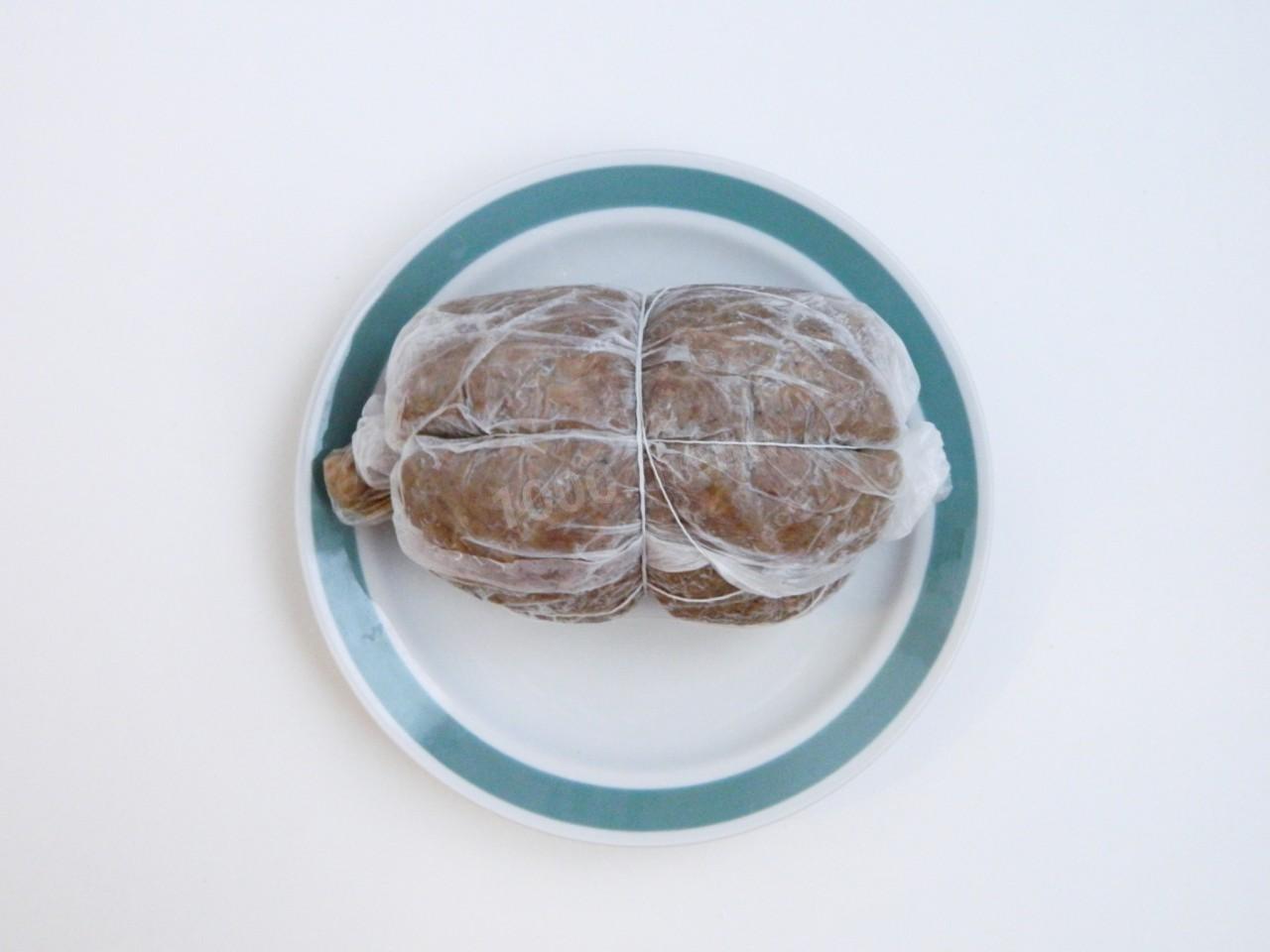
- Your homemade liver sausage in a bag is ready. Serve it as a cold appetizer. It pairs beautifully with mustard and horseradish, fresh herbs, and vegetables. I especially loved it in a sandwich with rye bread and fresh cucumber. You can keep this sausage for up to 5 days in the refrigerator in a sealed container. I ran into a couple of small snags while making it: 1. When packing the raw batter into the bag. I used a fairly wide bag, and it was awkward to form a sausage shape, since the batter is quite soft, doesn't hold its shape, and spreads out. I'd recommend a narrow but fairly deep bag (like a baguette bag) to make it easier to work with. 2. I used fresh liver and salo. When grinding, the salo stuck to the walls of the grinder, and the liver turned loose and was hard to push through. If you freeze the liver and salo slightly first, they'll grind much more easily.
Caloric content of the products possible in the composition of the dish
- Chicken egg - 157 kcal/100g
- Egg white - 45 kcal/100g
- Egg powder - 542 kcal/100g
- Egg yolk - 352 kcal/100g
- Ostrich egg - 118 kcal/100g
- Lamb liver - 101 kcal/100g
- Beef offal - 735 kcal/100g
- Goose liver - 412 kcal/100g
- Duck liver - 405 kcal/100g
- Beef liver - 130 kcal/100g
- Pork fat - 871 kcal/100g
- Rendered pork fat - 947 kcal/100g
- Pork cracklings - 895 kcal/100g
- Salo - 797 kcal/100g
- Pork fatback - 658 kcal/100g
- Garlic - 143 kcal/100g
- Ground black pepper - 255 kcal/100g
- Salt - 0 kcal/100g
- Onion - 41 kcal/100g
- Wheat flour - 325 kcal/100g