Cucumber and Tomato Lecho for Winter
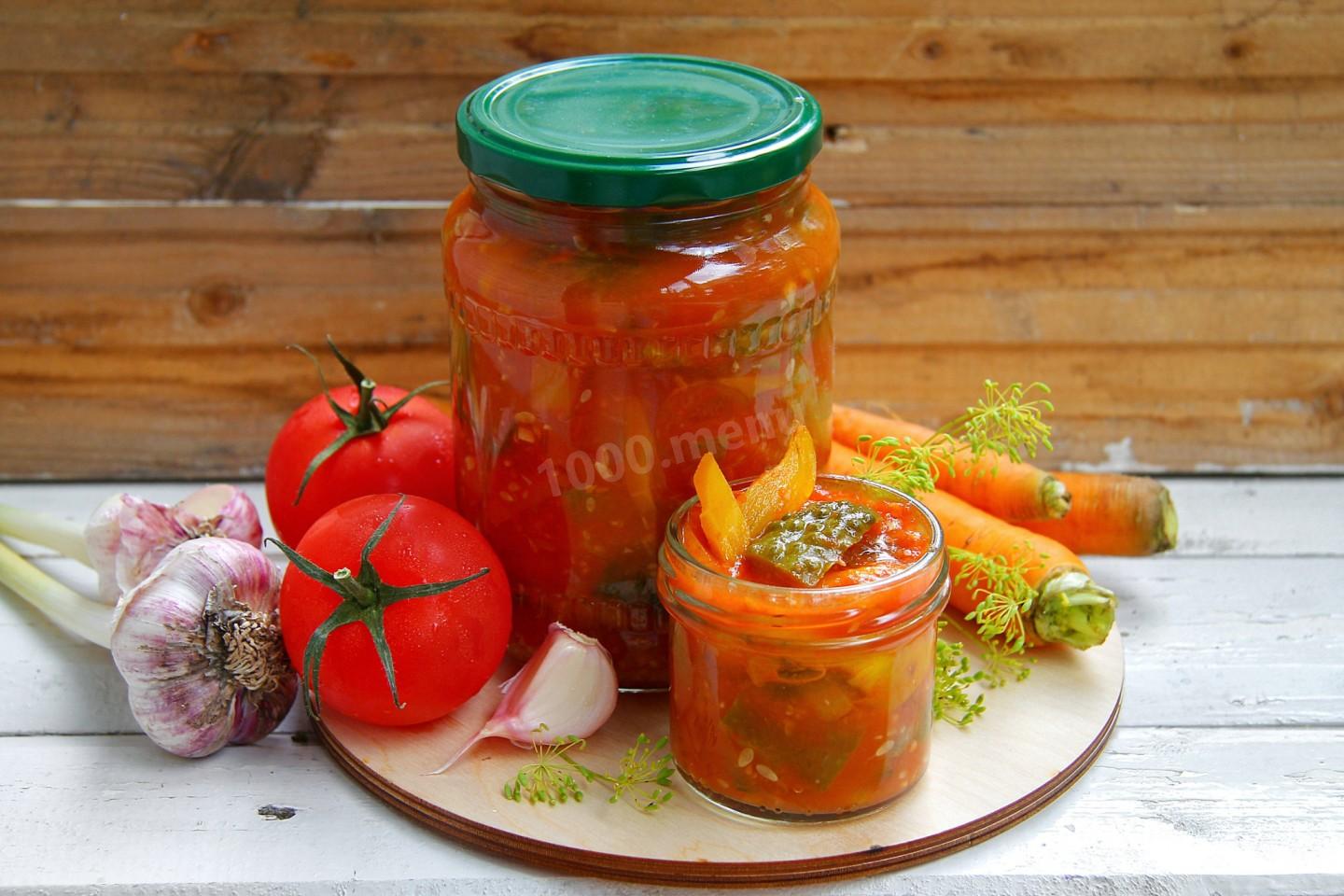
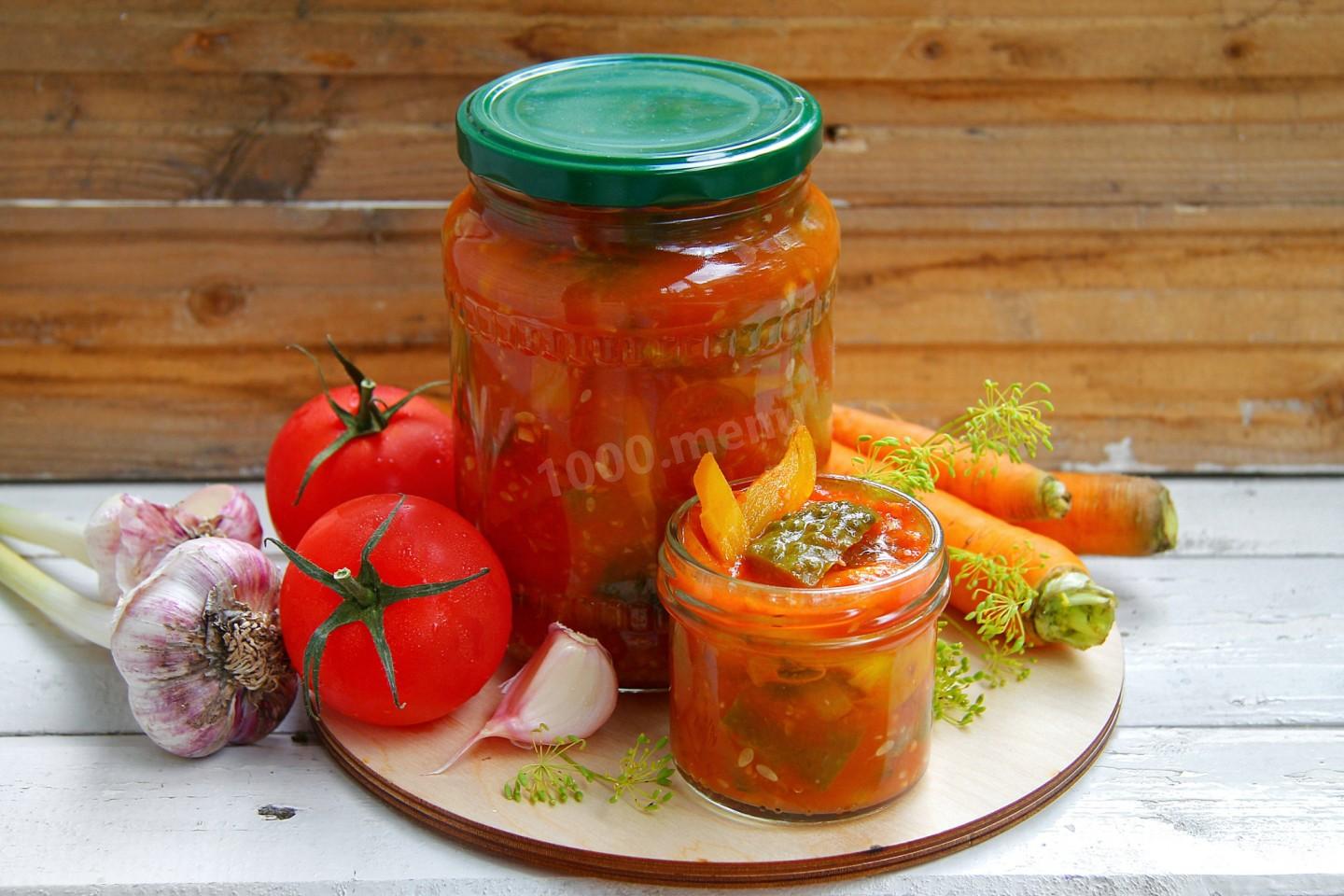
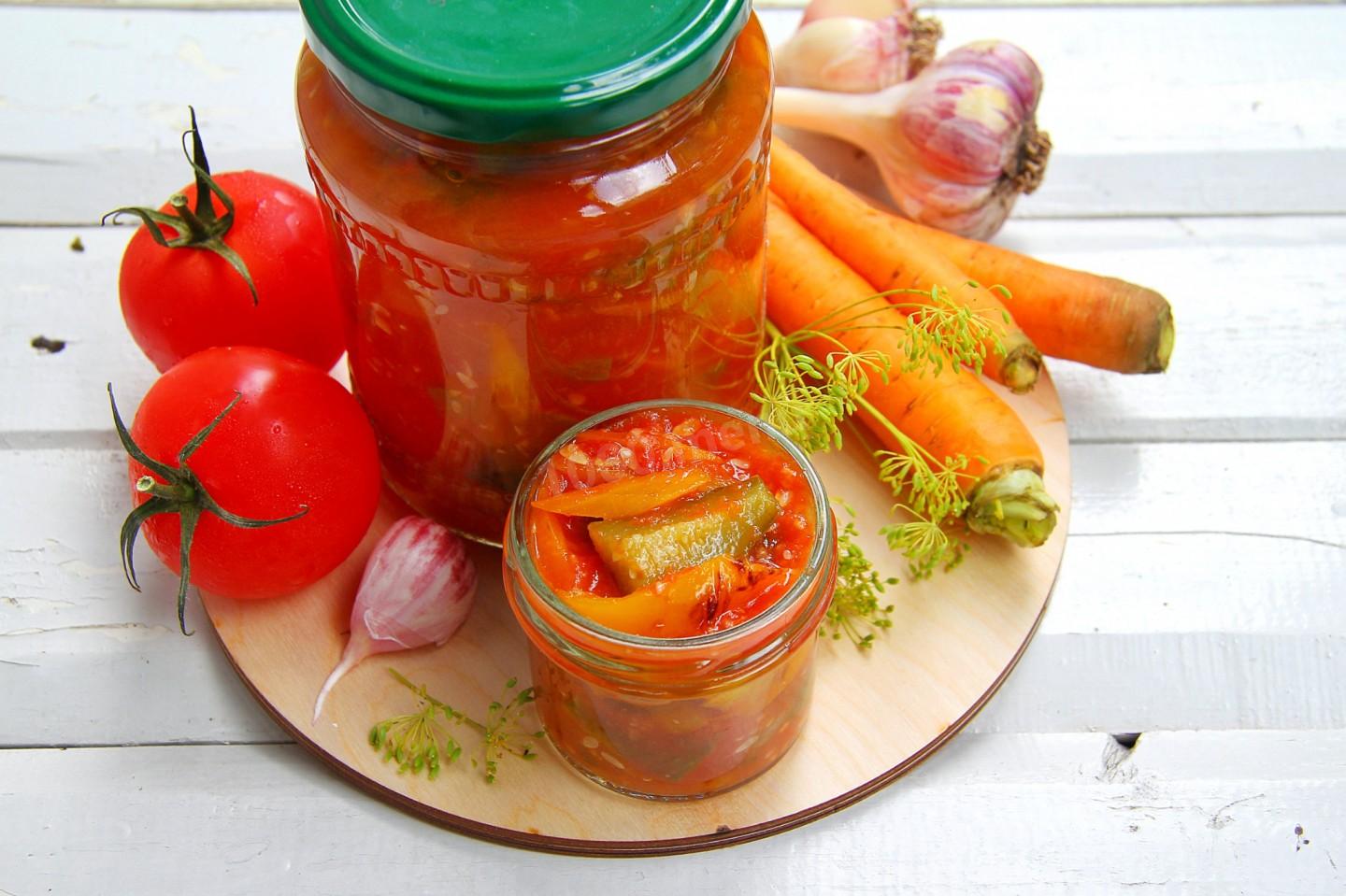
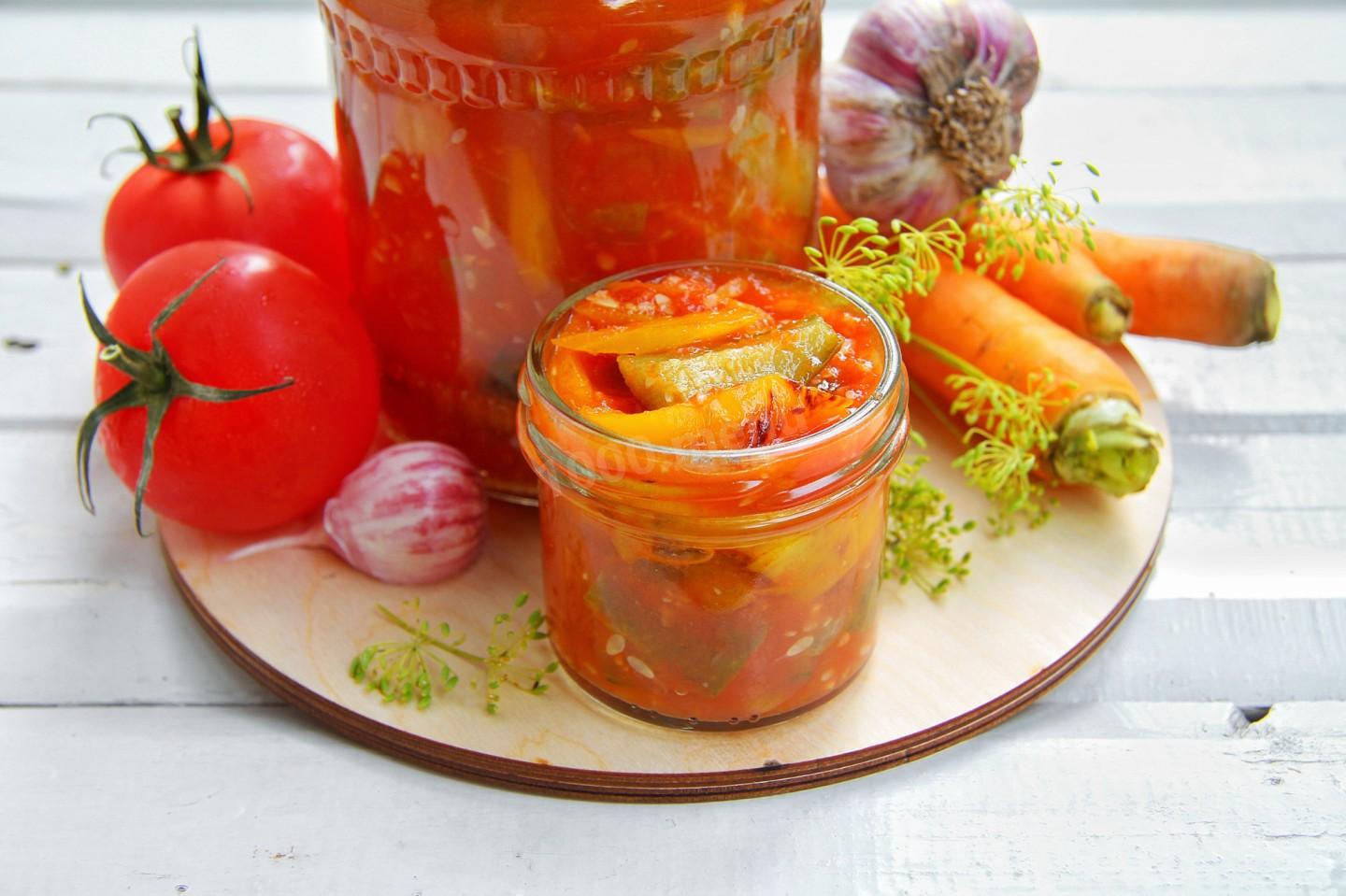
Familiar and beloved, but with an unexpected twist! A gentle cucumber note in the famous lecho — this version is built on cucumbers and tomatoes. To my mind it's an exceptionally good pairing for home canning. It's easy to make from everyday ingredients, and it disappears fast.

Cooking method
-
Step 1:
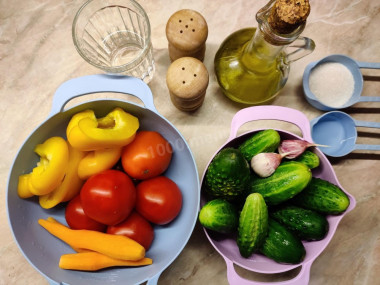
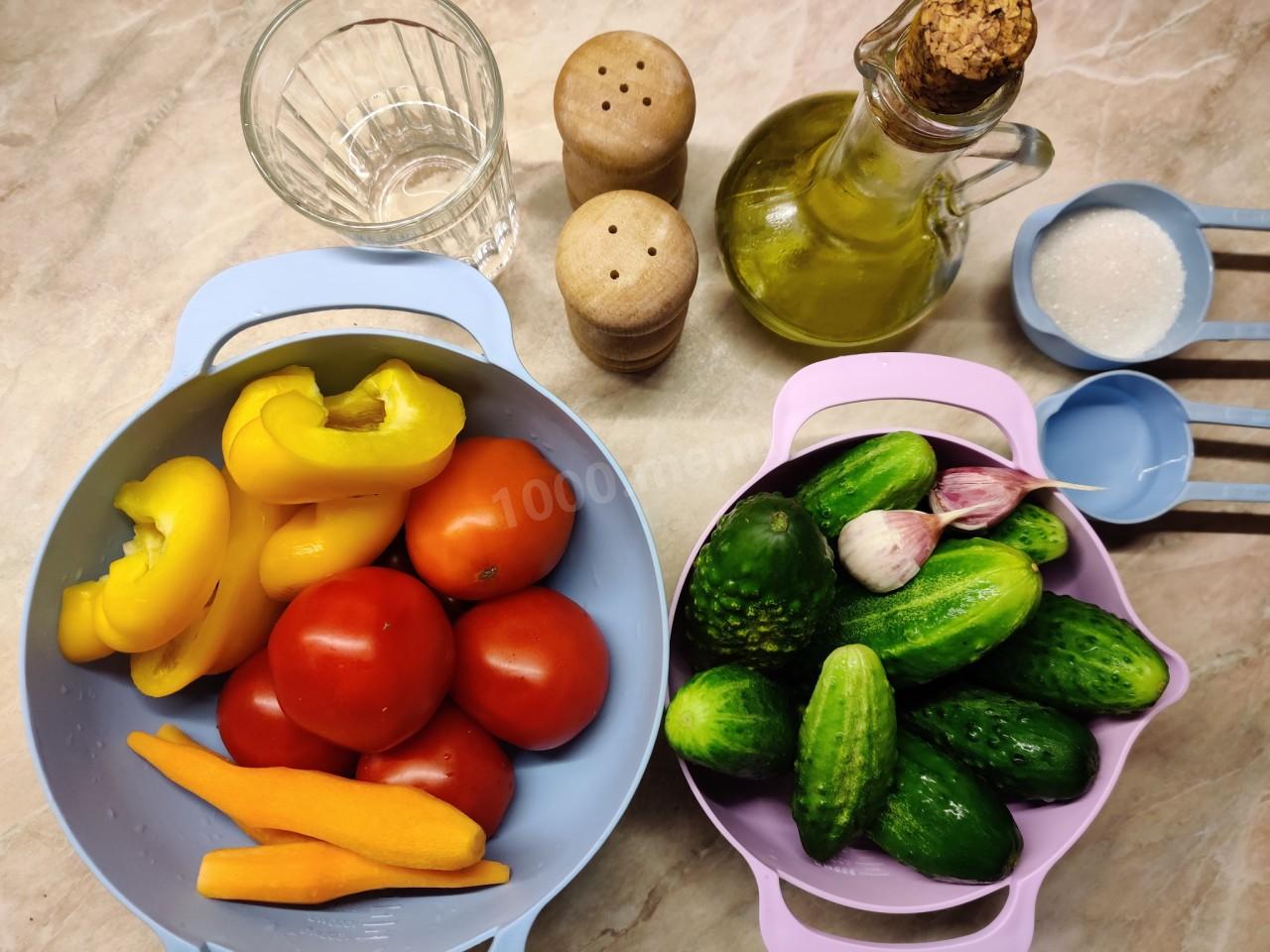
How do you make cucumber lecho? Gather all your ingredients. Use pickling-type cucumbers (the bumpy kind) — small ones, and they don't have to be perfectly straight. Wash all the vegetables under running water. Core and seed the peppers. Peel the carrot. We'll be peeling the tomatoes, so check whether the skin comes off easily or whether you'll need to blanch them. Use refined oil and 9% vinegar; if you have vinegar essence, dilute it ahead of time per the instructions.
-
Step 2:
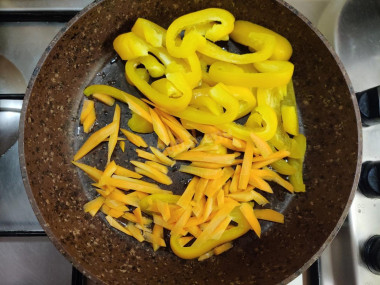
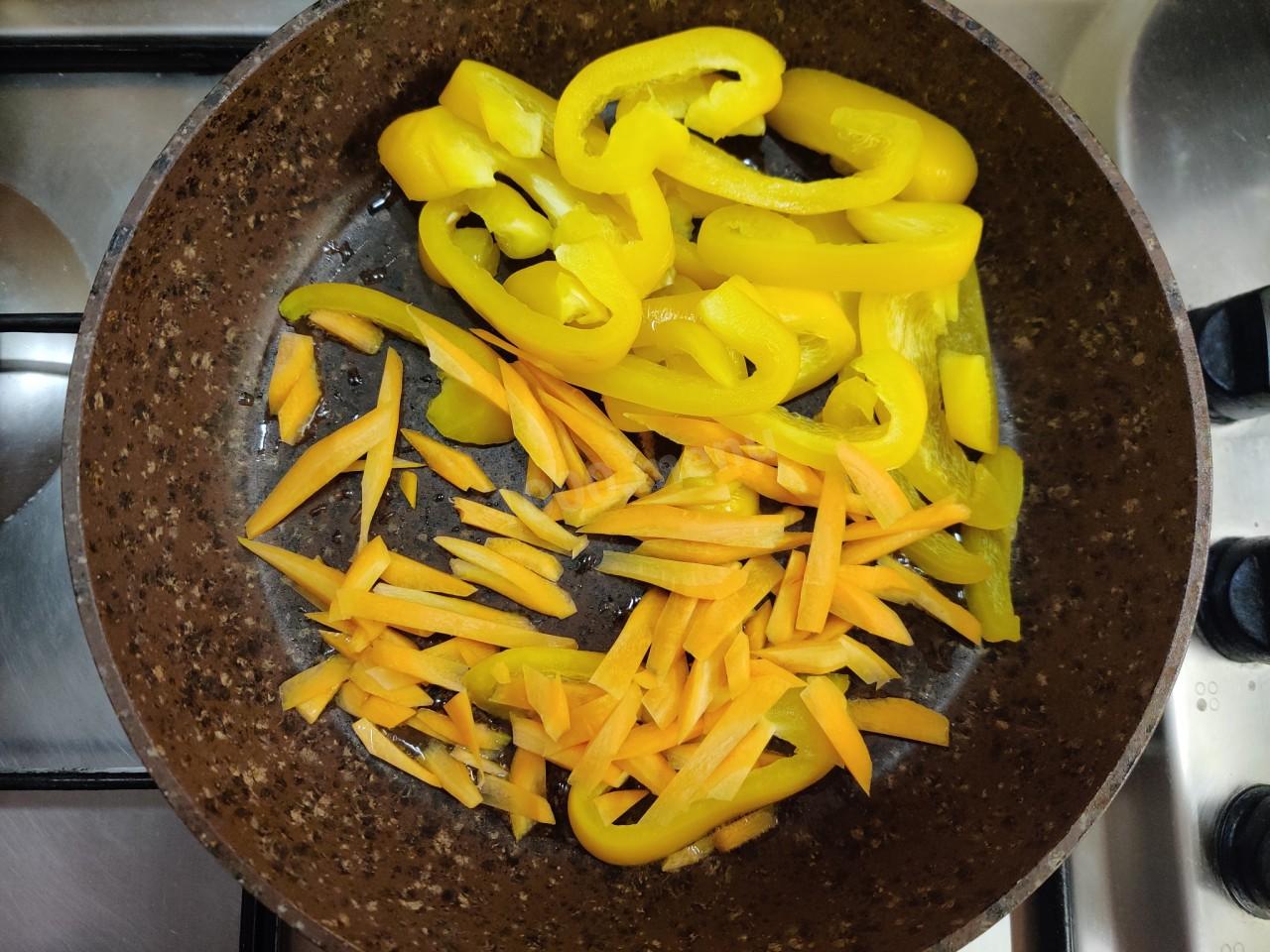
Cut the carrot into thin strips and the pepper into thin strips. Sauté in vegetable oil for about 5 minutes, until the edges start to brown.
-
Step 3:
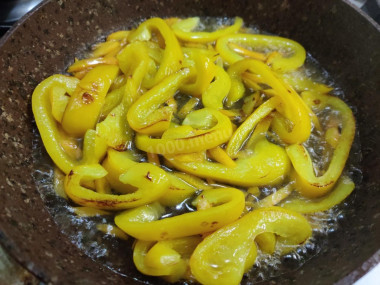
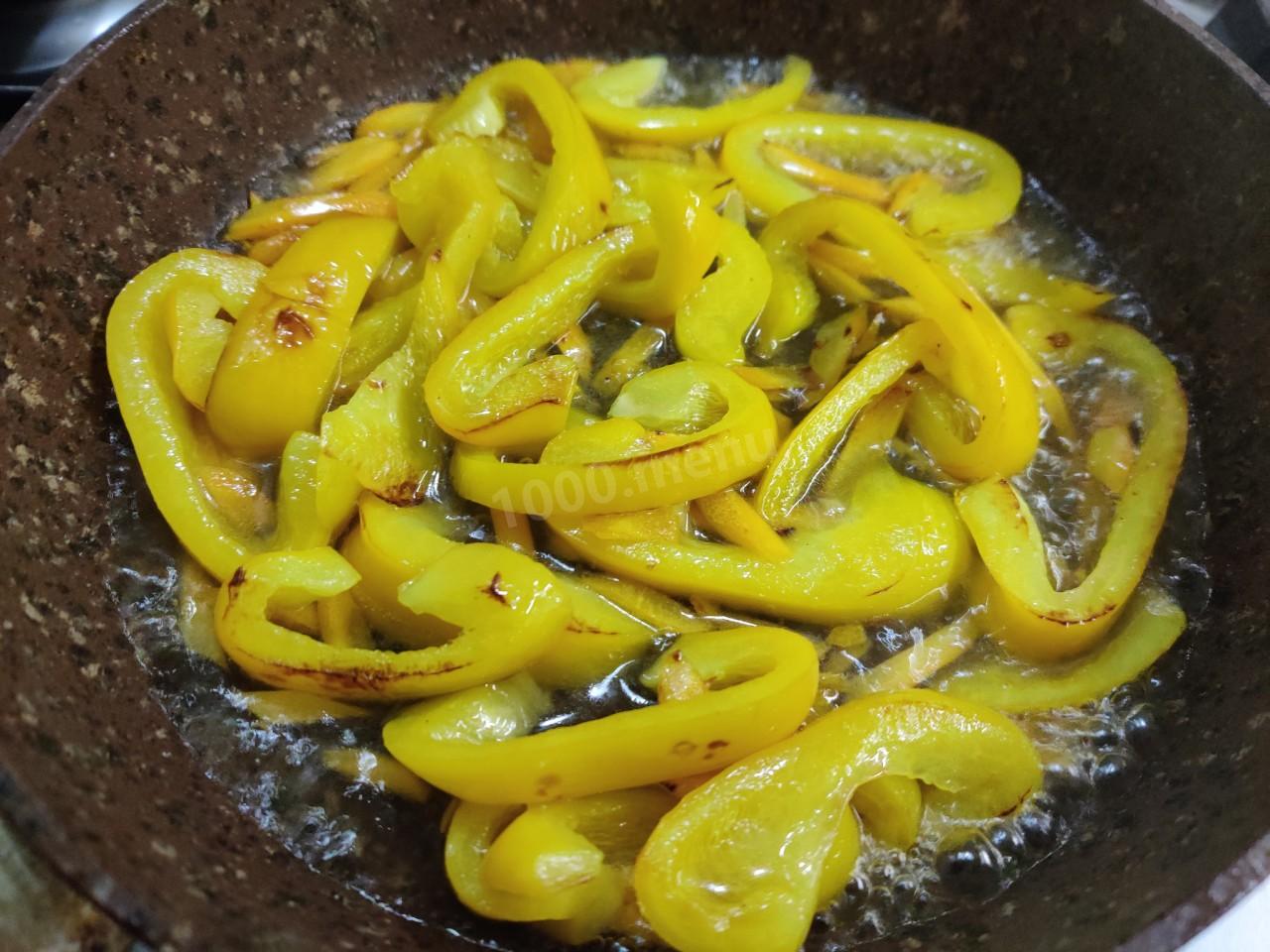
Pour filtered water into the pan and cover it quickly — it will spatter. Simmer the vegetables over low heat until soft. The pepper skins should turn almost soft; this matters, because under-cooked pepper stays tough in the finished dish.
-
Step 4:
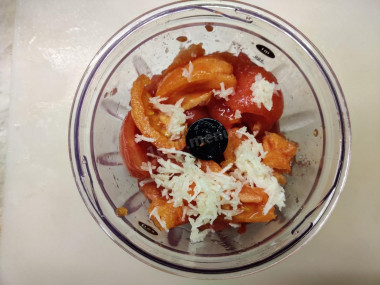
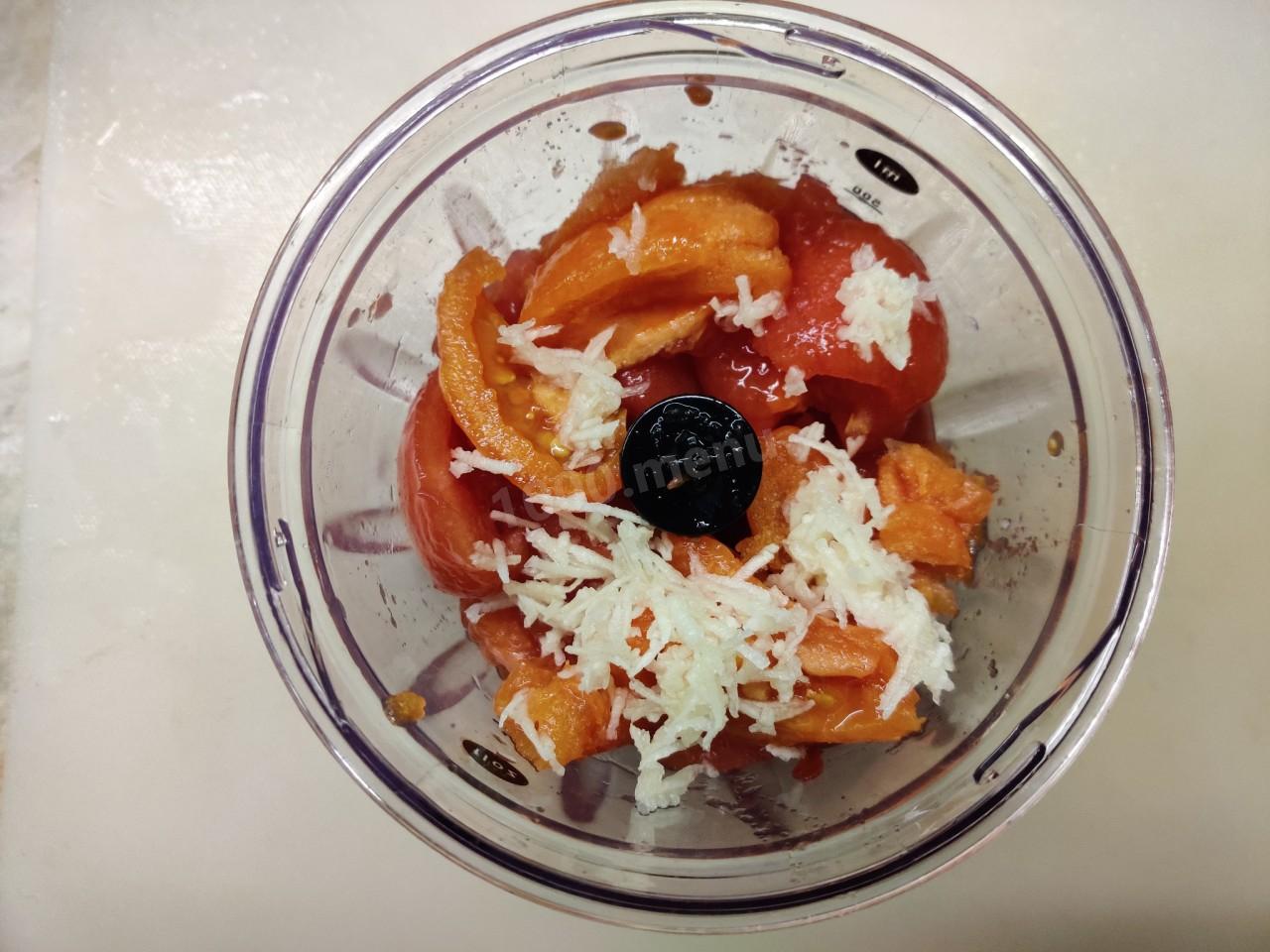
Remove the stem ends from the tomatoes and peel them. Mine peeled easily; if yours don't, score an X in the skin and pour boiling water over them for 5-10 minutes. Cut the tomatoes into large pieces and put them in a blender. Add the finely grated garlic.
-
Step 5:
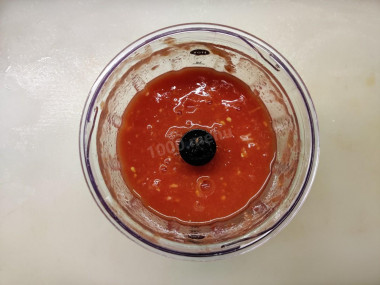
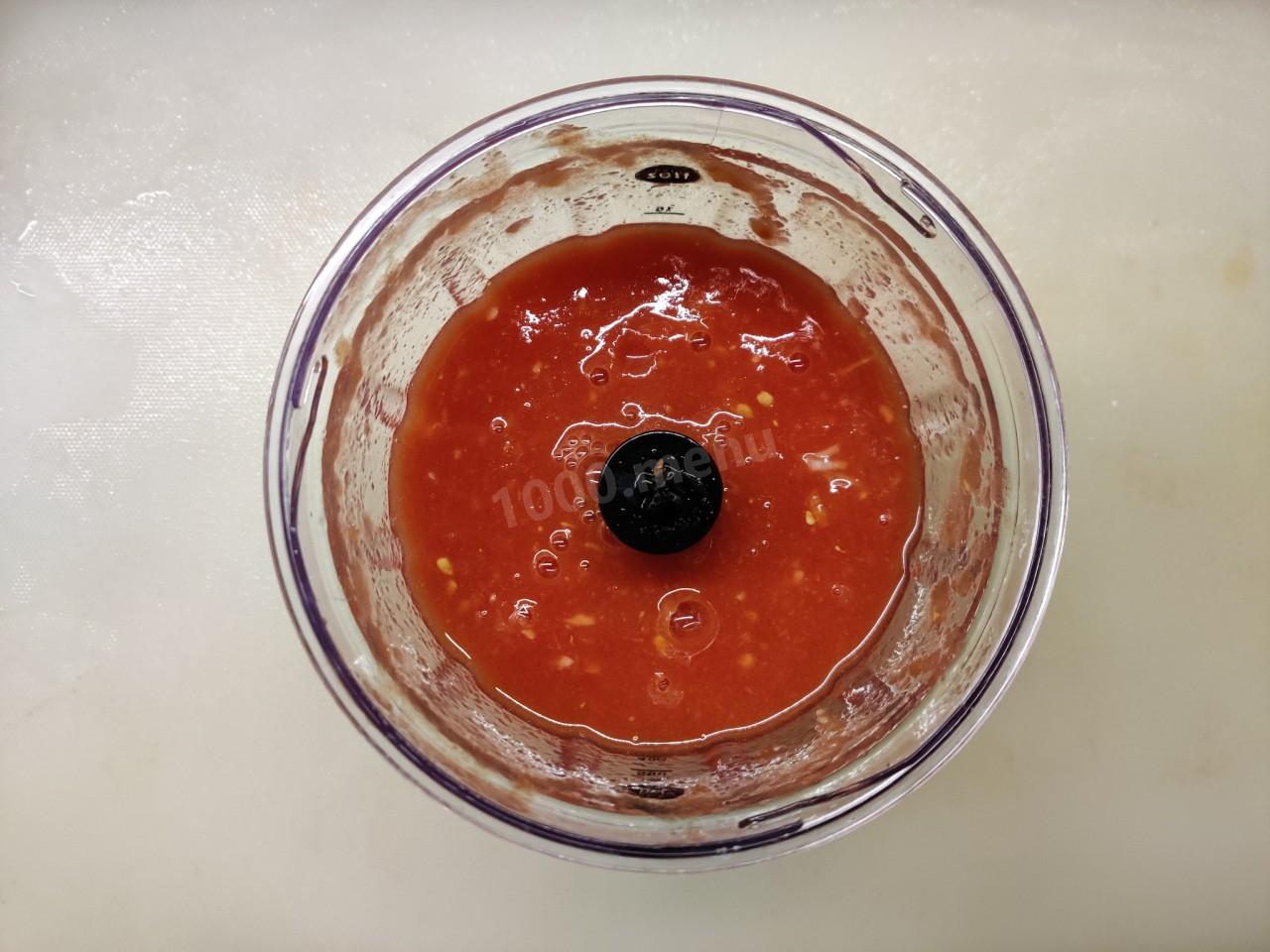
Pulse the tomatoes into a smooth blend. This tomato purée is the base of any lecho.
-
Step 6:
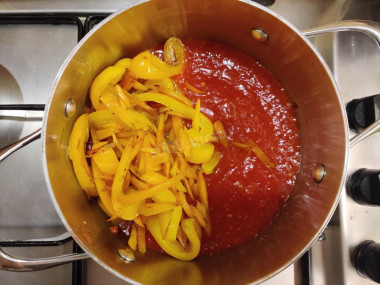
Pour the purée into a pot and add the pepper and carrot.
-
Step 7:
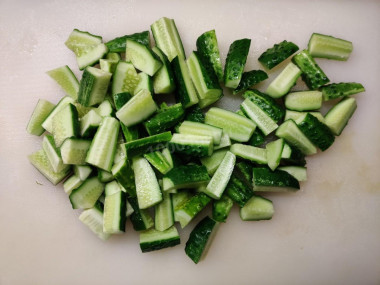
Trim both ends off the cucumbers and cut them into batons. If they're overripe, peel them first and remove the tough seeds.
-
Step 8:
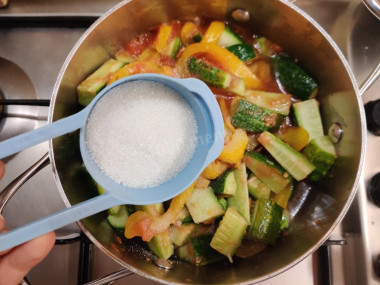
Add the cucumbers to the pot and bring the lecho to a boil, then add the salt, hot pepper, sugar, and vinegar. It may look like there's too little liquid, but that's exactly right at this stage — the cucumbers will release more of their own juice.
-
Step 9:
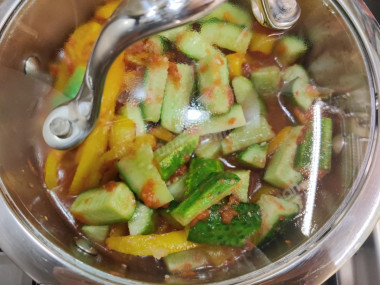
Simmer the lecho, covered, over low heat for about half an hour until done. Meanwhile, sterilize the jars however you like, and just pour boiling water over the lids.
-
Step 10:
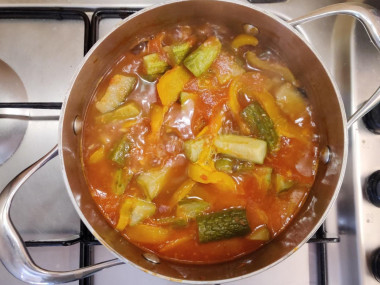
The lecho is done when the cucumbers change color and all the vegetables are soft. Taste it — this is your last chance to add more salt or sugar if needed.
-
Step 11:
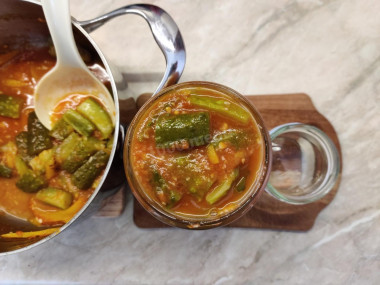
Pour the lecho into jars, seal them, and turn them upside down. Wrap the jars in a warm blanket and leave them to cool completely at room temperature, then move them to the pantry for storage. I ended up with one quart jar, plus a little extra for tasting right away.
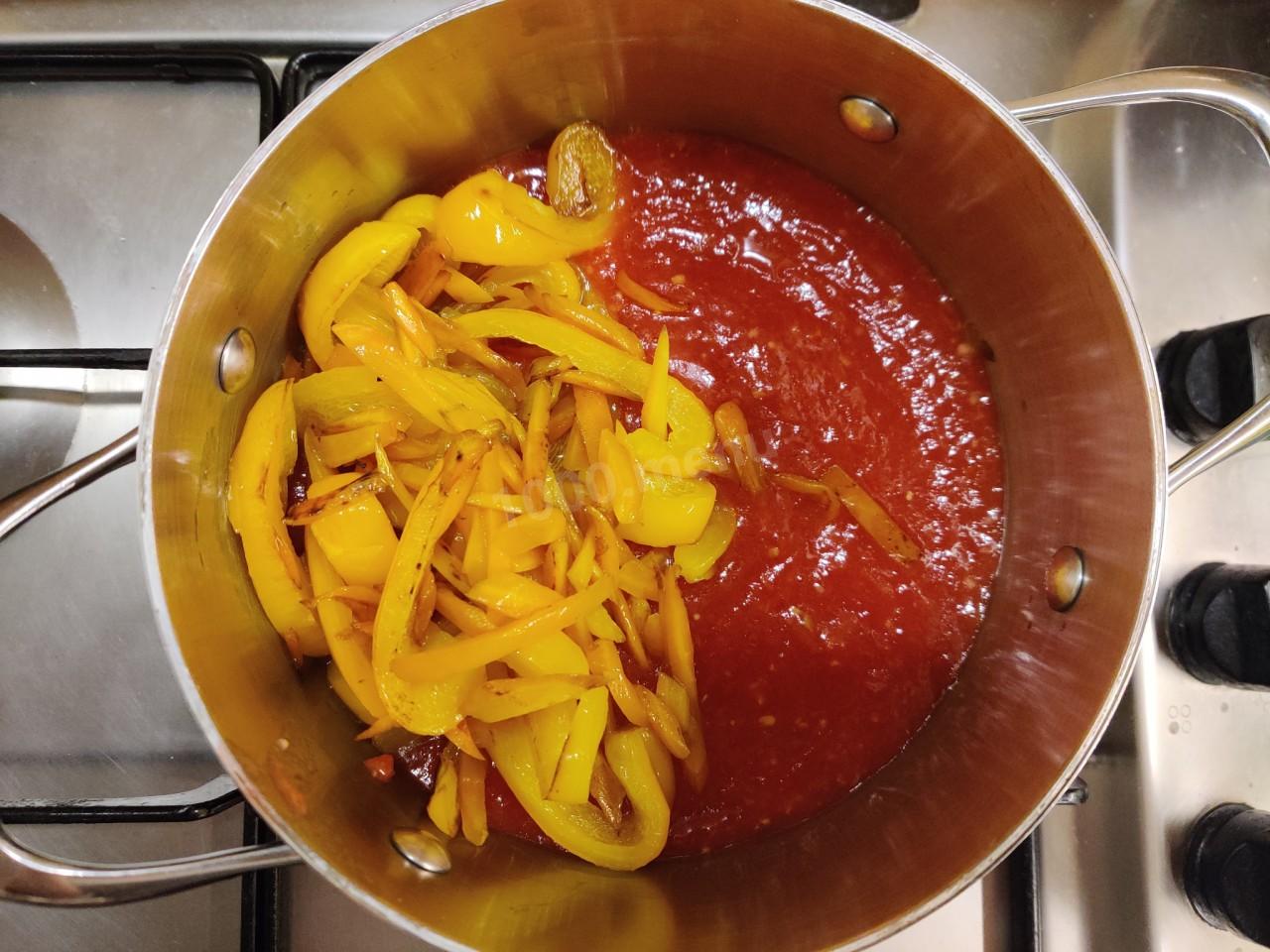

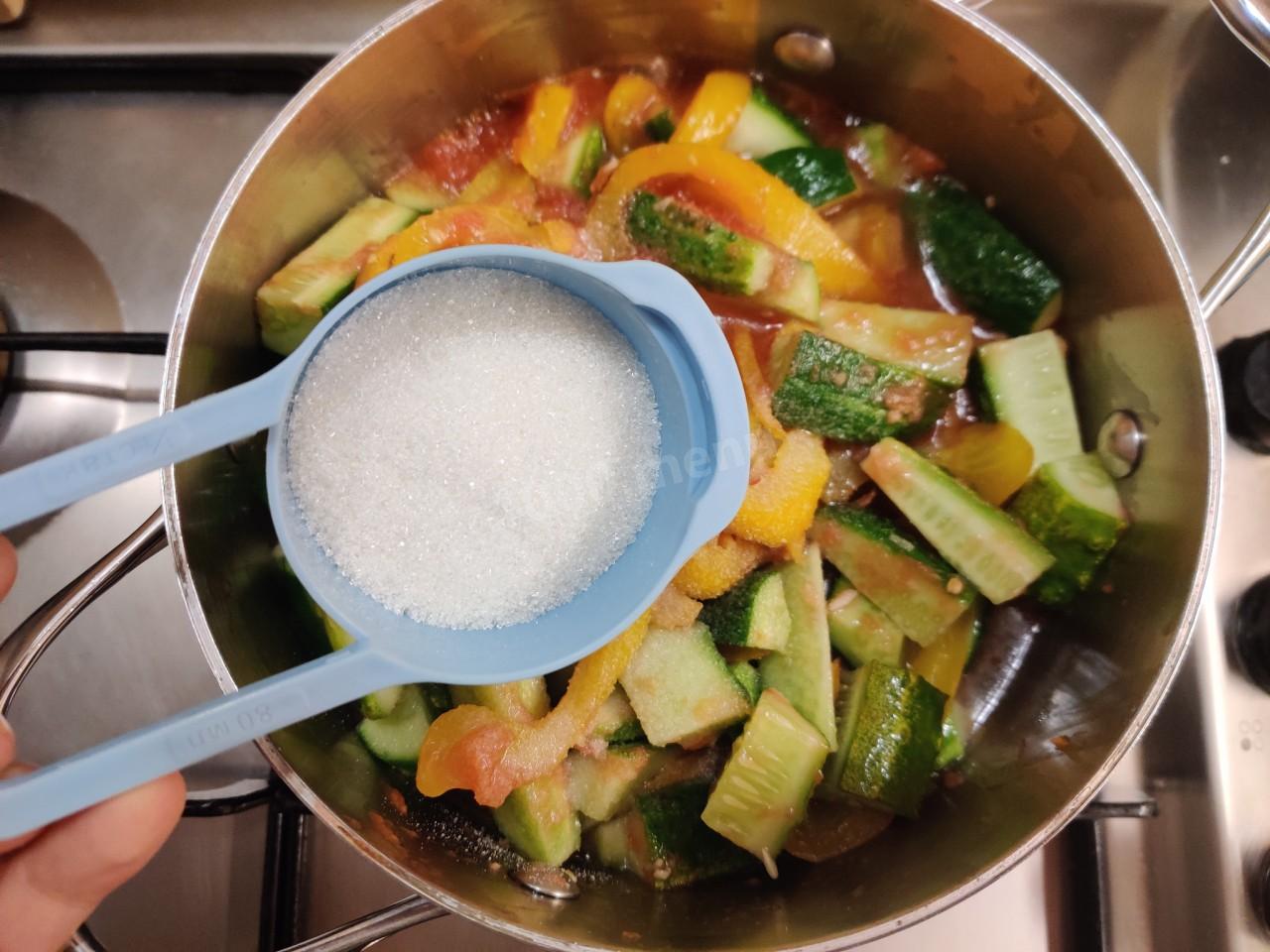
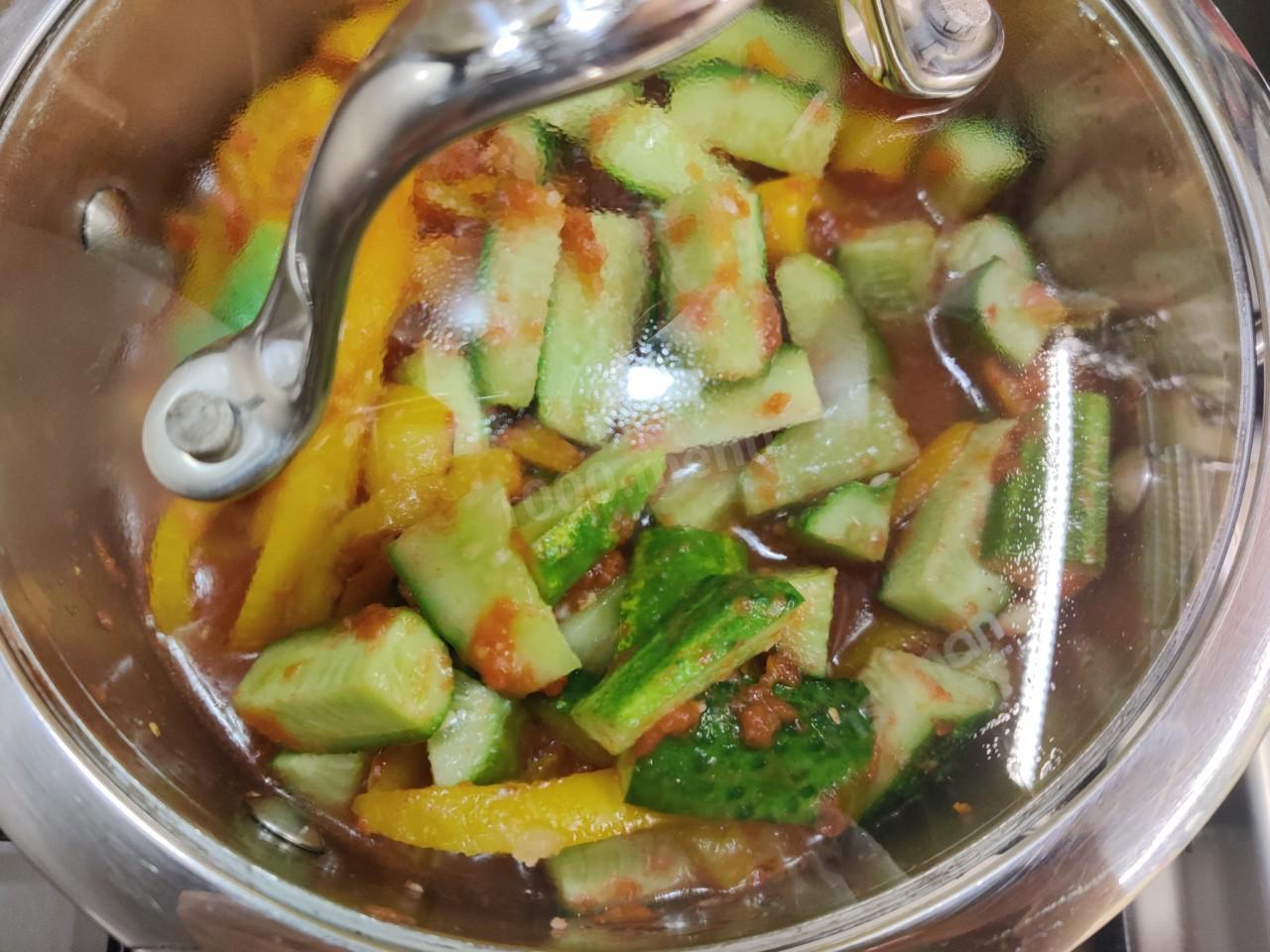
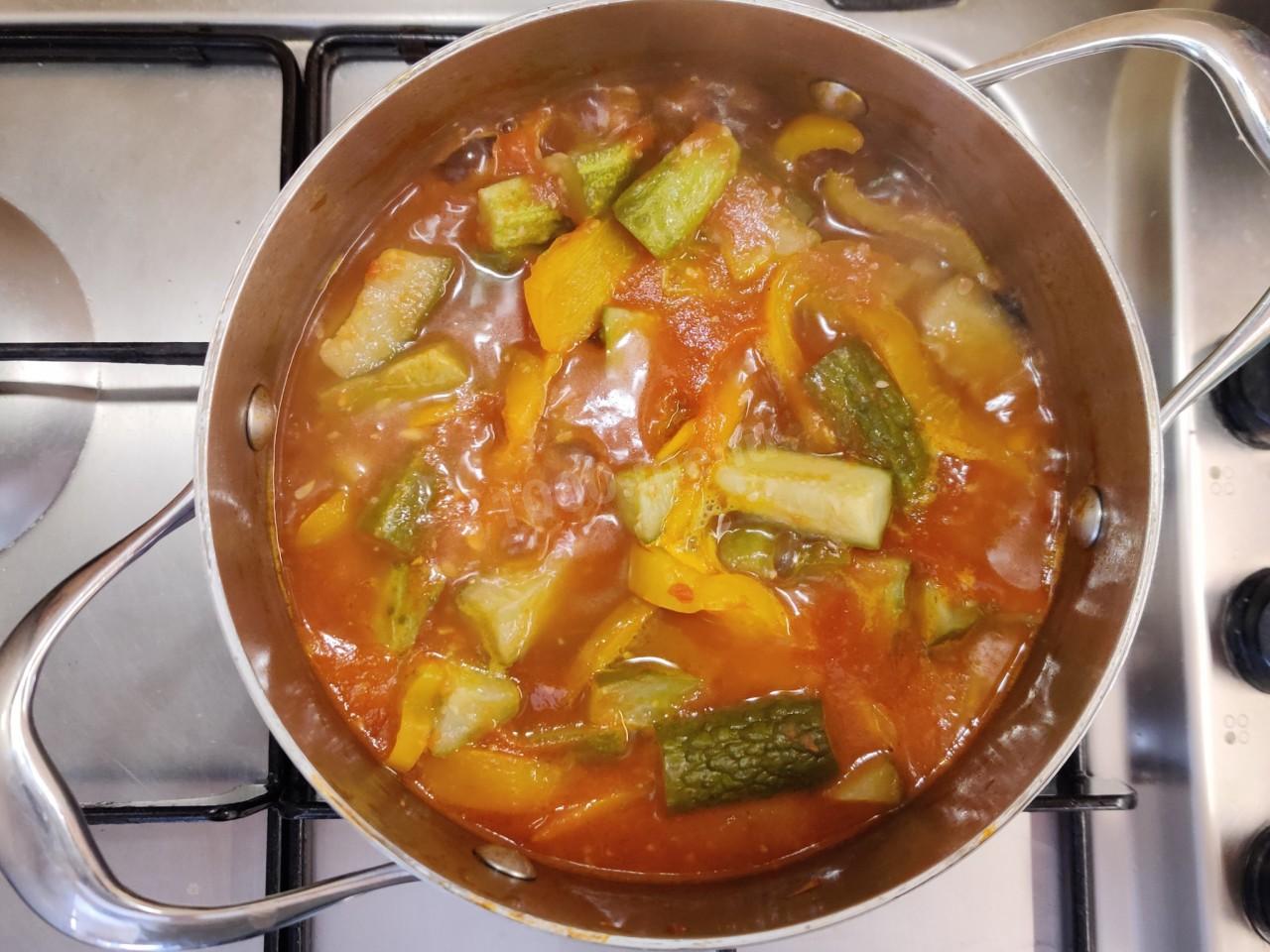
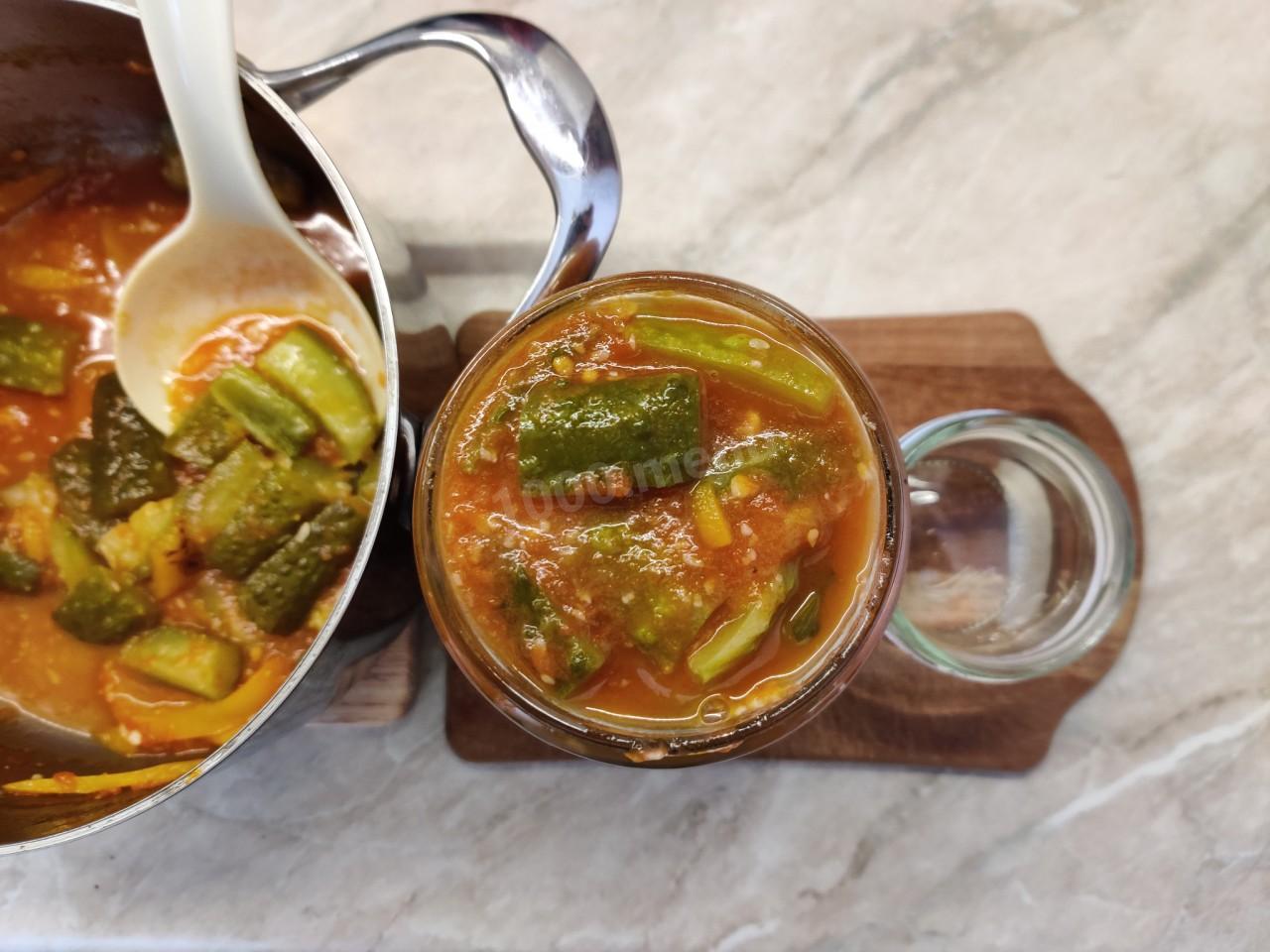
- To my taste, the cucumber element in this lecho is a perfect fit — very understated, and it gives the familiar dish fresh new notes. If you're tired of traditional lecho, definitely give this one a try. In winter, with mashed potatoes, it's absolutely finger-licking good!
- Enjoy!
- For how to estimate the number of jars, why jars sometimes burst and how to prevent it, plus other tips and tricks, see the guide to canning for winter.
- For how to choose the perfect pot for soup, porridge, or pickling, see the guide to pots and pans.
Caloric content of the products possible in the composition of the dish
- Tomatoes - 23 kcal/100g
- Fresh cucumbers - 15 kcal/100g
- Sweet pepper - 27 kcal/100g
- Carrots - 33 kcal/100g
- Dried carrots - 275 kcal/100g
- Boiled carrots - 25 kcal/100g
- Garlic - 143 kcal/100g
- Granulated sugar - 398 kcal/100g
- Sugar - 398 kcal/100g
- Wine vinegar (3%) - 9 kcal/100g
- Vinegar 9% - 11 kcal/100g
- Balsamic vinegar - 88 kcal/100g
- Apple cider vinegar - 14 kcal/100g
- Vinegar - 11 kcal/100g
- Vegetable oil - 873 kcal/100g
- Salt - 0 kcal/100g
- Water - 0 kcal/100g
- Ground hot pepper - 21 kcal/100g
Similar recipes


- Homemade preparations
- Vegetables
- Sweet
- Spices seasonings spices
- Fats and oils
- Other
- Garlic
- Pepper
- Salt
- Vinegar
- Vegetable oil
- Water
- Cooking
- Stewing
- Salads for winter
- Without sterilization
- Vegetable blanks
- Marinades
- From carrots
- From cucumbers
- From tomato
- From sweet pepper
- Vegetarianism
- Recipes for lean dishes without butter
- Sugar