Lingonberry and Apple Jam for Winter
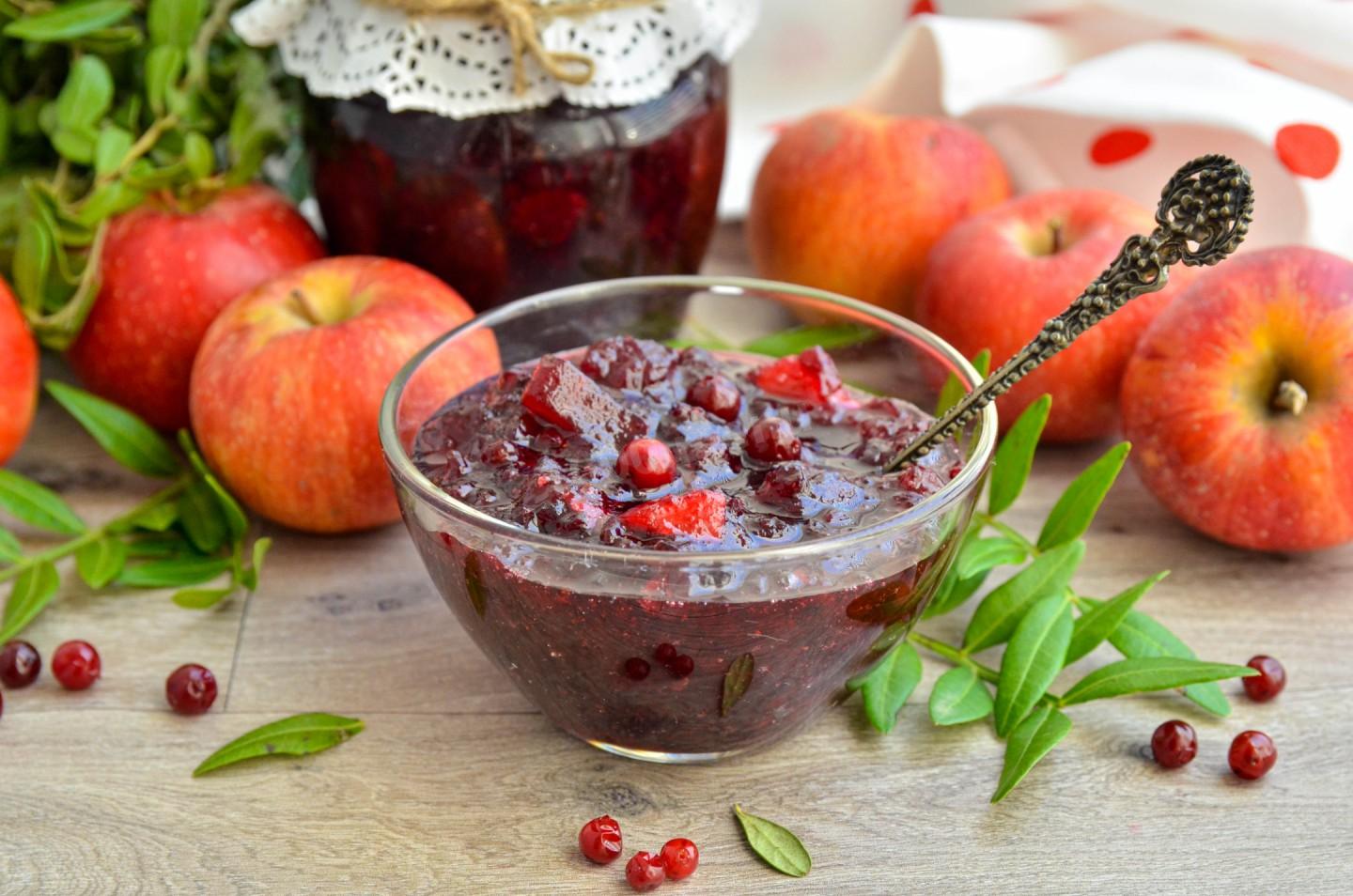
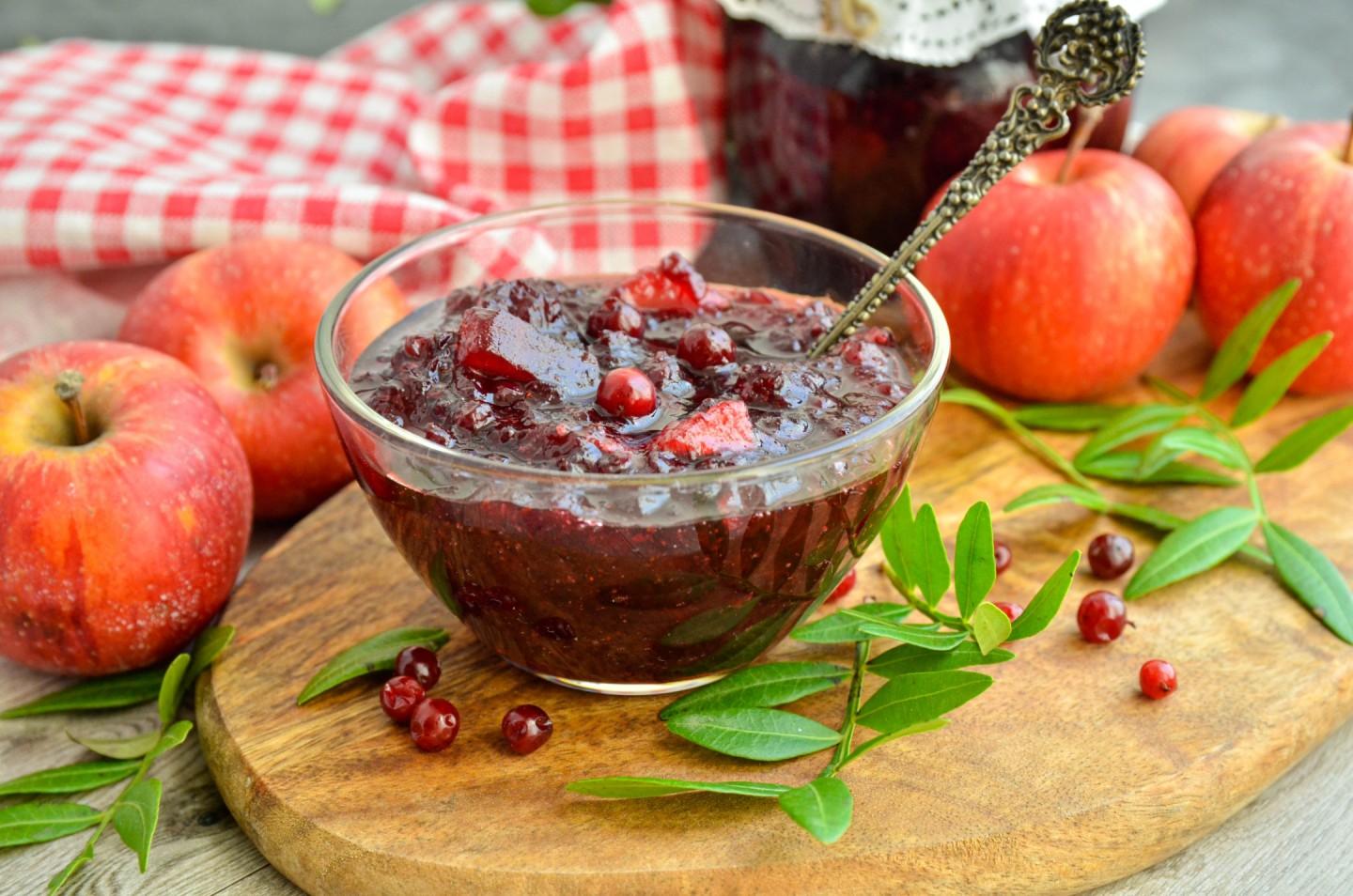
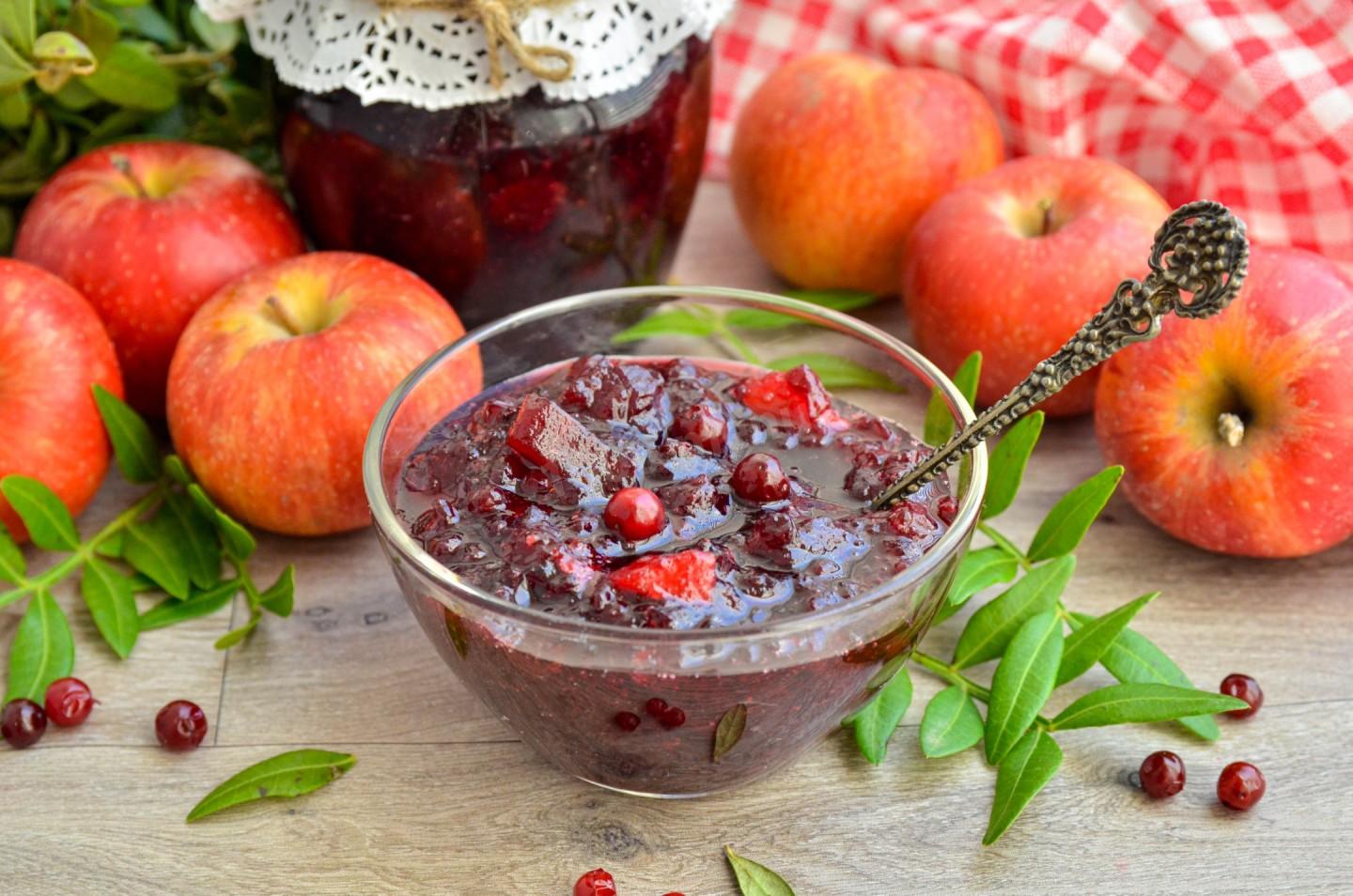
A fragrant winter jam with a memorable flavor and a gorgeous color! It's a wonderful preserve—apple and lingonberry work beautifully both as a filling for baked goods and as a dessert on their own. They balance each other with sweetness and a gentle bitterness, freshness and tartness. If you love lingonberries, you'll get it.

Cooking method
-
Step 1:
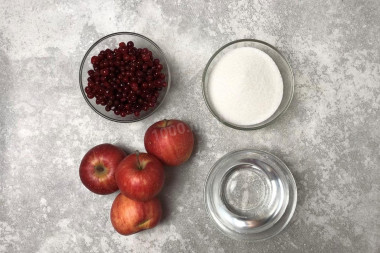
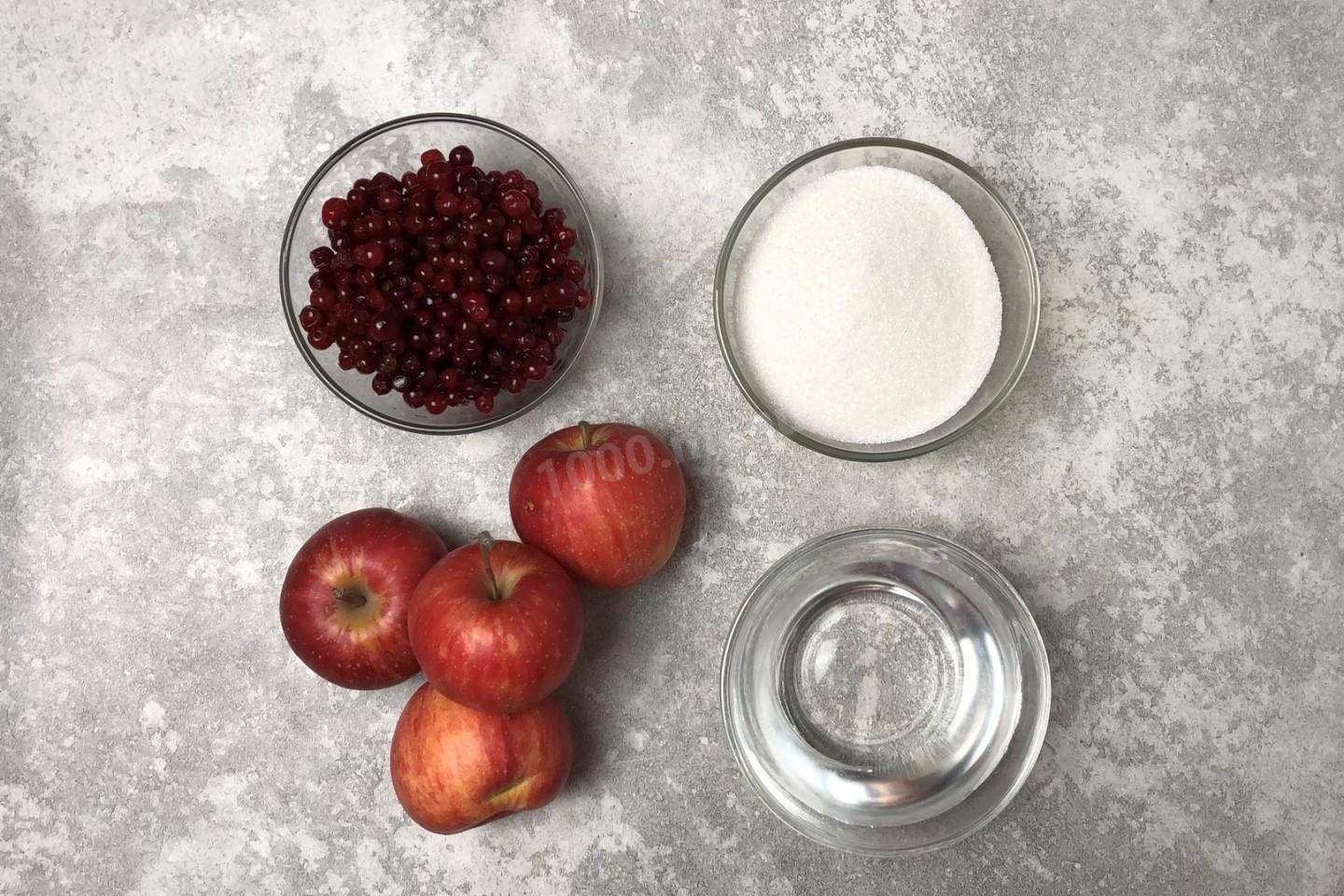
How do you make lingonberry and apple jam for winter? Gather your ingredients. You can use either fresh or frozen lingonberries—thaw the frozen ones first. Go for sweeter apple varieties; their sweetness offsets the tartness of the lingonberries. You can also add a little lemon zest to this jam.
-
Step 2:
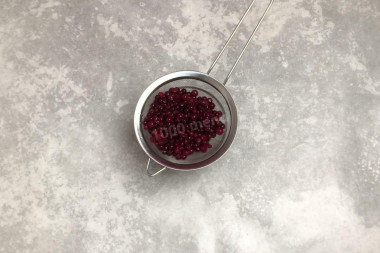
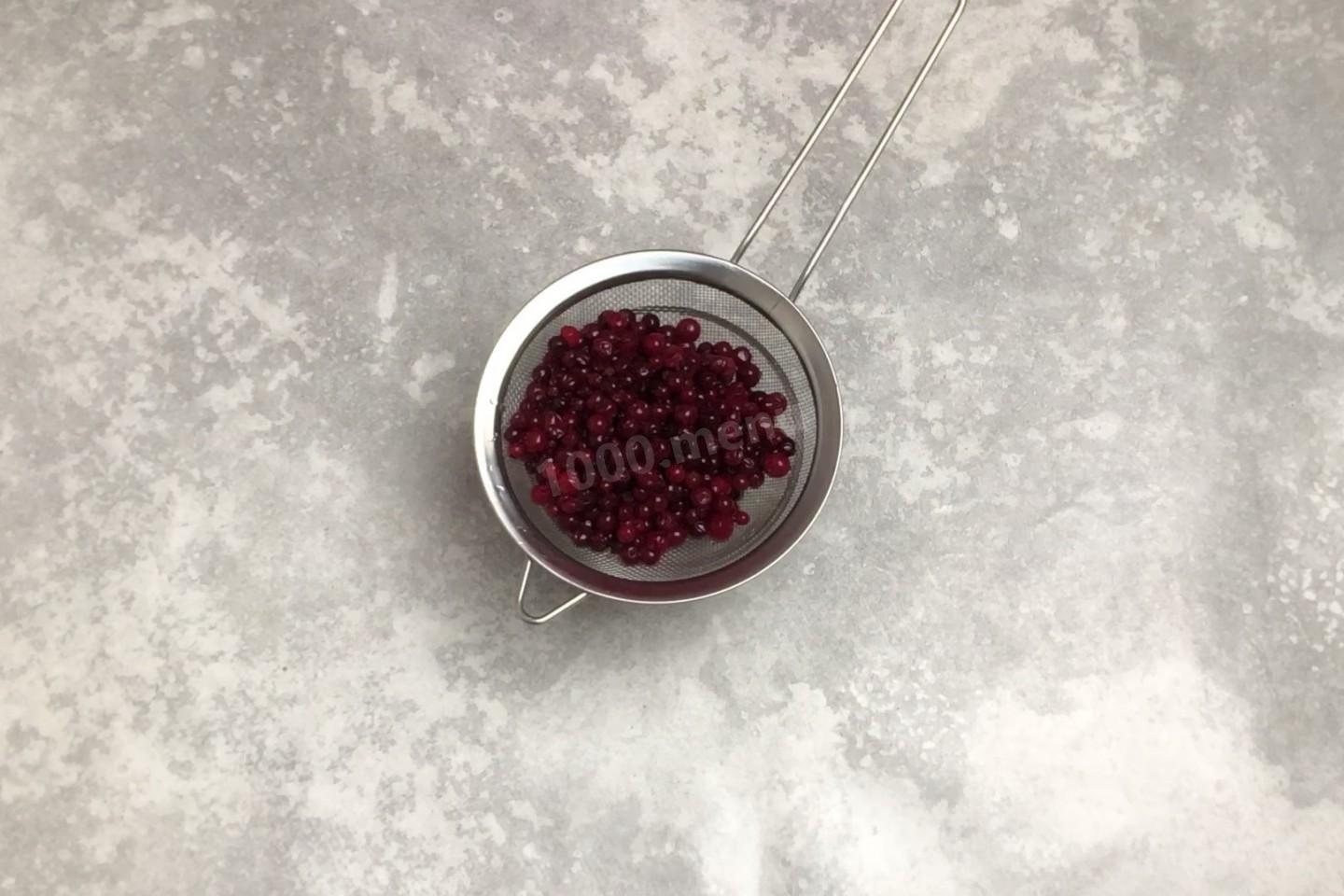
Start with the berries. Sort through them, discarding any debris and spoiled berries, then rinse well under running water. Leave them in a sieve or colander to drain off the excess liquid.
-
Step 3:
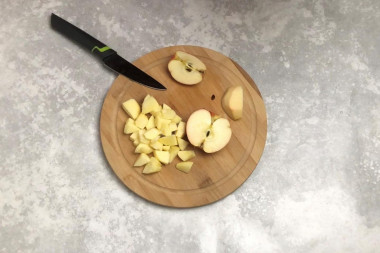
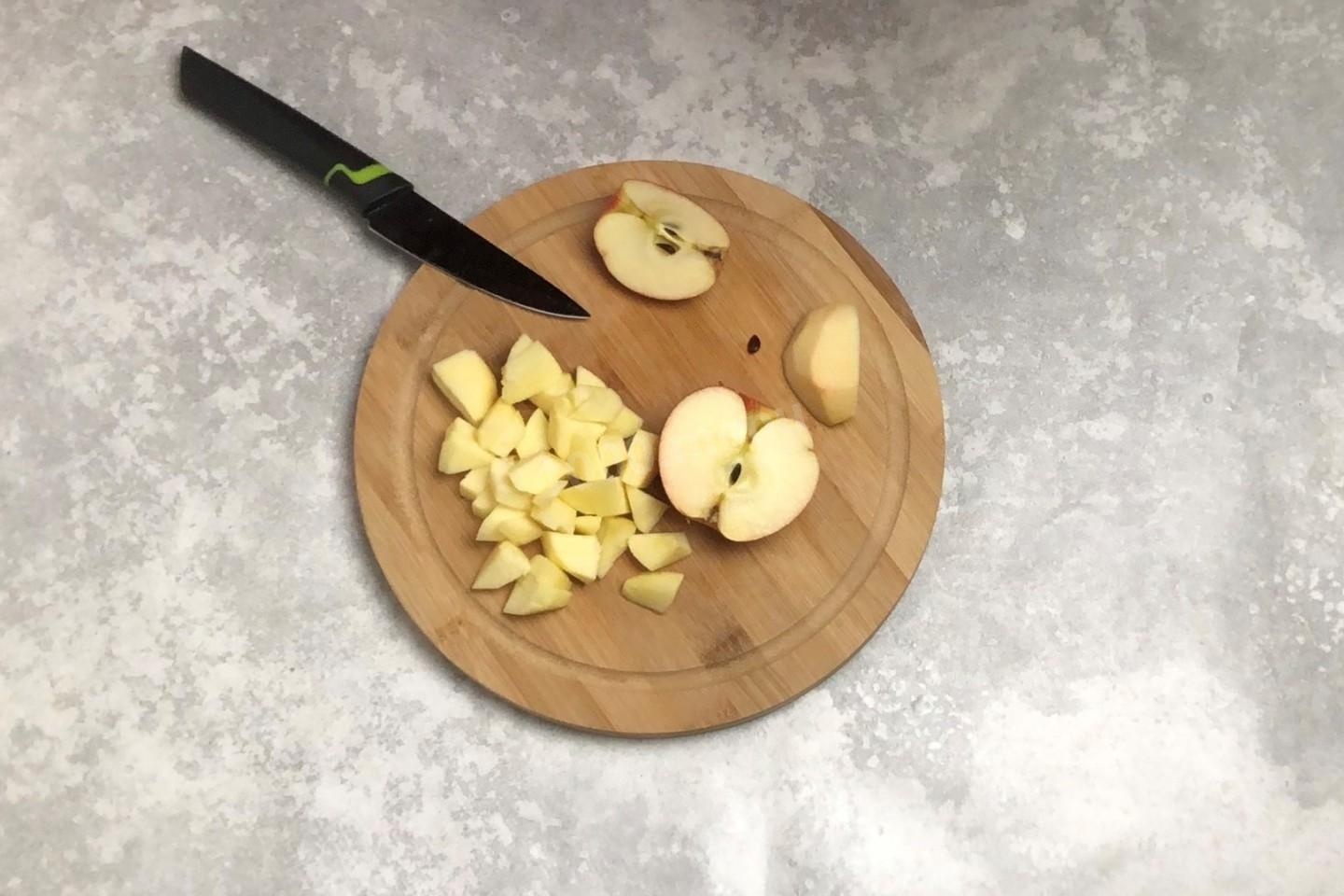
Wash the apples thoroughly under running water and wipe them dry. Cut each apple into quarters, remove the core and seeds, then peel. Cut the apples into small pieces.
-
Step 4:
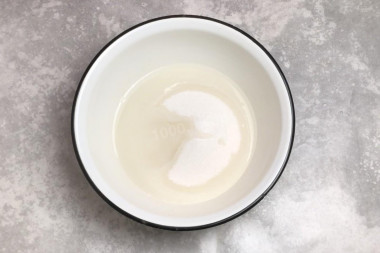
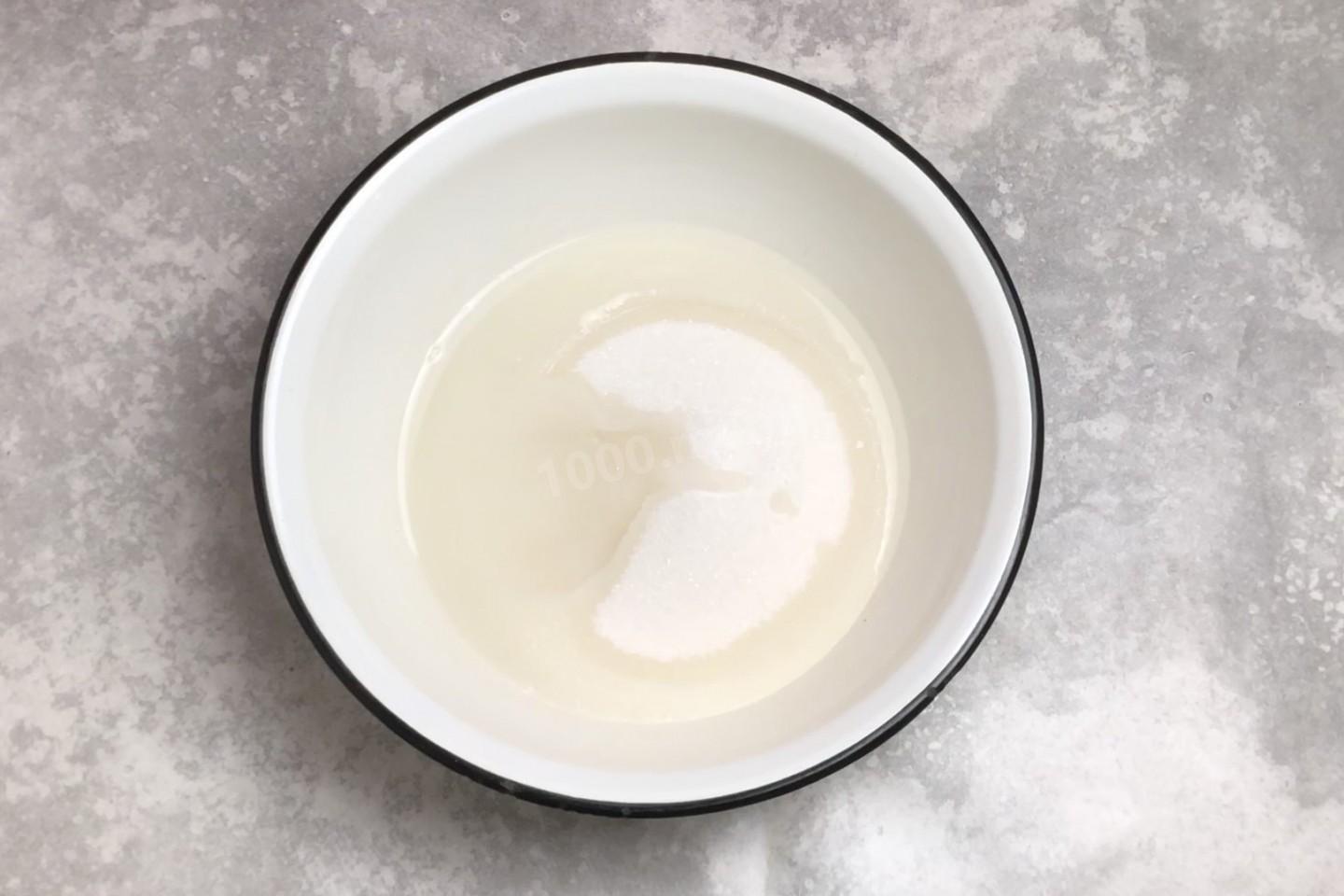
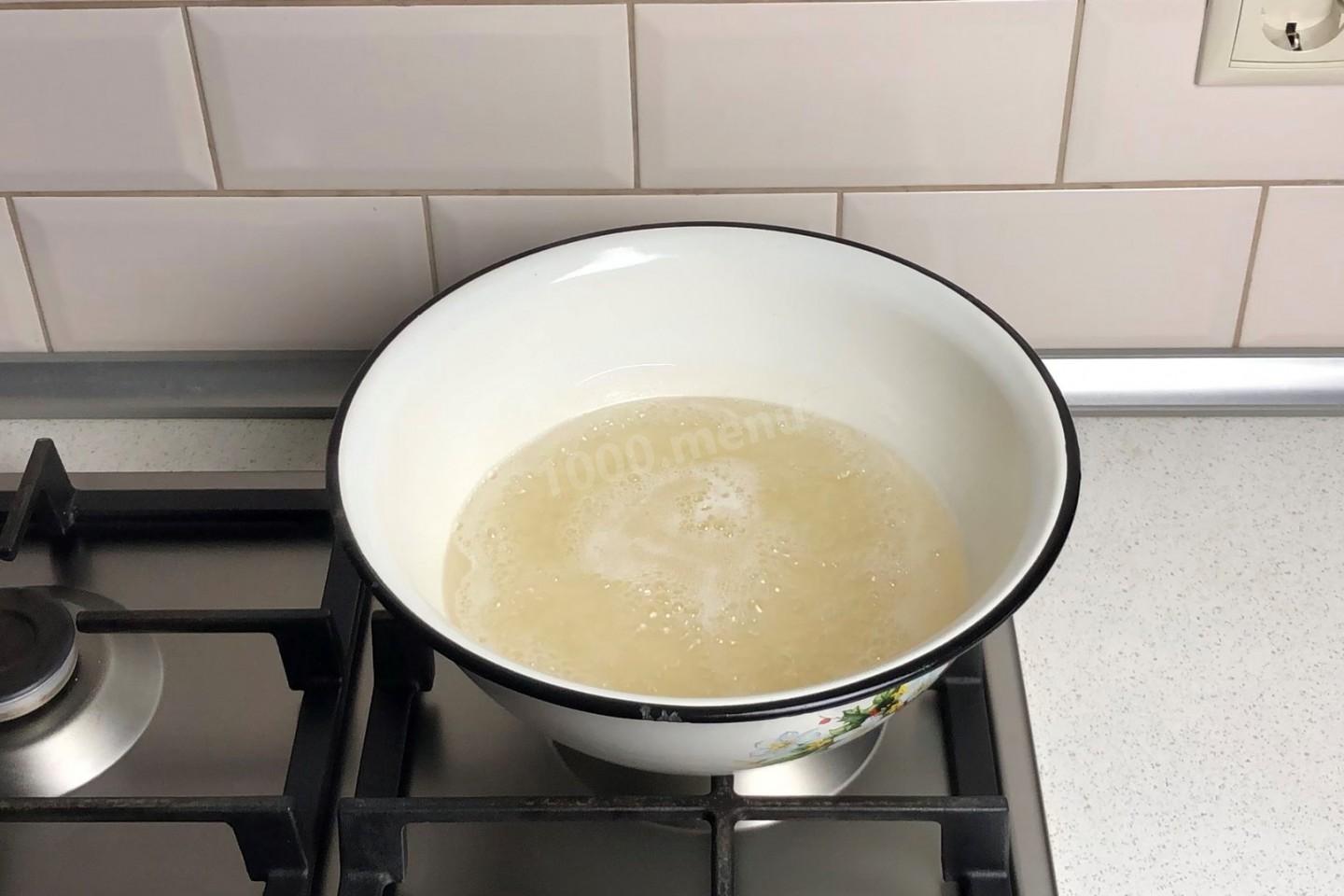
Use a wide pot or basin for cooking the jam. Copper is ideal, but not everyone has one—I always use enameled. Just make sure the enamel isn't chipped, and watch the jam closely as it cooks so it doesn't scorch. Pour the sugar into the pot and add the clean cold water. Use good-tasting filtered or bottled water; poor water will spoil the flavor of the jam.
-
Step 5:
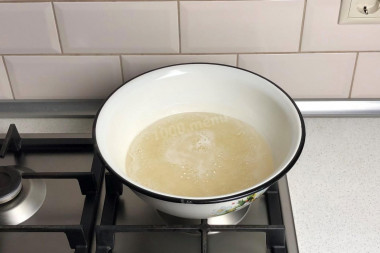
Set the pot over low heat. Stir until the sugar dissolves, then bring the syrup to a boil.
-
Step 6:
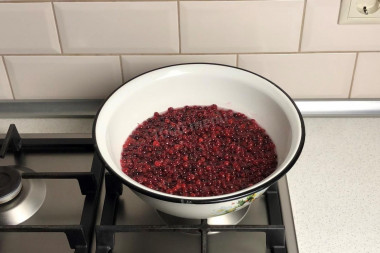
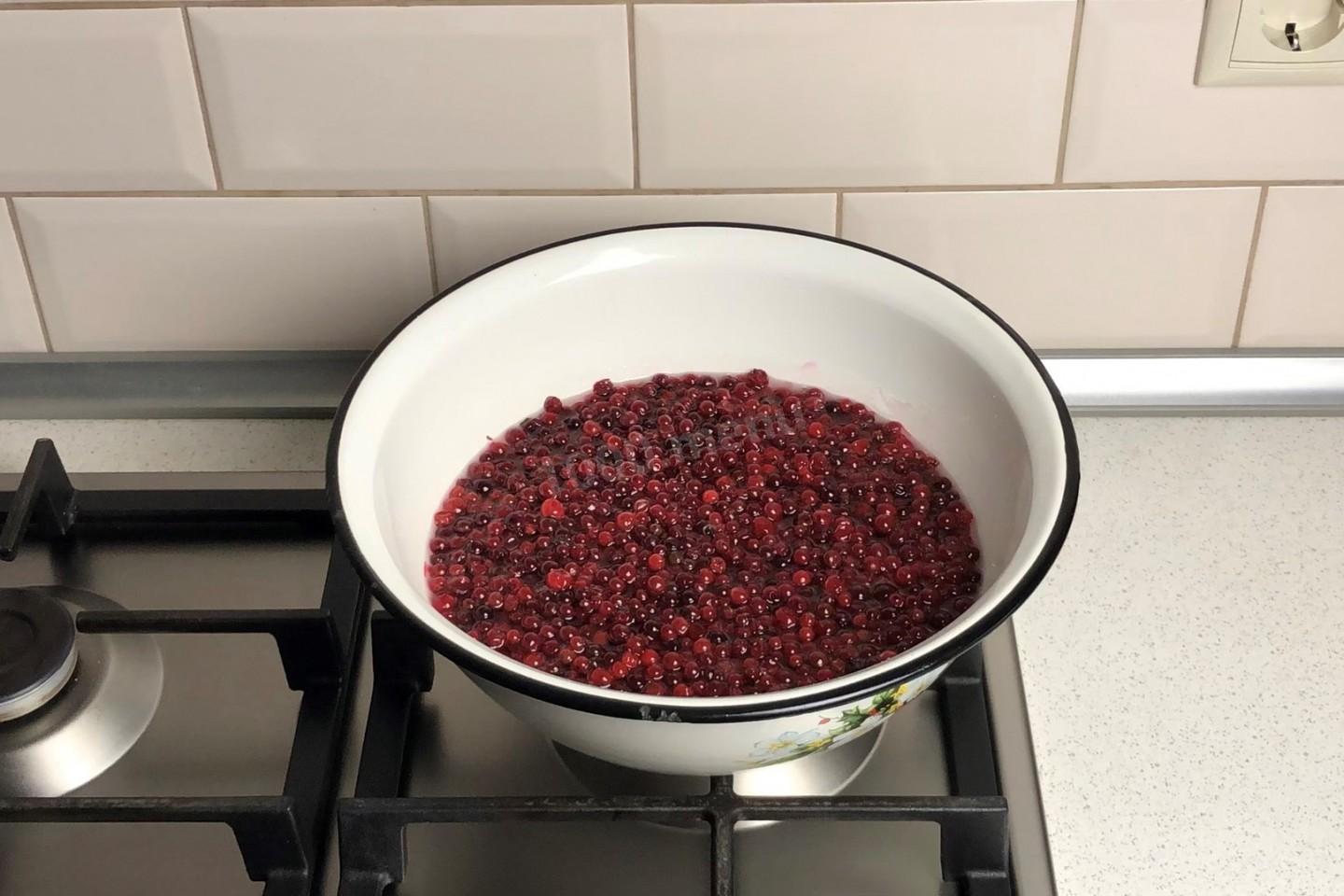
Add the lingonberries to the syrup.
-
Step 7:
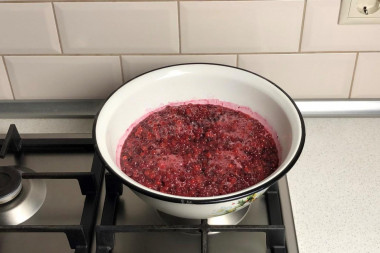
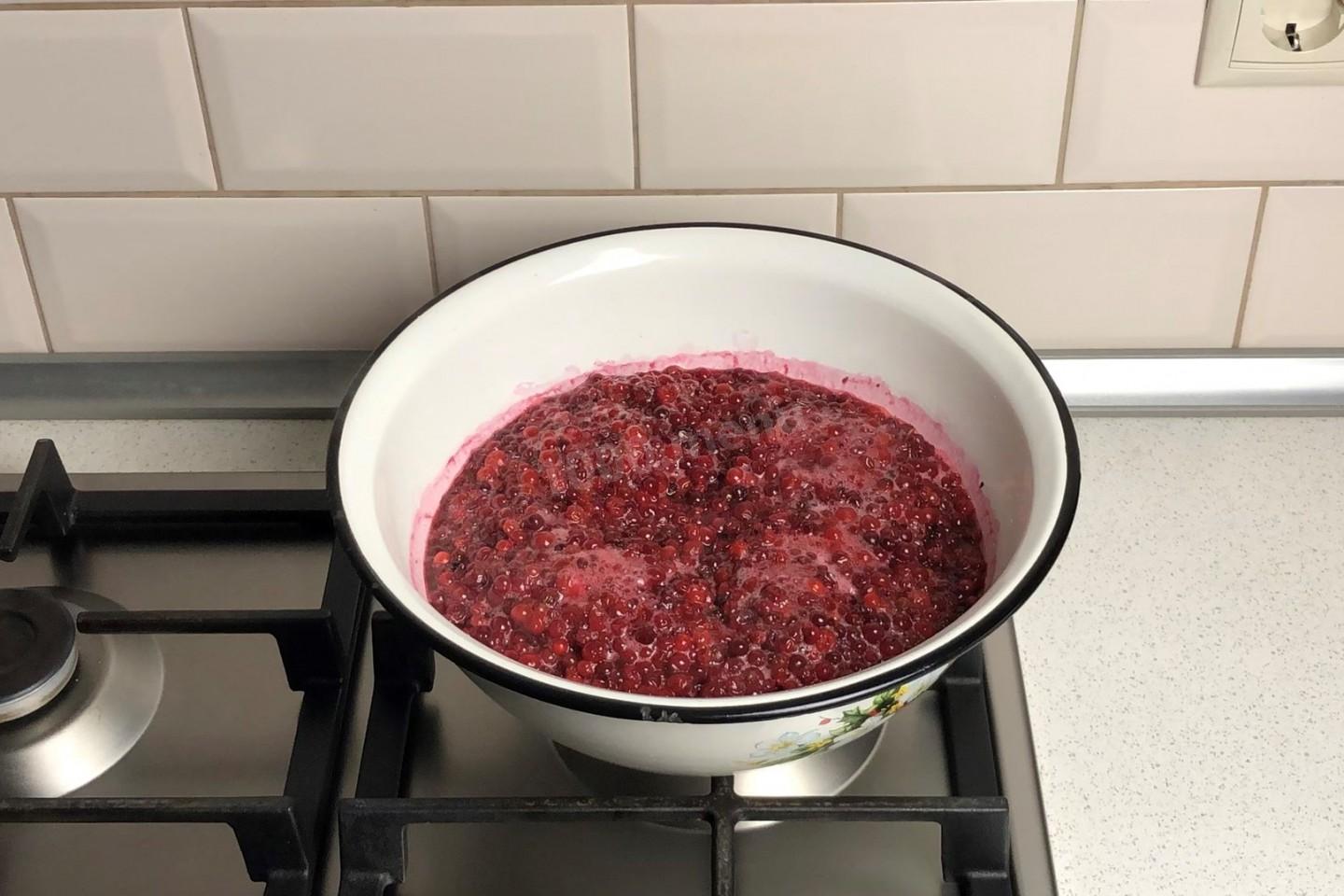
Bring the syrup and berries to a boil, then reduce the heat to its lowest setting. Cook the lingonberries for 30 minutes. Stir from time to time, skimming off any foam that forms as it cooks.
-
Step 8:
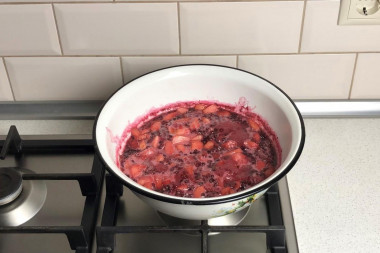
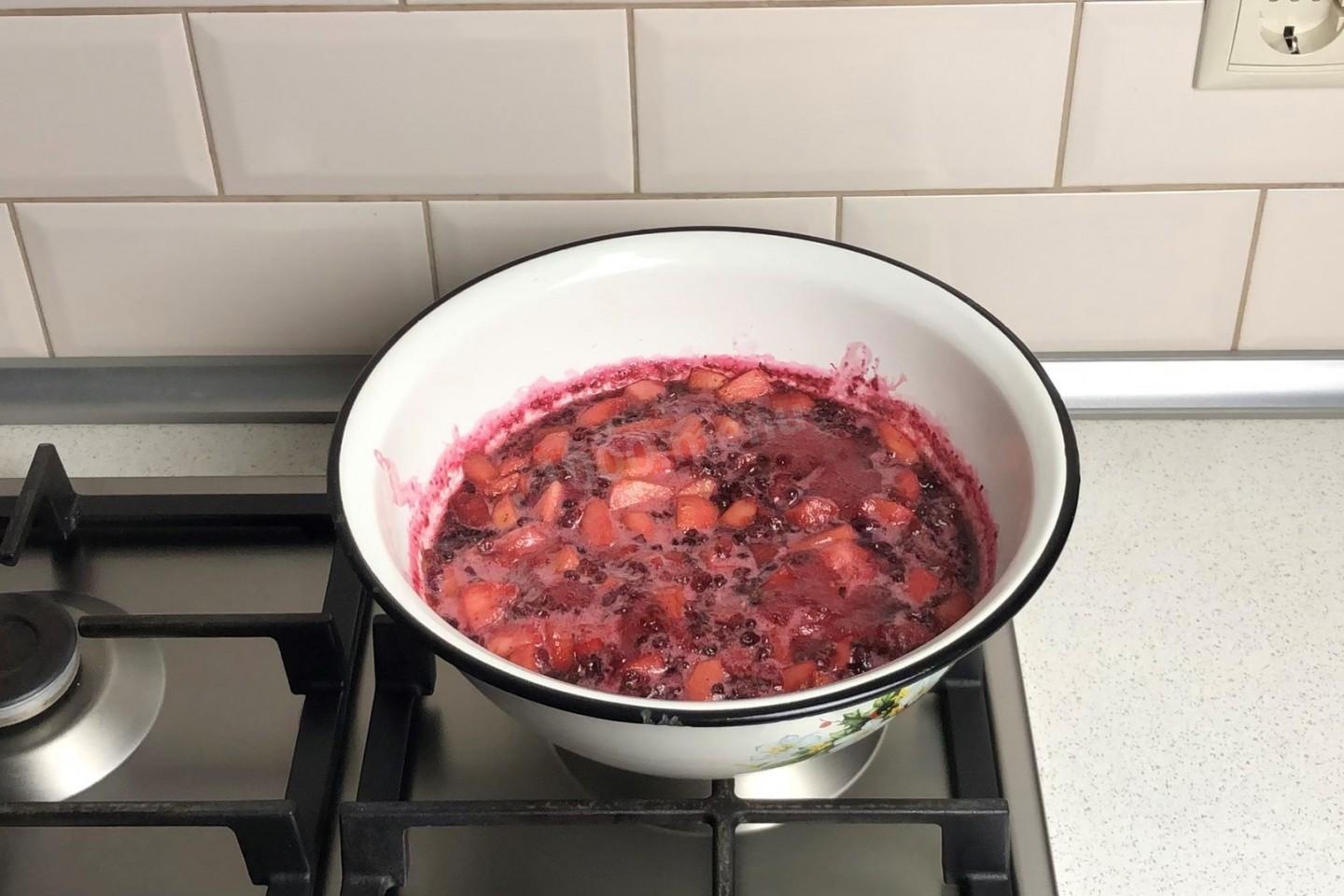
After half an hour, add the apples to the jam. Stir and cook for about 15 more minutes. Don't forget to skim off the foam.
-
Step 9:
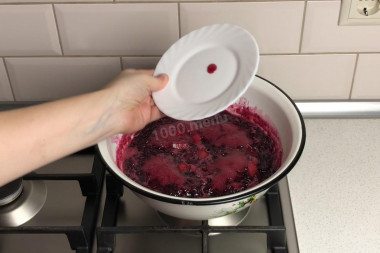
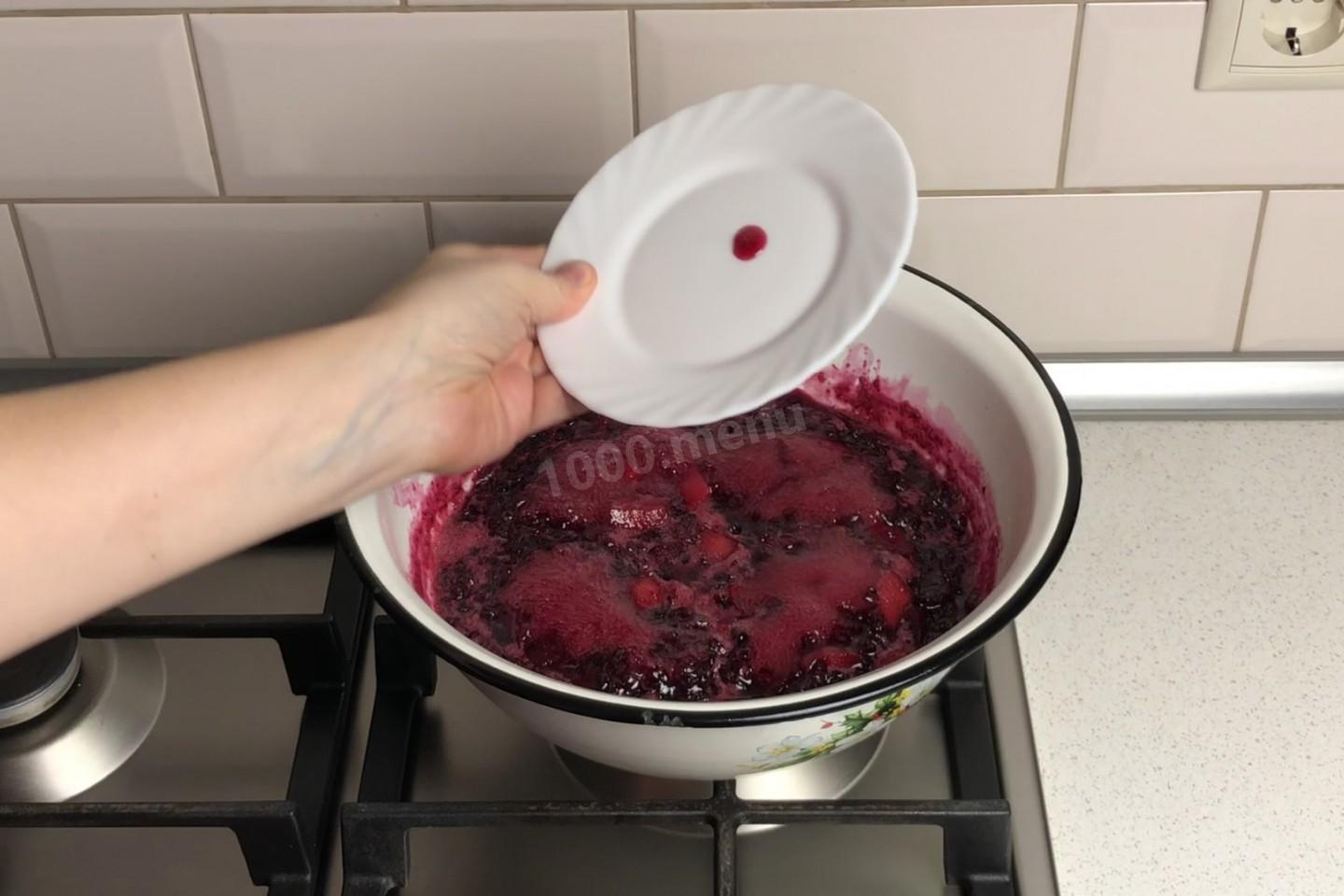
At this point, judge by how the jam looks. Drop a little hot syrup onto a saucer and let it cool. With finished jam, the drop won't run.
-
Step 10:
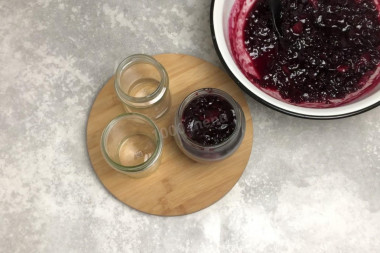
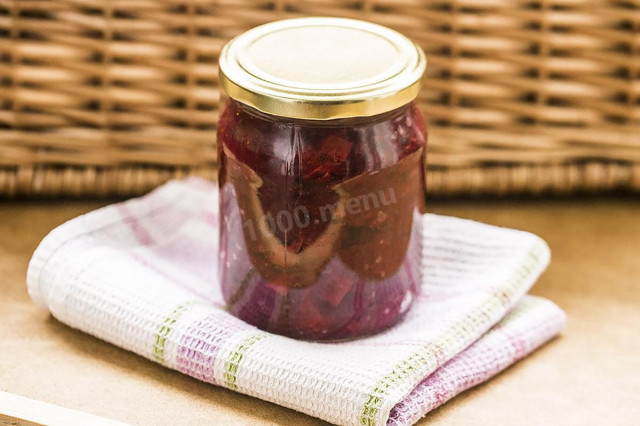
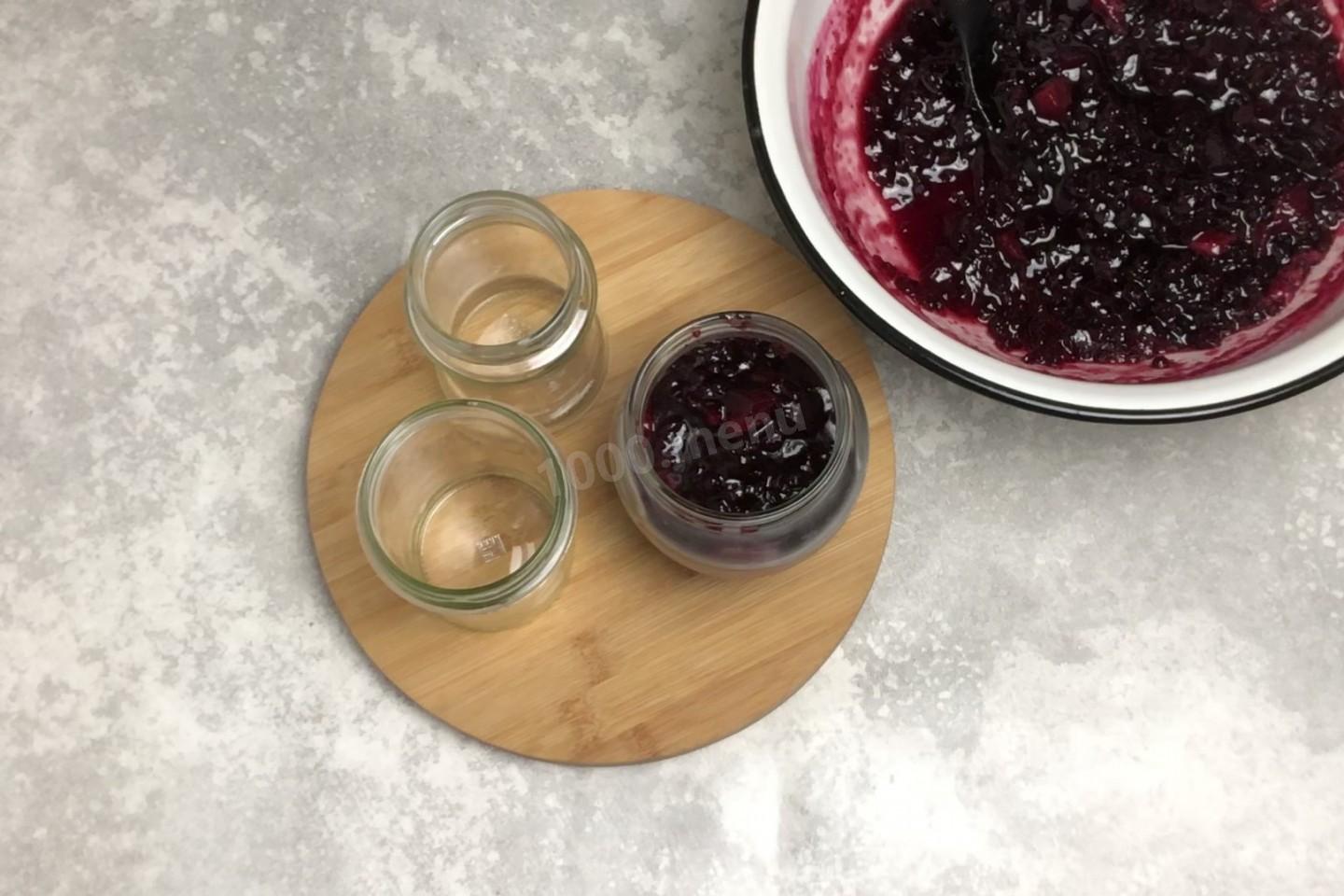
Prepare the jars you'll store the jam in. Sterilize them however you like—microwave, oven, or over steam. Boil the lids. Pour the hot jam into the dry jars and seal them right away. If you're using non-screw lids, seal them with a canning tool.
-
Step 11:
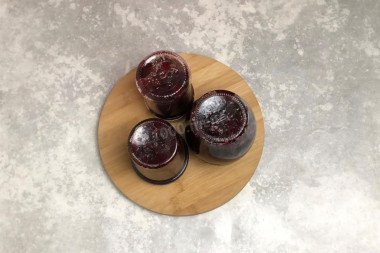
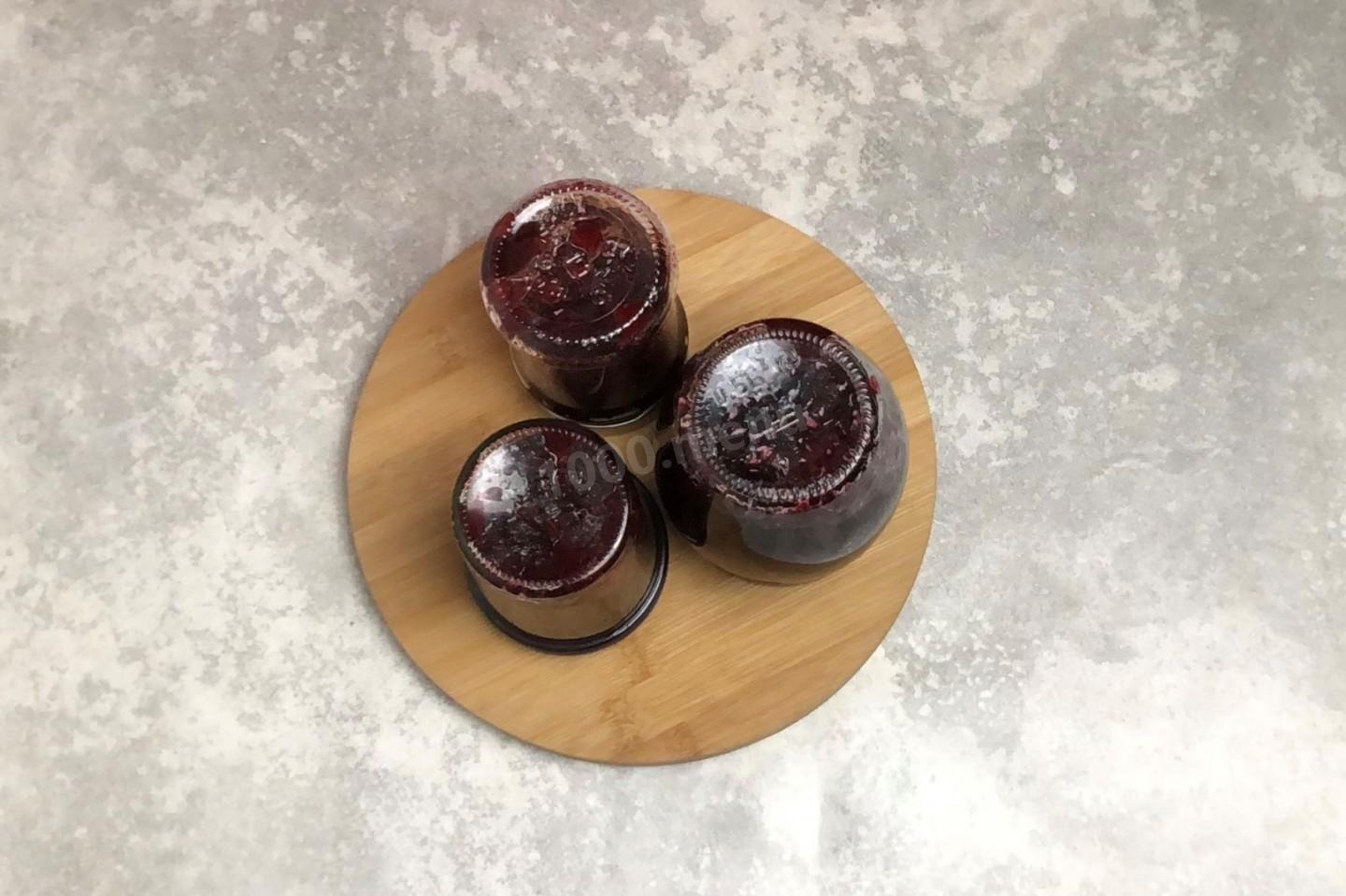
Turn the jars upside down and leave them to cool at room temperature—this gives the lids an extra round of sterilizing. This amount of ingredients yielded about 750 ml (3 cups) of finished jam for me.
- We love lingonberries and lingonberry jam. The apples were an especially nice touch—they added a particular note and texture.
- To make sure your summer's harvest keeps you happy all through the cold season, read up on the key rules, tips, and tricks for winter preserves.
- For cooking, it's best to use filtered or bottled water with a neutral taste. If you use tap water, keep in mind it can give the jam an off, characteristic aftertaste.
Caloric content of the products possible in the composition of the dish
- Apples - 47 kcal/100g
- Dried apples - 210 kcal/100g
- Canned apple mousse - 61 kcal/100g
- Granulated sugar - 398 kcal/100g
- Sugar - 398 kcal/100g
- Lingonberry - 43 kcal/100g
- Water - 0 kcal/100g