Simple Sugar Syrup for Soaking Cakes
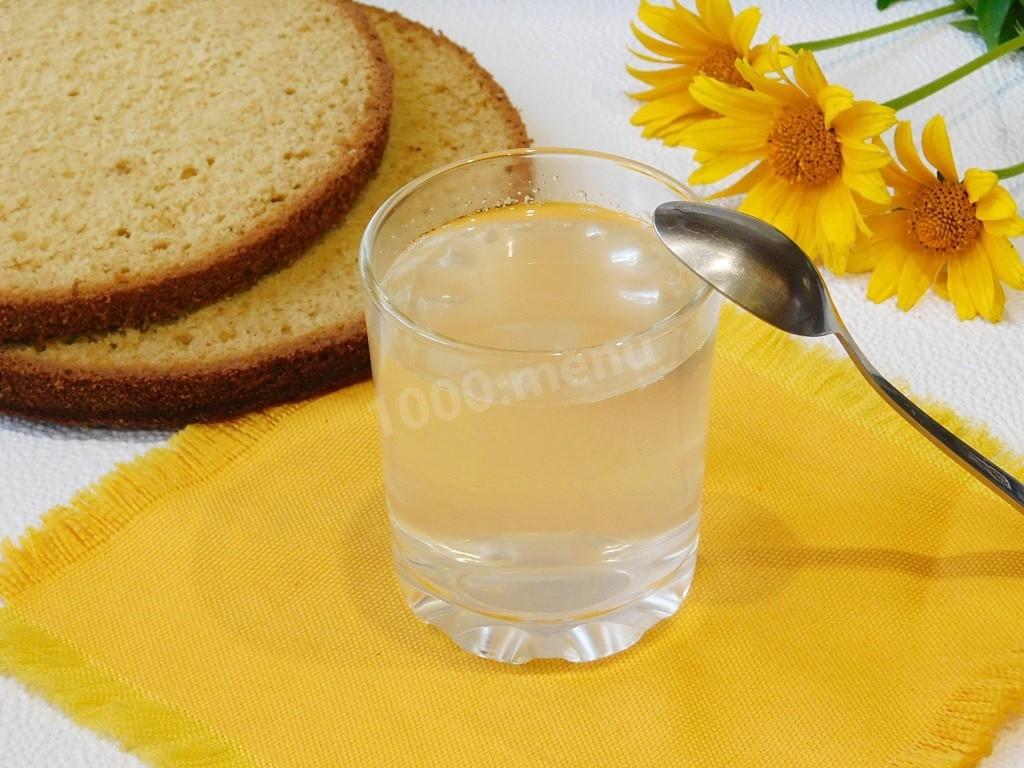
The simplest, cheapest, and easiest! A soaking syrup is a key step in making sponge cakes. Syrups and soaks make cakes moister, more fragrant, and more pleasant to eat. After all, it's no fun to eat a cake with dry sponge layers that leave you reaching for a drink.

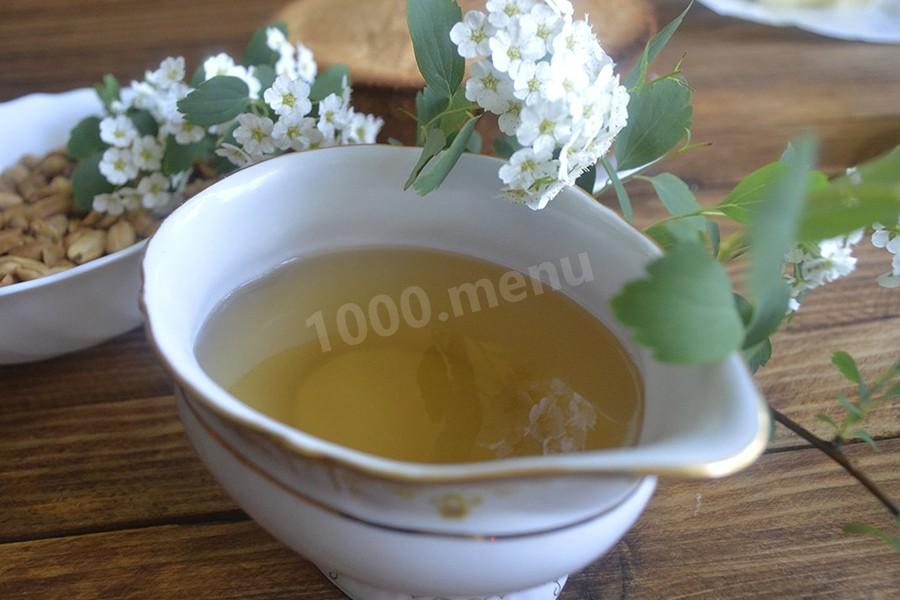
Cooking method
-
Step 1:
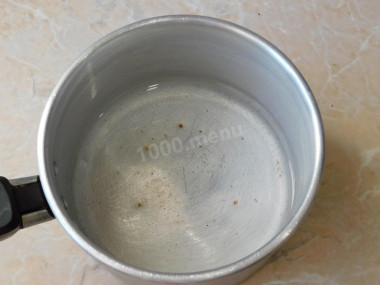
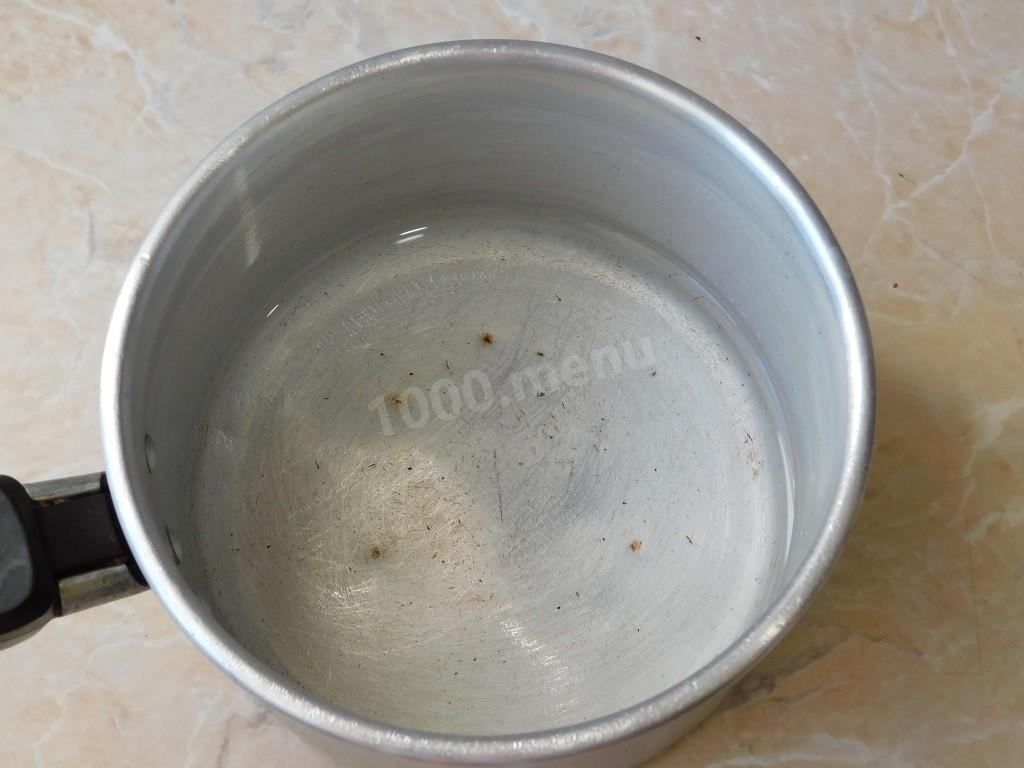
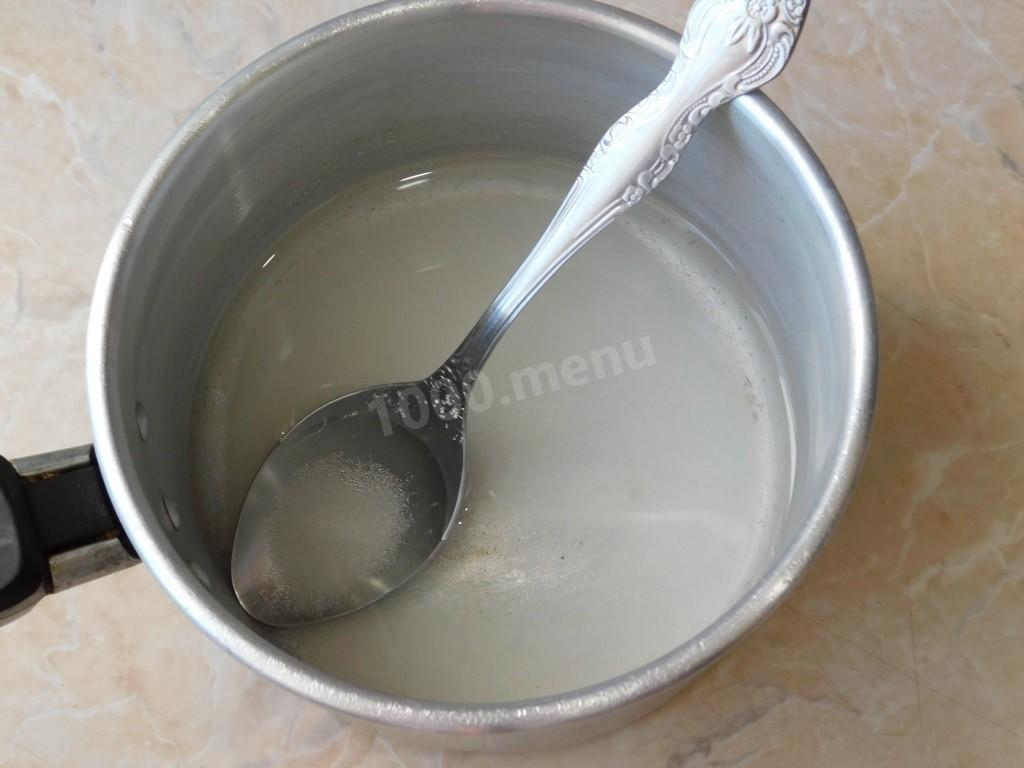
How do you make a simple sugar syrup for soaking cakes? For this basic, classic sponge-cake soaking syrup, pour the water into a small saucepan.
-
Step 2:
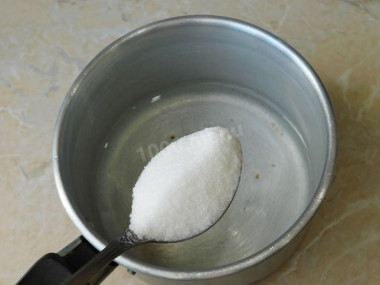
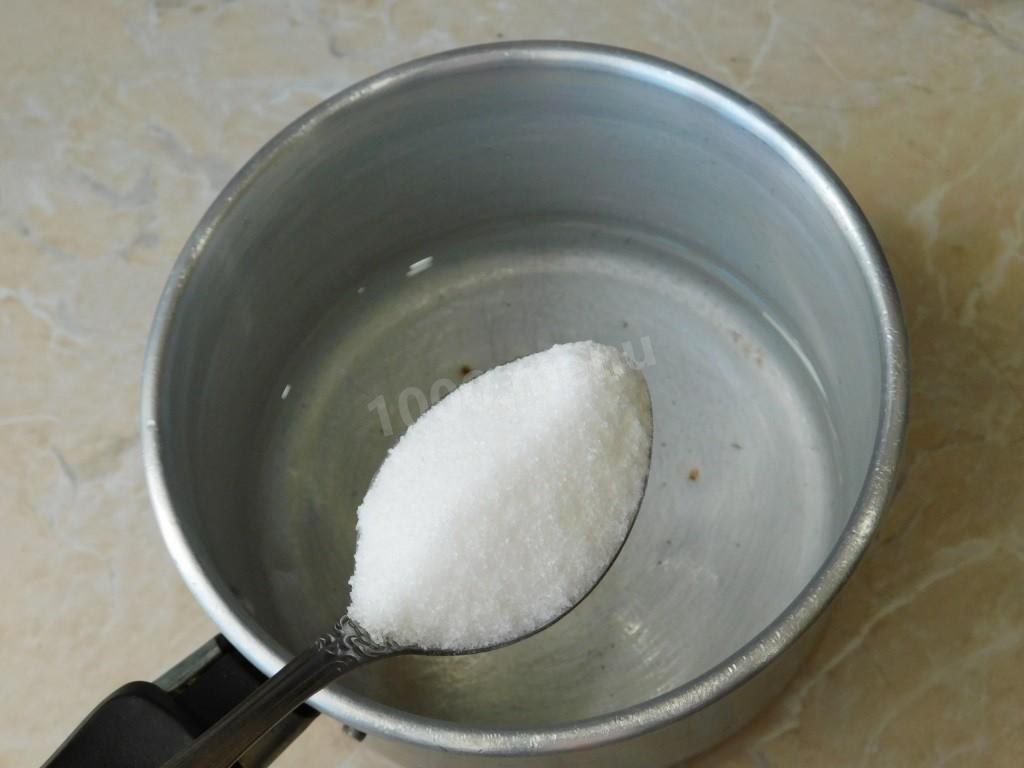
Add the measured amount of white sugar. For a syrup with a caramel note, use brown sugar.
-
Step 3:
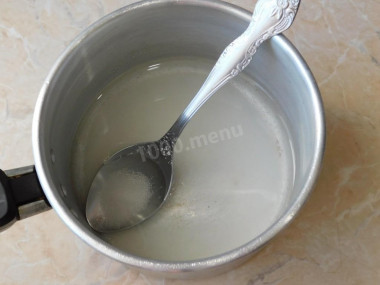
Stir the water and sugar together and set the pan over the heat.
-
Step 4:
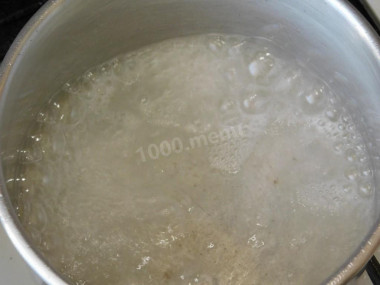
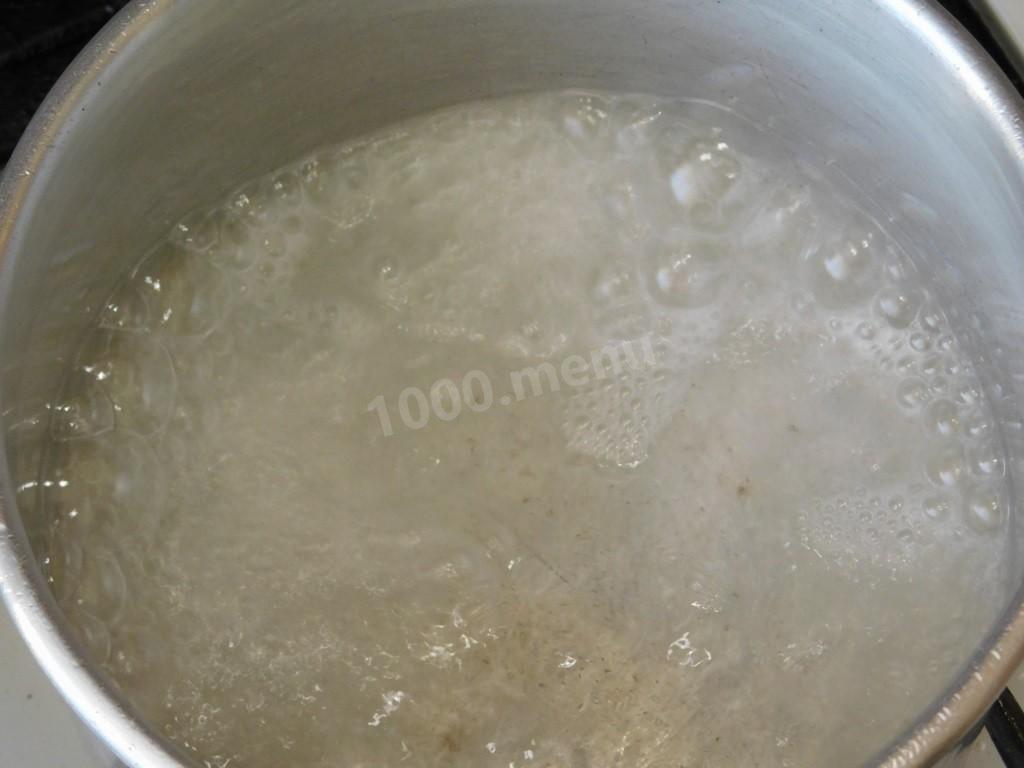
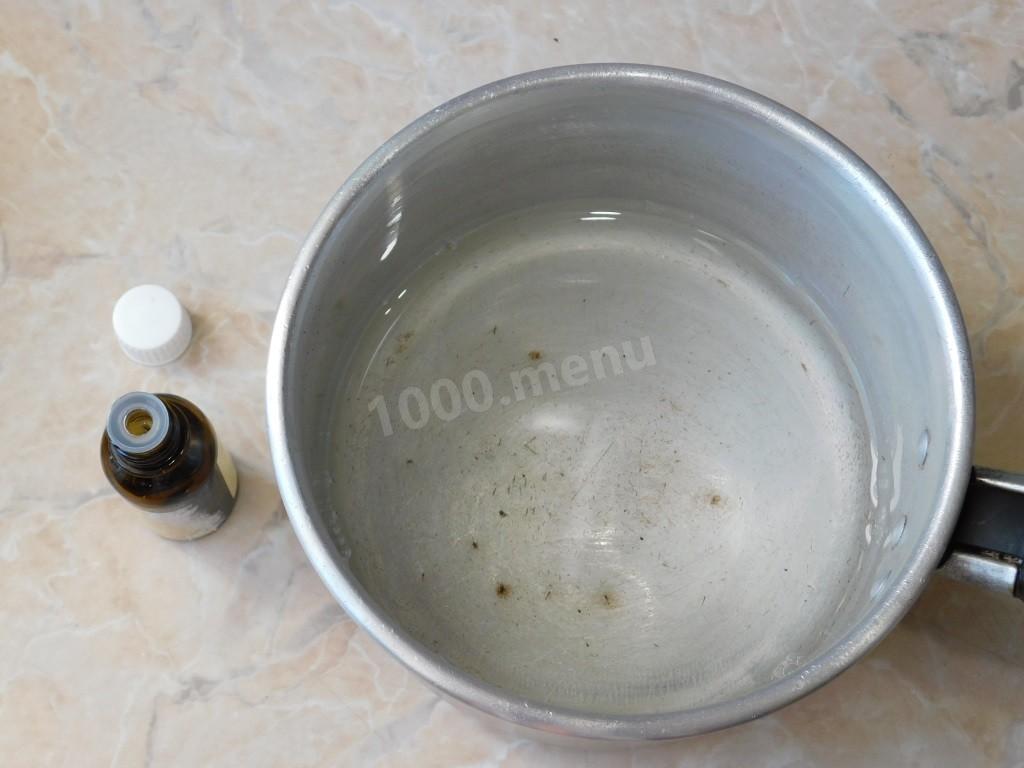
Bring it to a boil so the sugar fully dissolves. Then take it off the heat and cool it to room temperature.
-
Step 5:
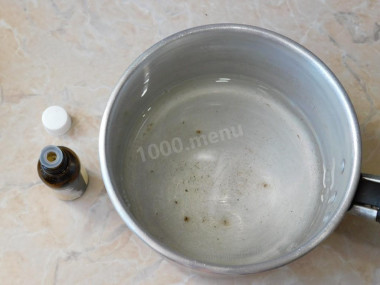
Once the syrup has cooled, you can stir in a little flavoring. For aroma, use rum, brandy, liqueur, or lemon or orange zest — or a ready-made flavoring extract. Use the finished syrup to soak sponge layers when making cakes.
- There are countless syrup variations, but they all build on this basic sugar-and-water recipe. Don't soak hot, freshly baked sponge layers — they'll fall apart and become unusable. It's best to wrap the cooled sponge in a bag and chill it for a few hours; it'll firm up and slice cleanly with minimal crumbs. The soaking syrup shouldn't be hot either — cool it at least to room temperature. Add the flavoring only to the cooled syrup, too; otherwise the aroma evaporates, and the heat can throw off its taste and scent. Apply the syrup with a spray bottle or a pastry brush. Either way, take care not to use too much, or the sponge will get soggy and unpleasant. Keep in mind, too, that extra moisture will also come from the cream you'll be using. Give it a try and you'll get it right!
- Tell us which flavorings you like to add to soaking syrup: lemon, caramel, coffee, vanilla, or something else?
Caloric content of the products possible in the composition of the dish
- Granulated sugar - 398 kcal/100g
- Sugar - 398 kcal/100g
- Water - 0 kcal/100g