







More than a hundred species of sea bass are known in nature today. This fish is very different from its namesakes in rivers and lakes, not only in appearance but also in taste. Experts even class it in a different family, and even a different order. It's best not to handle this sea creature with bare hands — its fins are very sharp, and if you prick yourself the painful feeling will linger for a long time. The thing is, sea bass have venom glands. But there's no need to worry too much: they are all in the fins. And if you cut them off, nothing bad will happen.
Sea bass is most often found in recipes with these five ingredients:
The average size of this fish is 20 centimeters long. That is, it easily fits whole in a standard frying pan. But there are real monsters of the deep, whose weight reaches 20 kilos and whose length is up to a meter. By the way, these sea creatures live a very long time — up to a hundred years. Science knows of a case of longevity in which one of the bass, Sebastes aleutianus, lived 205 years.
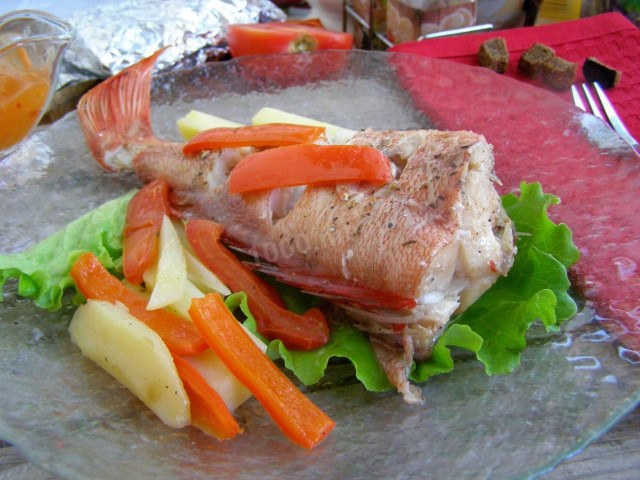
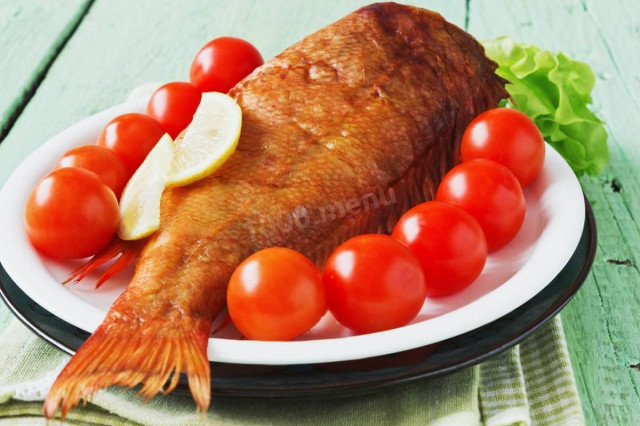
This fish reaches our store shelves more often in frozen form. Its meat is white with pinkish streaks, and its skin is bright red. The only drawback is the large number of small bones. But if you're not afraid of them or take the right measures, this problem is easily solved.
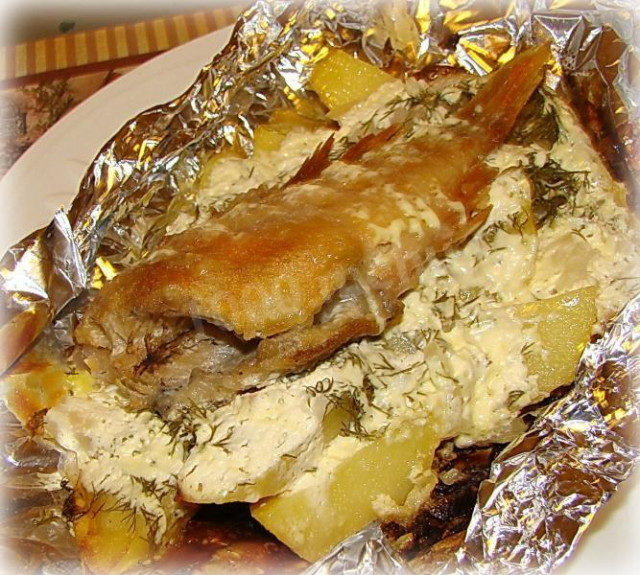
For example, sea bass can be stewed until the bones become soft and fall apart easily. You can chop it into fillets along with the bones and make cutlets. You can boil it, then separate the meat and turn the fish into a delicious pâté. Or you can find some exotic recipe for cooking sea bass, such as crudo or galantine.
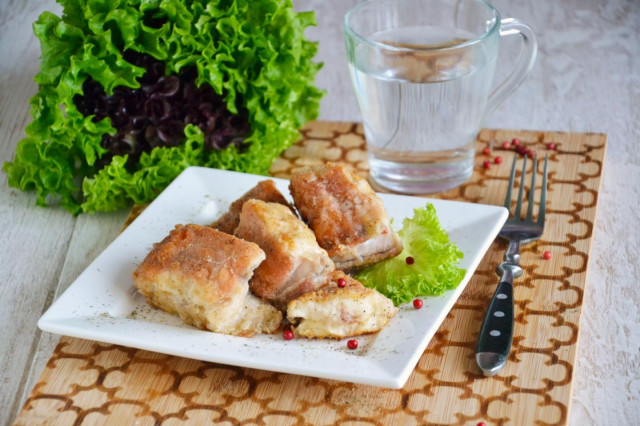
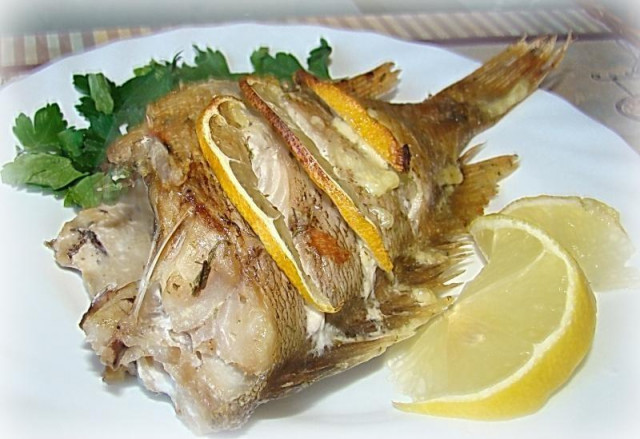
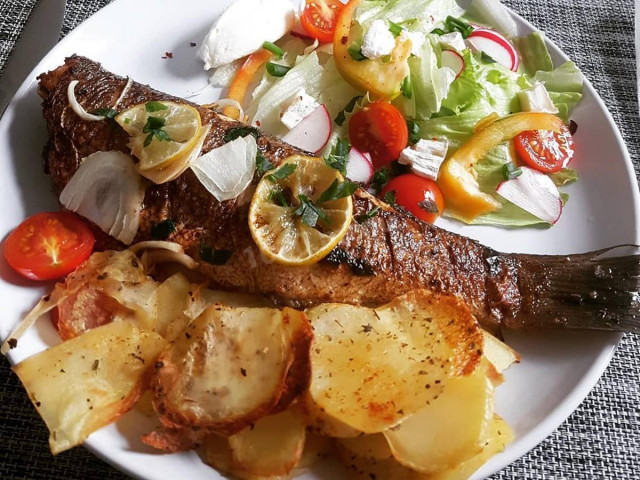
It is most convenient to gut, clean and cook a half-kilo sea bass. It's best to buy an already gutted carcass without the head. Many chefs are of the opinion that this fish tastes best simply fried in flour in a pan. You can serve it with any vegetables.