Skillet Pork Goulash with Gravy
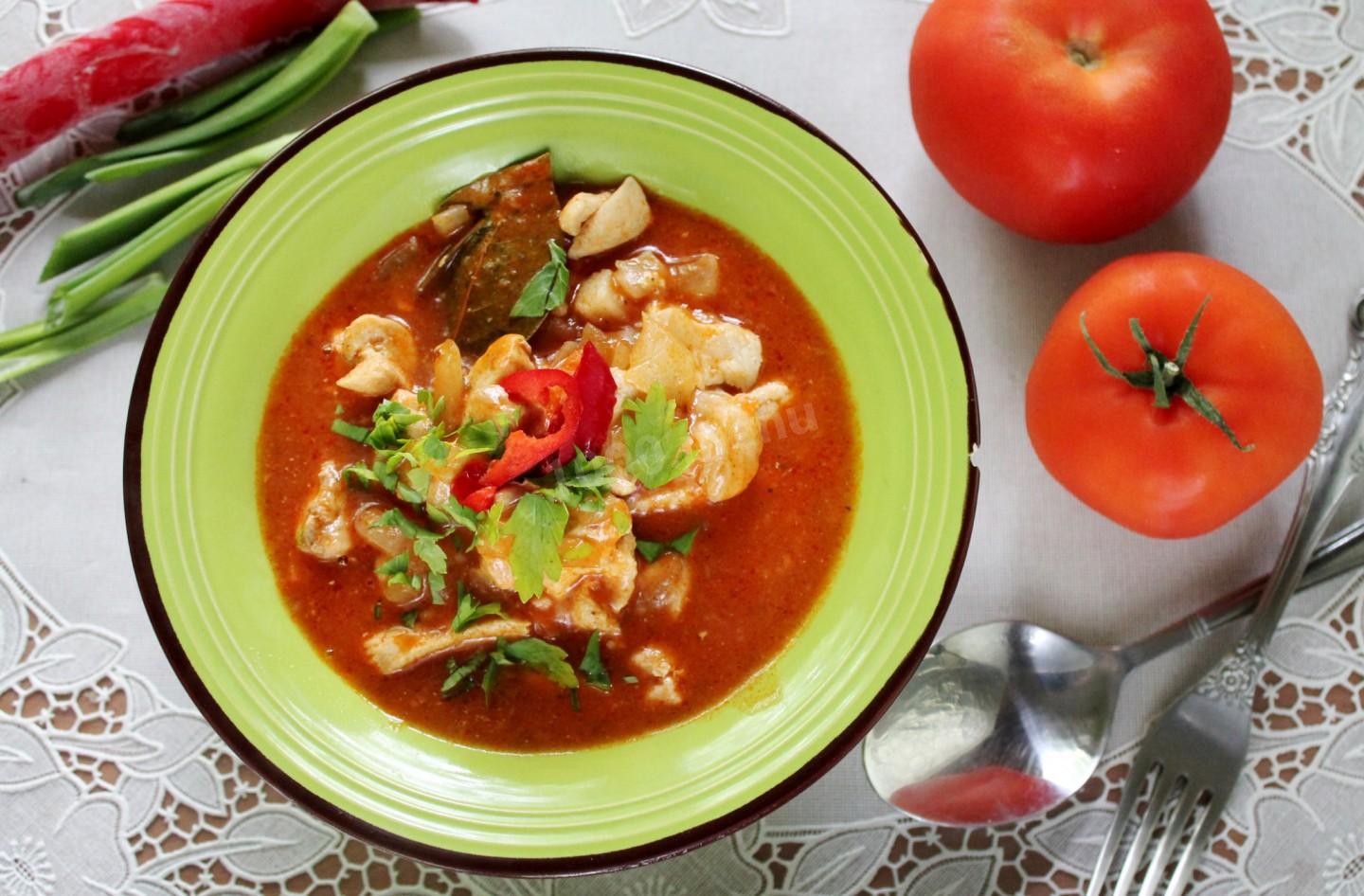
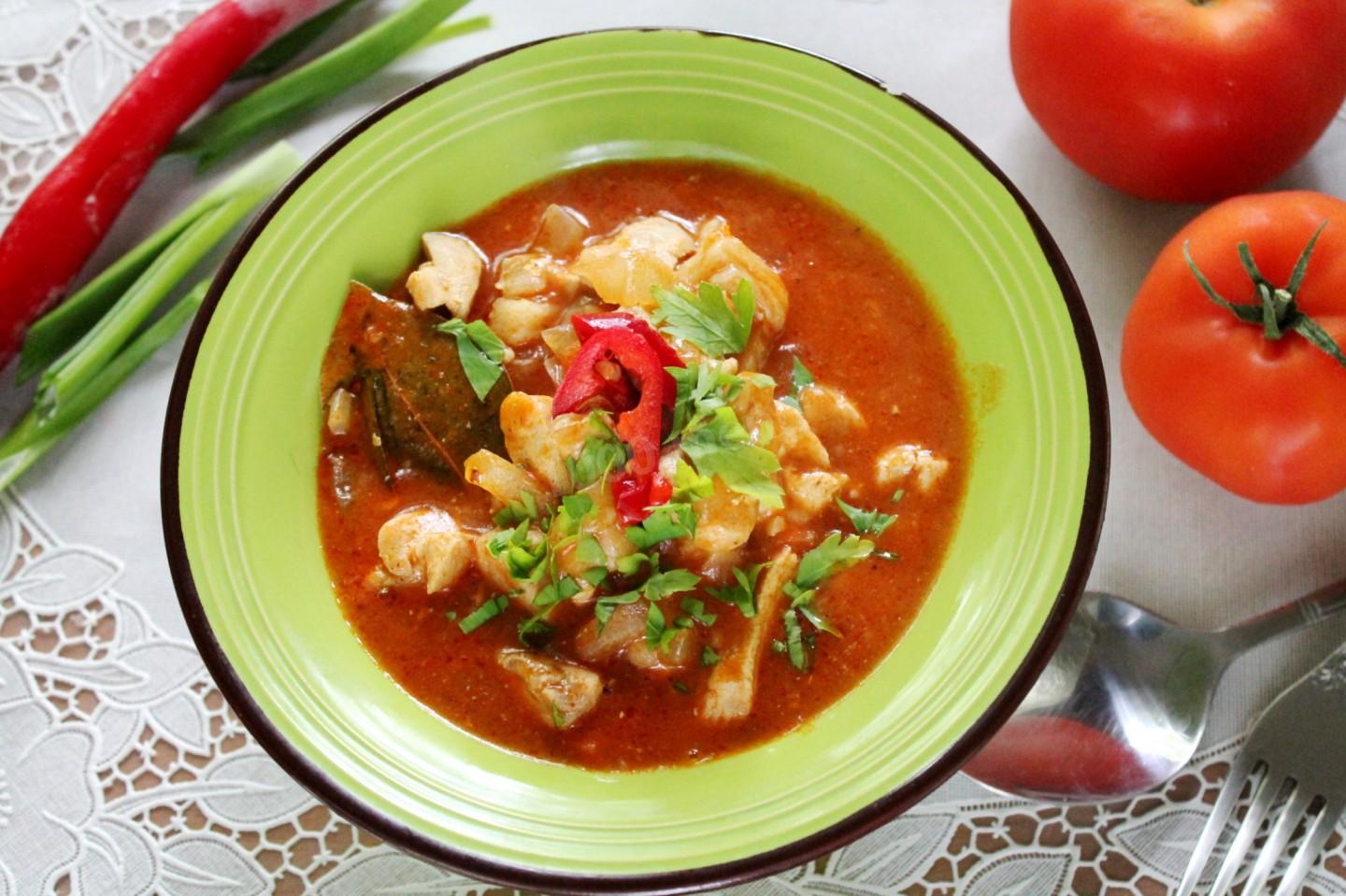
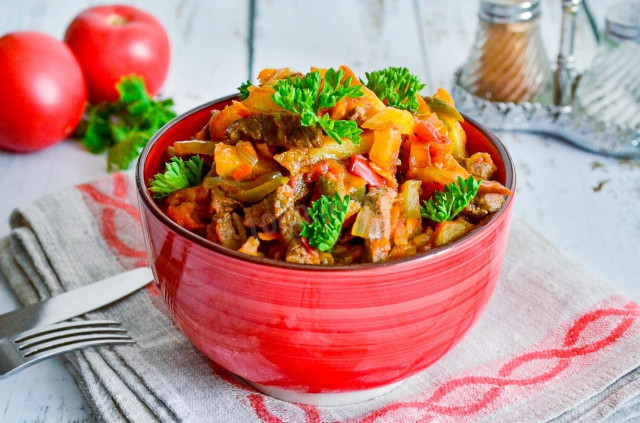
Skillet pork goulash with gravy makes a great dinner! It's a wonderful dish for a family meal and pairs easily with any side. The classic match is mashed potatoes, but pasta, fluffy buckwheat, or boiled rice all work beautifully. The dish is bright and juicy, and it looks especially appetizing with a scattering of fresh herbs.


Cooking method
-
Step 1:
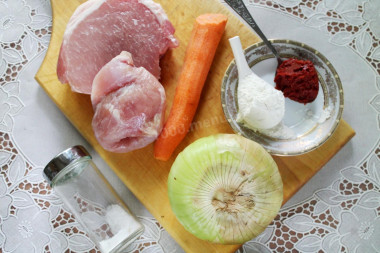
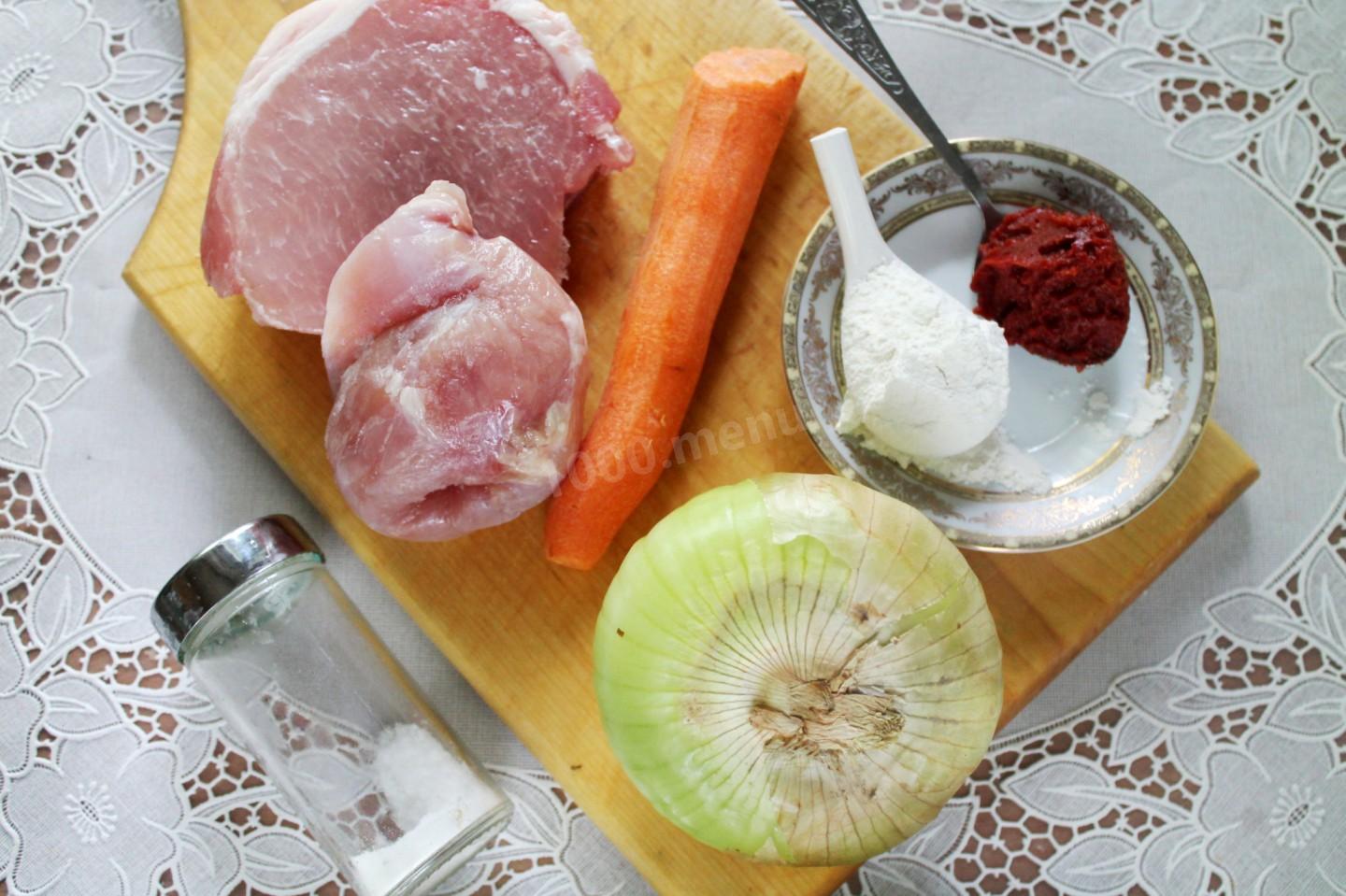
For skillet pork goulash with gravy, gather your pork (any boneless cut works; leaner is better), a carrot (optional), an onion, flour, tomato paste, salt, spices, sunflower oil, and water.
-
Step 2:
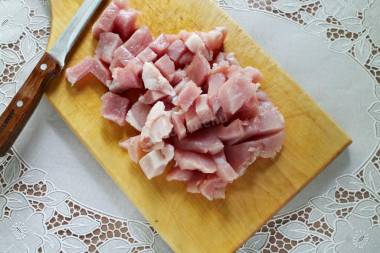
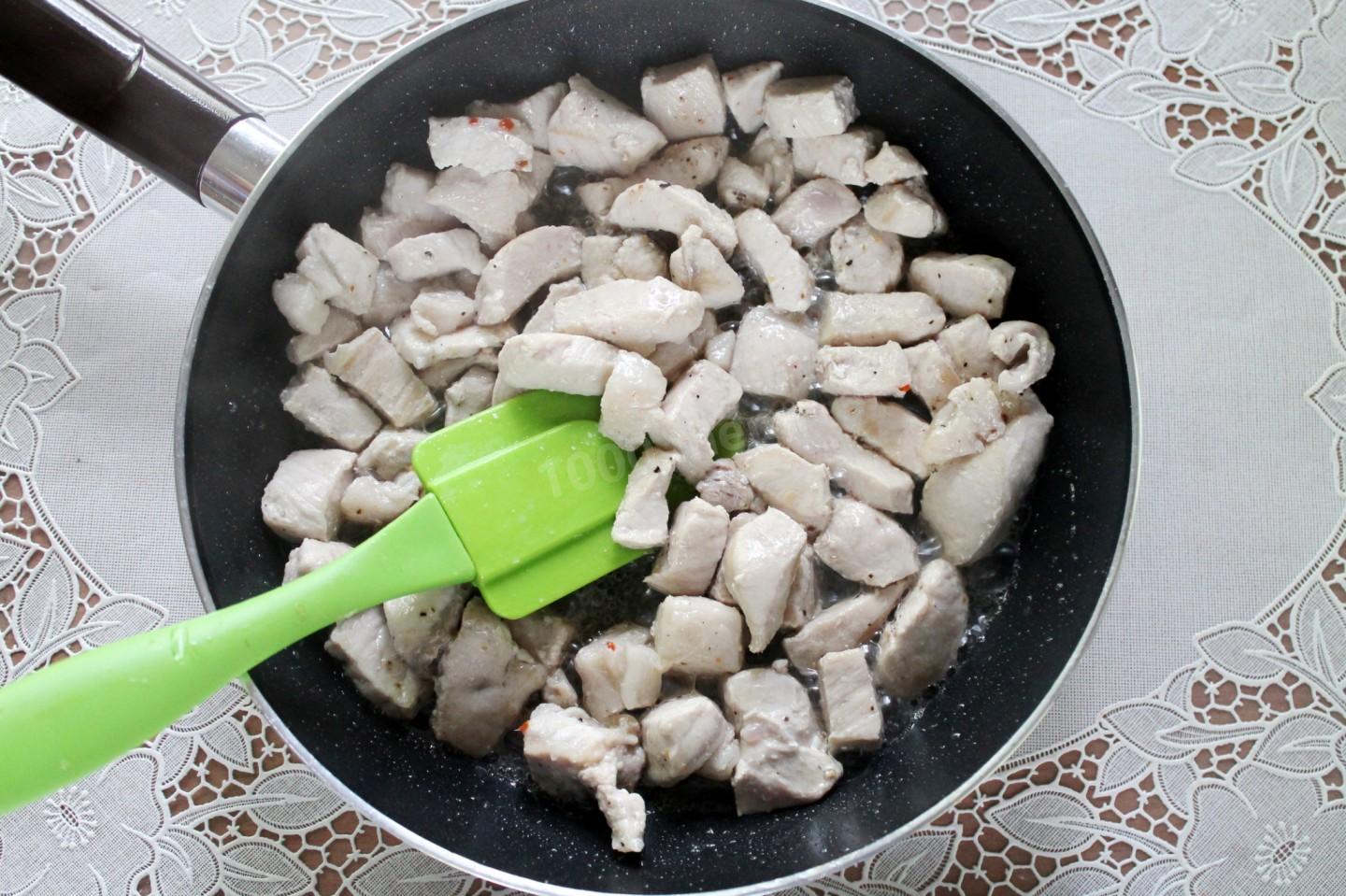
Cut the pork into small, bite-size pieces.
-
Step 3:
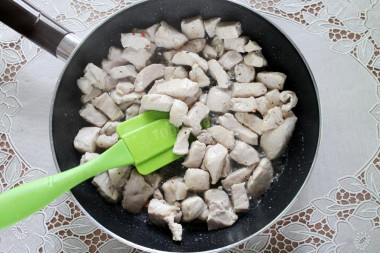
In hot sunflower oil, sear the pork quickly on all sides so the pieces are browned and sealed.
-
Step 4:
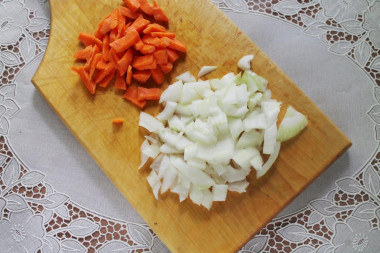
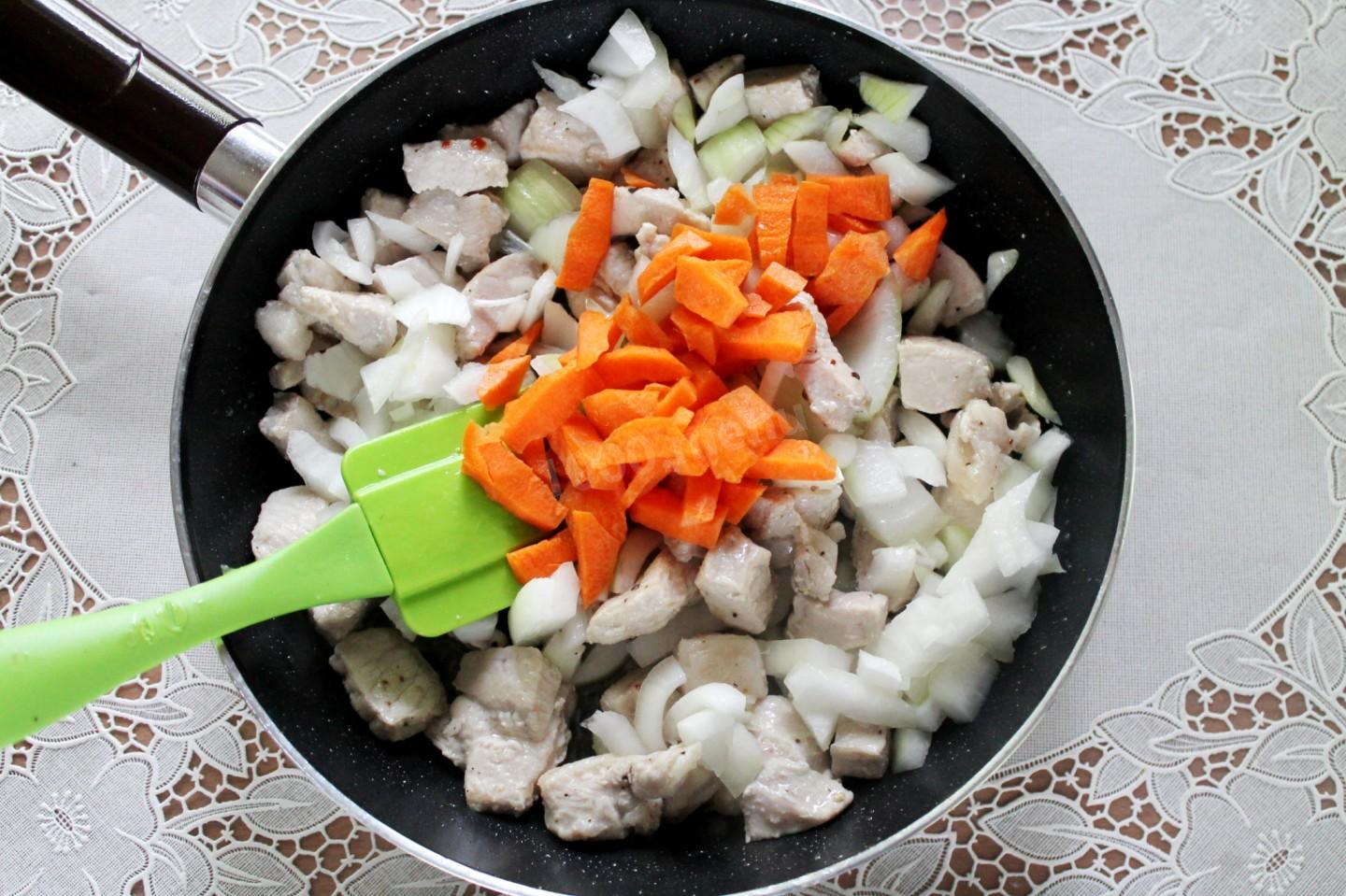
While the meat browns, peel the vegetables. Dice the onion and cut the carrot into small sticks.
-
Step 5:
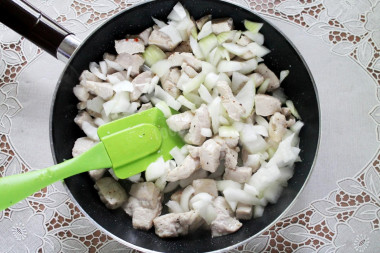
Add the diced onion and the spices (no salt yet). Stir quickly and let the onion sweat with the meat for a moment.
-
Step 6:
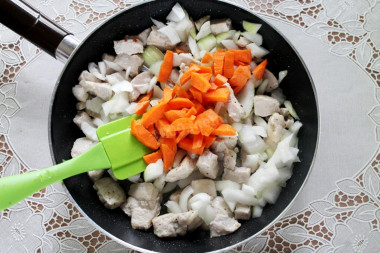
Add the carrot right away. Stir everything well and cook until the vegetables are about halfway done.
-
Step 7:
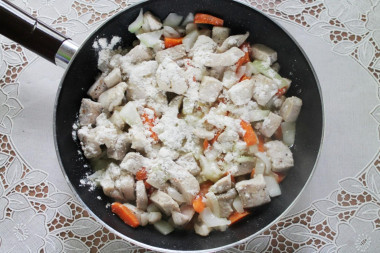
Sprinkle the flour in a thin, even layer over everything and immediately stir it into the meat and vegetables with a spatula so it spreads out and doesn't form lumps — it's easy.
-
Step 8:
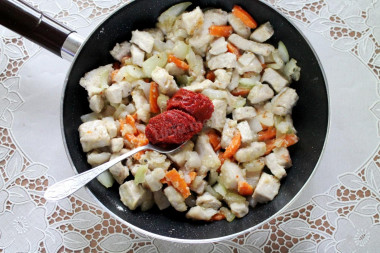
Now stir in the tomato paste.
-
Step 9:
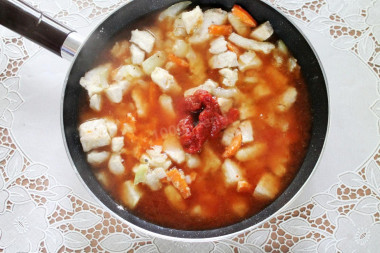
Pour in hot or boiling water (cold water makes the meat turn out tough and "woody," and it'll take longer to cook).
-
Step 10:
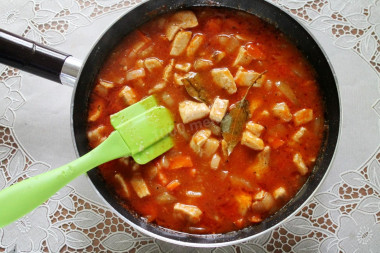
Stir the goulash, salt it to taste, drop in a bay leaf, cover, and simmer over low heat for about another half hour. (Honestly, the longer it goes the better it tastes — just make sure it doesn't scorch; a nonstick pan helps.)
-
Step 11:
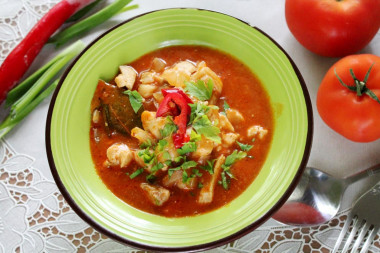
And that's it — skillet pork goulash with gravy is ready! Serve topped with fresh herbs and, if you like a little heat, a couple of rings of fresh hot chile.





- You can make this goulash with extra vegetables — carrot, bell pepper, parsley root, celery, or parsnip — or keep it simple with just onion. The most common combo is onion and carrot, which add extra body and flavor. The key is a rich, thick, flour-based tomato sauce; some cooks also stir in a spoonful of sour cream to mellow the tang of the tomato, but that's up to you.
- A note on pans: the wrong skillet can ruin even a great recipe, so use a heavy, nonstick one that holds heat evenly.
- Every oil is only good up to a point — its smoke point, where it starts to burn and produce harmful compounds. Choose an oil with a high smoke point for frying and don't let it get past that temperature.
- You can swap the tomato paste for canned tomatoes in their own juice, fresh tomatoes, or ketchup.
Caloric content of the products possible in the composition of the dish
- Fatty pork - 333 kcal/100g
- Lean pork - 357 kcal/100g
- Pork - lean roast - 184 kcal/100g
- Bone-in pork chop - 537 kcal/100g
- Pork schnitzel - 352 kcal/100g
- Pork shoulder - 593 kcal/100g
- Wild boar leg - 113 kcal/100g
- Pork - 259 kcal/100g
- Carrot - 33 kcal/100g
- Dried carrot - 275 kcal/100g
- Boiled carrot - 25 kcal/100g
- Tomato paste - 28 kcal/100g
- Hot chile pepper - 40 kcal/100g
- Salt - 0 kcal/100g
- Water - 0 kcal/100g
- Onion - 41 kcal/100g
- Wheat flour - 325 kcal/100g
- Paprika - 289 kcal/100g
- Mixed ground peppercorns - 255 kcal/100g
Similar recipes




- Festive table
- Homemade dinner
- Second course
- Meat and meat products
- Vegetables
- Flour
- Spices seasonings spices
- Other
- Pepper
- Salt
- Water
- Tomato paste
- Frying
- Stewing
- In a frying pan
- Stewed vegetables
- Meat second course
- Pork
- Meat for dinner
- From carrots
- From onion
- Wheat flour
- No eggs
- Recipes for lean dishes without butter