Breaded Pork Cutlets in a Skillet
Simple, fast, and really tasty — dinner for the whole family! Breaded pork cutlets are a recipe to lean on when there's just no time to make lunch or dinner. As they fry, the breading turns into an appetizing crispy crust while the meat stays juicy and tender.

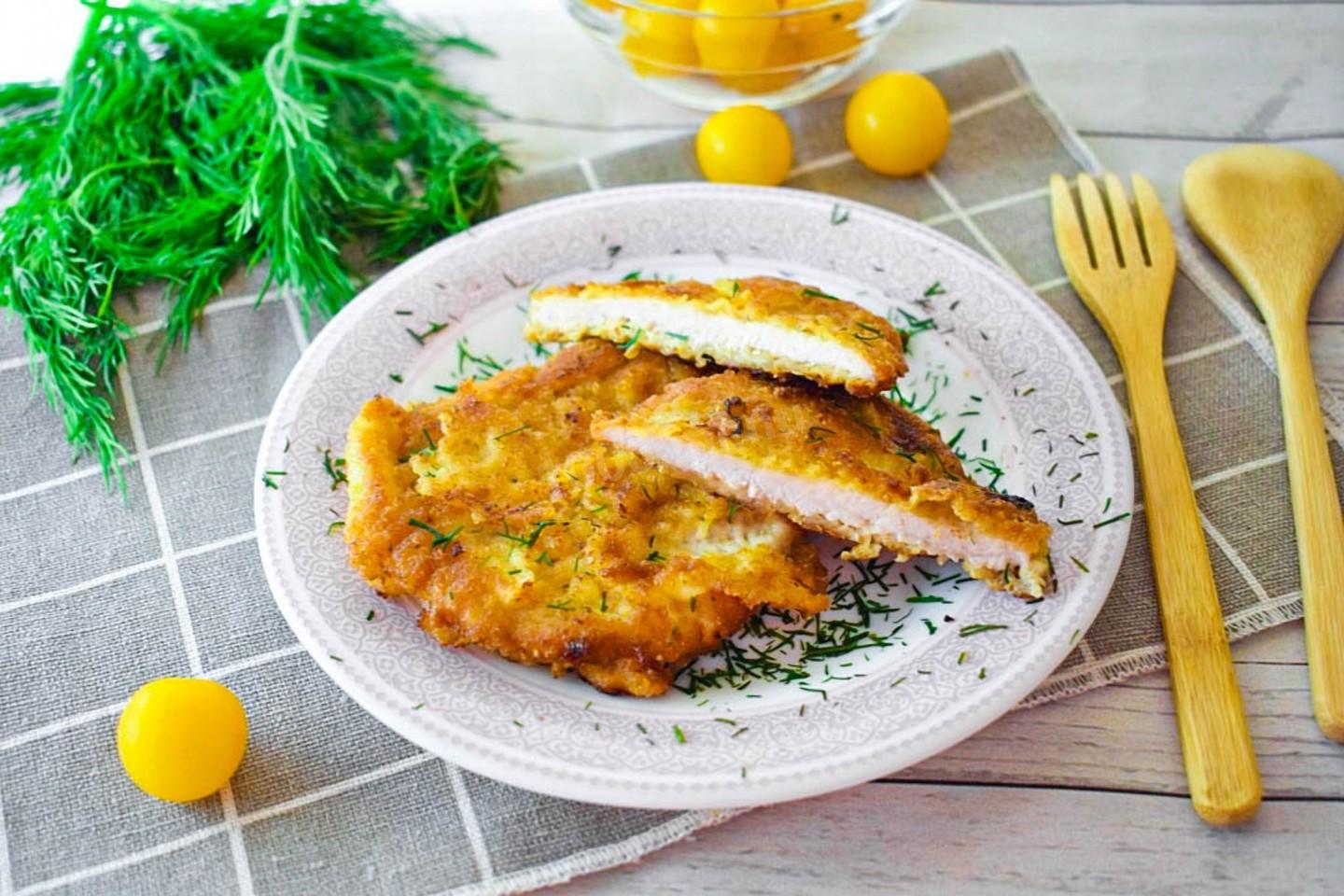
Cooking method
-
Step 1:
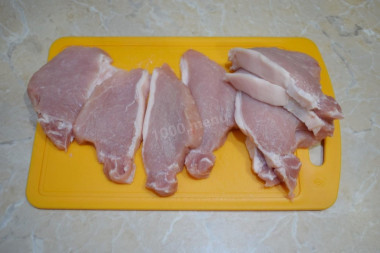
How do you fry breaded pork cutlets? Gather your ingredients. For cutlets it's best to use lean meat. Boneless pork loin is ideal — it has a nice, even shape for cutting neat cutlets. Slice the pork into pieces about 3/4 inch (1.5–2 cm) thick.
-
Step 2:
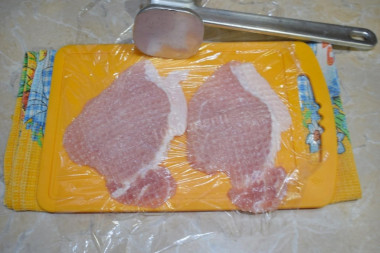
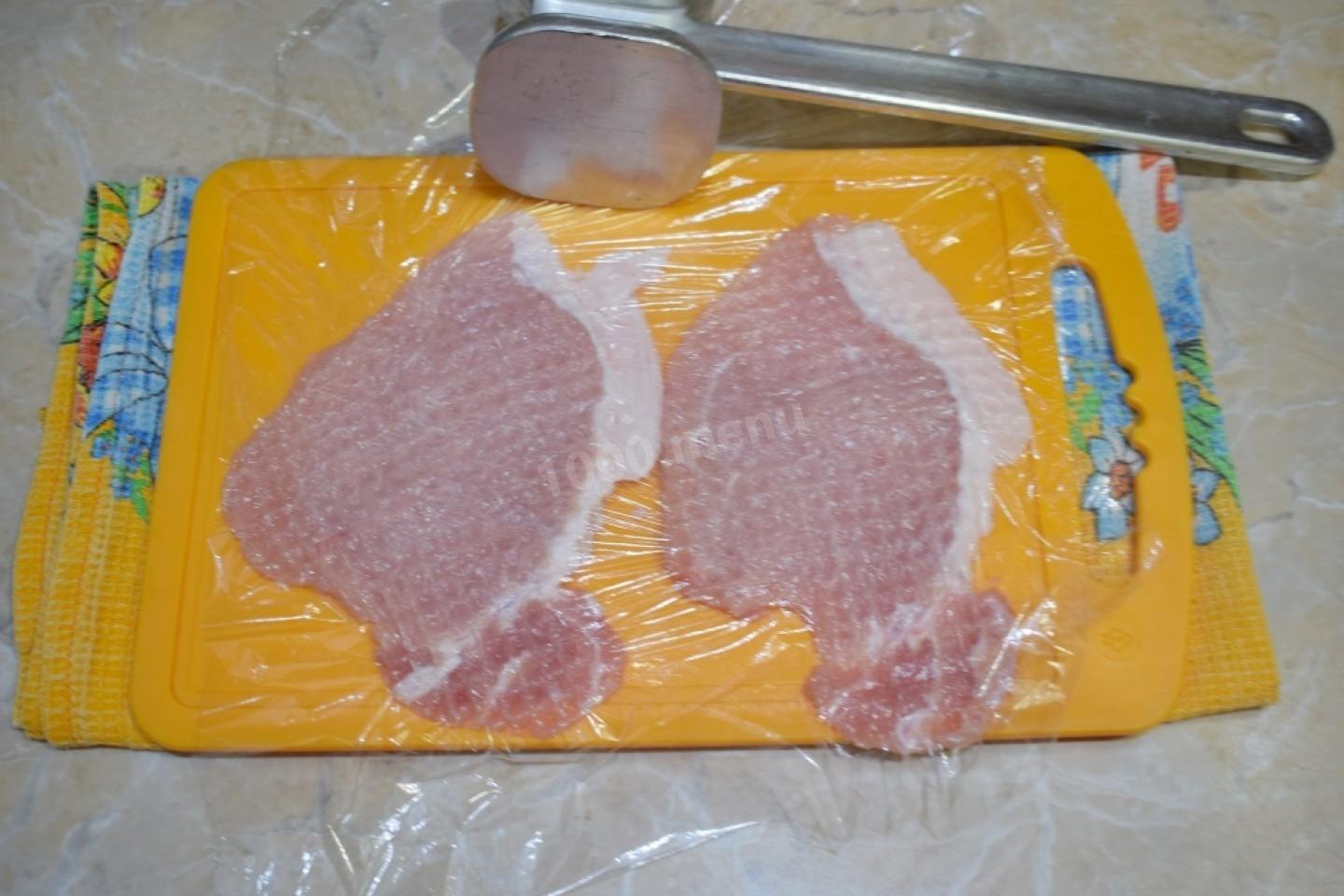
Cover a piece of meat with plastic wrap and pound it well with a meat mallet on both sides. The wrap keeps the edges from tearing and stops meat from splattering all over the kitchen.
-
Step 3:
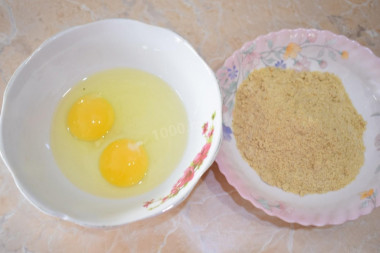
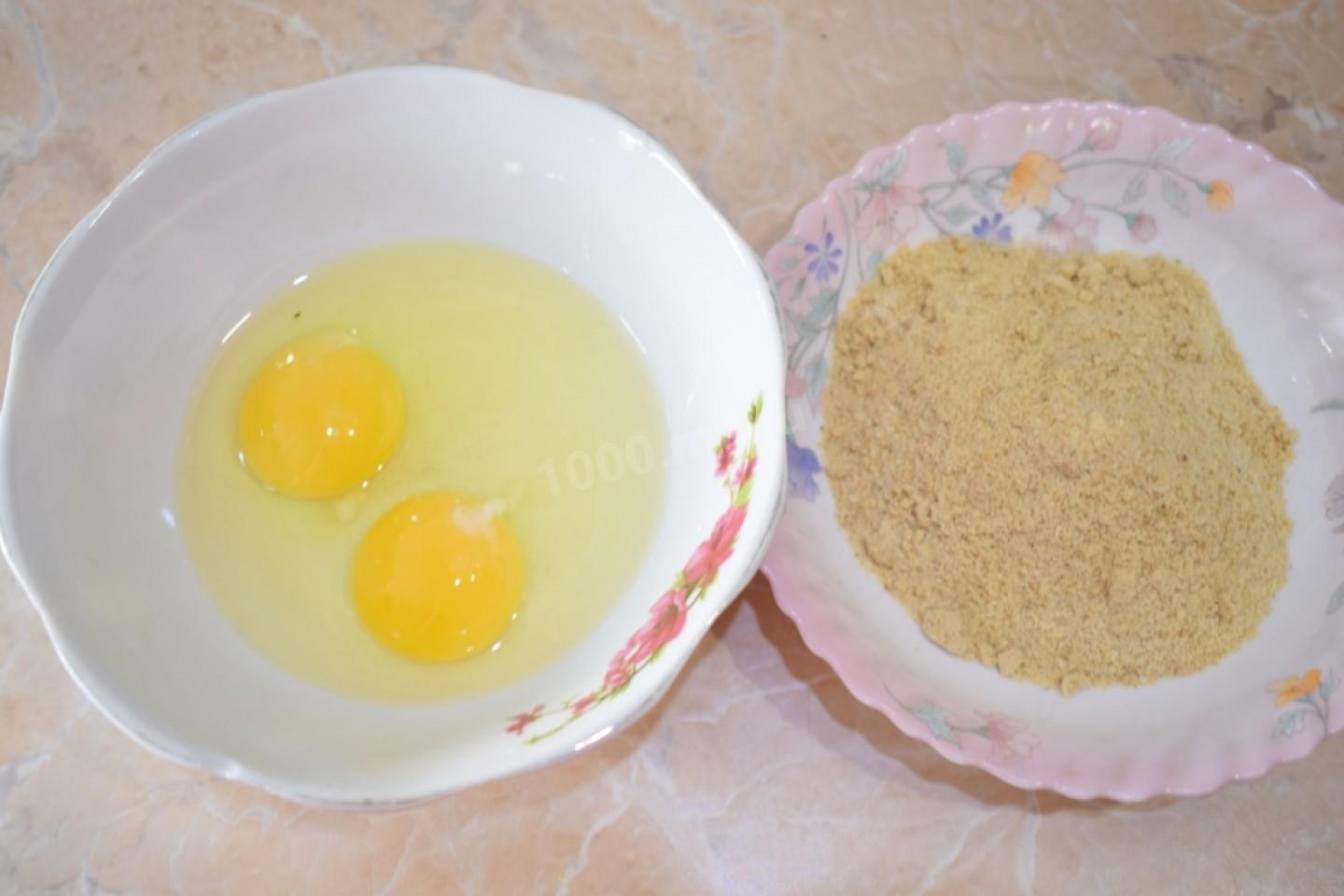
Set out two shallow dishes. Crack the eggs into one and put the breadcrumbs in the other.
-
Step 4:
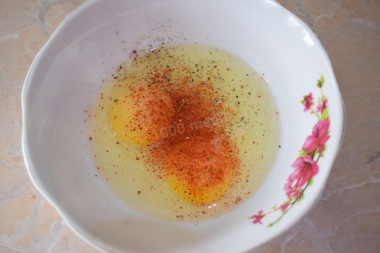
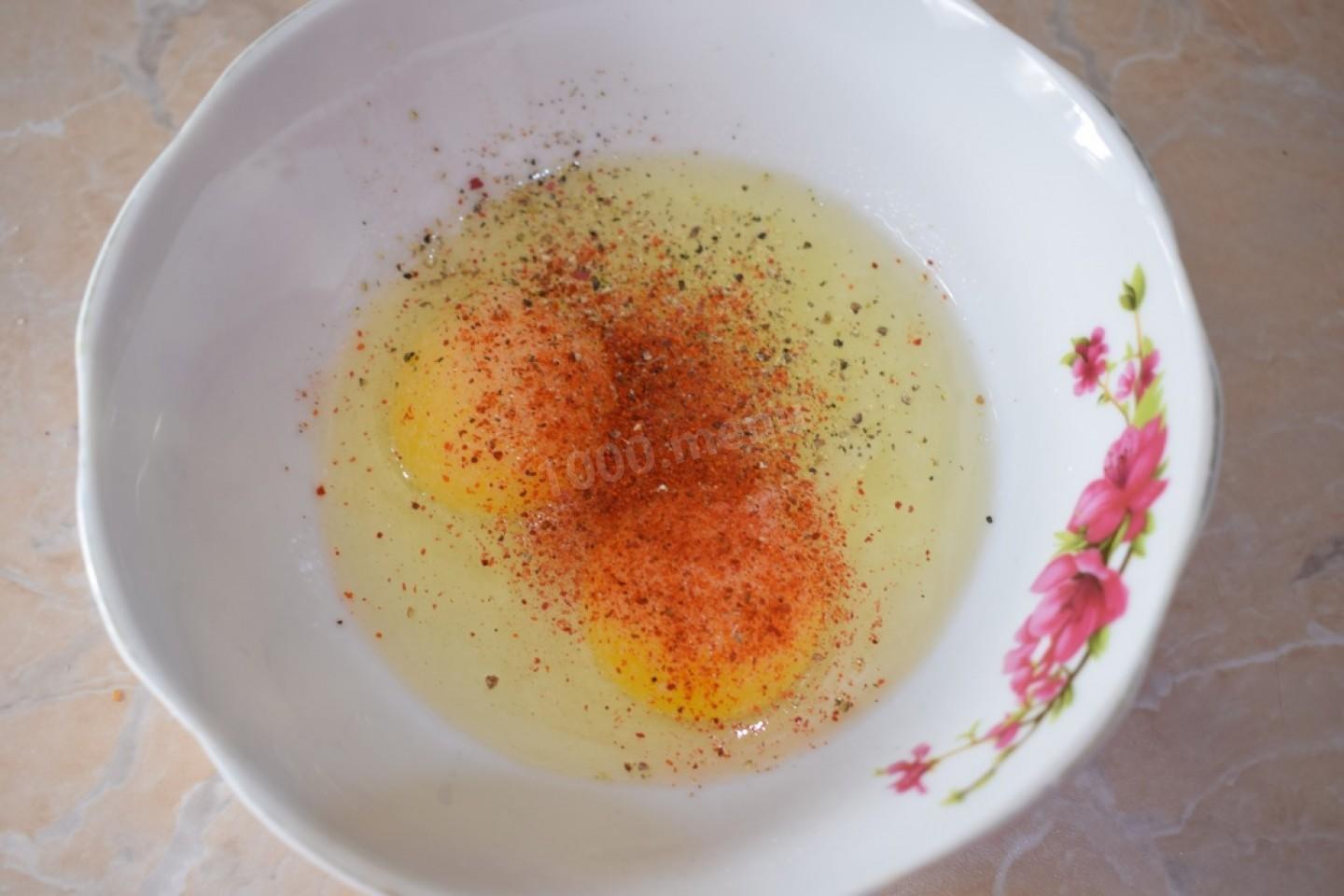
Add salt and spices to the eggs and beat lightly with a whisk or fork.
-
Step 5:
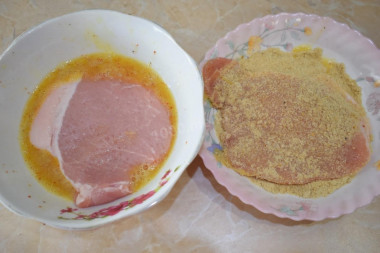
Dip each pounded cutlet first in the egg, then dredge it in the breadcrumbs.
-
Step 6:
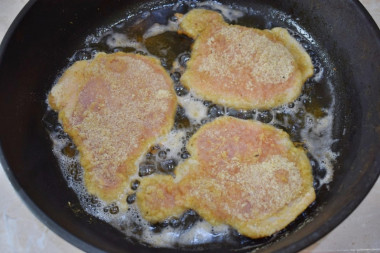
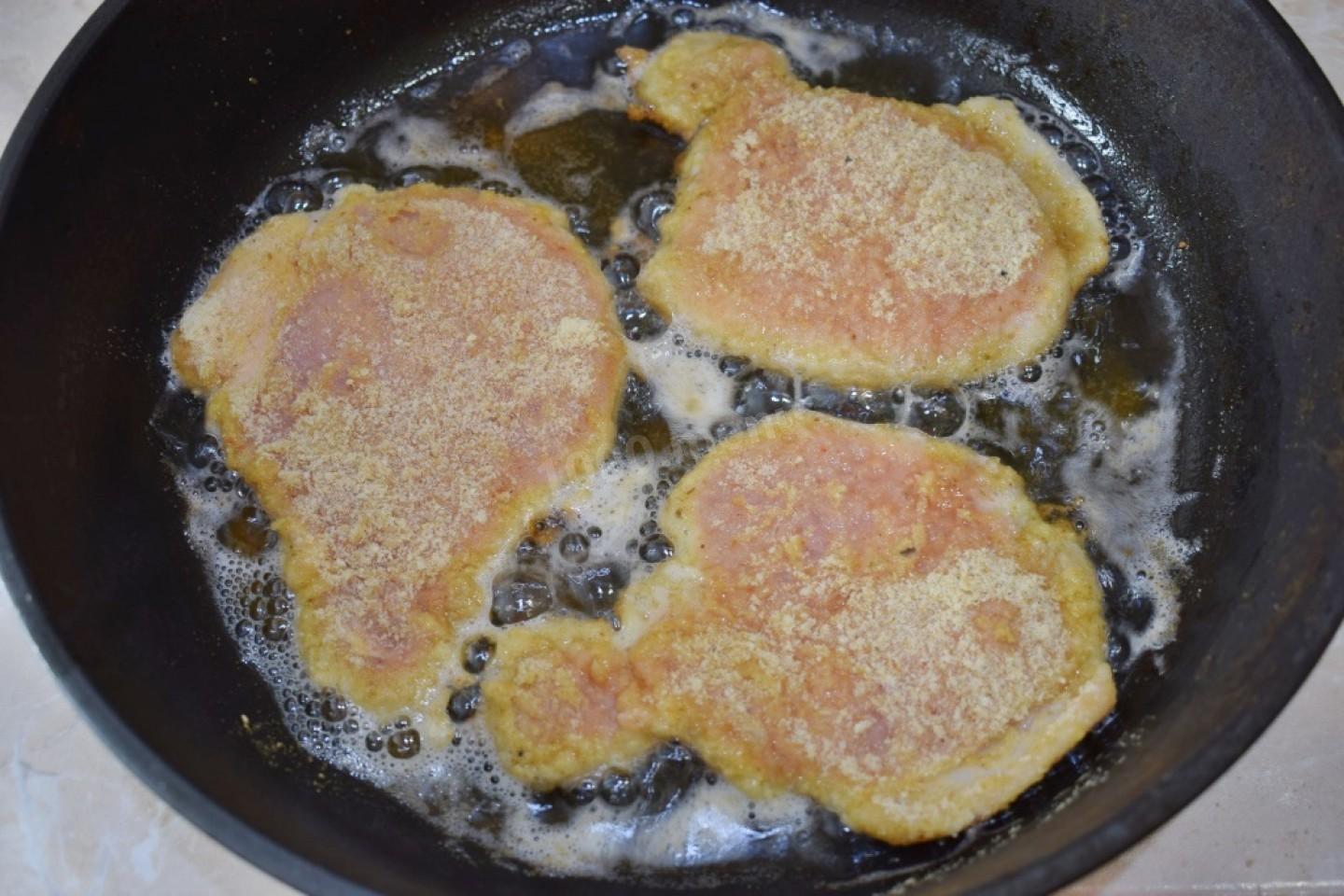
Heat a skillet over high heat and add a little vegetable oil. Here's an easy way to tell if the oil is hot enough: dip in a wooden spatula, and if bubbles gather around it, you're ready to fry. Add the breaded cutlets. Fry over high heat for one minute per side. Searing them like this sets the crust right away and seals the juices inside.
-
Step 7:
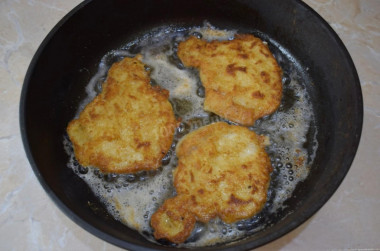
Then lower the heat and cook another 4–5 minutes per side so the meat cooks through inside. Don't cover the pan — the whole point of these cutlets is the crispy crust on the outside, and a lid would keep it from forming. Arrange the finished cutlets on plates and serve. Enjoy!


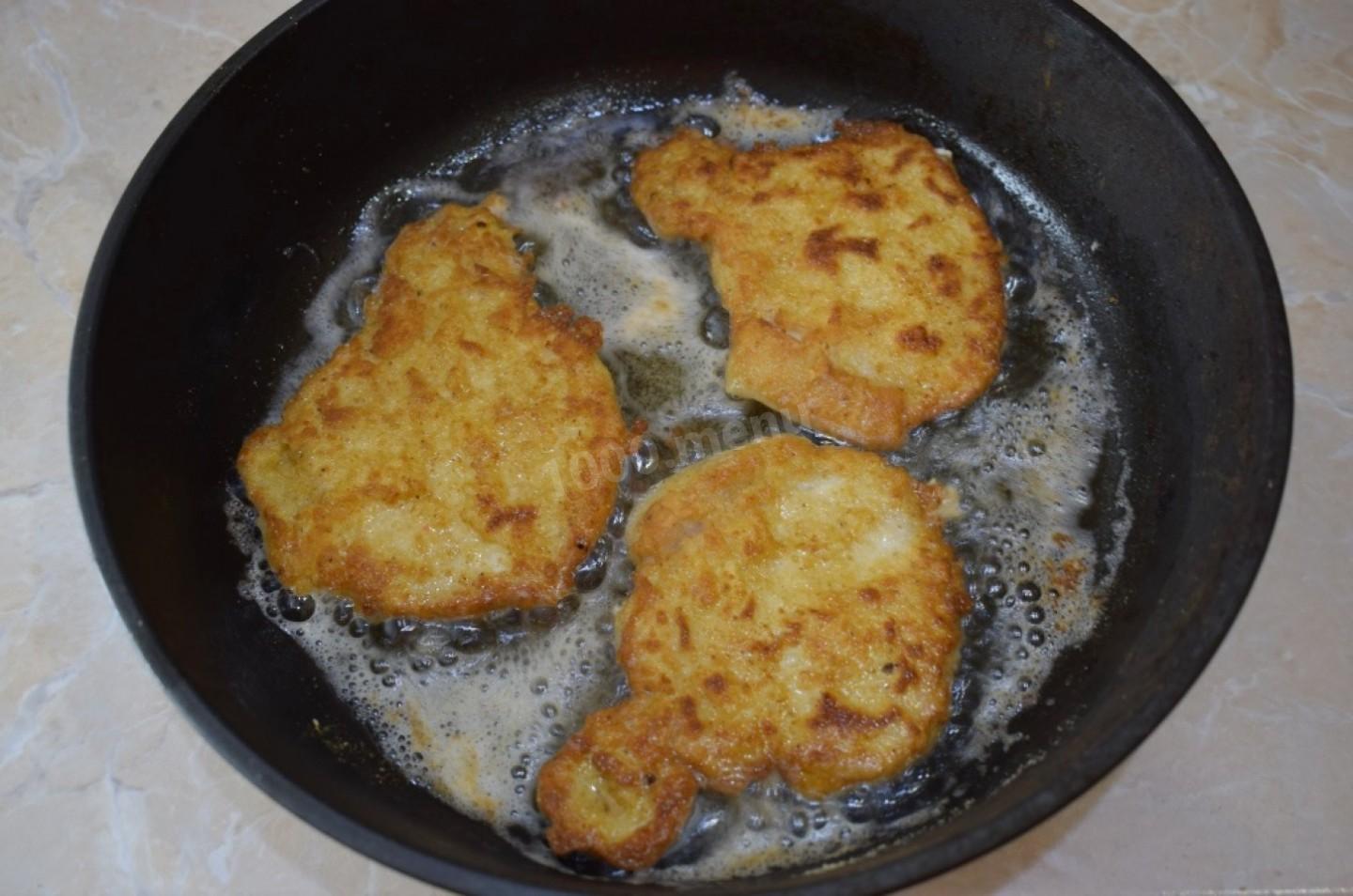
- You can make cutlets by simply pounding the meat and frying it plain, but I still recommend breading them. The crust seals in the juices so the meat stays moist, and breaded meat doesn't splatter hot fat while frying. These cutlets are delicious on their own, but you can round them out with any side and a good sauce. The best side, in my opinion, is fresh or braised vegetables — even a simple vegetable salad. Tasty and good for you!
- Always wash eggs before using them, since even a seemingly clean shell can carry harmful bacteria. A brush and food-safe wash work best.
- Use a high-smoke-point oil for frying. Every oil is only good up to a certain temperature — its smoke point — beyond which it starts to burn and forms harmful compounds. Unrefined oils generally have a low smoke point, while refined oils hold up to heat much better. For frying, roasting, or grilling, reach for a refined oil such as sunflower, olive, or grapeseed.
- Besides pork you can use any other meat here. Just keep in mind that the cooking time, flavor, and calorie count will change — beef takes longer than pork, while chicken breast or turkey takes less.
Caloric content of the products possible in the composition of the dish
- Chicken egg - 157 kcal/100g
- Egg white - 45 kcal/100g
- Egg powder - 542 kcal/100g
- Egg yolk - 352 kcal/100g
- Ostrich egg - 118 kcal/100g
- Pork fat - 333 kcal/100g
- Pork meat - 357 kcal/100g
- Pork - low-fat roast - 184 kcal/100g
- Pork chop on a bone - 537 kcal/100g
- Pork - schnitzel - 352 kcal/100g
- Pork shoulder - 593 kcal/100g
- Boar's leg - 113 kcal/100g
- Pork - 259 kcal/100g
- Vegetable oil - 873 kcal/100g
- Salt - 0 kcal/100g
- Spices dry - 240 kcal/100g
- Breadcrumbs - 347 kcal/100g
Similar recipes

- Fast and tasty
- Festive table
- Homemade dinner
- Second course
- Eggs
- Meat and meat products
- Bakery products
- Spices seasonings spices
- Fats and oils
- With crackers
- Salt
- Dry spices
- Vegetable oil
- Frying
- In a frying pan
- Simple dinner
- The second is fast and delicious
- Dishes in 30 minutes
- Meat second course
- Recipes for March 8
- Dishes for men holidays
- Pork
- Simple quick dinner
- Meat for dinner
- Recipes for lean dishes without butter