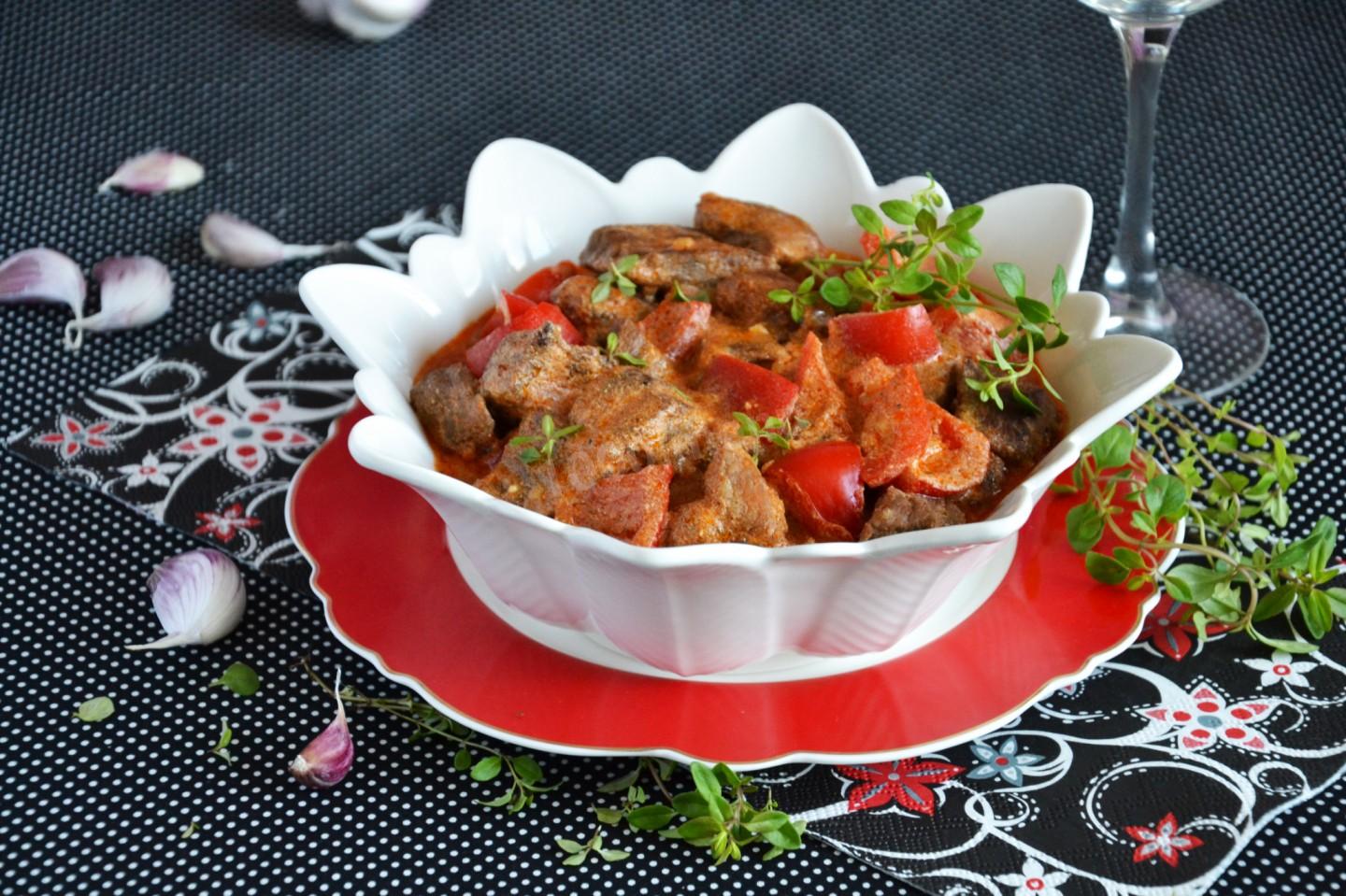
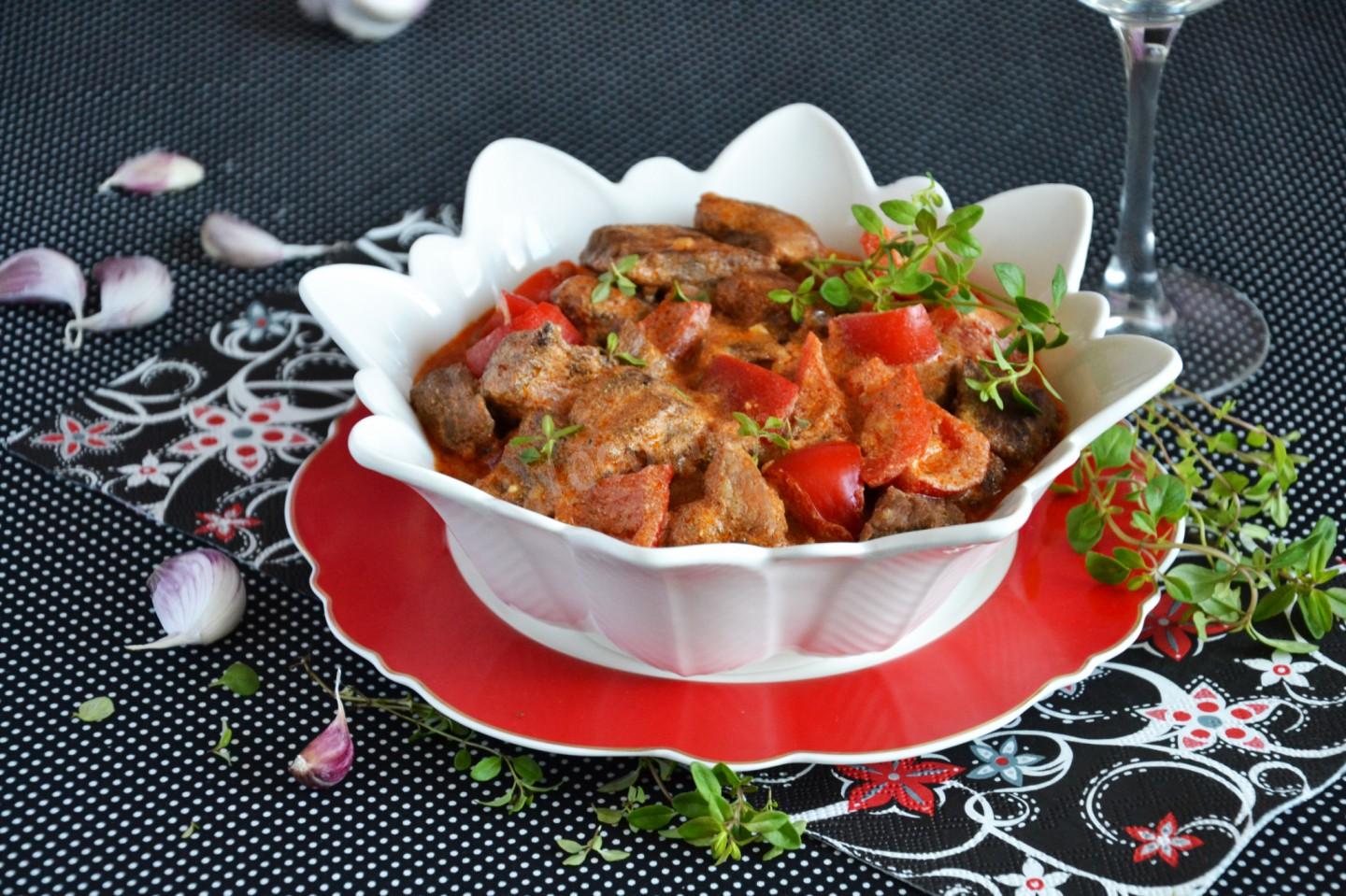
Skillet Beef in Tomato–Sour Cream Sauce with Vegetables
Delicious beef in a tomato and sour cream sauce. You can make this with pork instead of beef. And in place of the tomato paste, you can use fresh grated tomatoes or tomato sauce.

Cooking method
-
Step 1:
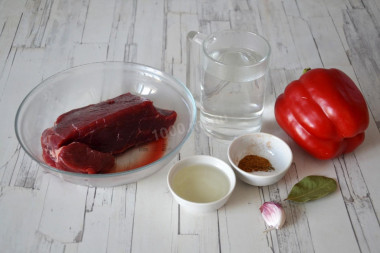
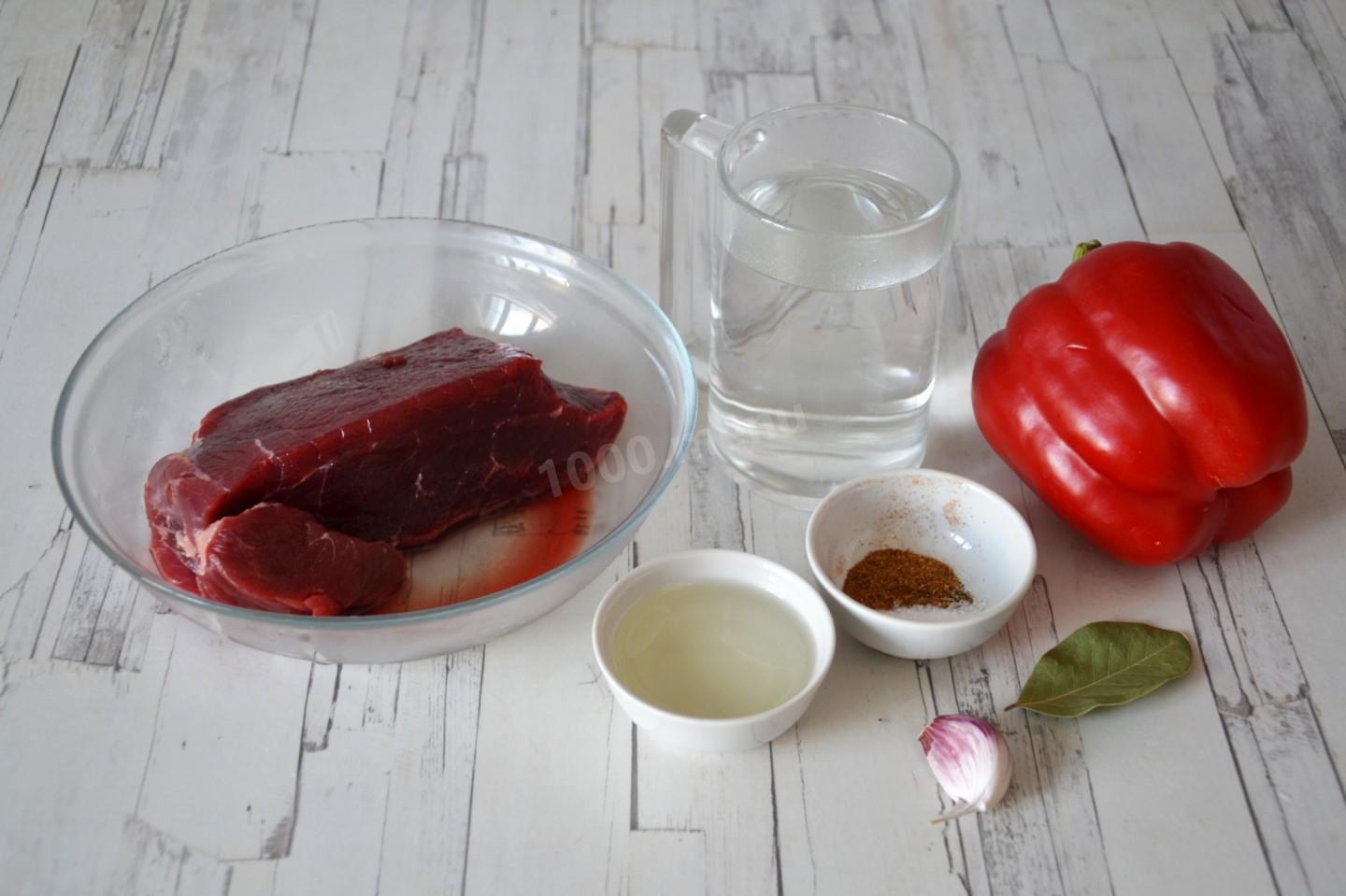
How do you make skillet beef in sauce with vegetables? Gather your ingredients. For the beef, you'll need: boneless beef, red bell pepper, water, garlic, bay leaf, vegetable oil, ground black pepper, and salt.
-
Step 2:
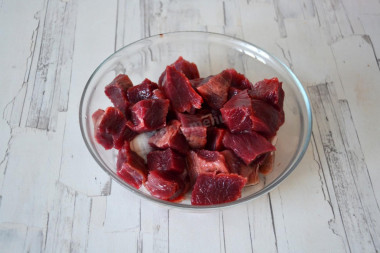
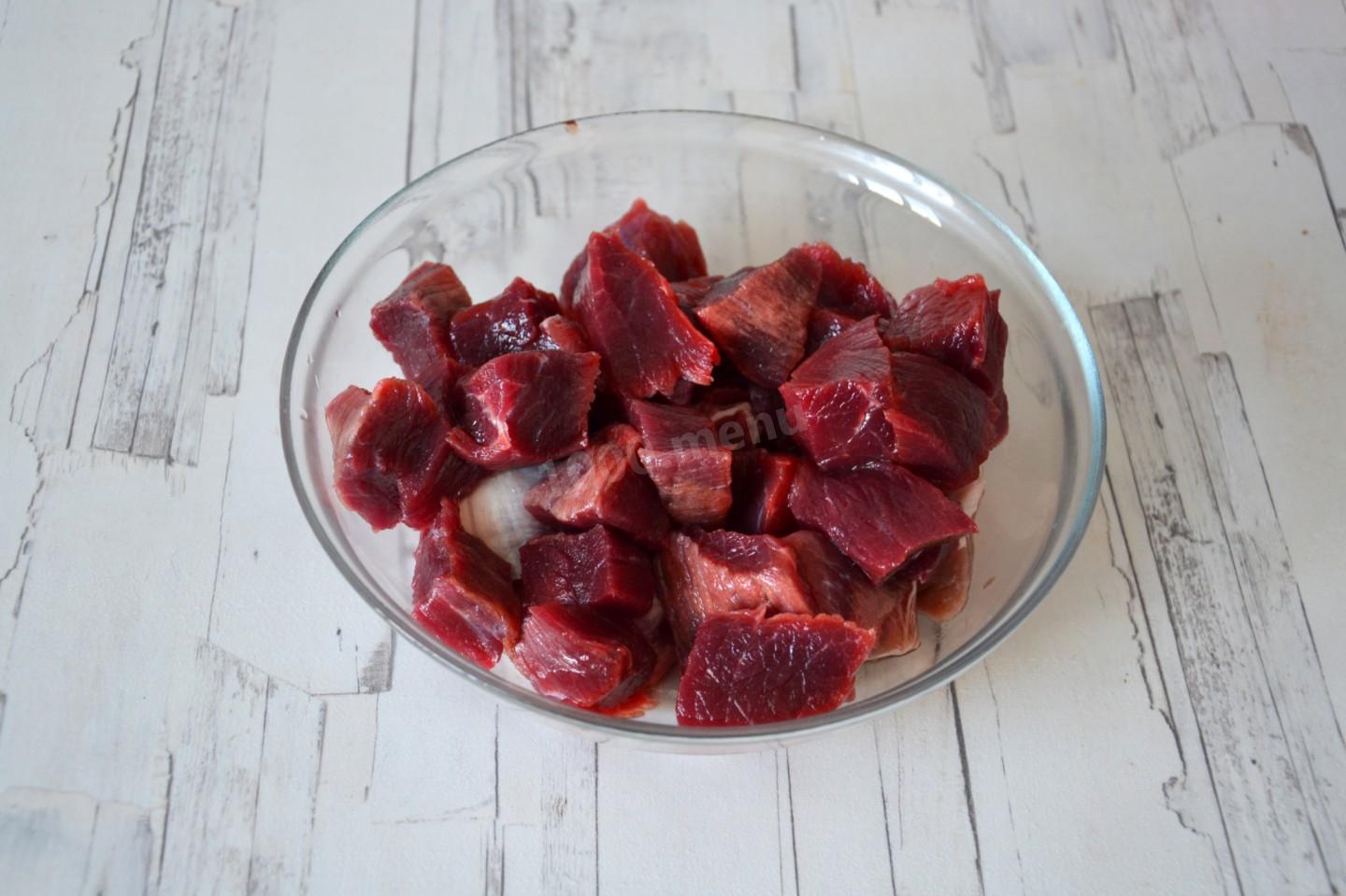
Wash the beef, pat it dry, and cut it into small pieces.
-
Step 3:
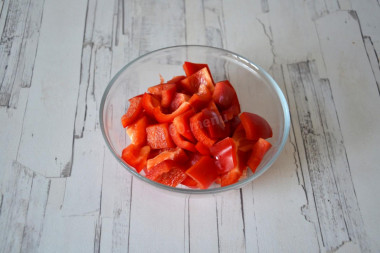
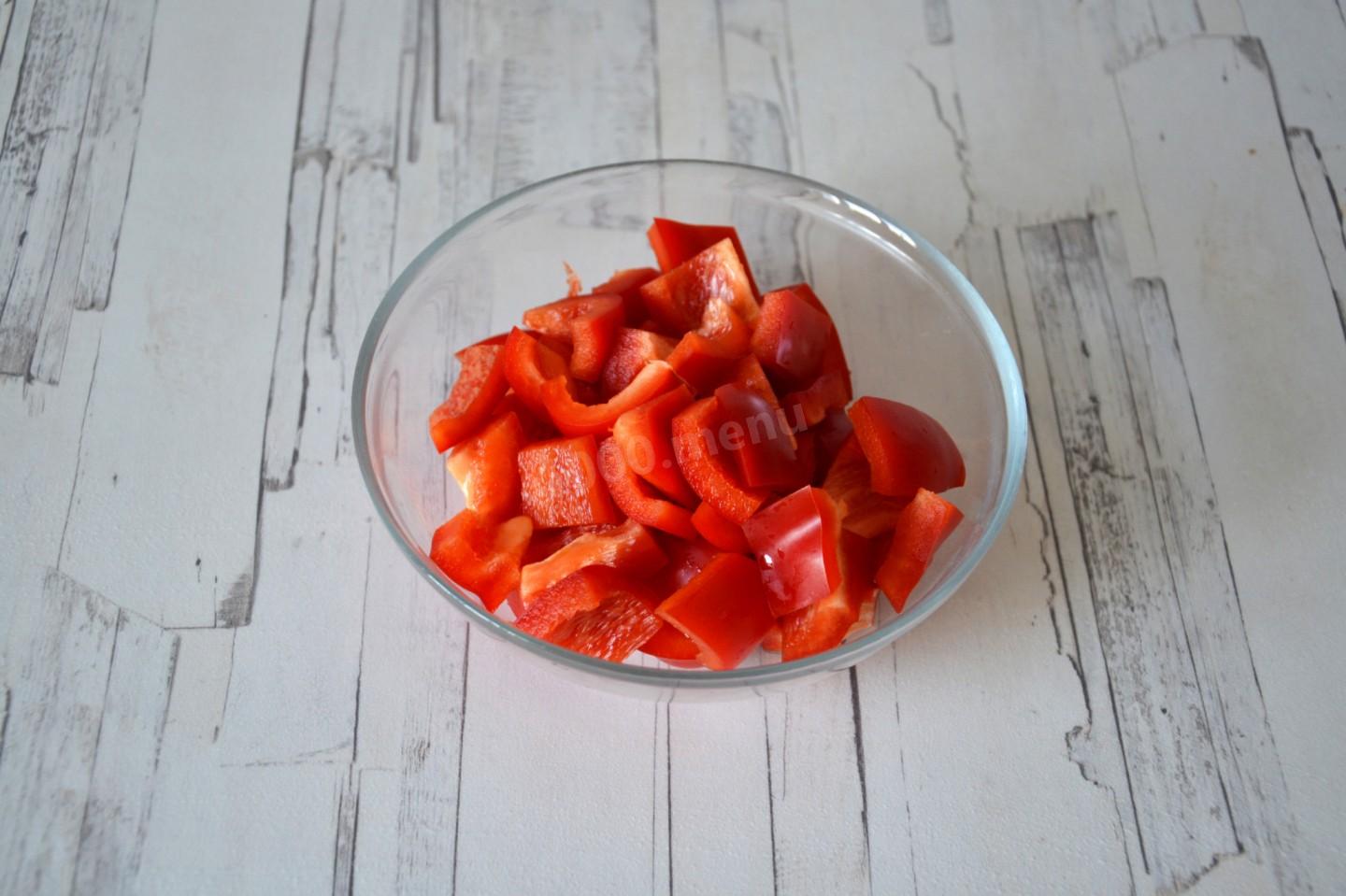
Wash the bell pepper and remove the seeds and stem. Cut it into small cubes.
-
Step 4:
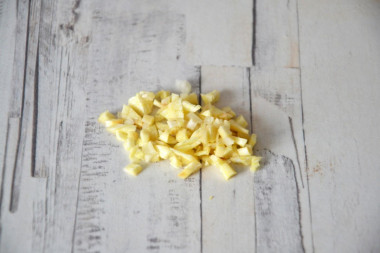
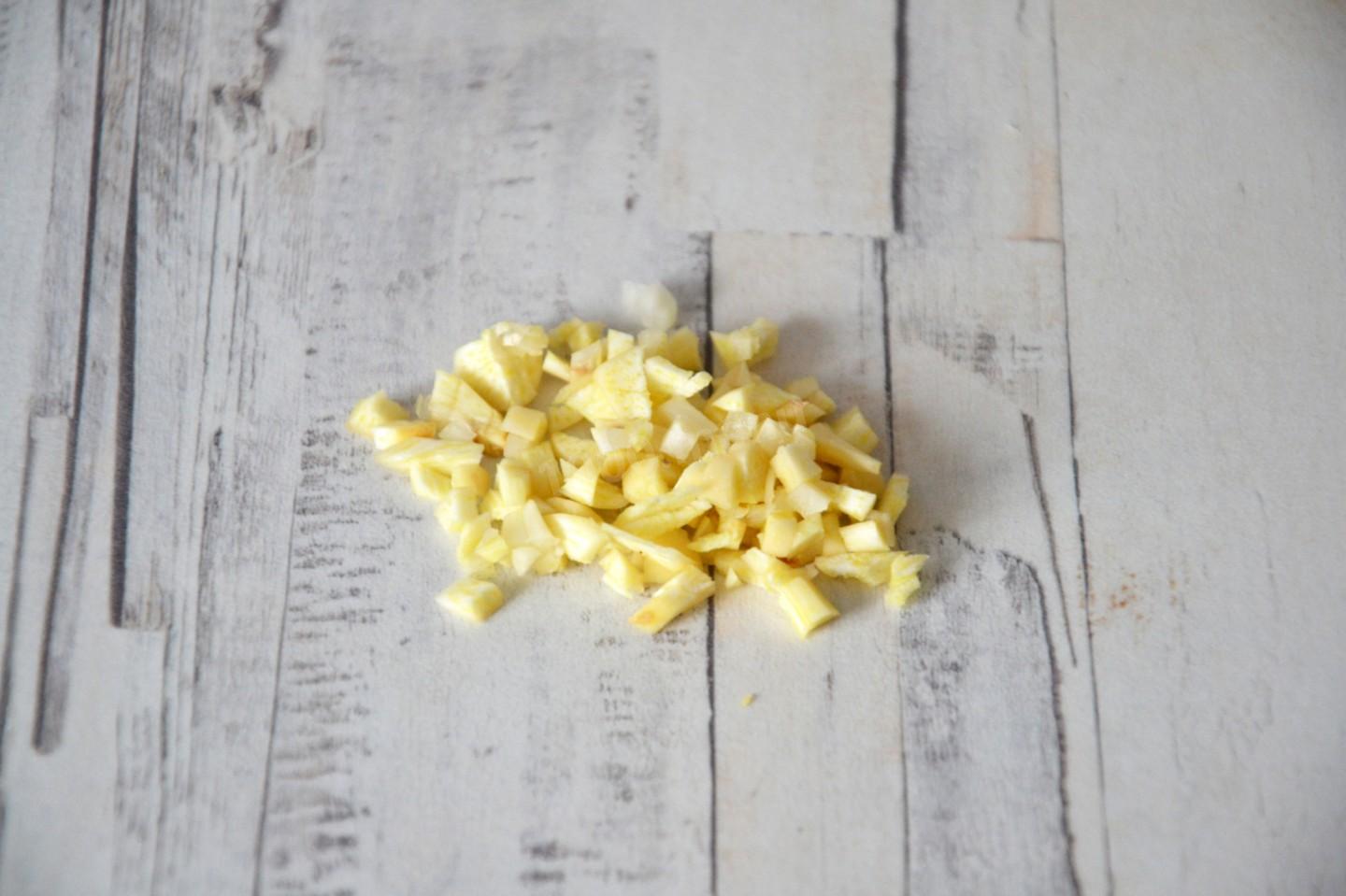
Peel and finely mince the garlic.
-
Step 5:
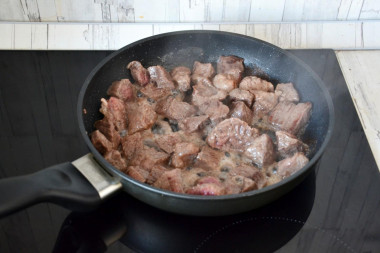
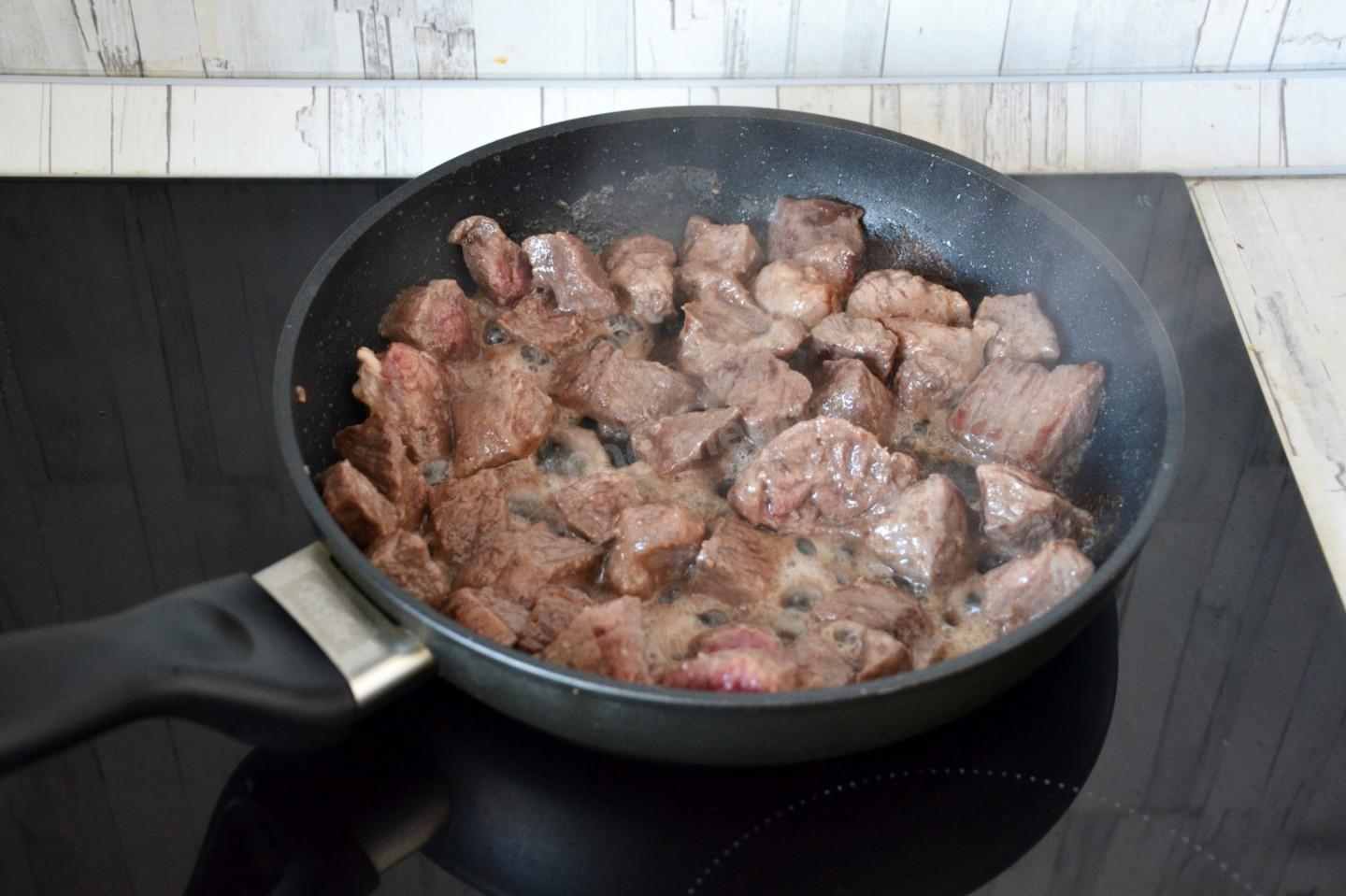
Heat the vegetable oil in a skillet, add the beef, and sear until golden brown.
-
Step 6:
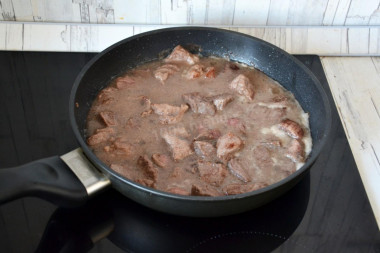
Pour in 150 ml (about 2/3 cup) of water. Stir everything together.
-
Step 7:
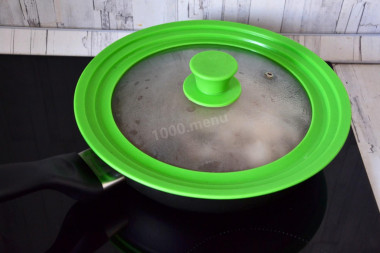
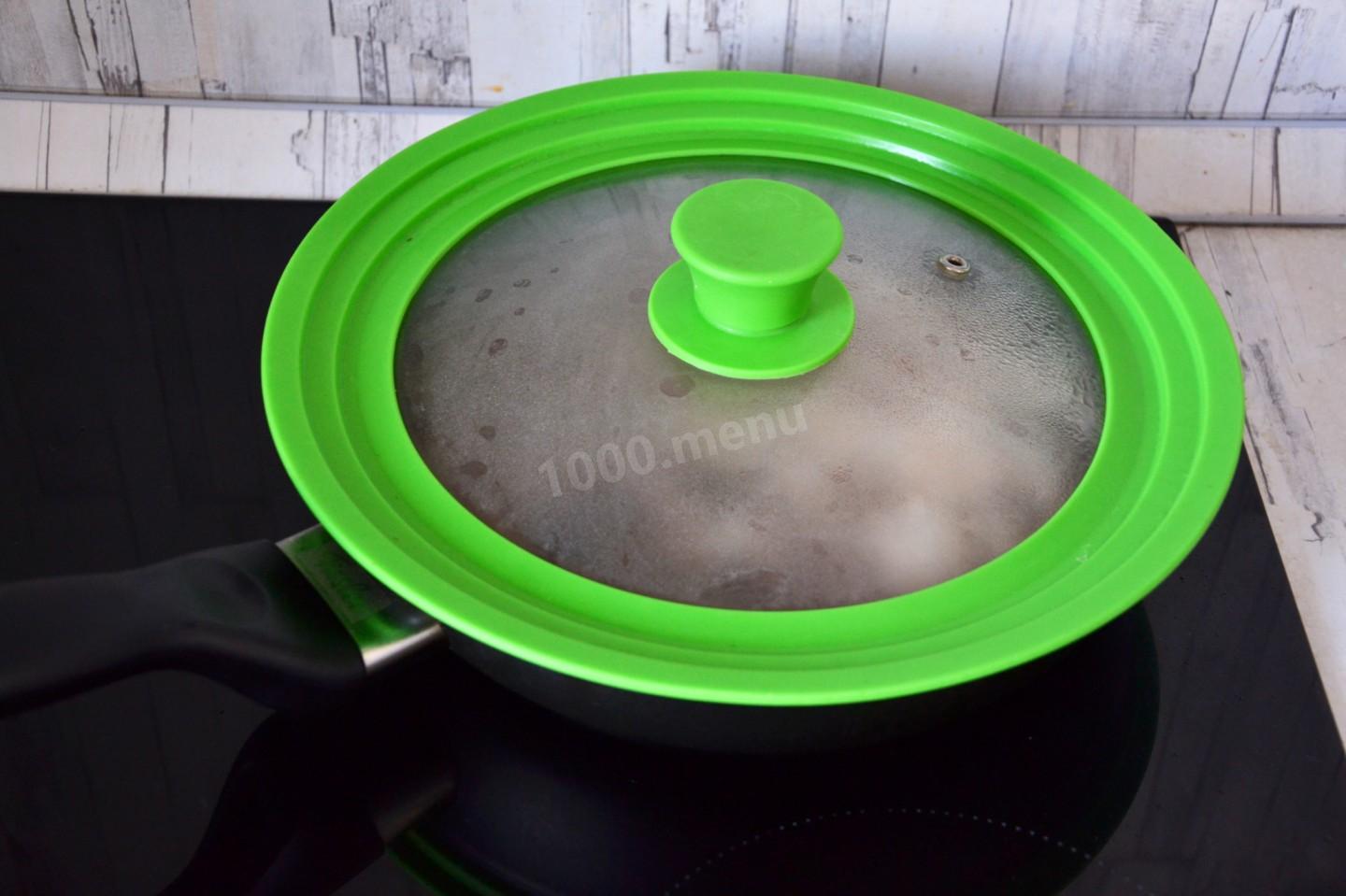
Cover and simmer over low heat until the liquid cooks off, about 40 minutes.
-
Step 8:
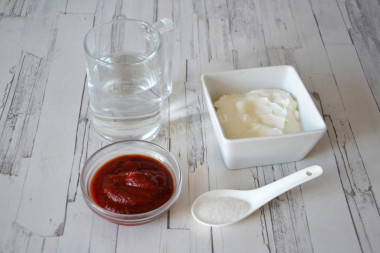
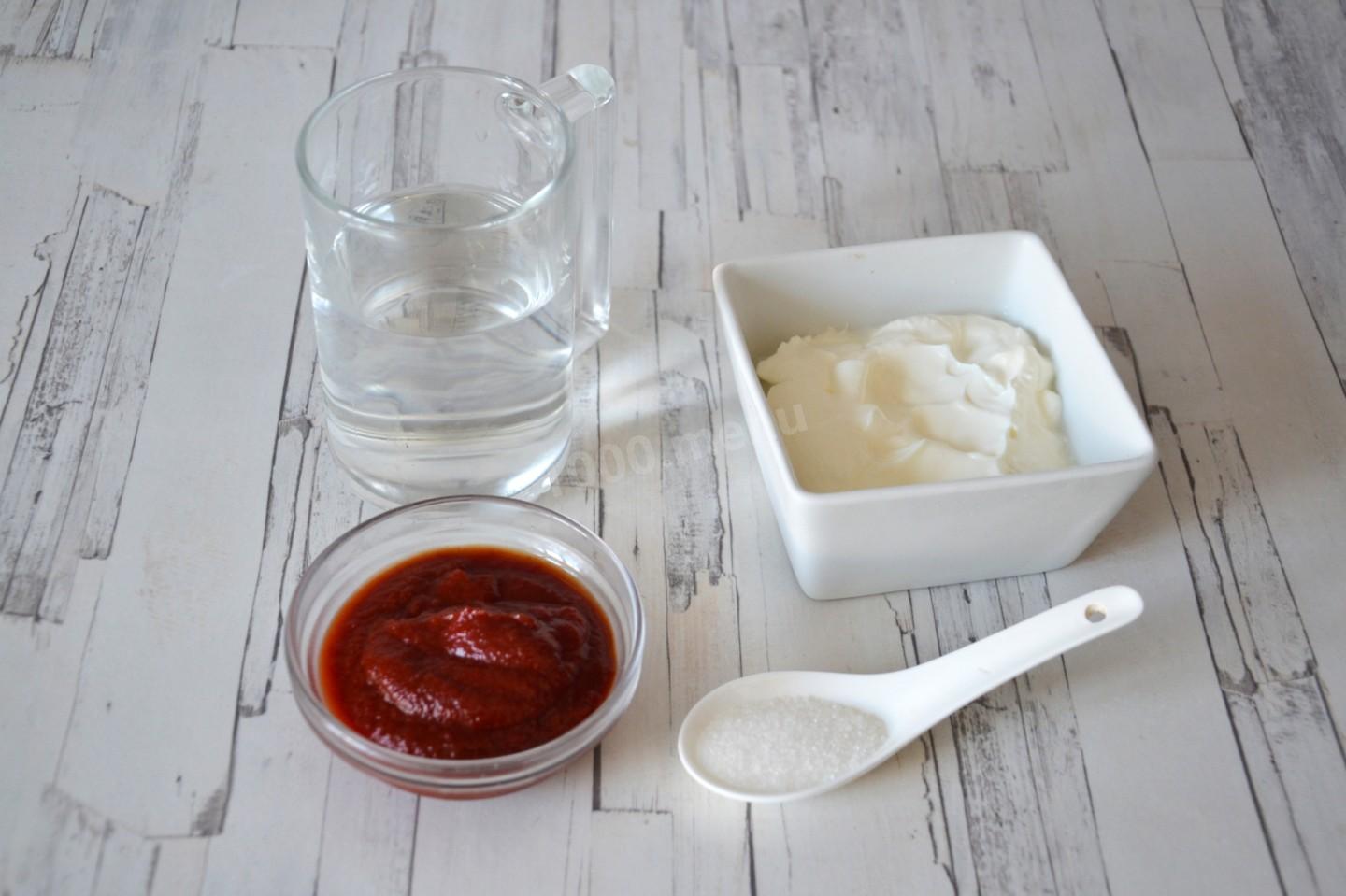
Now the sauce. You'll need: water, tomato paste, sour cream (15–25% fat, depending on how thick you want the sauce), and sugar.
-
Step 9:
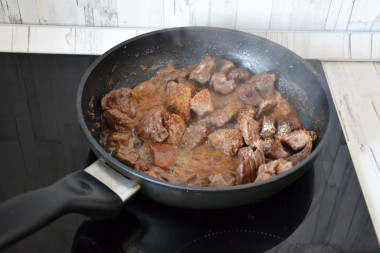
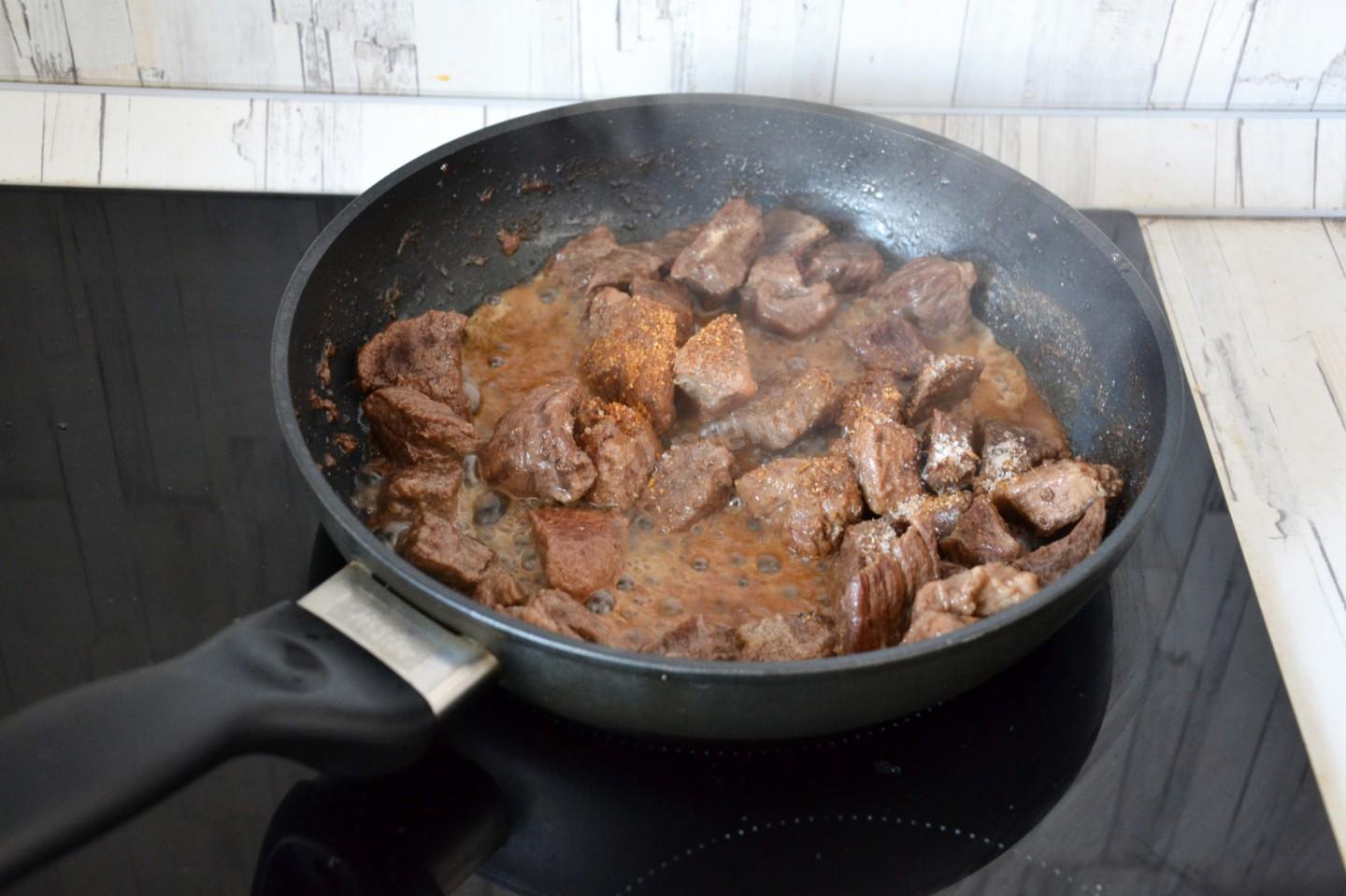
Once the liquid has cooked off, season the beef with salt, pepper, and the spice blend. Cook, stirring, for 2 minutes.
-
Step 10:
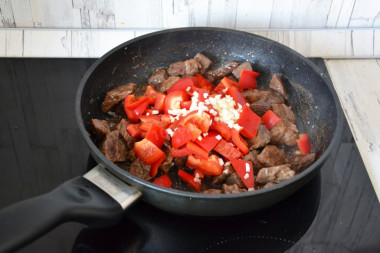
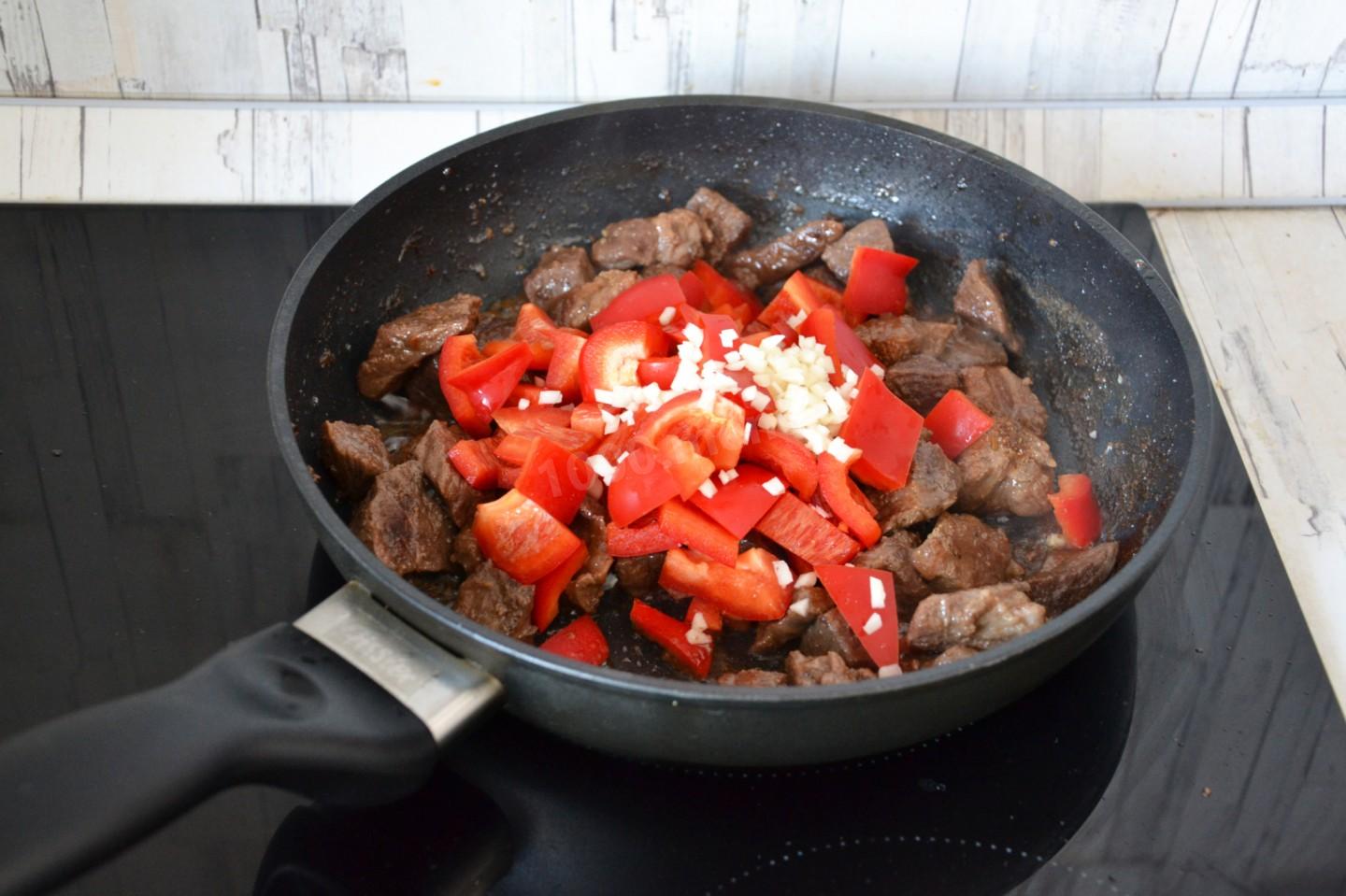
Add the bell pepper and garlic. Cook together for 2–3 minutes.
-
Step 11:
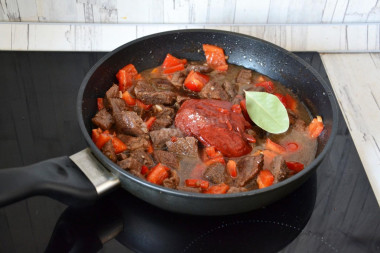
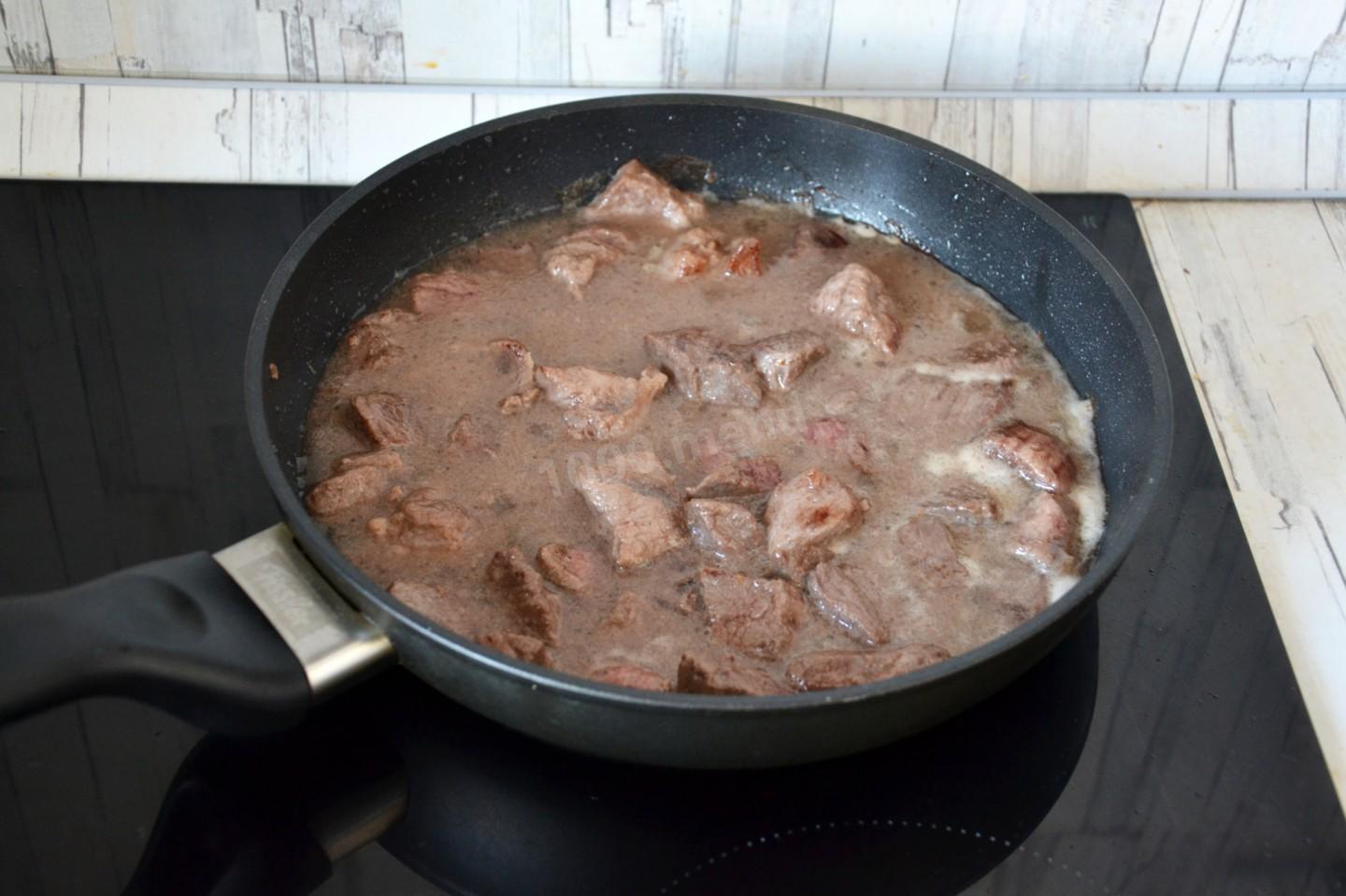
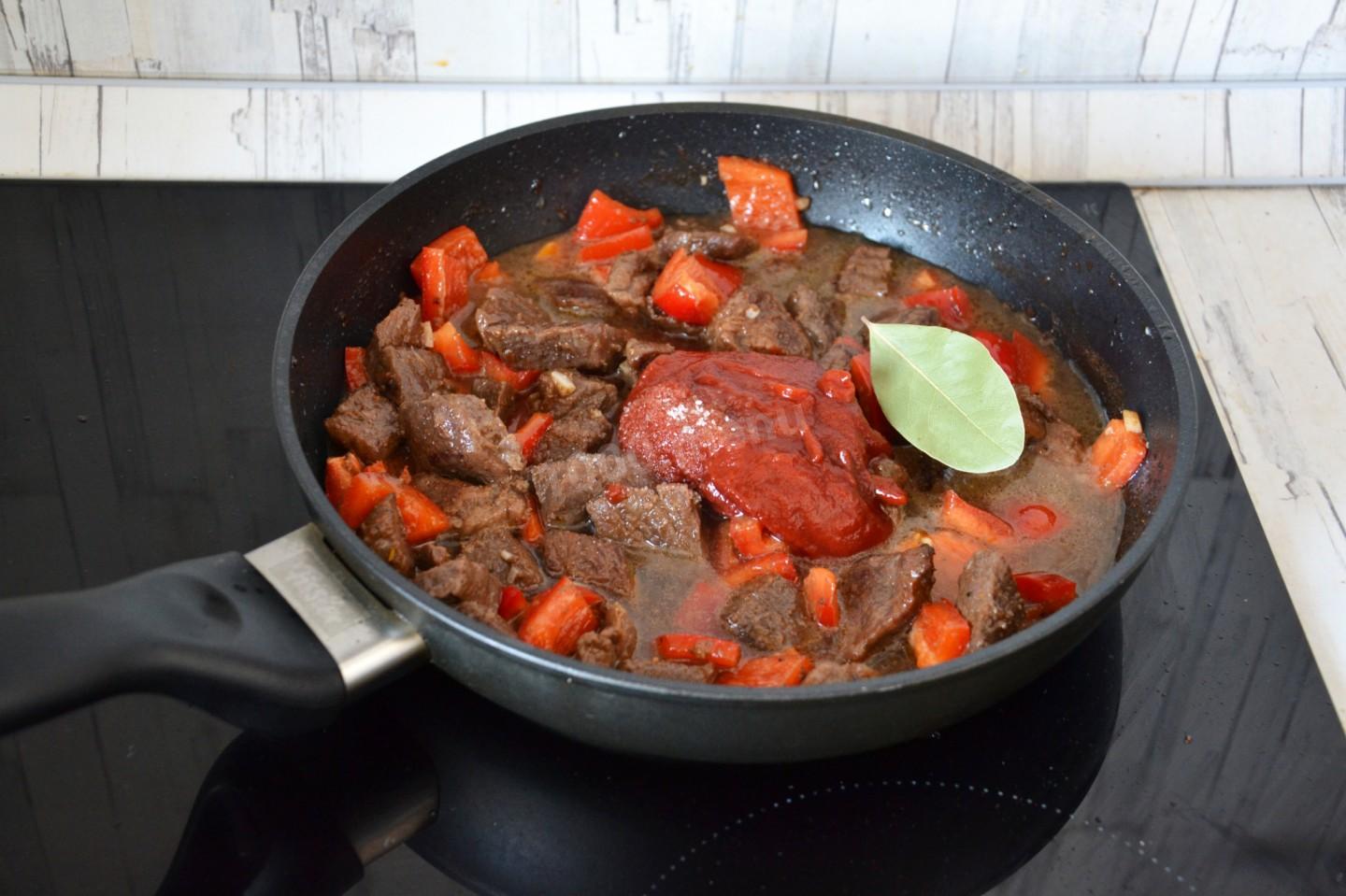
Pour in 200 ml (about 3/4 cup) of water. Add the tomato paste, sugar, and bay leaf. Simmer everything together, stirring, for 1–2 minutes.
-
Step 12:
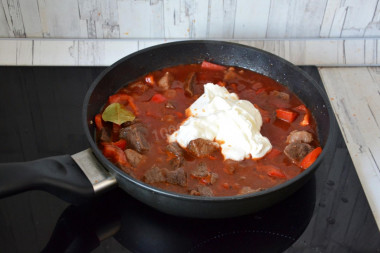
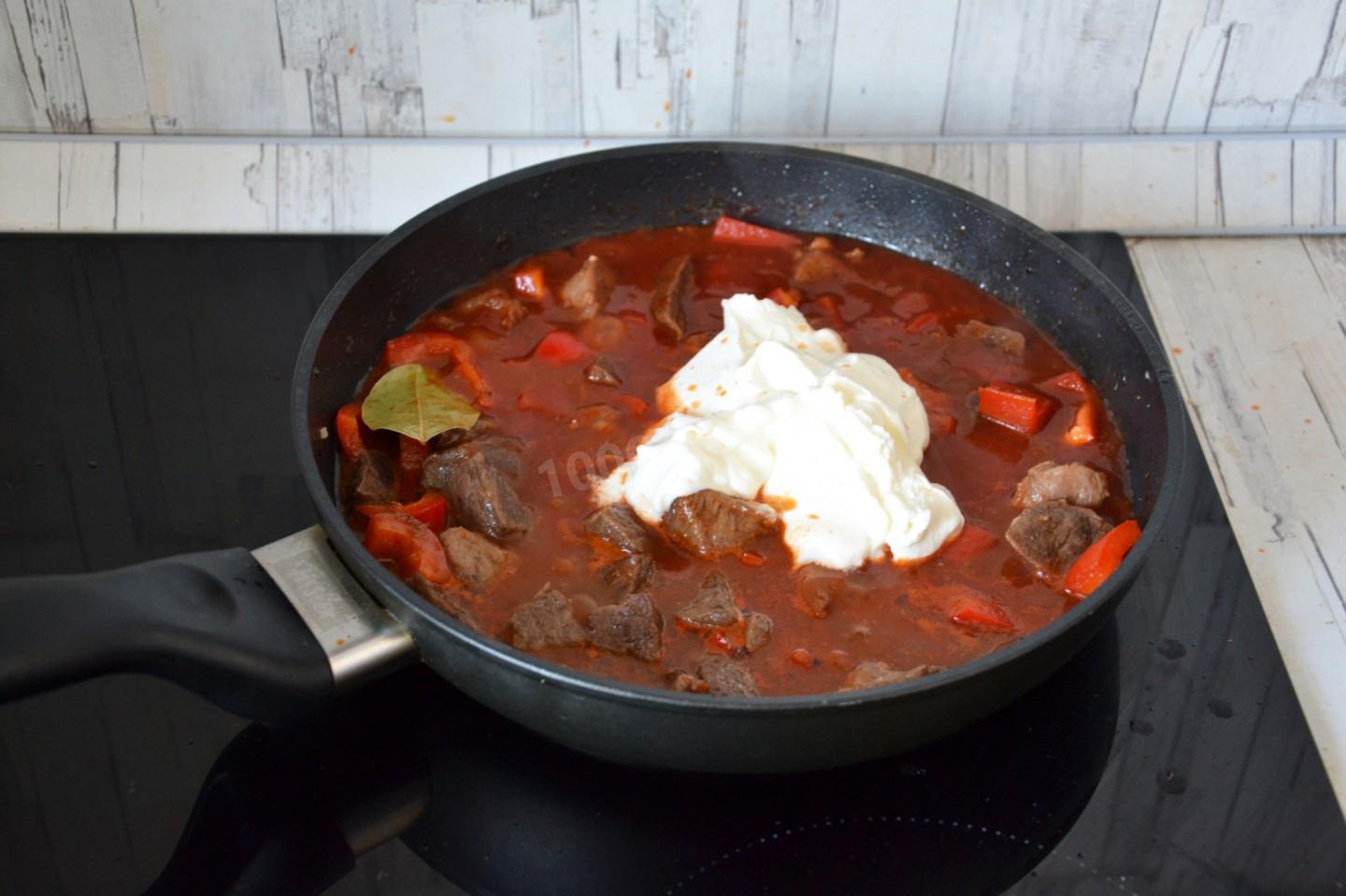
Stir in the sour cream.
-
Step 13:
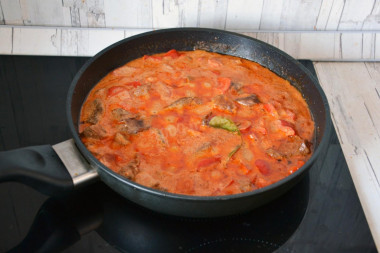
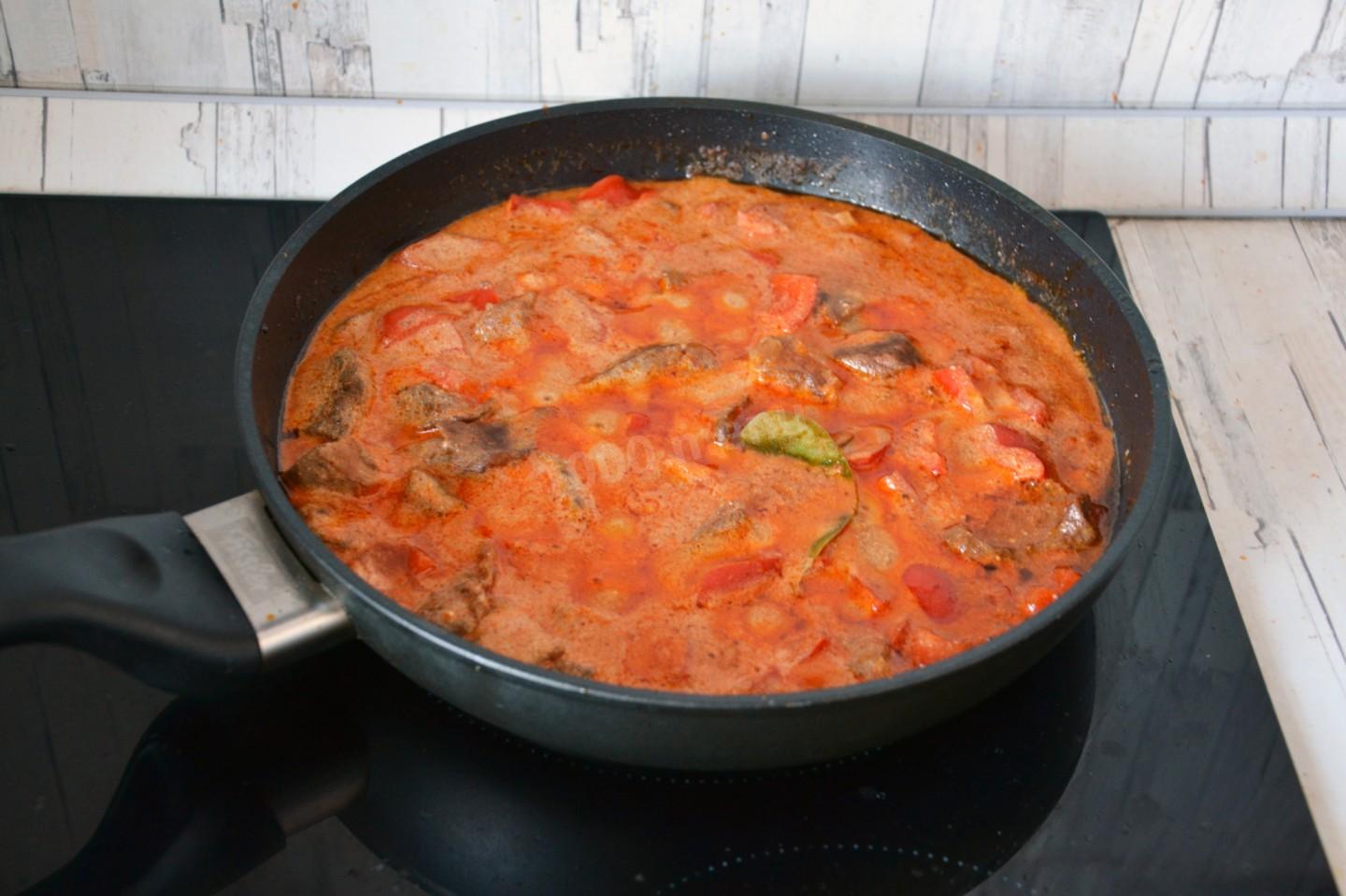
Mix everything well and simmer for another 4–6 minutes. Add more salt if needed. Our beef in sauce is ready. Enjoy!
- This is one of the basic ways to cook beef. The meat comes out tender and juicy, seasoned with a just-right mix of spices and vegetables. Juicy, aromatic beef in gravy dresses up any side dish. The key is choosing the right cut so the beef turns out soft rather than tough — meat from the round works well here. Veal will come out even more tender than beef. If the meat is a bit tough and the sauce has almost cooked off, add another half cup of hot (not cold!) water. Besides bell pepper, you can add onion and fresh tomatoes to the beef. For extra flavor, sprinkle the finished dish with chopped fresh herbs — cilantro is especially good.
- Important! The wrong pan can ruin even the best recipe. For all the details on choosing the perfect pan for different dishes, read here.
- Since everyone's tolerance for salty, sweet, bitter, spicy, sour, and hot is different, always add spices and seasonings to your own taste! When you're using a seasoning for the first time, remember that some are especially easy to overdo (chili pepper, for example).
- For this recipe, use fresh meat rather than frozen, or the finished dish risks turning out dry.
Caloric content of the products possible in the composition of the dish
- Melted beef fat - 871 kcal/100g
- Fat beef - 171 kcal/100g
- Lean beef - 158 kcal/100g
- Beef brisket - 217 kcal/100g
- Beef - okovalok - 380 kcal/100g
- Beef - lean roast - 200 kcal/100g
- Beef shoulder - 137 kcal/100g
- Beef - ribs - 233 kcal/100g
- Beef - ham - 104 kcal/100g
- Beef - tail - 184 kcal/100g
- Boiled ham - 269 kcal/100g
- Beef corned beef - 216 kcal/100g
- Sour cream of 30% fat content - 340 kcal/100g
- Sour cream of 25% fat content - 284 kcal/100g
- Sour cream with 20% fat content - 210 kcal/100g
- Sour cream of 10% fat content - 115 kcal/100g
- Sour cream - 210 kcal/100g
- Sweet pepper - 27 kcal/100g
- Garlic - 143 kcal/100g
- Bay leaf - 313 kcal/100g
- Ground black pepper - 255 kcal/100g
- Granulated sugar - 398 kcal/100g
- Sugar - 398 kcal/100g
- Vegetable oil - 873 kcal/100g
- Tomato paste - 28 kcal/100g
- Salt - 0 kcal/100g
- Water - 0 kcal/100g
- Spices dry - 240 kcal/100g
Similar recipes



- Second course
- Meat and meat products
- Dairy products
- Vegetables
- Sweet
- Spices seasonings spices
- Fats and oils
- Other
- Garlic
- Bay leaf
- Pepper
- Salt
- Dry spices
- Vegetable oil
- Water
- Tomato paste
- Frying
- Stewing
- In a frying pan
- Stewed vegetables
- Meat second course
- Beef
- Sour cream
- From sweet pepper
- No eggs
- Sugar