Skillet Water-and-Egg Flatbreads
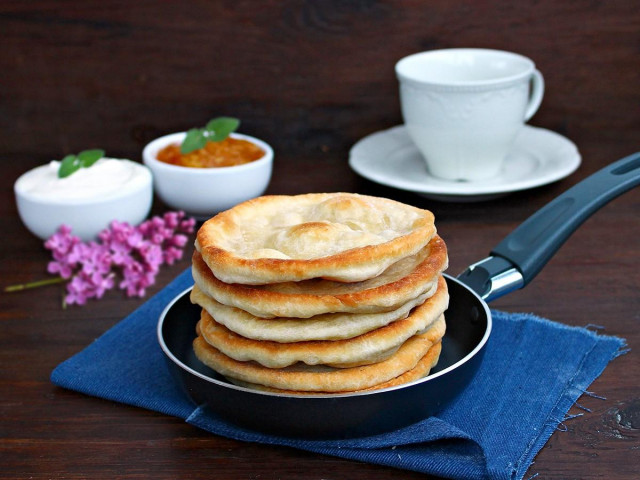
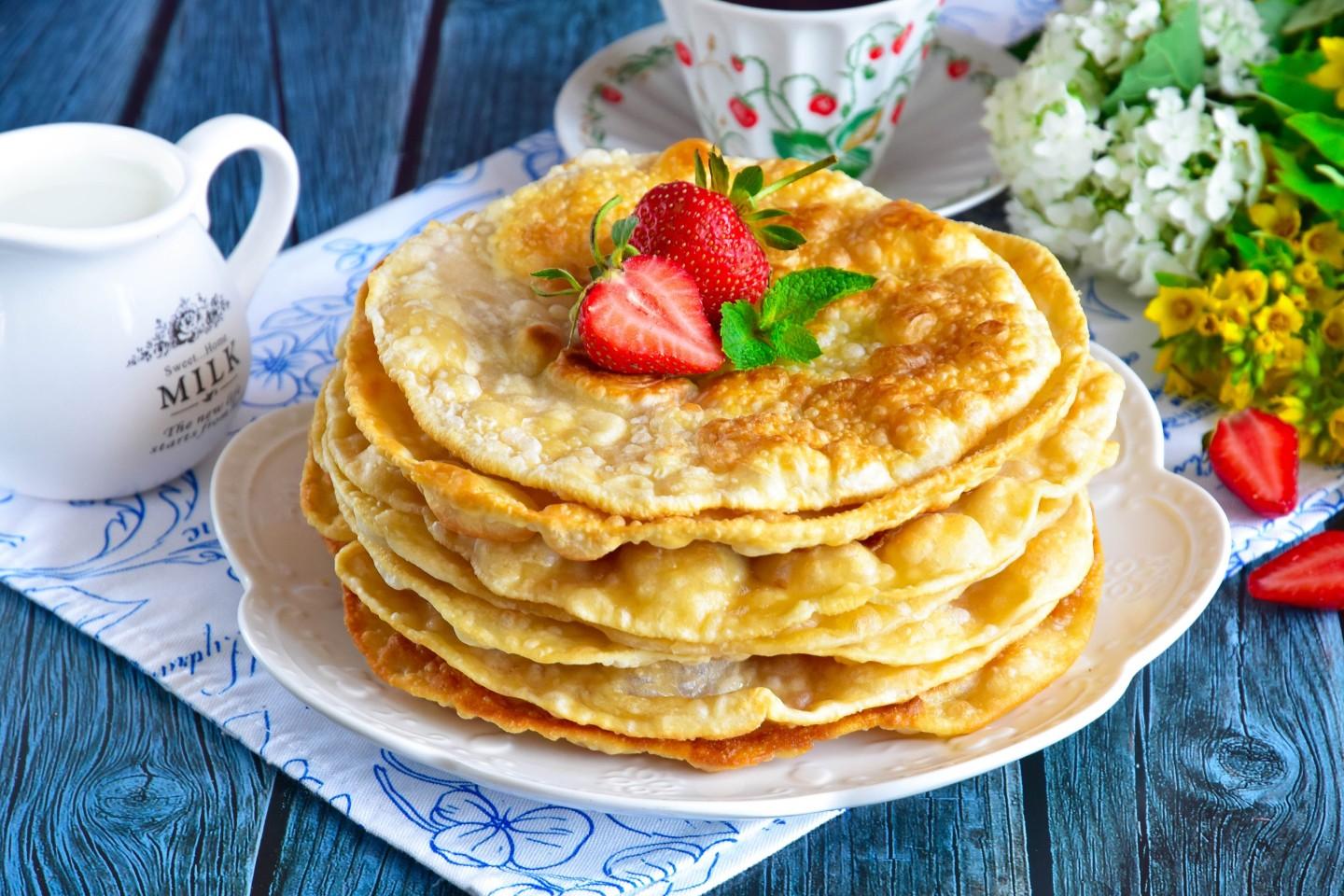
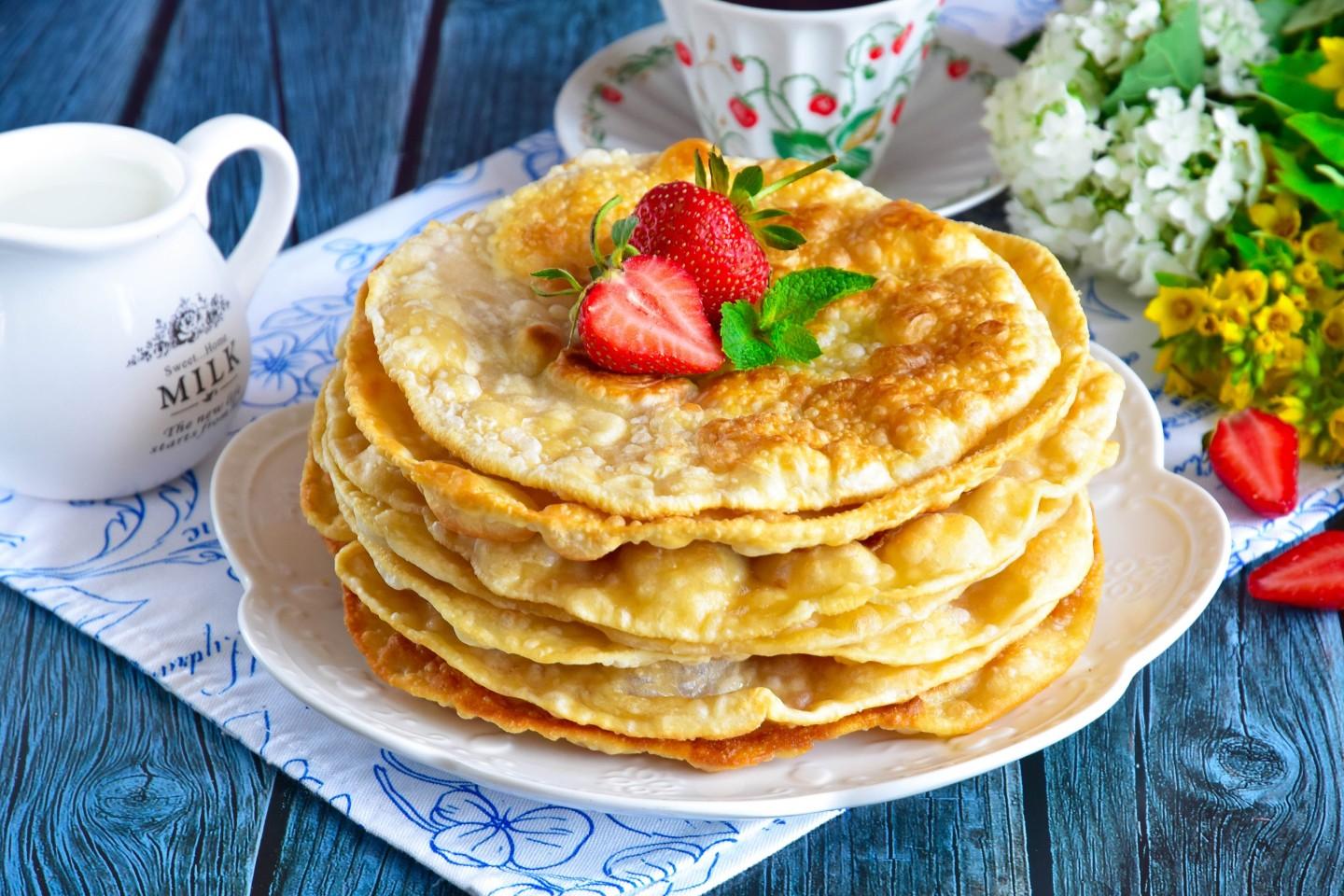
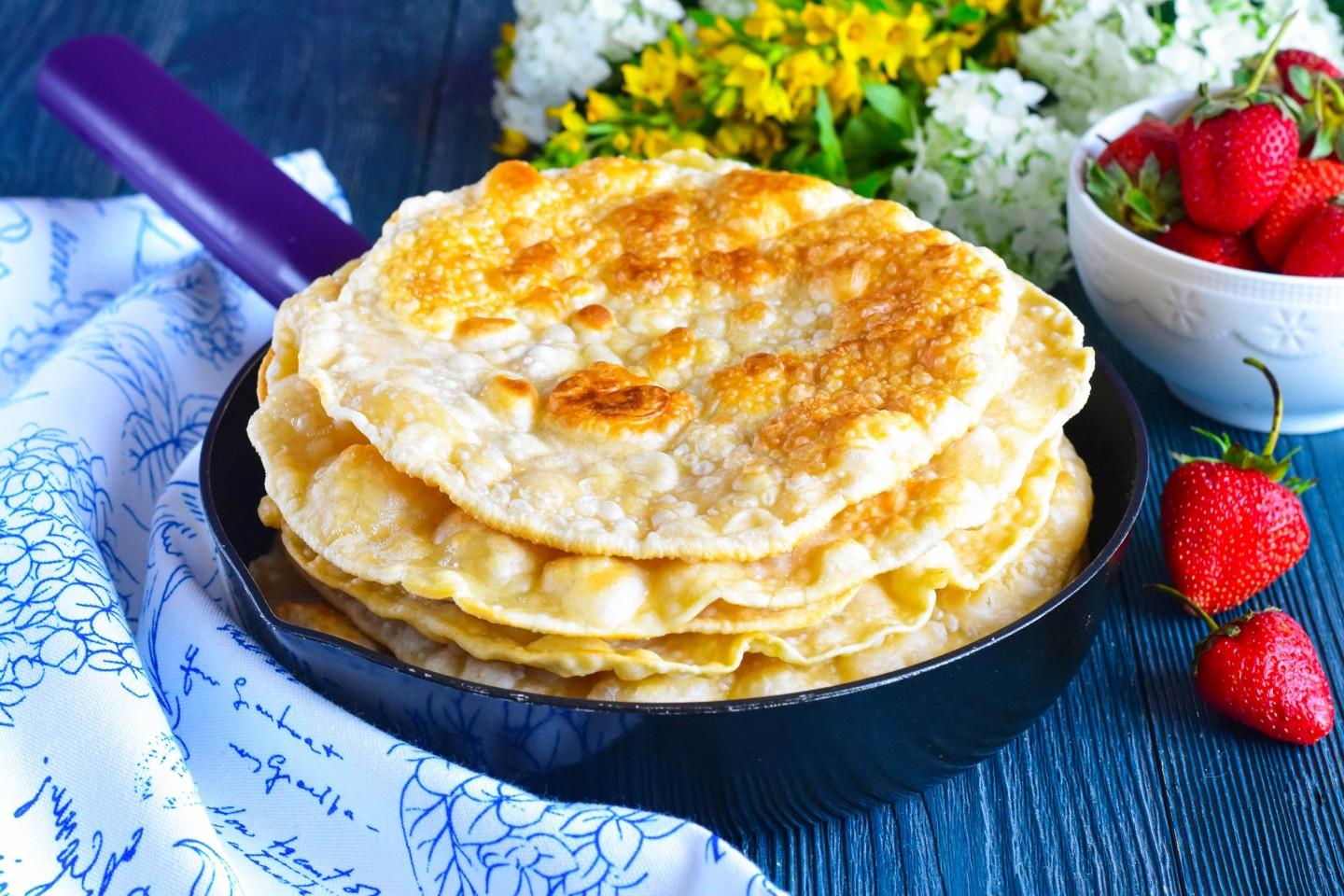
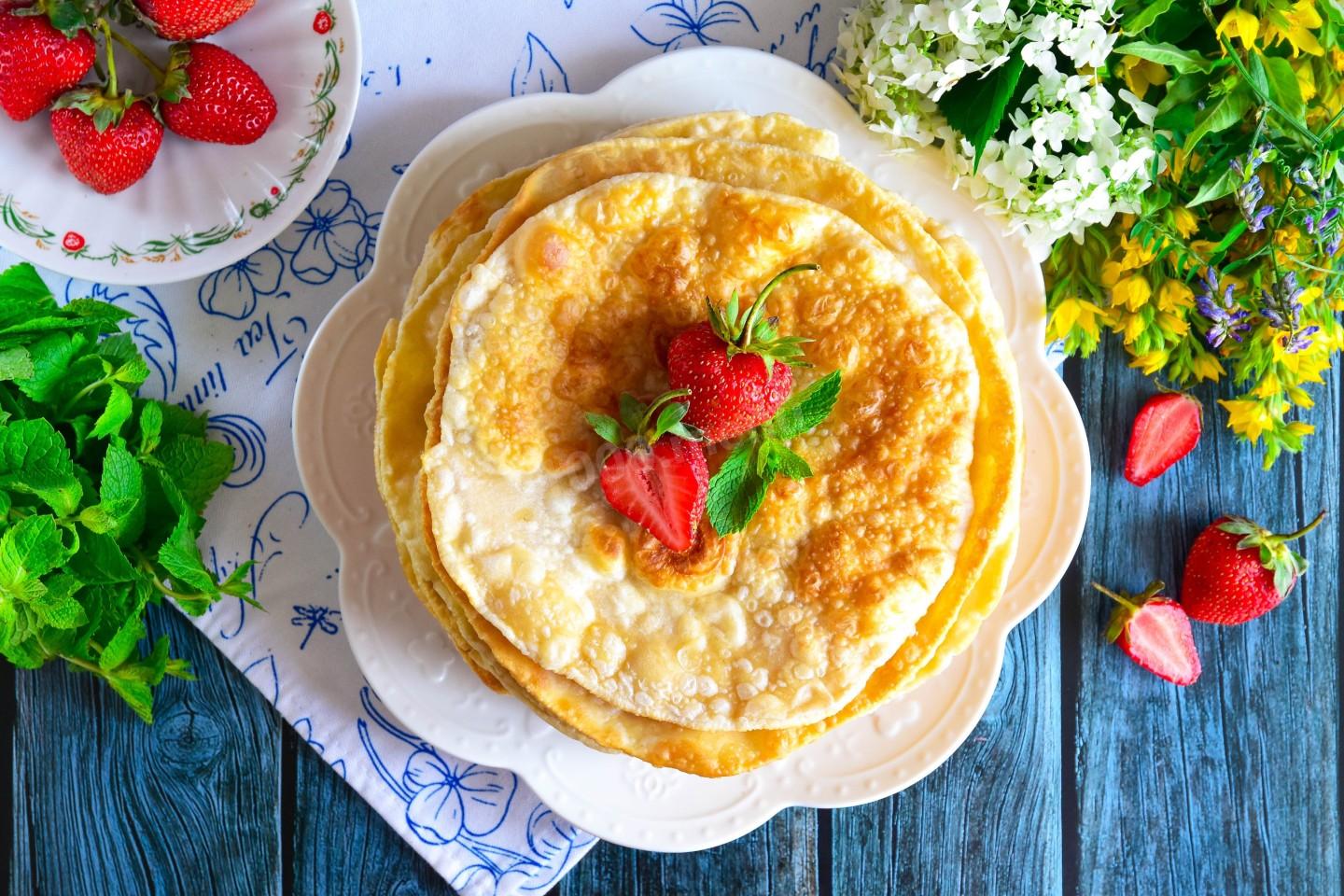
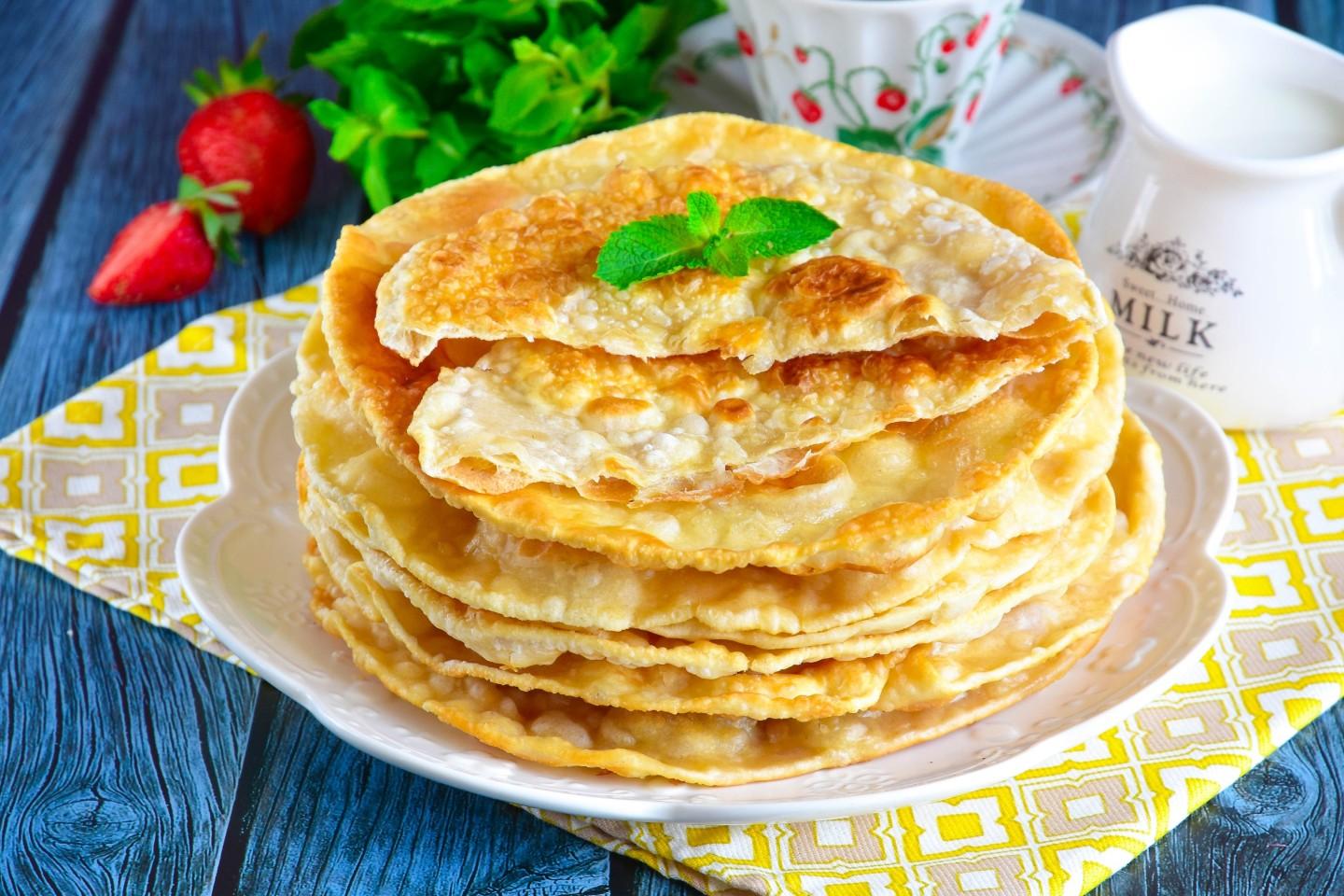
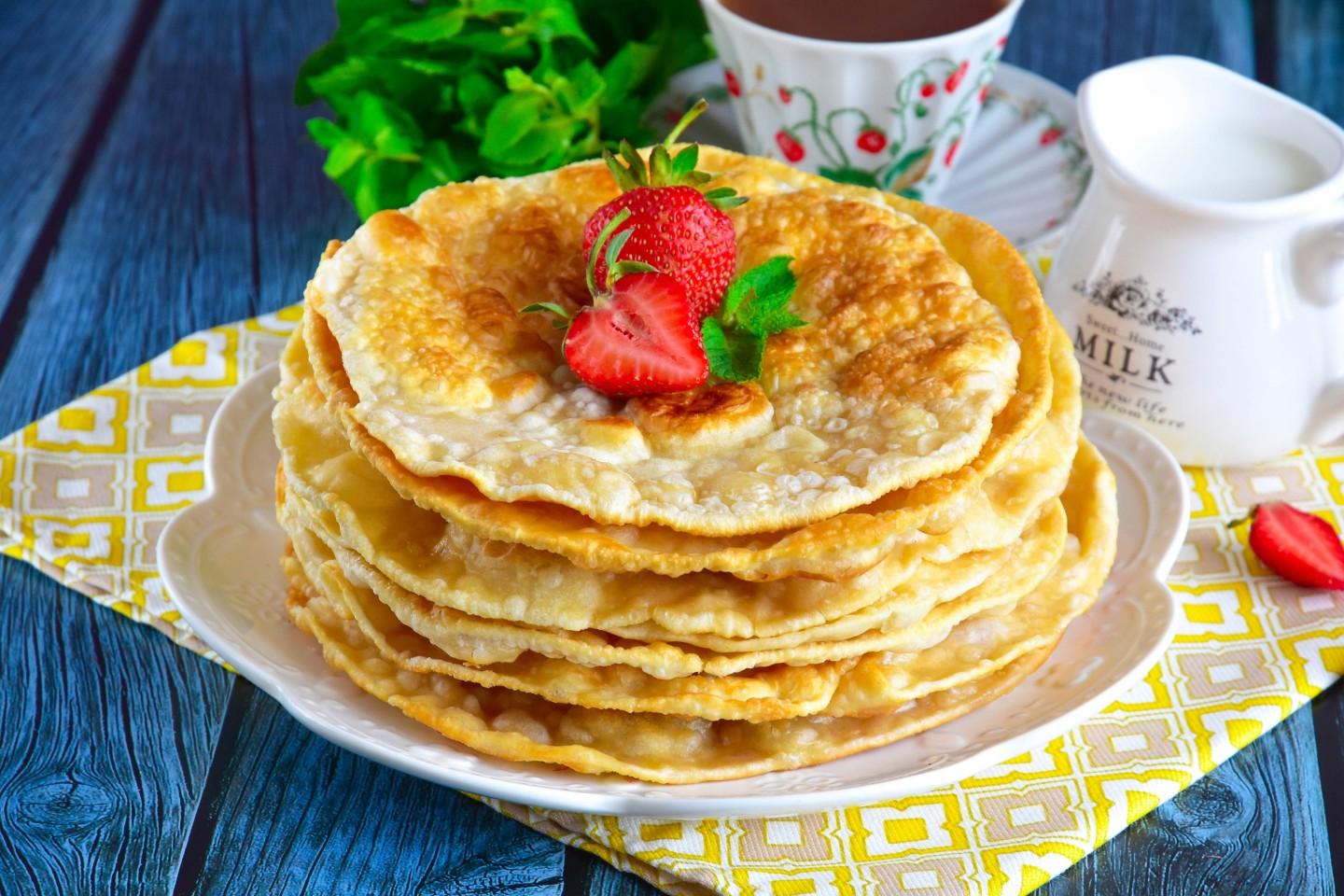
Crispy, airy, quick, and budget-friendly! These skillet flatbreads made with water and egg have a neutral flavor. Serve them in place of bread alongside soups, with sour cream, jam, or condensed milk, or just enjoy them on their own. They come together in minutes, and the whole family will love them.

Cooking method
-
Step 1:
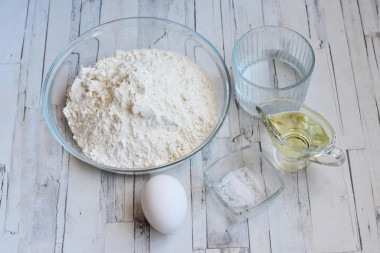
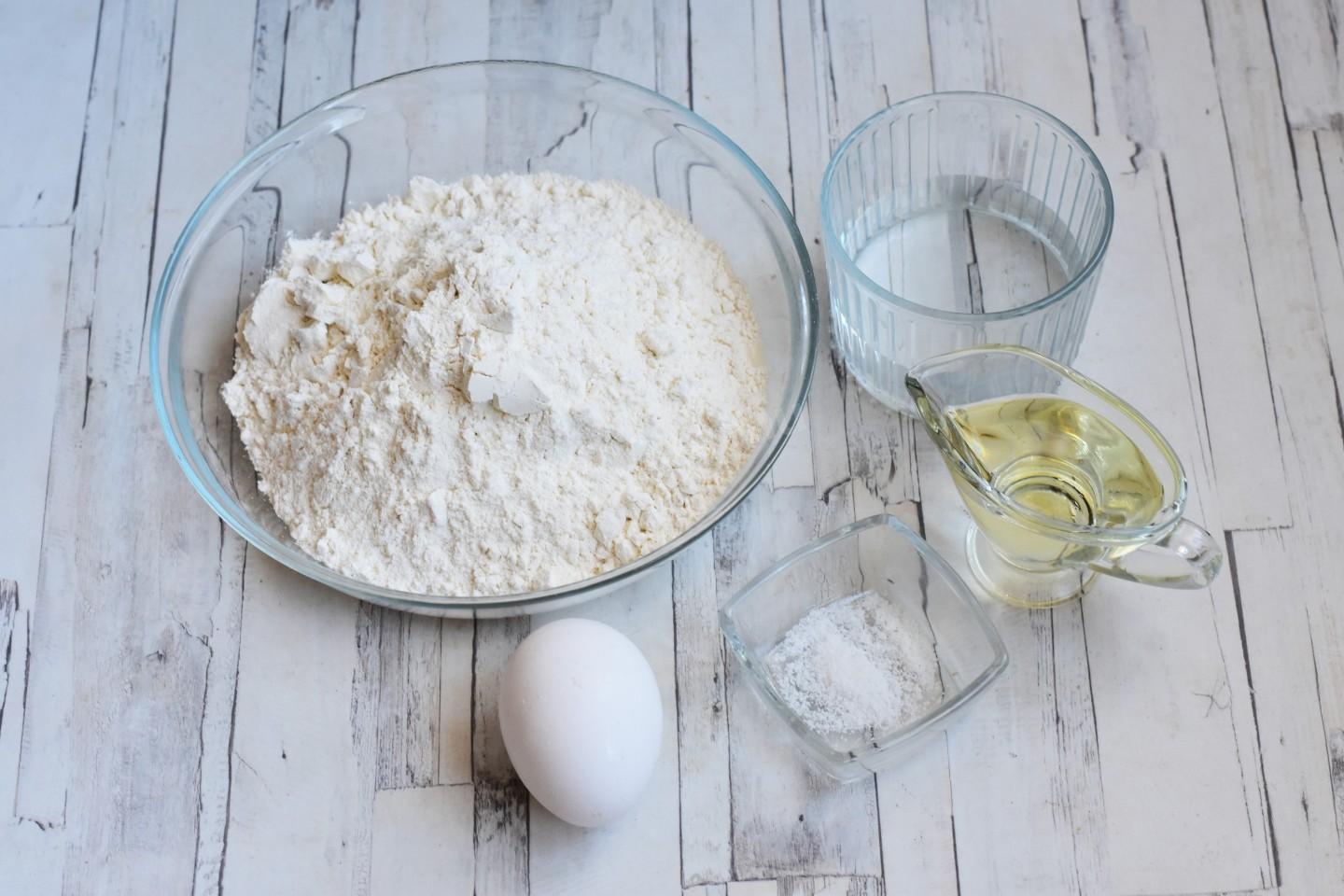
How do you fry water-and-egg flatbreads in a skillet? It's very simple and quick. First, gather the ingredients from the list. Use all-purpose flour. Any oil suitable for frying will work; I'm using refined sunflower oil.
-
Step 2:
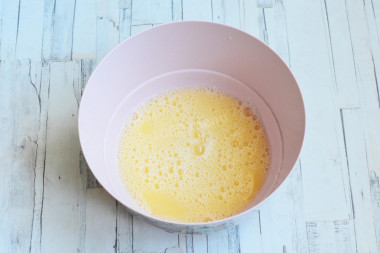
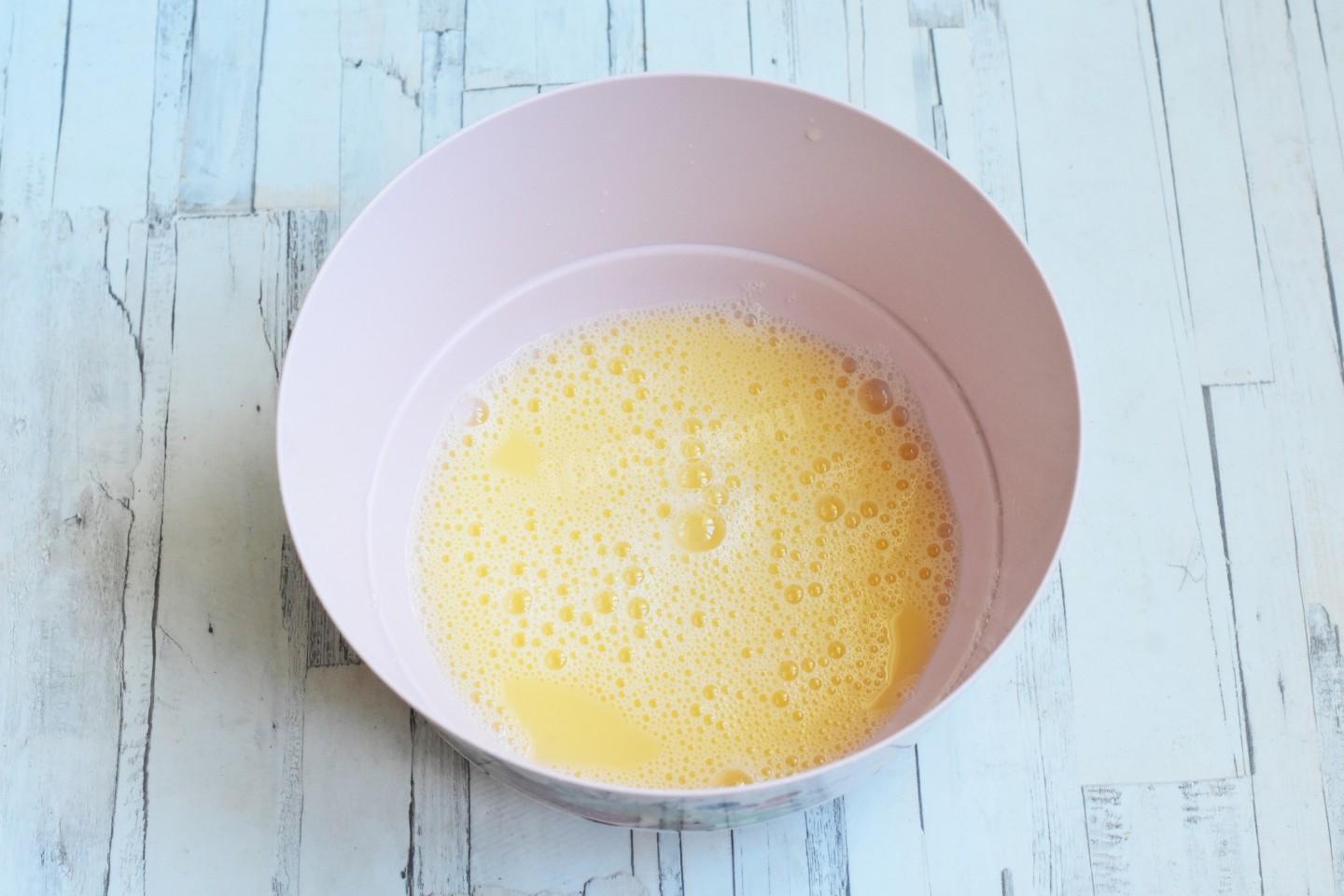
In a bowl, combine the egg, room-temperature water, and salt. Whisk everything together thoroughly until smooth.
-
Step 3:
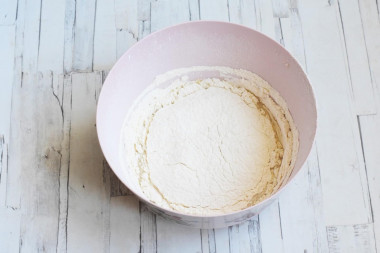
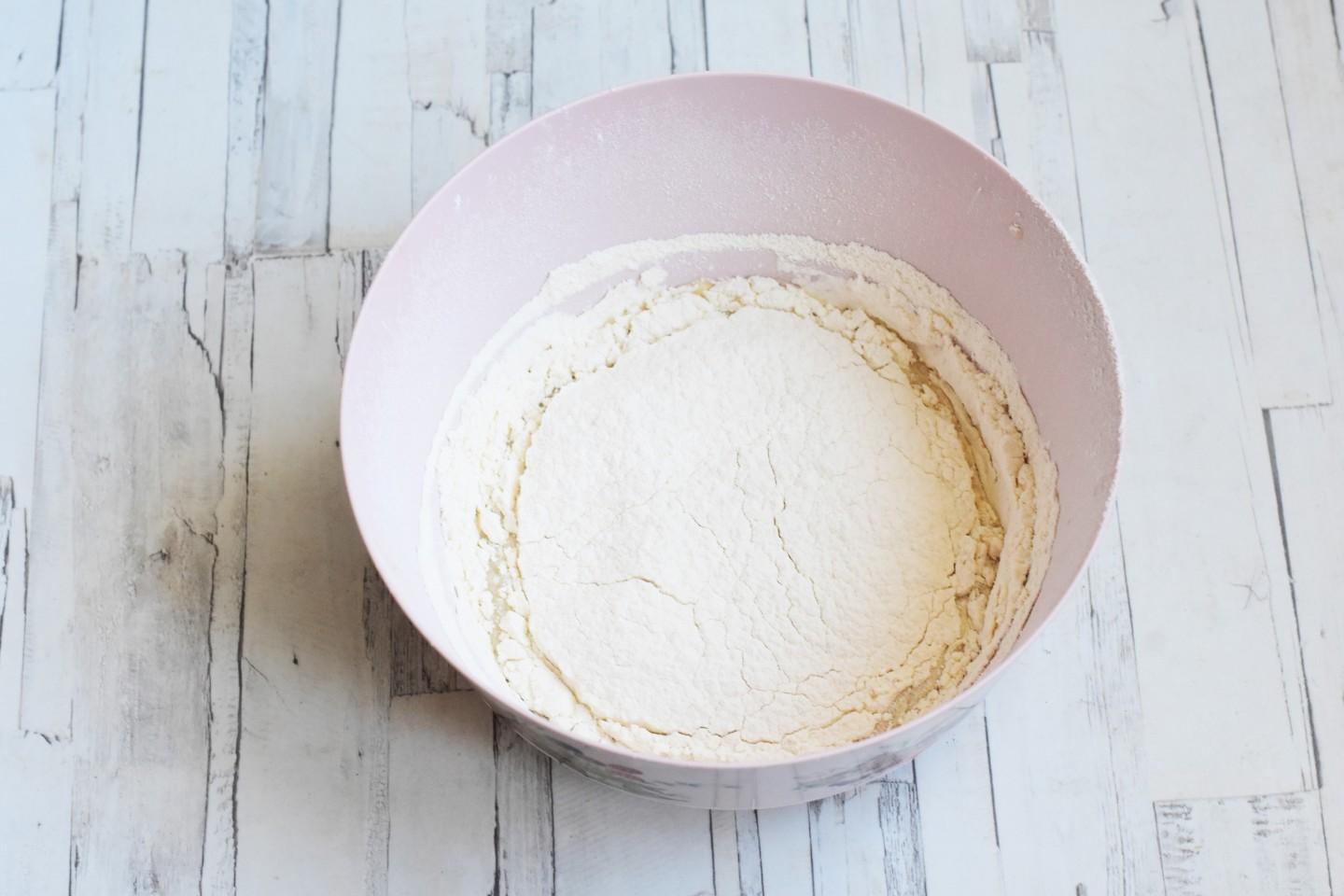
Add the sifted flour in batches. Knead into a smooth, elastic dough.
-
Step 4:
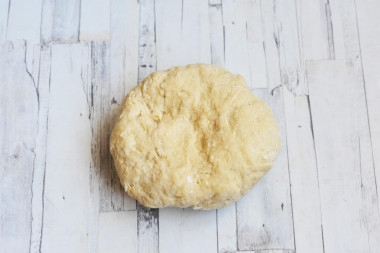
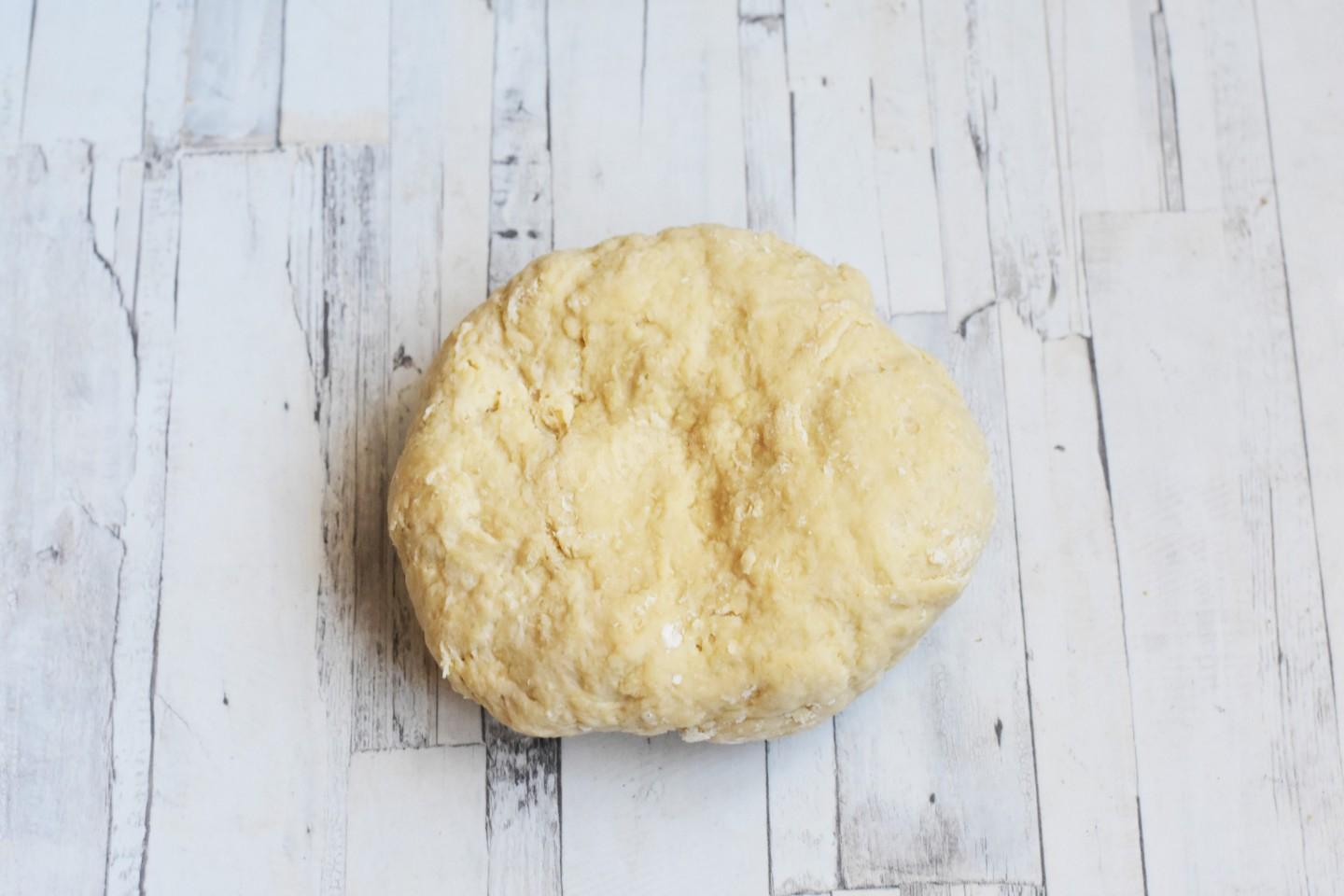
At first the dough will stick to your hands, but as you knead it will become less sticky and more elastic. If it turns out a bit too wet (unlikely), add a little more flour — but keep in mind that too much flour makes the finished flatbreads hard and dense, which you want to avoid.
-
Step 5:
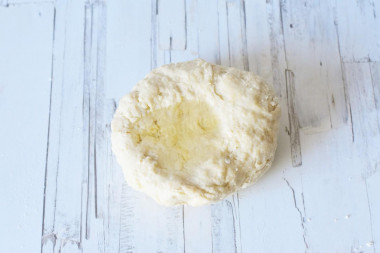
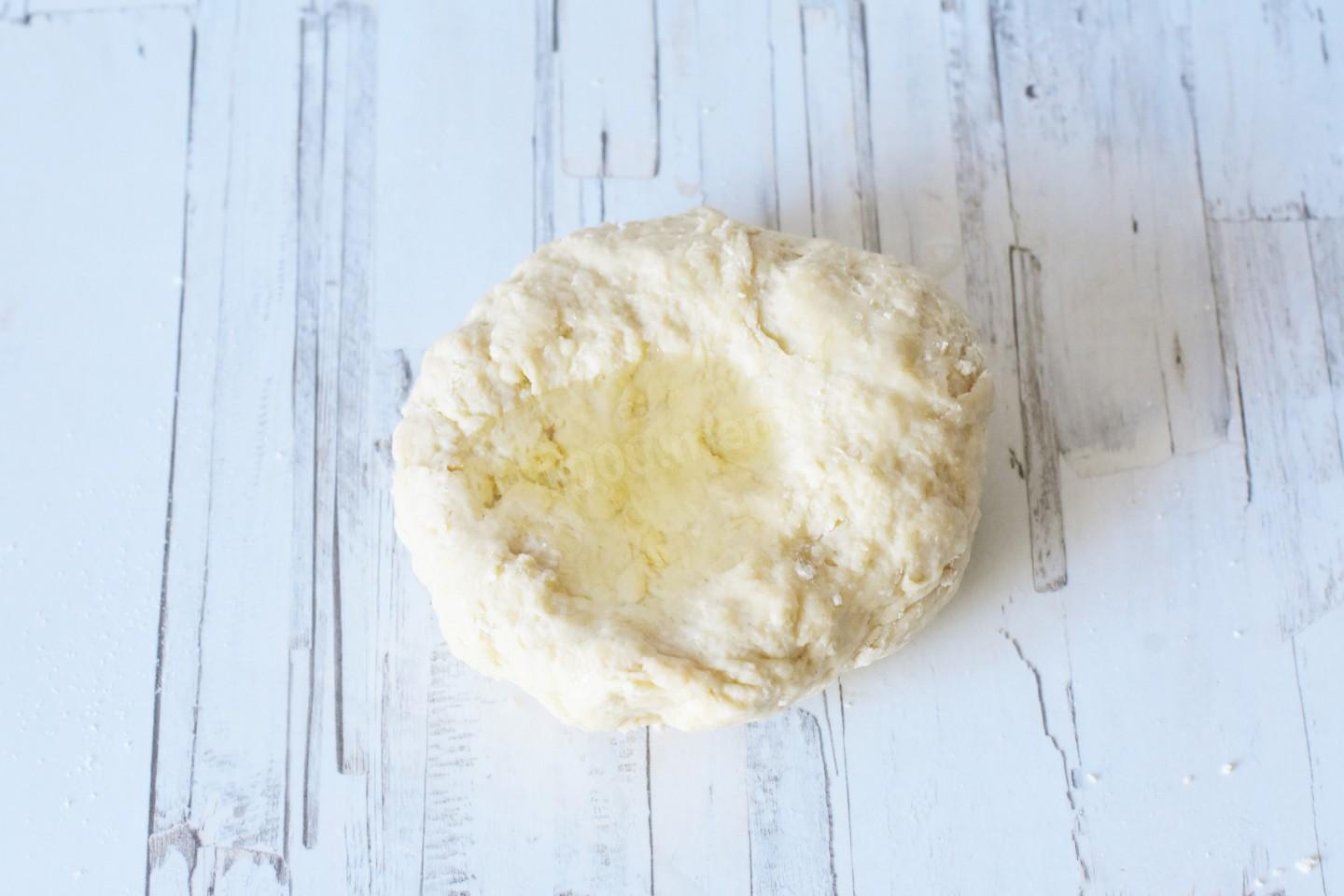
Add 1 tablespoon of vegetable oil to the dough and knead well again. Little by little the dough will turn soft and elastic and stop sticking to your hands.
-
Step 6:
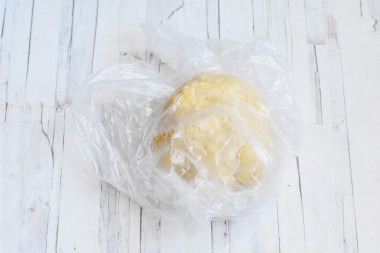
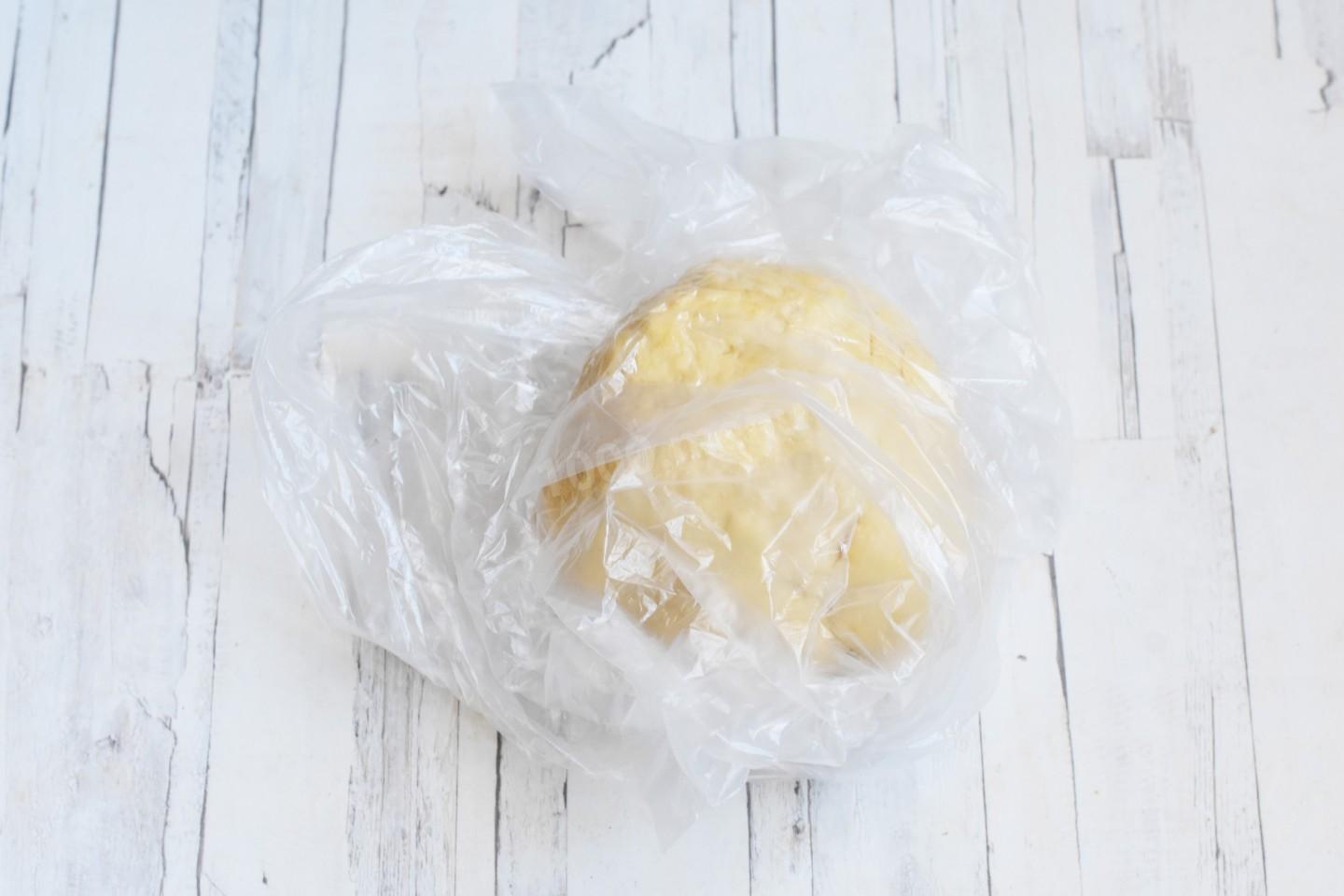
Roll the dough into a ball, wrap it in a bag, and let it rest for 15 minutes at room temperature.
-
Step 7:
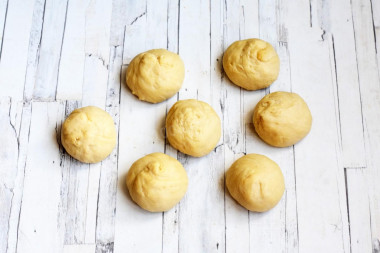
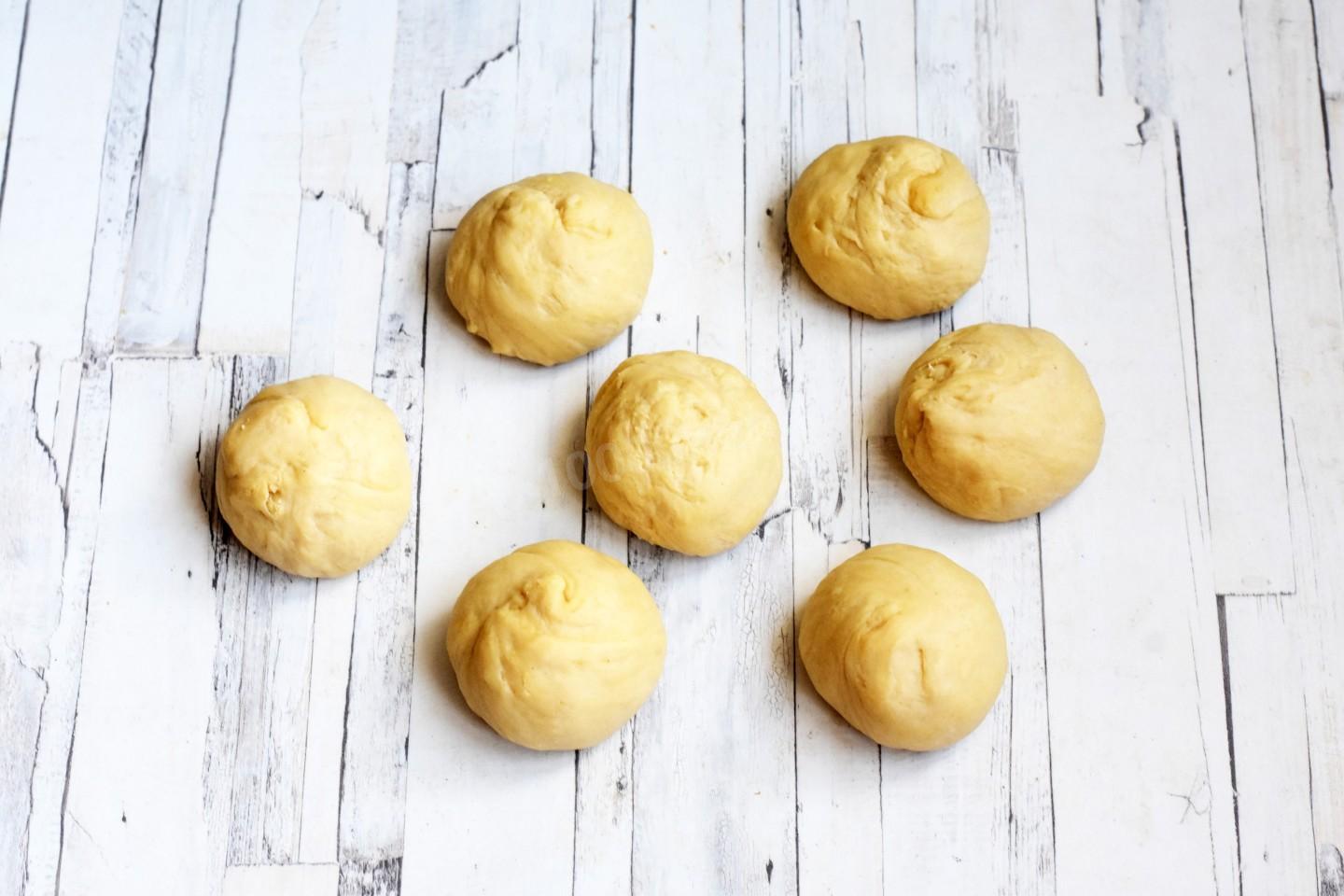
Divide the dough into 6–8 equal pieces.
-
Step 8:
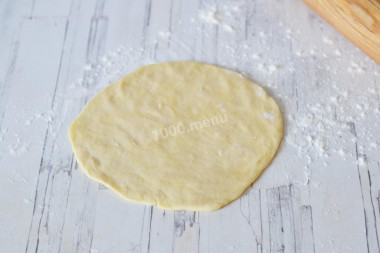
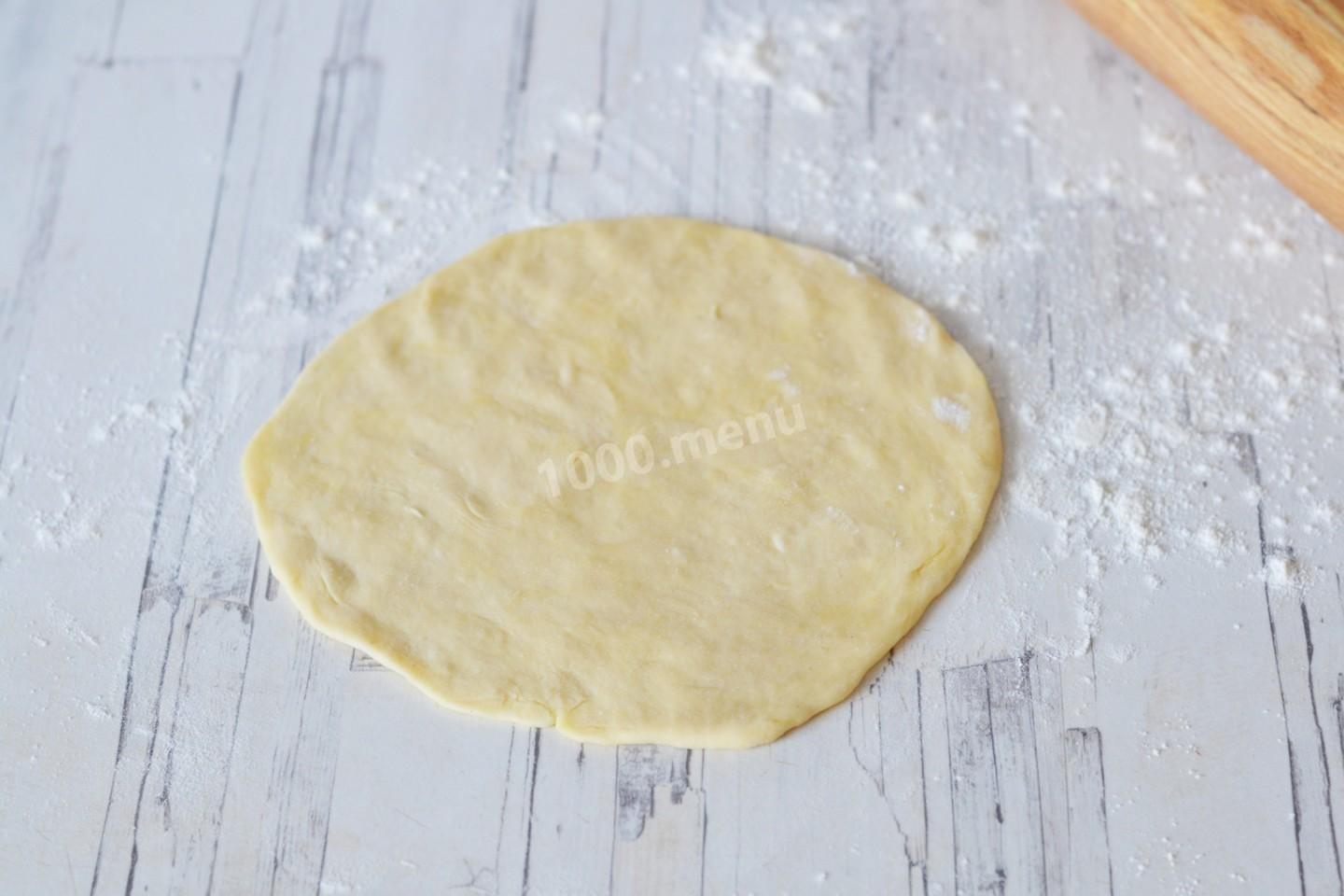
On a floured surface, roll out each piece into a thin round no larger than the bottom of your skillet. If you roll them out on a floured surface, brush the excess flour off the dough before frying so it doesn't scorch.
-
Step 9:
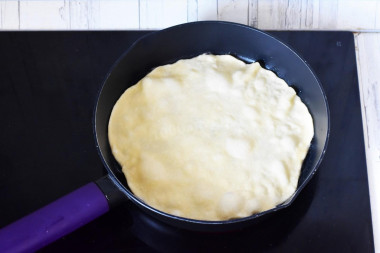
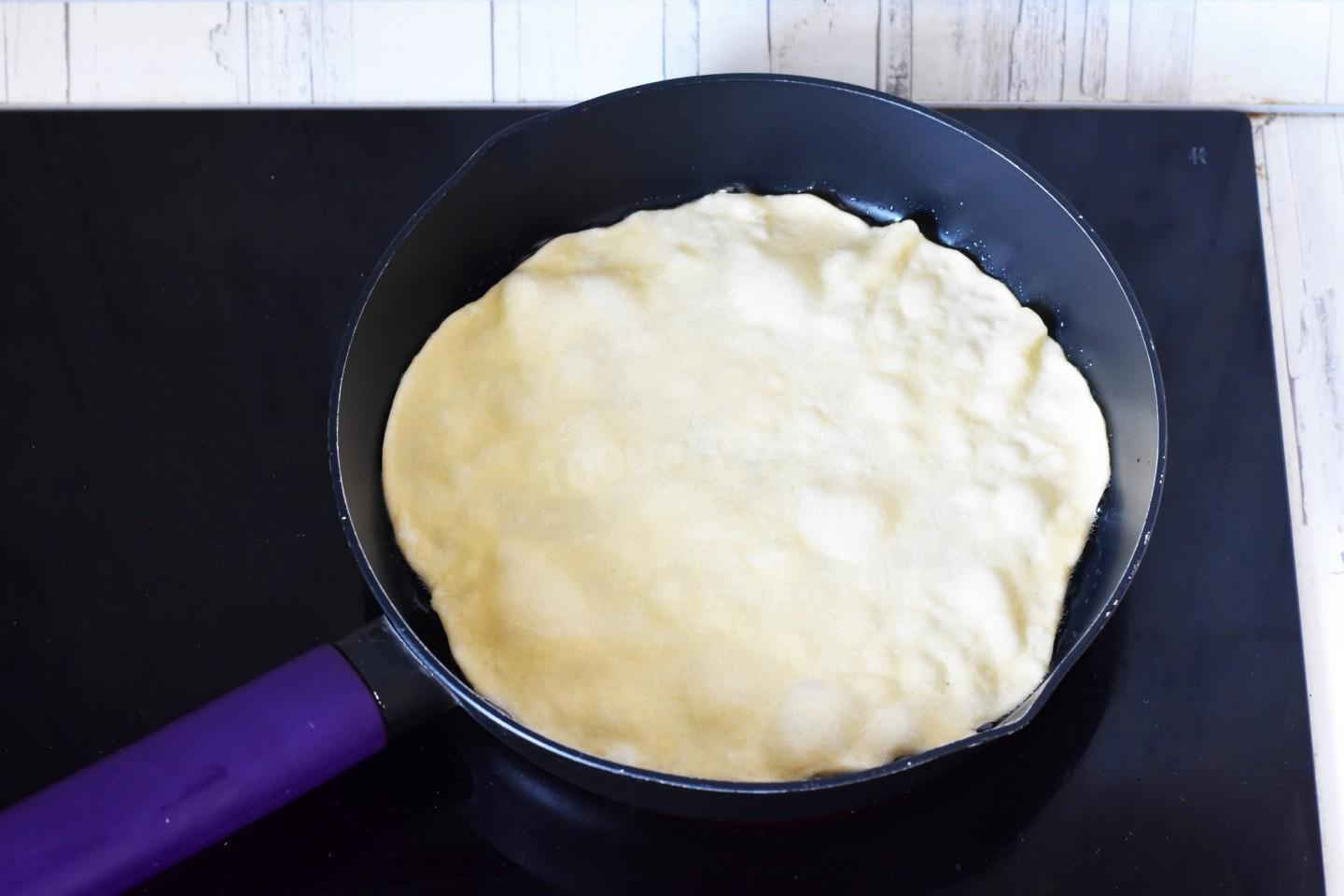
Fry the flatbreads in a preheated skillet (I set my burner to 7 out of 9) in vegetable oil, browning both sides.
-
Step 10:
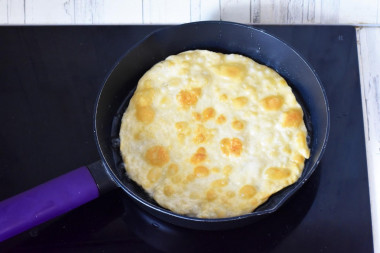
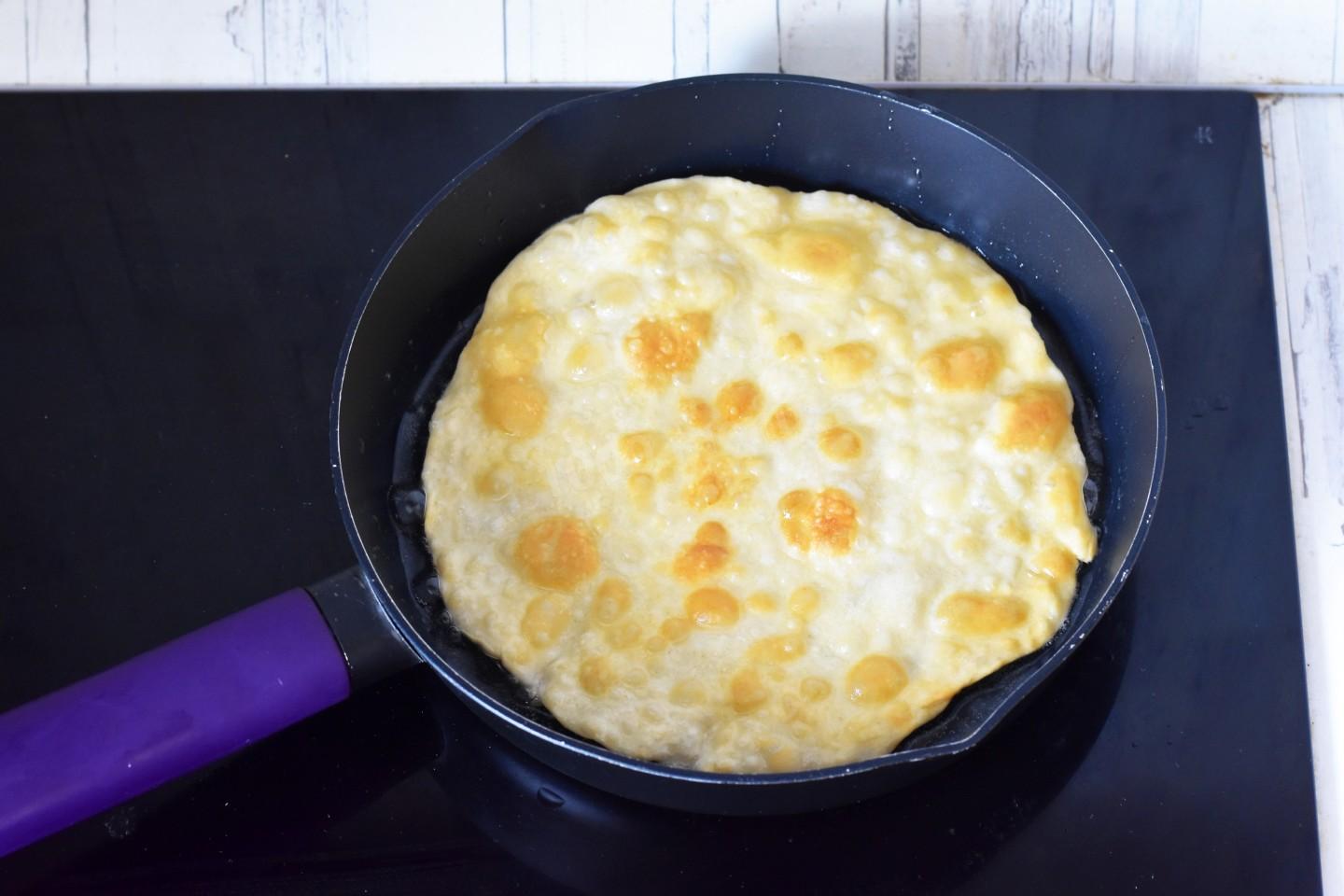
They cook very fast — just 30–40 seconds per side, even quicker than pancakes. As they fry, they puff up and turn airy.
-
Step 11:
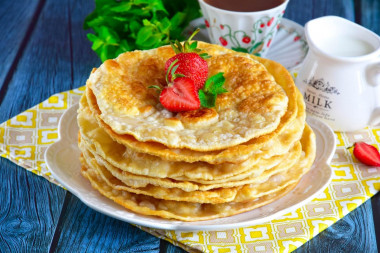
Stack the finished flatbreads and bring them to the table. Enjoy!
- Be ready to use a little more or less flour than the recipe calls for. Go by the consistency of the dough rather than an exact amount of flour. To avoid slip-ups, read up on flour and its properties!
- Every oil is only good up to its smoke point — the temperature at which it starts to burn and form harmful compounds. Use a refined oil with a high smoke point for frying.
- A quick tip: the wrong pan can ruin even the best recipe, so use a good nonstick skillet.
Caloric content of the products possible in the composition of the dish
- Chicken egg - 157 kcal/100g
- Egg white - 45 kcal/100g
- Egg powder - 542 kcal/100g
- Egg yolk - 352 kcal/100g
- Ostrich egg - 118 kcal/100g
- Whole durum wheat flour fortified - 333 kcal/100g
- Whole durum wheat flour, universal - 364 kcal/100g
- Flour krupchatka - 348 kcal/100g
- Flour - 325 kcal/100g
- Vegetable oil - 873 kcal/100g
- Salt - 0 kcal/100g
- Water - 0 kcal/100g