Yeast-Dough Belyashi (Fried Meat Pies)
Delicious, juicy, and appetizing, made from everyday ingredients! Belyashi are a classic of Tatar cuisine — deep-fried open-faced hand pies with a meat filling. In this version, we add potato to the filling, which makes it especially juicy and flavorful.

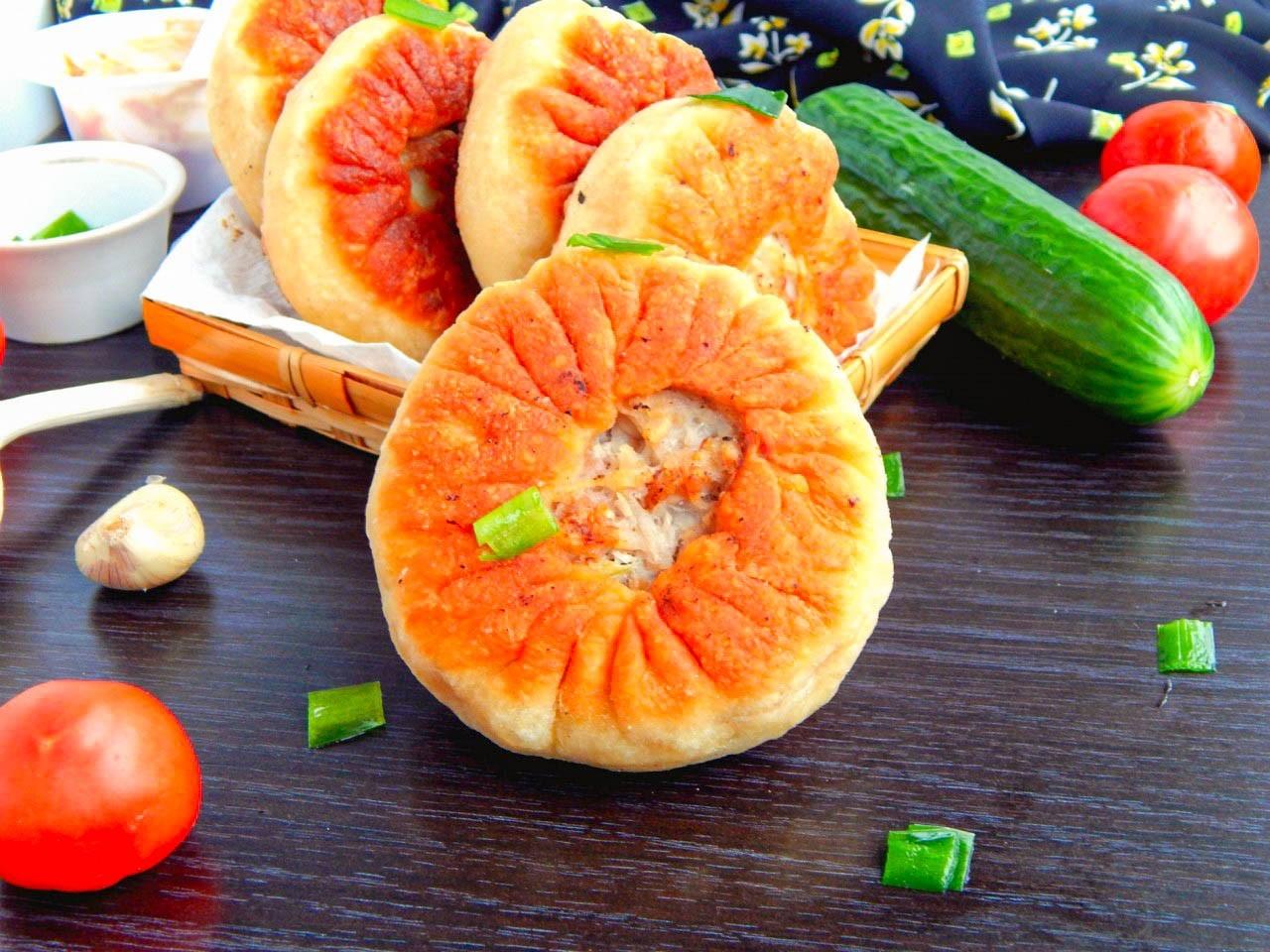
Cooking method
-
Step 1:
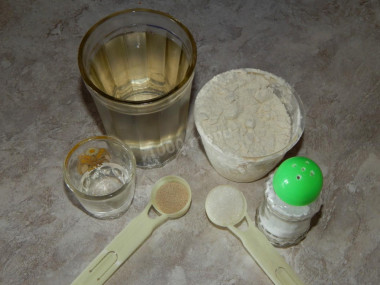
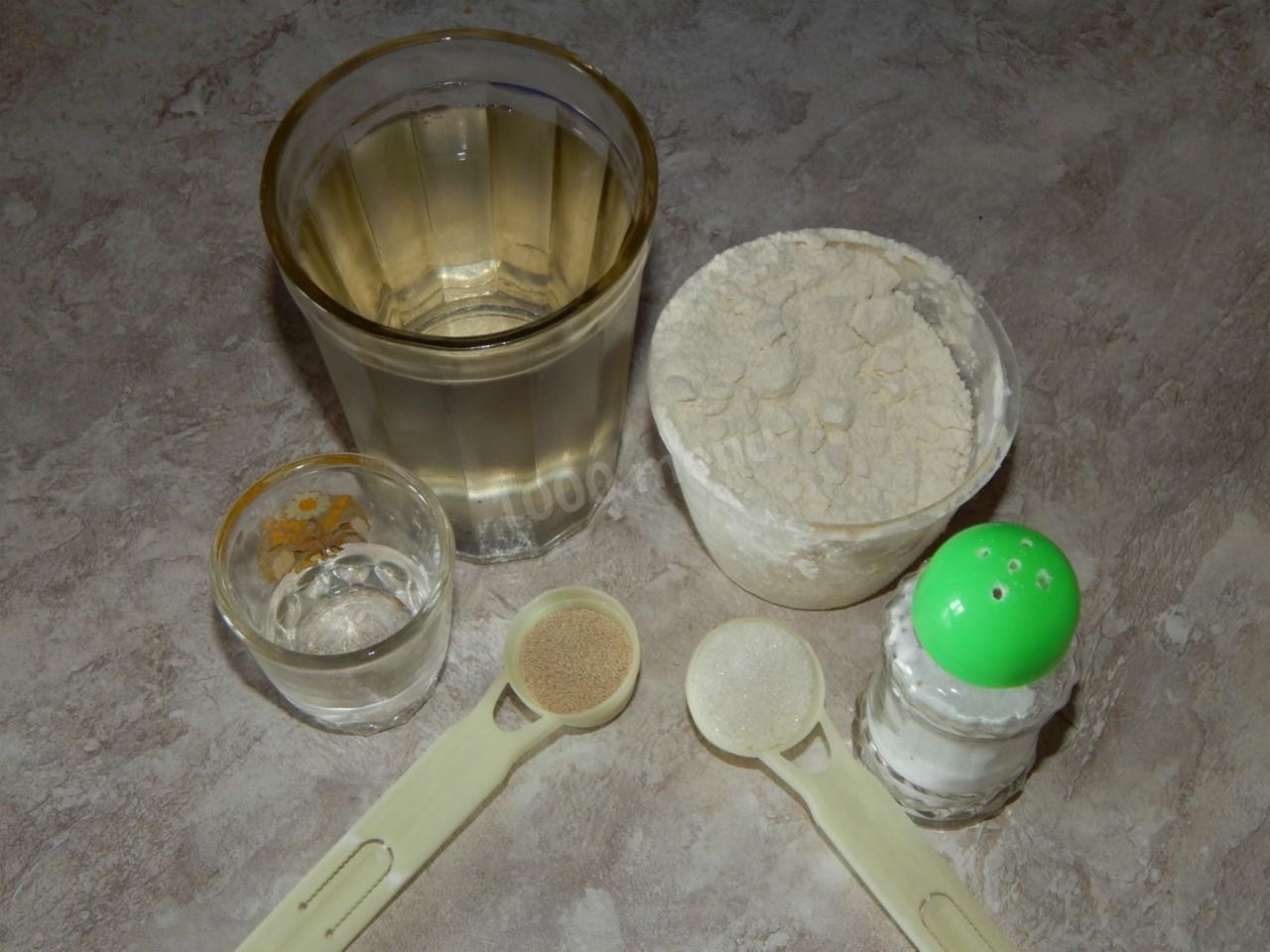
How do you make yeast-dough belyashi? Start with the dough. Gather your ingredients. This is a water-based yeast dough — the ideal choice for pan-fried meat pies. Sift the flour first to aerate it, which makes the dough lighter and softer. Wash and dry the egg.
-
Step 2:
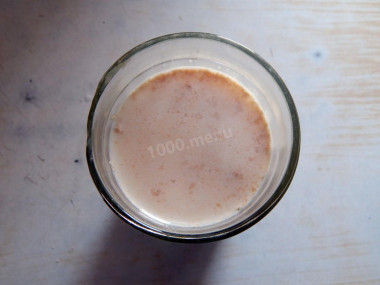
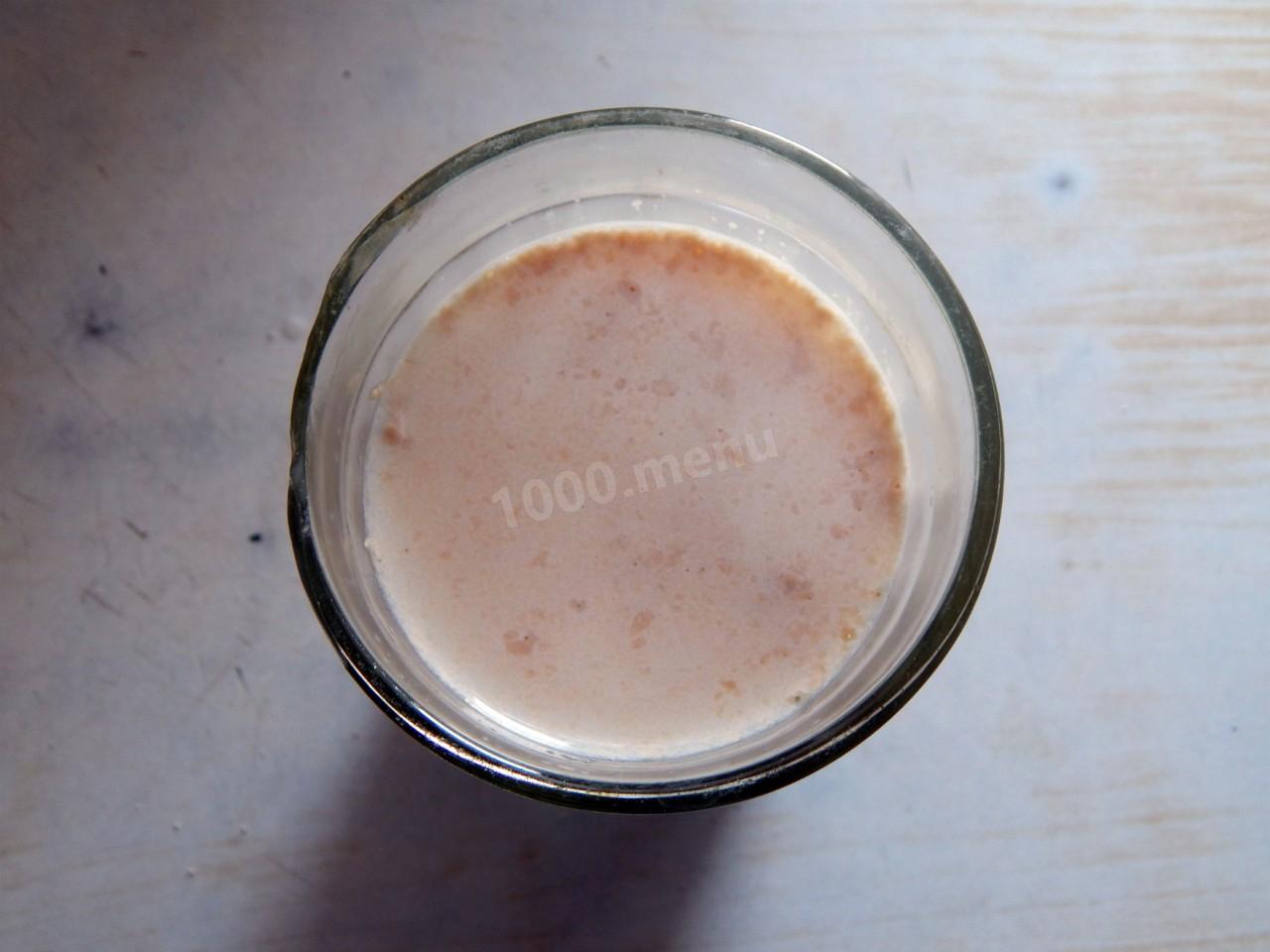
In a glass, combine 1 tablespoon of sugar and 1 tablespoon of flour, then pour in warm water (around 95–100°F / 36–38°C). Stir to dissolve the dry ingredients. Add 1 teaspoon of dry yeast. Stir and set it in a warm spot for 15 minutes to let the yeast activate.
-
Step 3:
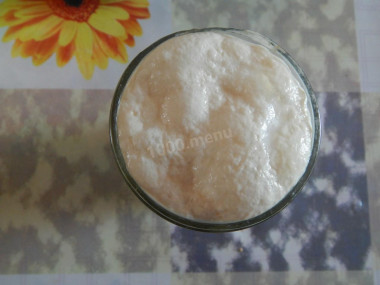
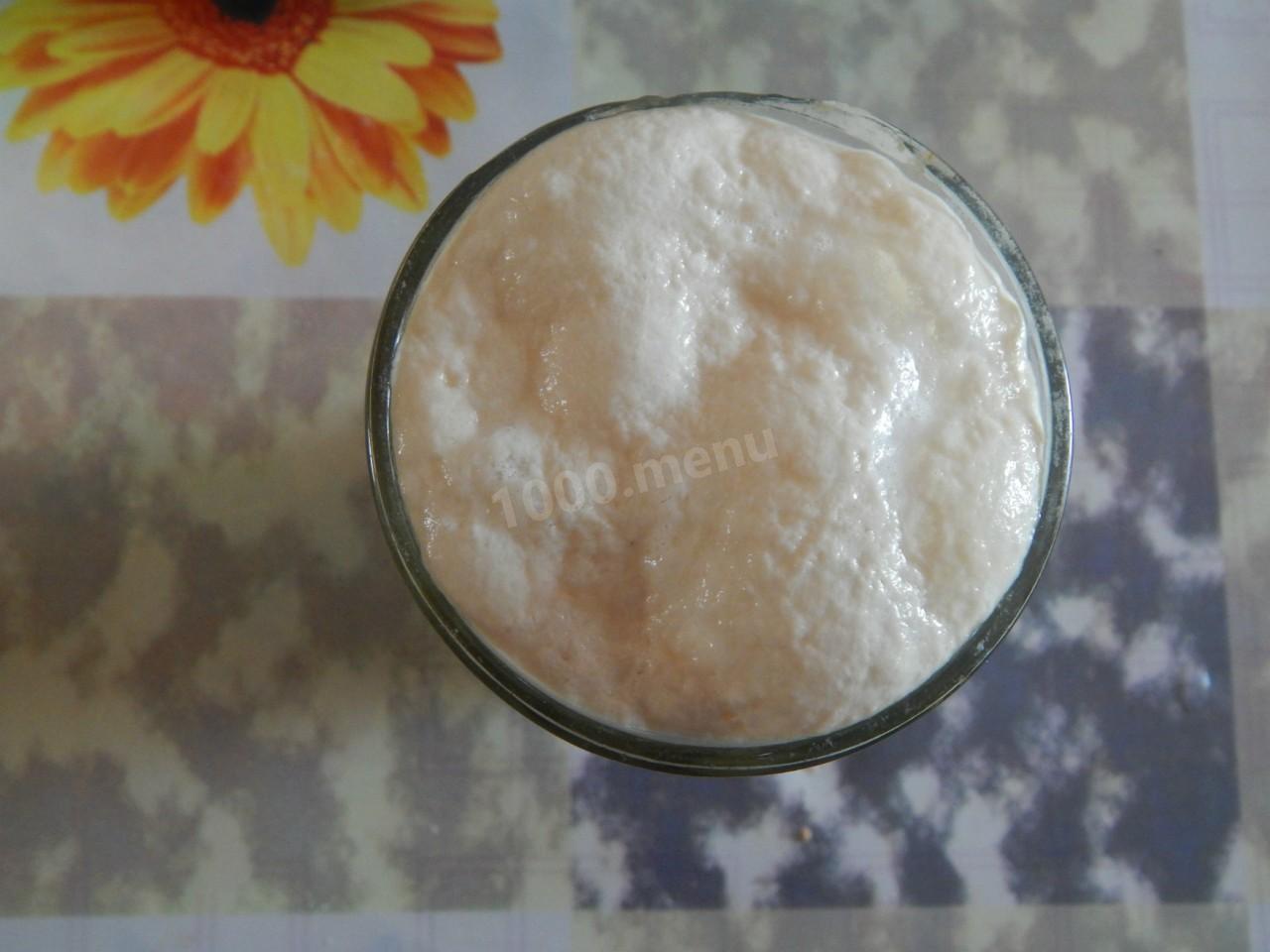
After the time is up, a foamy "cap" should form on top of the mixture — that means the yeast is active. If it doesn't, you'll need to use fresh yeast.
-
Step 4:
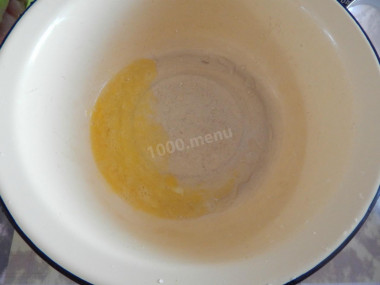
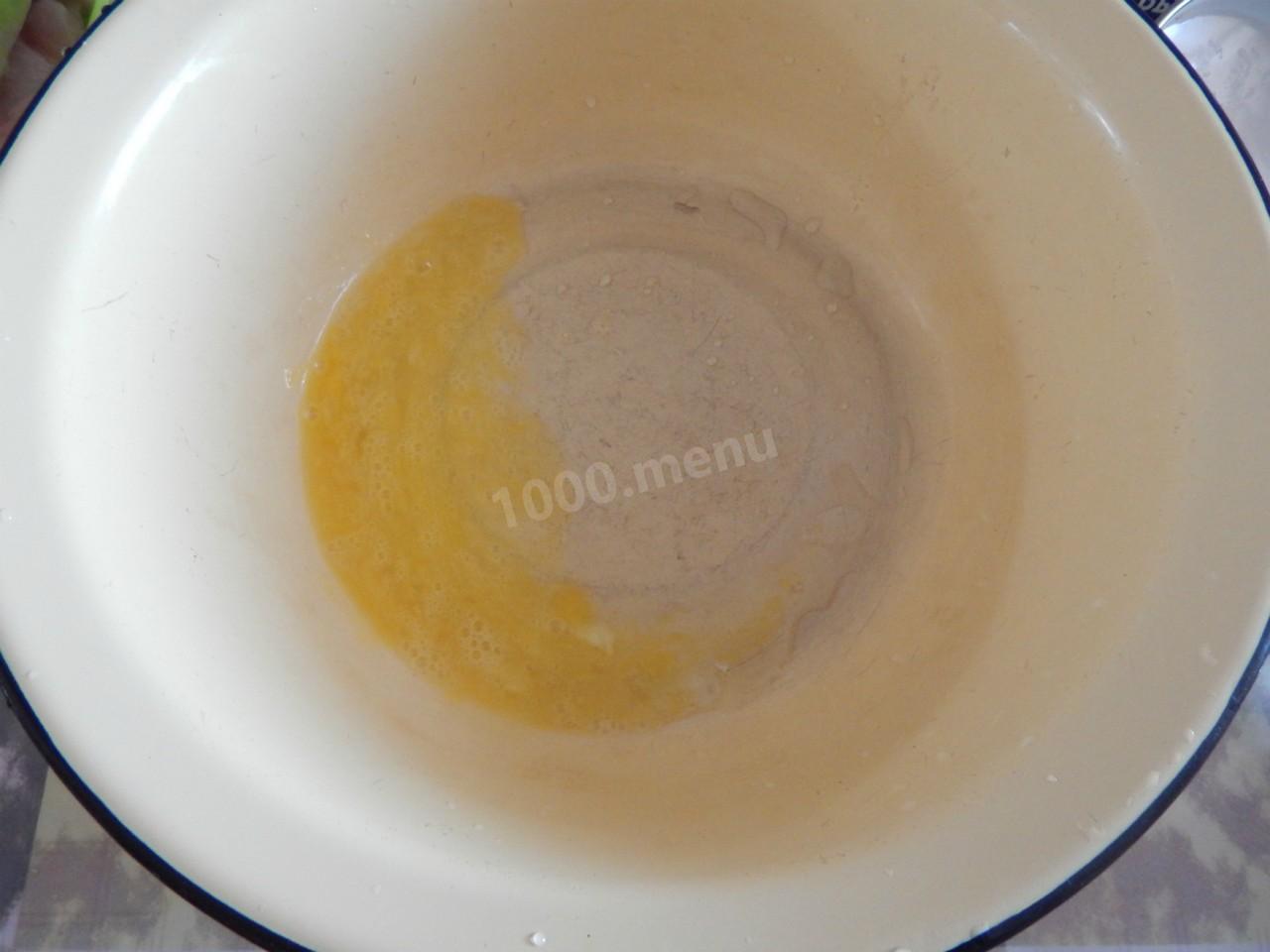
Pour the mixture into a deep bowl. Crack in the egg, add the vegetable oil and salt. Stir until the egg is fully incorporated.
-
Step 5:
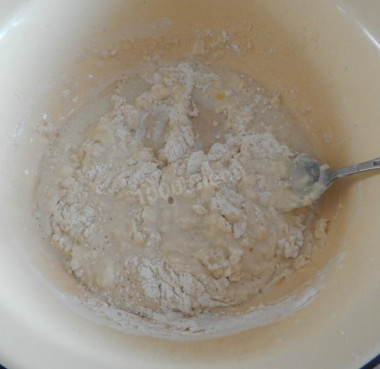
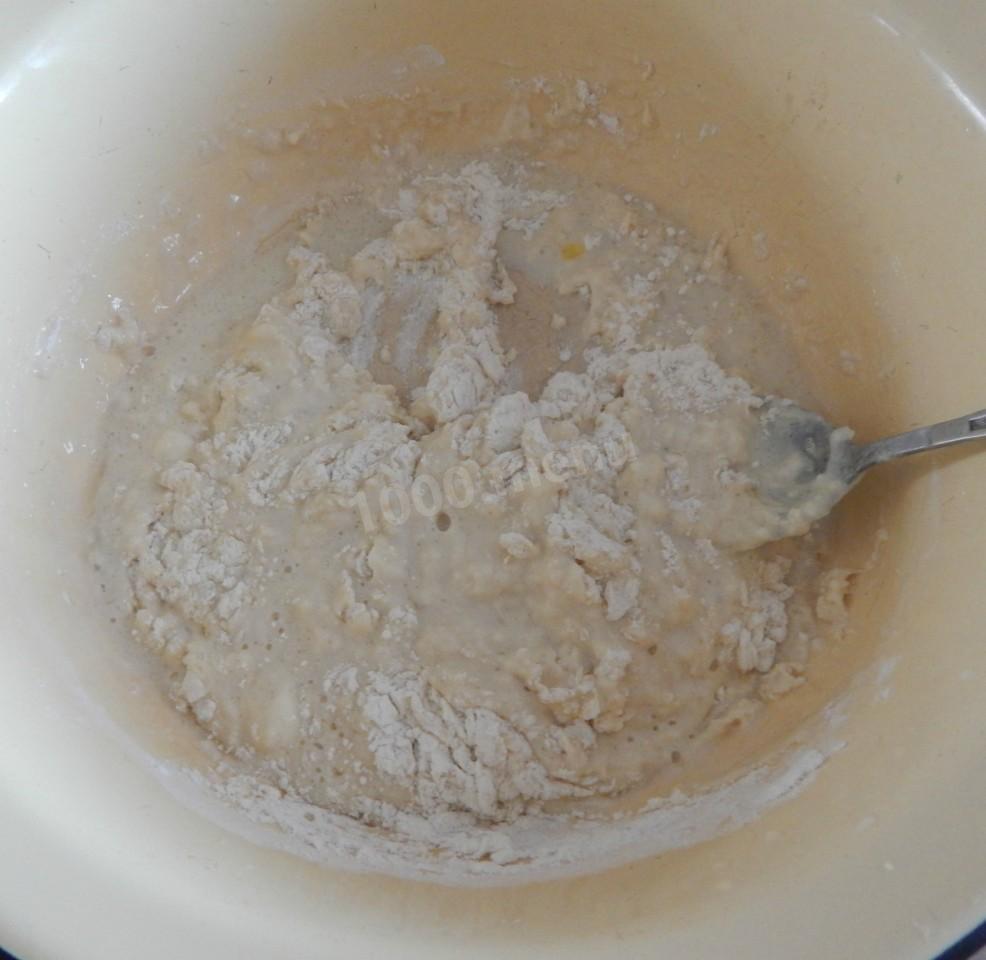
Start adding the sifted flour a little at a time, stirring with a spoon after each addition. Once the dough gets too stiff to stir, flour your work surface and turn the dough out onto it. Keep adding flour and knead by hand. You may need a bit more or less than the listed amount — go by how the dough feels.
-
Step 6:
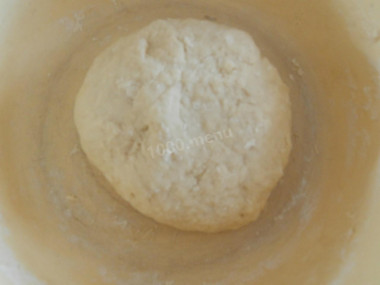
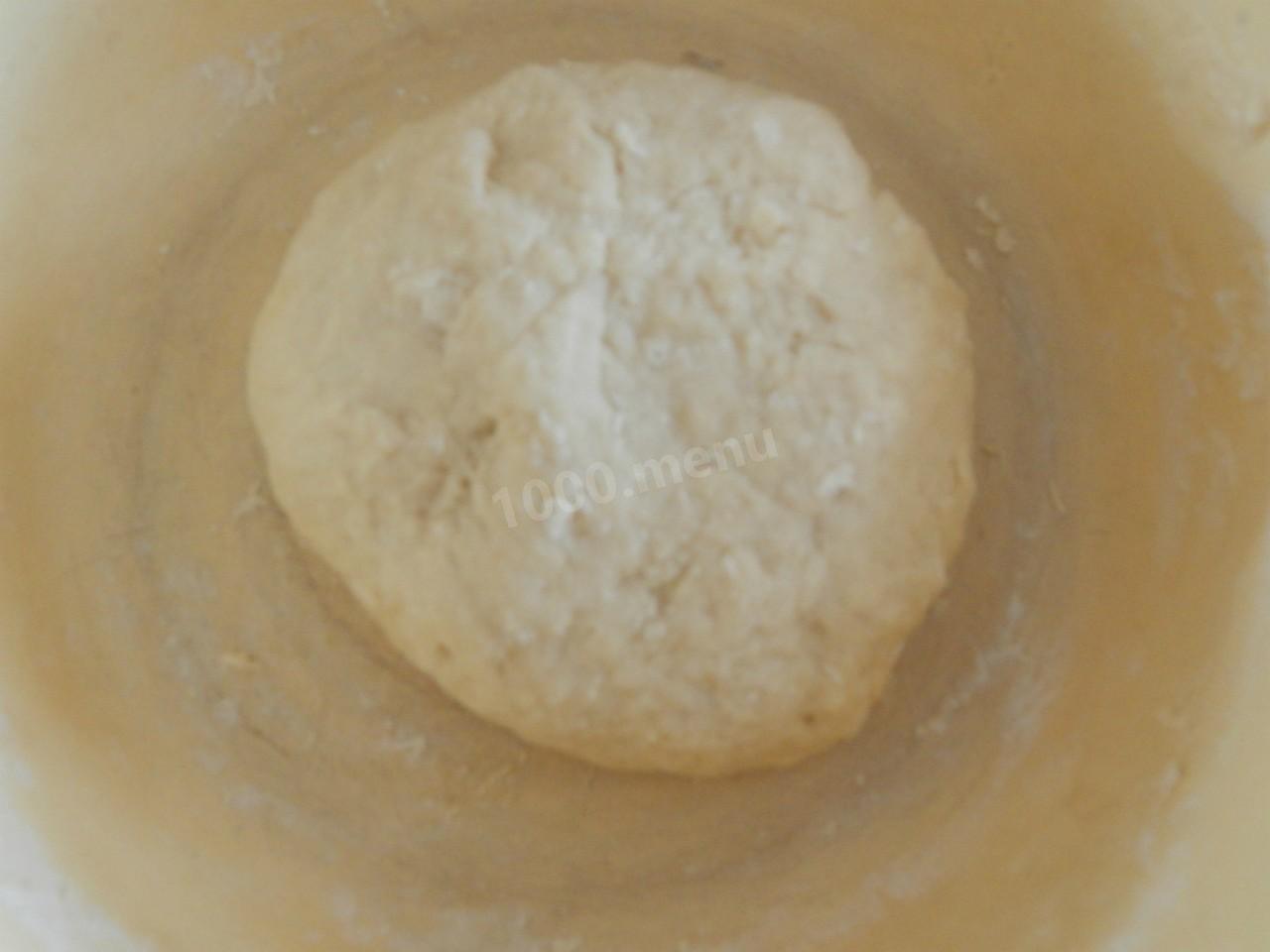
The dough should be smooth and elastic, and slightly tacky to the touch. Don't make it too stiff, or the belyashi will come out tough. Return the dough to the bowl, cover with a towel, and set it in a warm spot to rise for 2 hours.
-
Step 7:
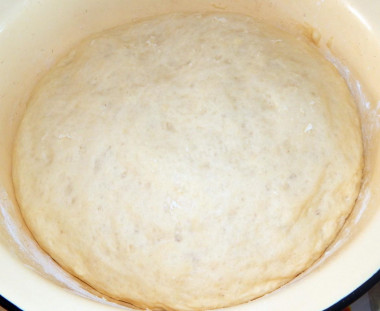
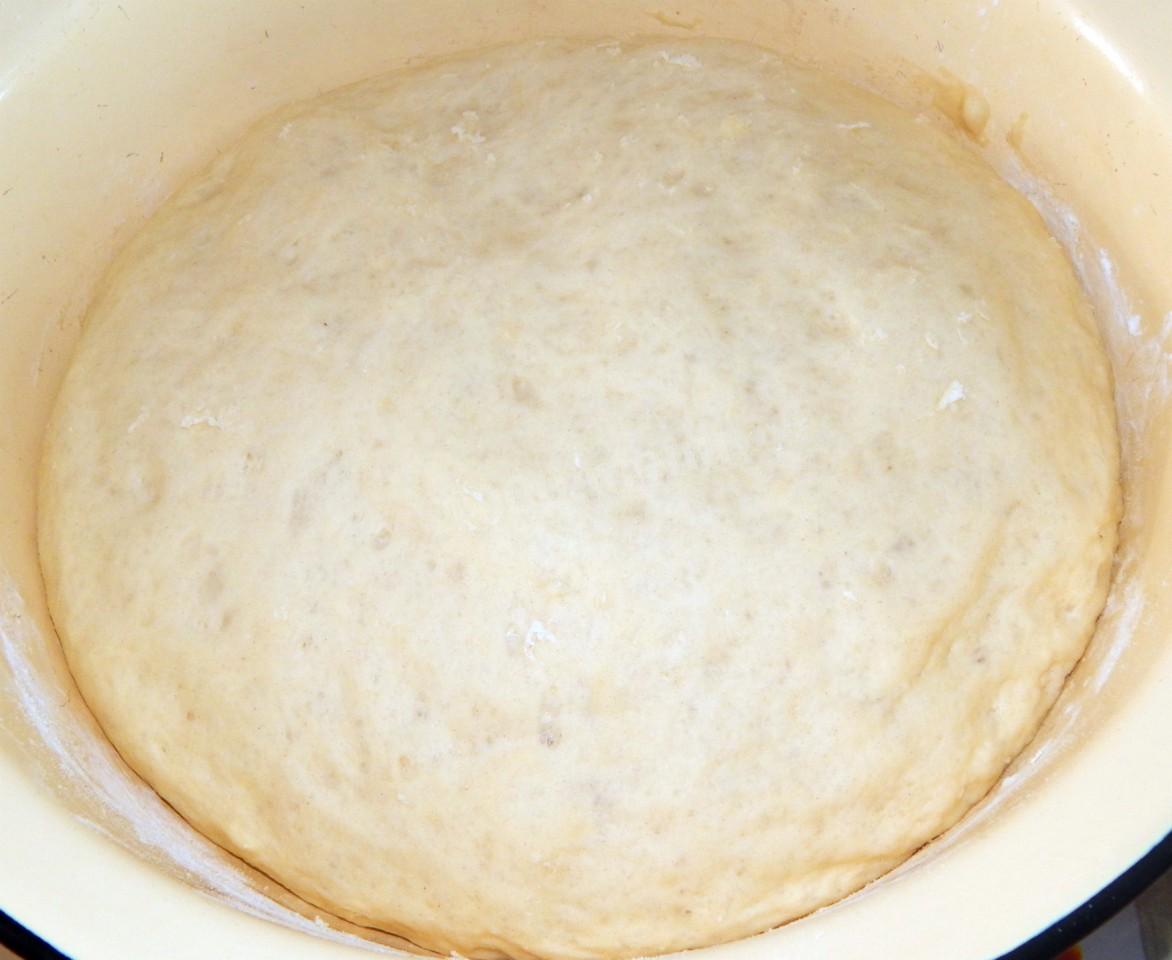
Once the dough has risen well, punch it down and let it rise again.
-
Step 8:
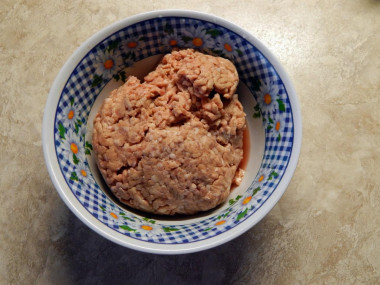
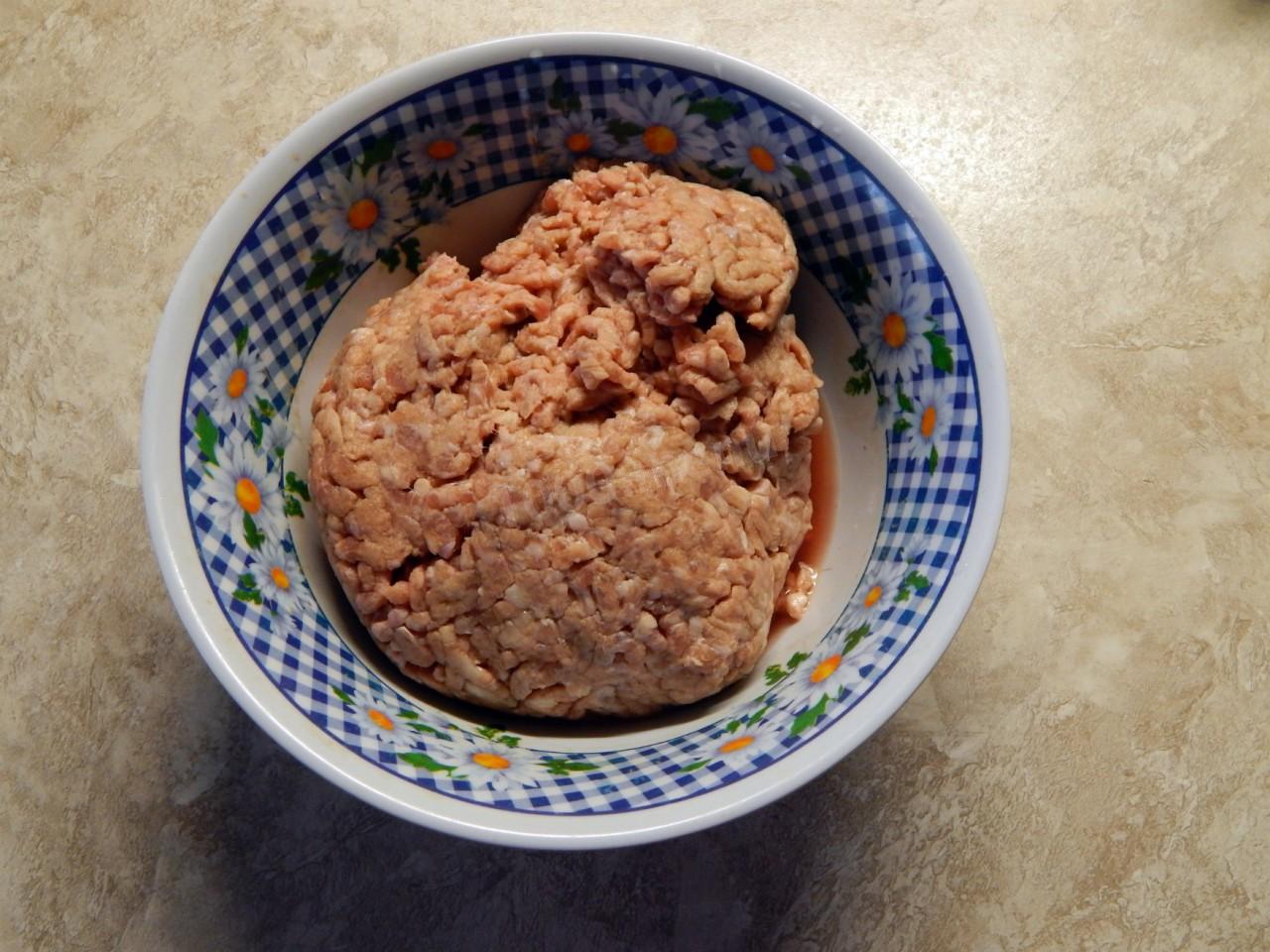
Meanwhile, make the filling. For the juiciest result, use equal parts pork and beef — rinse the meat and run it through a grinder.
-
Step 9:
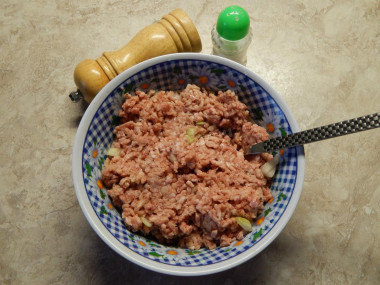
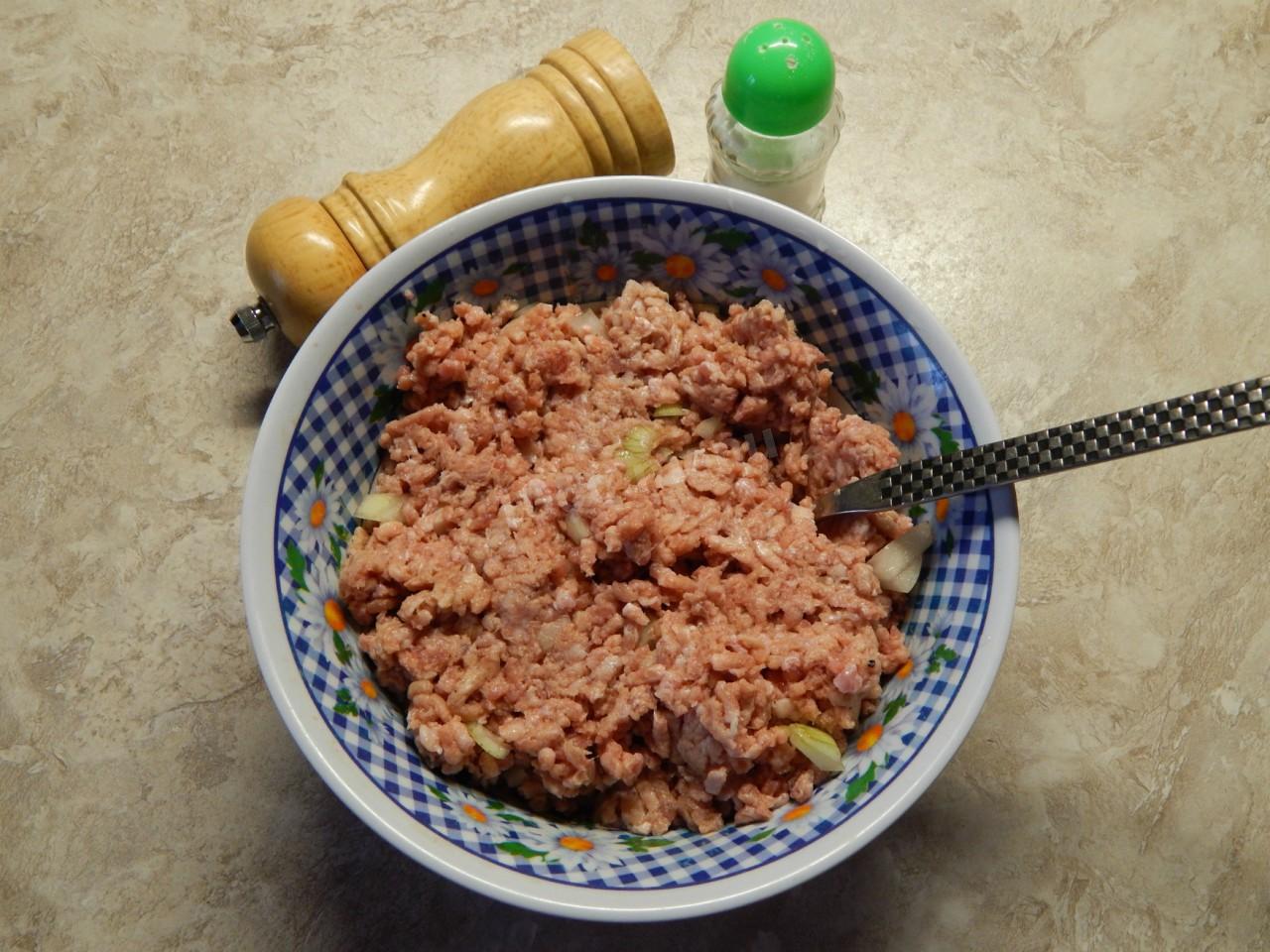
If you're using pre-made ground meat, all that's left is to season it: add finely chopped onion, salt, and ground black pepper to taste. For an even more tender, juicy filling, mix in some peeled potato grated on the medium holes of a box grater (add just a little, so it doesn't overpower the meat). Stir everything together and the filling is ready.
-
Step 10:
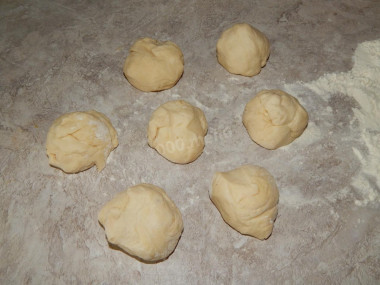
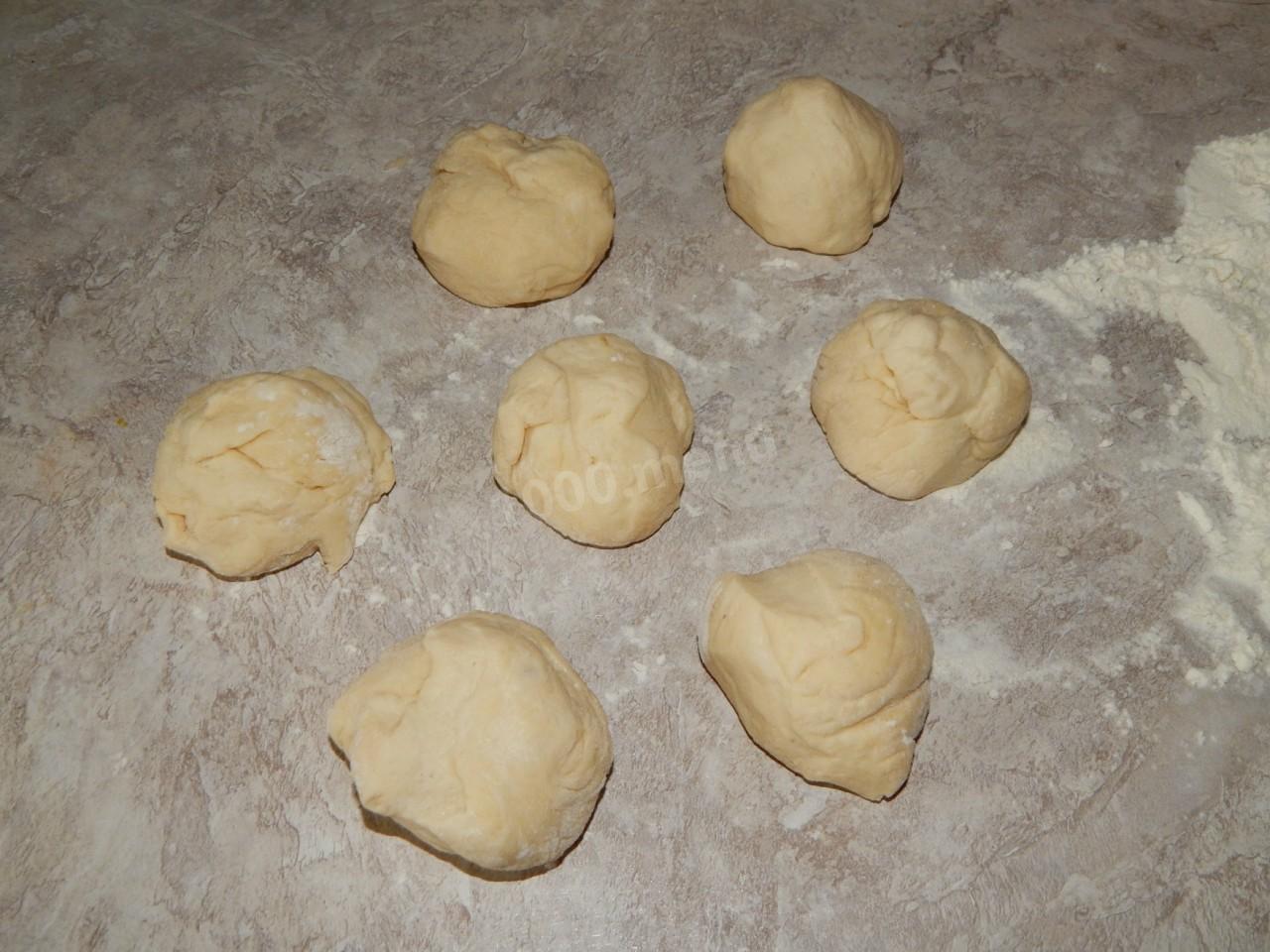
Divide the risen dough into equal small pieces. Roll each into a ball, then roll them out into thin rounds.
-
Step 11:
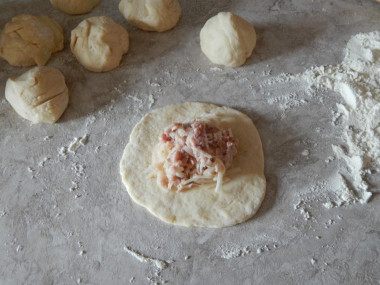
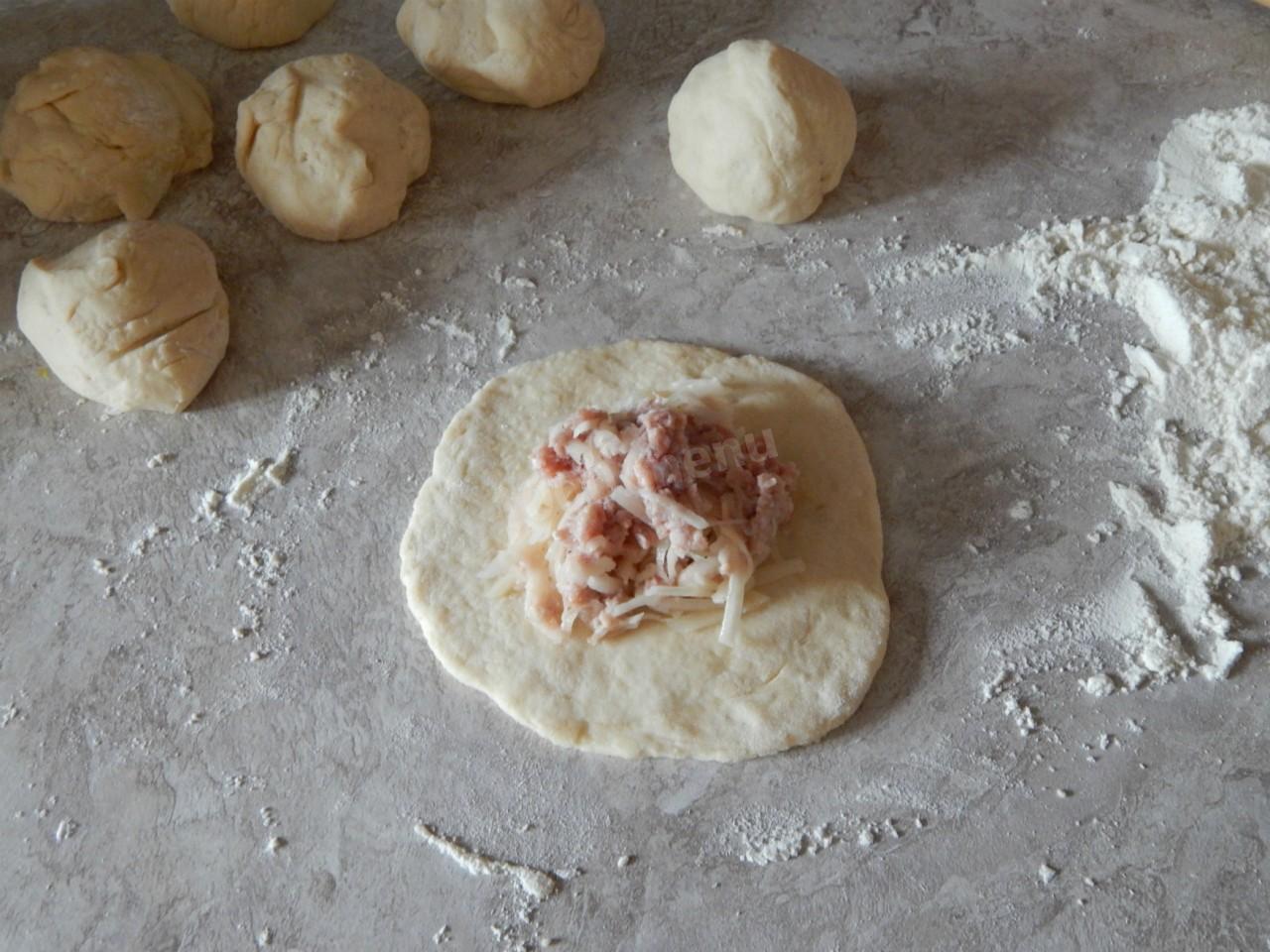
Place a little filling in the center of each round.
-
Step 12:
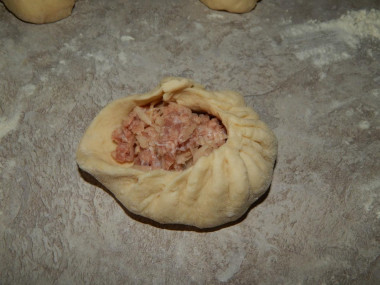
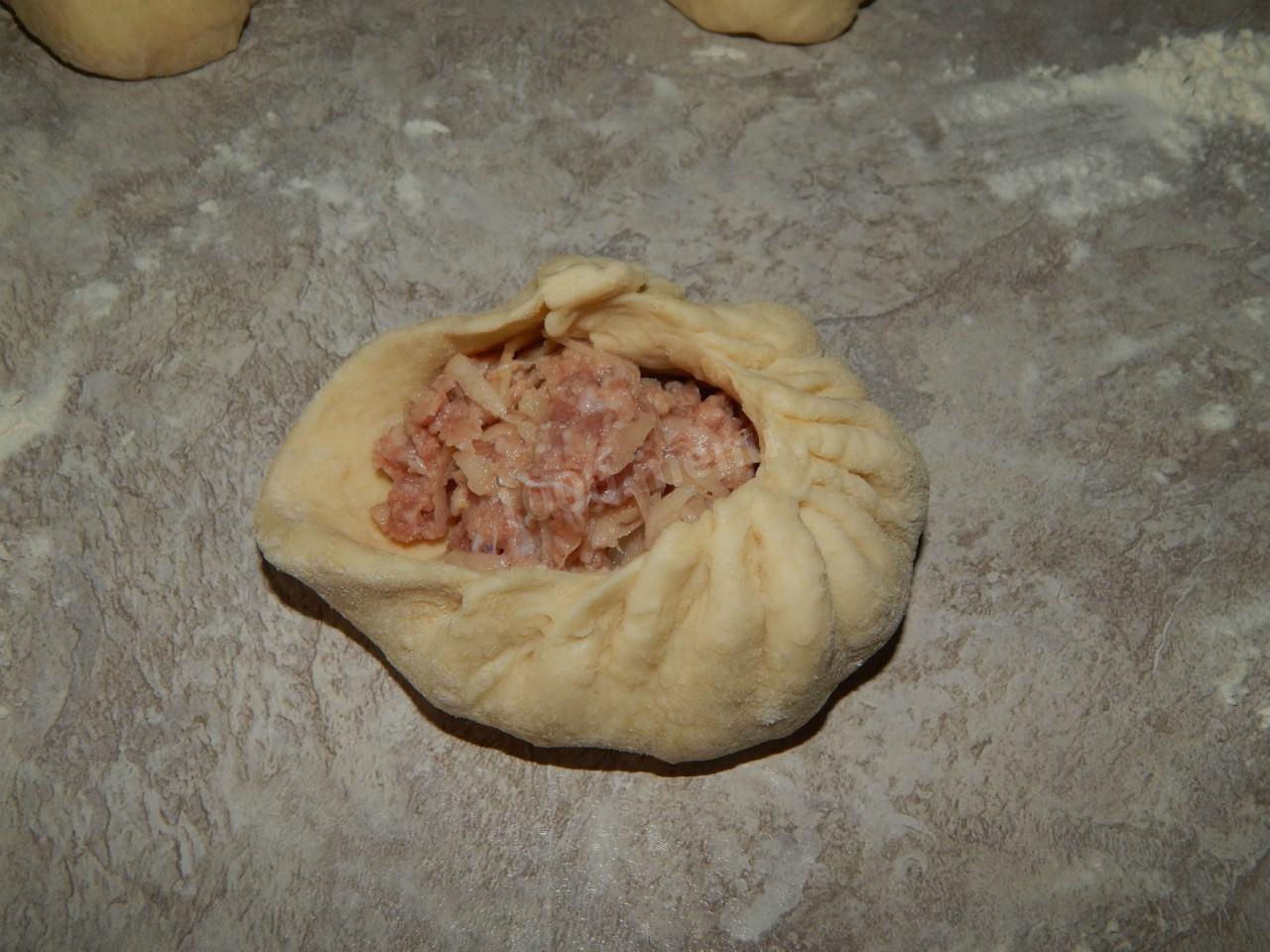
Shape the belyashi by gathering the edges of the dough into pleats, leaving a small opening in the center.
-
Step 13:
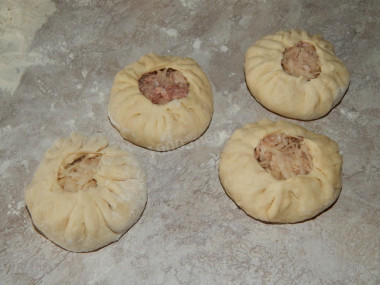
You can pour a little melted butter or fat into the opening to keep the filling extra juicy.
-
Step 14:
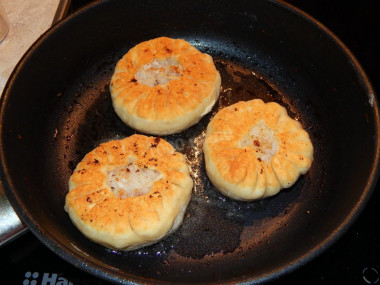
Heat the vegetable oil in a skillet for frying. Add the belyashi to the pan open side down first. Fry until golden over medium heat, then flip and cook the other side with the lid on, so the meat cooks through.
-
Step 15:
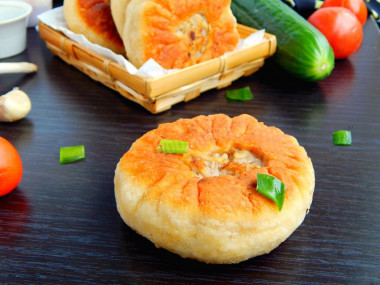
The belyashi are done when pressing on one releases clear juices from the opening. Serve them hot. Enjoy!
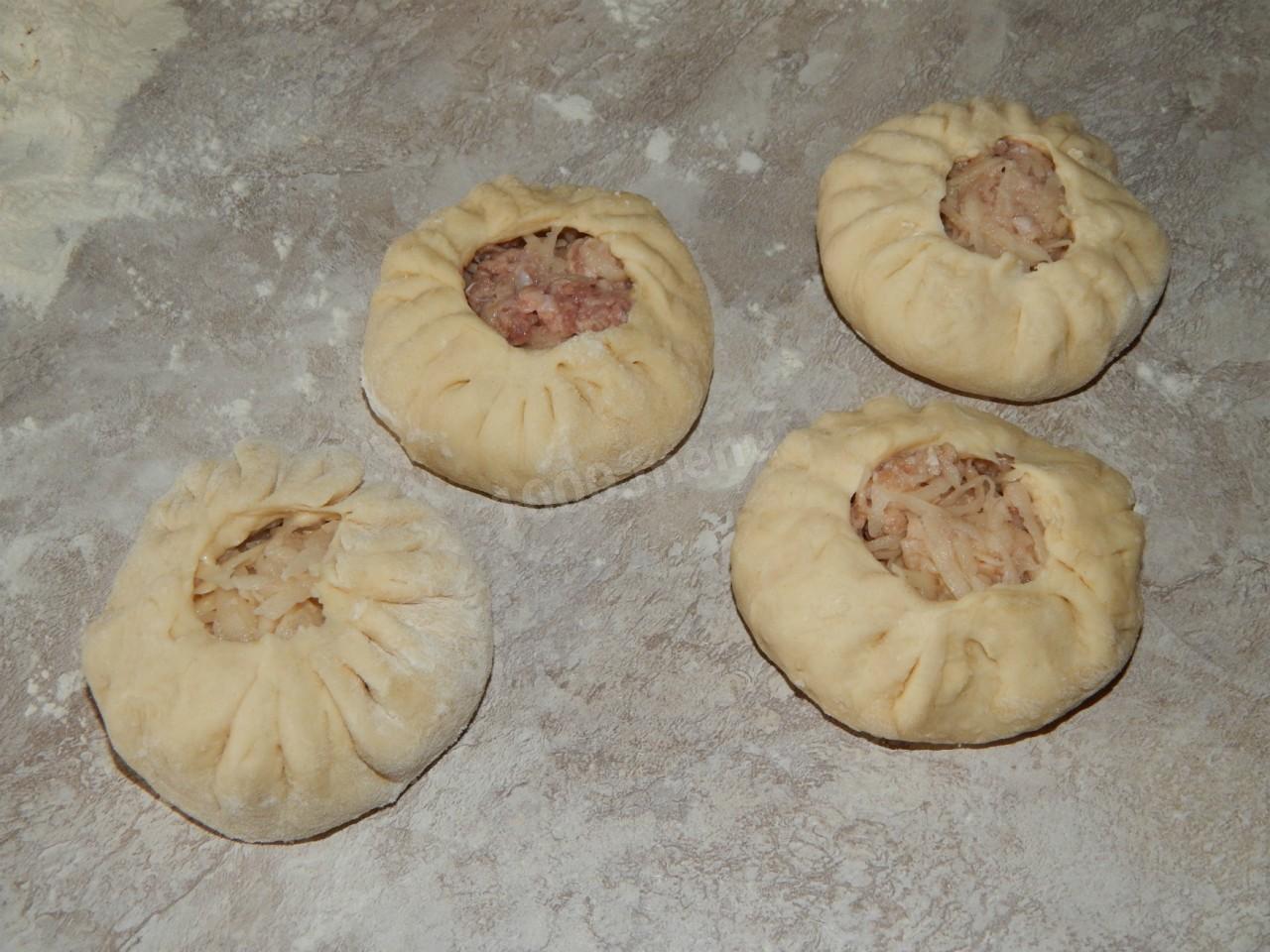
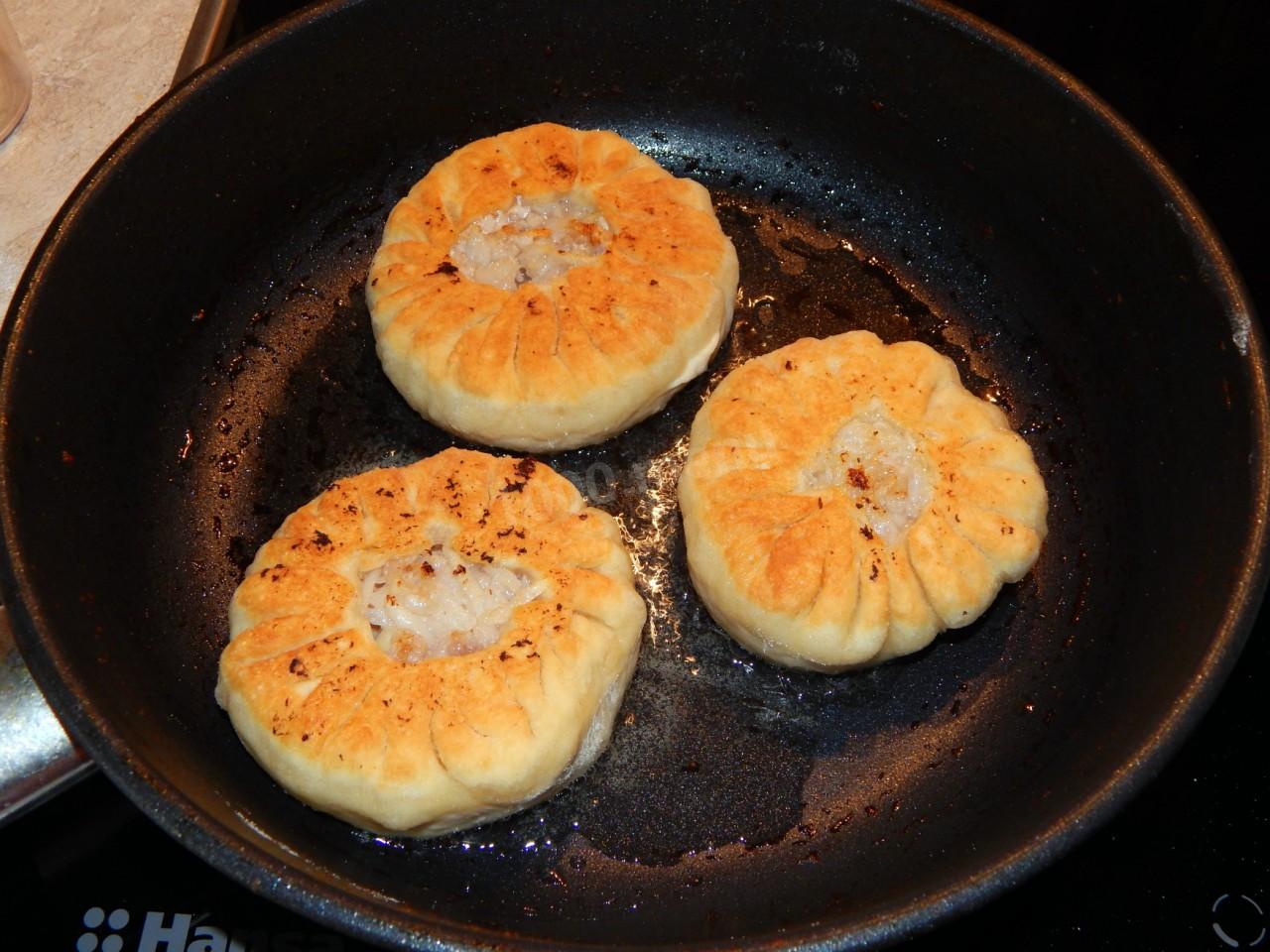
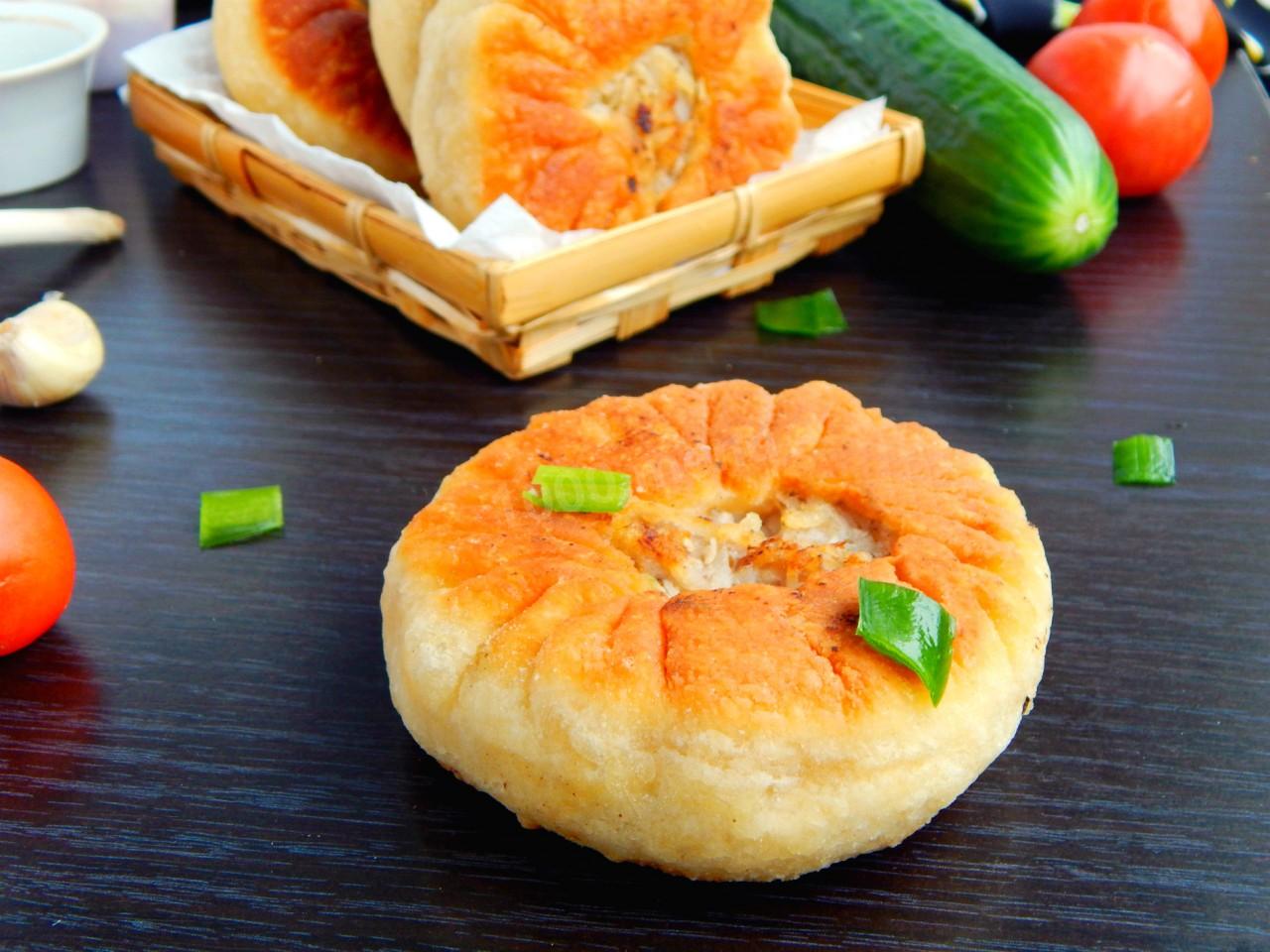
- Belyashi are traditional Tatar yeast-dough hand pies, usually filled with meat. They differ from classic meat pies not just in how they're shaped but in flavor too. In their homeland, cooks like to add potato and lamb fat to the meat filling for extra tenderness and juiciness — but that's a matter of taste. The recipe has traveled and evolved all over the world.
- Note: dry yeast comes in two forms — active and instant (always read the package instructions). Active dry yeast looks like small beads and needs to be "woken up" before use: dissolve it in warm sweet water, milk, or whey, and the bubbles or foamy cap that form tell you it's ready. Dissolve it completely, or leftover granules that end up in the dough won't activate and the dough may not rise. Instant dry yeast is simpler — no proofing needed; just add it right in with the other ingredients, which speeds things up. Note that both types can vary in strength from brand to brand.
- Every oil is only good up to a certain temperature — its smoke point, past which it starts to burn and forms harmful compounds. For frying, choose a neutral oil with a high smoke point and keep the heat moderate.
- The right skillet matters — a poorly chosen pan can spoil even the best recipe. Reach for a heavy pan that heats evenly.
Caloric content of the products possible in the composition of the dish
- Ripe potatoes - 80 kcal/100g
- Baked potatoes - 70 kcal/100g
- Mashed potatoes - 380 kcal/100g
- Boiled potatoes - 82 kcal/100g
- Potatoes in uniform - 74 kcal/100g
- Fried potatoes - 192 kcal/100g
- Ground black pepper - 255 kcal/100g
- Granulated sugar - 398 kcal/100g
- Sugar - 398 kcal/100g
- Butter 82% - 734 kcal/100g
- Amateur unsalted butter - 709 kcal/100g
- Unsalted peasant butter - 661 kcal/100g
- Peasant salted butter - 652 kcal/100g
- Melted butter - 869 kcal/100g
- Mixed minced meat - 351 kcal/100g
- Vegetable oil - 873 kcal/100g
- Salt - 0 kcal/100g
- Water - 0 kcal/100g
- Onion - 41 kcal/100g
- Wheat flour - 325 kcal/100g
- Chicken egg - 80 kcal/100g
- Dry yeast - 410 kcal/100g
Similar recipes
- National cuisine
- Baking
- Eggs
- Meat and meat products
- Vegetables
- Flour
- Sweet
- Spices seasonings spices
- Fats and oils
- Other
- Pepper
- Salt
- Vegetable oil
- Butter
- Water
- Yeast
- Tatar cuisine
- Frying
- In a frying pan
- Patties
- Yeast pastry
- Unsweetened pastries
- Chicken eggs
- Minced meat
- From potatoes
- From onion
- Wheat flour
- Sugar