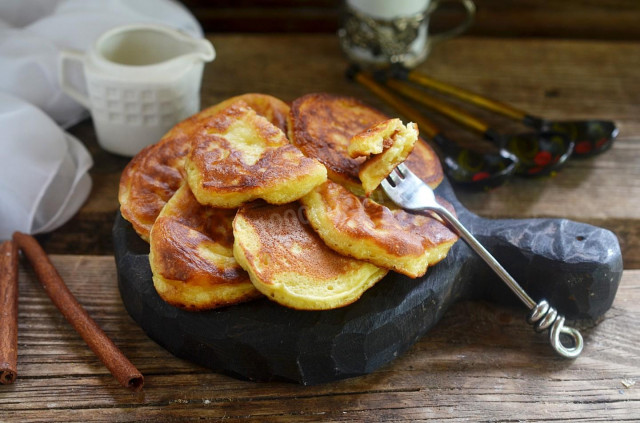
Waffle Cookies in a Waffle Iron
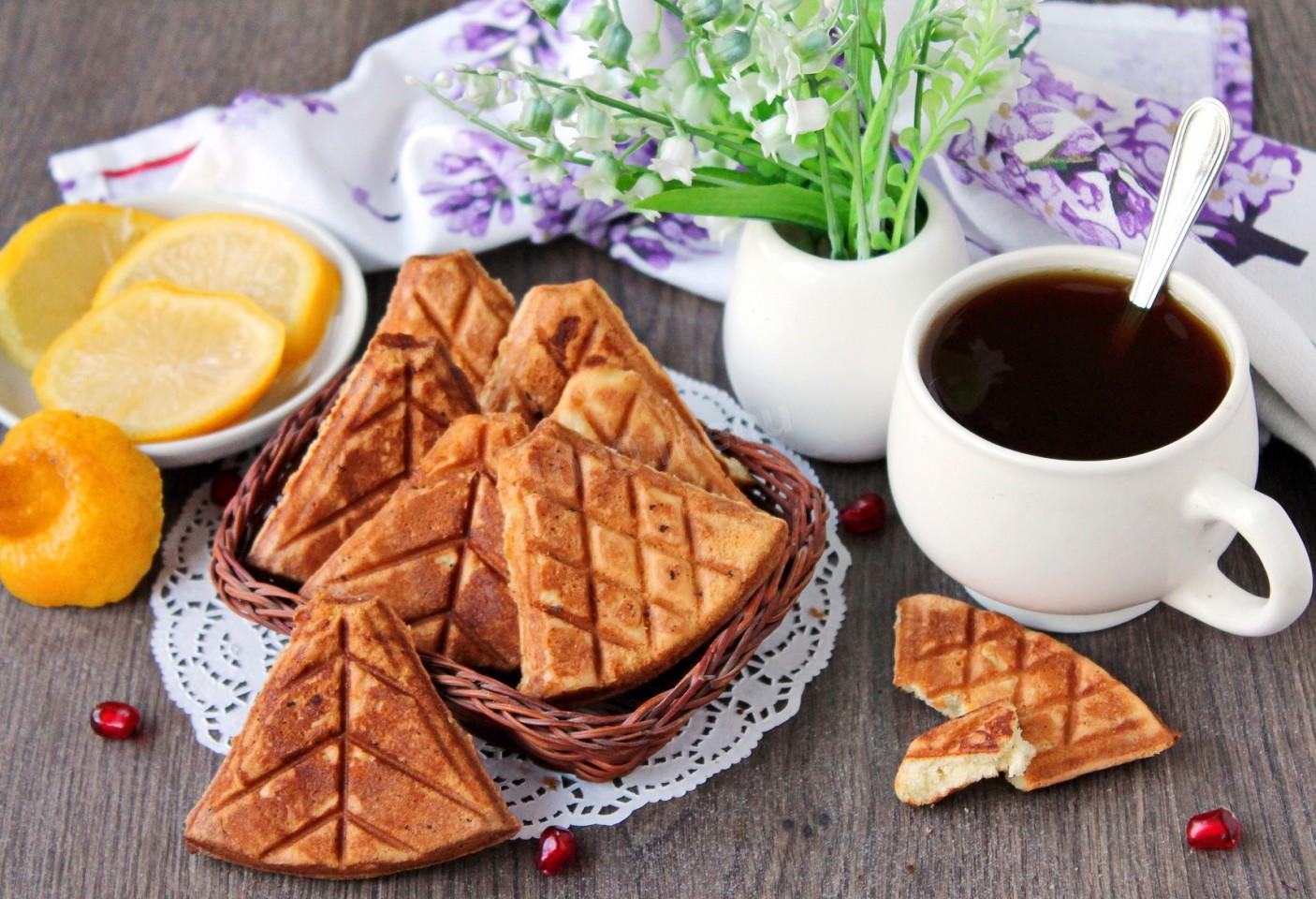
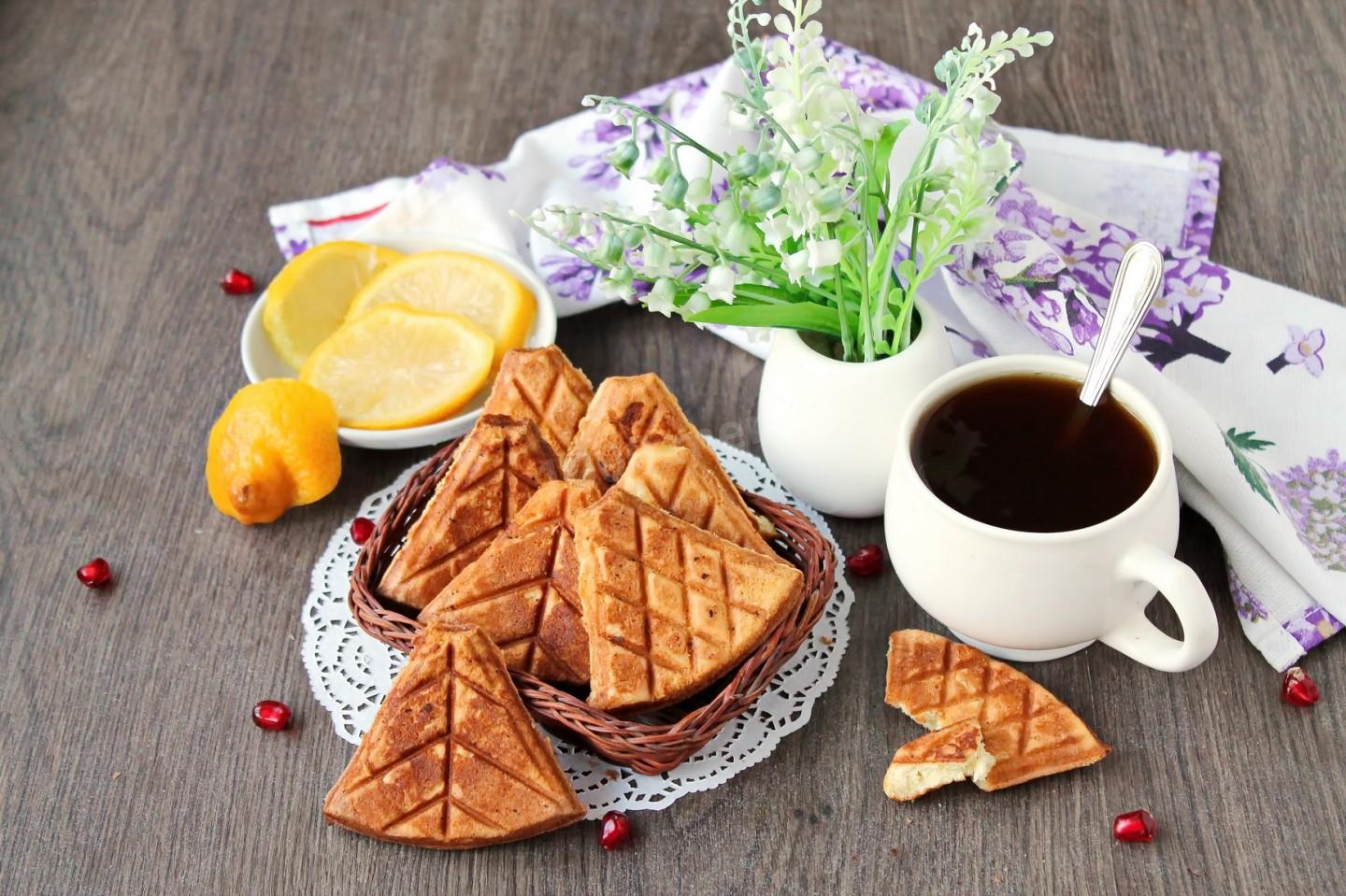
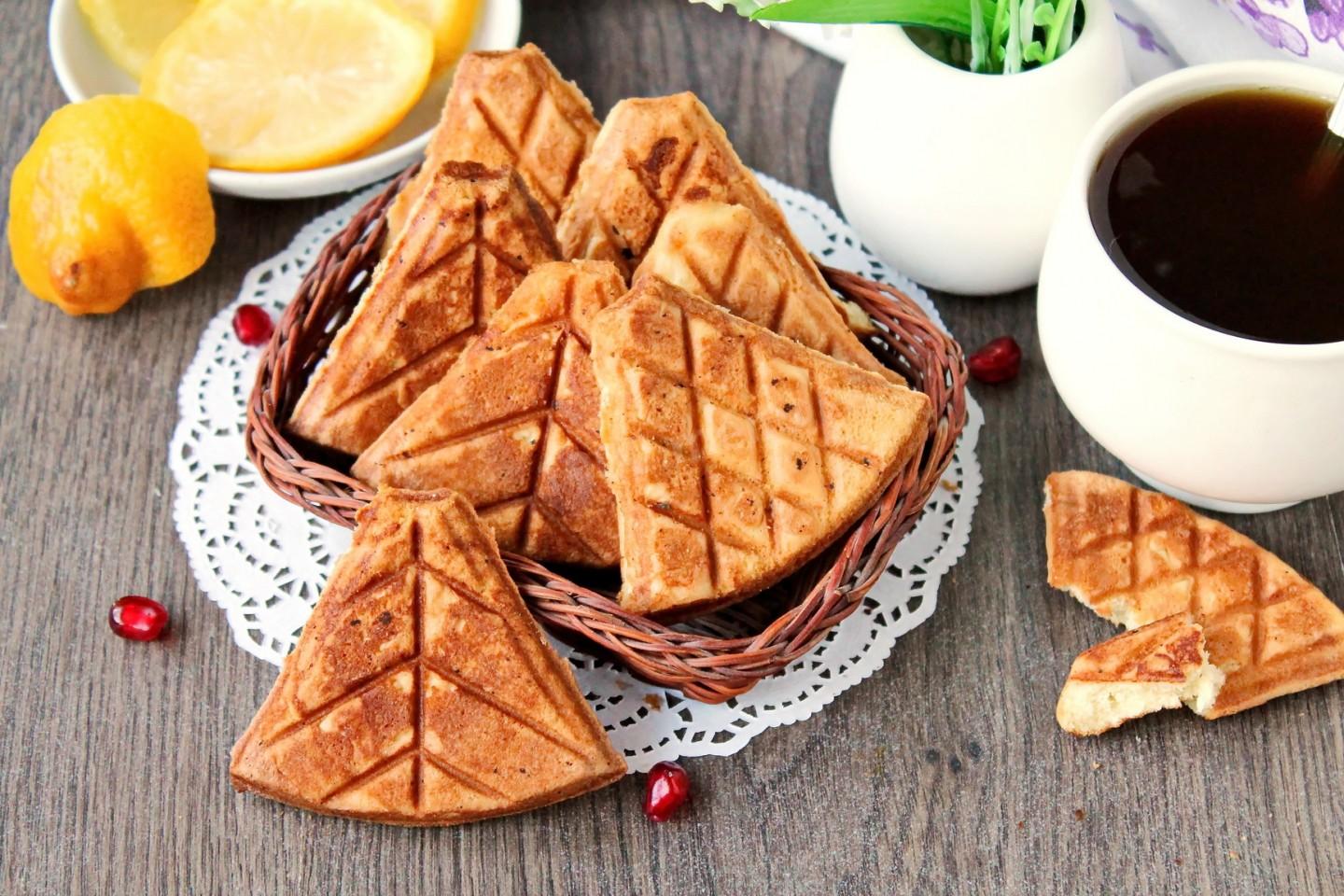
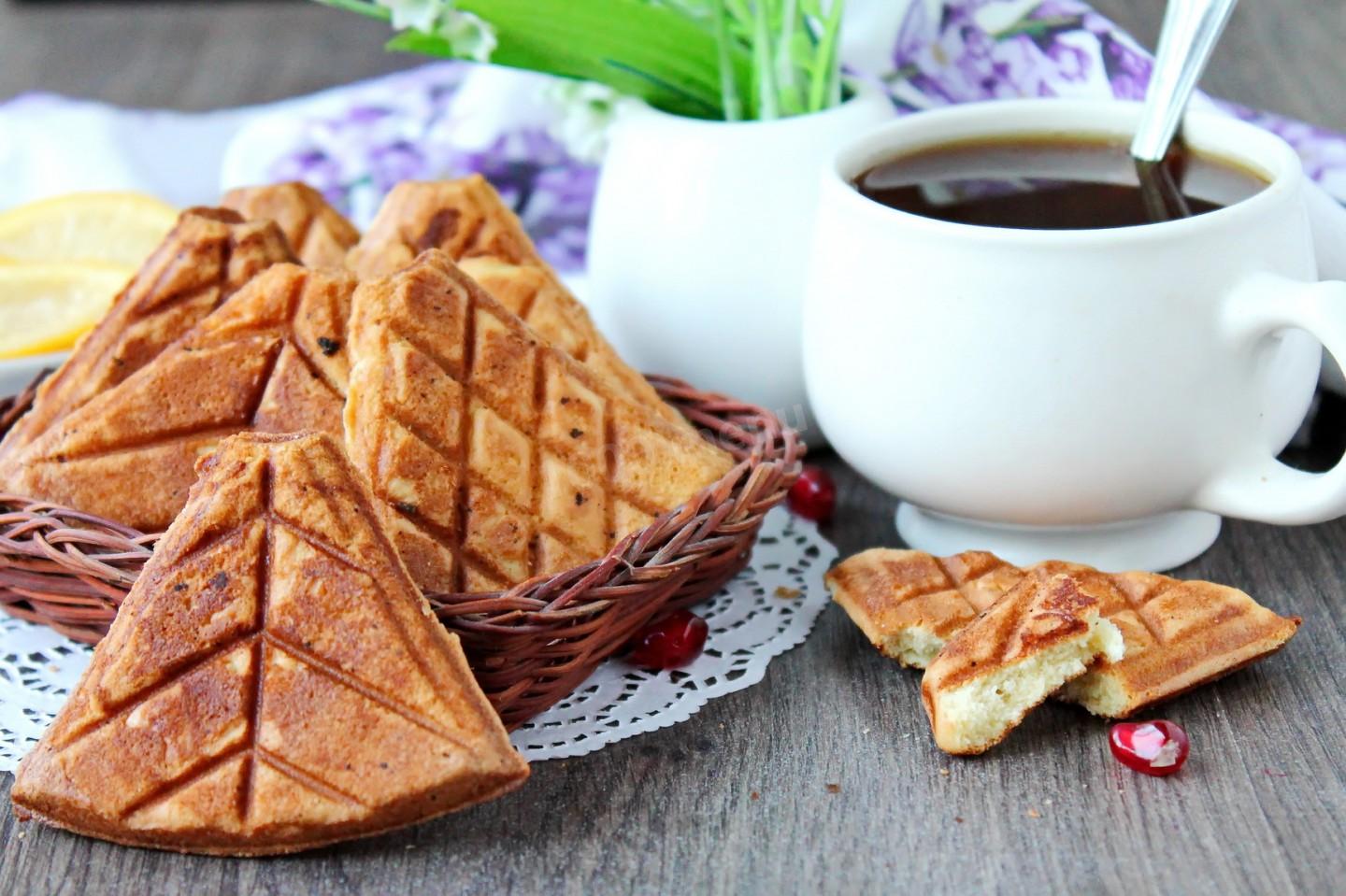
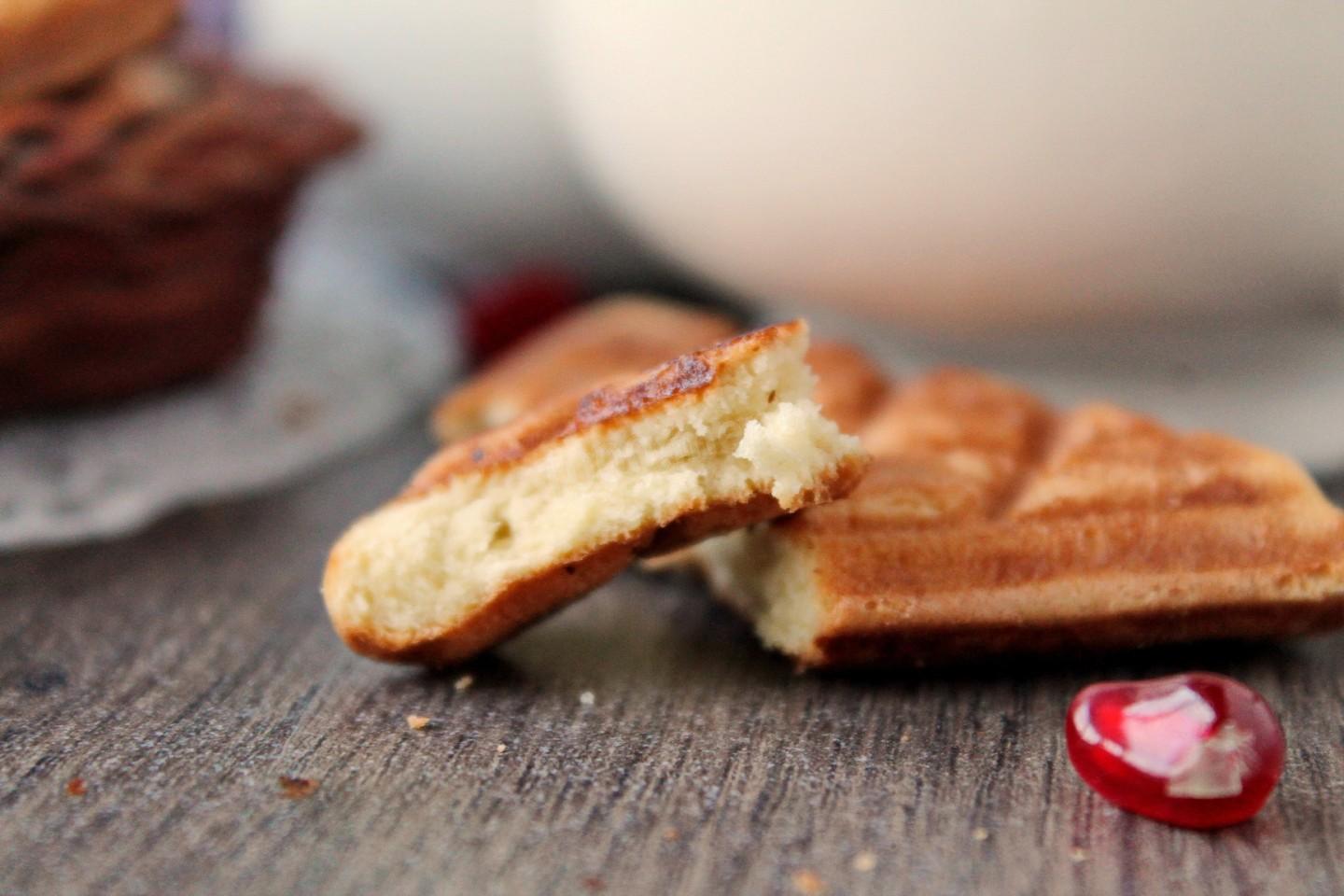
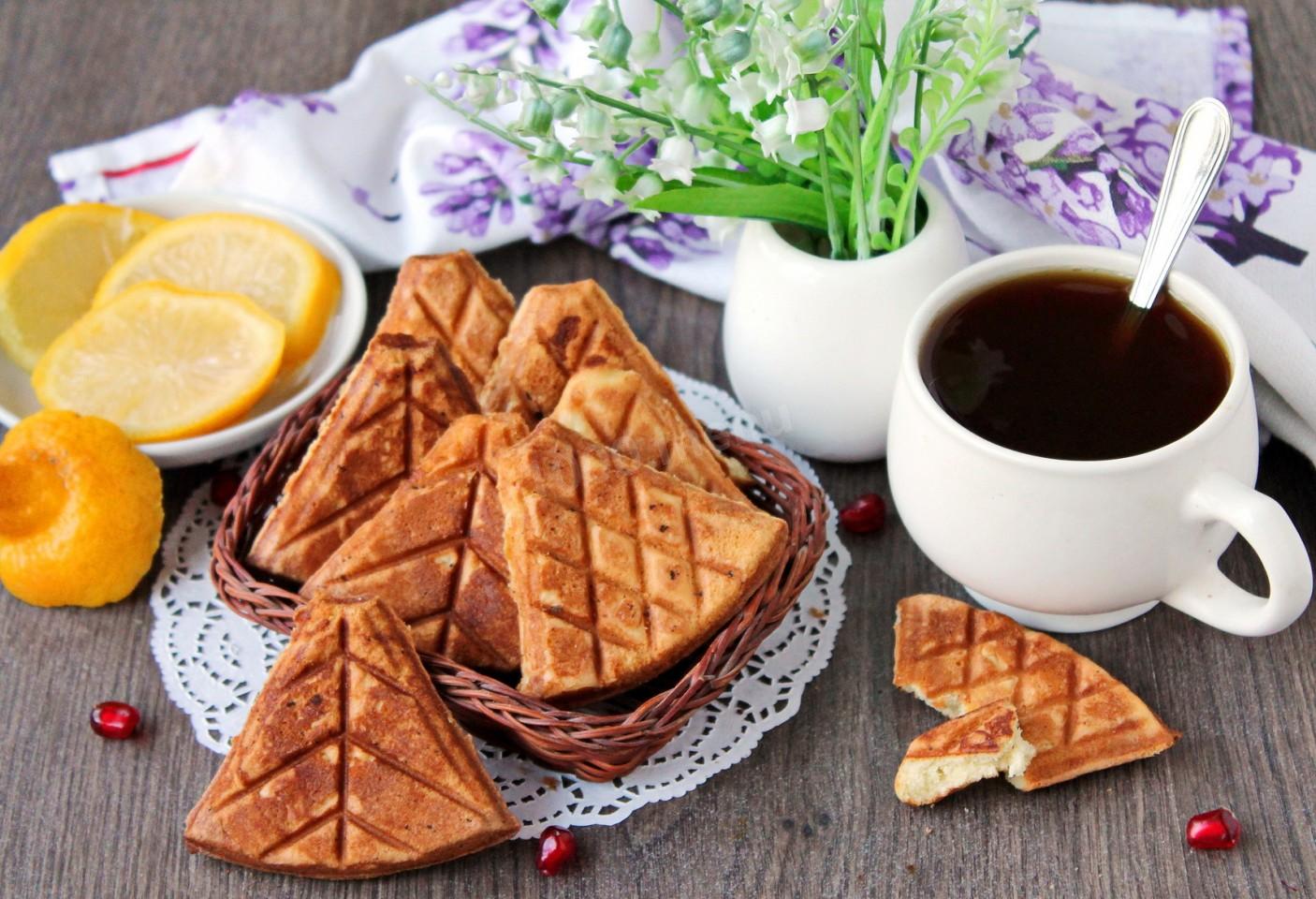
Simple ingredients and great flavor! Crisp on the outside, soft on the inside — and cookies made in a waffle iron stay soft for a long time. A lot of people remember these waffle cookies from childhood; they were baked in all kinds of homes. This budget-friendly cookie tastes absolutely wonderful.


Cooking method
-
Step 1:
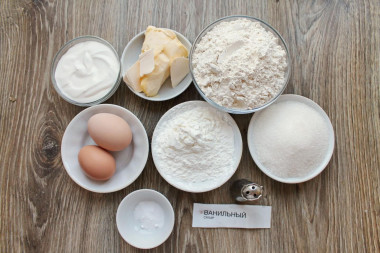
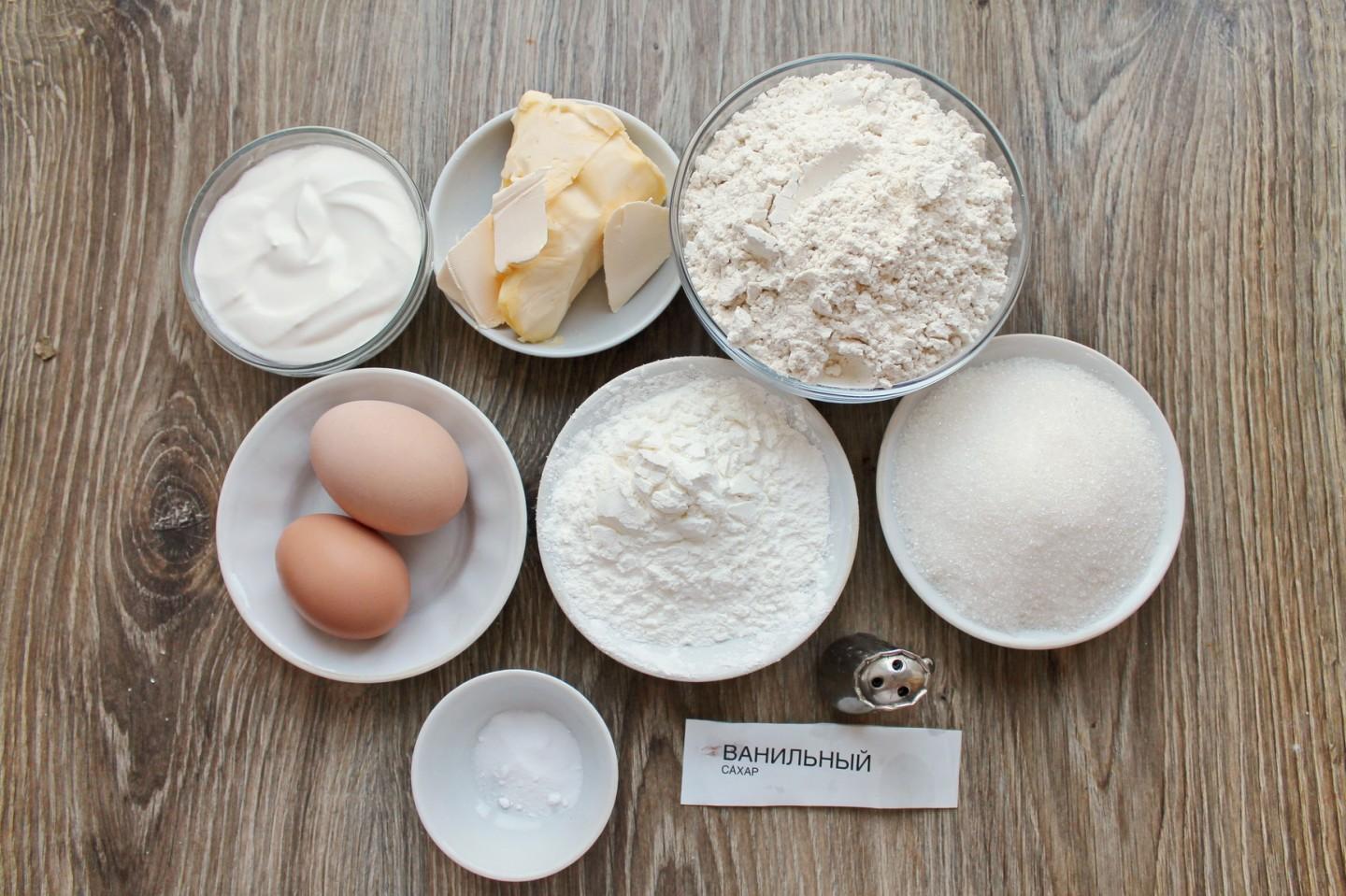
How do you make waffle cookies in a waffle iron? Gather all the ingredients. These cookies are made on the stovetop using a special stovetop waffle mold.
-
Step 2:
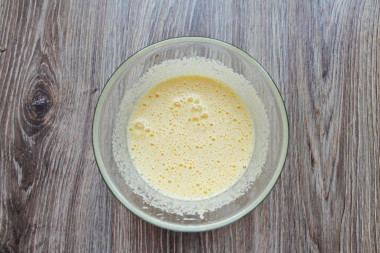
Crack the eggs into a deep bowl, add the sugar, and beat well until fluffy. The eggs should turn pale and grow noticeably in volume.
-
Step 3:
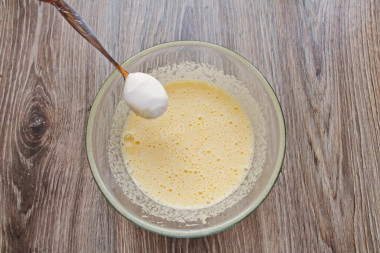
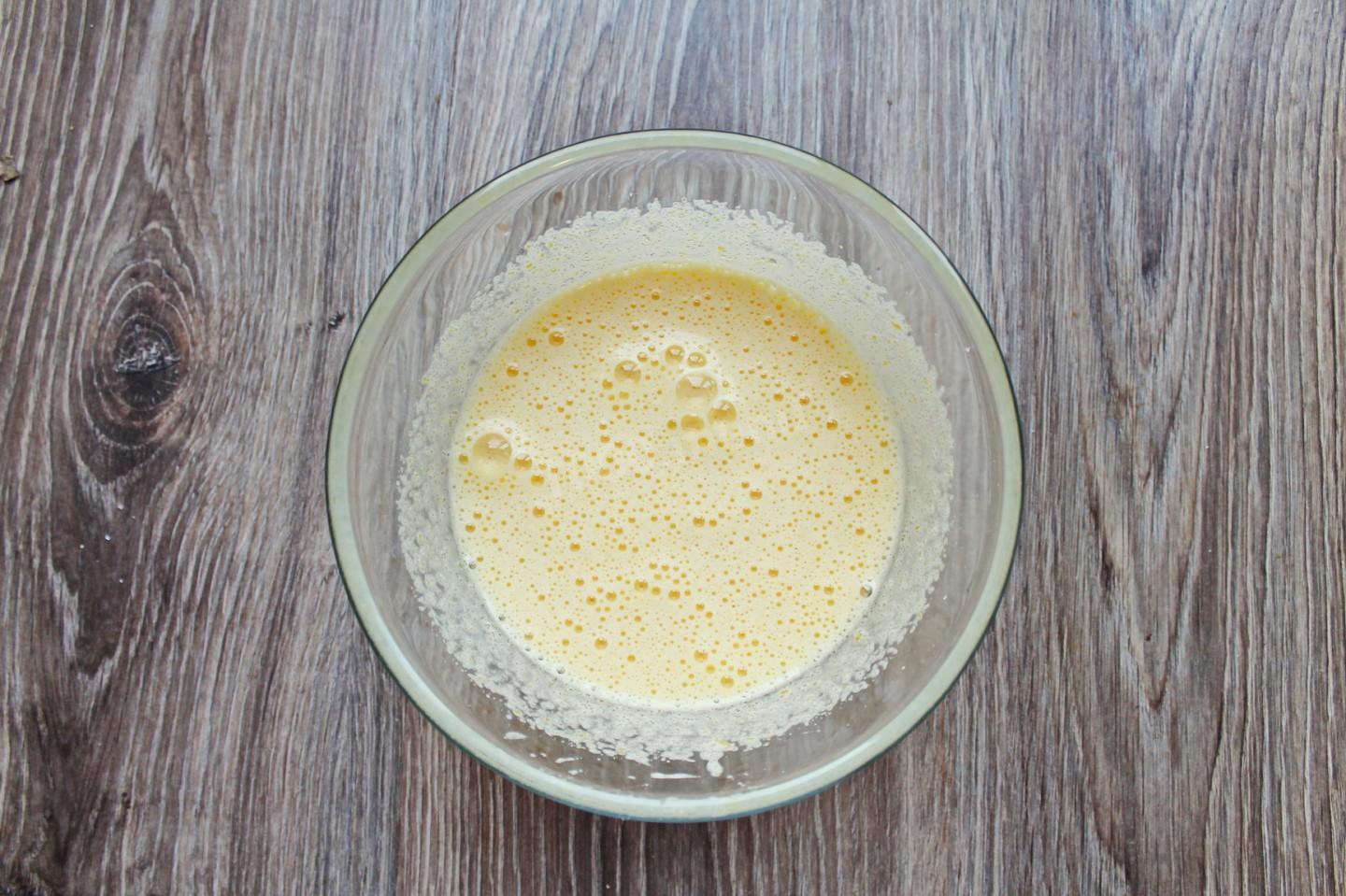
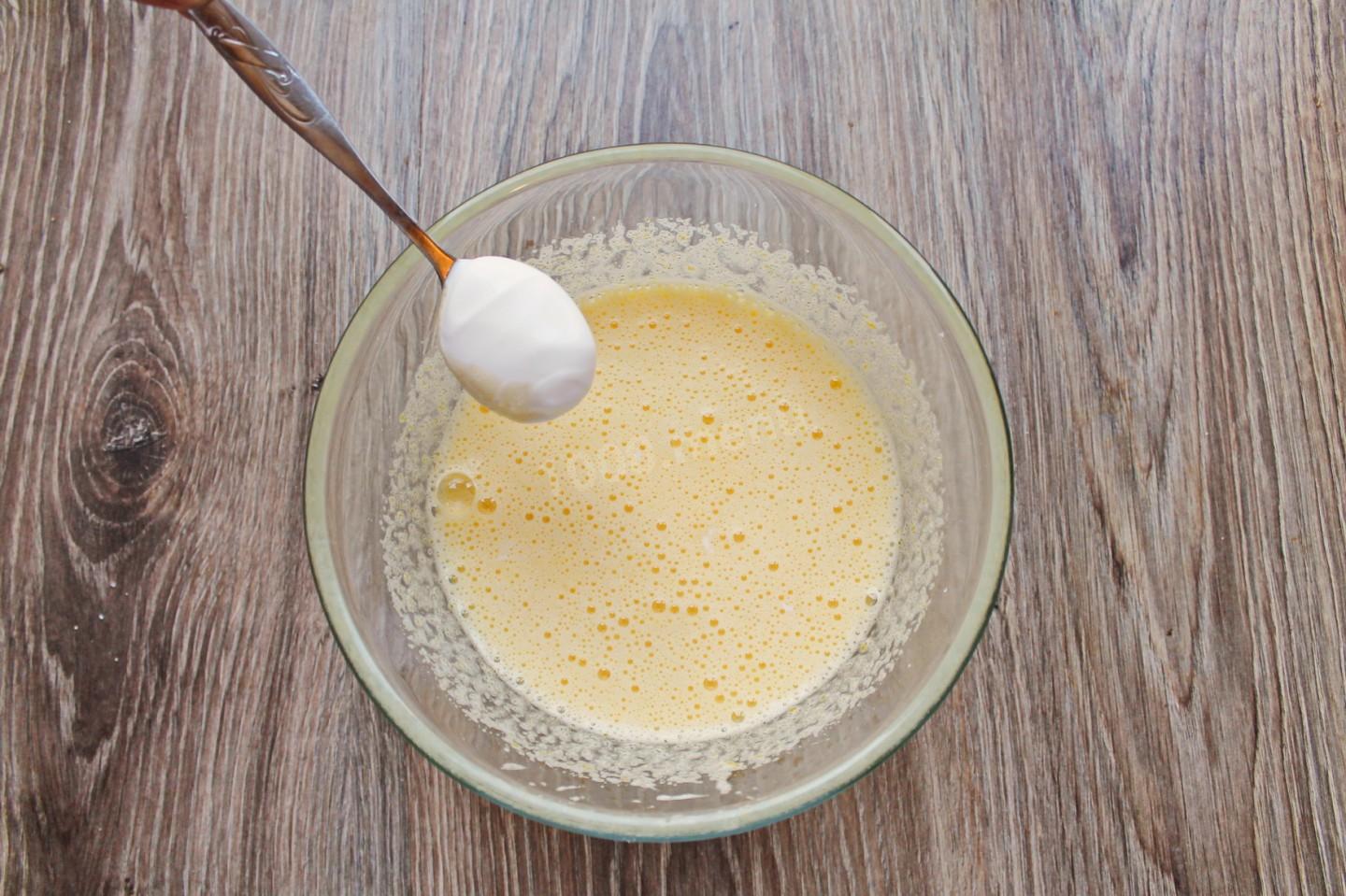
Keep beating the egg mixture as you gradually add the sour cream, whipping well after each addition. Use good-quality sour cream — it makes the cookies softer.
-
Step 4:
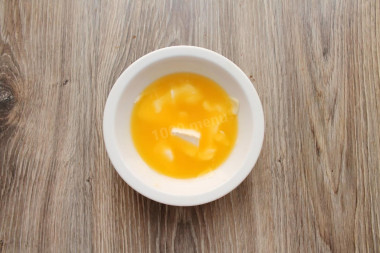
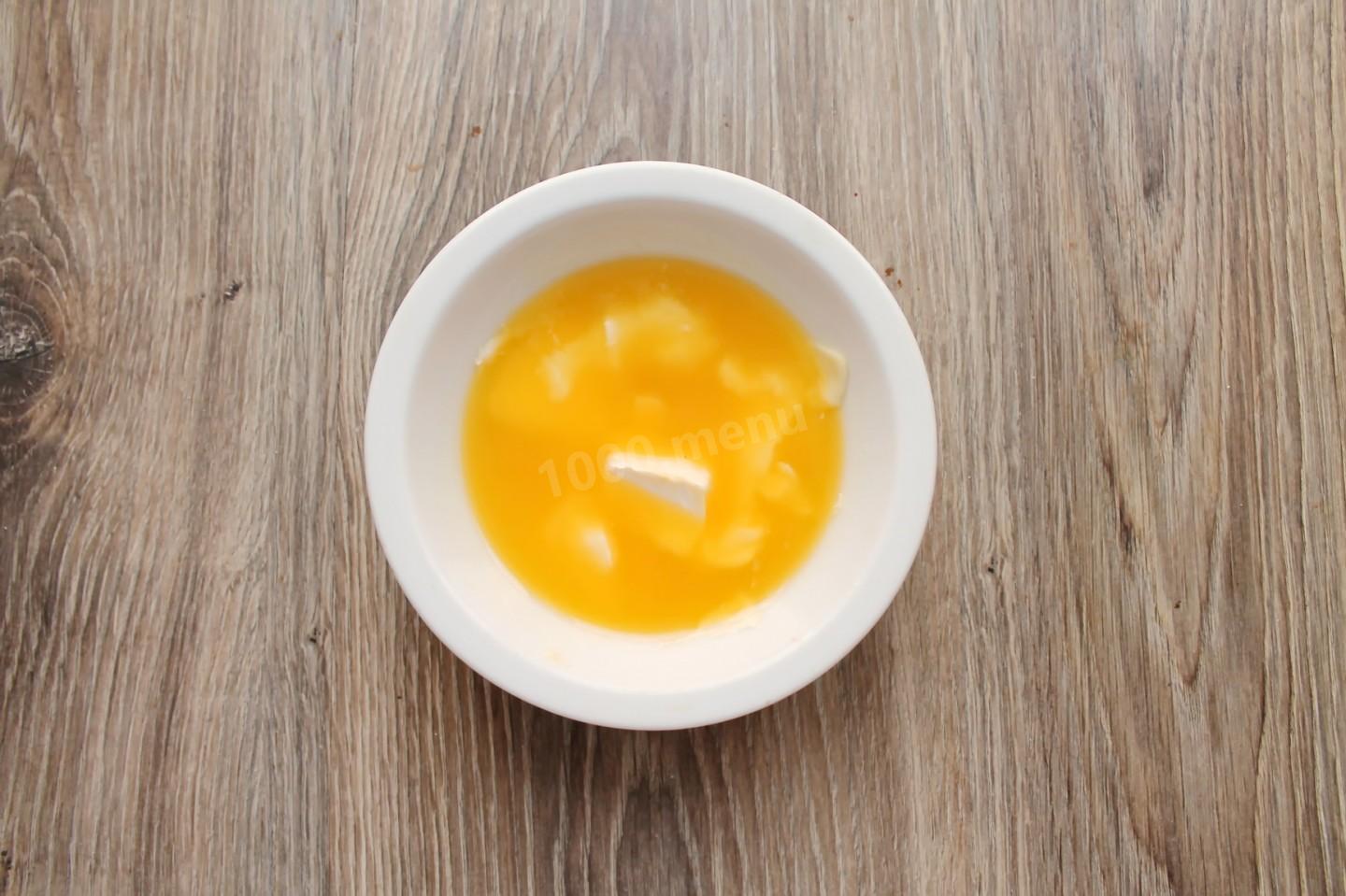
Melt the butter however you like and be sure to cool it to room temperature, or it will scramble the eggs when added. Still beating the egg-and-sour-cream mixture, pour in the melted butter in a thin stream. You can use margarine instead, but the cookies will come out heavier and denser.
-
Step 5:
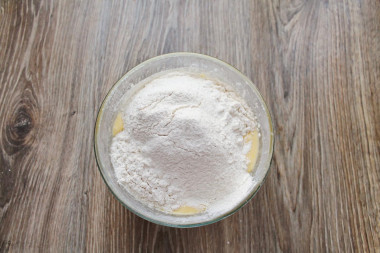
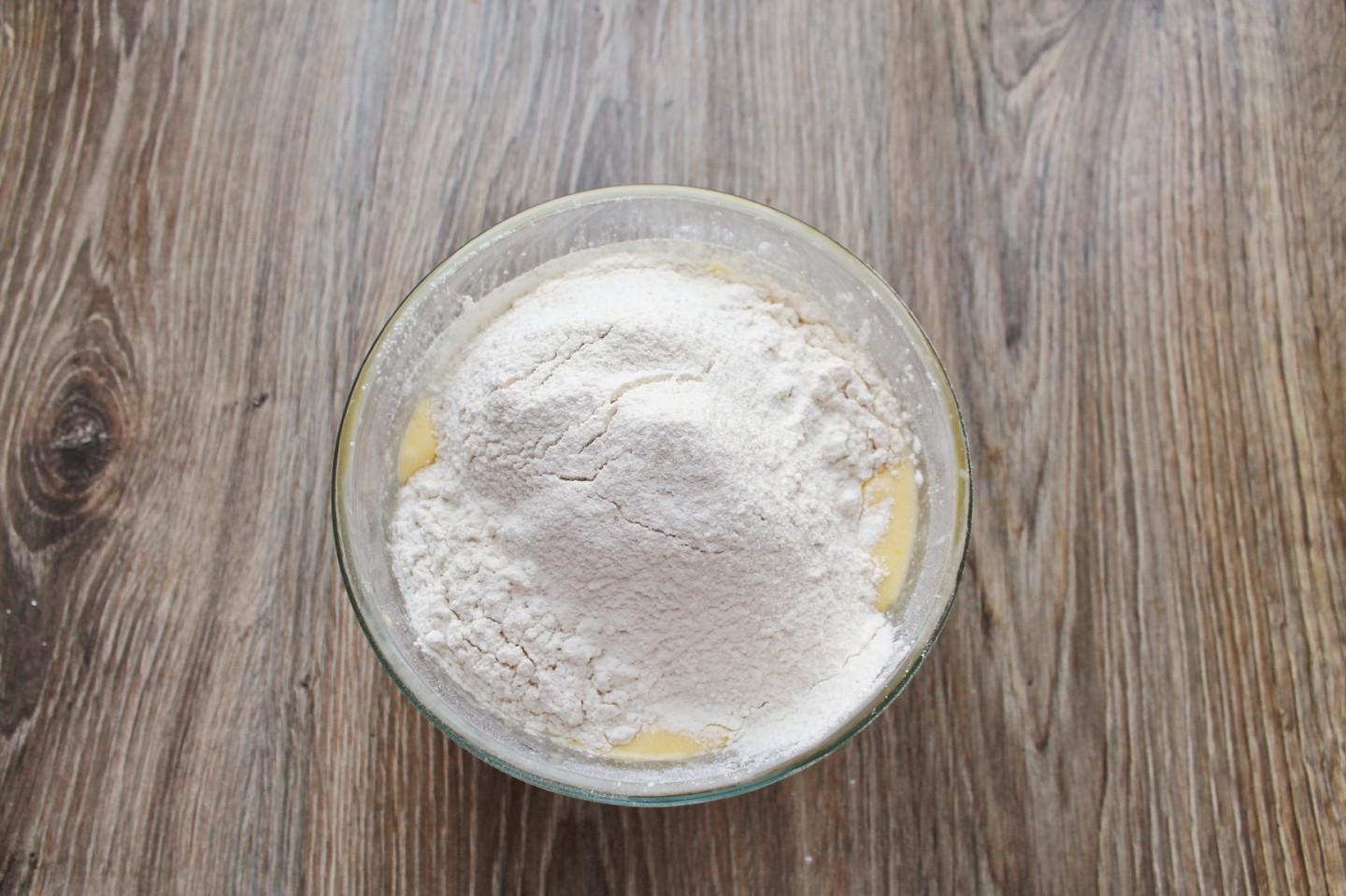
In a bowl, combine the starch, flour, salt, vanilla, and literally one pinch of baking soda. Mix well and sift it through a fine sieve into the bowl with the batter. This aerates the flour and catches any stray bits.
-
Step 6:
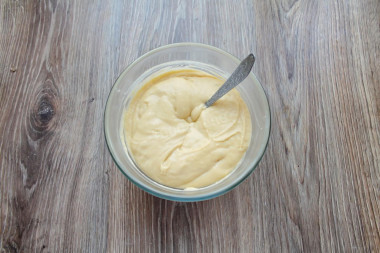
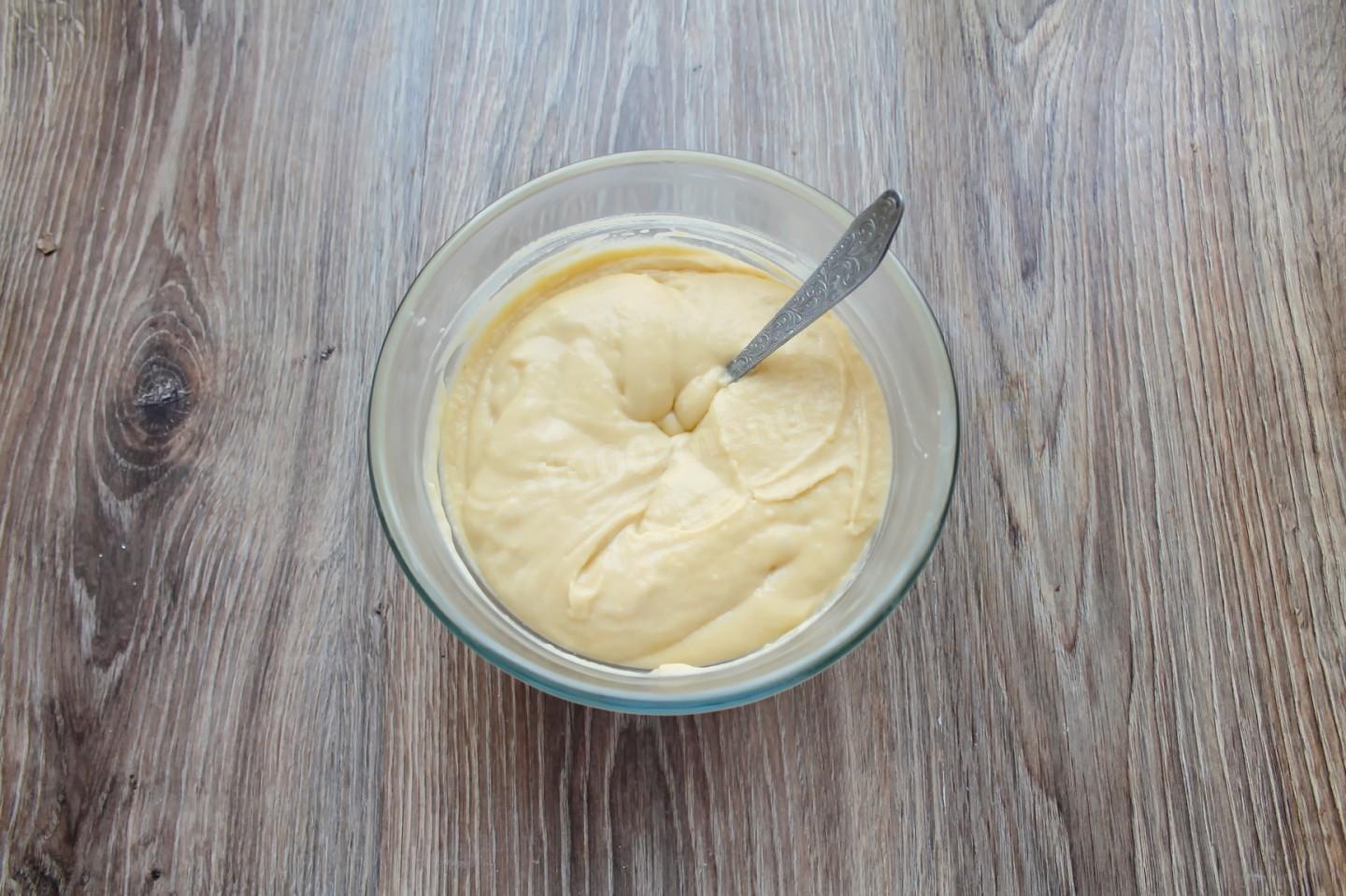
Stir everything into a smooth, lump-free batter. It shouldn't be stiff — aim for about the consistency of thick sour cream. If it turns out too thick, add a little more sour cream and stir again until smooth.
-
Step 7:
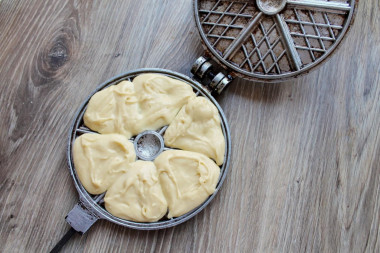
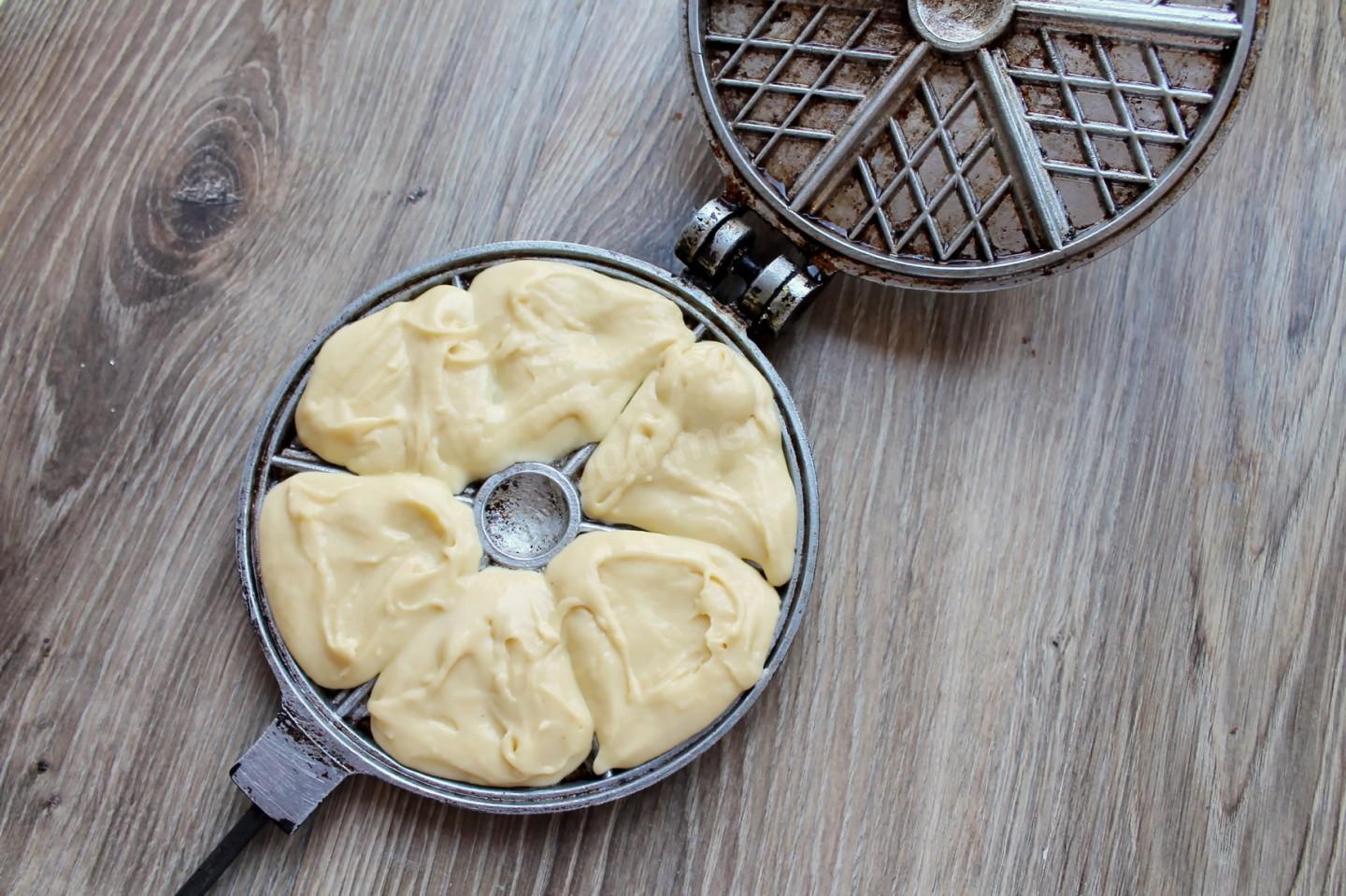
Brush the waffle mold with vegetable oil and set it on the stove over medium heat. Don't add too much oil, or it can drip and catch fire. Heat both sides of the mold. Fill each cavity about 2/3 full so the batter doesn't overflow while it cooks.
-
Step 8:
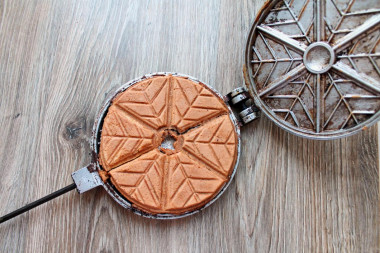
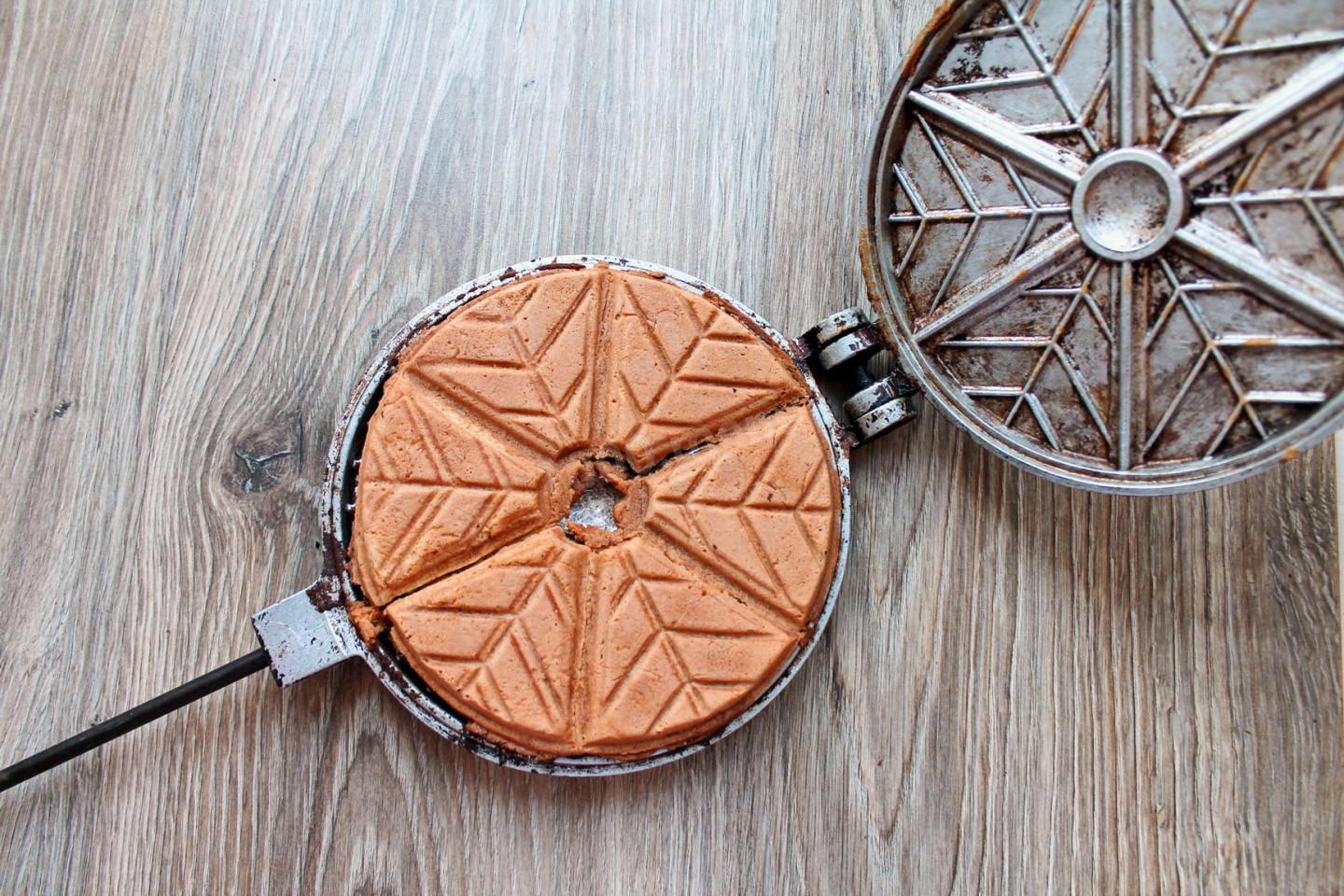
Close the mold and press both halves together by the handles. Cook the cookies over medium heat for just 2–3 minutes per side. They should turn golden and release easily from the mold. Take it off the heat, open it, and lift the cookies onto a plate. Re-oil the mold, reheat it, and keep baking until all the batter is used up. Let the cookies cool and serve. Dust with powdered sugar if you like.
-
Step 9:

Enjoy!
- Always wash your eggs before using them — even a shell that looks clean can carry harmful bacteria. A food-safe wash and a brush work best.
- Be ready to use a little more or a little less flour than the recipe calls for. Go by the desired batter consistency rather than the exact amount. To avoid missteps, read up on flour and how it behaves!
- You can melt the butter in the microwave on the right setting (check your appliance's manual) or in a water bath. To melt it in a water bath, you'll need two pots of different sizes. Fill the larger one with water and set it on the stove. Rest the smaller one on top so it sits about halfway into the water. Add the cut-up butter to it. The boiling water will start to melt the butter — stir gently to speed things along. Once the pieces have fully melted, take the pot off the heat.
Caloric content of the products possible in the composition of the dish
- Sour cream of 30% fat content - 340 kcal/100g
- Sour cream of 25% fat content - 284 kcal/100g
- Sour cream with 20% fat content - 210 kcal/100g
- Sour cream of 10% fat content - 115 kcal/100g
- Sour cream - 210 kcal/100g
- Chicken egg - 157 kcal/100g
- Egg white - 45 kcal/100g
- Egg powder - 542 kcal/100g
- Egg yolk - 352 kcal/100g
- Ostrich egg - 118 kcal/100g
- Whole durum wheat flour fortified - 333 kcal/100g
- Whole durum wheat flour, universal - 364 kcal/100g
- Flour krupchatka - 348 kcal/100g
- Flour - 325 kcal/100g
- Granulated sugar - 398 kcal/100g
- Sugar - 398 kcal/100g
- Starch - 320 kcal/100g
- Butter 82% - 734 kcal/100g
- Amateur unsalted butter - 709 kcal/100g
- Unsalted peasant butter - 661 kcal/100g
- Peasant salted butter - 652 kcal/100g
- Melted butter - 869 kcal/100g
- Salt - 0 kcal/100g
- Vanillin - 288 kcal/100g
- Baking soda - 0 kcal/100g