Beef Braised in Milk
So tasty, so juicy, and so quick and easy! Beef braised in milk is a delicious family dinner made from simple ingredients. It's a versatile recipe that works with any cut of beef — really, any meat at all — and pairs with absolutely any side, from grains to stewed vegetables.



Cooking method
-
Step 1:
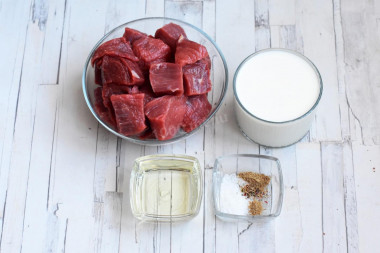
How do you make beef braised in milk in a skillet? It's very simple! Start by gathering the ingredients from the list. For juicier meat, it's best to use tender cuts of fresh beef or veal. Besides salt and pepper, you can add your own spices to taste — I added a little khmeli-suneli (a Georgian herb blend). Use any vegetable oil; I used sunflower.
-
Step 2:
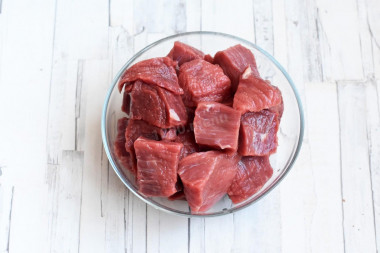
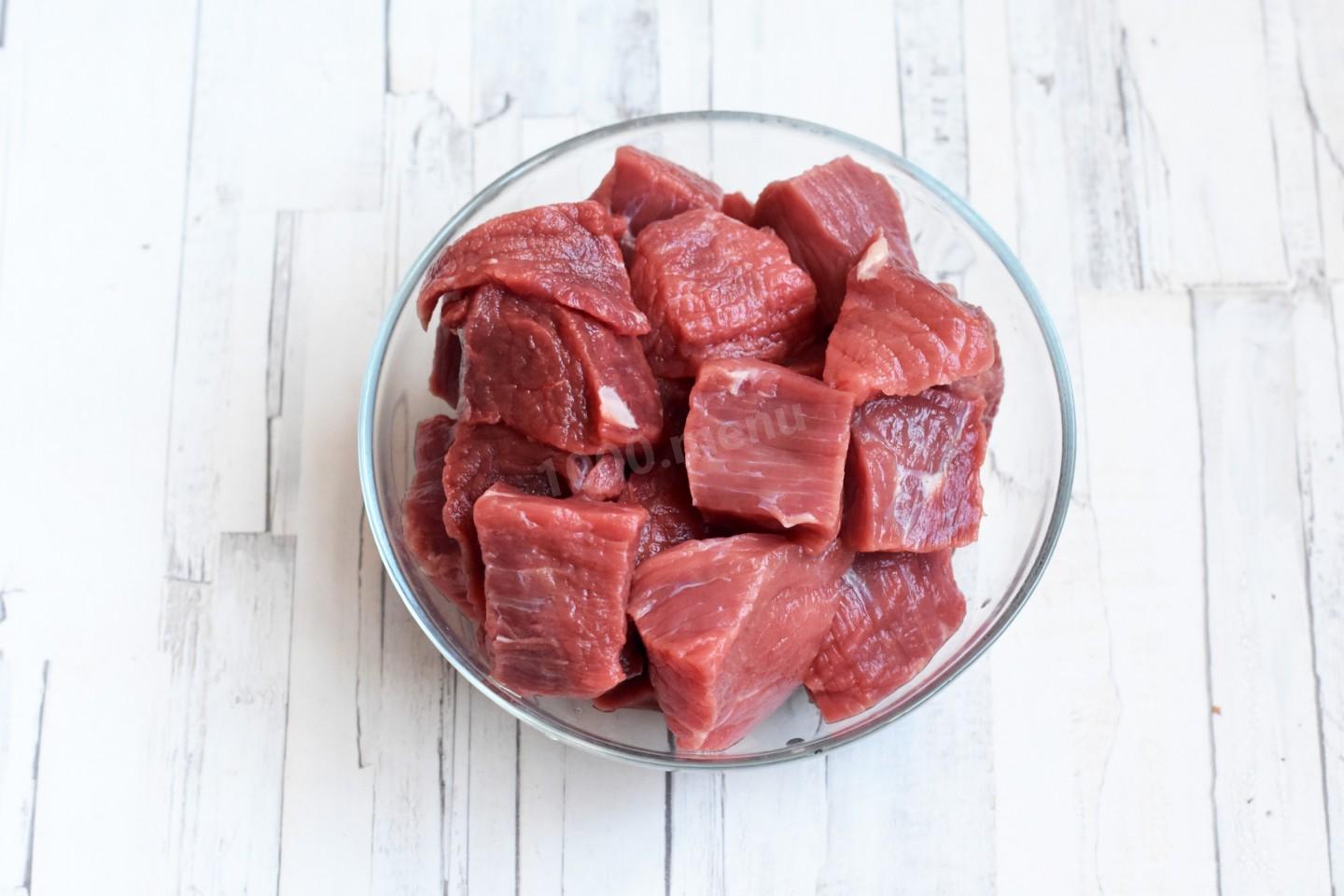
Rinse the beef. Be sure to pat it dry with a paper towel — excess moisture will keep it from browning and make it steam instead. Cut it into medium pieces. If you're using frozen meat, thaw it properly first on the bottom shelf of the refrigerator. I already had cut-up beef stew meat. Any tender cut without tough sinew works too.
-
Step 3:
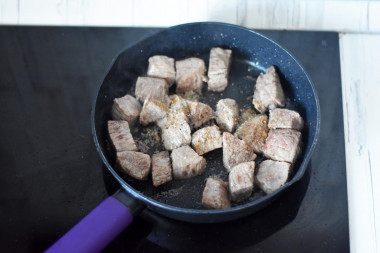
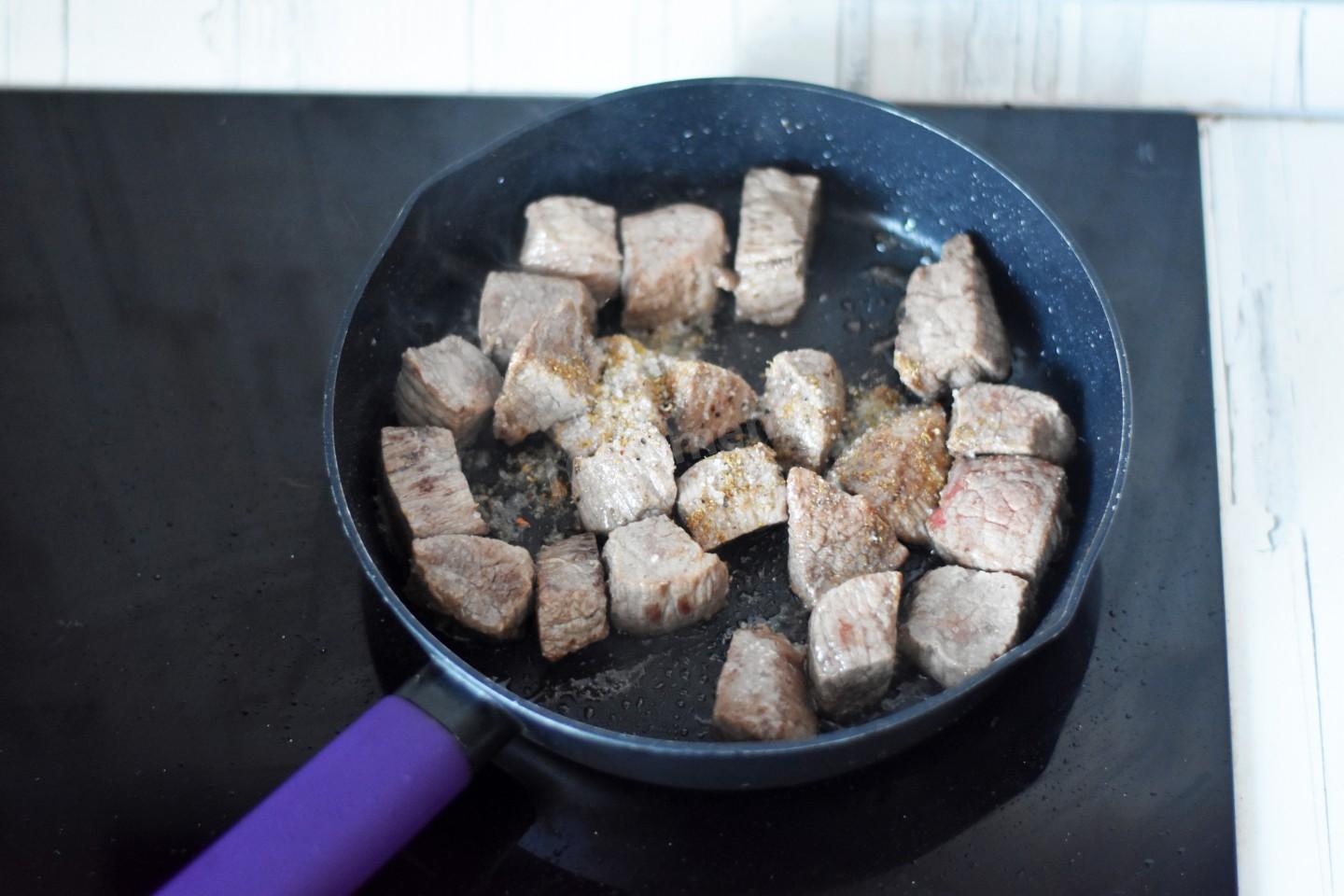
Heat the vegetable oil in a skillet over high heat. Add the beef and fry, stirring, until golden brown. At the end, sprinkle the beef with the spices and stir.
-
Step 4:
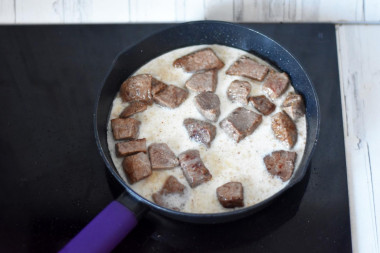
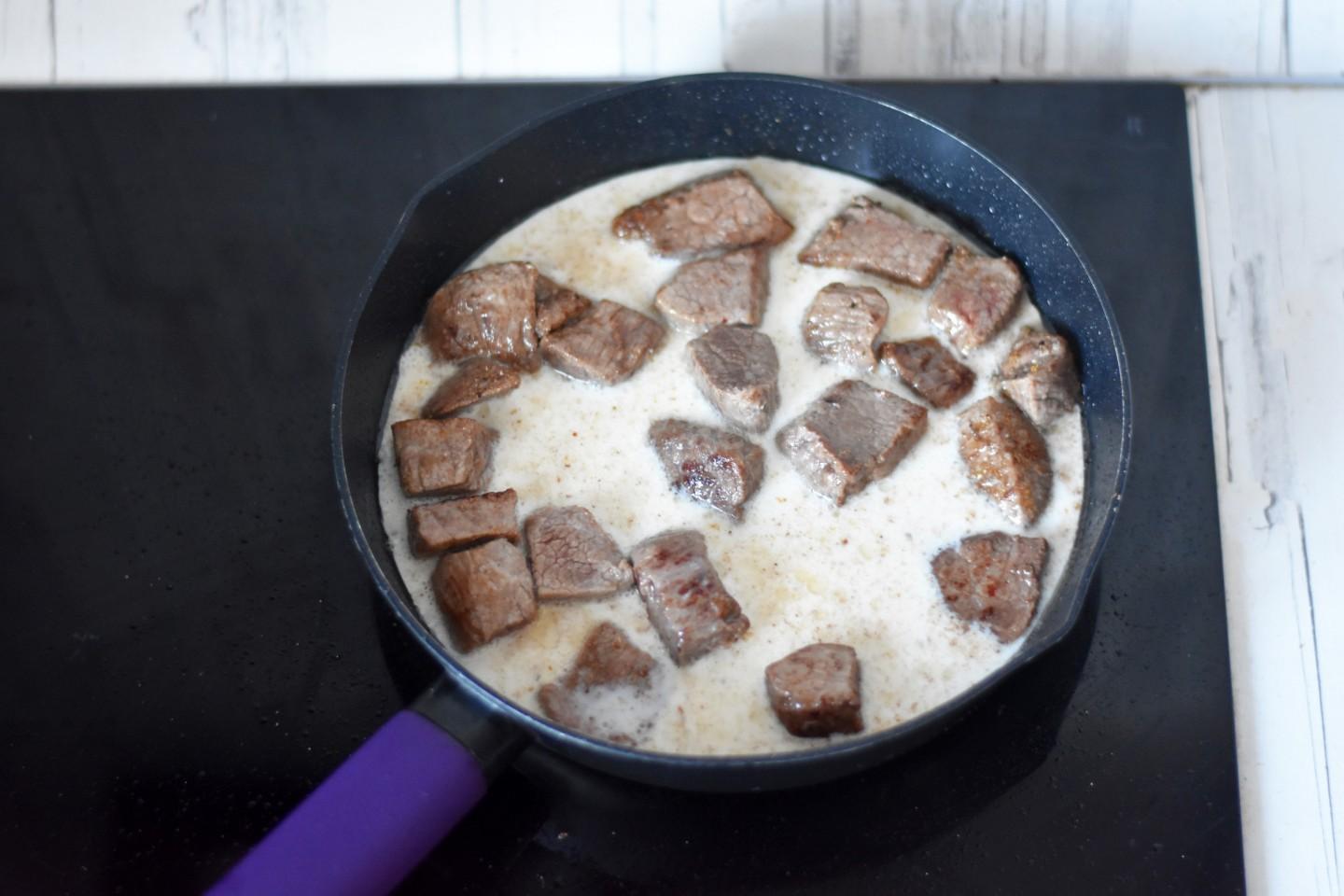
Pour the milk into the skillet. The fat content of the milk doesn't matter. You can substitute light cream (10%), but keep in mind that it will change the calorie count of the dish.
-
Step 5:
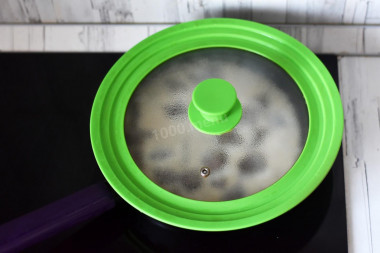
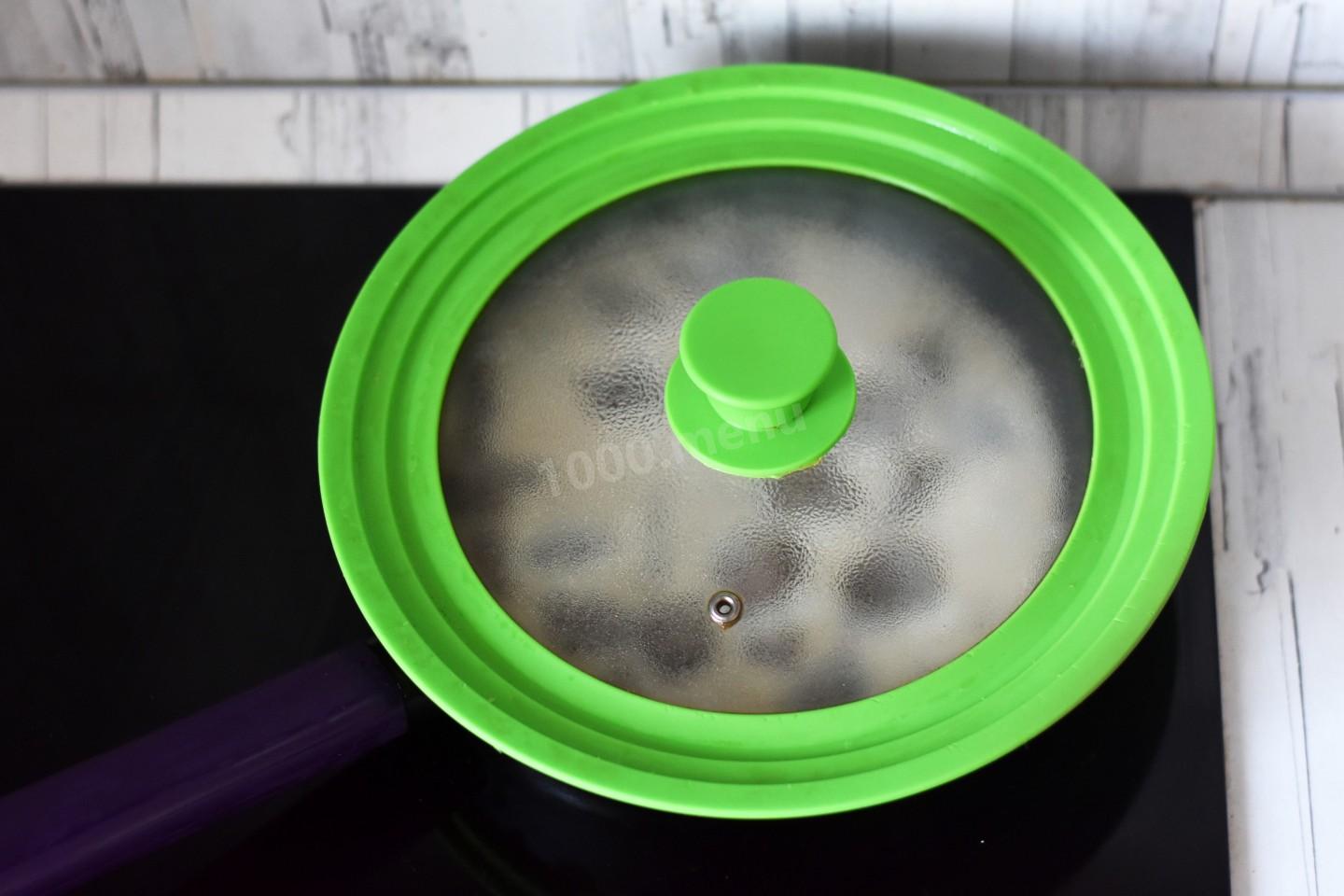
Bring to a boil and simmer over low heat, covered, for about 50 minutes, until the meat is tender. The exact time depends on the size of the pieces and the cut you chose. Extend the braising time if needed.
-
Step 6:
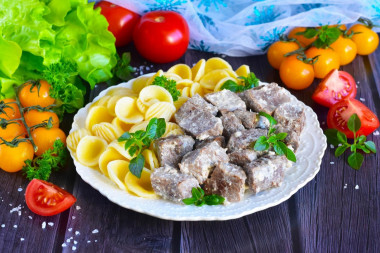
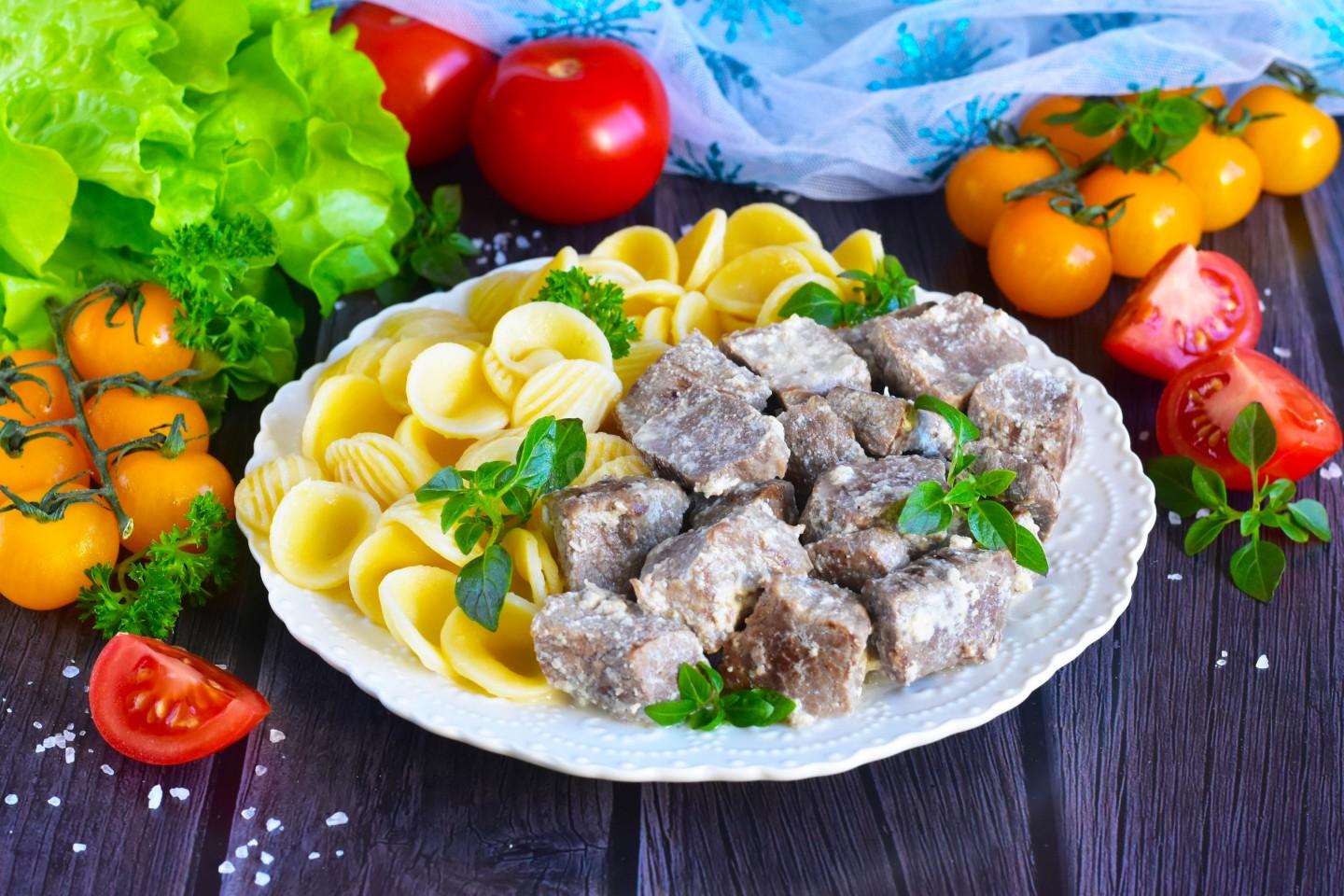
Sprinkle the beef in milk with fresh herbs and serve with any side dish. I served it with pasta. Enjoy!

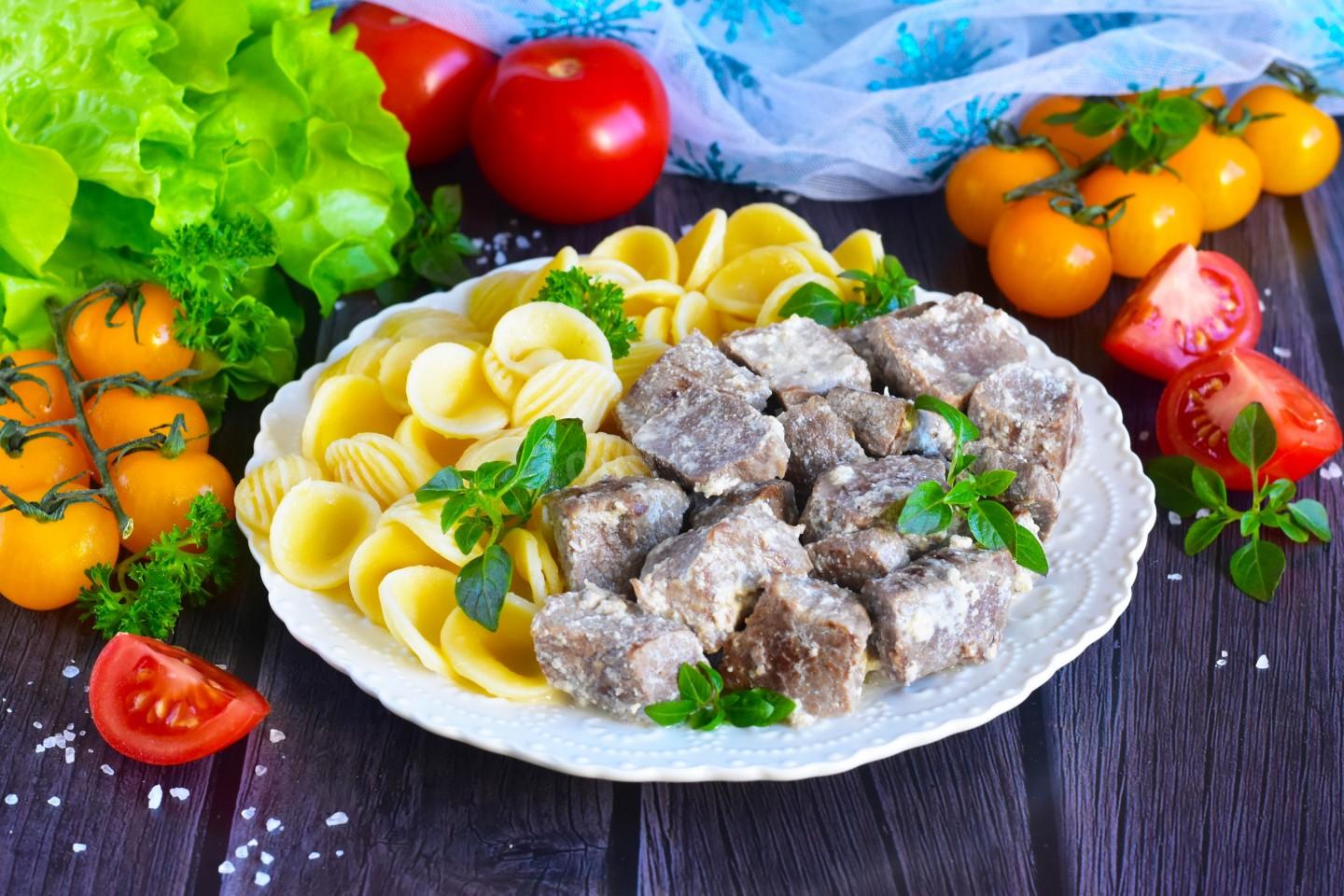
- You can swap the beef for any other type of meat you prefer. Just keep in mind that the cooking time, flavor, and calorie count will change. Pork and lamb are usually fattier than beef, while chicken breast or turkey are leaner. And cooking time depends not only on the type of meat but also on which cut you use and how old or young the meat is.
- Keep in mind that properly thawing your ingredients has a lot to do with the quality and flavor of the finished dish. To avoid mistakes and pick the best method, read the article on defrosting.
- Since everyone's tolerance for salty, sweet, bitter, sharp, sour, and spicy flavors is different, always add spices and seasonings to your own taste! If you're using a seasoning for the first time, keep in mind that some are especially easy to overdo (chili pepper, for example).
Caloric content of the products possible in the composition of the dish
- Melted beef fat - 871 kcal/100g
- Fat beef - 171 kcal/100g
- Lean beef - 158 kcal/100g
- Beef brisket - 217 kcal/100g
- Beef - okovalok - 380 kcal/100g
- Beef - lean roast - 200 kcal/100g
- Beef shoulder - 137 kcal/100g
- Beef - ribs - 233 kcal/100g
- Beef - ham - 104 kcal/100g
- Beef - tail - 184 kcal/100g
- Boiled ham - 269 kcal/100g
- Beef corned beef - 216 kcal/100g
- Whole cow's milk - 68 kcal/100g
- Milk 3.5% fat content - 64 kcal/100g
- Milk 3.2% fat content - 60 kcal/100g
- Milk 1.5% fat content - 47 kcal/100g
- Concentrated milk 7.5% fat content - 140 kcal/100g
- Milk 2.5% fat content - 54 kcal/100g
- Ground black pepper - 255 kcal/100g
- Parsley greens - 45 kcal/100g
- Vegetable oil - 873 kcal/100g
- Salt - 0 kcal/100g